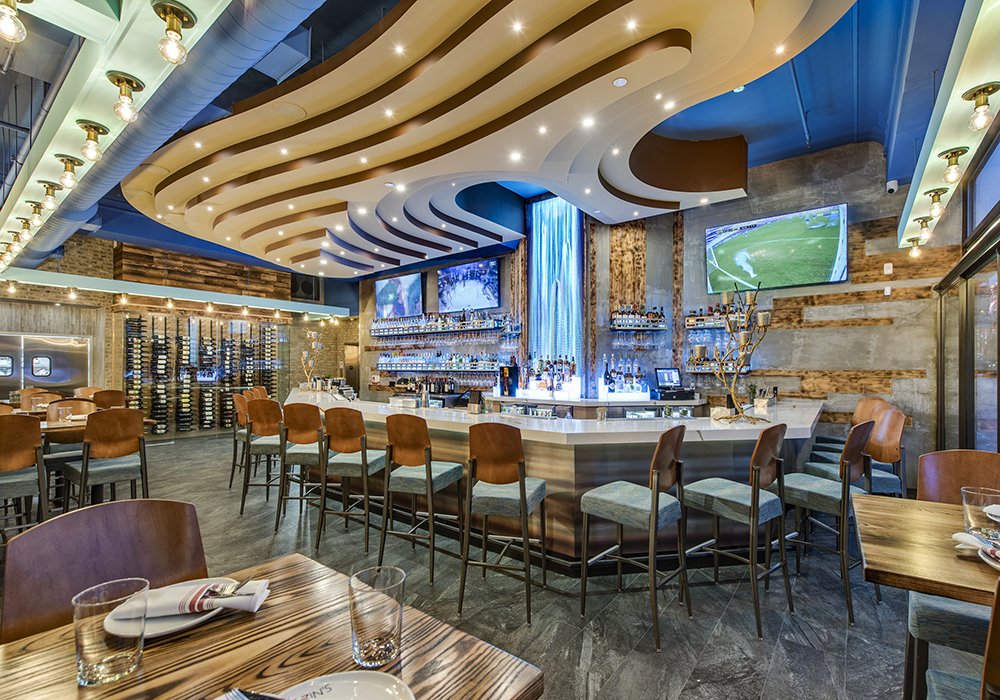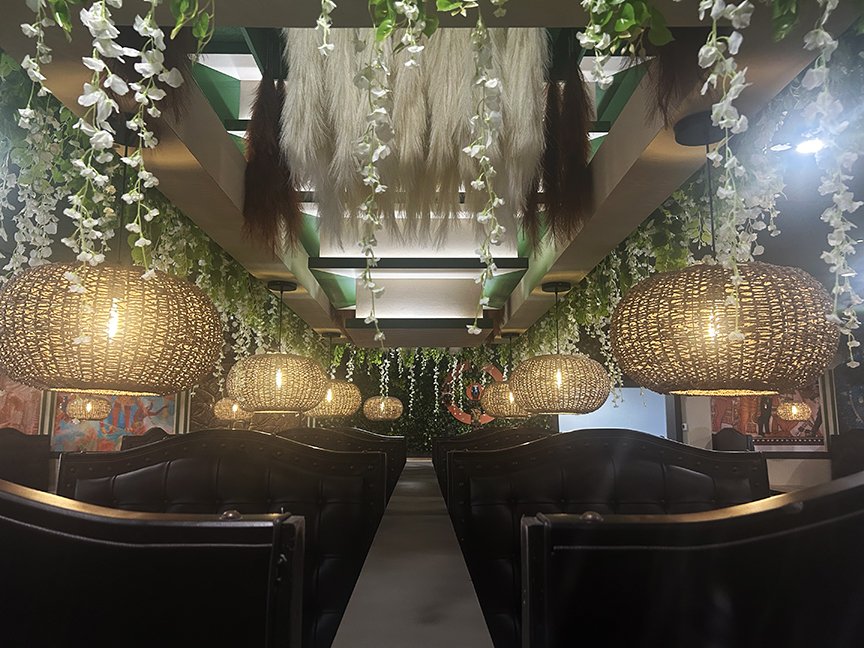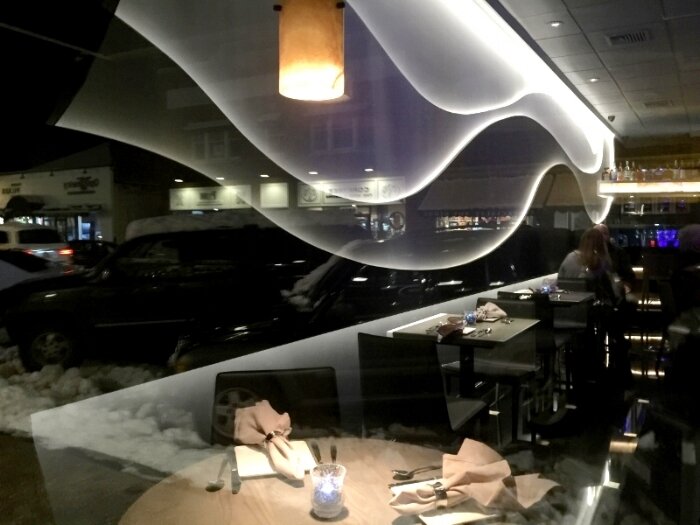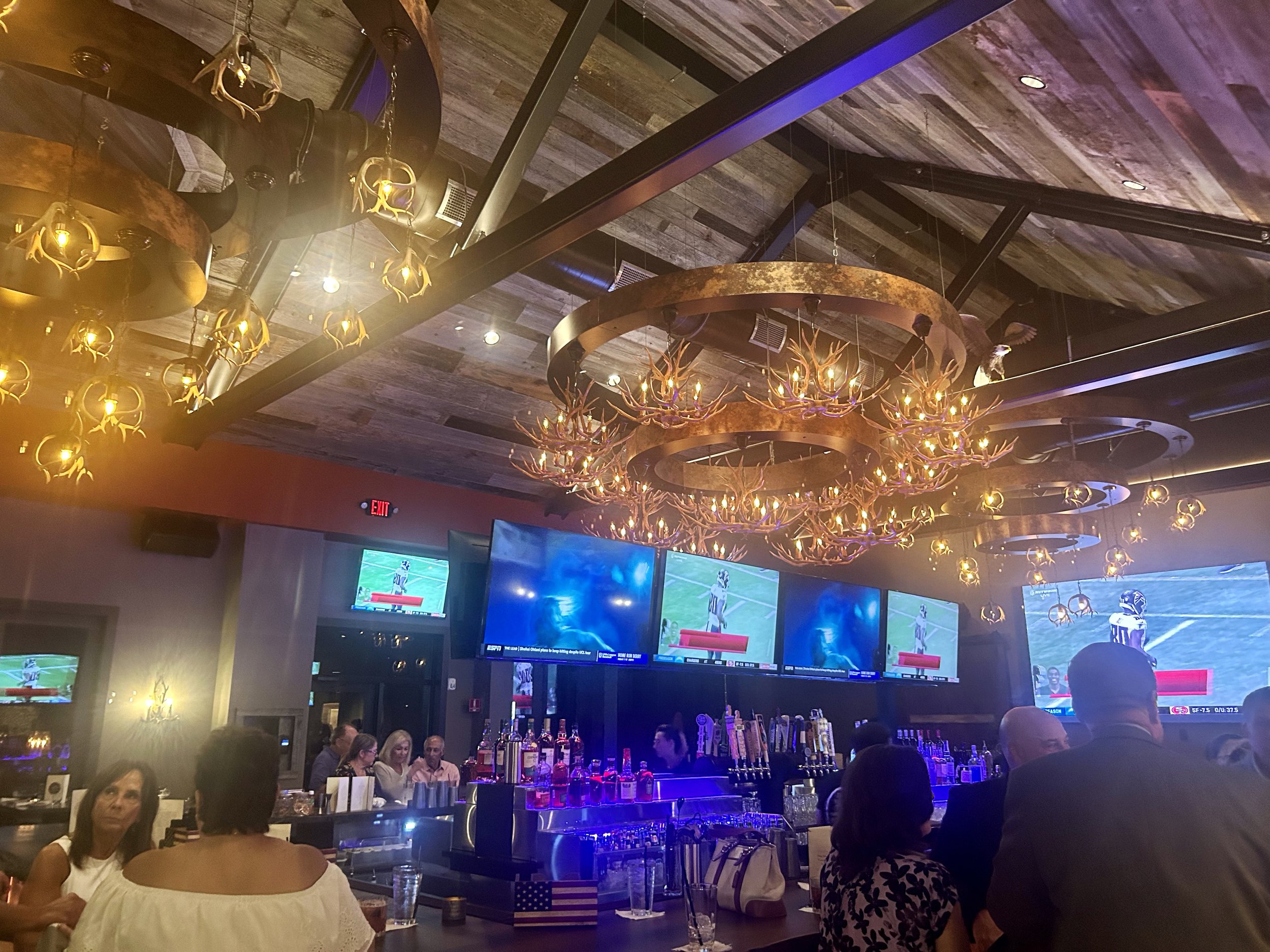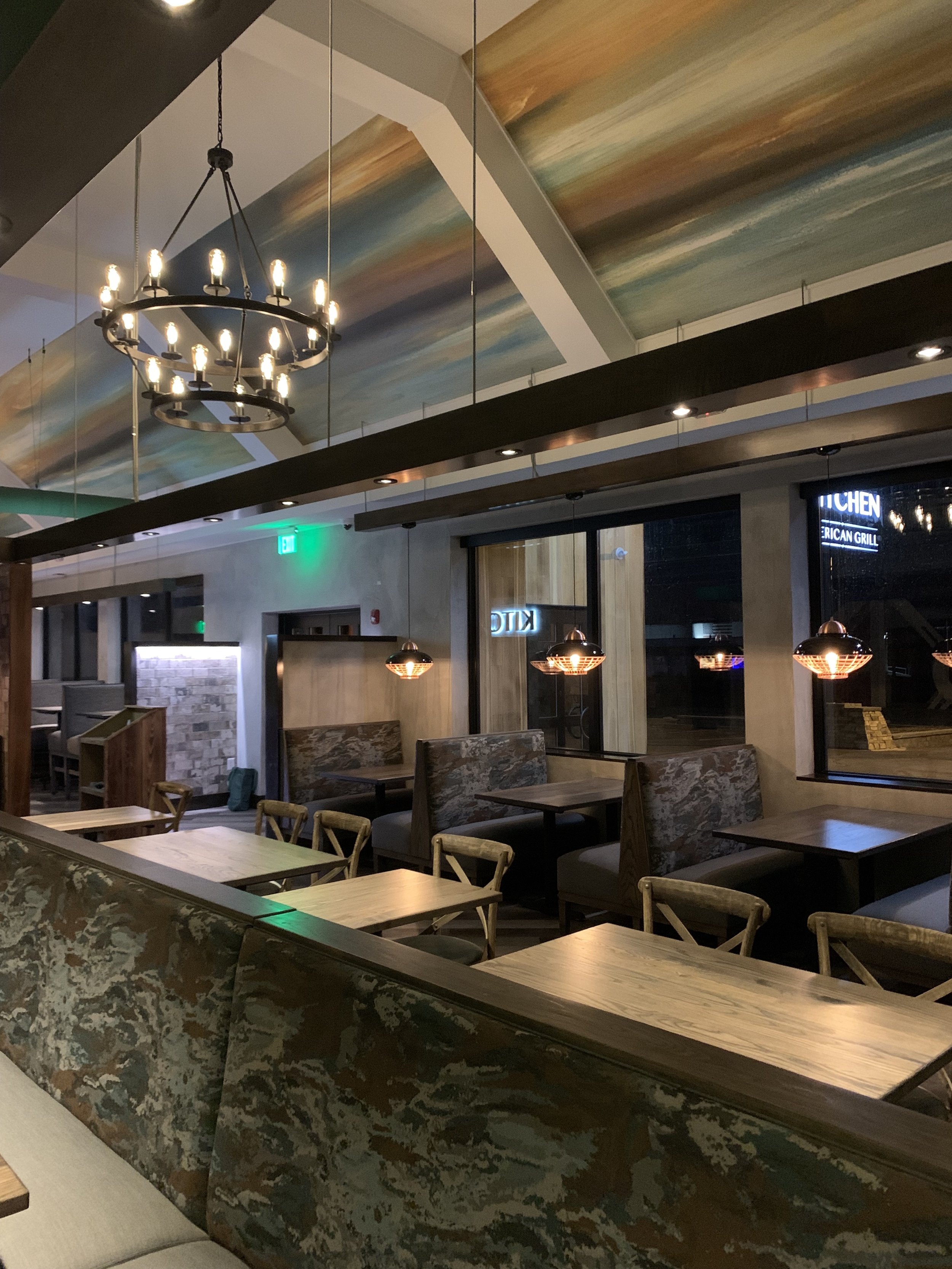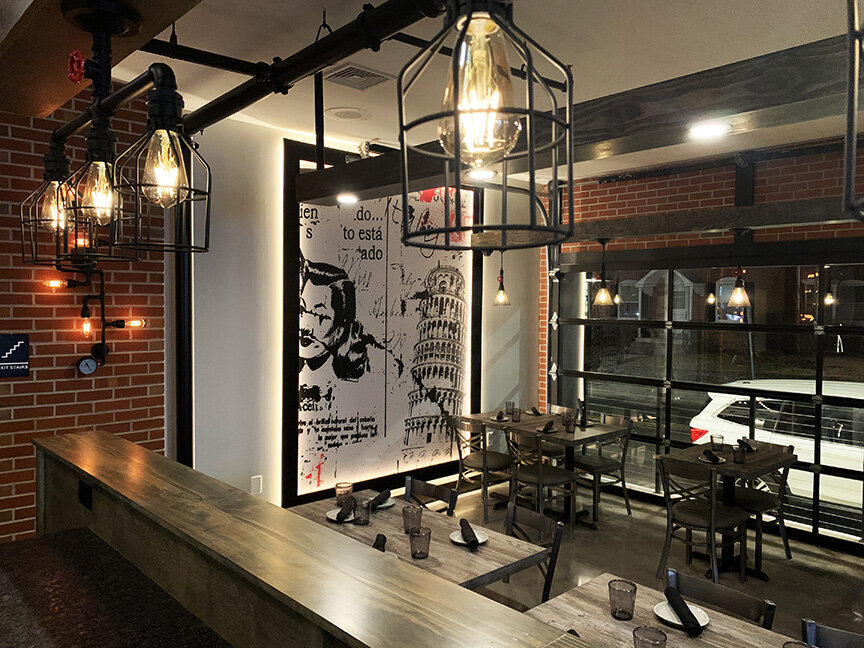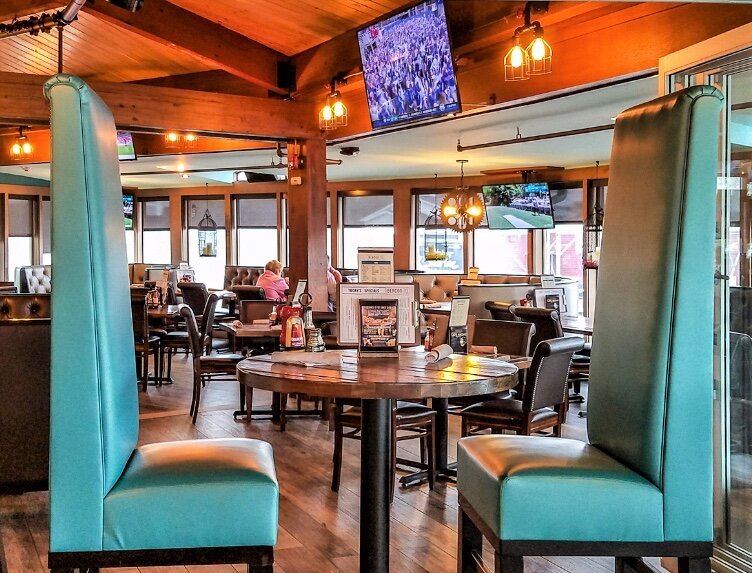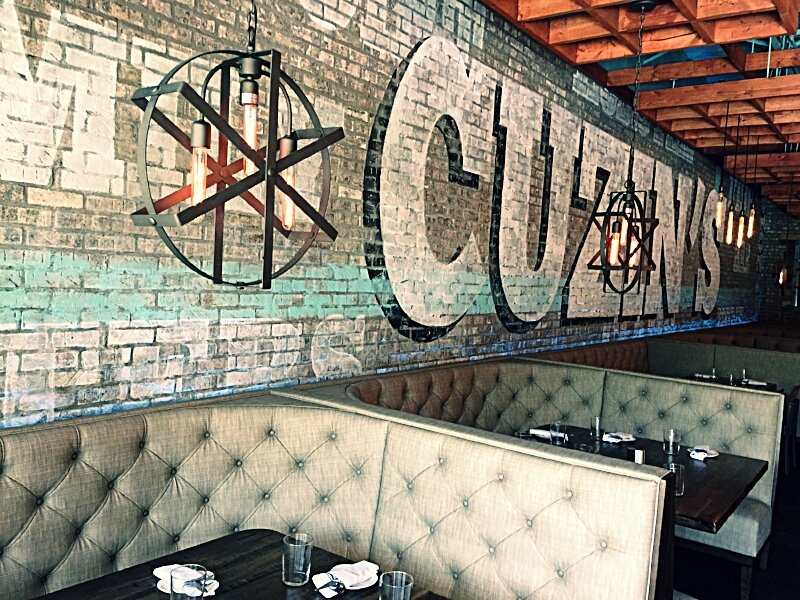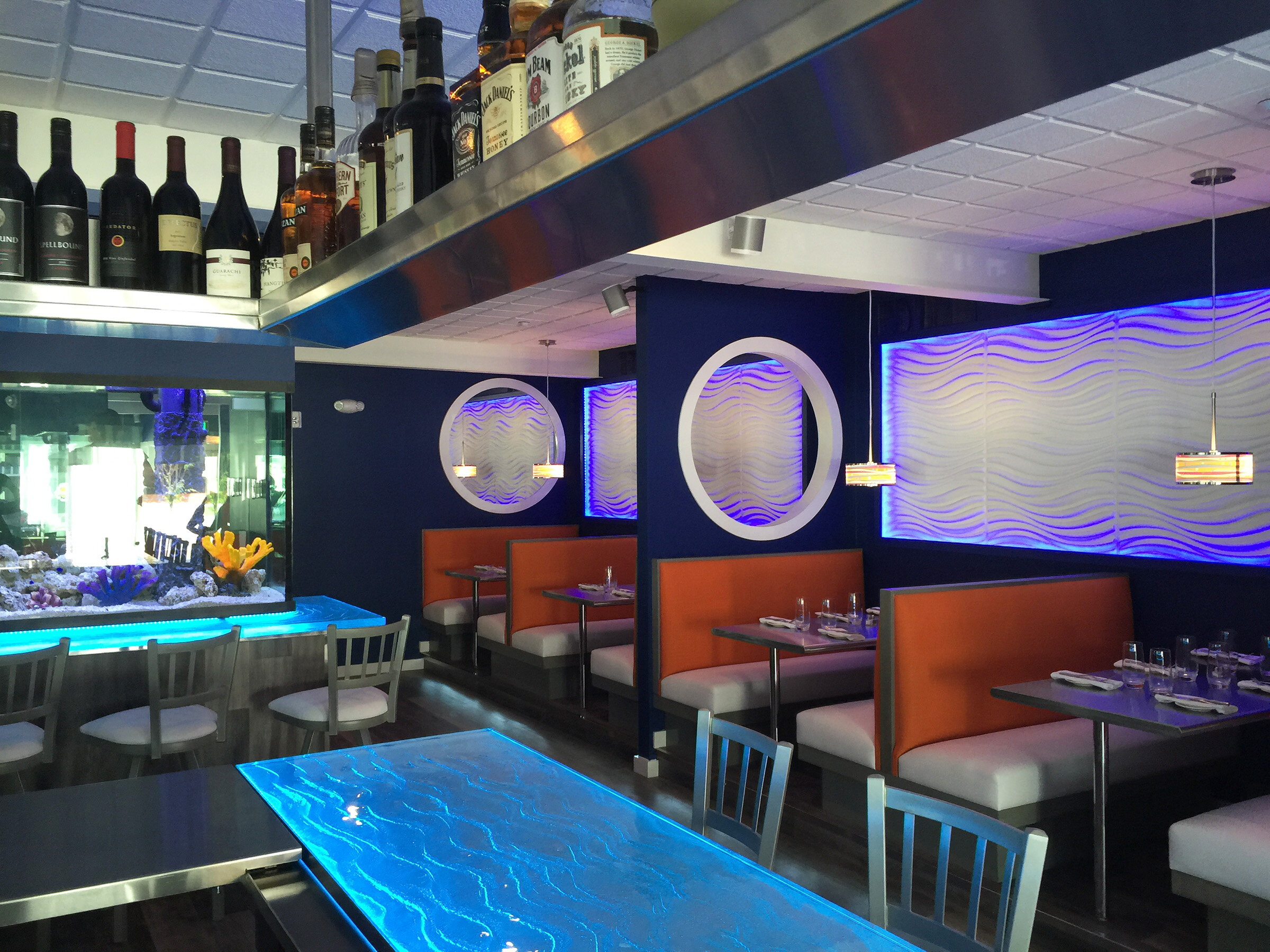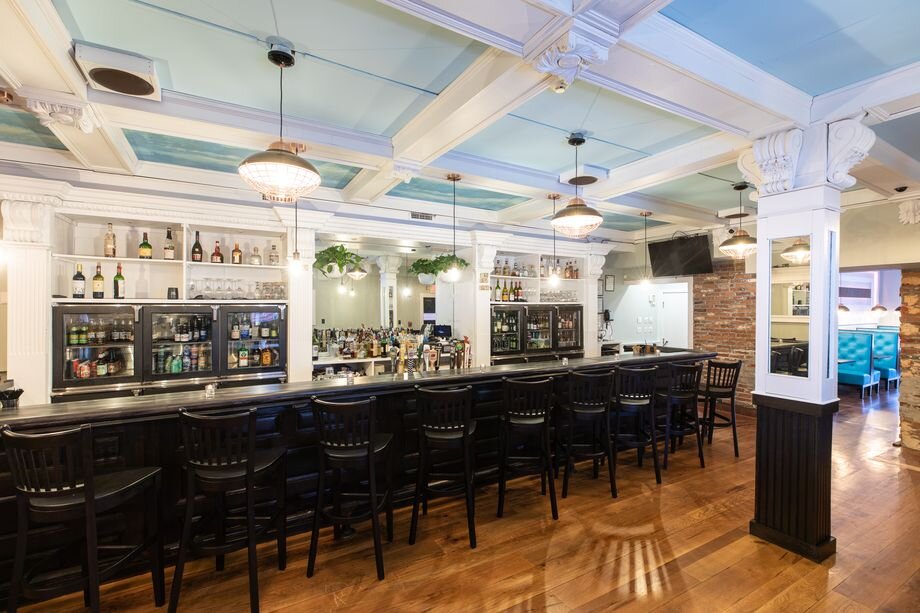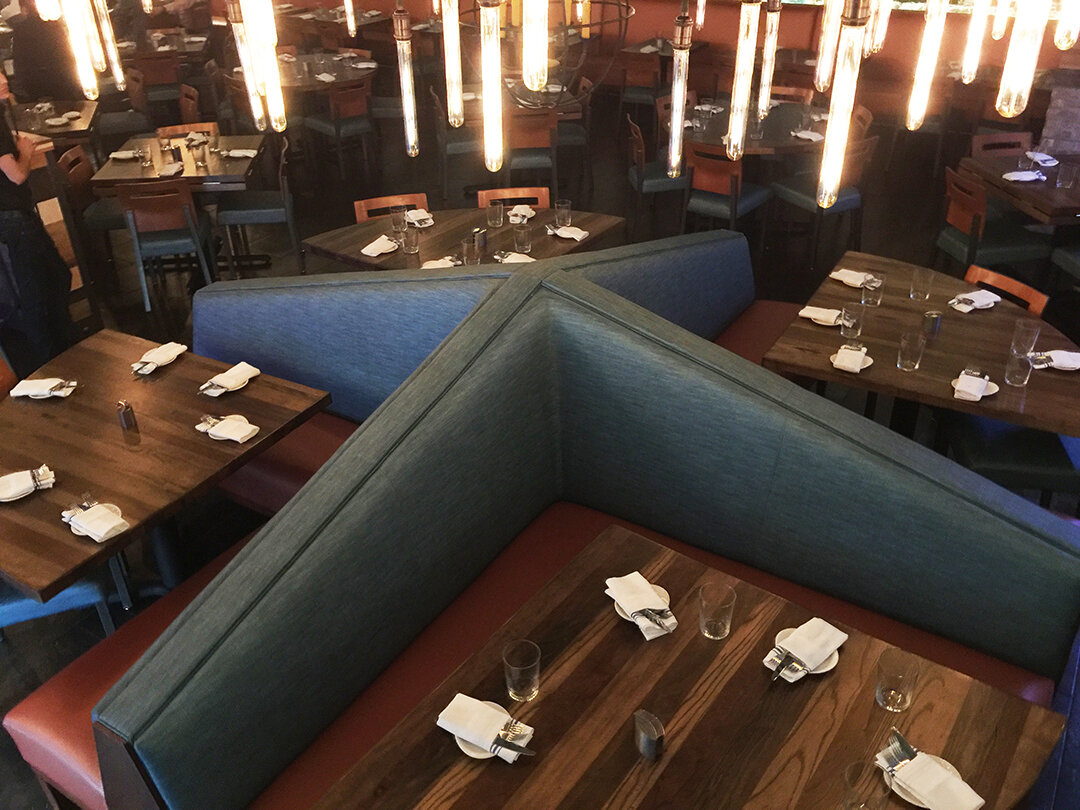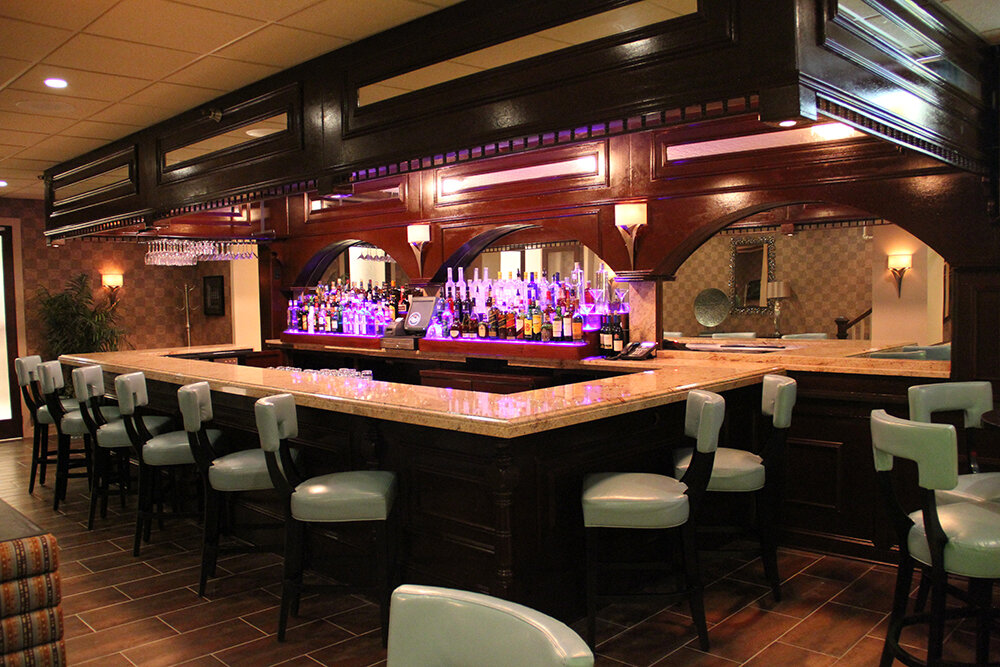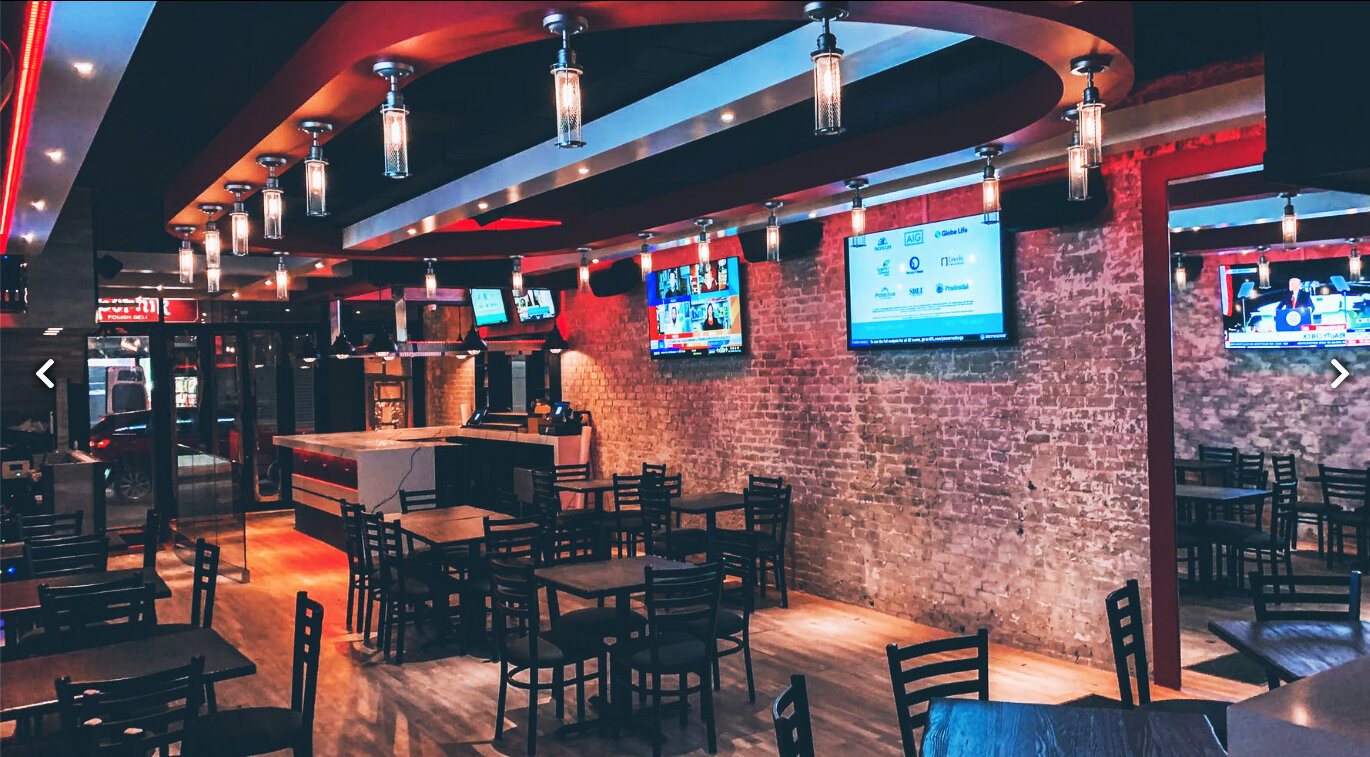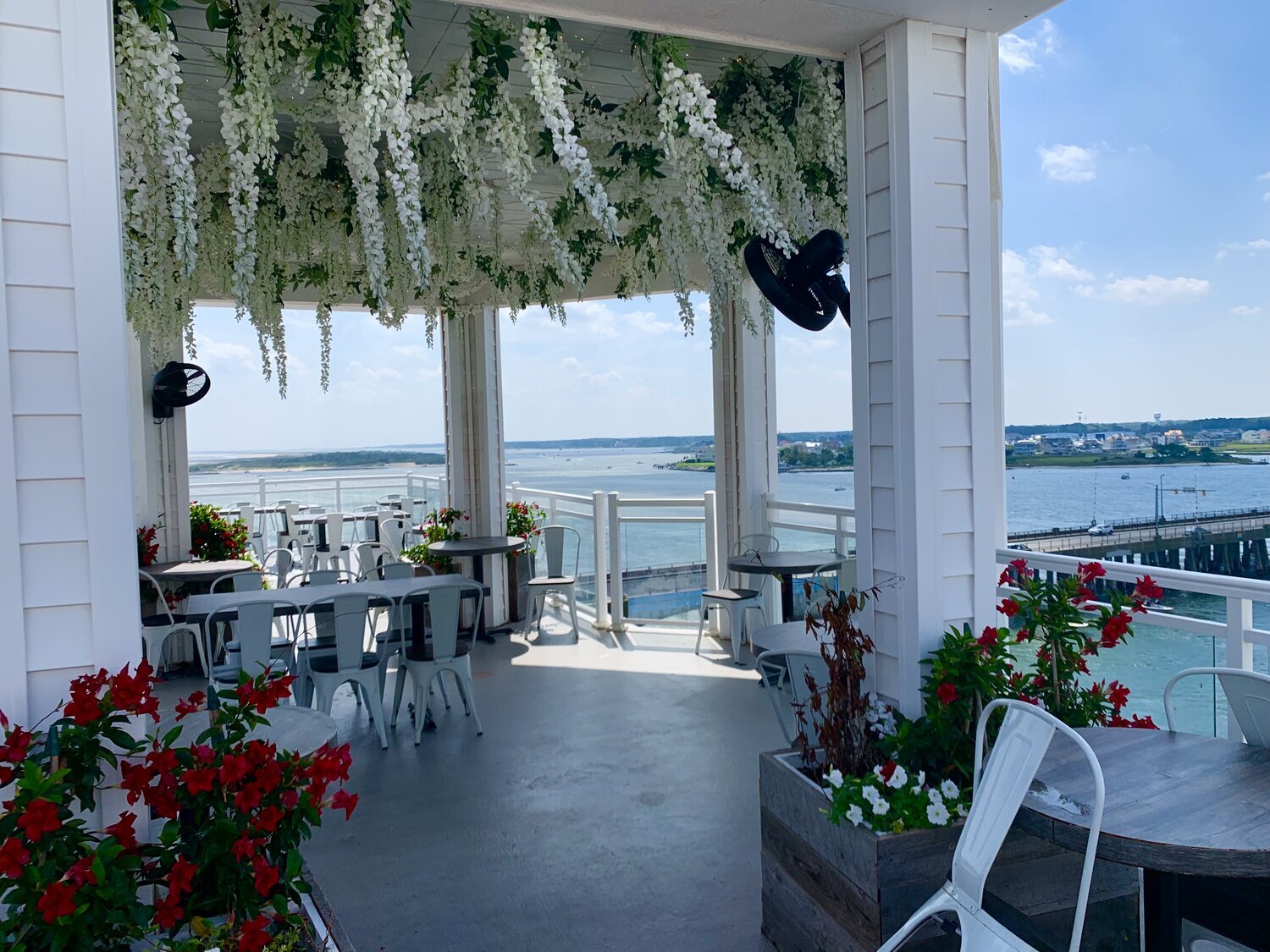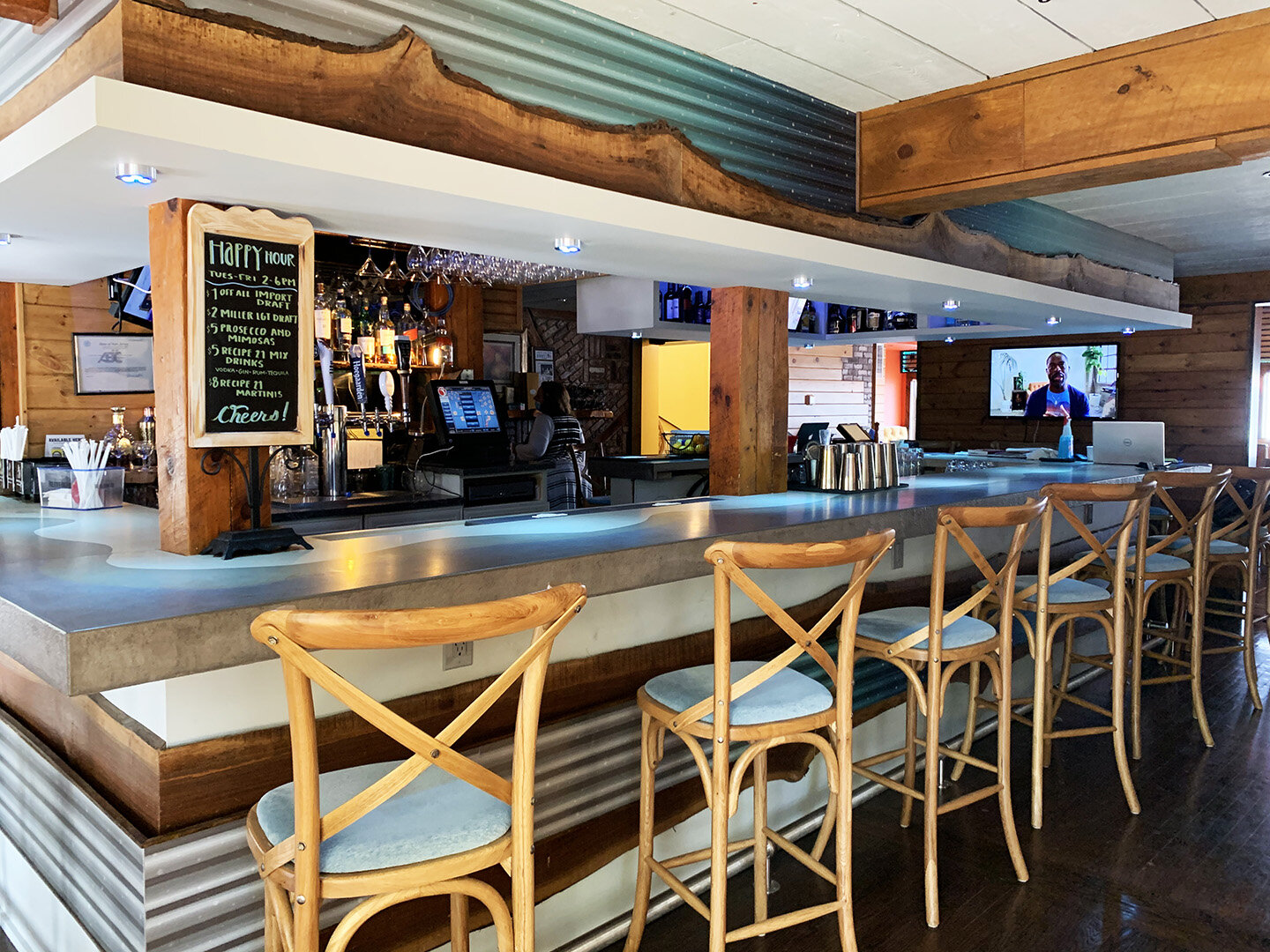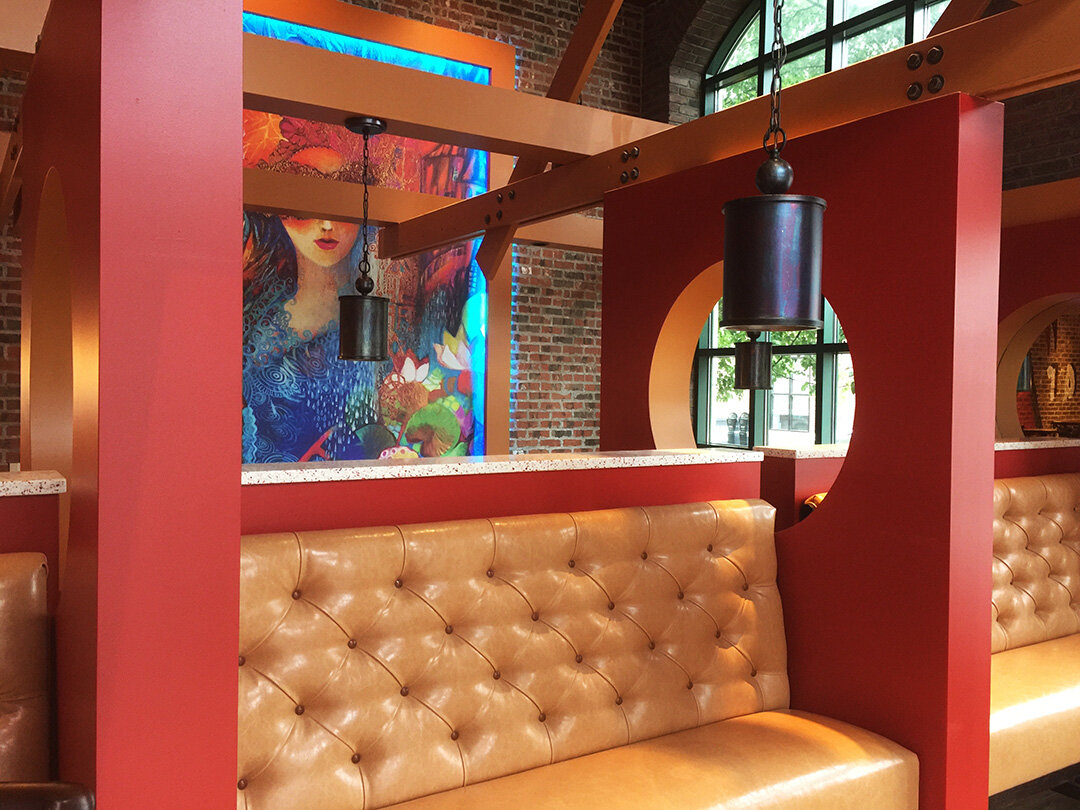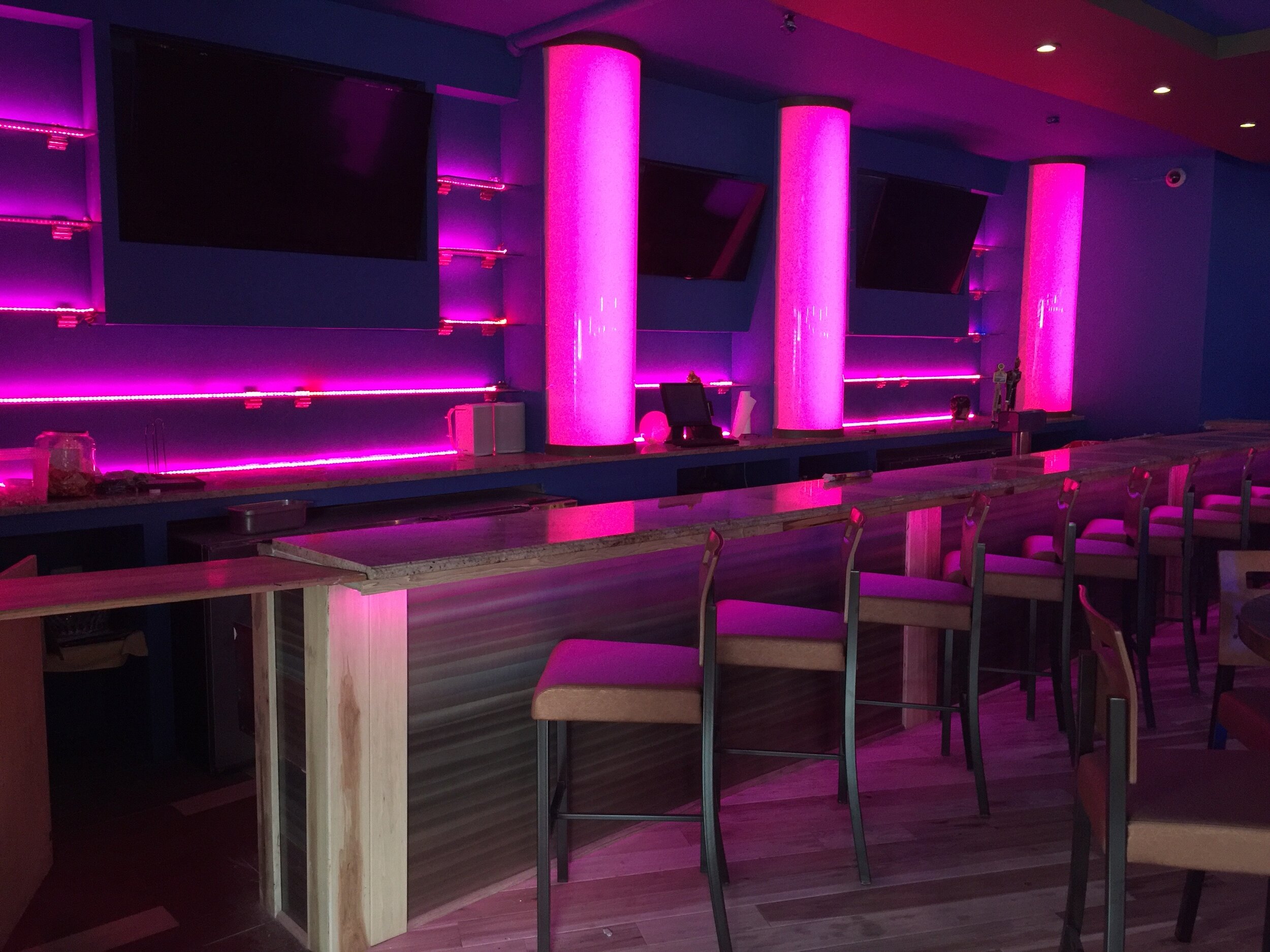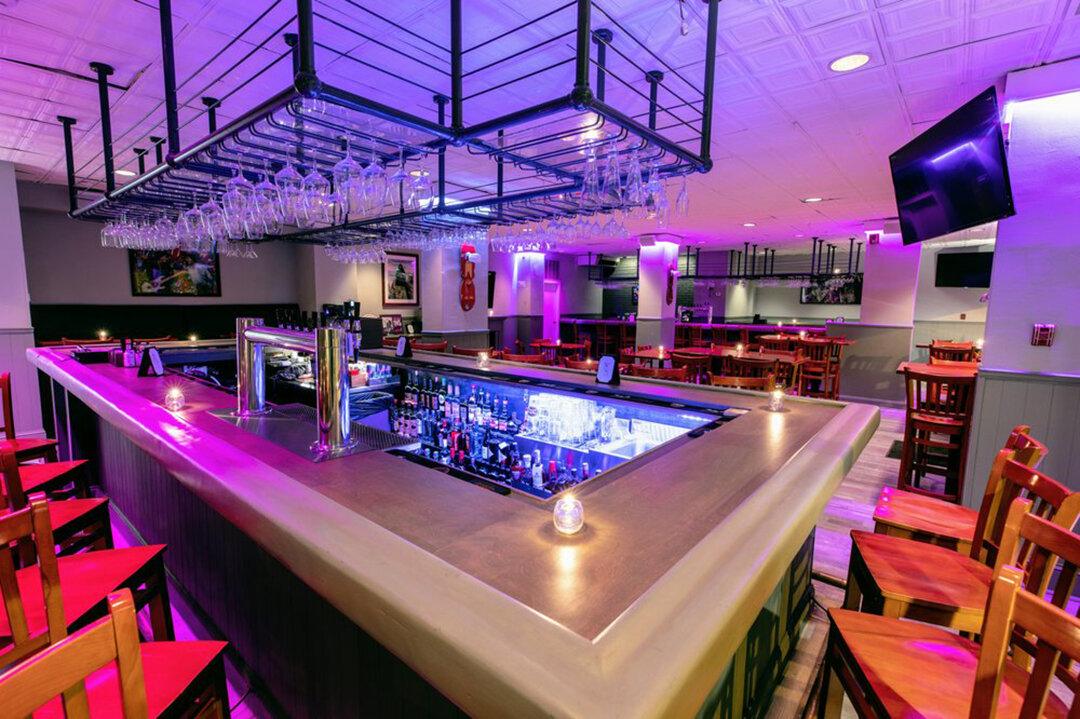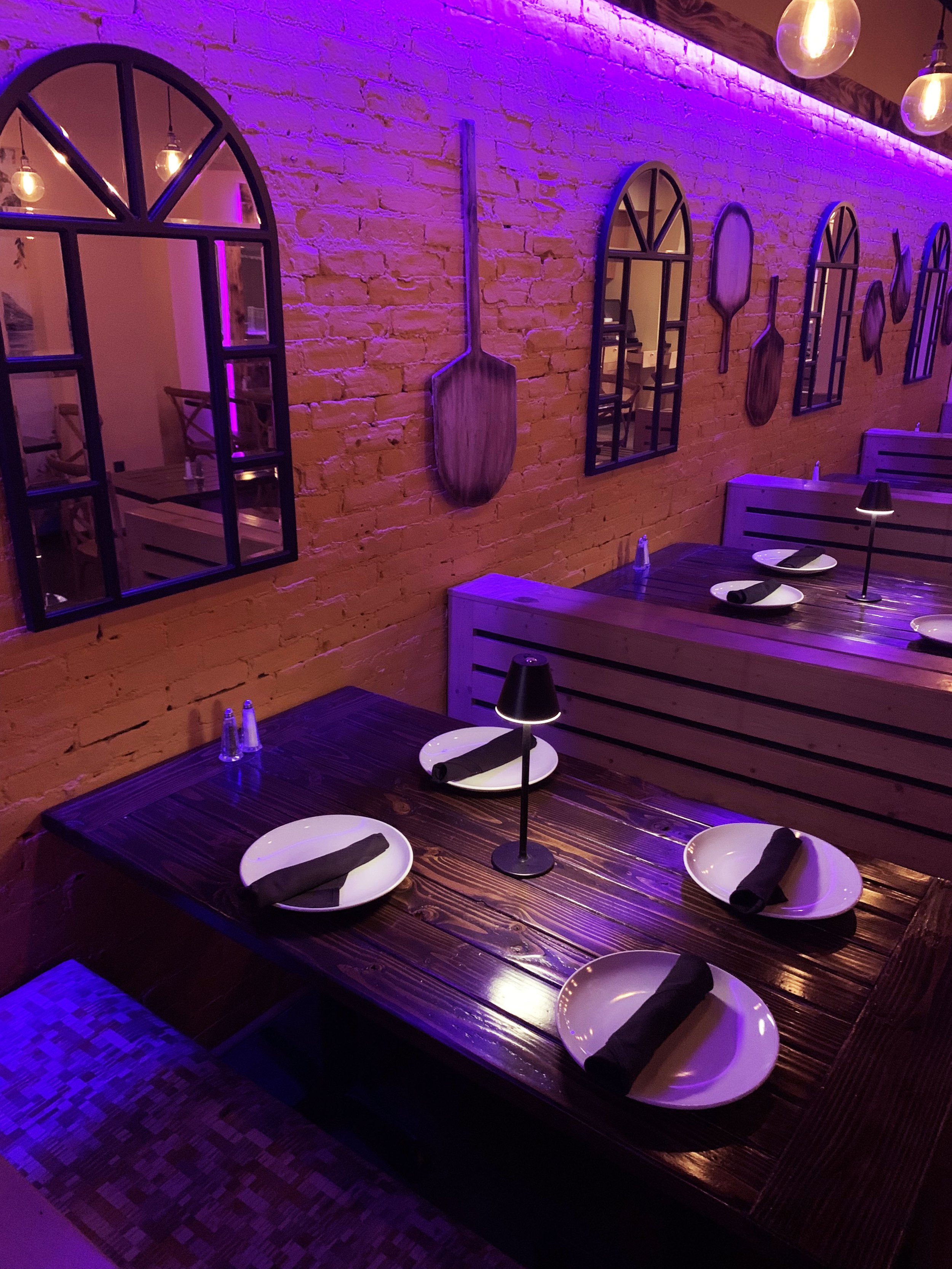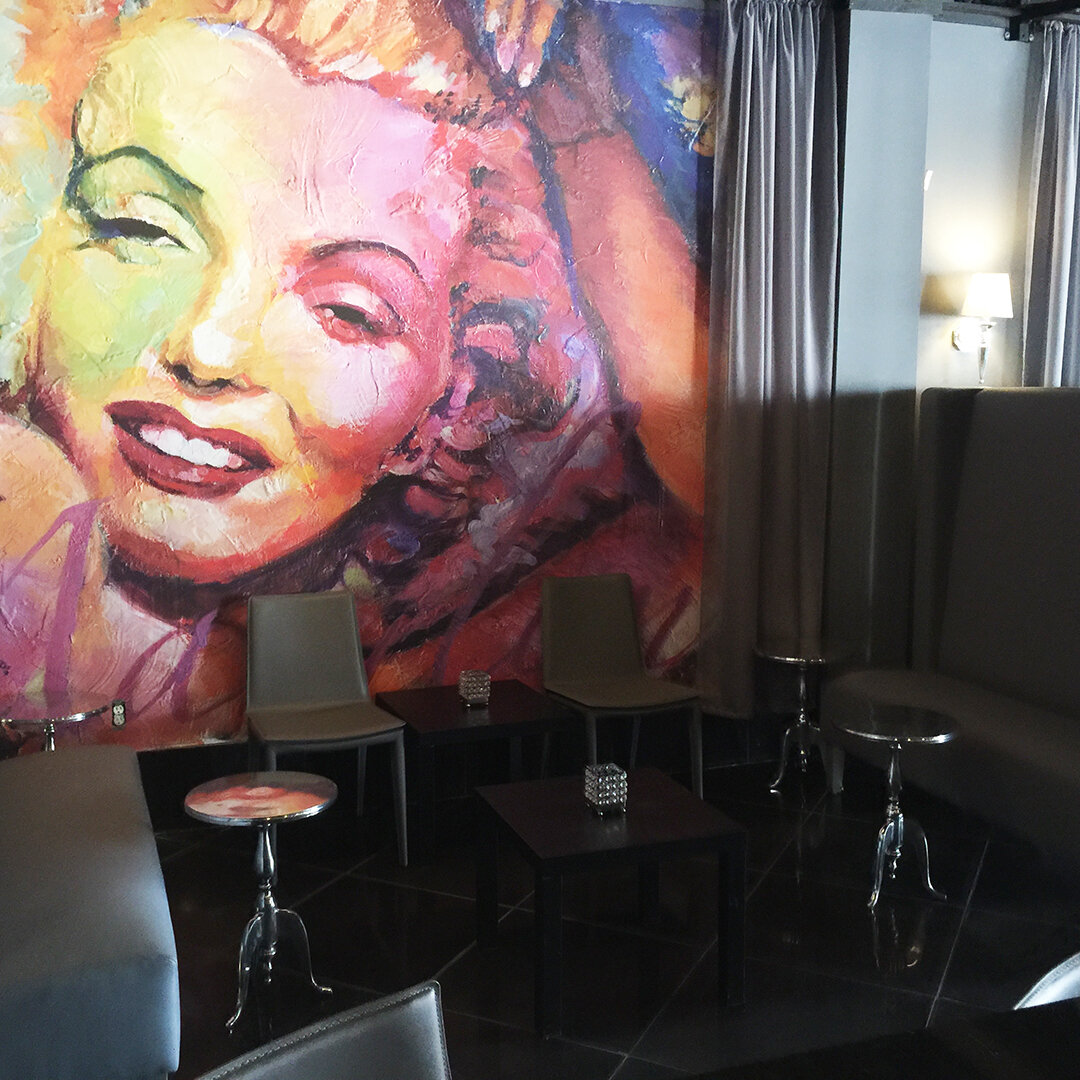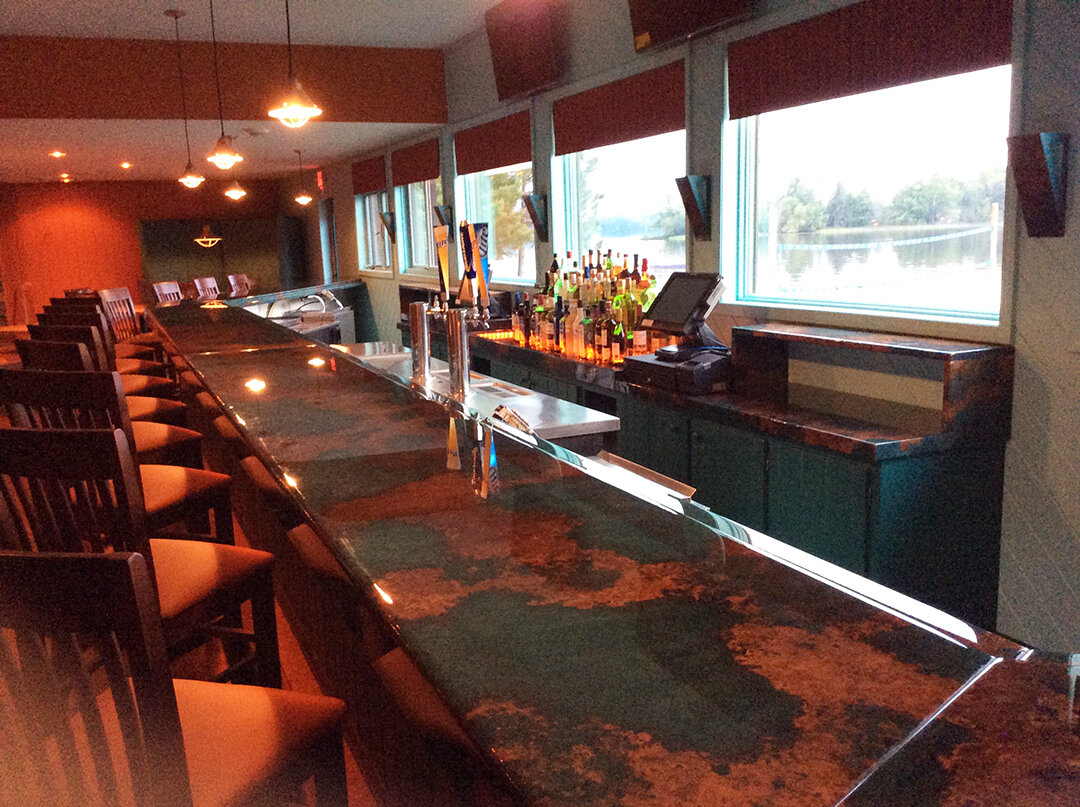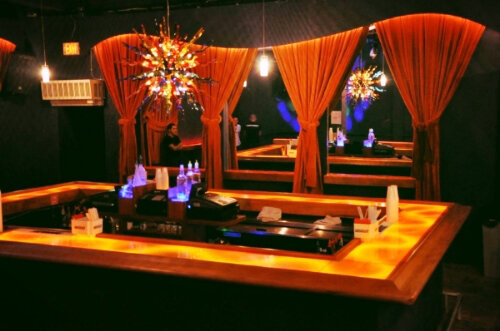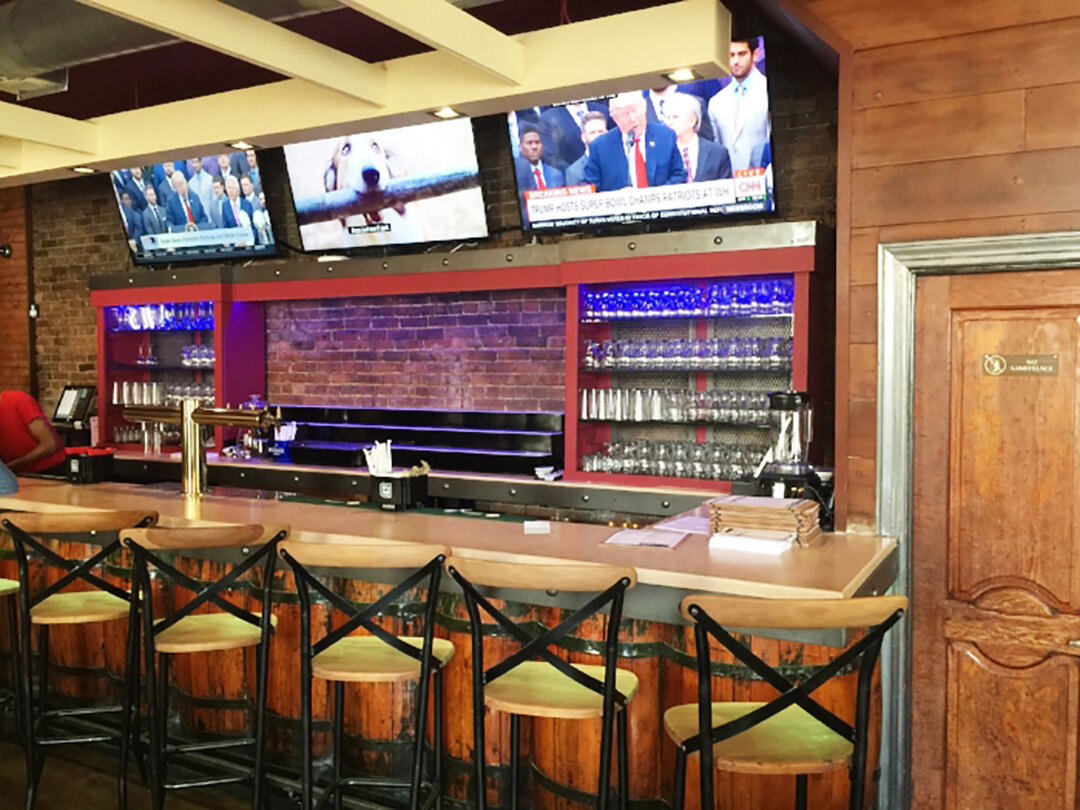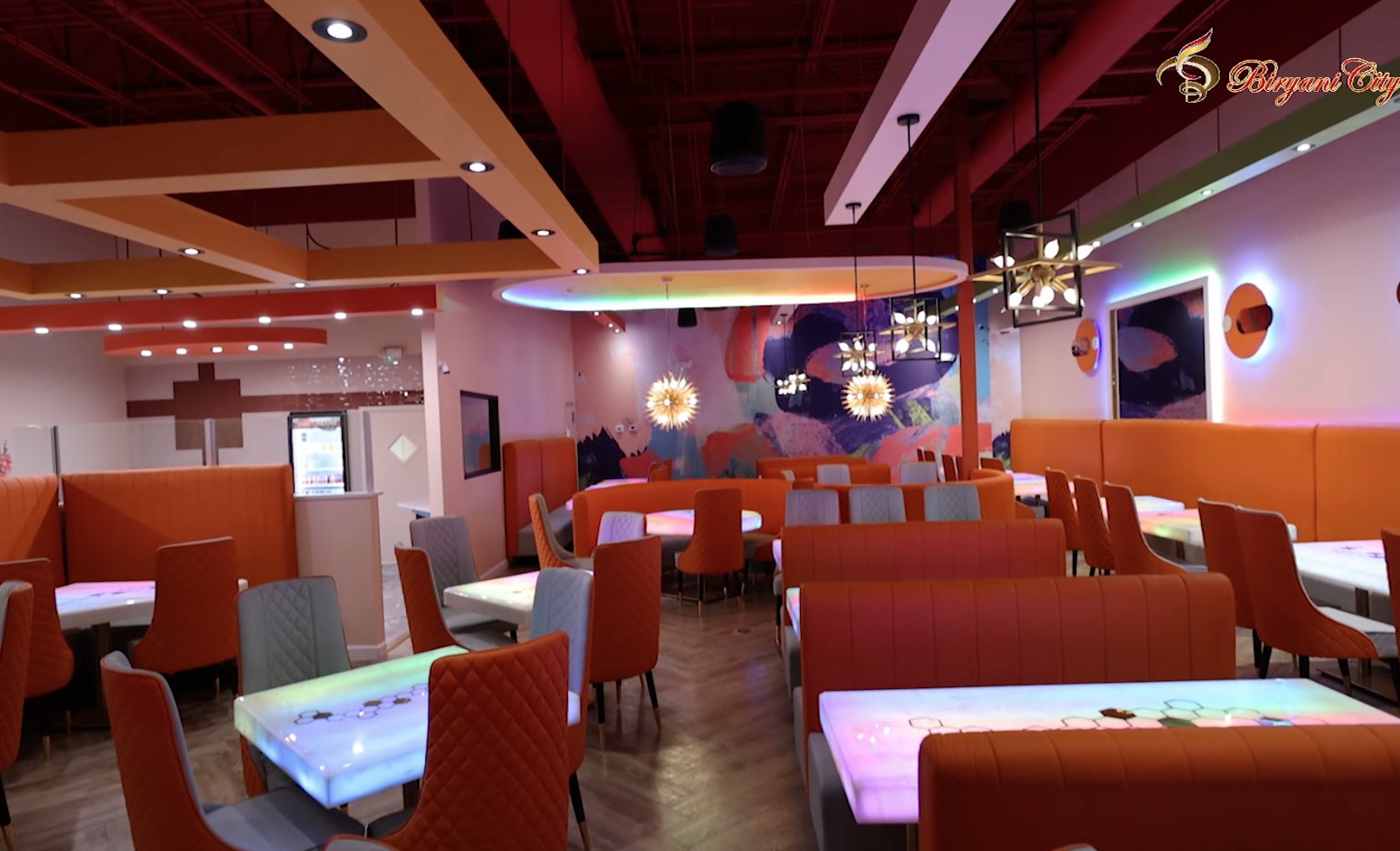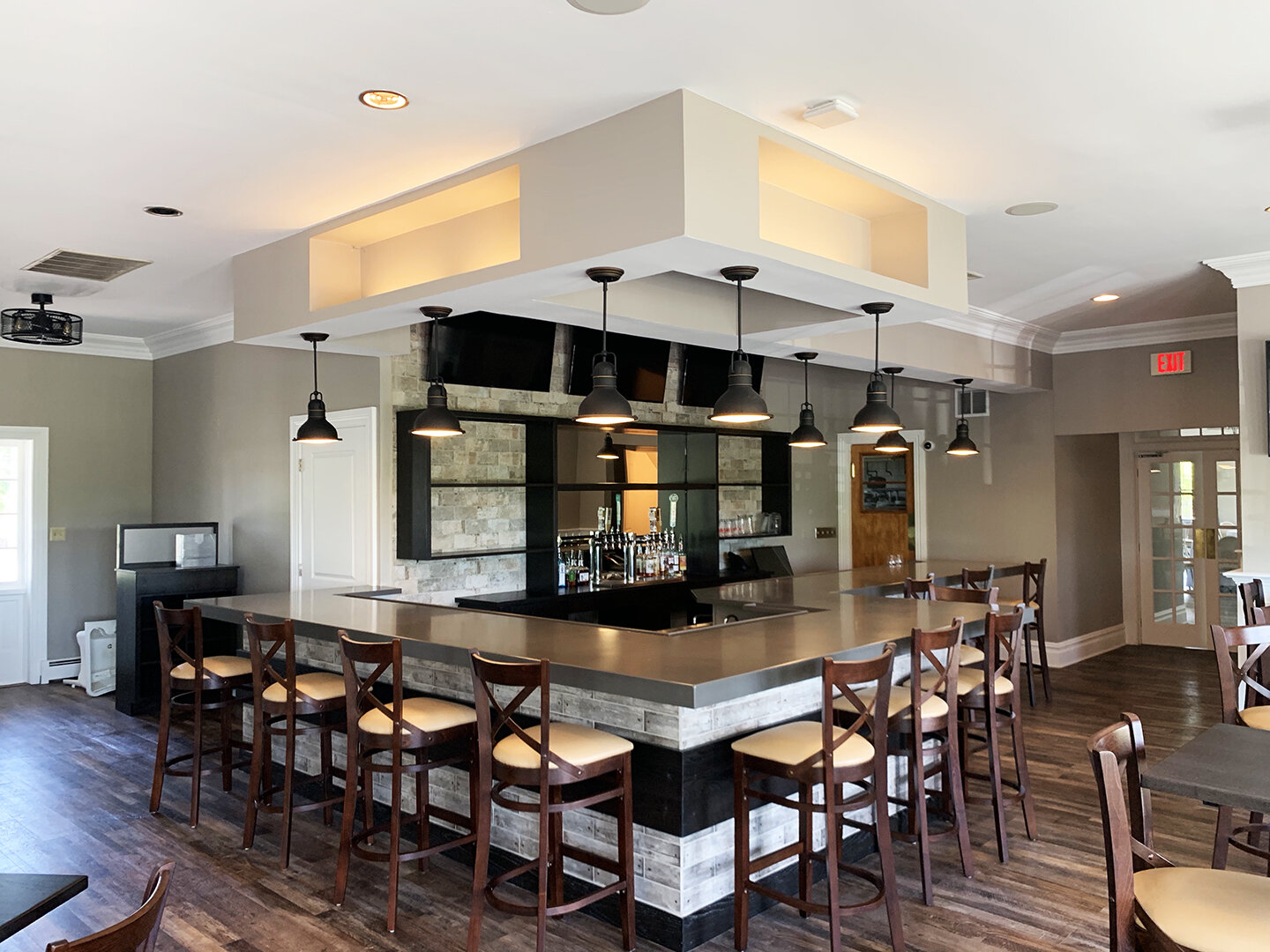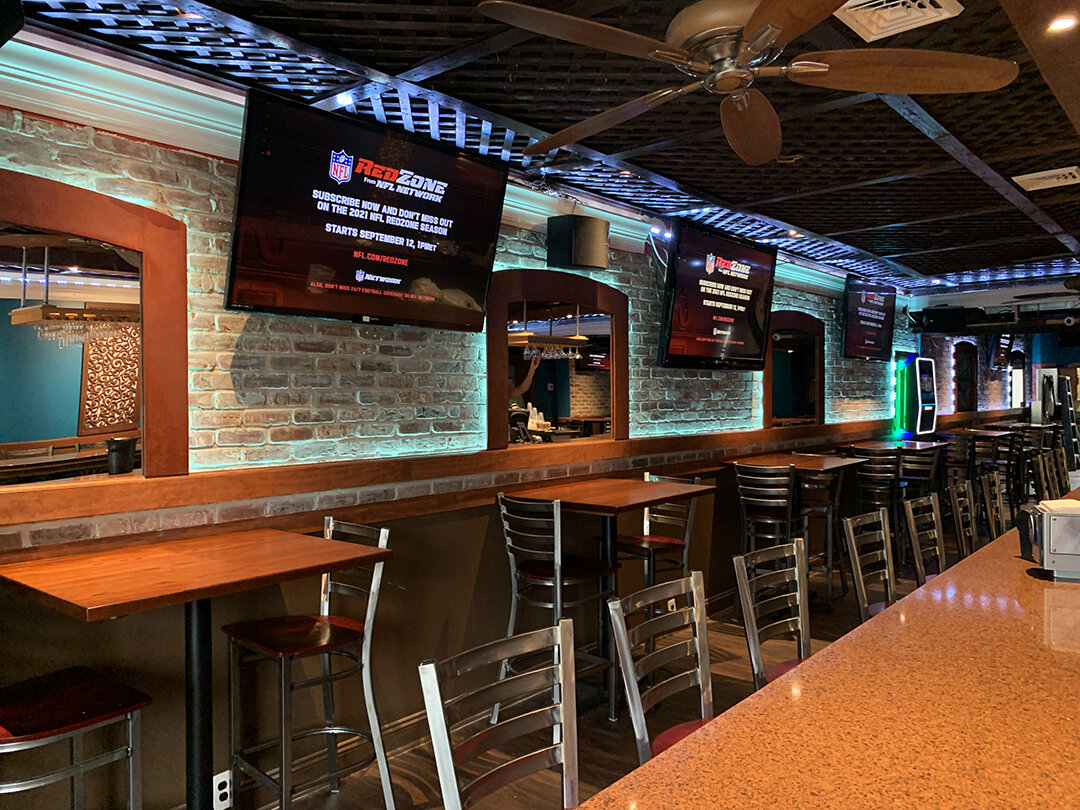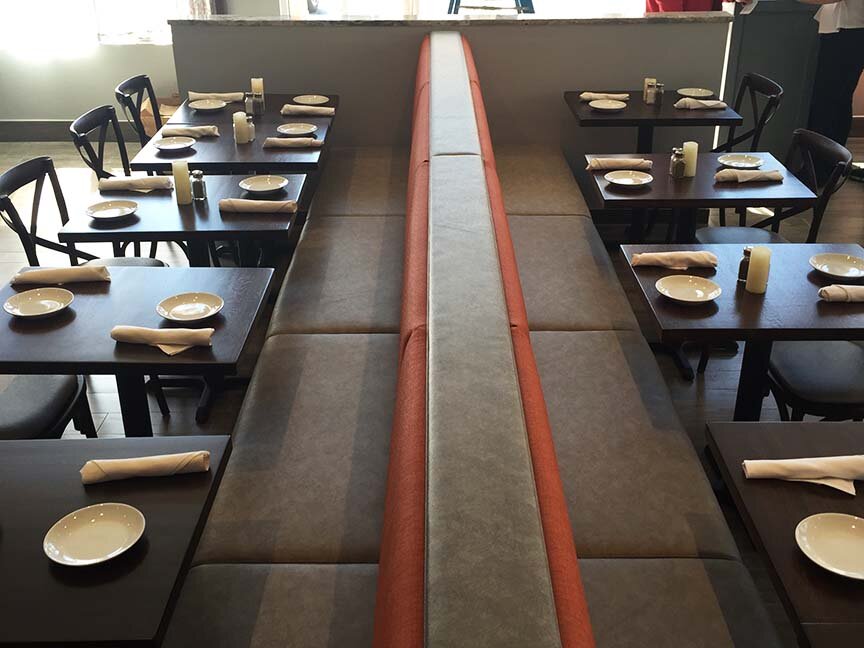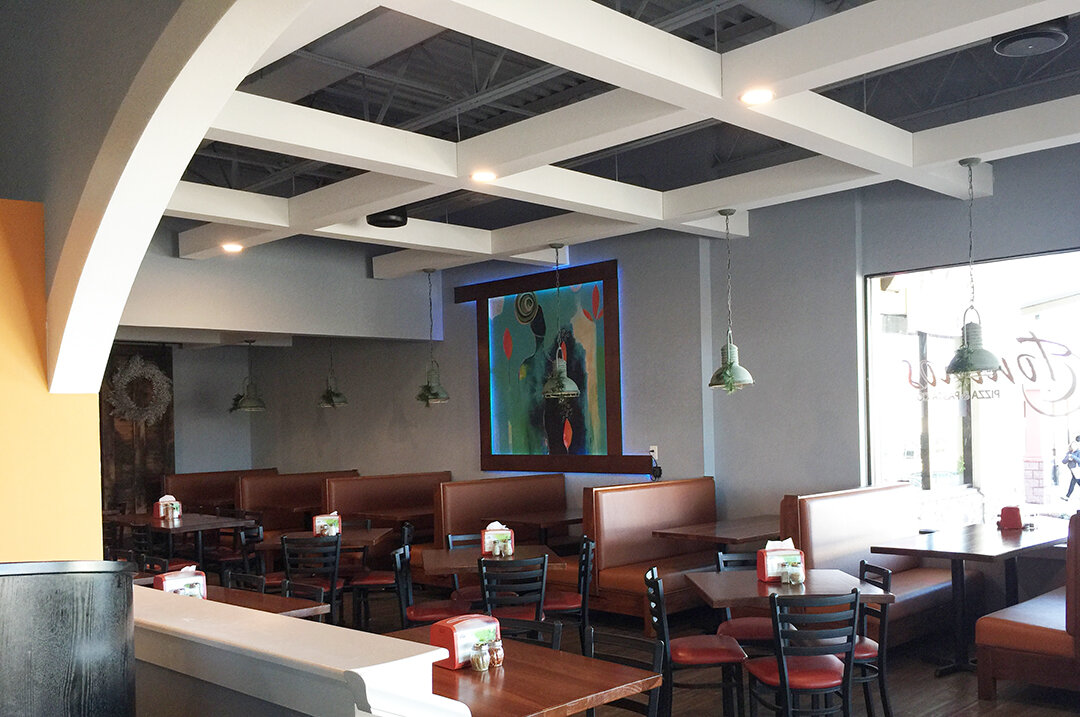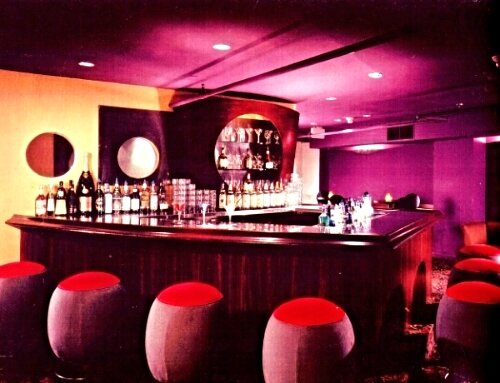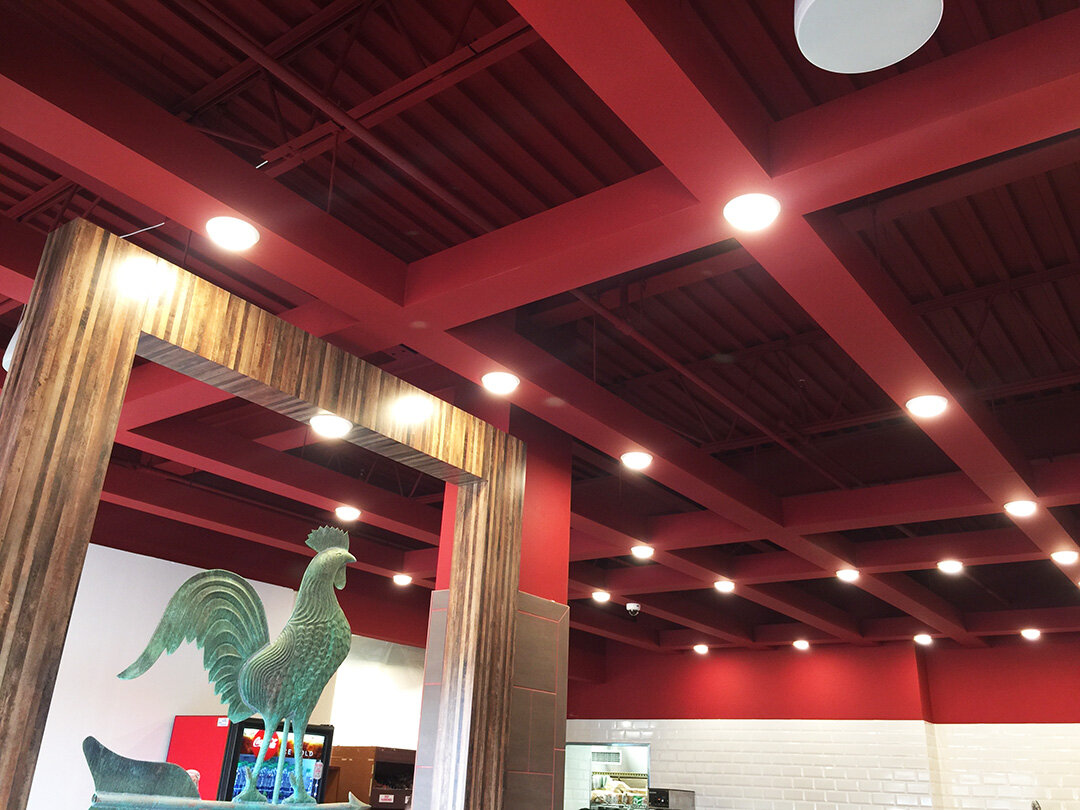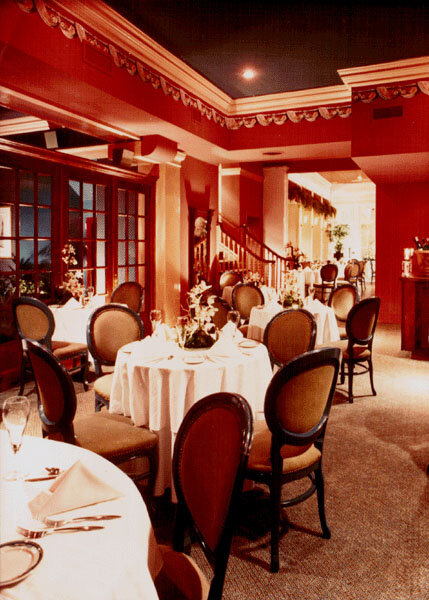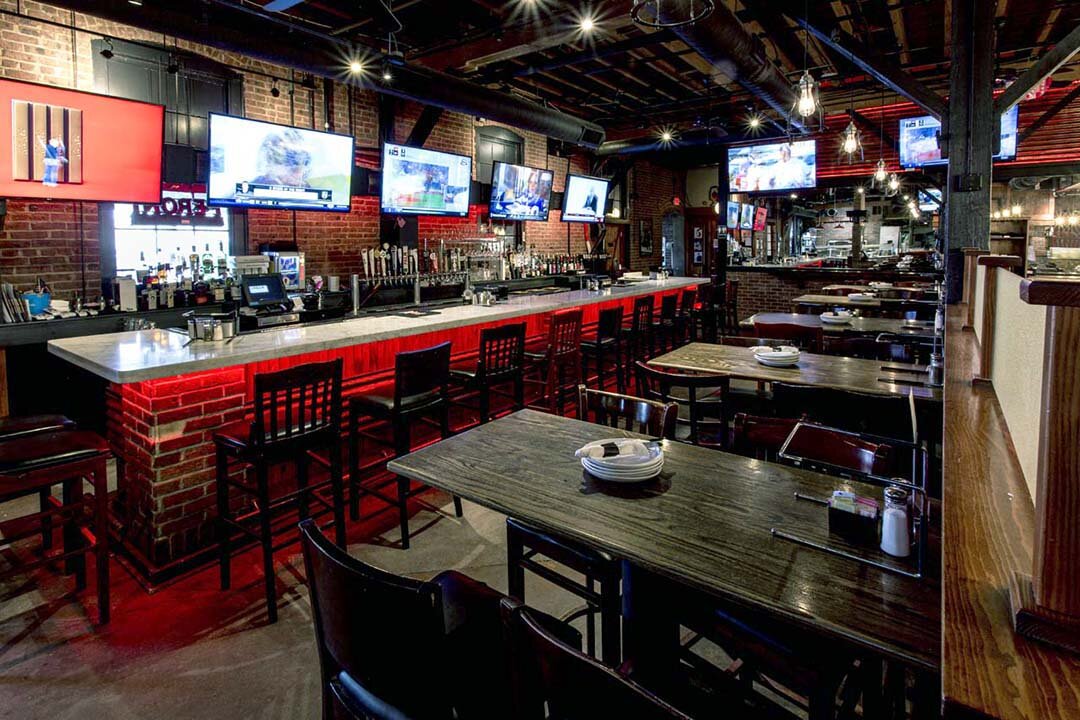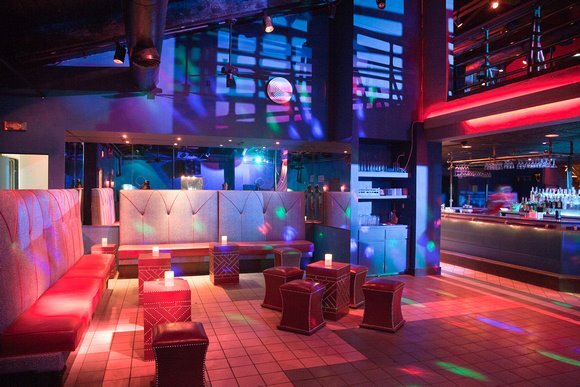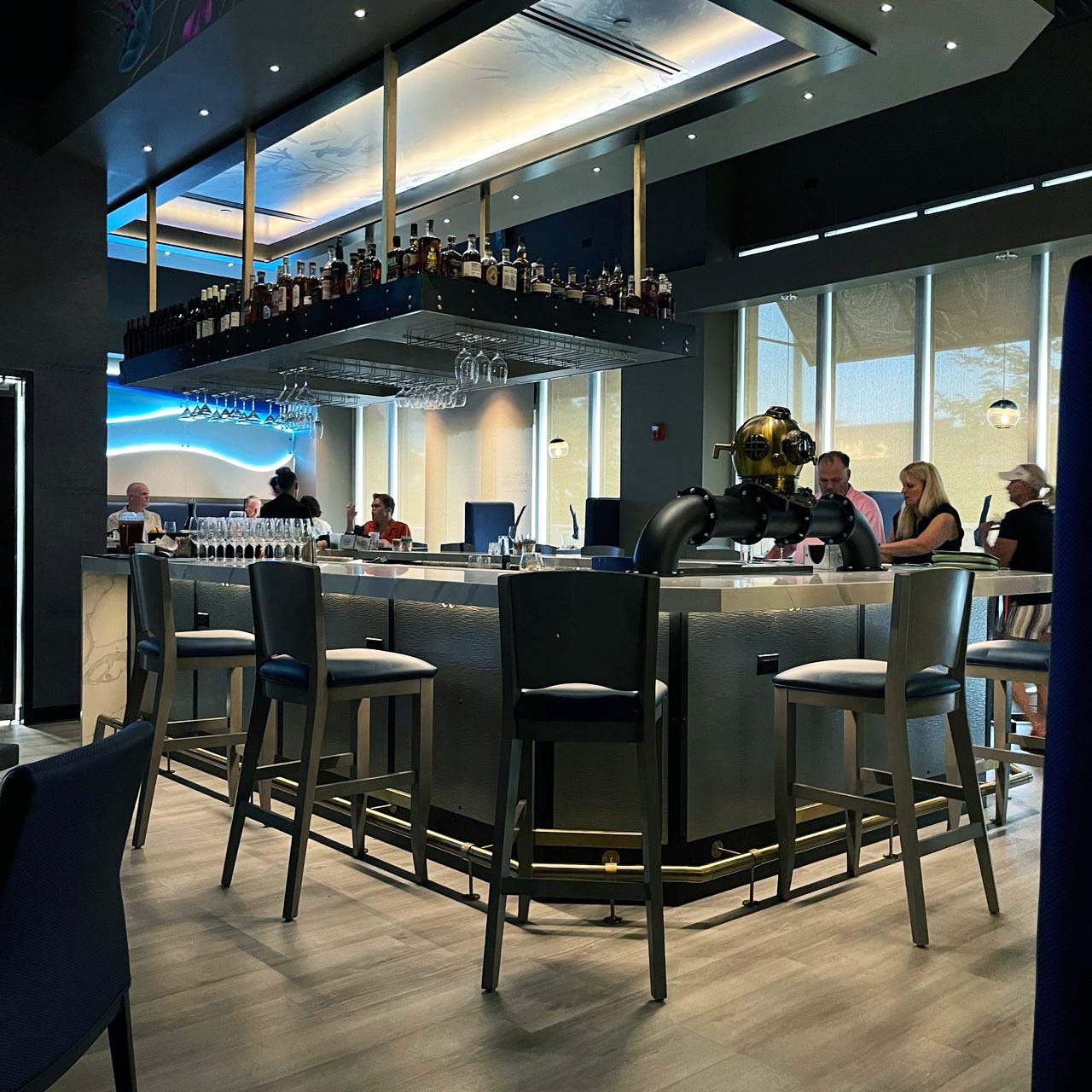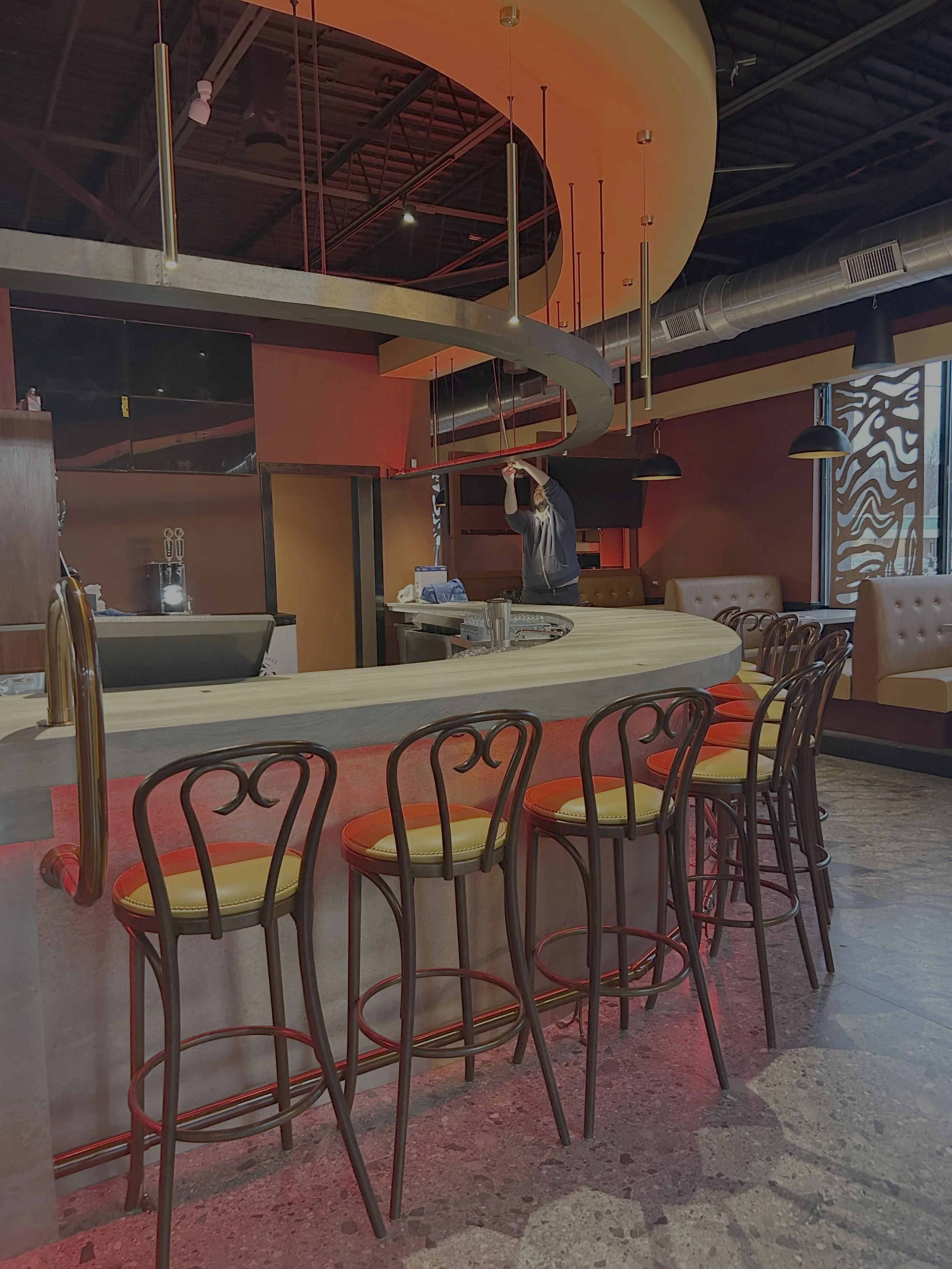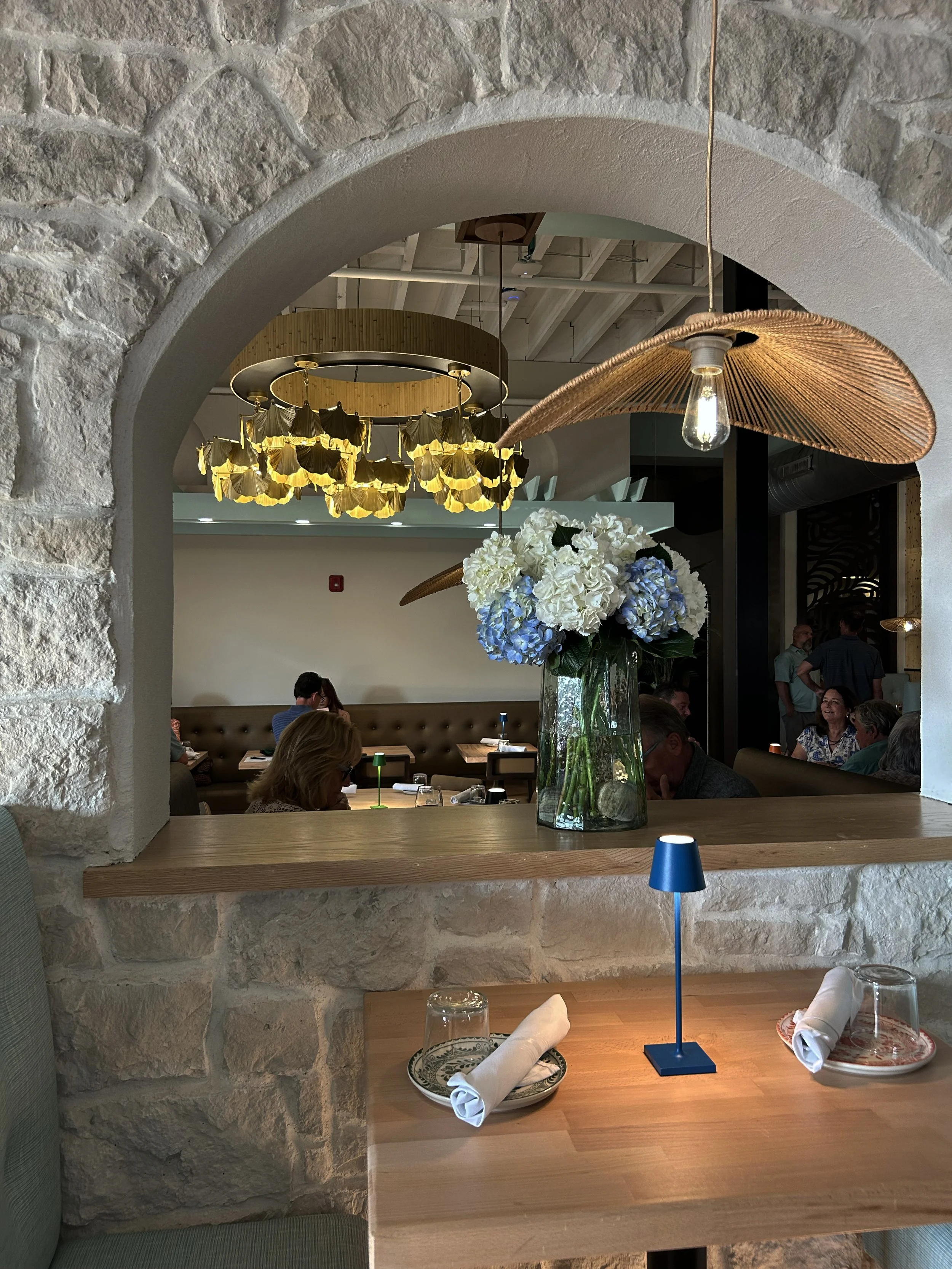
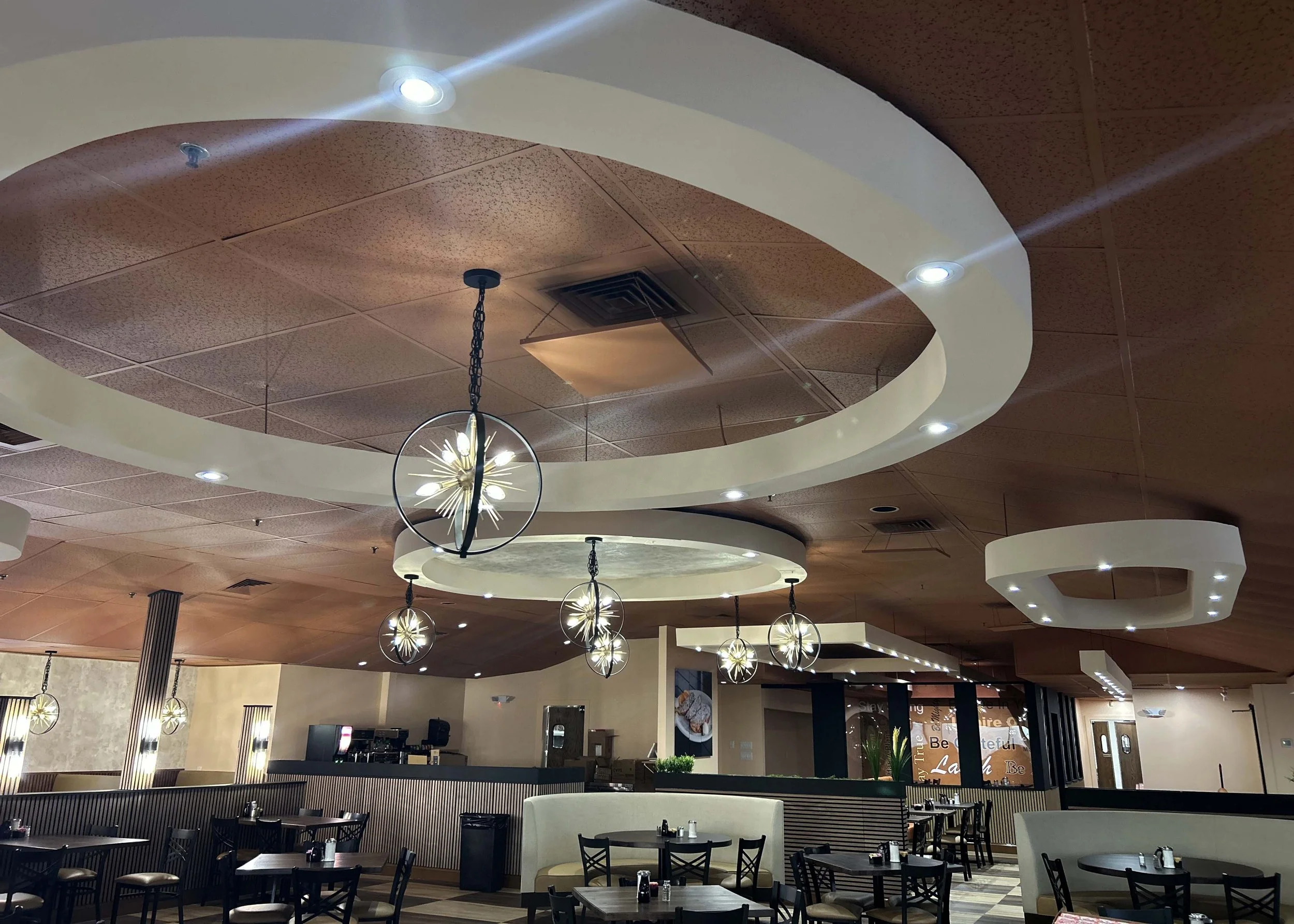
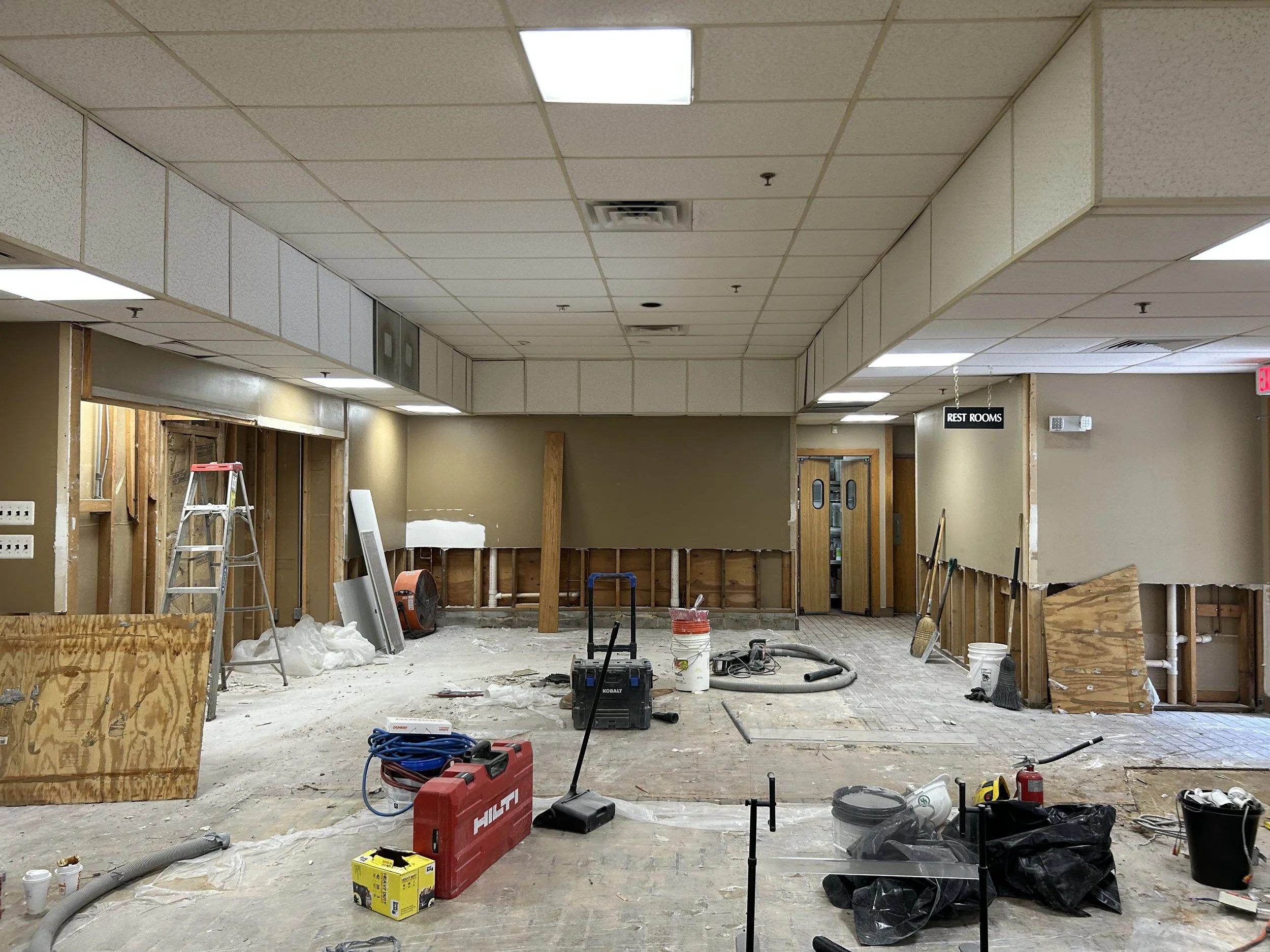
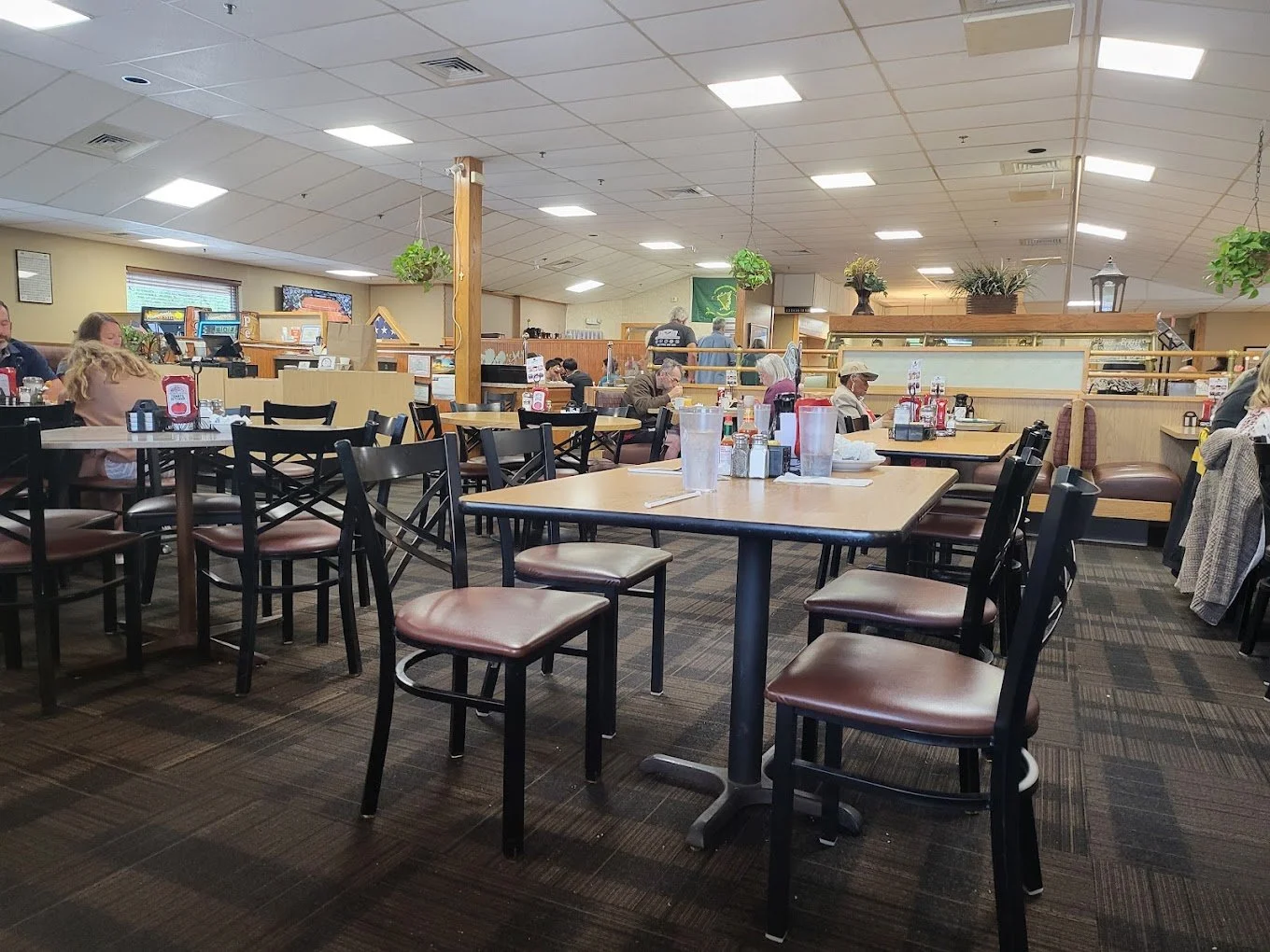
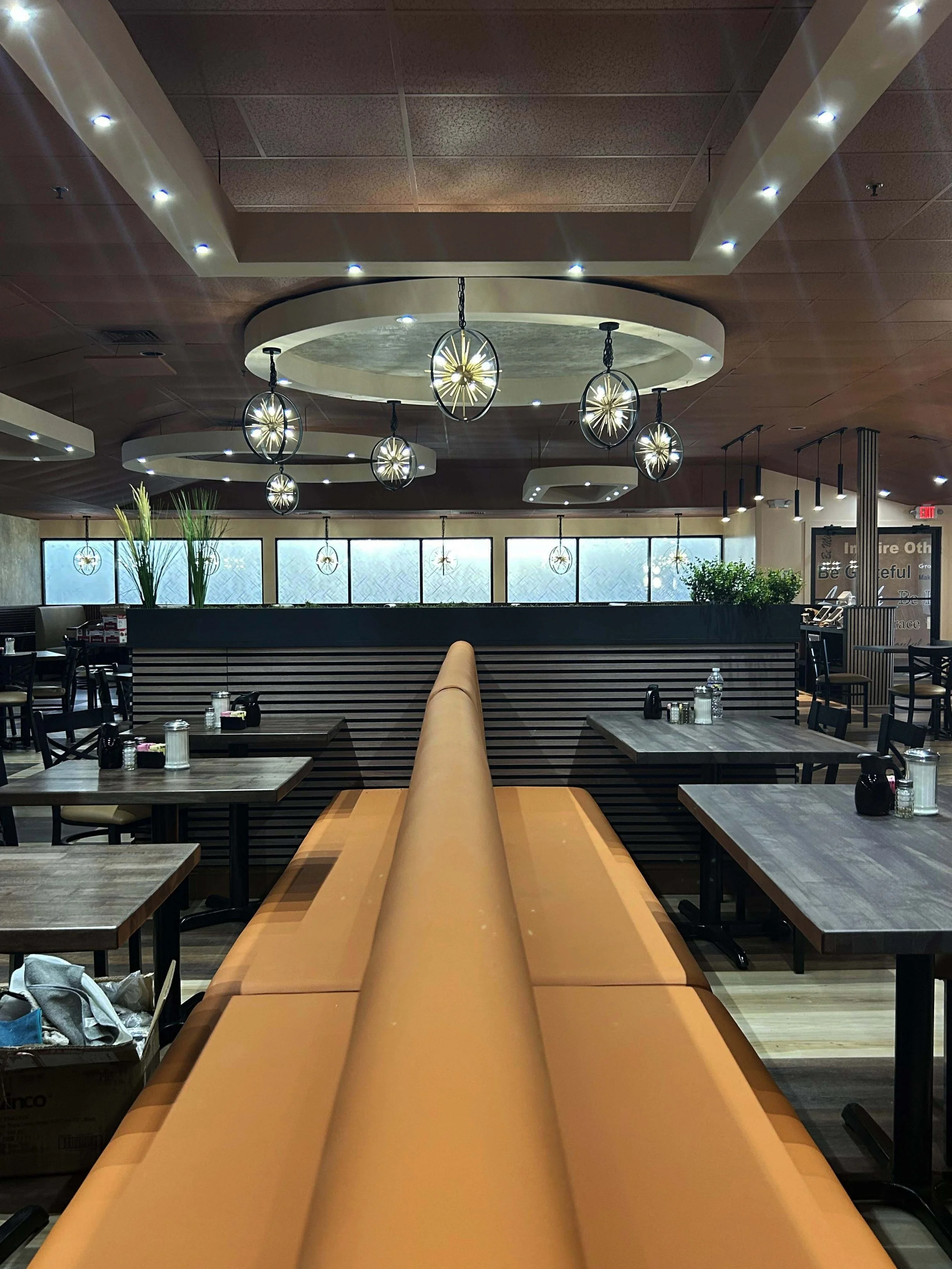
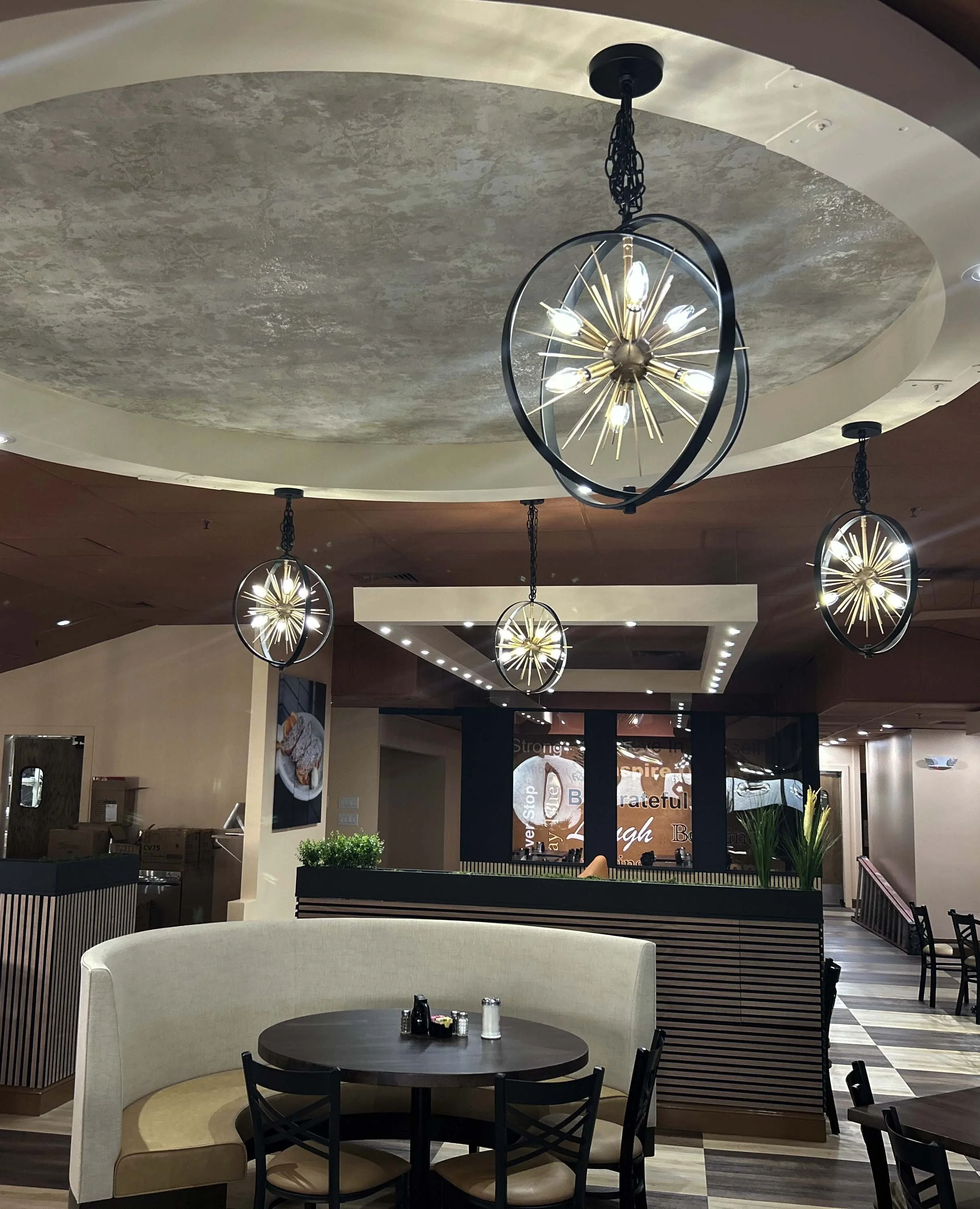
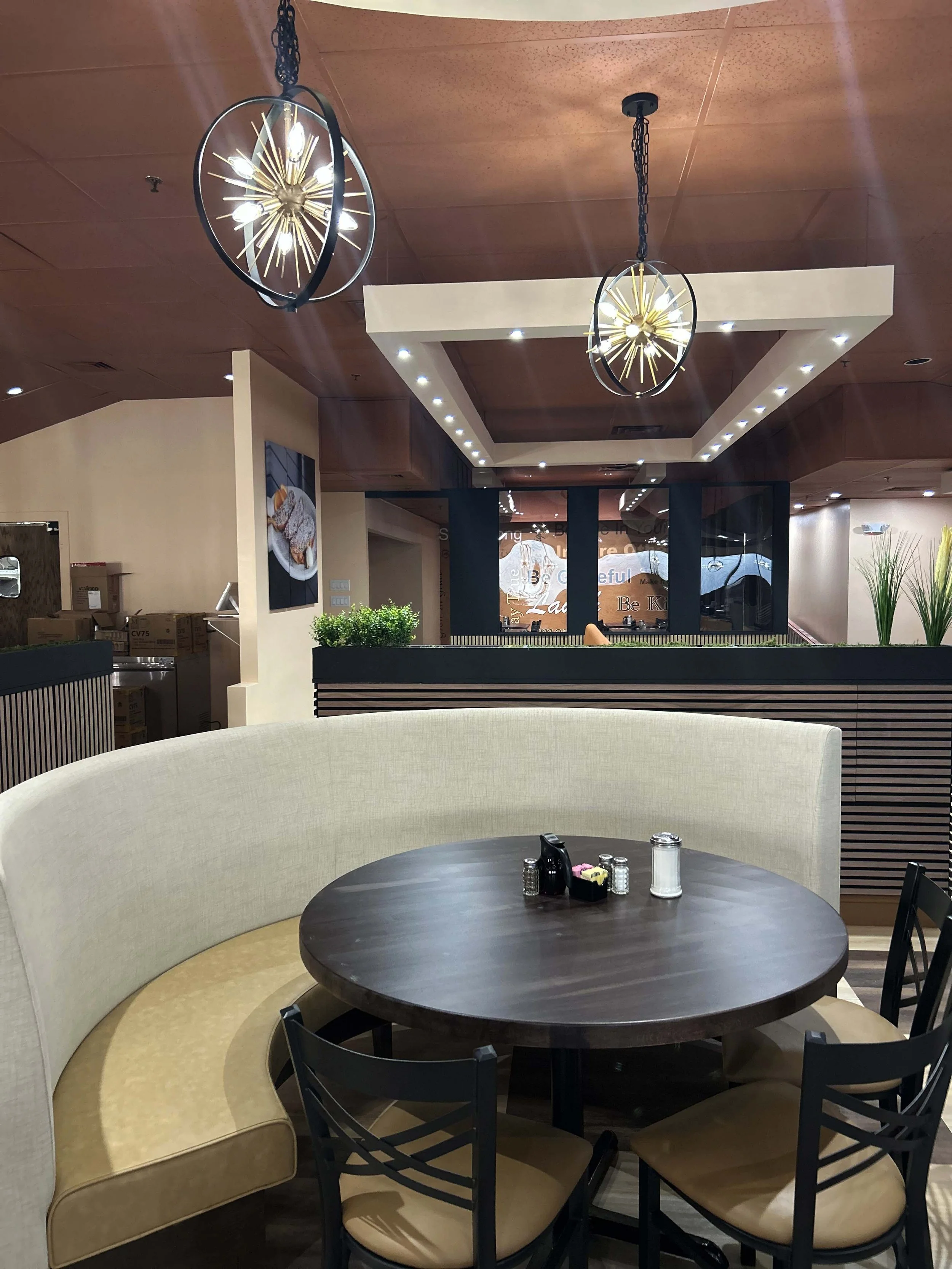
Grace’s Cafe is a new restaurant rebranding design by Raymond Haldeman, The Restaurant Designer
Common Restaurant Rebranding Mistakes to Avoid: The 2026 High-Stakes Checklist

Article by
Raymond Haldeman
Raymond Haldeman spent decades as a hands-on owner and operator of bars, restaurants, and nightclubs before parlaying that experience into a second career designing and rebranding some of the most exciting restaurant spaces in the country. Every place he designs is built on years of actually running the business, paying the bills, and knowing exactly what it takes to make a restaurant full of people say, "WOW!"
Your new logo won't save a failing floor plan. Too many owners treat a rebrand like a cosmetic mask when it should be a structural overhaul. You’ve likely noticed the warning signs: declining table turnover, a "dated" atmosphere despite a recent refresh, and a guest experience that feels disjointed. These are the symptoms of common restaurant rebranding mistakes that cost more than just money; they cost you your reputation in a market where 42% of operators struggled with profitability in 2025.
It's time to stop guessing and start leading. You need a strategy that aligns your physical space with your brand’s promise. This article provides the high-stakes checklist you need to avoid fatal design errors and execute a high-impact transformation for 2026. We will explore why strategic space planning beats simple decoration every time and how to ensure your new identity commands the respect of your patrons. You'll learn exactly how to navigate the technical and aesthetic requirements of a professional-grade rebrand that drives measurable success and protects your investment.
Key Takeaways
- Stop treating rebranding as a cosmetic mask and start viewing it as a total market repositioning that aligns your physical space with your brand promise.
- Master the critical difference between superficial decor and high-impact design that optimizes spatial flow and lighting to increase guest stay times.
- Eliminate common restaurant rebranding mistakes by auditing your floor plan to remove profit-killing "dead zones" where tables never turn.
- Execute a professional pivot that ensures your physical interior finally delivers on the high-end experience your marketing promises.
- Understand why expert space planning and strategic consultation are the essential shortcuts to a successful, high-stakes hospitality venture.
Table of Contents
-
The Strategic Identity Crisis: Why Most Rebrands Fail Before They Start
-
The Physical Disconnect: Design Mistakes That Kill the Guest Experience
-
The Operational Blind Spot: Rebranding Without Functional Efficiency
-
Executing the Pivot: How to Rebrand Without Losing Your Shirt
The Strategic Identity Crisis: Why Most Rebrands Fail Before They Start
Stop viewing Rebranding as a superficial paint job. It isn't a cosmetic mask; it's a fundamental shift in your market positioning. If you believe a new font or a brighter color palette can fix a broken business model, you're already losing. True transformation requires a deep dive into your restaurant’s soul before you ever touch a swatch book. You must start with the concept, not the decor. In 2026, "playing it safe" with generic, middle-of-the-road designs is the most dangerous move you can make. It guarantees your business will remain invisible in a hyper-competitive landscape.
The "Identity Gap" kills more ventures than bad food ever will. This gap occurs when your high-end digital marketing promises a sophisticated vibe that your physical interior cannot deliver. When a guest walks through your doors and feels a disconnect between the brand they saw online and the room they're standing in, you've lost their trust. This failure to align expectations with reality is one of the most common restaurant rebranding mistakes seen in struggling establishments today. Your physical space must be the ultimate realization of your brand’s promise, not a contradiction of it.
The Logo Trap: Why Graphics Can't Save a Failing Concept
A $10,000 logo sitting on top of a $0 concept development plan is a wasted investment. Graphics are merely the wrapper; the concept is the gift. You must align your visual identity with the actual, physical guest experience in the room to create a lasting impact. Brand Synergy is the precise alignment of menu, service, and space into one cohesive narrative. Without this foundation, your new logo is just a sticker on a sinking ship.
Ignoring the Local Competitive Landscape
Context is everything in hospitality. A high-energy concept that dominates the Miami scene will likely feel alien and out of place in a historic Philadelphia neighborhood or a New Jersey suburb. You cannot afford to ignore "Concept Saturation" in your specific zip code. Don't replicate what the guy down the street is doing. Instead, analyze competitor weaknesses—such as poor lighting, cramped layouts, or dated finishes—and use those specific gaps to define your new brand strengths. Success demands a localized, surgical approach to design that captures a unique share of the market.
The Physical Disconnect: Design Mistakes That Kill the Guest Experience
A new logo on your menu won't distract a guest from a cramped, poorly lit dining room. One of the most common restaurant rebranding mistakes is confusing decor with design. Decor is superficial; it's the art on the walls and the fabric on the chairs. Design is structural. It's the science of spatial flow, acoustics, and operational efficiency. If you invest in trendy aesthetics without fixing the underlying layout, you're just putting lipstick on a pig. Perhaps the biggest mistake you can make during a rebrand is assuming that "looking better" is the same as "functioning better."
Neglecting the bar area is a fatal error for your bottom line. The bar is the high-margin heart of your establishment. It should be the focal point that drives energy and revenue throughout the room. If your rebrand treats the bar as an afterthought, you're leaving thousands of dollars in alcohol sales on the table every month. A professional Bar and Nightclub Design ensures that every square foot of your high-profit zone is optimized for speed of service and guest attraction.
Lighting Design as a Strategic Revenue Driver
Dimming the lights isn't a strategy; it's a lack of one. Lighting has a profound psychological impact on how long guests stay and how much they spend. You need layers of light, including ambient, task, and accent, to create depth and direct the guest’s eye. Proper illumination highlights the food, flatters the patron, and sets the mood for a second round of drinks. For a deep dive into these techniques, consult my guide on how to Master the Glow: The Definitive Guide to Strategic Bar Lighting Design in 2026. High-stakes rebranding requires lighting that works for your P&L, not against it.
The Instagram vs. Reality Gap
Designing solely for social media is a recipe for operational disaster. A "photo op" wall might get you a few tags, but if the chairs are uncomfortable and the room is too loud for conversation, those guests won't return. Cheap, trendy materials signal a disposable brand. In high-traffic commercial environments, you must select finishes that look modern but possess the durability to withstand 2026's rigorous cleaning standards. Don't sacrifice ergonomics and acoustics for a fleeting digital trend. Your rebrand must survive the physical reality of a busy Friday night, not just a filtered photo.

The Operational Blind Spot: Rebranding Without Functional Efficiency
Stop treating your floor plan as an afterthought. You can have the most beautiful room in Miami, but if your servers are tripping over each other and your guests are stuck in "dead zones," your rebrand is a failure. One of the most common restaurant rebranding mistakes is prioritizing aesthetic over operational flow. You must ensure the machine runs smoothly before you polish the gears. Don't fall for survivorship bias in restaurant branding by copying the decor of a successful competitor while ignoring the spatial engineering that actually makes them profitable.
Design is a profit-driven discipline. If your new layout creates bottlenecks at the kitchen pass or forces bartenders into awkward movements during peak hours, you're losing money on every ticket. With 96% of operators reporting increased labor costs in 2025, you cannot afford a layout that wastes staff time. High-stakes rebranding requires a surgical focus on how people move through the space. Space planning isn't a luxury; it's the prerequisite for any venue that expects to thrive in 2026. Efficiency is your only defense against rising overhead.
Engineering the Floor Plan for Maximum Profit
Every square foot must pay rent. Professional restaurant floor plan consultant services identify "Dead Corner" syndrome, where specific tables consistently underperform because they feel isolated or exposed. Reclaim this lost revenue by using strategic seating arrangements that balance capacity with comfort. You don't need more tables; you need better ones. A layout that maximizes turnover while maintaining a premium feel is the hallmark of a visionary guide.
The Bar and Nightclub Sales Engine
Your bar is your highest-margin asset. Rebranding a bar without optimizing its layout is a recipe for slow service and abandoned drink orders. You need to encourage "dwell time" through ergonomic design while ensuring your bartenders can execute at lightning speed during peak volume. Redesign your bar to facilitate movement, not hinder it. A layout that works for the staff will always work for the bottom line. Stop settling for a "pretty" bar and start demanding a high-performance sales engine.
Explore Strategic Space Planning and Layout Solutions
Executing the Pivot: How to Rebrand Without Losing Your Shirt
Stop the DIY bleeding before it drains your bank account. One of the most common restaurant rebranding mistakes is the "ego-driven" renovation, where owners try to save money by making design decisions without professional data. In reality, a failed rebrand is far more expensive than a consultant’s fee. You need an execution plan that protects your cash flow. In 2026, high-stakes ventures must choose rebranding strategies that allow them to remain operational or minimize closure time. This requires surgical precision in space planning to ensure the guest experience isn't compromised by the transition. Communicate the change as an evolution, not a desperate fix, to keep your loyal base engaged while you hunt for a new demographic.
Measuring success goes beyond "liking" the new look. You must track specific KPIs to verify your return on investment. Approximately 40% of rebrands do not deliver a positive ROI because they fail to address underlying business strategy. To avoid this, monitor your average check size, table turnover rates, and social sentiment immediately following the pivot. If your physical space finally aligns with your brand promise, these numbers will move upward. If they don't, you've likely missed a structural flaw in your guest journey that no amount of new paint can cover.
The 2026 Rebranding Strategy Checklist
-
Step 1: Concept audit and competitive analysis to identify your unique market gap.
-
Step 2: Professional space planning and lighting design to optimize revenue per square foot.
-
Step 3: Visual identity refresh that matches the physical room and guest expectations.
-
Step 4: Staff training to deliver the new brand promise through every interaction.
Hiring the Right Visionary Guide
Don't confuse an "interior decorator" with a "hospitality design strategist." A decorator picks colors; a strategist builds a sales engine. You need a restaurant rebranding consultant who understands the complex relationship between floor plans, labor costs, and guest psychology. Your rebrand is a high-stakes investment that demands an expert who has seen every pitfall and knows the shortcut to success. Stop guessing and start winning. Consult with Raymond Haldeman for your 2026 rebranding project and secure your place at the top of the market.
Dominate the 2026 Dining Landscape
Your restaurant's survival depends on a cohesive strategy that transcends fleeting aesthetic trends. Stop settling for a disjointed guest experience that quietly erodes your bottom line. We've dissected how common restaurant rebranding mistakes like ignoring spatial flow or neglecting the high-margin bar area can sink even the most ambitious concepts. You now have the strategic checklist required to identify these risks before they become expensive liabilities.
Success in high-stakes markets like Miami, Philadelphia, and New Jersey requires a visionary guide who understands the commercial landscape. Raymond Haldeman provides the essential expertise needed to navigate these complexities through a nationwide portfolio of high-impact hospitality designs. His specialist approach to revenue-driving space planning ensures that every square foot of your venue acts as a profit-generating asset rather than a drain on your resources.
It's time to stop reacting to the market and start defining it. Take command of your venue's future and transform your high-stakes hospitality venture into a destination that demands respect and delivers results.
Frequently Asked Questions
What is the most common mistake in restaurant rebranding?
The most frequent error is treating the project as a cosmetic update rather than a strategic overhaul. Owners often spend thousands on new logos and paint while leaving a profit killing floor plan intact. This is one of the most common restaurant rebranding mistakes because it fails to address the underlying reasons for declining guest engagement. A rebrand must fix the business strategy before it touches the decor.
How much should a professional restaurant rebrand cost in 2026?
A comprehensive strategic rebrand for a small business in 2026 typically ranges from $15,000 to $75,000. Mid market establishments should expect to invest between $50,000 and $250,000 for a total transformation. These figures cover strategy, visual identity, and messaging. Physical renovation costs are separate and often range from $150 to $600 per square foot depending on the scope of the gut renovation.
Can I rebrand my restaurant without changing the name?
You can rebrand without changing your name if the legacy name still holds positive equity or neutral value in your market. If your current name is synonymous with poor service or an outdated concept, keeping it acts as a permanent anchor on your new identity. Success requires an honest audit of whether your existing name can support the high stakes concept you intend to build.
How long does a typical restaurant rebranding project take?
A professional rebranding project generally requires three to six months to execute correctly from concept development to launch. This timeline allows for deep market analysis, space planning, and the physical implementation of new design elements. Rushing this process leads to the common restaurant rebranding mistakes that result in a disjointed guest experience and wasted capital. Strategy takes time; don't skip the foundation.
Will rebranding a failing restaurant always save it?
Rebranding is not a magic bullet for a fundamentally broken business model. It won't compensate for poor food quality, inconsistent service, or a location with zero visibility. A rebrand acts as a megaphone for your concept. If your core operations are failing, a new brand will simply help more people discover your flaws faster. Fix your operations before you invest in a new identity.
What is the difference between a redesign and a rebrand?
A redesign focuses on the "what," while a rebrand focuses on the "why." Redesigning is a cosmetic process involving furniture, lighting, and decor updates to refresh the look of a room. Rebranding is a holistic shift in market positioning and identity. It dictates how every element of the business, including the physical space and service style, communicates a new promise to the guest.