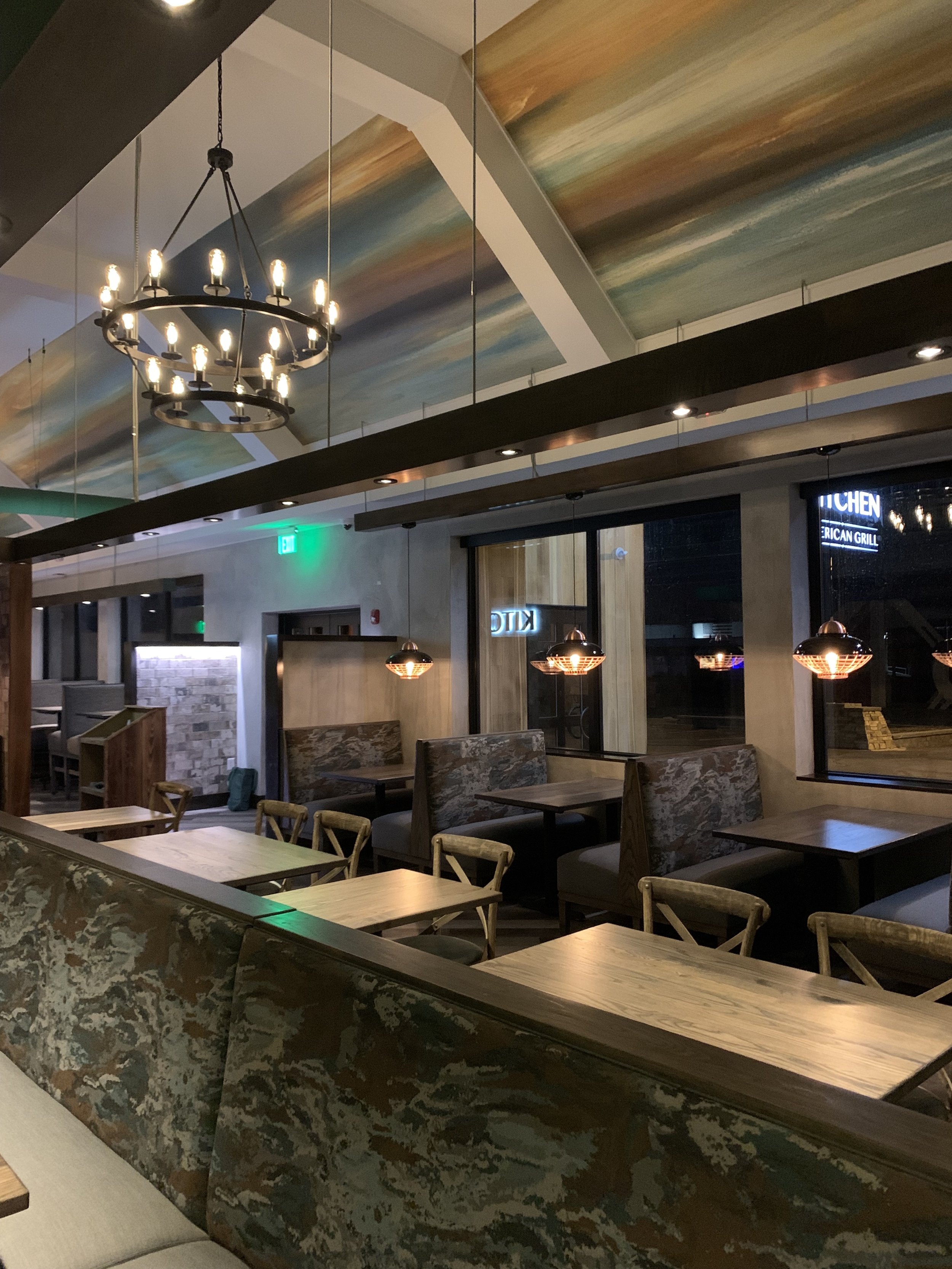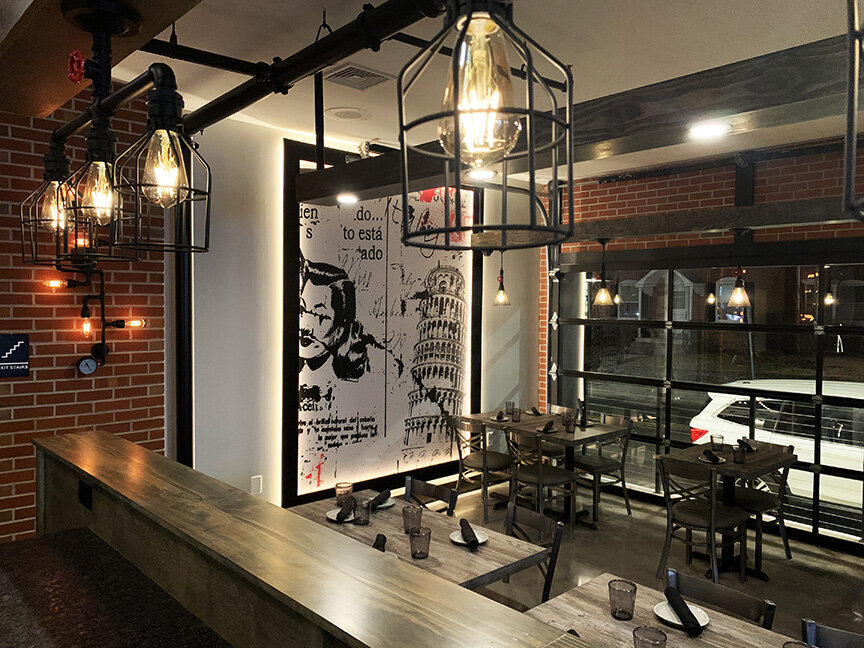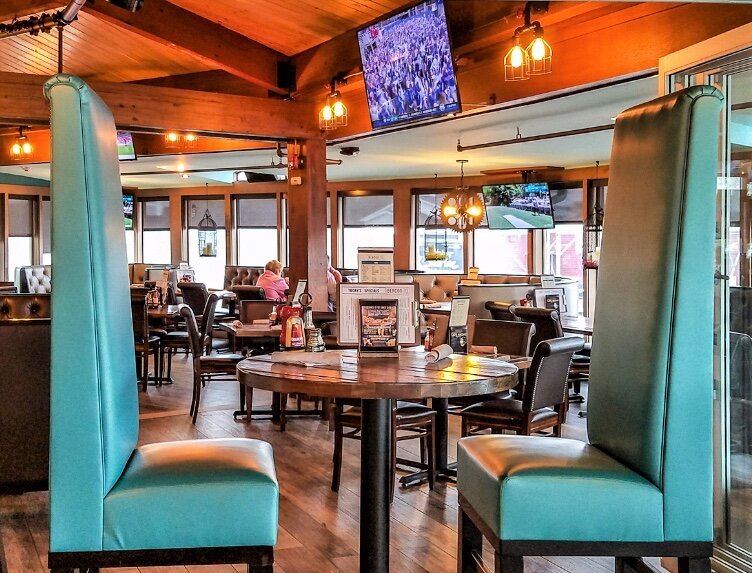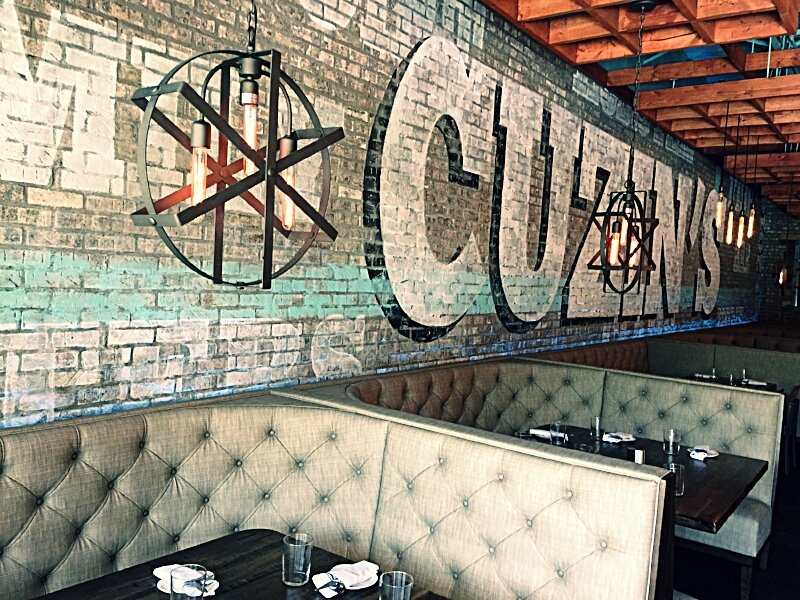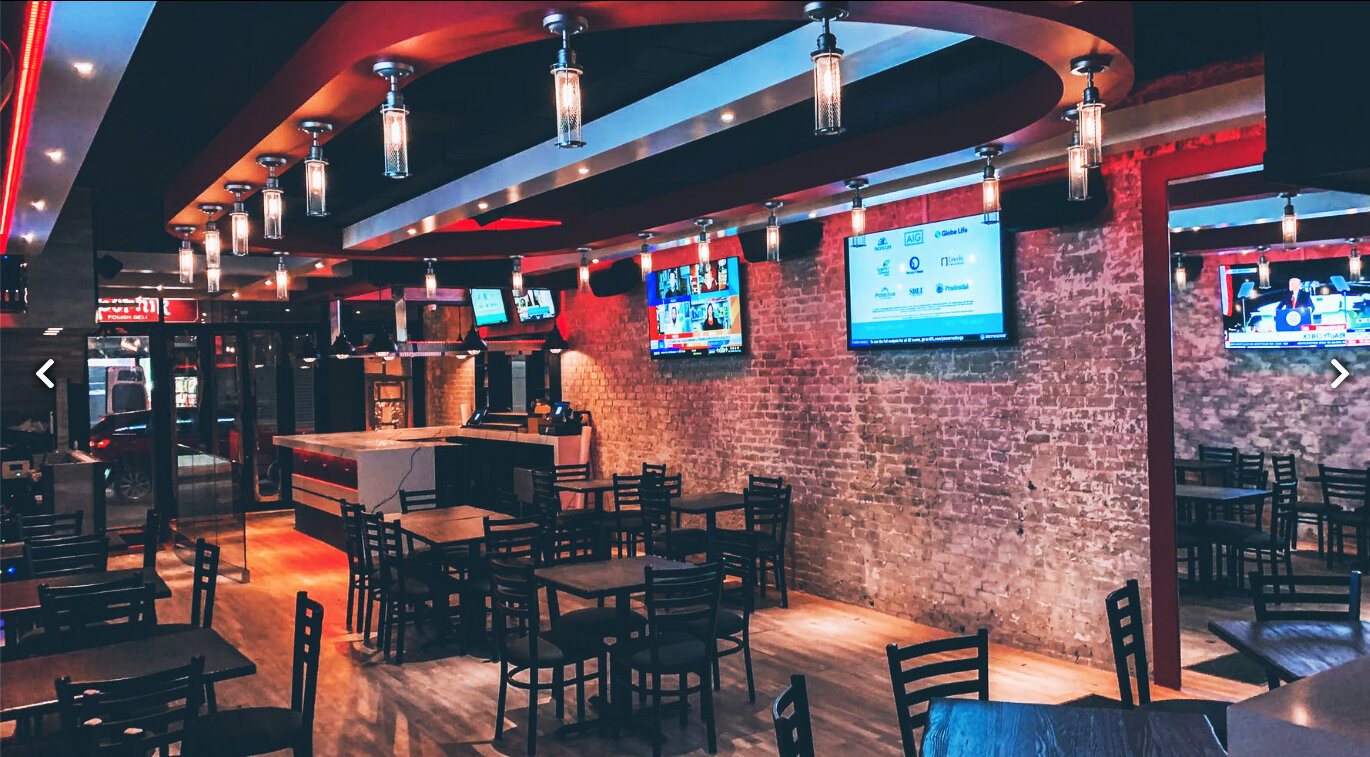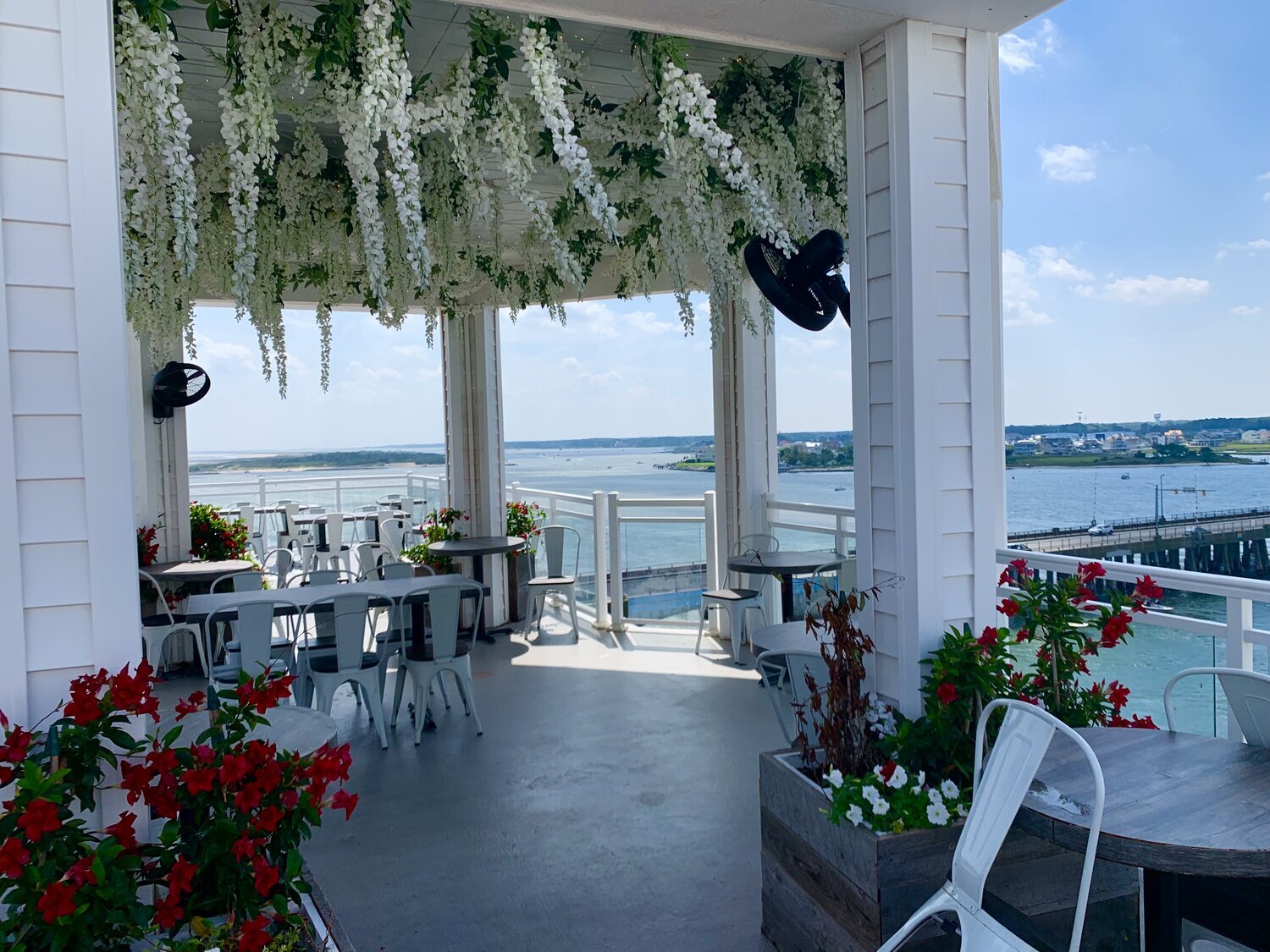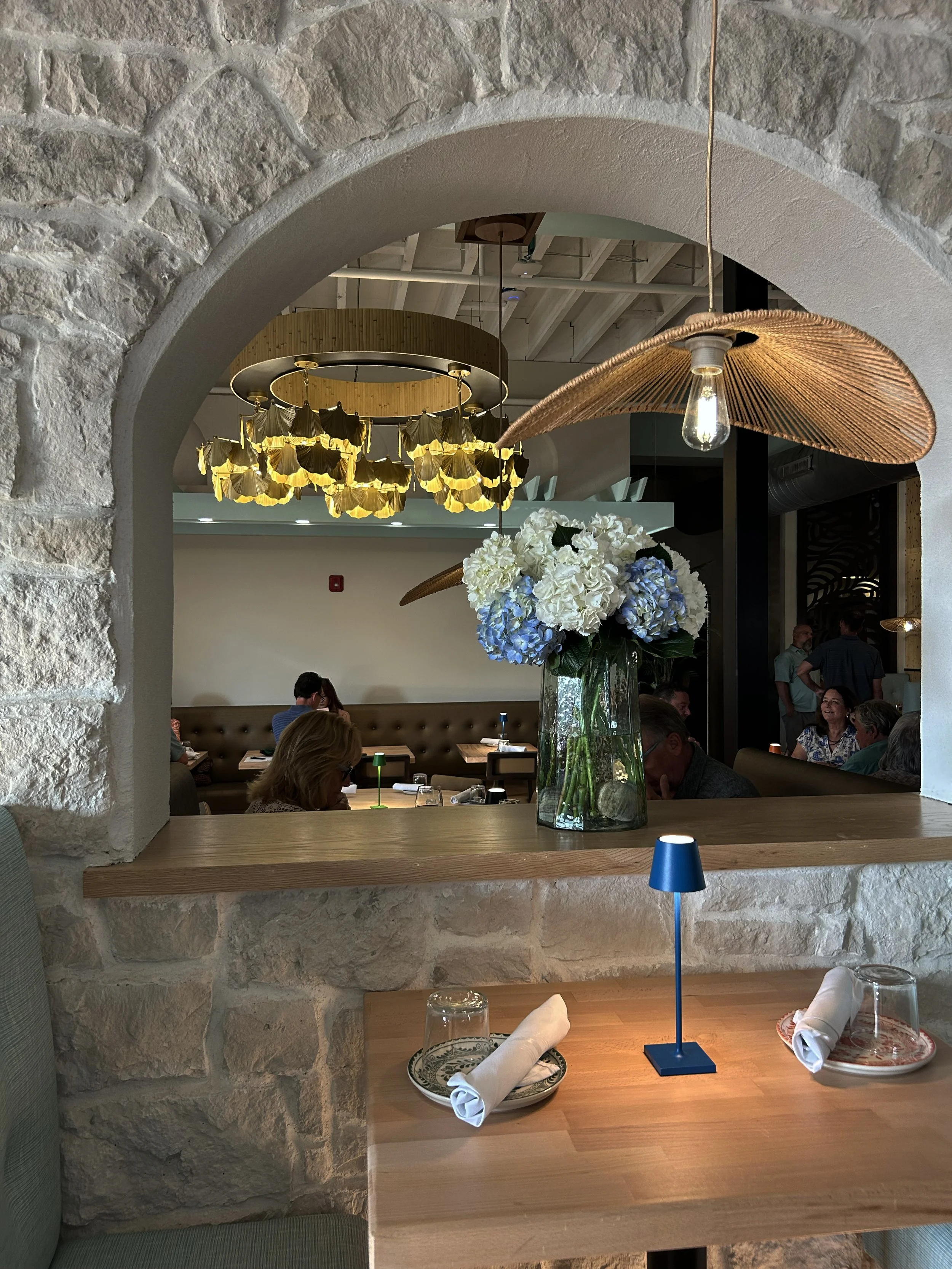
If you're planning a new restaurant, renovating an existing space, or trying to revive a concept that has lost momentum, great design is about far more than choosing attractive finishes.
The right Philadelphia Restaurant Designer can help turn your restaurant into a more memorable, functional and profitable business.
I'm Raymond Haldeman, The Restaurant Designer, and I approach restaurant design from both a creative and commercial perspective. Every decision—from the floor plan and seating configuration to the lighting, bar design, finishes and visual identity—should support the guest experience while helping the restaurant operate more effectively.
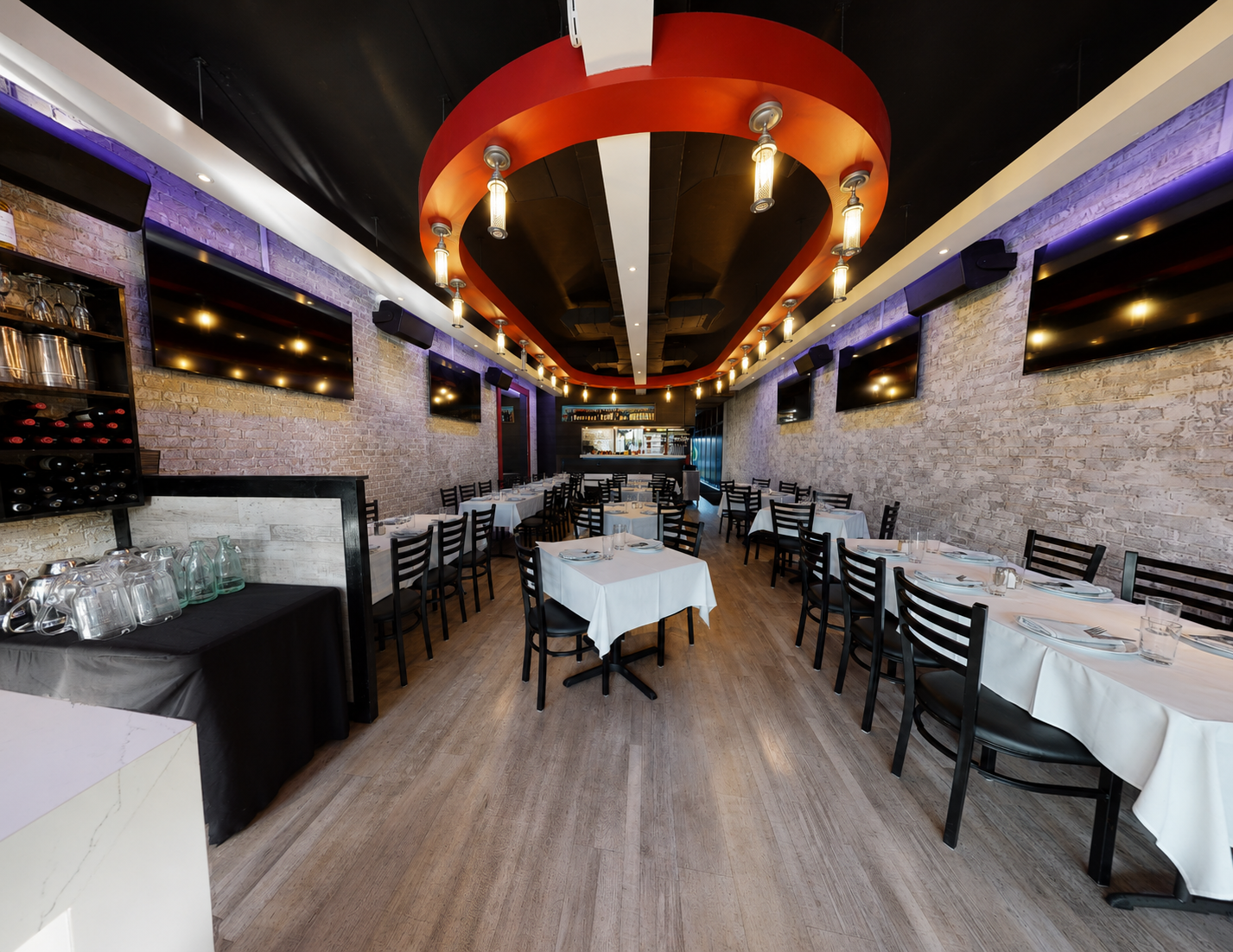
A successful restaurant should look exceptional.
But it also needs to work exceptionally well.
Restaurant Design Is a Business Strategy
Restaurants are among the most complicated interior spaces to design because they must satisfy several objectives simultaneously.
A restaurant needs to be visually memorable while accommodating guests comfortably, moving employees efficiently, supporting food and beverage service, maximizing usable seating and reinforcing the identity of the brand.
Beautiful design alone isn't enough although a focal design element that is hard to forget is a great start.
I believe every square foot should have a purpose.
A professionally planned restaurant should help:
Maximize practical seating capacity
Improve traffic and service flow
Reduce unnecessary operational bottlenecks
Create desirable seating areas throughout the dining room
Increase visibility and impact of the bar
Improve guest comfort
Support efficient table turnover
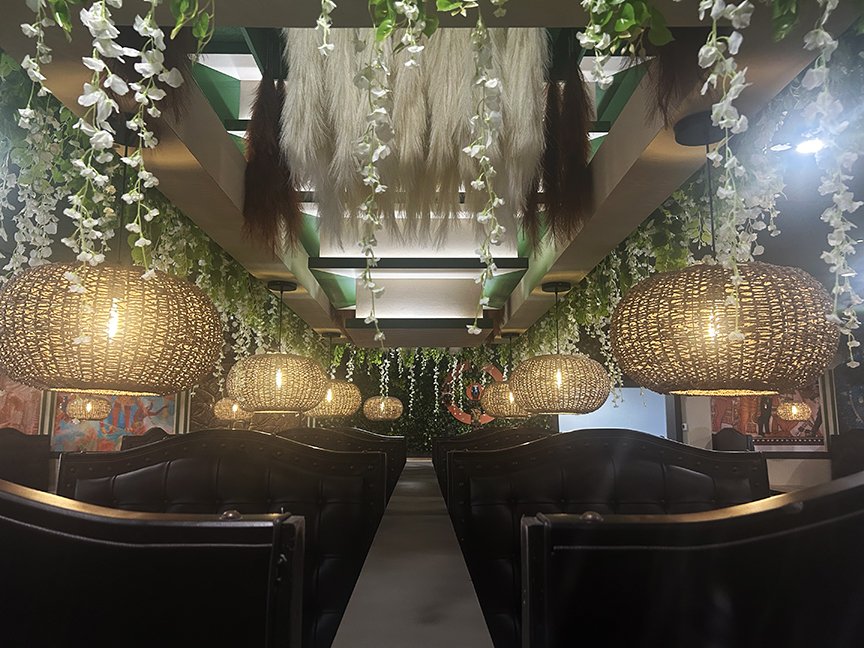
Strengthen the restaurant's visual identity with memorable design elements
Create an experience guests want to photograph, share and revisit
That is why I don't look at a restaurant floor plan simply as a drawing.
I look at it as a revenue map.
Philadelphia Restaurant Design in a Highly Competitive Market
Philadelphia has always been a serious restaurant city, but 2026 has brought an extraordinary level of national and international attention to the region.
For restaurant owners, that visibility reinforces something I've believed for years:
You are not simply competing on food anymore. You are competing on the entire experience.
Guests begin forming an opinion about a restaurant almost immediately.
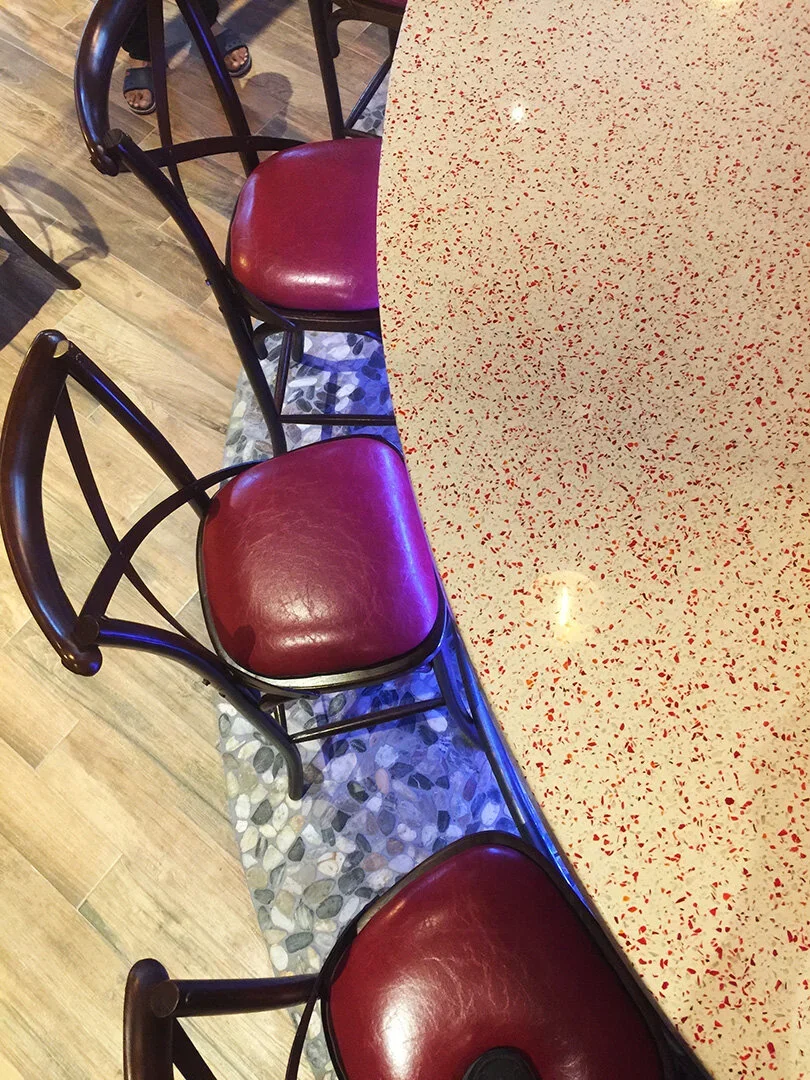
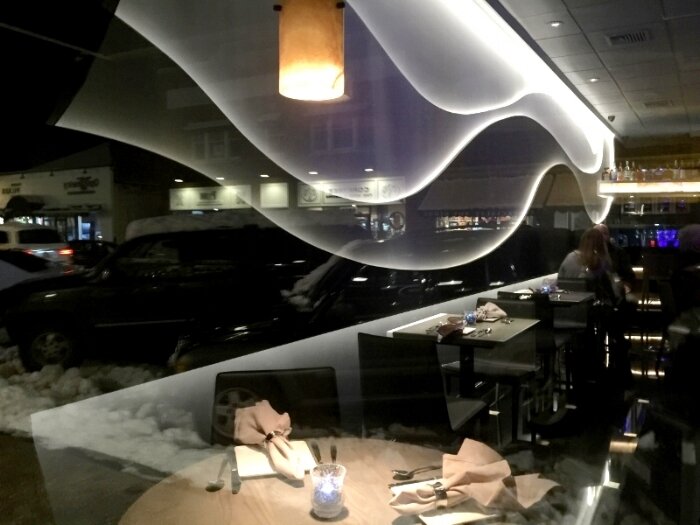
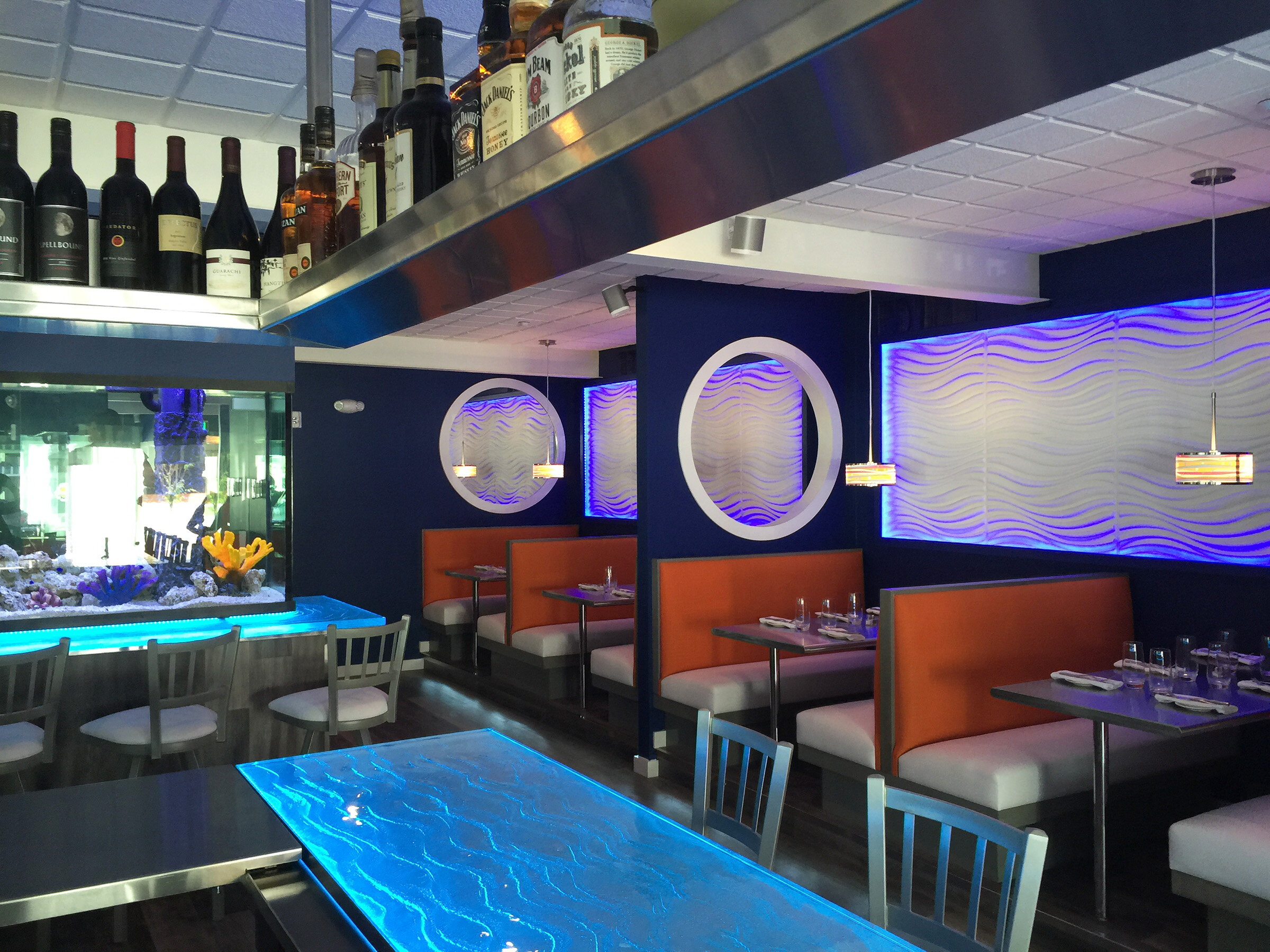
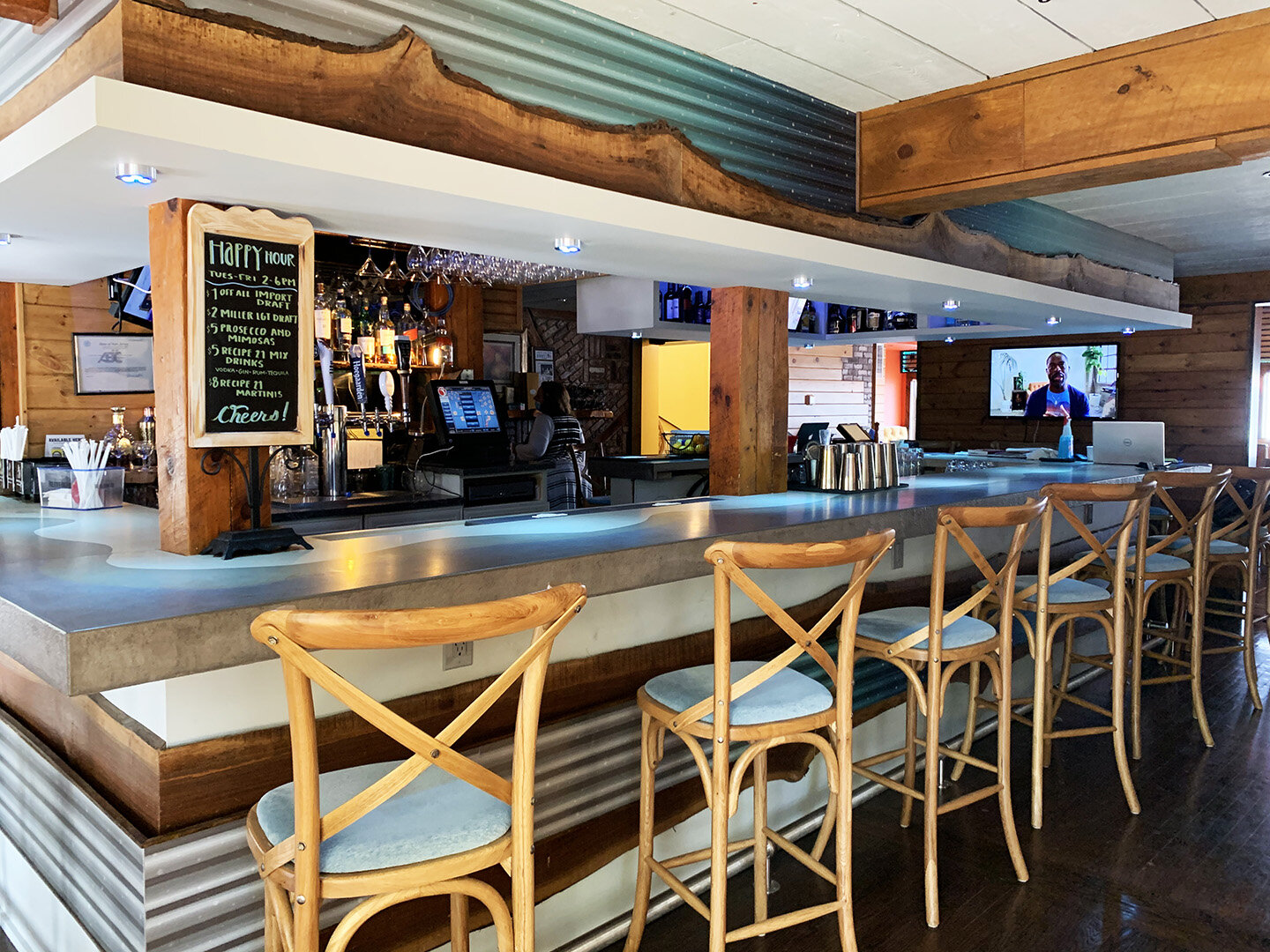
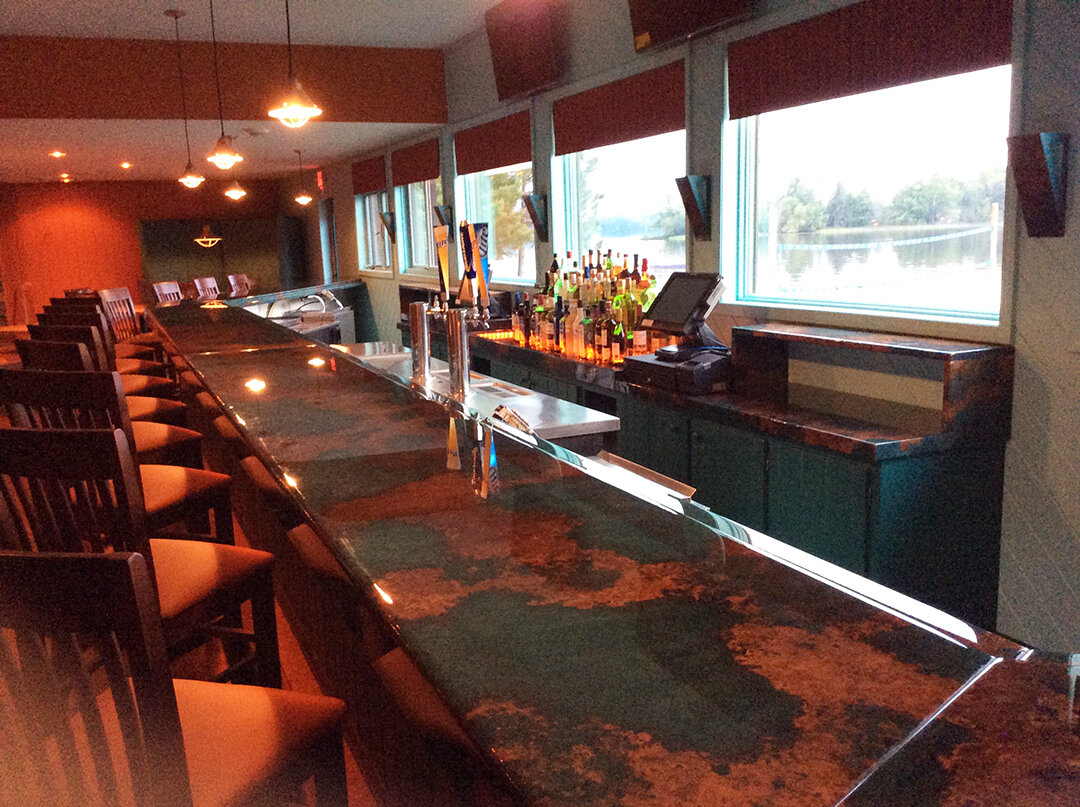
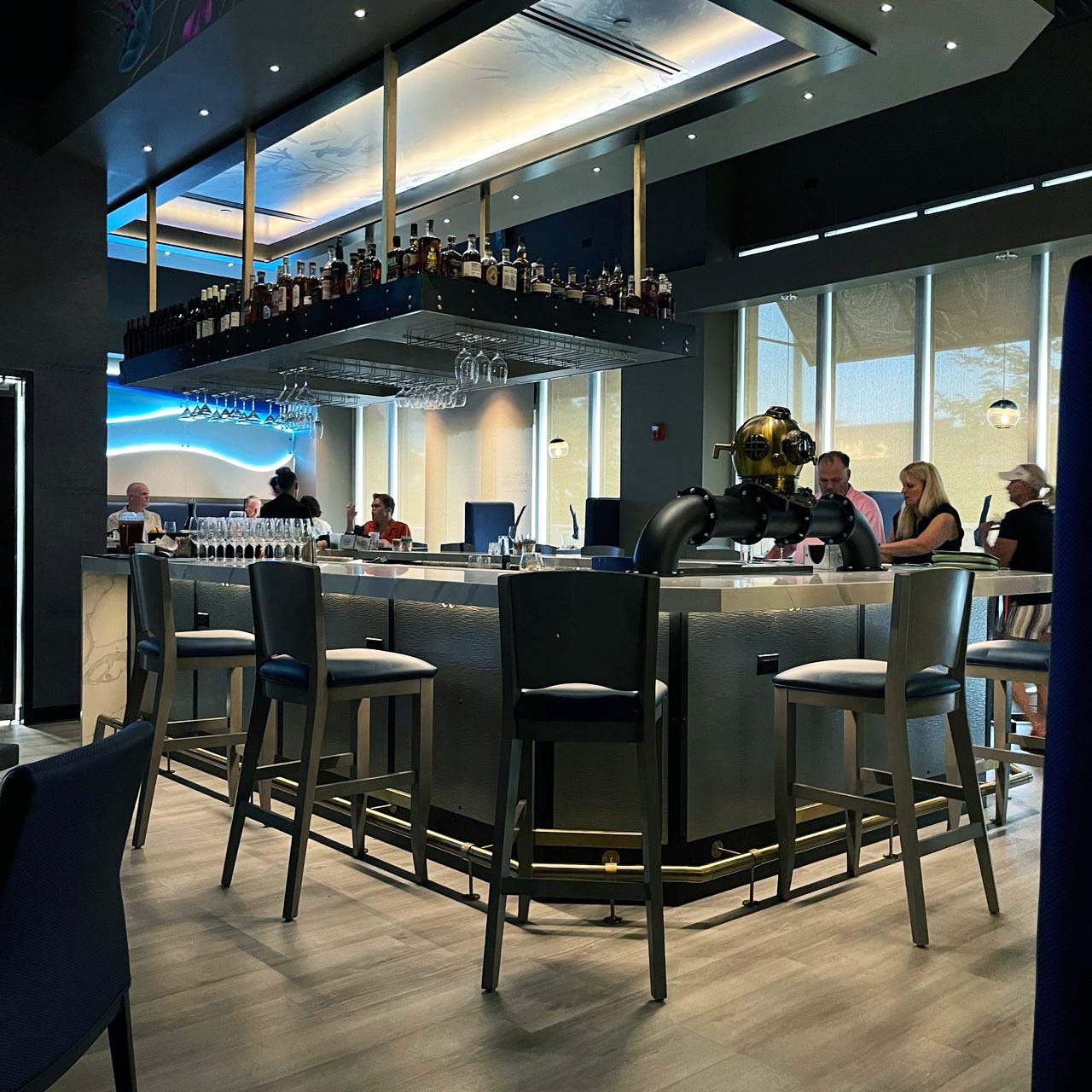
Sea-glass bar design by Restaurant Designer Raymond Haldeman
They notice the entrance.
The lighting, ( the way it “feels”)
The energy of the bar.
The music.
The seating (variety and comfort).
The materials (especially the ones they will actually touch up close, ie, furniture fabric)
The people around them.
And whether the room simply feels right.
A well-designed restaurant creates anticipation before the first drink reaches the table.
Designing for Philadelphia's Different Restaurant Markets
There is no single formula for successful restaurant design in Philadelphia.
Different neighborhoods and markets require different approaches.
Rittenhouse Square and Center City
Restaurants in Rittenhouse and Center City often need a higher level of sophistication, detail and finish. Think luxury and style.
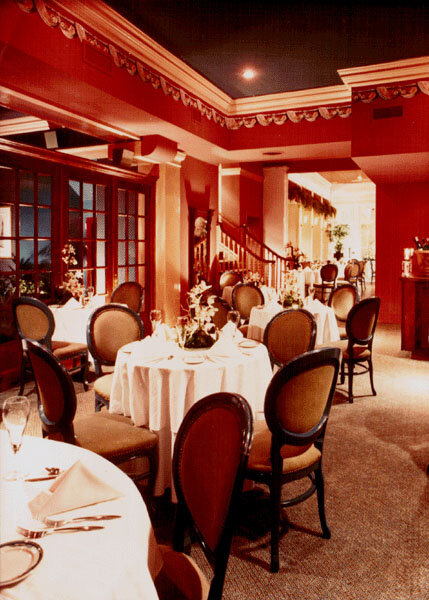
Guests expect an environment that feels intentional and polished. Lighting, furniture, artwork, materials and architectural details must work together to create a cohesive experience worthy of the menu and price point.
Fishtown and Emerging Neighborhoods
In neighborhoods such as Fishtown, design can take a more eclectic, artsy direction.
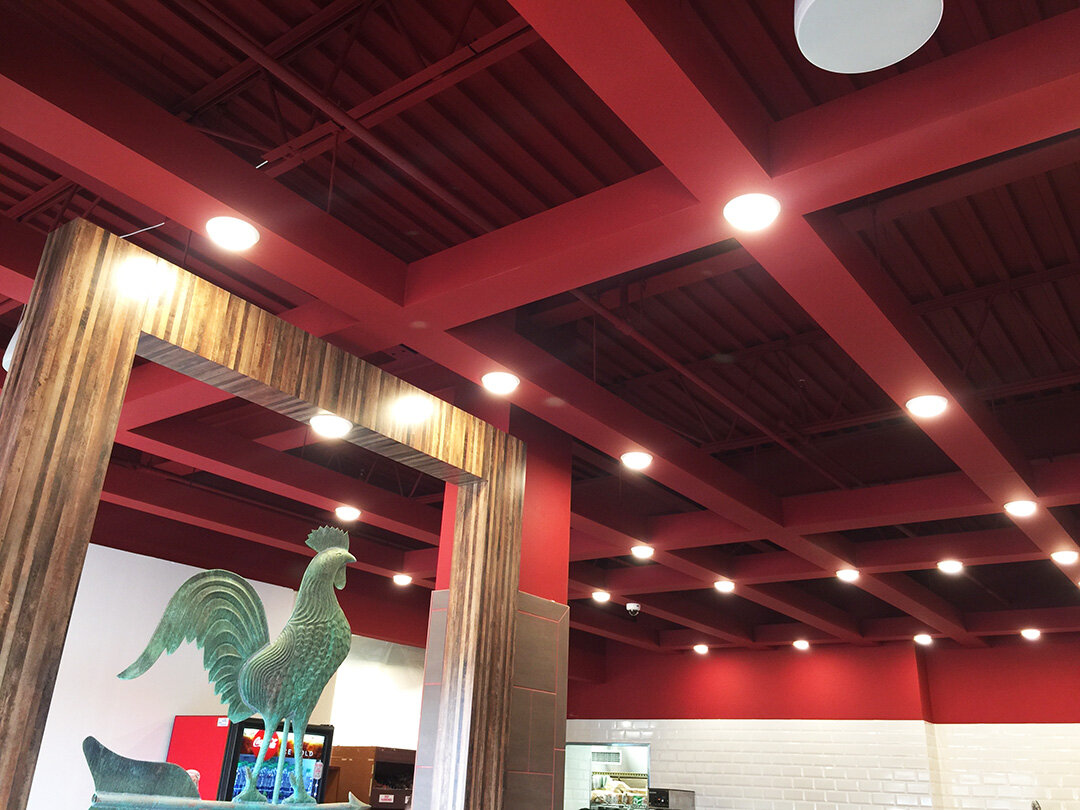
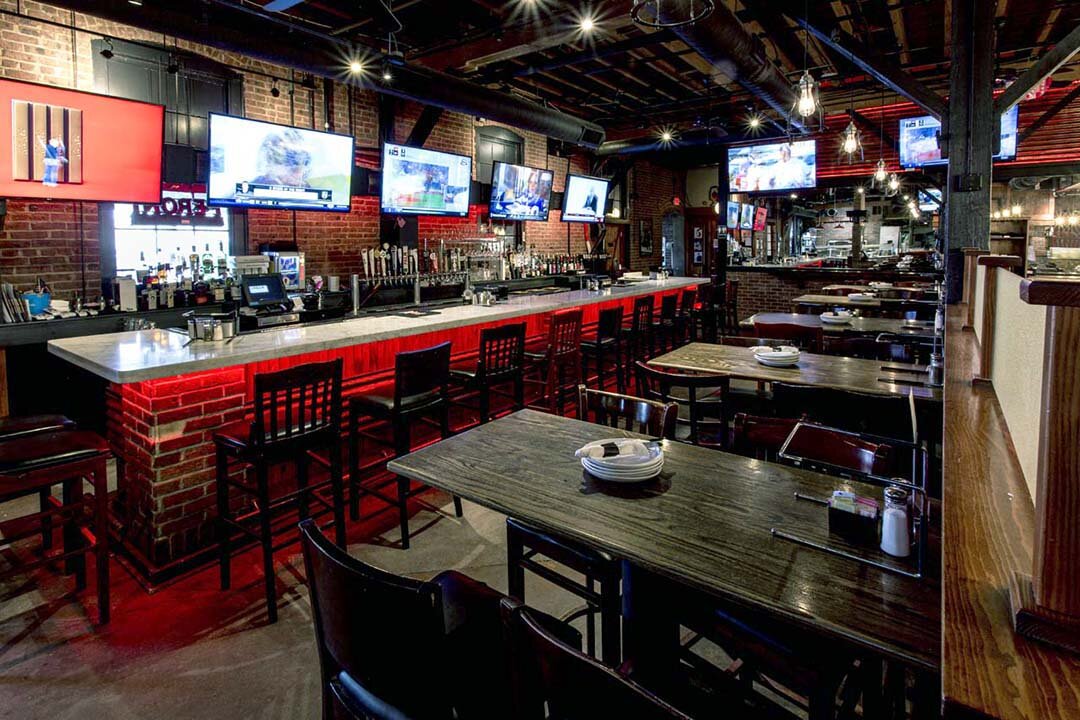
Industrial architecture, exposed materials and historic building elements can become important parts of the restaurant's identity—but the result still needs to feel sophisticated rather than unfinished.
The Main Line and Philadelphia Suburbs
Suburban diners increasingly expect the same level of atmosphere and design they encounter in Center City.
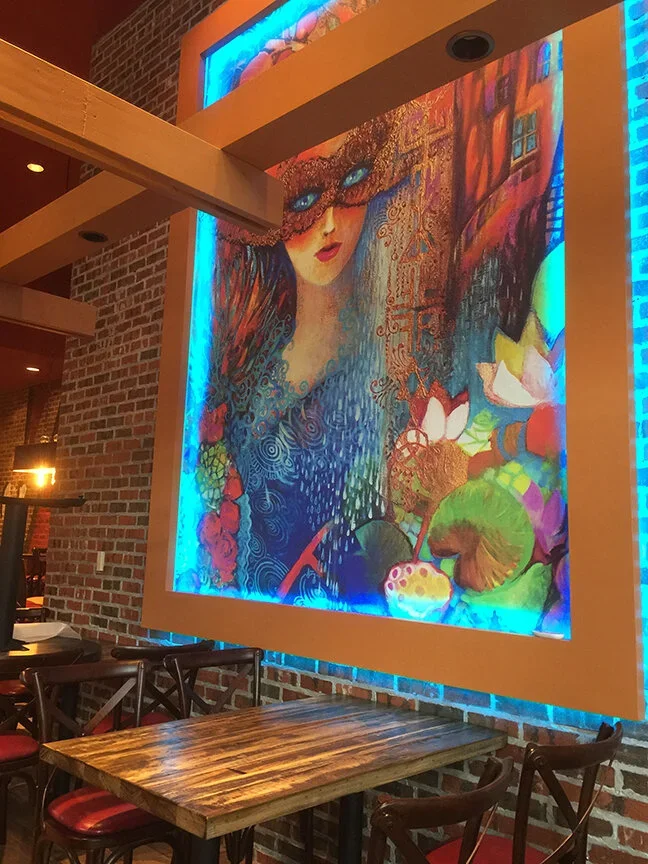
A suburban restaurant doesn't have to look urban, but it does need a distinctive identity.
Generic isn't enough anymore.
The most successful concepts create a reason for guests to choose that restaurant rather than simply the restaurant closest to home.
Strategic Restaurant Space Planning Can Increase Revenue
One of the most valuable services a restaurant designer provides happens before the finishes, furniture or decorative elements are selected.
It is space planning.
A poorly planned restaurant can contain wasted areas, difficult server paths, undesirable tables, overcrowded circulation and inefficient relationships between the bar, dining room, kitchen and service stations.
These problems can affect the restaurant every night it operates.
Sometimes relatively small changes to a floor plan can produce significant results.
An additional table, a better booth configuration, a redesigned bar or more efficient circulation can increase the productive capacity of the restaurant without increasing its overall square footage.
That is why restaurant design needs to begin with function.
First make the space work. Then make it spectacular.
Eliminating Restaurant "Dead Zones"
Almost every poorly planned restaurant has them.
I call them dead zones—areas that occupy valuable square footage but contribute very little to the business.
They may include:
Awkward corners where nobody wants to sit
Oversized circulation areas
Poorly positioned service stations
Tables repeatedly rejected by guests
Underutilized areas around entrances
Bars with poor visibility
Spaces that are difficult for servers to access
Seating configurations that waste valuable floor area
A good restaurant designer identifies these problems before construction whenever possible.
In an existing restaurant, redesigning these areas can dramatically change how the room performs without necessarily expanding the building.
Create "The Best Seat in the House"
Every great restaurant should have seats people specifically request.
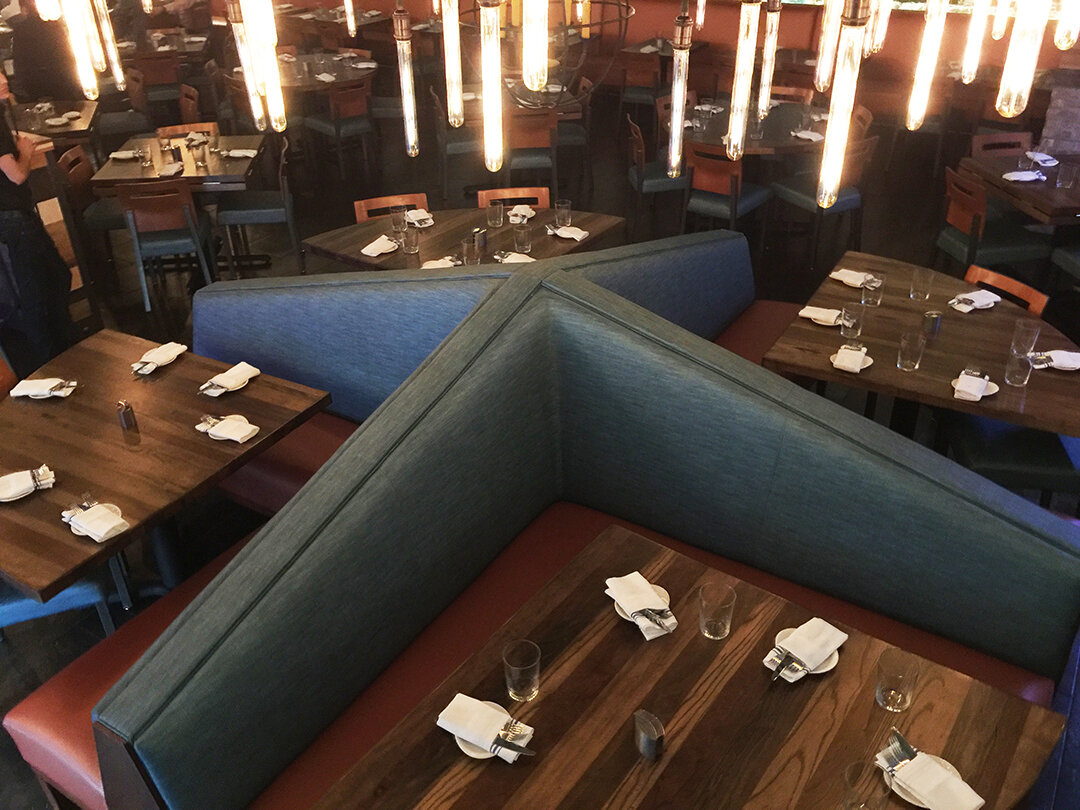
A dramatic booth.
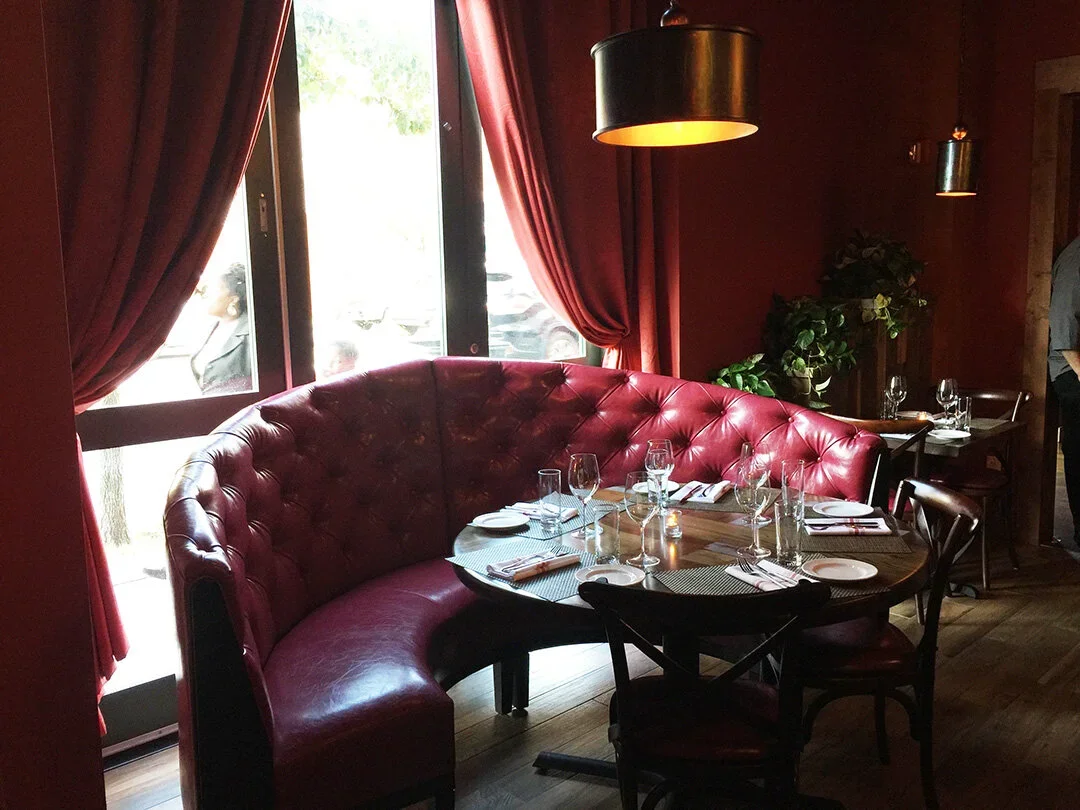
A corner table.
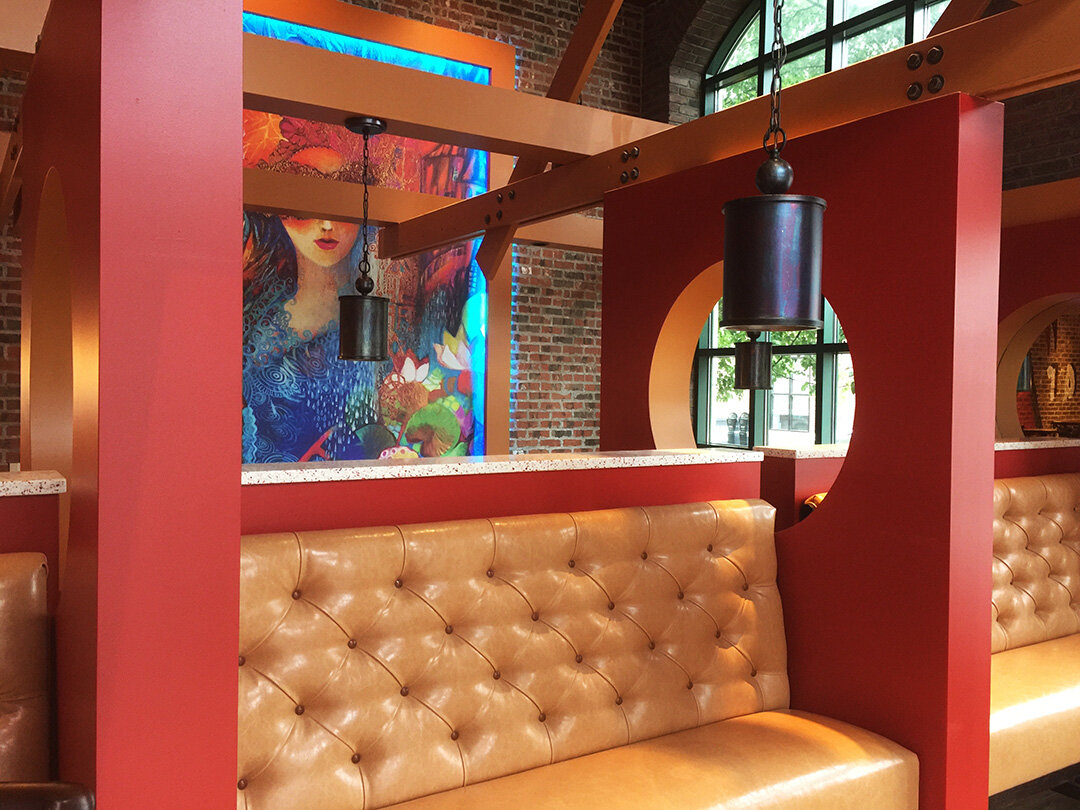
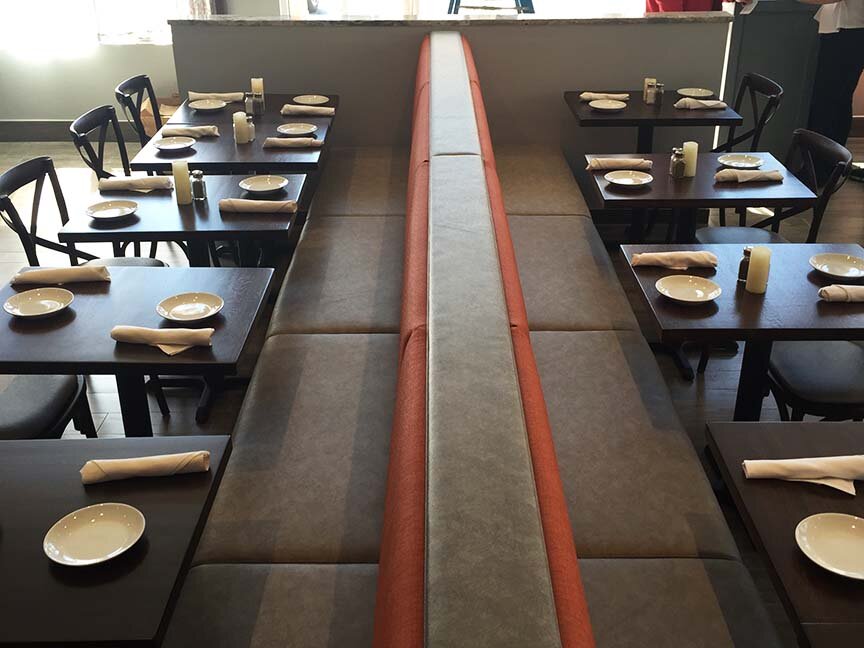
A highly visible banquette.
A seat overlooking the bar.
A semi-private dining area.
These locations create perceived exclusivity and make the restaurant feel more desirable.
Rather than allowing premium locations within the dining room to happen accidentally, I prefer to deliberately design them.
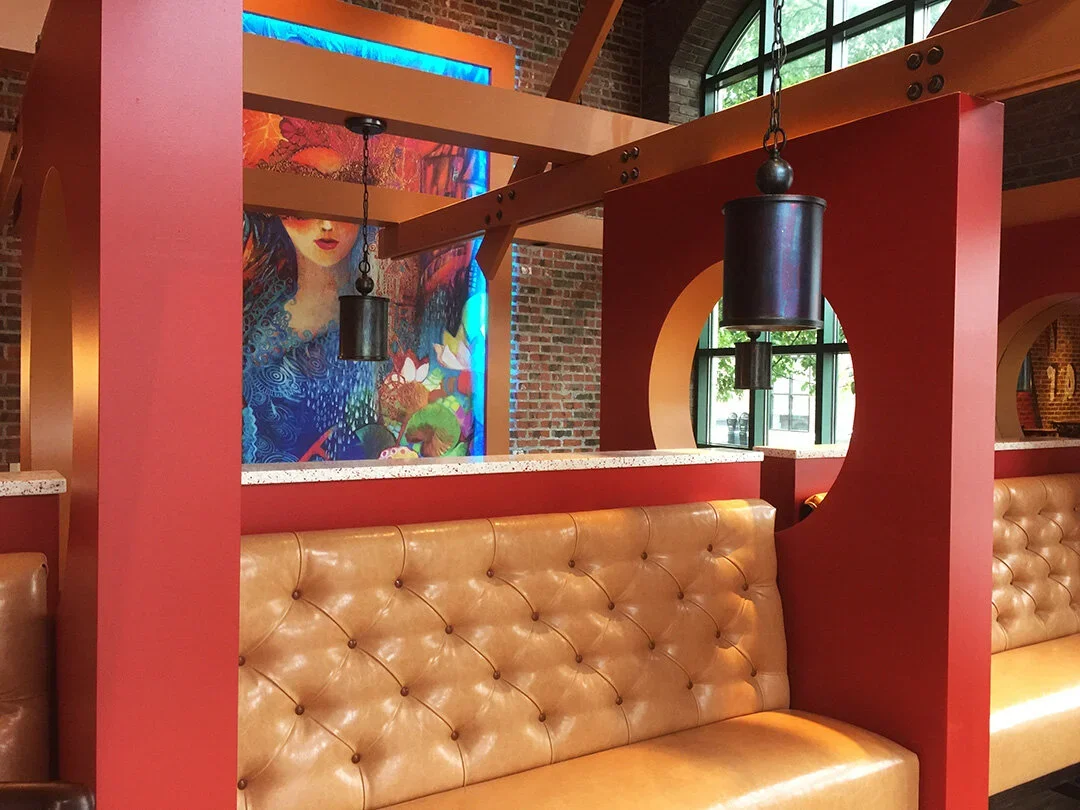
Comfortable booths and banquettes can also establish visual structure within a large dining room while creating intimacy and improving acoustics.
For additional ideas, see my Restaurant Seating Design work and articles.
Bar Design Should Be a Major Visual Attraction
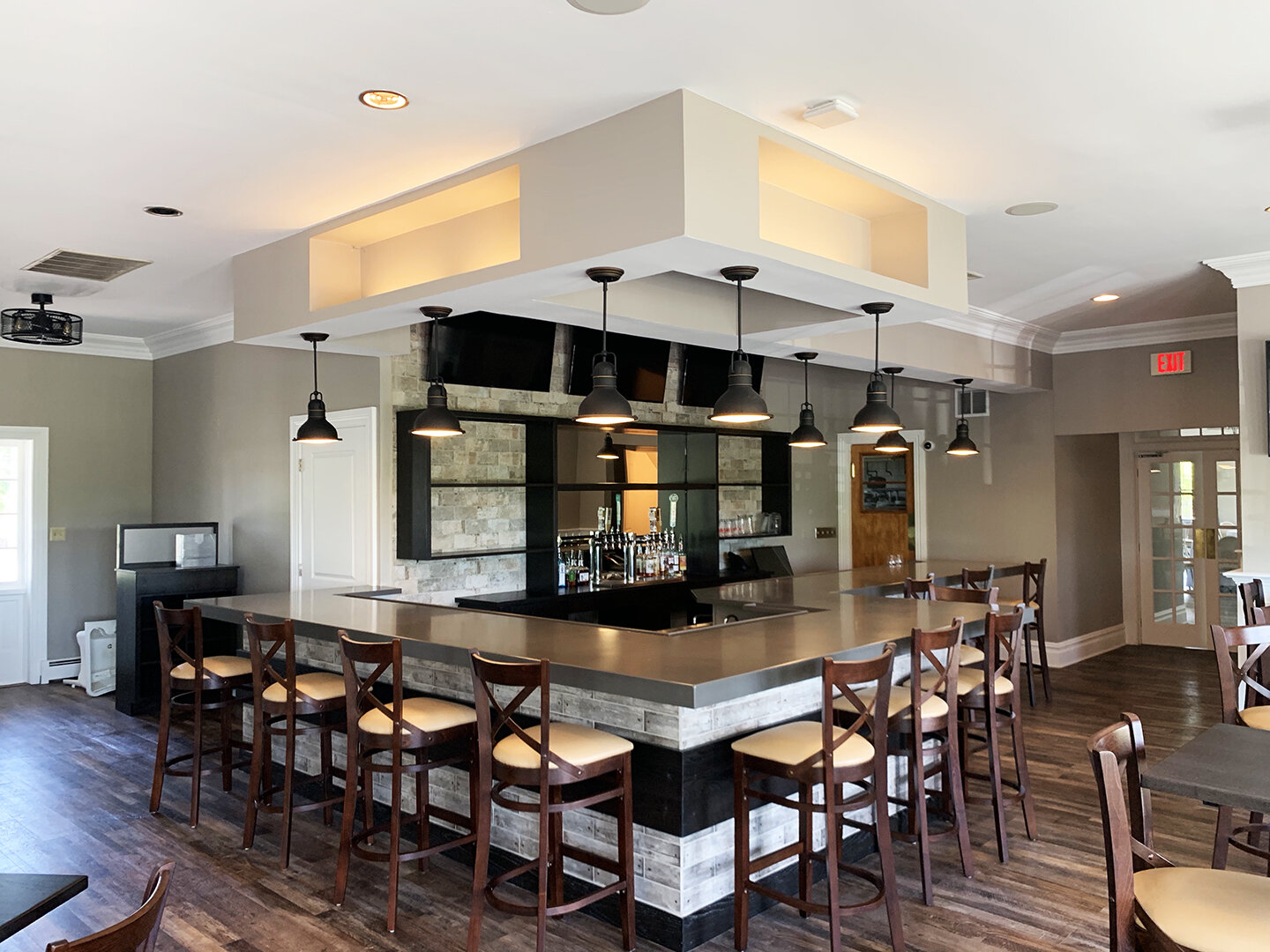
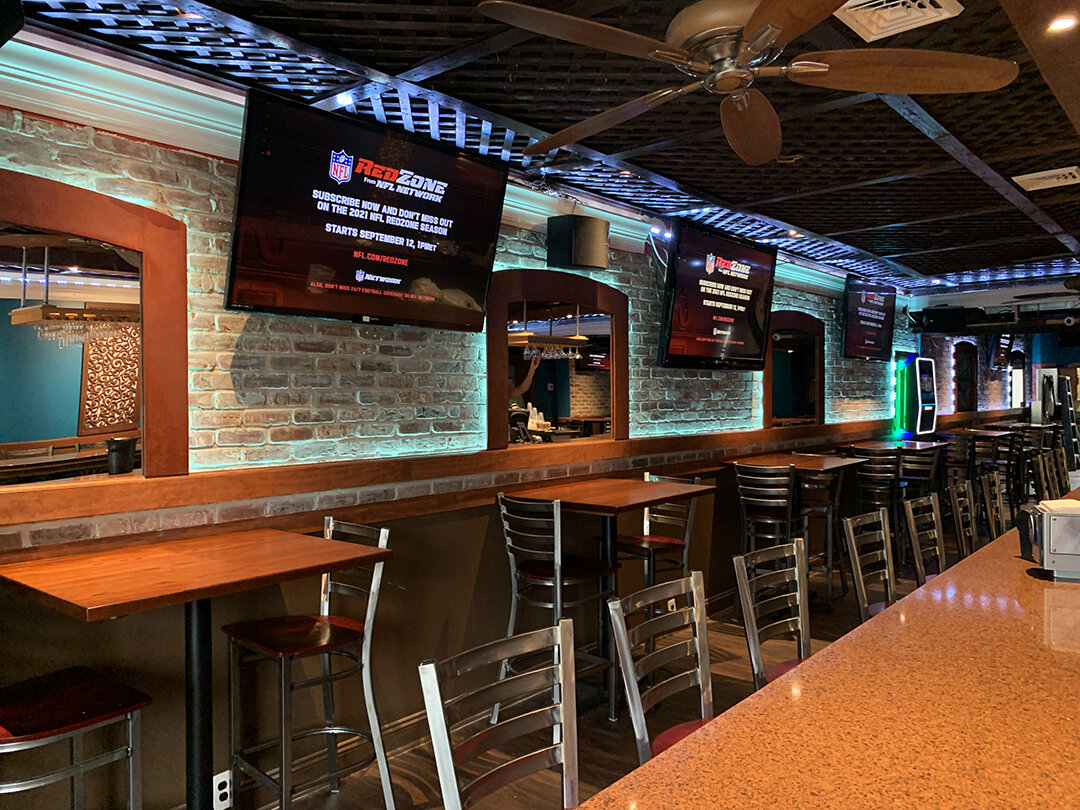
For many restaurants, the bar is one of the most important revenue-producing areas in the building.
So why hide it?
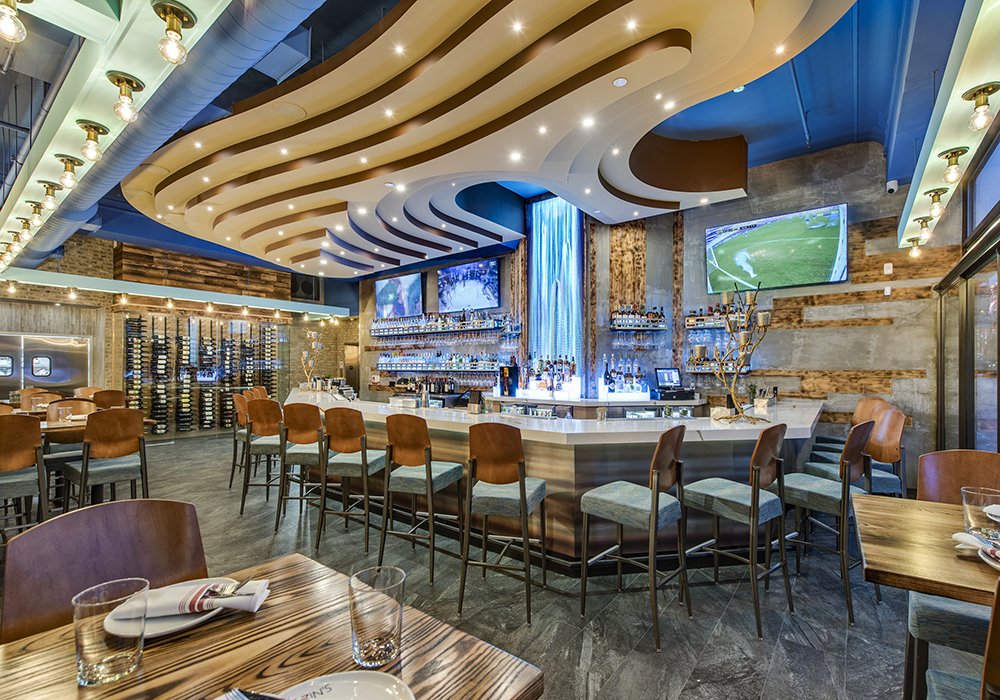
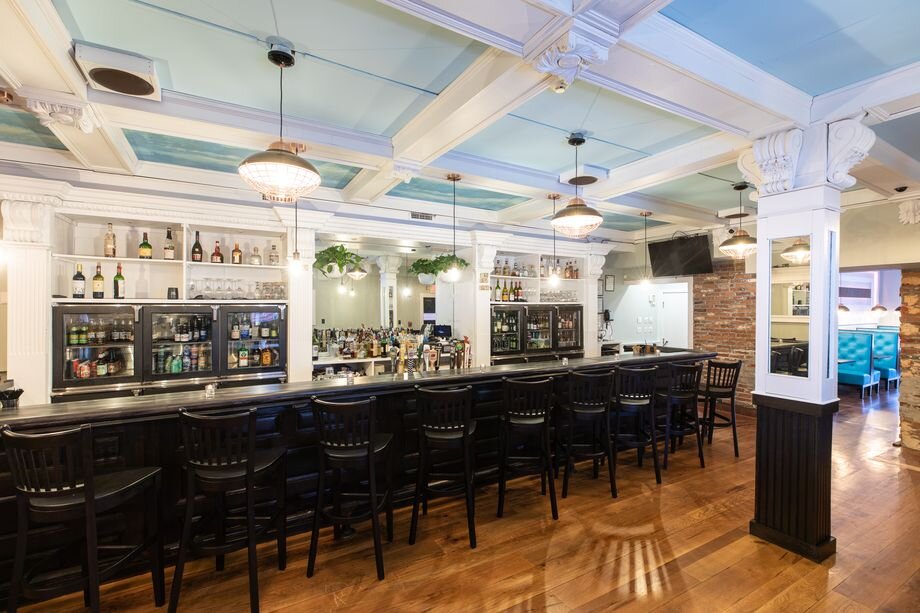
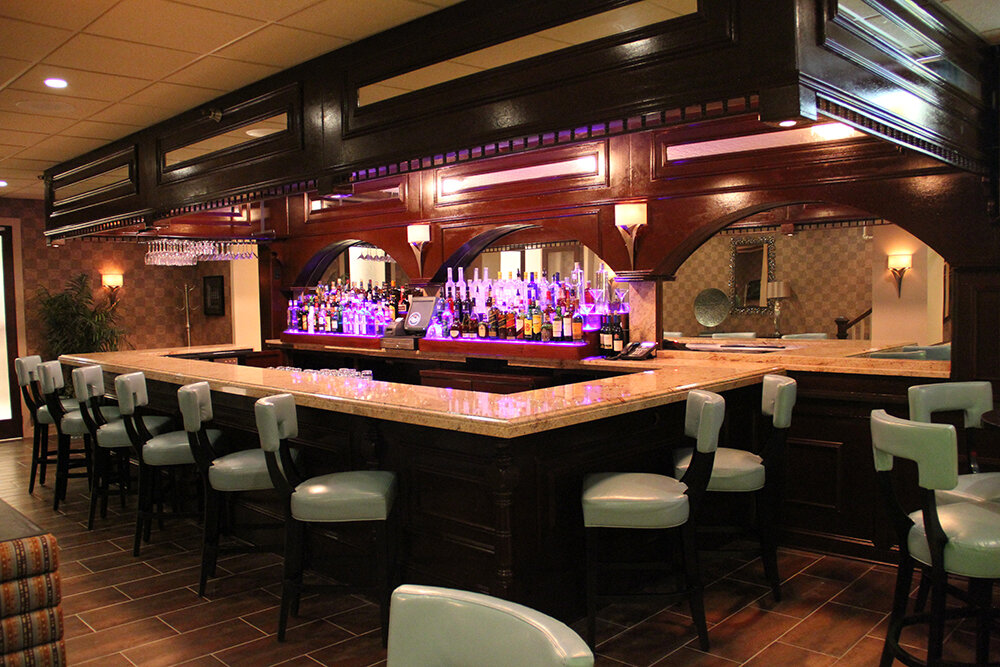
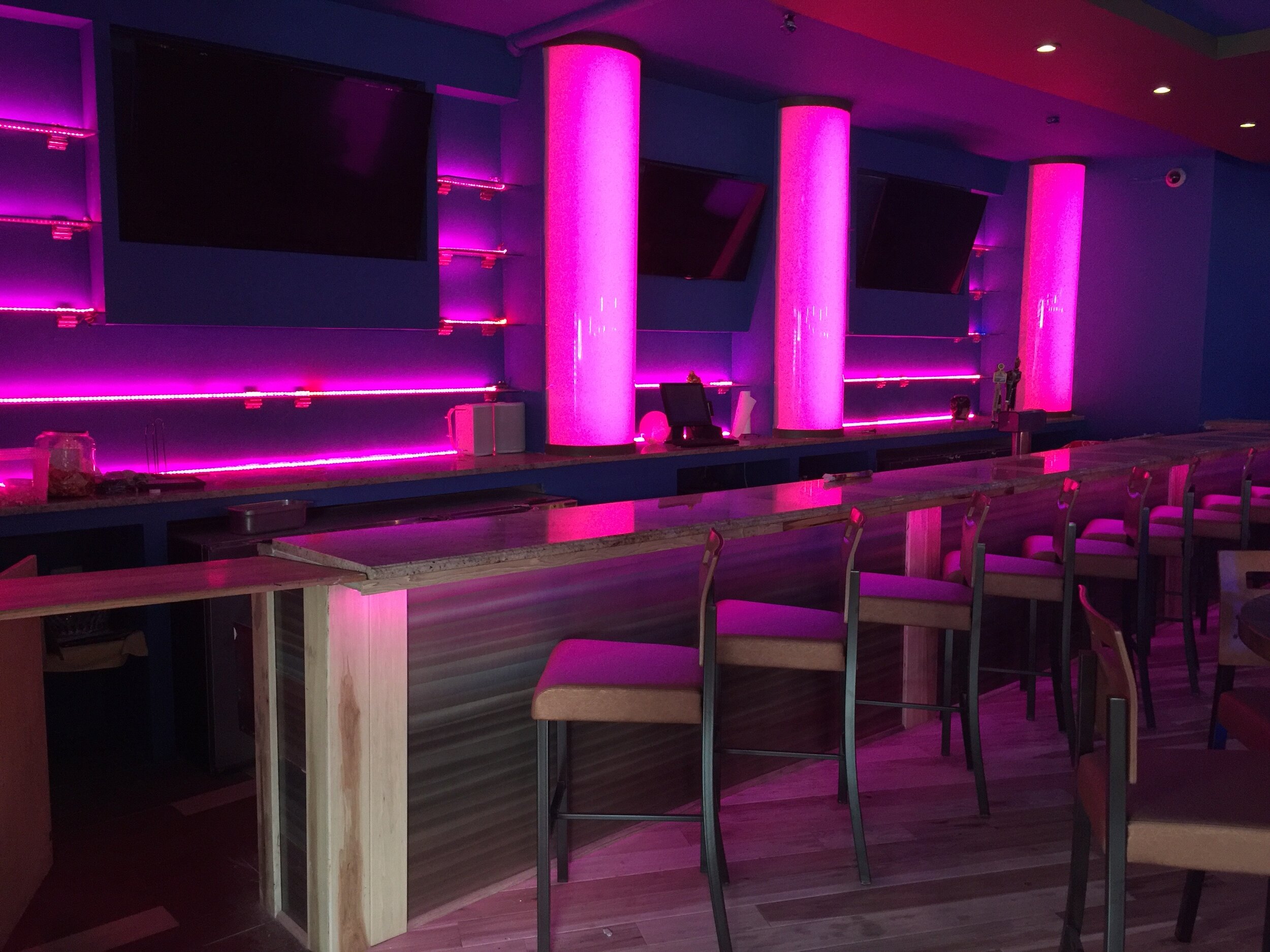
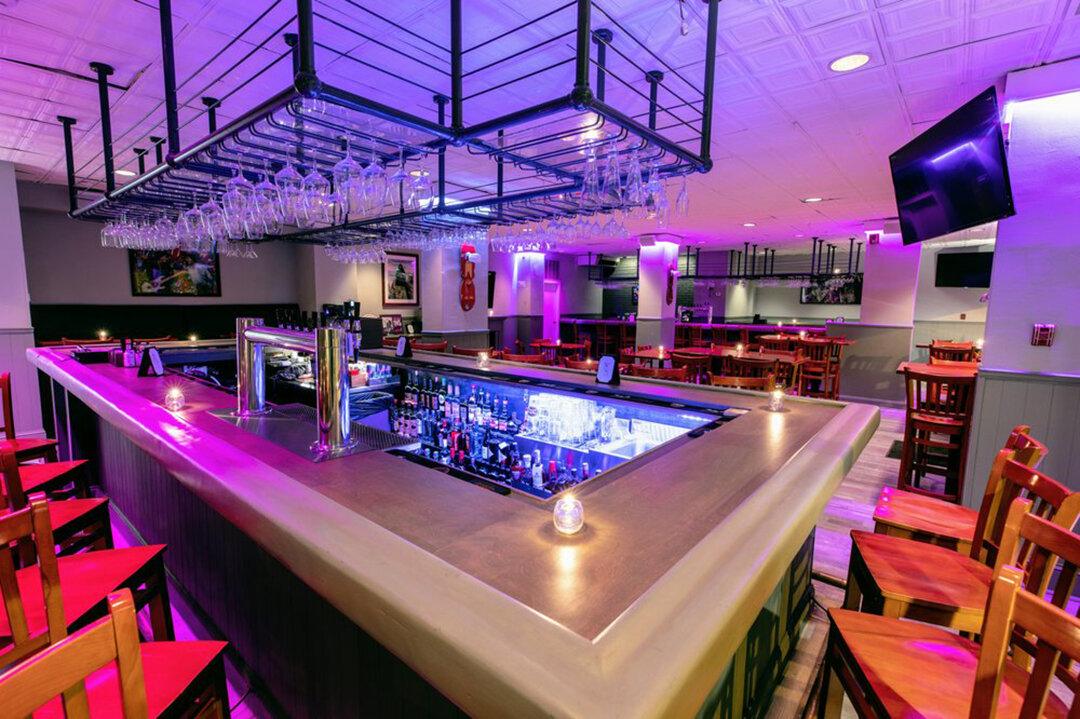
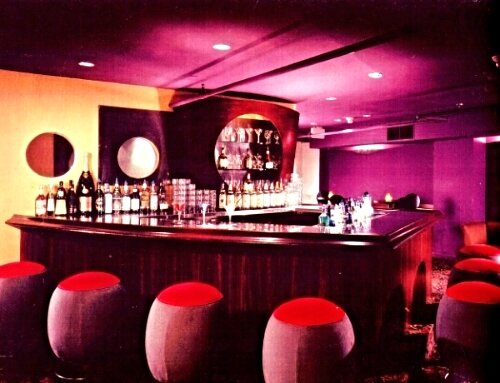
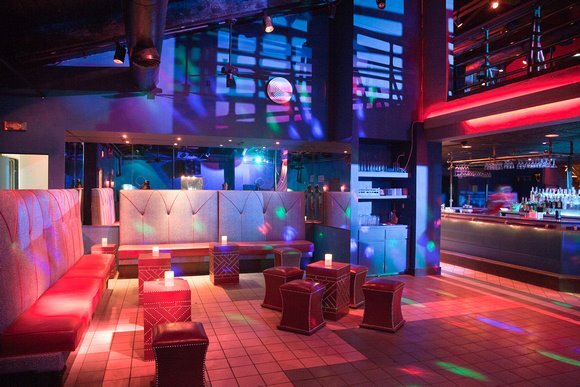
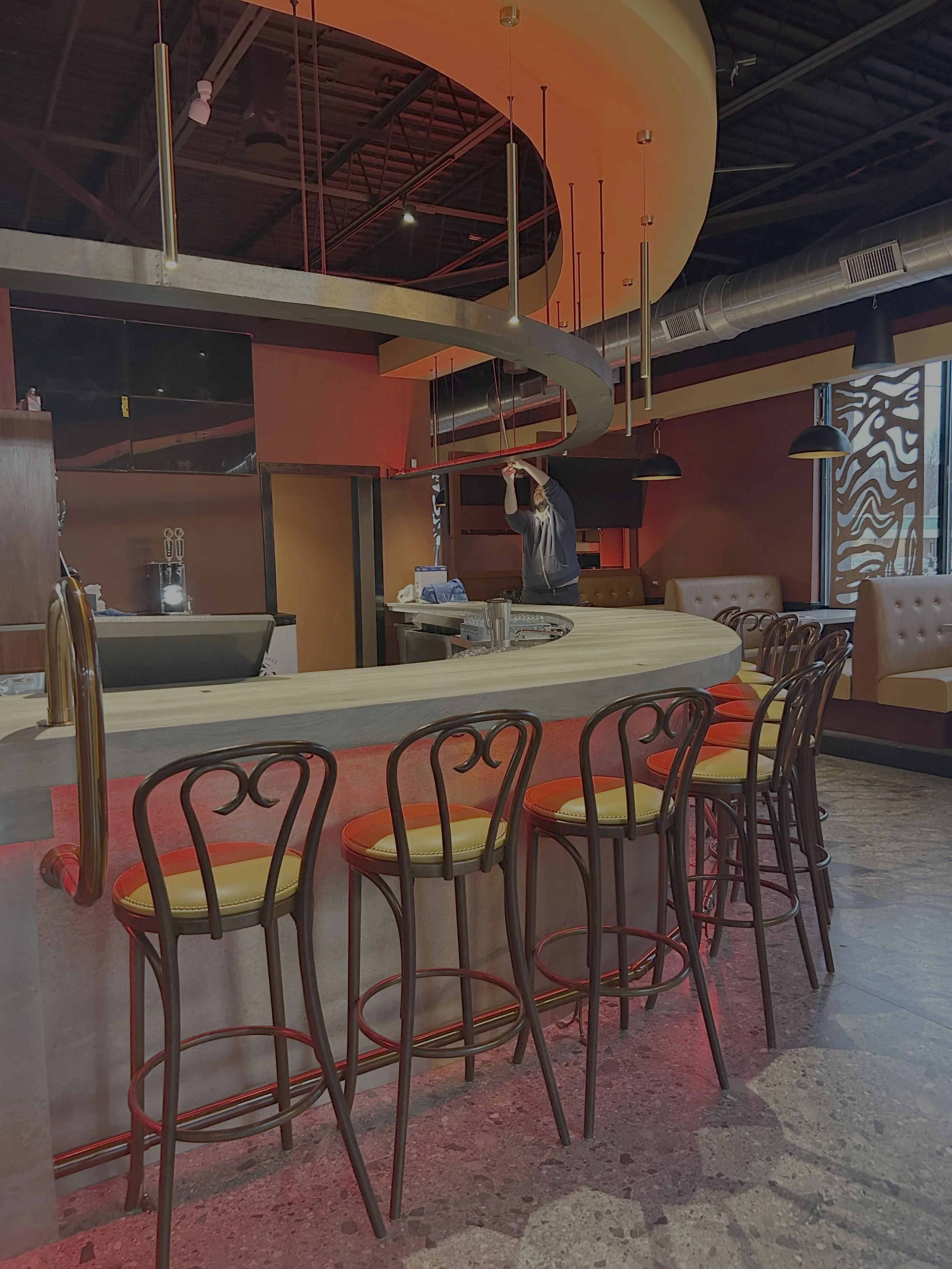
A well-designed bar should become an architectural focal point that guests notice almost immediately.
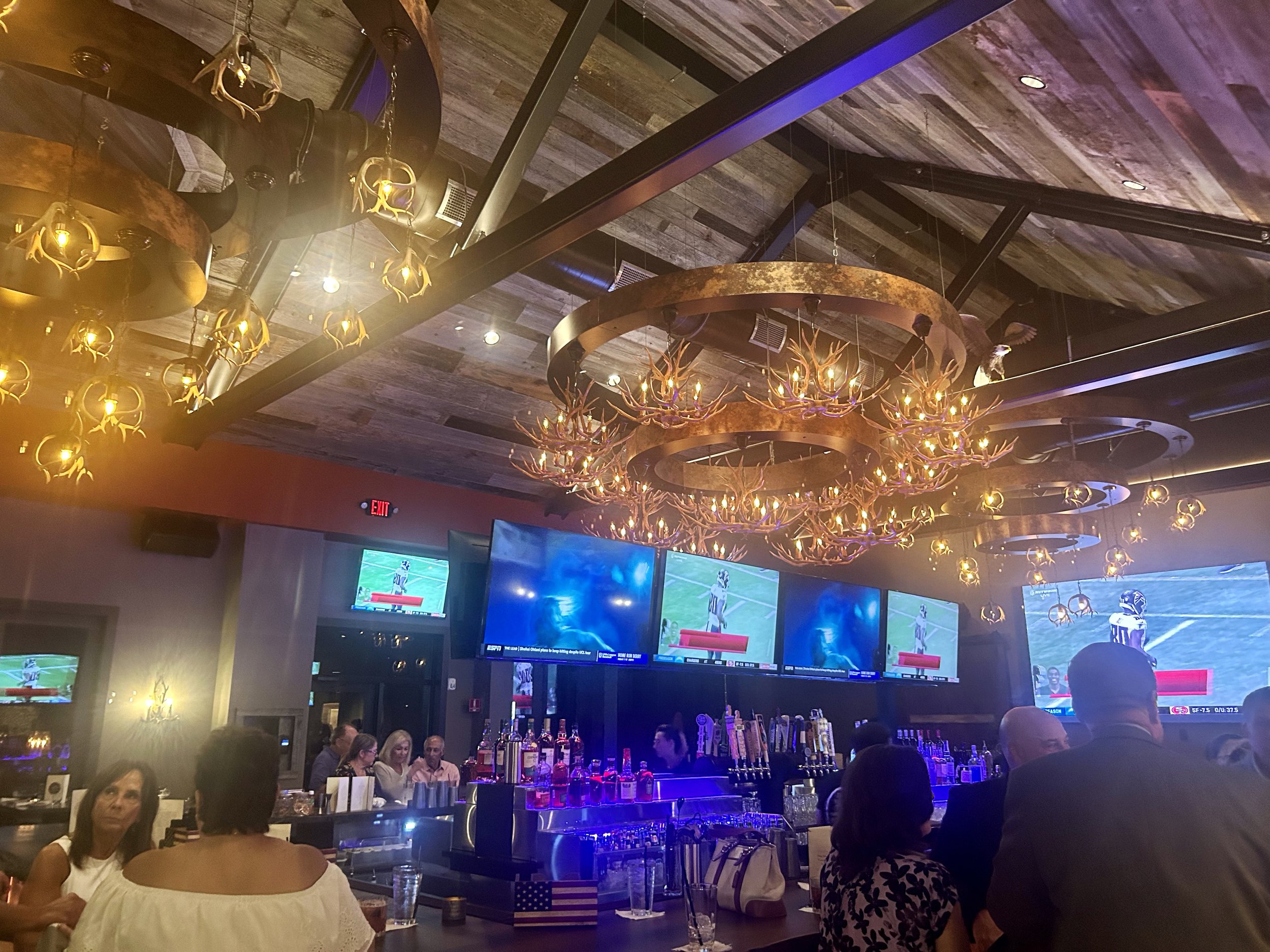
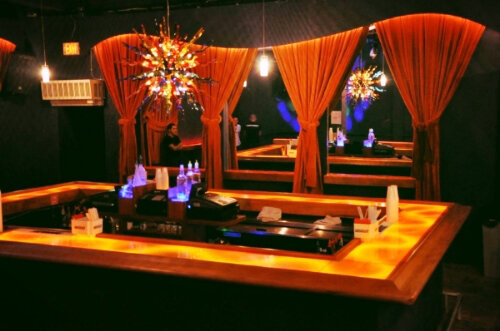
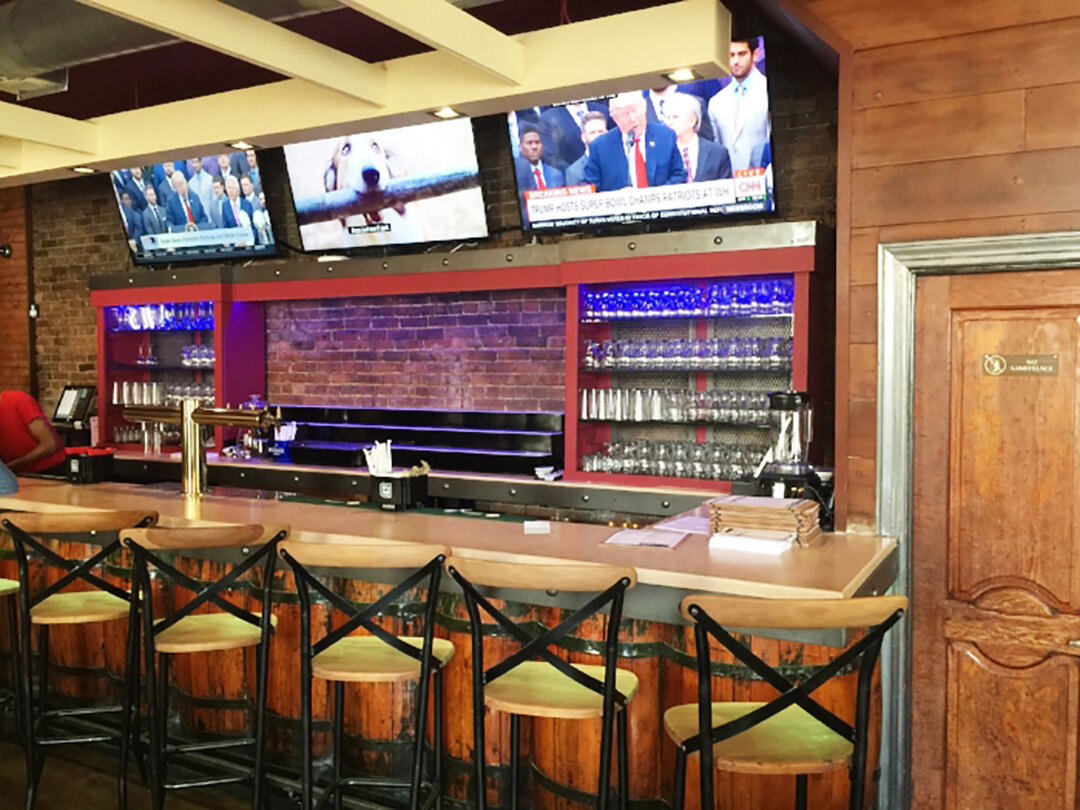
Back-bar lighting, bottle displays, decorative finishes, ceiling treatments and carefully positioned lighting can turn the bar into one of the strongest visual elements of the restaurant.
The objective is not simply to create a place where drinks are prepared.
It is to create energy.
A successful bar attracts attention, creates movement and gives the restaurant a social center.
[PHOTO PLACEMENT #4 — BAR DESIGN]
Suggested image: Dramatic completed bar or lounge
Suggested alt text: Philadelphia restaurant and bar design by Raymond Haldeman
Lighting Can Completely Transform a Restaurant
One of the most powerful—and frequently underestimated—elements of restaurant design is lighting.
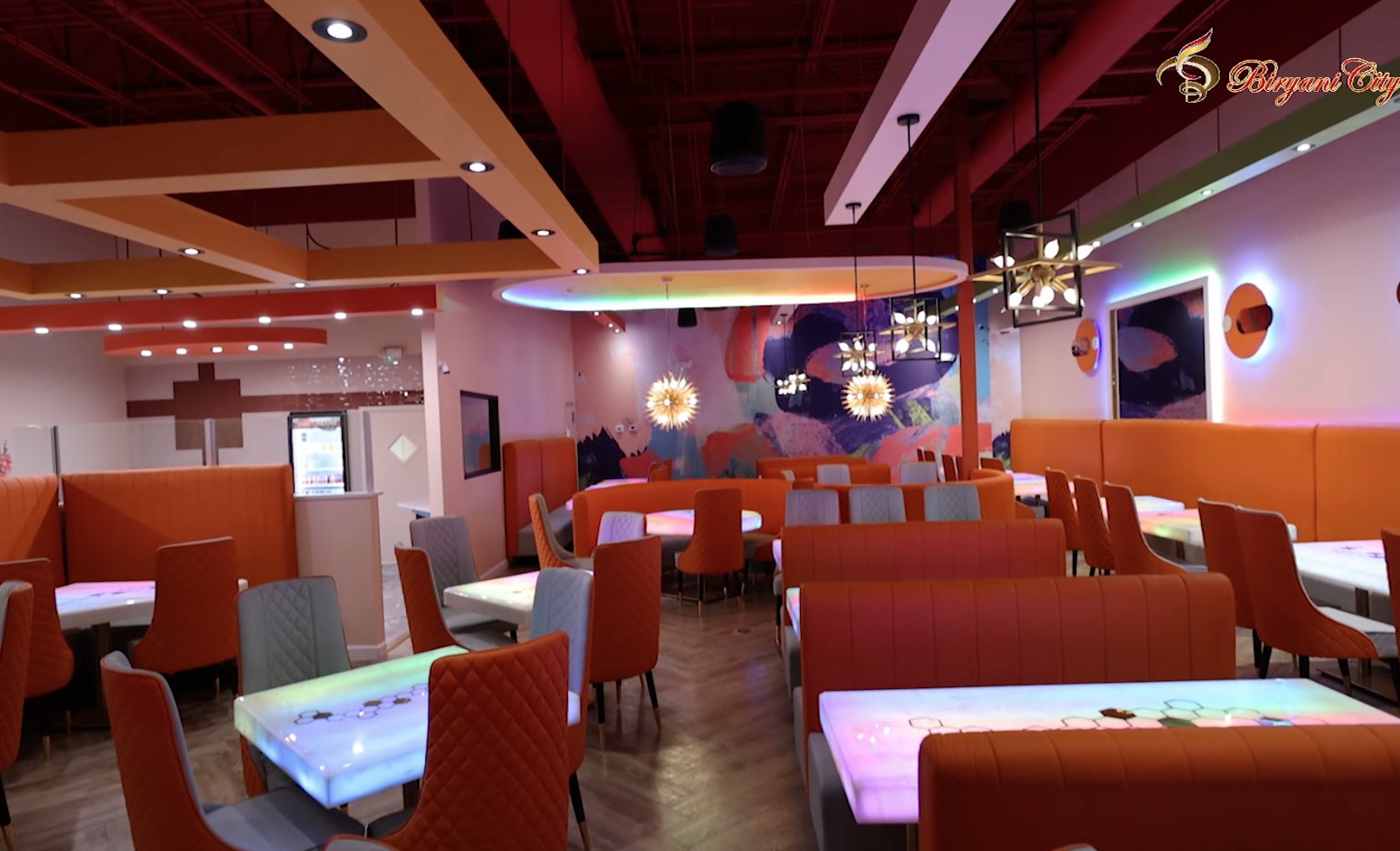
The same restaurant can feel luxurious, romantic, energetic, cold or completely uninviting depending on how it is illuminated.
Good restaurant lighting requires layers.
That may include:
Decorative fixtures
Architectural lighting
Accent lighting
Table lighting
Bar and bottle illumination
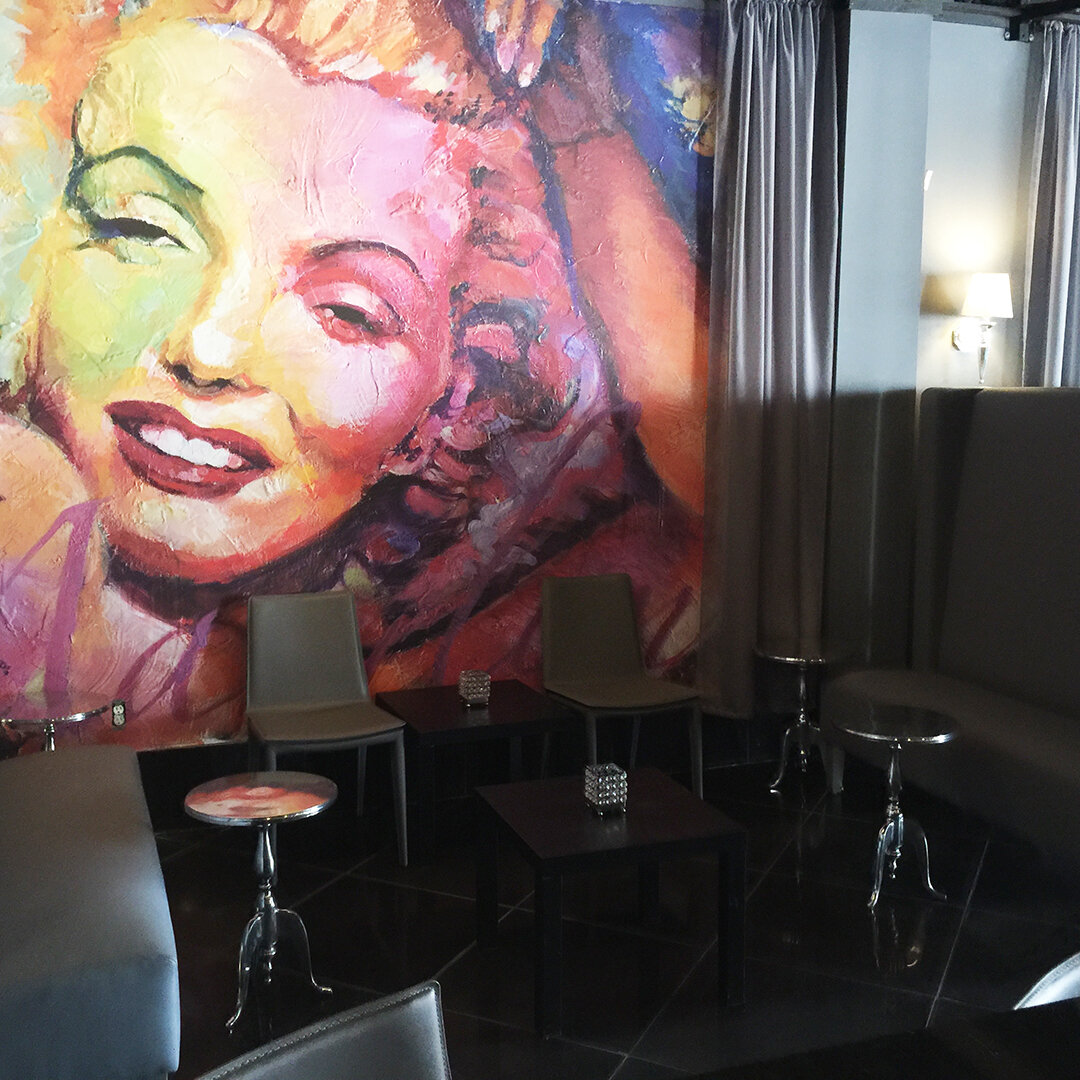
Artwork lighting
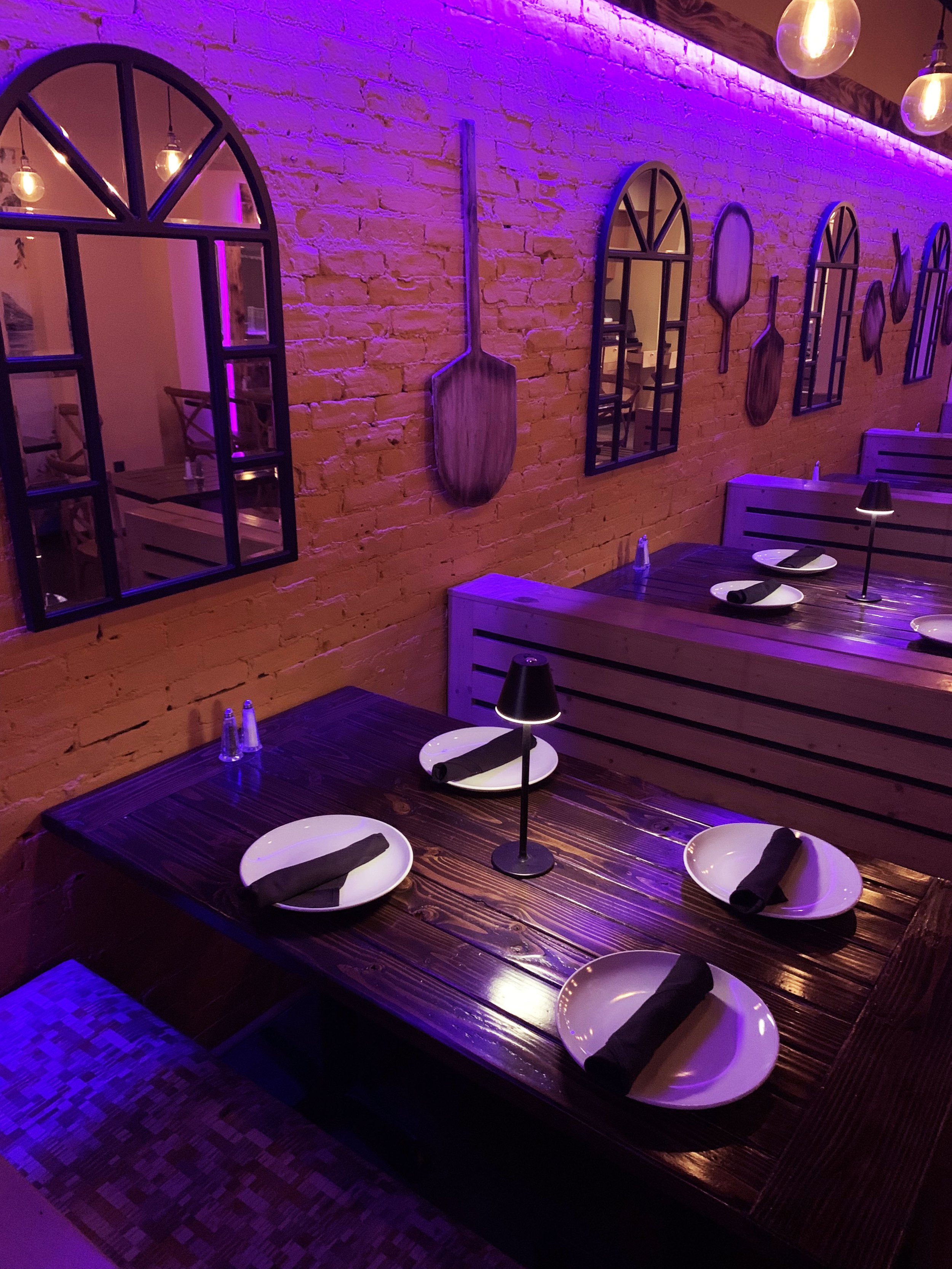
Concealed LED lighting
Carefully controlled ambient lighting
Lighting should also change throughout the day.
A restaurant at 6:00 PM should not necessarily have the same lighting environment at 10:30 PM.
As the evening progresses, a more intimate atmosphere can help transform dinner into an experience.
Restaurant Rebranding: When a Cosmetic Update Isn't Enough
Sometimes the problem isn't simply an outdated dining room.
The entire restaurant concept has lost relevance.
In those situations, changing the paint colors and replacing a few light fixtures isn't enough.
A successful restaurant rebranding may require reconsidering the entire guest experience.
Step 1: Concept Audit
We begin by looking honestly at the existing concept.
Who is the restaurant trying to attract?
Does the environment appeal to that guest?
Does the atmosphere support the menu and price point?
Where is the disconnect?
Step 2: Interior Repositioning
The physical environment is redesigned to support the restaurant's new direction.
That can include the floor plan, seating, bar, lighting, furniture, colors, textures, artwork and architectural features.
Step 3: Visual Identity
The visual identity should reinforce the same story as the interior.
Signage, graphics, menus, logos and environmental branding should feel like parts of one concept rather than unrelated pieces.
Step 4: Implementation
The best design concept is worthless if it isn't properly executed.
Design oversight throughout implementation helps maintain the original vision while resolving the inevitable questions that arise during construction.
For a deeper discussion, read my Restaurant Rebranding Cost: The 2026 Strategic Investment Guide.
[PHOTO PLACEMENT #5 — REBRANDING BEFORE & AFTER]
Suggested image: Strong before-and-after restaurant transformation
Suggested alt text: Restaurant rebranding Philadelphia before and after
Modernizing a Philadelphia Restaurant Without Losing Its Character
Philadelphia has extraordinary architecture.
That character shouldn't automatically be demolished just because a restaurant needs to feel contemporary.
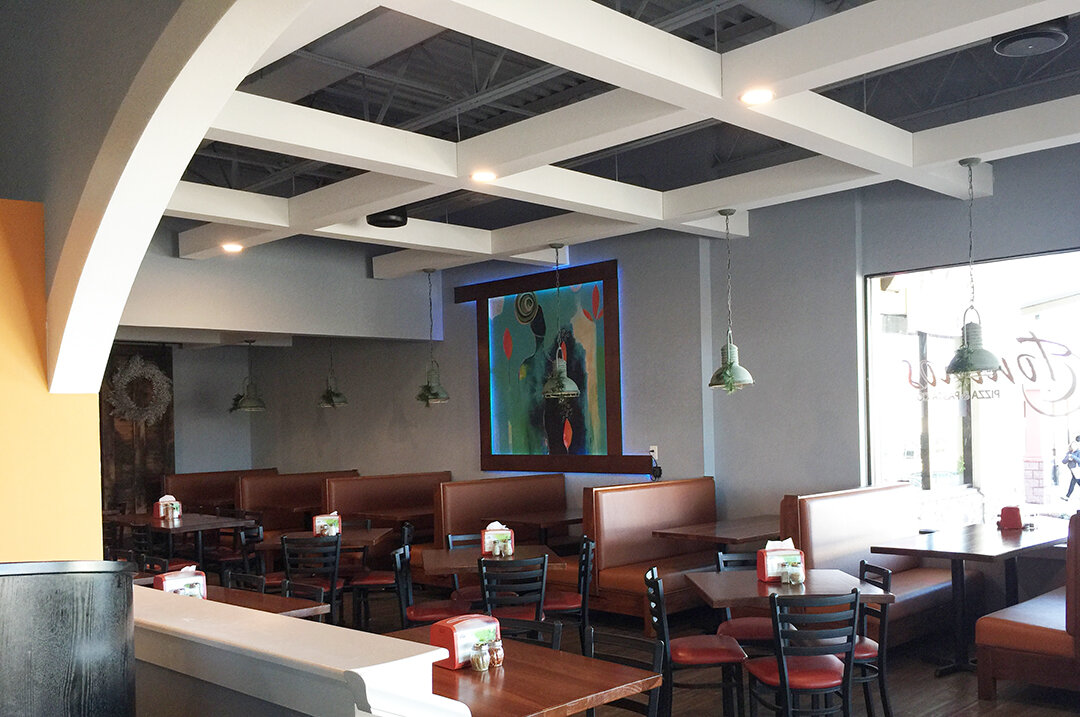
Historic masonry, timber, architectural details, unusual ceilings and existing structural elements can often become assets.
The challenge is deciding what deserves to remain and what is preventing the restaurant from moving forward.
I enjoy combining existing architectural character with contemporary materials, dramatic lighting and modern restaurant functionality.
The objective isn't to erase the history of the building.
It's to make the history work with the new concept.
Restaurant Design Should Improve Operations Too
The guest sees the dining room.
Your employees experience the floor plan hundreds of times during every service.
That difference matters.
Poorly positioned service stations, long walking distances, congestion around the kitchen entrance and inefficient paths between tables may seem minor on paper, but repeated throughout a busy night they become significant operational problems.
Good restaurant design considers both sides of the experience.
Guests should see a beautiful, effortless environment.
Employees should have a logical workplace that helps them do their jobs efficiently.
When those two objectives come together, the restaurant performs better.
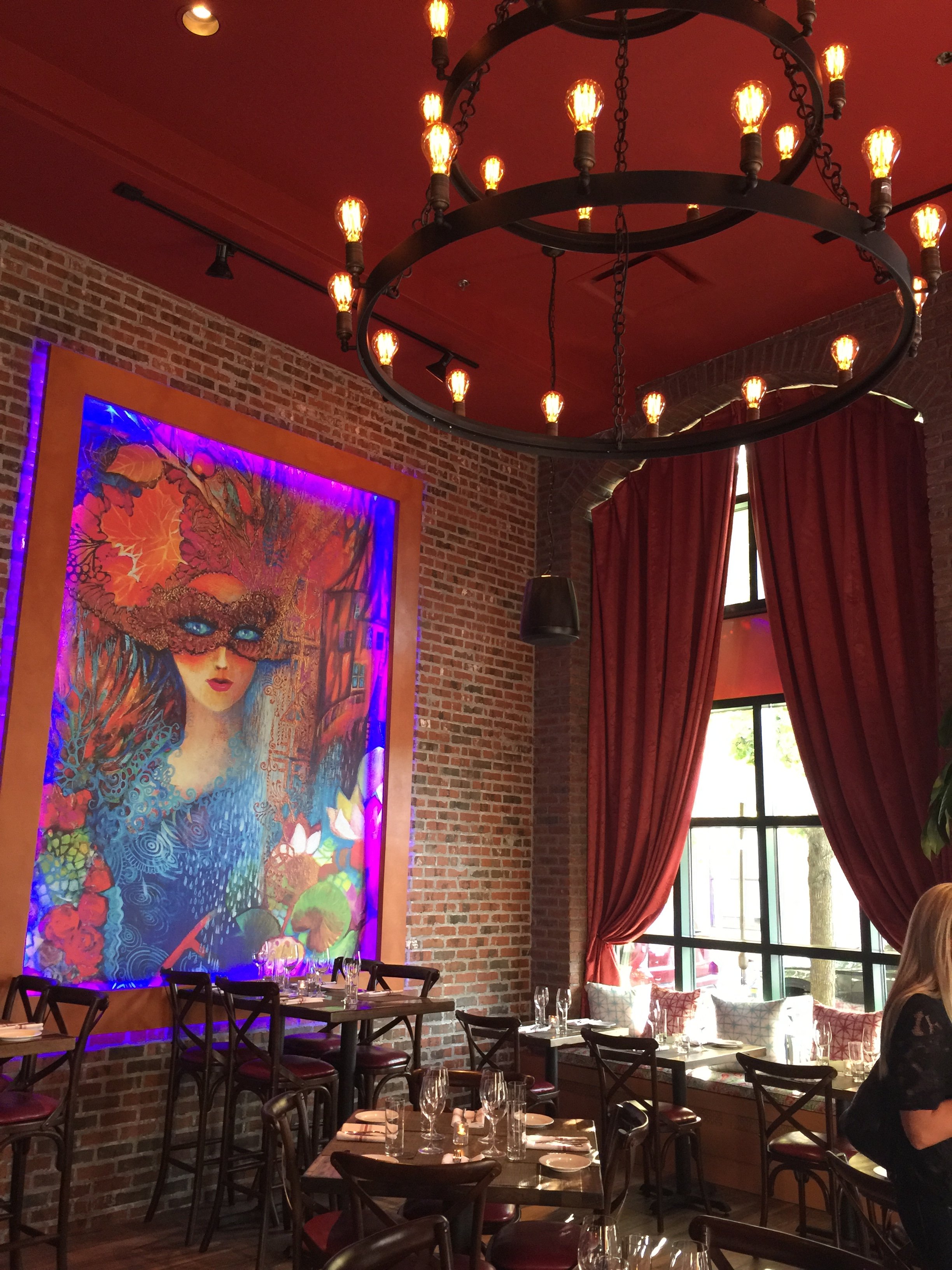
Why Work With Raymond Haldeman, The Restaurant Designer?
There is an important difference between decorating a restaurant and designing a restaurant business.
I have spent decades working with restaurant owners and operators to create environments that are visually distinctive while remaining grounded in the realities of hospitality operations.
My approach combines:
Restaurant concept development
Space planning
Interior design
Restaurant rebranding
Bar and lounge design
Seating design
Lighting design
Material and finish selection
Visual identity
Design development
Project oversight
The objective is not to chase the latest design trend.
It's to create a restaurant that has its own identity—one that photographs beautifully, operates efficiently and gives guests a reason to return.
My work extends beyond Philadelphia, with restaurant, bar and hospitality projects in markets throughout the country.
[PHOTO PLACEMENT #6 — PORTFOLIO COLLAGE OR PORTRAIT]
Suggested image: Raymond Haldeman with several completed restaurant projects
Suggested alt text: Raymond Haldeman Philadelphia Restaurant Designer
Planning a New Philadelphia Restaurant?
The earlier a restaurant designer becomes involved in the project, the more opportunities there are to solve problems before they become expensive.
Ideally, space planning and concept development should begin before major construction decisions are made.
Early design involvement can help identify:
Inefficient floor plans
Seating opportunities
Poor bar locations
Difficult traffic patterns
Lighting challenges
Problematic architectural conditions
Opportunities for dramatic design features
Branding inconsistencies
Potential operational conflicts
Fixing a problem on a drawing is usually much easier than fixing it after construction.
Redesigning an Existing Restaurant?
Existing restaurants present a different challenge.
You already have a space, a customer history and an operating business.
The question becomes:
What should stay, what should change and where will the investment have the greatest impact?
Not every successful redesign requires demolishing everything.
Sometimes the smartest approach is to identify the strongest existing elements, eliminate what is holding the concept back and concentrate the budget where guests will notice the transformation most.
That is where experience becomes particularly valuable.
Ready to Elevate Your Restaurant?
Your restaurant should do more than look attractive.
It should create anticipation.
It should reinforce your brand.
It should make guests feel that they've arrived somewhere special.
And it should work efficiently for the people operating it every day.
If you're planning a new restaurant, redesigning an existing venue or considering a complete restaurant rebrand, I can help you determine how to get the greatest impact from your space and your investment.
Raymond Haldeman, The Restaurant Designer
Philadelphia Restaurant Design • Restaurant Rebranding • Space Planning • Bar & Lounge Design • Hospitality Interiors
Schedule a Restaurant Design Consultation with Raymond Haldeman
Frequently Asked Questions About Philadelphia Restaurant Design
How much does a Philadelphia restaurant designer cost?
Restaurant design fees depend on the size of the property, scope of work and complexity of the project. A ground-up restaurant, complete rebranding and targeted interior renovation can require very different levels of design involvement.
Rather than evaluating a restaurant designer solely by the initial fee, consider the value of experienced space planning, operational insight and professional oversight in relation to the total construction investment.
When should I hire a restaurant designer?
Ideally, involve your restaurant designer as early as possible—particularly before finalizing a lease, floor plan or major construction decisions.
Early involvement provides more opportunity to evaluate seating capacity, kitchen and bar relationships, circulation, architectural possibilities and potential design problems before they become expensive to correct.
Can restaurant design help improve profitability?
Restaurant design can influence many factors that affect financial performance, including seating capacity, table configuration, operational flow, bar visibility, guest comfort and the perceived value of the experience.
Design cannot compensate for poor food or poor management, but a well-planned environment can support a stronger restaurant operation.
Can a redesign help a struggling restaurant?
Yes, particularly when there is a disconnect between the restaurant's concept, target customer, pricing and physical environment.
A strategic redesign or complete rebrand can reposition the restaurant and give existing customers a reason to rediscover it while attracting a new audience.
What is the difference between an interior designer and a restaurant designer?
A traditional interior designer may concentrate primarily on aesthetics and finishes.
A specialized restaurant designer must also understand seating, guest circulation, server movement, bars, service stations, kitchens, lighting, acoustics, branding and the operational realities of hospitality.
The restaurant must be attractive—but it also has to function as a business.
Do you design bars and lounges as well as restaurants?
Yes. Bar and lounge design is an important part of my work.
Successful bars require thoughtful planning of guest flow, seating, bartender efficiency, product visibility, lighting and atmosphere. The bar should function efficiently while also becoming one of the strongest visual features of the space.
Do you work outside Philadelphia?
Yes. While Philadelphia, Pennsylvania and New Jersey are important markets for my work, my restaurant design portfolio includes projects throughout the United States.
The fundamentals remain the same: create a memorable concept, use the space intelligently, improve operational flow and give the restaurant a distinctive identity.
Looking for a Philadelphia Restaurant Designer?
If you're considering a new restaurant, renovation or complete restaurant rebranding, let's discuss the possibilities.