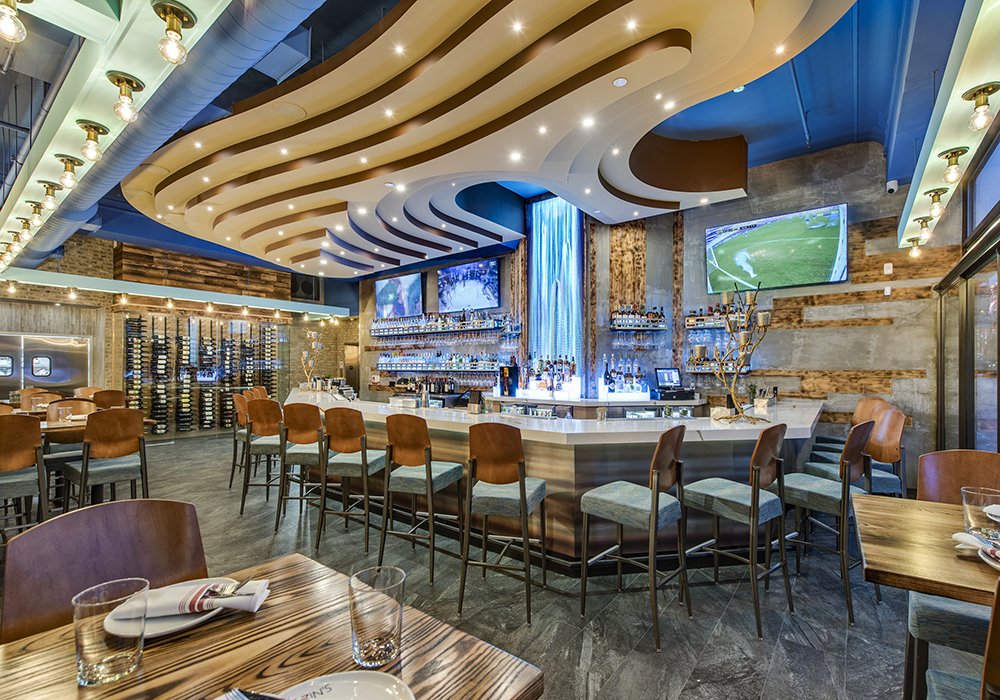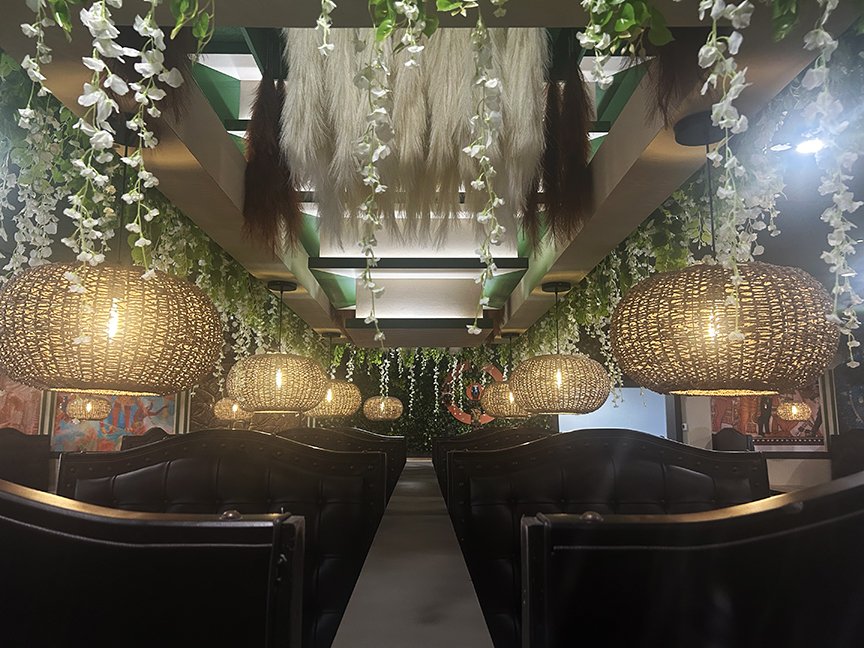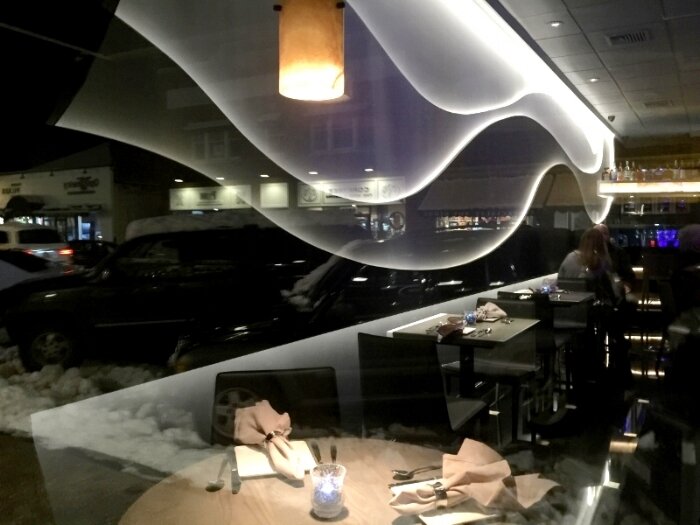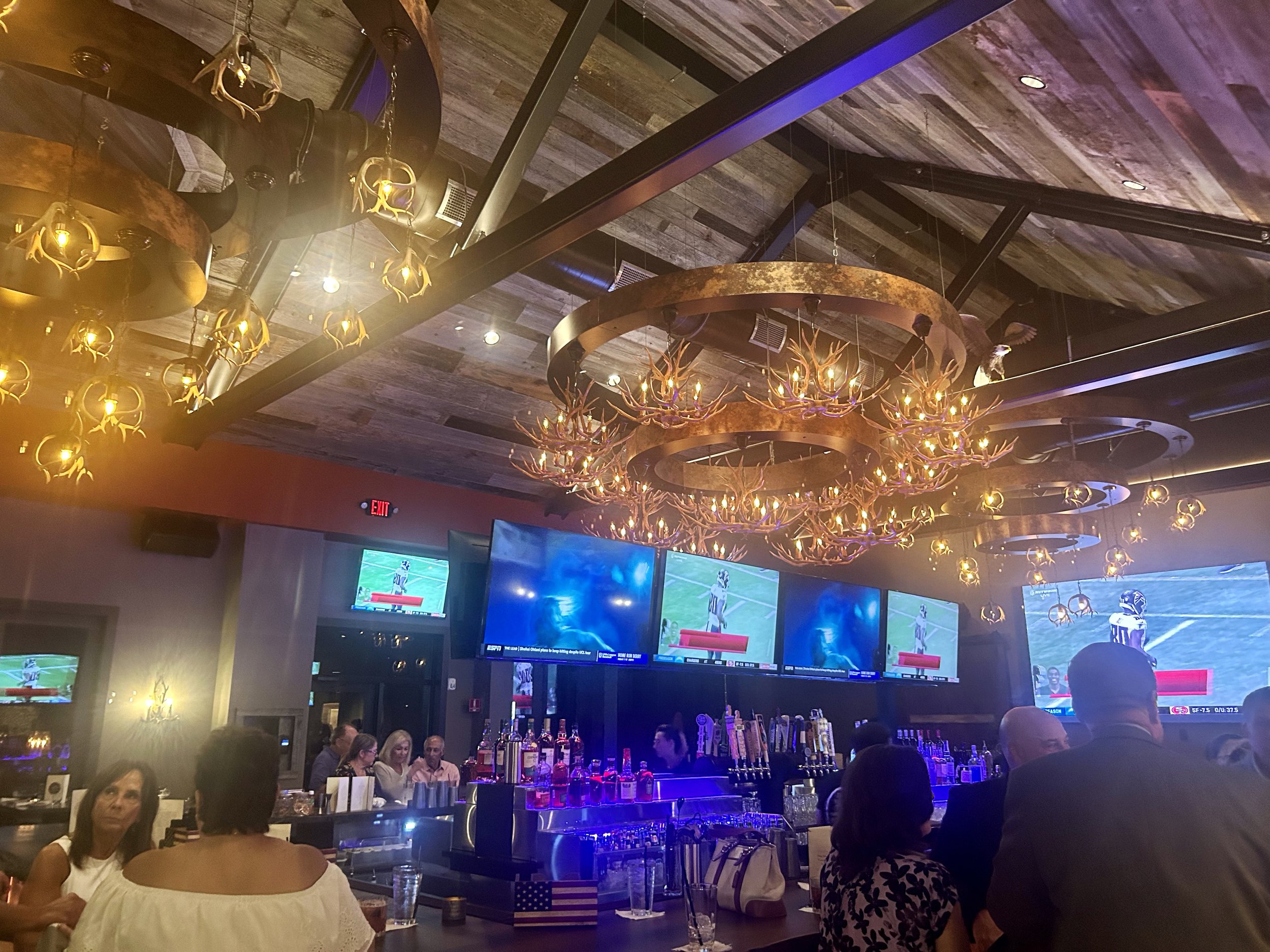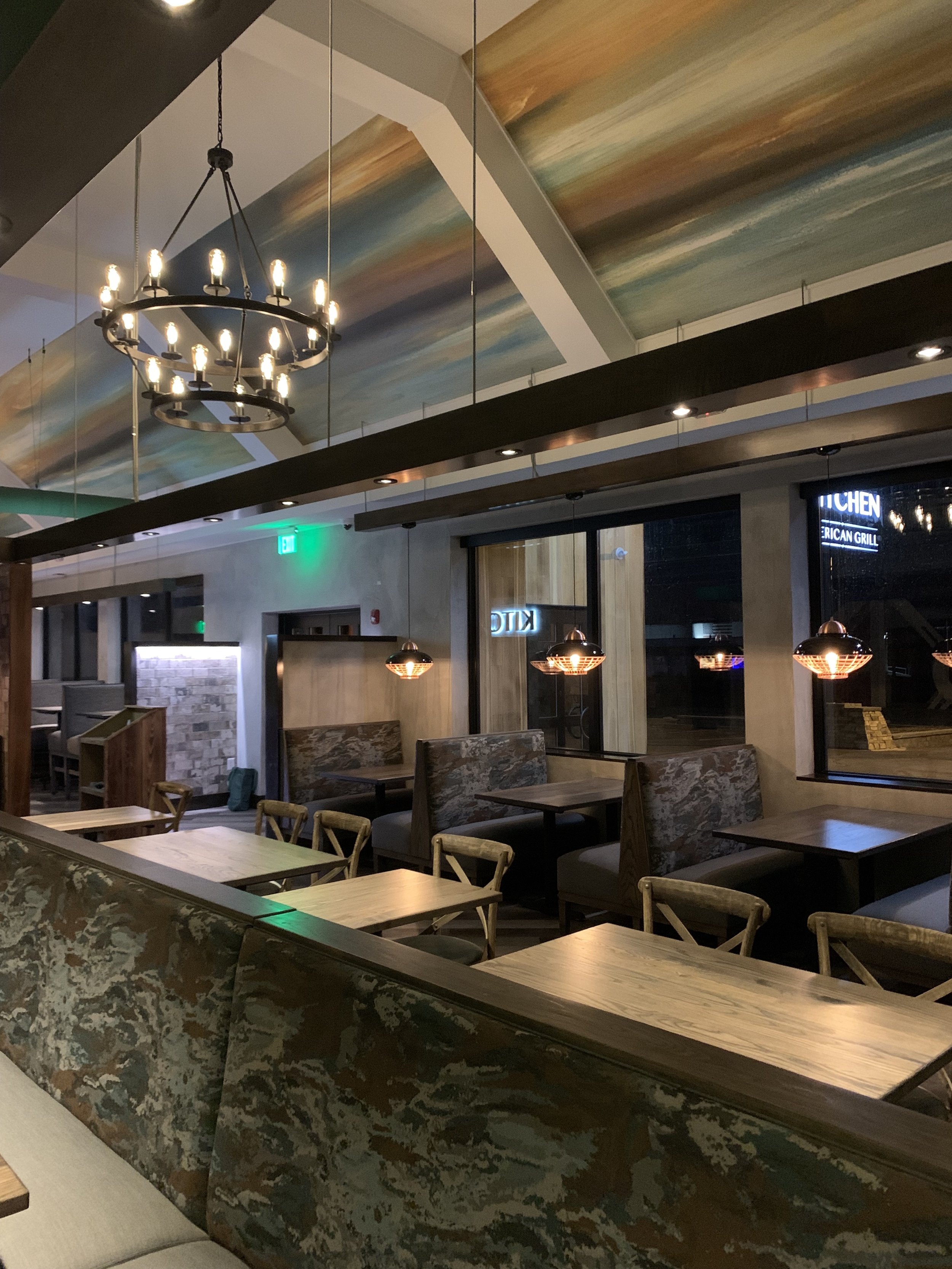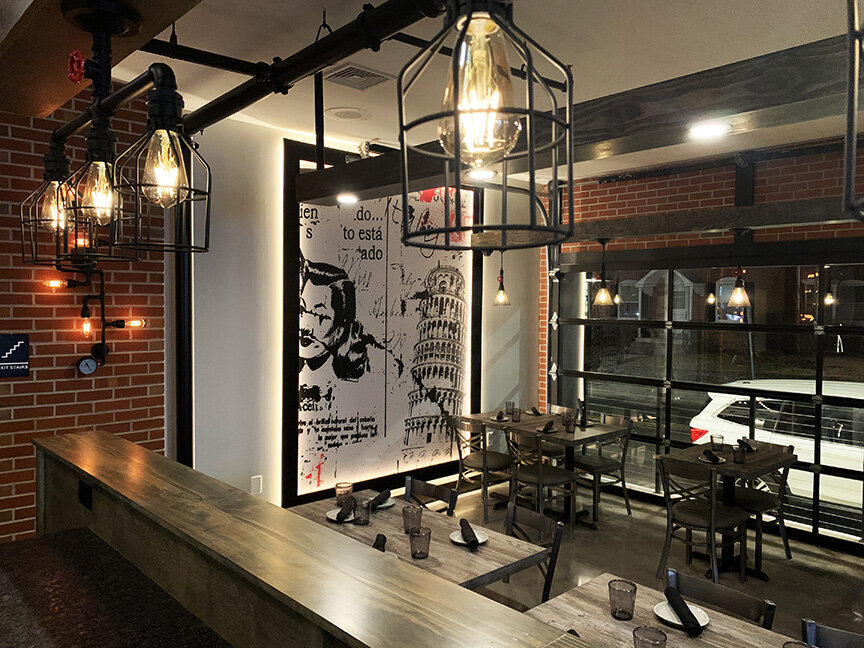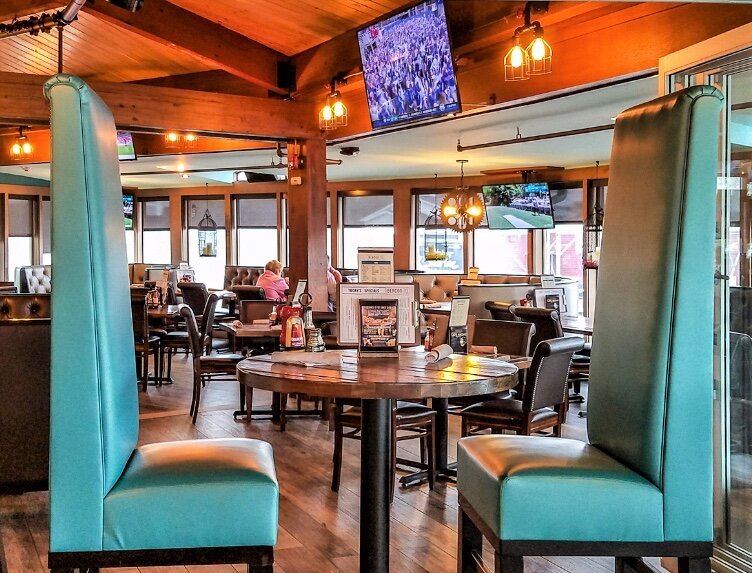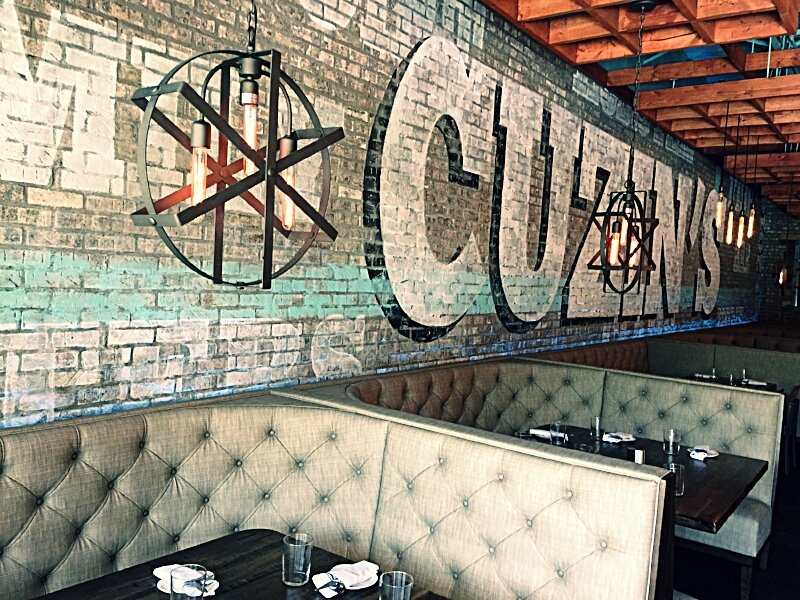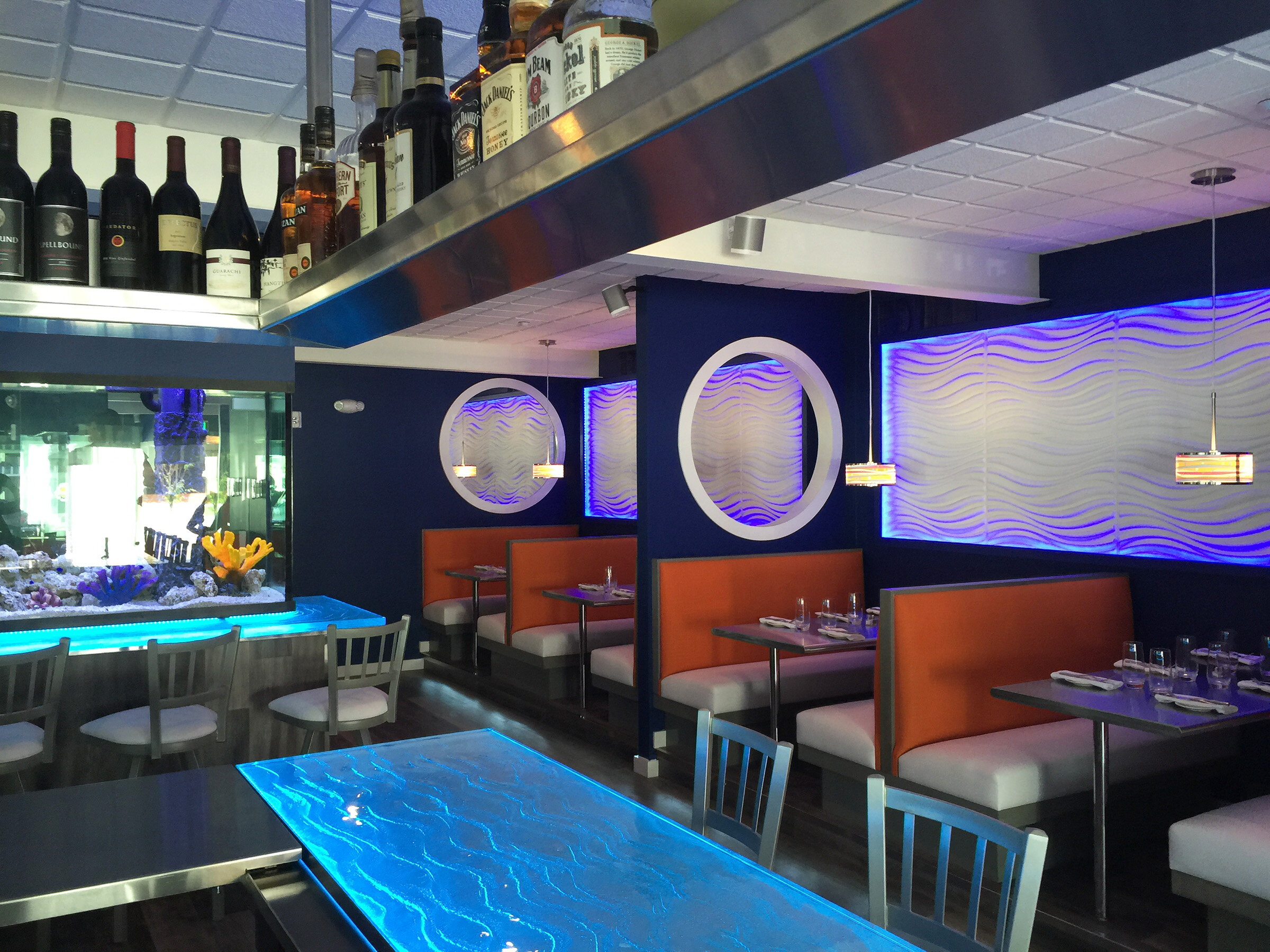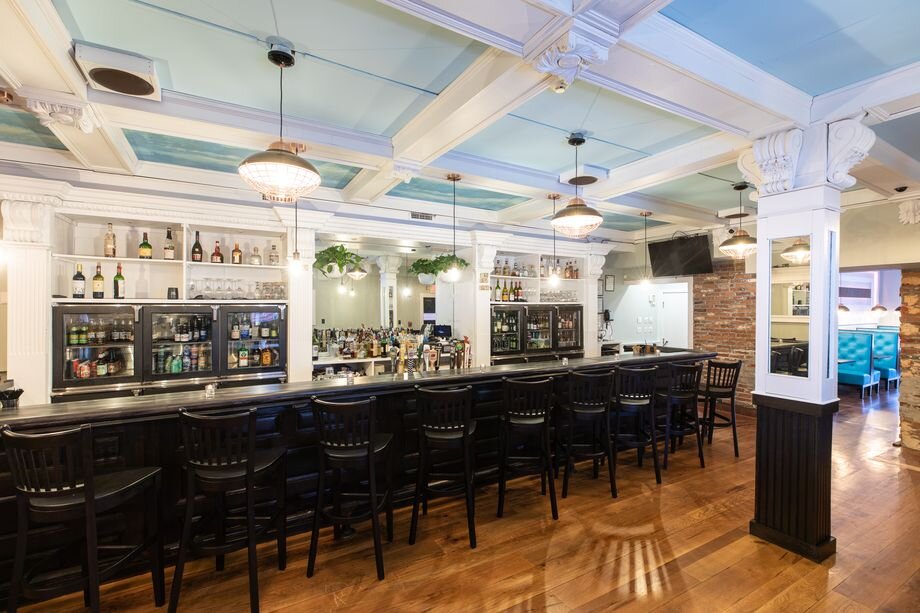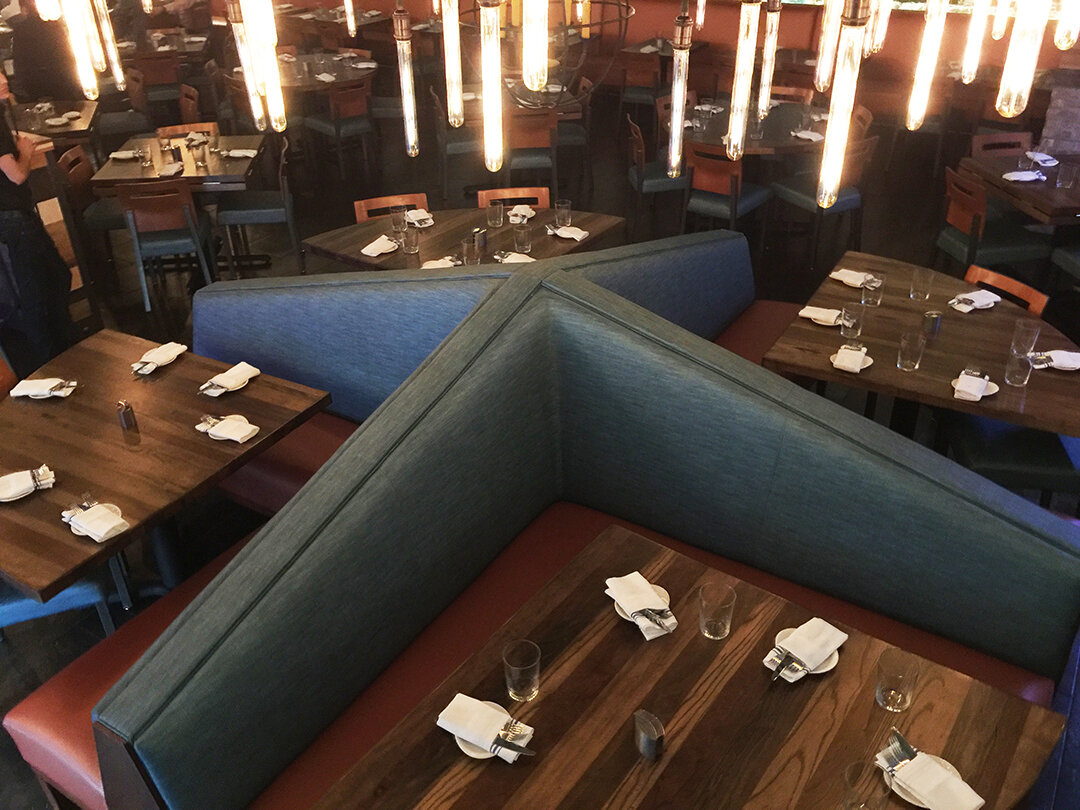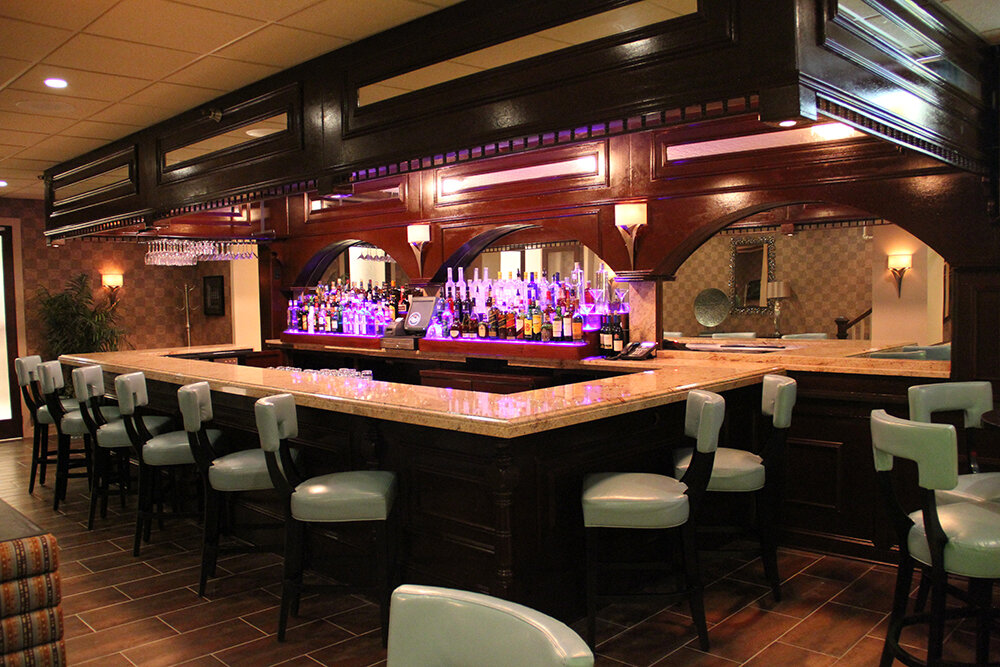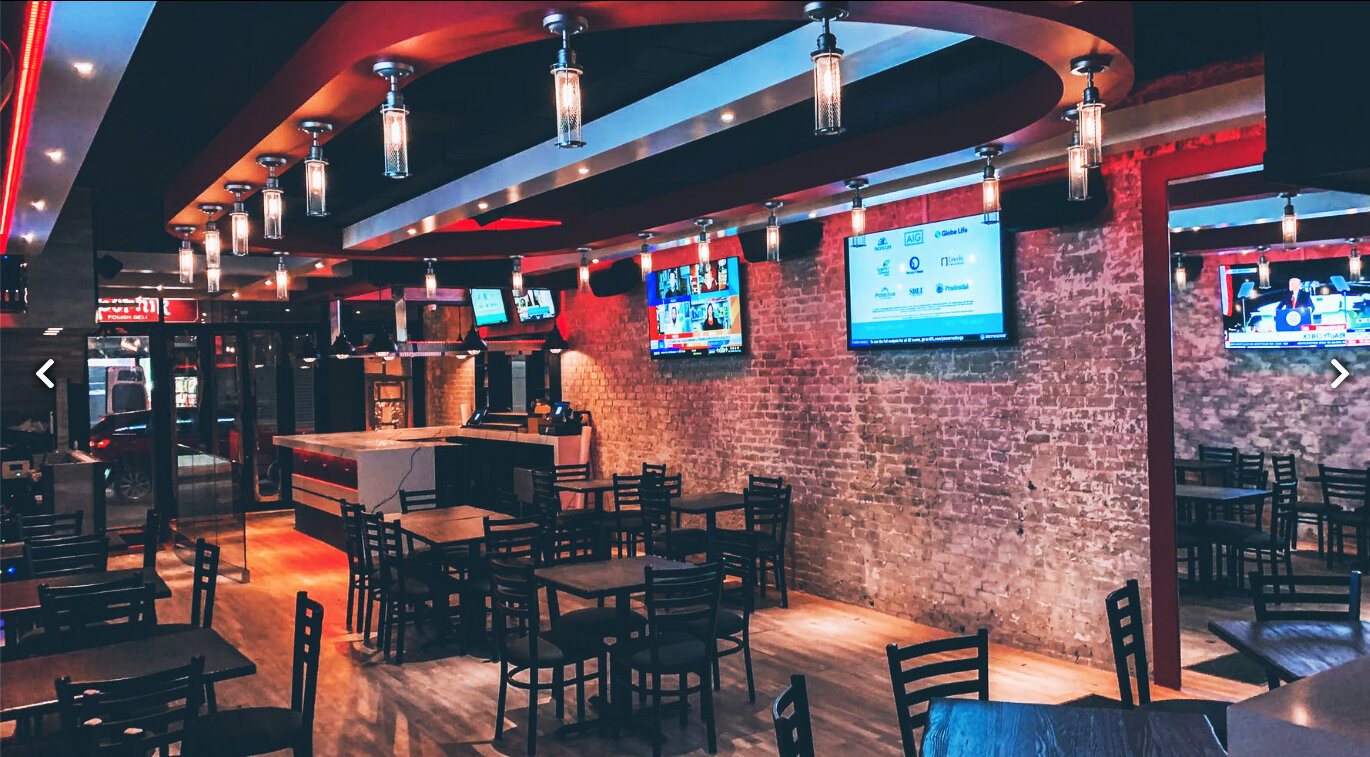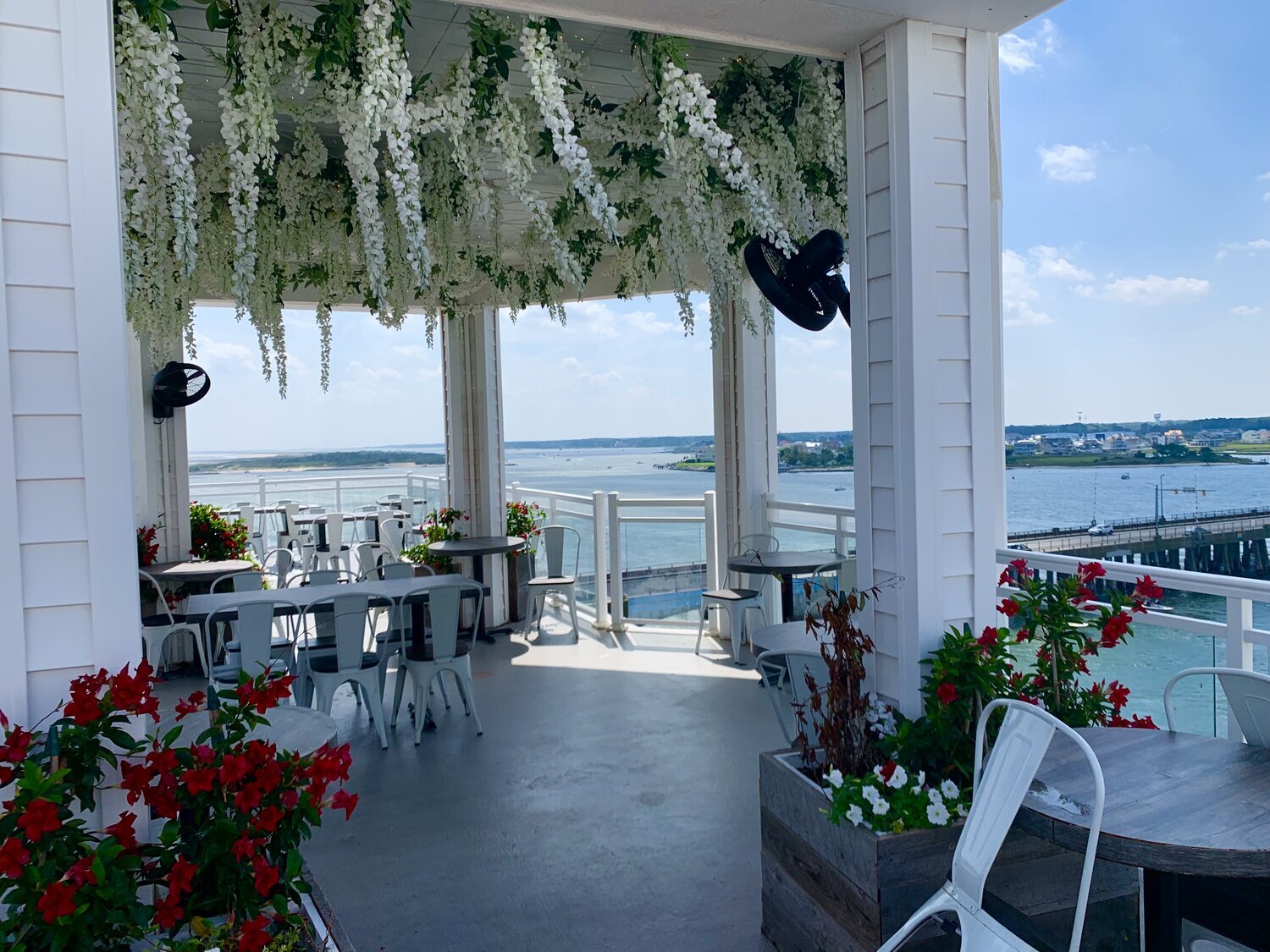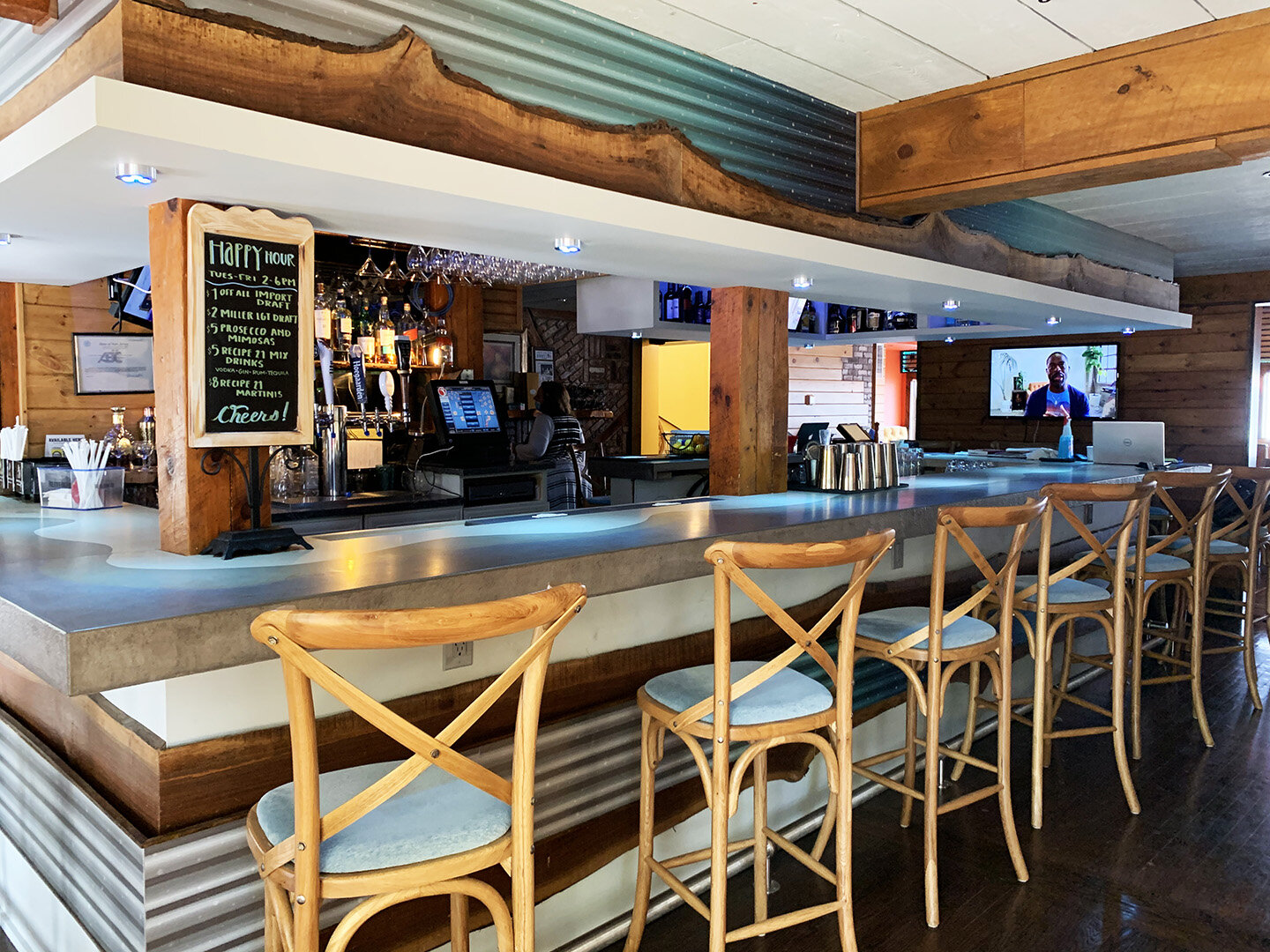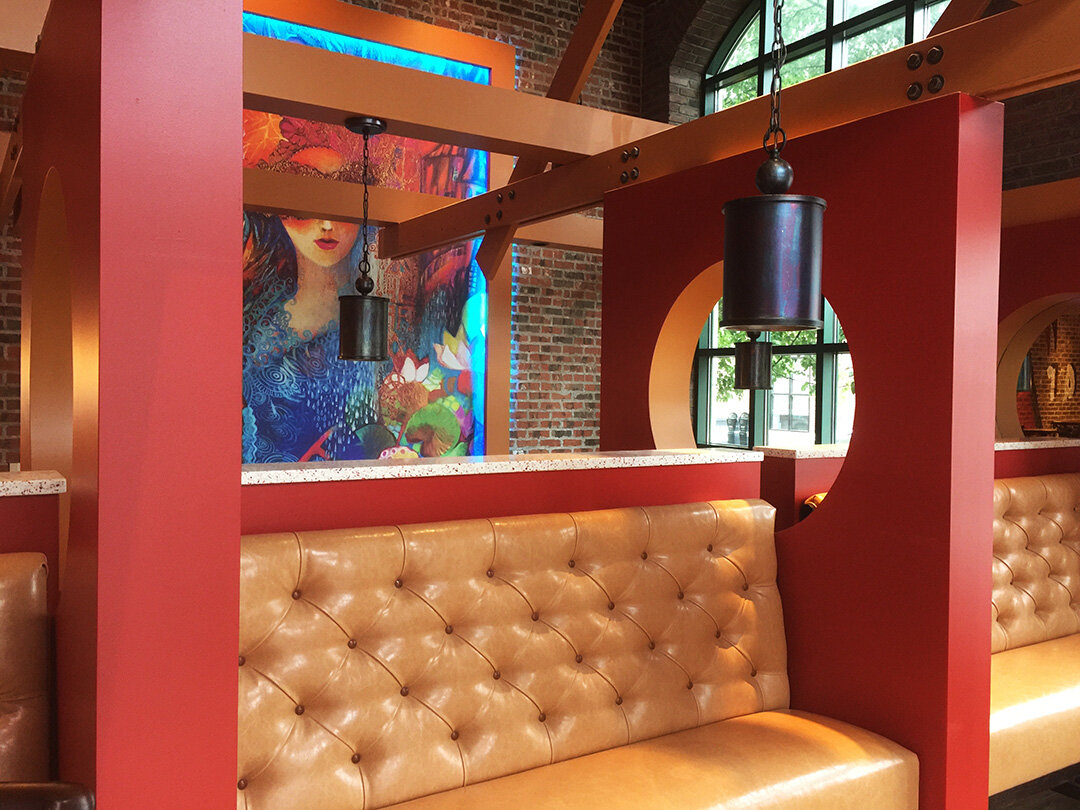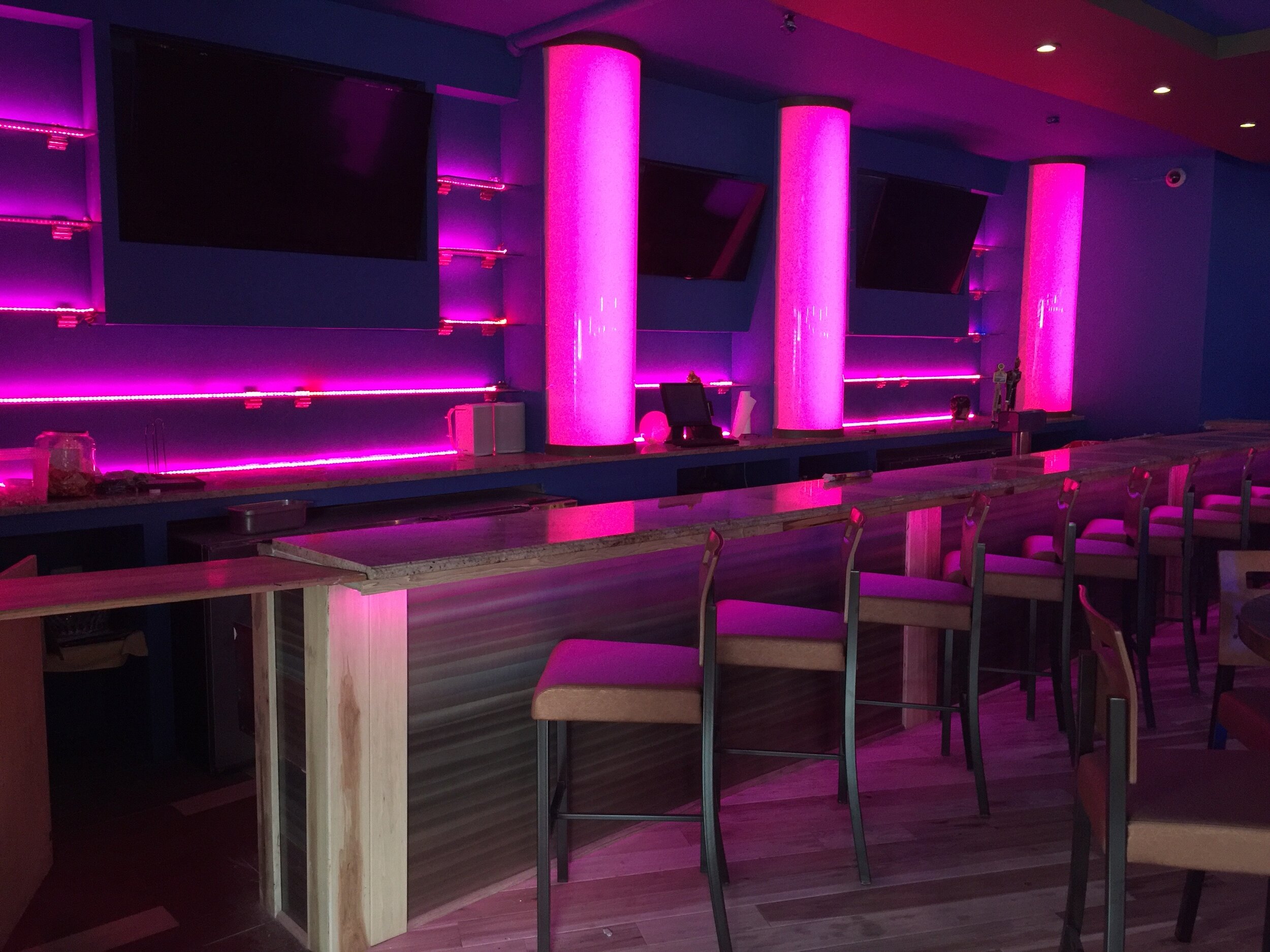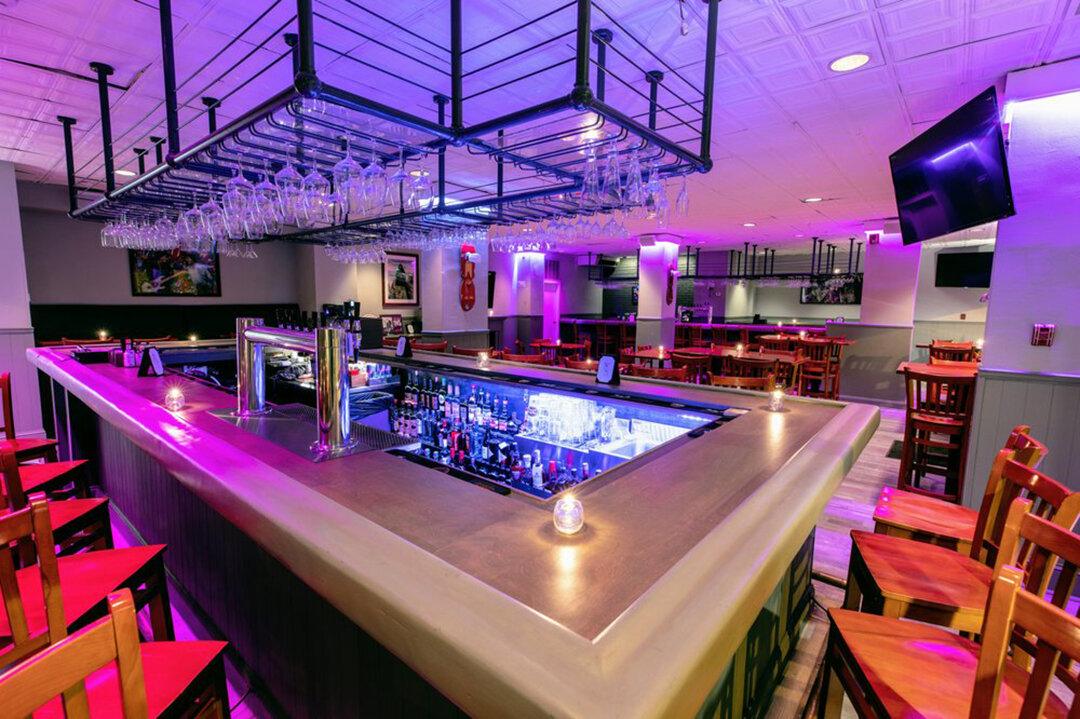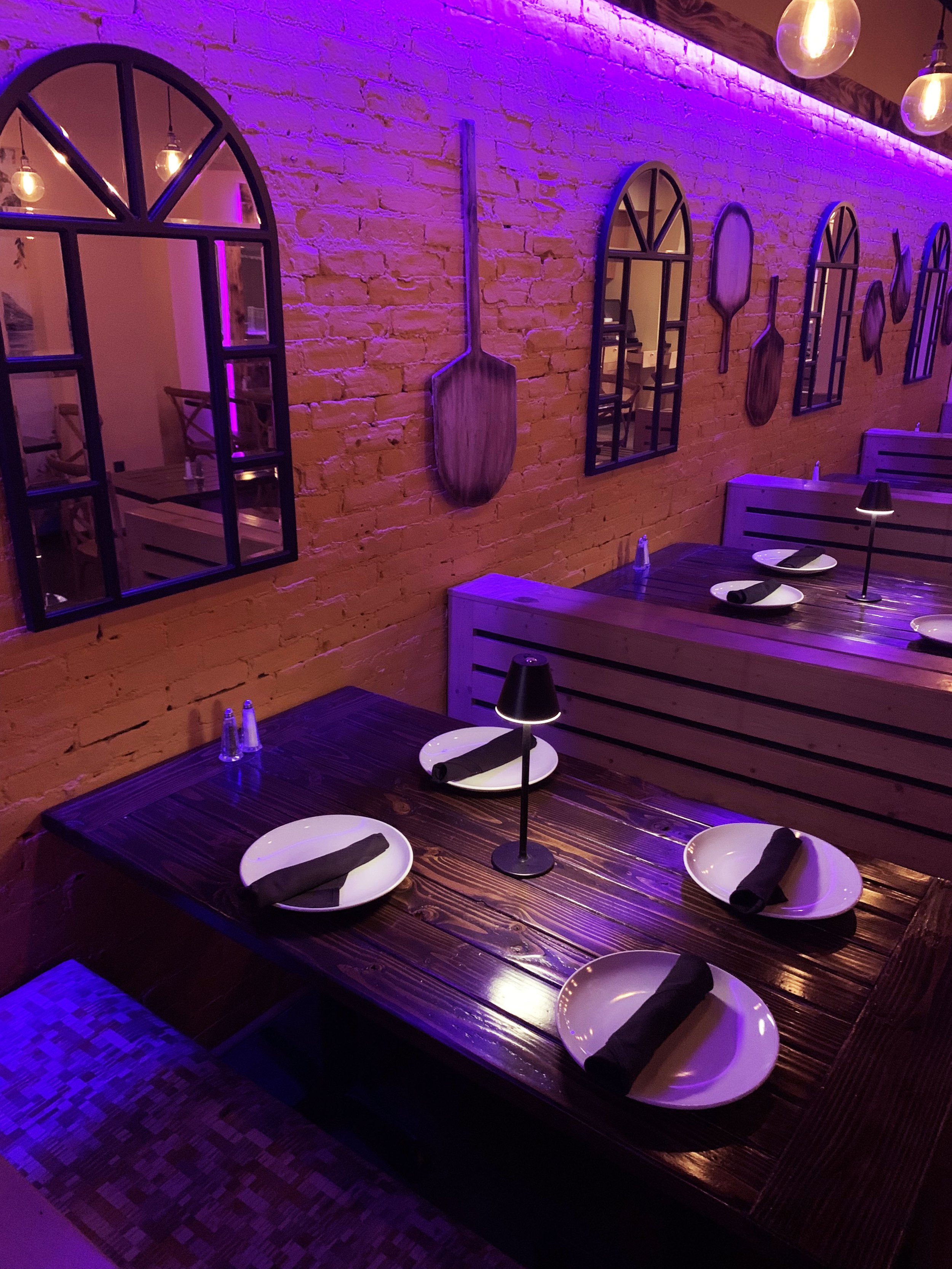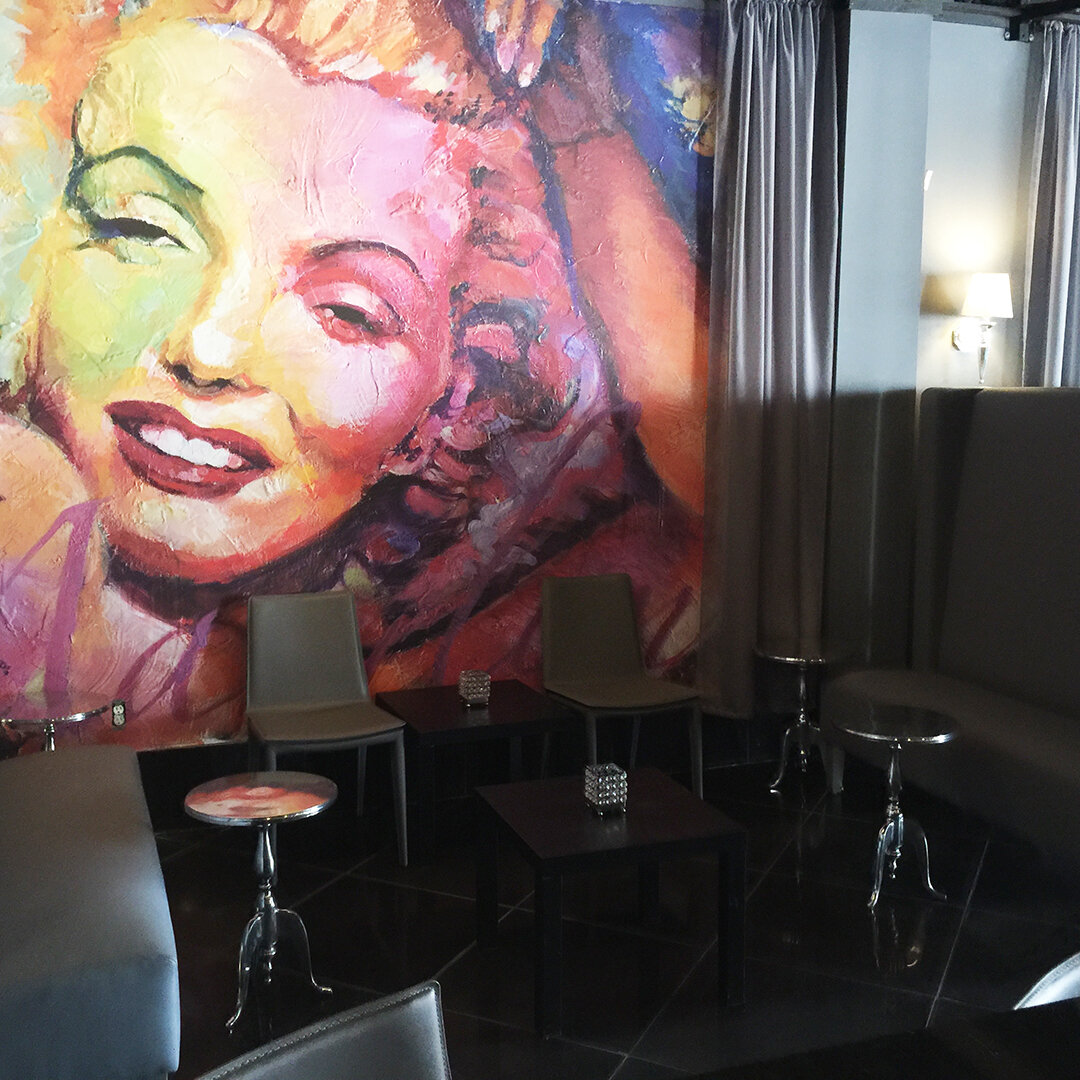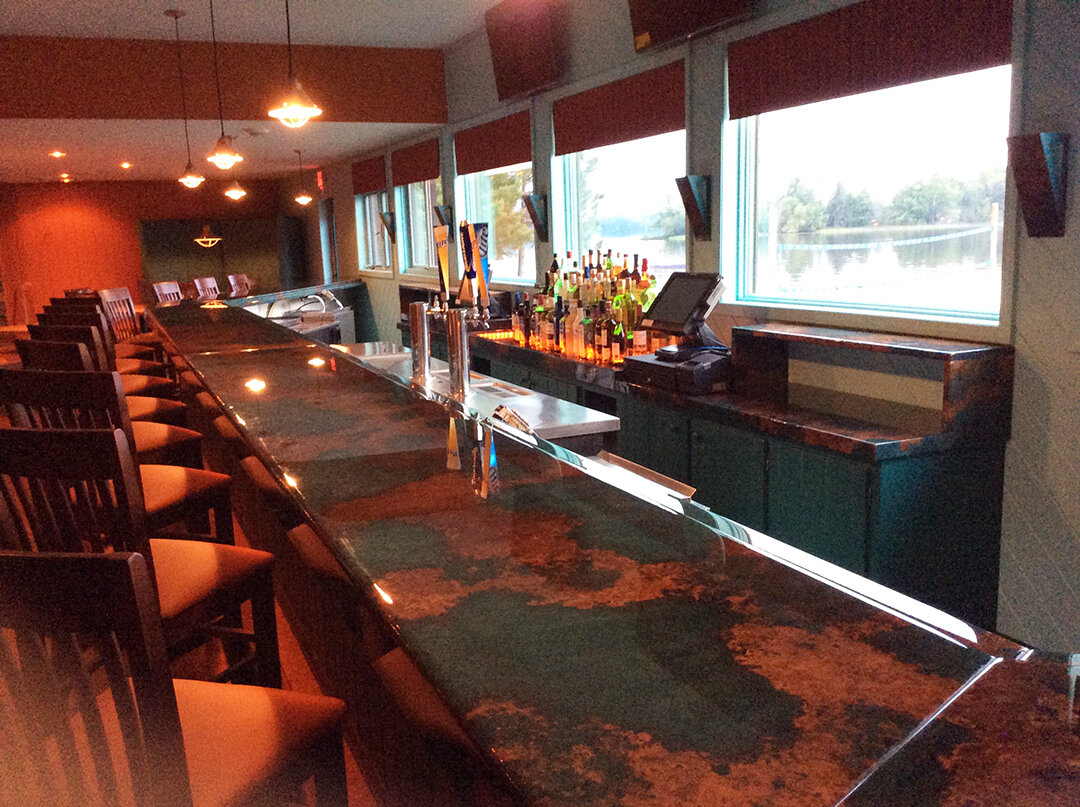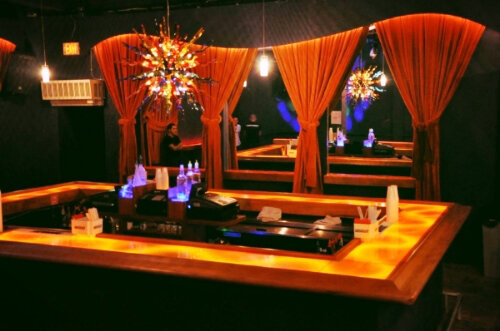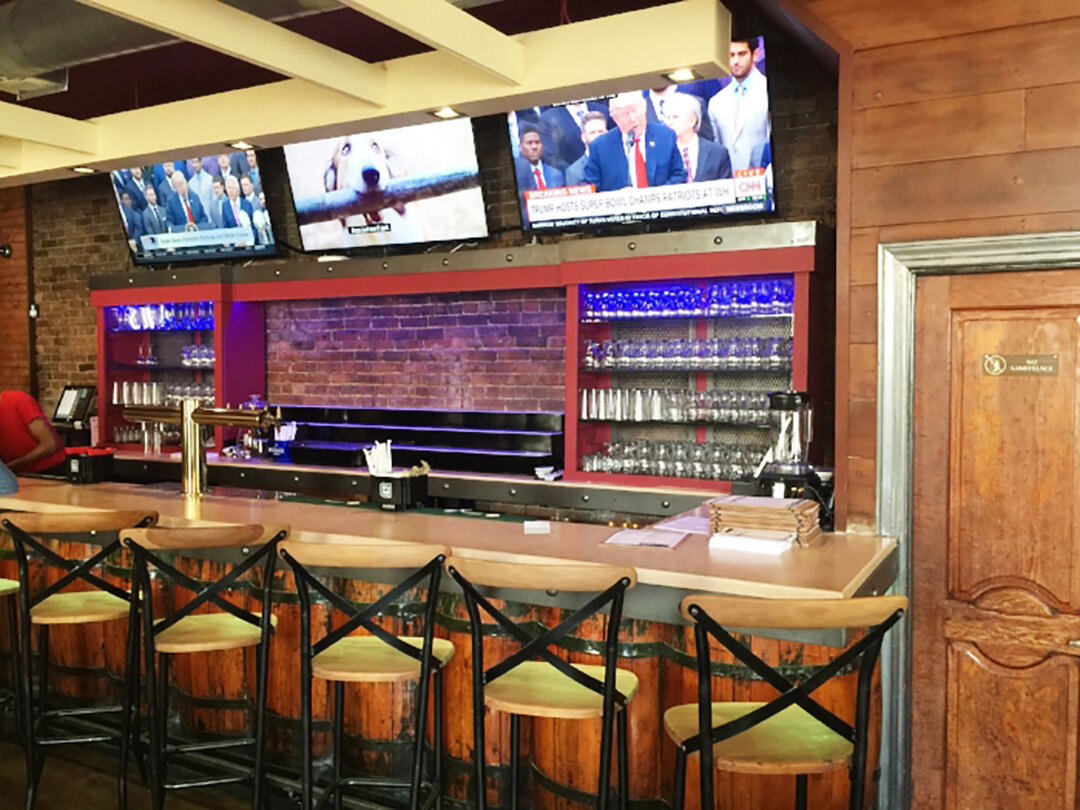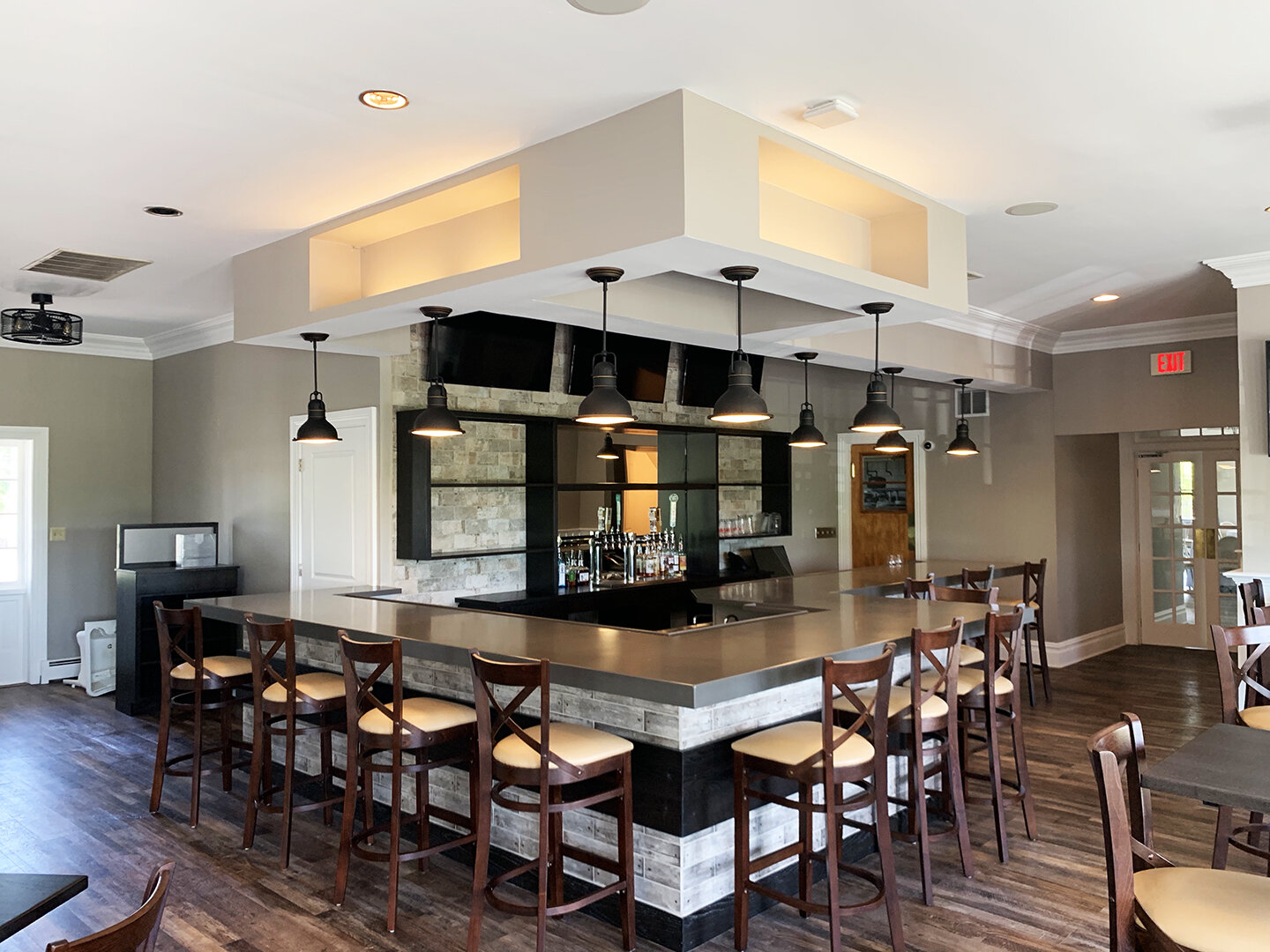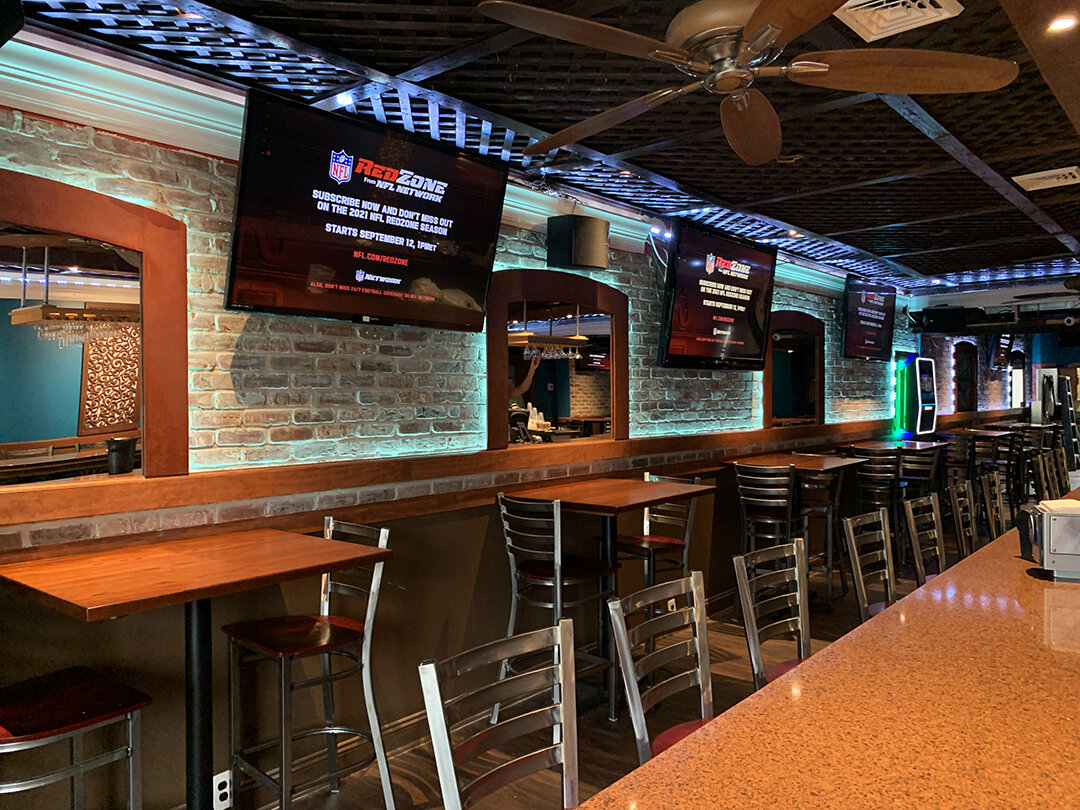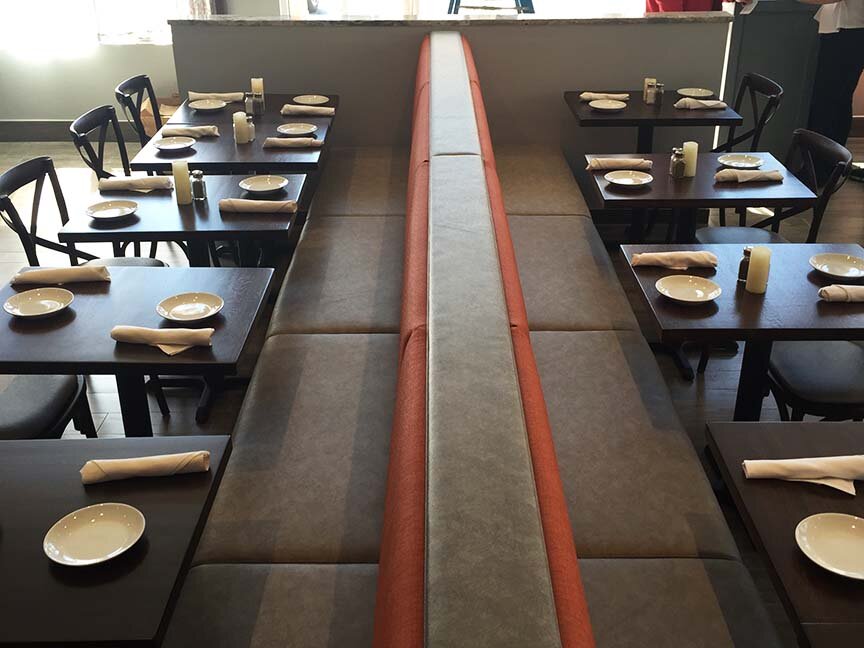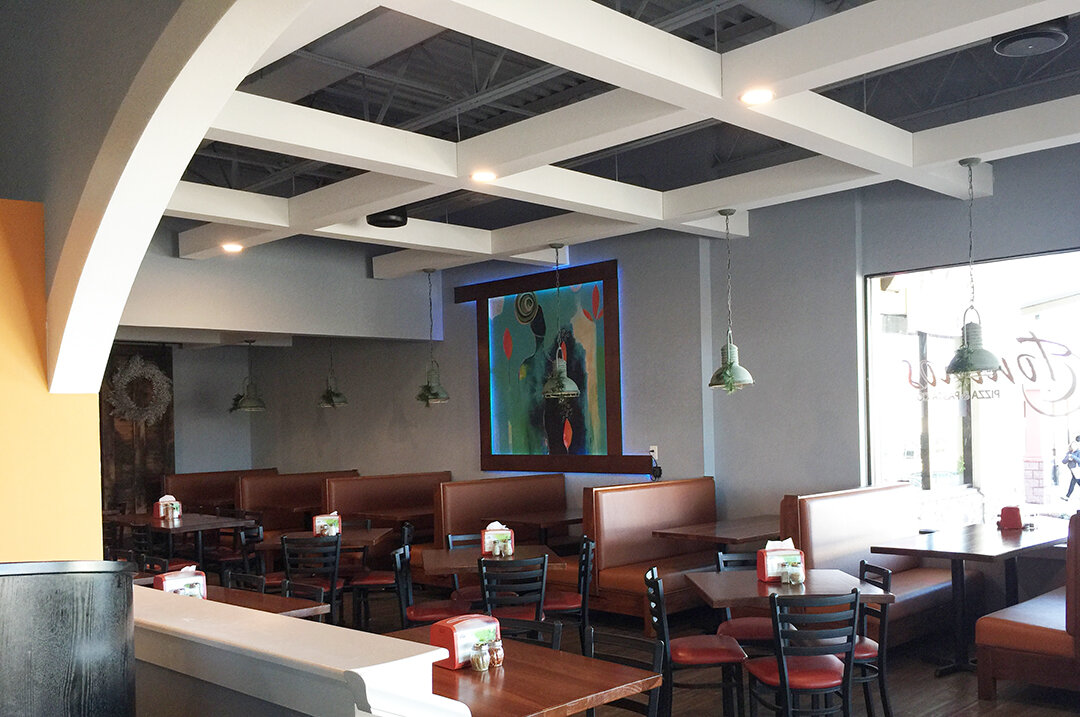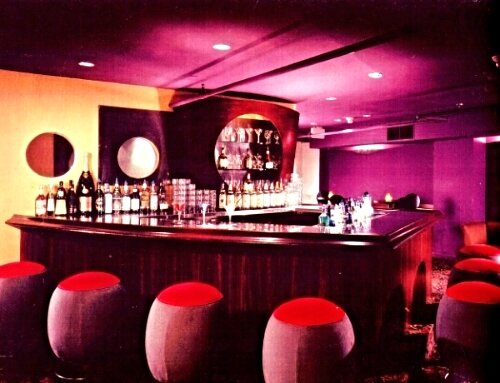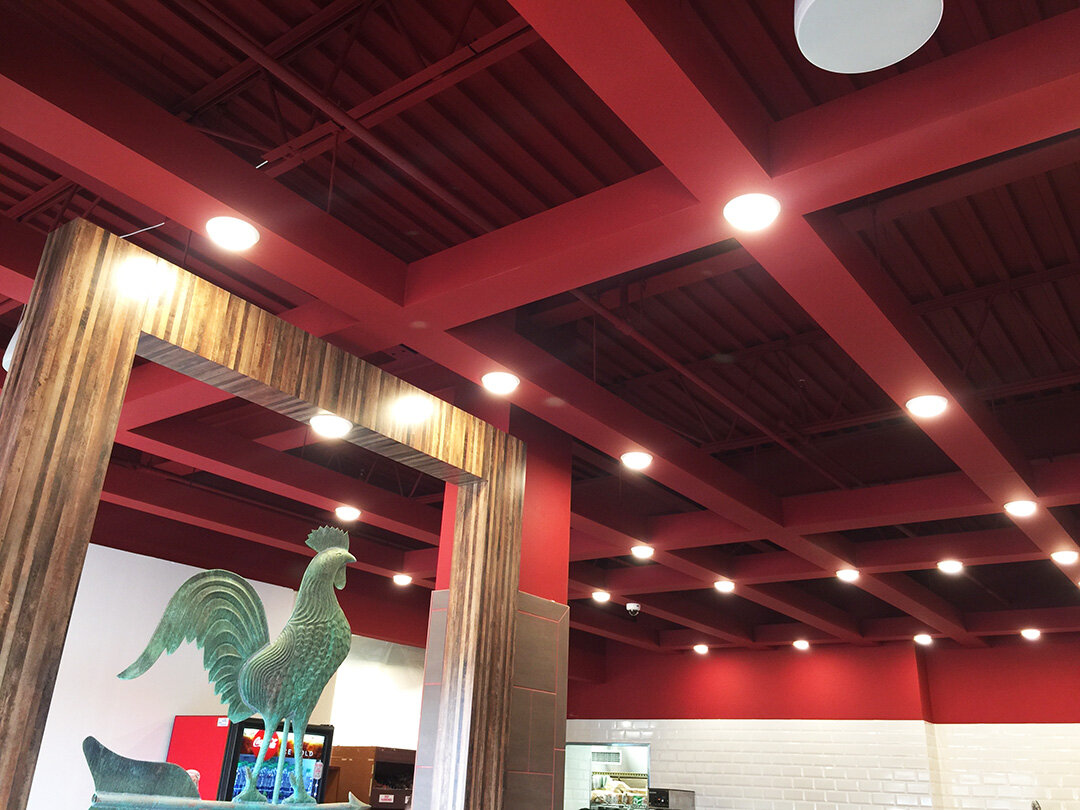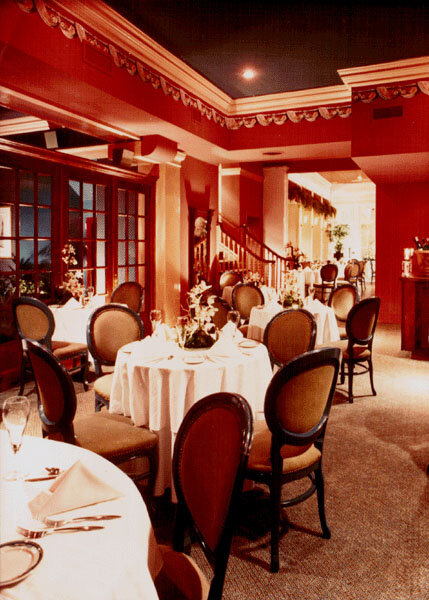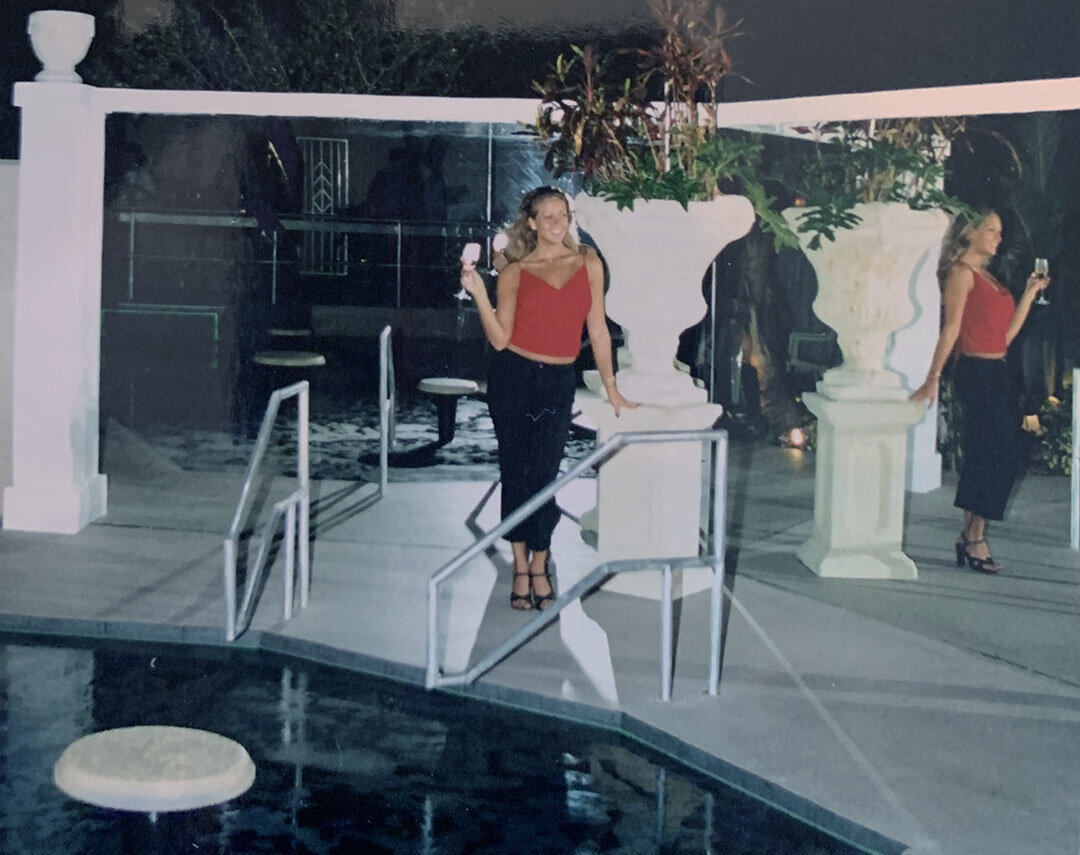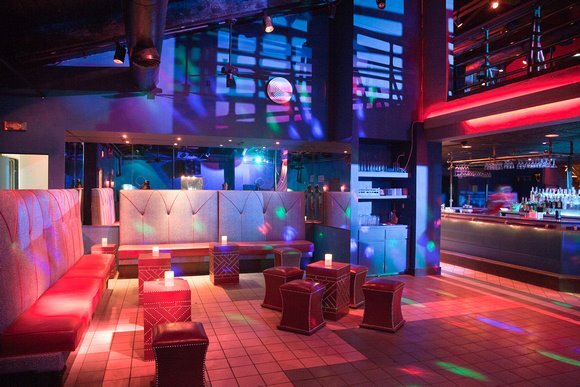
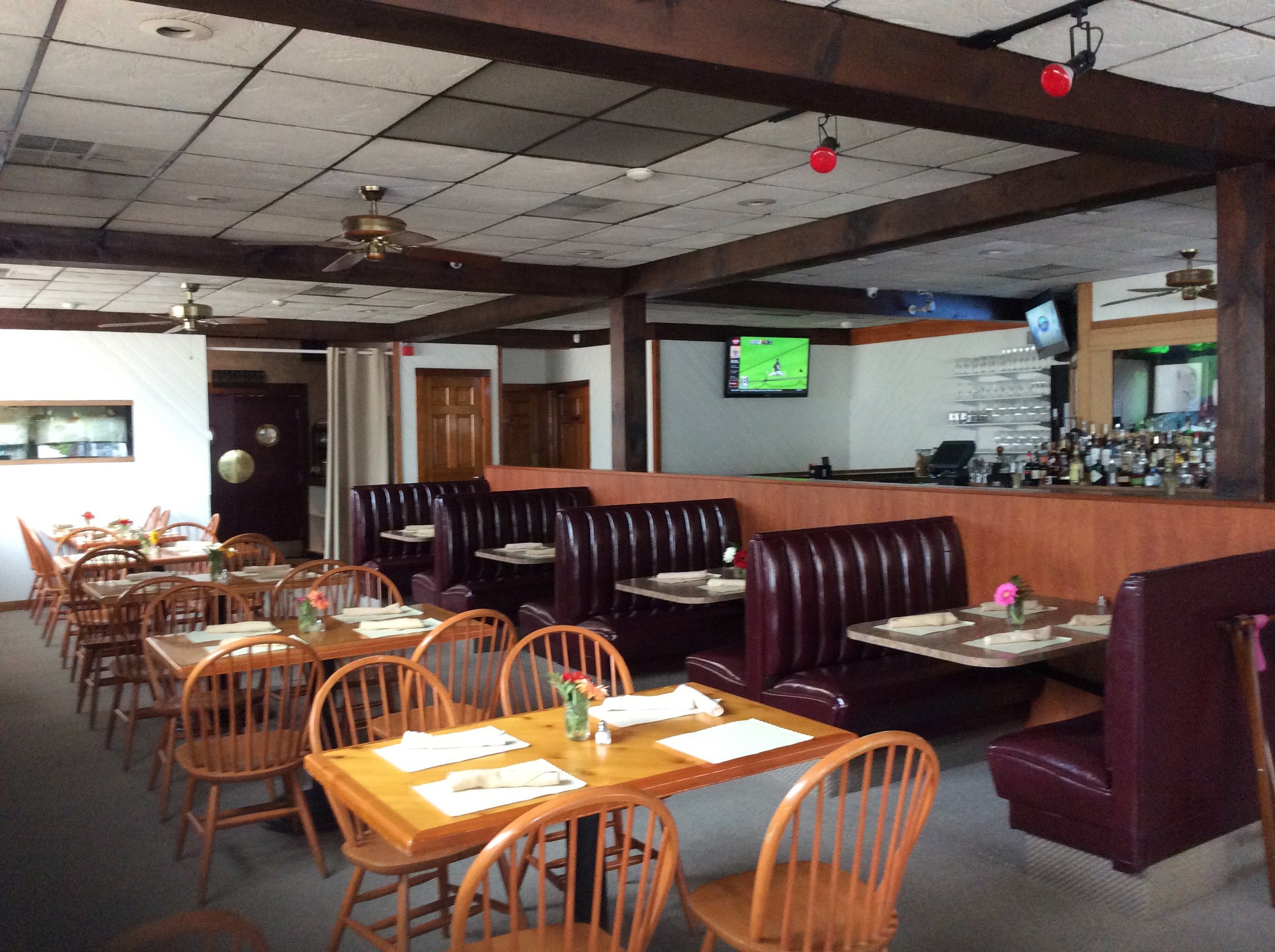
FINS Dining Room Design “BEFORE”
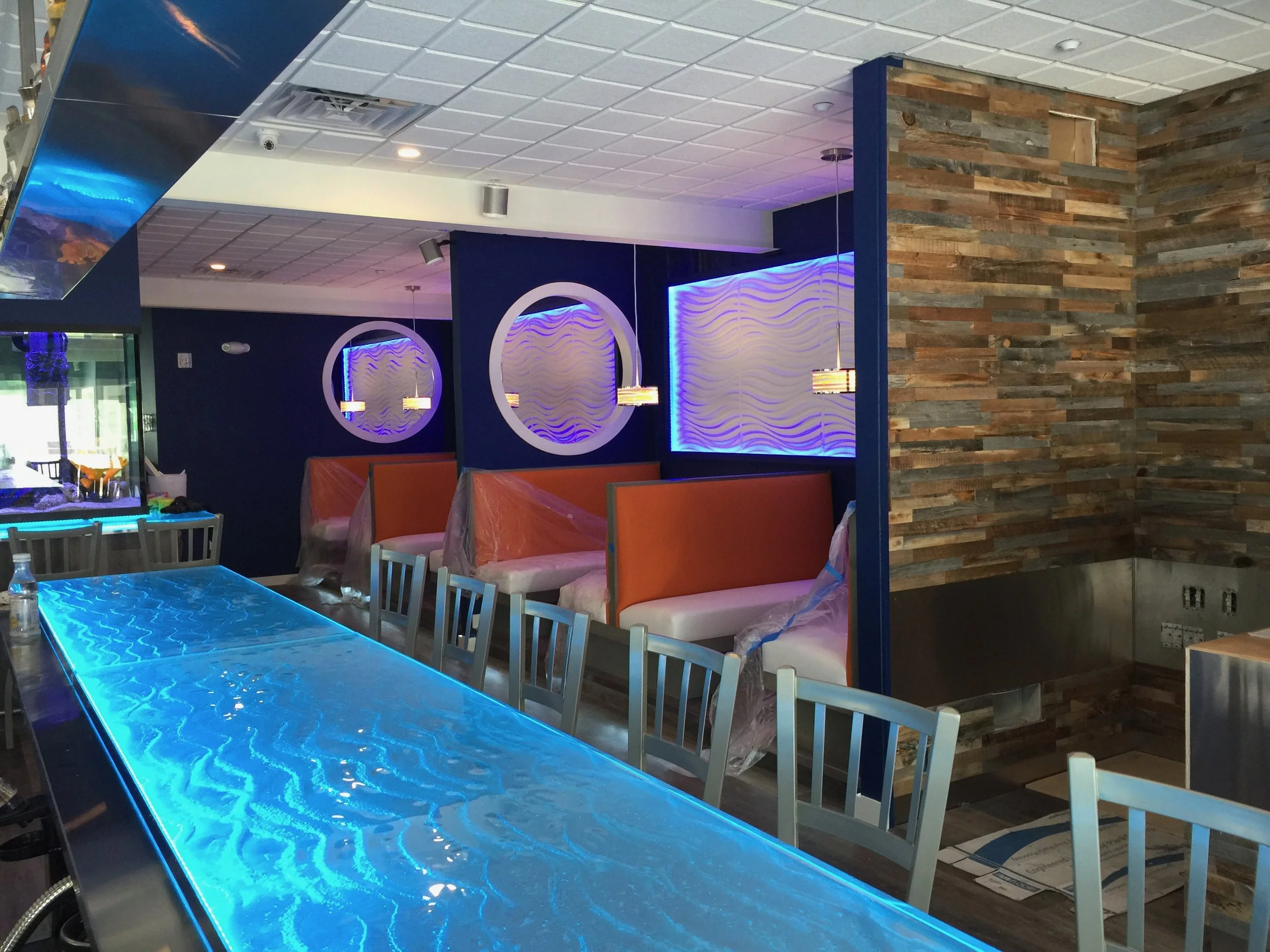
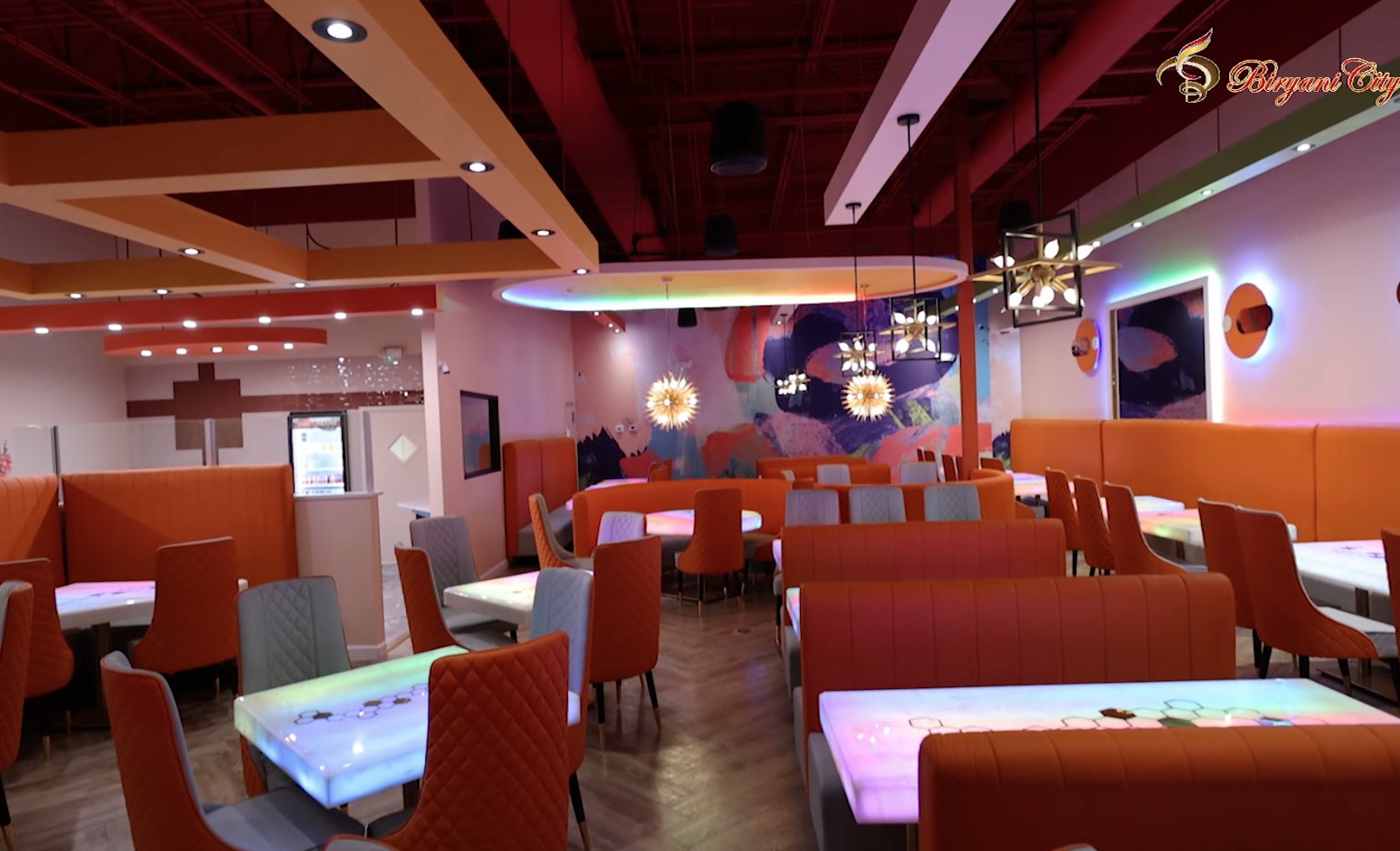
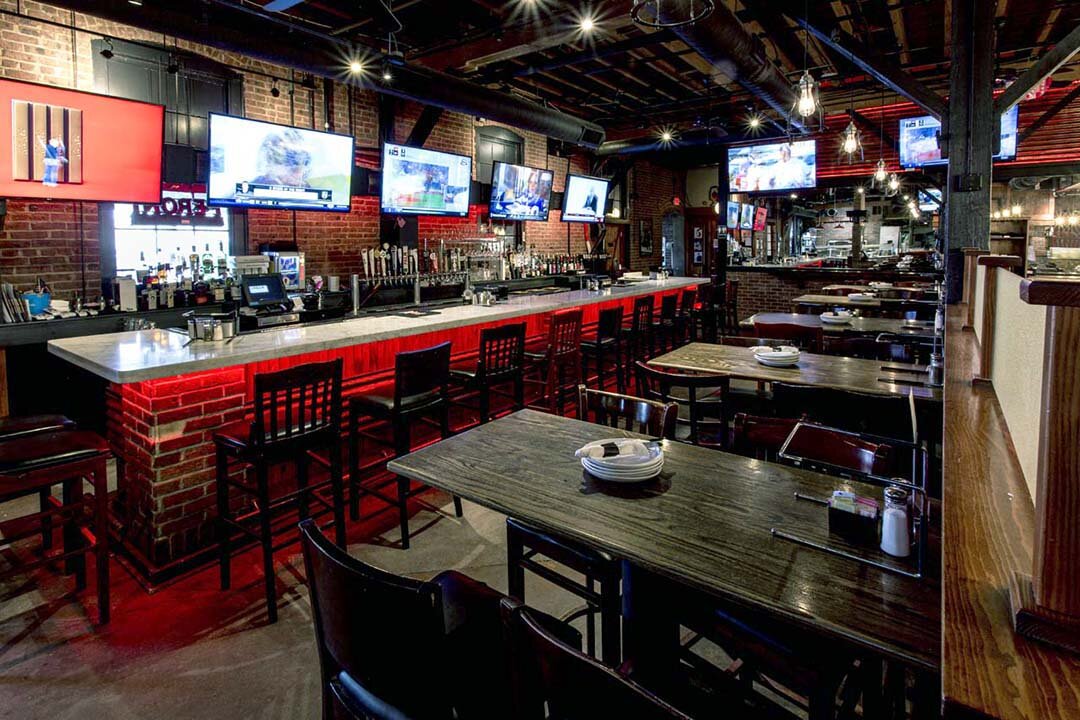
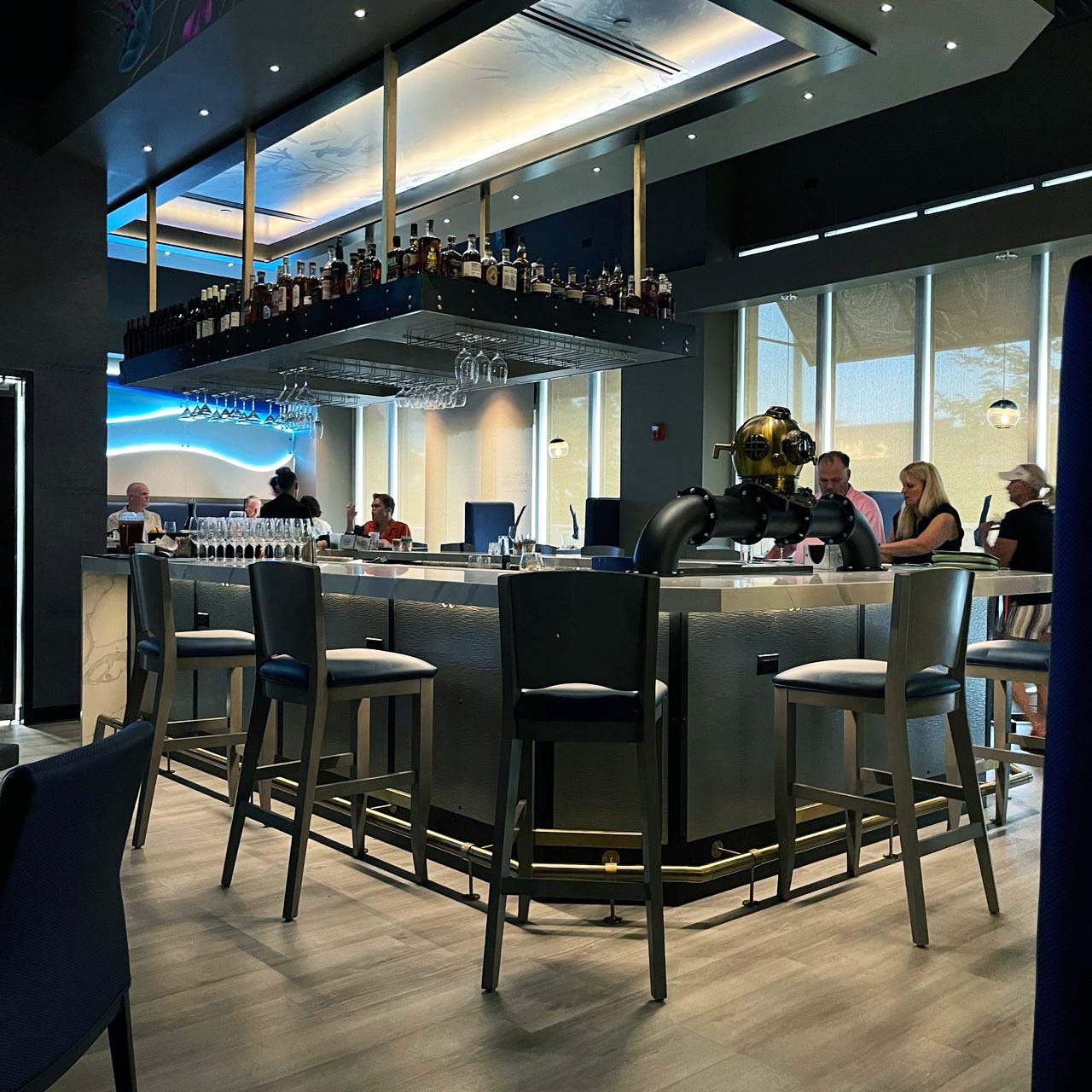
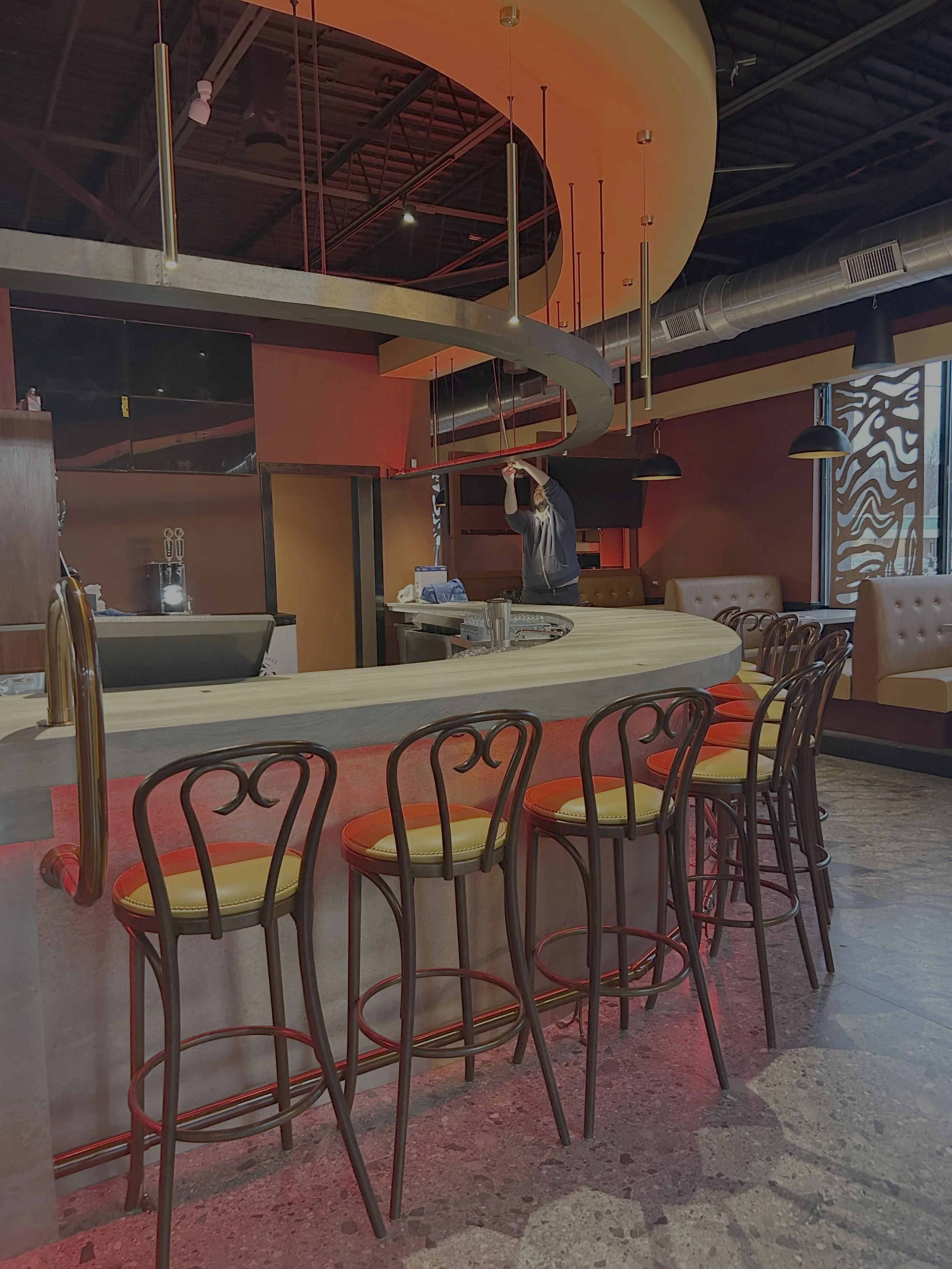
FINS Dining Room Design “AFTER”
Restaurant Rebranding Cost: The 2026 Strategic Investment Guide

Article by
Raymond Haldeman
Raymond Haldeman spent decades as a hands-on owner and operator of bars, restaurants, and nightclubs before parlaying that experience into a second career designing and rebranding some of the most exciting restaurant spaces in the country. Every place he designs is built on years of actually running the business, paying the bills, and knowing exactly what it takes to make a restaurant full of people say, "WOW!"
Stop viewing your renovation as a mere paint job and start treating it like the high-stakes capital allocation it truly is. A failed concept doesn't just cost you the price of new upholstery; it costs you the future of your business. You likely recognize the symptoms of a brand in decline: table turnover is sluggish, the wrong demographic is filling your seats, and you're terrified of overspending on aesthetics that don't actually drive revenue. It's time to stop guessing and start strategizing.
Understanding the total restaurant rebranding cost requires a surgical look at the variables that actually influence your bottom line. This 2026 guide is your shortcut to professional clarity. You'll discover the real-world cost drivers that dictate your budget and learn how to allocate funds to maximize both guest experience and high-margin sales. We provide a definitive framework for budgeting that transforms a risky expense into a protected investment. By the end of this article, you'll have the confidence to execute a rebrand that doesn't just look better, but performs better.
Key Takeaways
- Recognize that a successful 2026 rebrand is a total concept overhaul, moving far beyond superficial aesthetic changes to meet evolving guest demands.
- Identify the specific variables, from concept strategy to space planning, that dictate your total restaurant rebranding cost and prevent expensive mid-project course corrections.
- Master the 3-7-27 rule of budget allocation to ensure your capital is concentrated on the high-impact areas, such as the bar and entrance, that drive the most revenue.
- Position professional design fees as a strategic investment that secures your concept’s longevity and dramatically increases the market valuation of your venue.
Table of Contents
- The True Scope of Restaurant Rebranding Costs in 2026
- The Core Cost Drivers: From Concept to Physical Overhaul
- Strategic Budget Allocation: Where Every Dollar Drives Revenue
- The ROI of Authority: Why Expert Design Fees Pay for Themselves
The True Scope of Restaurant Rebranding Costs in 2026
Stop thinking of a rebrand as a new logo and a coat of paint. In 2026, a comprehensive rebranding strategy is a total concept overhaul designed to reclaim your market share. If your current concept is bleeding revenue, a superficial update is a waste of capital. The modern restaurant rebranding cost is an investment in a complete business pivot, not a cosmetic mask for a failing model. You're either evolving to dominate or waiting to be replaced.
The 2026 landscape is unforgiving. Rising material costs and heightened consumer expectations mean that "good enough" is now a recipe for closure. Guests no longer just buy food; they buy an experience. A $10,000 "cheap" rebrand that fails to address underlying concept issues can easily cost you $100,000 in lost annual revenue. You can't afford to be penny-wise and pound-foolish when the stakes are this high. A brand refresh might change your colors, but a total concept pivot changes your bank account.
Visual Identity vs. Environmental Design
There's a massive gulf between graphic design and environmental execution. While a restaurant visual identity redesign handles your menus and digital presence, it must be perfectly synchronized with the physical space to be effective. Environmental branding is the physical manifestation of the guest experience. If your high-end logo sits on a wall in a room with poor lighting and cramped seating, your brand is lying to the customer. This disconnect creates friction, and friction kills repeat business. Graphic assets are the promise; the physical space is the delivery.
The Hidden Costs of a Failing Concept
An outdated brand identity does more than just look old; it actively repels high-spending demographics. This is the "vibe tax." It's the invisible price you pay through lower check averages and dwindling table turnover because your atmosphere feels stale. If you notice your regulars are aging out and you aren't attracting new, affluent guests, your current brand is costing you more every month than a professional rebrand would. Watch for these critical red flags:
- Declining bar sales despite steady foot traffic.
- Negative guest feedback regarding the "energy" or "dated feel" of the room.
- A visible disconnect between your menu prices and the physical environment.
Ignoring these signs is a choice to let your business slowly erode. A strategic pivot is the only way to stop the bleeding and reposition your venue for maximum profitability. Don't let a fear of the initial restaurant rebranding cost blind you to the catastrophic expense of doing nothing.
The Core Cost Drivers: From Concept to Physical Overhaul
Your total restaurant rebranding cost is dictated by decisions made long before the first sledgehammer swings. If you skip the concept development phase, you’re essentially inviting expensive mid-construction changes that will bloat your budget and delay your grand reopening. Strategy is your insurance policy. It defines the "why" behind every dollar spent, ensuring that your investment aligns with a profitable market position. The True Cost and Impact of Rebranding shows that without a clear strategic vision, physical updates are just expensive noise.
Design oversight is another non-negotiable driver. Without professional management, general contractors will often "value-engineer" the character out of your design to save on their own labor. They see a cost to be cut; I see the profit-generating soul of your venue being stripped away. You need an expert to protect the integrity of the vision and ensure the final build matches the strategic intent. Managing your restaurant rebranding cost effectively means knowing where to splurge on custom elements and where to save on essentials without compromising the guest experience.
Space Planning and Layout Efficiency
A professional restaurant floor plan isn't just a drawing; it’s a revenue engine. Expert space planning can increase your seating capacity by 10-15% without making the room feel crowded. This isn't just about fitting more chairs. It's about optimizing staff flow to slash labor costs and ensuring the kitchen can keep pace with the dining room. If you are operating a bar or nightclub, layout expertise becomes even more critical. You need specific high-revenue strategies for traffic flow that guide guests toward the bar, maximizing alcohol sales at every turn. If your layout is wrong, your revenue will never hit its ceiling.
Aesthetic Modernization and Material Selection
Market expectations vary by geography. If you are rebranding in a high-stakes market like Miami, you cannot settle for off-the-shelf lighting and budget finishes. Your competition is using custom architectural elements to create "Instagrammable" moments that drive organic marketing. While custom FF&E (Furniture, Fixtures, and Equipment) carries a higher upfront price tag, it separates the leaders from the followers. Durable, high-traffic materials have a higher upfront cost but lower long-term replacement frequency, protecting your margins for years to come. Don't compromise on the tactile elements your guests touch and feel. If you're ready to stop guessing and start building a high-performance venue, consider a professional design consultation to secure your ROI.

Strategic Budget Allocation: Where Every Dollar Drives Revenue
Stop using a percentage of your current, likely failing, sales to set your budget. That is a death spiral. If your revenue is down, a percentage-based budget won't provide the capital needed for a rescue. Instead, follow the 3-7-27 rule for strategic allocation. Spend 3% on the core strategy, 7% on the visual identity, and 27% on the physical rollout assets. The remaining balance covers the heavy lifting of construction and FF&E. When your restaurant rebranding cost is weighted toward strategy and high-impact assets, you're buying a result, not just a renovation.
The most expensive mistake you can make is "saving money" by cutting out the professional designer. You aren't saving fees; you're forfeiting the expert oversight required to ensure the build actually generates a return. A designer ensures every dollar spent on the entrance and bar is optimized for the "First Impression." These areas command a larger share of the budget because they are the primary engines of guest perception and high-margin alcohol sales. The True Cost and Impact of Rebranding highlights that even legacy giants only see a lift when they invest heavily in the physical touchpoints that define the brand's new direction.
The High-Impact Guest Touchpoints
Guests form an immutable opinion of your brand within seconds of entering. They don't care about your new HVAC system; they care about lighting, seating, and restrooms. These three areas must receive a premium portion of your rebranding budget. Use this checklist to evaluate your spend:
- Lighting: It dictates the mood and, by extension, your check average. High-end, layered lighting is non-negotiable.
- Seating: Comfort influences stay time. If the seating feels cheap, the guest assumes the food is too.
- Restrooms: This is the ultimate brand litmus test. A neglected restroom suggests a neglected kitchen.
The Pitfalls of General Contracting Without Design Oversight
General contractors are experts in installation, not brand psychology. Without professional restaurant design project management, a contractor will often make decisions based on what is easiest to install rather than what drives the most brand impact. They will "value-engineer" the character out of your room to meet their own deadlines. Design oversight is your insurance policy. It prevents costly construction delays and ensures the final result matches the strategic vision that will actually drive revenue. If you want to ensure your investment is protected from the start, get a professional design consultation before you sign a single construction contract.
The ROI of Authority: Why Expert Design Fees Pay for Themselves
Stop price-shopping your future. When you treat design as a commodity, you've already lost. A professional restaurant rebranding cost is not a drain on your capital; it is a catalyst for your business valuation. I have seen countless owners try to save a few thousand on fees only to lose hundreds of thousands on a concept that nobody wants. You aren't just paying for drawings. You are paying for a shortcut to success from a visionary guide who has seen it all.
A professional rebrand does more than fix your current cash flow. It fundamentally increases the valuation of your business for a future sale. Sophisticated buyers look for concepts, not just kitchens. If your venue has a clear, modern identity and a functional layout, you are selling a turn-key profit engine. That commands a premium. When you ask if you can afford a top-tier designer, you are asking the wrong question. The real question is: can you afford the catastrophic cost of a failed rebrand?
Avoiding the "DIY" Disaster in High-Stakes Markets
Pinterest-inspired designs are for residential living rooms, not commercial hospitality. In hyper-competitive markets like New Jersey or Miami, your guests are sophisticated. They can smell a "budget" refresh from the curb. You need a cohesive concept that speaks directly to the local demographic and outshines the established players next door. A professional designer brings an objective, results-oriented eye that an owner lacks. Without this perspective, you are just decorating; you aren't strategizing.
Transforming Failing Concepts into Profit Engines
I specialize in shifting venues from "struggling" to "the place to be." This transformation requires speed. Every day your doors are closed for renovation, or open with a failing concept, is a day you are losing money. Professional rebranding gets you back to profit faster by eliminating the guesswork and execution errors that plague amateur projects. Your investment deserves the protection of an expert who understands the high-stakes hospitality landscape. Don't gamble with your life's work by guessing at your restaurant rebranding cost or strategy. Consult with Raymond Haldeman for a strategic rebrand today and turn your failing concept into a modern powerhouse.
Secure Your Market Dominance Through Strategic Rebranding
You now recognize that your restaurant rebranding cost is a strategic capital allocation, not a discretionary expense to be minimized. We've established that a total concept pivot is the only way to stop revenue leaks and that professional space planning serves as a high-performance revenue engine. Don't allow a generalist contractor to "value-engineer" the profit-generating soul out of your design. Secure your investment by prioritizing the high-impact guest touchpoints that dictate your check averages and table turnover rates.
Success in high-stakes markets like Miami, New Jersey, and Pennsylvania requires an expert who's seen it all. With a nationwide portfolio of modern hospitality designs and specialized expertise in high-revenue bar and nightclub concepts, I provide the definitive shortcut to success. Stop guessing with your capital and start leading with a vision that commands respect. Consult with Raymond Haldeman on Your Rebranding Project today to transform your venue into a functional and profitable powerhouse. Your future revenue depends on the precision of your next move.
Frequently Asked Questions
How much should I budget for a full restaurant rebrand in 2026?
Budgeting for your restaurant rebranding cost depends entirely on the scale of your operation and the depth of the strategic overhaul required. You must account for the complexity of the brand architecture, the visual identity system, and the physical requirements of the environmental design. High-stakes projects in competitive markets require a robust capital allocation to ensure the new concept actually moves the needle on revenue.
Is rebranding a failing restaurant worth the cost?
Rebranding a failing restaurant is often the only way to salvage your capital and return to profitability. Professional brand strategy and logo design can deliver an average ROI of 2,000% to 3,500% over a three-year period. If your current concept is repelling high-spending guests, the cost of doing nothing is a slow, guaranteed slide into insolvency.
What is the difference between a brand refresh and a total rebrand?
A brand refresh is a superficial update to visual elements like logos, while a total rebrand is a strategic concept overhaul. A refresh might fix a dated look, but it won't solve underlying issues like poor table turnover or a broken service model. Total rebranding involves a complete rethink of your market positioning and physical guest experience.
Do professional design fees include project management?
Expert design fees should include project management and oversight to protect the integrity of the strategic vision. This ensures that general contractors don't "value-engineer" away the high-revenue elements of your design to save on their own labor. Professional oversight is your primary insurance policy against construction errors and brand dilution.
How long does a typical restaurant rebranding project take to execute?
A comprehensive restaurant rebrand typically takes between three and six months to execute from strategy to rollout. This timeline is necessary to conduct the deep market research and concept development that prevents project failure. Statistics show that 40% of rebrands fail to deliver positive ROI when owners attempt to rush or skip the strategic phase.
Can I rebrand my restaurant without closing the doors for construction?
You can execute minor visual shifts while open, but a total concept overhaul usually requires a temporary closure for maximum impact. Phased renovations often confuse your core demographic and dilute the energy of a grand re-opening. A clean, professional execution during a brief closure is the most effective way to manage your restaurant rebranding cost and ensure a successful launch.
Wondering what the rebrand looks like in practice? Follow the full process in NJ Restaurant Renovation Design | The Successful Revenue Generating Rebrand.