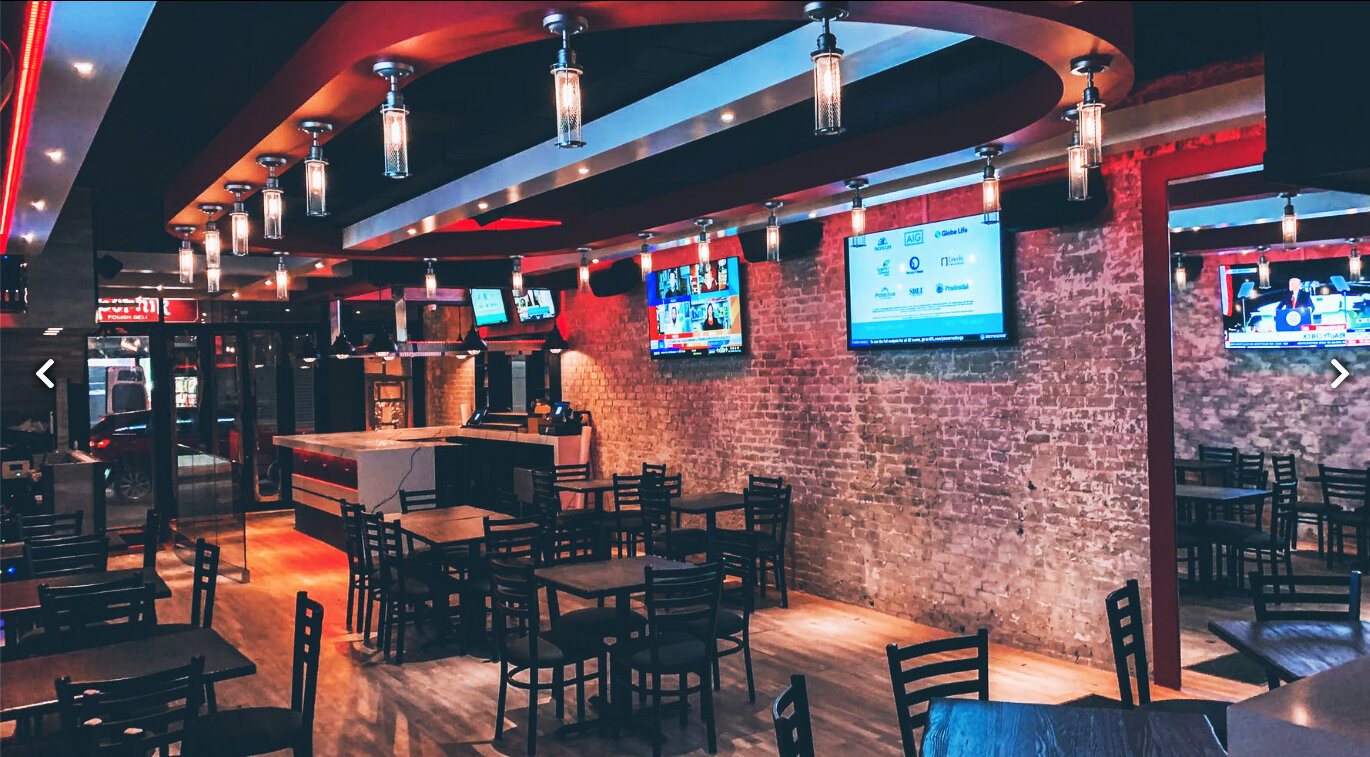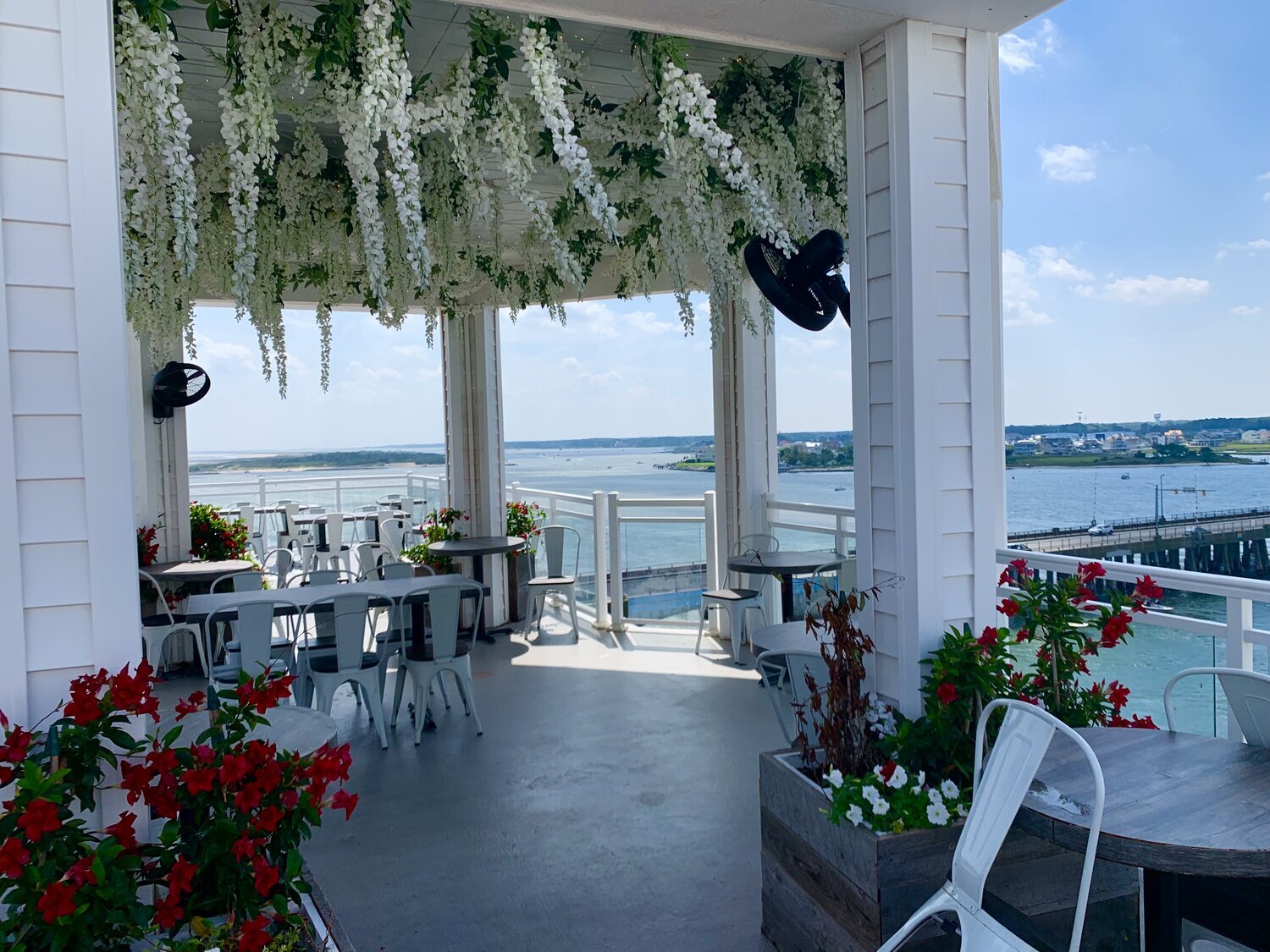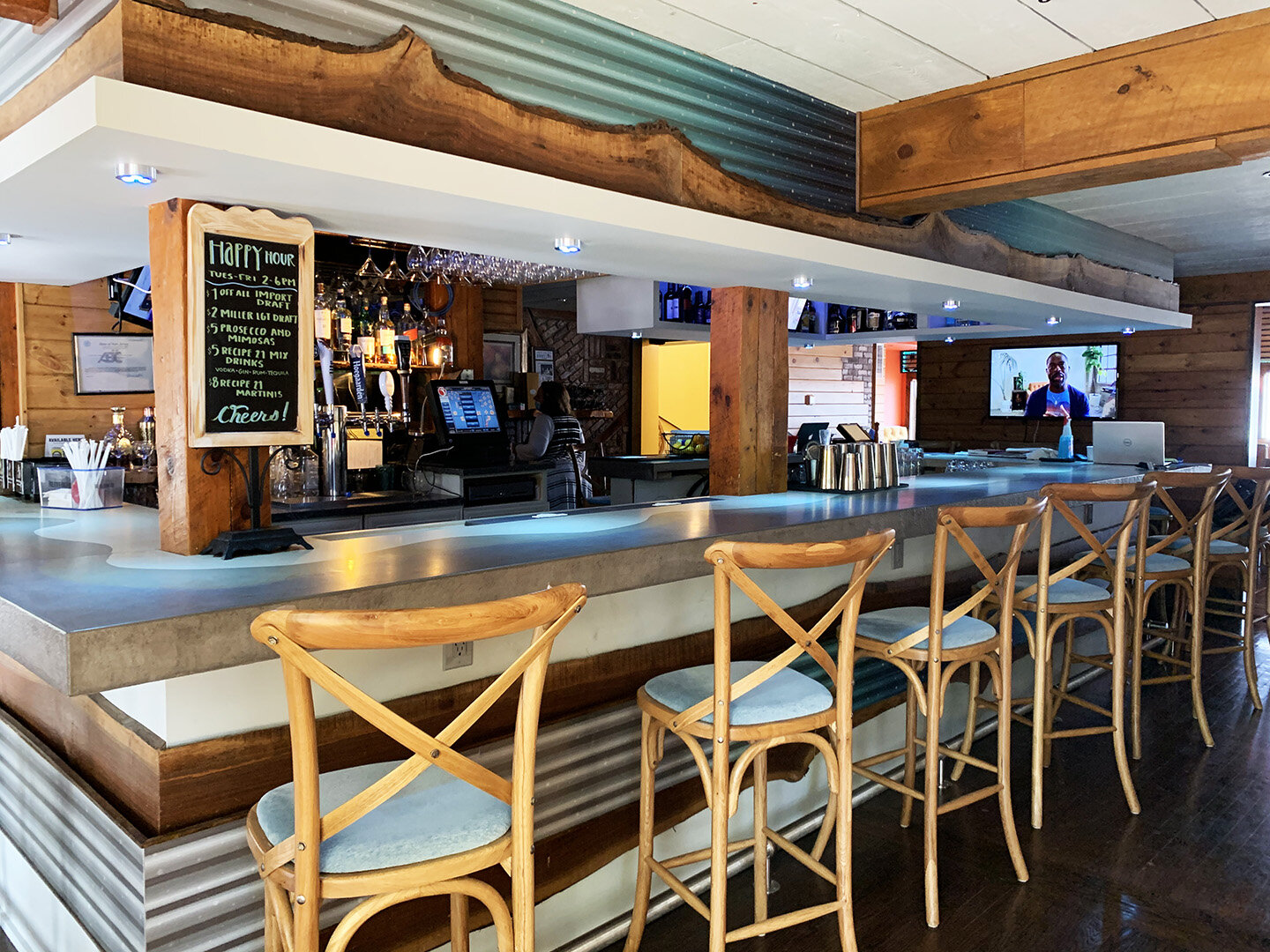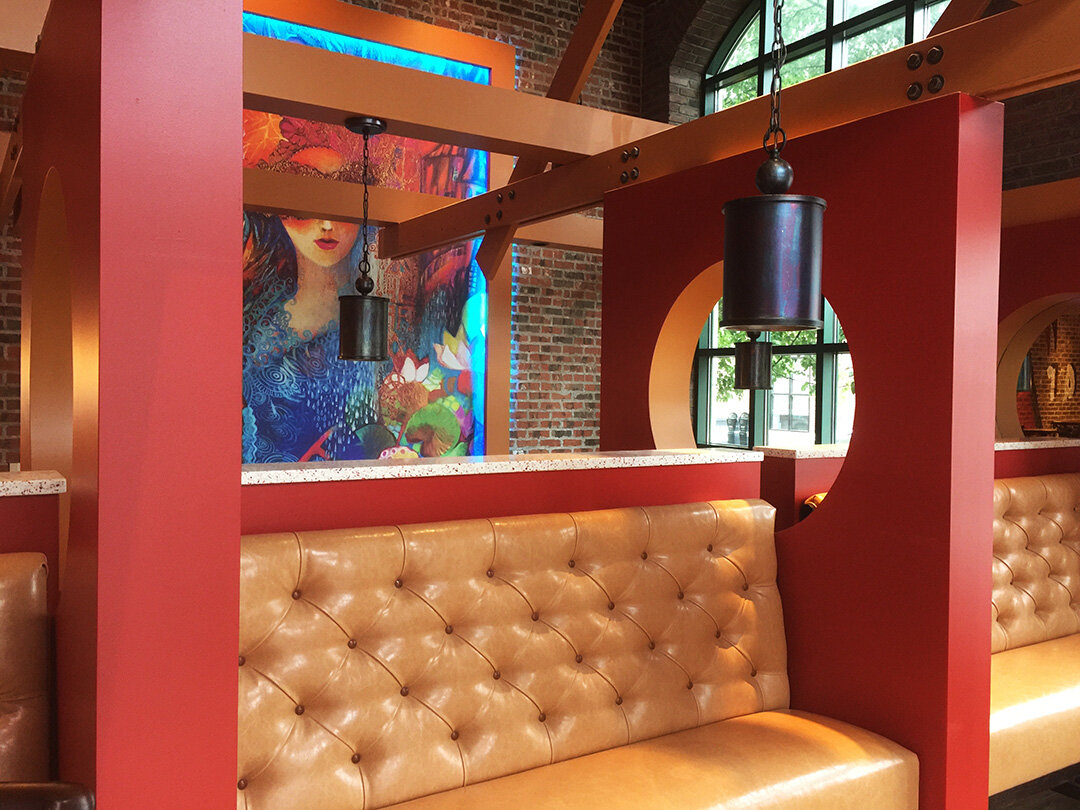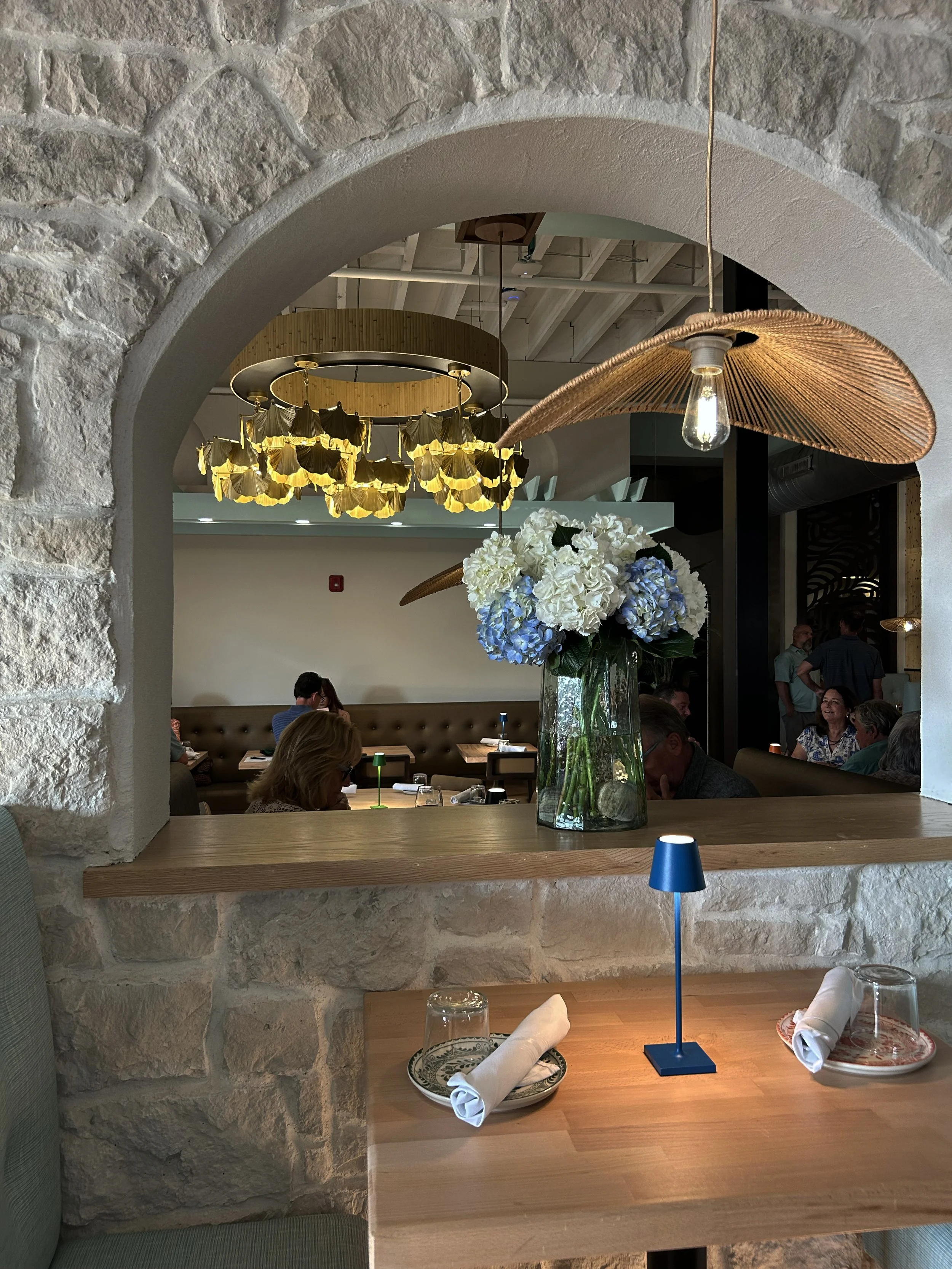
A restaurant renovation can completely change the trajectory of a business—but only when the renovation solves the right problems.
New flooring, new lighting and an expensive new bar may make a restaurant look better, but a successful restaurant renovation in New Jersey should accomplish much more than that. It should improve the way the restaurant feels, functions and competes. It should strengthen the concept, correct operational problems, create a more compelling guest experience and give customers a reason to choose your restaurant over the one down the street.
That distinction is particularly important in New Jersey, where restaurant owners compete in very different markets—from sophisticated North Jersey dining rooms and neighborhood restaurants to high-volume bars and Jersey Shore destinations influenced by both New York and Philadelphia.
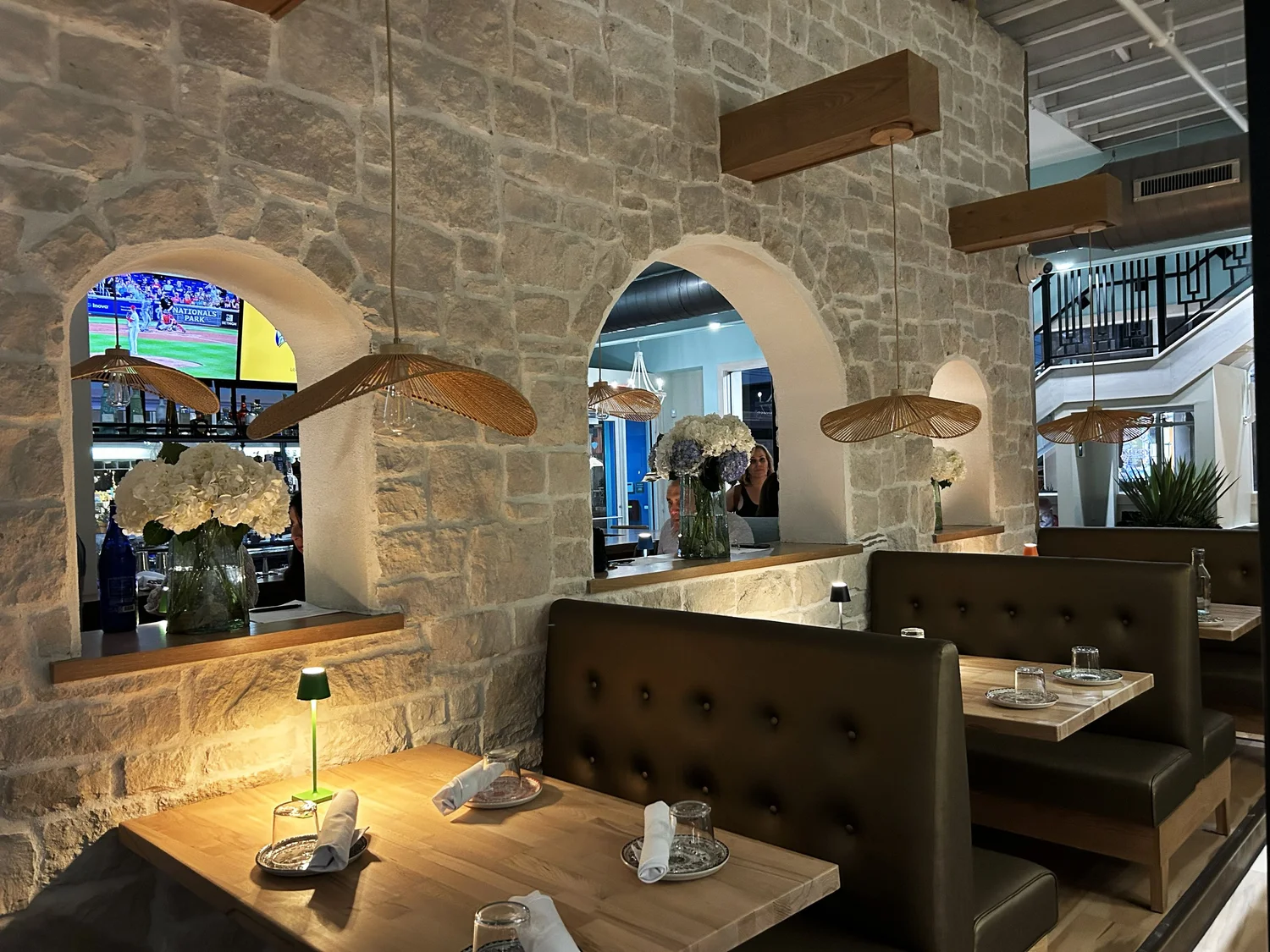
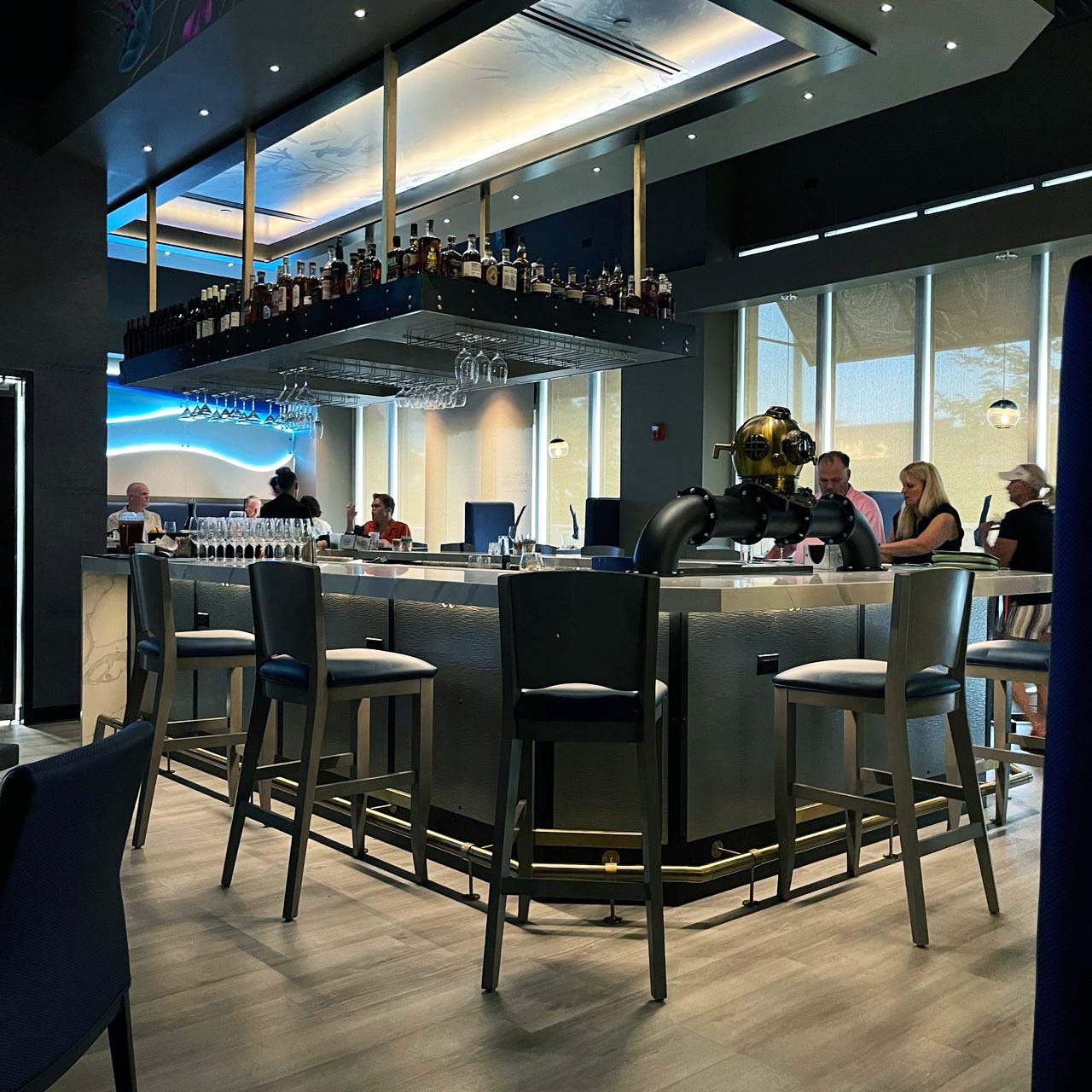
Coastal Canteen, Manasquan, NJ - Raymond Haldeman Restaurant Designer
As a New Jersey restaurant designer, Raymond Haldeman approaches restaurant renovation from both sides of the business. Having spent years as a chef, caterer, restaurateur and nightclub owner before becoming a restaurant designer, he looks beyond finishes and decoration to ask a more important question:
What does this restaurant need to become more successful?
That is where a smart restaurant renovation begins.
Restaurant Renovation Is More Than a Cosmetic Makeover
One of the biggest mistakes restaurant owners make is assuming that renovation means replacing whatever looks old.
Sometimes that's necessary. Often it isn't.
A restaurant may have perfectly usable flooring, kitchen infrastructure, bars, millwork or architectural elements while suffering from completely different problems:
An outdated identity
Poor lighting
Weak curb appeal
An inefficient dining-room layout
An underperforming bar
Too little visual impact
Awkward traffic patterns
Poor seating utilization
A concept that no longer connects with the desired customer
A restaurant that feels dated even though much of the physical space is still usable
The job of an experienced restaurant designer is to determine what is worth keeping, what needs to disappear and where the renovation budget will make the biggest difference.
A good restaurant renovation isn't necessarily the one that changes everything.
It's the one that changes the right things.
What Should a New Jersey Restaurant Renovation Accomplish?
Before choosing finishes or ordering furniture, identify what the renovation is supposed to fix.
If the answer is simply, "The restaurant looks old," dig deeper.
Why does it look old?
Is the lighting flat? Is the furniture dated? Does the bar lack energy? Does the color palette feel like another decade? Has the restaurant accumulated unrelated design decisions over years of repairs and additions?
Or is the problem bigger?
Perhaps the concept itself is no longer clear.
The strongest restaurant renovations typically address several areas at once.
Strengthen the Restaurant's Identity
Customers should understand what kind of experience they're walking into almost immediately.
The architecture, lighting, furniture, signage, colors, graphics and overall atmosphere should support one recognizable concept.
When those elements tell different stories, the restaurant can feel generic—even after an expensive renovation.
This is why restaurant renovation and restaurant rebranding often overlap. If the restaurant's identity is no longer connecting with customers, changing finishes without addressing the underlying brand may simply create a newer-looking version of the same problem.
For a deeper look at the strategic side of repositioning a restaurant, read Raymond Haldeman's Restaurant Rebranding Cost: The 2026 Strategic Investment Guide.
Improve the Layout Before Decorating It
Restaurant renovation provides an opportunity to correct problems owners and employees may have been working around for years.
Watch the restaurant during an actual service period.
Where do servers collide?
Where do guests wait?
Is there dead space that produces little value?
Does the host stand create congestion?
Are tables positioned in areas customers don't like?
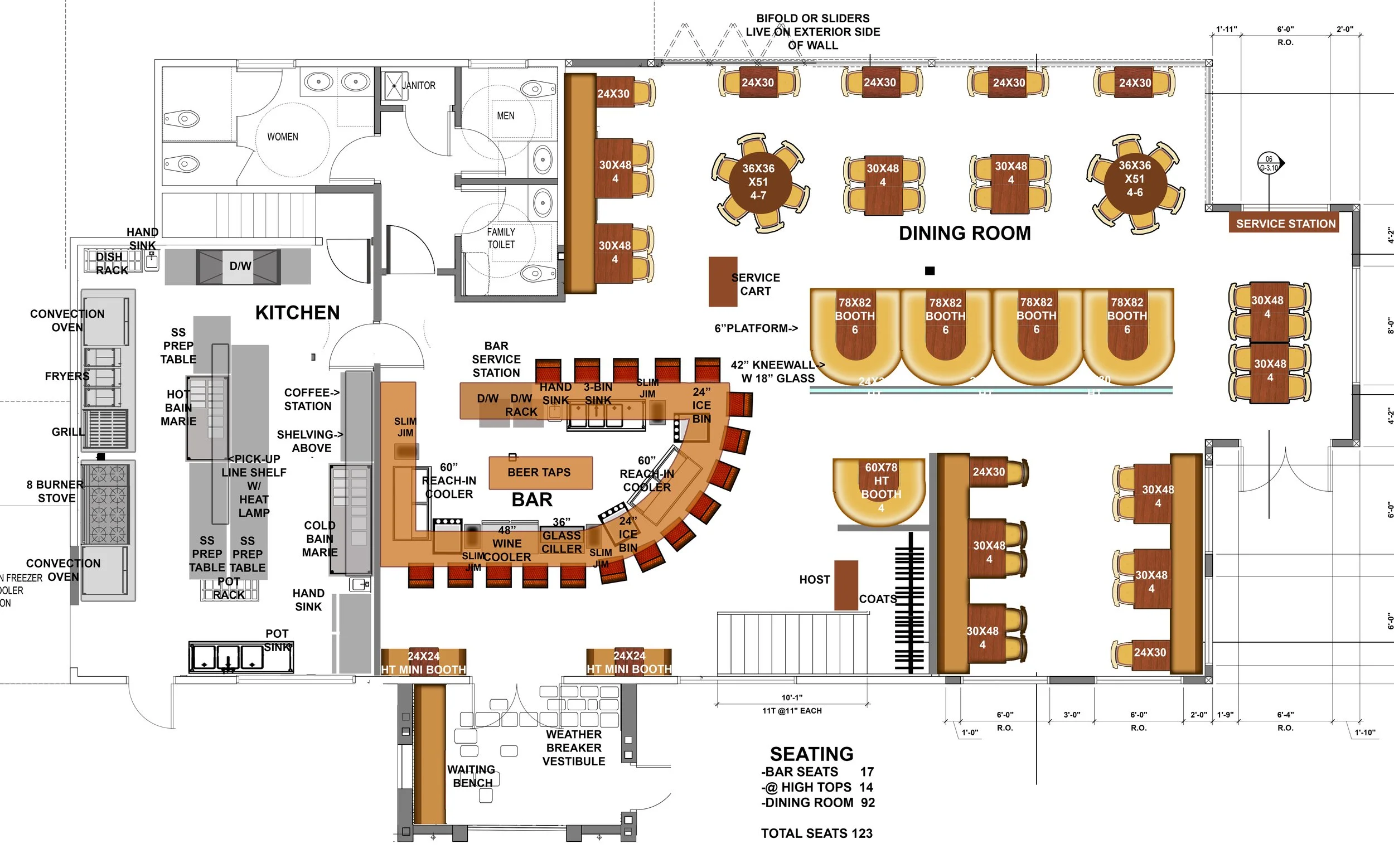
Flagstaf Floor Plan by Raymond Haldeman
Does the bar have enough seats?
Can bartenders efficiently serve both seated guests and the dining room?
Are there bottlenecks between the kitchen, dining room and service stations?
These are not decorating questions.
They're business questions.
Effective restaurant design considers the movement of guests and employees before determining where the dramatic chandelier goes.
For more on this subject, see Restaurant Seating Layout Design: Engineering Space for Maximum Profit.
The best solution is often both practical and visually exciting.
Give Customers Something to Remember
Function matters enormously—but restaurants are emotional businesses.
People don't photograph efficient server stations.
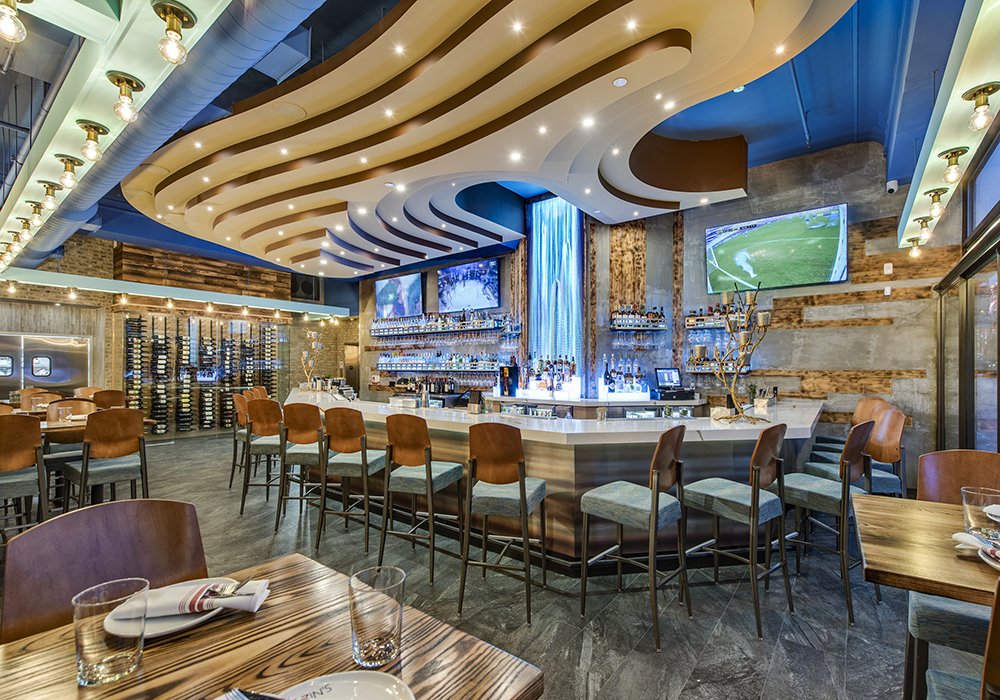
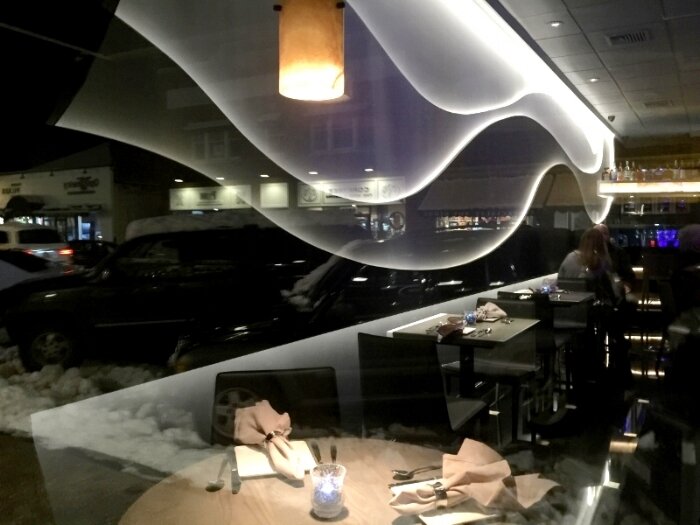
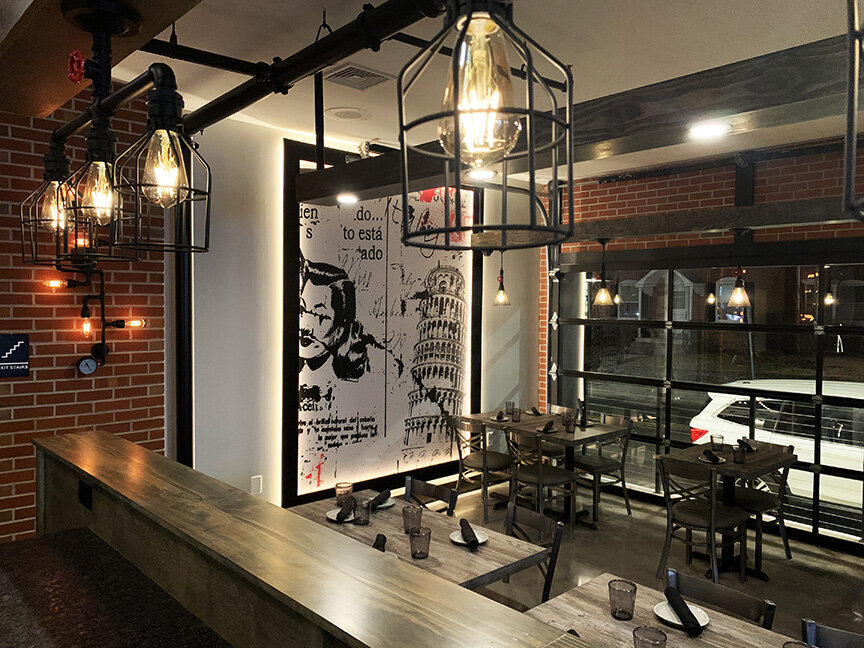
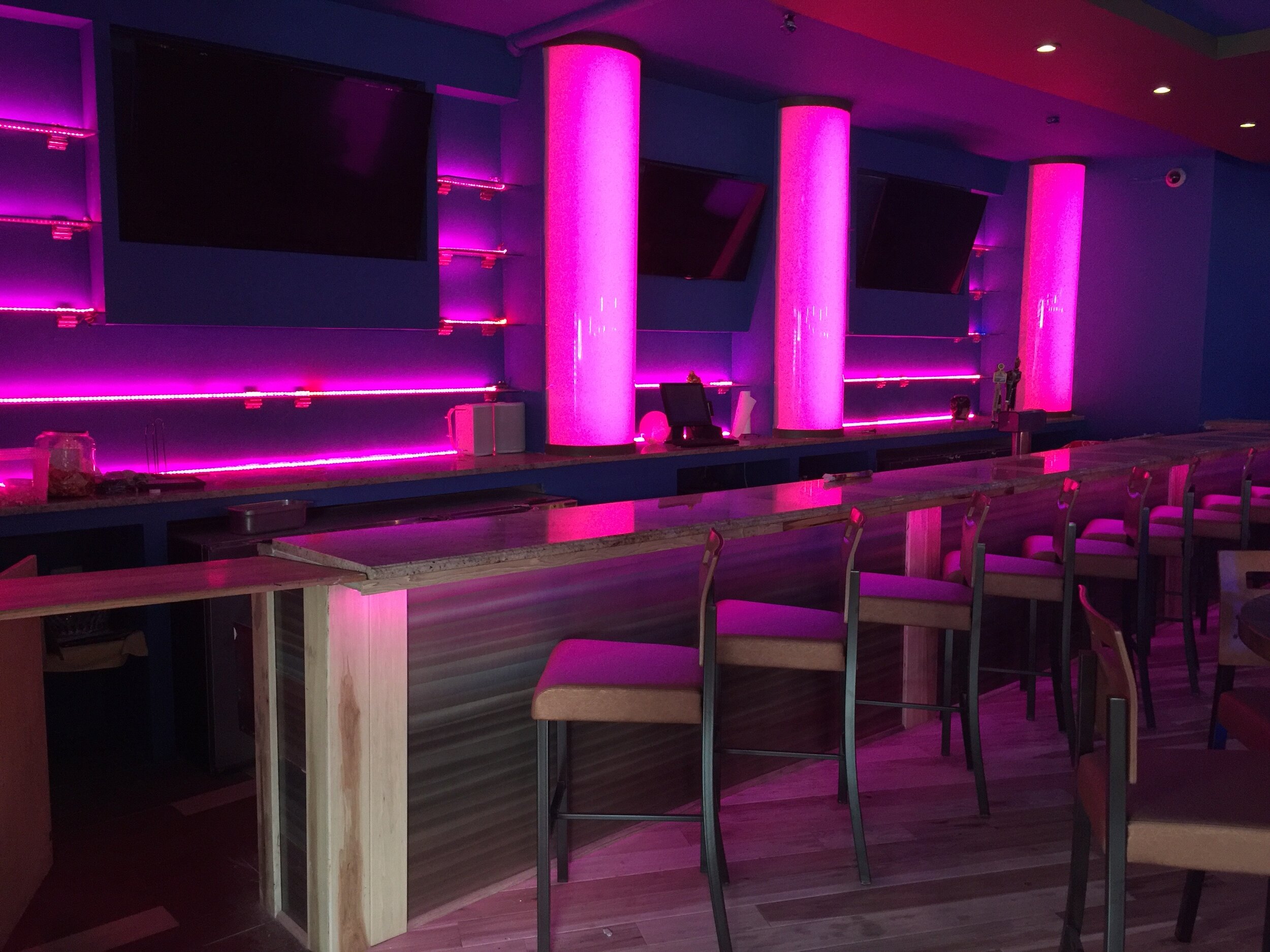
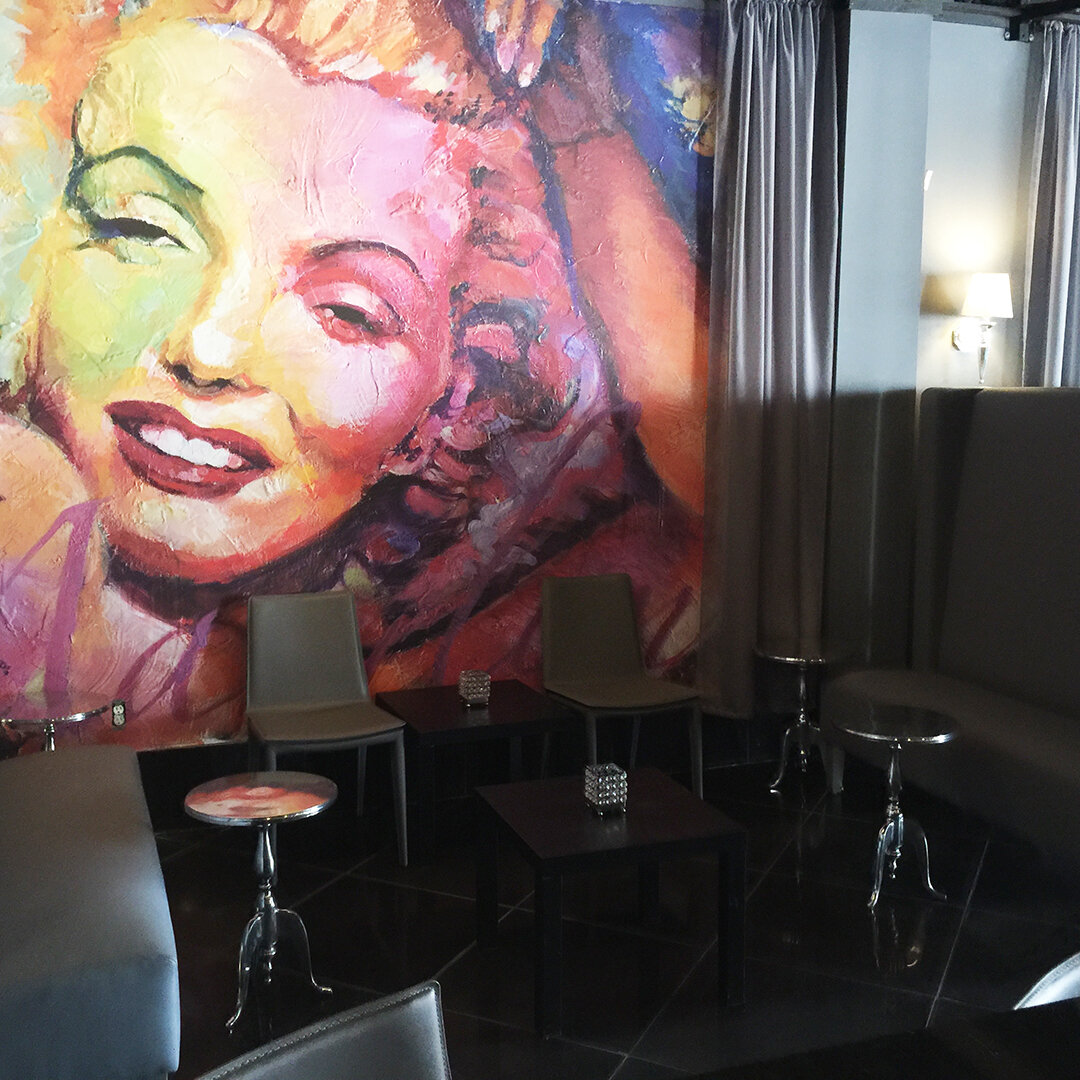
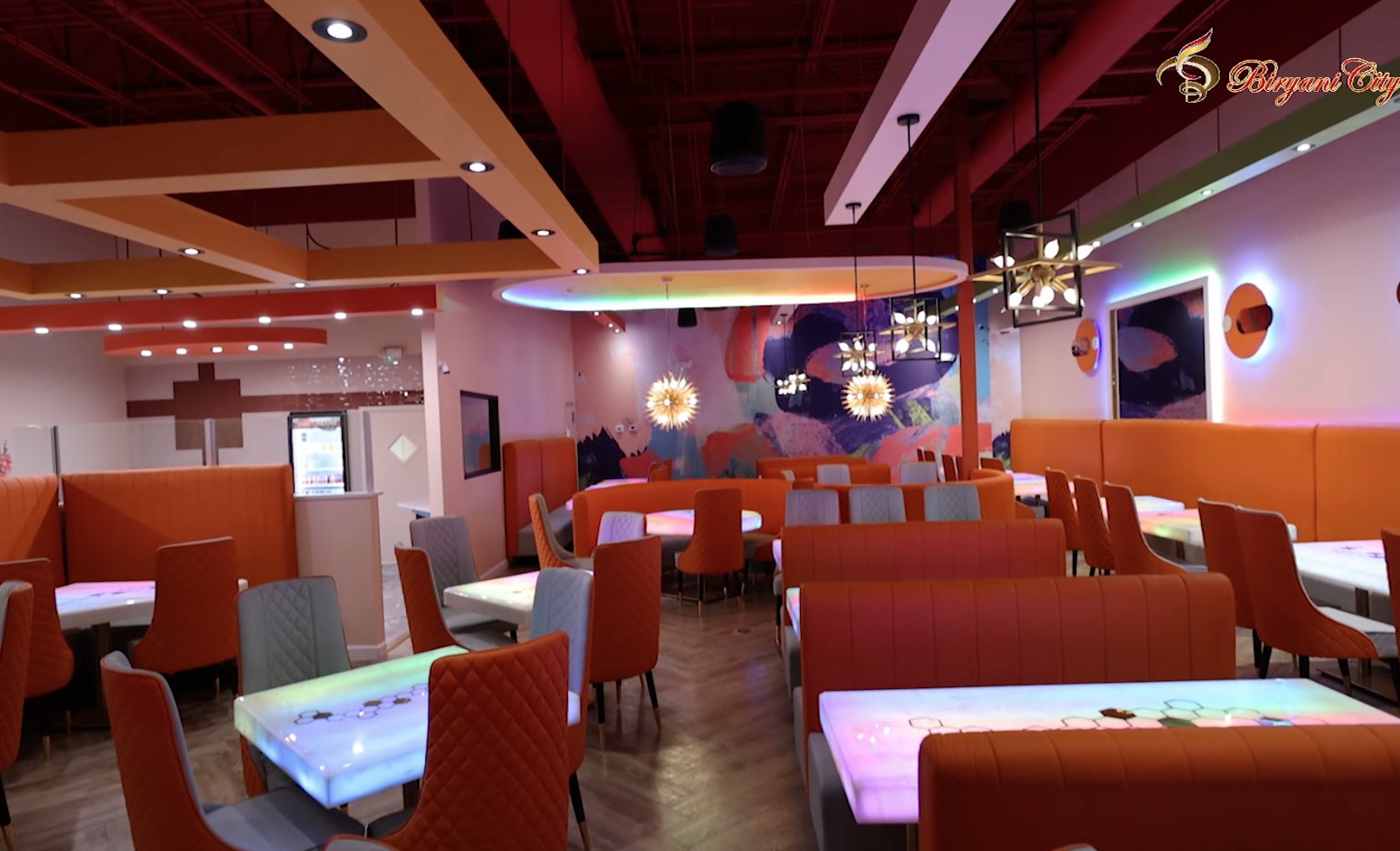
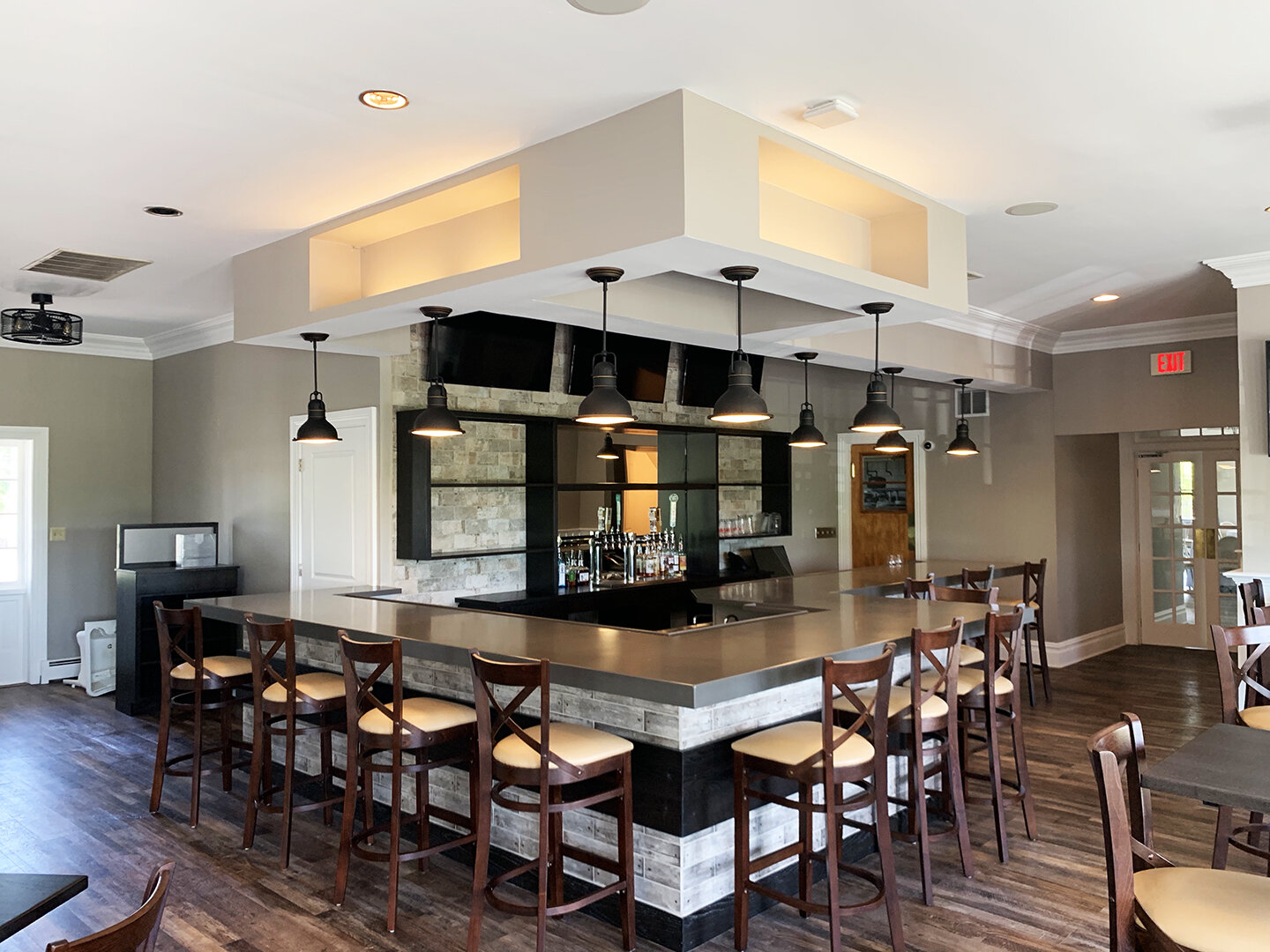
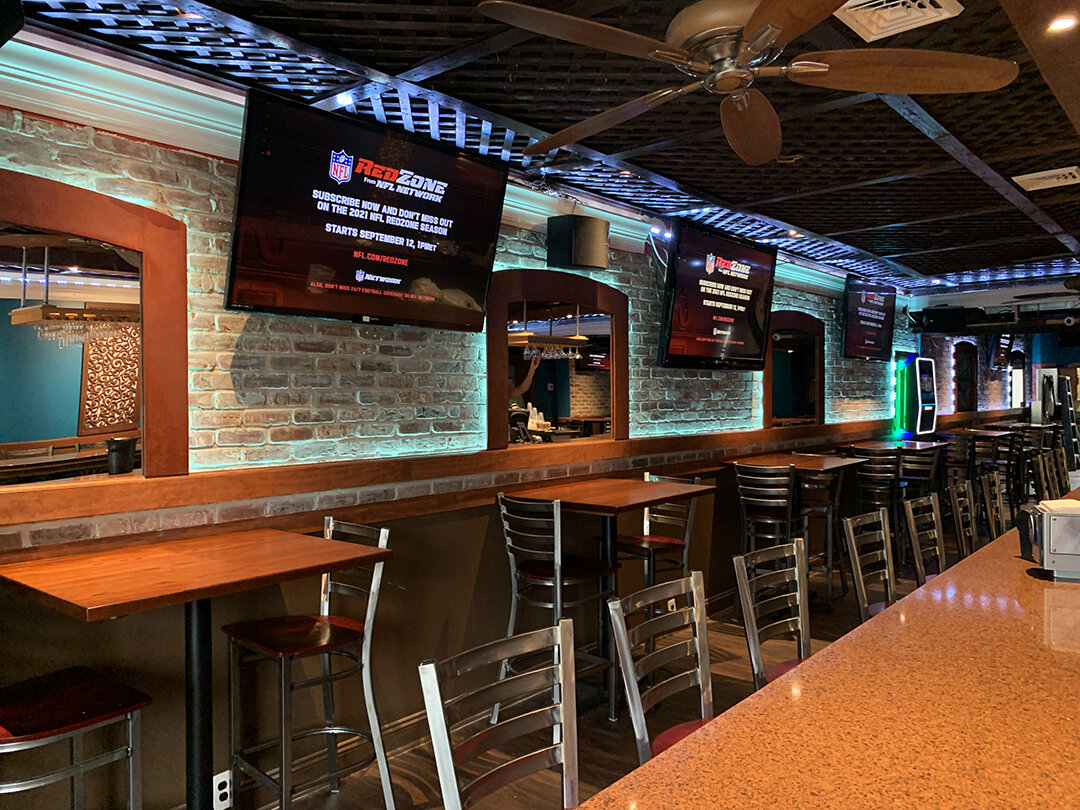
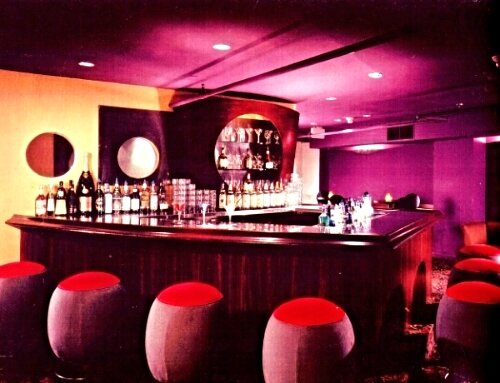
They photograph the spectacular bar, dramatic ceiling, incredible lighting feature, mural, wine display or unexpected focal point that makes the restaurant feel different from everywhere else they've been.
Raymond often describes this as creating the WOW factor.
That doesn't mean making every surface loud or expensive. In fact, the strongest interiors often have carefully controlled moments of drama surrounded by quieter areas that allow those focal points to stand out.
A successful renovation should give customers a visual memory.
When people walk into the finished restaurant, there should be something that makes them think:
I haven't seen this before.
Restaurant Renovation ROI: What Are You Actually Measuring?
The basic question behind restaurant renovation ROI is simple:
Did the investment improve the business enough to justify the money spent?
But the answer isn't always as simple as comparing sales before and after construction.
Restaurant performance can change because of menu pricing, staffing, marketing, seasonality, local competition, economic conditions and many other factors.
That means renovation ROI should be evaluated through several measures rather than one number.
Before construction begins, establish a baseline for whatever matters most to the restaurant.
That might include:
Gross sales
Average check
Number of covers
Bar versus dining-room sales
Sales per seat
Table utilization
Labor requirements
Customer reviews
Repeat visits
Maintenance costs
Private-event revenue
Revenue from previously underused areas
Then compare similar periods after reopening.
A renovation designed to solve an operational problem should produce evidence that the problem improved.
A renovation intended to reposition an aging restaurant should be evaluated partly by whether customers perceive the restaurant differently.
A redesigned bar should be examined in terms of how the bar actually performs—not simply whether it photographs beautifully.
How to Calculate Restaurant Renovation ROI
The traditional formula is:
ROI = (Net Gain ÷ Investment) × 100
That formula is useful, but determining the numbers that go into it requires some judgment.
Suppose a restaurant invests $300,000 in renovation and generates an additional $120,000 in annual profit afterward.
It would be tempting to attribute the entire increase to the renovation.
But did menu prices also increase? Did a competitor close? Did the owner add delivery? Did food costs improve? Did the restaurant increase advertising?
That's why a useful ROI analysis should include several steps.
Establish Your Baseline
Document performance before renovation.
Ideally, compare equivalent periods and account for normal seasonal fluctuations.
Define What Each Major Renovation Decision Is Supposed to Accomplish
If you're expanding the bar, identify why.
If you're changing the seating configuration, determine what problem that solves.
If you're completely rebranding the restaurant, define the customer you want the new concept to attract.
Determine the Full Cost
The renovation cost isn't only the contractor's invoice.
Depending on the project, your total investment may include:
Design
Architectural and engineering services
Permits
Construction
Furniture
Lighting
Equipment
Signage
Artwork and graphics
Decorative finishes
Professional fees
Temporary closure
Reduced capacity during phased construction
Lost operating days
The business case needs to consider the entire investment.
Model Several Outcomes
Rather than building the project around one optimistic sales projection, model several possibilities.
Conservative: modest improvement
Expected: reasonable improvement based on identified opportunities
Aggressive: stronger performance if the repositioning exceeds expectations
That gives an owner a much more useful picture of risk.
Measure What Actually Happens
After reopening, compare the results with the original baseline.
Did covers increase?
Did average check improve?
Are customers spending more time at the bar?
Did the restaurant begin attracting the demographic it was designed for?
Did previously unpopular seats become desirable?
Did guest reviews begin mentioning the atmosphere?
Did operational changes make service easier?
Those results tell you much more than opening-week excitement.
Renovating an Existing Restaurant Can Offer an Advantage
Taking over or renovating an existing restaurant can provide opportunities that don't exist in a raw shell.
There may already be:
A commercial kitchen
Exhaust and ventilation systems
Restrooms
Plumbing
Electrical infrastructure
Bars
Walk-ins
HVAC
Millwork
Existing seating
Valuable architectural details
The temptation is often to demolish everything and start over.
That can be an extremely expensive decision.
An experienced restaurant designer can look at the existing environment and determine which components can become part of the new concept.
Sometimes a dated bar can be completely transformed rather than replaced.
Existing wall conditions can become part of a new architectural feature.
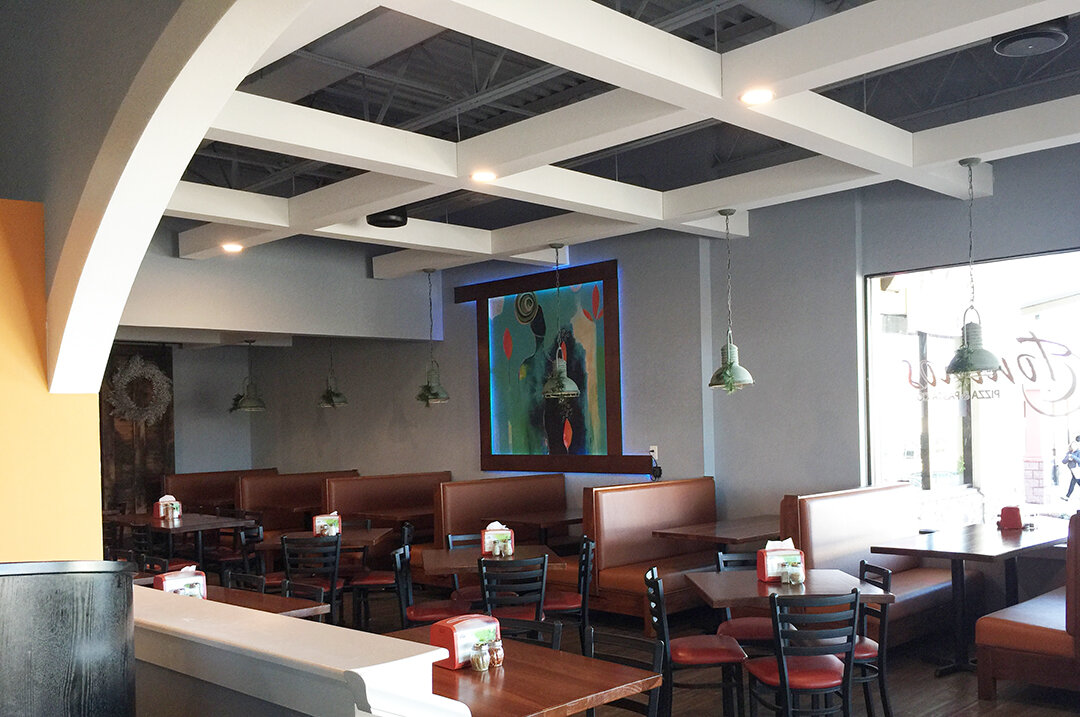
A ceiling that feels ordinary can become one of the restaurant's signature elements.
A layout may need strategic adjustments rather than total reconstruction.
Good restaurant renovation is partly an exercise in knowing where not to spend money.
Restaurant Renovation in New Jersey Requires Local Perspective
New Jersey is not one restaurant market.
A concept designed for Jersey City may require a completely different personality from a restaurant in Cape May.
A high-energy Jersey Shore venue has different seasonal considerations from a neighborhood restaurant in Bergen County.
A sophisticated restaurant in Montclair or Hoboken may compete for customers who frequently dine in Manhattan.
Restaurants in South Jersey may draw customers from both New Jersey and the Philadelphia market.
Central Jersey includes everything from suburban destination dining to family restaurants, bars and nightlife concepts.
Raymond Haldeman's restaurant design portfolio includes hospitality projects throughout New Jersey, including New Brunswick, Marlboro, Woodland Park, Jersey City, Manasquan, Brick, Cape May, Colts Neck, Medford, Robbinsville, Red Bank and other communities.
That breadth matters.
Restaurant renovation isn't about applying one design formula to every location. The concept should respond to the restaurant, its customer, its building and its market.
New Jersey Restaurant Renovation and Design Examples
Some of the most useful renovation lessons come from seeing how dramatically an existing restaurant can be repositioned.
Raymond's New Jersey restaurant design work includes projects such as:
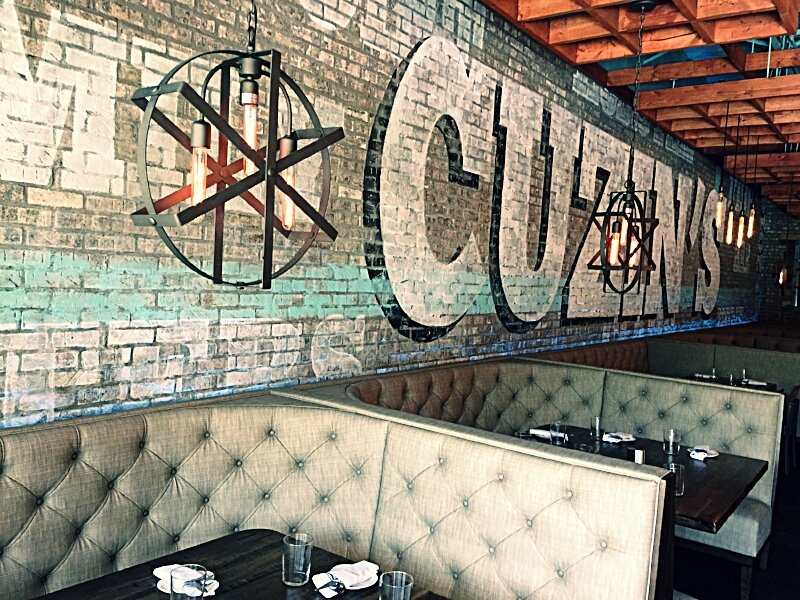
Cuzin's Seafood & Clam Bar — Marlboro and New Brunswick, NJ
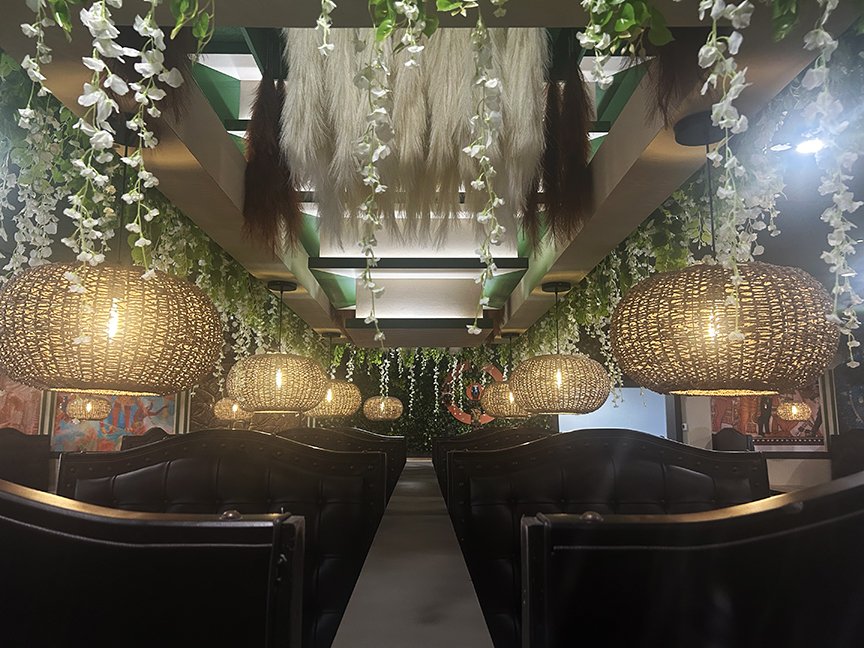
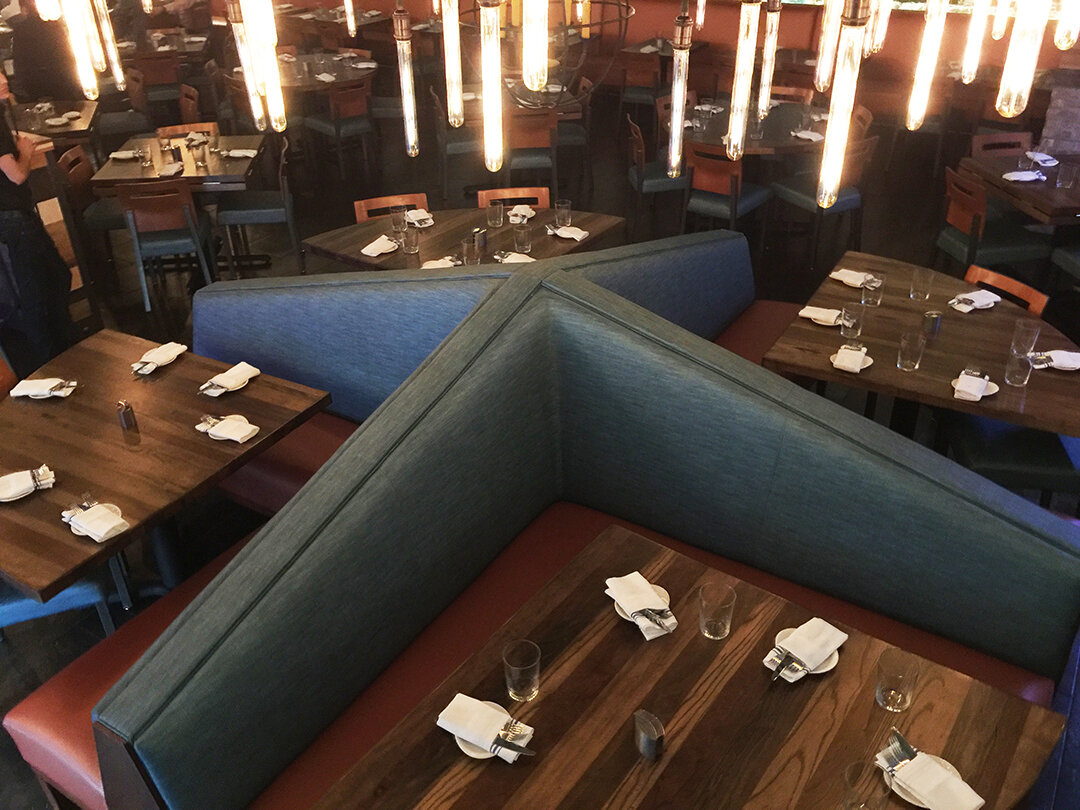
Cuzin's Marlboro and Cuzin’s New Brunswick demonstrates how strong branding, dramatic lighting, distinctive architectural elements and an immersive dining environment can work together to create a recognizable hospitality identity.
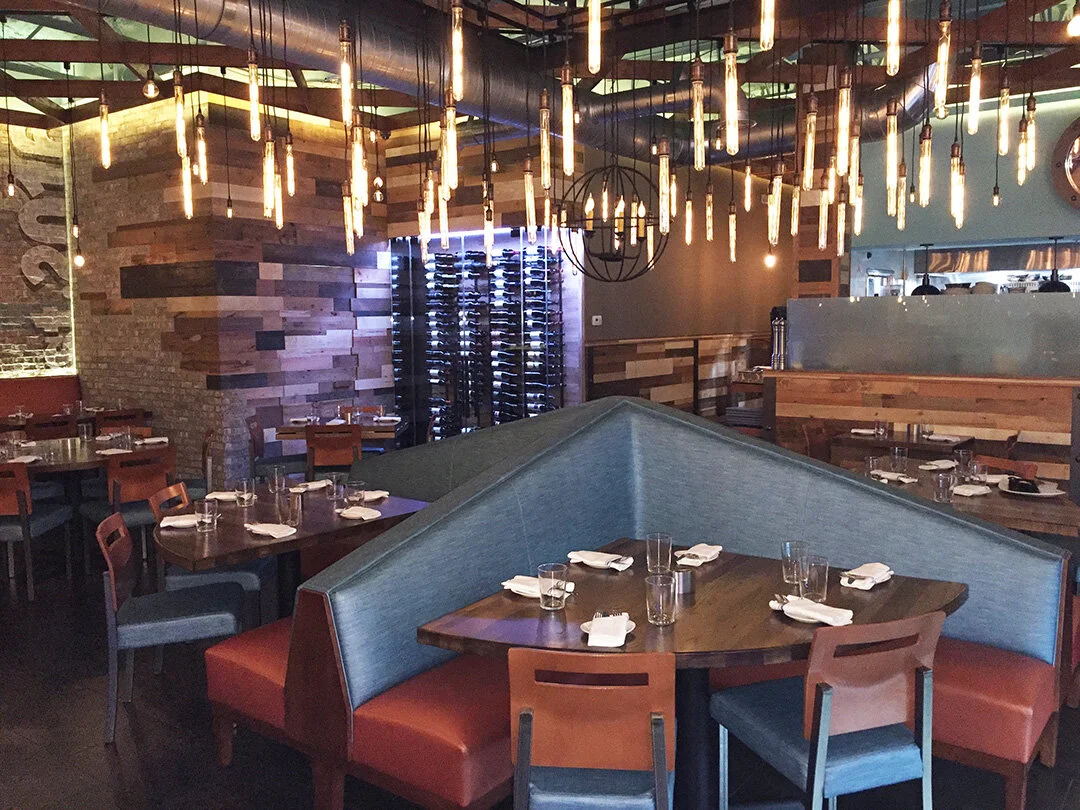
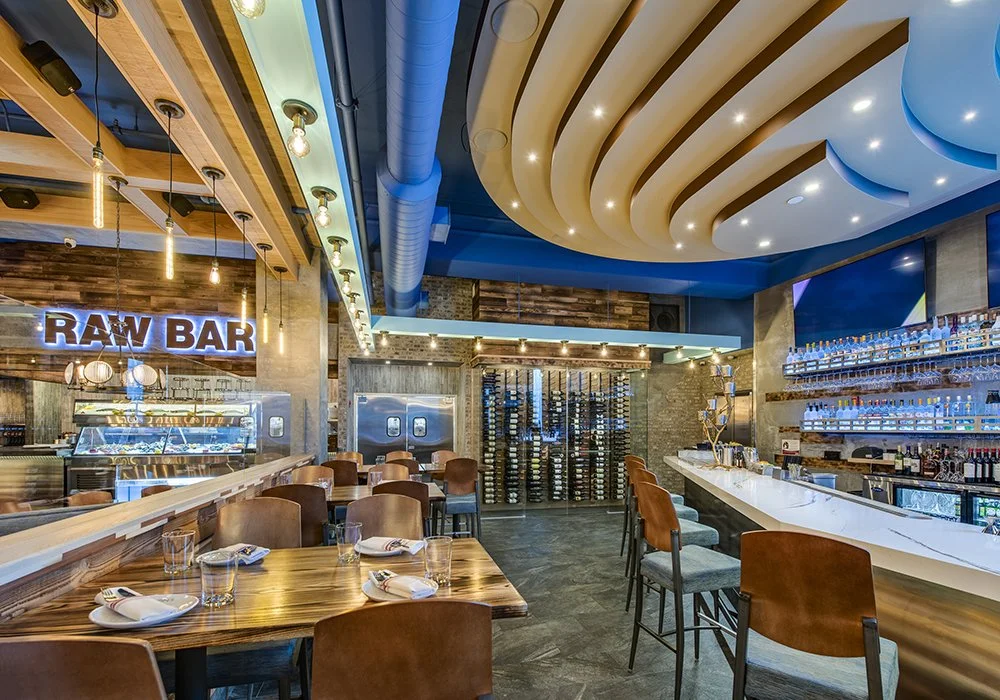
FINS — Cape May, NJ
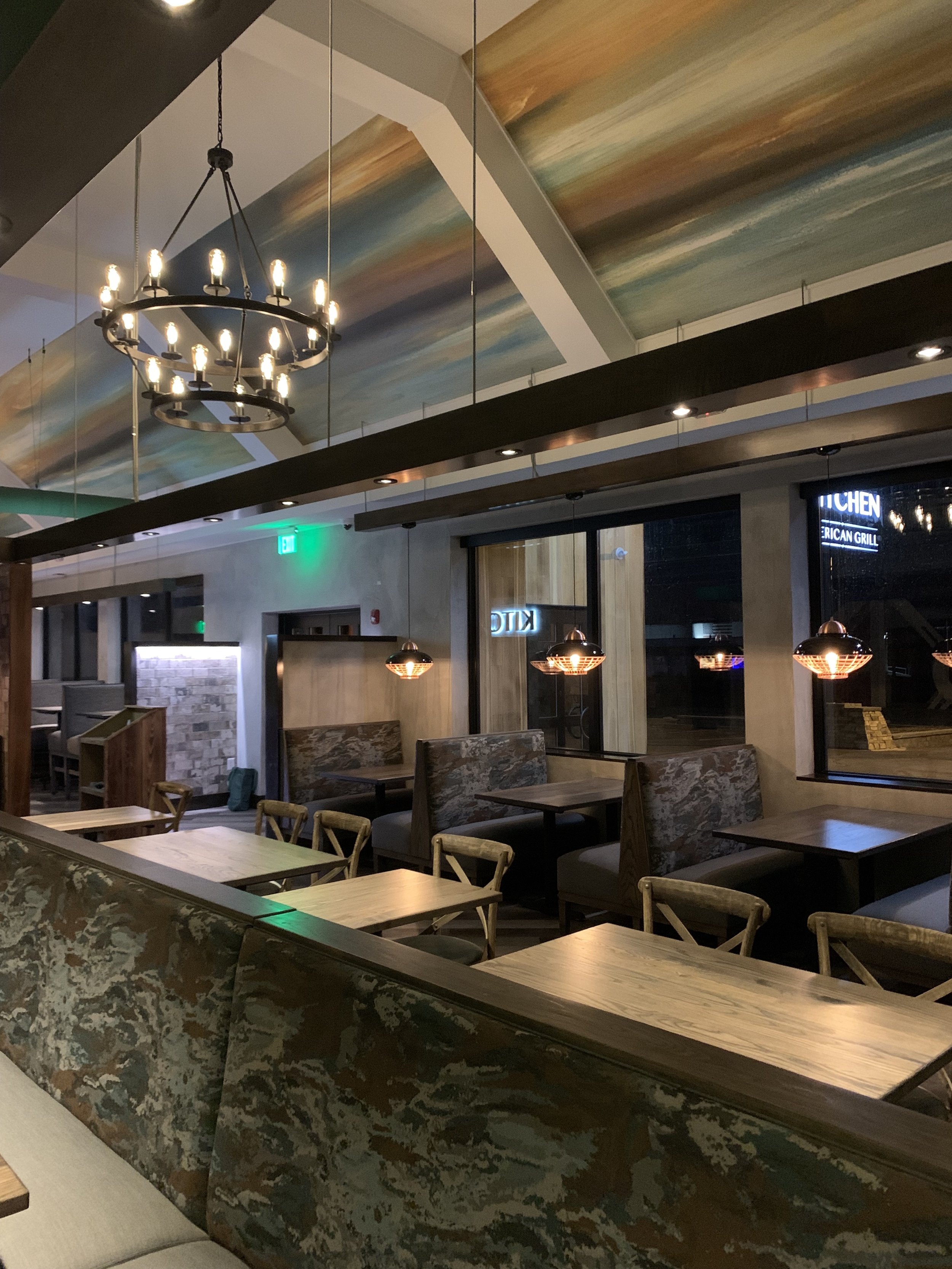
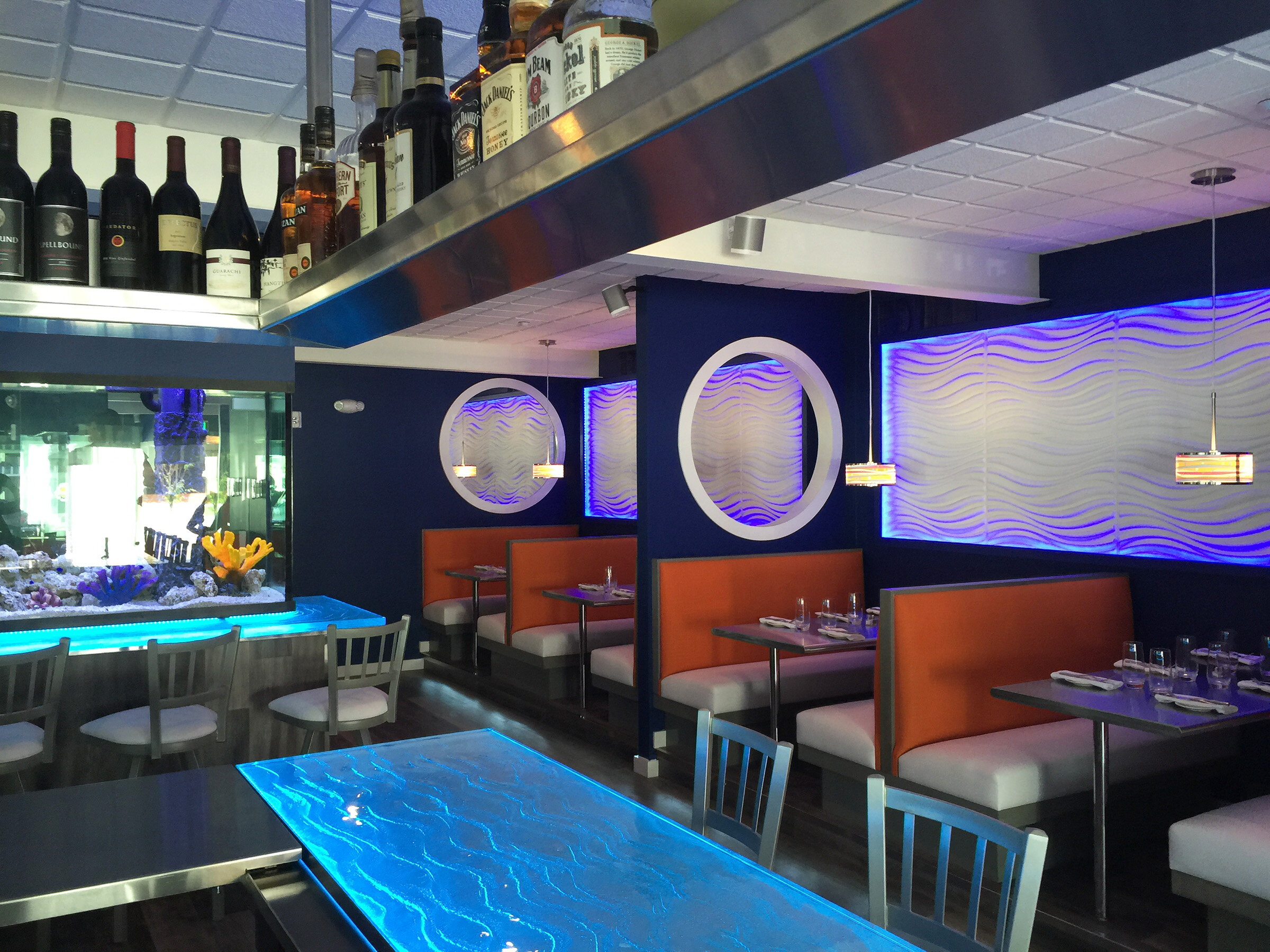
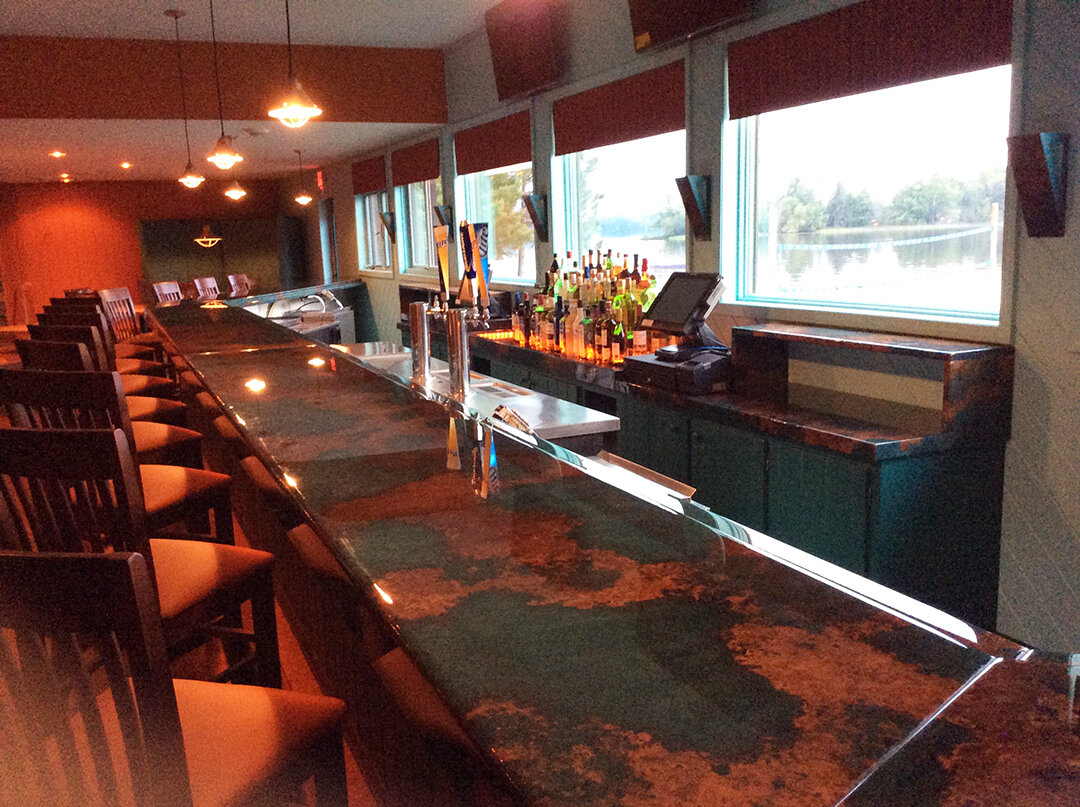
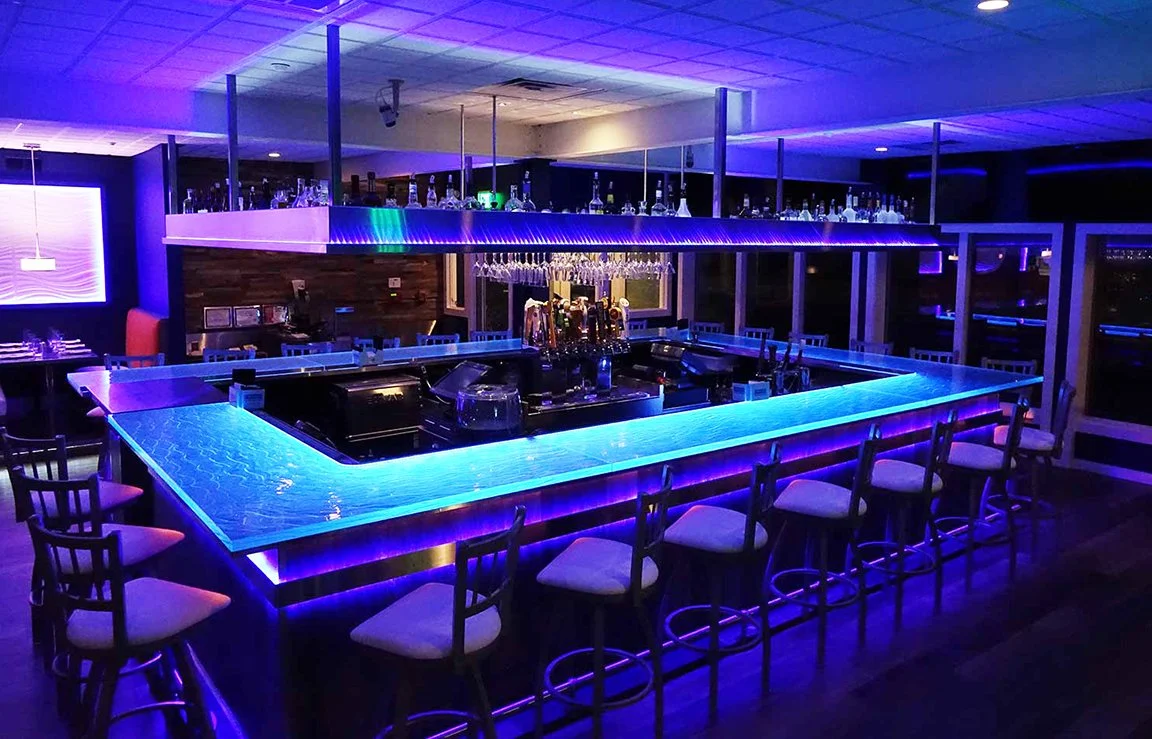
FINS in Cape May is a particularly strong example of restaurant renovation and rebranding. Raymond transformed the former Pilot House location into an entirely new concept, using dramatic elements including an illuminated glass bar, aquarium features and an underwater-inspired ceiling.
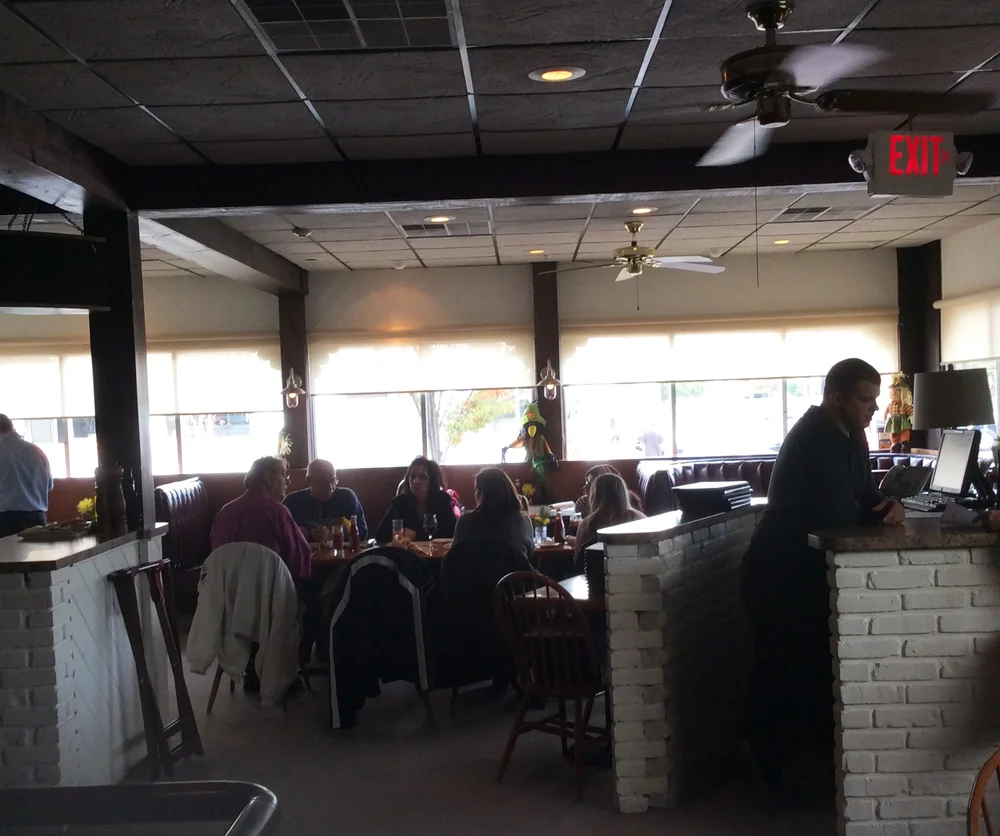
ViaSposito — Colts Neck, Red Bank and Old Bridge, NJ
The ViaSposito projects demonstrate how an established restaurant identity can be developed across multiple locations while still allowing each restaurant to respond to its individual space.
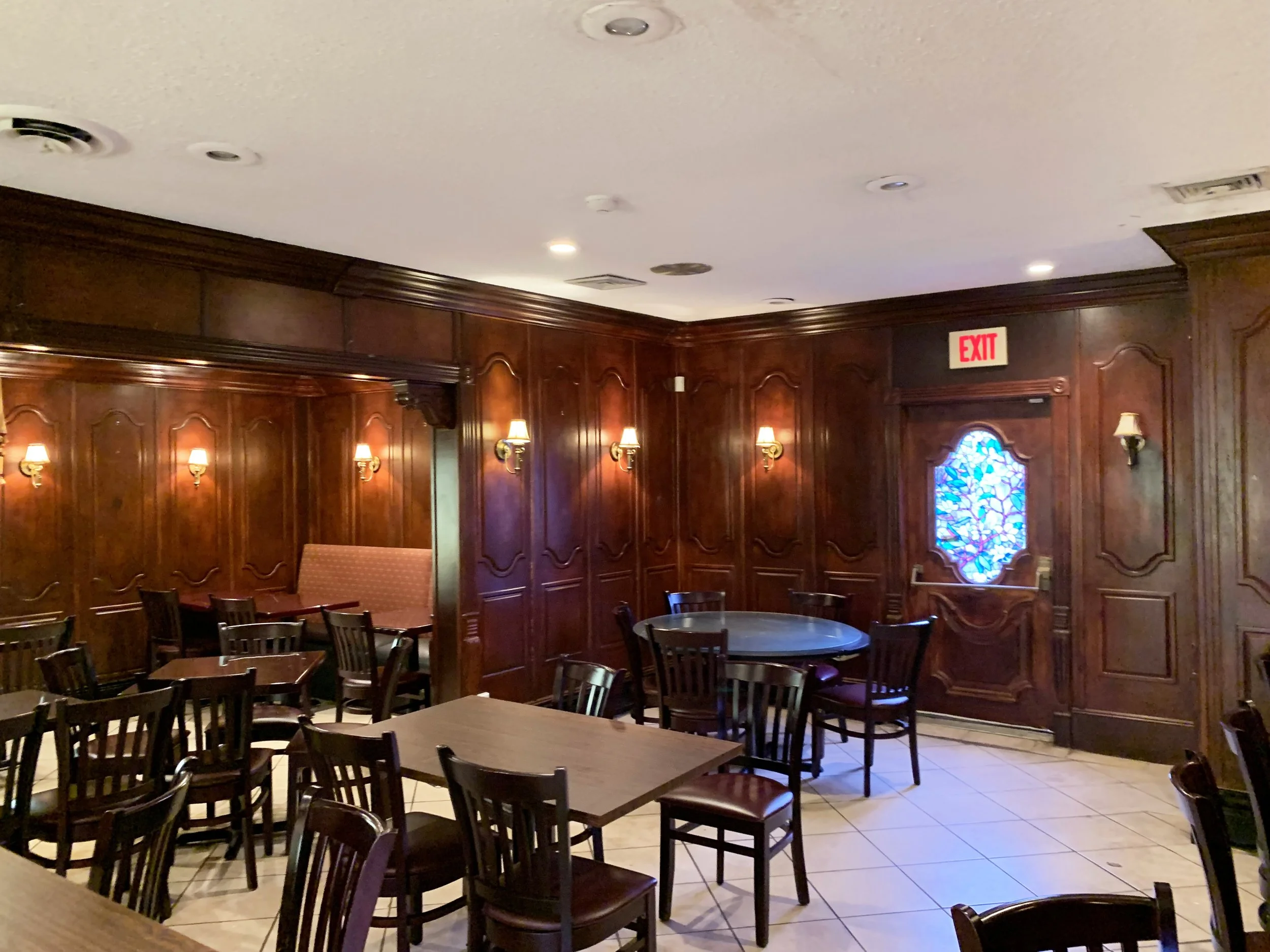
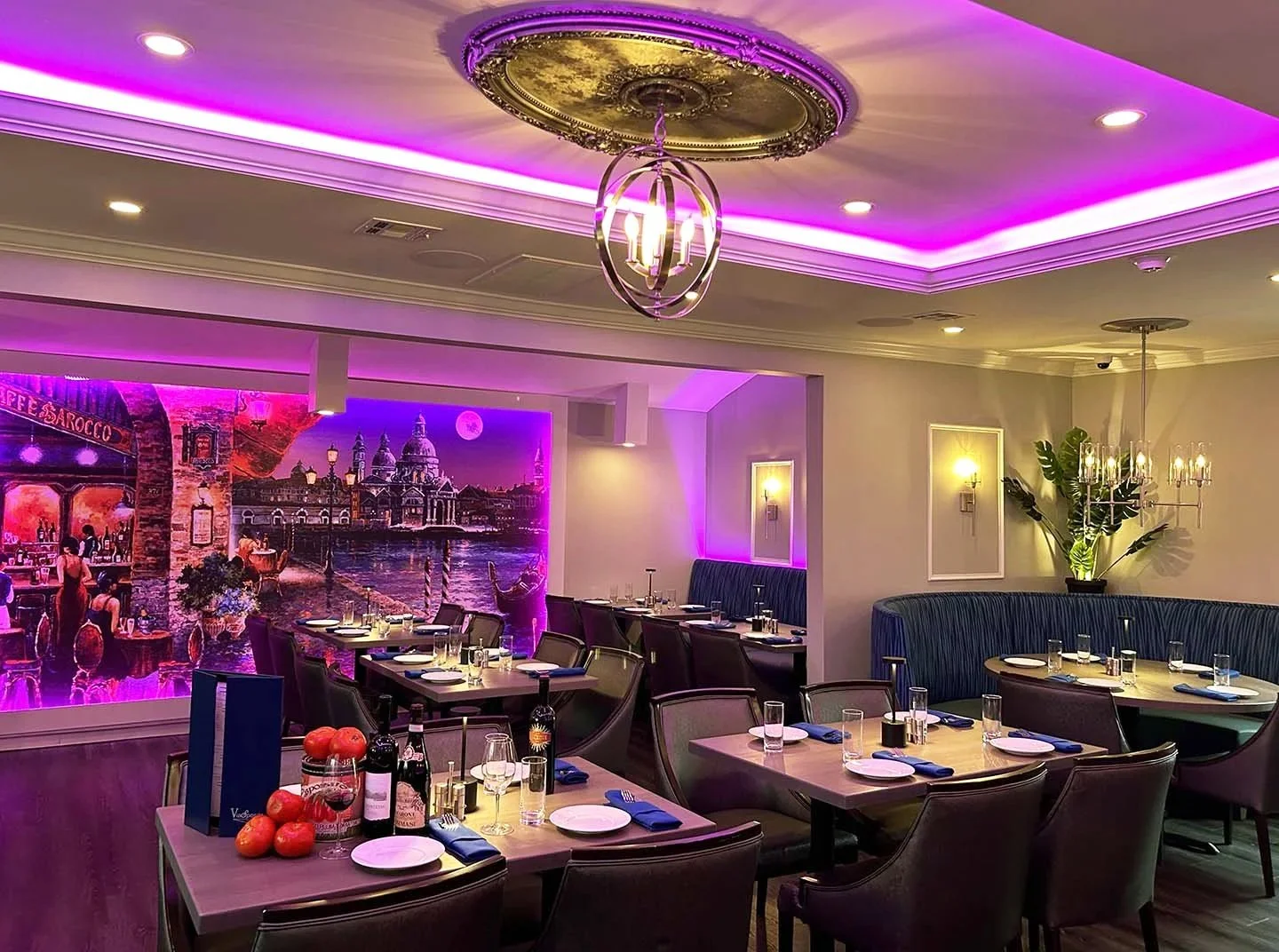
HARPOON WILLYS — ROBBINSVILLE, NJ
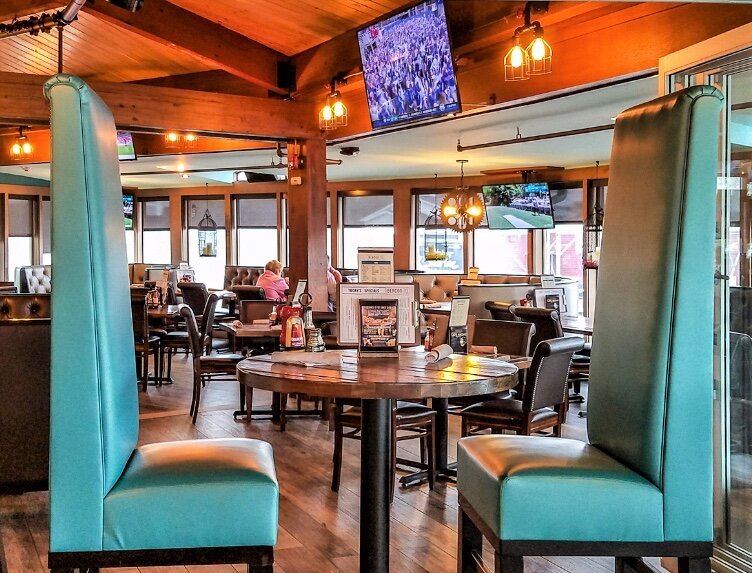
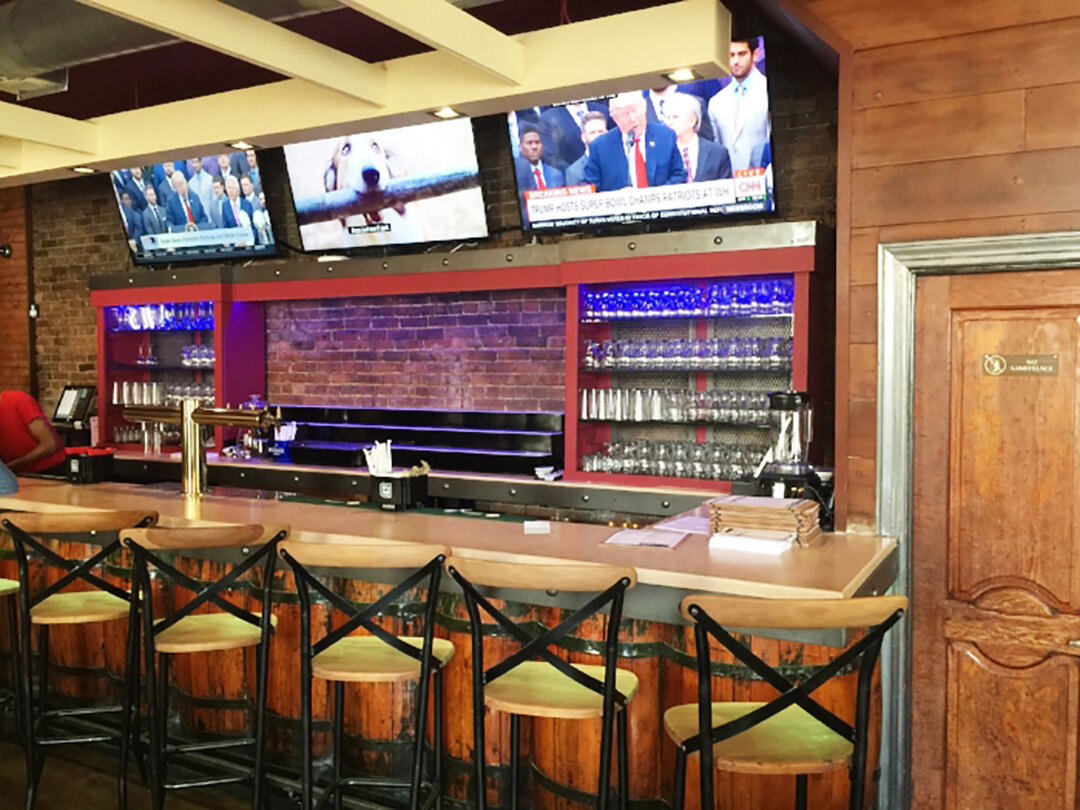
Harpoon Willy’s is a prime example of placing your brand in a good location, regardless of the interior’s appearance. Raymond transformed the red and while Kuo Social Chinese restaurant into a efficient warm and cozy Harpoon Willys.
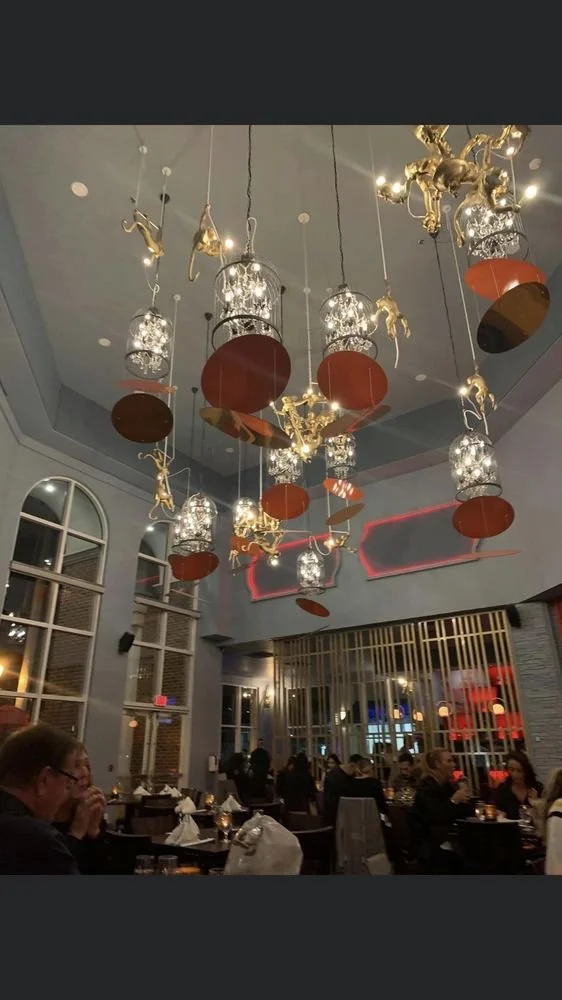
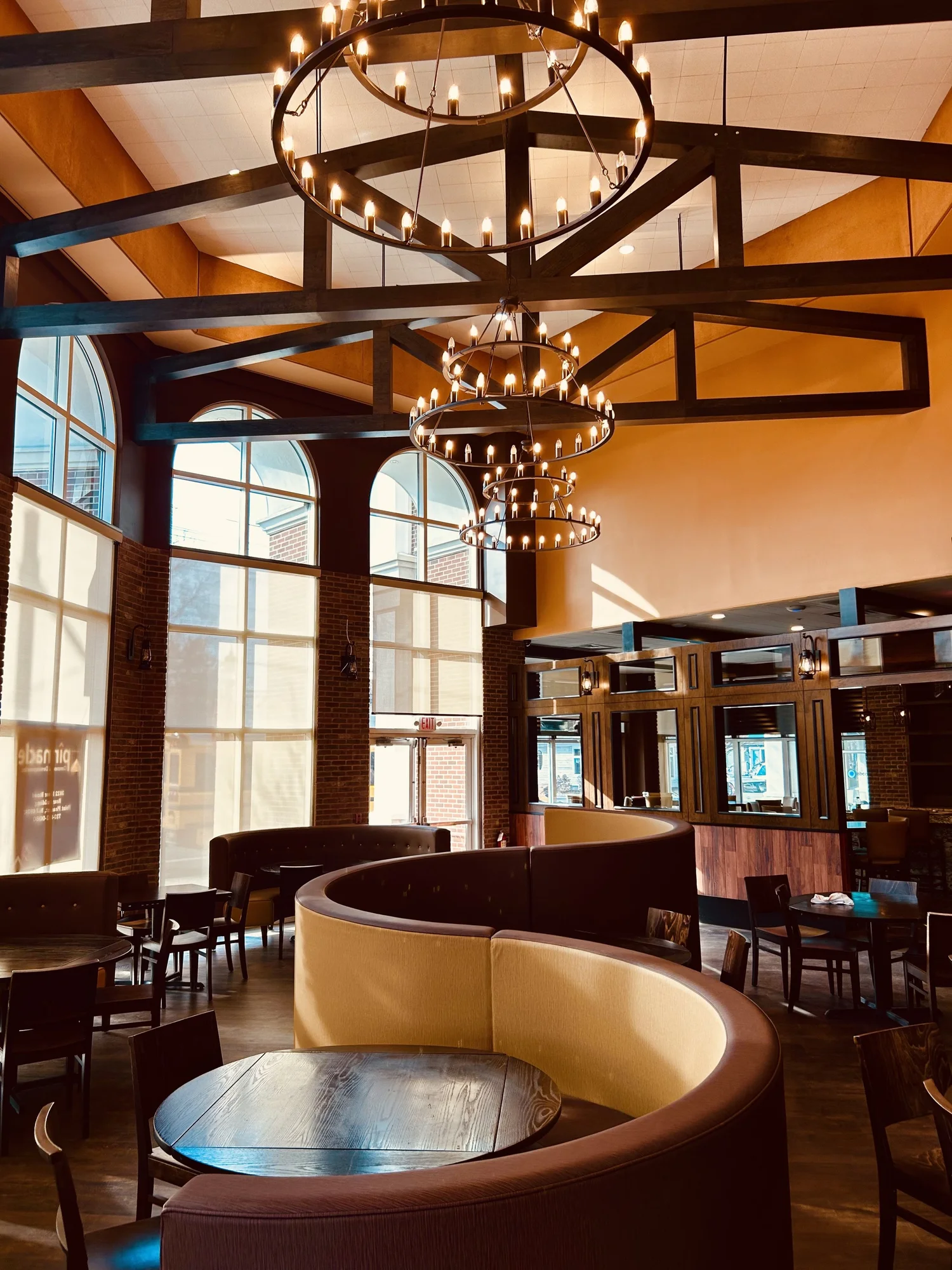
River Rock Restaurant & Marina — Brick, NJ
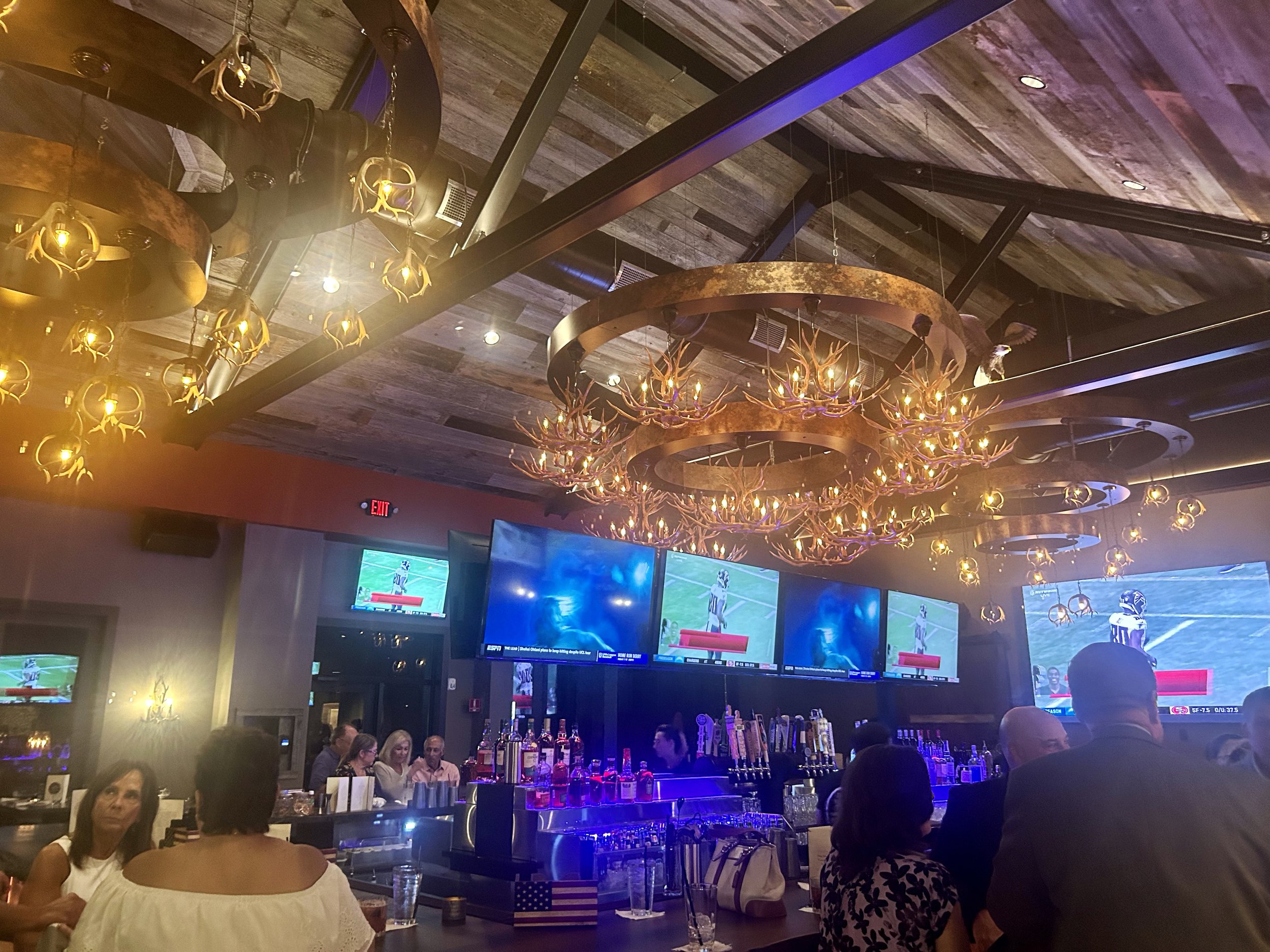
River Rock demonstrates how restaurant, bar and entertainment design can become part of a larger high-energy hospitality experience. Raymond added this 40’ digital ceiling to create excitement!
RIVER ROCKS 40’ DIGITAL CEILING
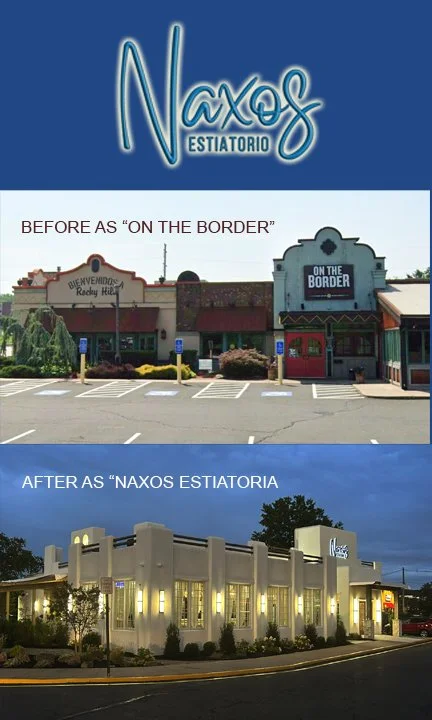
Naxos Estiatorio — Woodland Park, NJ
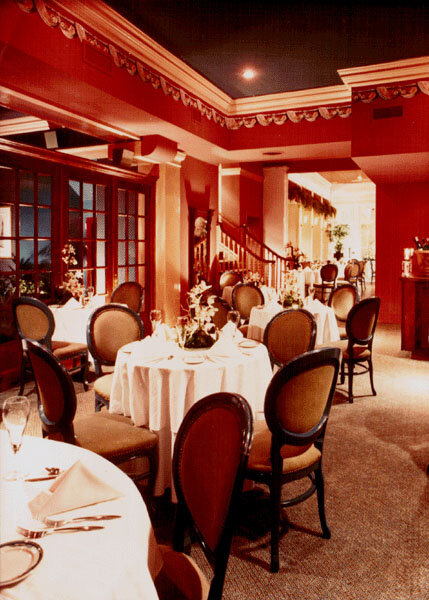
Naxos shows that dramatic restaurant design doesn't have to feel loud. Materials, lighting, scale and architectural detail can create visual impact while maintaining an upscale atmosphere.
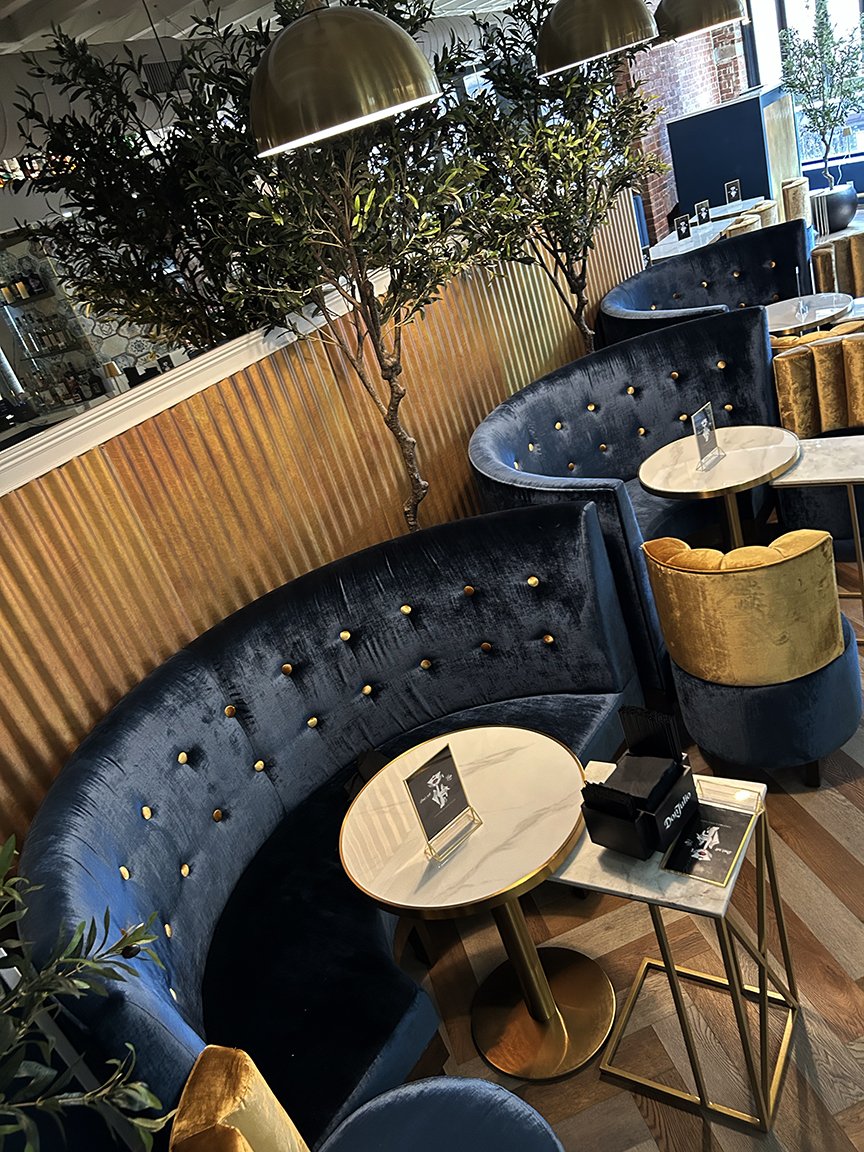
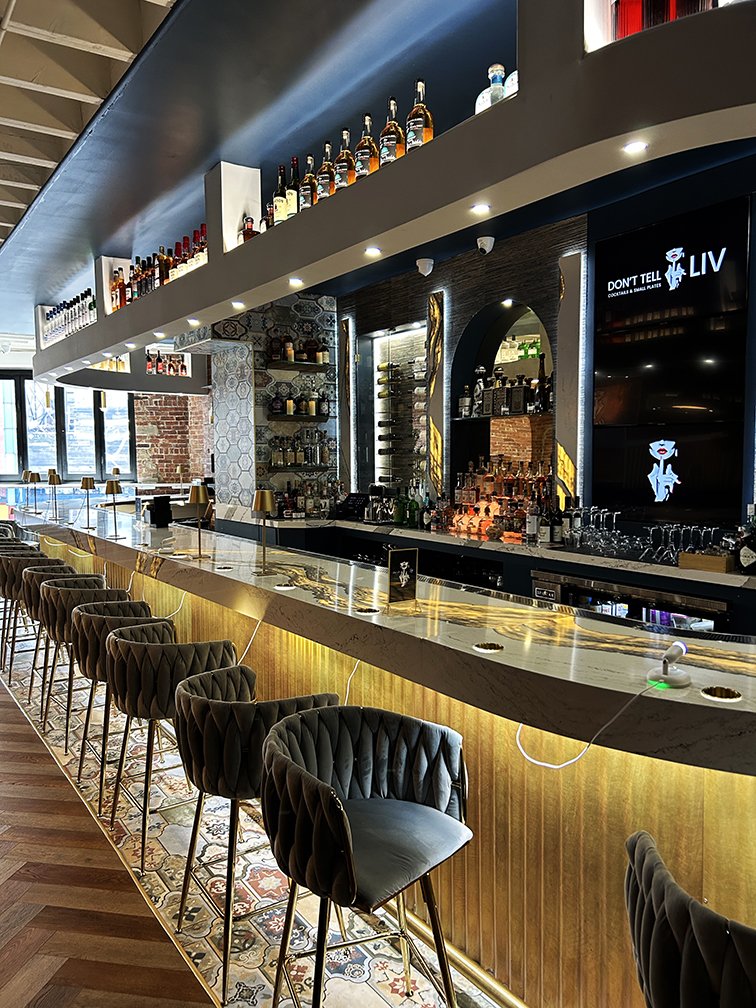
Don’t Tell Liv Lounge — Jersey City, NJ
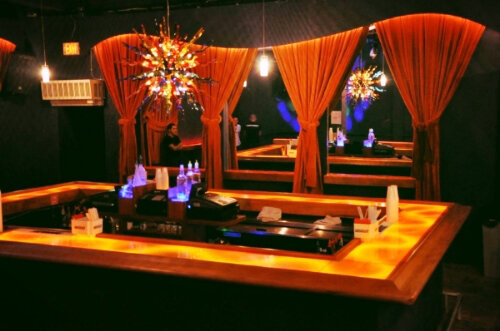
The owners of this grocery store on Newark Ave had an unfinished 2nd floor and Raymond turned it into a significant income stream by turning it into a cushy speakeasy type bar & lounge
You can see these and other projects in the full Raymond Haldeman Restaurant Design Portfolio.
What Should You Renovate First?
When the budget can't accomplish everything at once, prioritize the elements that affect the greatest number of customers or solve the most significant problems.
The Entrance and First Impression
Customers begin forming an opinion before they sit down.
Exterior appearance, signage, the entry sequence and host area can all communicate whether the restaurant feels current, relevant and desirable.
Lighting
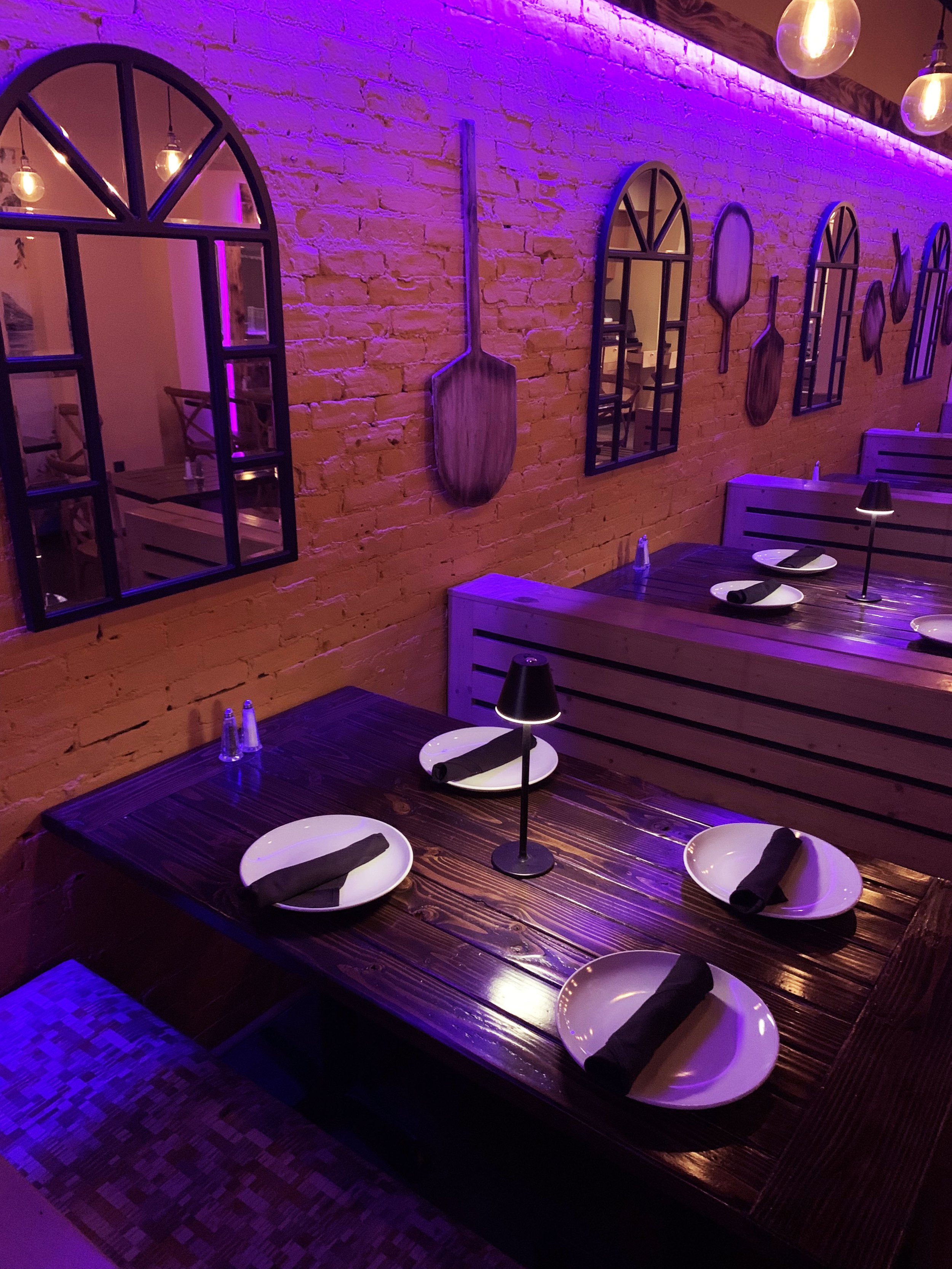
Few things can transform an existing restaurant as dramatically as lighting.
Poor lighting can make expensive materials look inexpensive.
Good lighting can change the perceived color, intimacy, texture and energy of the entire room.
The Bar
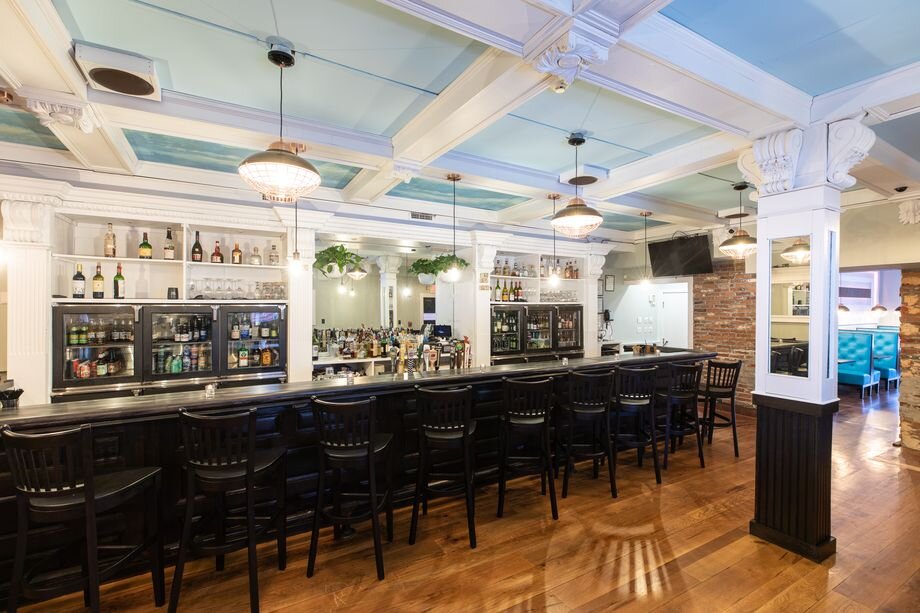
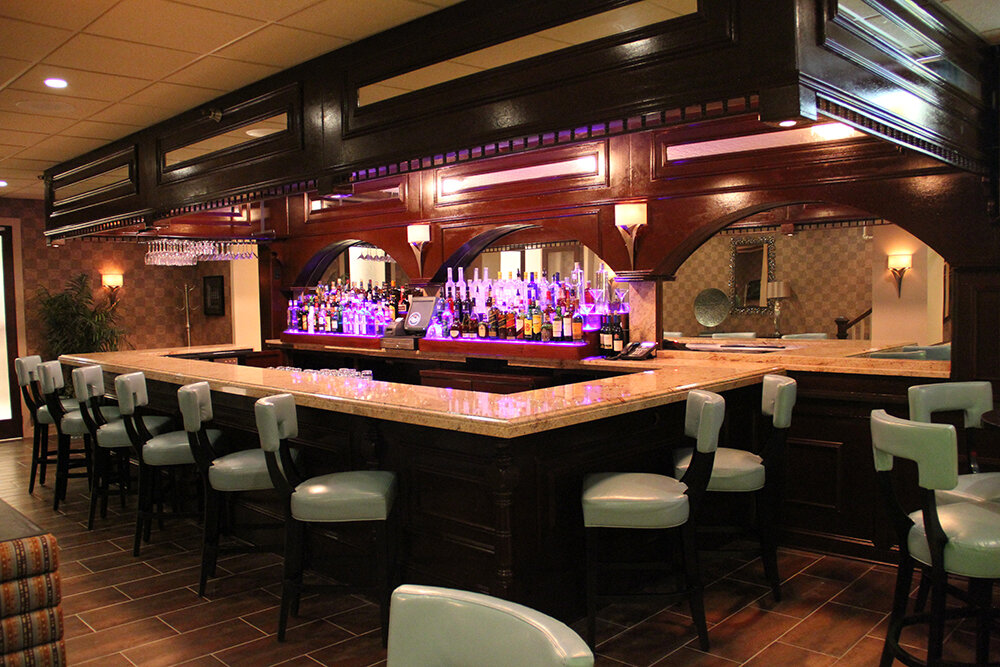
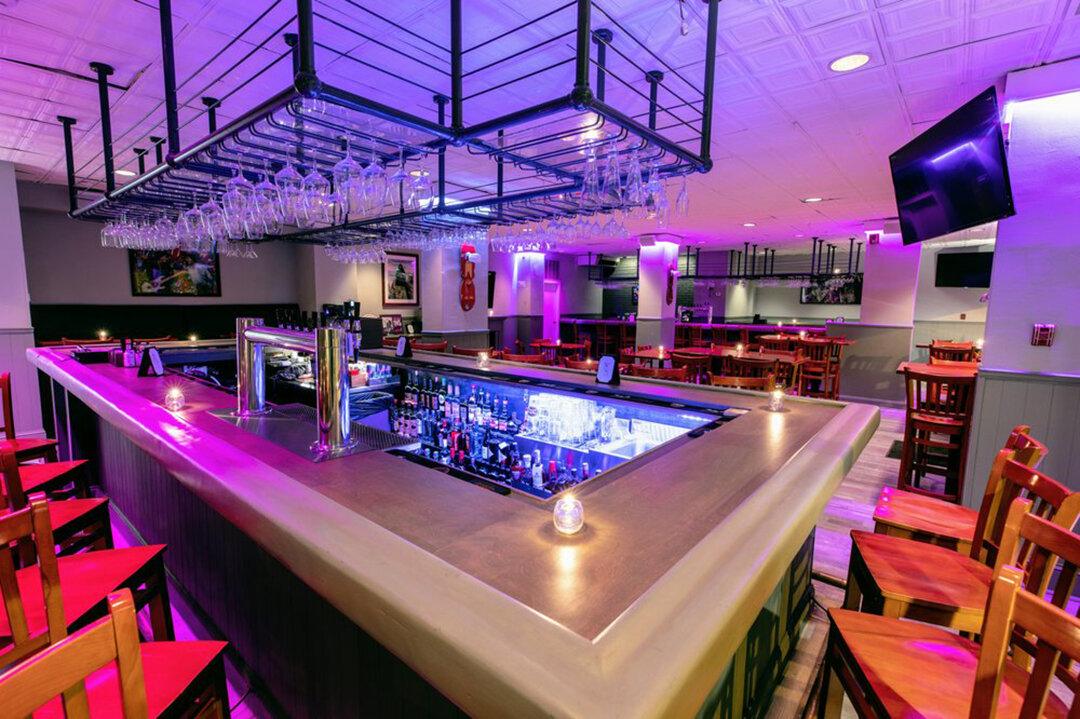
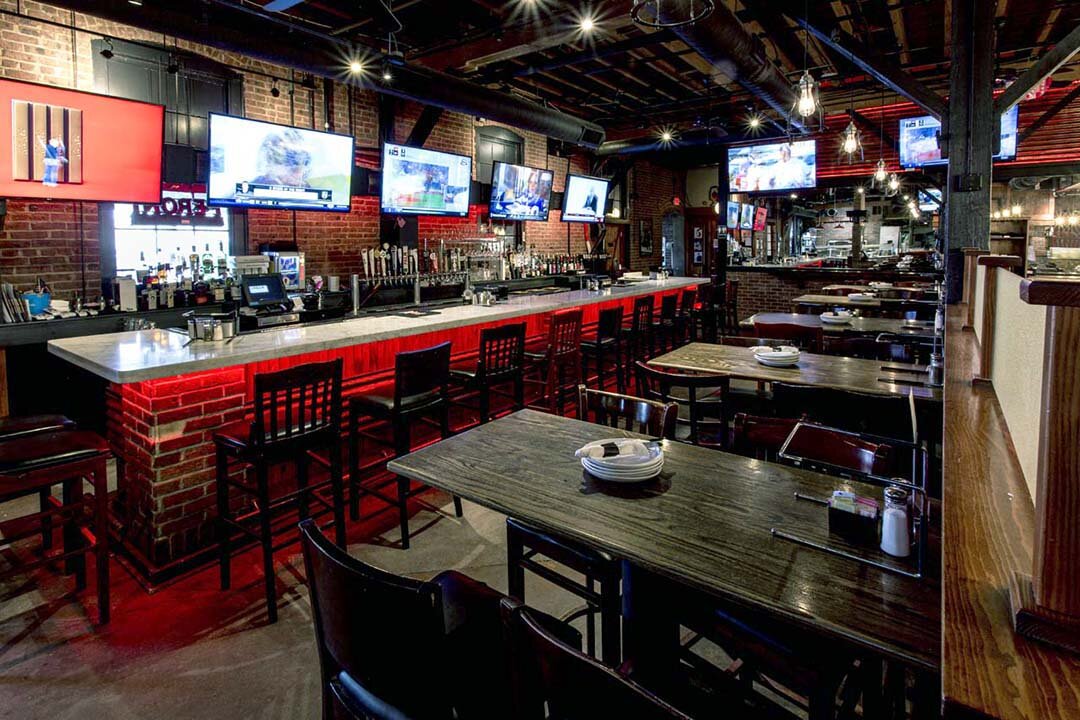
In restaurants where beverage sales are important, the bar can become one of the strongest visual and financial elements in the space.
Rather than treating it as equipment against a wall, consider it a destination within the restaurant.
Ceilings
Restaurant owners frequently concentrate on floors, furniture and wall finishes while ignoring the largest uninterrupted surface in the room.
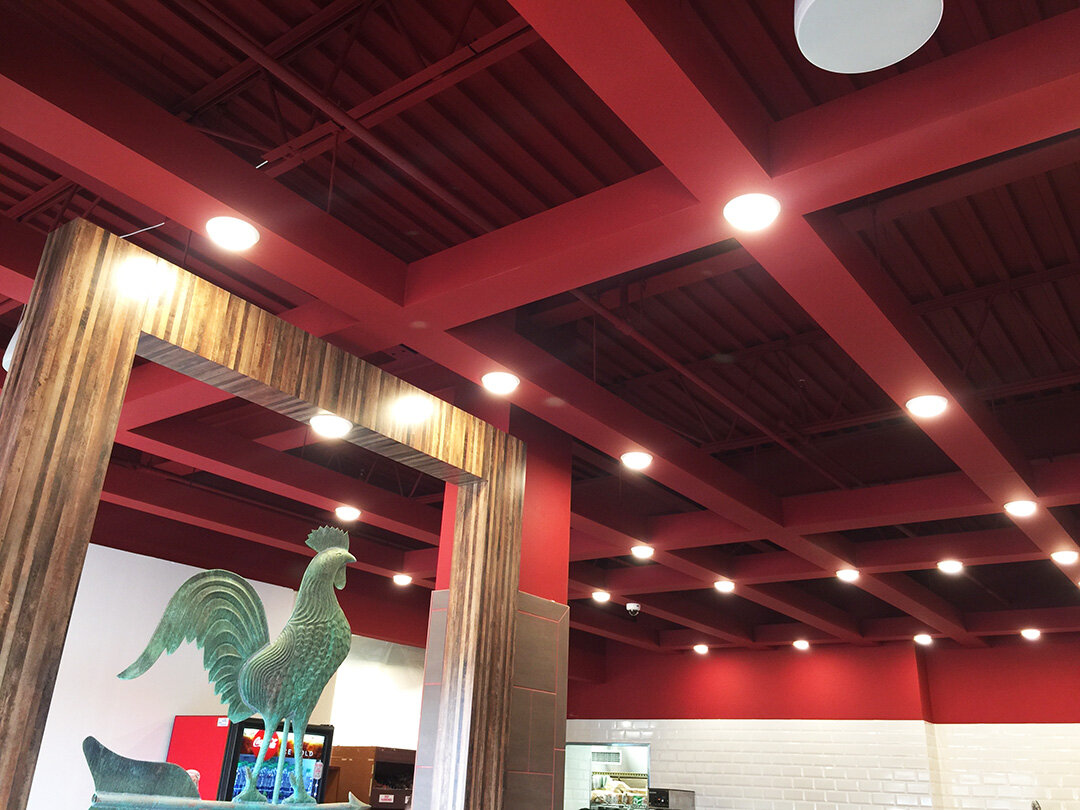
The ceiling can become one of the most dramatic design opportunities in a restaurant renovation.
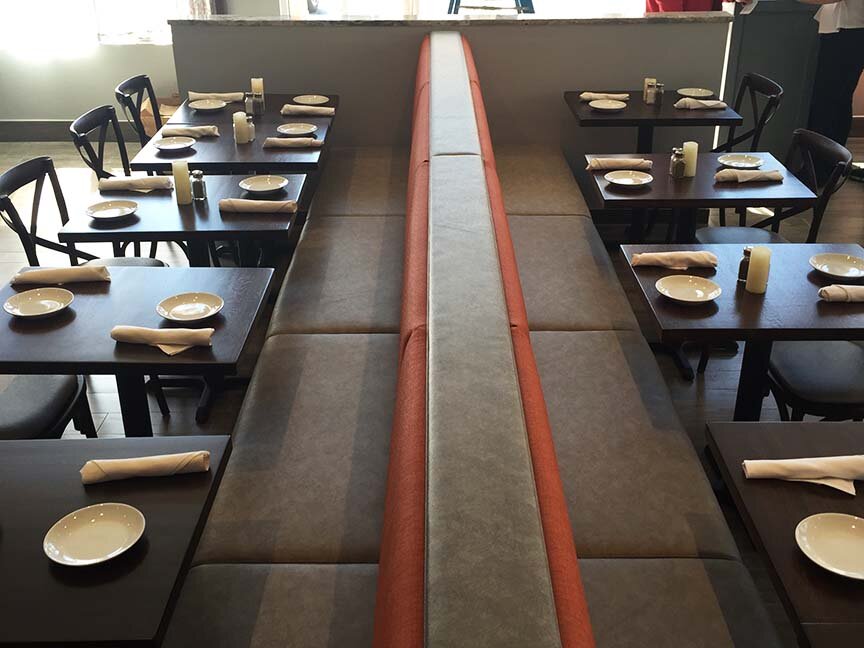
Seating and Space Planning
Adding tables does not automatically create more revenue.
The goal is to develop the most effective balance between capacity, comfort, circulation and the concept's desired experience.
For more ideas about using layout strategically, see Raymond's guide to restaurant seating layout design.
Restrooms
Customers notice them.
A beautifully renovated dining room followed by tired or poorly maintained restrooms damages the impression the restaurant just worked hard to create.
When Restaurant Renovation Should Become Restaurant Rebranding
Sometimes the problem isn't simply the room.
It's the concept.
If the restaurant has lost relevance, replacing furniture and paint may not be enough.
Ask:
Does the name still fit?
Does the logo feel current?
Is the concept clearly differentiated?
Does the menu match the atmosphere?
Does the exterior communicate what happens inside?
Is the restaurant attracting the customer the owner wants?
Has the restaurant accumulated years of unrelated design decisions?
Would customers describe the restaurant the way the owner wants it described?
If several answers are no, you're probably dealing with a restaurant rebranding project, not merely a renovation.
That may involve a new visual identity, signage, color palette, lighting strategy, furniture, graphics, uniforms, menu presentation and interior environment.
The objective is to make everything feel like one concept again.
Read more about the process and budgeting in Restaurant Rebranding Cost: The 2026 Strategic Investment Guide.
Why Hire a Restaurant Designer Before You Start Renovating?
One of the most expensive phrases in restaurant construction is:
"We'll figure that out later."
Decisions become far more expensive after construction begins.
Before demolition, the owner should understand the concept, layout, major focal points, lighting direction, furniture, material palette and renovation priorities.
Designing first allows you to see how the pieces work together.
It also helps prevent a common renovation problem: spending money on individual elements that may each be attractive but don't create a cohesive restaurant.
Raymond Haldeman's background as both a restaurateur and restaurant designer shapes this approach.
Restaurant design isn't simply about how the dining room photographs when construction ends.
It needs to work on Saturday night.
Frequently Asked Questions About Restaurant Renovation in New Jersey
How much does a restaurant renovation cost in New Jersey?
There is no reliable one-size-fits-all price. Cost depends on the size and condition of the restaurant, the extent of construction, kitchen or mechanical changes, furniture, lighting, finishes and whether the project is a cosmetic renovation or a complete repositioning. An existing restaurant with useful infrastructure may require a very different investment from a property requiring major structural or mechanical work. Develop the scope before relying on a simple per-square-foot assumption.
Can I renovate a restaurant without replacing everything?
Yes. In many projects, keeping the right existing elements is one of the smartest ways to control costs. Bars, kitchens, ceilings, flooring, millwork or architectural features may be reusable or transformable. The design process should determine what deserves to stay before demolition begins.
Should I renovate or completely rebrand my restaurant?
If the restaurant is still attracting the right audience and the concept remains relevant, renovation may be enough. If the identity itself feels dated, unclear or disconnected from the desired customer, a larger rebranding may make more sense. The interior, logo, signage, menu presentation and guest experience should reinforce the same concept.
Can a restaurant renovation increase sales?
A renovation can support stronger sales when it corrects a real problem such as weak positioning, poor guest experience, inefficient seating, an underperforming bar or outdated brand identity. However, renovation alone cannot guarantee increased revenue. Food, service, pricing, marketing, competition and operations still matter.
How long should a restaurant renovation take?
The timeline depends entirely on scope. A largely cosmetic refresh may move relatively quickly, while a major renovation involving permits, custom fabrication, kitchens, bars, mechanical work or structural changes can take considerably longer. Completing design development and major material selections before construction can help reduce unnecessary delays.
Should I hire a restaurant designer before a contractor?
For a meaningful restaurant renovation, it generally makes sense to establish the design and project scope before asking contractors to price the work. Contractors need to know what they're building. The clearer the design direction is before construction, the easier it becomes to compare proposals and avoid costly changes later.
Does Raymond Haldeman design restaurants throughout New Jersey?
Yes. Raymond Haldeman has designed restaurants, bars and hospitality projects throughout North, Central and South Jersey as well as the Jersey Shore. His New Jersey portfolio includes projects in communities such as New Brunswick, Marlboro, Jersey City, Woodland Park, Cape May, Brick, Manasquan, Colts Neck, Red Bank, Medford and other New Jersey markets.
Planning a Restaurant Renovation in New Jersey?
Before you begin tearing out walls, determine what the restaurant actually needs.
The strongest renovation is not necessarily the one with the largest construction budget. It's the one that understands the existing business, identifies what is preventing it from reaching its potential, preserves what still has value and invests strategically in the elements that can create the biggest transformation.
Raymond Haldeman specializes in restaurant design, renovation and rebranding throughout New Jersey and beyond, combining decades of hospitality experience with the bold, memorable design that has become a signature of his work.
If you're considering a new restaurant, an extensive renovation or the complete repositioning of an existing concept, start with a conversation about the space, the business and what you want it to become.
Talk to New Jersey Restaurant Designer Raymond Haldeman about your restaurant renovation project.