A Restaurant Redesign of Your Visual Identity: A Strategic Guide to Top Tier
Stop treating your brand like a simple coat of paint. If your restaurant looks cheap or outdated, you aren't just losing social media engagement; you're hemorrhaging revenue to competitors in Miami and Philadelphia who understand that atmosphere is a currency. Research shows that 58% of diners now choose "TikTok worthy" establishments over less aesthetic options. When your menu, website, and physical decor don't align, you create a psychological rift that drives high-spending guests away. A professional restaurant redesign, your visual identity is the only way to bridge the gap between your kitchen's promise and your guest's wallet.
You already know that a mediocre competitor with a better aesthetic is winning the demographic you want. It's a bitter pill to swallow, but visual inconsistency signals a lack of professional standards to your customers. This guide will show you how to transform your visual presence into a high-performance revenue driver. We'll explore the 3-7-27 rule of branding and how strategic menu engineering can increase your profits by more than 15%. It's time to stop guessing and start commanding the market share your expertise deserves.
Key Takeaways
- Stop thinking of your brand as a logo; it's a sensory ecosystem of lighting, acoustics, and textures that defines your guest's experience.
- Master the psychology of typography and color to influence diner behavior and drive appetite before they even take a bite.
- Execute a restaurant redesign, a visual identity that bridges the gap between your culinary promise and the physical atmosphere of your space.
- Utilize a brutally honest brand audit to identify where your current aesthetic is hemorrhaging revenue and losing ground to local competitors.
- Align every touchpoint-from your website to your interior layout-to create a cohesive "North Star" that attracts high-spending demographics.
Table of Contents
-
Beyond the Logo: Why Your Restaurant’s Visual Identity Is Costing You Revenue
-
The Psychology of Perception: Aligning Brand Identity with Physical Space
Beyond the Logo: Why Your Restaurant’s Visual Identity Is Costing You Revenue
Visual identity is the sum of every sensory touchpoint your guest encounters. It isn't just a logo printed on a napkin. It's the specific weight of your menu, the warmth of your lighting, and the psychological impact of your typography. In the broader scope of corporate visual identity, your restaurant's brand is the psychological bridge between your kitchen's promise and your guest's wallet. When you serve a high-end, dry-aged ribeye in a room that looks like a 1990s diner, you create a "Brand Gap." This disconnect doesn't just look bad; it actively destroys your profit margins.
In high-stakes markets like Miami and Philadelphia, you have approximately three seconds to win a guest. That's the time it takes for a potential customer to glance at your Instagram profile or peer through your front window. If your visual story is weak, they'll walk to the competitor next door. A strategic restaurant redesign of your visual identity isn't a luxury; it's a prerequisite for survival. Without it, you suffer from "demographic drift," attracting low-spenders who complain about prices while alienating the high-net-worth guests you actually need.
The Financial Impact of Visual Inconsistency
A weak identity forces you to compete on price because you haven't given guests a reason to value your brand. High-end visual cues dictate what a guest is willing to pay for a cocktail; a gold-foiled menu paired with dim, amber lighting commands a premium price tag that a laminated sheet simply cannot justify. In New Jersey and Delaware, your brand authority also determines your labor quality. Top-tier staff want to work in spaces that reflect their professional caliber. A comprehensive restaurant redesign of your visual identitycorrects these errors before they become terminal and allows you to attract the talent required to scale your operation.
Signs Your Current Identity Is Failing Your Business
You must be brutally honest about your current state. Review these signs your restaurant needs a redesign to see where your revenue is leaking. Look for these critical red flags:
-
The Clutter Test: Your logo, menu, and signage look like they belong to three different owners.
-
Visual Stagnation: Your decor hasn't changed since the previous decade, signaling a lack of innovation to your guests.
-
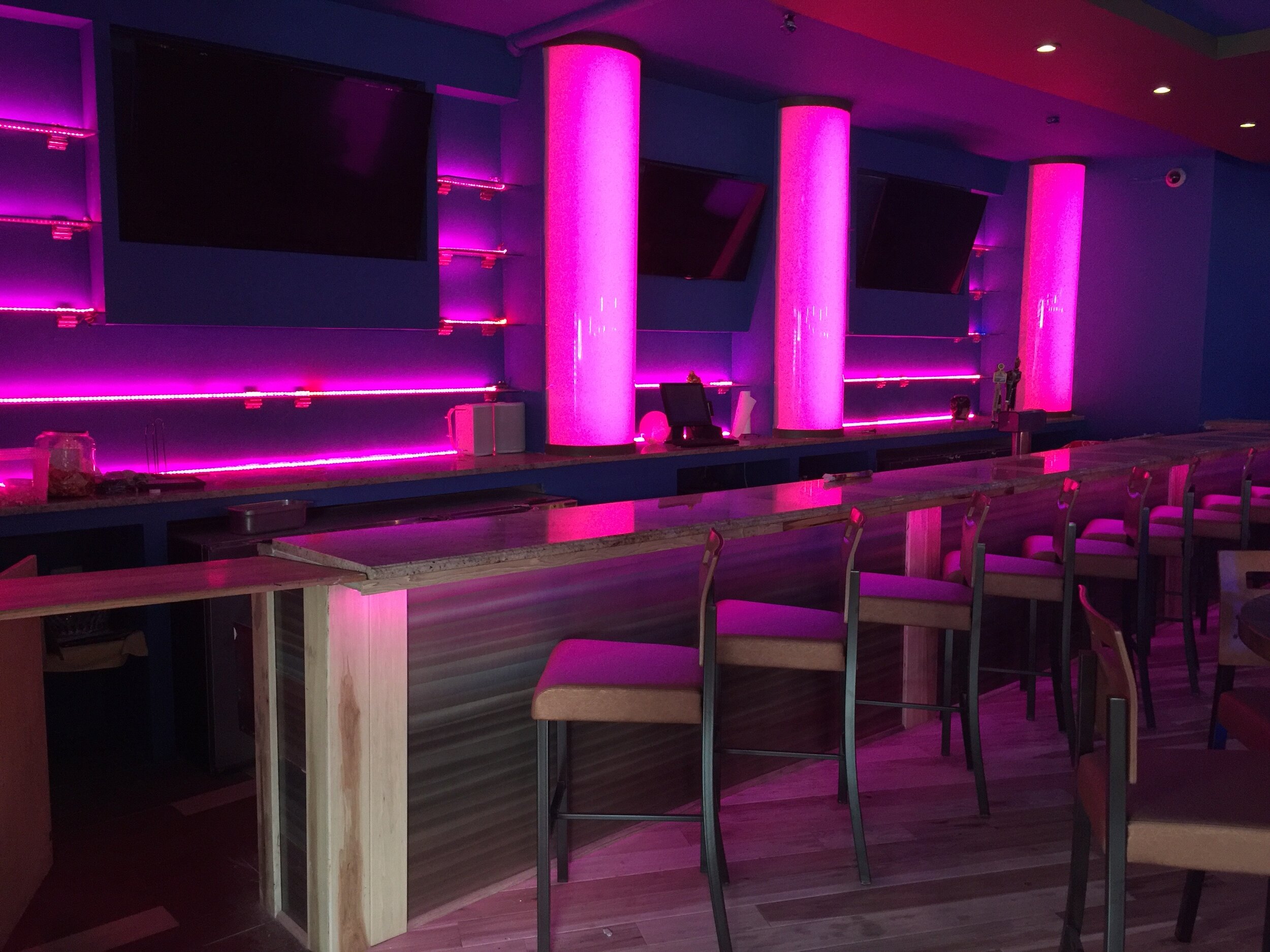
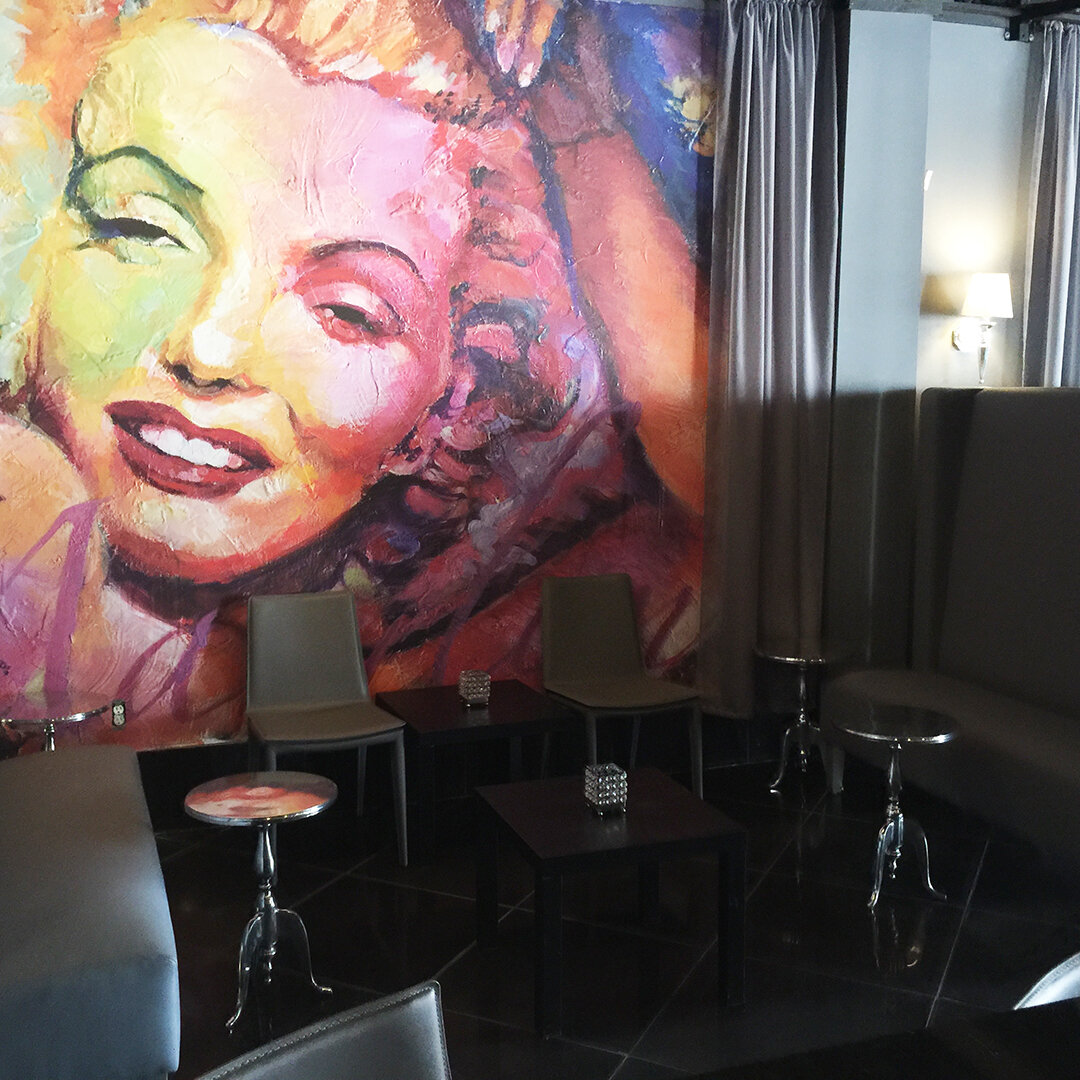
The Social Void: Your bar lacks "visual moments" that guests feel compelled to capture and share on social media.
In 2026, a lack of social-media-ready environments is a death sentence for modern bars. Every corner of your space must be curated to be captured and shared. If it's not worth a photo, it's not worth the square footage.
The Core Components of a Strategic Visual Identity Redesign
A successful restaurant redesign of your visual identity isn't a collection of pretty pictures; it's a calculated deployment of psychological triggers. You aren't just choosing colors and fonts. You're defining the guest's expectations before they even see a menu. Research into effective branding proves that consistency across these visual cues is what builds consumer trust and justifies premium pricing. If your visual elements are disjointed, your guests will subconsciously devalue your culinary expertise.
Materiality and texture play a critical role in this perception. The weight of your menu and the finish of your business cards signal "premium" or "budget" instantly. If your menu feels flimsy, your guests will expect flimsy service. You also need a "Hero Graphic." This is a singular, iconic visual element that becomes synonymous with your venue, creating a mental shortcut for your brand in a crowded market. It's about owning a piece of your customer's mind.
Strategic Color Theory for Hospitality
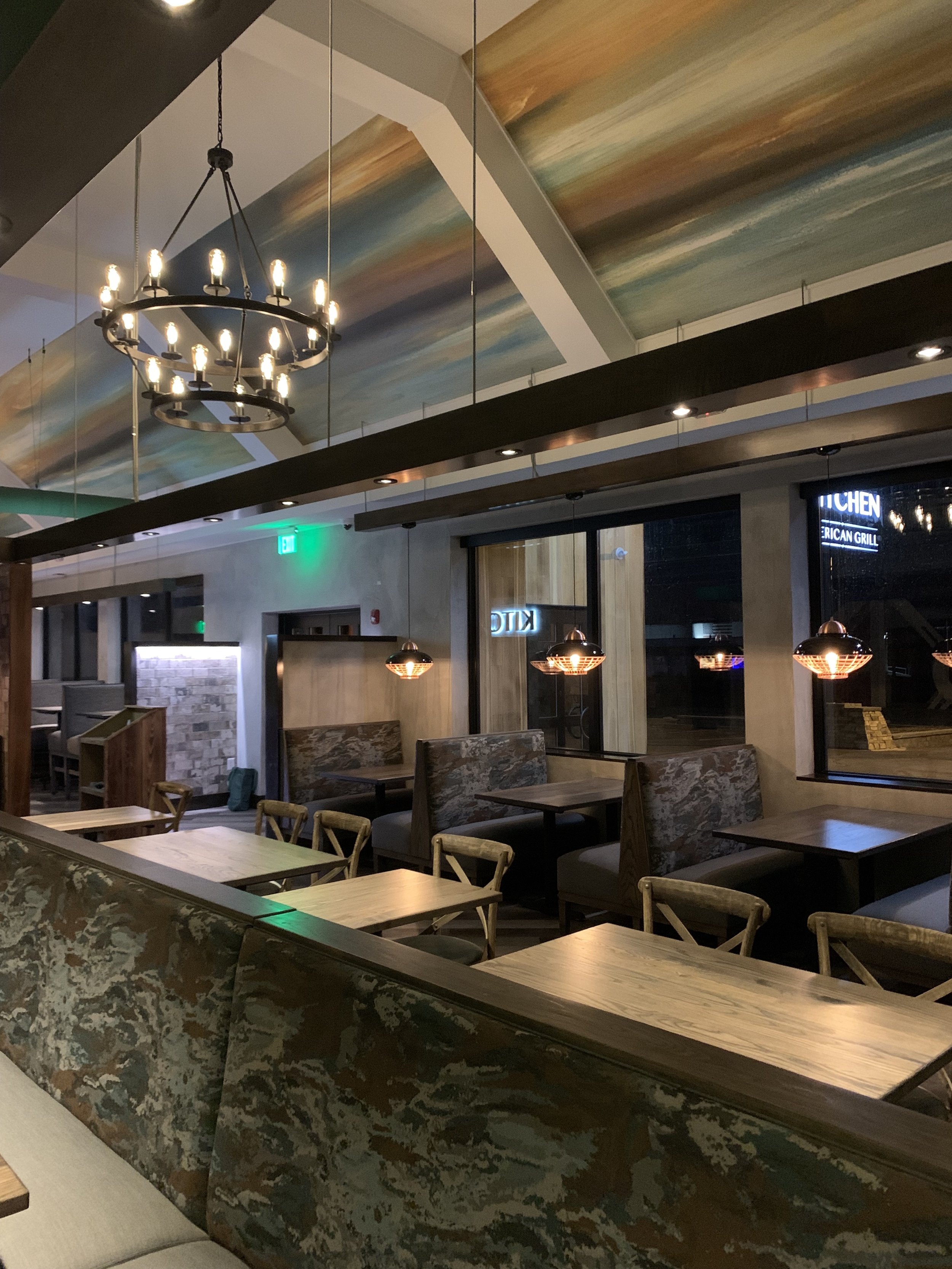
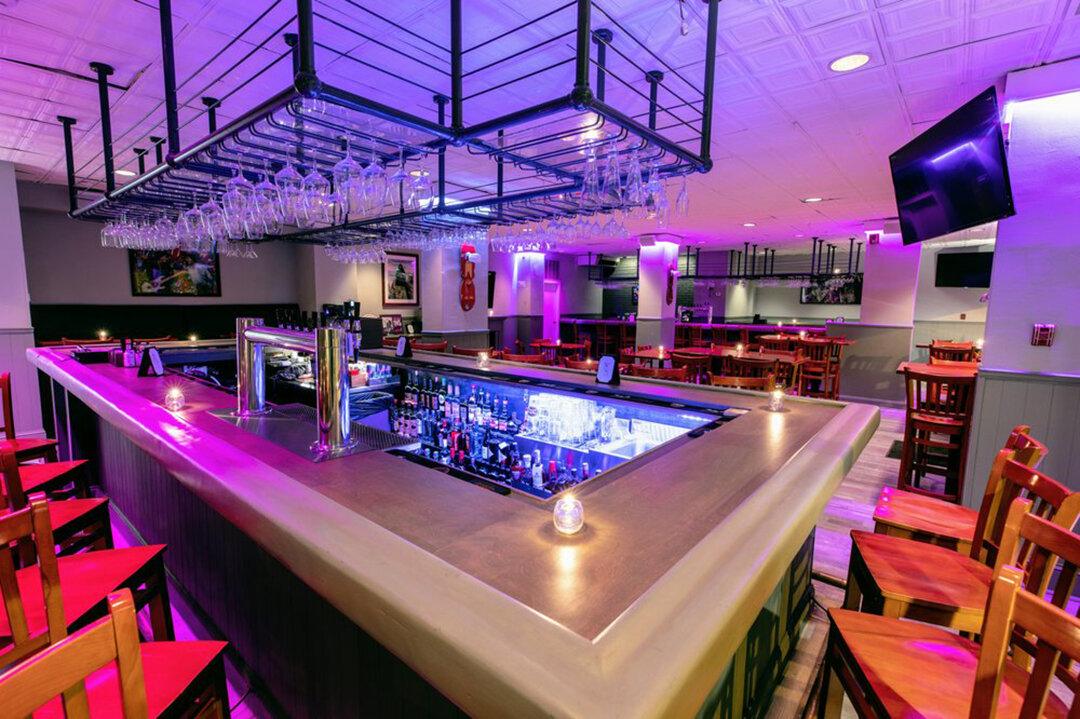
Forget the tired cliche that red makes people hungry. Modern hospitality requires sophisticated palettes that define specific zones within your floor plan. Use deep, moody tones to anchor your bar area and lighter, organic shades like sage or terracotta to signal freshness in the dining room. You must also adapt for regional tastes. A vibrant, high-contrast palette that thrives in Miami will likely feel garish in a Philadelphia industrial space. If you're unsure how to balance these elements, it's time to consult with a professional who understands regional market dynamics.
Typography and Brand Voice
Typography is your brand's silent spokesperson. Serif fonts suggest tradition and heritage, while sans-serif fonts signal modern efficiency and speed. Your font choice must survive the "dim light test" common in high-end bars. If a guest has to use their phone flashlight to read your menu, you've failed. Your typography strategy must also align with your operational goals. Just as a restaurant floor plan consultant optimizes for flow and speed, your font choice dictates how quickly guests can process information and make a purchase. Use bold, statement typography for signage to pull foot traffic in from the street and establish your presence immediately.
The Brand Gap

Article by
Raymond Haldeman
Raymond Haldeman spent decades as a hands-on owner and operator of bars, restaurants, and nightclubs before parlaying that experience into a second career designing and rebranding some of the most exciting restaurant spaces in the country. Every place he designs is built on years of actually running the business, paying the bills, and knowing exactly what it takes to make a restaurant full of people say, "WOW!"
Why Your Restaurant's Visual Identity is Costing You Revenue

Atmosphere is a Currency.
In today's market, a weak visual identity isn't just a missed opportunity—it's a direct path to lost profits. When your decor, menu, and online presence are misaligned, you create a "Brand Gap" that drives high-spending customers to your competitors.
A mediocre competitor with a superior aesthetic is winning the demographic you want.
58%
of diners now choose
"TikTok Worthy" establishments
over less aesthetic options.
Is Your Visual Identity Failing?
Be brutally honest. These red flags indicate your brand is hemorrhaging revenue.
The Clutter Test
Your logo, menu, and signage look like they belong to three different businesses, creating customer confusion and signaling a lack of professionalism.
Visual Stagnation
Your decor hasn't changed in a decade. This tells guests your brand lacks innovation and is out of touch with modern tastes.
The Social Void
Your space lacks "visual moments" that compel guests to share on social media. If it's not worth a photo, it's not working for you.
The Solution: A Strategic Redesign
A successful redesign is a calculated deployment of psychological triggers, not just pretty pictures. It's about building a cohesive sensory ecosystem.
Beyond the Logo: A Sensory Ecosystem
Your brand is the sum of every touchpoint: the warmth of the lighting, the acoustics of the room, and the texture of the menu. Consistency across these elements builds trust and justifies premium pricing.
Strategic Color & Type
Use sophisticated palettes to define zones (e.g., moody tones for a bar, organic shades for dining). Typography is your brand's silent spokesperson, conveying elegance, casualness, or tradition.
Materiality & Menu
The physical weight and texture of your menu instantly signals "premium" or "budget." Strategic menu engineering can increase overall profits by more than 15%.
The Payoff: From Visuals to Value
A cohesive visual identity isn't an expense; it's a high-performance revenue driver. It allows you to stop competing on price, attract high-spending demographics, and command the market share your culinary expertise deserves.
Command Premium Pricing
High-end visual cues, from gold-foiled menus to amber lighting, justify higher price points for your offerings.
Attract Top Talent
The best staff want to work in spaces that reflect their professional caliber, improving service quality.
Increase Profitability
Strategic alignment can increase profits by over 15% through better menu design and perceived value.
The Psychology of Perception: Aligning Brand Identity with Physical Space
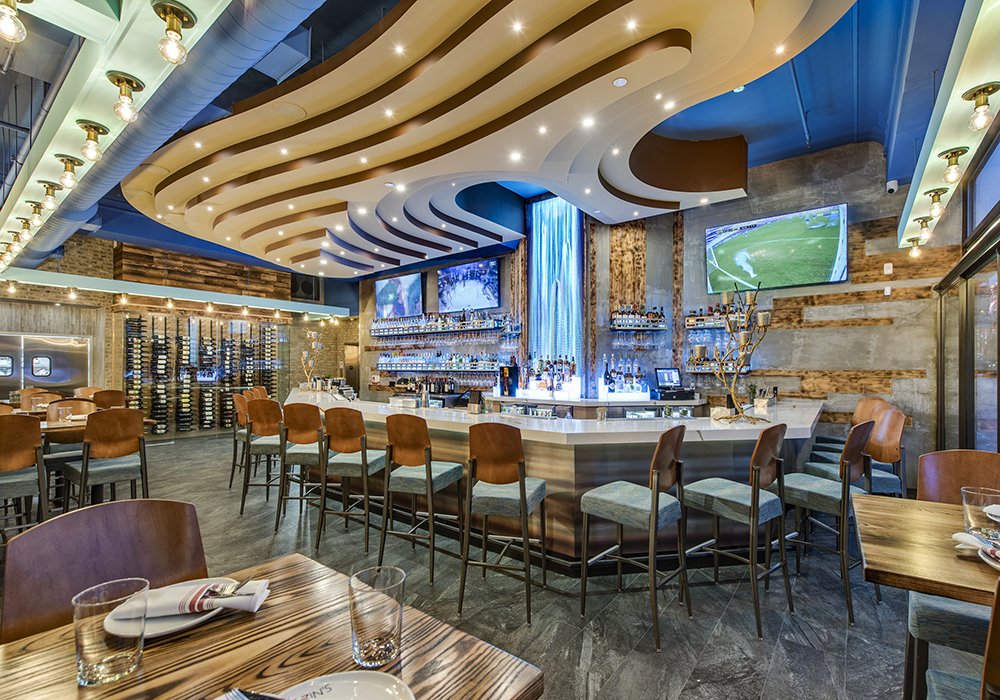
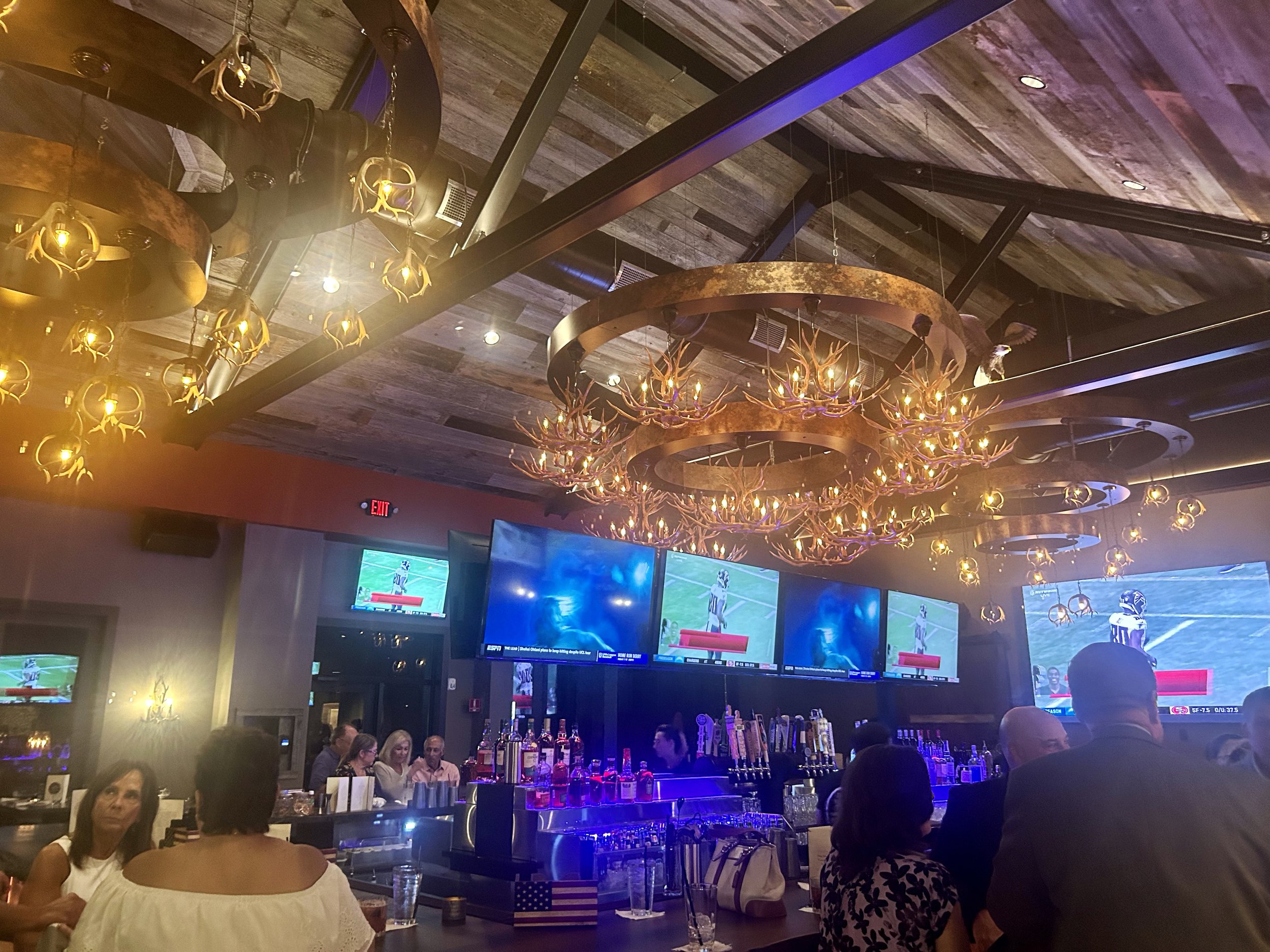
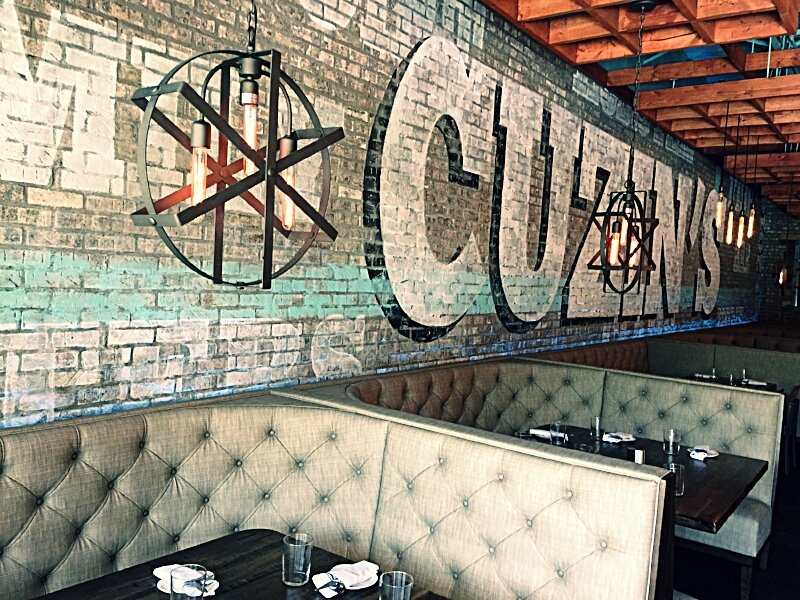
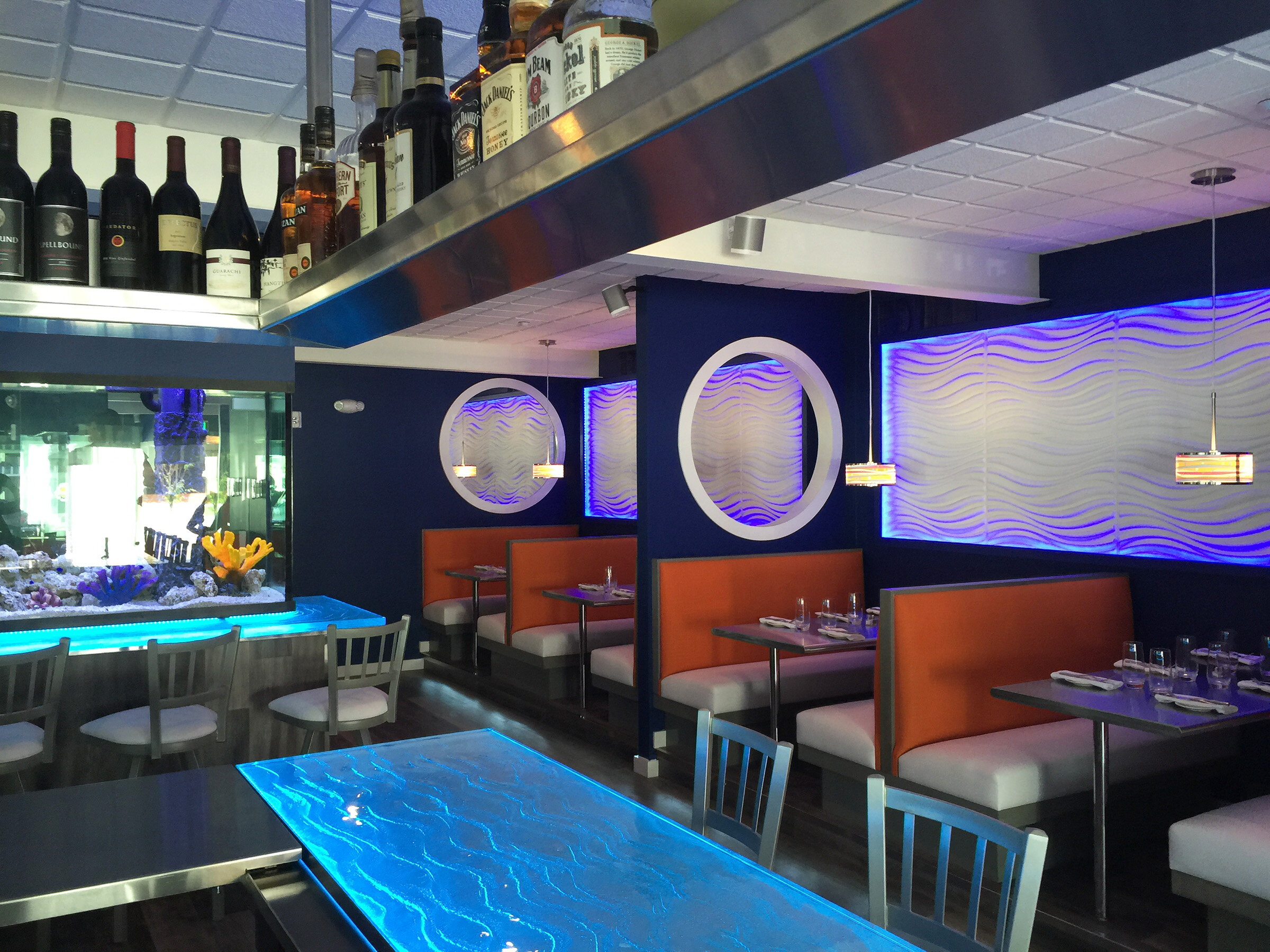
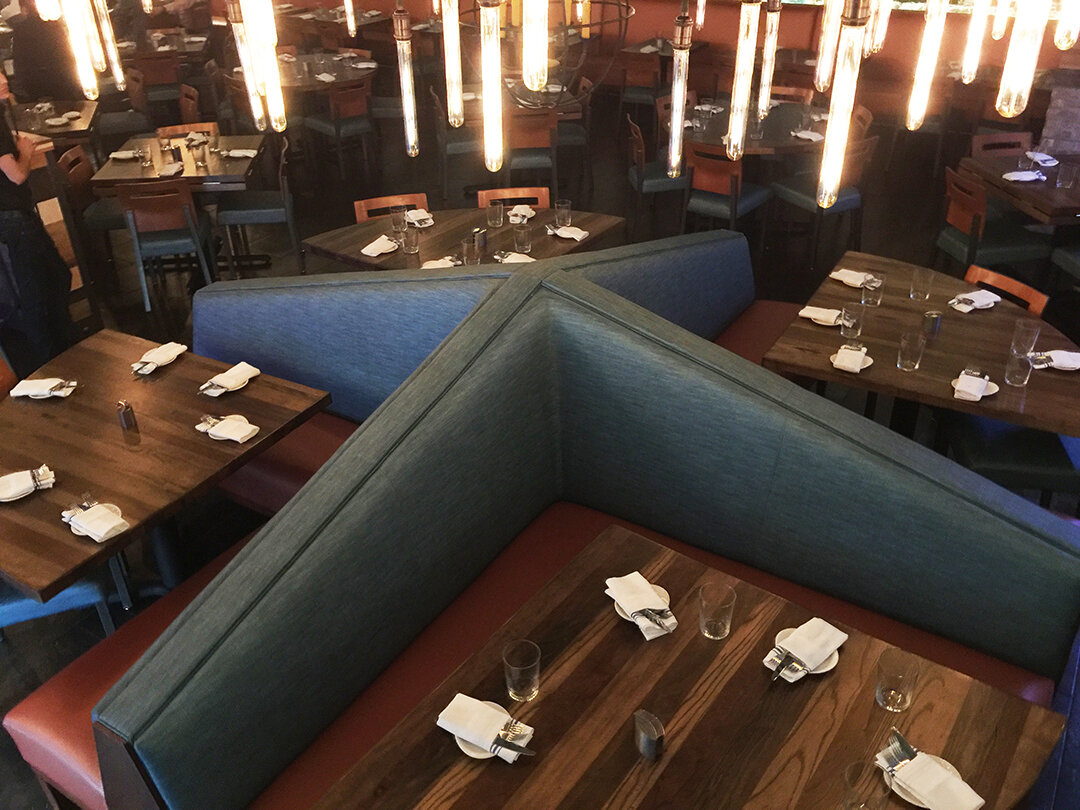
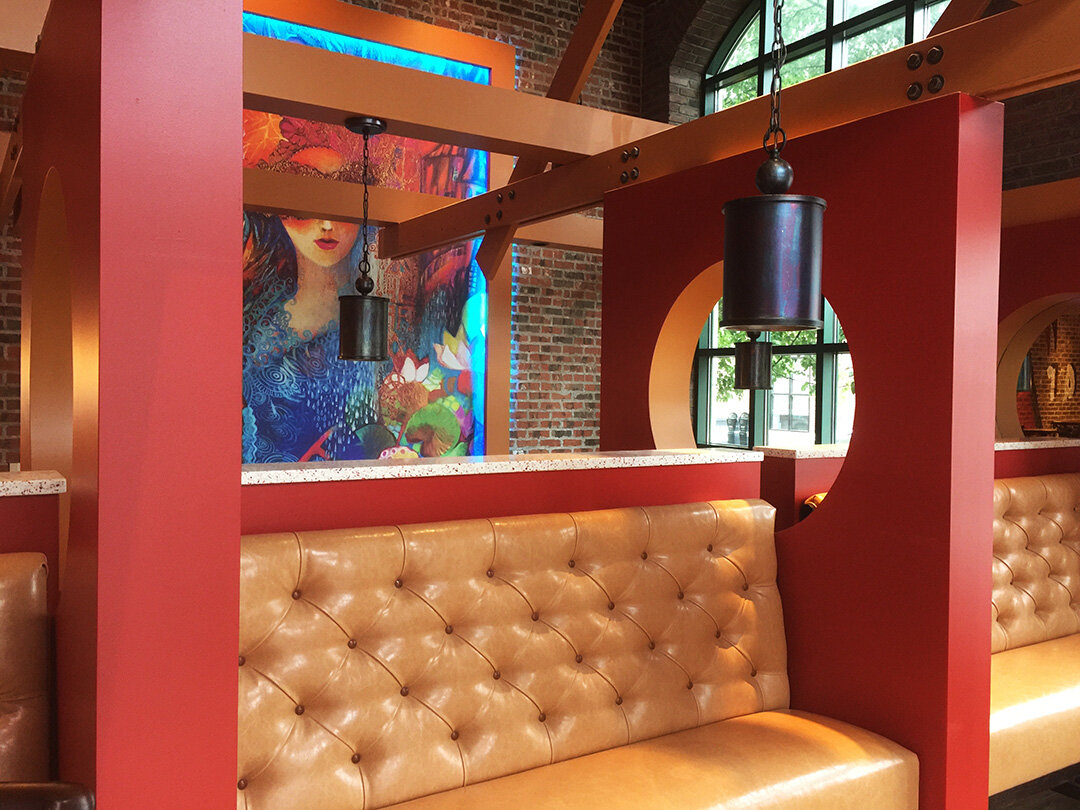
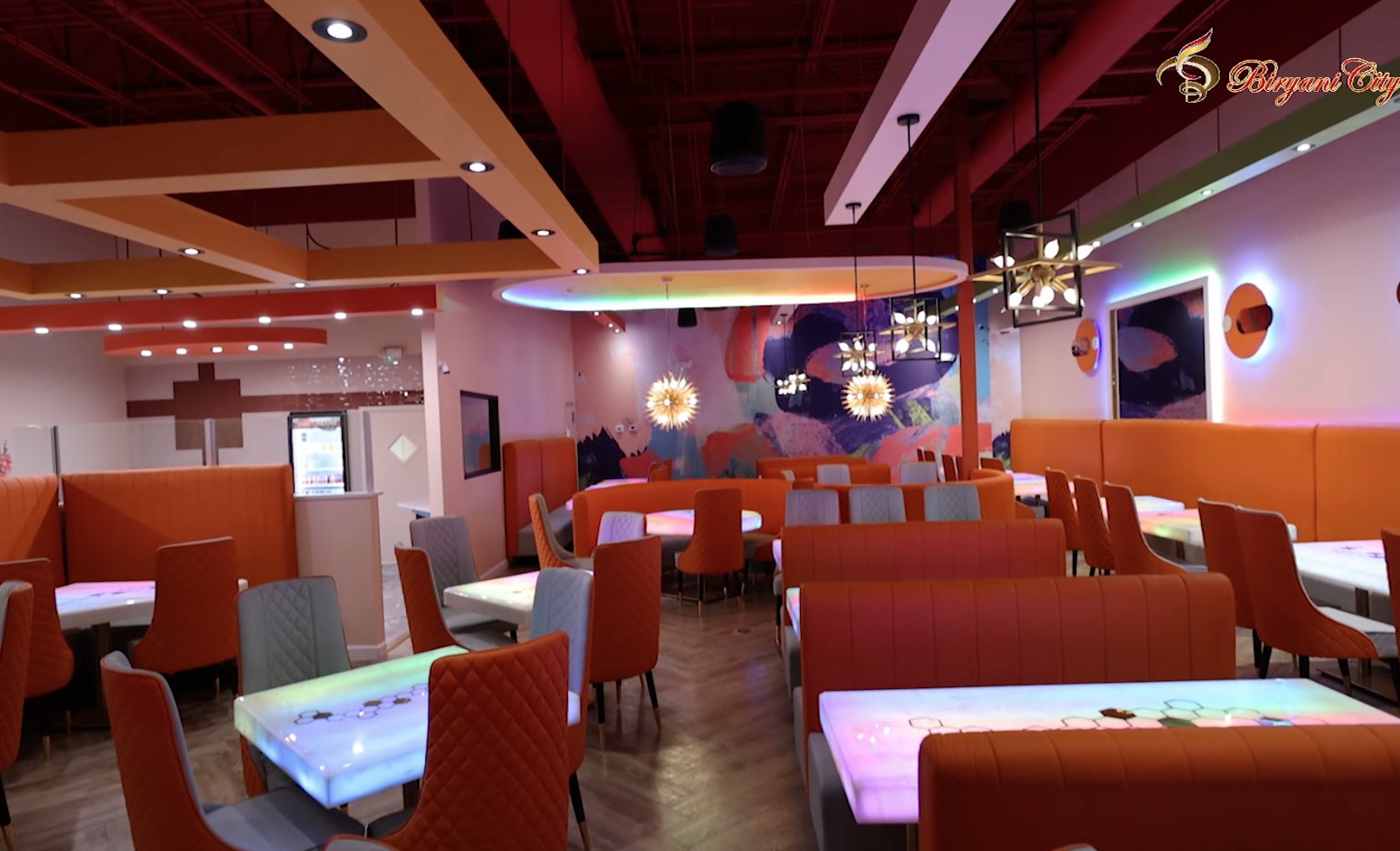
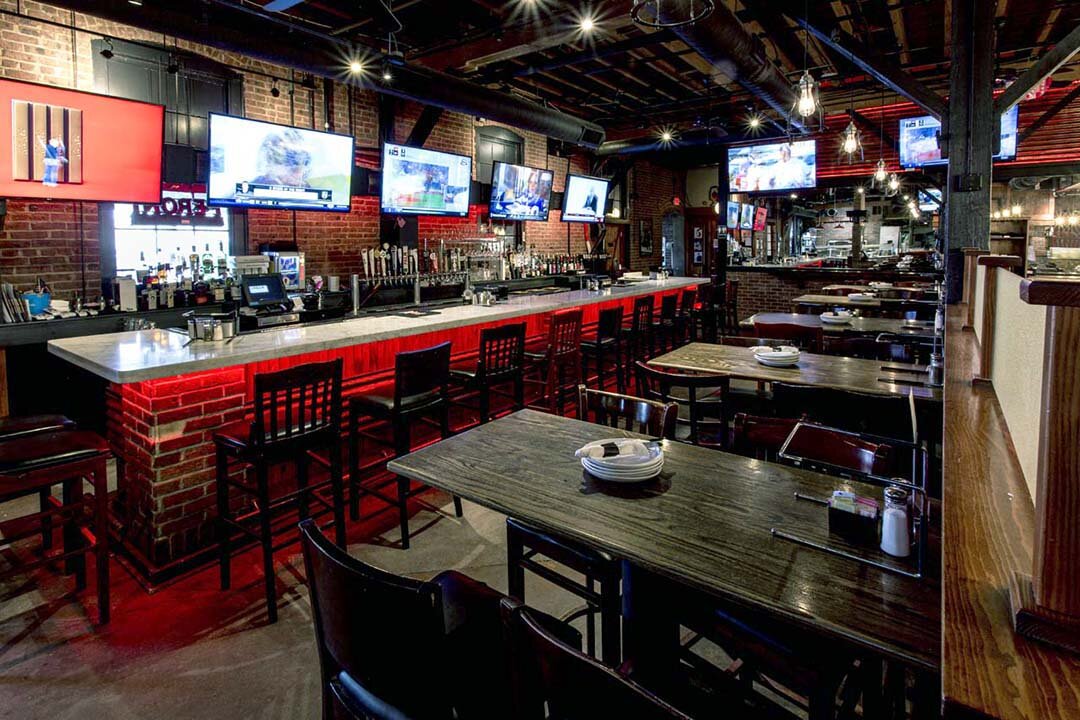
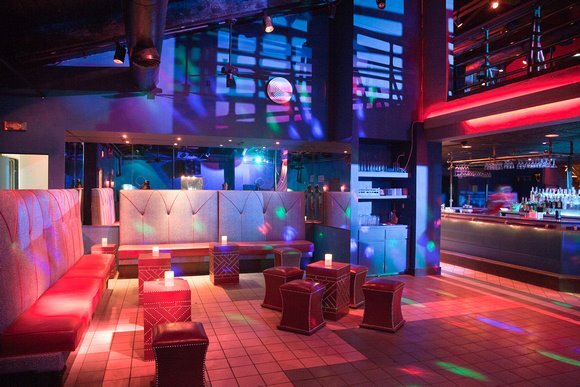
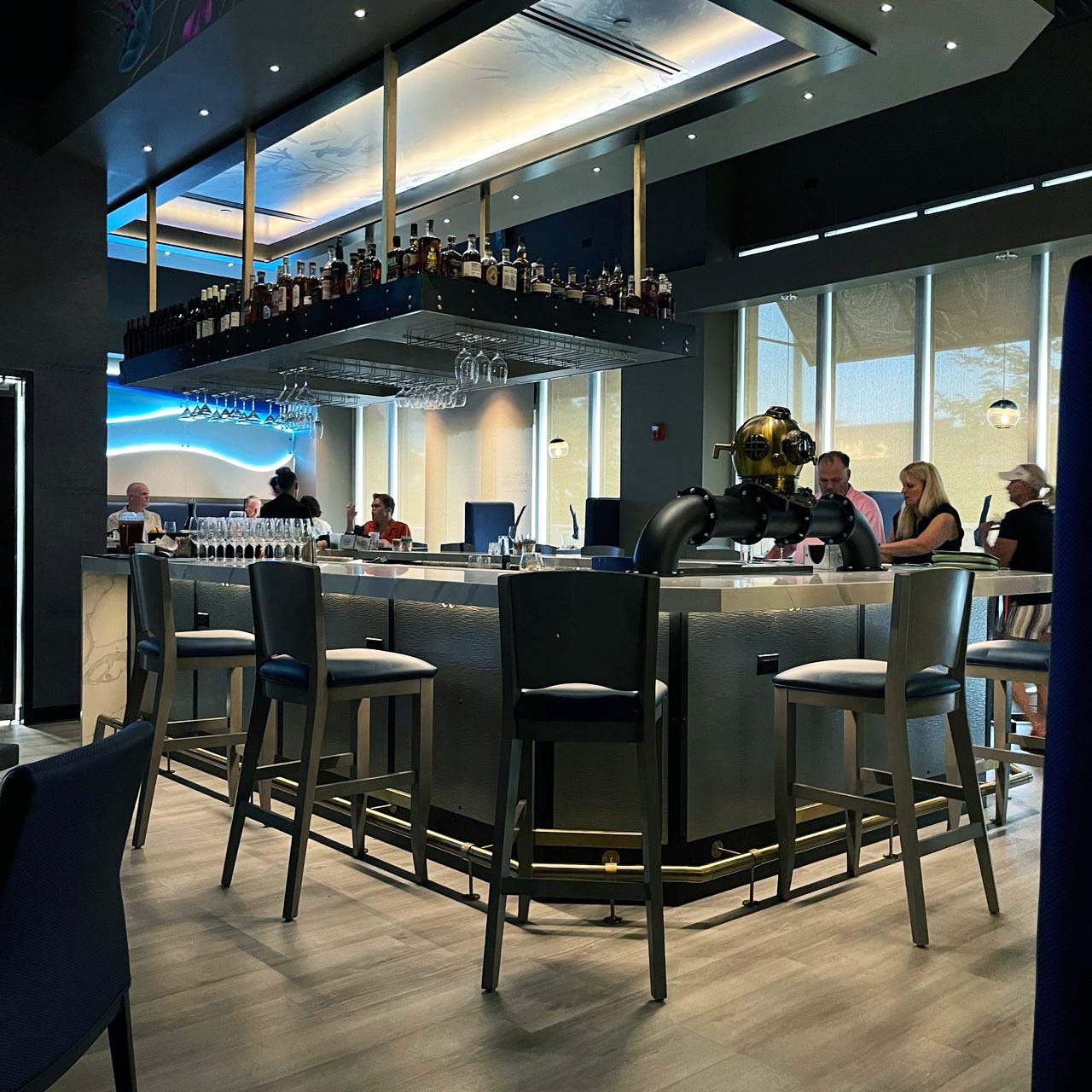
Stop thinking in two dimensions. Your brand isn't a sticker you slap on the front door; it's a physical environment that guests must inhabit. A high-impact restaurant redesign of your visual identity requires your graphic language to live within the architecture itself. Lighting levels and acoustic design aren't technical afterthoughts. They are the "vibe" that defines your brand's soul. When your lighting is too harsh or your acoustics are tinny, you contradict your high-end logo and immediately lose the guest's trust.
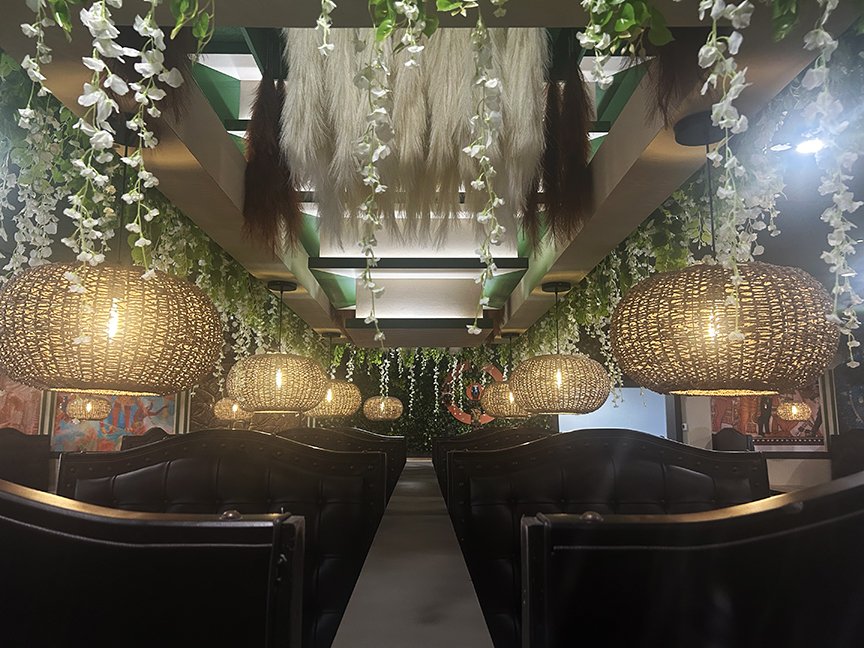
An effective restaurant marketing strategy demands a seamless transition from your digital presence to your physical space. You must design specific "Instagrammable" corners to act as organic marketing engines. These areas aren't just for show. They are strategic assets that compel guests to promote your venue to their own networks. A seasoned restaurant design consultant understands how to bridge the gap between two-dimensional graphics and three-dimensional architecture to ensure your brand feels cohesive from every angle.
From 2D Logo to 3D Experience
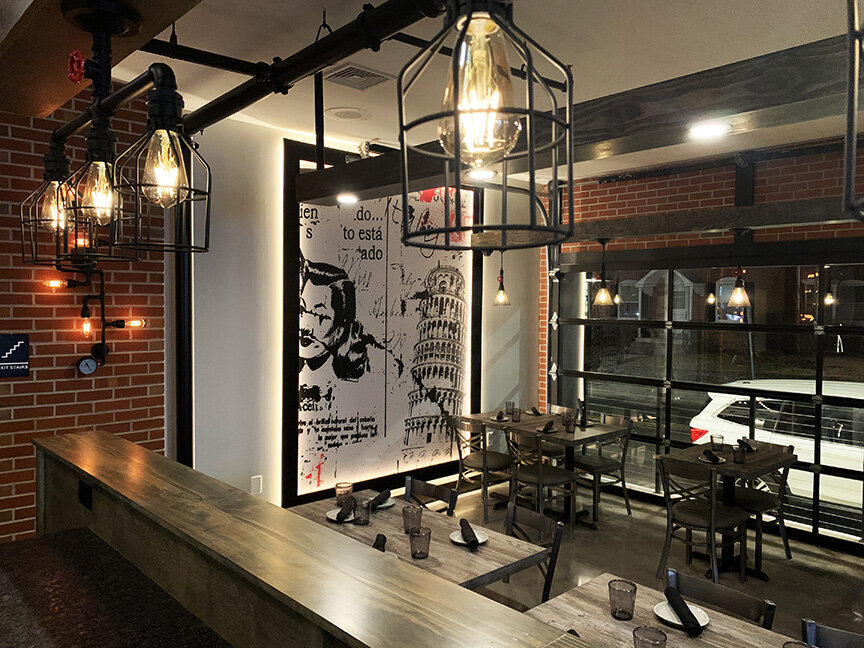
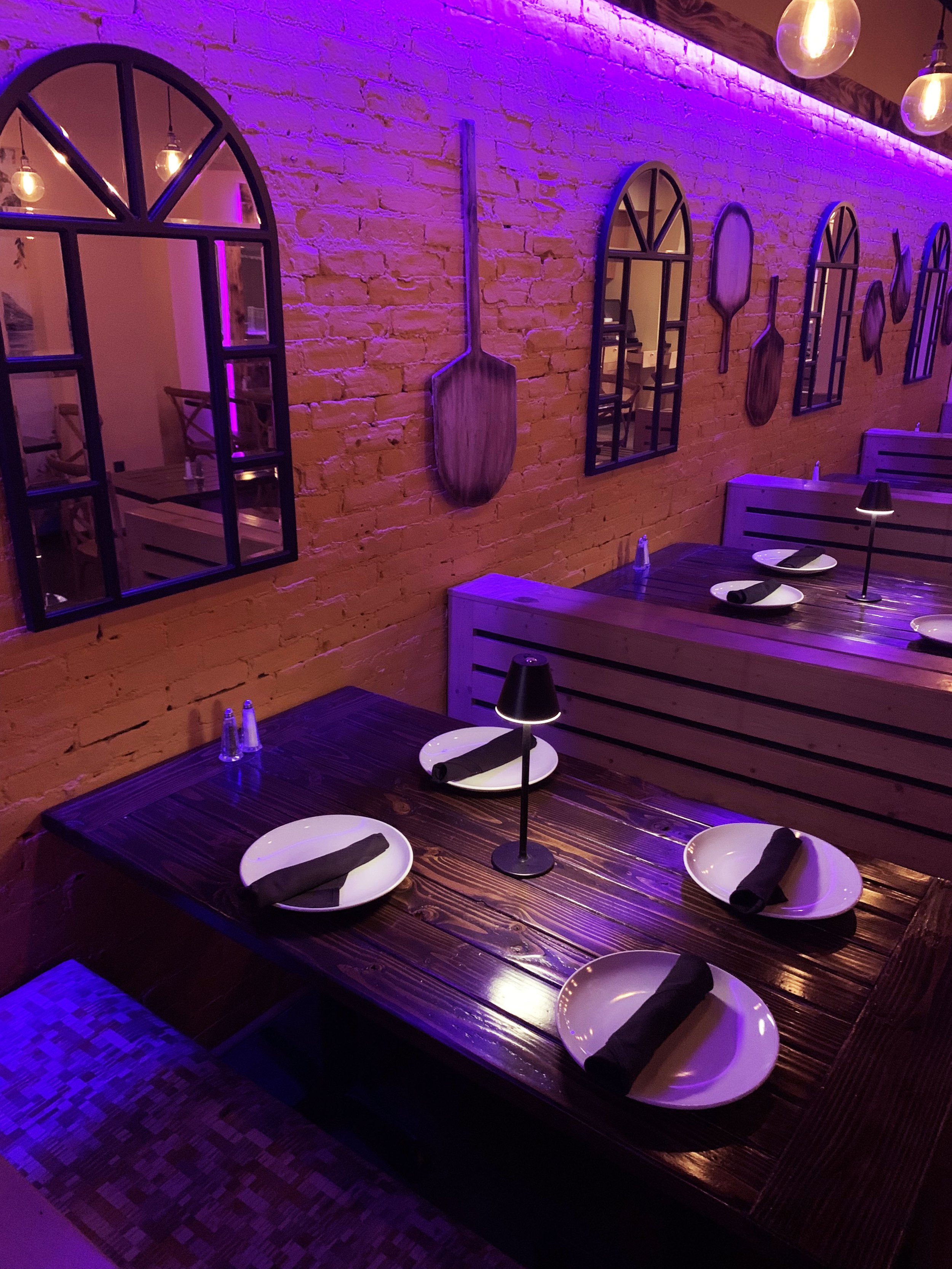
Translate your brand patterns into custom wall coverings or floor tiles to create an immersive experience that feels curated rather than assembled. Use these visual markers to improve guest flow and reduce congestion at the host stand. Your branding must remain consistent from the moment a guest approaches the host stand until they visit the restroom. If the design quality drops off in the hallways, your brand's perceived value drops with it.
Modernizing Without Losing Your Soul
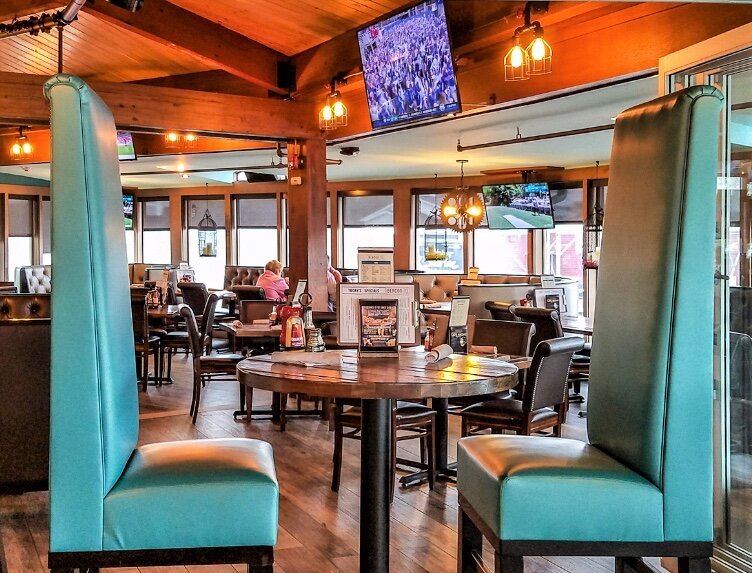
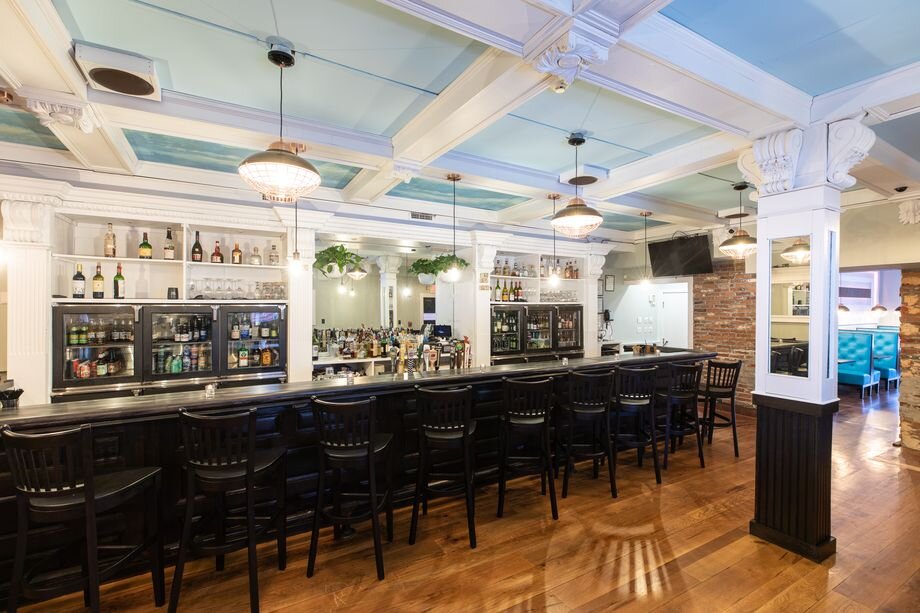
You don't always need a sledgehammer to fix a failing brand. Learn how to modernize a restaurant by identifying legacy elements that still carry emotional weight with your regulars. A "Soft Refresh" might update your upholstery and lighting to align with a restaurant redesign of your visual identity, while a "Total Overhaul" reimagines the entire footprint. Diagnose which one your venue actually needs before you waste capital on unnecessary demolition.
Secure a strategic consultation to align your physical space with your brand vision.
Executing the Redesign: From Concept to Profitable Reality
Execution is where most owners fail. You don't just "get a new look" and hope for the best. A strategic restaurant redesign of your visual identity requires a methodical, four-phase deployment. First, you must conduct a brutally honest audit. This isn't about what you like; it's about how your guests actually perceive your brand. Second, you develop the "North Star" concept. This is the governing vision that ensures every napkin, light fixture, and menu font serves the same objective. If your vision is blurry, your results will be too.
The third phase is integration. This is the high-stakes coordination between your restaurant rebranding consultant and your contractors. If the graphics don't match the physical build, the entire investment is wasted. Finally, you execute the launch. Use your new identity to generate massive PR buzz. You only get one chance to create "New Opening" energy with an existing venue. Don't waste it on a quiet rollout. Demand attention and capture the market share you've been missing.
Why DIY Branding Is a Recipe for Failure
Cheap design is the most expensive mistake you can make. Signage that fades in six months, menus with unreadable fonts, and files that don't print correctly are the hallmarks of amateur work. A general graphic designer doesn't understand the hospitality environment. They don't know how colors shift under specific restaurant lighting or how font weights behave on textured paper. A specialized hospitality consultant brings decades of industry-specific data to the table. This expert advantage ensures your design choices are based on proven revenue drivers rather than personal whims.
Measuring the ROI of Your New Look
A redesign must pay for itself. Track your metrics. You should see an immediate increase in average check size as your new visual authority justifies higher price points. Monitor your social media tag frequency. If guests aren't photographing your new space, your brand health is failing. A professional restaurant redesign of your visual identity isn't just a temporary fix; it's a long-term asset. When executed correctly, your brand won't need another refresh for at least a decade. That longevity is the ultimate return on investment for any serious operator.
Dominate Your Market Through Visual Authority
Your brand's visual presence is either a barrier or a bridge to your revenue goals. A mediocre aesthetic doesn't just look bad; it actively signals to your target demographic that your standards are slipping. You've seen how typography, color theory, and environmental design must converge to create a high-performance guest experience. A strategic restaurant visual identity redesign is the single most effective way to reclaim your market position and justify the premium pricing your kitchen deserves.
Don't leave your legacy to a generalist or a DIY template. You need a partner who understands the high stakes of hospitality and the specific demands of the East Coast and Miami markets. With over 30 years of high-stakes hospitality design experience, Raymond Haldeman provides a specialized focus on revenue-driven rebranding that generalists simply cannot match. You get direct access to the principal designer via a toll-free US line to ensure your vision is executed with surgical precision. It's time to stop settling for a brand that feels like a decorative afterthought and start building a visual engine that drives consistent growth.
Take the first step toward a more profitable future. Your restaurant's transformation starts with a single, expert decision.
Frequently Asked Questions
How much does a restaurant redesign of your visual identity cost in 2026?
Industry data for 2026 indicates that professional brand identity systems typically range from $12,000 to over $75,000 for comprehensive strategy and asset rollout. These figures reflect the high-stakes nature of the hospitality market where a surface-level logo is no longer sufficient to drive growth. You're investing in a revenue-generating system, not just a graphic file. Treat this as a capital expenditure that dictates your long-term market value.
Can I redesign my visual identity without changing my restaurant’s name?
Yes, you can and often should retain your name if it carries significant local equity. Executing a restaurant redesign of your visual identitywhile keeping your name allows you to shed an outdated "cheap" image while maintaining the trust you've built in markets like Philadelphia or Miami. It's a strategic way to signal a new era of quality to your guests without starting from zero.
How long does a typical restaurant rebranding project take to implement?
A professional rebranding project usually spans eight to sixteen weeks from the initial audit to the final design delivery. This timeline accounts for the deep psychological analysis and concept development required to create a "North Star" for your business. The physical integration into your space may take longer depending on your contractor's schedule and the complexity of your new interior design elements.
What is the difference between a logo refresh and a full visual identity redesign?
A logo refresh is a minor facelift that updates an existing mark to look more modern. A full visual identity redesign is a total sensory overhaul that aligns every touchpoint including lighting, acoustics, menu textures, and staff uniforms. One is a cosmetic touch-up; the other is a strategic transformation of your entire guest experience to maximize profitability.
How do I know if my restaurant’s visual identity is actually the reason my sales are down?
Look for "demographic drift" where you're attracting bargain hunters instead of high-spenders. If your social media tags are non-existent and your decor feels like a relic of a previous decade, your brand is failing. When your visual cues don't justify your menu prices, guests will subconsciously devalue your food and look for reasons to complain about the check.
Should I hire a local designer in Philadelphia or a national hospitality specialist?
Don't make the mistake of hiring for proximity over expertise. A general local designer lacks the hospitality-specific data required to understand operational flow and menu engineering. You need a specialist who understands the commercial landscape of the US East Coast and can act as a visionary guide. A specialist ensures your design isn't just "pretty" but is functionally built to increase your average check size.