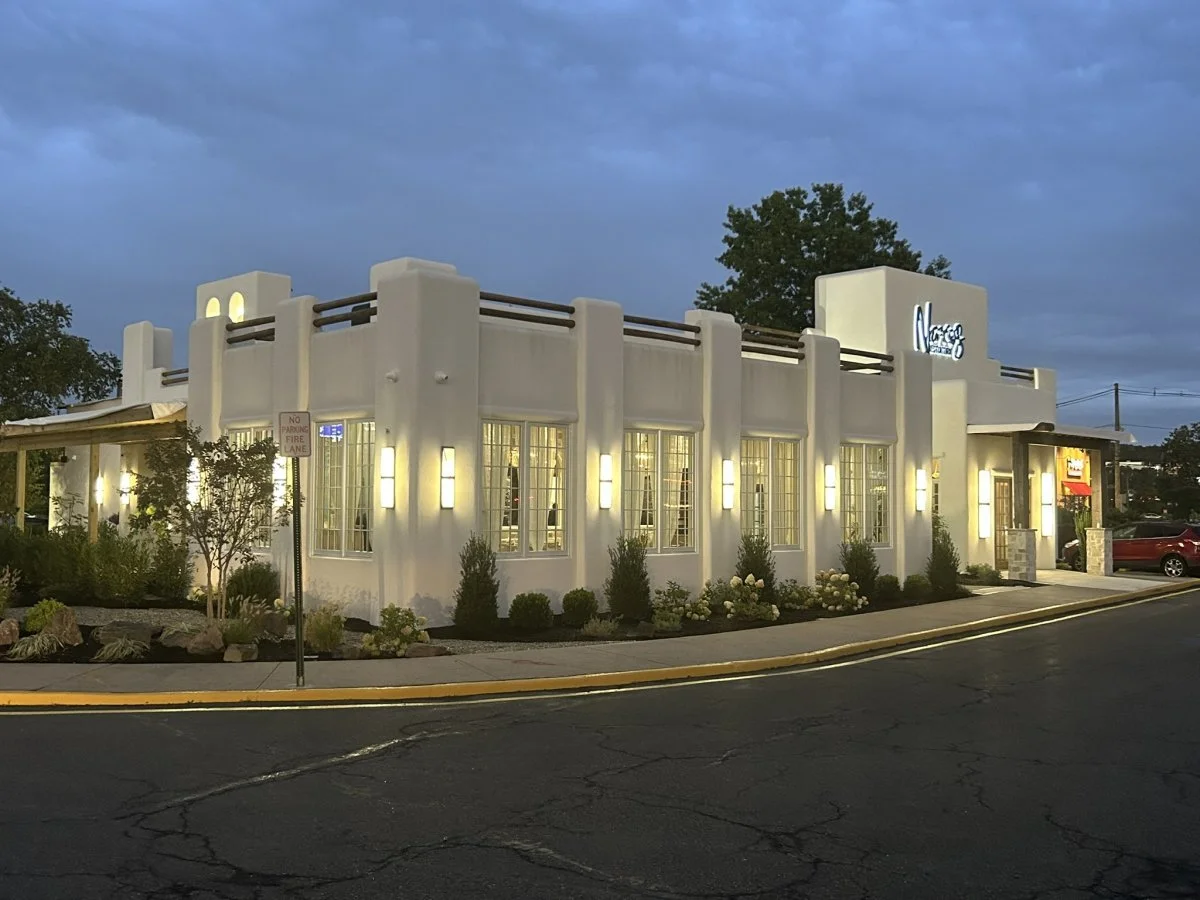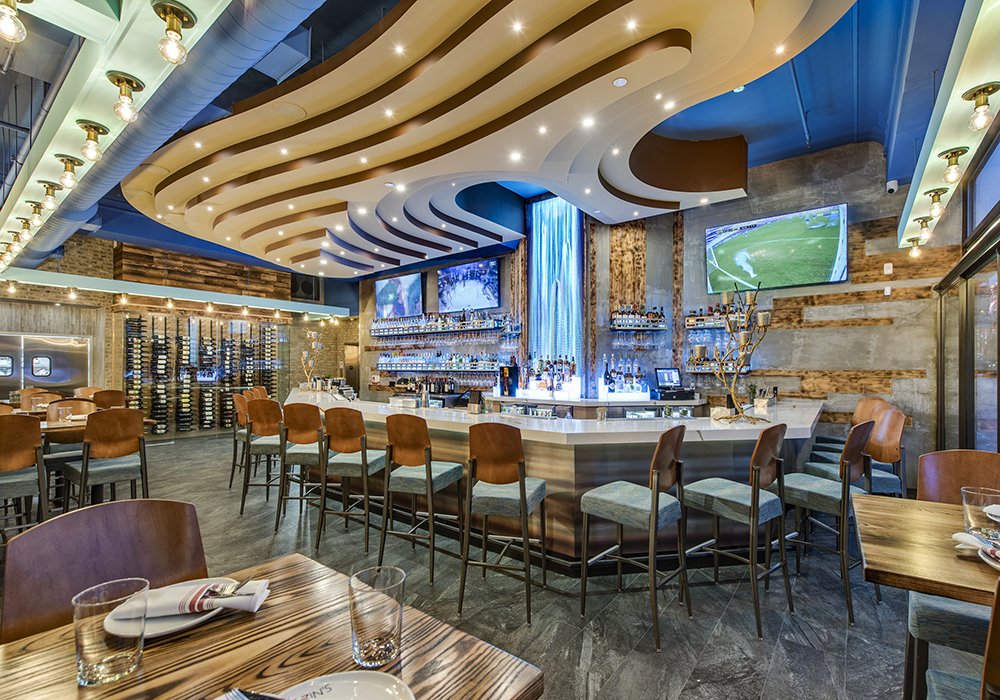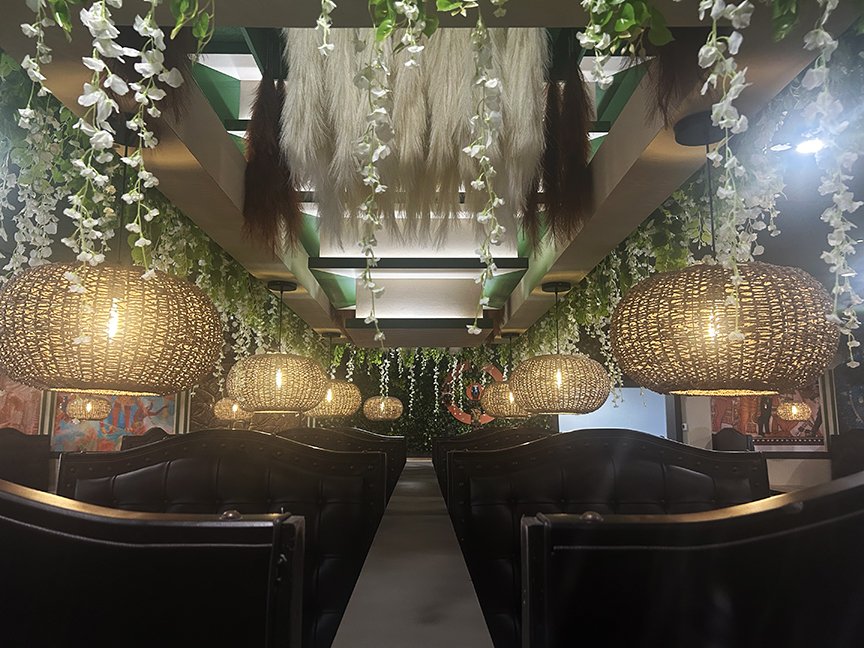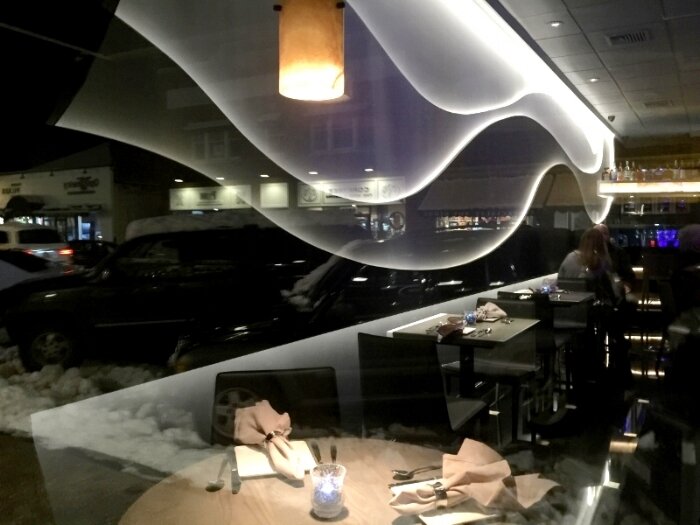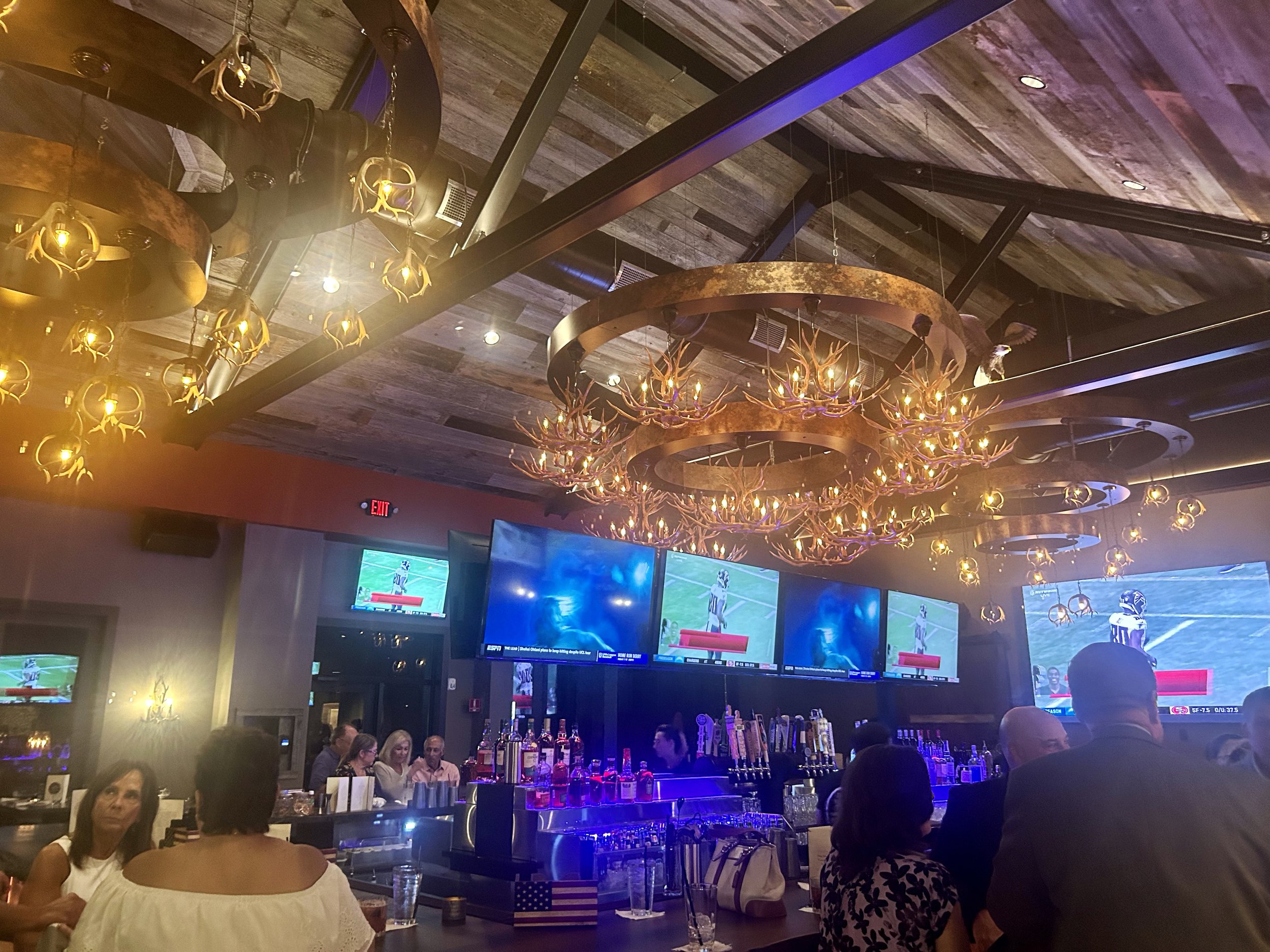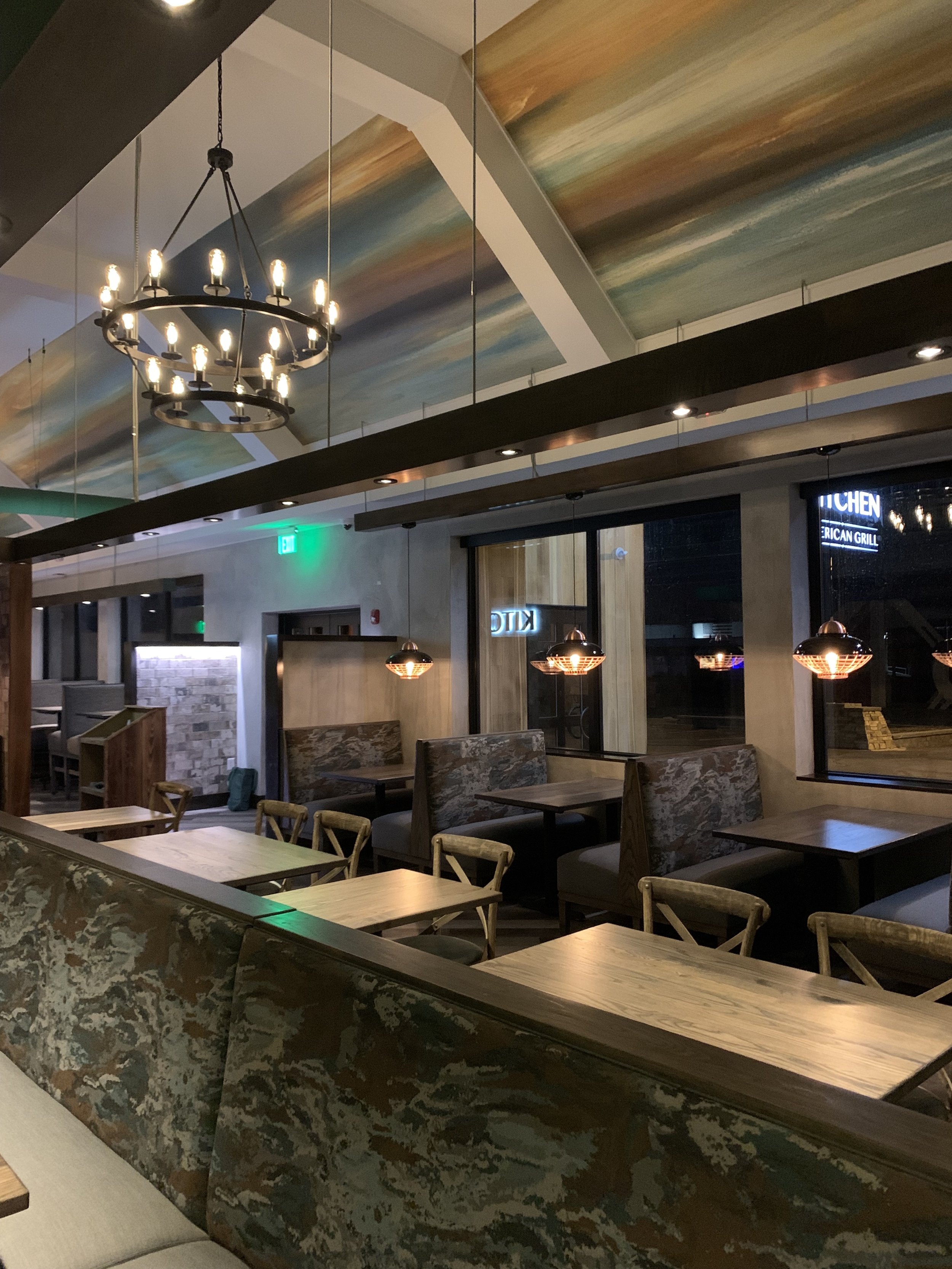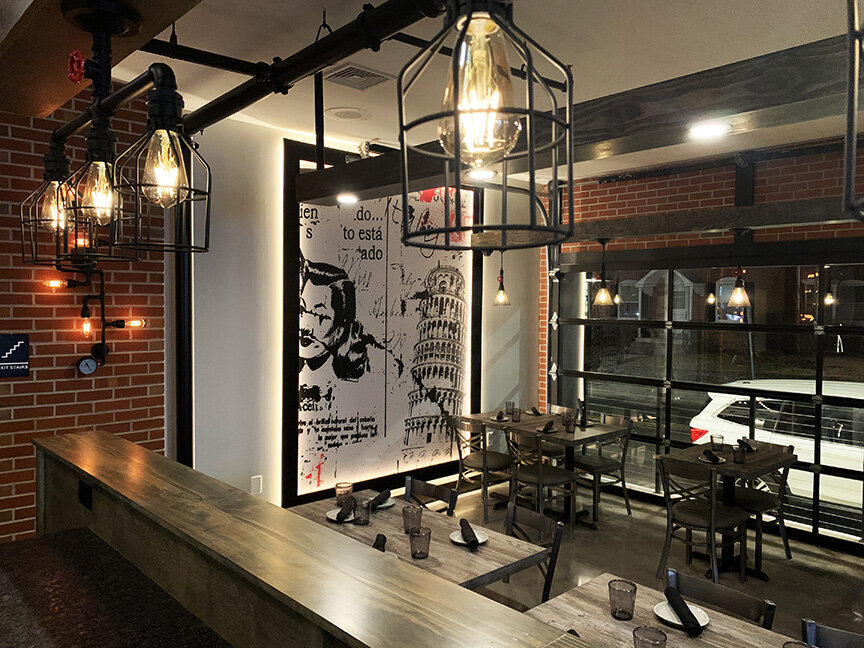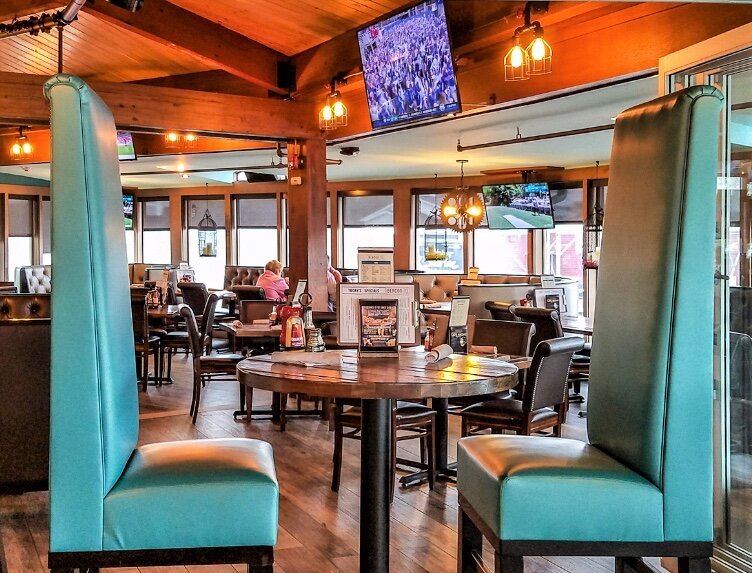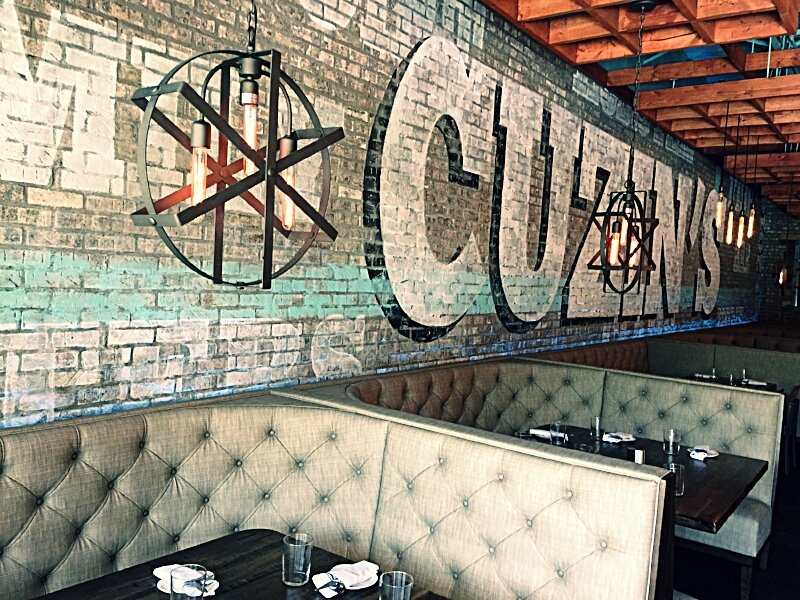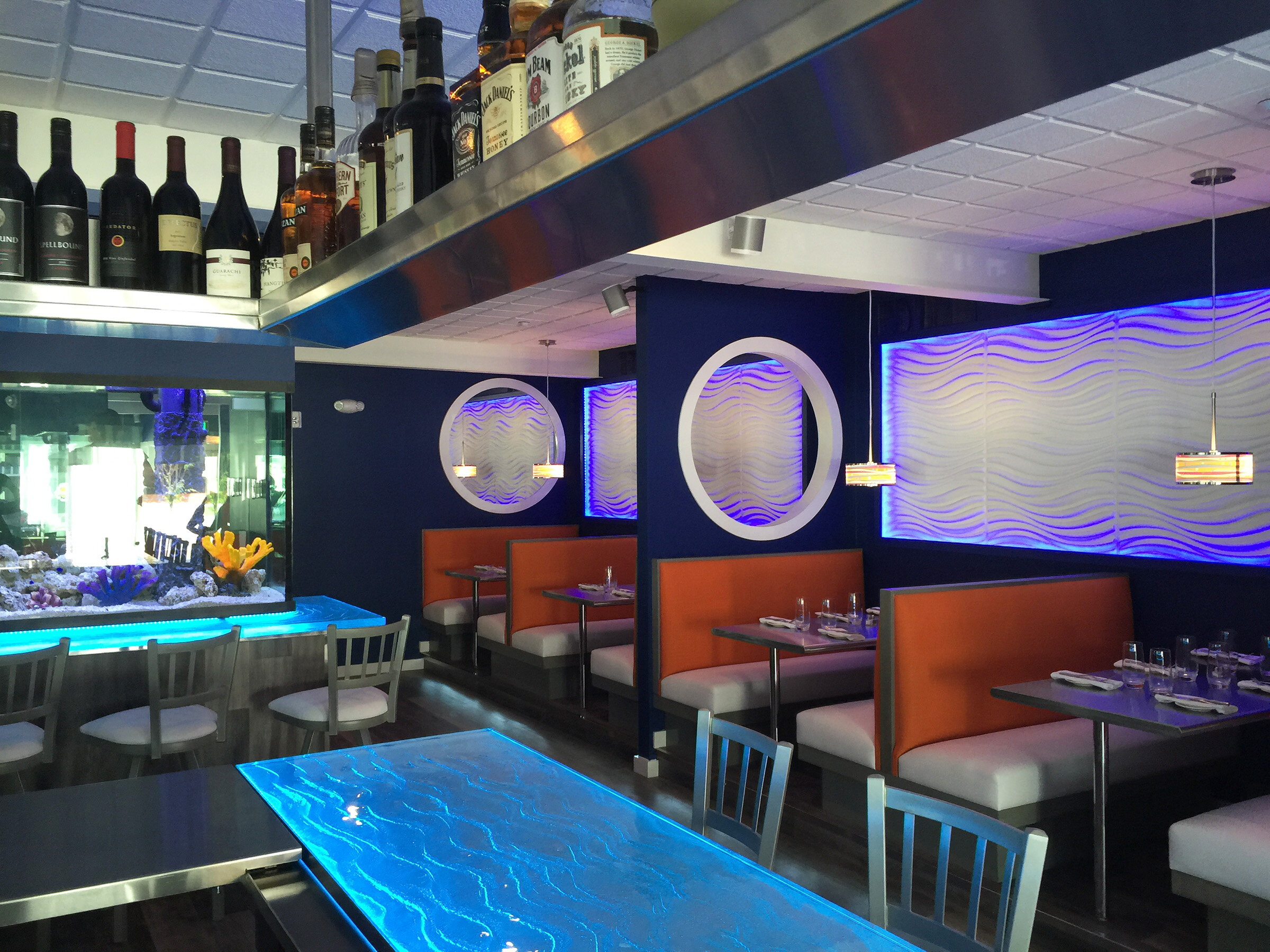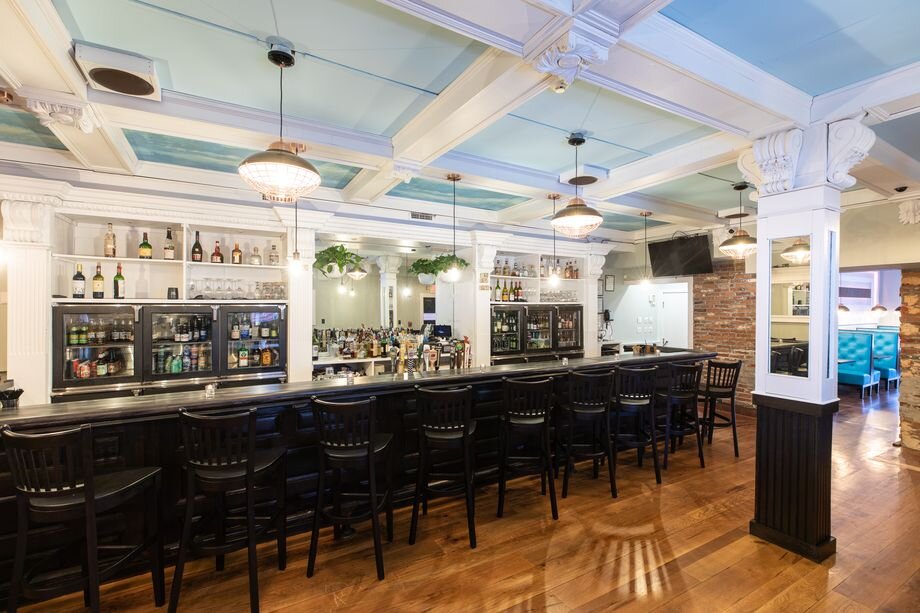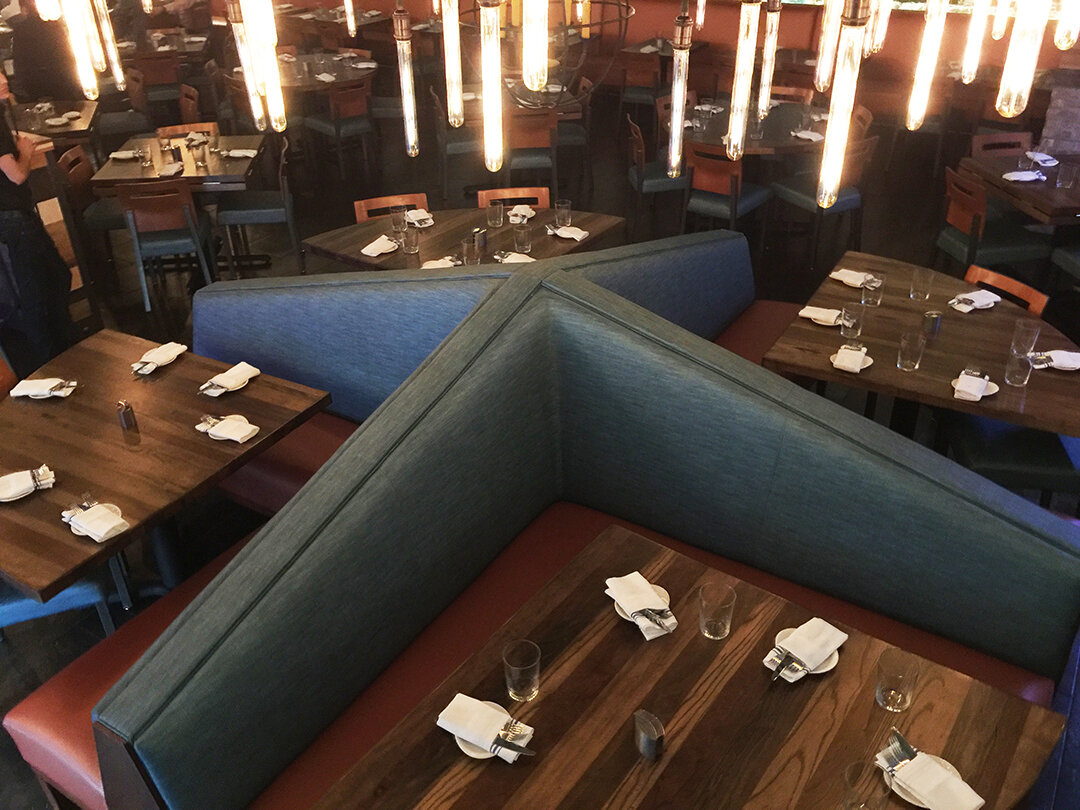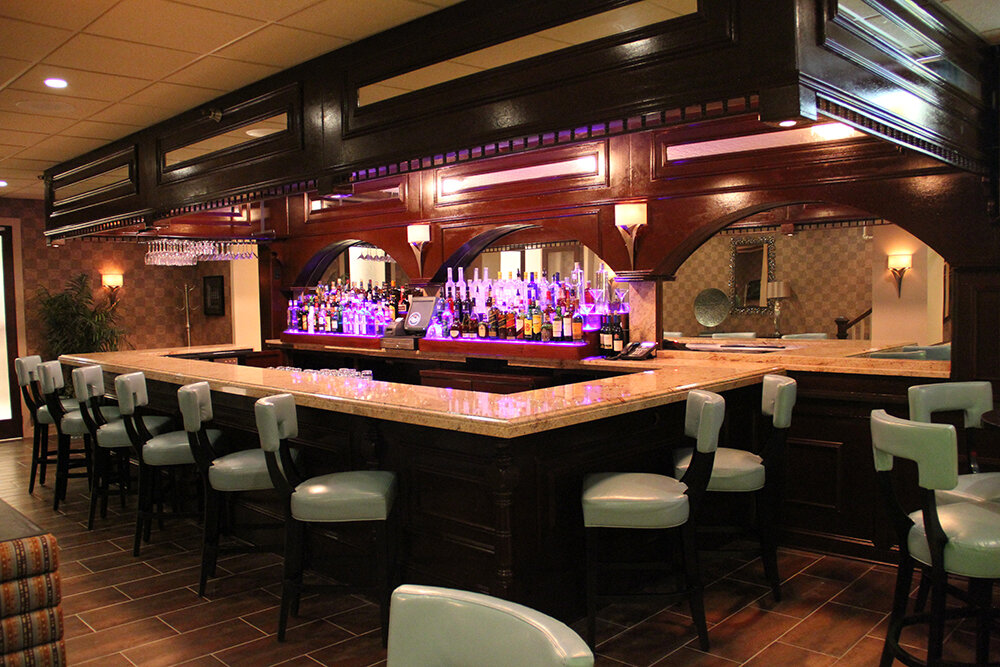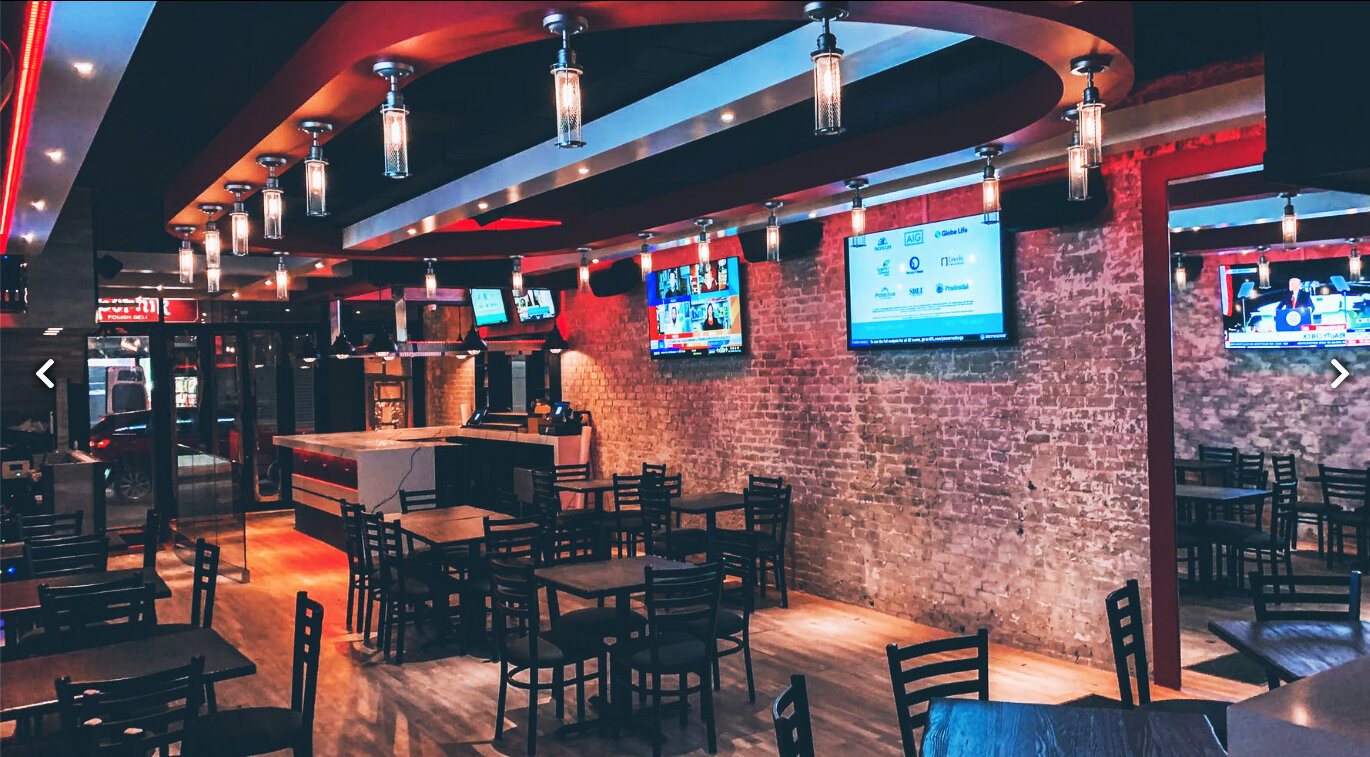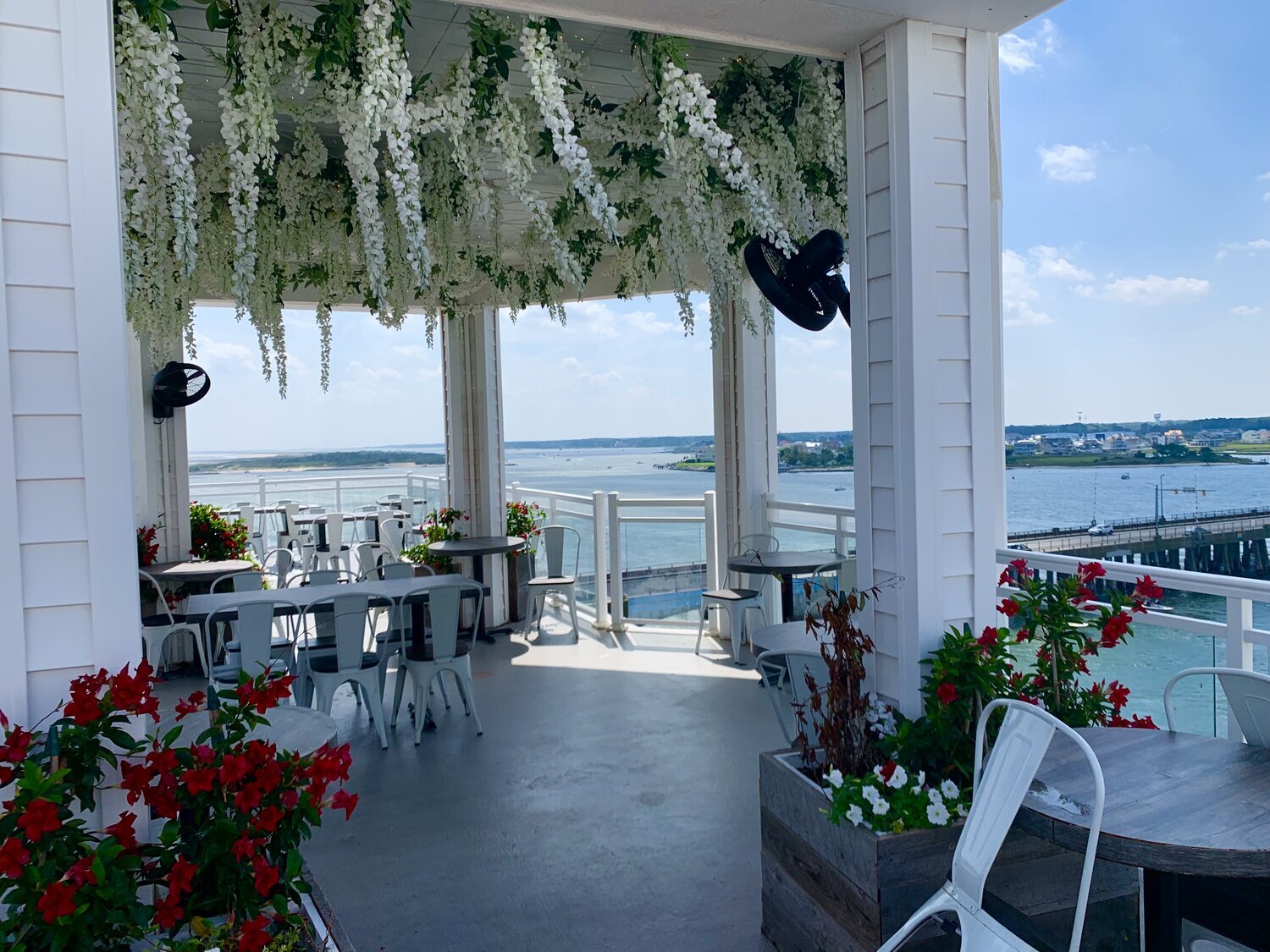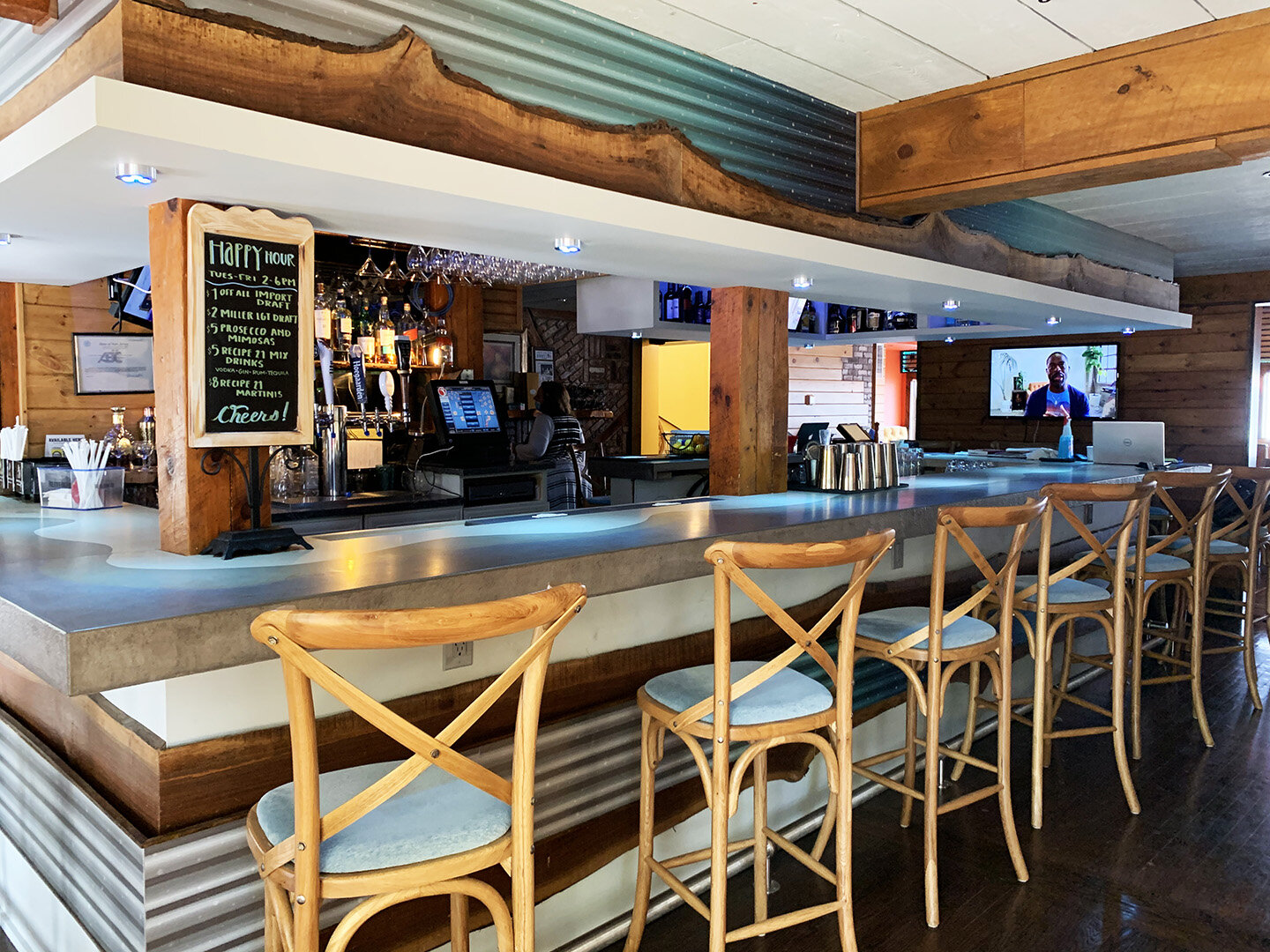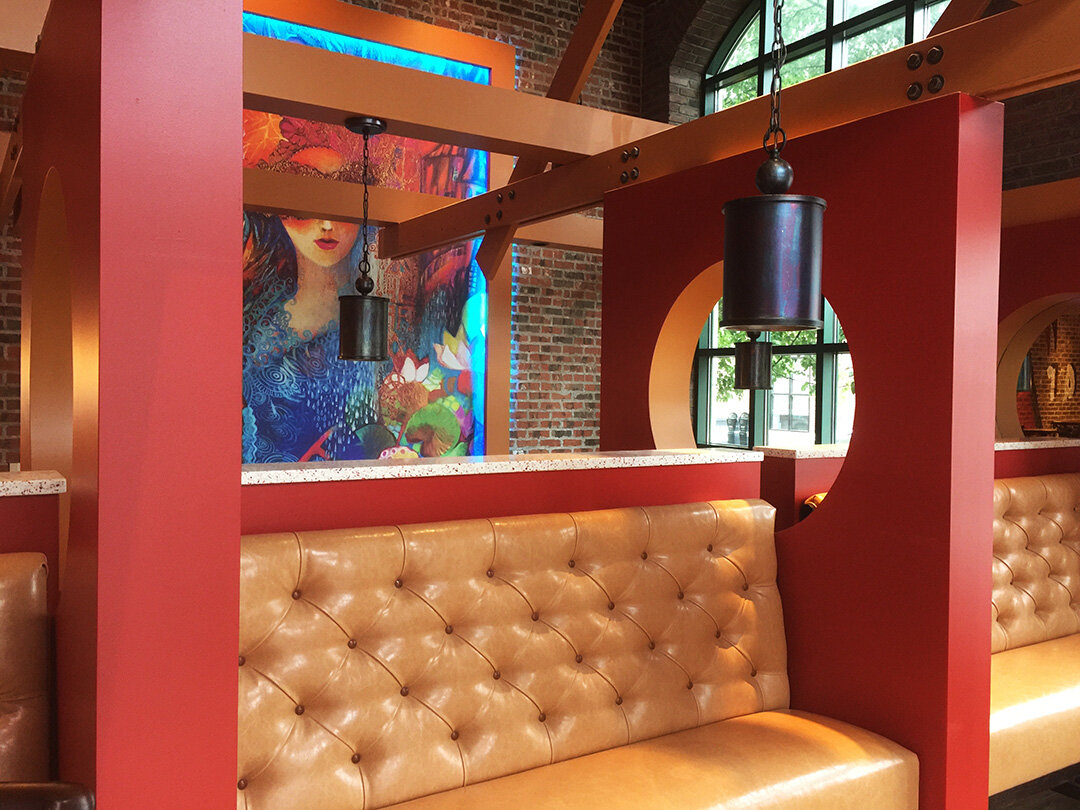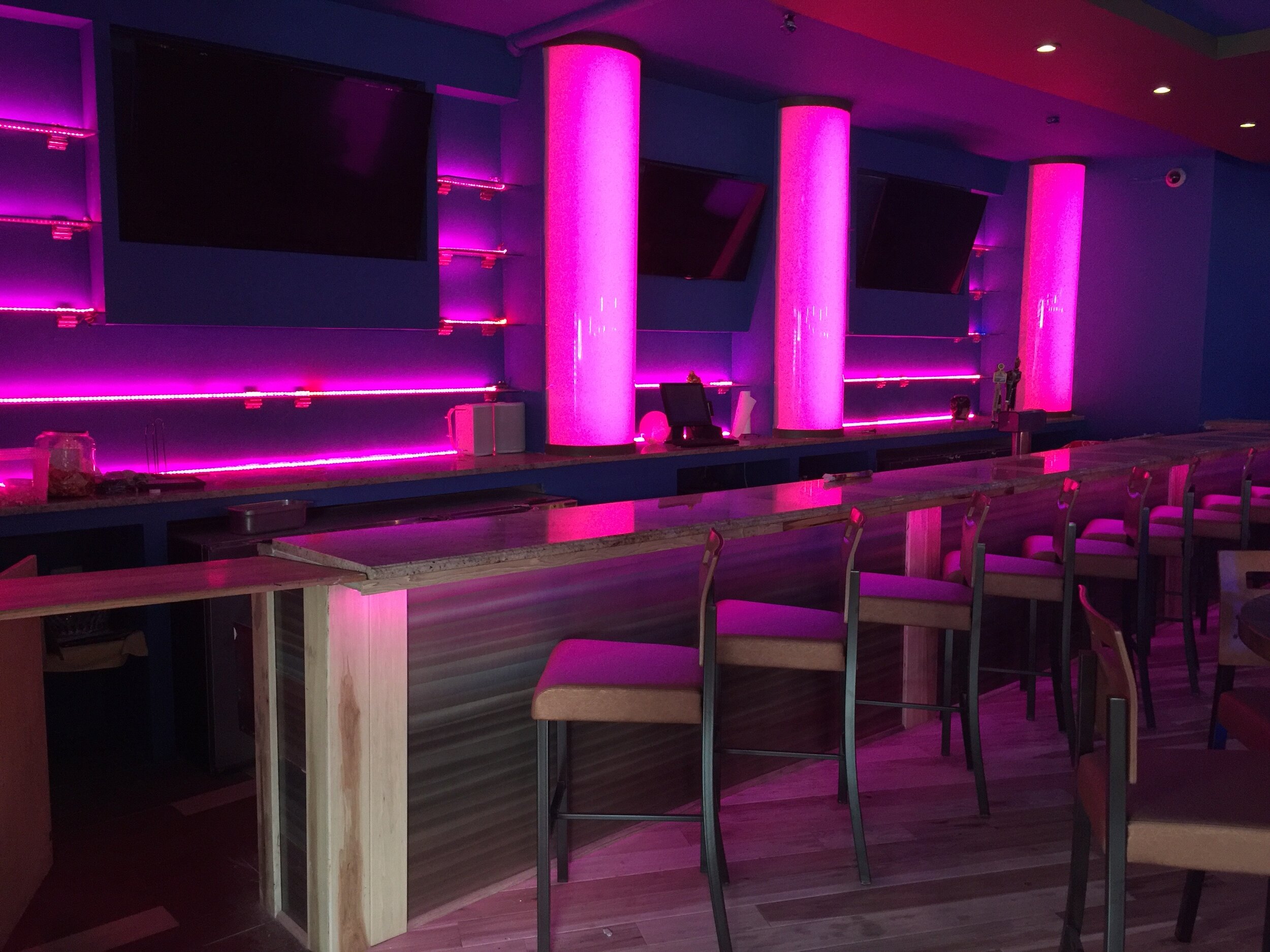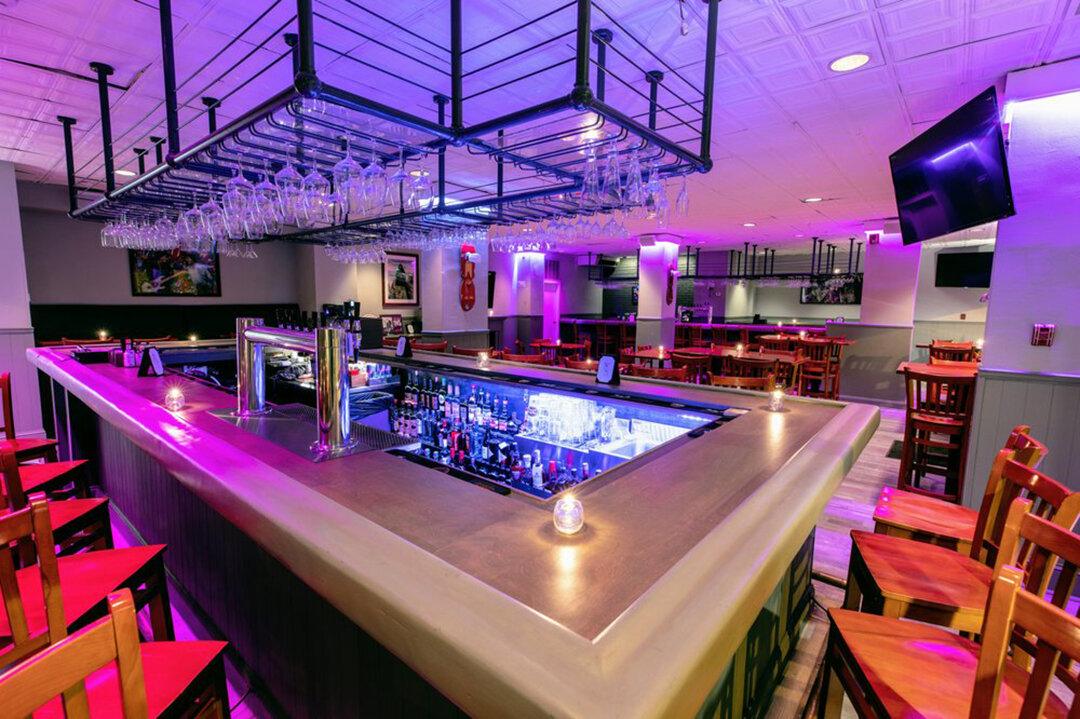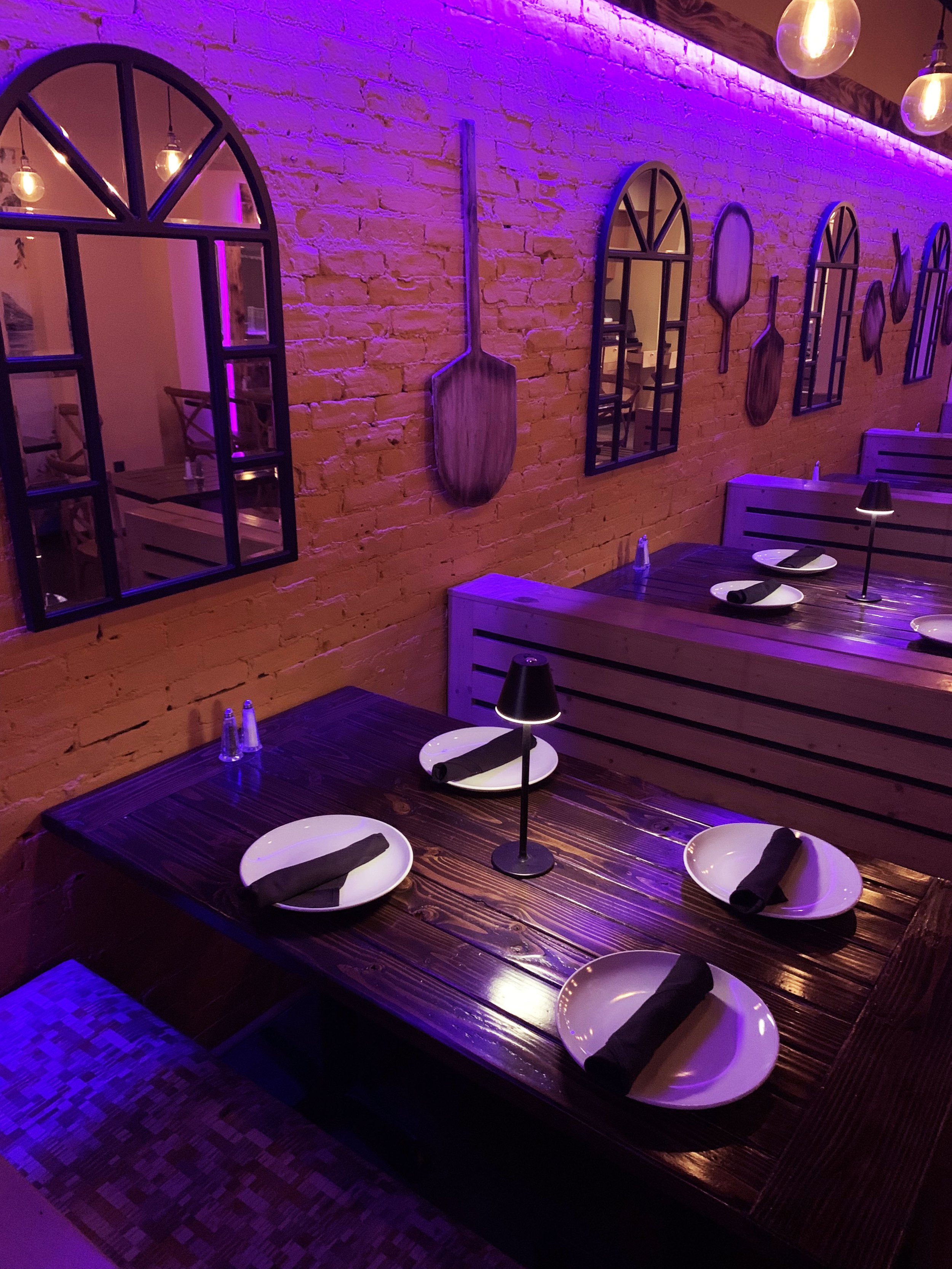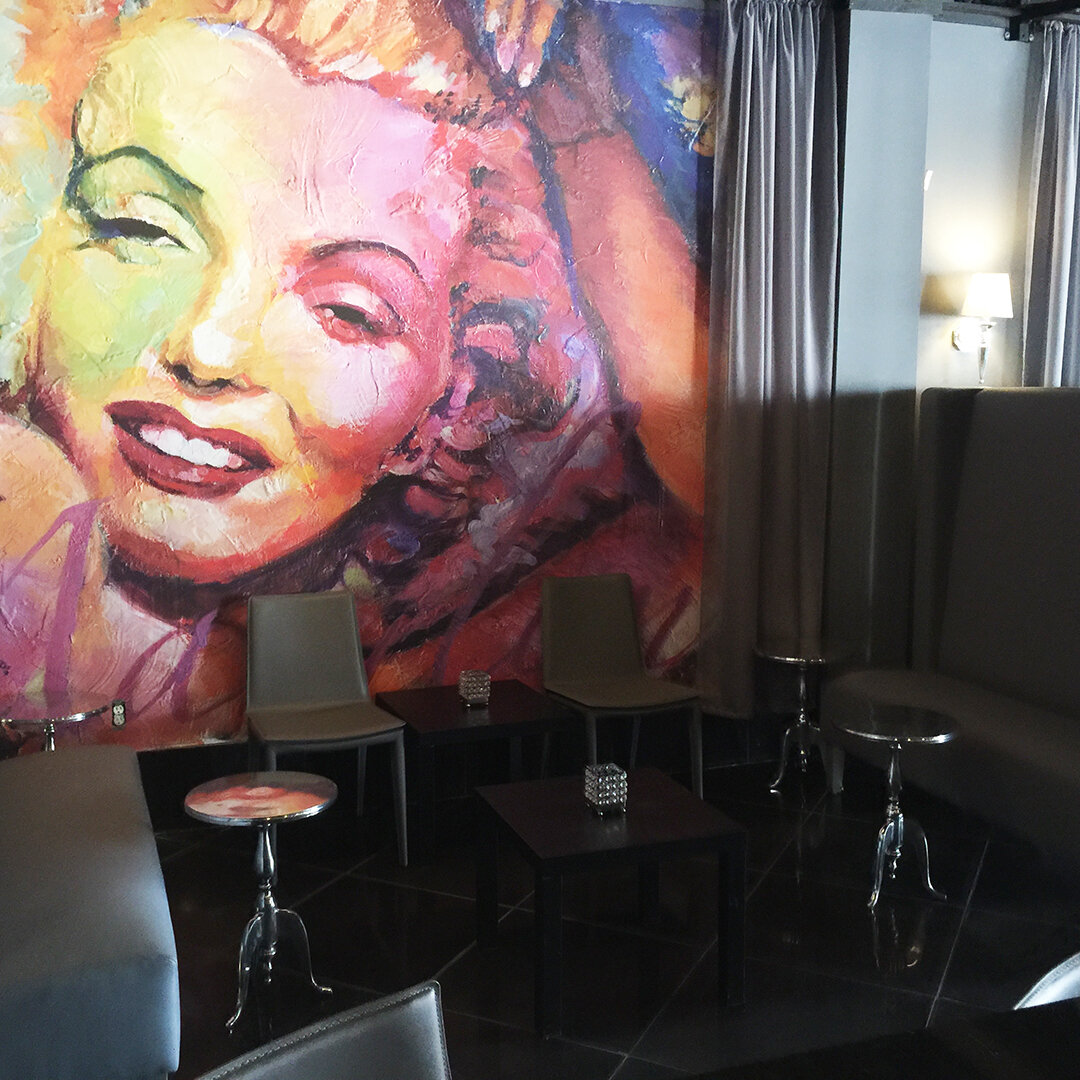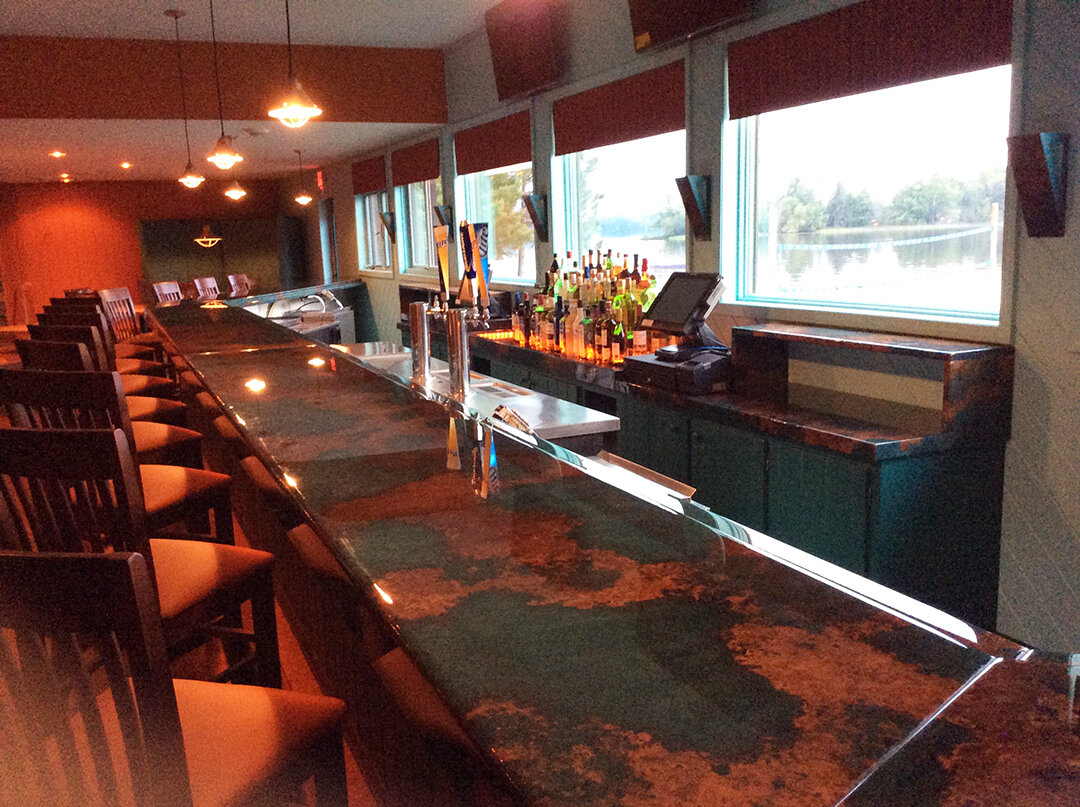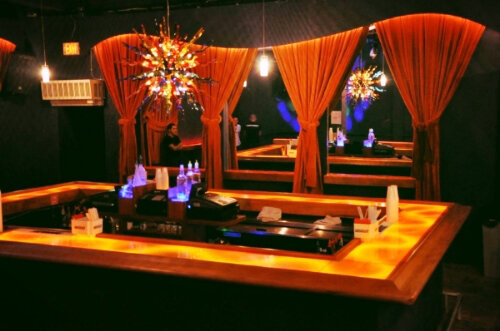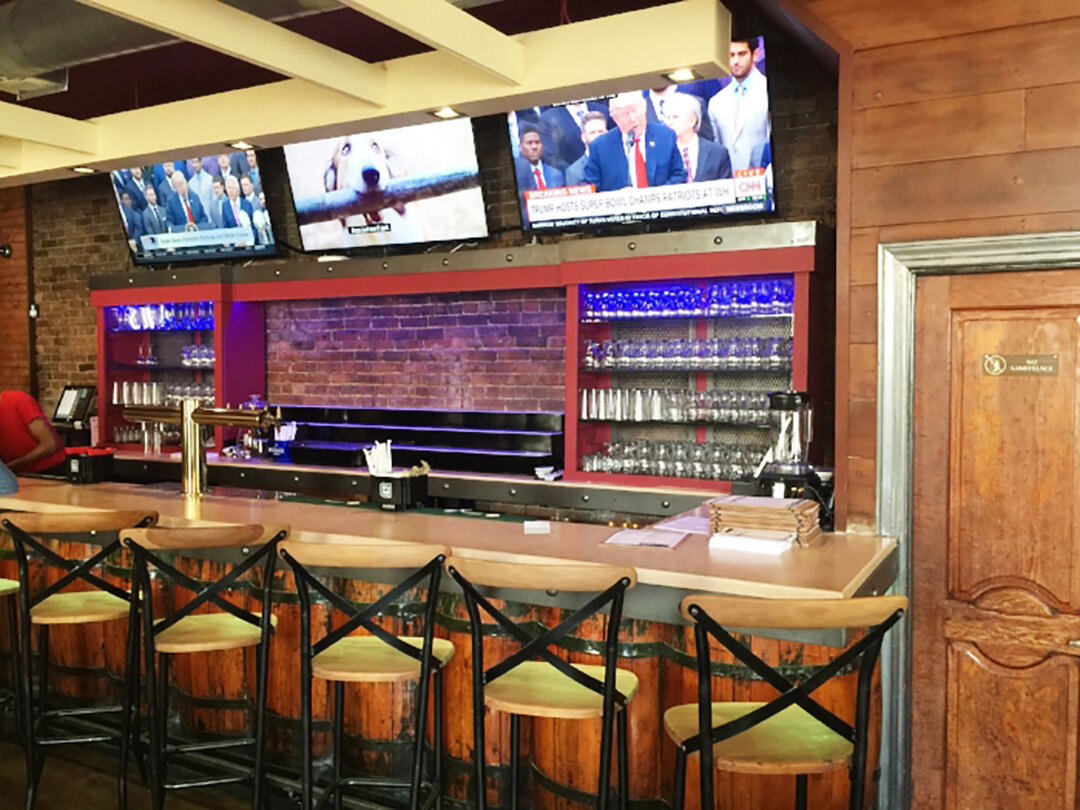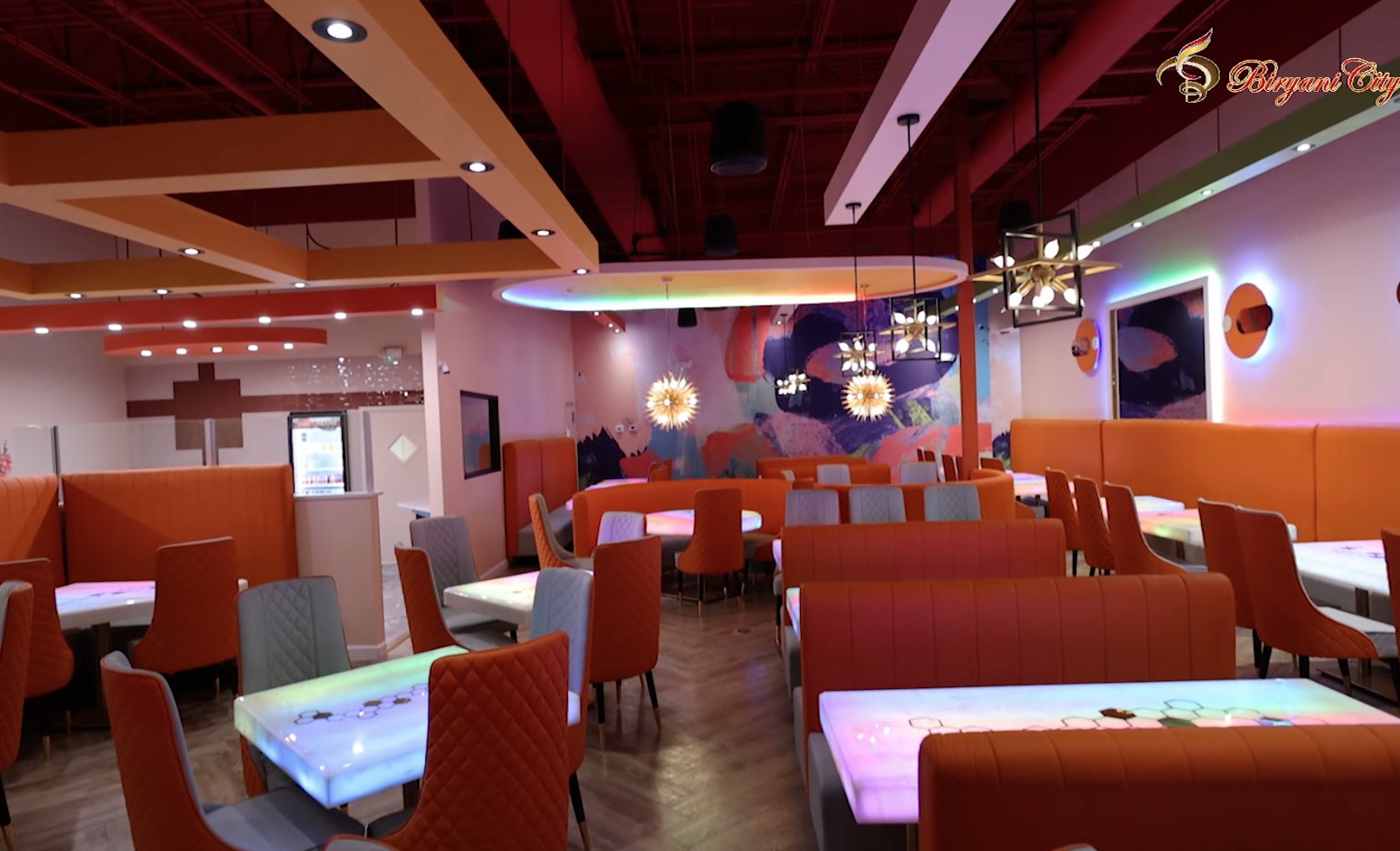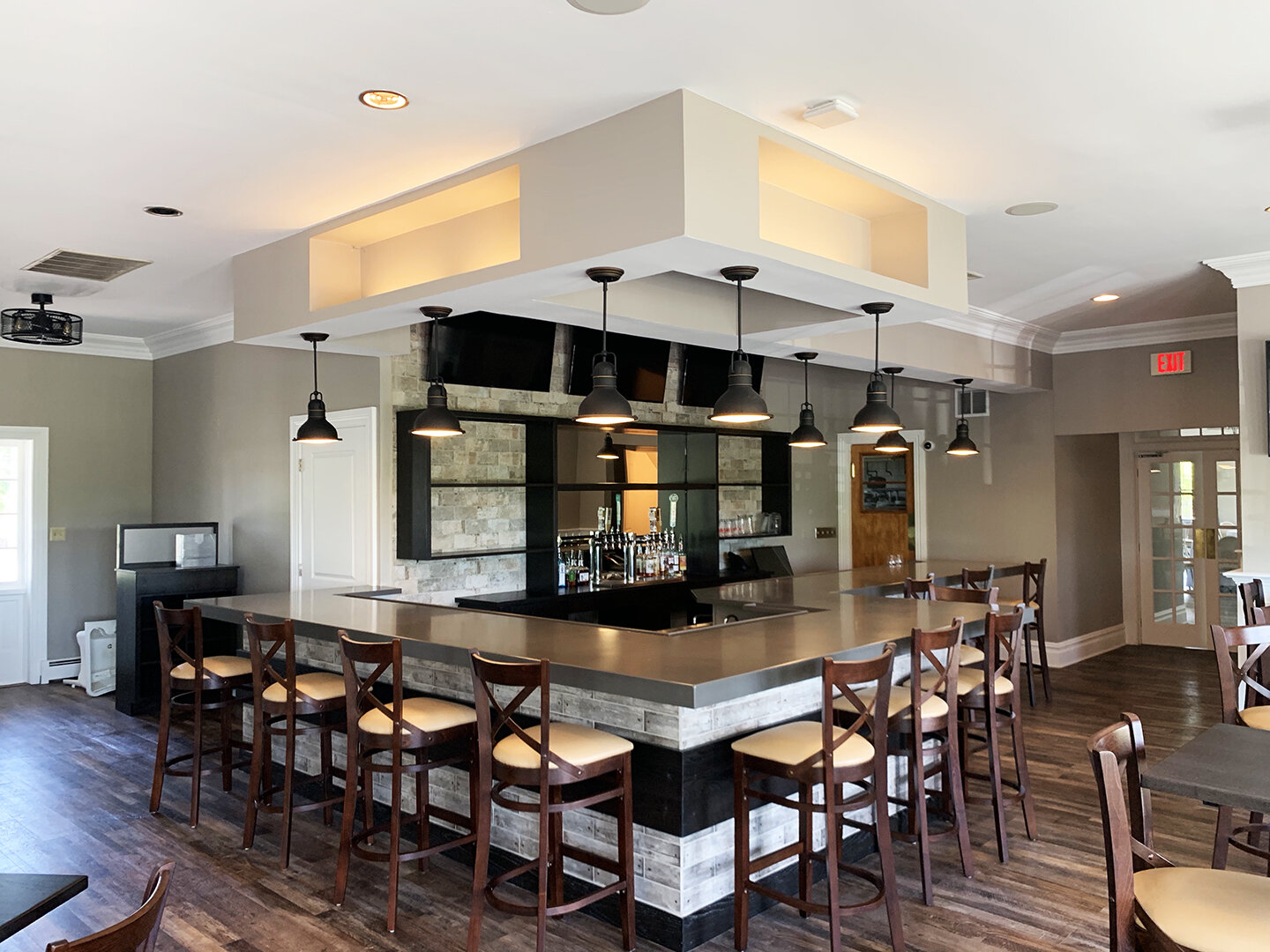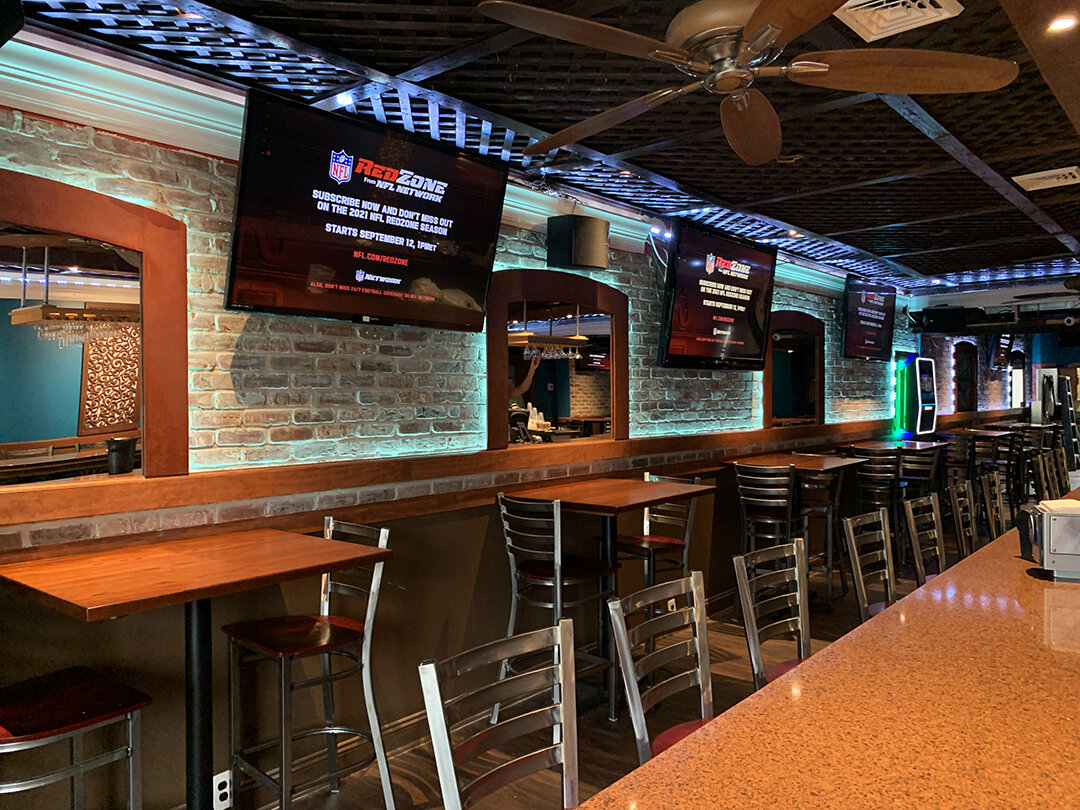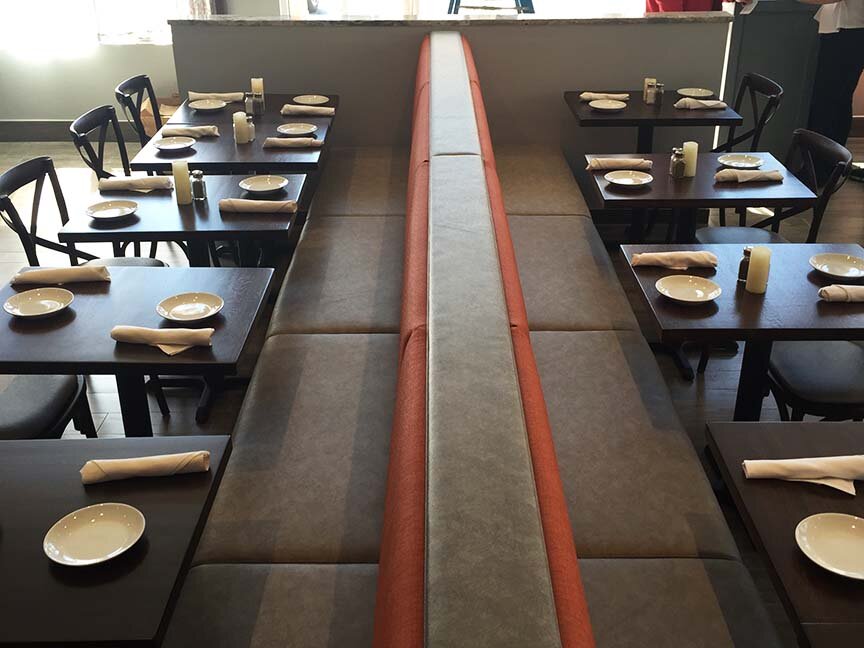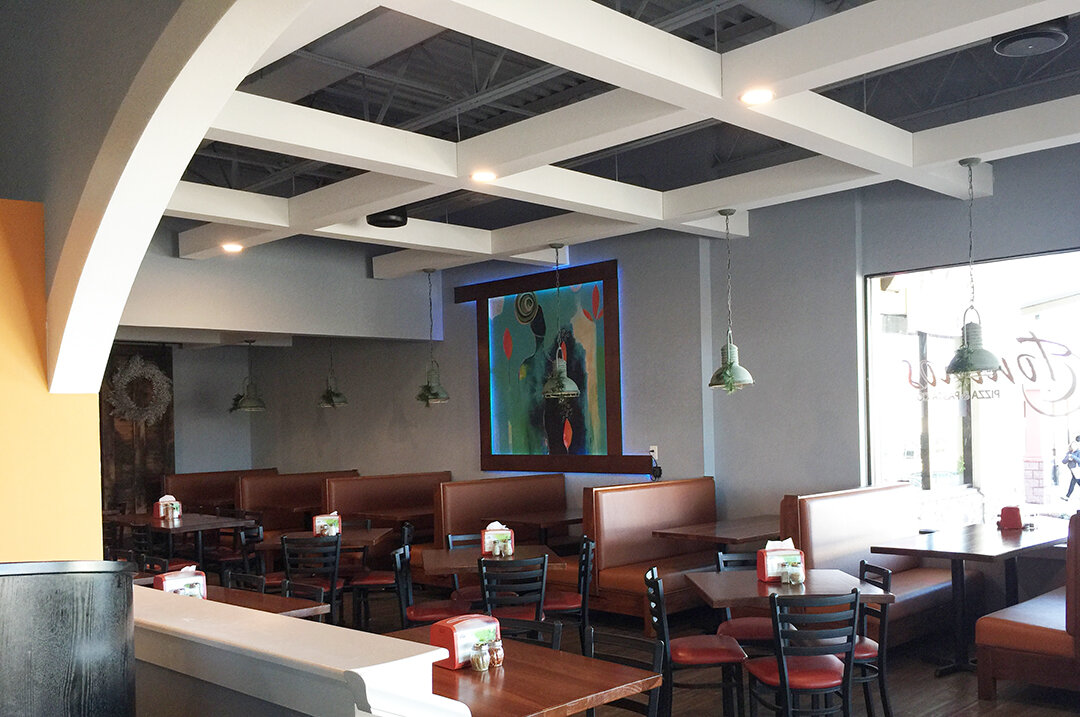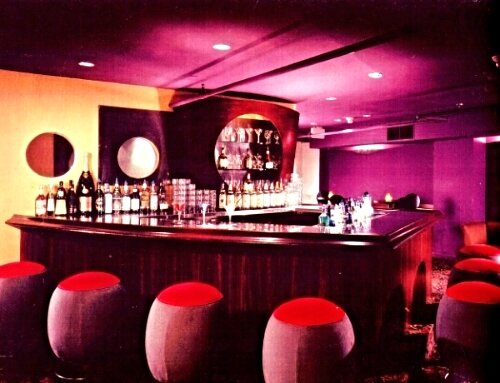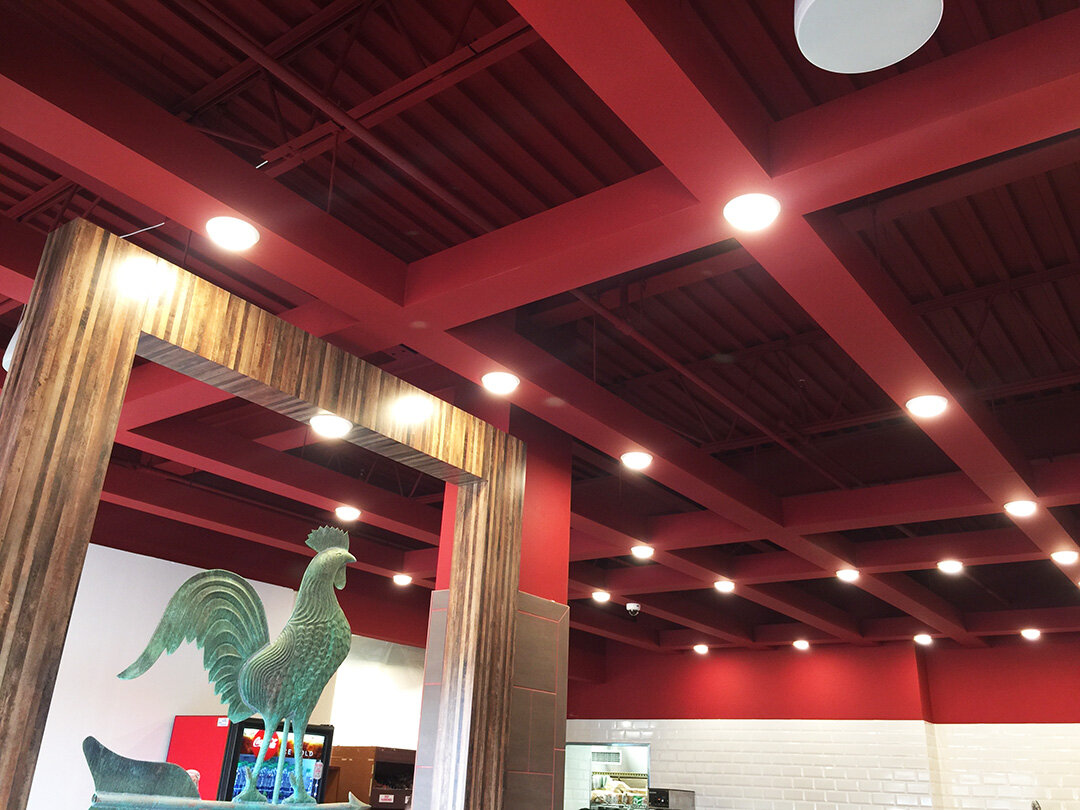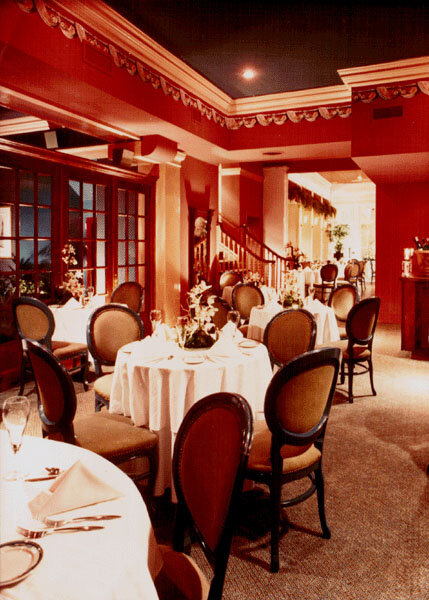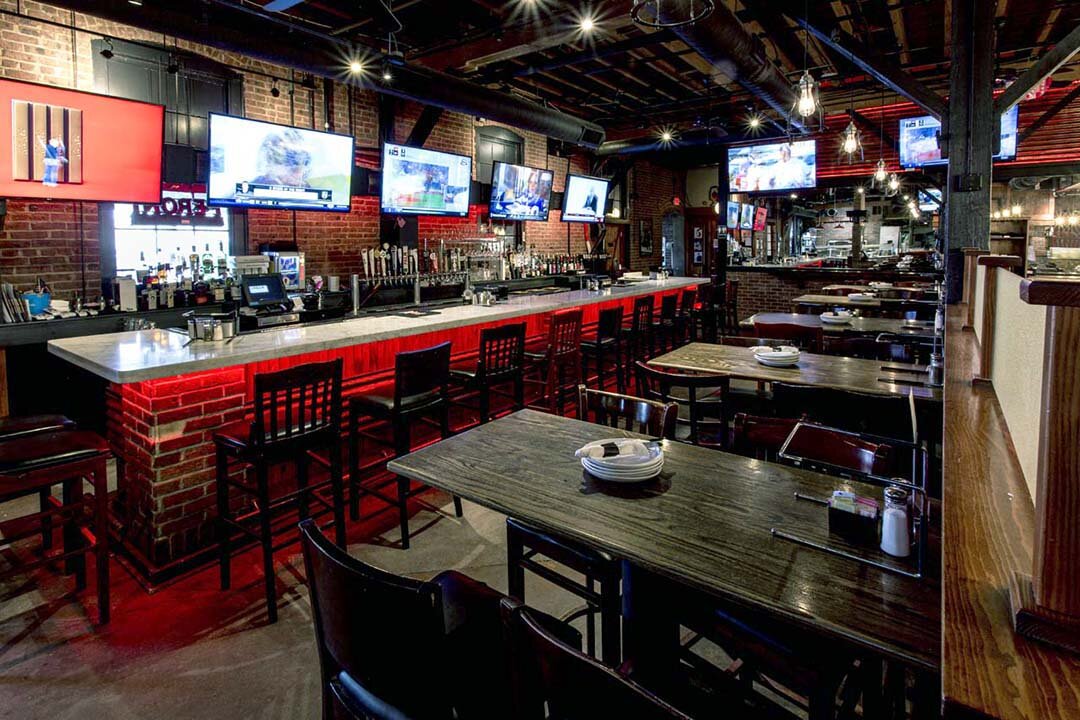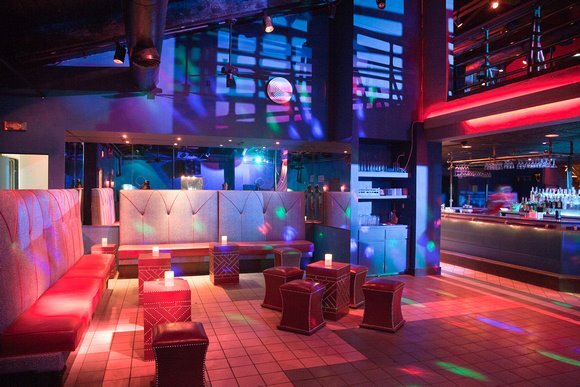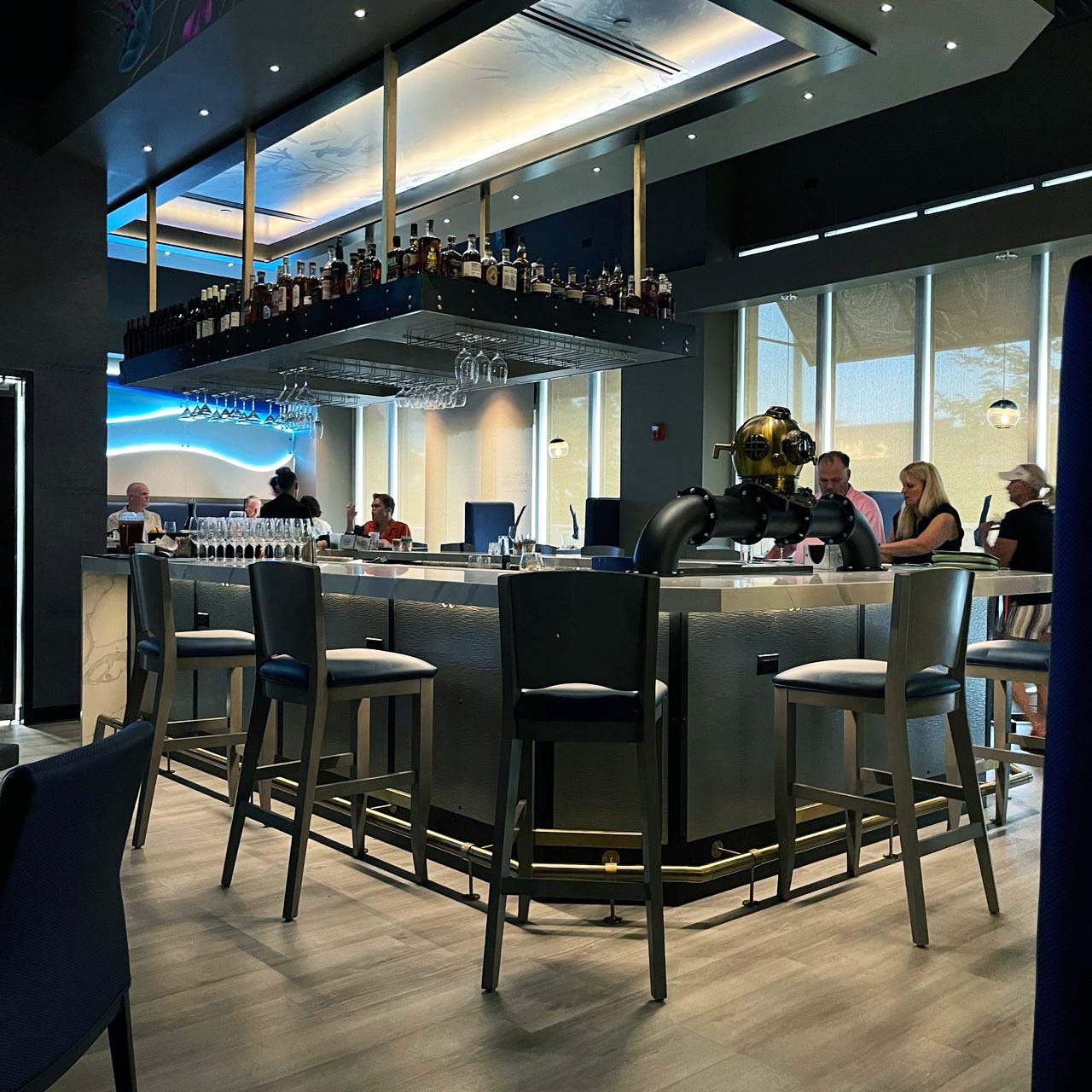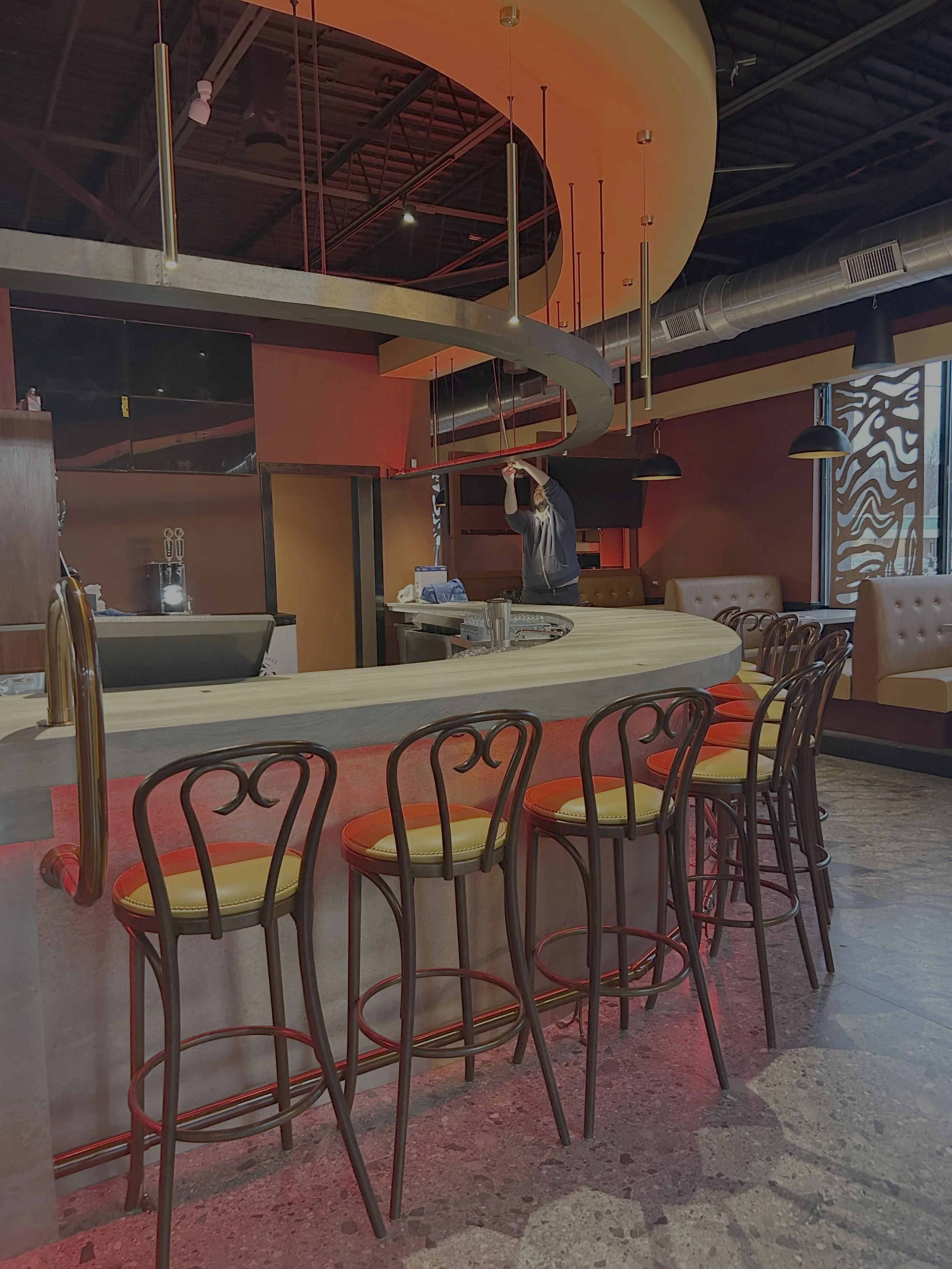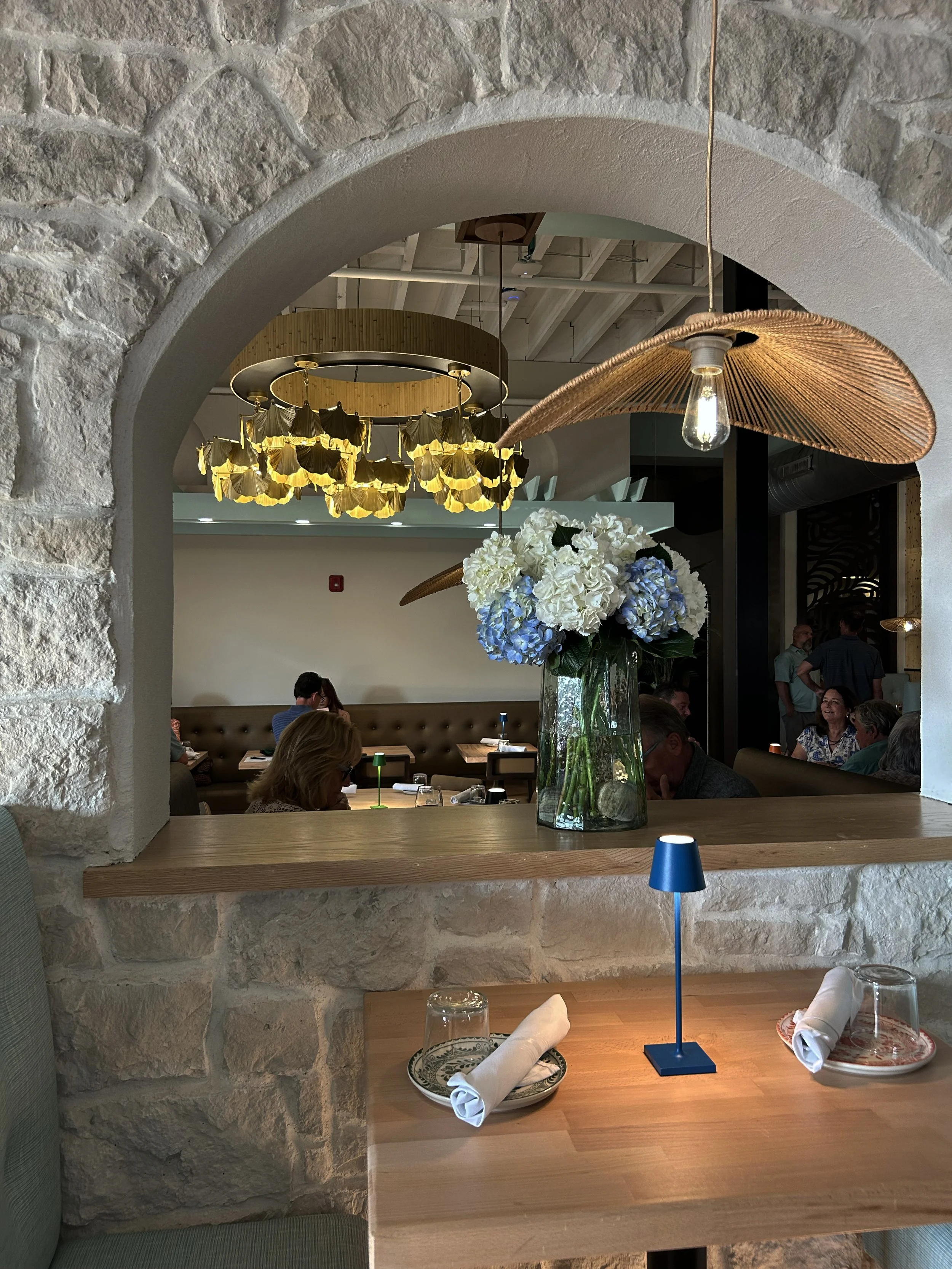
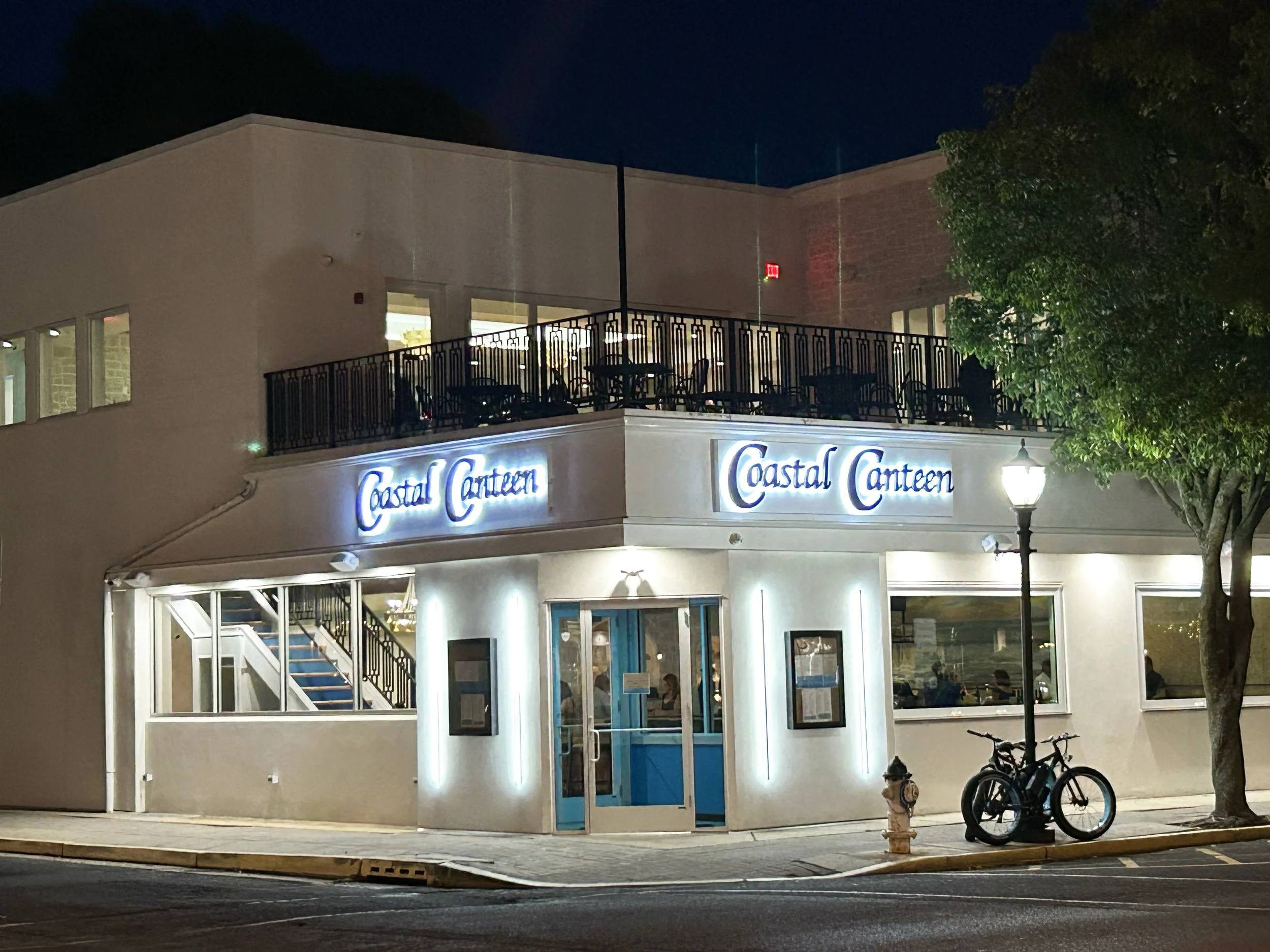
Coastal Canteen, Manasquan, NJ designed by Restaurant Rebranding Consultant and Designer Raymond Haldeman
Hospitality Branding and Design: The 2026 Strategy for High-Stakes Rebranding

Article by
Raymond Haldeman
Raymond Haldeman spent decades as a hands-on owner and operator of bars, restaurants, and nightclubs before parlaying that experience into a second career designing and rebranding some of the most exciting restaurant spaces in the country. Every place he designs is built on years of actually running the business, paying the bills, and knowing exactly what it takes to make a restaurant full of people say, "WOW!"
In 2026, a mediocre interior is more than just an eyesore. It is a direct leak in your profit margin. If you are watching table turnover rates plummet while your competitors command VIP bookings, your current restaurant rebranding strategy is likely focused on decoration instead of revenue generation. A coat of paint won't fix a layout that ignores modern guest psychology. You've probably realized that survival in this high-stakes market requires more than just a menu update. Consistent branding is projected to drive revenue growth of 23 percent this year, but only if that brand is physically integrated into every square foot of your venue.
I understand the frustration of operating a space that feels dated and disconnected from a modern demographic. You need a venue that looks elite and functions profitably. This guide will show you how to transform your hospitality venue into a high-revenue asset through strategic branding and expert interior design. We will break down the essential roadmap for a successful 2026 reopening, focusing on the tactics that increase alcohol sales and secure your position as a market leader. Stop guessing and start engineering your success.
Key Takeaways
- Stop viewing branding as a visual layer and start treating it as the physical intersection of identity, environment, and guest psychology.
- Implement a restaurant rebranding strategy that prioritizes space planning to maximize table turnover and VIP profitability.
- Transform your atmosphere into a high-value product that justifies premium pricing and drives consistent alcohol sales.
- Execute a rigorous concept audit to identify and eliminate the design bottlenecks that are currently leaking revenue.
- Avoid the catastrophic financial risks of DIY design by securing a visionary partner who understands the high-stakes 2026 hospitality market.
Table of Contents
- The Evolution of Hospitality Branding and Design in 2026
- Strategic 2026 Trends: Designing for Profitability
- The Anatomy of a Successful Restaurant Rebranding Strategy
- Professional Intervention: Why DIY Rebranding is a Liability
The Evolution of Hospitality Branding and Design in 2026
Hospitality branding is no longer about a font choice or a color palette. It is the calculated intersection of your brand identity, the physical environment, and the subconscious psychology of your guest. In the high-stakes market of 2026, "pretty" design is a liability. If your aesthetic doesn't solve operational bottlenecks or increase table turnover, it's just expensive wallpaper. We've moved past the sterile, "minimalist" era that stripped venues of their soul and personality. Today, hospitality branding is a strategic revenue-driver for 2026 operators who refuse to settle for mediocrity.
From Visual Identity to Environmental Immersion
Your logo is the least important part of a 2026 rebranding effort. The shift toward sensory branding means that lighting, acoustics, and tactile design are now your primary sales tools. These elements dictate guest spend and stay duration more effectively than any marketing campaign. If your lighting is too harsh or your acoustics are uncontrolled, you are actively killing your profit margin. A successful restaurant rebranding strategy treats the physical space as a physical sales funnel. Every texture and shadow should be engineered to encourage that second round of cocktails or a high-ticket VIP booking.
The High Cost of Brand Misalignment
Generic updates are a fast track to irrelevance. When you chase trends without a clear strategy, you risk the "Cracker Barrel effect" where you alienate your loyal base while failing to attract a modern demographic. I often see a massive gap between an elevated menu and a dated, tired interior. This mismatch creates cognitive dissonance for the guest. If your atmosphere doesn't match the price point on your menu, they won't return. Mismatched brand identity is a primary cause of restaurant failure. You cannot afford to send mixed signals when your competitors are offering a seamless, elite experience. A coherent restaurant rebranding strategy ensures your physical environment finally catches up to your culinary vision.
Strategic 2026 Trends: Designing for Profitability
Space planning is the silent engine of any successful restaurant rebrand. If your layout forces servers to dodge guests or leaves VIP tables in the shadows, you're leaking money every night. In high-stakes markets like Miami and NJ, the trend of "Maximalist Sophistication" has replaced the sterile, empty boxes of the previous decade. This approach uses rich textures and bold layers to create an atmosphere that guests treat as a premium product. They aren't just buying food; they're paying for the elite vibe that defines their evening.
When rethinking and reimaging your restaurant, you must prioritize functional aesthetics. Every design choice should make your staff faster and your guests stay longer. If a table is comfortable, they'll order that second bottle of wine. If the bar is positioned correctly, impulse purchases skyrocket. Your restaurant rebranding strategy must move beyond visuals and focus on the physical mechanics of revenue generation.
Maximizing VIP and Table Turnover
Layout strategies are the key to unlocking consistent VIP table bookings. In nightclubs and high-end bars, visibility is currency. Your VIP sections must be elevated or strategically cordoned to create a sense of exclusivity that guests are willing to pay for. Seating arrangements should naturally direct the eye toward the bar to drive alcohol sales. A strategically engineered bar layout is the single most effective way to capture high-margin revenue through increased volume and speed of service.
The "Instagrammable" Trap vs. Timeless Design
Don't fall into the trap of designing solely for social media. This is a short-term gamble that often results in operational chaos. A "moment" that looks good on a phone screen but blocks your server's path is a design failure. Your restaurant rebranding strategy must focus on creating brand-consistent experiences that don't sacrifice flow. Invest in durable, high-end materials that withstand the rigors of a 2026 hospitality environment. Elite design is about longevity, not a fleeting trend. If you want to ensure your layout is built for maximum profit, consider a professional space planning and layout audit before you break ground.

The Anatomy of a Successful Restaurant Rebranding Strategy
Rebranding is a high-stakes surgical procedure, not a cosmetic touch-up. Success requires a methodical, four-phase execution that aligns your physical space with a decision-based framework for restaurant profitability. If you skip the foundation, the facade will eventually crumble. A professional restaurant rebranding strategy demands total alignment between your concept and your operational reality.
- Phase 1: The Concept Audit. Strip away the ego and look at the data. We challenge every assumption about your current operation to identify what's actually driving revenue and what's just taking up space.
- Phase 2: Space Optimization. This is where we re-engineer the floor plan. We design for 2026 guest expectations, prioritizing intimacy, energy, and the physical flow of service.
- Phase 3: Aesthetic Transformation. We apply the new visual identity to the physical environment. This is where the vision becomes a tangible reality that guests can feel the moment they walk in.
- Phase 4: The Strategic Launch. You can't just open the doors and hope for the best. You must train your staff to live the brand. A successful reopening requires a team that understands their new elite status.
Concept Development: From Vision to Reality
Defining your "Brand Anchors" is the only way to modernize a venue without losing its soul. You must attract a high-spend demographic without alienating the loyal regulars who built your business. This balance is delicate. Modernizing doesn't mean stripping away character; it means refining it for a more sophisticated market. If you're currently managing a declining asset, you need to understand How to Rebrand a Failing Restaurant: The Expert Strategy before you spend a dime on construction.
Operational Design: The Consultant’s Secret Weapon
A designer who doesn't understand service flow is a financial hazard. In the 2026 labor market, your layout must enable fewer staff members to work more efficiently. Every step your server takes should be calculated to maximize productivity. We also use lighting and sound as strategic tools to define the "day-to-night" transition. If you don't control the atmosphere, the atmosphere controls your sales. If you're ready to stop guessing and start growing, get a professional restaurant rebranding strategy designed for high-stakes success.
Professional Intervention: Why DIY Rebranding is a Liability
Mediocre design is the most expensive mistake you can make. Stop listening to the "paint and a new menu" crowd on internet forums. A DIY restaurant rebranding strategy often results in a venue that looks refreshed but still fails to convert guests into high-spenders. You are competing with elite operators who have engineered every square inch of their space for profit. If you aren't working with a specialist, you are bringing a knife to a gunfight. Professional design is an investment with a measurable return, not an overhead cost. It is the difference between a venue that survives and one that dominates.
Hospitality branding requires a specialist who understands the brutal realities of commercial operations. A general residential designer might pick beautiful fabrics, but they don't understand the physical mechanics of a high-volume bar or the psychology of VIP seating. Your rebranding roadmap must be guided by someone who sees the floor plan as a revenue engine. We measure success in sales growth, increased alcohol volume, and higher average checks. If your design doesn't move the needle on your P&L, it has failed.
Navigating High-Stakes Markets (Miami to Philadelphia)
Regional expectations dictate your success. What works in the high-octane environment of Miami Beach will fall flat on the Philadelphia Main Line. Local market knowledge is a non-negotiable part of concept development. You need a partner who understands the specific cultural nuances and spending habits of the US hospitality corridor from NJ to MD. Navigating these complexities requires more than just an eye for style; it requires a strategic hunt for revenue. Before you commit to a major renovation, read The High-Stakes Guide to Hiring a Restaurant Rebranding Consultant in 2026 to ensure you're choosing a partner who can actually deliver results.
Your Rebranding Roadmap Starts Here
A professional design consultation is a strategic deep dive into your business's future. It is the moment you stop being a "decorator" and start being a "visionary guide" for your brand's evolution. We identify the leaks in your current layout and replace them with high-impact solutions that drive profit. This is about protecting your interests and maximizing your asset's value. Don't gamble with your legacy or your life's work. Invest in a strategic rebrand that secures your position at the top of the market for the next decade. Success is not an accident; it is engineered.
Dominate Your Market with Strategic Design
The landscape of 2026 demands more than mere survival; it requires market dominance. You now understand that a successful restaurant rebranding strategy is a physical hunt for revenue. It is the calculated difference between a layout that leaks money and one that captures every possible dollar through elite atmosphere and optimized flow. By prioritizing sensory branding and professional space planning, you position your venue as a premier destination in the high-stakes corridors of NJ, PA, and Miami.
Raymond Haldeman is the visionary guide who turns these concepts into tangible profit. With a nationwide portfolio and a reputation as an authoritative expert in bar and nightclub design, he specializes in the revenue-driven space planning that defines elite hospitality. Stop settling for a space that works against your bottom line. Take the definitive step toward a more profitable and sophisticated future for your business. You have the vision, and now you have the roadmap to execute it.
Schedule Your High-Impact Design Consultation with Raymond Haldeman
Your venue has the potential to be a high-revenue asset. It is time to build the legacy you deserve.
Frequently Asked Questions
What is the difference between rebranding and a simple restaurant refresh?
Rebranding is a fundamental re-engineering of your venue's identity and operational flow, while a refresh is merely cosmetic. Think of a refresh as a new coat of paint and rebranding as a total transformation of your market position. A successful restaurant rebranding strategy addresses the underlying reasons for declining revenue rather than just hiding them behind new furniture and lighting fixtures.
How much does a professional restaurant rebranding strategy cost in 2026?
The investment for a comprehensive strategy depends entirely on the scale of your venue and the complexity of the required operational changes. You must view these fees as a capital investment designed to yield a specific ROI through increased guest spend and improved staff efficiency. Cutting corners on strategy is the most expensive mistake an operator can make in the high-stakes 2026 market.
Will rebranding my restaurant alienate my existing loyal customers?
Strategic rebranding attracts a higher-spending demographic without necessarily pushing away your core base. You maintain your "Brand Anchors" while upgrading the environment to meet modern expectations. Most regulars actually feel validated when their favorite spot evolves into an elite venue that matches their own rising standards and desire for a more sophisticated atmosphere.
How long does a full hospitality branding and design project typically take?
A full-scale transformation typically spans several months from the initial concept audit to the strategic launch. This timeline ensures that every detail of the space planning and layout is perfect before construction begins. Speed is a liability if it leads to overlooked operational bottlenecks that will kill your profit margin once the doors reopen.
Can a new interior design really increase my restaurant’s revenue?
Elite interior design is a direct revenue generator, not an elective expense. By optimizing your floor plan for VIP bookings and engineering the atmosphere to drive alcohol sales, you create a physical sales funnel. A professional restaurant rebranding strategy is projected to drive significant revenue growth in 2026 by increasing average check sizes and maximizing table turnover rates.
Do I need to close my restaurant during the rebranding and redesign process?
Total re-engineering often requires a temporary closure to execute high-impact physical changes without disrupting the guest experience. However, some phases of a restaurant rebranding strategy can be implemented during off-hours or through strategic zoning. We prioritize a roadmap that minimizes your downtime while ensuring a flawless, high-impact reopening that demands attention from the entire market.