Lunch Design Strategy: How to Engineer Your Restaurant Design for Midday Profits

Article by
Raymond Haldeman
Raymond Haldeman spent decades as a hands-on owner and operator of bars, restaurants, and nightclubs before parlaying that experience into a second career designing and rebranding some of the most exciting restaurant spaces in the country. Every place he designs is built on years of actually running the business, paying the bills, and knowing exactly what it takes to make a restaurant full of people say, "WOW!"
If your restaurant isn't generating 60% of its daily revenue between 11:30 AM and 1:30 PM, you aren't just missing a rush; you're hemorrhaging profit. Most operators treat midday service as a secondary thought, but a "dead" atmosphere and slow table turnover during these critical hours are symptoms of a failing lunch restaurant design. You likely recognize the frustration of watching potential guests walk past your door because the transition from breakfast felt clunky or the menu looked like a cluttered puzzle that slows down every order.
Stop settling for mediocre midday margins. You're about to learn why lunch design is a high-stakes engineering project that combines space planning, psychological menu triggers, and operational speed to transform your floor into a revenue engine. This article breaks down how to master seating capacity without killing the vibe and how to use strategic restaurant design rebranding to build a lunch identity that drives repeat business. It's time to stop guessing and start commanding the 12 PM hour with professional precision.
Key Takeaways
- Stop treating lunch as a secondary service and start engineering it as a strategic combination of space planning and psychological menu triggers.
- Maximize your seating density for the midday rush using professional layout techniques that increase covers without sacrificing a sophisticated atmosphere.
- Deploy the "Golden Triangle" eye-tracking pattern to accelerate ordering times and eliminate profit-killing decision fatigue for your guests.
- Execute a professional restaurant design for lunch audit to identify the critical "vibe gap" that is currently driving high-value professionals to your competitors.
- Prioritize the "Entry to Table" flow to cater to time-crunched diners who demand high-velocity service without a compromise in quality.
Table of Contents
Beyond the Menu: What is Strategic Lunch Restaurant Design?
Lunch design isn't a template you download from a graphic site; it's a high-stakes engineering strategy. It represents the precise intersection of Menu engineering, spatial flow, and sensory ambiance. While dinner is an emotional event, lunch is a functional transaction. If you fail to recognize this distinction, you're leaving money on the table. A mere 10% increase in midday table turnover can be the difference between a thriving business and a failing one. For high-end establishments, this requires "The Midday Pivot." You must transition from the slow burn of evening service to a high-velocity revenue engine without diluting your brand's prestige or aesthetic excellence.
The Psychology of the Lunch Guest
Your midday demographic typically splits into two camps: the "Professional Rush" and the "Leisure Lunch." The professional guest is time-starved and results-oriented. They don't want a journey; they want a high-quality result delivered with speed. Visual cues in your lunch design, such as brighter natural lighting and more structured seating arrangements, dictate the speed at which these guests dine. If your environment feels too relaxed, your turnover slows and your margins shrink. Perceived value in 2026 isn't about finding the lowest price. It's about fairness in portion size, ingredient quality, and the efficiency of the experience. Give them their time back, and they'll give you their loyalty.
Why Your Current Design is Costing You Midday Revenue
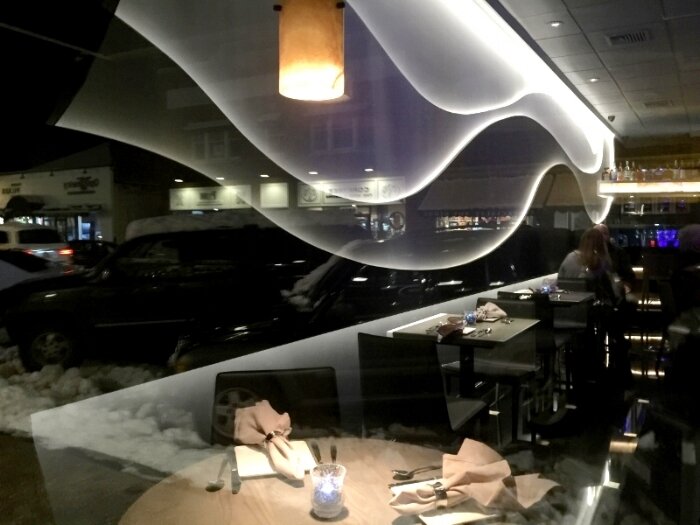
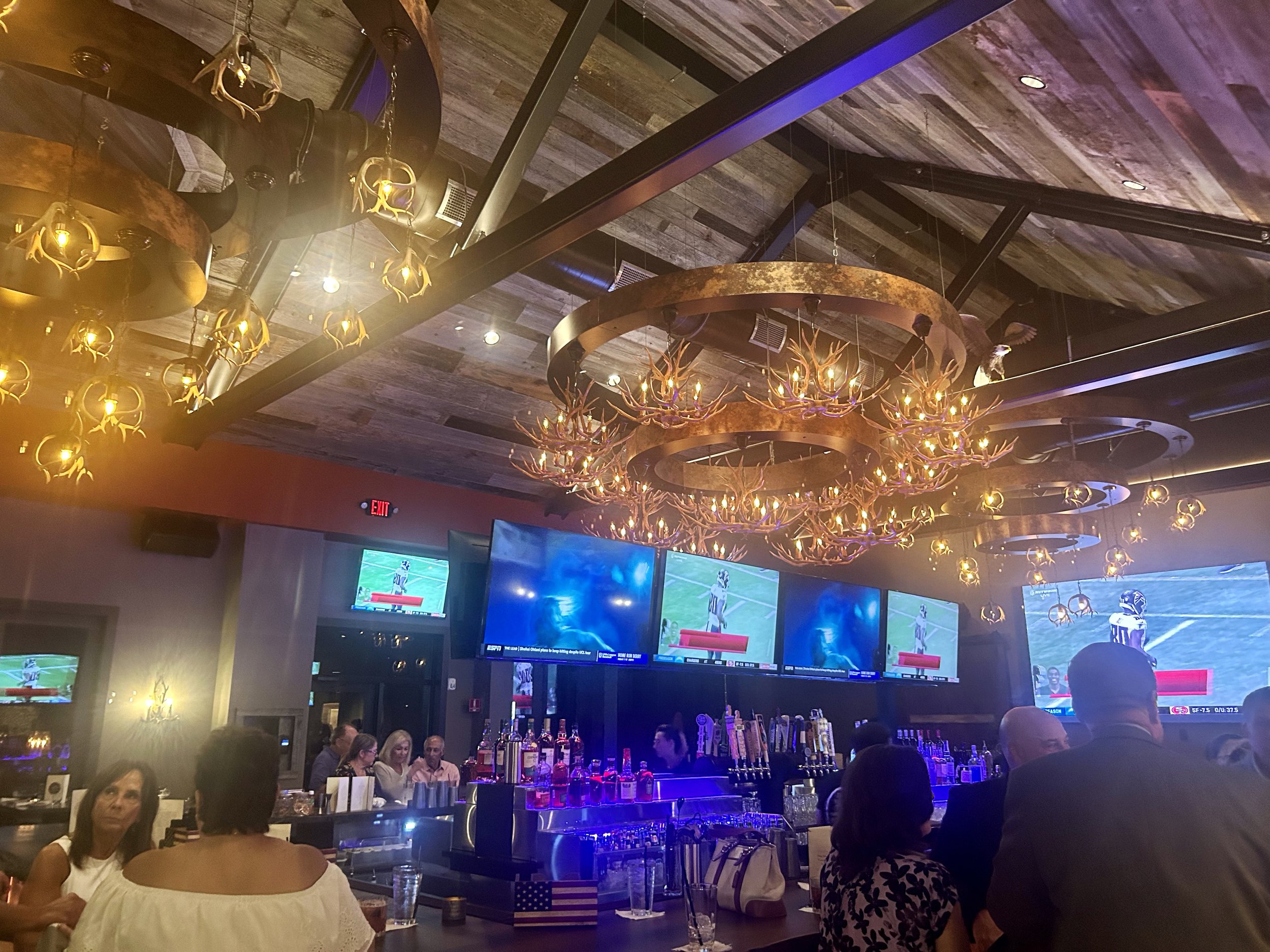
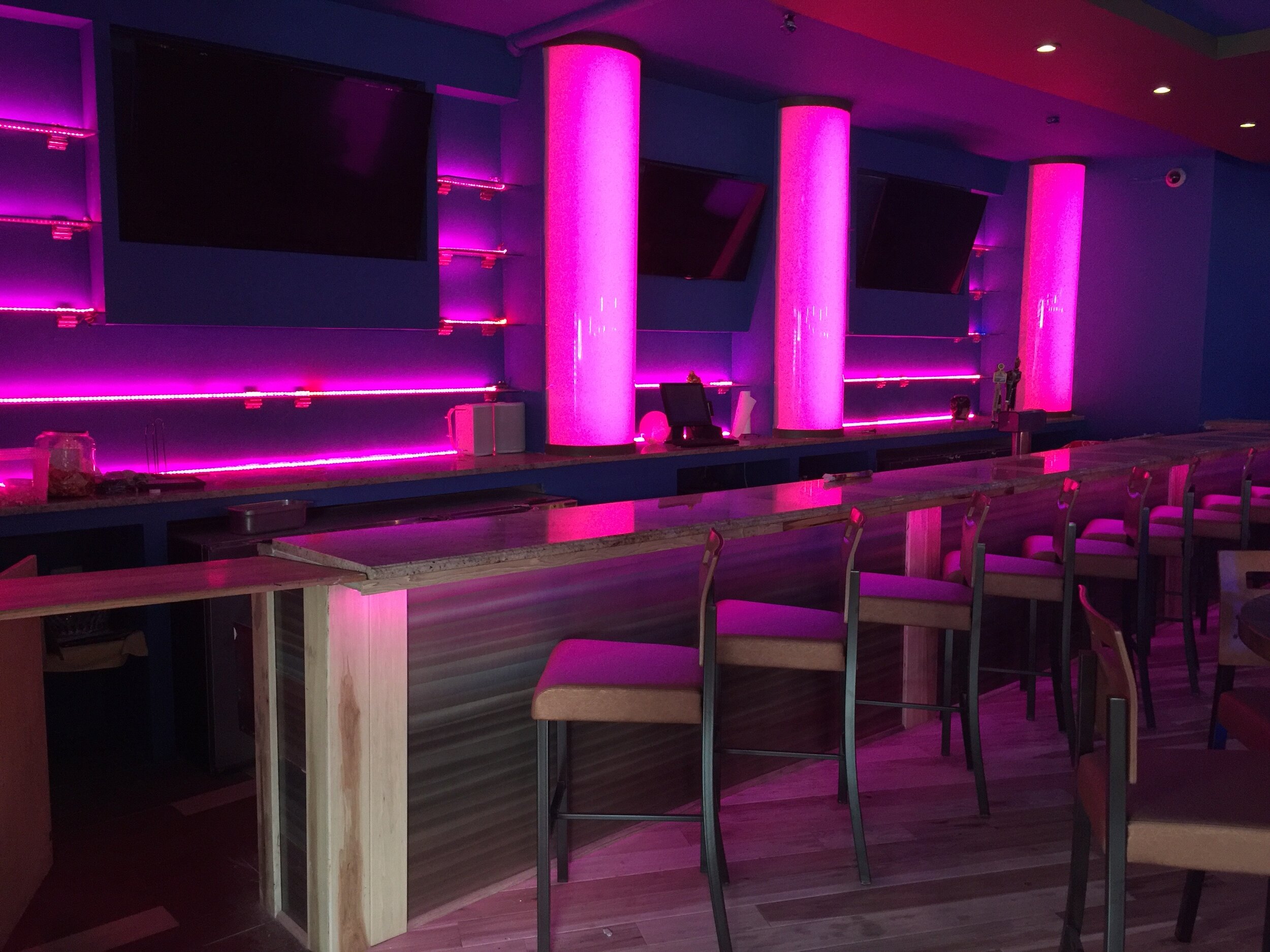
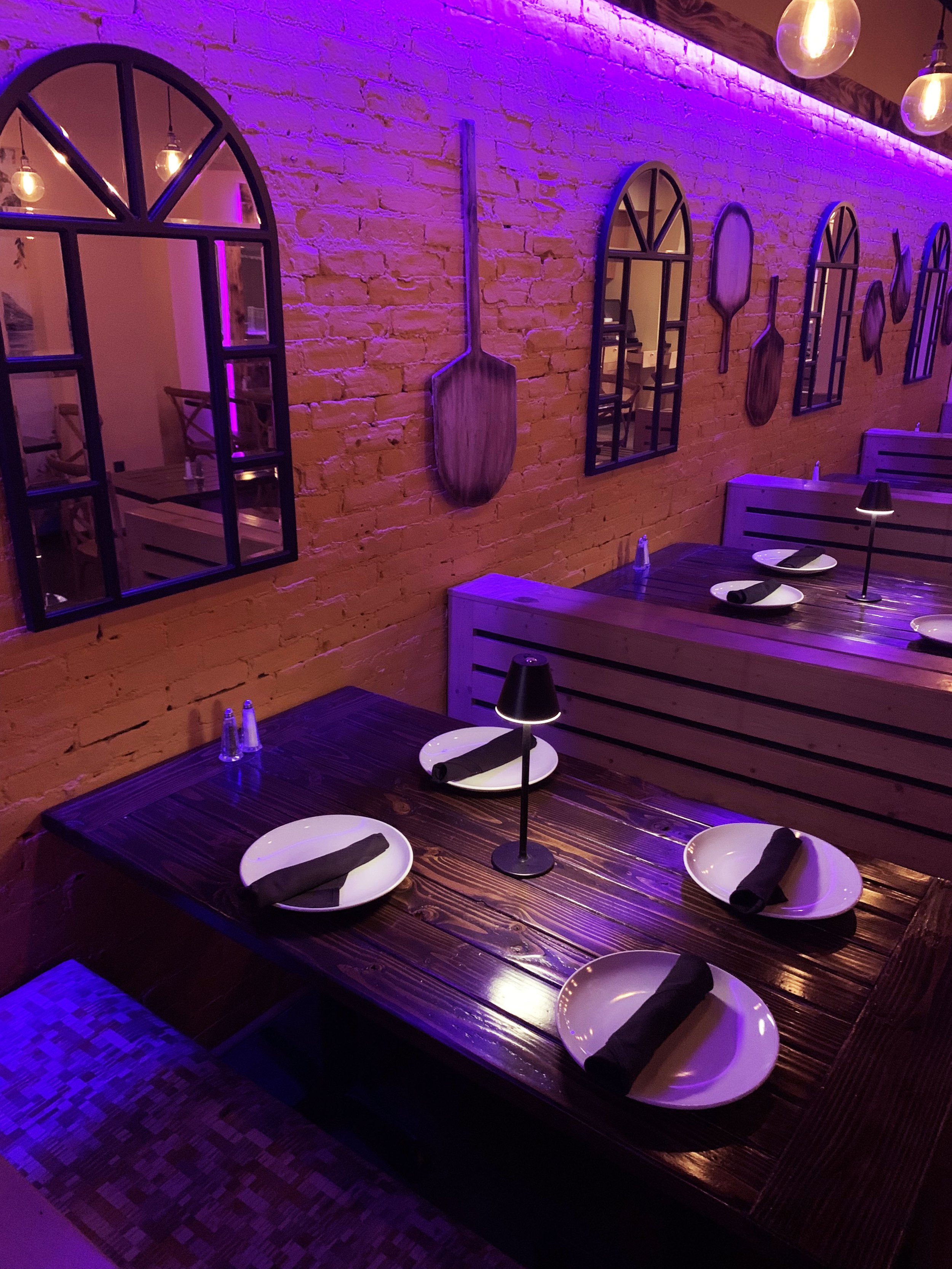
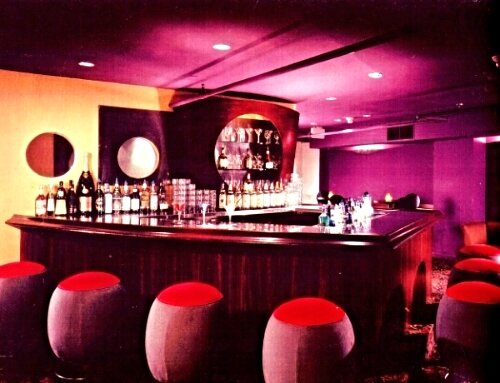
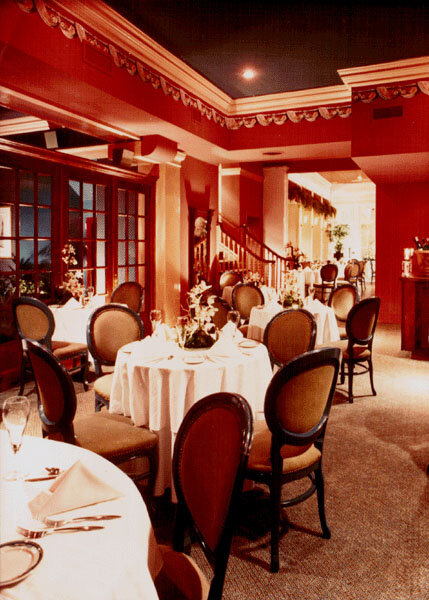
Many restaurants suffer from the "Dinner Hangover." This occurs when an evening-focused design feels dark, stagnant, and uninviting at noon. If your space is optimized for intimate cocktails and low-light romance, it likely feels oppressive during a Tuesday rush. Acoustics also play a critical role in your profitability. If the room is too quiet, business conversations feel exposed; if it's too loud, the environment becomes exhausting for a quick meeting. You need a curated balance that encourages brisk movement and clear communication. Lunch restaurant design is a strategic revenue-driving framework for 2026 that demands professional intervention to maximize every square foot of your floor plan.
Engineering the Space: Interior Restaurant Design for the Midday Rush
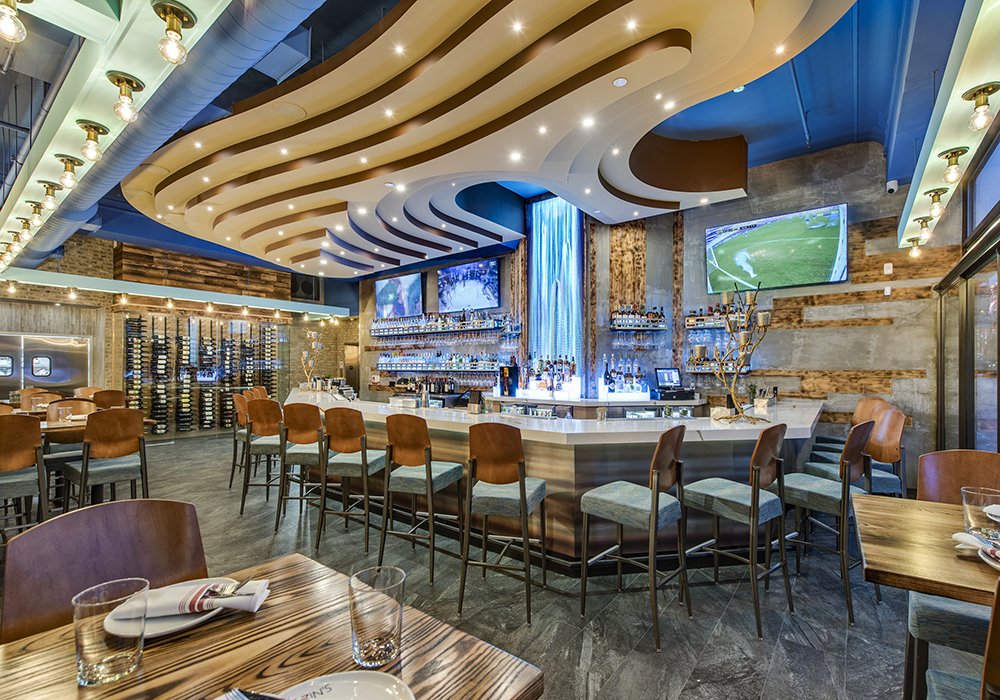
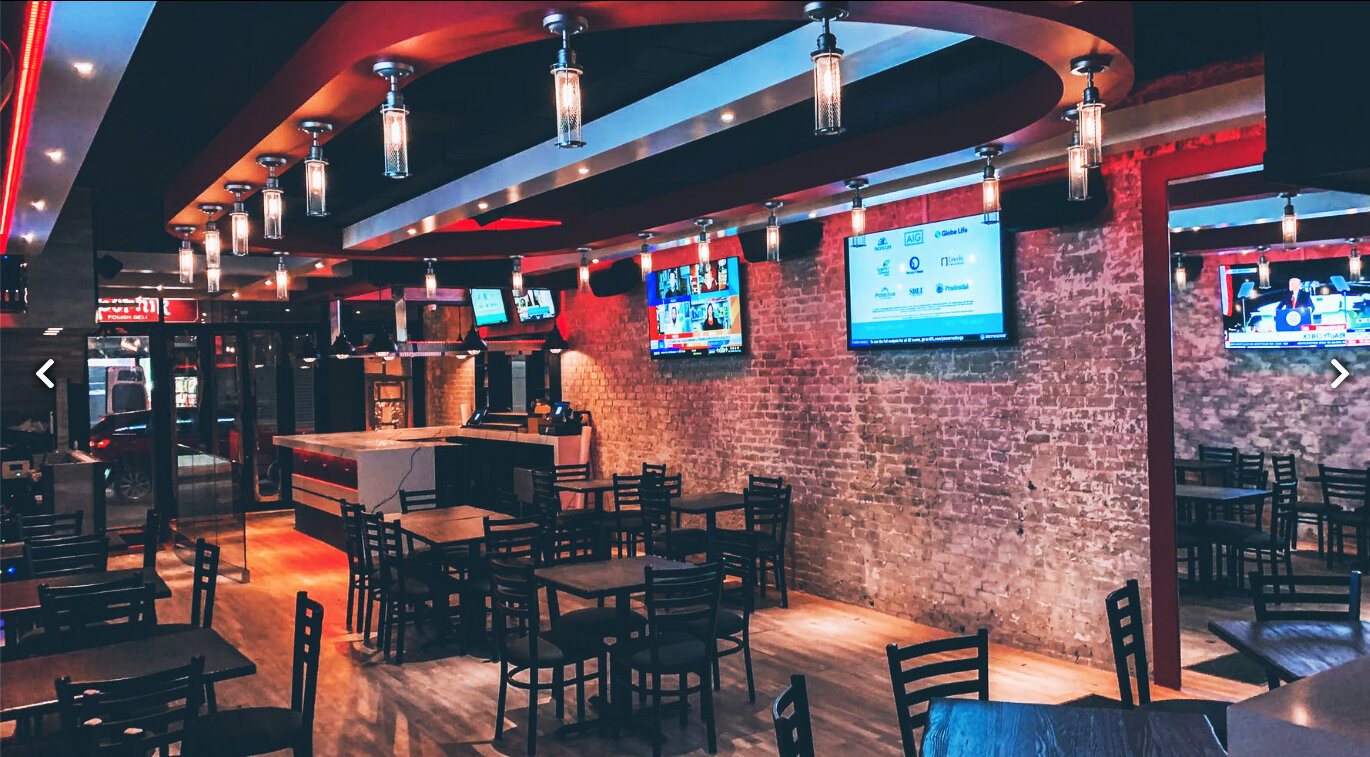
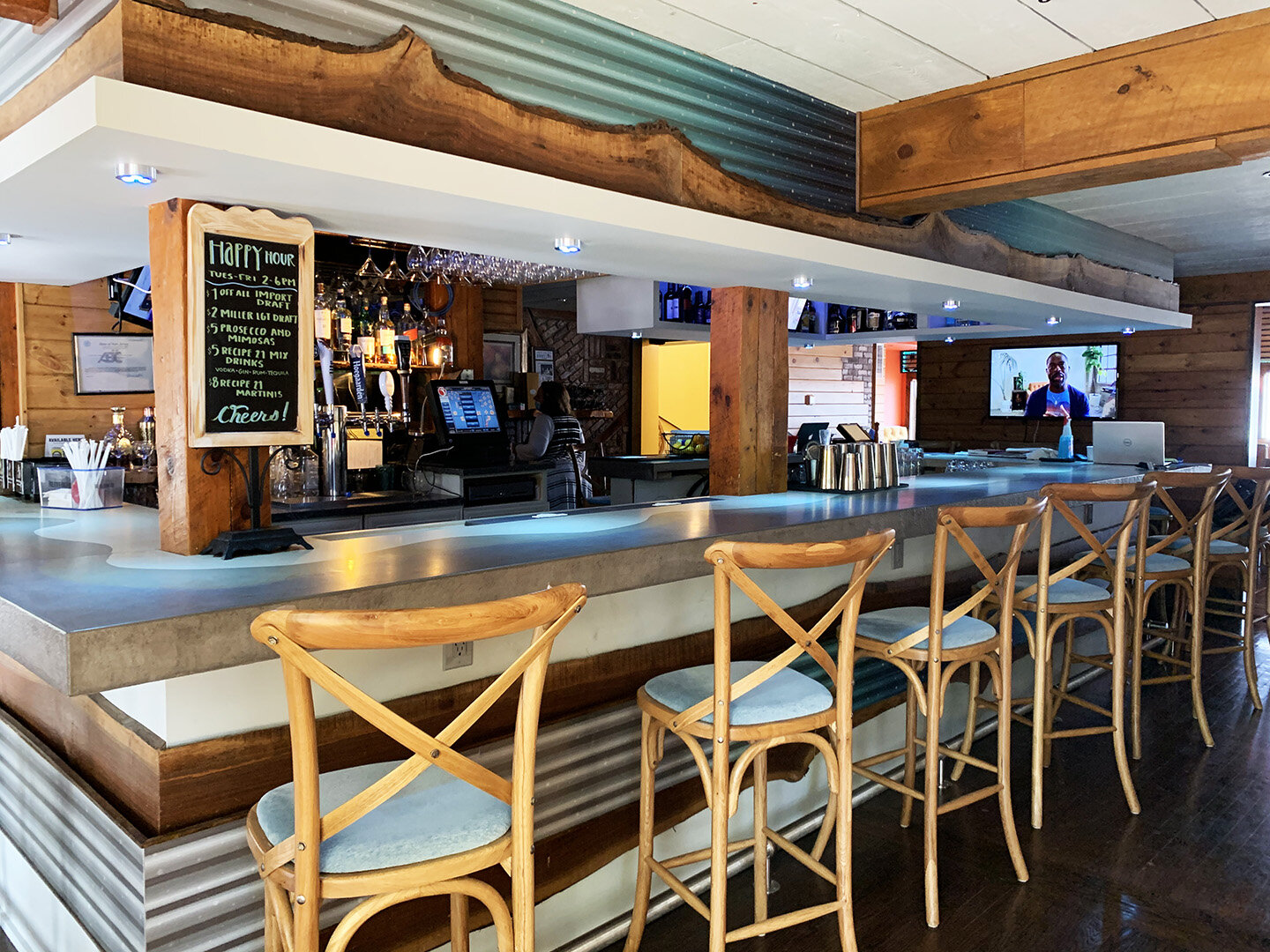
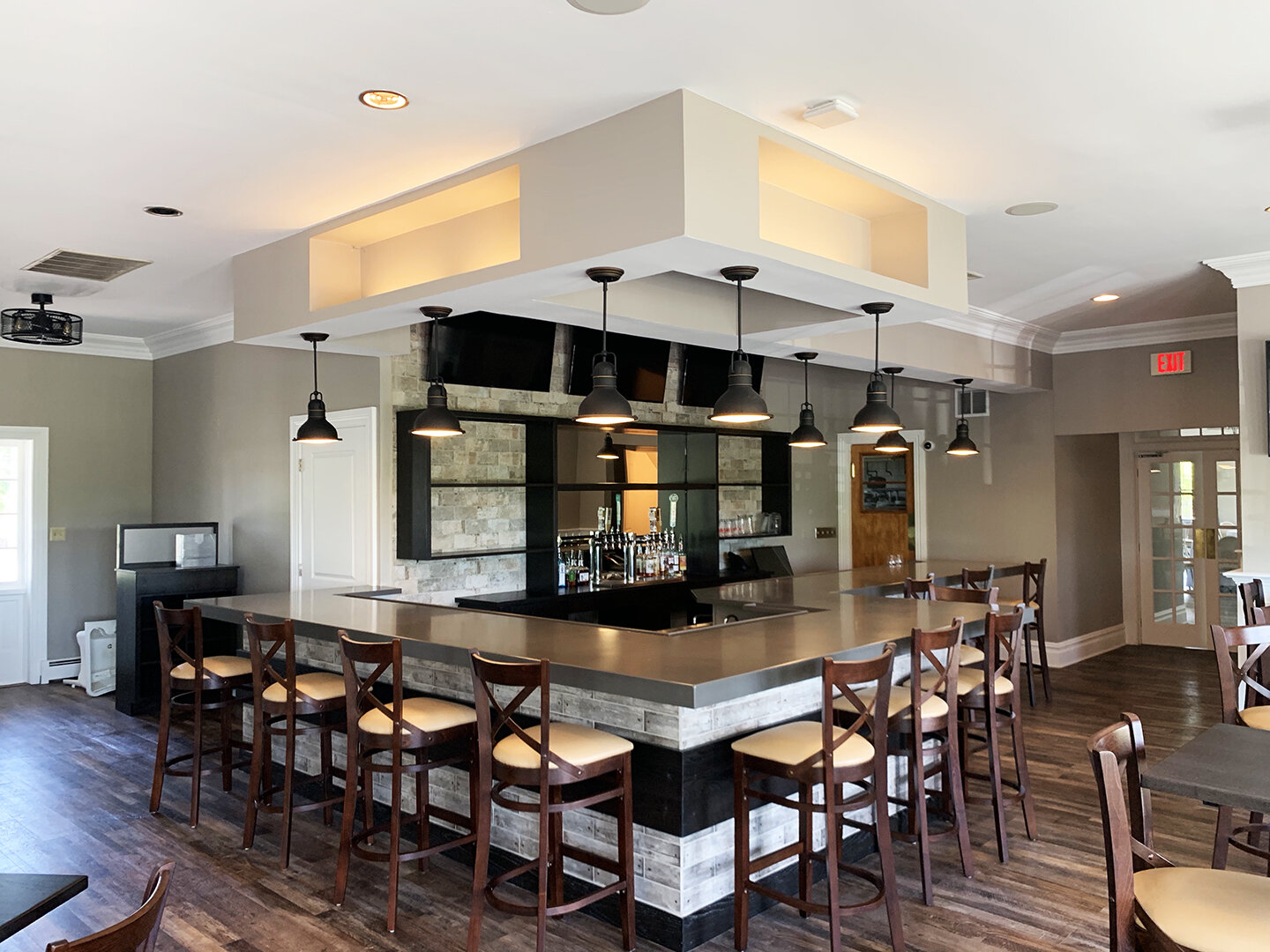
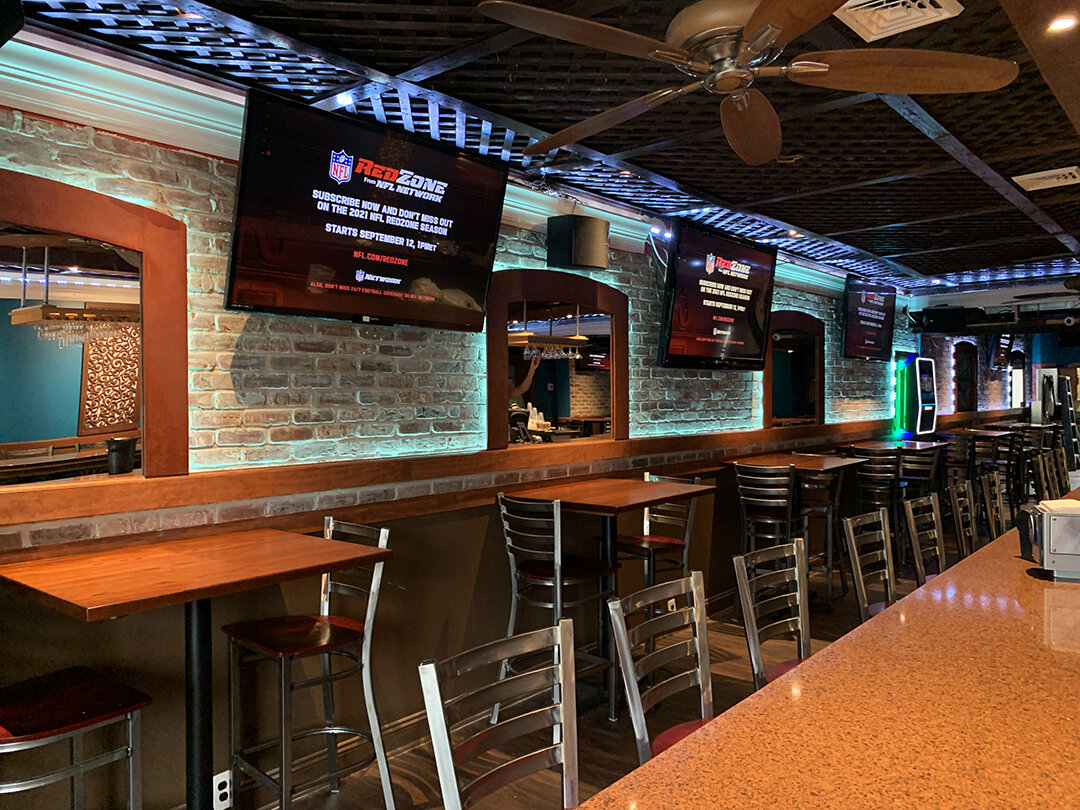
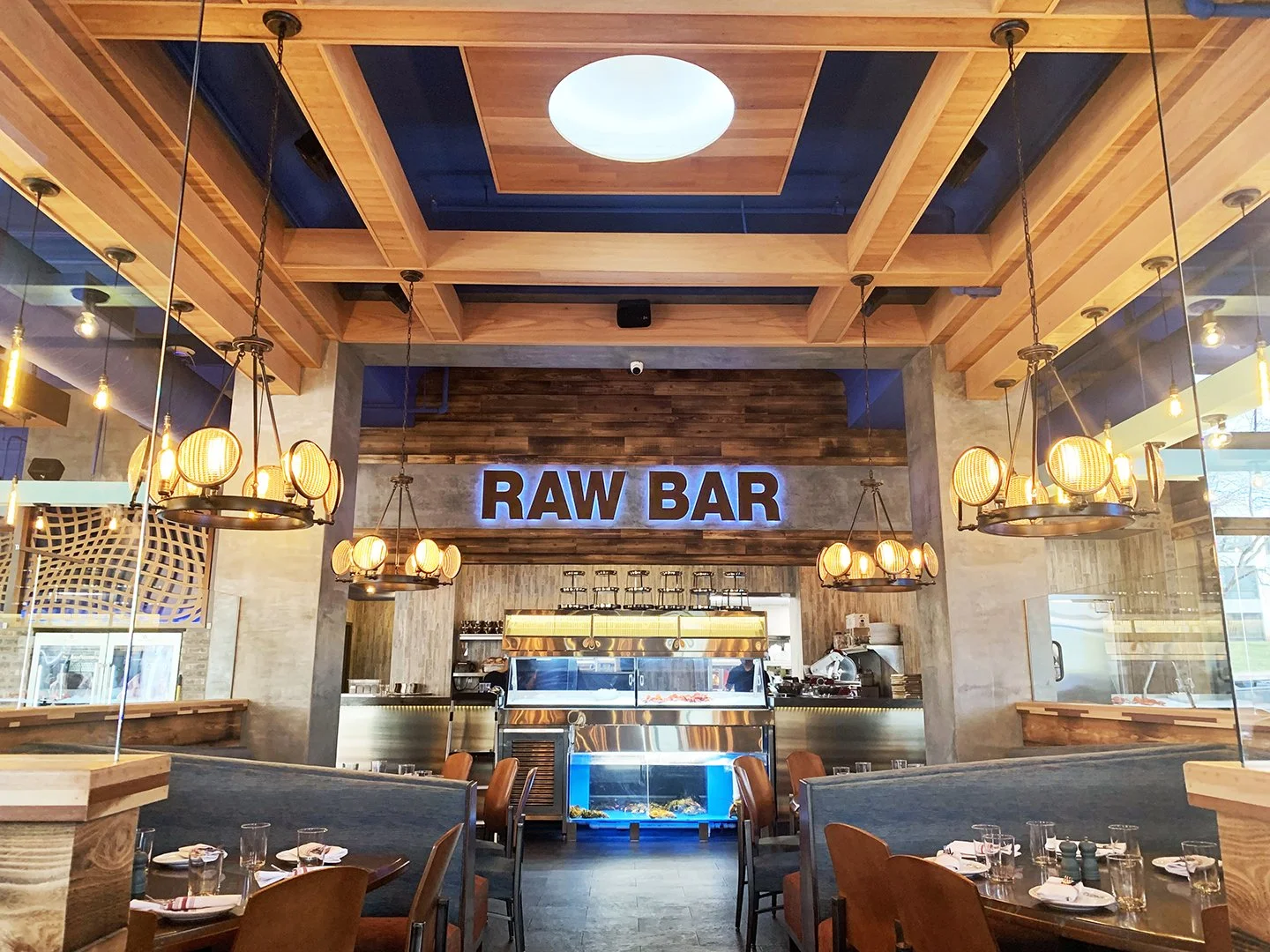
A graphic menu won't save a restaurant with a broken floor plan. True lunch restaurant design requires you to engineer your physical space for high-velocity turnover without degrading the premium experience. In high-stakes markets like Philadelphia and New Jersey, your "Entry to Table" flow must be frictionless. Professionals on a 45-minute clock won't wait for a slow hostess or a cluttered entryway. You must maximize seating density to capture the 11:30 AM to 1:30 PM surge, where fast-casual concepts often earn 60% of their daily revenue. Use two-top tables and high-top bar seating to accommodate the growing "Solo Diner" trend, ensuring every square foot is productive.
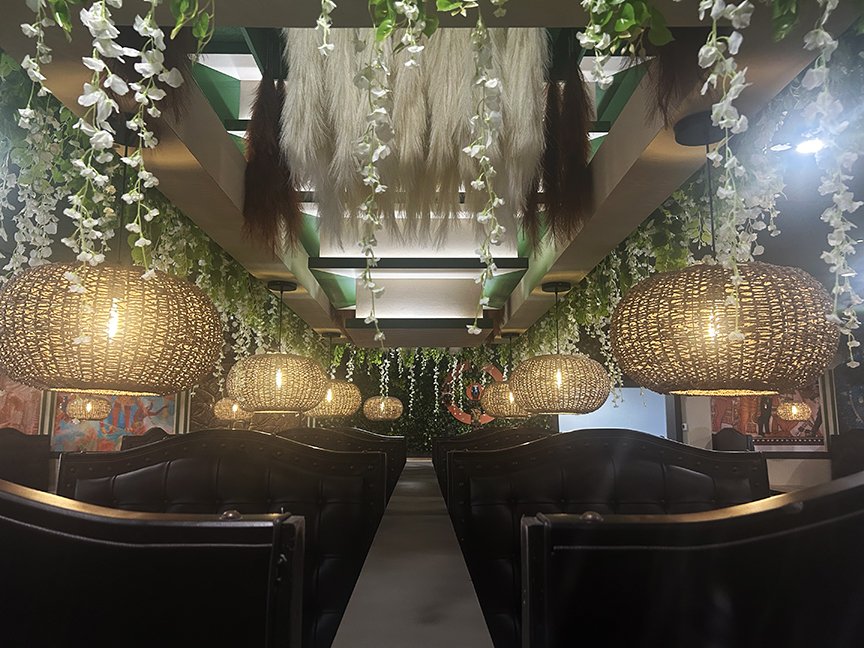
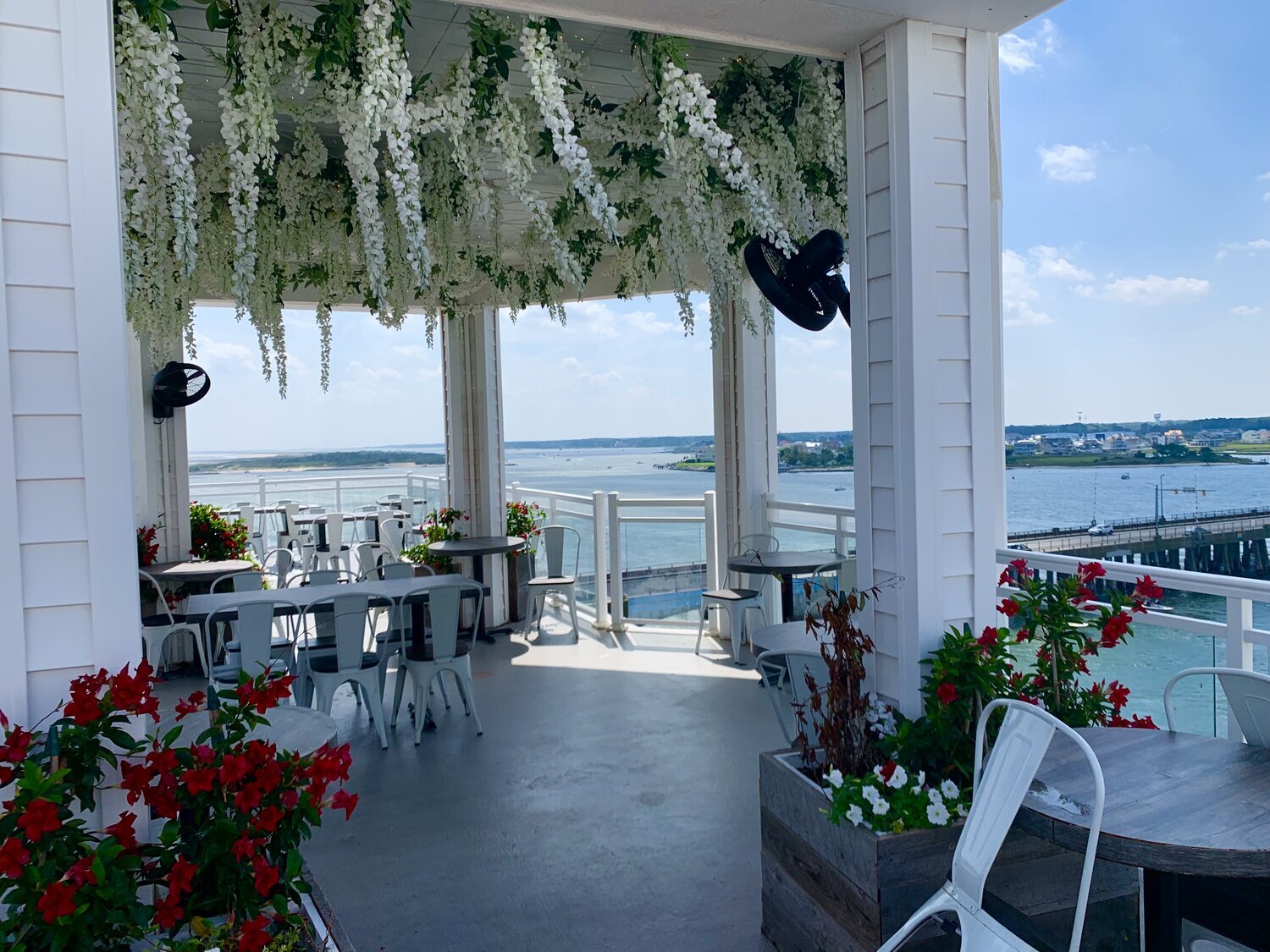
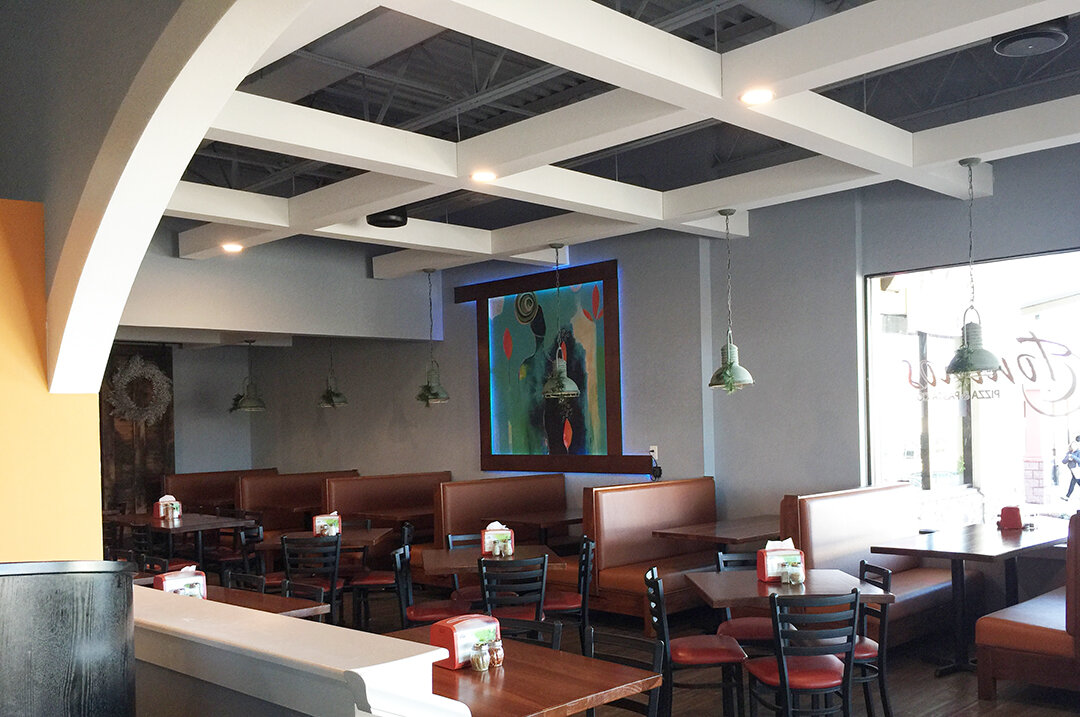
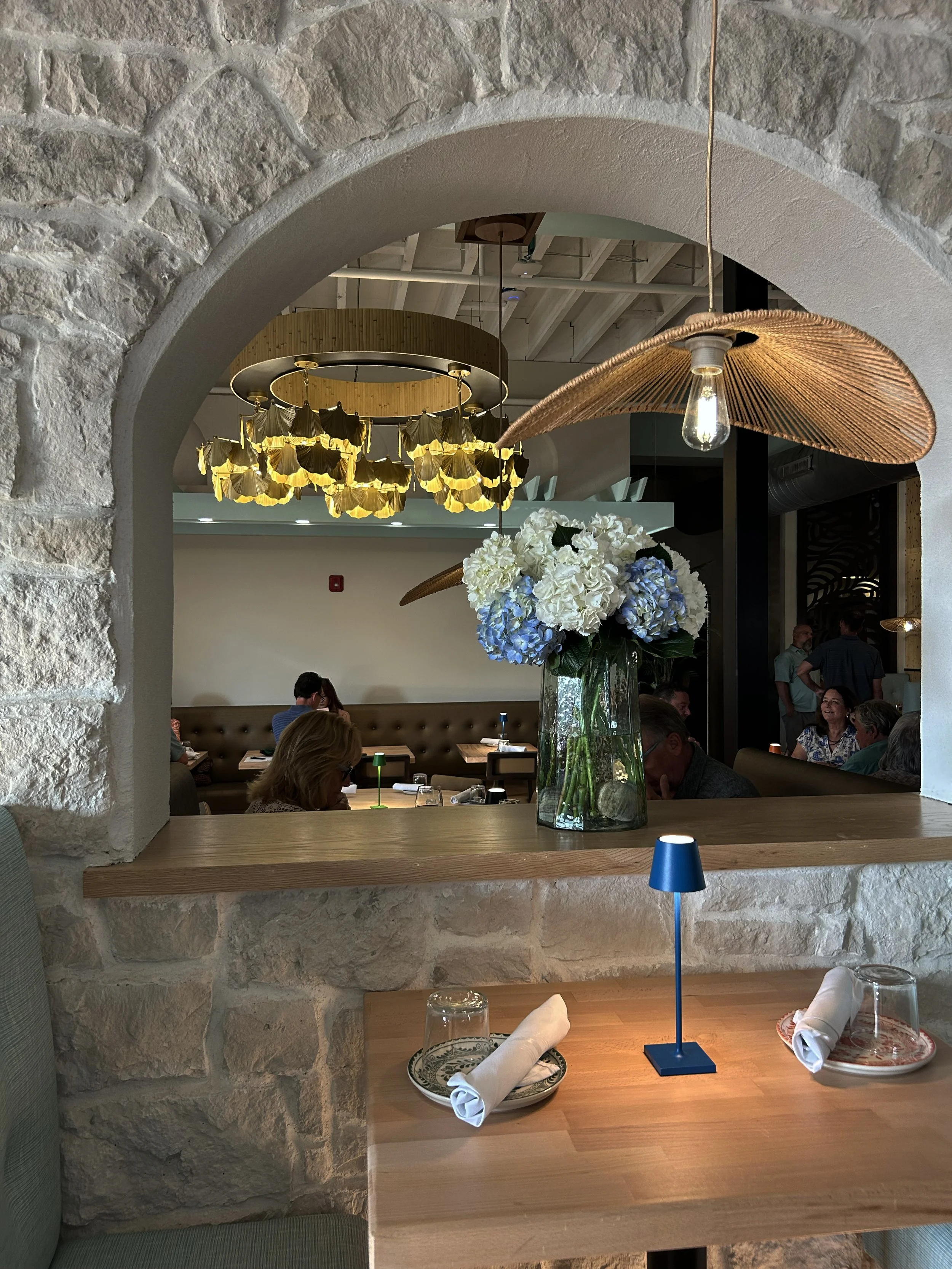
Natural light is your most potent tool for the midday pivot. In dense urban corridors, you must manipulate light to signal a fresh, high-energy environment. This contrasts sharply with the moody, low-light setting of a dinner service. If your space feels like a cave at noon, your guests will subconsciously feel sluggish and stay too long, or worse, they won't enter at all. Understanding the psychology behind restaurant design allows you to use these environmental triggers to dictate diner behavior and drive profit.
The Ambiance Pivot: Lighting and Sound
Don't leave your atmosphere to chance. Execute a strict transition from 11 AM to 2 PM to maintain momentum:
-
11:00 AM: Maximize natural light and set house lights to 80-90% brightness.
-
12:00 PM: Increase music BPM to 120-130 to subtly encourage faster eating and higher turnover.
-
1:30 PM: Begin a gradual dimming to signal the transition toward late-afternoon service.
This systematic approach is a core pillar of Elite Restaurant Design for New Openings, where every sensory detail is calculated for ROI.
Space Planning for High-Turnover Efficiency
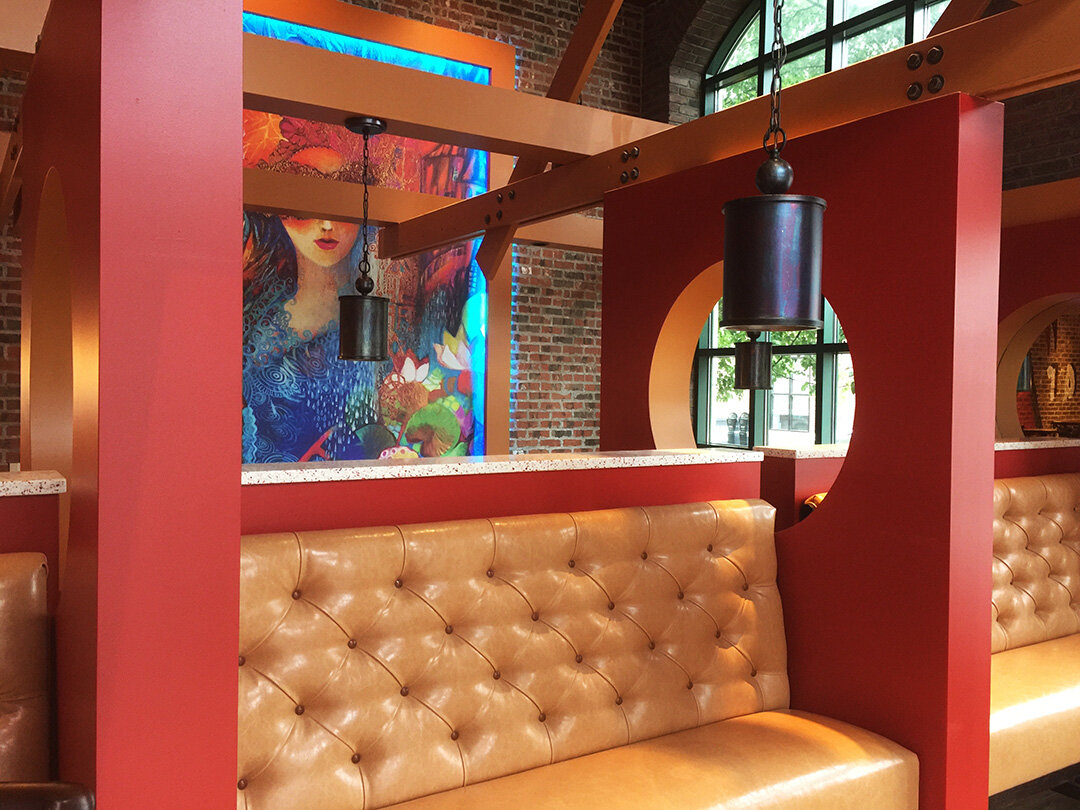
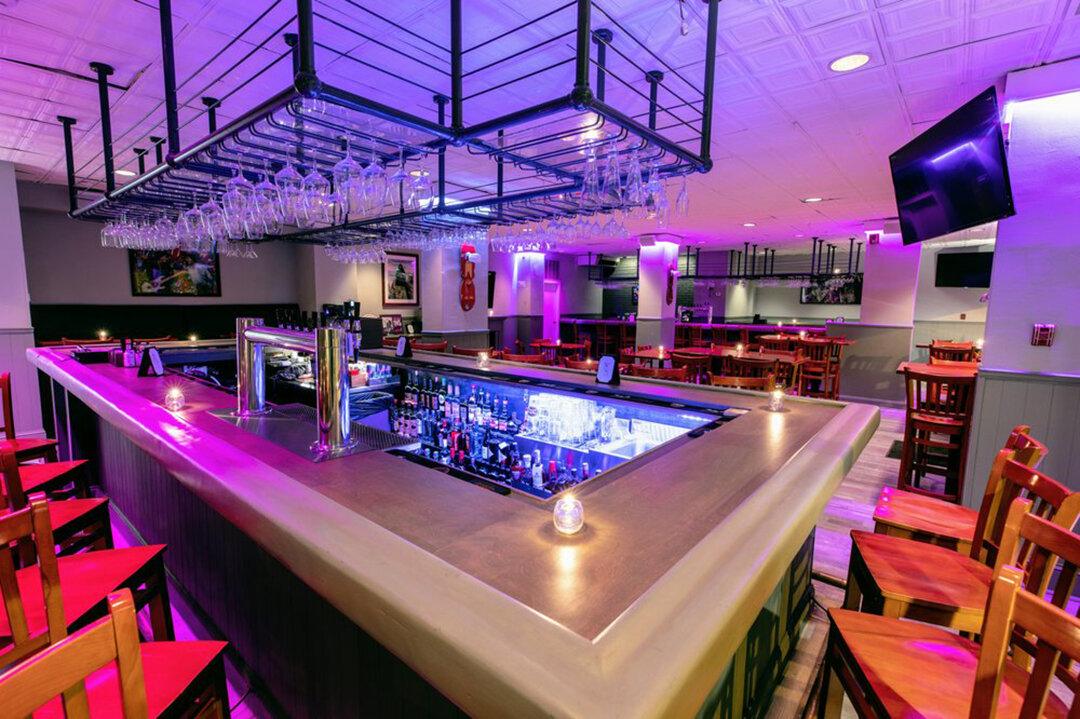
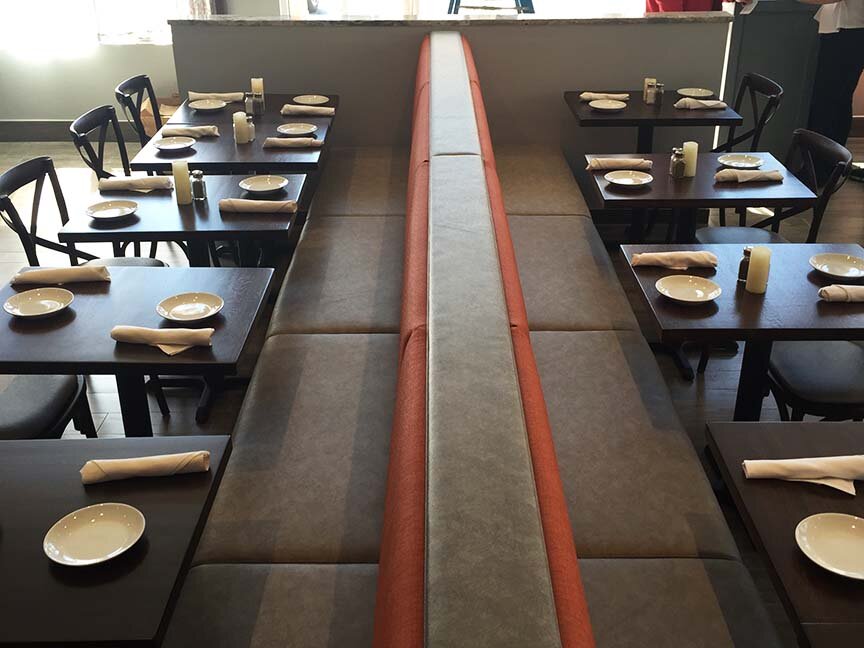
Your restaurant floor plan is the primary factor in your midday success. To eliminate friction, position your POS and server stations centrally to reduce travel time during the rush. Designate specific "Power Lunch" zones with acoustic treatments or semi-private booths to cater to business clients who require privacy. If your layout forces servers to weave through a crowded floor, you're losing minutes on every table turn. For a truly optimized venue, consider a professional space planning and layout audit to identify these invisible profit leaks.

The Anatomy of a High-Conversion Lunch Menu Design
A pretty menu is a vanity project; a high-conversion menu is a profit engine. Professional lunch restaurant design leverages the "Golden Triangle" eye-tracking pattern to guide the guest's gaze toward your most profitable items. Your eyes naturally hit the center of the page first, then the top right, then the top left. Place your high-margin, fast-prep "stars" in these zones. By the time a guest has scanned the page for ten seconds, they should already be ready to order. This is the strategic process of using data and psychology to eliminate the friction that kills your midday turnover.
Limit your choices. Decision fatigue is the enemy of the 12 PM rush. If your lunch menu is a carbon copy of your dinner offerings, you're confusing your guests and slowing down your kitchen. Streamline the selection to 10-12 curated items that your staff can execute in under eight minutes. Use bold typography or subtle boxes to highlight items that are quick to plate. The weight and texture of your menu also matter; a flimsy paper sheet suggests a "cheap" experience, while a high-quality, tactile material reinforces your brand's authority even at a lower price point.
Secure your midday revenue with professional rebranding
Pricing Psychology for the Midday Professional
Implement "Anchor Pricing" by placing a high-value item at the top of a category to make mid-range specials feel like an immediate win. In high-end markets like Miami, removing dollar signs is a mandatory move to shift focus from cost to quality. For the time-crunched professional, design a dedicated "Express" section. This tells the 30-minute diner exactly what to order to get back to the office on time. Your typography should be clean and legible; overly decorative fonts suggest a leisurely pace that time-starved guests simply can't afford.
Visual Identity and Brand Cohesion
Your lunch menu must never feel like a "budget" version of your evening brand. It should feel like a specialized tool designed for a specific purpose. Whether you use custom placemats for immediate engagement or sophisticated handhelds, the physical lunch design must align with your interior's vibe. Integrating the menu into the table setting can shave minutes off the ordering process, getting food to the table faster and increasing your covers per hour. Success in this industry isn't about being pretty; it's about being profitable through expert engineering.
Executing Your Lunch Restaurant Design Rebrand: The Professional Path
Data doesn't lie. If your midday covers are stagnant while the National Restaurant Association projects industry sales to hit $1.55 trillion in 2026, your current model is broken. A successful lunch restaurant design audit starts with the numbers, not the paint colors. You must identify the "vibe gap" where your current atmosphere fails to meet the expectations of your target demographic. Attempting a refresh without professional guidance leads to expensive aesthetic choices that fail to solve operational friction. This is why hiring a restaurant rebranding consultant is a prerequisite for success in a high-stakes market. You need a partner who understands that a lunch-focused refresh requires a precise timeline and a deep understanding of 2026 consumer behavior.
Targeting the Local Market: From Miami to Philadelphia
Regional nuances dictate your strategy. In Miami, your lunch restaurant design must master the indoor-outdoor flow to capture the high-energy, coastal professional. Conversely, Philadelphia's urban interiors require a focus on sophisticated, efficient spatial planning that maximizes every square inch. You must also navigate shifting local regulations, such as New Jersey's August 1, 2026, prohibition on automatically providing single-use utensils. These details aren't trivial; they're the markers of a professional operation that respects both the law and the guest's time. Standing out in high-competition business districts requires more than just being "open for lunch." It requires a brand identity that feels essential to the professional's daily routine.
Taking the First Step Toward a Profitable Lunch
Don't wait for your revenue to plummet before you act. Proactive design is your best defensive strategy against market volatility and rising operational costs. A professional consultation uncovers hidden floor plan bottlenecks that your staff has simply "learned to live with" at the expense of your profit margins. Identifying these leaks in your service flow is the first step toward transforming your floor into a high-velocity revenue engine. You have the opportunity to dominate your local midday market, but only if you're willing to move past amateur templates and embrace expert engineering.
Dominate the Midday Market
You cannot afford to treat lunch as a secondary service. You've learned that your floor plan is either a precision tool for turnover or an invisible barrier to your profit margins. Professional lunch restaurant design is the prerequisite for capturing the time-starved professional demographic and eliminating the "vibe gap" that drives guests to your competitors. Stop guessing and start engineering your space for maximum ROI.
Raymond Haldeman offers over 30 years of hospitality design excellence as an authoritative expert featured in national restaurant rebranding strategies. He delivers customized solutions specifically engineered for the high-stakes markets of NJ, PA, MD, and Miami. His direct principal-to-client model ensures your vision is executed with sophisticated precision and commercial authority.
Take command of your floor plan and secure your restaurant's financial future. The midday rush is waiting for a leader to claim it.
Frequently Asked Questions
What is the most important element of lunch restaurant design?
Spatial flow is the anchor of any profitable midday strategy. You must eliminate every micro-second of friction between the guest entering your establishment and placing their order. If your layout creates a bottleneck at the host stand or server stations, you've already lost the battle for table turnover. High-density seating that preserves a sophisticated atmosphere is the only way to capture the peak 12 PM to 2 PM revenue surge.
How does menu design affect restaurant turnover speed?
Menu design dictates cognitive speed and ordering confidence. By applying the Golden Triangle eye-tracking pattern and strictly limiting choices, you reduce decision fatigue and force guests toward high-margin, fast-prep items. Every minute saved in the ordering process translates directly into an extra table turn during the critical rush. Clear typography and strategic layout aren't just aesthetic choices; they're operational tools for velocity.
Can I use the same menu design for lunch and dinner?
Absolutely not. Dinner is an emotional event, while lunch is a functional transaction. Using a dinner-focused lunch restaurant design creates a "dinner hangover" that feels stagnant and uninviting at noon. You need a curated, high-velocity version of your brand that respects the time-starved professional's need for speed. Failing to differentiate these services signals a lack of strategic vision and results in a "dead" midday atmosphere.
What colors are best for a lunch-focused restaurant interior?
Prioritize high-energy, reflective palettes that maximize natural light and signal freshness. Brighter tones like crisp whites, light oaks, and strategic pops of vibrant color encourage alertness and faster movement. Avoid the dark, heavy textures and low-light romance of evening service. These moody elements subconsciously tell guests to linger, which kills your turnover and shrinks your midday margins.
How much does it cost to redesign a restaurant for lunch service?
Investment levels vary based on whether you're executing a visual refresh or a structural space planning overhaul. Factors like square footage, regional labor rates in Miami or Philadelphia, and the complexity of "The Midday Pivot" dictate the final scope. Professional guidance ensures you don't waste capital on aesthetic fluff that doesn't drive covers. A strategic redesign is a prerequisite for turning a failing midday service into a high-yield revenue engine.
What are the biggest lunch design mistakes to avoid in 2026?
Neglecting the solo diner and failing to bridge the "vibe gap" are fatal errors in the current market. Professionals in 2026 demand a lunch restaurant design that offers both privacy for business and extreme speed for the rush. Ignoring new regional regulations, such as New Jersey’s utensil request laws, also signals an amateur operation. You must design for the modern professional who values their time as much as the quality of their meal.