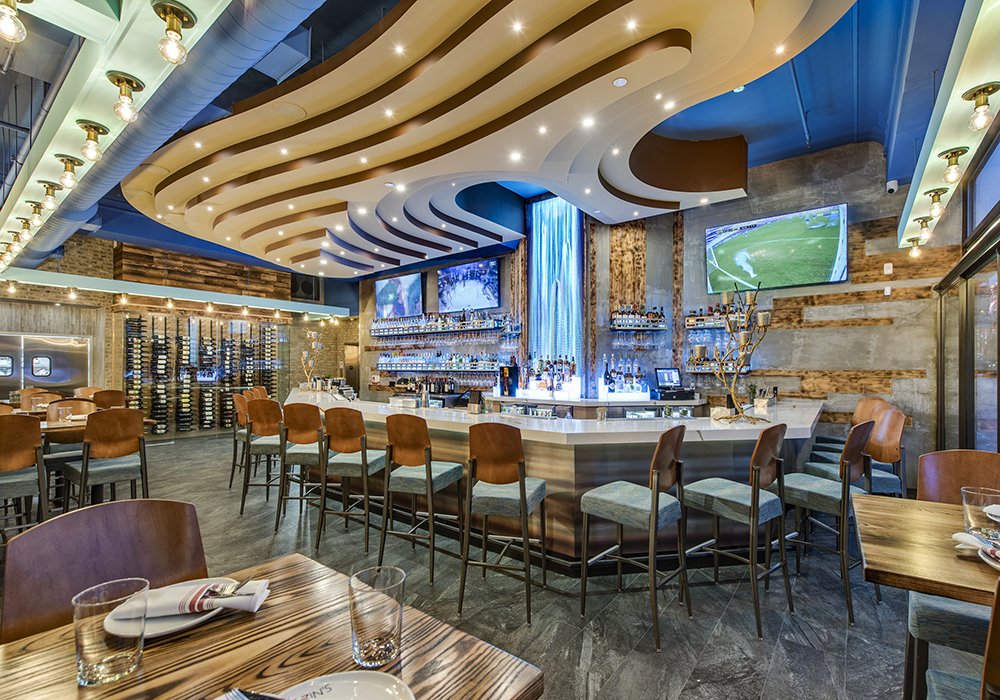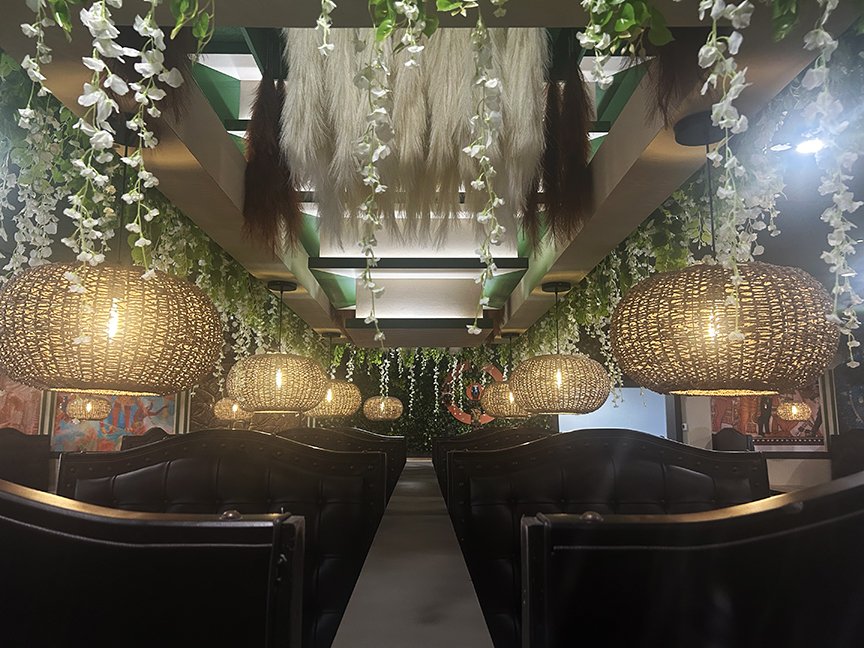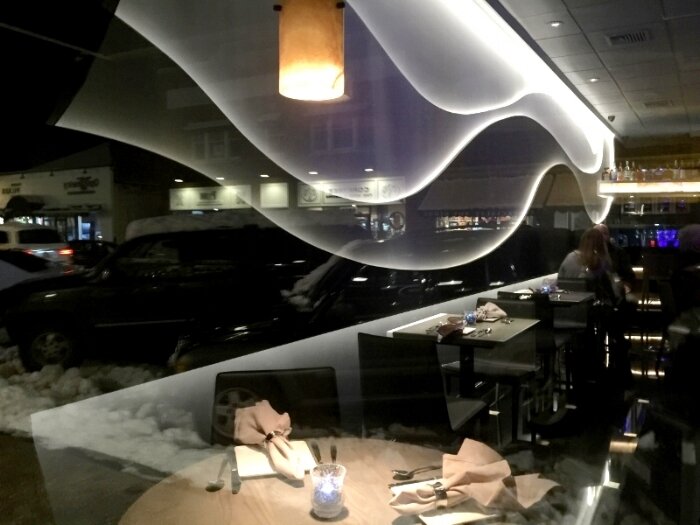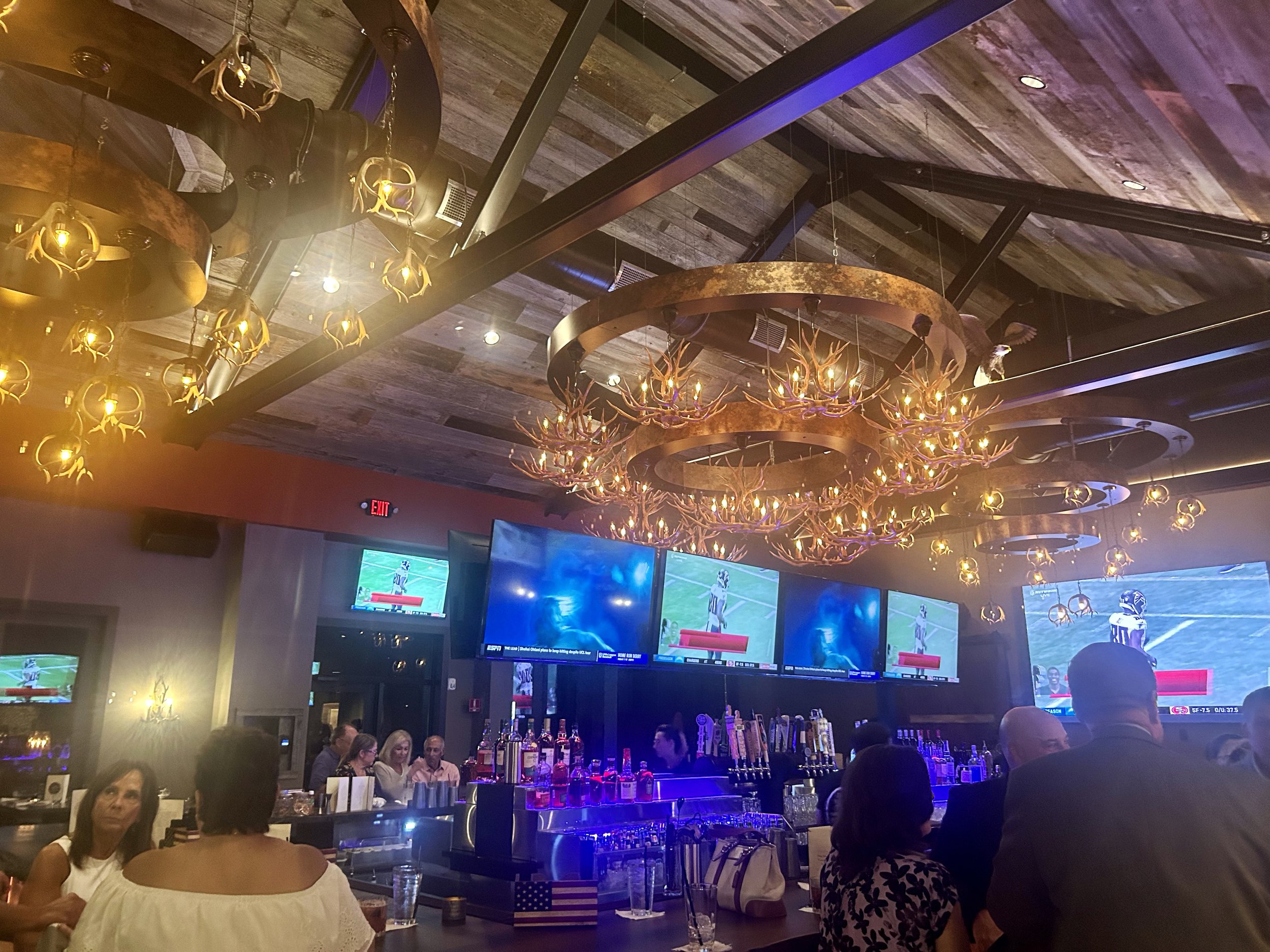
Most restaurateurs treat design like a luxury tax. In reality, it's the only insurance policy your revenue actually has. You're likely staring at a proposal right now, wondering if those restaurant design firm fees are buying you a functional business or just a very expensive ego trip for a designer. It's a justified anxiety. The industry is crowded with opaque pricing and artistic fluff that fails to account for operational flow or seat turnover. You don't need a decorator; you need a strategic design partner who understands that every square foot must justify its existence on your balance sheet.
You're about to stop viewing design as a sunk cost and start understanding it as a calculated investment in your venue's survival. This guide strips away the mystery to provide a clear, straight-talk breakdown of professional fee structures for 2026. We will examine industry-standard rates, expose the hidden costs lurking in renovation contracts, and provide the exact framework you need to evaluate a specialist's ROI before you commit your capital. Don't settle for a generalist who guesses with your money when you can hire a specialist who guarantees your results.
Key Takeaways
Reframe your perspective: treat restaurant design firm fees as a strategic insurance policy that protects your capital from operational failure.
Demystify the industry-standard fee structures to negotiate with the confidence of an insider and avoid hidden renovation costs.
Discover how elite space planning translates directly into faster table turnover and streamlined server efficiency.
Recognize the critical difference between a generalist decorator and a hospitality specialist to ensure your design actually drives revenue.
Utilize professional design oversight to eliminate the risk of expensive contractor errors and avoidable construction delays.
Table of Contents
The Reality of Restaurant Design Firm Fees: Understanding the Investment
Avoiding the "Budget Designer" Trap: Choosing Value Over Price
The Reality of Restaurant Design Firm Fees: Understanding the Investment {#the-reality}
Stop viewing professional fees as a line-item expense. They are the cost of entry for surgical concept development, space planning, and aesthetic direction. If you prioritize the lowest bid, you're essentially subsidizing a future failure. "Cheap" design is the most expensive mistake in this industry because it lacks the operational foresight required to keep a kitchen running and a dining room full. While general interior design focuses on mood, hospitality-specific rebranding fees focus on money. You need a partner who views the interior design profession as a commercial science rather than an artistic hobby. The Design Value Proposition is the strategic intersection where high-impact aesthetics meet peak operational efficiency to drive measurable revenue.
New Build vs. Restaurant Rebranding Fees
New builds carry heavy fees for technical drafting and regulatory oversight. You're starting from a shell, which demands rigorous coordination of mechanical, electrical, and plumbing systems. Rebranding is a different animal. It's a strategic intervention. You hire a restaurant rebranding consultant to perform an autopsy on a failing concept and resurrect it with a viable business model. This process prioritizes immediate ROI by identifying exactly where your current layout is bleeding cash. It's about fixing the "why" of your business before you spend a dime on the "how" of the decor.
The Regional Factor: Miami to Philadelphia
Location drives the market rate. High-stakes environments like Miami's South Beach or Philadelphia's Rittenhouse Squaredemand a higher tier of expertise, which directly impacts restaurant design firm fees. Local knowledge is critical for vendor sourcing and permitting across PA, NJ, and South Florida. A designer who understands the local labor market and material availability can protect your budget from the regional volatility that often blindsides outsiders. Don't hire a firm that doesn't understand the specific regulatory hurdles of your zip code. Local expertise isn't just about style; it's about navigating the bureaucratic friction that can stall your opening for months.
Standard Fee Structures: How Firms Calculate Your Quote {#fee-structures}
Don't approach a design contract with a "best guess" mentality. Professional restaurant design firm fees are calculated through specific frameworks that reflect the complexity of your vision. Most firms utilize one of three primary methods: a flat fee, a percentage of construction costs, or hourly billing. However, elite hospitality designers often employ a "Hybrid Model." This structure combines a fixed base fee for the initial concept with a percentage-based oversight fee to ensure the buildout matches the blueprints. This approach protects you from open-ended hourly billing while ensuring the designer remains incentivized to manage every detail of the construction phase.
Your greatest defense against financial surprises is a rigid Scope of Work. This document defines the boundaries of the designer's responsibility. Without it, you're vulnerable to "fee creep," where every minor adjustment results in an additional invoice. You must also distinguish between "design-only" services and "design and project oversight." While design-only fees cover the creative vision, project oversight acts as your insurance policy on-site. It ensures that contractors don't cut corners that compromise your brand's integrity. For those seeking a partner who manages the entire transformation, consulting with an expert like Raymond Haldeman ensures your investment is backed by decades of operational experience.
Percentage of Construction Cost: The Industry Standard
In the hospitality sector, design fees typically range from 8% to 15% of the total construction cost, and can climb higher on projects with extensive custom fabrication. This model aligns the designer's interests with the project's scale. It covers everything from technical lighting plans to the sourcing of custom restaurant furniture that withstands high-volume commercial use. Because the fee is tied to the budget, the designer is motivated to find high-impact solutions that fit within your financial reality while maintaining the professional qualifications that protect your liability.
Flat Fees and Consultation Retainers
A flat fee structure is often the most transparent choice for rebranding or concept refreshes. It provides a fixed cost for a specific deliverable, such as a new professionally engineered floor plan or a visual identity overhaul. Elite firms usually require a consultation retainer upfront. This isn't just a deposit; it's a commitment that locks in their expertise for your specific launch window. In a high-stakes industry where timing is everything, this retainer ensures your project remains a priority during the critical weeks before your doors open.
Beyond the Draft: What You Are Actually Paying For {#beyond-the-draft}
Professional design isn't a collection of pretty pictures. When you analyze restaurant design firm fees, you're looking at the price of operational precision. You're paying for a layout that eliminates bottlenecks and maximizes every square inch of your lease. An elite designer doesn't just draw walls; they engineer server paths that shave seconds off every transaction. Over a year, those seconds translate into thousands of dollars in reclaimed labor and increased table turnover. Without this level of detail, you're simply guessing with your overhead.
Professional oversight is your primary defense against contractor incompetence. A single misaligned plumbing stack or an incorrectly placed electrical outlet can derail your timeline and drain your contingency fund. Your designer acts as the enforcer on-site, ensuring the physical build matches the strategic vision. They also manage the psychological triggers of your space. From the "Instagrammability" of your lighting to the acoustic balance that keeps guests comfortable, these elements directly influence how much customers spend and how often they return.
Strategic Space Planning and Flow
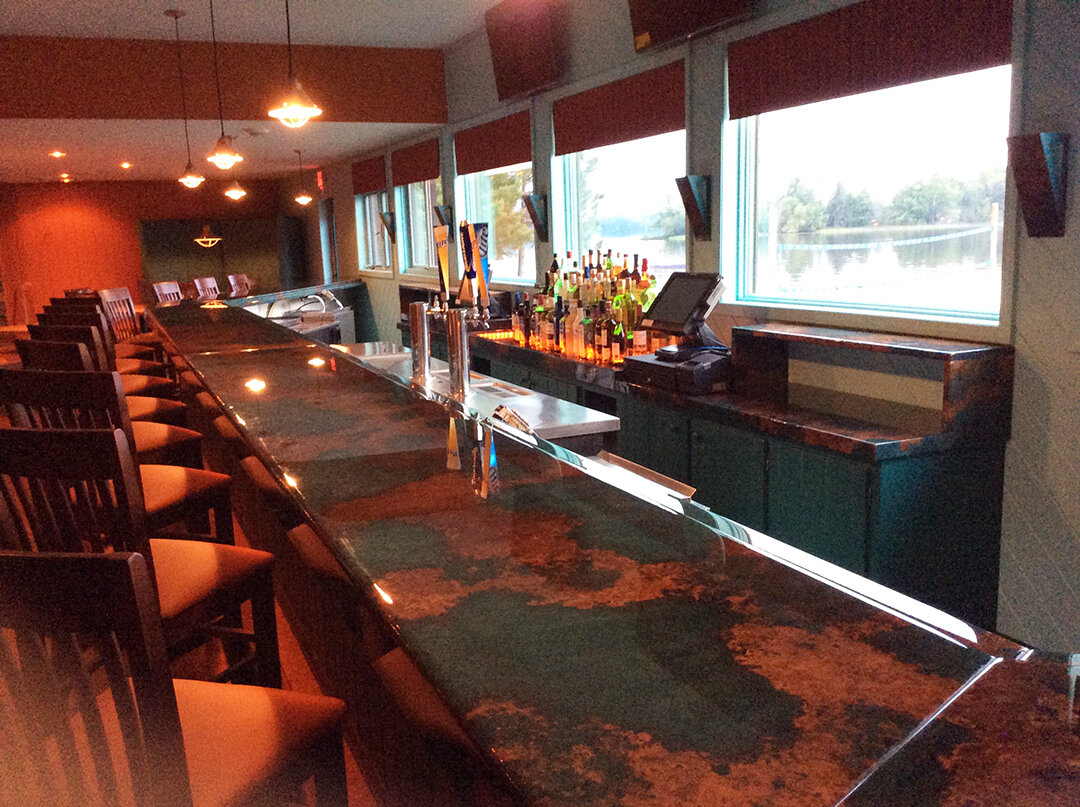
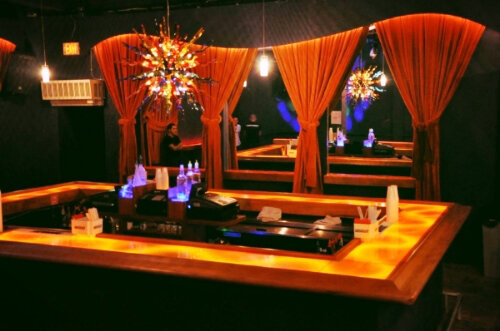
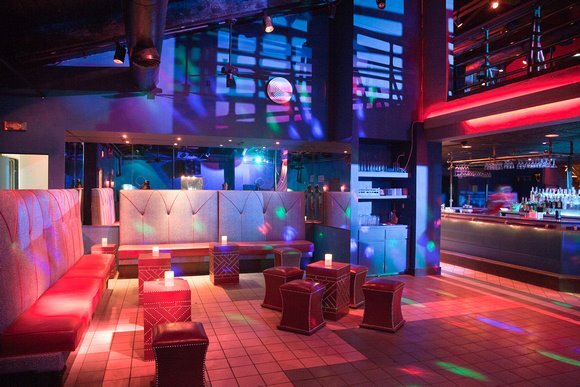
Amateur layouts are profit killers. If your staff is constantly dodging each other or your guests are squeezed into high-traffic zones, your brand suffers. High-end restaurant floor plan engineering ensures that your seating capacity is optimized without sacrificing the guest experience. In the high-stakes world of bars and nightclubs, this means designing for the "VIP Experience." You need dedicated flow patterns that drive premium bottle service sales while maintaining a high-energy atmosphere for the general crowd. This level of strategic investment in hospitality separates the icons from the short-lived failures.
The ROI of a Professional Rebrand
A professional rebrand is a catalyst for financial growth. It's not uncommon for a strategic redesign to justify a 20% increase in menu pricing overnight. When the environment matches the quality of the plate, price resistance vanishes. Consider the transformation of a failing New Jersey venue into a local hotspot; the change wasn't just aesthetic, it was structural. By fixing the "why" of your business through rebranding, you secure a sustainable future. In 2026, viewing design as a strategic investment is the only way to navigate a hyper-competitive market.
Work with a specialist who understands the business of design.
Avoiding the "Budget Designer" Trap: Choosing Value Over Price {#budget-trap}
Lowering your overhead by hunting for the cheapest restaurant design firm fees is the fastest way to bankrupt your project before it opens. You aren't buying a living room; you're building a high-volume revenue engine. Residential designers often lack the technical depth required for commercial hospitality. They might pick a beautiful tile, but they won't know if it meets slip-resistance standards or if the grout can withstand commercial degreasers. Vetting a firm requires more than a glance at a Pinterest board. You must demand a hospitality-specific portfolio and direct communication with the principal who will be managing your capital. Engaging an authoritative restaurant design consultant is non-negotiable for high-stakes openings where every day of delay costs thousands in "dark rent."
Red Flags in a Design Proposal
A vague scope of work is a death warrant for your budget. If a proposal lacks specific project management hours or fails to mention kitchen flow and local health codes, walk away. You aren't paying for "vibes." You're paying for "vibe and volume." A designer who can't explain how their layout handles peak-hour congestion is an amateur. Look for line items that address technical oversight and vendor coordination. If the proposal feels like a generic template, it's because the designer doesn't understand the unique friction of your specific site.
The Raymond Haldeman Advantage
Choosing Raymond Haldeman means securing direct access to a principal designer who treats your venue like a business, not an art project. This "straight-talk" advisory approach is designed to protect your interests from day one. Specialist expertise in rebranding failing establishments provides a shortcut to profitability that generalists can't match. Every concept is a fusion of modern aesthetics and functional interior concepts that outshine competitors. Don't let a "cheap" fee be the reason your restaurant closes in six months. Invest in the expertise that ensures your doors stay open and your tables stay full.
Dominate Your Market with Strategic Design Oversight
Success in the hospitality industry isn't accidental. It's engineered. You've seen that restaurant design firm fees are a strategic investment in your venue's operational DNA. By understanding industry-standard fee structures and the hidden value of space planning, you've moved past the "cost" mindset. You're now equipped to choose a partner who delivers a revenue-driving environment rather than just a pretty room. Don't let the fear of professional fees push you toward a budget generalist who doesn't understand the friction of a busy service line.
Raymond Haldeman stands as an authoritative expert in US restaurant rebranding, specializing in the high-stakes world of bar and nightclub design. Serving elite markets from Miami to NJ, PA, and MD, he offers the straight-talk advisory voice your project needs to avoid expensive failures. It's time to stop guessing and start building with a visionary guide who has seen it all and knows how to turn a failing concept into a local icon.
Secure Your Professional Design Consultation with Raymond Haldeman
Your vision is too valuable to leave to chance. Take the next step toward a profitable, iconic venue that outshines every competitor on the block and secures your legacy in the industry.
Frequently Asked Questions
How much does a restaurant interior designer typically charge?
Design-only fees for high-end hospitality projects are often quoted at roughly $25 to $75 per square foot, although Raymond Haldeman’s fees are considerably lower because he isn’t carrying the large firm overhead. Haldeman’s design fees range between $12 to $24 per square foot.
Total project buildouts in competitive markets like Miami or Philadelphia vary widely by tier: fast-casual concepts commonly run about $150 to $350 per square foot, while upscale and fine-dining establishments frequently reach $400 to $1,000+ per square foot (renovations typically cost 30% to 50% less than ground-up new builds). These restaurant design firm fees reflect the technical drafting and high-impact aesthetic rebranding required to dominate a local market.
What is the difference between an architect fee and a restaurant design firm fee?
Architects focus on the structural shell, life safety codes, and mechanical systems. In contrast, restaurant design firm fees cover the strategic elements that drive revenue, such as space planning, seating engineering, and brand identity. While an architect ensures your building stands, a specialist designer ensures your business thrives by optimizing the guest experience. In markets like New Jersey and Maryland, you need both to navigate complex local permitting and specialized vendor sourcing.
Is it better to pay a flat fee or a percentage of construction for a restaurant redesign?
Choosing between a flat fee and a percentage depends on your project's scope. Flat fees offer total transparency for rebranding or concept refreshes where the strategic overhaul is the primary goal. A percentage model, typically 8% to 15% of construction costs, aligns the designer's interests with the scale of a new buildout. Elite firms often utilize a hybrid model to ensure comprehensive oversight without the unpredictability and risk of open-ended hourly billing.
Does the design fee include project management and contractor oversight?
Not every proposal includes oversight, so you must verify this in your Scope of Work. Professional design fees that include project management act as an insurance policy against contractor errors on-site. Without this oversight, you risk expensive delays and deviations from the original blueprints. Specialist designers in South Beach and Pennsylvania prioritize this role to ensure the physical buildout matches the high-end operational vision required to outshine your competitors.
How can I calculate the potential ROI of a restaurant rebranding fee?
Calculate ROI by measuring improvements in table turnover, server efficiency, and average check size. A strategic rebrand often justifies a 20% increase in menu pricing because the environment finally matches the quality of the plate. By optimizing your floor plan to increase seating capacity without sacrificing flow, you can drive measurable revenue growth. This transformation turns a failing establishment into a profitable venture, making the initial investment a proven shortcut to success.
What happens if the project scope changes mid-design?
Scope changes mid-design typically trigger an adjustment in the fee structure or a formal change order. If you decide to expand the kitchen or add a VIP lounge after the initial concept is finalized, expect your restaurant design firm fees to increase proportionally to the additional drafting and sourcing required. Clear communication and a rigid initial Scope of Work are essential to minimize these disruptions and keep your project on schedule for its launch.
Have more questions? See the full FAQ or contact Raymond directly.