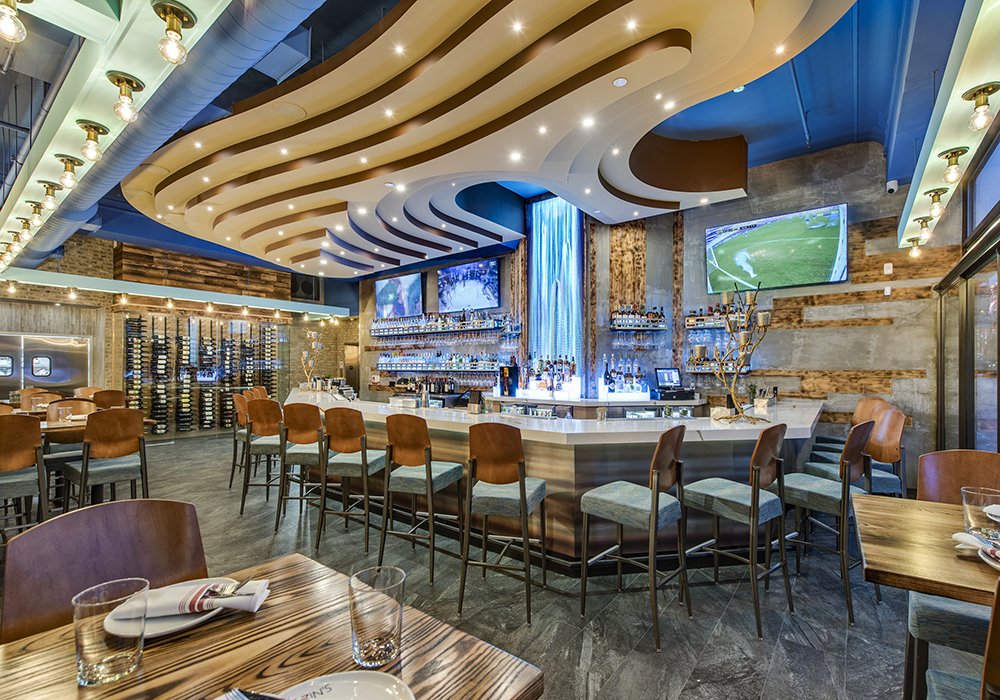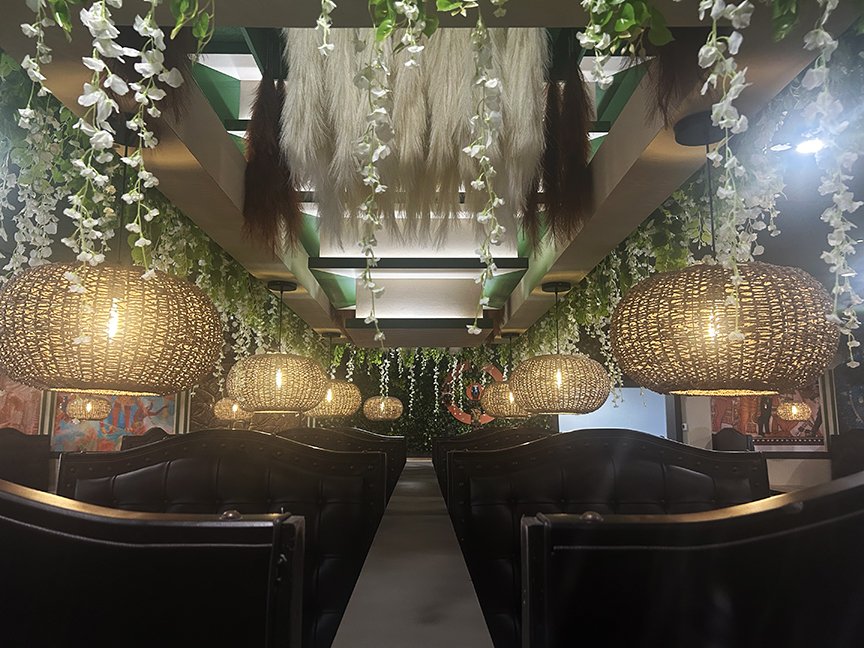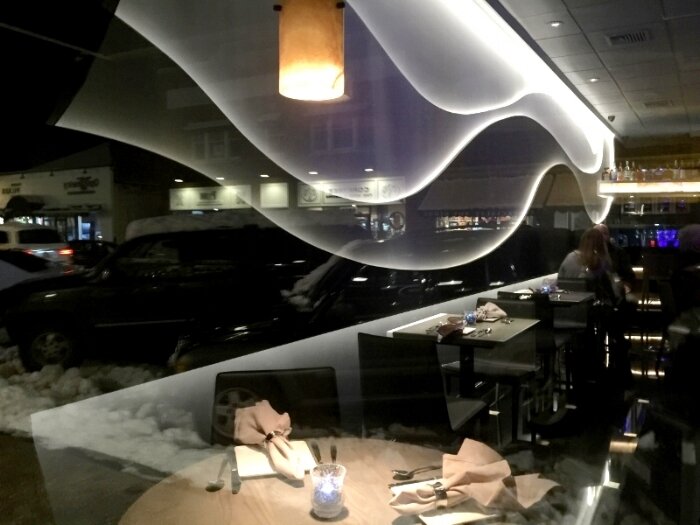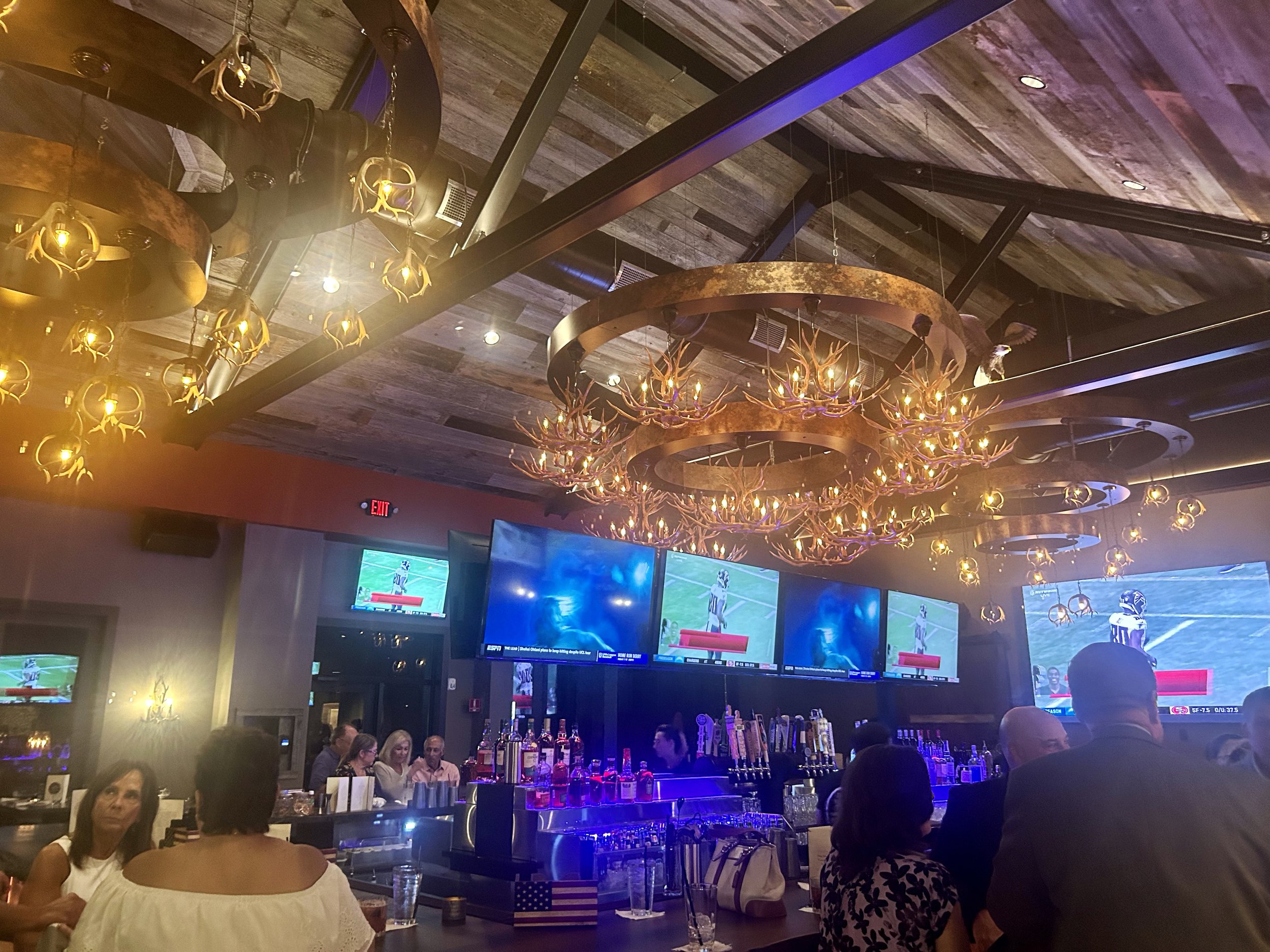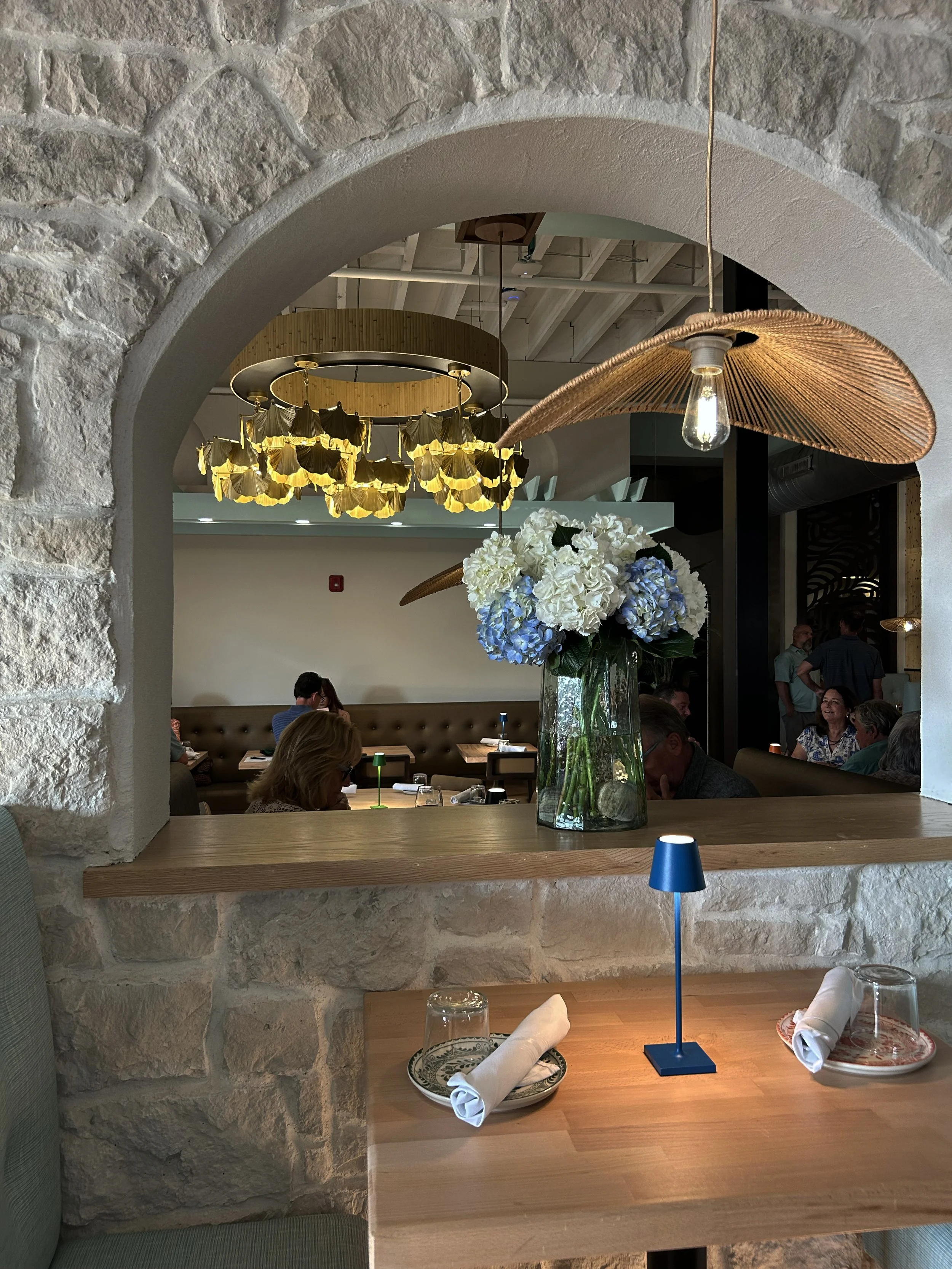
Your menu can be exceptional, but if the dining room feels dated, poorly planned or disconnected from the experience guests expect, the restaurant may never reach its full potential.
Today's diners are choosing restaurants based on much more than food.
They notice the atmosphere, lighting, energy, bar, seating and overall personality of a restaurant long before the first course arrives.
That makes working with an experienced New Jersey Restaurant Interior Designer much more than an aesthetic decision. The right design can strengthen your brand, improve the way your restaurant operates and help create an experience that supports your menu and price point.
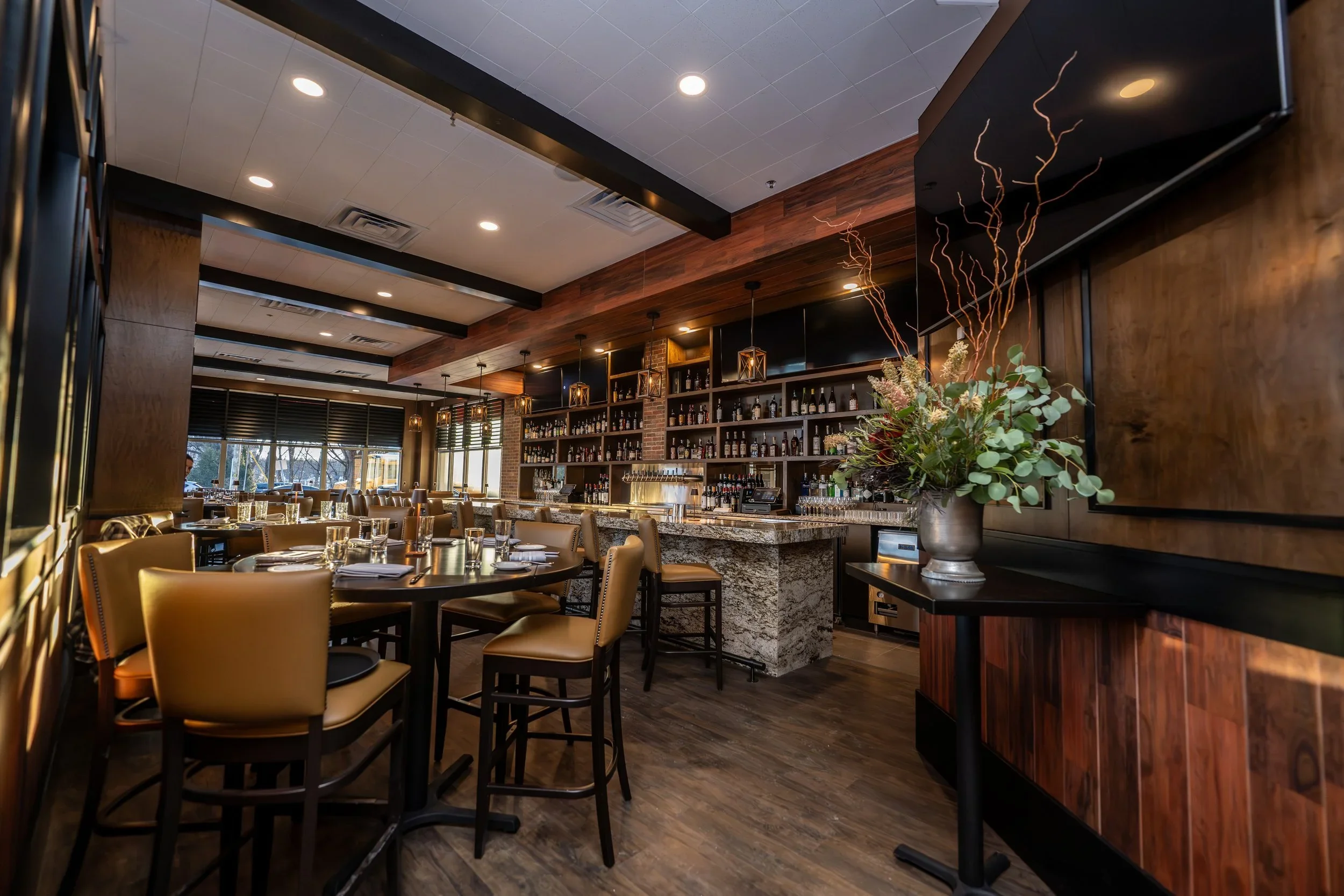
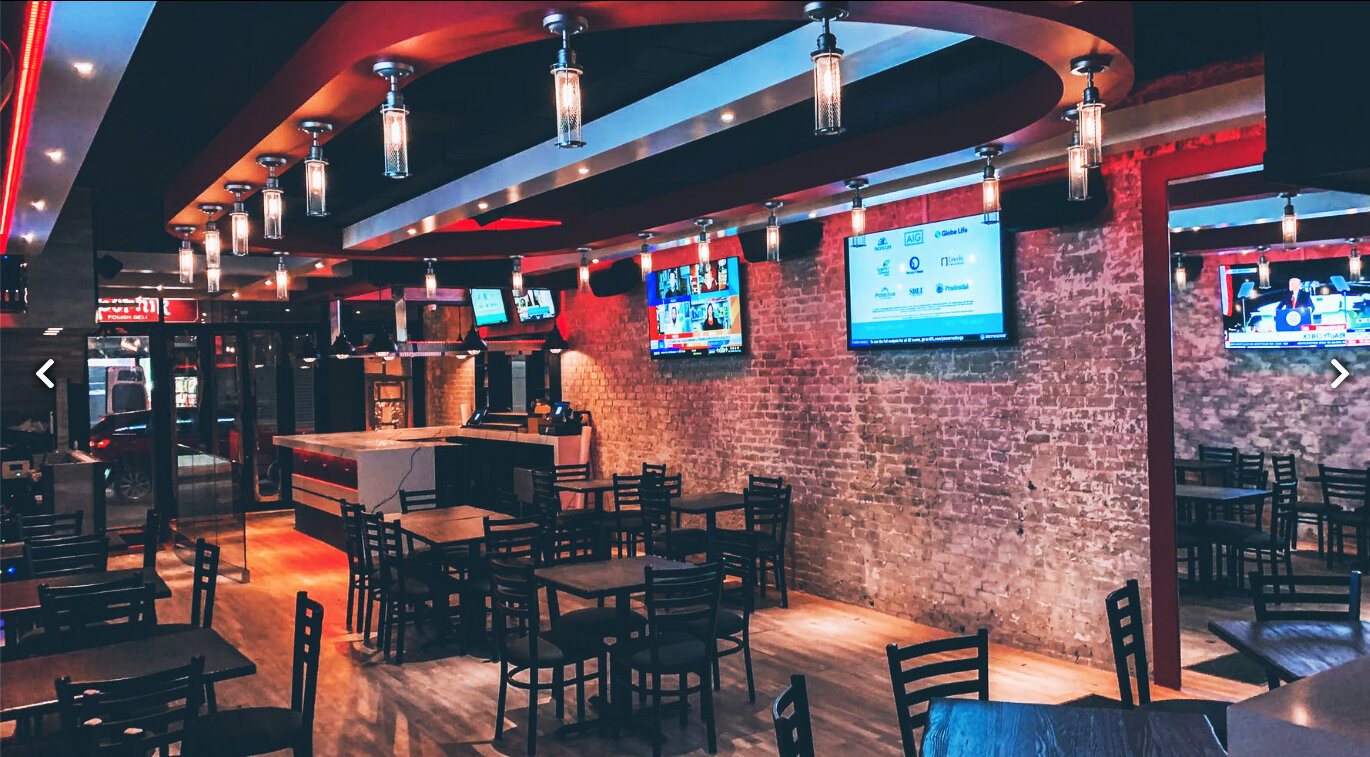
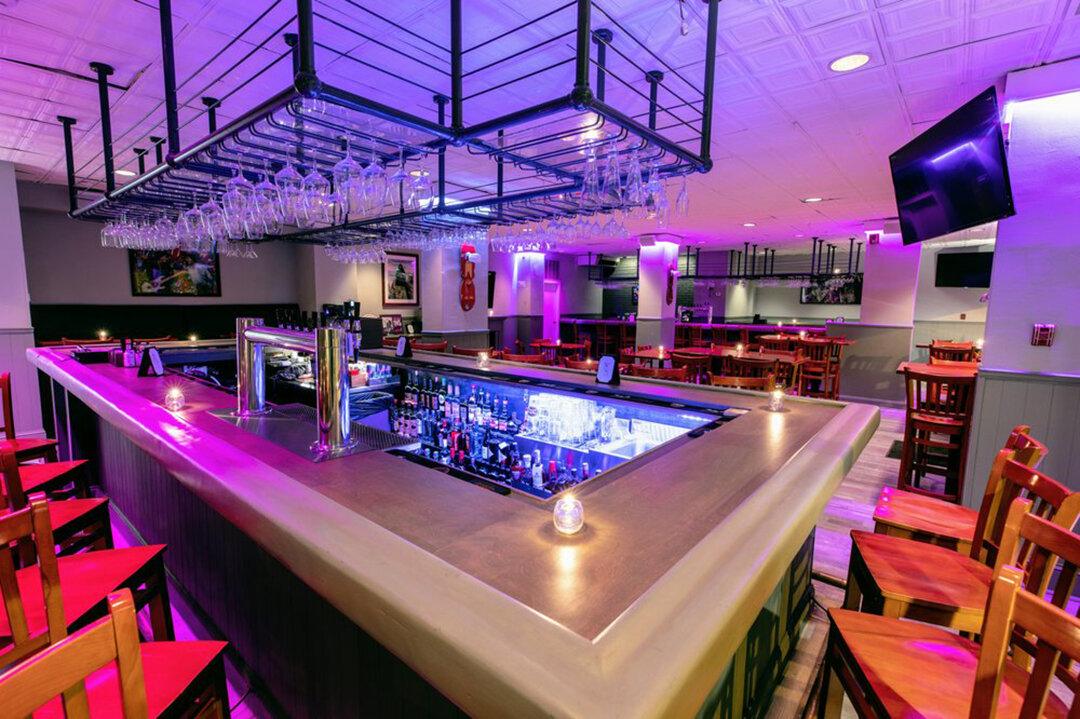
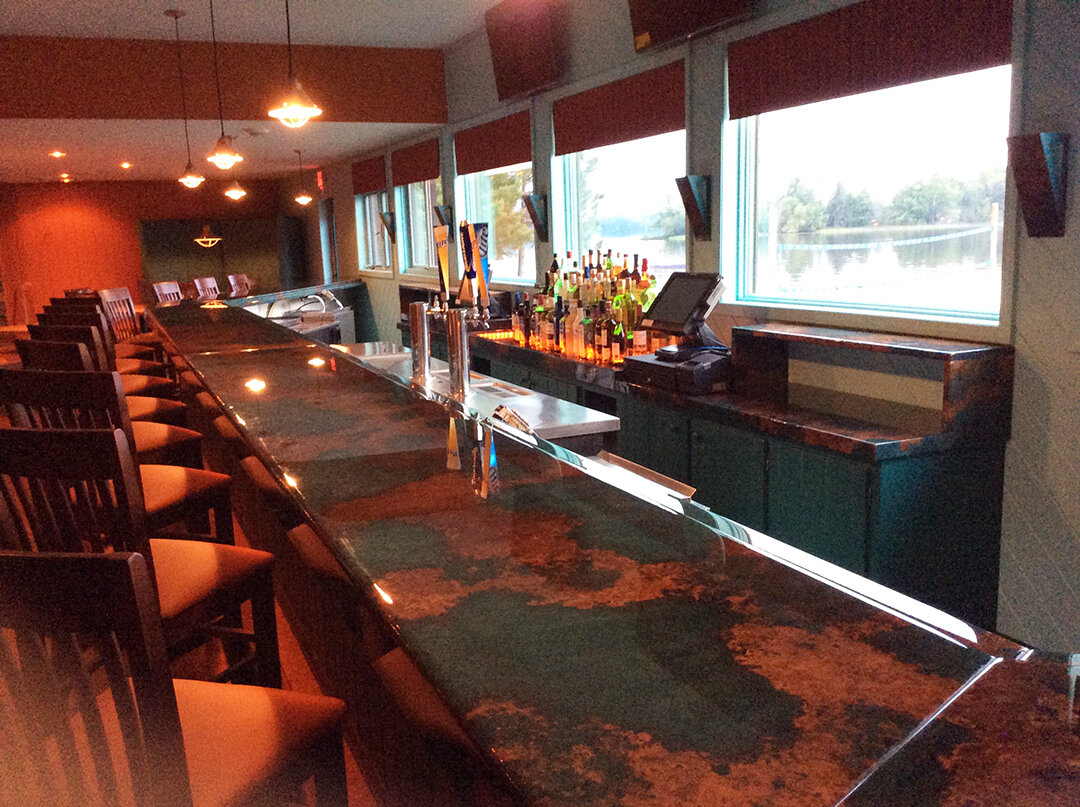
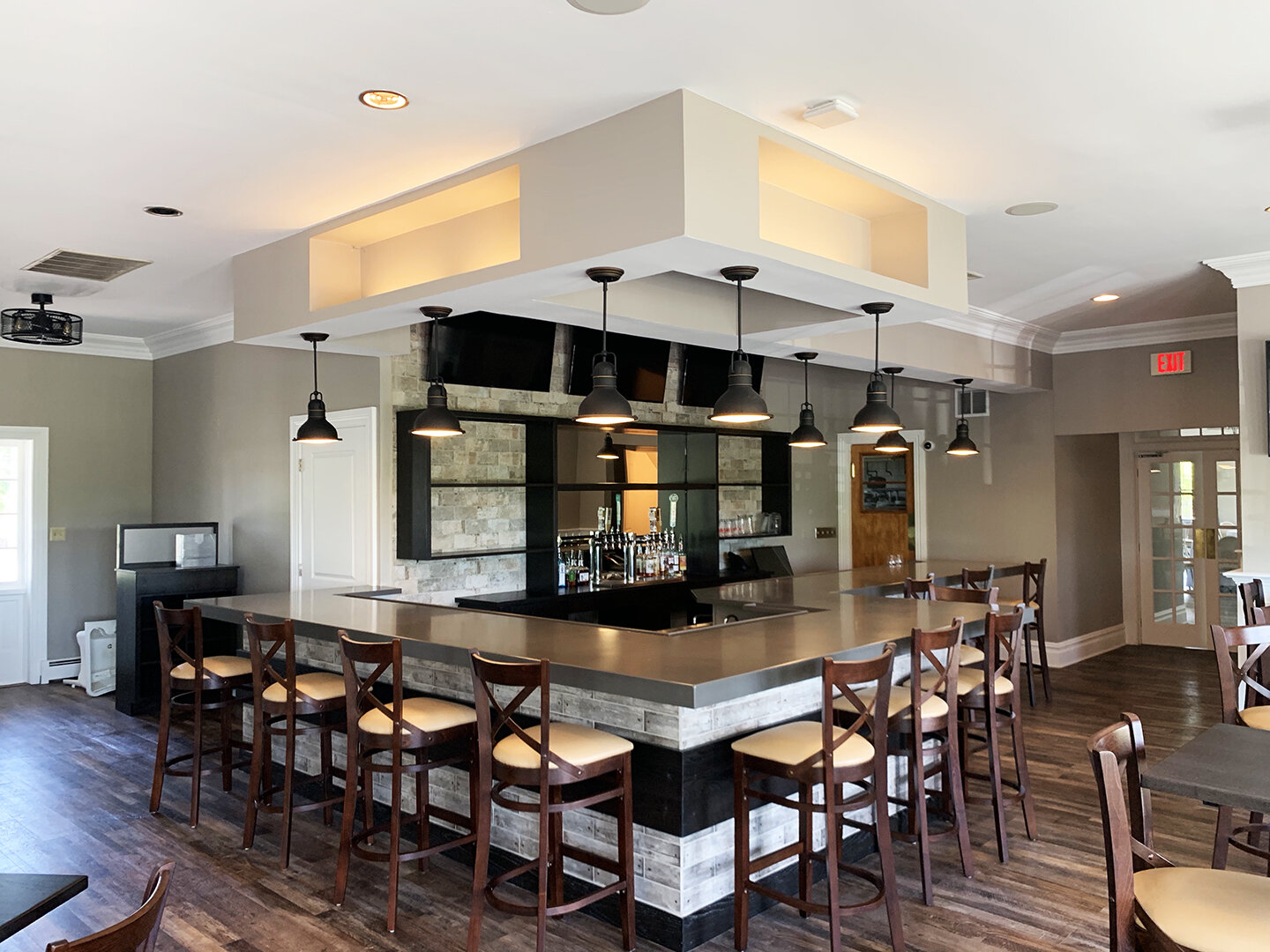
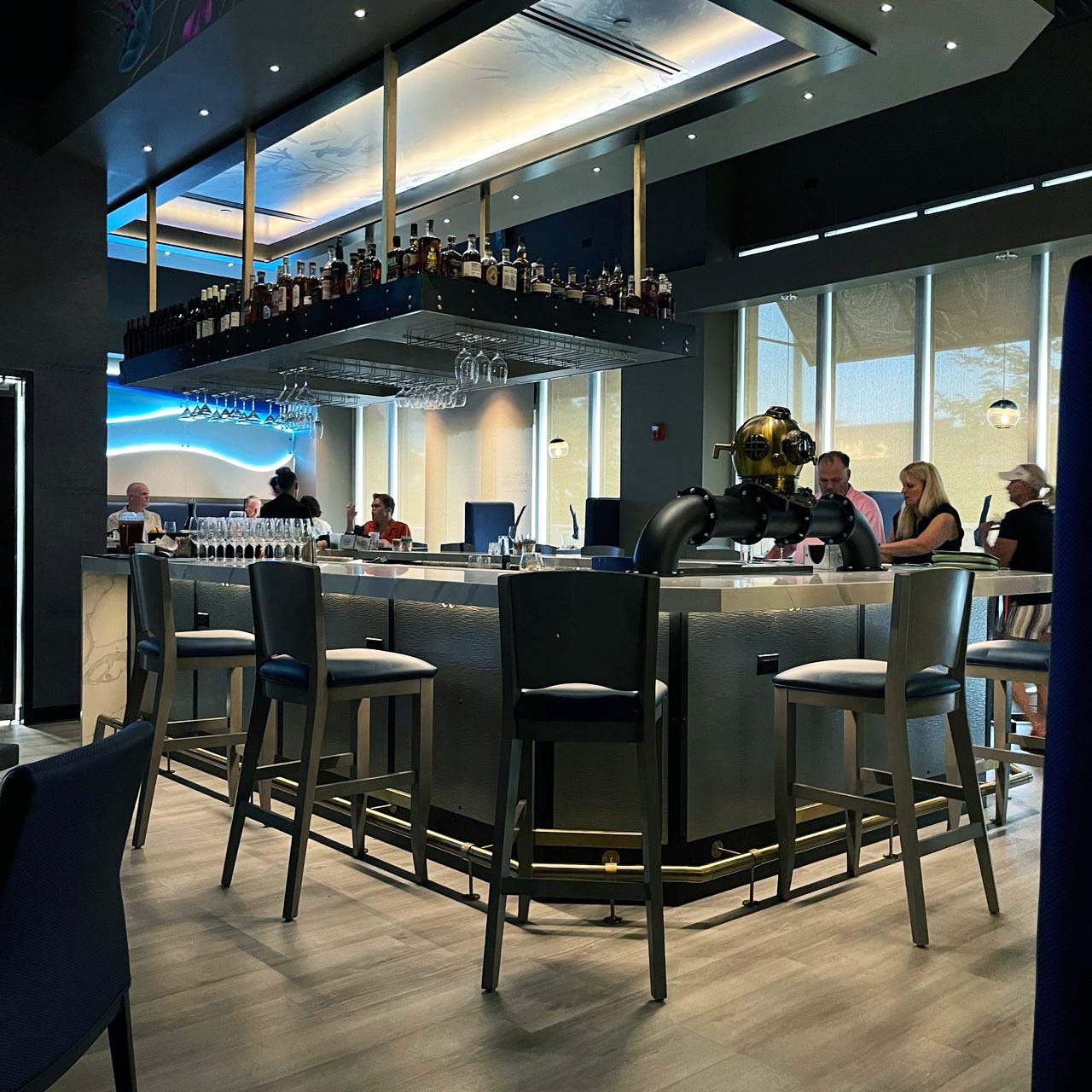
Harpoon Willy’s in Robbinsville, designed by Raymond Haldeman
I'm Raymond Haldeman, The Restaurant Designer, and my approach combines interior design with space planning, restaurant rebranding and the practical realities of running a successful hospitality business. NJ Restaurant Renovation Design
A restaurant should look memorable.
But just as importantly, it needs to work.
Key Takeaways
Restaurant design should balance aesthetics, guest psychology and day-to-day operations.
Strategic space planning can improve seating, circulation, service efficiency and the overall guest experience.
Restaurant rebranding can reposition an established business and introduce it to a new generation of customers.
New Jersey restaurants increasingly compete with destination dining experiences in New York City, Philadelphia and other major markets.
An experienced restaurant designer can help protect a significant construction investment by identifying design and planning problems before they become costly mistakes.
Why Your New Jersey Restaurant May Need More Than a Refresh
There is an important difference between refreshing a restaurant and repositioning it.
Changing paint colors, replacing a few light fixtures or purchasing new furniture can improve the appearance of a dining room, but those changes won't necessarily solve deeper problems with the concept.
If the floor plan doesn't work, the bar lacks energy, the lighting is wrong or the interior no longer appeals to your target customer, a cosmetic update may not be enough.
Successful restaurant design brings together several disciplines:
Interior design
Space planning
Lighting
Seating
Bar design
Branding
Guest circulation
Operational flow
Materials and finishes
The objective is to create a restaurant that is visually compelling while functioning efficiently as a business.
That's where a specialized New Jersey restaurant designer can make a significant difference.
New Jersey Restaurants Are Competing on Experience
New Jersey diners have access to an extraordinary range of restaurants.
They can spend an evening in Jersey City or Montclair, drive into Manhattan or Philadelphia, visit the Jersey Shore or choose one of the growing number of sophisticated restaurants throughout the state's suburbs.
That means a New Jersey restaurant isn't simply competing with the restaurant down the street anymore.
It's competing for the guest's entire night out.
Food remains essential, but today's customers also want an environment that feels memorable and distinctive.
They want someplace worth talking about.
Someplace worth photographing.
And, most importantly, someplace they want to experience again.
Good restaurant design helps create that emotional connection.
North Jersey and the Jersey Shore Require Different Design Strategies
One of the reasons restaurant design in New Jersey is so interesting is the variety of markets within the state.
A successful concept in Jersey City won't necessarily translate directly to a restaurant at the Shore.
North Jersey Restaurant Design
Markets such as Jersey City, Hoboken, Montclair and surrounding North Jersey communities often compete directly with New York City.
Guests are accustomed to sophisticated restaurants, dramatic interiors and highly developed concepts.
These locations may benefit from stronger urban energy, efficient space planning and distinctive design elements that give the restaurant an immediate identity.
In higher-density locations, every square foot becomes particularly valuable.
Jersey Shore Restaurant Design
The Jersey Shore presents a different challenge.
Many restaurants experience enormous seasonal demand while still needing to feel comfortable and inviting during quieter months.
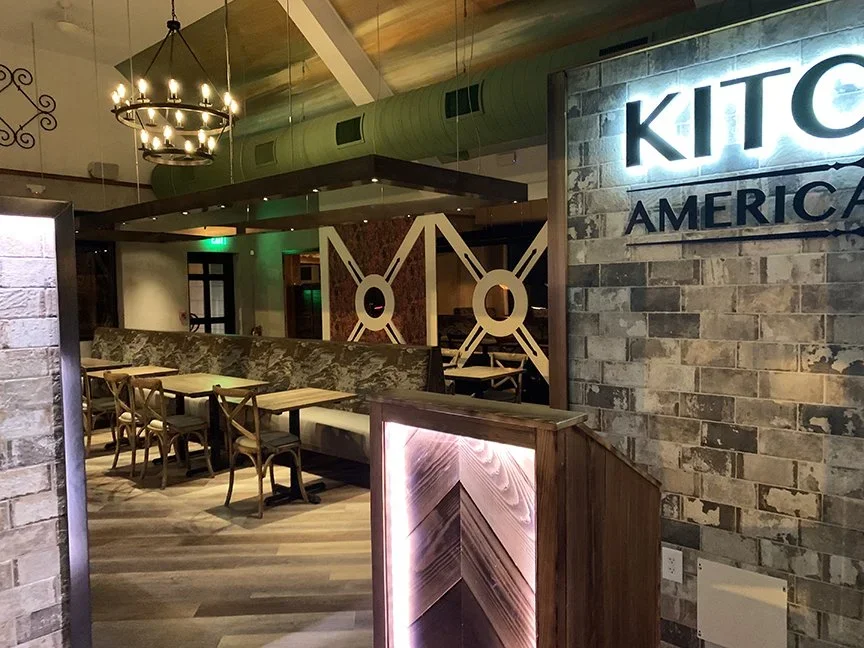
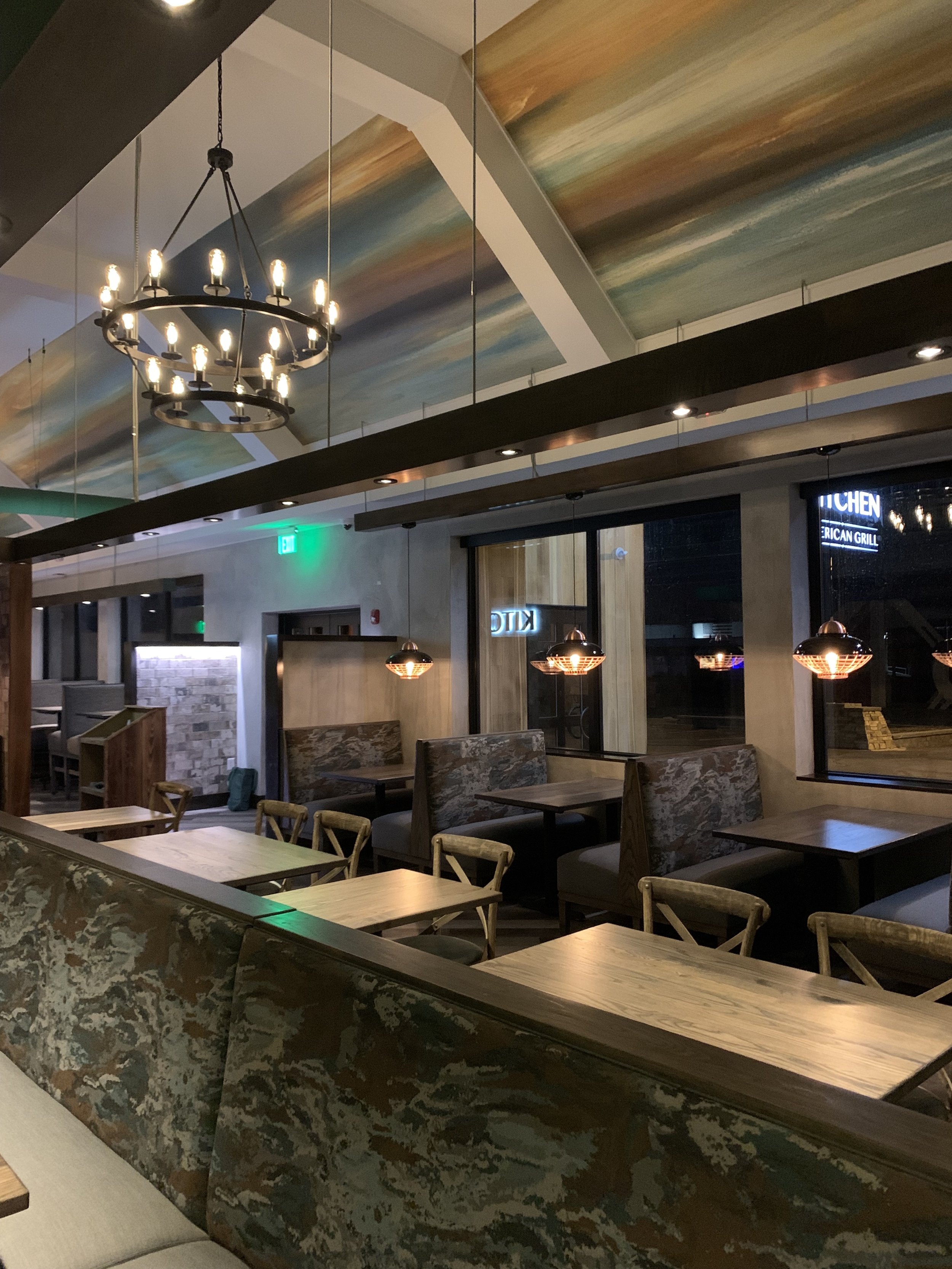
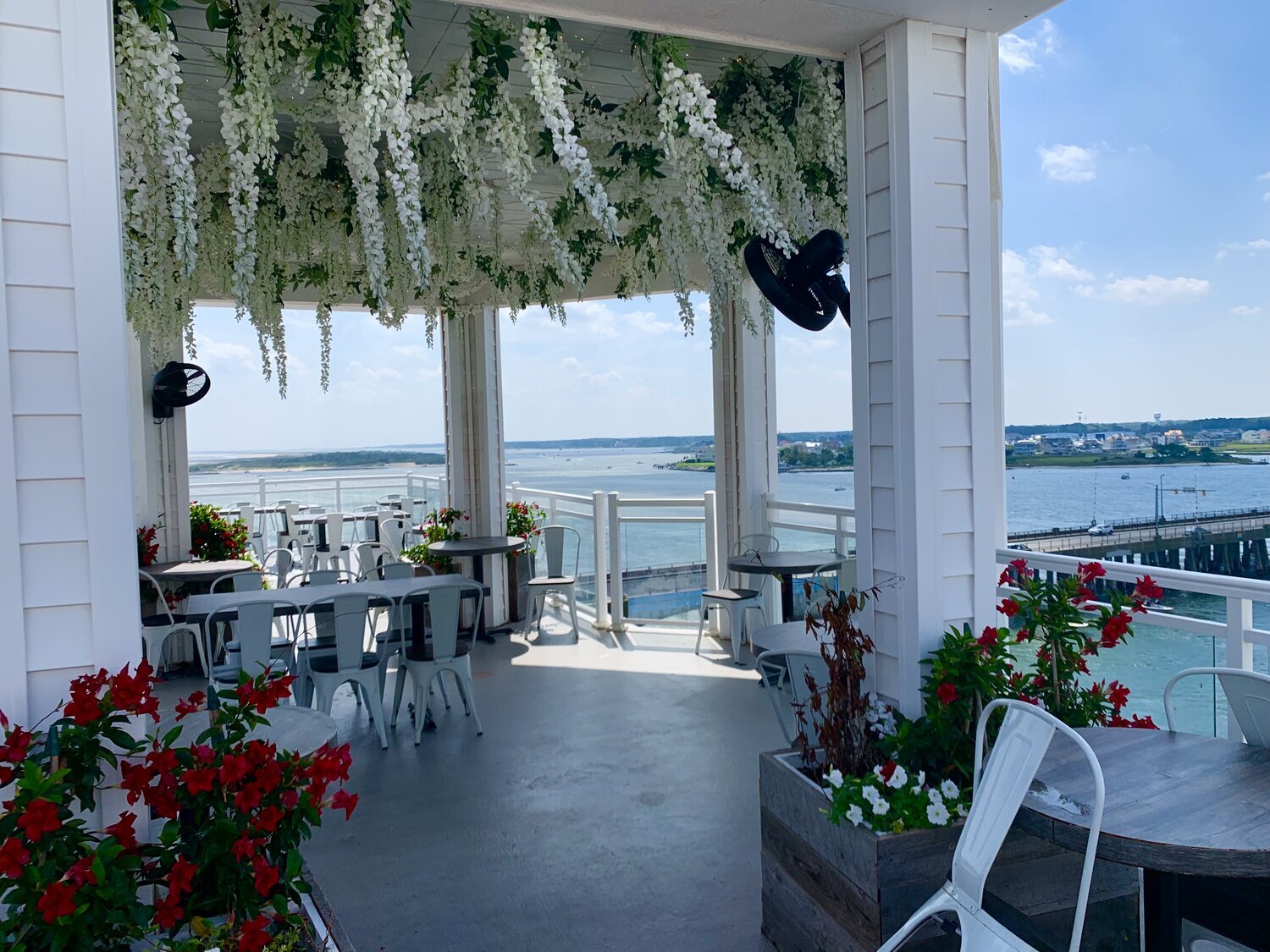
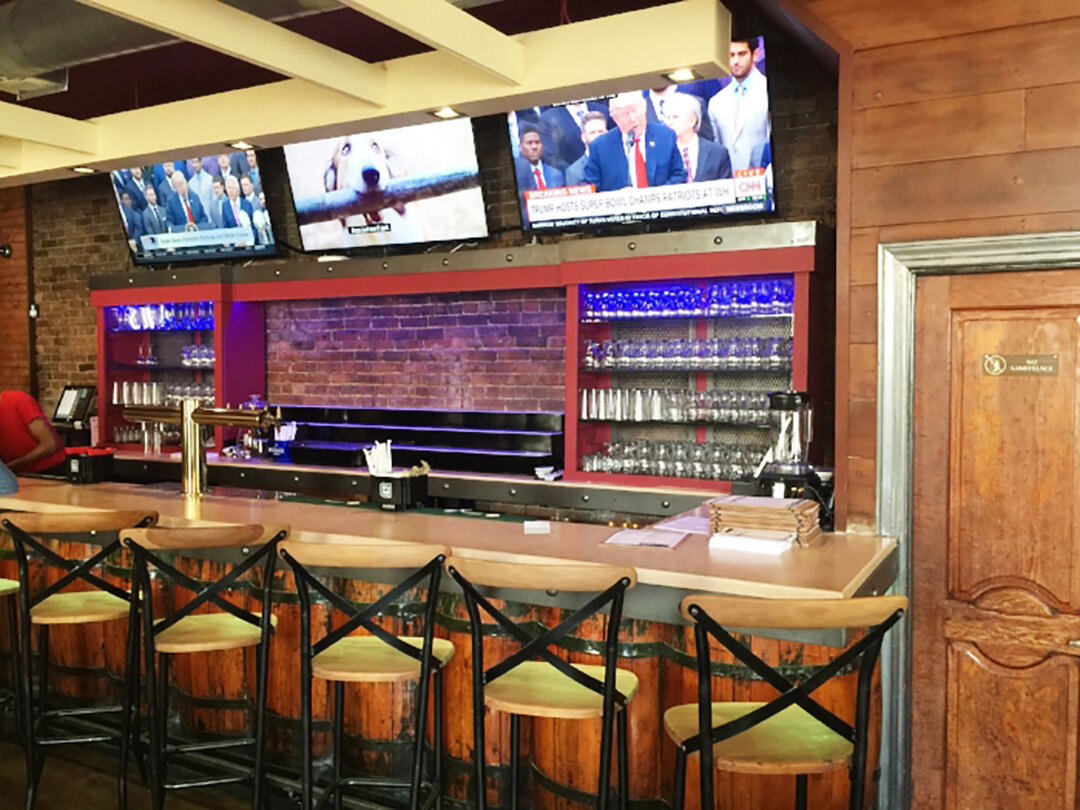
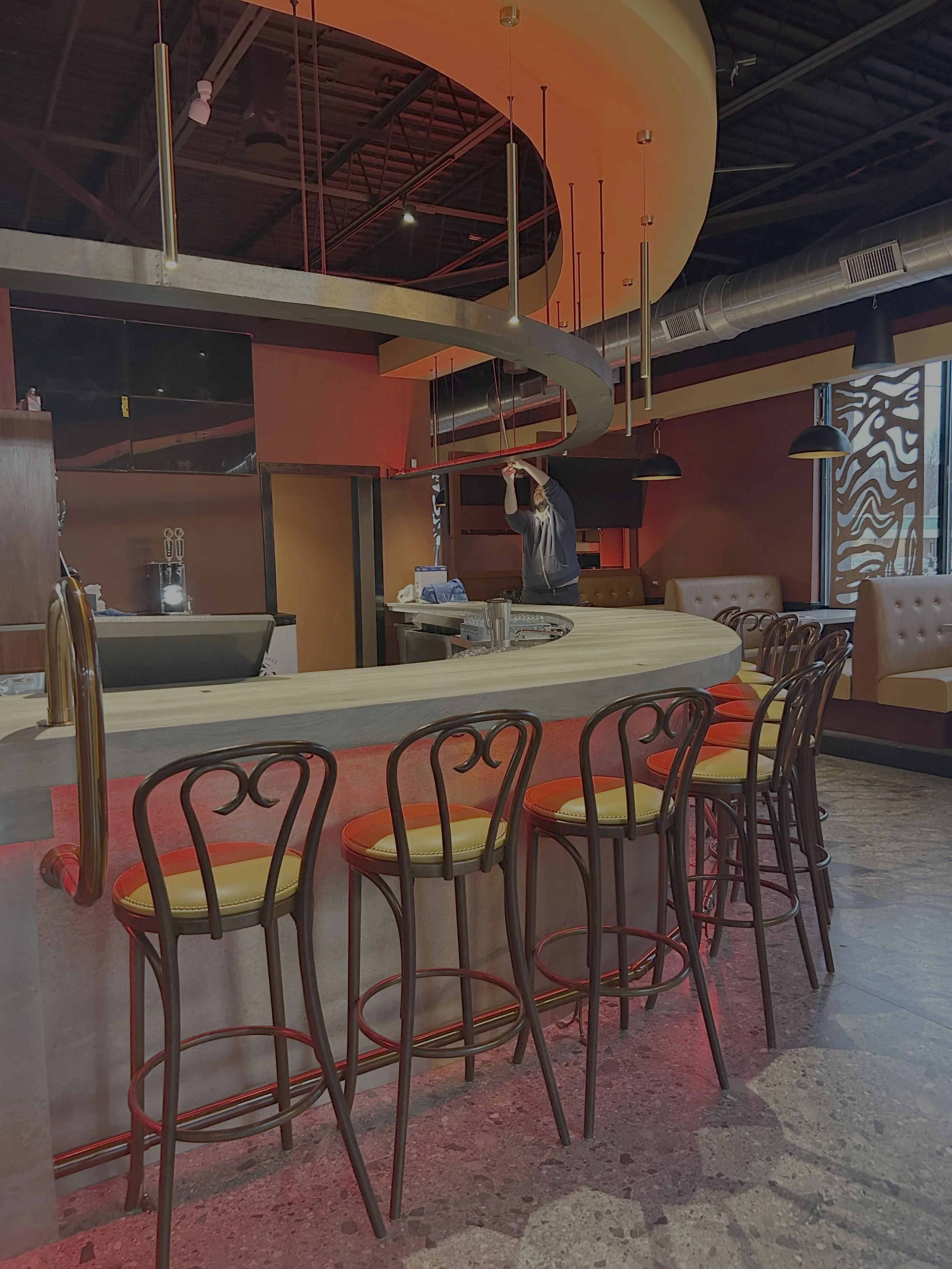
Kitchen American Grill, Whitehouse Station, NJ, designed by Raymond Haldeman
A large dining room that feels energetic on a Saturday night in July shouldn't feel empty and cavernous in February.
Thoughtful seating zones, lighting, flexible layouts and architectural features can help the restaurant adapt throughout the year.
An experienced New Jersey Restaurant Interior Designer should understand these differences rather than applying the same formula to every project.The ROI of Professional Restaurant Rebranding in the Tri-State Area
Restaurant Design Is About More Than What Guests See
Some of the most important elements of restaurant design aren't immediately obvious.
Guests may not consciously analyze the acoustics, lighting temperature or texture of a wall, but those elements affect how they experience the room.
Together, they create what people often describe simply as the vibe.
Lighting
Lighting has an enormous influence on the personality of a restaurant.
Too bright and the room can feel institutional.
Too dark and the food, faces and architectural details disappear.
The goal is to create layers of lighting that make the restaurant flattering, comfortable and visually interesting.
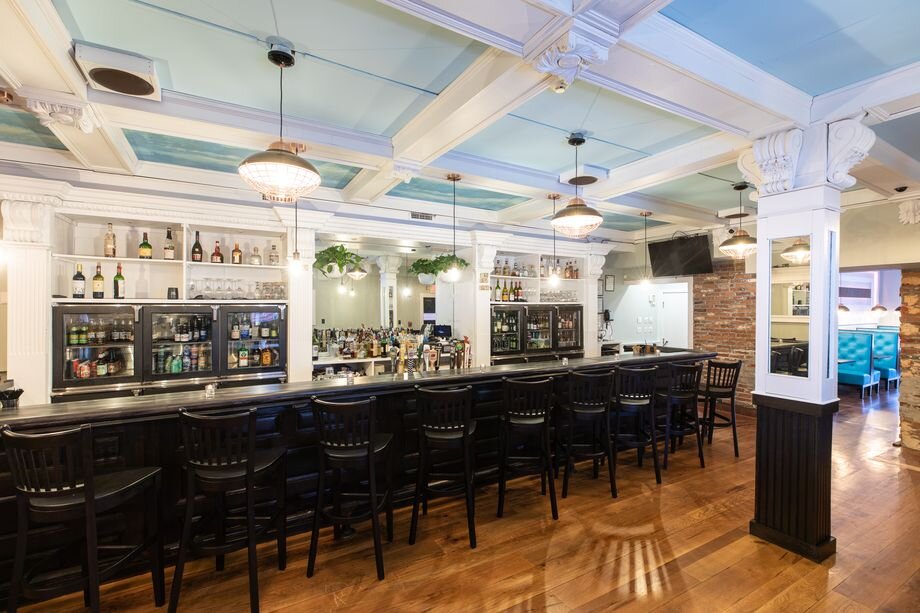
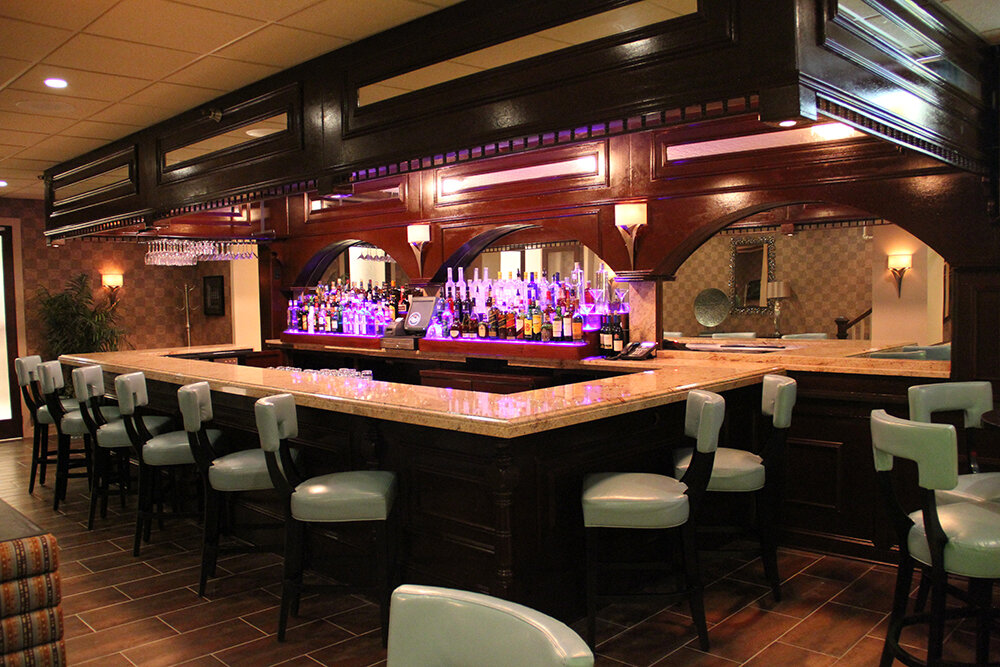
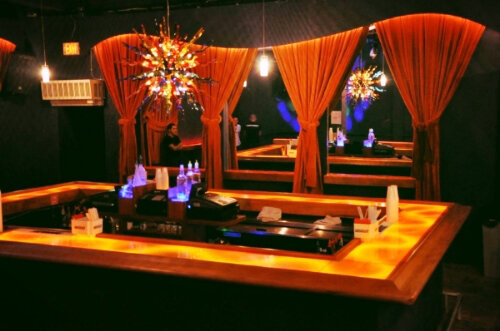
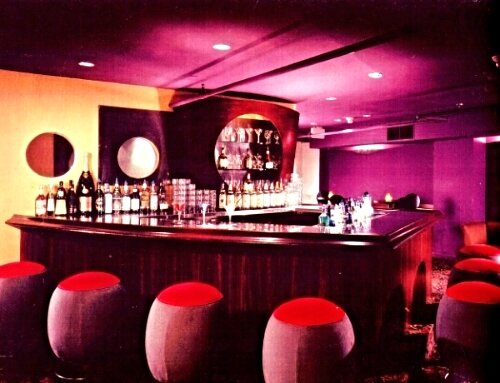
Bars deserve particular attention.
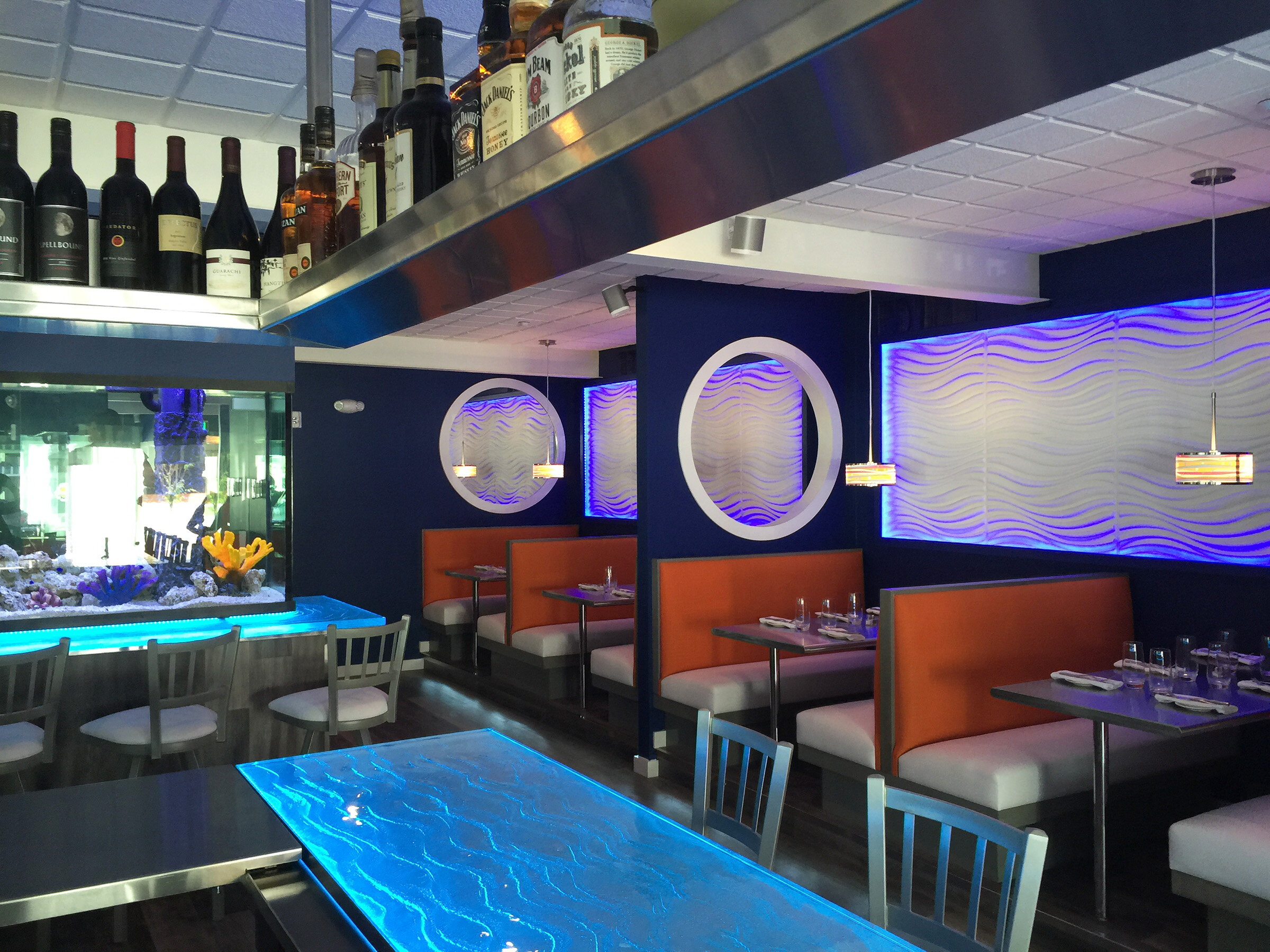
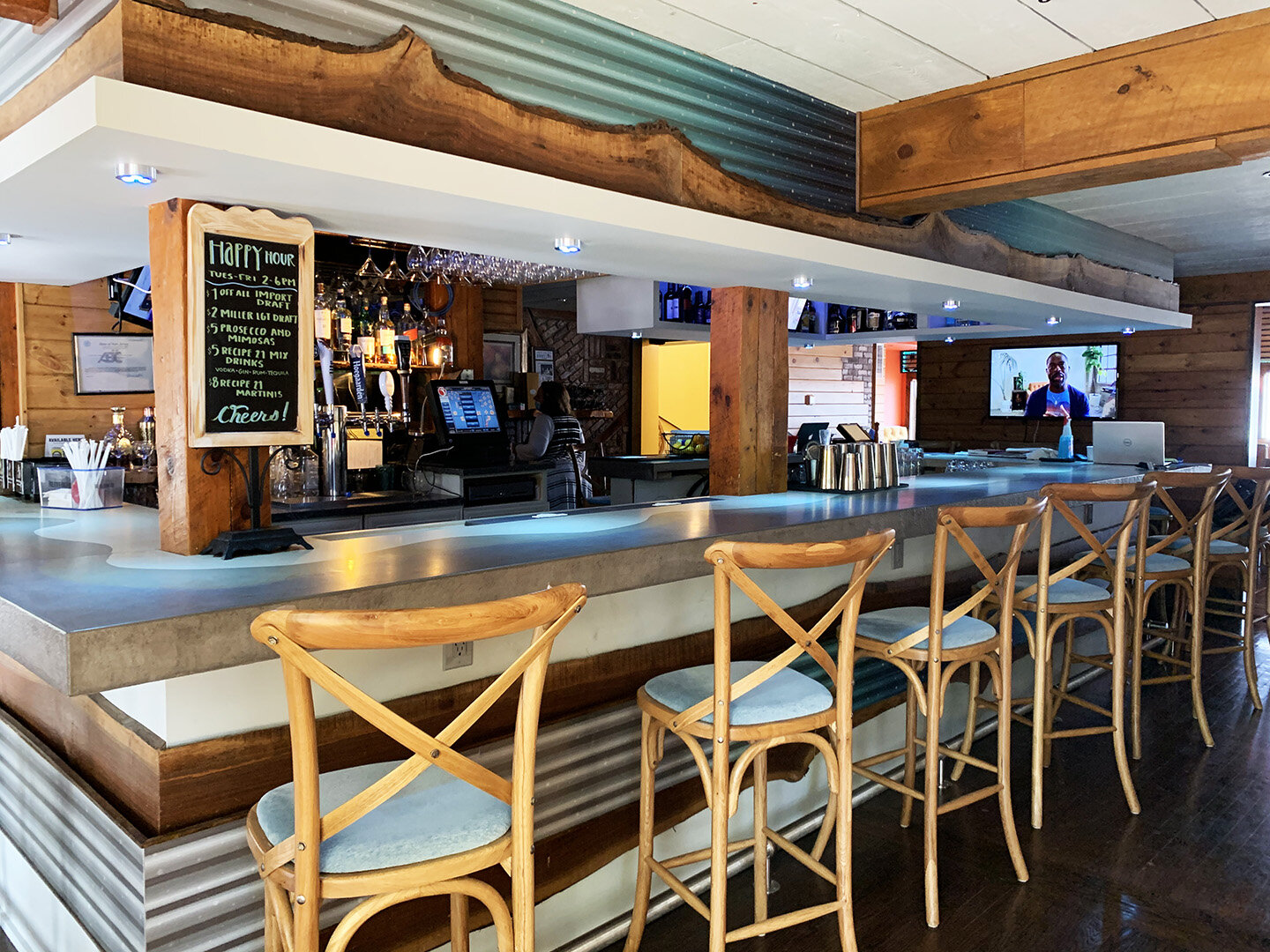
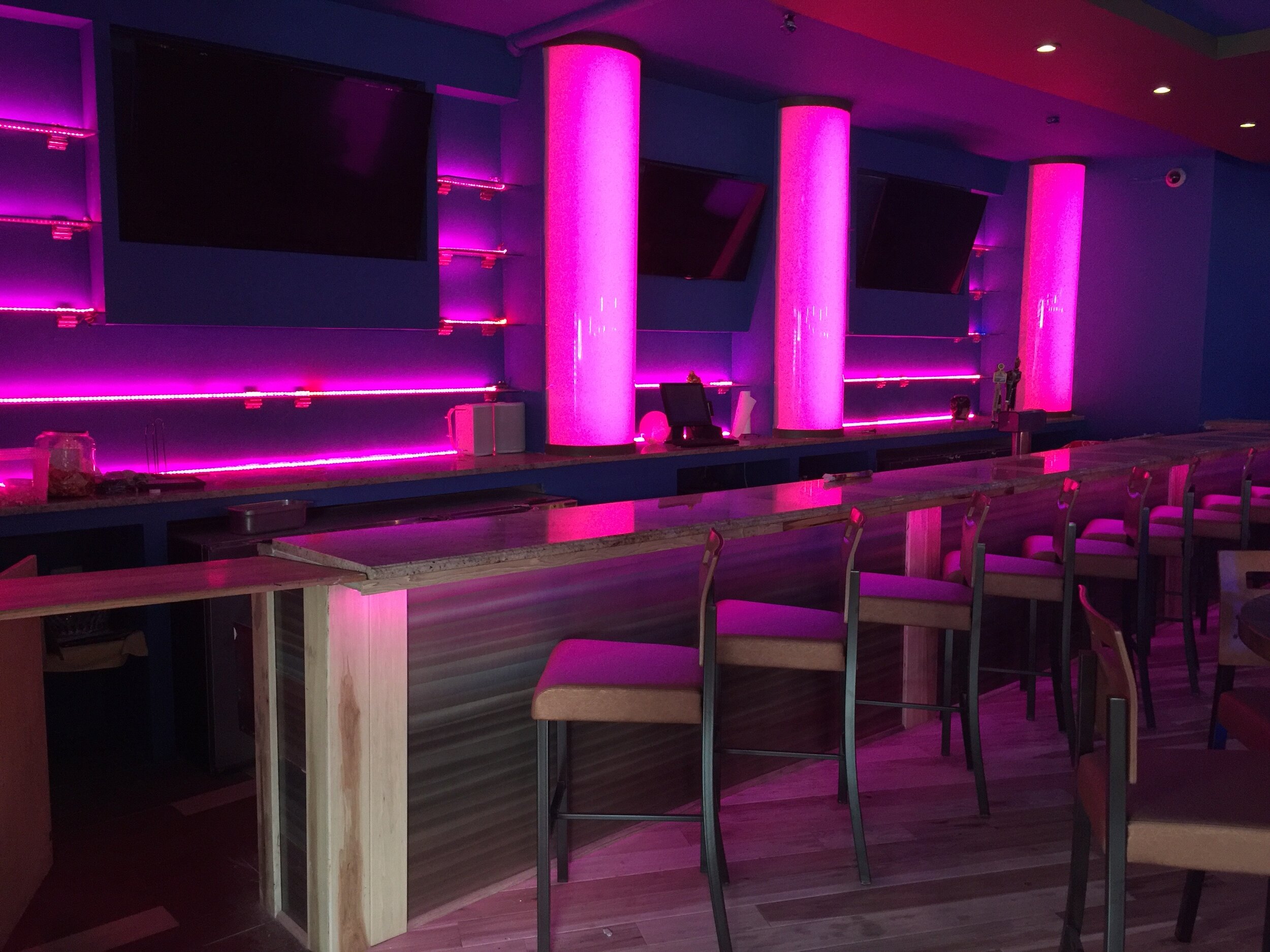
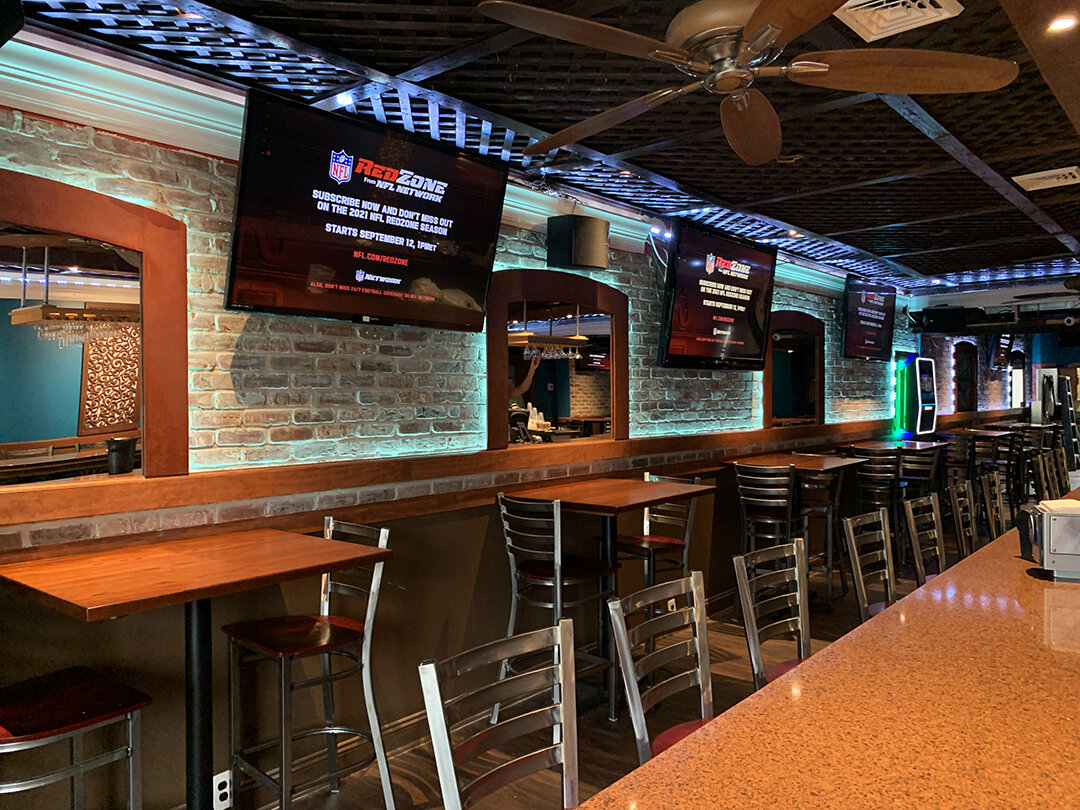
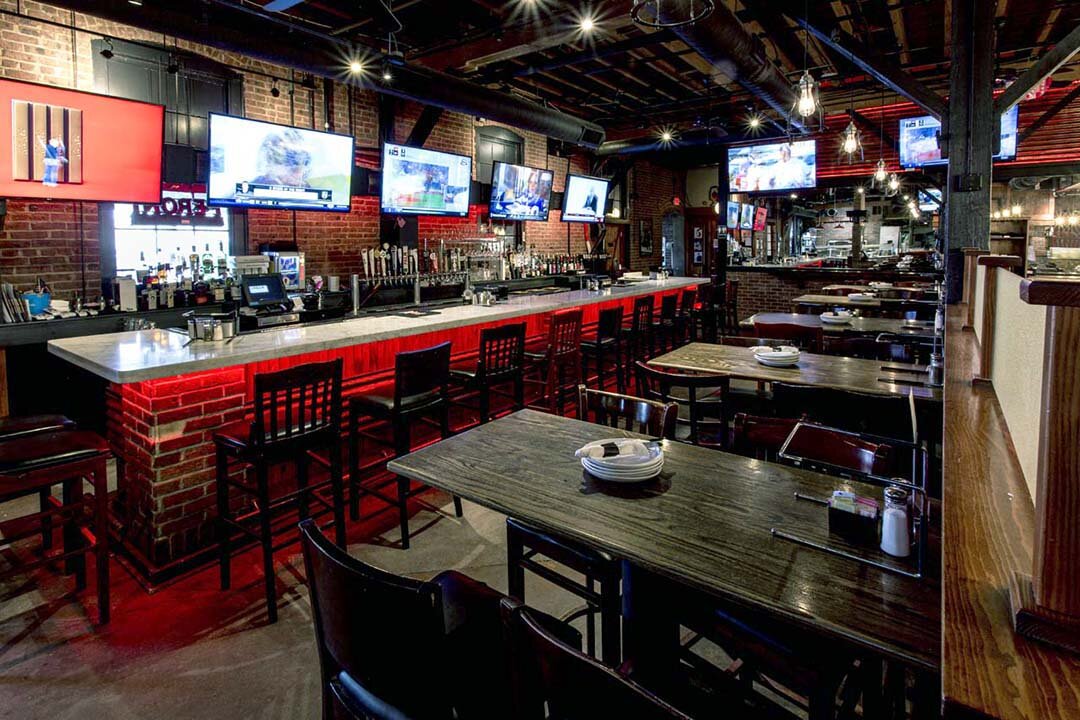
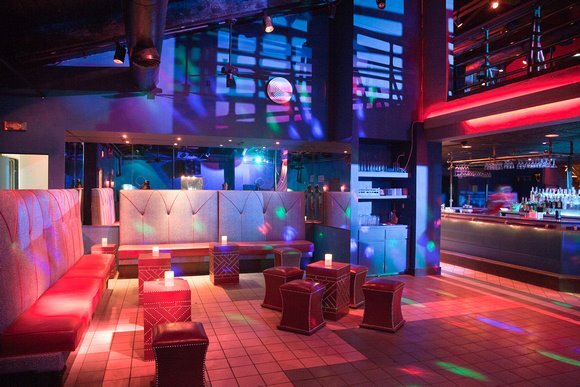
Back-bar lighting, bottle displays, decorative fixtures and architectural lighting can turn a bar into one of the strongest focal points in the restaurant.
Acoustics
Restaurants need energy, but there is a difference between energetic and uncomfortable.
If guests have to shout across the table, they may not stay for another drink or dessert.
Acoustic materials, upholstery, ceiling treatments and thoughtful space planning can help control sound without eliminating the lively atmosphere that makes a restaurant exciting.
Materials and Texture
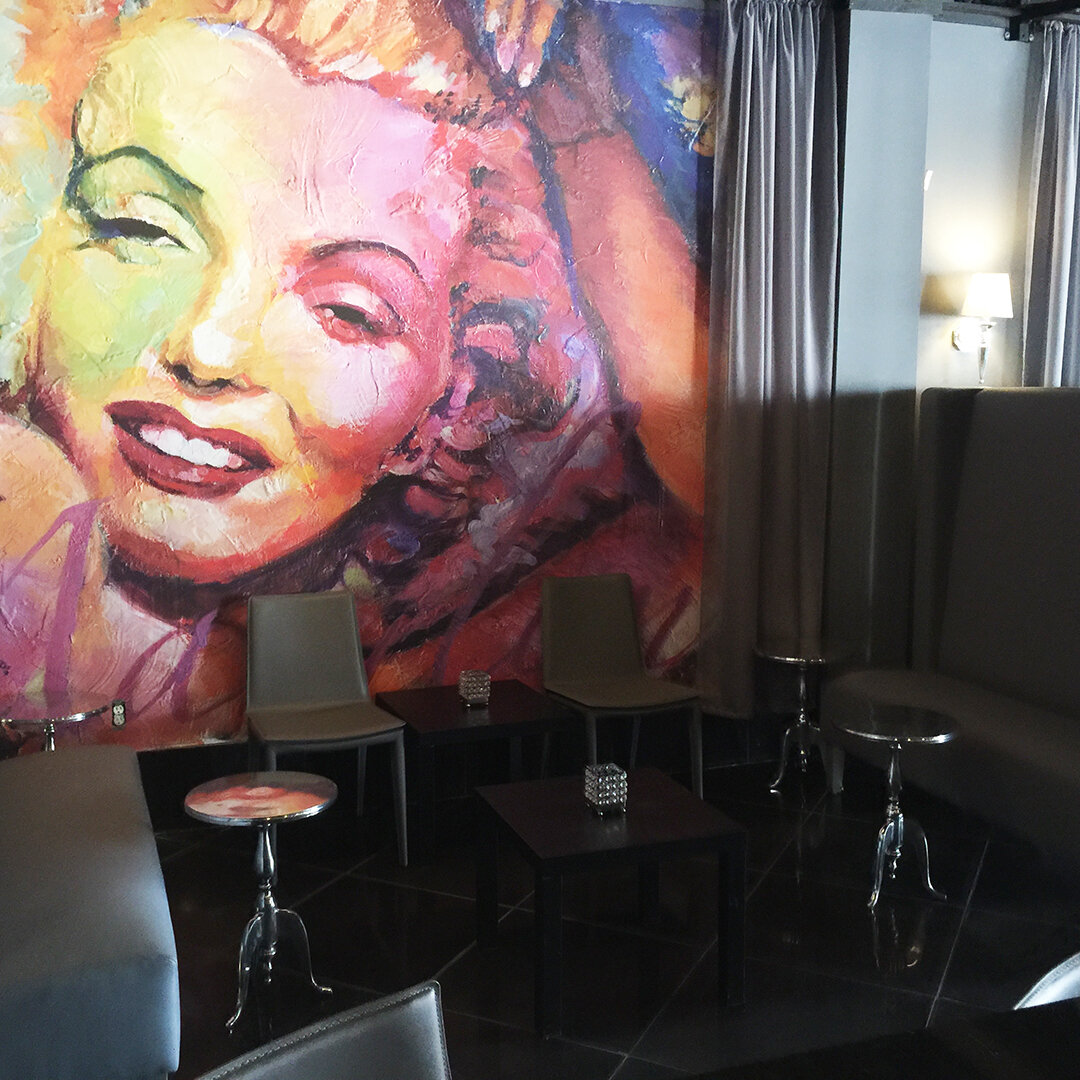
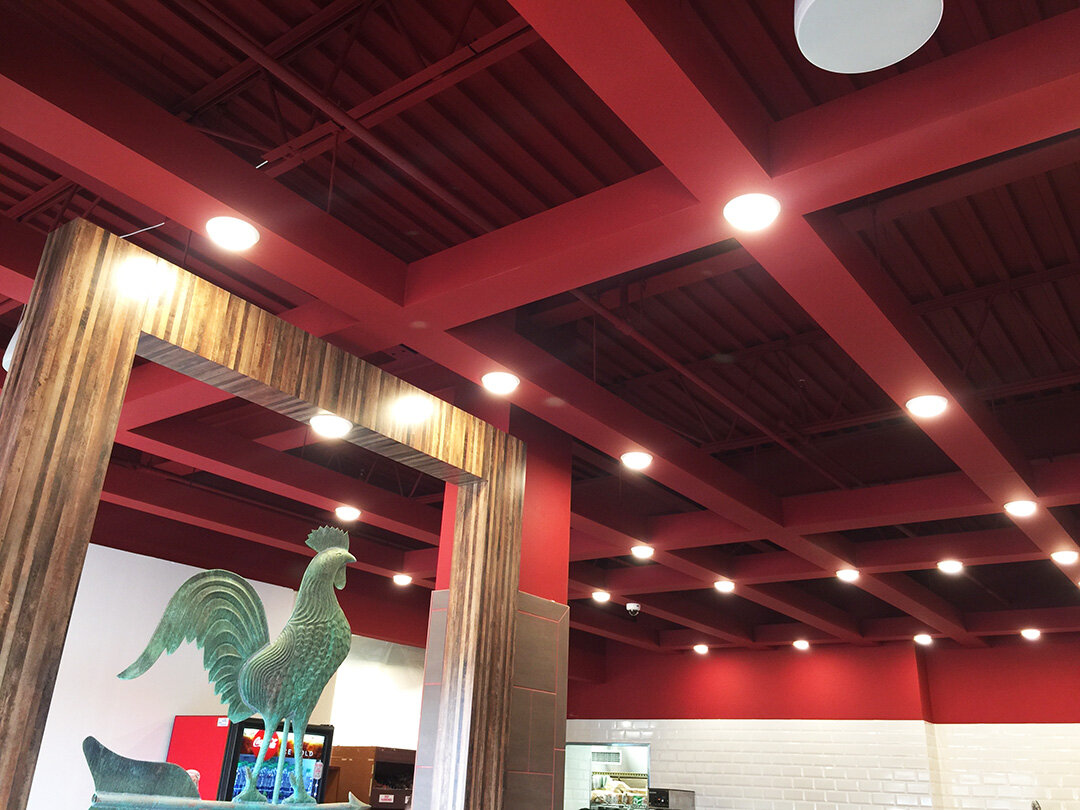
Stone, wood, metal, tile, fabrics and textured surfaces give a restaurant depth and personality.
The materials don't necessarily need to be expensive.
They need to be appropriate, intentional and well composed.
A thoughtfully designed environment can strengthen the perceived value of the entire dining experience.
[PHOTO PLACEMENT #3 — DETAIL SHOT]
Suggested image: Lighting, wall texture, bar detail or custom restaurant feature
Suggested alt text: Custom restaurant interior design details in New Jersey
The Value of Professional Restaurant Rebranding
There comes a point when an established restaurant may need more than a renovation.
It may need a new identity.
A successful restaurant rebranding can change the way both existing and potential customers perceive the business.
That doesn't always mean abandoning everything that made the restaurant successful.
Often, the smartest strategy is to identify what still has value, eliminate what feels dated and build a stronger concept around the best parts of the existing business.
A rebranding may include:
Interior redesign
New space planning
Updated seating
Bar redesign
Lighting
New finishes and materials
Signage and graphics
Logo and visual identity
Menu presentation
Exterior improvements
A new overall guest experience
When all of these elements tell the same story, the transformation becomes much more powerful than a simple renovation.
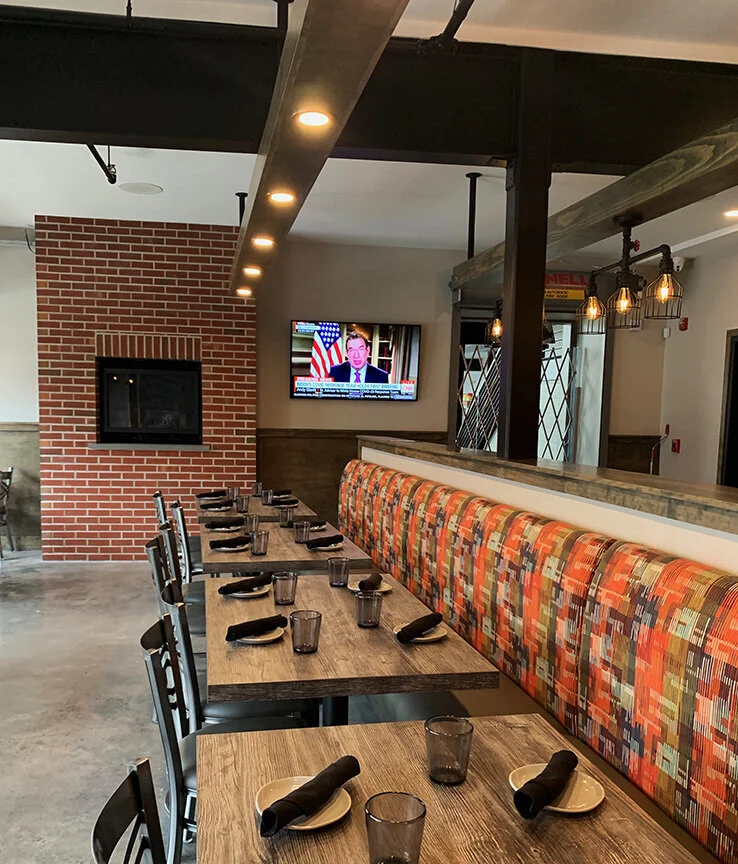
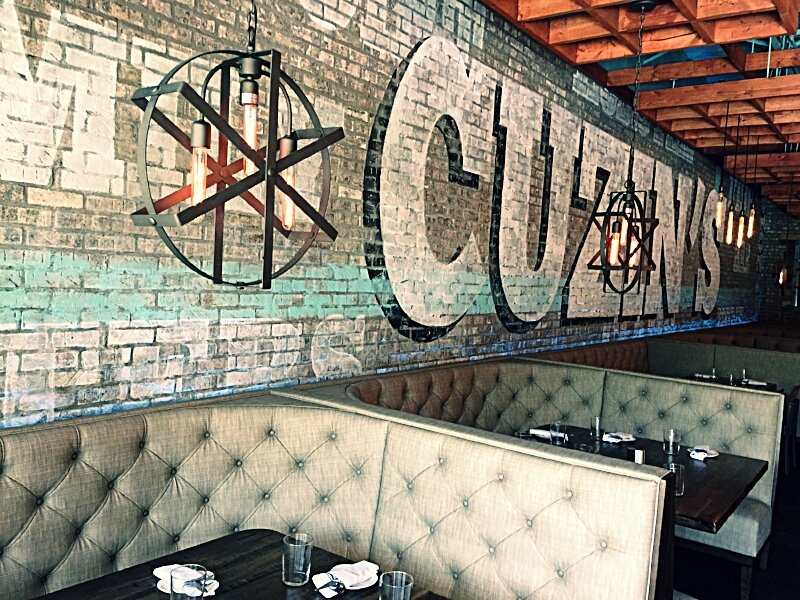
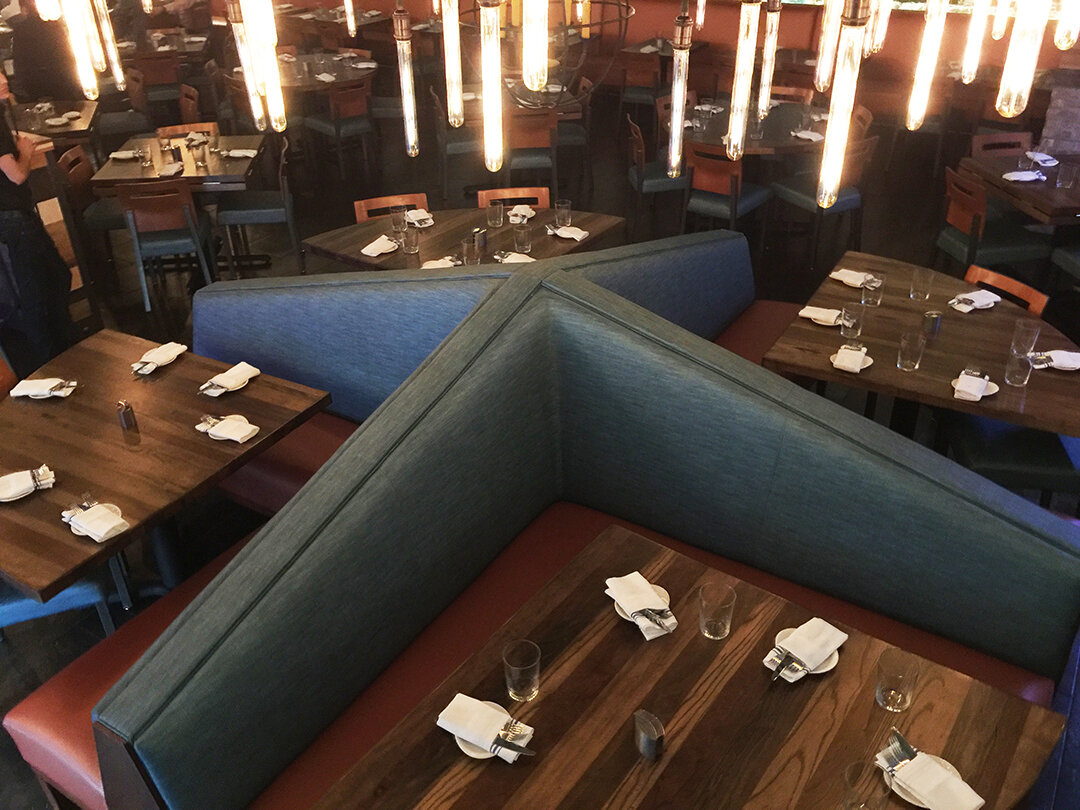
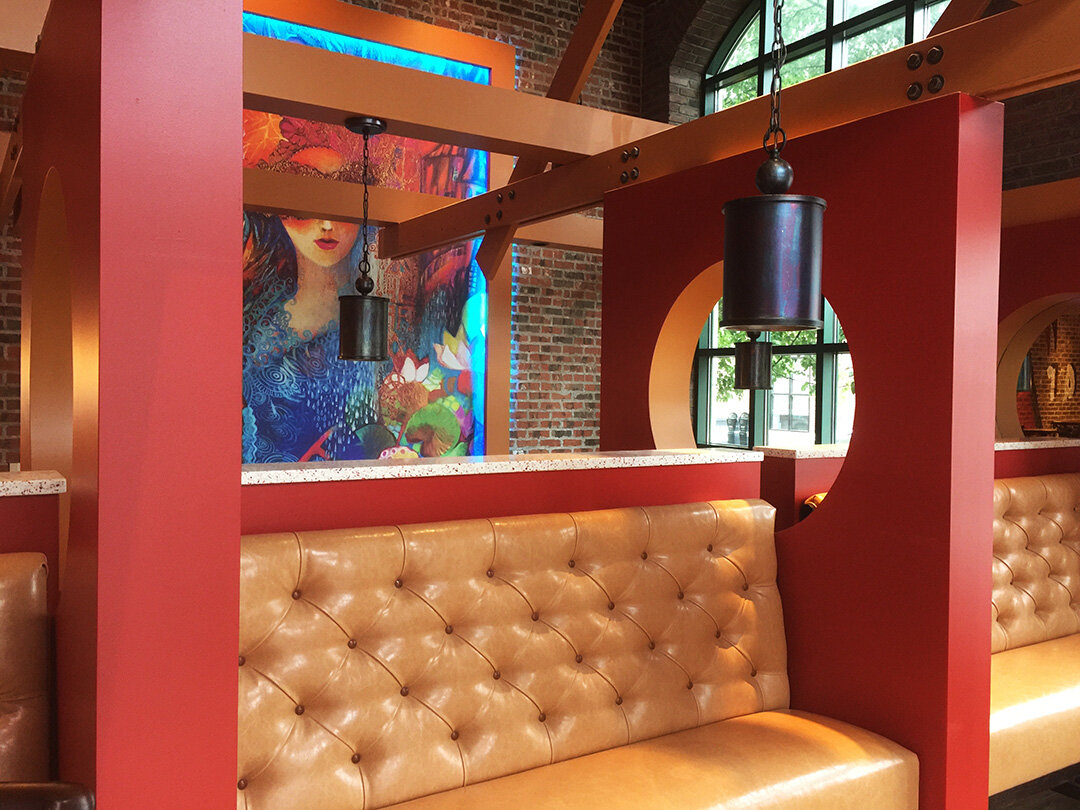
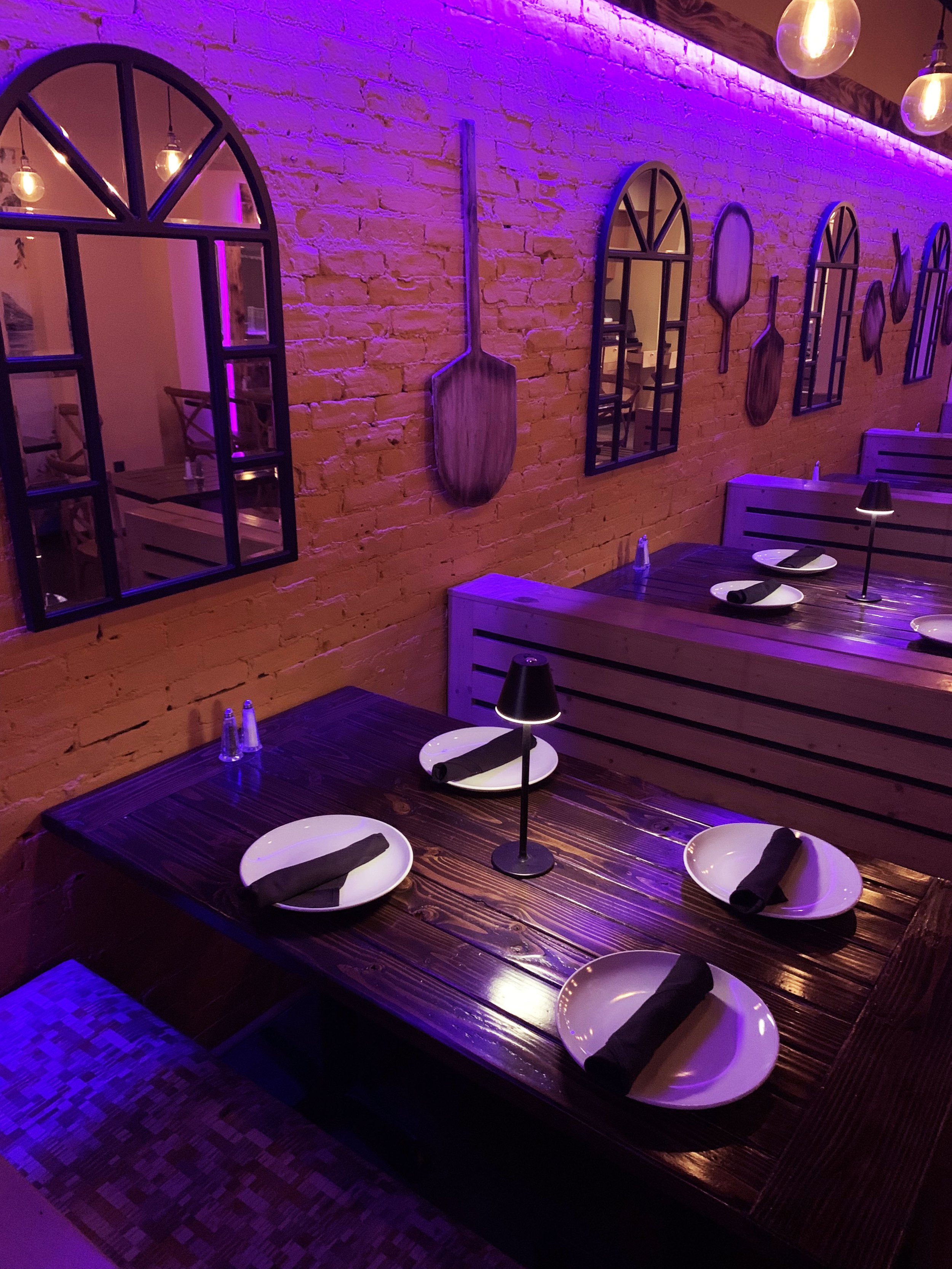
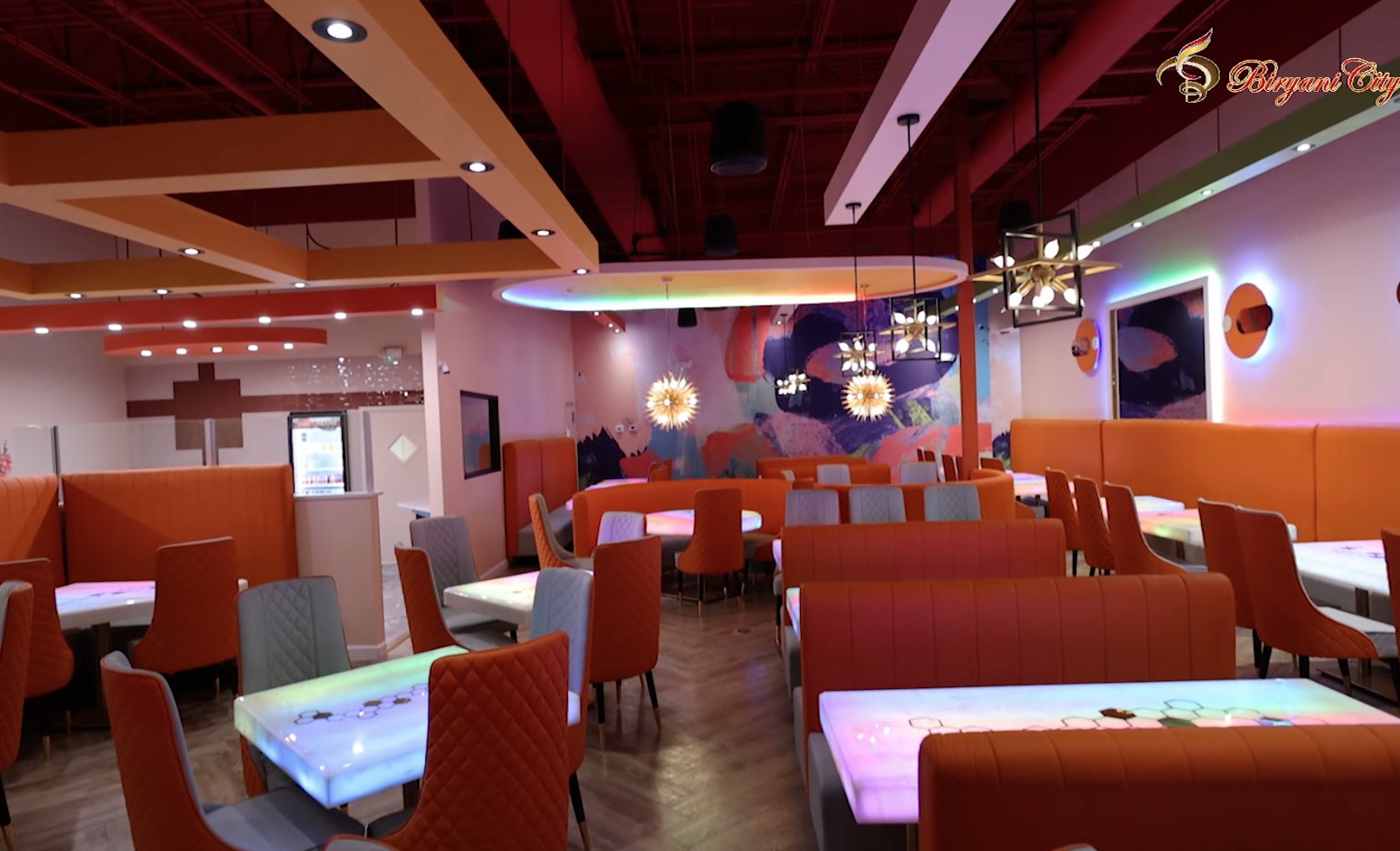
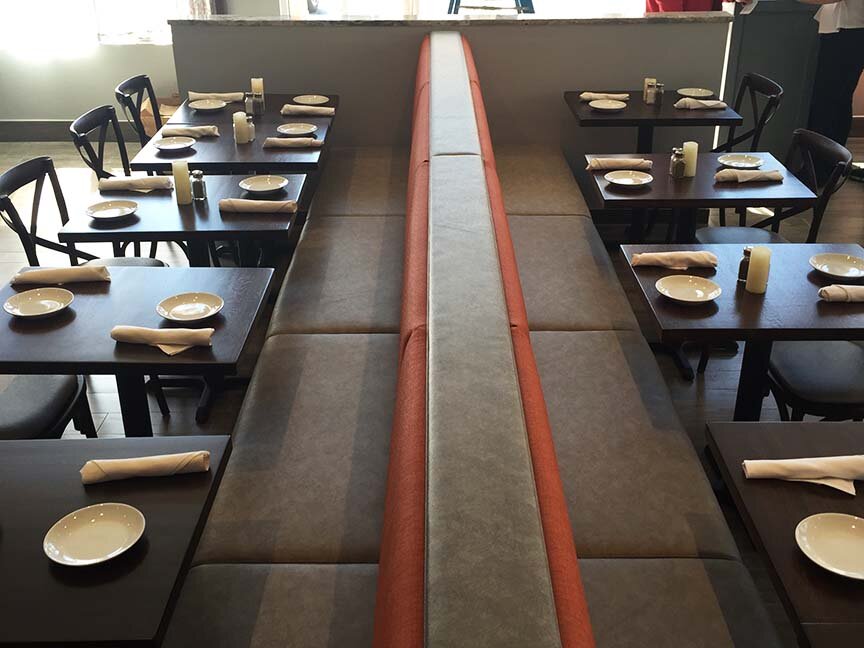
Banquette seating designed by Raymond Haldeman, The Restaurant Designer
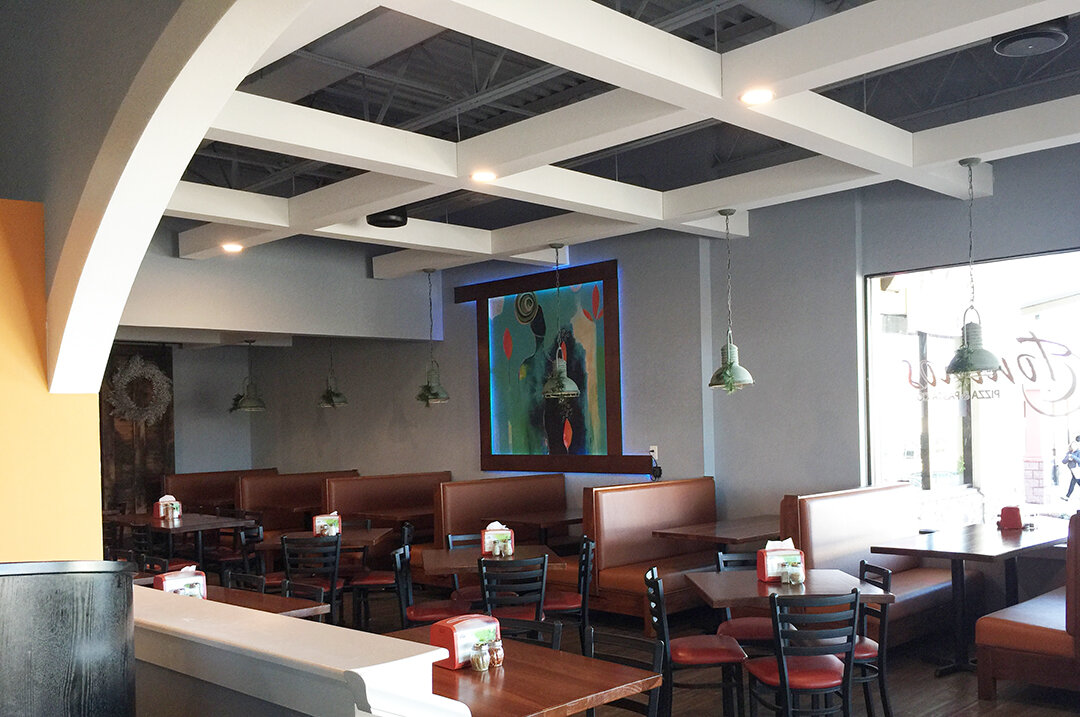
Booths: These increase guest comfort and encourage higher check averages through longer stays.
Communal Seating: This maximizes density during peak weekend hours without sacrificing the energy of the room.
Vibe Dining: Integrating elements like LED mood lighting extends guest stays and drives high-margin drink orders.
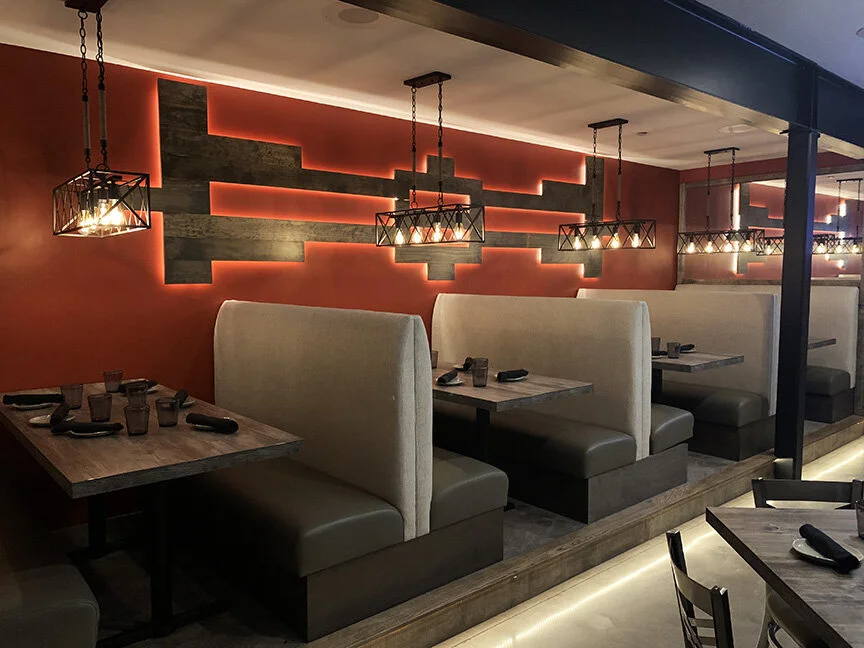
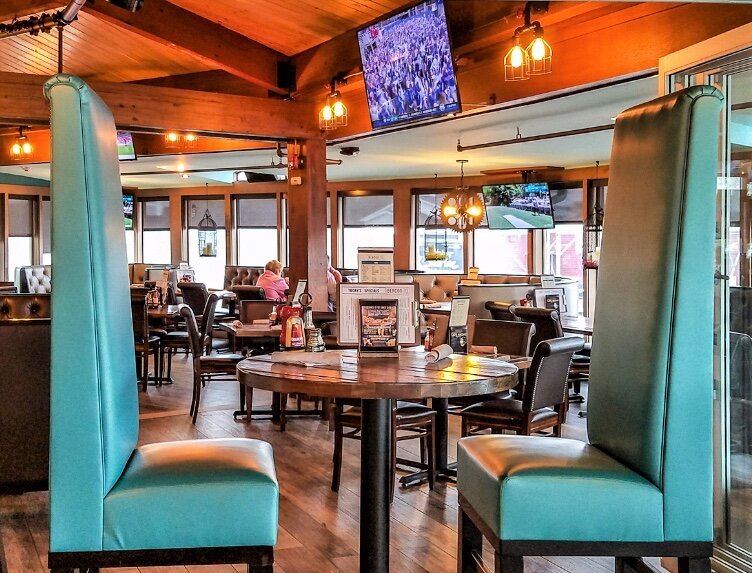
Elevated booth seating designed by Raymond Haldeman, The Restaurant Designer
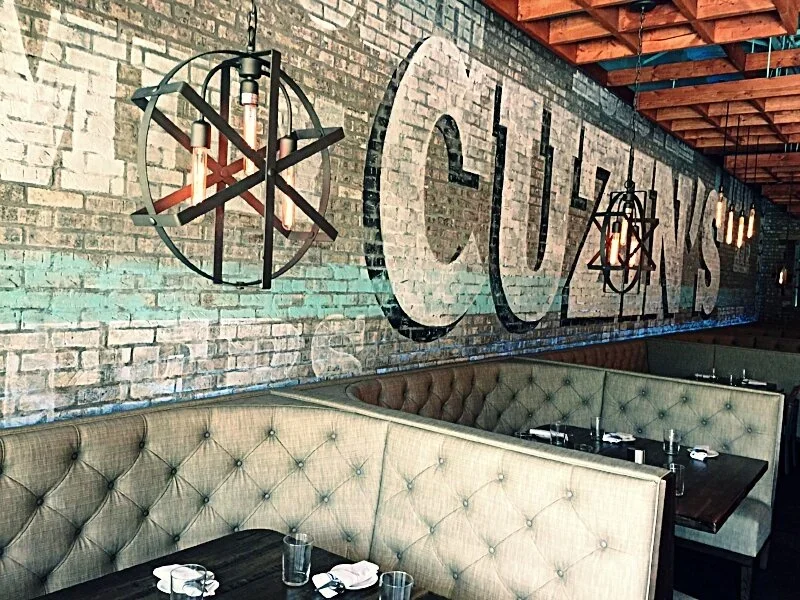
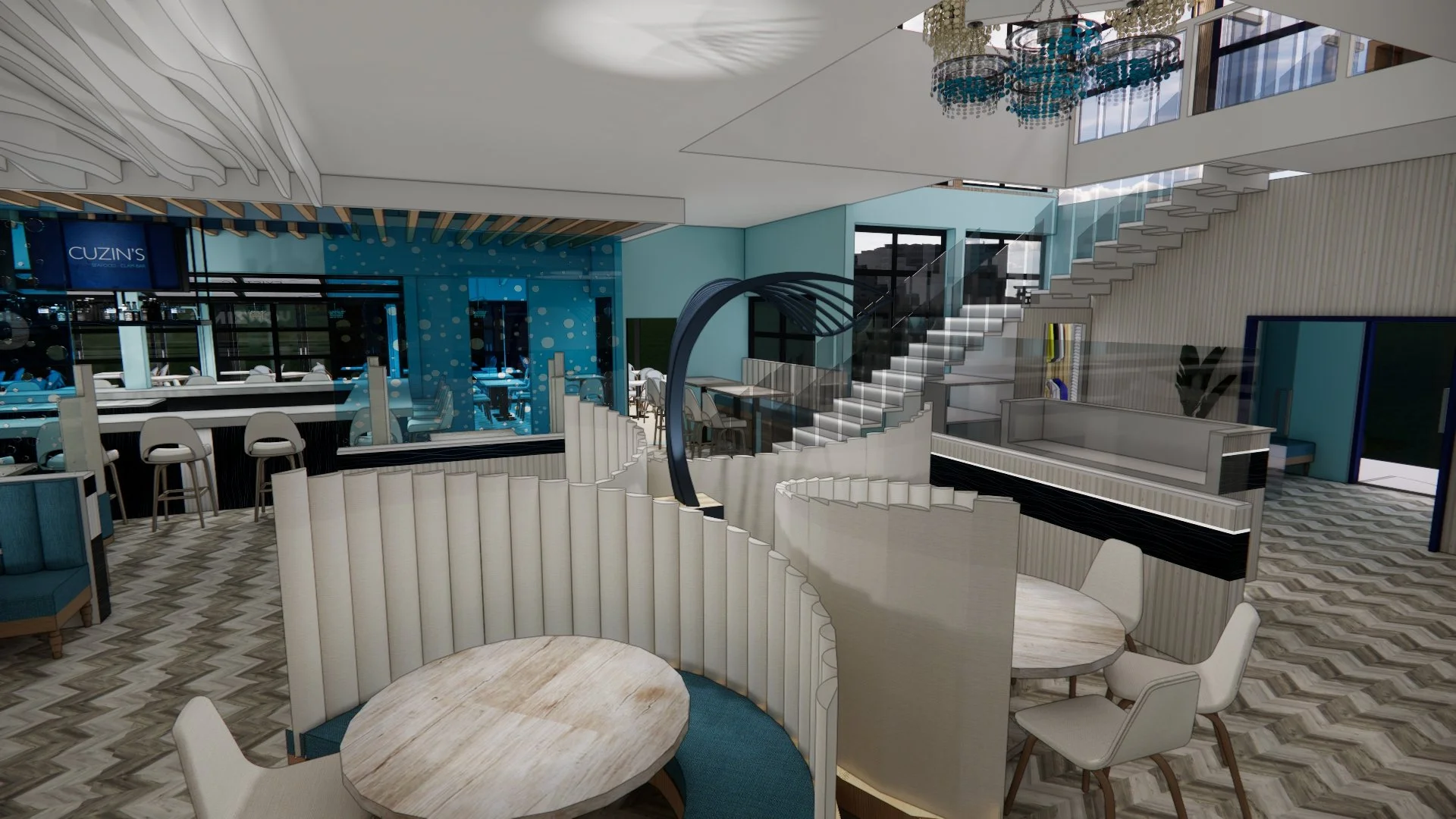
Cuzin's Seafood & Clam Bar: A New Jersey Restaurant Transformation
My designing of Cuzin's Seafood & Clam Bar in Marlboro, New Jersey and subsequently Cuzin’s Seafood in New Brunswick, NJ and Cuzin’s Seafood in Brick, NJ (nearing completion) is a good example of how restaurant design can help support the growth and evolution of an established concept.
The objective wasn't simply to make the restaurant larger.
The expanded environment needed to feel like a natural evolution of the Cuzin's brand while creating a stronger, more contemporary dining experience.
Space planning, visual impact and atmosphere all needed to work together.
That's an important distinction.
When a restaurant expands or reinvents itself, more square footage isn't automatically better.
The additional space needs to be planned and designed in a way that strengthens the restaurant rather than simply making it bigger.
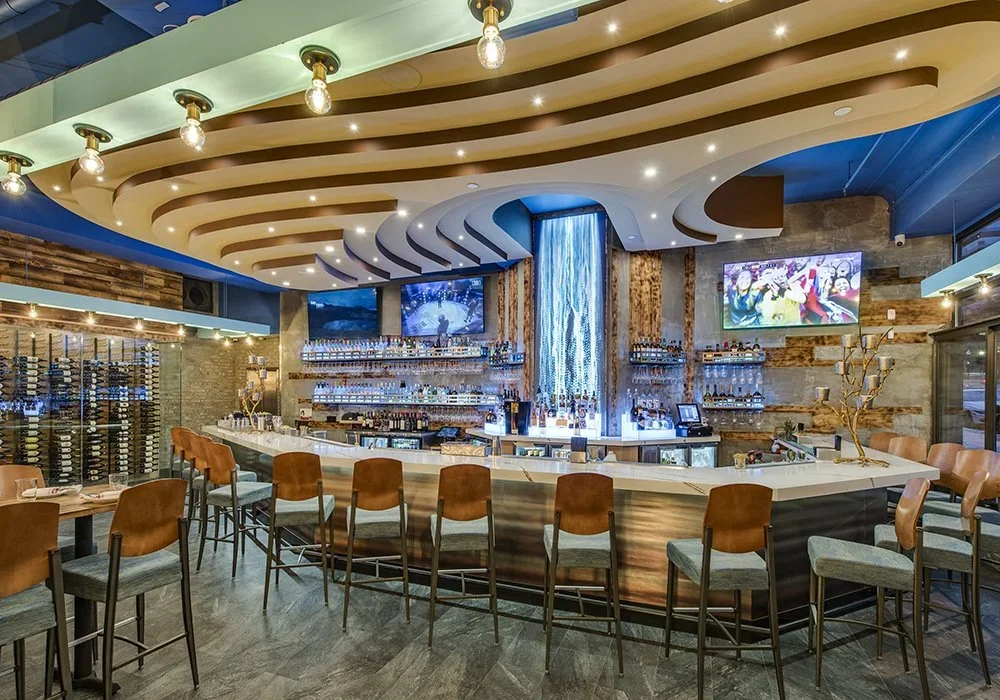
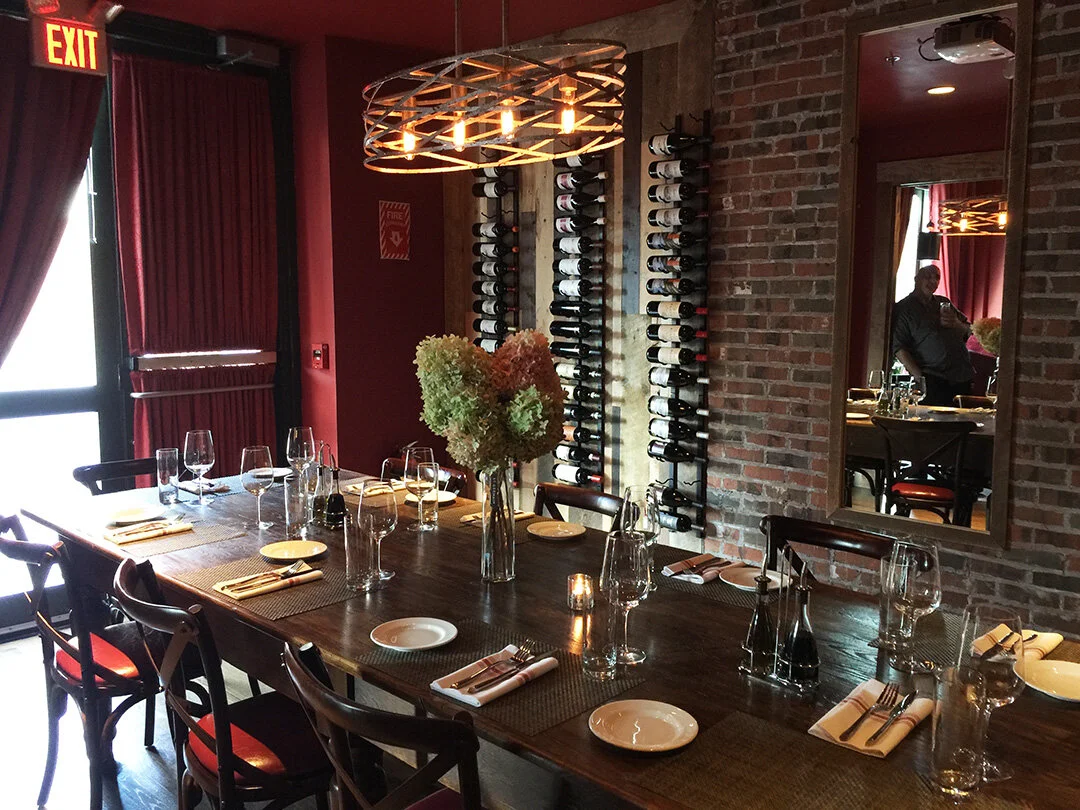
Private party rooms that bring in additional revenue designed by Restaurant Design Consultant, Raymond Haldeman
Rebranding a Restaurant That Has Lost Momentum
Restaurant owners sometimes know something isn't working long before they know exactly what the problem is.
Sales may have softened.
The customer base may be getting older.
New competitors may feel more exciting.
The room may suddenly seem dated even though nothing significant has changed.
Those can all be signs that the restaurant's concept and its market have started moving in different directions.
The answer isn't necessarily to throw everything away.
The first step is understanding why the restaurant is losing relevance.
Questions I consider include:
Has the target customer changed?
Does the interior support the menu and price point?
Does the restaurant still have a distinctive identity?
Are there areas guests avoid?
Does the bar create enough energy?
Is the lighting flattering and comfortable?
Does the restaurant photograph well?
Is the floor plan helping or hurting operations?
Which parts of the existing concept are still worth preserving?
From there, the restaurant can be repositioned intentionally rather than simply redecorated.
A strong transformation can create what I think of as a second opening—giving existing customers a reason to rediscover the restaurant while introducing the concept to an entirely new audience.
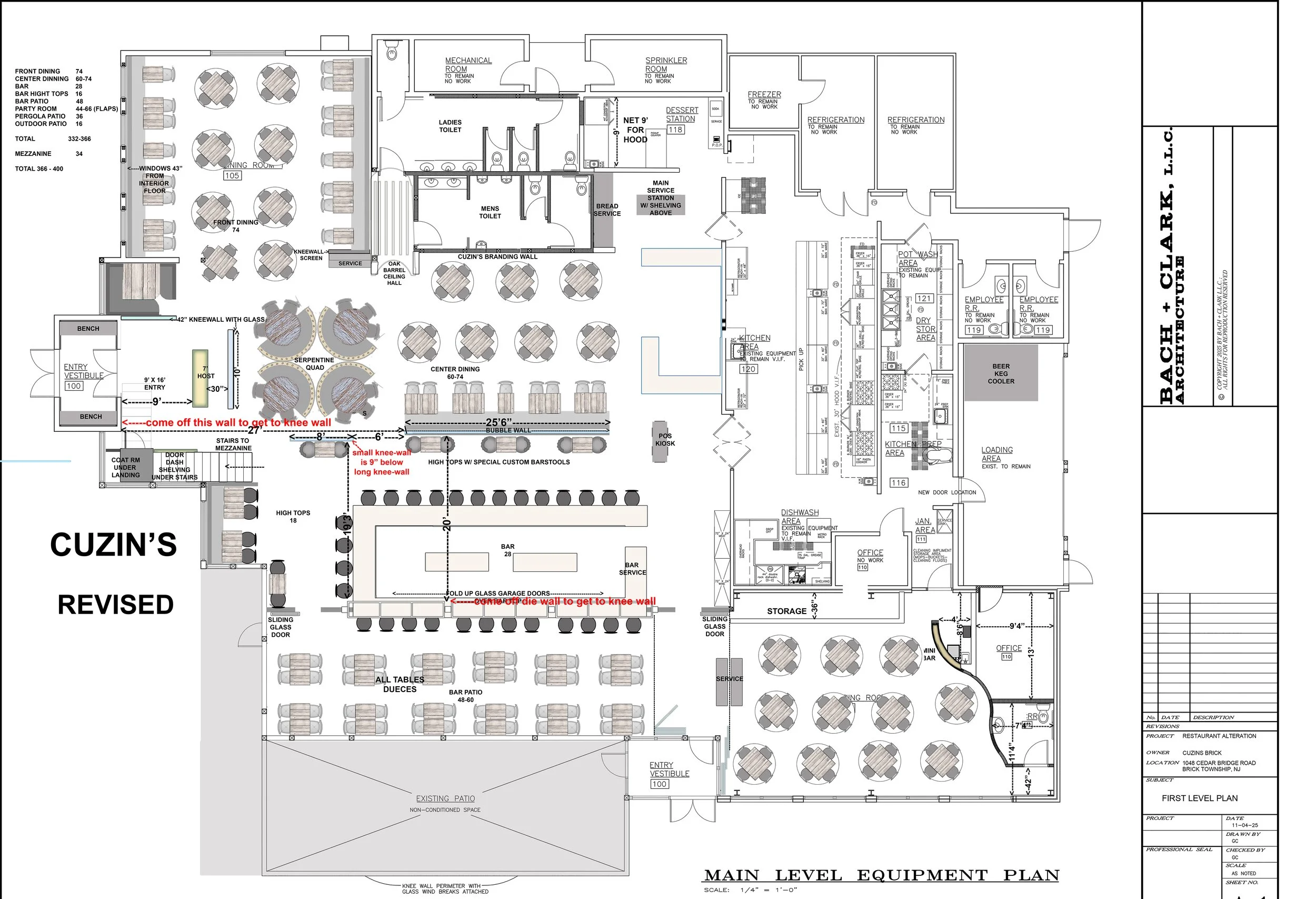
Maximizing Revenue per Square Foot
One of the most important principles in restaurant design is also one of the simplest:
Your floor plan is a business tool.
Every square foot has value.
That doesn't mean squeezing as many tables as possible into the dining room. Overcrowding can damage the guest experience just as quickly as wasted space can damage profitability.
The real objective is finding the right balance between:
Seating capacity
Guest comfort
Server circulation
Table spacing
Service stations
Bar access
Kitchen access
Waiting areas
ADA circulation
Visual impact
A well-planned restaurant uses its available square footage intelligently.
It eliminates unnecessary dead zones while preserving enough space for the restaurant to feel comfortable and intentional.
Even seemingly small changes—a better booth configuration, relocating a service station or reworking an awkward corner—can significantly improve how the restaurant operates.
Restaurant Space Planning: The Silent Revenue Driver
Guests rarely walk into a restaurant and compliment the efficiency of the floor plan.
But they experience its effects all night.
They notice when servers constantly squeeze between tables.
They notice when there's congestion near the bar.
They notice when a table feels isolated or awkward.
And they notice when a restaurant simply feels comfortable and effortless.
Good space planning should appear almost invisible to the guest.
Behind the scenes, however, it can dramatically affect the way the restaurant functions.
A thoughtful plan can help:
Create more desirable seating
Improve server circulation
Reduce conflicts between guests and staff
Improve access to service stations
Strengthen the relationship between the bar and dining room
Reduce wasted space
Make large dining rooms feel more intimate
Improve operational efficiency
That's why I begin with the floor plan before worrying about decorative details.
Function creates the framework. Design brings it to life.
From Restaurant Floor Plan to Complete Experience
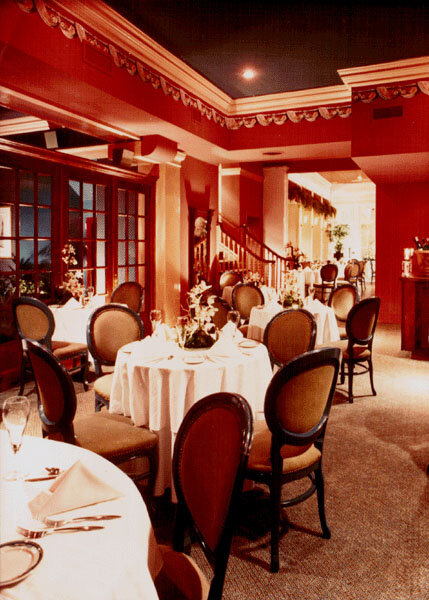
Once the space works properly, we can begin layering in the elements that give the restaurant its personality.
That includes lighting, furniture, color, textures, artwork, millwork, ceiling design, bar details and architectural features.
Each decision should support the same concept.
The best restaurant interiors don't feel like collections of unrelated good ideas.
They feel like one complete idea.
That consistency is what turns a nicely decorated restaurant into a recognizable brand.
Why Work With Raymond Haldeman, The Restaurant Designer?
There is a substantial difference between designing a residential interior and designing a restaurant.
Restaurants have unique operational demands.
Seating, bars, guest circulation, service paths, kitchens, lighting, acoustics, durability and branding all need to work together.
I've spent decades designing restaurants and hospitality environments with those realities in mind.
My services include:
Restaurant concept development
Restaurant interior design
Space planning
Restaurant rebranding
Bar and lounge design
Seating and booth design
Lighting concepts
Materials and finishes
Visual identity
Design development
Project oversight
My goal isn't simply to make a restaurant attractive.
It's to create an environment that looks distinctive, functions intelligently and supports the business behind it.
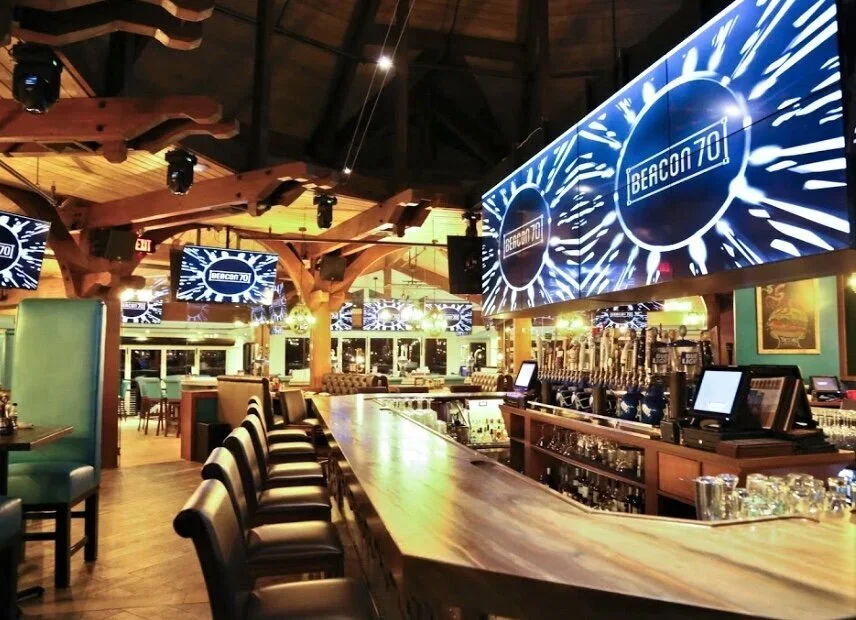
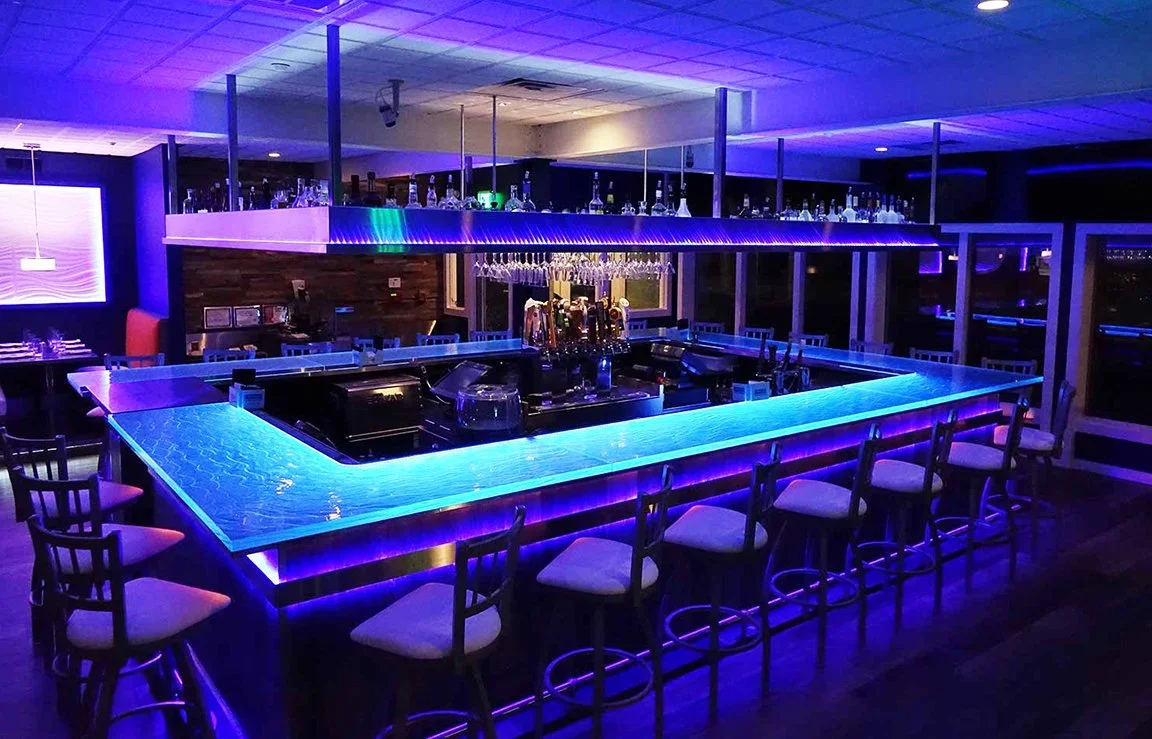
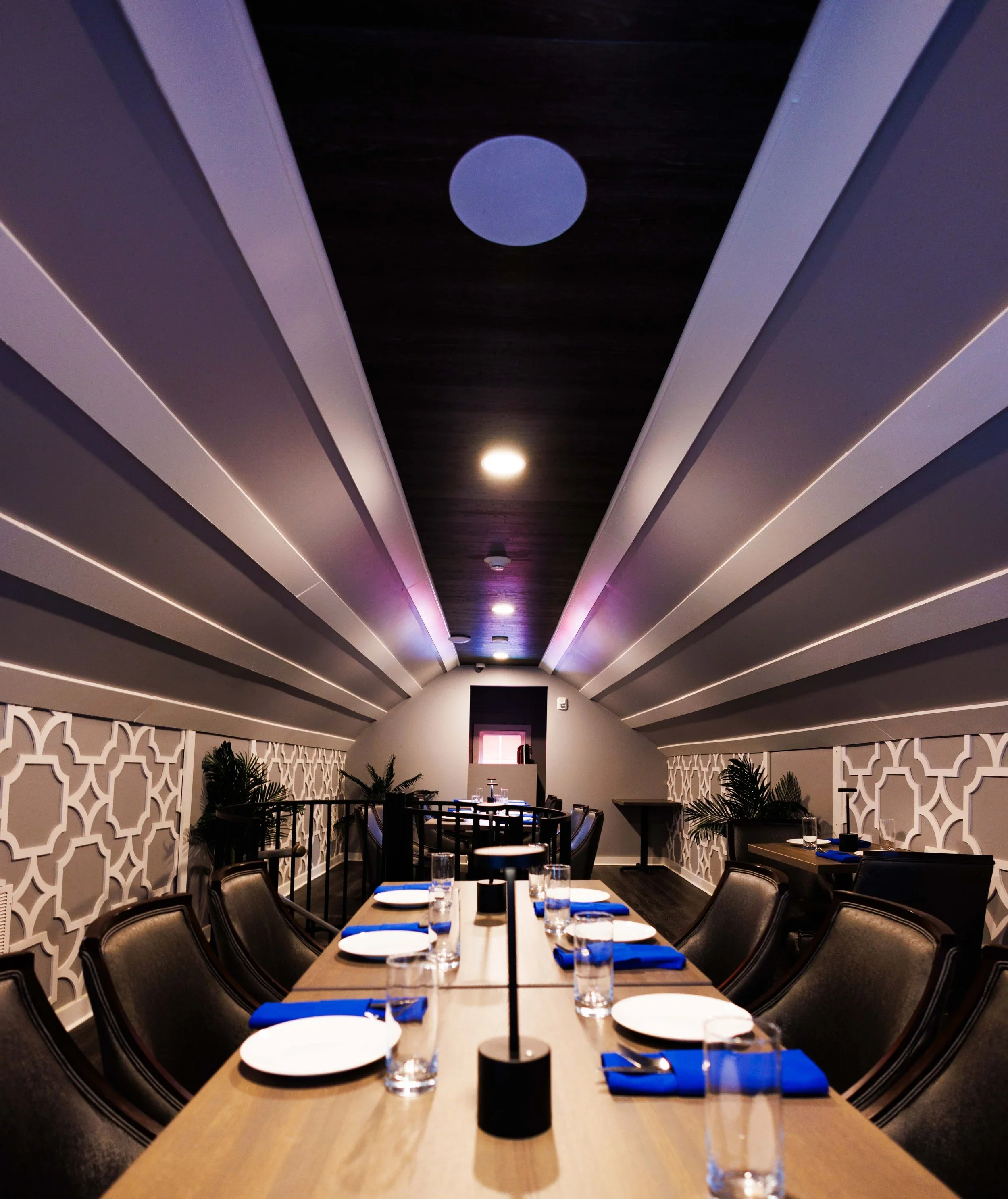
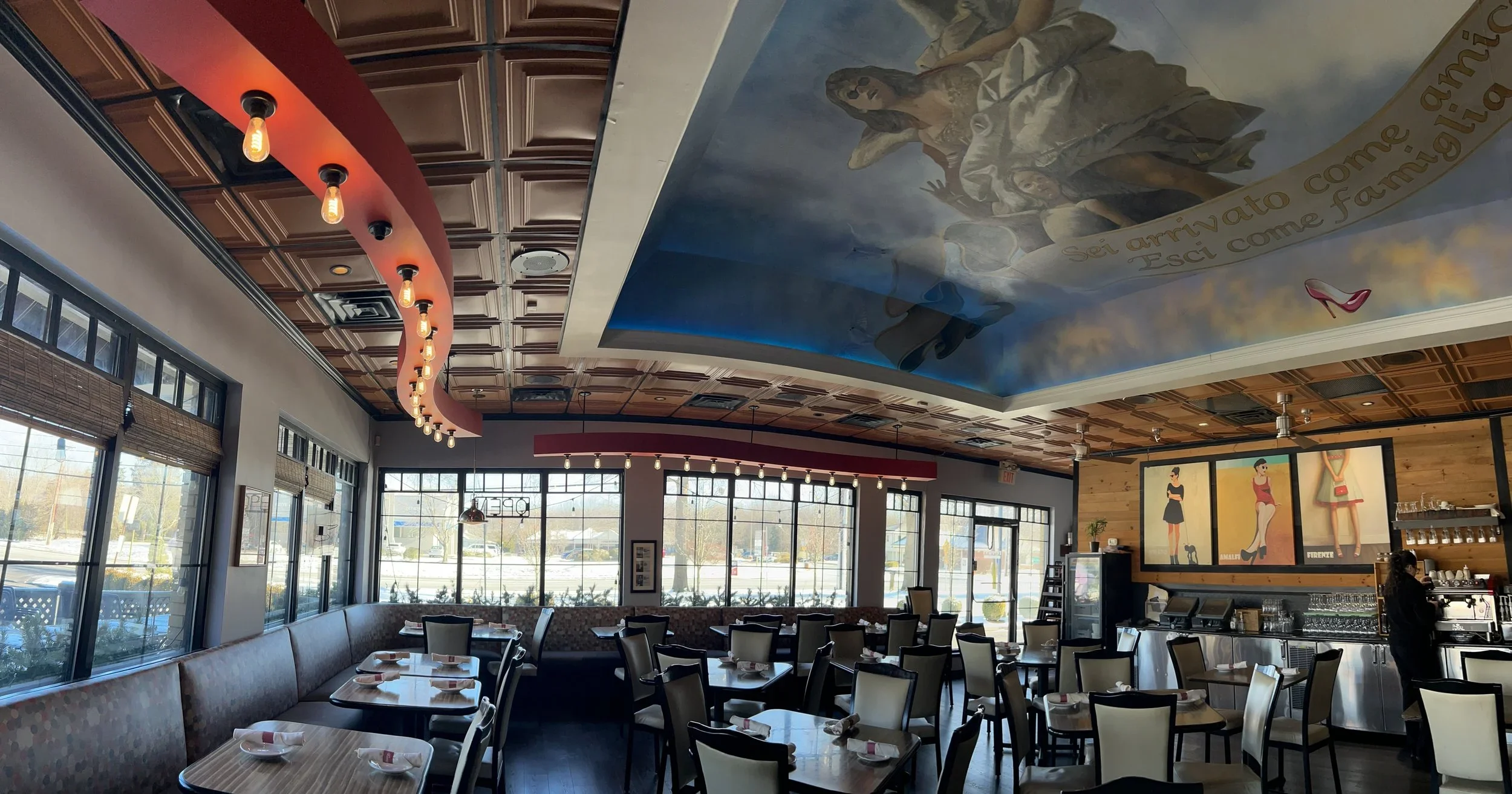
Check Out some of The Restaurant Designers New Jersey Designs
Related Reading: Restaurant Rebranding Cost and Common Restaurant Rebranding Mistakes
Call Raymond now for a Free Consultation
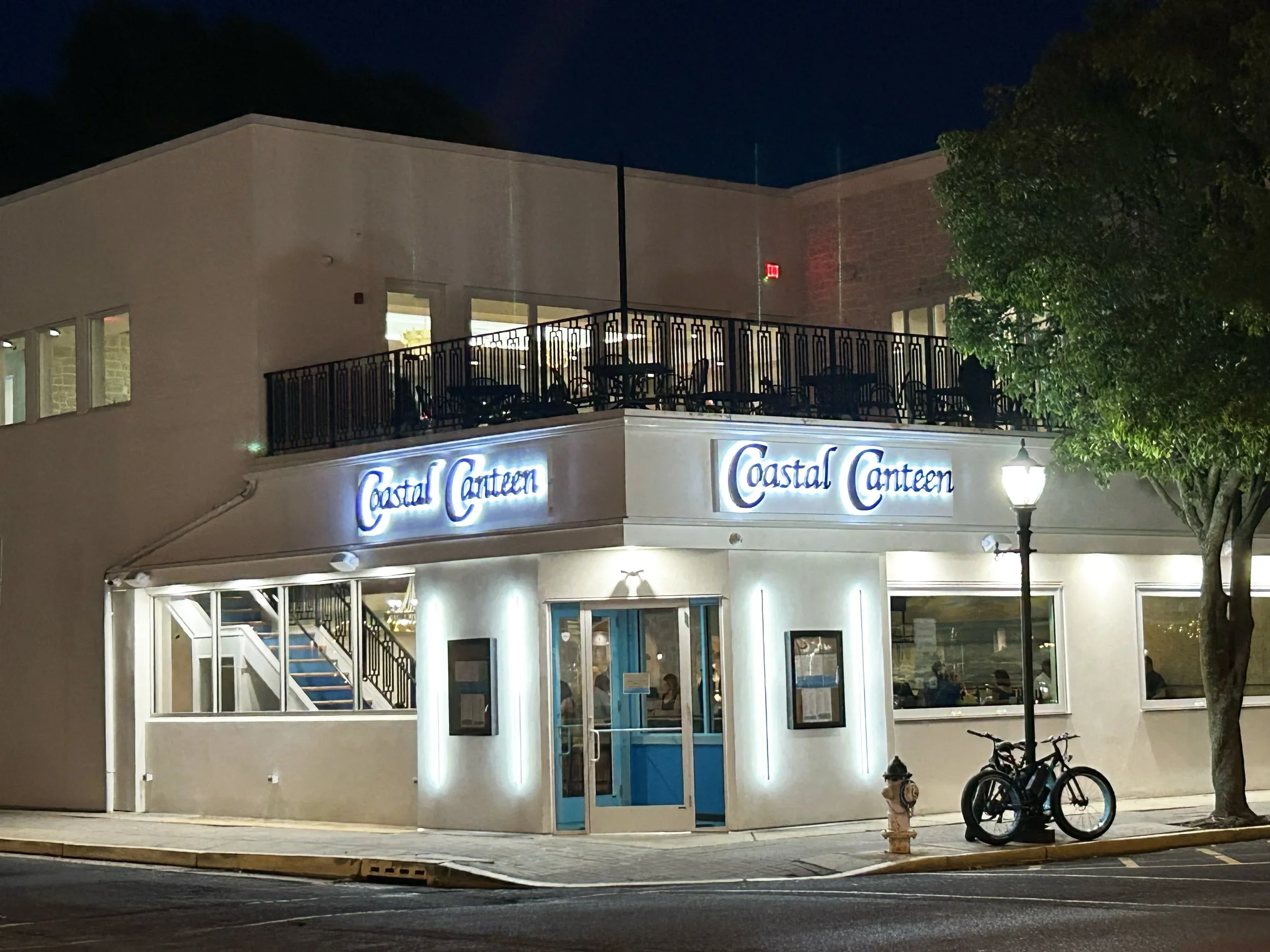
Planning a New Restaurant or Redesign in New Jersey?
Whether you're developing a new restaurant, expanding an existing venue or considering a complete rebrand, early design involvement gives you more opportunities to make smart decisions before construction begins.
That's particularly important when evaluating floor plans.
Problems that are relatively easy to correct during the design phase can become extremely expensive once walls, plumbing, electrical systems, millwork and equipment are installed.
An experienced restaurant designer can help identify those issues early while also uncovering opportunities that might otherwise be missed.
Ready to Transform Your New Jersey Restaurant?
A successful restaurant interior should accomplish several things at once.
It should attract attention.
It should support your brand.
It should make guests comfortable.
It should help your employees work efficiently.
And it should give people a reason to choose your restaurant over all the other options available to them.
If you're planning a restaurant renovation, new concept or complete rebranding, I can help you determine how to make the most of your space and your investment.
Related reading: Ready to go beyond a facelift? NJ Restaurant Renovation Design explains how a full rebrand turns a tired space into a revenue-generating destination.
Raymond Haldeman, The Restaurant Designer
New Jersey Restaurant Design • Restaurant Rebranding • Space Planning • Bar & Lounge Design • Hospitality Interiors
Schedule a Restaurant Design Consultation with Raymond Haldeman