Nostalgia is a death sentence for a restaurant if it isn't packaged in a modern, profit-driven framework. You've likely seen the warning signs: declining foot traffic, a demographic that's aging out, and a floor plan that makes your staff trip over their own feet. It's a common trap that many owners fail to escape, but the olde silver tavern proves that a bold intervention can change everything. This case study breaks down how this legacy neighborhood spot was salvaged and transformed into a high-revenue modern landmark through strategic restaurant rebranding and expert design by Raymond Haldeman, the restaurant designer.
You'll discover the exact methods used to attract new, high-spending customers and fix the operational bottlenecks that kill table turnover. We're showing you how to build a brand identity that stands out in a crowded market and demands respect. This is a roadmap for any operator who's ready to stop managing a decline and start leading a market. It's time to learn what it actually takes to turn a dated interior into a sophisticated, high-impact venue that maximizes every square foot for profit.
Key Takeaways
Understand why clinging to legacy "nostalgia" is a liability and how a total concept overhaul is required for survival in a competitive market.
Analyze the specific spatial strategies used at the olde silver tavern to turn high-impact areas like the bar into immediate revenue drivers.
Stop relying on general contractors for design; invest in specialized expertise to prevent fundamental brand failures that kill your profitability.
Master the relationship between floor plans and guest psychology to attract high-spending customers while improving your team's operational efficiency.
Discover the Raymond Haldeman method for streamlining the design-to-opening process to protect your cash flow and minimize costly downtime.
Table of Contents
The Resurrection of the Olde Silver Tavern: A Rebranding Success Story
The Design DNA: How Layout and Aesthetics Drive Tavern Revenue
3 Critical Lessons for Owners from the Olde Silver Tavern Rebrand
Executing Your Transformation: The Raymond Haldeman Approach
The Resurrection of the Olde Silver Tavern: A Rebranding Success Story
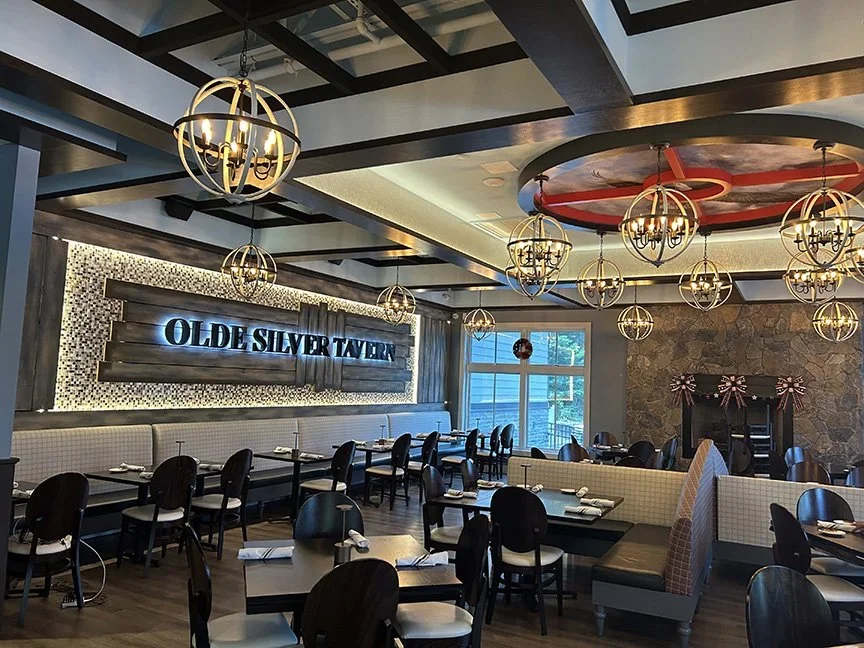
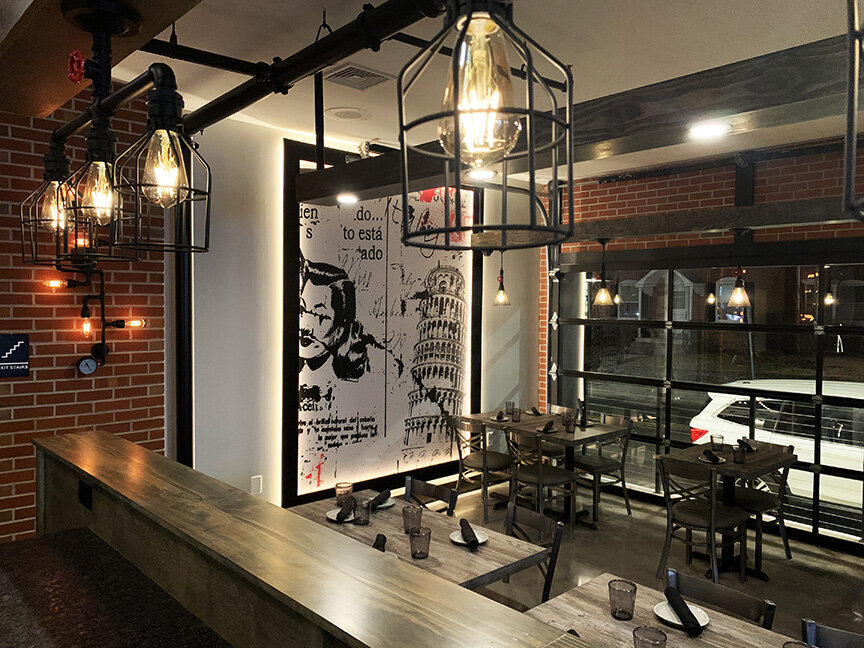
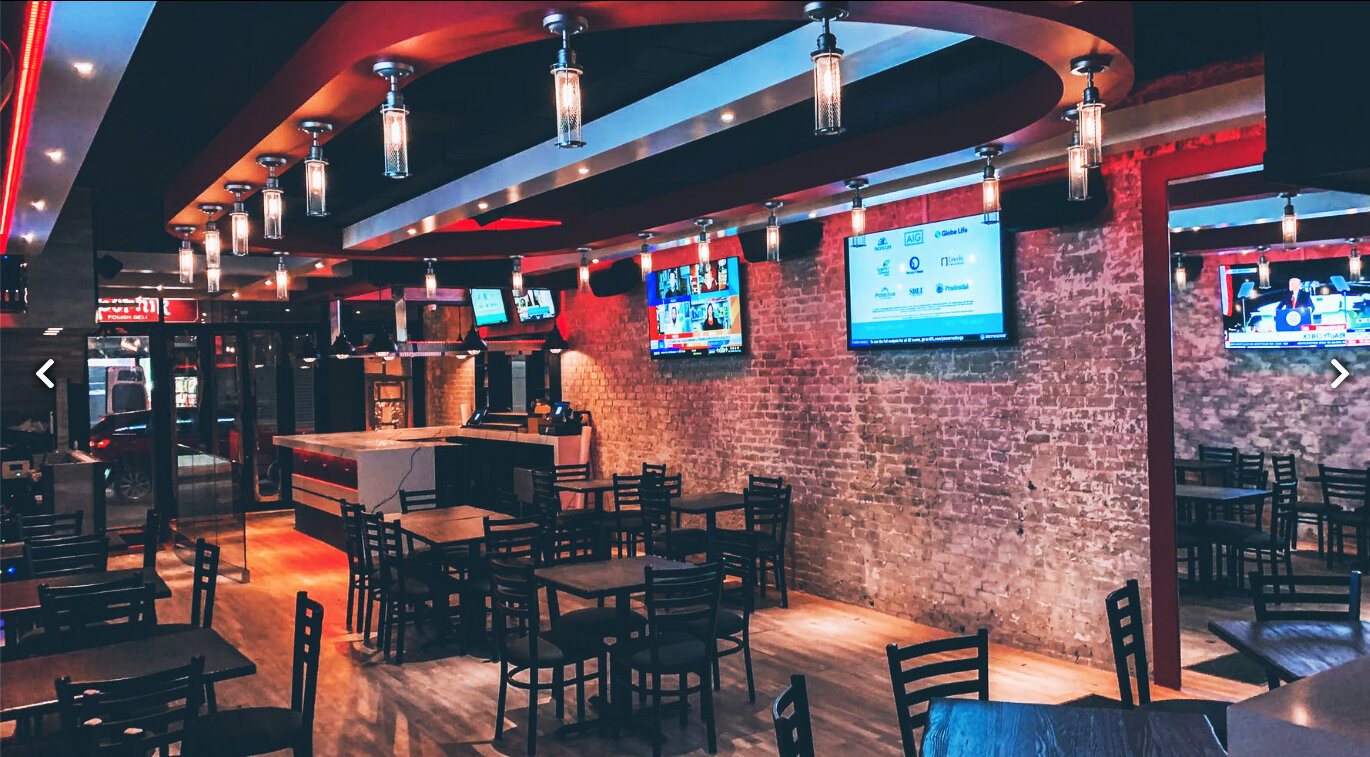
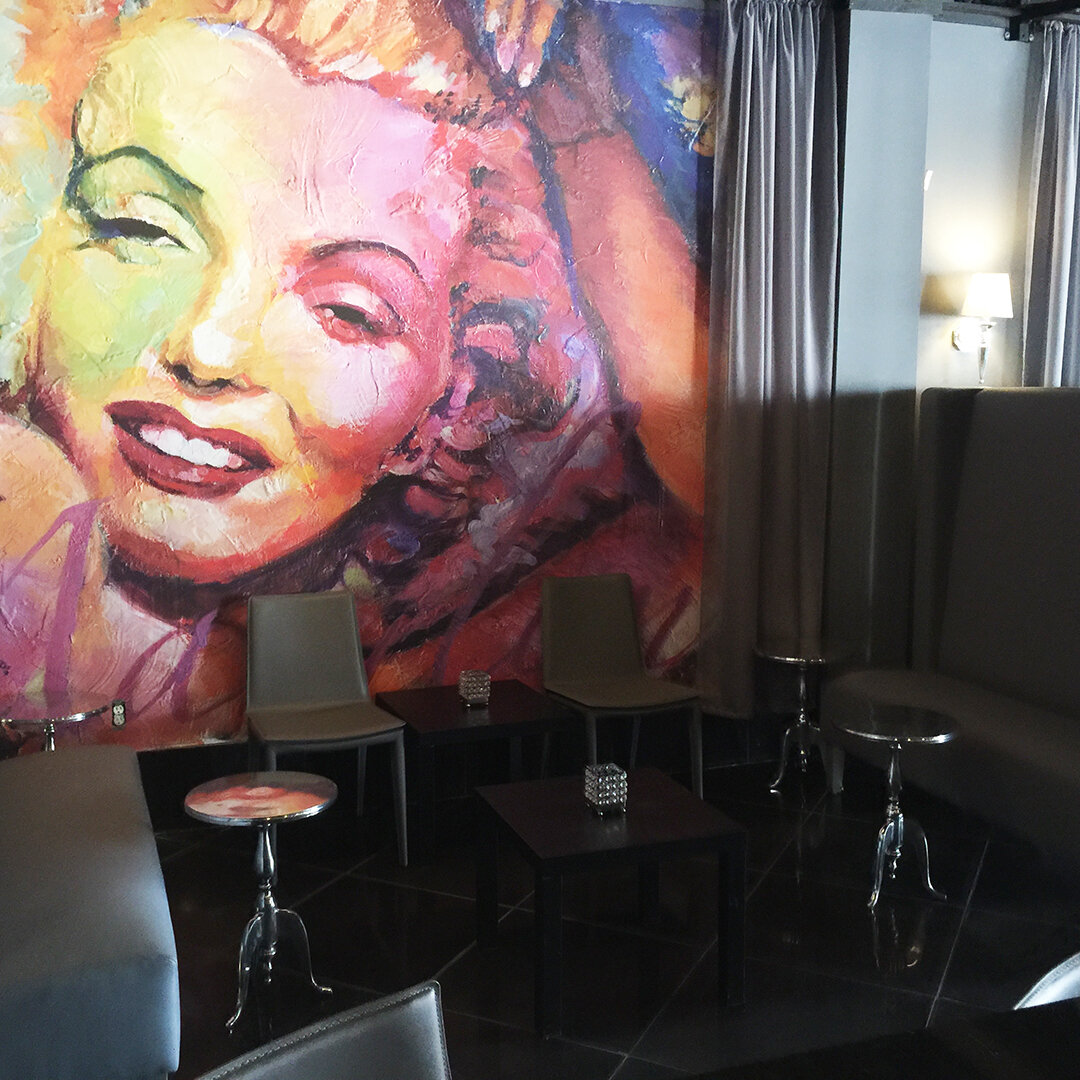
Raymond added a “Branding Wall” in the new, “Olde Silver Tavern”
Legacy brands often mistake stagnation for "tradition." If your restaurant relies on memories rather than modern revenue drivers, you're already behind. The olde silver tavern serves as a definitive case study in how to execute a strategic restaurant rebranding without alienating your core community. After being shuttered for years, simply reopening wasn't an option. The objective was clear: gut the outdated elements while preserving the "soul" of a neighborhood landmark. This required a calculated shift from a standard sports bar to a sophisticated New American Tavern that commands higher price points and attracts a broader demographic.
The transformation wasn't about surface-level aesthetics. It was about creating a venue that functions as a high-revenue machine. You must understand that the "soul" of a tavern isn't found in its old carpet or dim lighting; it's found in the energy of the space. By modernizing the comfort food aesthetic, the new construction ensured the venue felt familiar yet undeniably superior to its previous iteration. This is where many owners fail. They fear change, yet change is the only thing that prevents obsolescence.
Identifying the Need for a Total Redesign
Don't wait for your doors to close to admit you have a problem. Stagnant revenue and a "dated" atmosphere are business emergencies, not minor inconveniences. For the olde silver tavern, the challenge was moving beyond the tired sports bar trope that limits growth. Locals wanted the comfort of their old haunt but demanded the quality of a modern gastropub. A total redesign resets community perception. It signals that you're no longer a relic of the past but a visionary leader in the current market.
The Vision: Rustic Meets New American Sophistication
Success lies in the balance between locally-sourced comfort and high-end interior finishes. You aren't just selling a meal; you're selling an environment where Gen Z, Millennials, and Boomers all feel they belong. This isn't achieved through minor tweaks. You must commit to a total vision that marries rustic textures with modern, clean lines. The New American Tavern aesthetic acts as a primary revenue driver by creating a high-perceived-value atmosphere that justifies premium menu pricing and encourages repeat visits.
Navigating this level of transformation is a high-stakes gamble without professional guidance. Hiring an expert restaurant rebranding consultant is the only way to ensure your vision translates into operational efficiency and aesthetic excellence. Don't leave your legacy to chance. Expert intervention is the shortcut to a profitable, modern landmark.
The Design DNA: How Layout and Aesthetics Drive Tavern Revenue
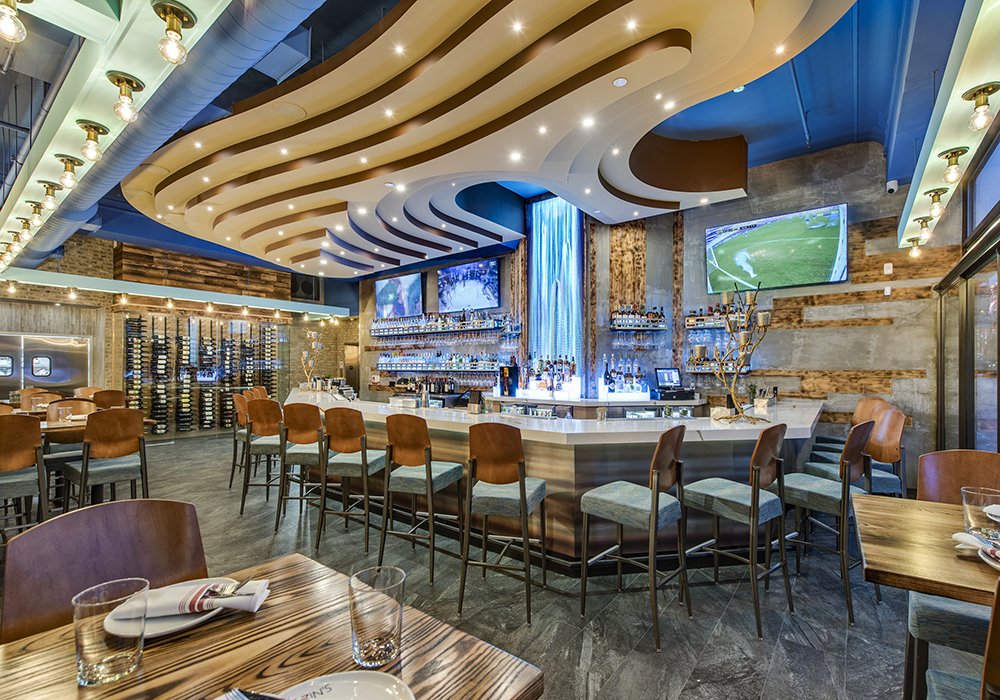
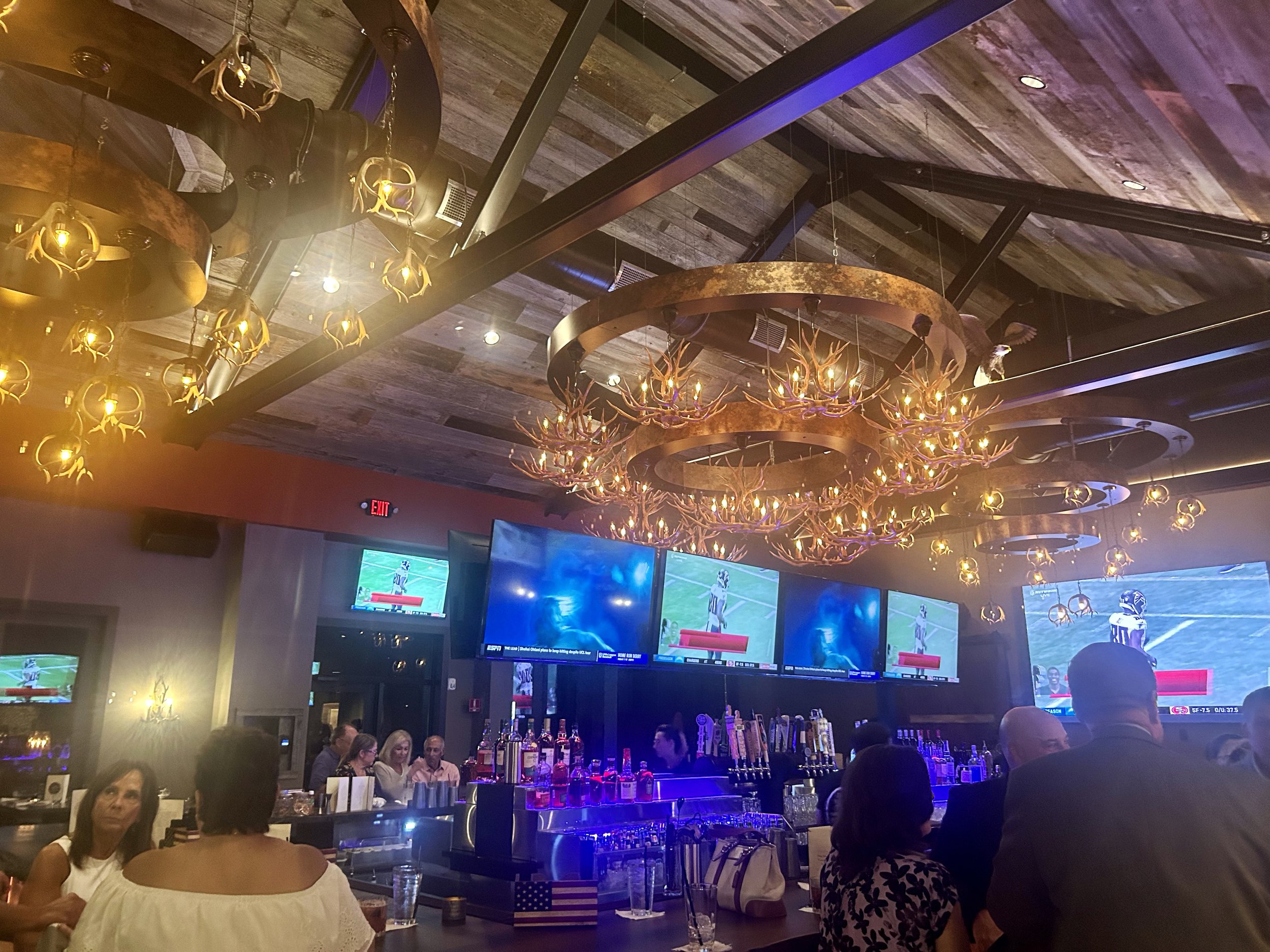
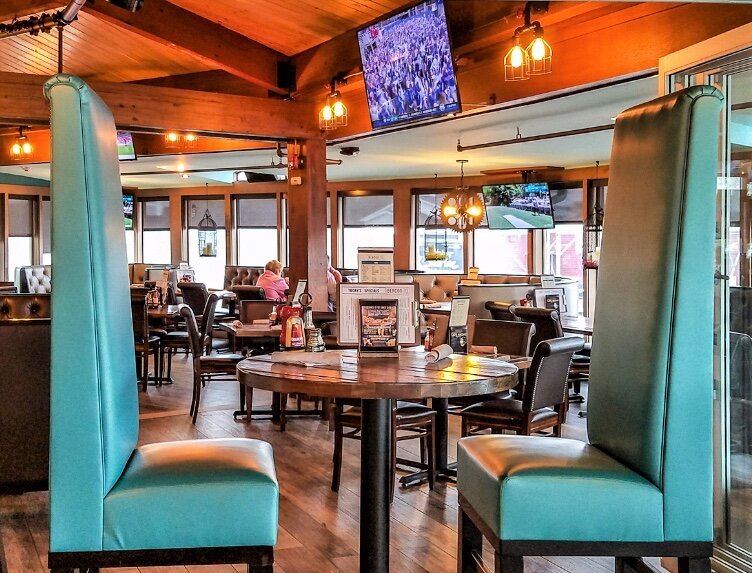
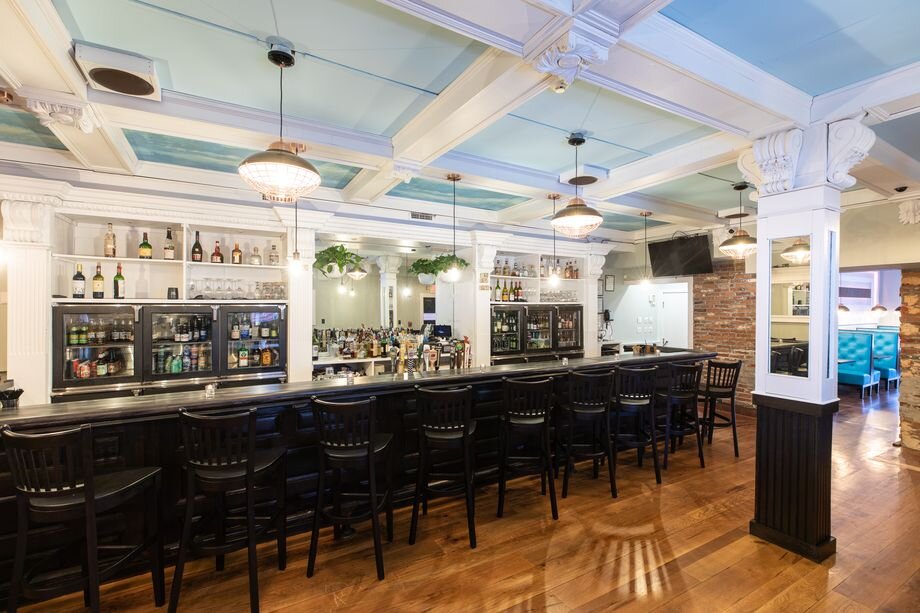
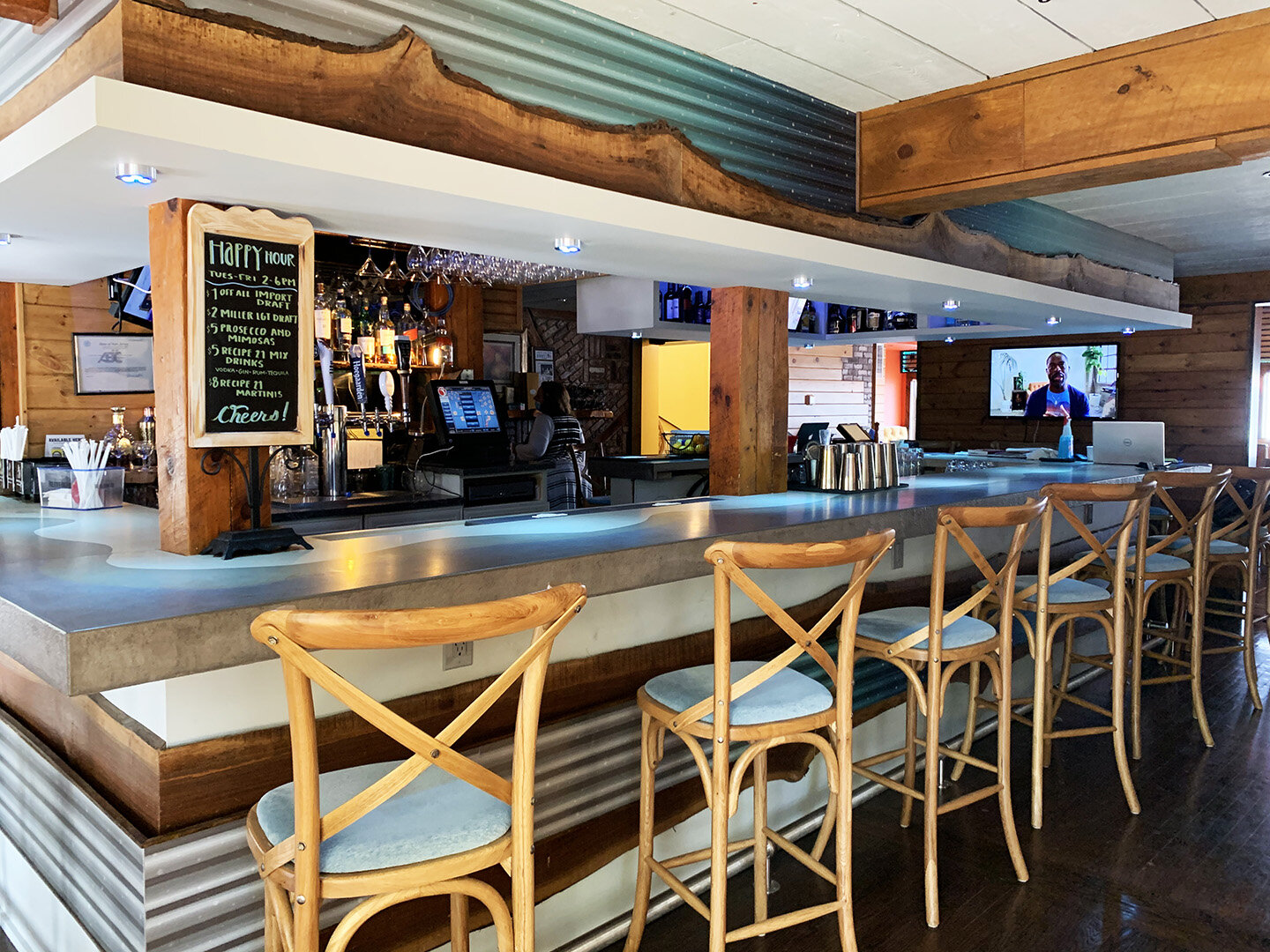
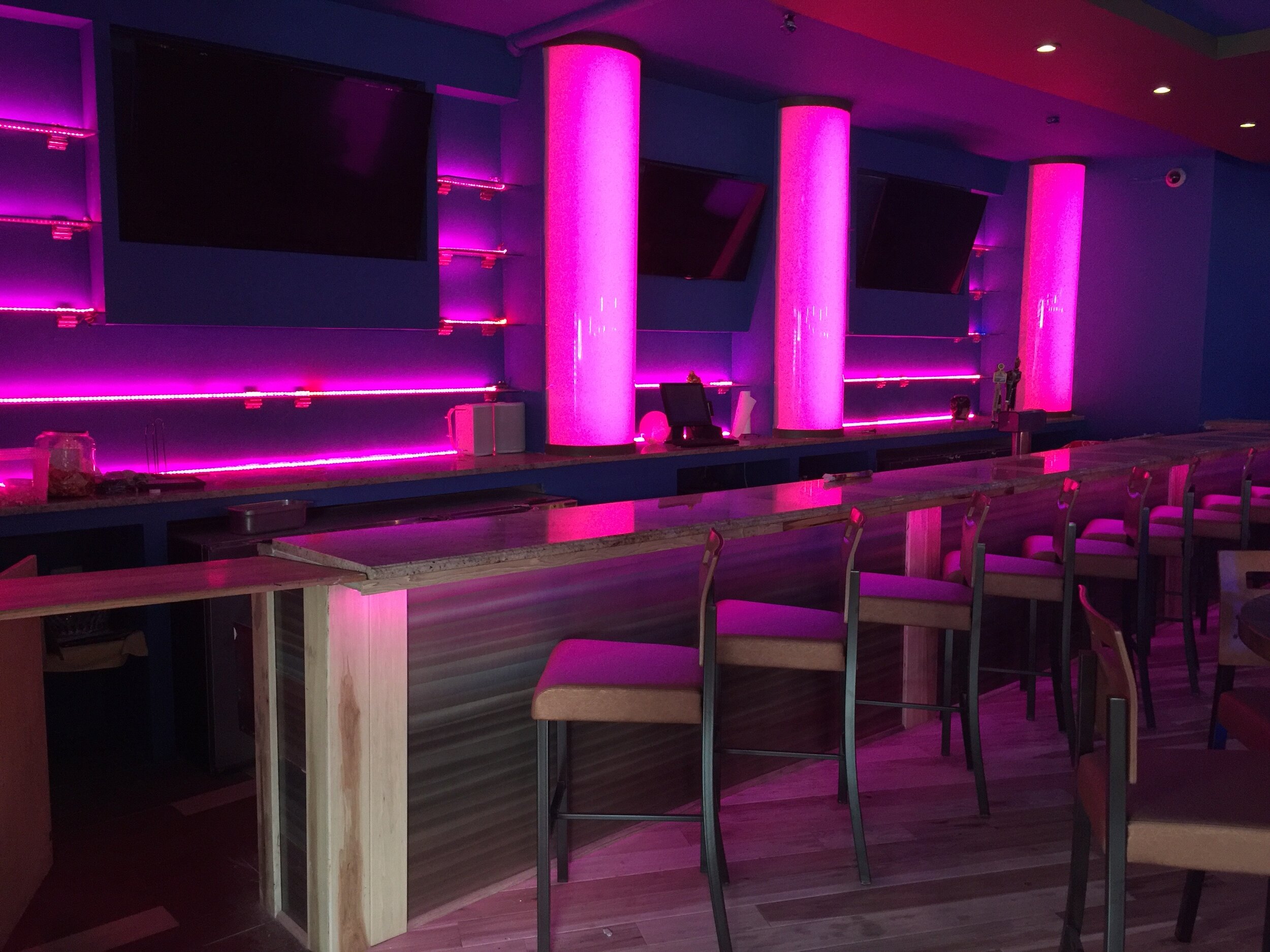
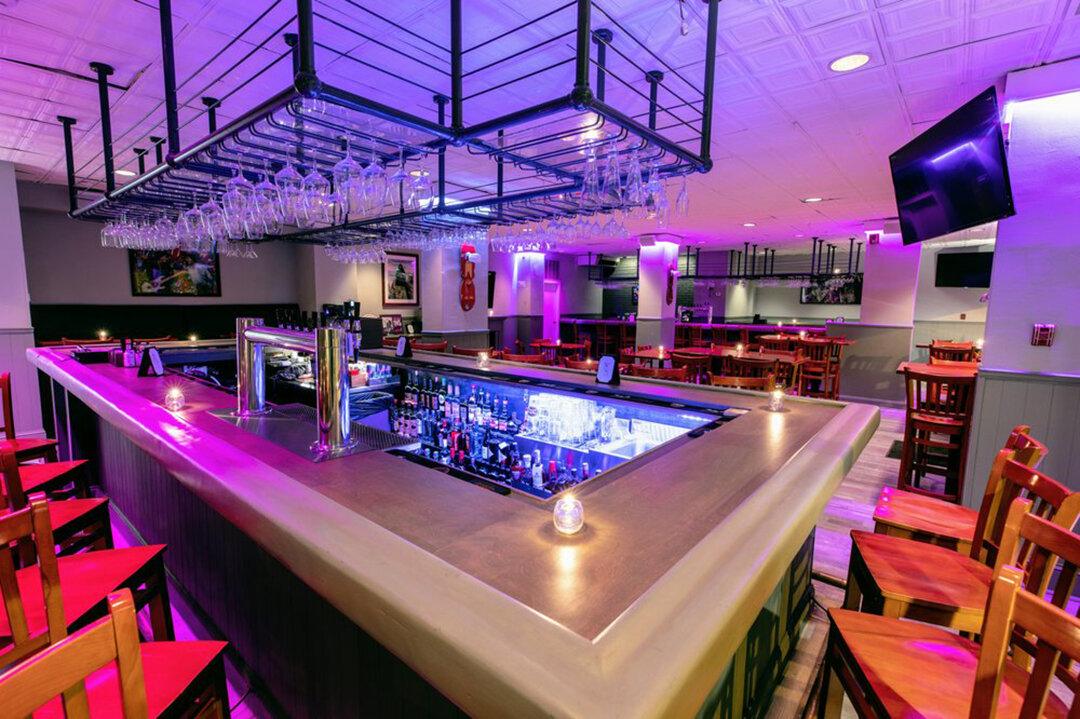
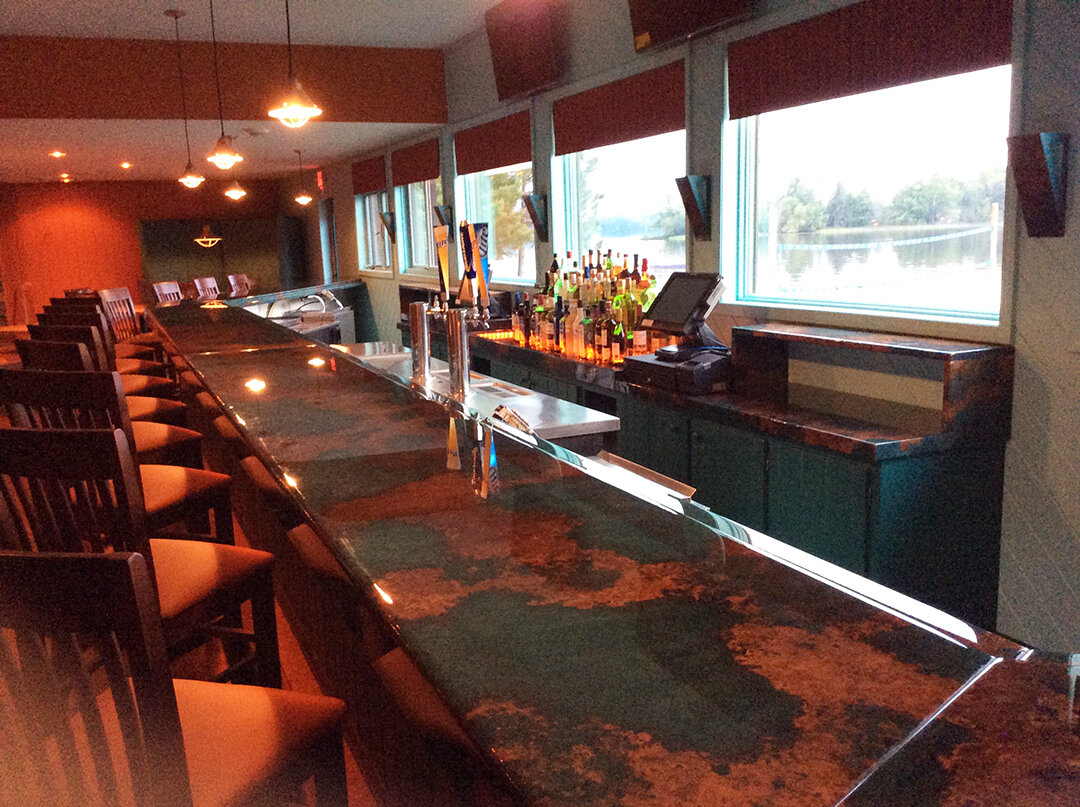
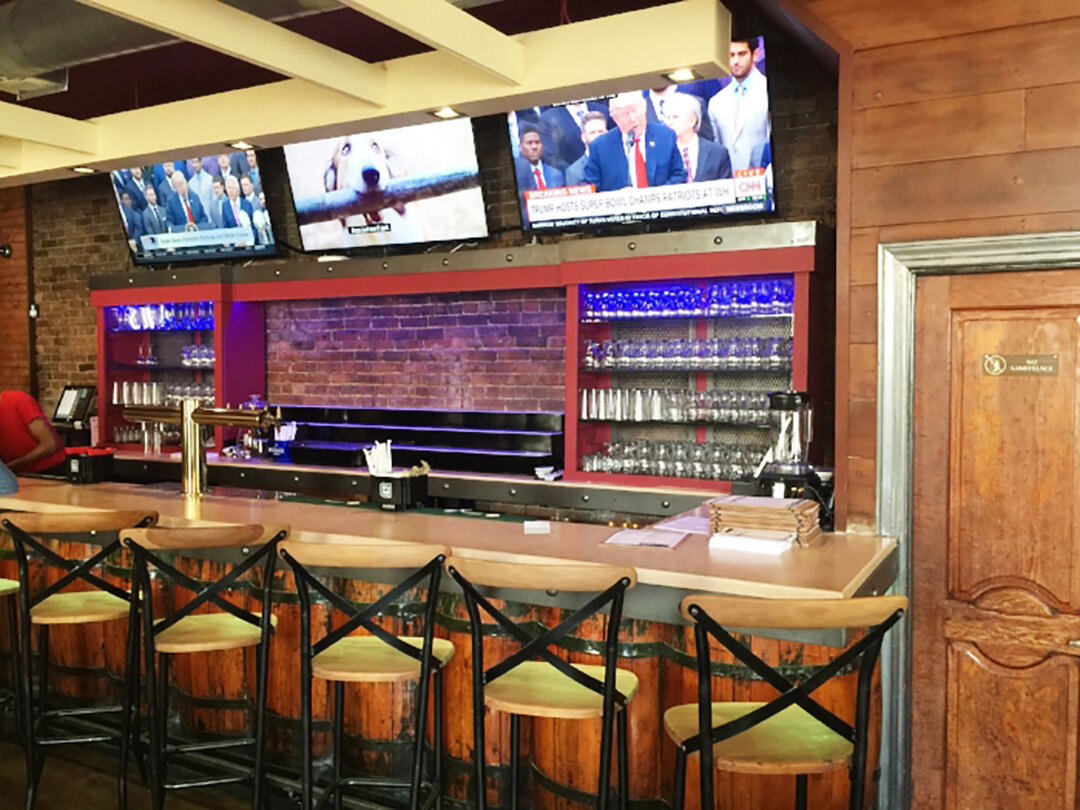
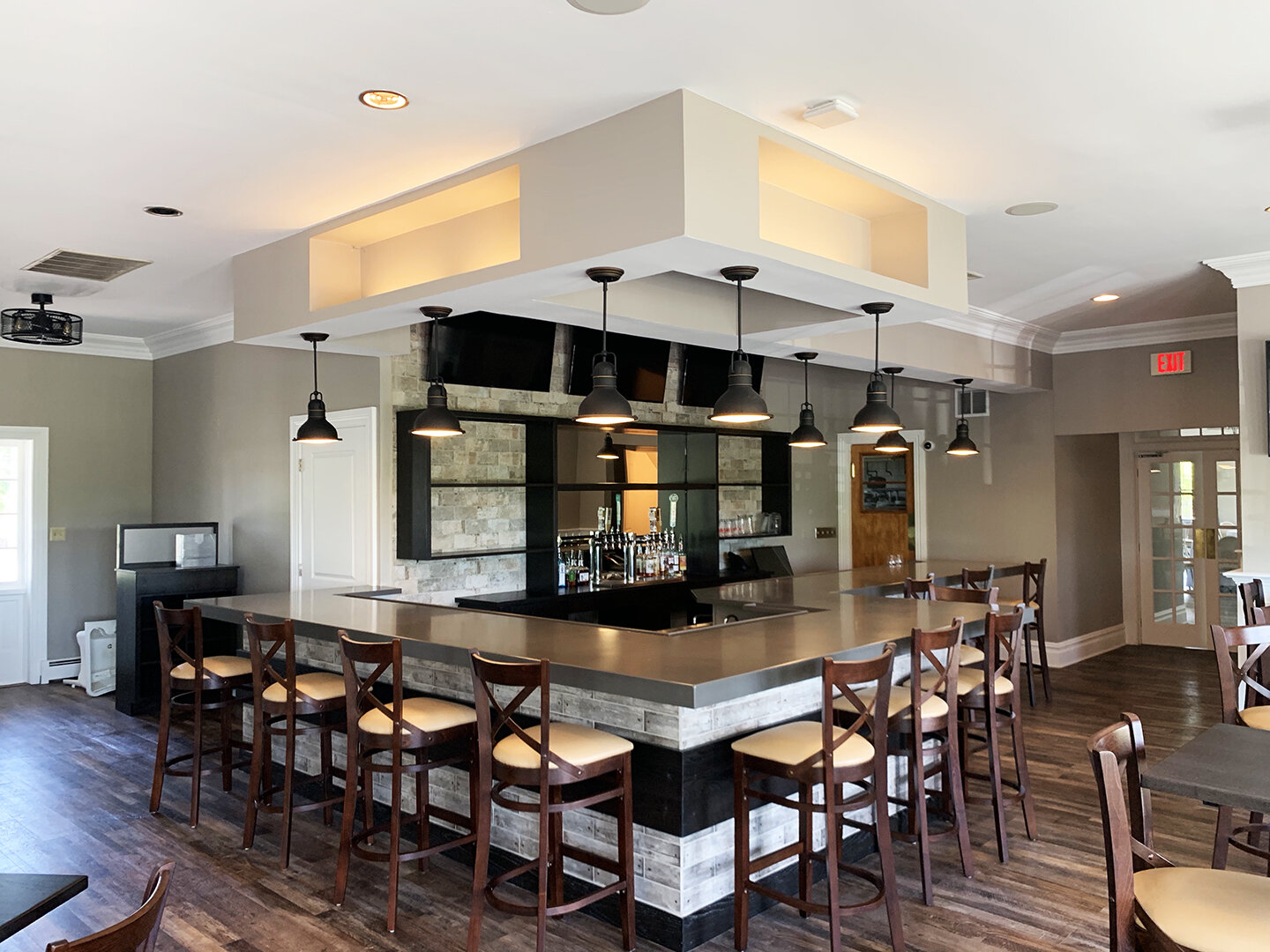
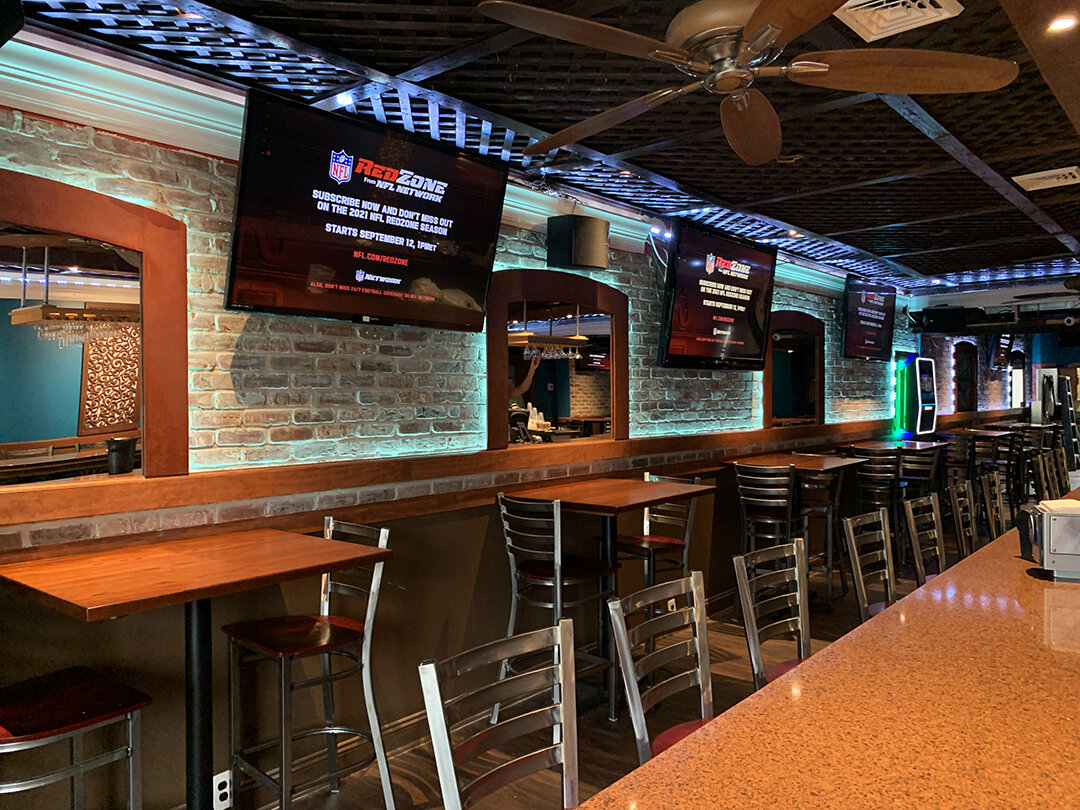
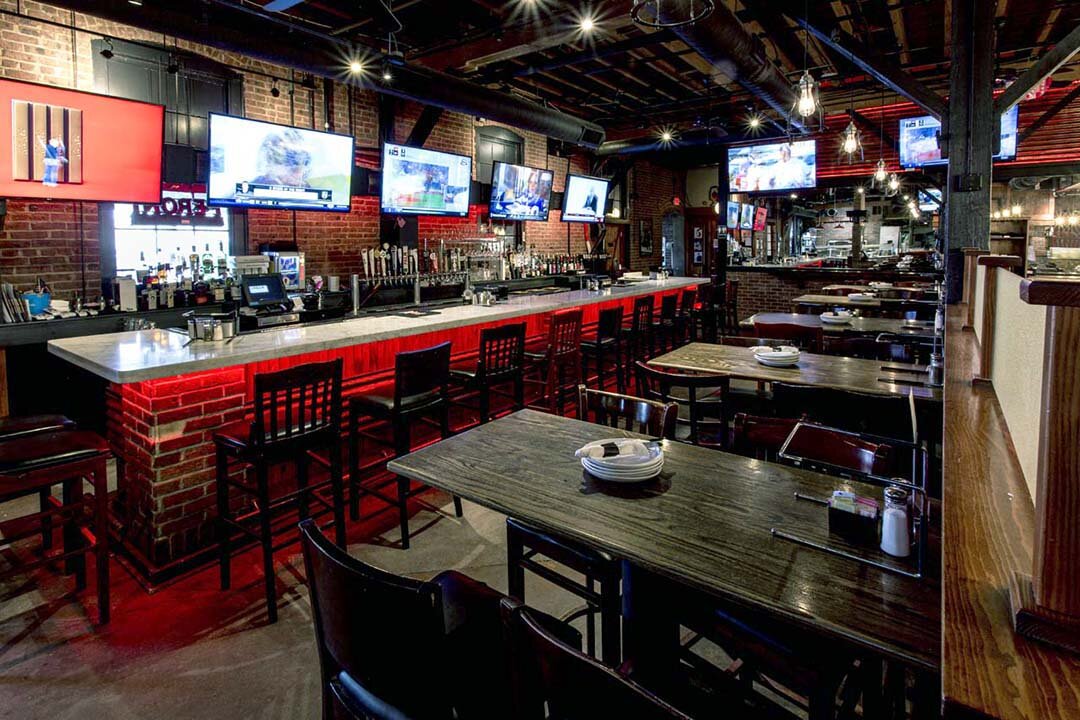
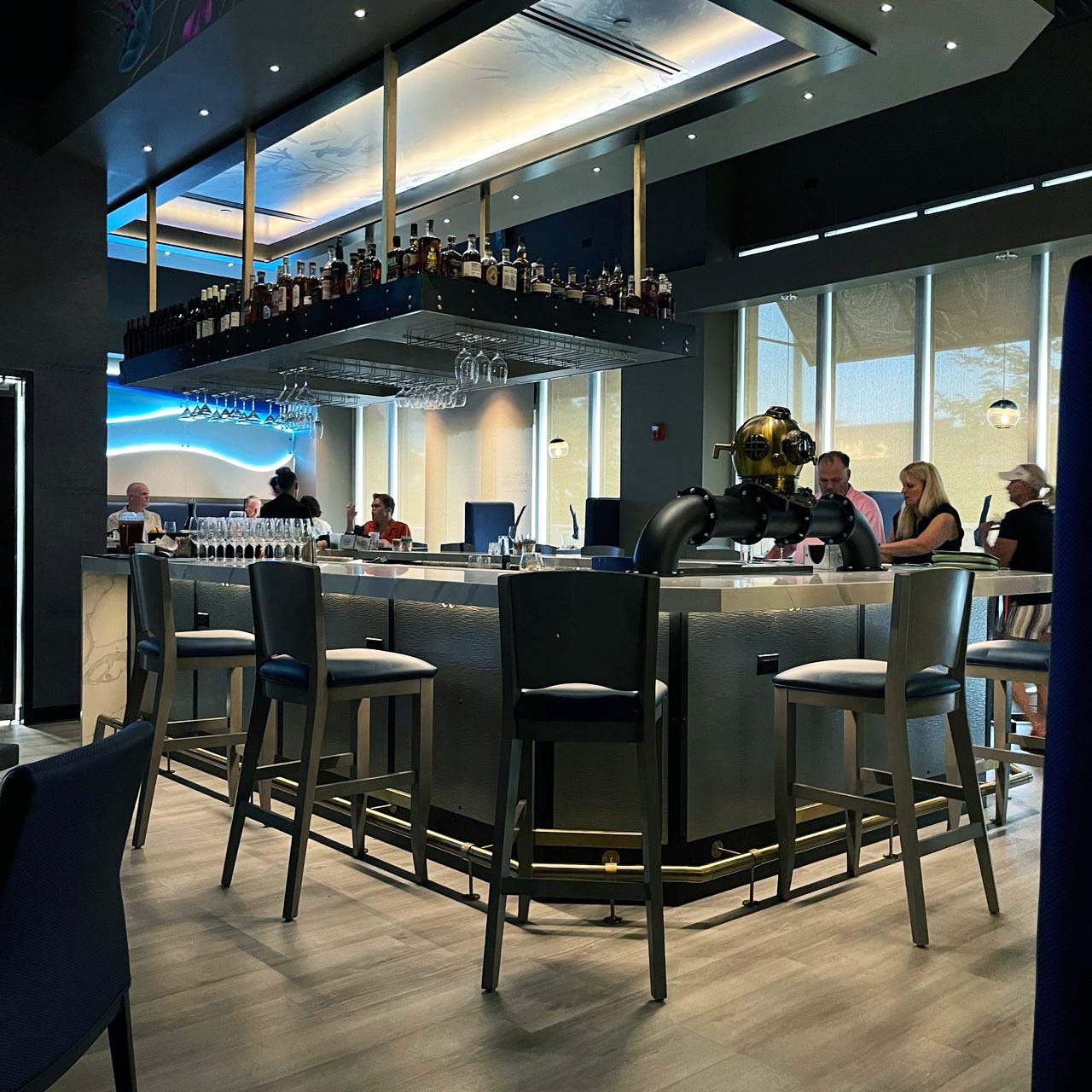
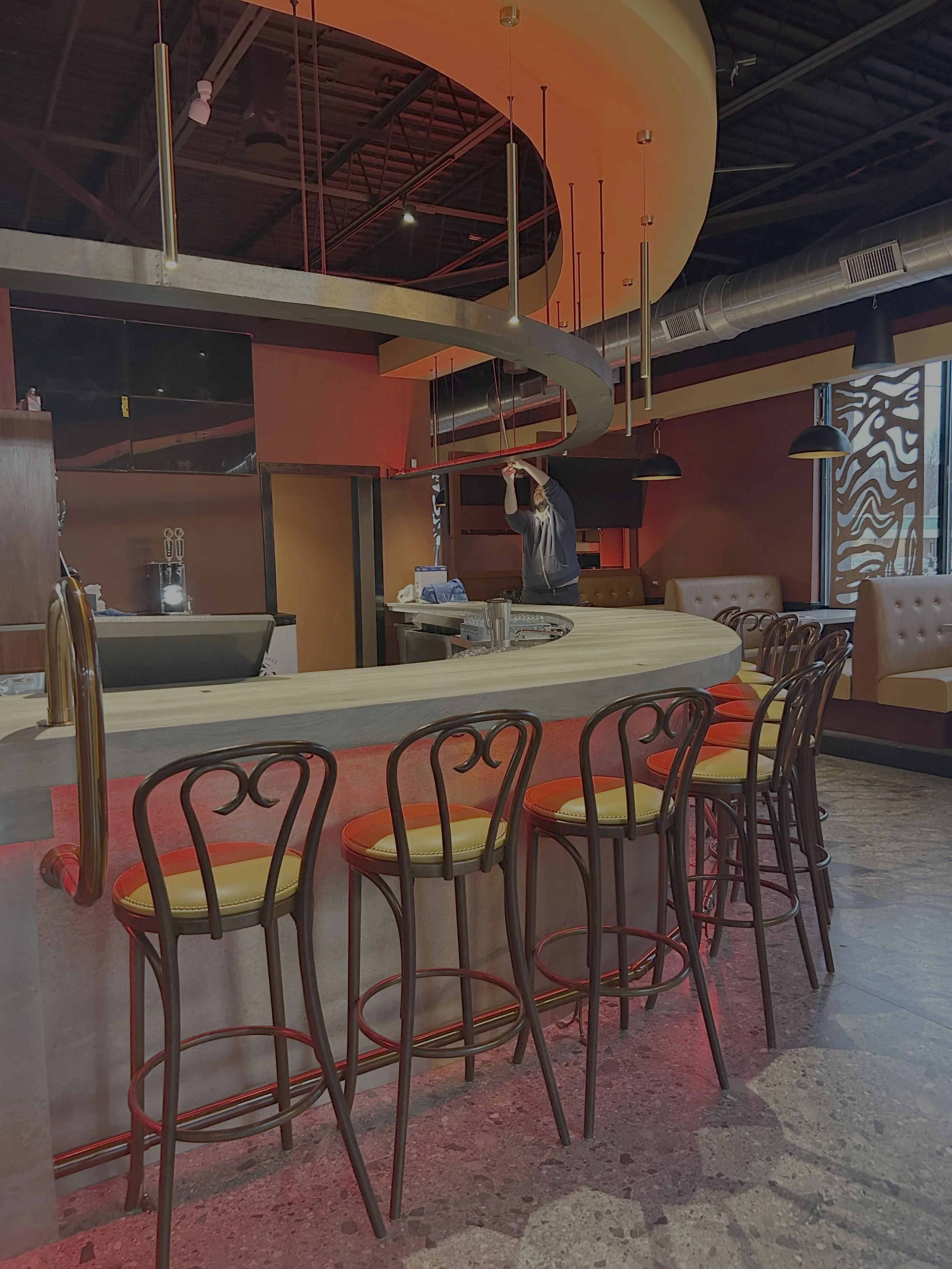
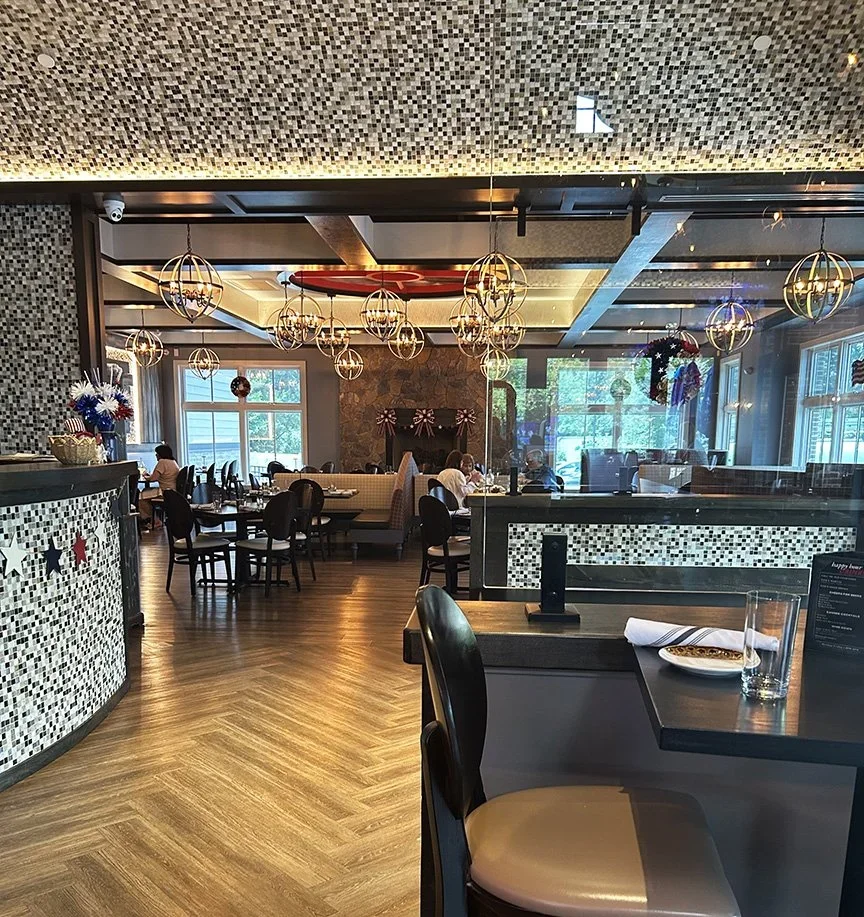
Design is not a coat of paint. It is a strategic revenue engine. At the olde silver tavern, the layout was engineered to convert floor space into profit centers. Take the 20-tap bar and the massive 10-foot screen. These aren't just amenities. They are carefully positioned to anchor the room's energy and dictate guest flow. When your bar is the focal point, you drive high-margin beverage sales from the moment a customer walks in. If your bar is tucked away or poorly lit, you're leaving money on the table.
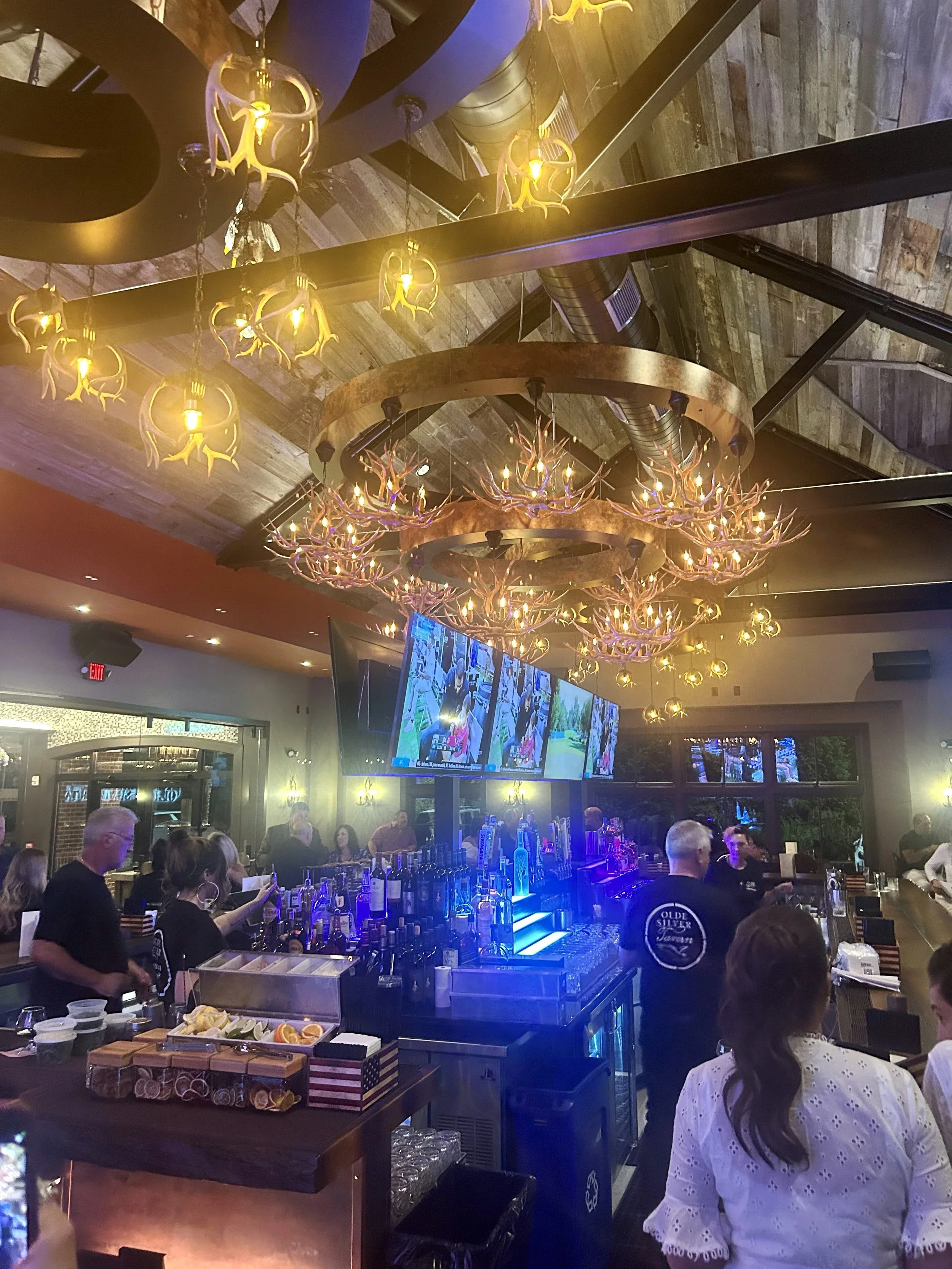
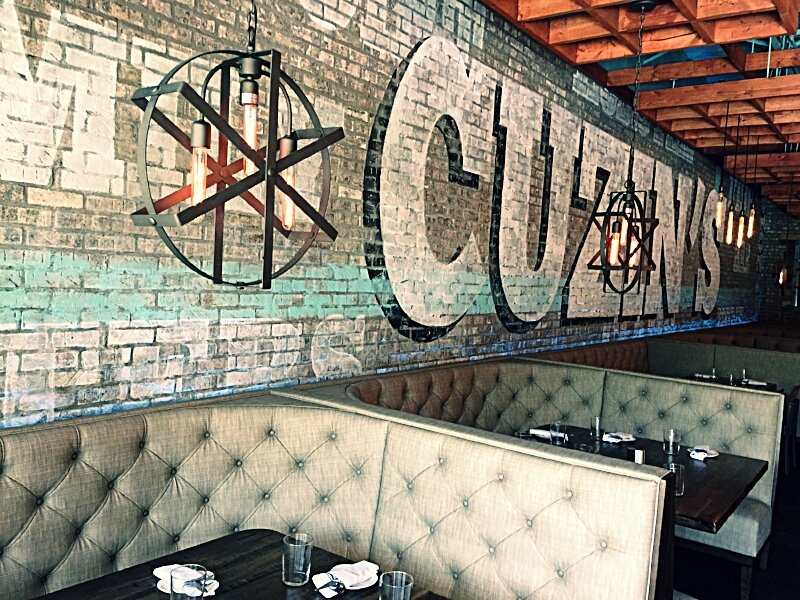
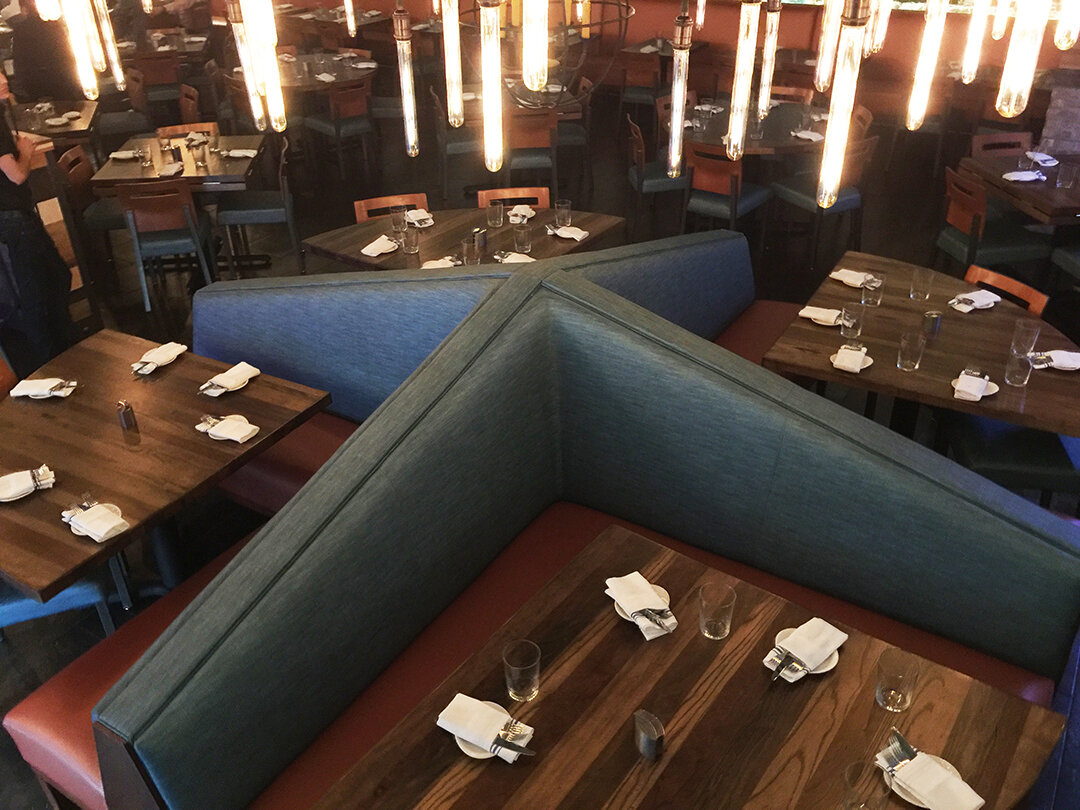
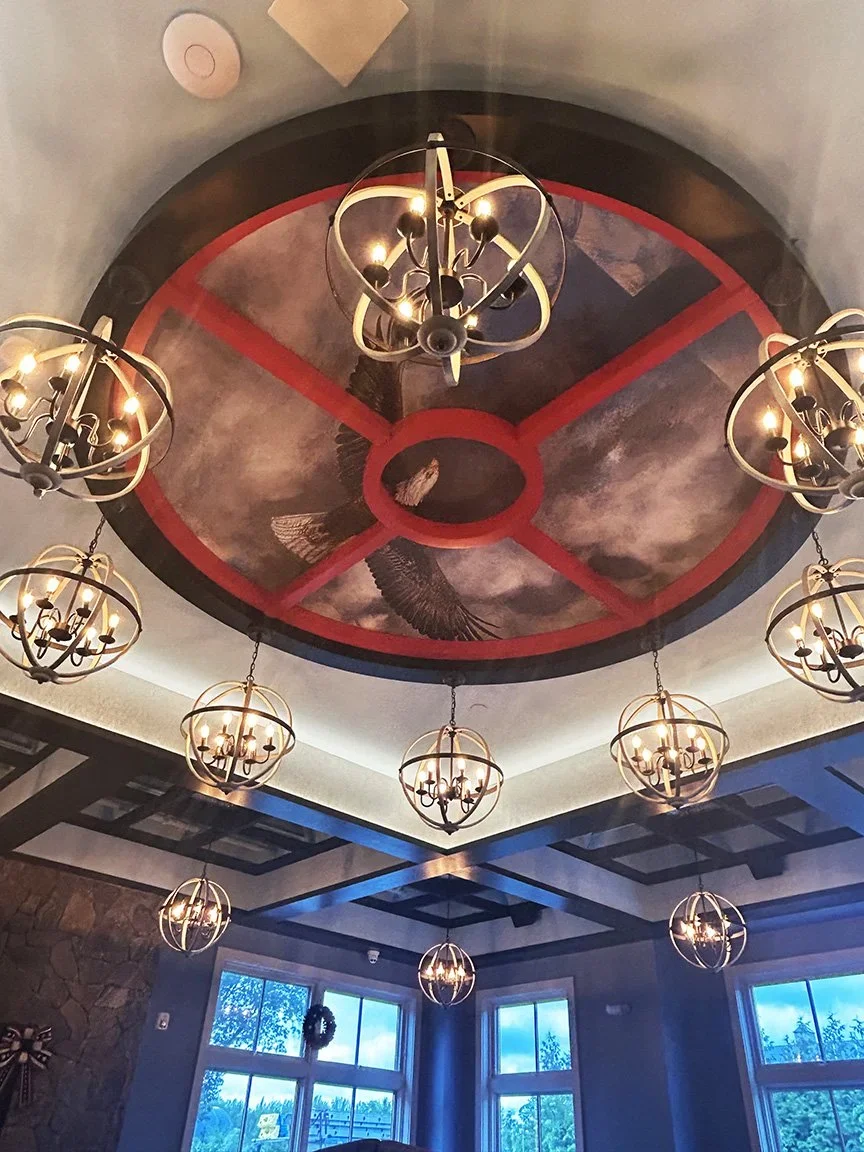
12’ Chandeliers designed by Raymond Haldeman, the restaurant designer
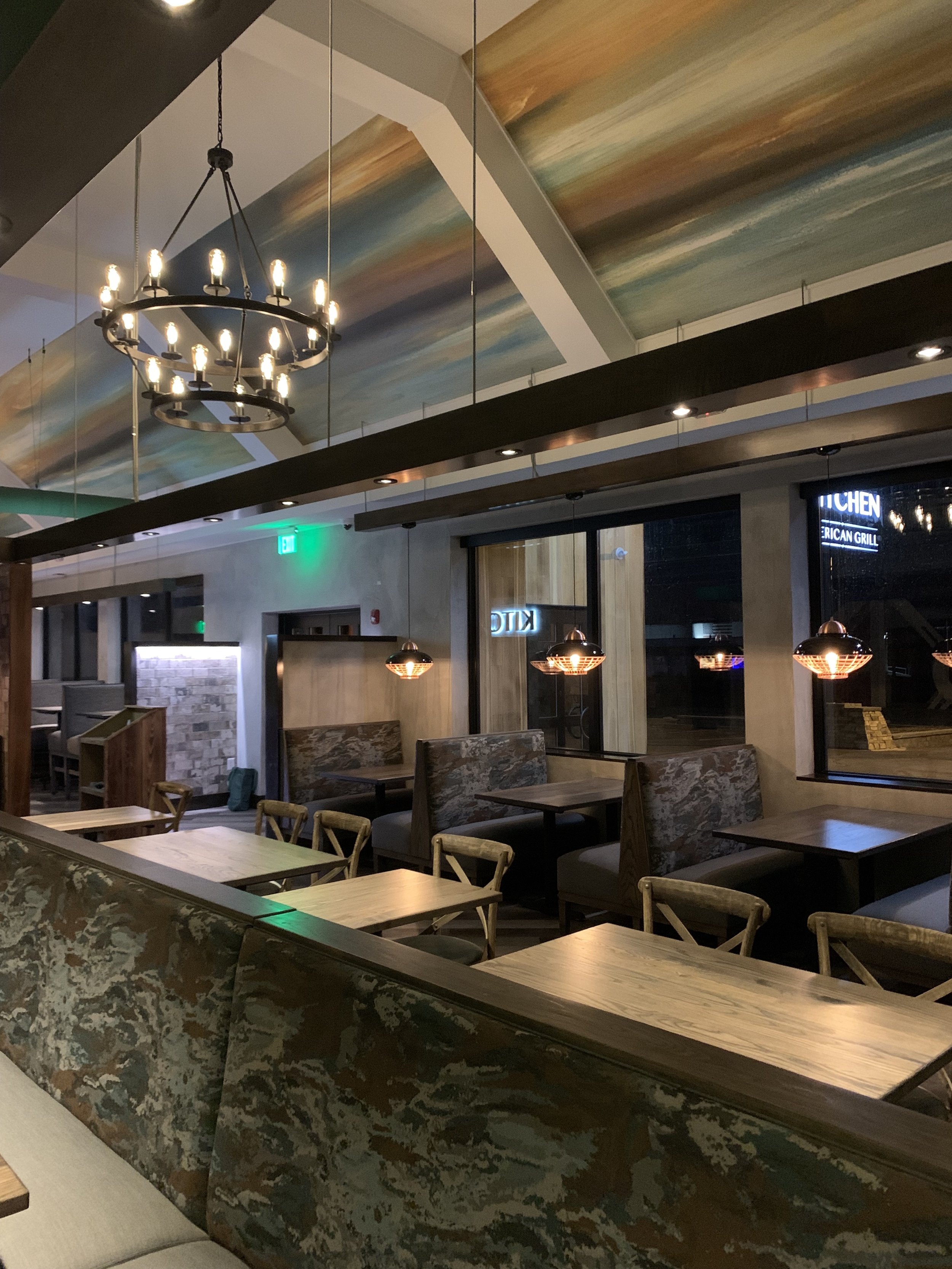
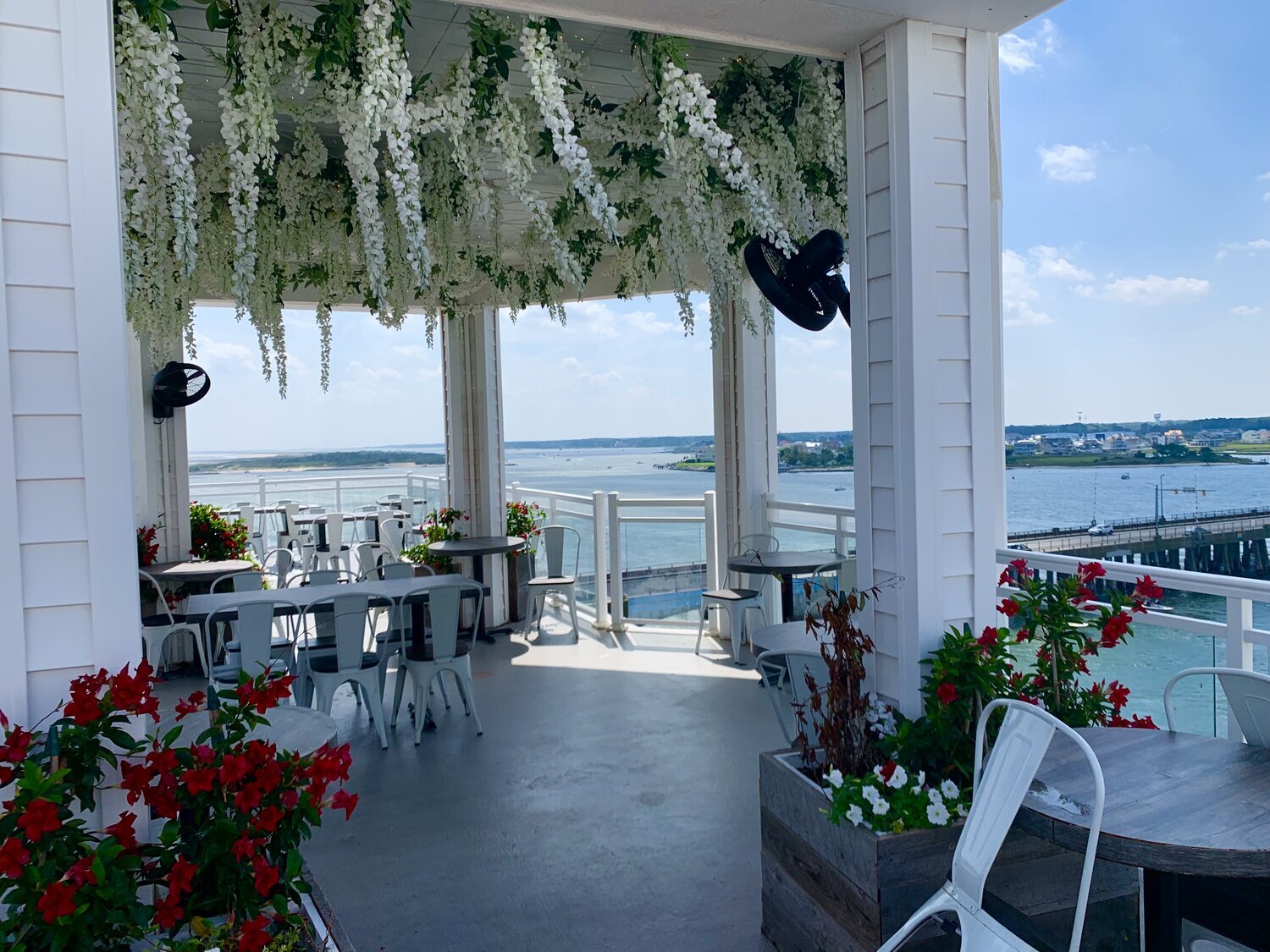
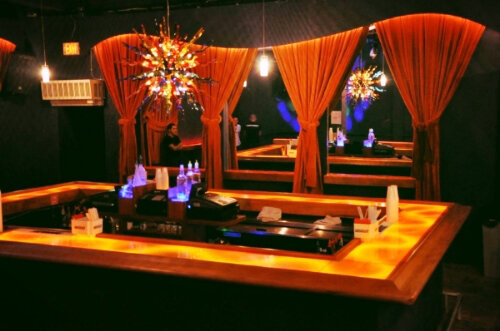
Lighting is your most subtle sales tool. After experiencing the excitement of the 12' massive custom chandeliers that Haldeman designed and had fabricated for a fraction of the cost of buying them outright, settle into the atmosphere. A warm, inviting glow doesn't just look good; it lowers guest inhibitions and encourages longer stays. If your lighting is too clinical, guests eat and leave. If it's curated, they order another round. We also integrated outdoor dining and dedicated private party spaces. These aren't afterthoughts. They are secondary revenue streams that allow the venue to scale during peak hours and host high-margin events without disrupting the main dining room flow. Every square foot must justify its existence on your balance sheet.
Engineering the Perfect Floor Plan
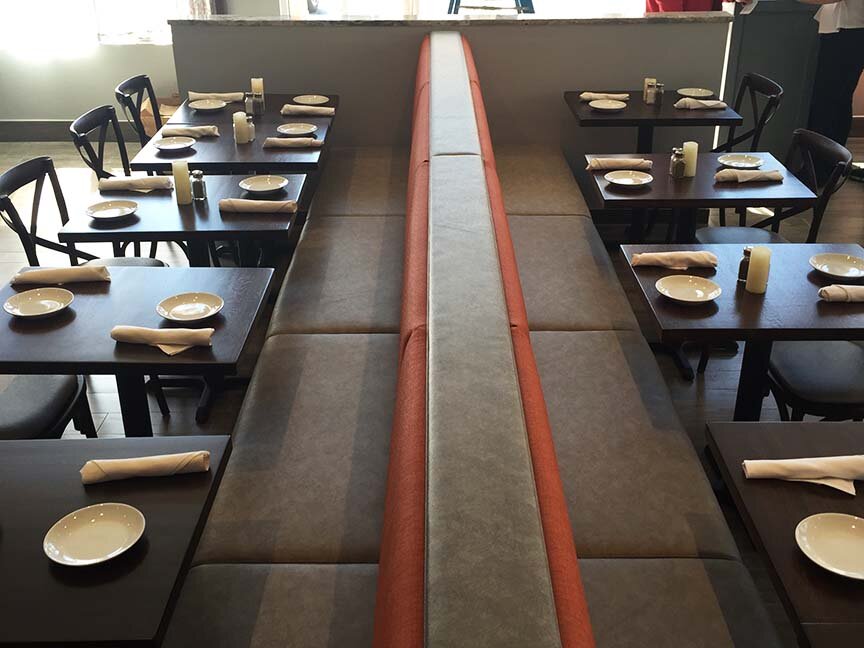
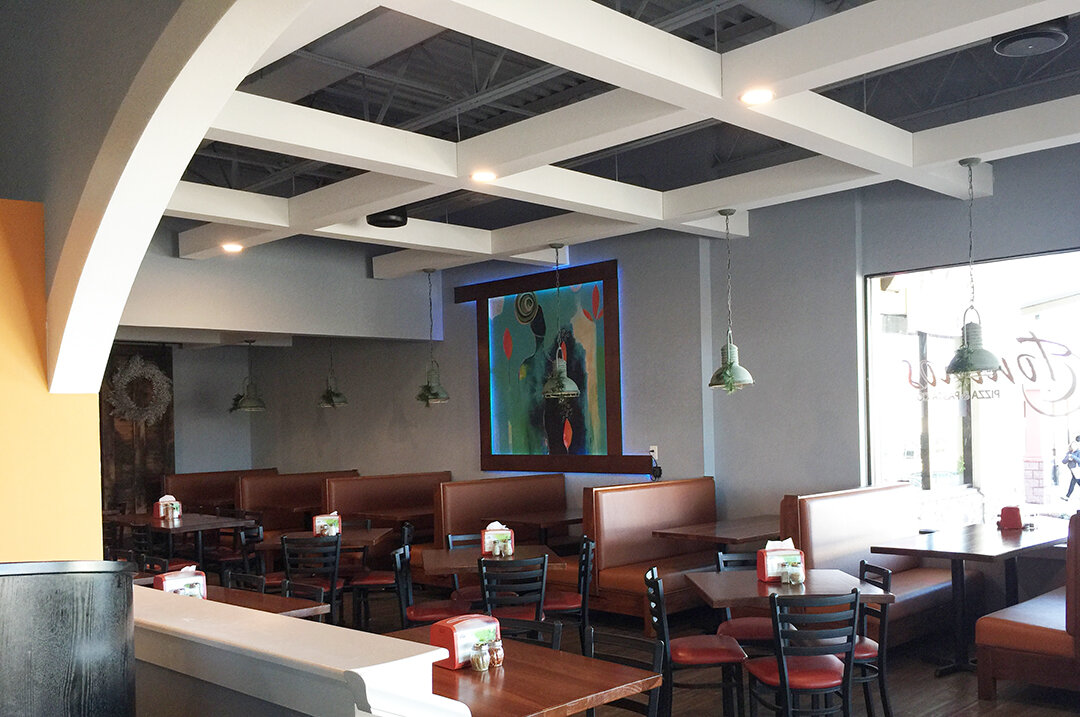
Efficiency is the difference between a profitable night and a chaotic one. A restaurant floor plan consultant understands that staff path of travel is non-negotiable. At the olde silver tavern, the layout ensures servers move with precision, increasing table turnover without making guests feel rushed. We balanced VIP and group seating to cater to high-spending parties while maintaining individual diner comfort. Seating density is a science. You need enough bodies to create "buzz" but enough space to maintain a premium feel. If your floor plan is congested, your labor costs will skyrocket as staff struggle to navigate the room.
Visual Identity Beyond the Logo
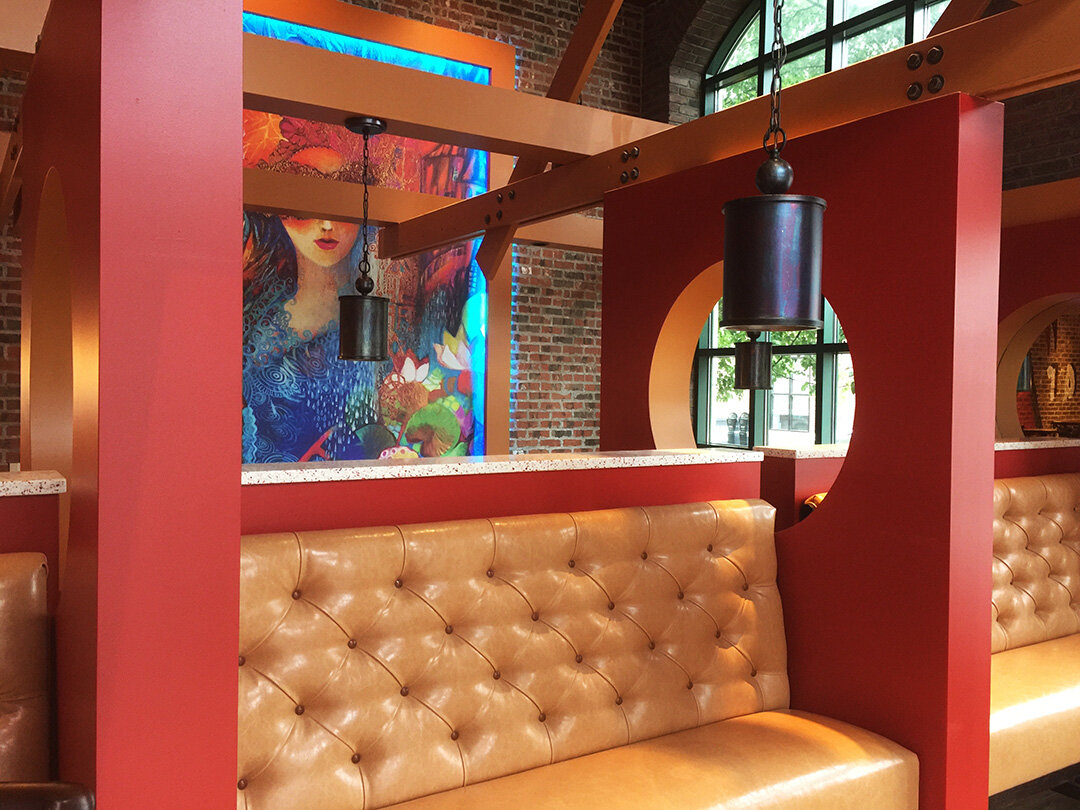
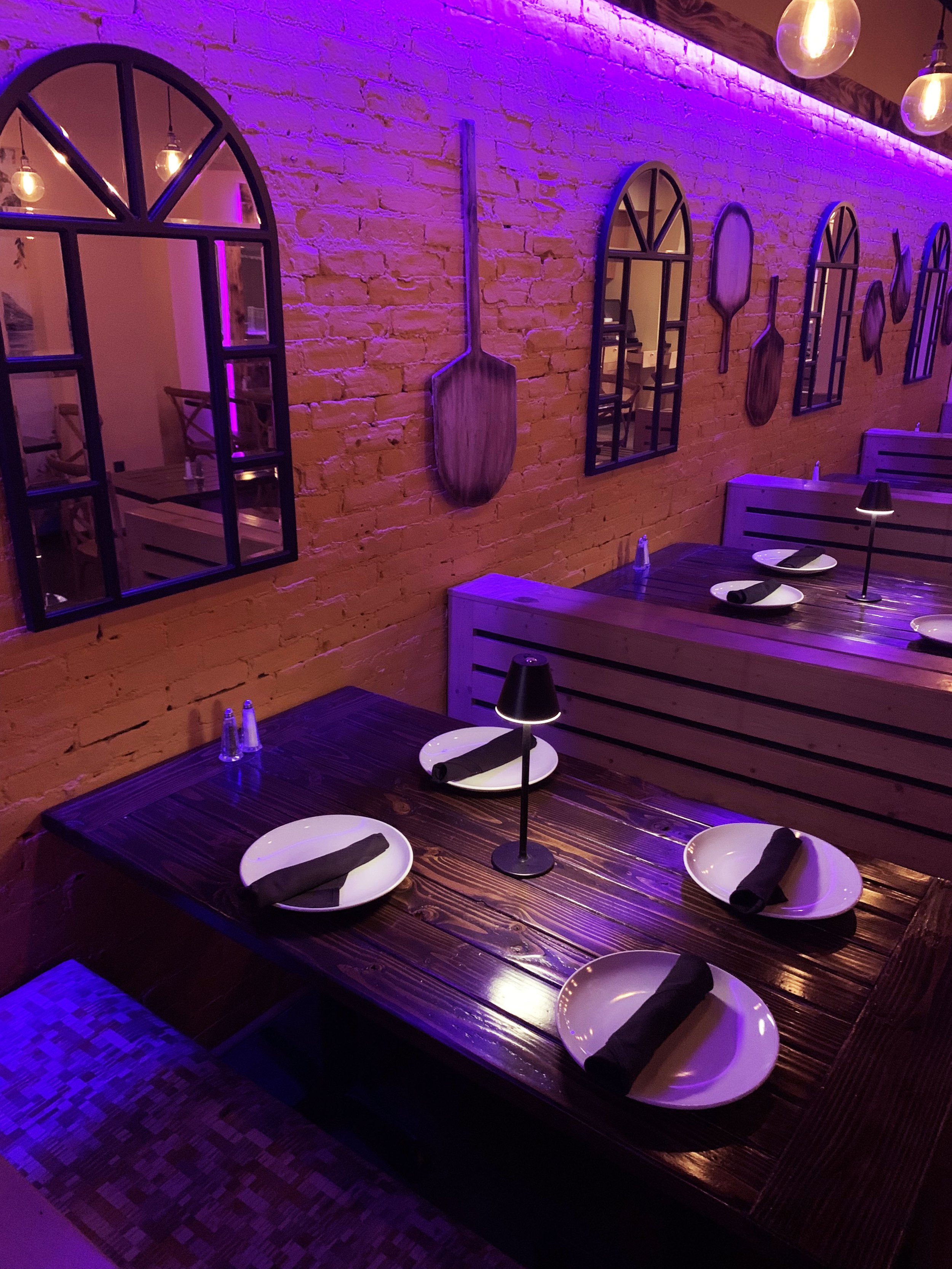
Your brand must be a cohesive experience. This means your physical space, your menu, and your digital presence must speak the same language. We used high-end, locally-sourced materials to reinforce the "Locally Sourced" menu promise. Rustic design should never feel cheap or unrefined. It requires a sophisticated touch to ensure "weathered" doesn't look "worn out." In 2026, your interior design is your most powerful marketing asset. It is what guests photograph and share, doing the advertising for you. If you are ready to stop guessing and start engineering your success, consider how a strategic design partnership can redefine your bottom line.
3 Critical Lessons for Owners from the Olde Silver Tavern Rebrand
Stop playing it safe. Small tweaks like new paint or updated menus rarely fix a fundamental brand failure. The olde silver tavern succeeded because the owners embraced a total new build, proving that a complete overhaul is often the only way to reset market perception. When you treat the restaurant rebranding cost as a capital investment in future equity rather than an expense, you shift your focus from survival to dominance. The olde silver tavern transformation proves that design is your most potent weapon in a crowded market.
General contractors are not designers. They are builders. They follow blueprints; they don't engineer guest psychology or profit flow. Relying on a GC to "make it look nice" is a recipe for a mediocre space that lacks soul. You must focus on the "Third Place" concept. Your tavern shouldn't just be a place people go to; it must be the place they want to be. This requires a sophisticated understanding of how lighting, acoustics, and materials interact to create an environment guests never want to leave.
Step 1: Audit Your Current Guest Experience
Be brutal. Walk through your venue and identify "dead zones" where tables sit empty or staff congregate. If you wouldn't eat in your own dining room, your customers won't either. You must be honest about whether your current brand attracts the demographic you actually want. If your crowd is aging out and your revenue is stagnant, your brand is already dying. A straight-talk audit is the first step toward a profitable resurrection. Look at your floor plan through the lens of a high-spending guest, not an exhausted owner.
Step 2: Develop a Unified Concept
Avoid the "Mish-Mash" trap at all costs. Don't try to be everything to everyone. Pick a specific lane, such as New American Comfort, and commit to it in every detail. Your design must match your price point and service level perfectly. Whether you are consulting an expert restaurant designer in Miami or the Mid-Atlantic, the goal is a singular, cohesive vision. A fragmented concept confuses guests and dilutes your brand's power. Commit to a concept that drives repeat business.
Schedule your strategic consultation today
Executing Your Transformation: The Raymond Haldeman Approach
Decorating is a hobby; strategic rebranding is a business necessity. If you think changing your light fixtures or buying new chairs is enough to save a failing concept, you're mistaken. The olde silver tavern didn't just get a facelift. It was reinvented from the ground up and underwent a clinical transformation that aligned its aesthetic with a high-revenue business model. Raymond Haldeman doesn't provide "decorating" tips. He provides a blueprint for market dominance. By streamlining the design-to-opening process, he ensures you minimize the downtime that bleeds your cash flow dry during a transition.
The "Straight-Talk" advisory model is built on decades of seeing exactly where owners throw their money away. Most mistakes happen in the planning phase. Those errors cost hundreds of thousands in lost revenue and renovation do-overs. Whether you're preparing for a restaurant design for new openings or a high-stakes renovation in 2026, professional intervention is your only safeguard against mediocrity. You need a partner who protects your interests and your bottom line.
From Concept Development to Project Oversight
In competitive markets like NJ and Miami, space planning is your most valuable asset. Every square foot carries a high price tag. If your floor plan isn't optimized for flow and density, you're paying for space that isn't working for you. Haldeman’s portfolio serves as a masterclass in modern, functional concepts that actually perform. While some owners hesitate at professional fees, they fail to realize these costs are the smallest part of the budget with the highest ROI. You aren't paying for a drawing; you're paying for a profitable future.
Eliminate operational bottlenecks before construction begins to save on labor.
Align your interior finishes with your target demographic's expectations for higher spend.
Ensure project oversight keeps contractors on schedule and strictly on brand.
Your Next Move: Stop Losing Revenue to Bad Design
The post-2025 landscape doesn't tolerate "average" venues. You're either a destination or a footnote. The olde silver tavern is now a landmark because the owners chose to lead rather than follow. If your NJ, PA, or MD establishment is struggling with stagnant growth, the time for half-measures is over. Reach out to Raymond Haldeman today to initiate a consultation. Stop managing a decline and start building a legacy. Turn your vision into a high-profit reality before your competitors do it first.
Dominate Your Market Through Strategic Rebranding
The success of the olde silver tavern isn't a fluke. It's the result of a calculated, total concept overhaul that prioritizes revenue over sentimentality. You've seen how engineering a floor plan for maximum flow and using lighting as a psychological sales tool can turn a dated landmark into a high-revenue modern destination. Don't let your legacy become a liability by clinging to the nostalgia trap. If your revenue is stagnant, your design is likely the culprit.
Raymond Haldeman brings decades of experience in high-stakes rebranding and has been featured in major hospitality publications for his transformative work. You aren't just hiring a service provider; you're gaining direct access to a principal visionary who understands the commercial landscape from the inside out. The difference between a failing venue and a local landmark is the quality of the strategy behind it.
Stop settling for "average" and start your rebranding journey with Raymond Haldeman today.
Your establishment deserves to be the destination of choice in its community. Take the first step toward a venue that commands respect and delivers consistent profitability. The path to a high-impact, modern landmark starts with a single expert consultation.
Frequently Asked Questions
What is the history of the Olde Silver Tavern in Manalapan?
The olde silver tavern is a historic community landmark in Manalapan, New Jersey, that was shuttered for several years following a fire. It was demolished and a new build was successfully reopened in October 2023 after a complete strategic overhaul and celebrated its first anniversary in October 2024. The transformation successfully shifted the venue from its legacy roots into a modern gastropub and sports bar that honors its history while meeting modern market standards for aesthetic excellence.
How much does a total restaurant rebranding cost in 2026?
The cost of a total restaurant rebranding depends on the project's scope, the venue's square footage, and the level of design sophistication required. It is a comprehensive investment that covers brand strategy, visual identity, and physical space planning. Successful operators don't view this as an expense but as a capital investment that drives ROI by attracting higher-spending demographics and increasing table turnover through better operational flow.
Can I rebrand my restaurant without changing the name?
You can certainly rebrand without changing your name, particularly if the name holds significant local equity. The olde silver tavern is a prime example of a venue that kept its identity while gutting its outdated interior and concept. This approach allows you to maintain community ties while signaling to the market that the experience has been modernized. It's an effective way to salvage a legacy brand that has lost its competitive edge.
How long does a typical restaurant redesign take from concept to completion?
A typical restaurant redesign timeline varies based on the complexity of renovations and local permitting requirements. The focus is always on minimizing downtime to protect your cash flow during the transition. Professional oversight is required to manage the design-to-opening process effectively, ensuring contractors stay on schedule and avoid the delays that often plague unguided projects. Strategic planning allows you to execute many design phases before closure.
What are the biggest mistakes owners make when rebranding a tavern?
The most dangerous mistake is the "nostalgia trap," where owners keep outdated elements that drive away younger, high-spending customers. Many operators also fall into the "mish-mash trap" by failing to commit to a singular, cohesive concept. Relying on general contractors for design decisions is another common error. Without a strategic designer, you'll likely end up with a space that looks updated but fails to function as a high-revenue machine.
Is it worth hiring a restaurant design consultant for a small venue?
Hiring a consultant is even more critical for a small venue because you have zero margin for error. In a compact footprint, every square foot must be engineered for profit. A professional ensures your floor plan is optimized for seating density and staff efficiency, which are the primary drivers of success in smaller spaces. Attempting to design a small venue without expert guidance usually leads to "dead zones" that drain your potential revenue.