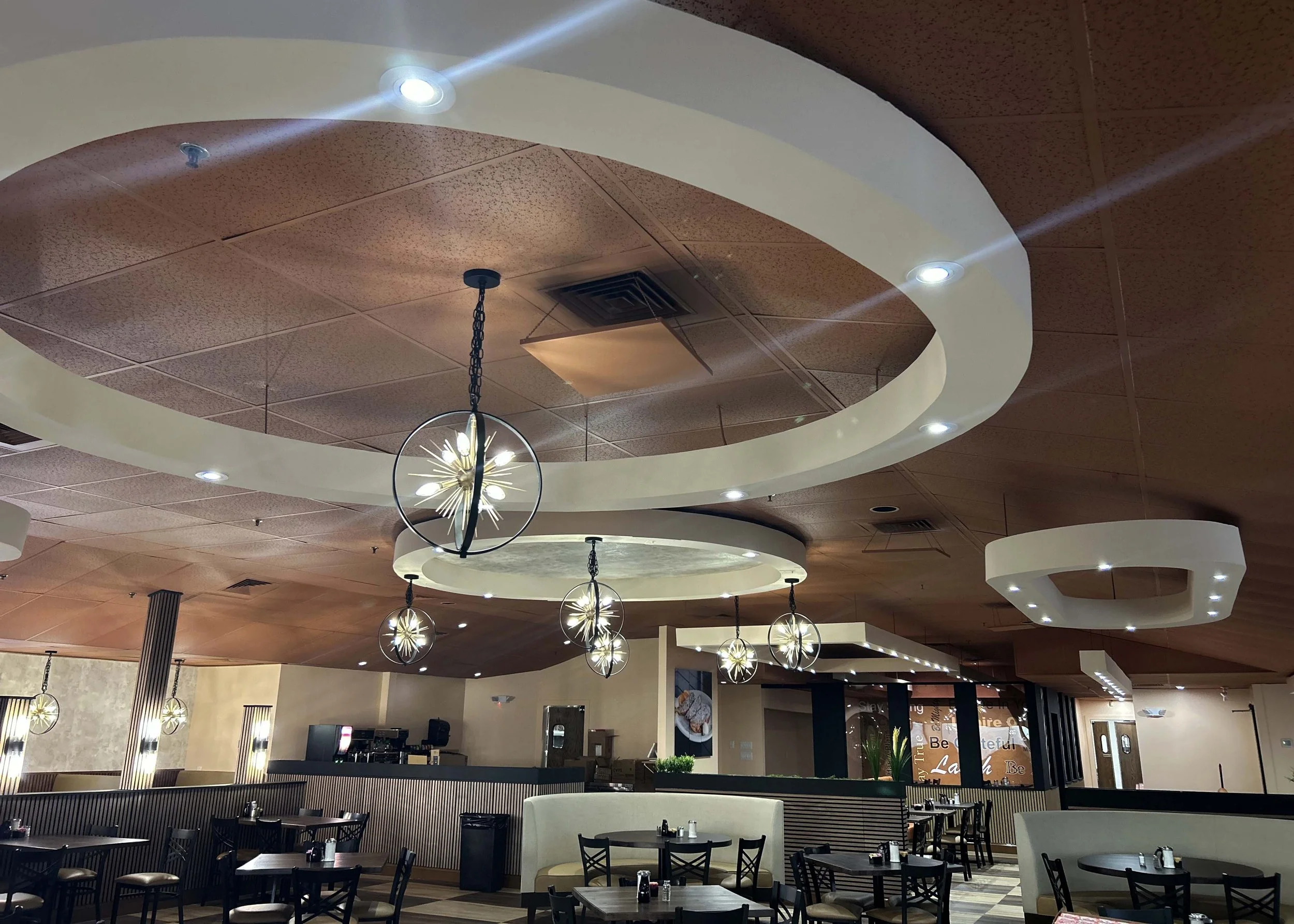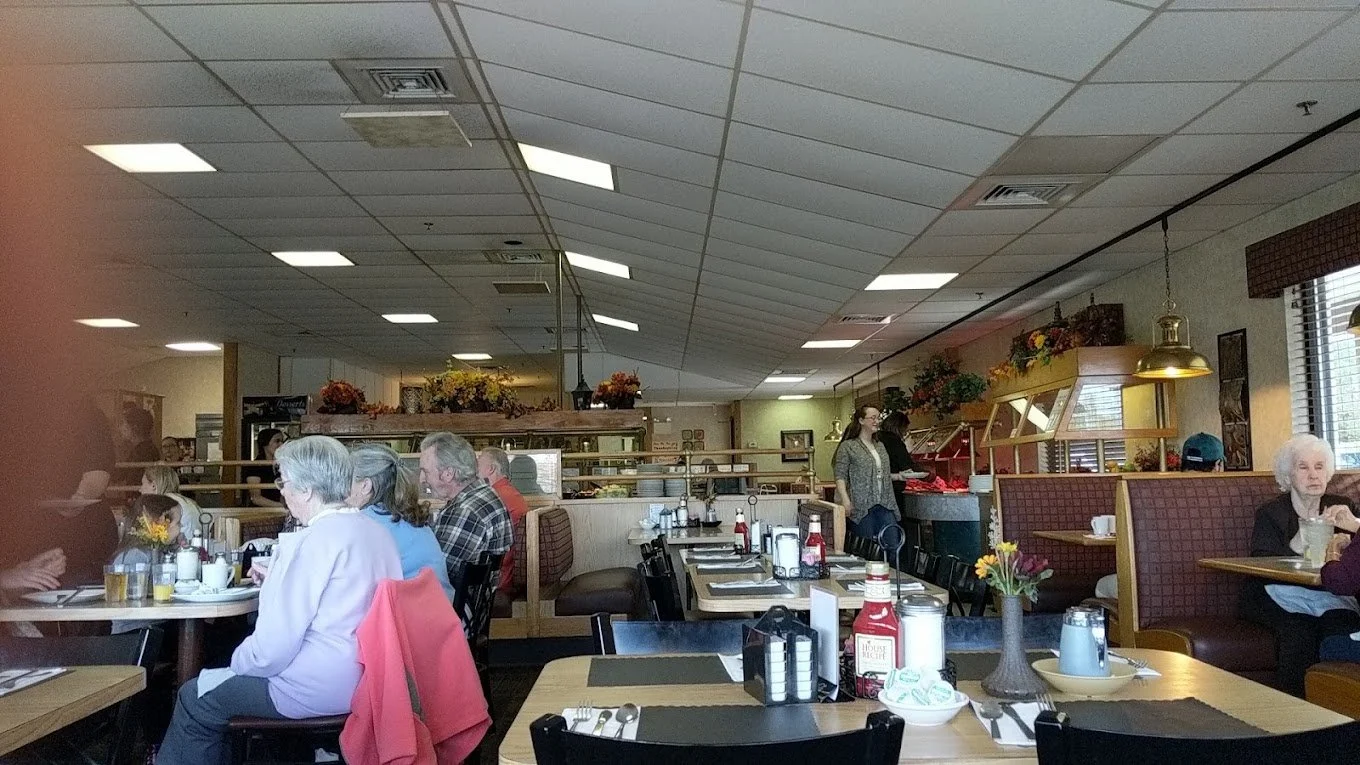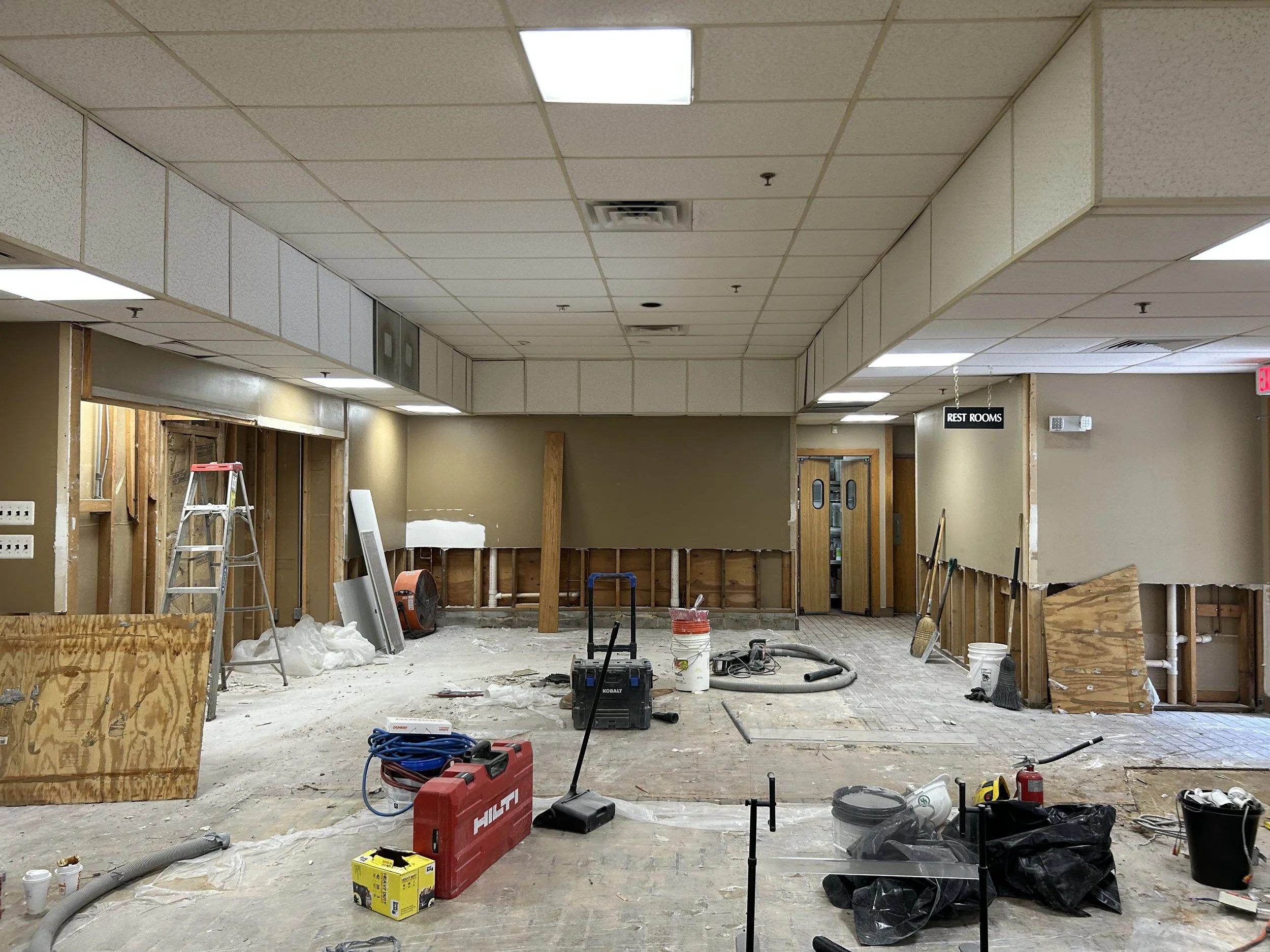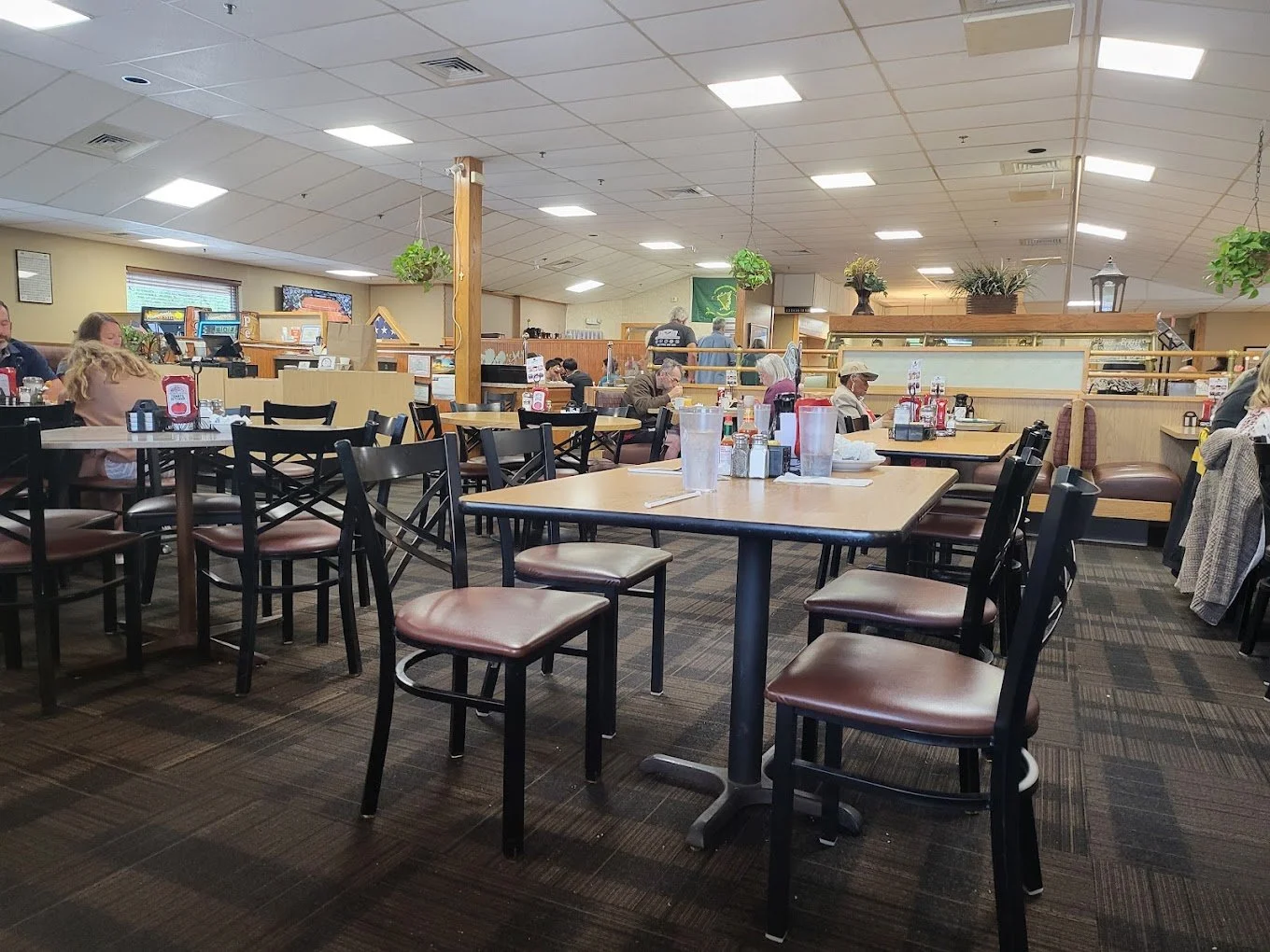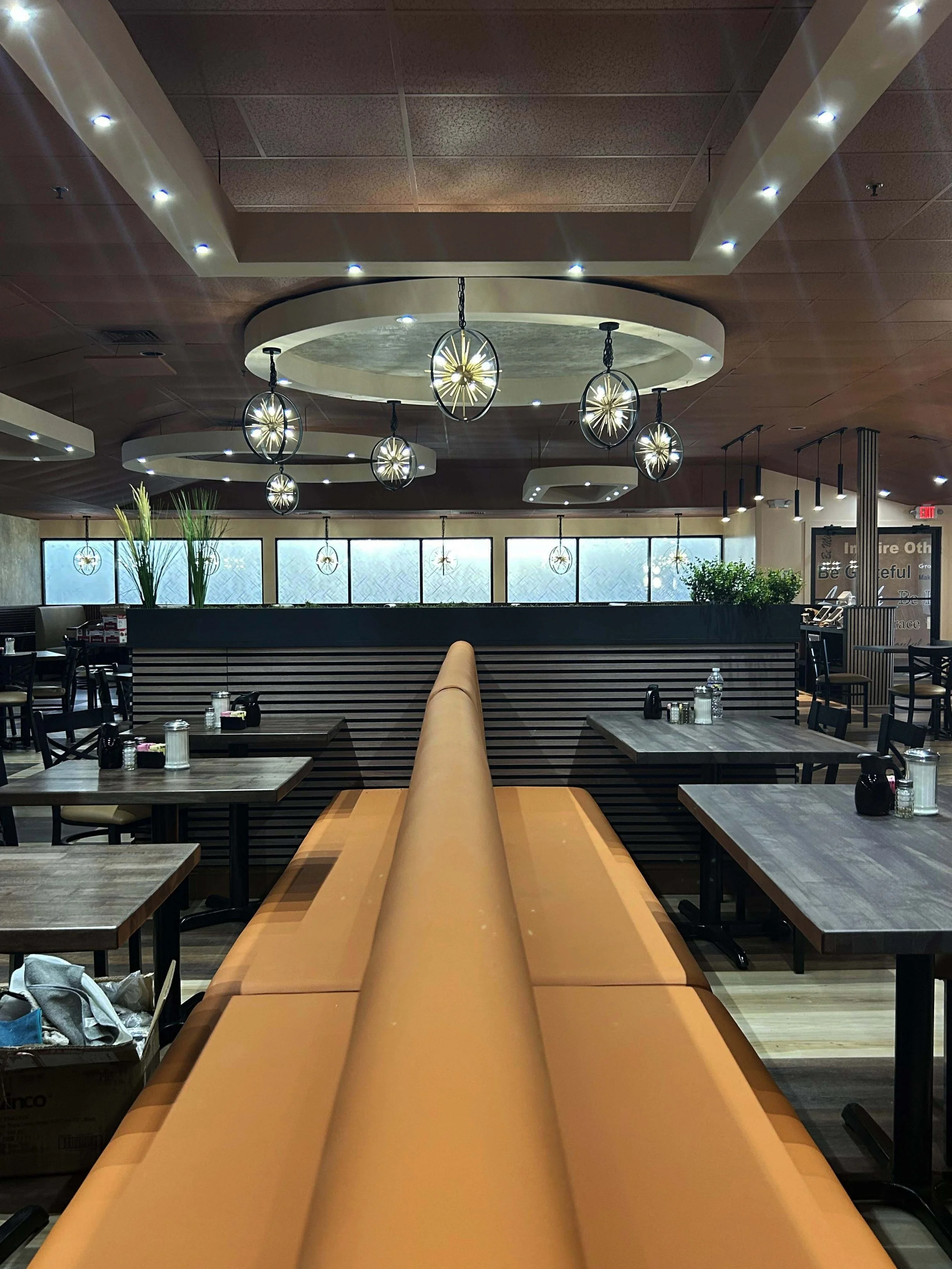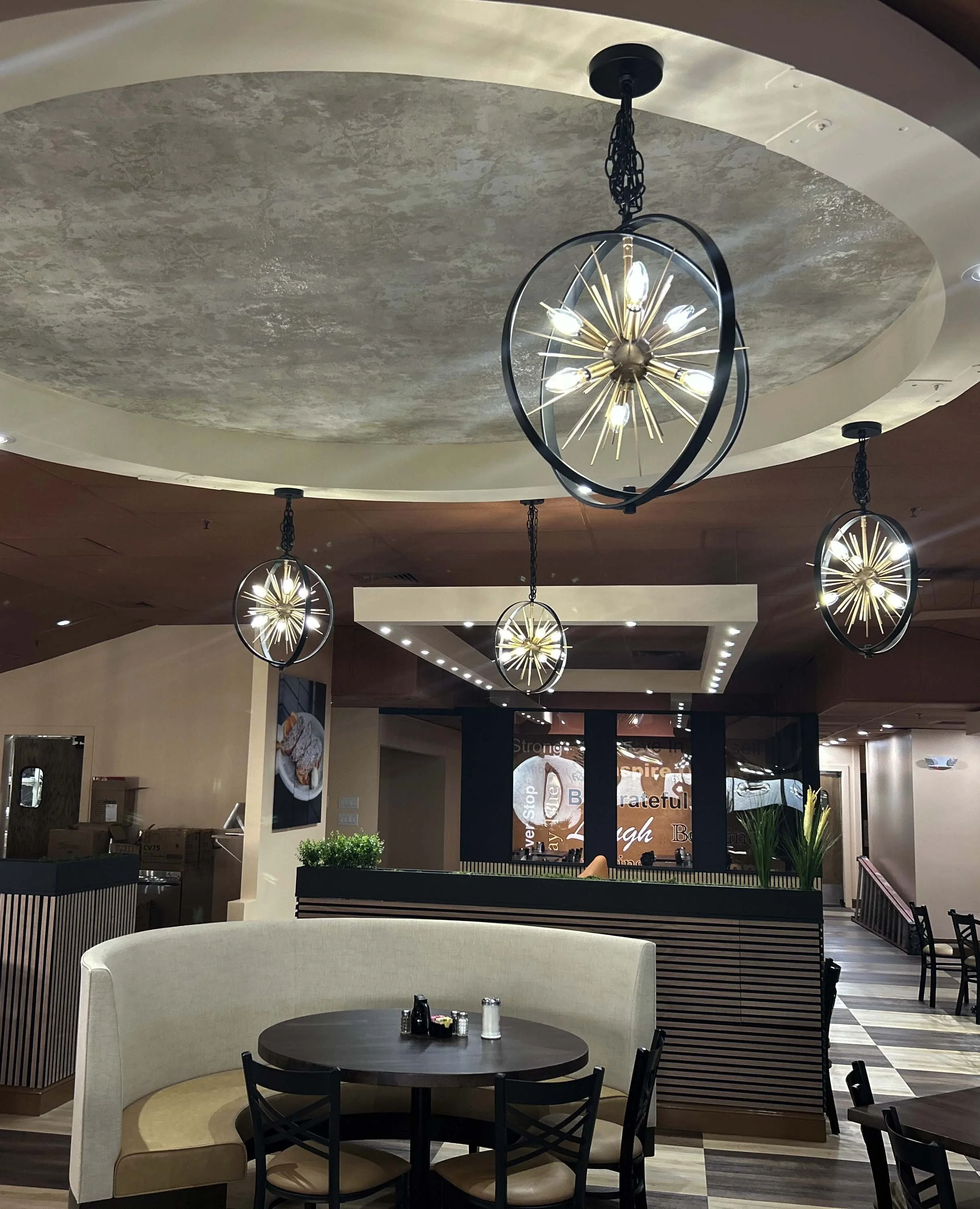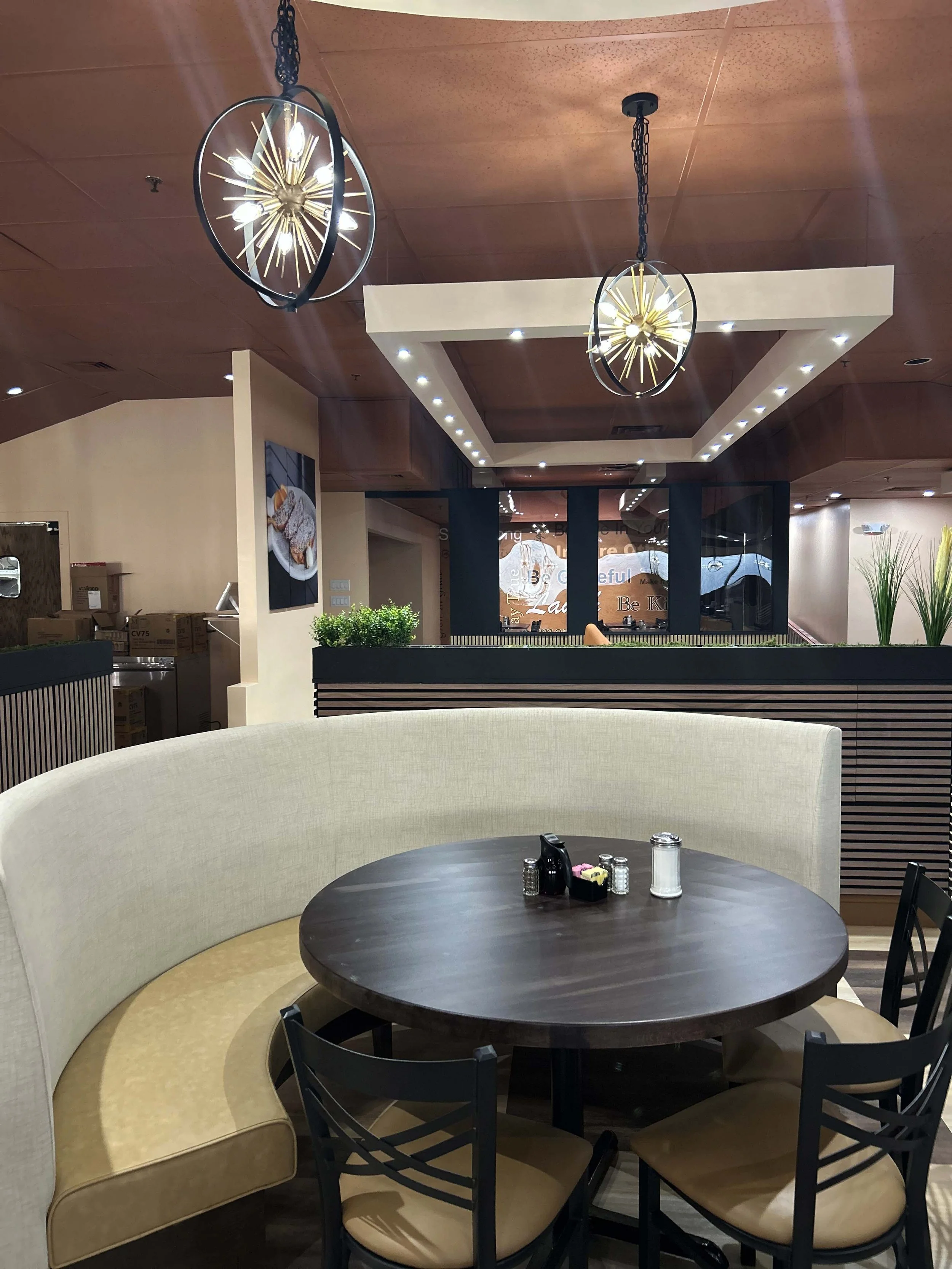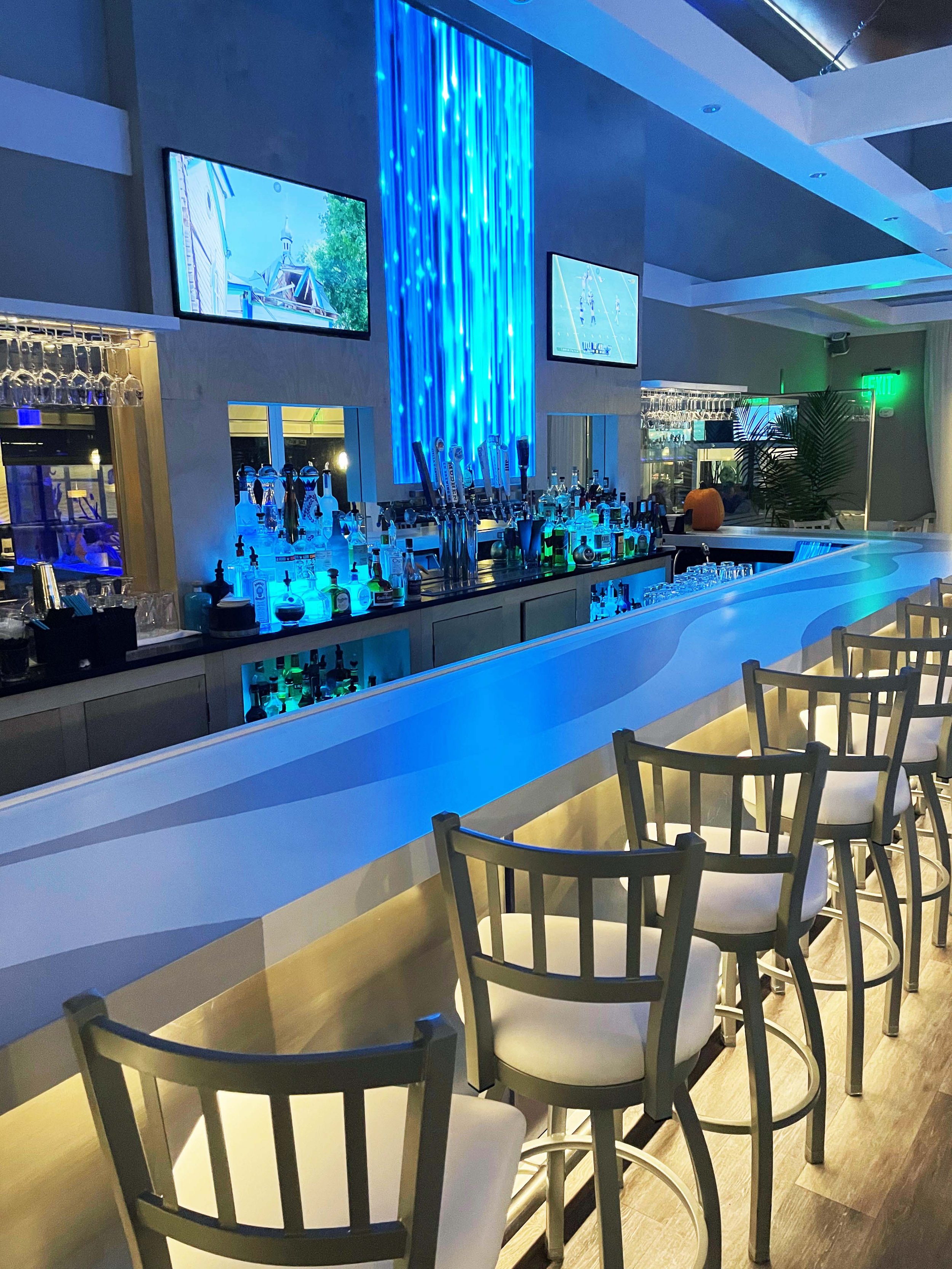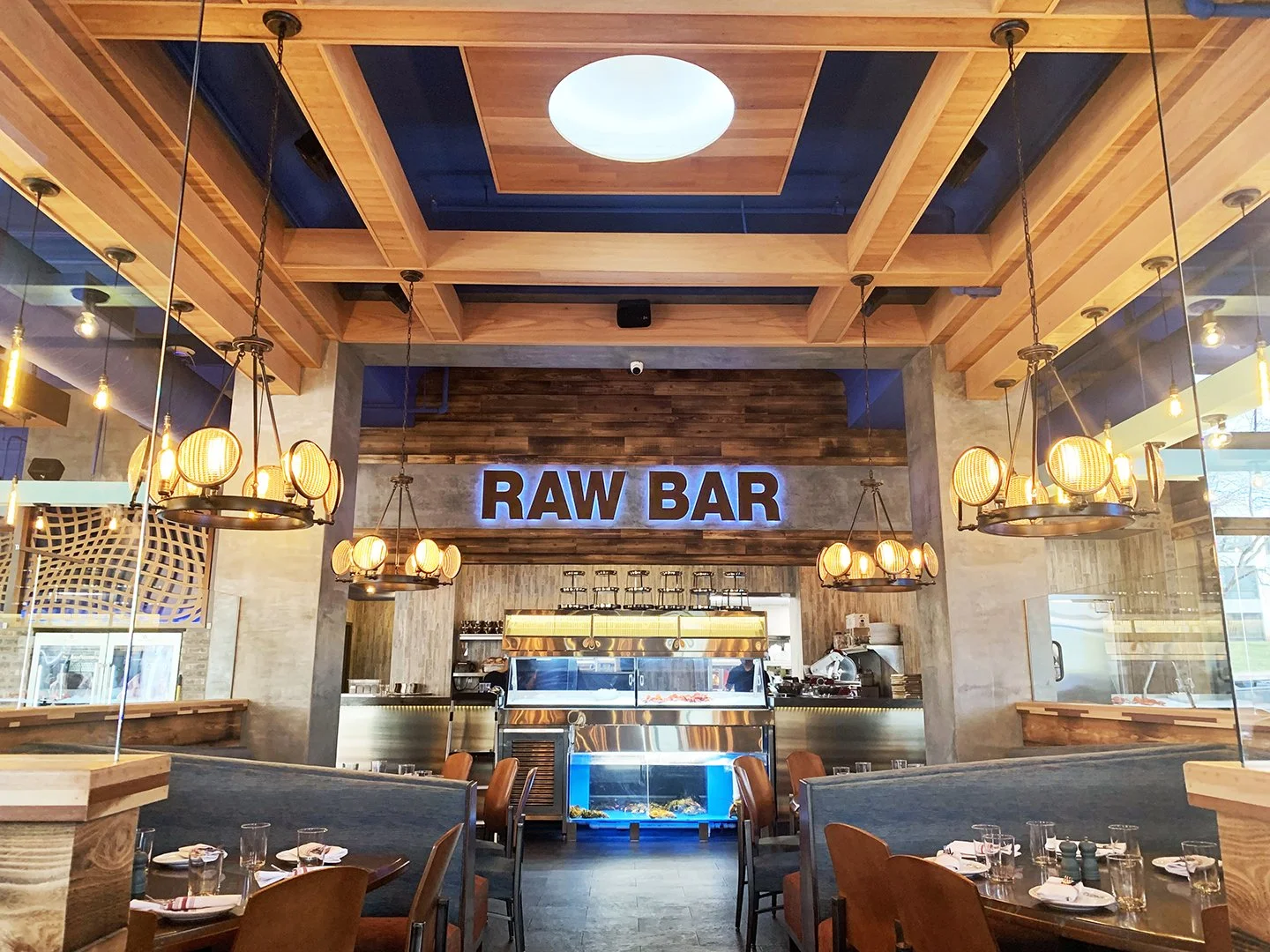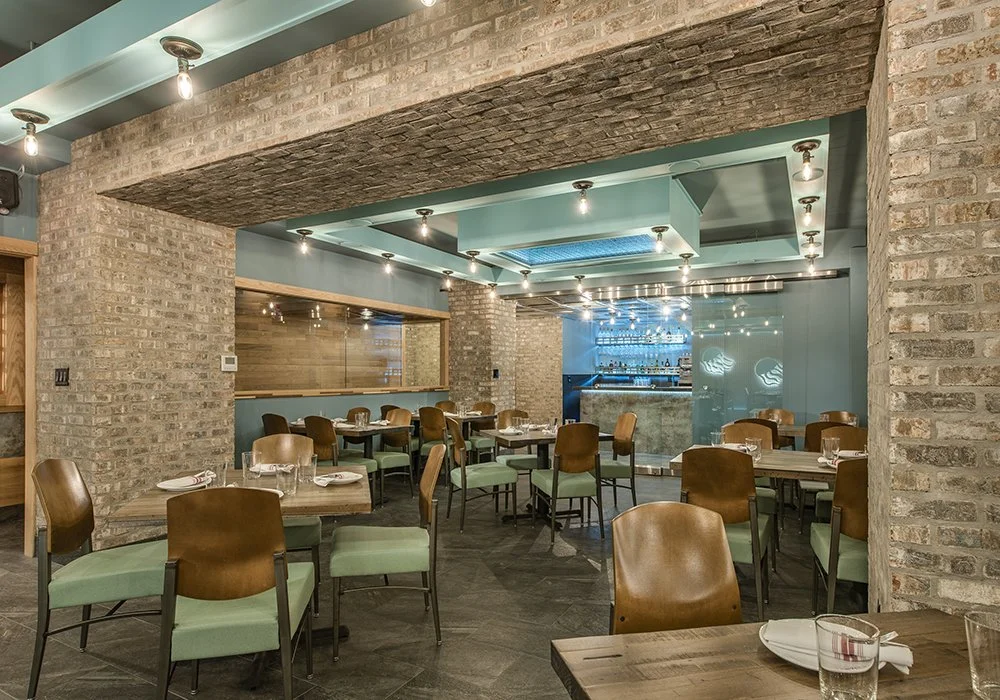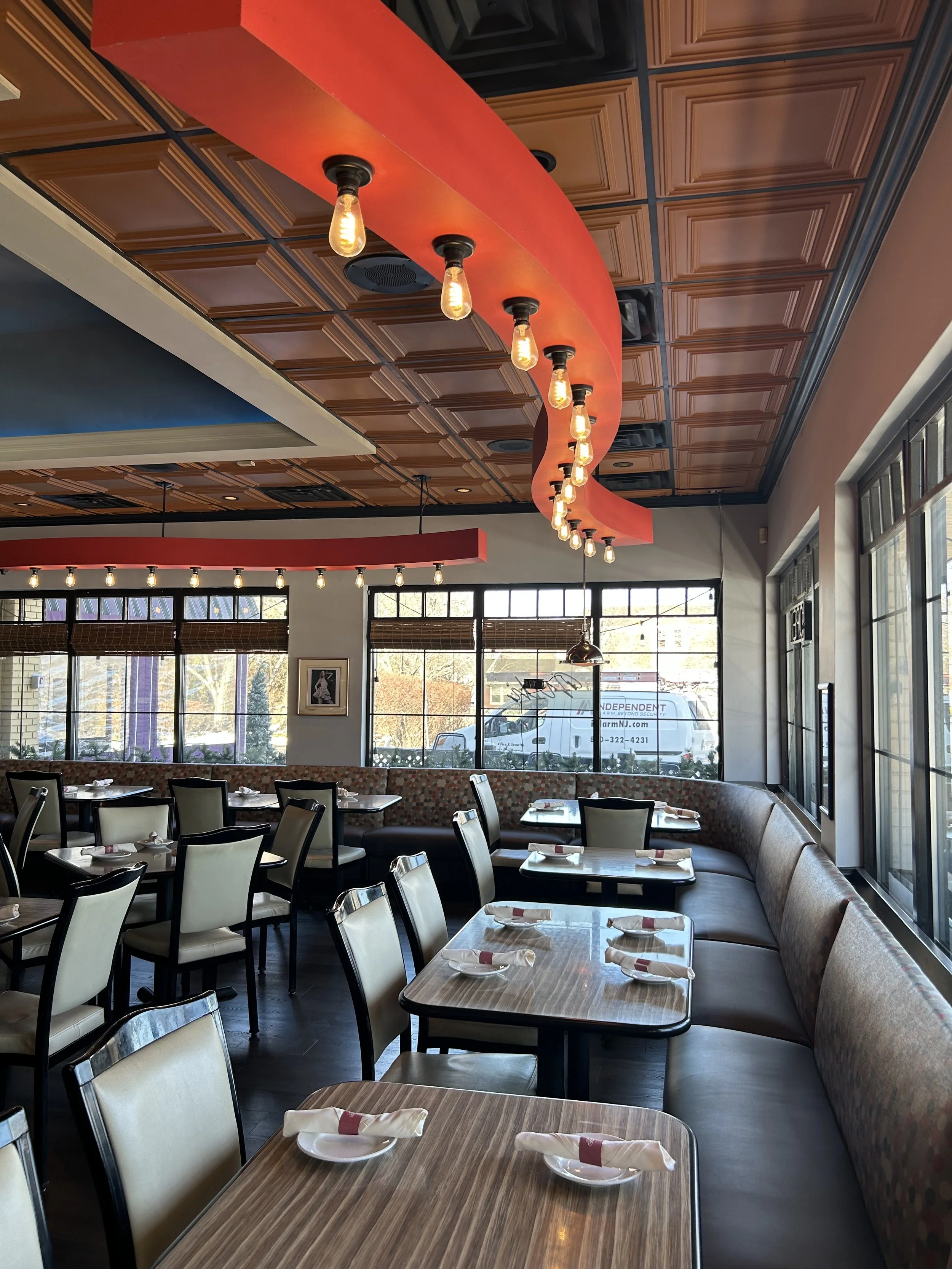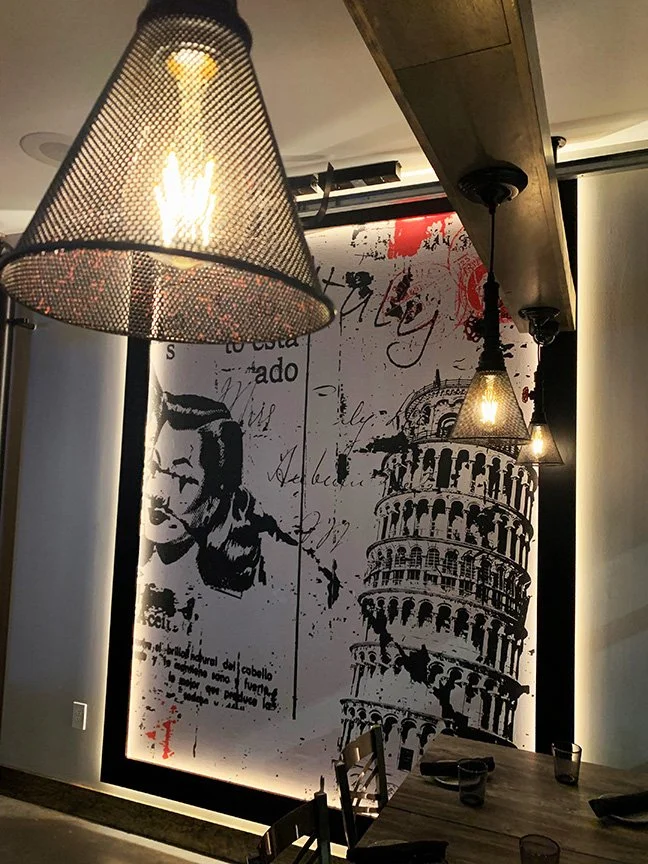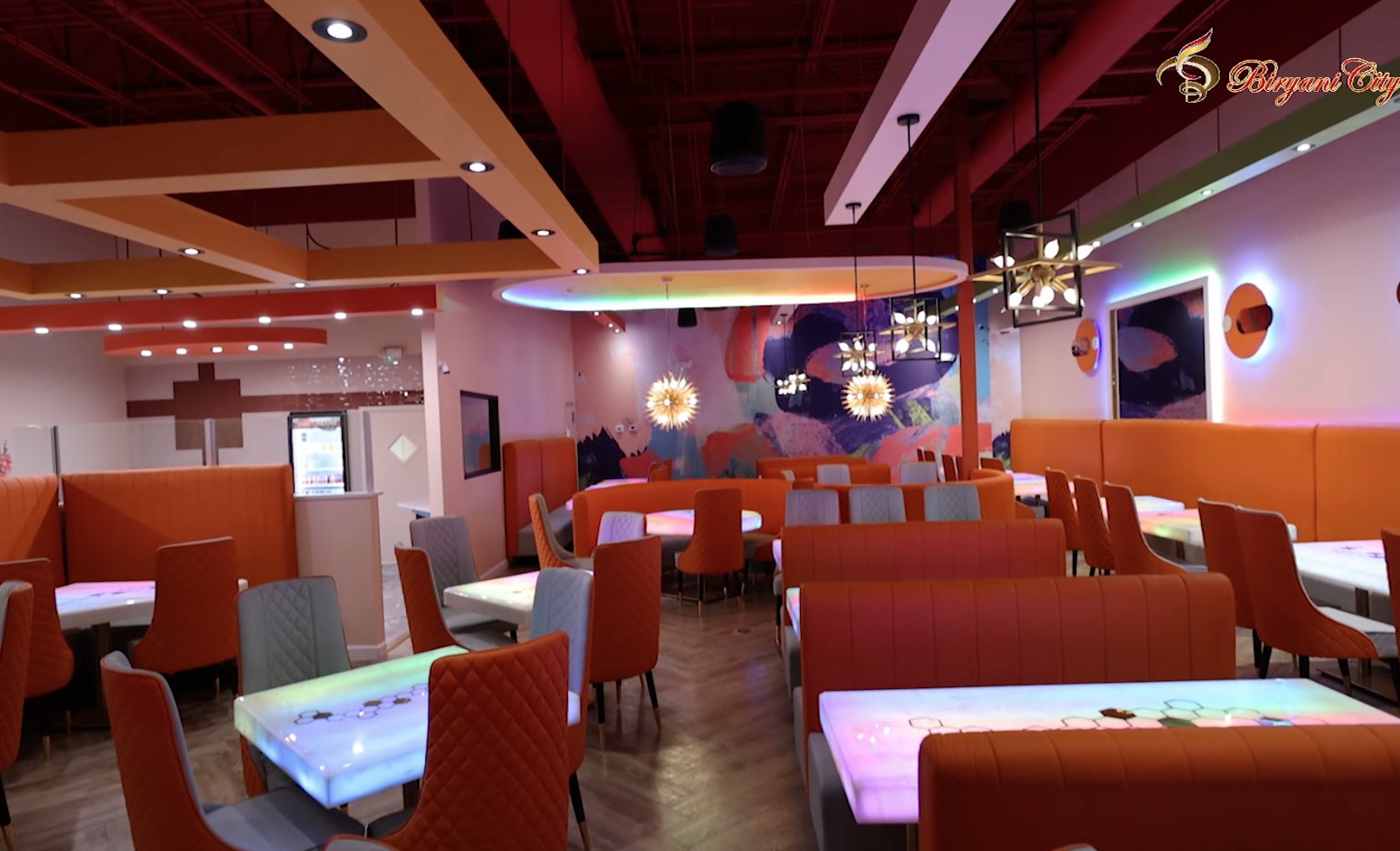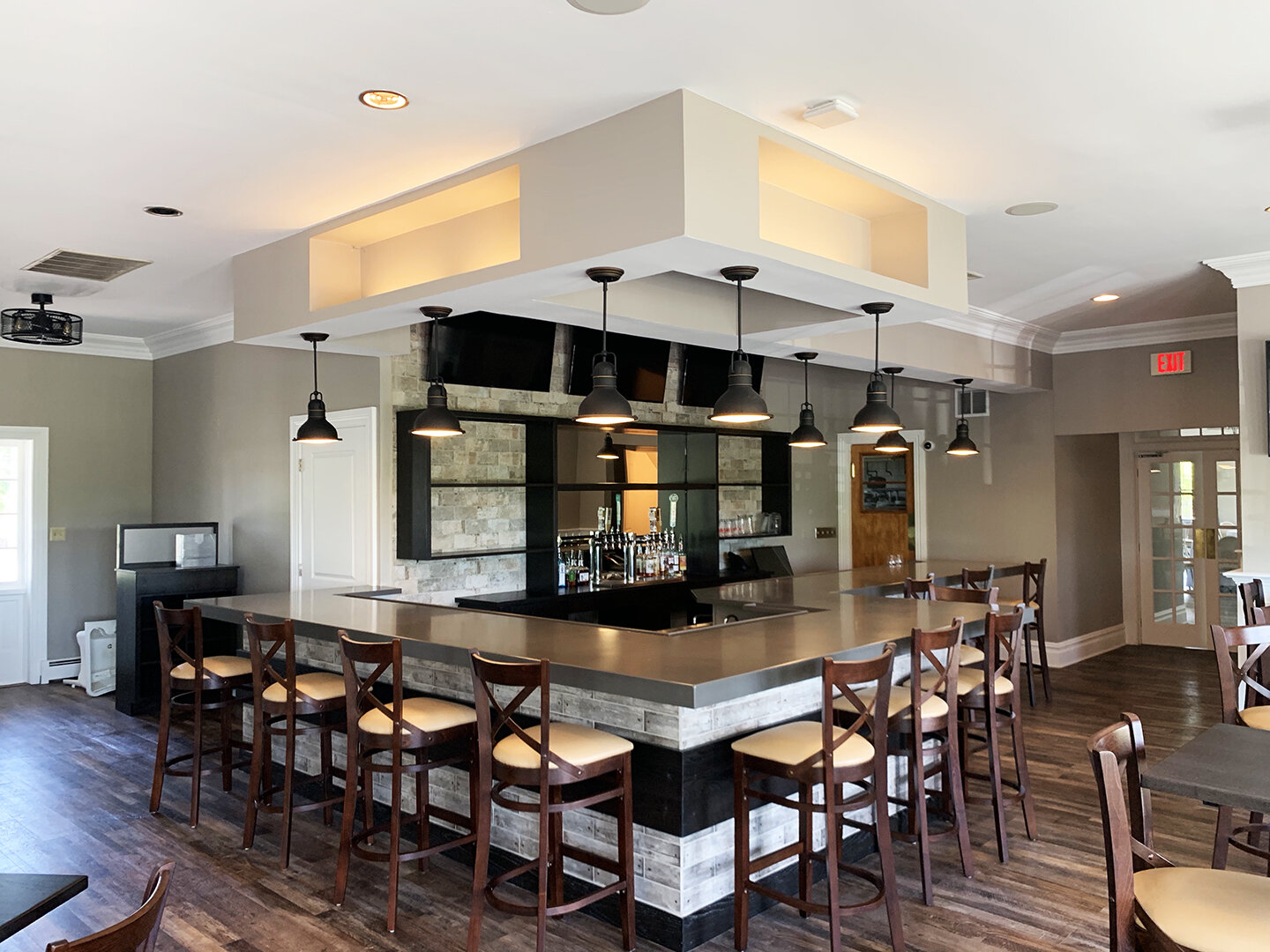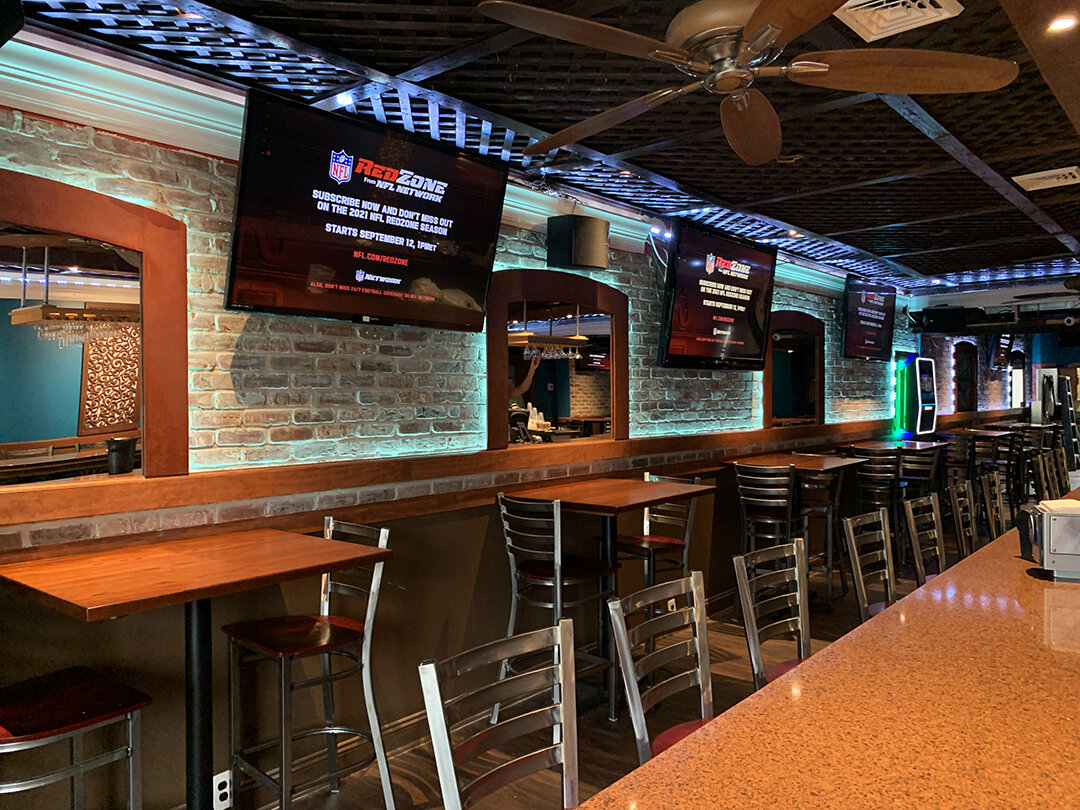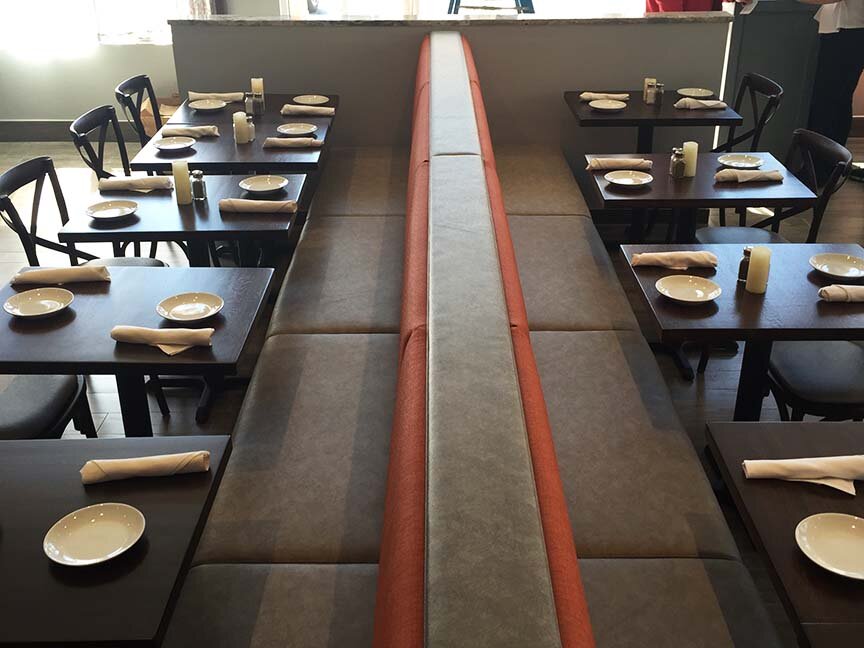
Restaurant Designer Raymond Haldeman
Most restaurant failures are decided before the first plate leaves the kitchen, often because the floor plan was designed by an artist instead of a revenue engineer. In a 2026 market where labor and food costs have surged by 35% over the last five years, you cannot afford to treat your layout as a mere aesthetic choice. Hiring a restaurant designer who understands the brutal reality of a 10.5% profit margin is the difference between a landmark success and a quiet closing within twelve months. You need a strategic partner who prioritizes operational flow and table turnover over vanity projects that kill your bottom line.
You already know that a stunning interior is mandatory for driving social media buzz and foot traffic, but the fear of wasted square footage is a valid concern that keeps owners awake at night. This guide provides the blueprint for hiring a strategic design consultant who engineers your floor plan for maximum revenue and ensures your new venue becomes a market landmark. We will examine how to vet for operational expertise, avoid the architectural mistakes that drain budgets, and secure a signature aesthetic that actually works for your staff and your guests.
Key Takeaways
Treat your floor plan as a revenue engine by prioritizing strategic space planning that maximizes table turnover and alcohol sales.
Master the no-nonsense framework for hiring a restaurant designer who understands operational flow rather than just picking colors.
Protect your investment against the high risk of failure by ensuring your consultant aligns your concept with a high-performance physical environment.
Discover how visionary design creates a signature aesthetic that drives social media buzz and secures your position as a market landmark.
Table of Contents
Why Hiring a Restaurant Opening Design Consultant is Your Most Critical Pre-Launch Decision
Revenue Engineering: How Design Consultants Weaponize Space for Profit
The No-Nonsense Framework for Vetting an Elite Restaurant Designer
The Raymond Haldeman Advantage: Transitioning from Concept to Landmark
Why Hiring a Restaurant Opening Design Consultant is Your Most Critical Pre-Launch Decision
Opening a restaurant is a high-stakes gamble where the house usually wins. Industry data suggests that roughly 60% of independent restaurants fail within their first year. This isn't typically a failure of the kitchen; it's a failure of the business model and the physical space it inhabits. Hiring a restaurant designer who acts as a strategic consultant is your most critical pre-launch decision. This partner serves as a visionary guide who aligns your culinary concept with a high-performance physical environment designed to extract maximum profit from every square foot.
Stop confusing a design consultant with a decorator. A decorator chooses "pretty" furniture for a dining room in Philadelphia or Miami; a strategic consultant engineers a machine that moves people and product with surgical precision. If your room looks like a gallery but your servers can't navigate the floor during a rush, you have a financial liability, not a business. Applying foundational Interior design principles to a commercial hospitality setting requires a deep understanding of operational flow that most residential designers simply lack. Professional design is your ultimate insurance policy against a disastrous first year.
Concept Development: From Vision to Market Dominance
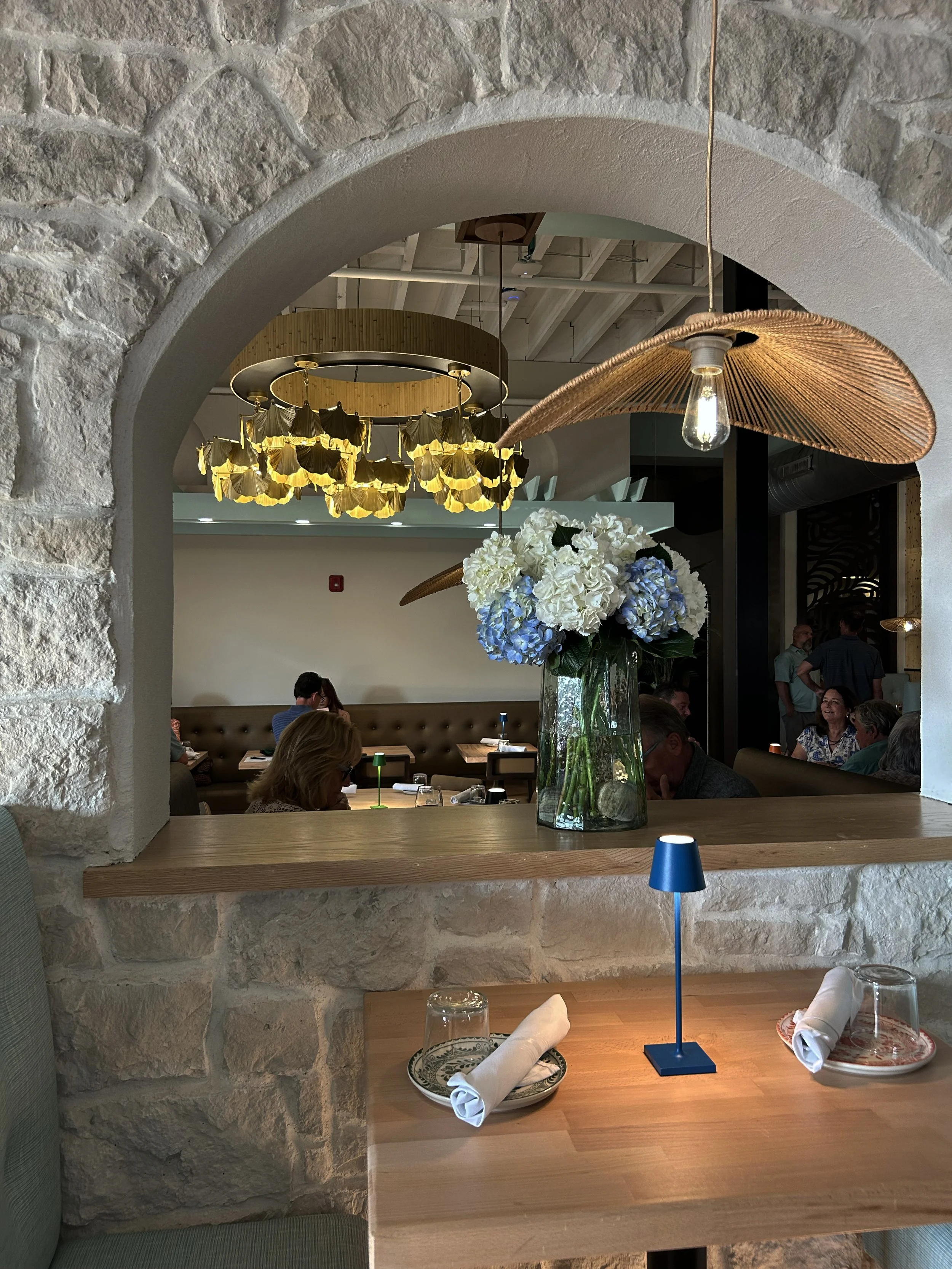
Your menu is a promise, and your design is the delivery. In crowded markets like New Jersey or Delaware, you cannot afford to be "just another bistro." You must command attention. Concept development is the bridge between a chef's vision and a brand's profitability. It ensures that every element of the guest experience, from the lighting levels to the acoustic signature, justifies premium pricing and encourages repeat visits. If your environment doesn't outshine the competition across the street, your brand is already invisible. Don't just open a restaurant; build a landmark.
The Pre-Construction Financial Advantage
The most expensive mistakes in the hospitality industry happen on paper, long before a single nail is driven. An elite consultant identifies architectural pitfalls that lead to five-figure change orders during construction. By collaborating with architects and general contractors early, they ensure the vision survives the build process without compromising operational efficiency. This proactive approach identifies cost drivers in the pre-lease phase, effectively paying for the consultant's fee through avoided disasters and streamlined renovations. Early-stage consulting is the only way to ensure your budget goes into the guest experience rather than fixing avoidable structural errors.
Revenue Engineering: How Design Consultants Weaponize Space for Profit
Design is not a decorative luxury; it is a tactical weapon. When you are operating on a razor-thin 10.5% profit margin, every square foot must justify its existence. Hiring a restaurant designer who understands revenue engineering ensures your floor plan is optimized for maximum covers without compromising the high-end experience your guests expect. This is about more than just fitting tables into a room. It is about calculating the exact ROI of your seating layout and the psychological triggers that drive guest behavior.
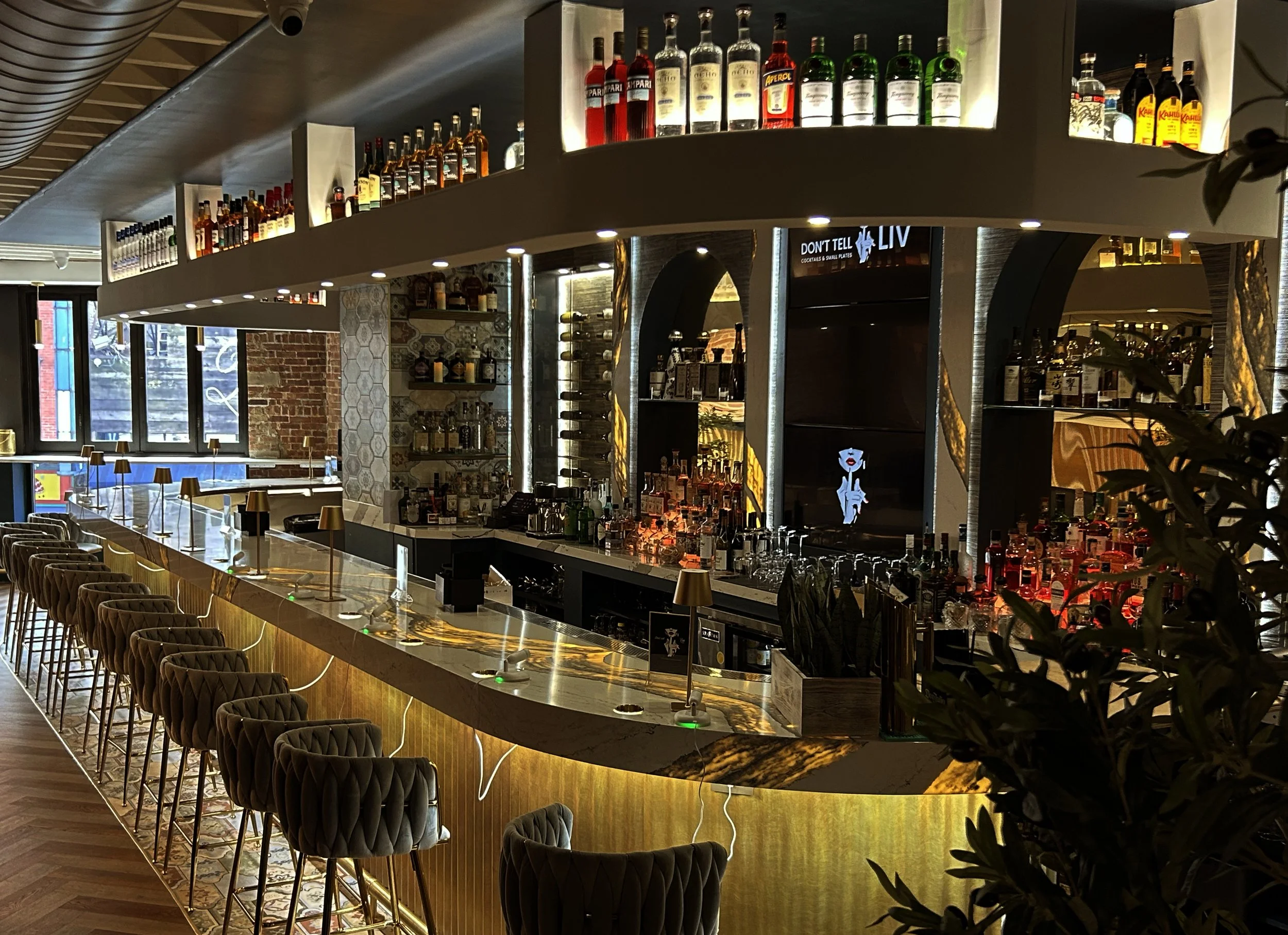
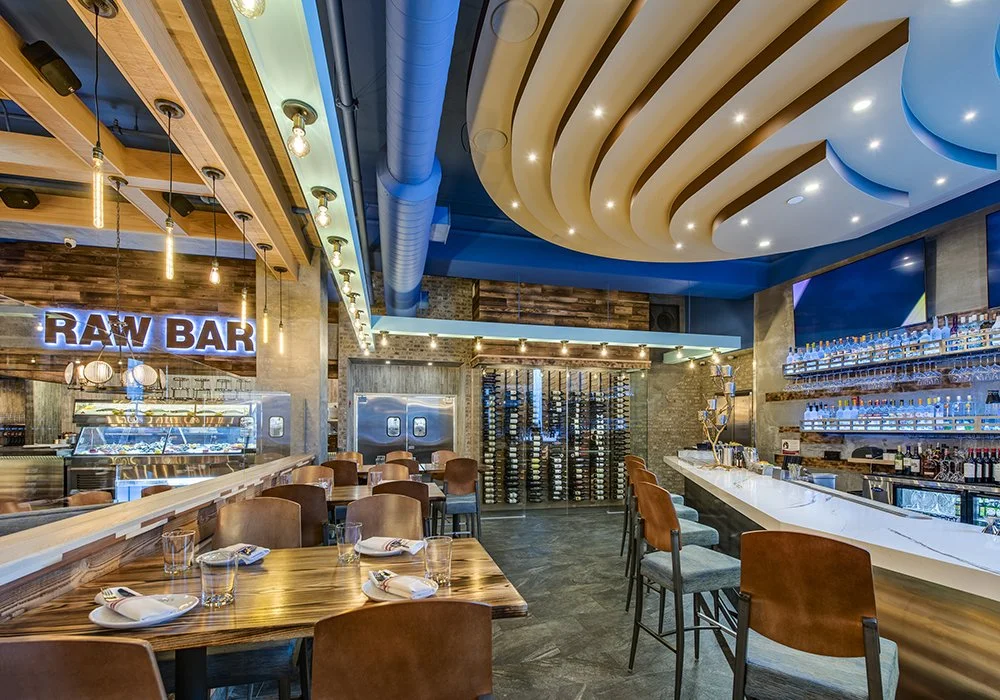
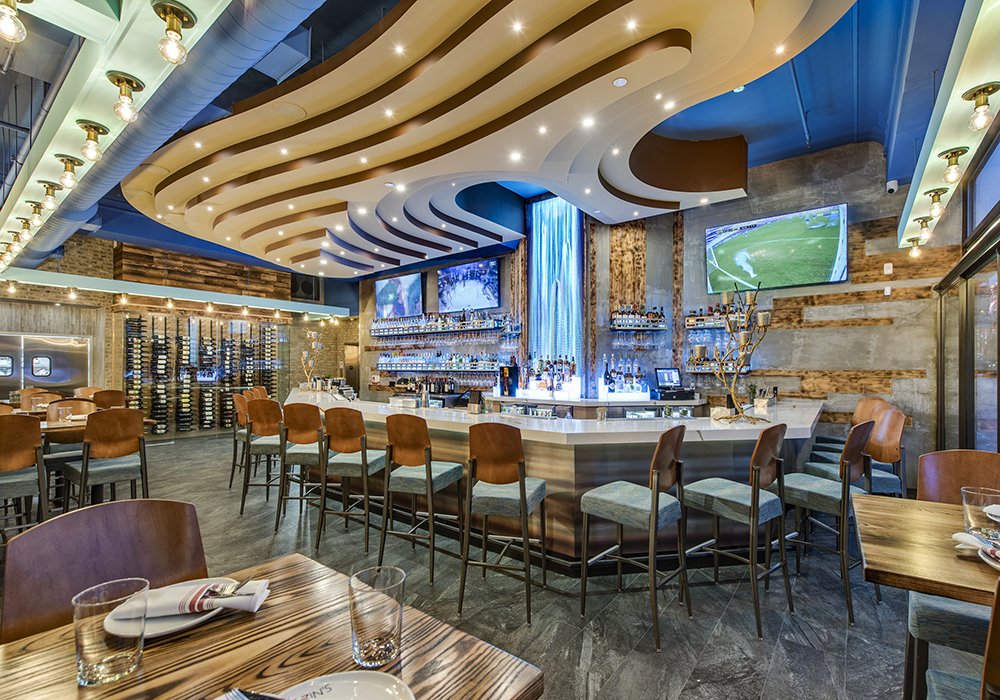
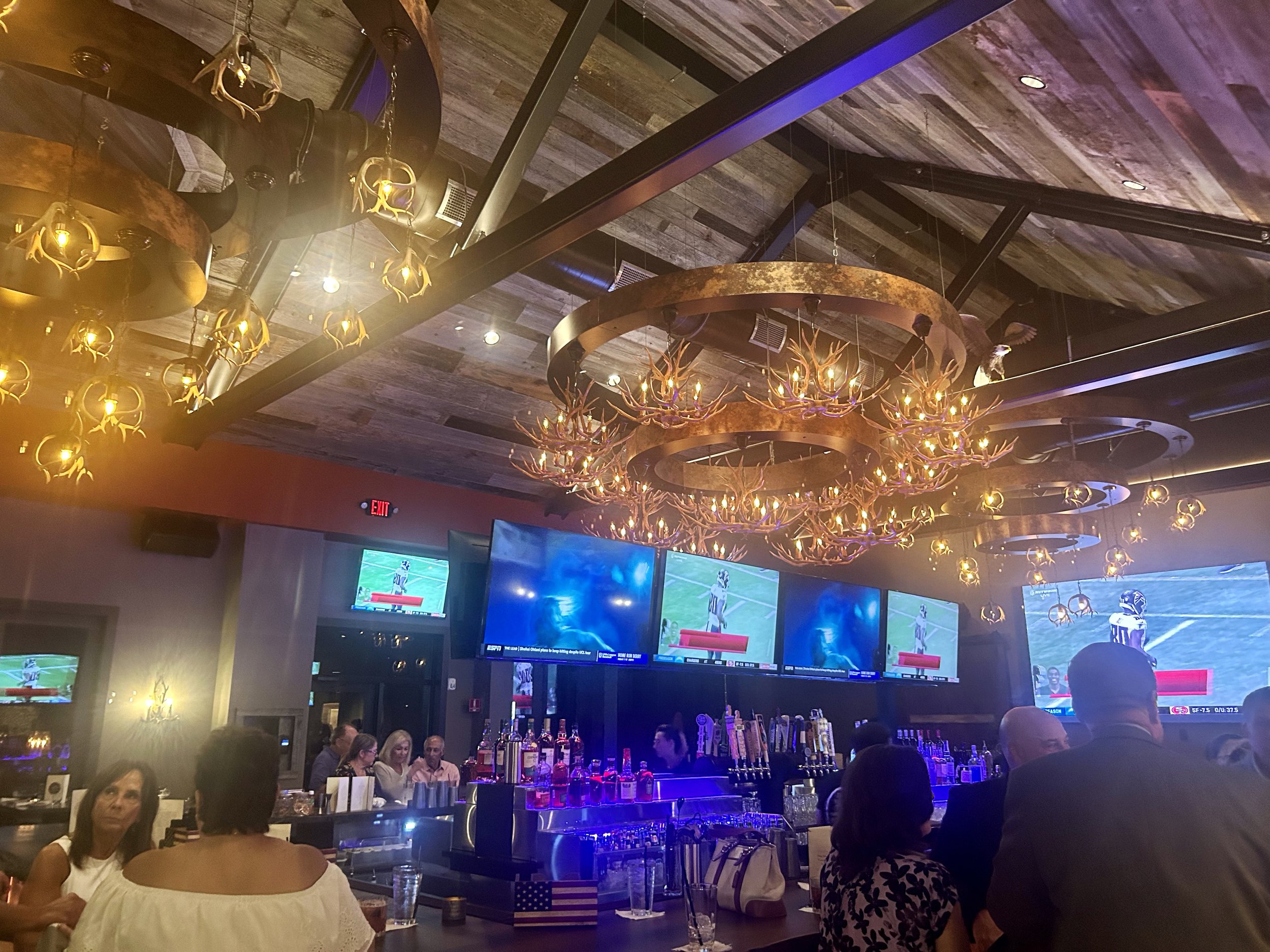
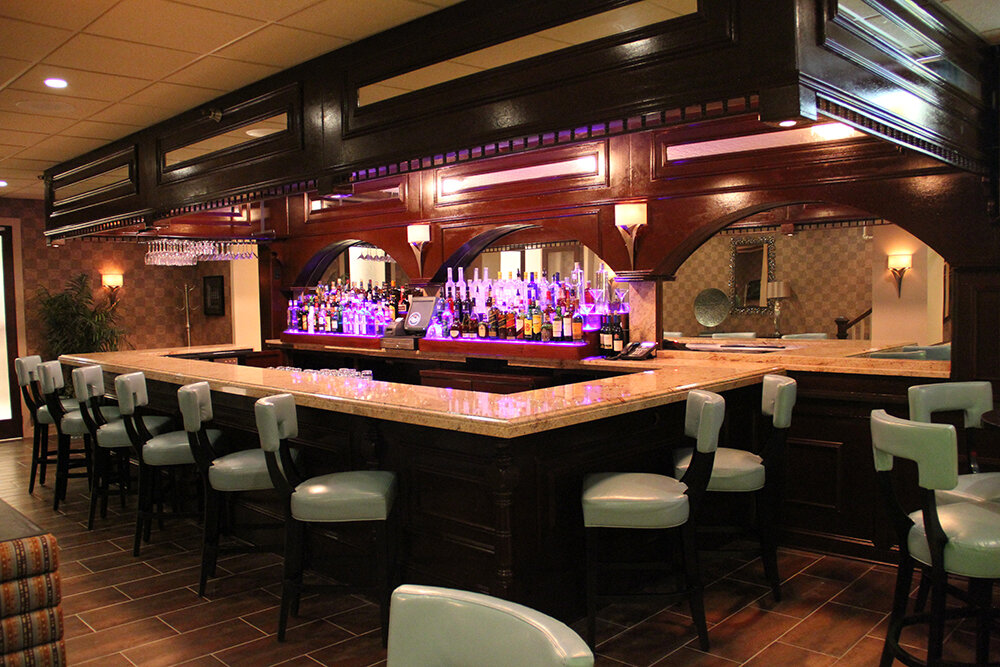
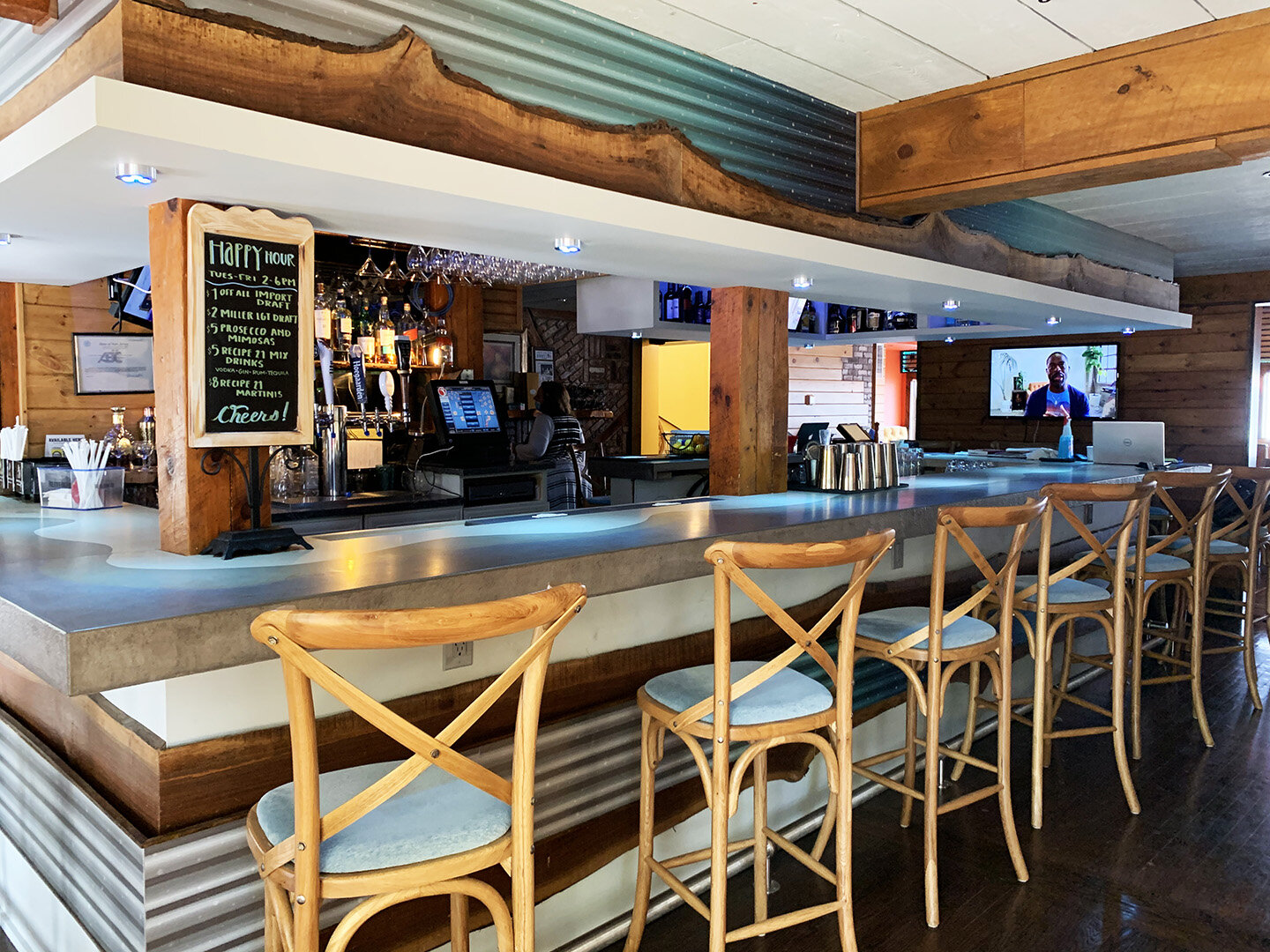
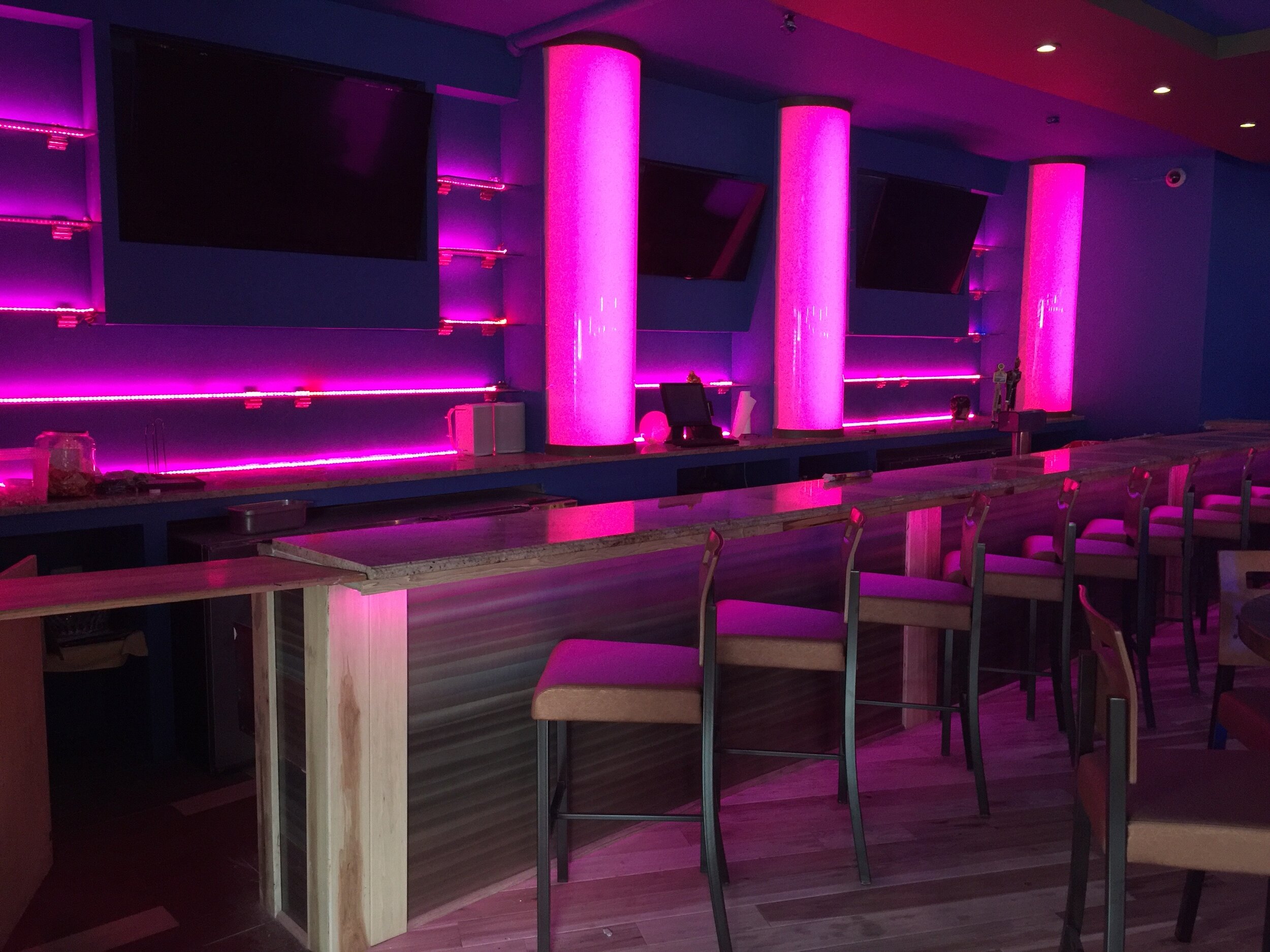
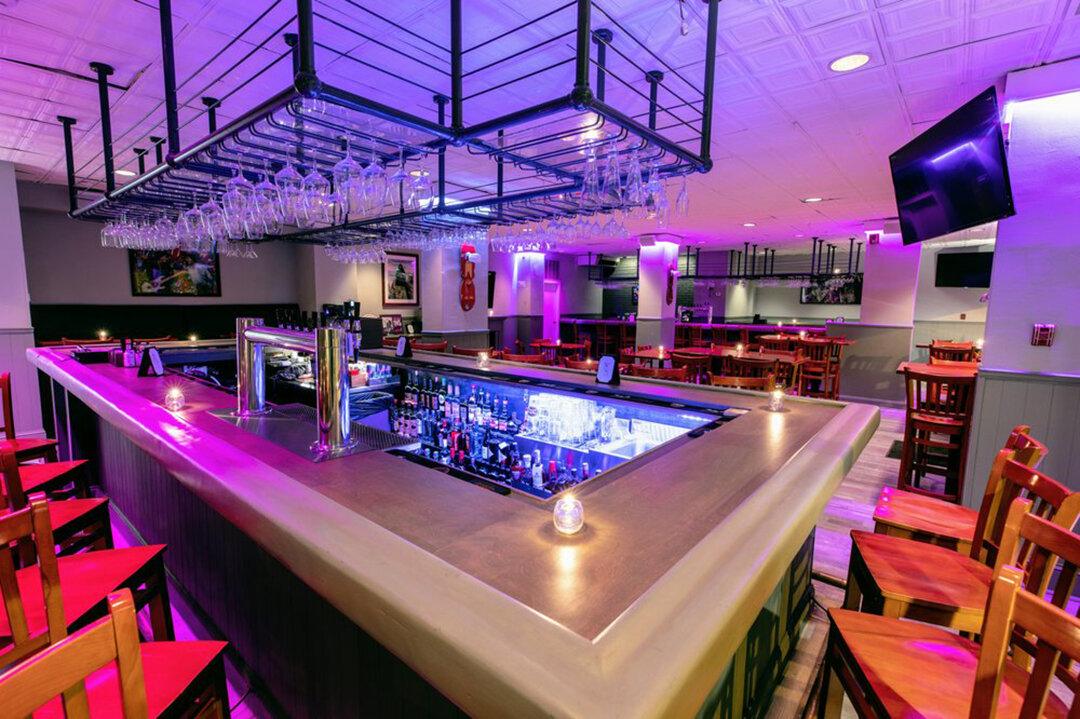
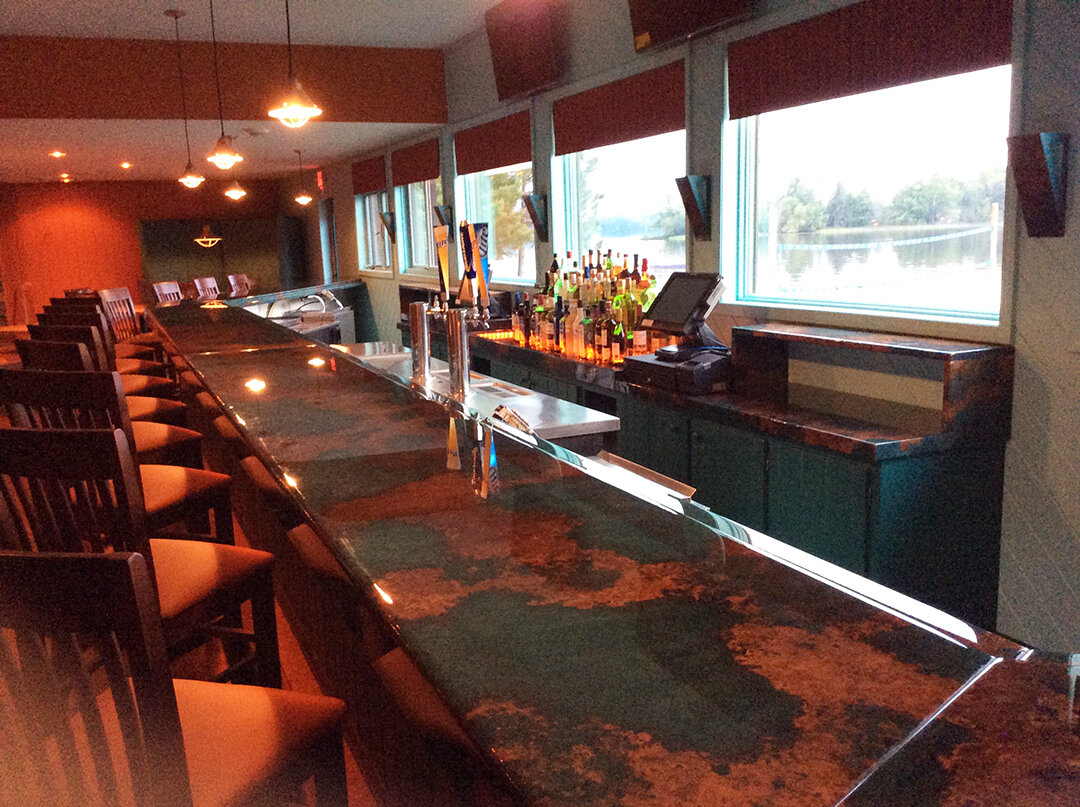
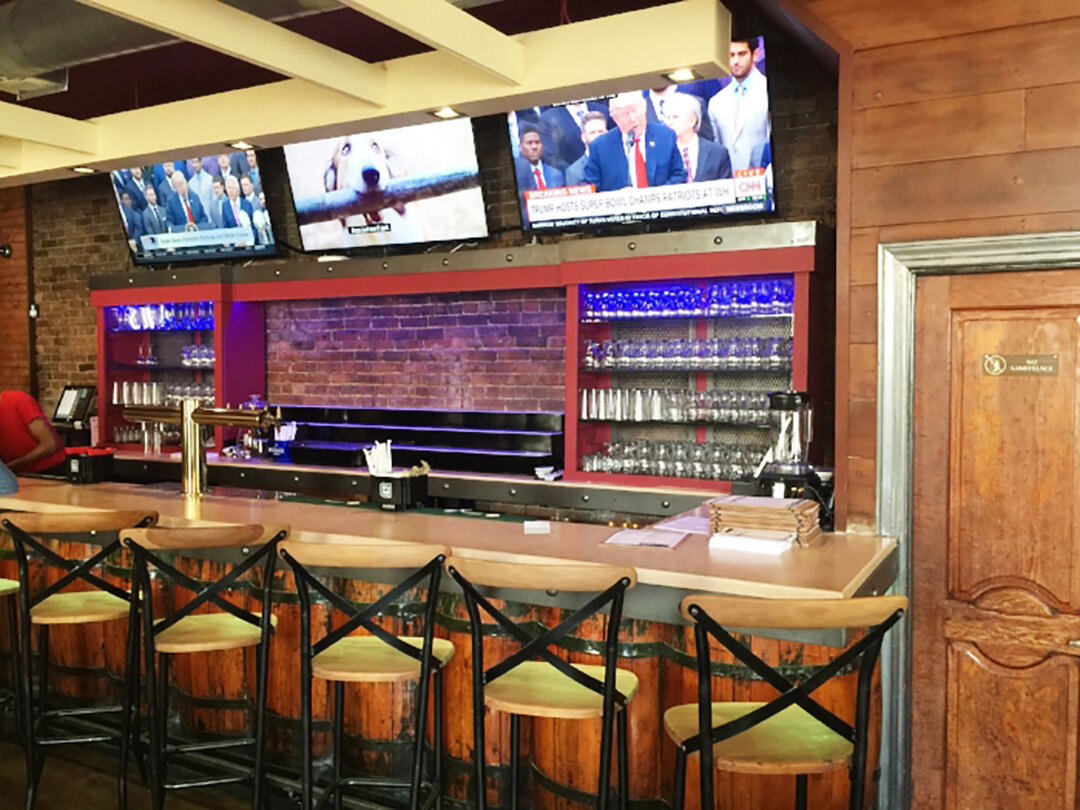
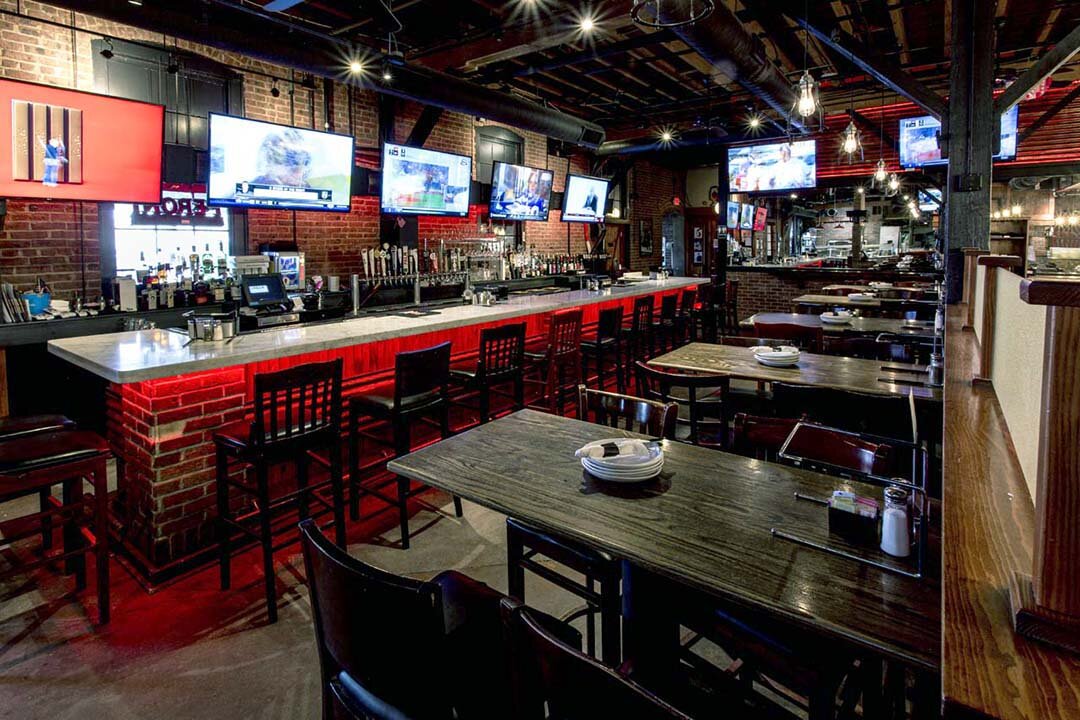
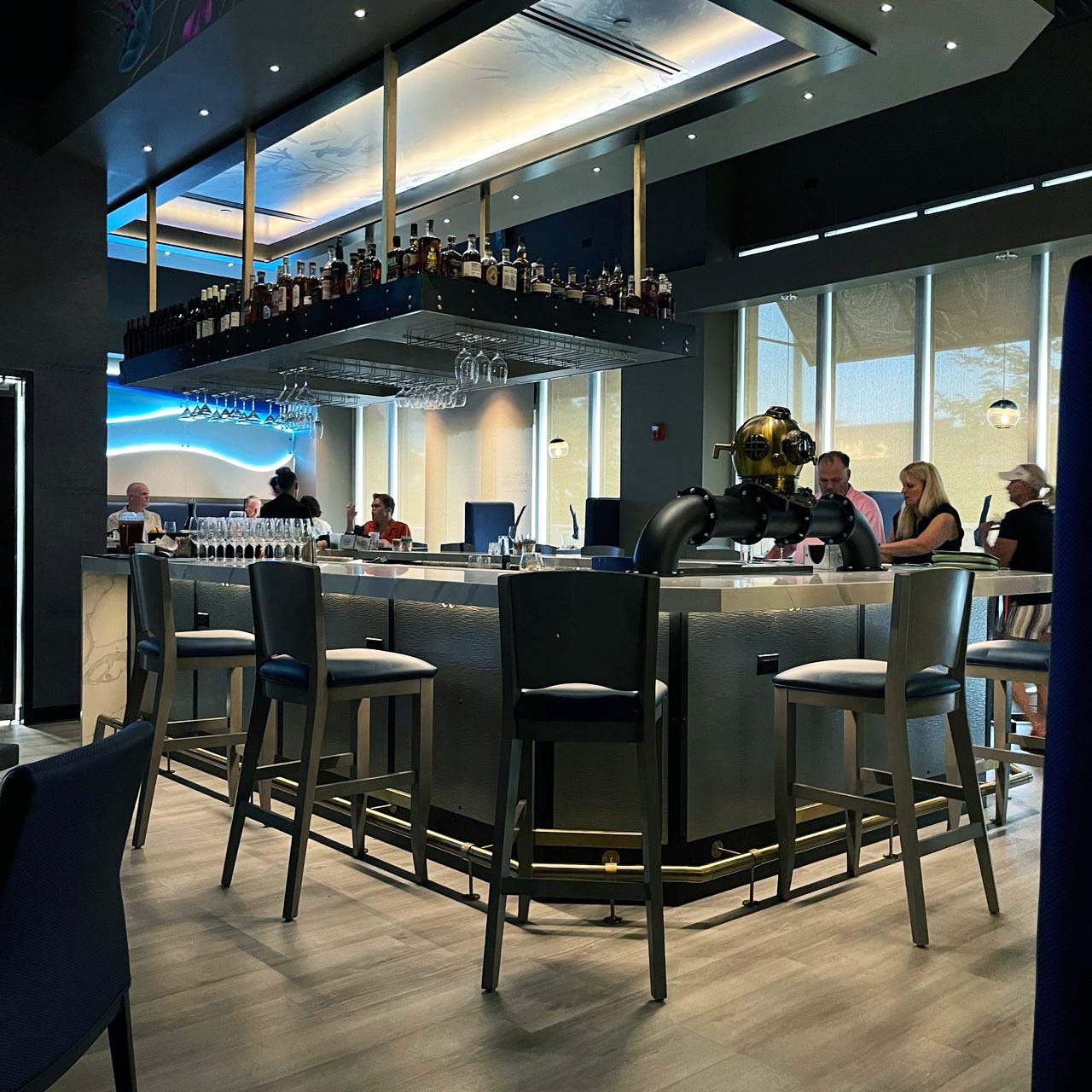
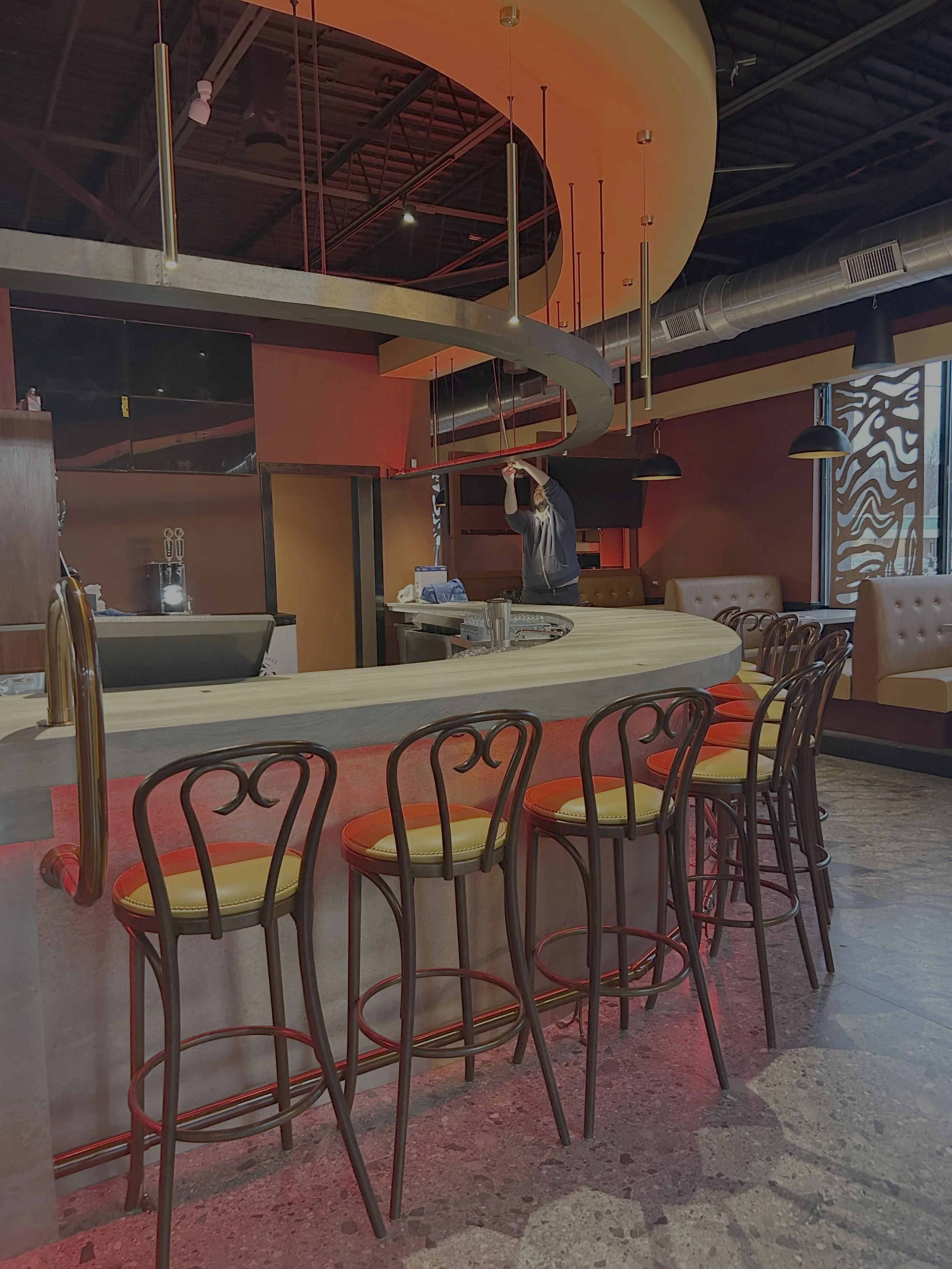
Front-of-house revenue drivers often center on the bar and lounge. A strategic consultant designs these areas to psychologically encourage higher alcohol sales through lighting, sightlines, and proximity. If your bar is an afterthought, you are leaving your highest-margin products on the shelf. Beyond the bar, the science of ambiance plays a critical role. Using strategic lighting and acoustics can increase check averages and influence stay duration. A great restaurant design ensures that guests feel comfortable enough to order that second bottle of wine but doesn't encourage them to linger indefinitely when you need to turn the table.
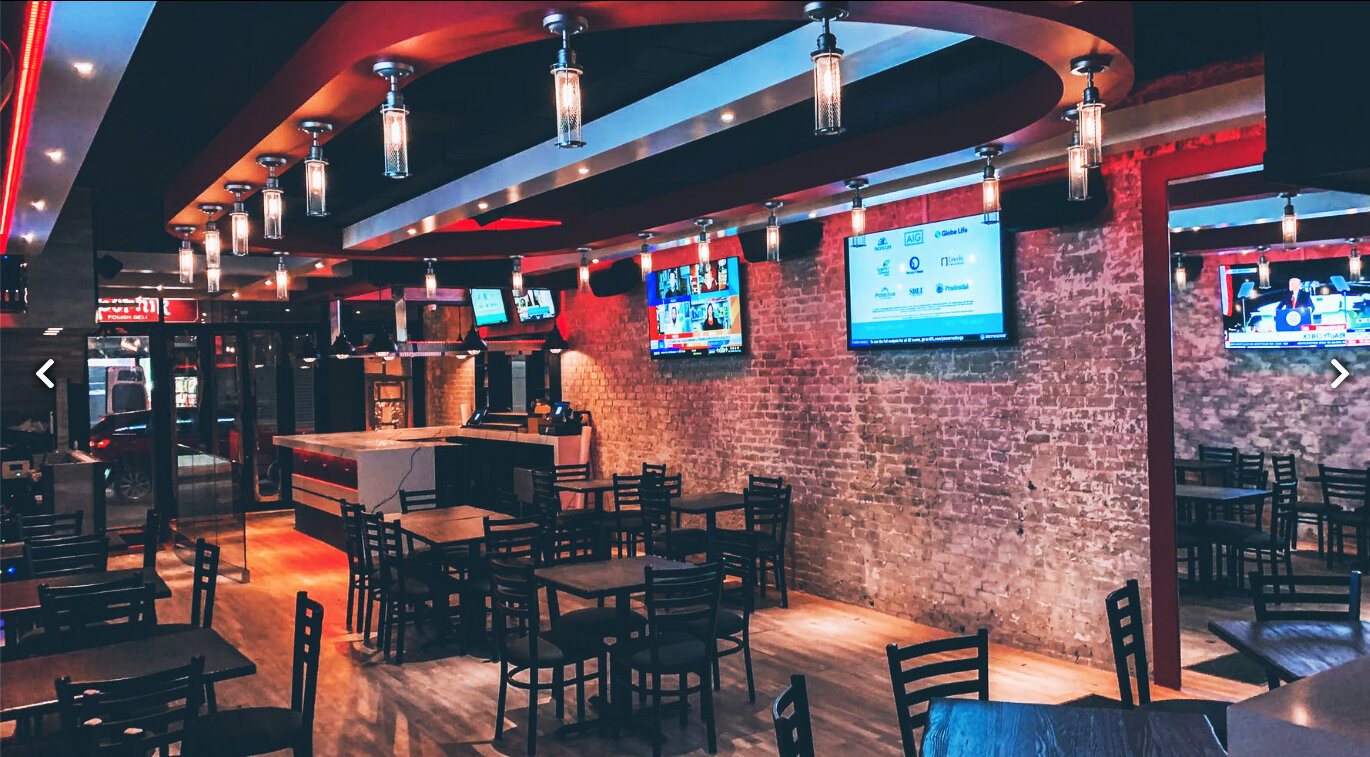
Operational flow is the invisible "dance" between the kitchen and the table. If your layout forces servers to cross paths with guests or navigate inefficient routes, your turnover rates will suffer. A professional consultant engineers these paths to be seamless, allowing your staff to perform at peak efficiency even during the busiest Friday night rush. Efficiency in the back-of-house translates directly to faster service and more seat turns in the front.
Restaurant Floor Plan Optimization
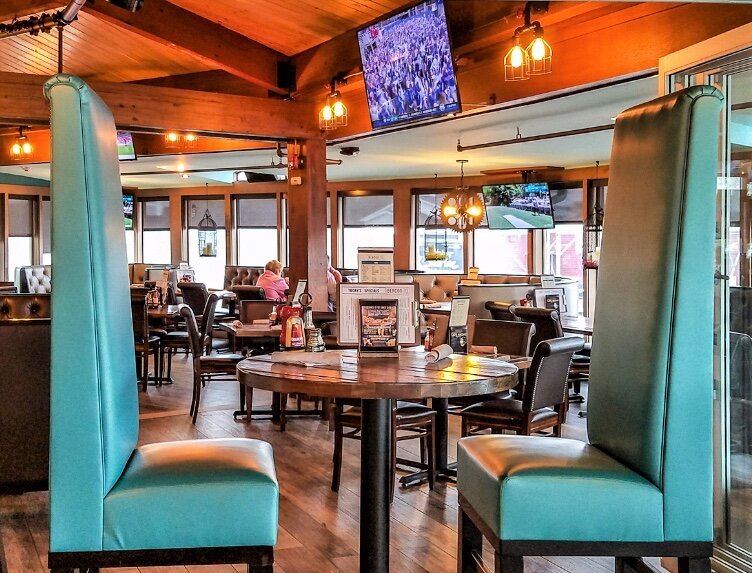
Strategic density is the ultimate goal. You must balance seating capacity with guest comfort to maximize your return on investment. As a premier restaurant floor plan consultant, the focus is on creating "Power Tables" and VIP sections. These are high-demand areas that guests will specifically request and pay a premium to reserve, turning standard floor space into a high-revenue asset that drives repeat business.
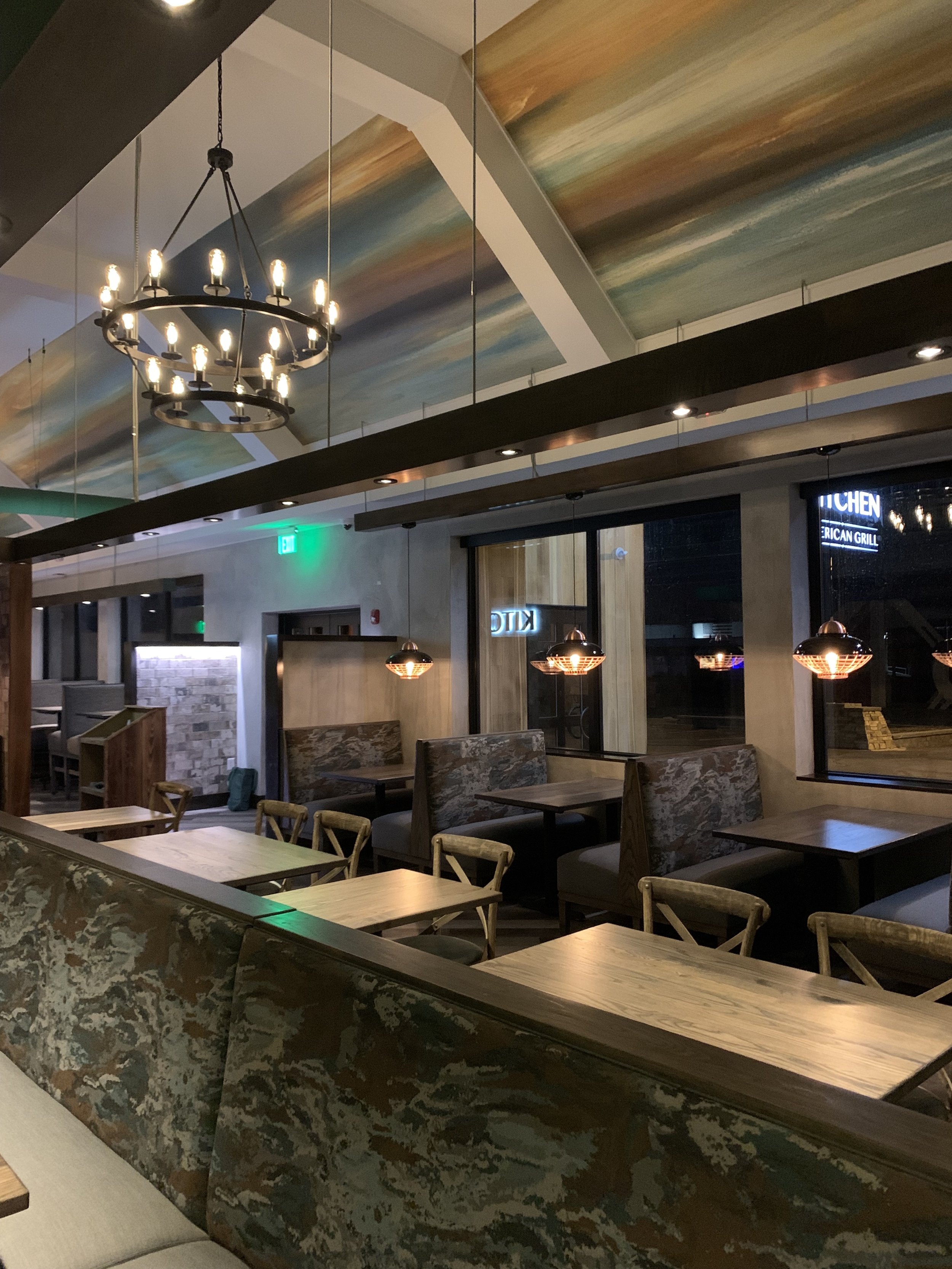
Visual Identity and Material Selection
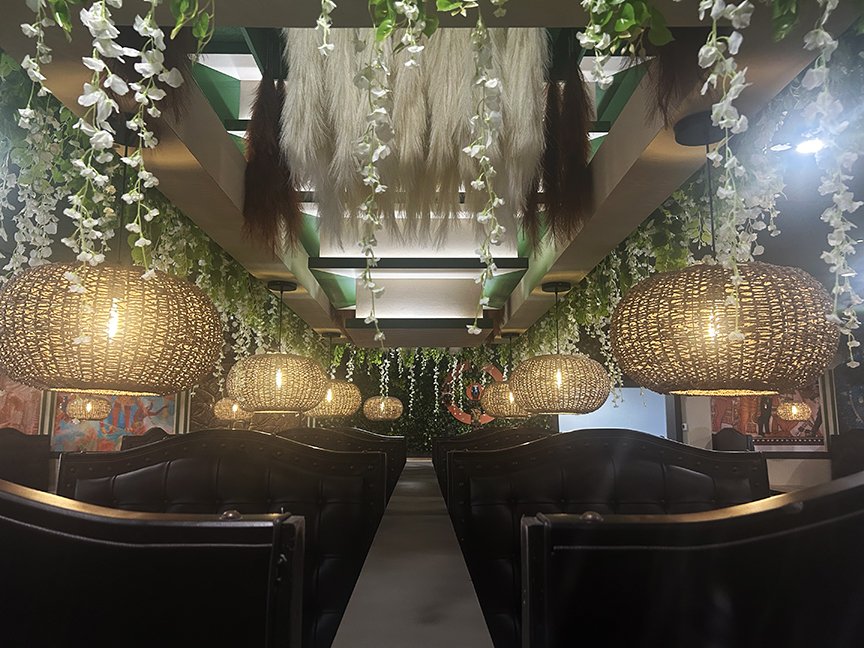
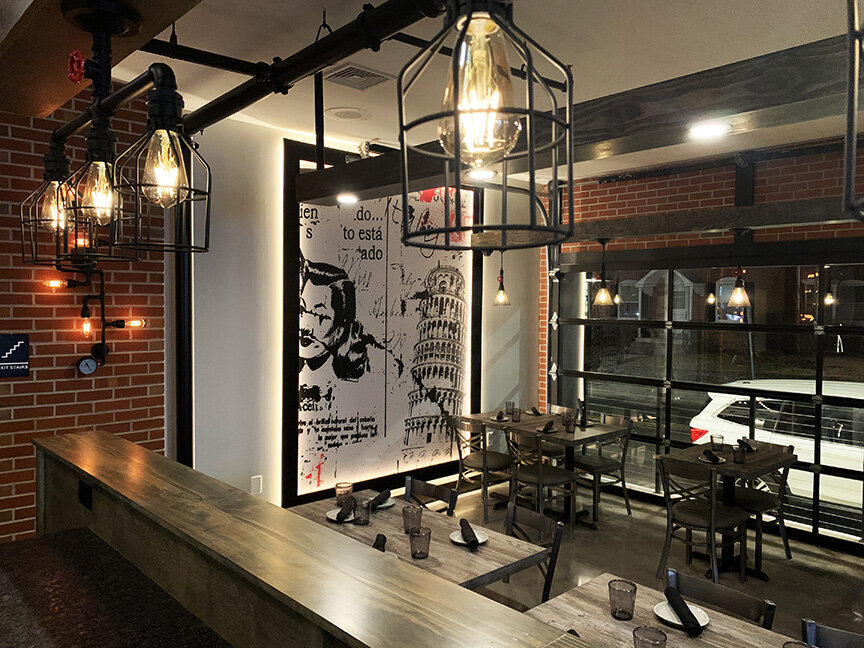
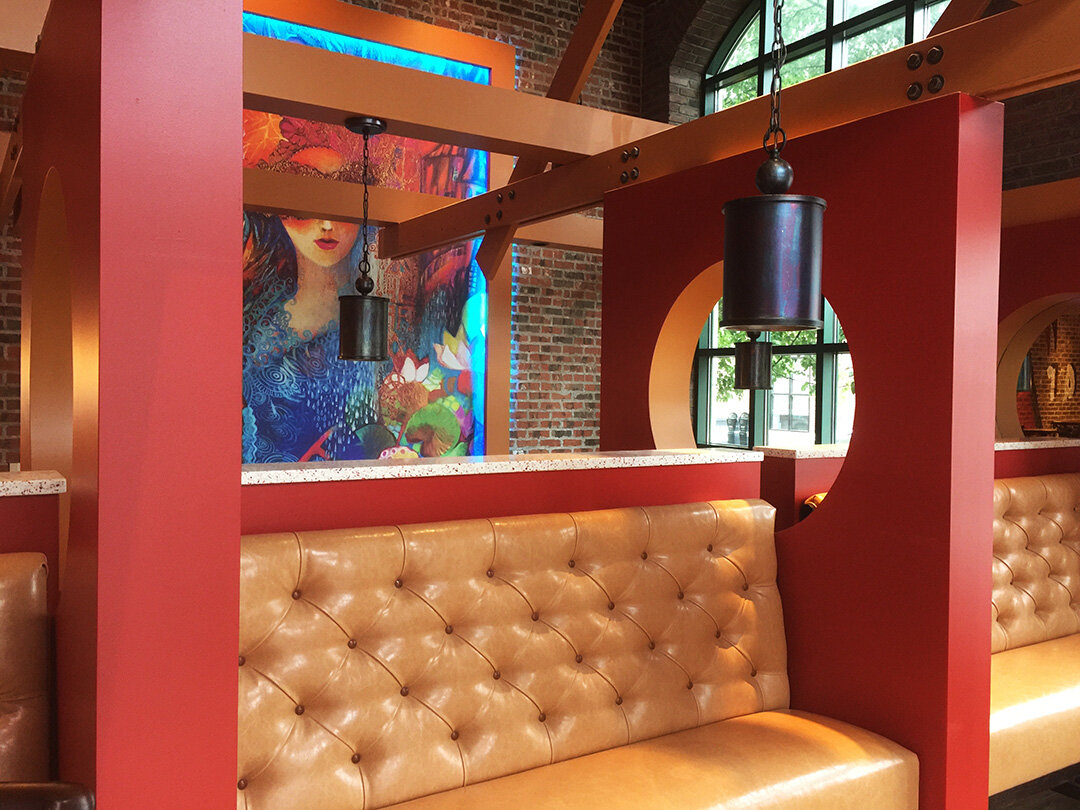
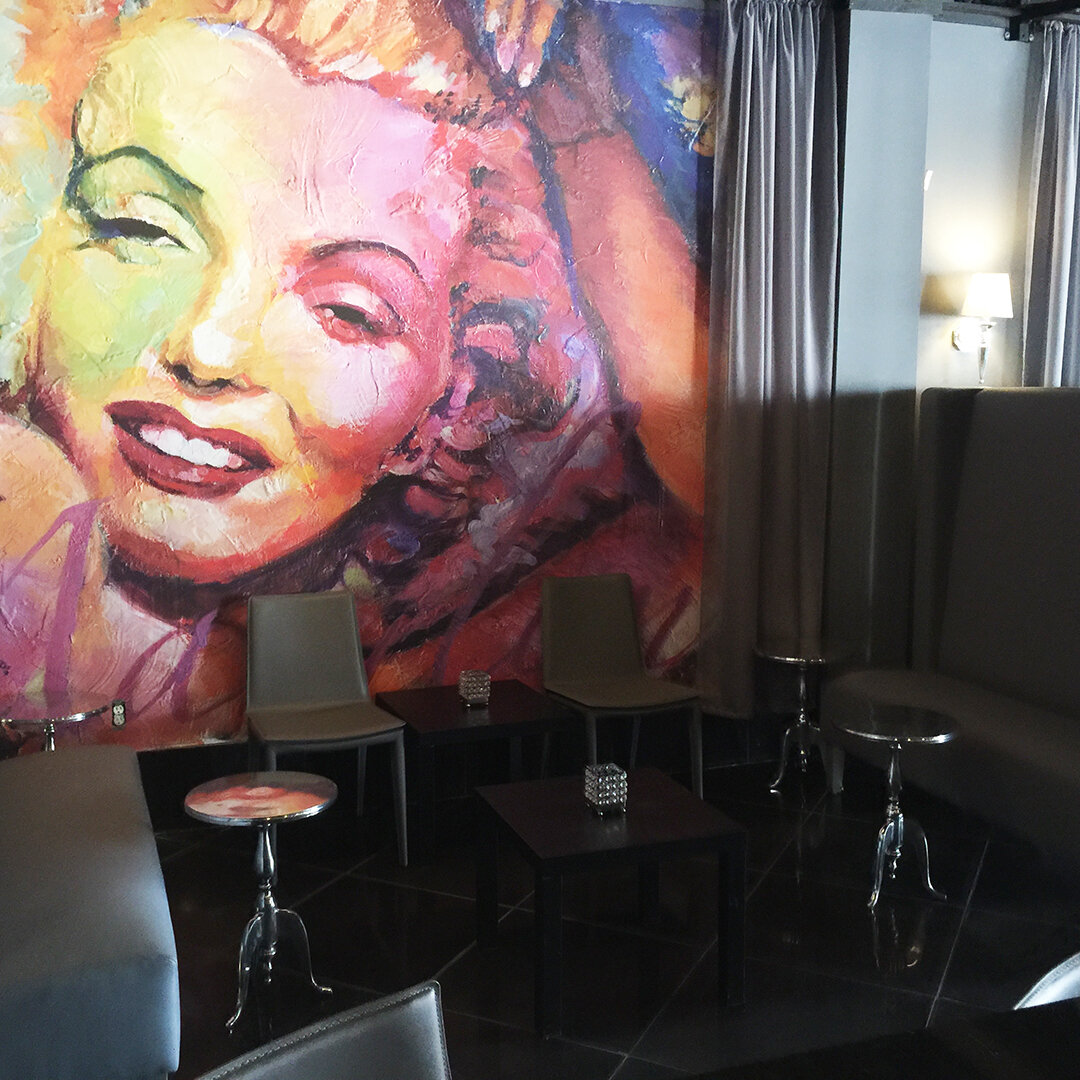
Your brand must be bulletproof. This requires selecting high-durability materials that reflect a premium identity while withstanding the brutal wear of commercial use. Custom millwork and signature lighting elements are the building blocks of a landmark venue. Whether you are opening an entryway in Maryland or selecting bar stools in Miami, maintaining branding consistency is non-negotiable. If you want to ensure your venue dominates the market, consider a consultation with Raymond Haldeman to align your vision with operational reality.
The No-Nonsense Framework for Vetting an Elite Restaurant Designer
Hiring a restaurant designer isn't about finding an artist who likes your mood board. It's about securing a strategic partner who understands that every inch of your venue must perform. Start with a brutal portfolio analysis. Does the designer create modern, functional concepts, or are they just chasing fleeting trends that will look dated in eighteen months? You need a space that remains relevant and profitable for a decade. Trends die; functionality pays the rent.
Avoid the generalist trap. Residential designers and general commercial architects will fail your project because they don't understand the high-stakes pressure of hospitality. They don't know the difference between a lounge that drives alcohol sales and one that just looks nice in a photo. Your consultant must also possess deep regional market knowledge. The demographics and seasonal demands of the Jersey Shore are worlds apart from the high-octane expectations of Miami or the established dining culture in Philadelphia. If they don't know the local landscape, they're just guessing with your money.
Finally, apply the 'Straight-Talk' test. A true expert will challenge your bad ideas. If a consultant simply nods and takes your check, they are a liability. You aren't paying for a "yes-man"; you are paying for an authoritative guide who prevents rookie mistakes before they cost you six figures. If they won't tell you when a layout choice is a financial mistake, they shouldn't be on your payroll.
Critical Questions for Your Potential Consultant
Don't settle for vague promises. Demand specifics. Ask: "How will this layout specifically increase my table turnover rate by 15%?" If they can't explain the mechanics of the flow, they aren't revenue engineers. Ask where they have engineered additional revenue streams into the floor plan. A visionary designer finds profit in the corners of a room that others ignore. For those starting from scratch, look for expertise in restaurant design for new openings to ensure your foundation is solid.
Red Flags in Design Proposals
When you are hiring a restaurant designer, the biggest red flag is a "one-size-fits-all" proposal. If the design ignores your specific neighborhood's competitive landscape, it's a template for failure. A designer who prioritizes their personal aesthetic over your business's profitability is a vanity project you can't afford. Remember, "cheap" consulting fees are a trap. In this industry, a low upfront cost often leads to the most expensive construction mistakes and operational bottlenecks. Pay for expertise now, or pay for renovations later.
[Schedule a high-level design consultation](https://raymondhaldeman.com)
The Raymond Haldeman Advantage: Transitioning from Concept to Landmark
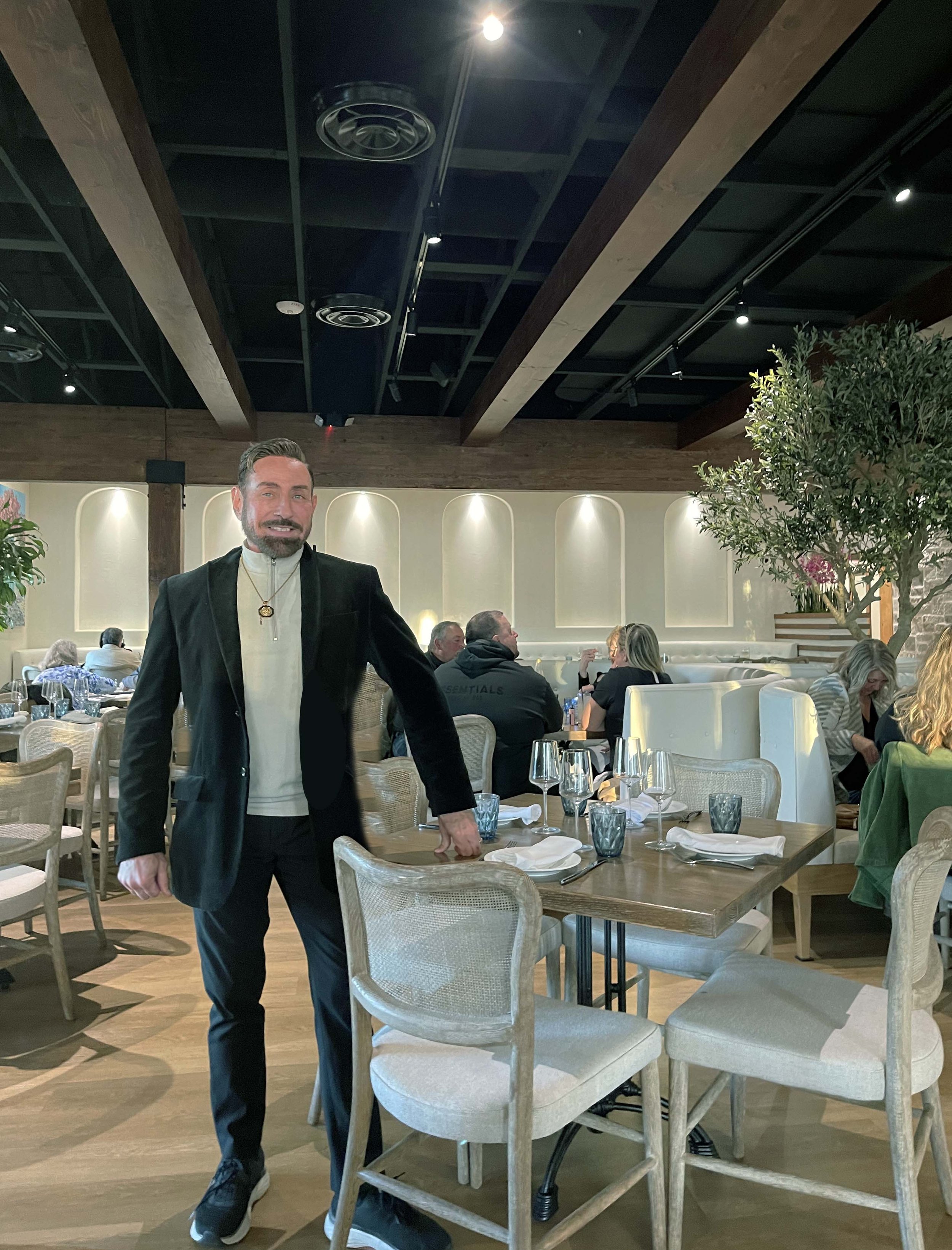
Elite operators in NJ, PA, and Miami don't look for a service provider; they seek a visionary guide. Hiring a restaurant designer like Raymond Haldeman means you aren't just getting a floor plan. You are gaining direct access to a principal designer who has navigated every industry pitfall imaginable. This straight-talk approach is a shortcut to success that bypasses the trial-and-error phase most new owners suffer through. When the stakes are this high, you need an authoritative partner who prioritizes your profitability over their own portfolio aesthetics.
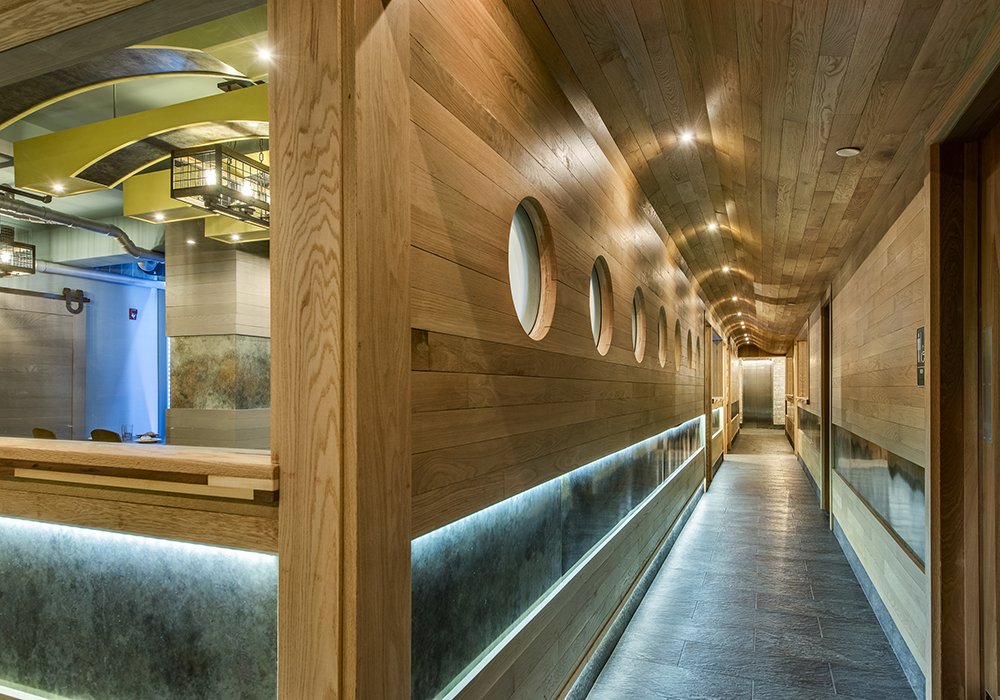
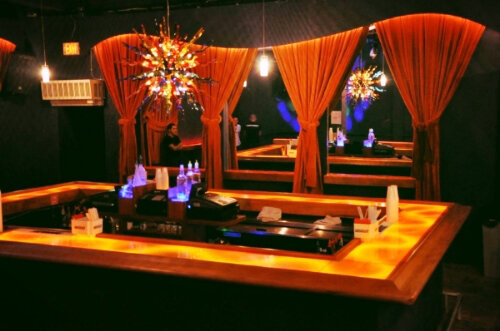
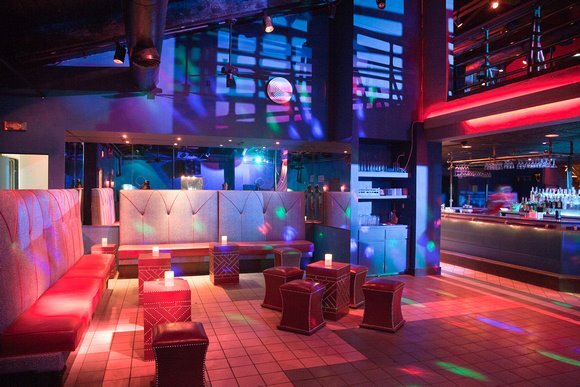
The results speak through the bottom line. Haldeman specializes in high-impact bars and nightclubs specifically engineered to drive massive alcohol sales and VIP revenue. By weaponizing sightlines and social psychology, these designs encourage guests to stay longer and spend more. Whether you are launching a new concept or executing a high-revenue rebranding, the goal is the same: market dominance. Strategic design can save a failing concept by identifying operational bottlenecks and aesthetic disconnects that drive customers away. It transforms a struggling space into a landmark destination.
A National Portfolio of Local Success
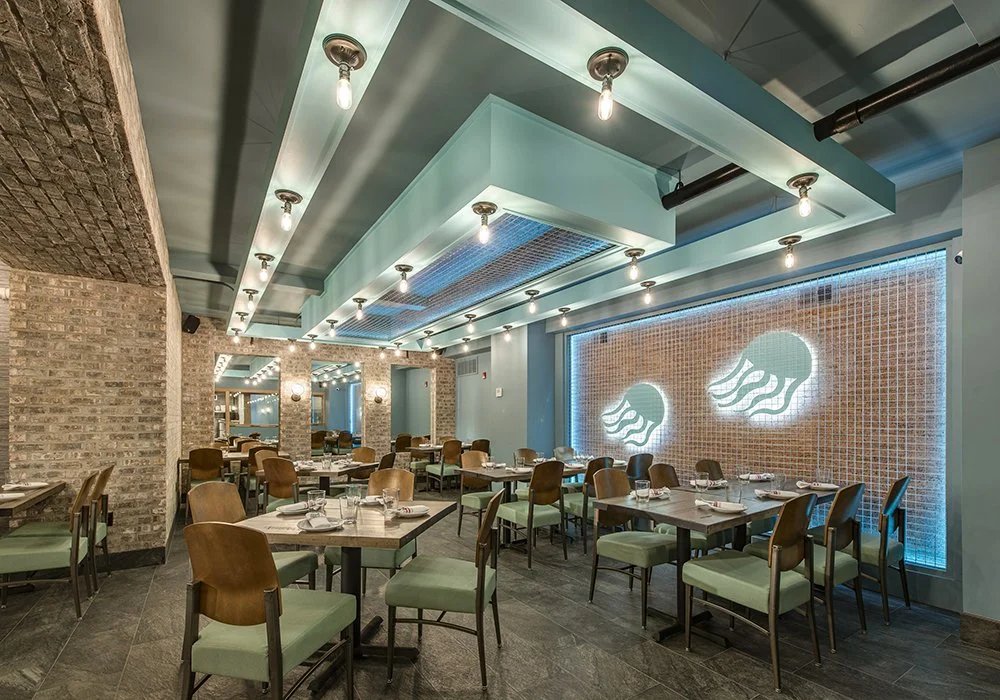
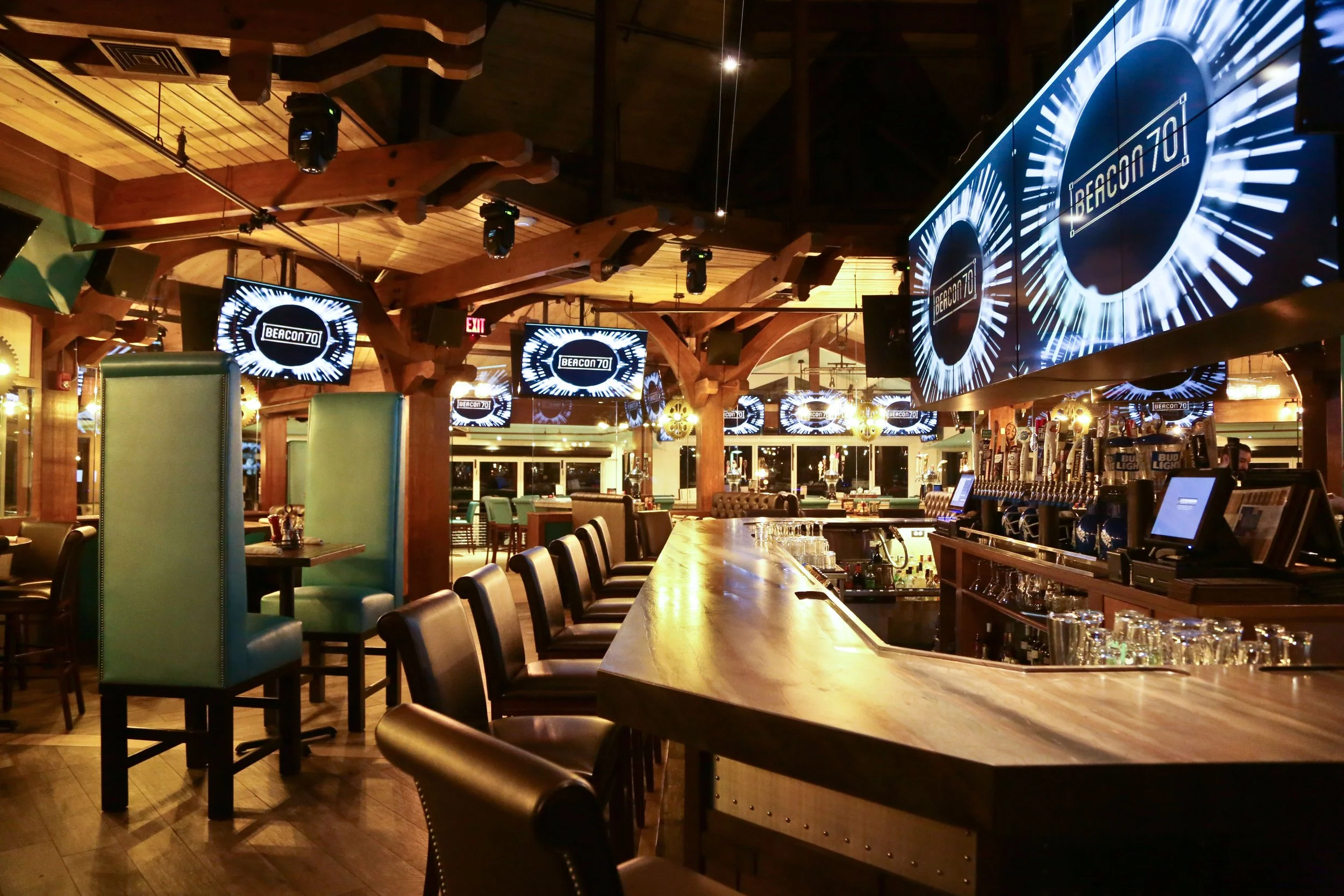
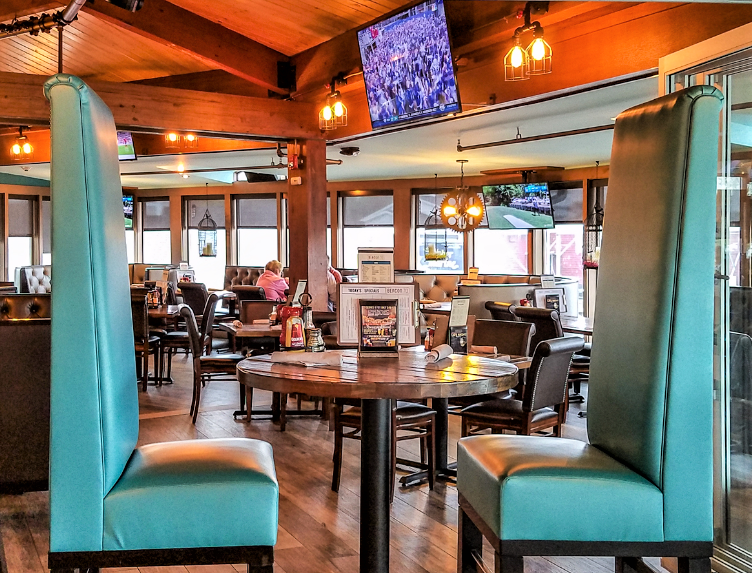
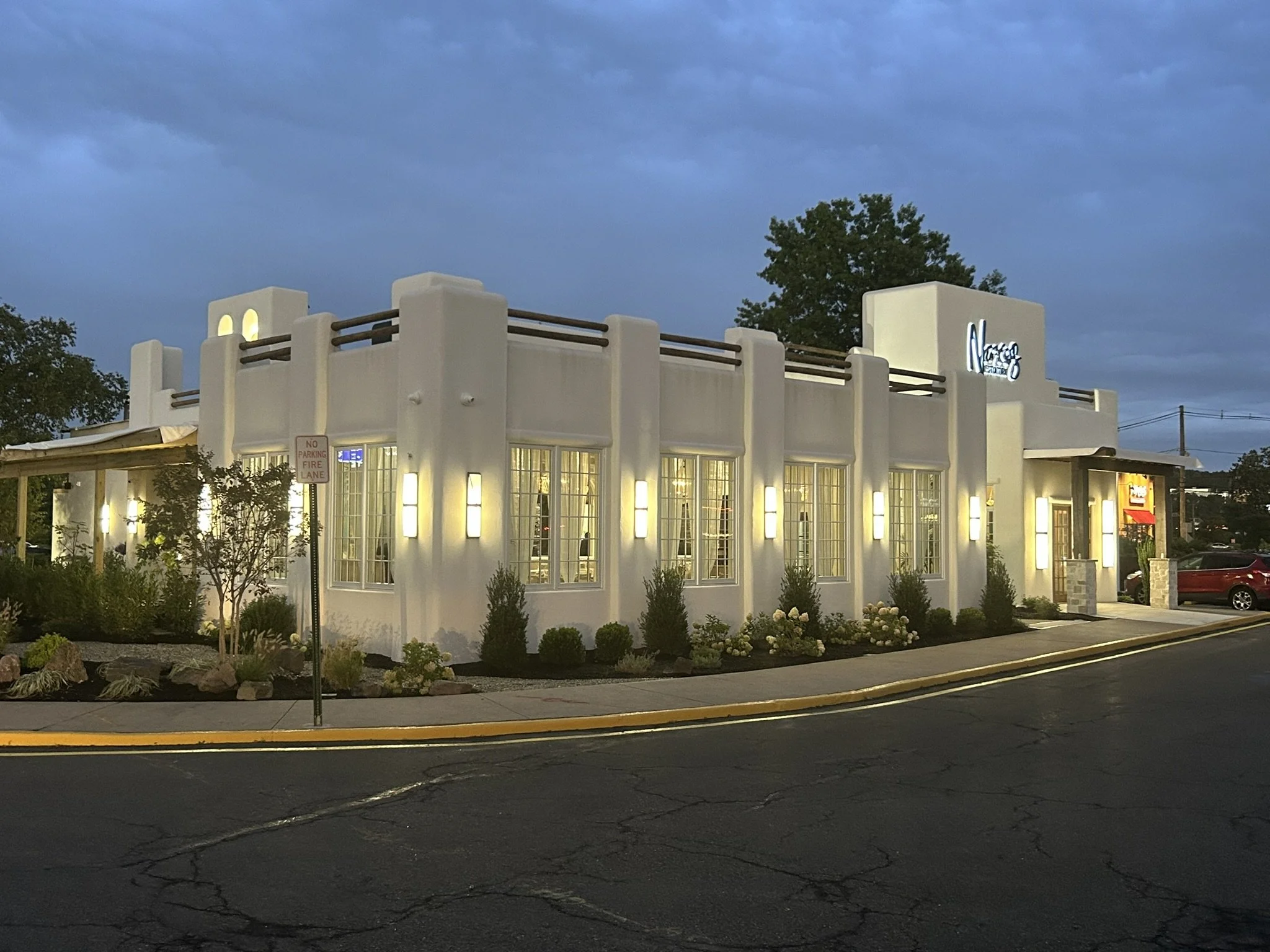
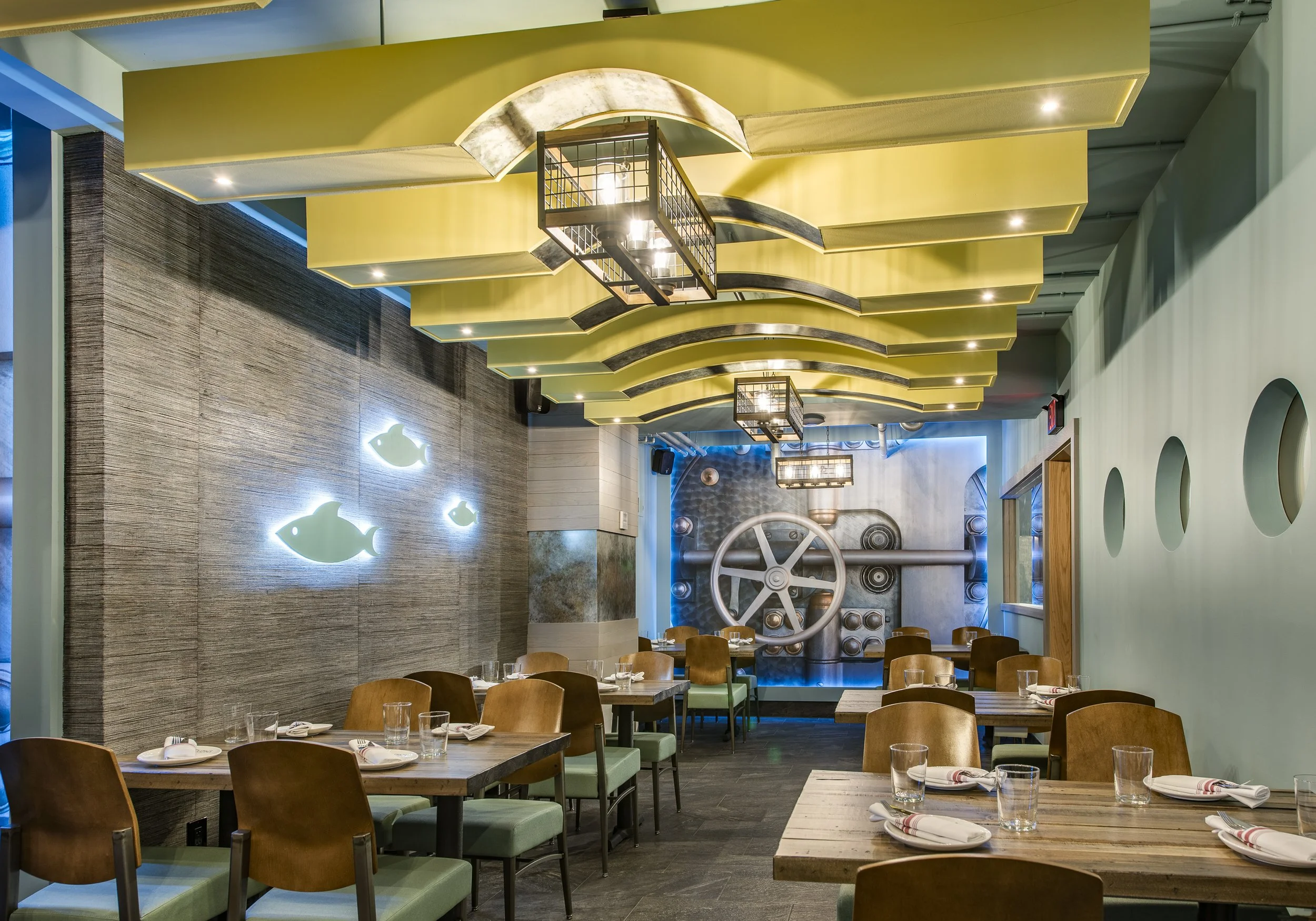
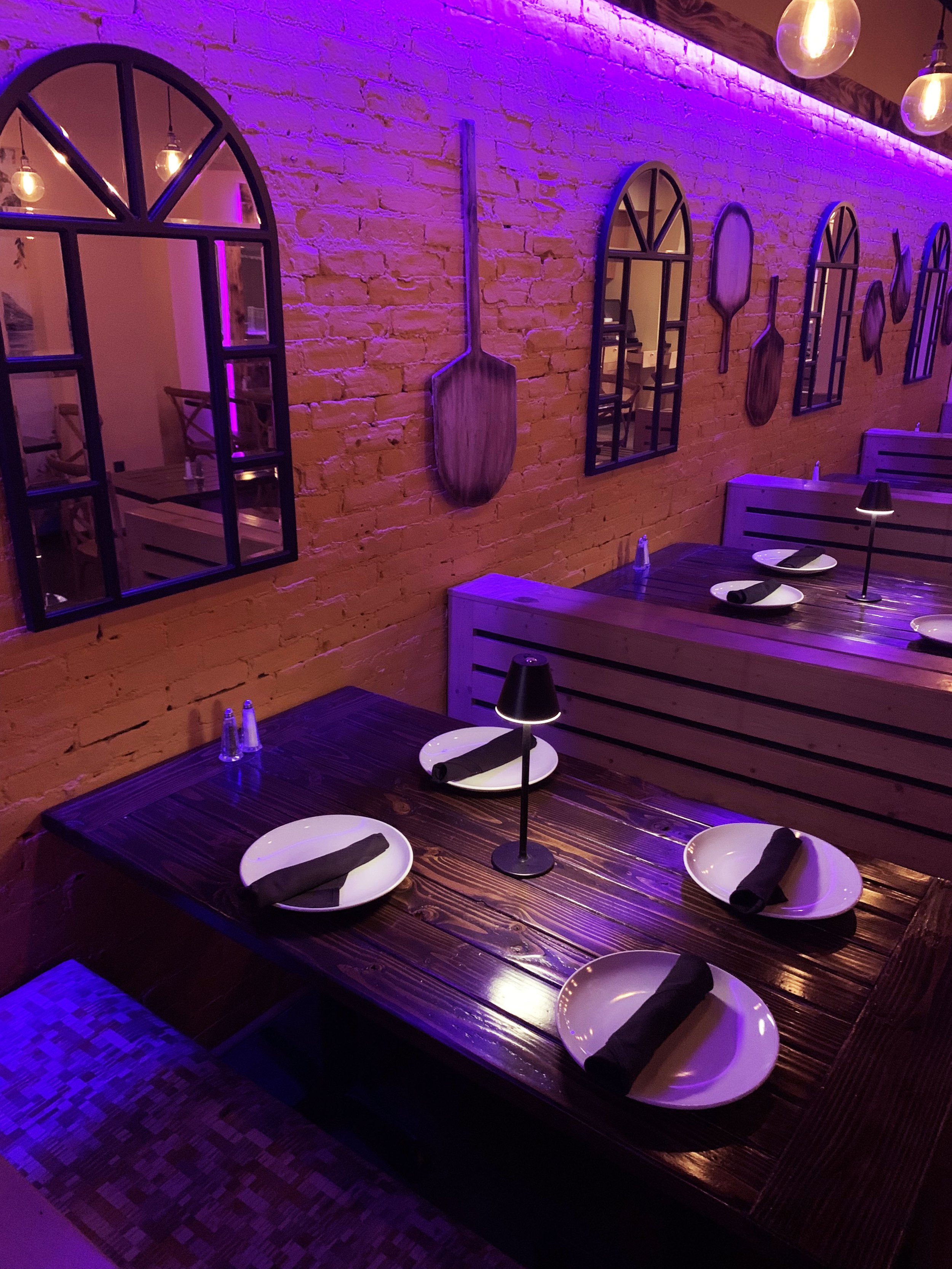
Success requires versatility across high-competition markets. From the established dining rooms of Philadelphia to the high-energy demands of high-end restaurant design Miami, the Haldeman signature remains consistent. It is modern, functional, and unapologetically bold. This portfolio of success across the US proves that while aesthetics change, the principles of revenue-driven design are universal. Your venue needs to be more than just "pretty"; it must be a functional machine that outshines every competitor in your zip code.
Your Next Move: Securing Your Venue’s Future
Stop guessing and start engineering. Your opening date is approaching, and every day spent with a flawed design foundation is a day of lost revenue. The first step toward a successful launch is vetting your concept against market reality. Don't leave your investment to chance or trust it to a designer who doesn't understand the brutal economics of the hospitality industry. Secure your venue's future by consulting with a professional who knows how to build a landmark from the ground up.
[Contact Raymond Haldeman today to engineer your restaurant’s success.](https://raymondhaldeman.com)
Secure Your Market Dominance Today
Your venue's success isn't a matter of luck; it's the result of deliberate revenue engineering. We've established that your physical space is the most powerful tool you have for driving high-margin alcohol sales and maximizing table turnover. Don't leave your life's work to chance by hiring a restaurant designer who lacks the "straight-talk" business acumen required to survive the 2026 market. You need a visionary guide who has already transformed concepts into landmarks across NJ, PA, DE, MD, and Miami.
Elite design is the ultimate insurance policy against the industry's high failure rate. By prioritizing operational flow and high-revenue bar layouts, you ensure your project is a financial powerhouse from day one. It's time to stop guessing and start building with precision. Every square foot of your floor plan must justify its existence by contributing to your bottom line.
[Schedule Your Strategic Design Consultation with Raymond Haldeman](https://raymondhaldeman.com)
Take the first step toward a high-performance venue that defines its market. Your vision deserves the protection of an elite specialist who has seen every industry pitfall and knows the shortcut to success. Let's build a landmark that dominates the competition.
Frequently Asked Questions
What is the difference between an interior decorator and a restaurant opening design consultant?
An interior decorator focuses on the surface level, selecting colors and furniture to create a specific look. A restaurant opening design consultant is a strategic partner who engineers a profit-driven environment. While a decorator deals with "pretty," a consultant focuses on revenue engineering, operational flow, and space planning to ensure every square foot generates maximum ROI. You don't need someone to pick curtains; you need an expert to build a high-performance business machine.
How much does hiring a restaurant design consultant typically cost in 2026?
Industry data for 2026 indicates that soft costs, which include architect and design fees, typically range from 10% to 15% of the total construction budget. For a mid-range casual dining project, these fees often fall between $35,000 and $75,000. While hiring a restaurant designer is a significant investment, it acts as an insurance policy against the six-figure construction errors and operational bottlenecks that frequently sink under-planned venues.
When is the best time to hire a design consultant for a new restaurant opening?
You must hire your consultant before you sign a lease. Engaging an expert during the pre-lease feasibility phase allows you to identify structural deal-breakers or hidden costs that could inflate your budget before you are legally committed to the space. If you wait until after you have the keys, you're already losing money to the clock and likely overpaying for a layout that doesn't serve your culinary concept.
Can a restaurant design consultant help if I am rebranding a failing establishment?
Yes, rebranding is a critical intervention for establishments that are struggling due to poor market positioning or inefficient layouts. A consultant identifies exactly why your current environment is driving guests away and redesigns the space to align with a fresh, profitable identity. This process turns a failing liability into a market landmark by fixing the friction points that currently kill your margins.
Does a restaurant design consultant handle the kitchen layout and equipment selection?
A design consultant focuses on space planning, guest experience, and high-revenue bar design rather than kitchen equipment sales. While they coordinate the essential flow between the kitchen and the dining room, the specific technical equipment selection is usually handled by specialized vendors. Your consultant's job is to ensure the kitchen footprint is optimized so it doesn't steal valuable square footage from your high-profit seating areas.
How does a professional design impact my restaurant’s table turnover rate?
Professional design increases turnover by eliminating the invisible bottlenecks that slow down your staff. By engineering the "dance" between the kitchen and the tables, you reduce server travel time and expedite the clearing process. A strategic layout allows you to serve more covers during peak hours without making guests feel rushed, directly increasing your daily revenue. When hiring a restaurant designer, you are essentially purchasing a faster, more efficient service model.