Stop treating your floor plan like a decorative expense and start treating it like the revenue engine it is. The most expensive restaurant design isn't the one with the highest fee; it's the one that fails to fill your seats or slows down your service. Understanding the true restaurant interior design cost requires you to move past surface-level aesthetics and focus on operational efficiency and per-guest spend.
You're right to be skeptical of "fluff" and vague fee structures that seem designed to drain your capital before the first plate hits the table. You need a clear, actionable budget that satisfies investors while ensuring your space actually works for your staff and your bottom line. It's about protecting your investment from hidden costs like MEP requirements and permit delays that derail most amateur projects.
This guide strips away the mystery. I'll provide you with a definitive framework for exactly what you should expect to pay for a high-impact interior that maximizes table turnover and commands respect in a crowded market. We'll break down fee structures, expose the risks of hiring a mere "decorator," and give you the confidence to build a space that delivers a measurable return on investment.
Key Takeaways
Stop confusing a cosmetic refresh with a strategic rebranding investment. as today’s costs reflect a new reality of specialized labor and material rates that demand a sophisticated budgeting approach.
Calculate your restaurant interior design cost based on market-specific demands, factoring in the aggressive competition found in high-stakes hubs like Miami and Philadelphia.
Differentiate between hourly traps and flat-fee protection to ensure your capital is spent on high-impact results rather than endless billable hours.
Leverage professional space planning to transform your layout into a high-performance machine that drives table turnover and maximizes per-guest spend.
Recognize that the most expensive design is the one that fails to generate revenue, making a strategic consultant an essential partner for a successful venture.
Table of Contents
The Reality of Restaurant Interior Design Costs
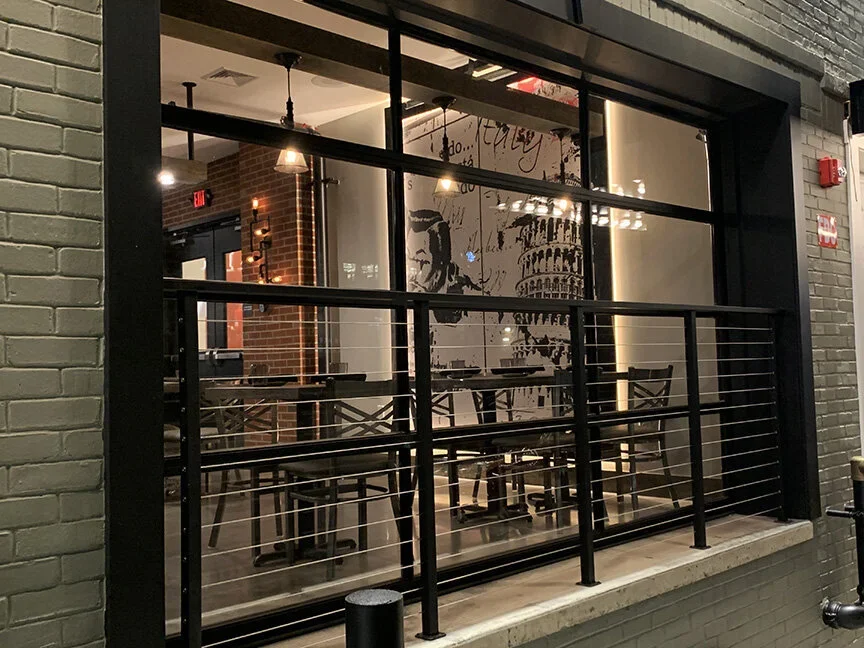
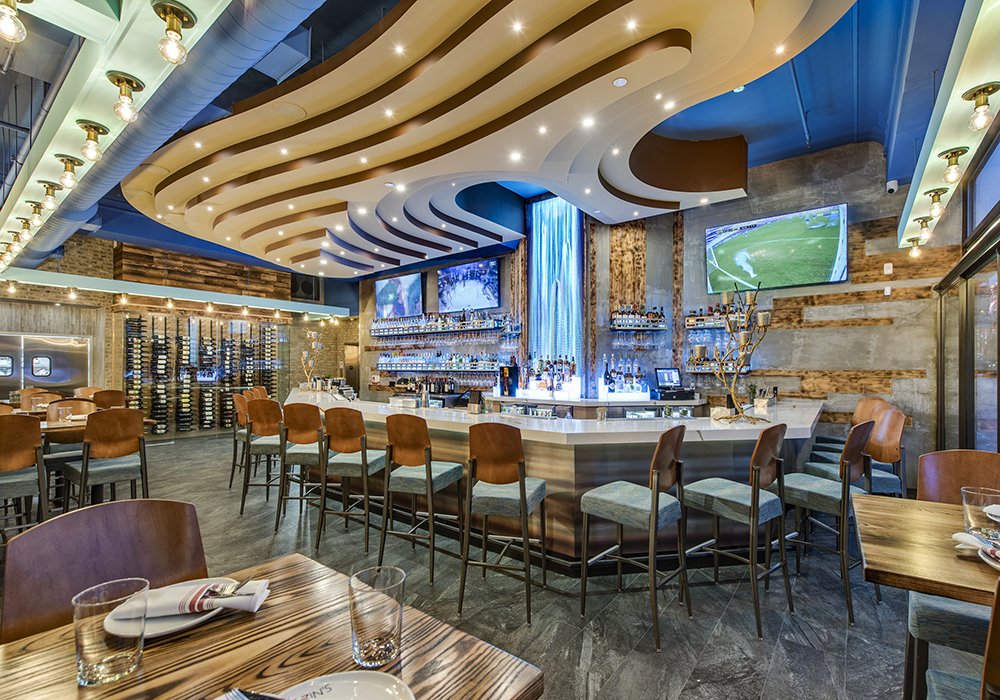
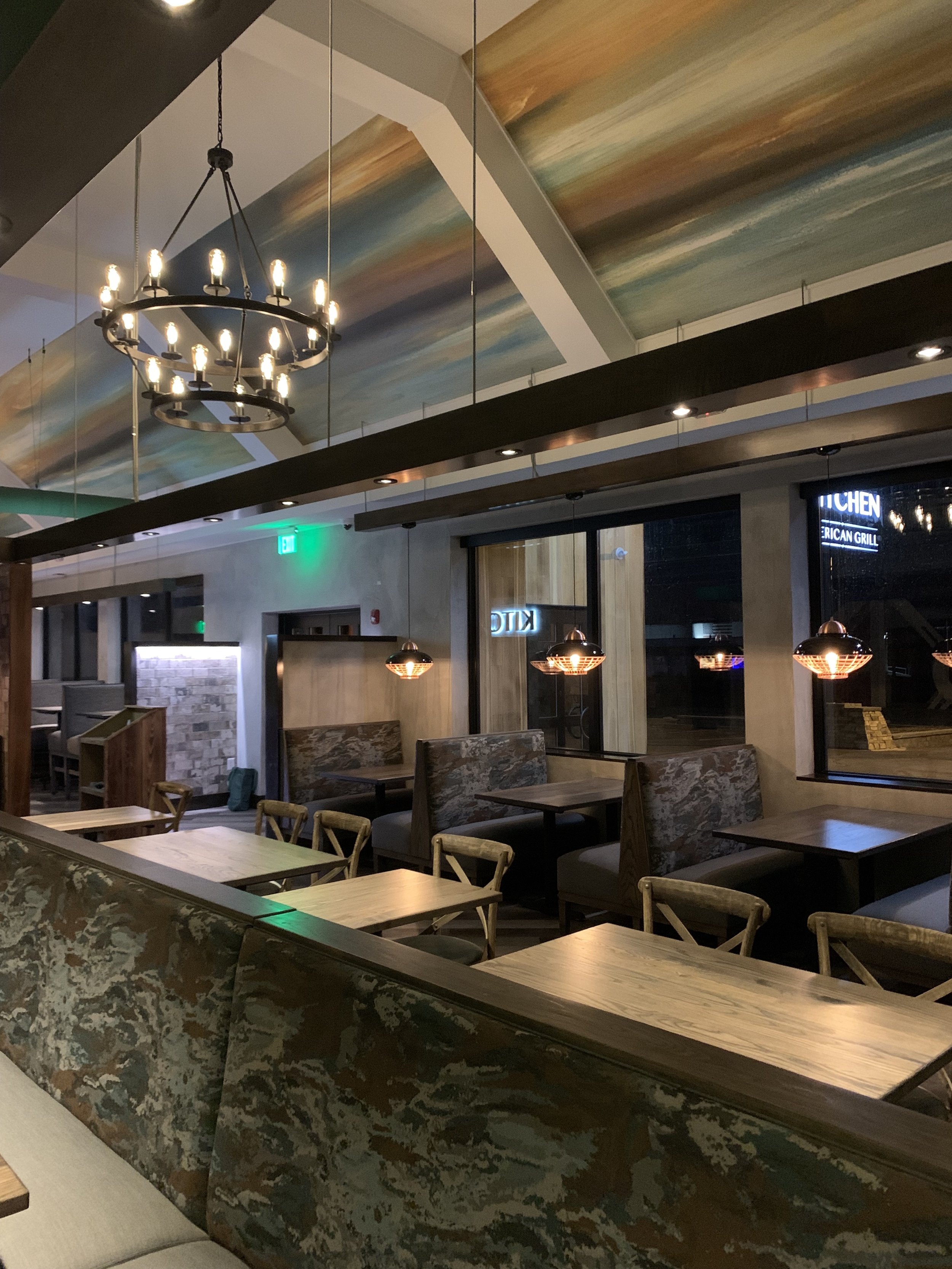
New restaurant facade with garage doors designed by Raymond Haldeman, The Restaurant Designer
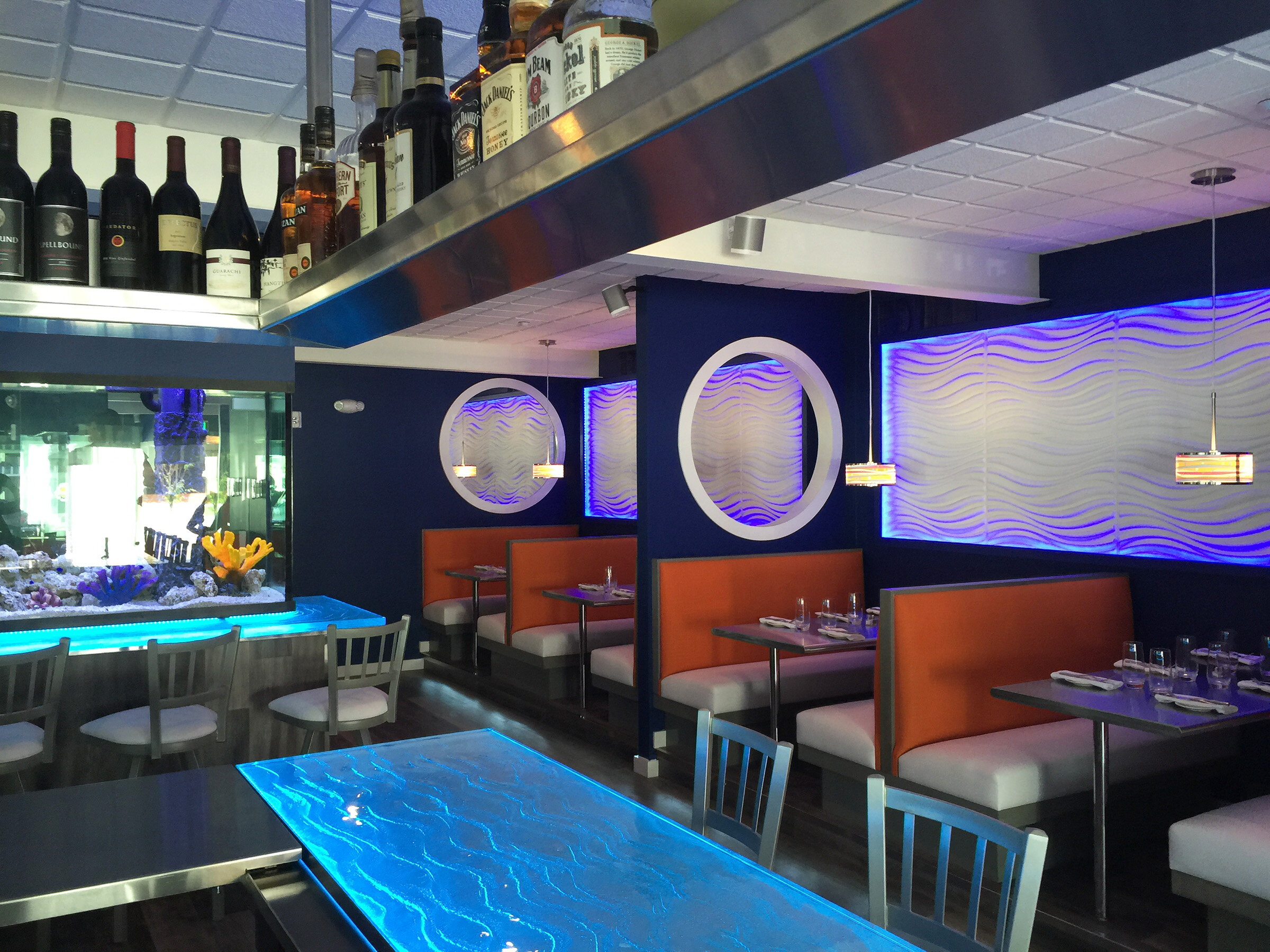
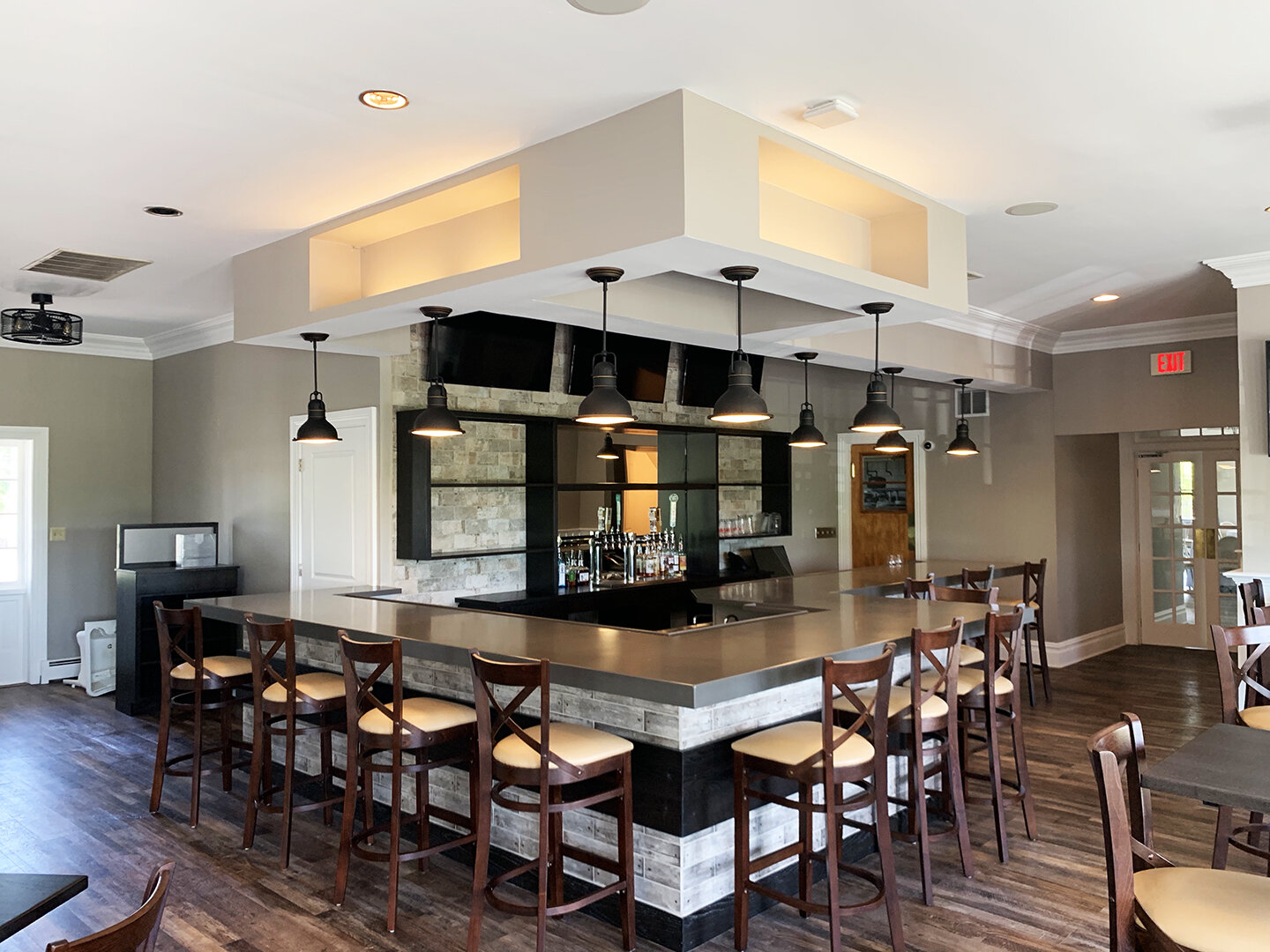
Stop looking at national averages. They're irrelevant for high-stakes markets like Miami or Philadelphia. A realistic restaurant interior design cost for a competitive, high-end venue currently sits between $150 and $350 per square foot. This isn't just for "decor." It covers the strategic environment that dictates how much your guests spend and how fast your tables turn. If you're building a brand intended to dominate its neighborhood, you can't budget based on outdated 2022 figures.
Why is the floor higher today? Material scarcity and the rising cost of specialized labor have shifted the baseline. You aren't just paying for a look; you're paying for the expertise of professional interior designers who understand how to navigate supply chain volatilities while delivering a premium finish. Don't confuse a cosmetic refresh with a total rebranding investment. A refresh might swap out light fixtures and paint. A total rebrand is a surgical strike on your business model, repositioning your brand to capture a higher-spending demographic and correcting deep-seated operational flaws.
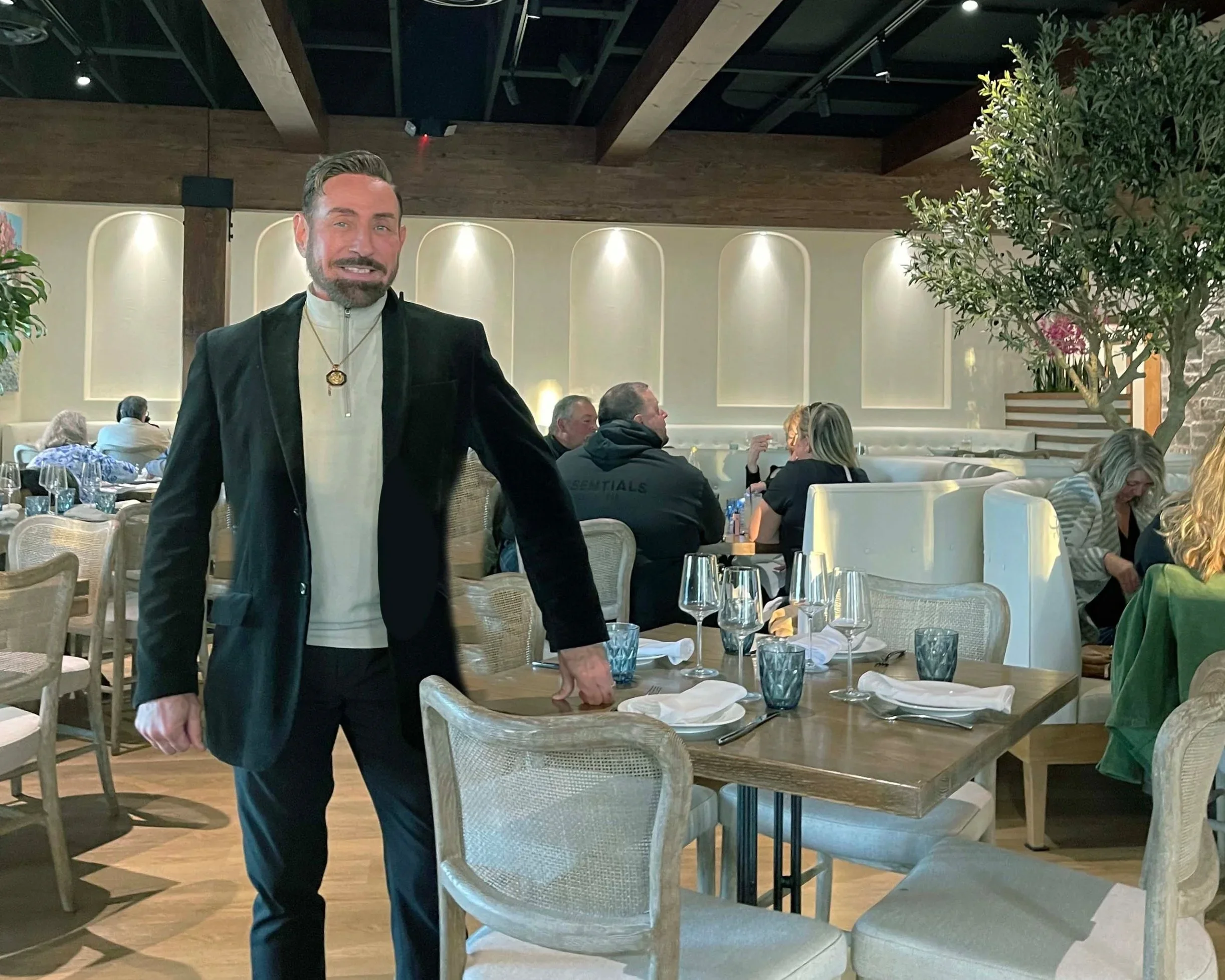
Restaurant Designer, Raymond Haldeman
The "Cheap" Design Trap
Cutting corners is the fastest way to kill your ROI. If your layout creates bottlenecks for your servers or makes guests feel cramped, you've wasted every dollar spent. The "DIY" approach often results in brand confusion and missed revenue. Professional space planning ensures your floor plan works as hard as your chef. Remember this: design usually accounts for only 10% of your total startup budget, yet it dictates 90% of your operational success and guest satisfaction. A "cheap" design is actually the most expensive mistake you'll ever make because it costs you guests every single night you're open.
FOH vs. BOH Budget Allocation
Your front-of-house (FOH) carries the heavy lifting for the guest experience. This is where you invest in high-impact visual touchpoints that justify premium menu pricing. While your kitchen must be a model of functional efficiency, the dining area is your revenue engine. You'll naturally see a higher premium on FOH design because the materials must be both aesthetically superior and durable enough to withstand high-volume traffic. To find the right balance, allocate 60% of your interior budget to the front-of-house experience and 40% to back-of-house operational infrastructure to ensure both aesthetic dominance and kitchen speed.
Decoding Professional Design and Consulting Fees
Stop confusing construction labor with design strategy. Your restaurant interior design cost isn't just a line item for aesthetics; it's the price of a blueprint for profitability. Elite designers don't just decorate. They engineer spaces to handle high-volume stress while maintaining a premium guest experience. These days, you'll encounter three primary fee structures: hourly rates, percentage of build-out, and flat project fees. Demand transparency from the start to avoid the "budget creep" that kills new ventures.
Hourly rates are suitable for a two-hour consultation or a quick floor plan tweak, but they are dangerous for a total rebranding. You want a partner who's focused on the result, not the clock. For comprehensive projects, the industry standard has shifted to 10% to 20% of the total build-out cost. This aligns the designer's effort with the scale and complexity of your vision. However, for those who require absolute budget certainty, flat project fees are the gold standard. They provide a fixed cost for a defined scope, ensuring your capital remains protected while you focus on the launch.
What Your Design Fee Actually Covers
Your investment buys more than a mood board. It secures high-level space planning and layout engineering designed to maximize every square foot of your footprint. This includes concept development that resonates with your target demographic and aesthetic rebranding strategies that command premium menu pricing. Crucially, it pays for professional project oversight. Having an expert eyes-on-site ensures that contractors execute the vision without making the costly errors that lead to delays or "change order" nightmares.
The Consultant Advantage
Hiring a restaurant design consultant is a prerequisite for success in high-stakes markets. You aren't just paying for creativity; you're paying for a straight-talk advisory voice that has seen it all. A seasoned consultant prevents the "7 Design Mistakes" that cripple table turnover and guest satisfaction. From lighting that misses the mark to acoustics that drown out conversation, these errors are expensive to fix after the fact. If you want to ensure your layout is a high-performance machine from day one, you need a partner who prioritizes your bottom line. Investing in strategic rebranding now prevents million-dollar mistakes later.
Regional Cost Variables: From Philadelphia to Miami
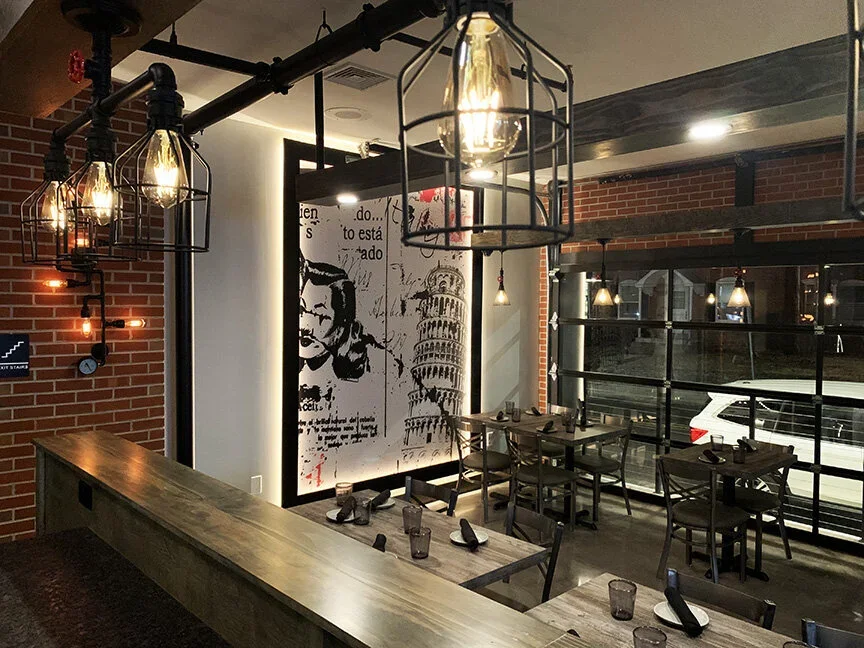
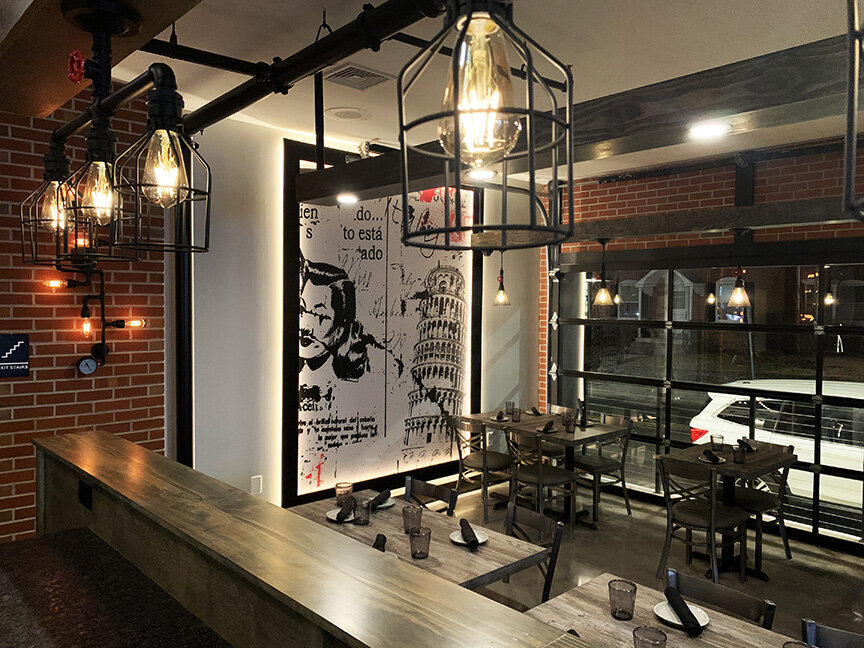
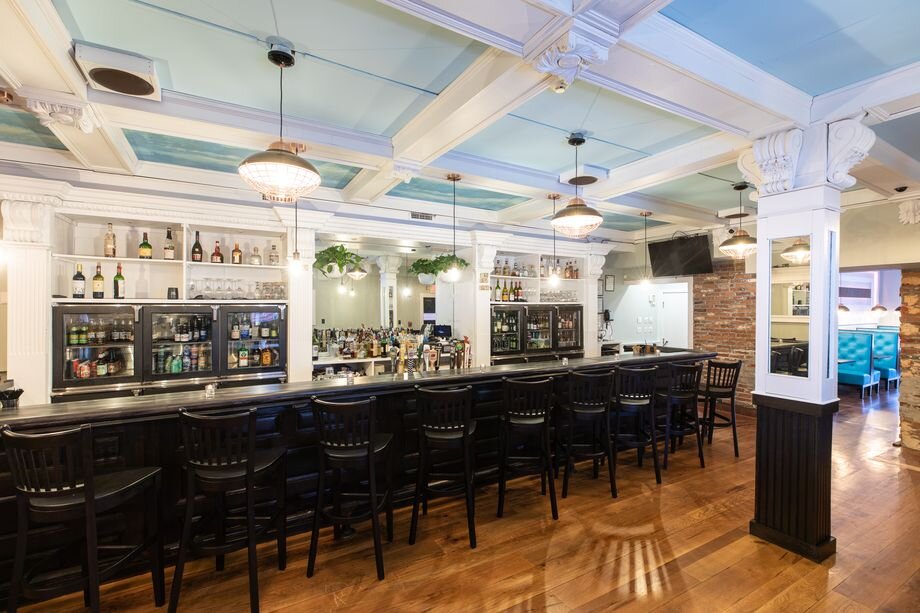
“Broad Street” designed by Raymond Haldeman
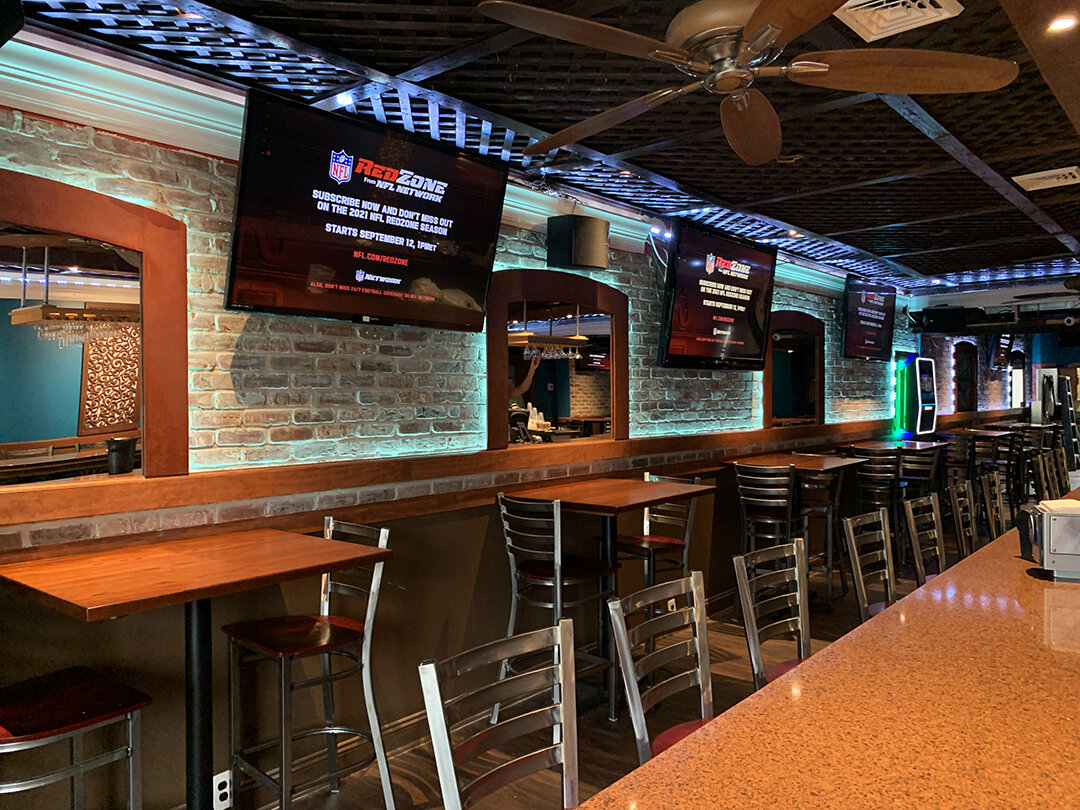
Geography is the invisible hand moving your budget. Don't assume a suburban West Palm Beach budget works in Center City Philadelphia or South Beach. Your restaurant interior design cost fluctuates based on local labor availability, material shipping, and the competitive density of your neighborhood. Urban centers demand a significantly higher investment in "vibe" and atmosphere design because you aren't just selling a meal. You're selling an experience that justifies the commute. In markets like Maryland and Delaware, local regulations can trigger unexpected structural design costs if your consultant doesn't anticipate MEP requirements from the start. Failing to account for these regional nuances is a guaranteed way to blow your budget before the first table is set.
The Mid-Atlantic Market Dynamics
Budgeting for restaurant rebranding in Pennsylvania requires navigating the high expectations of the NJ/Philly corridor. Philadelphia operators must invest more in atmosphere to compete with a relentless wave of new openings that prioritize high-impact visual storytelling. If your design feels dated, your menu price won't matter. You need a layout that handles the volume of an urban lunch rush while transforming into a high-end evening destination. New Jersey markets often require a focus on versatile space planning that accommodates both family dining and late-night bar traffic, necessitating a sophisticated approach to lighting and acoustics that can shift with the clock.
Designing for the Miami Heat
The "Miami Premium" is a reality of the Florida market. Successful Miami restaurant design requires an aggressive focus on experiential dining. You're factoring in a higher restaurant interior design cost due to the demand for premium materials that project luxury while surviving the heavy wear of a high-volume hospitality scene. Positioning your venue in this saturated market means moving beyond basic aesthetics. You need a visionary guide who understands how to build a space that feels exclusive yet remains operationally efficient. In Miami, your interior is your most effective marketing tool. It must perform as well on social media as it does on your profit and loss statement.
Consult with a Miami design expert today
Why "Cheap" Design is Your Most Expensive Mistake
Stop viewing your budget as a list of expenses to be trimmed. In the high-stakes hospitality world, your restaurant interior design cost is actually your most powerful capital investment. A poorly executed layout is a permanent tax on your earnings, dragging down your efficiency every single night you're open. While a "cheap" designer might save you $20,000 upfront, they'll cost you hundreds of thousands in lost revenue through awkward guest flow, slow service, and a lack of atmosphere that fails to drive repeat business. Getting it right the first time is significantly cheaper than a mid-season re-do when you realize your space isn't performing.
The math of a professional build-out is clear. A strategic $100,000 design investment can realistically generate $1,000,000 in new revenue by repositioning your brand and optimizing your floor plan. This isn't magic; it's the result of expert intervention that aligns your physical space with your financial goals. Raymond Haldeman serves as the essential strategic partner for new restaurant openings, ensuring your launch isn't just a party, but the start of a profitable legacy.
Engineering for Table Turnover
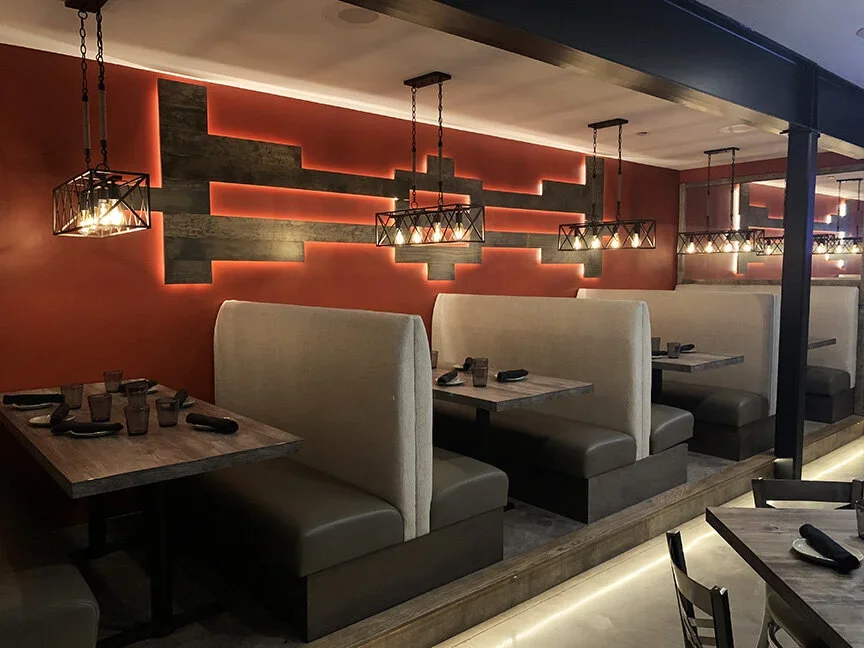
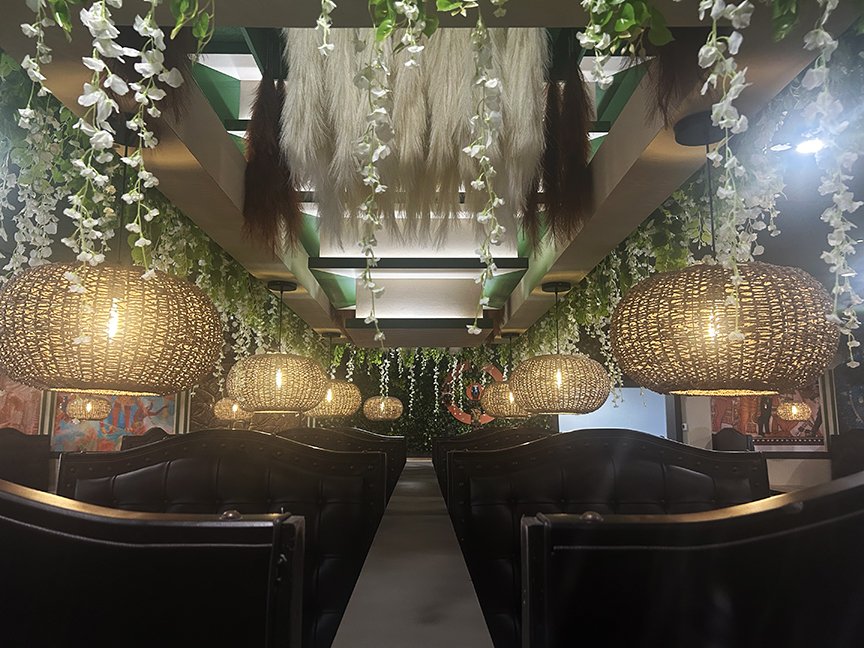
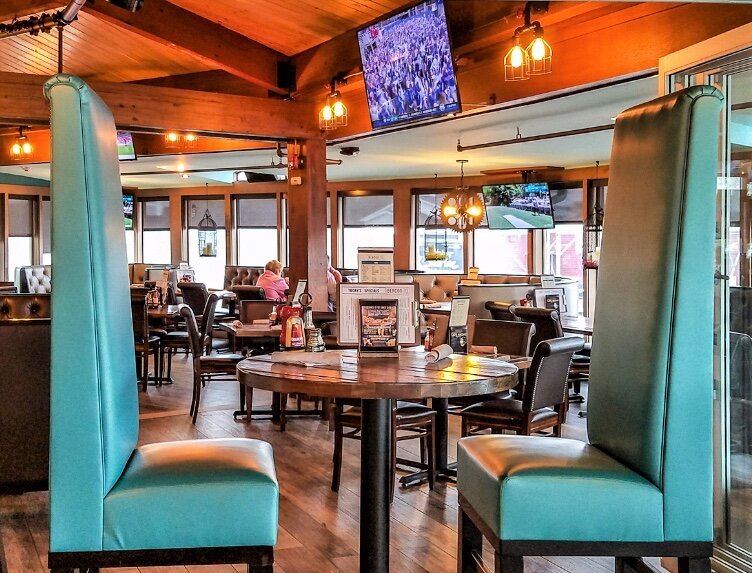
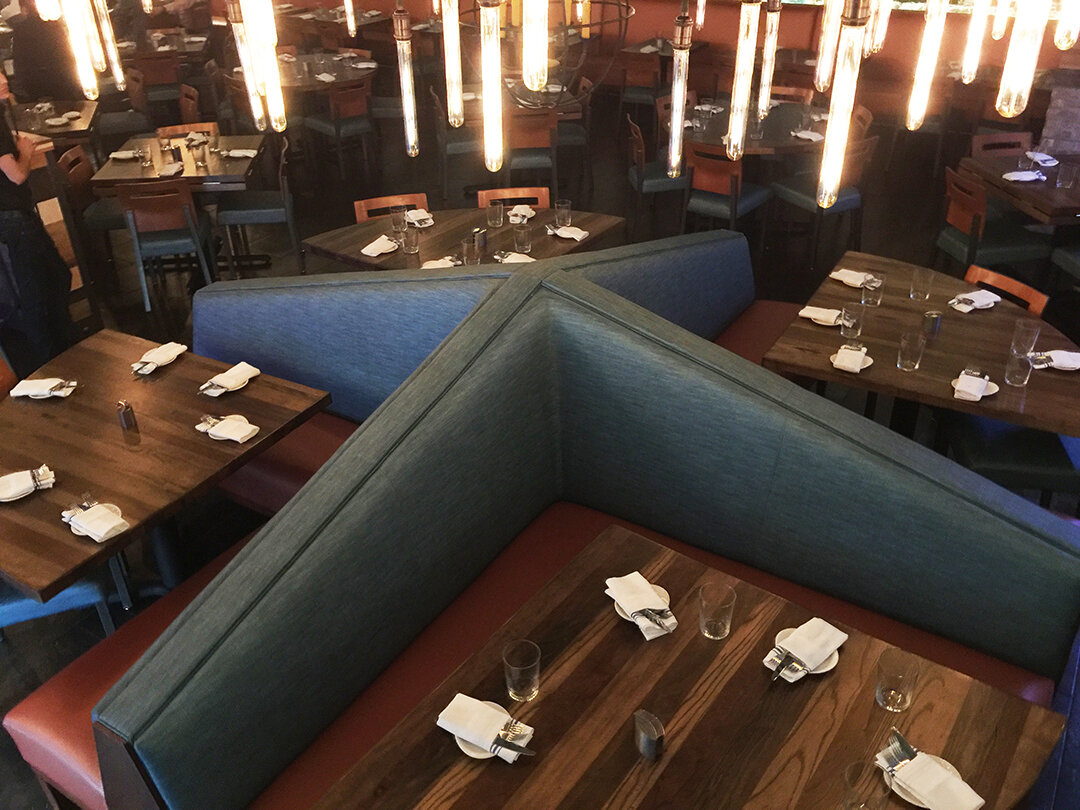
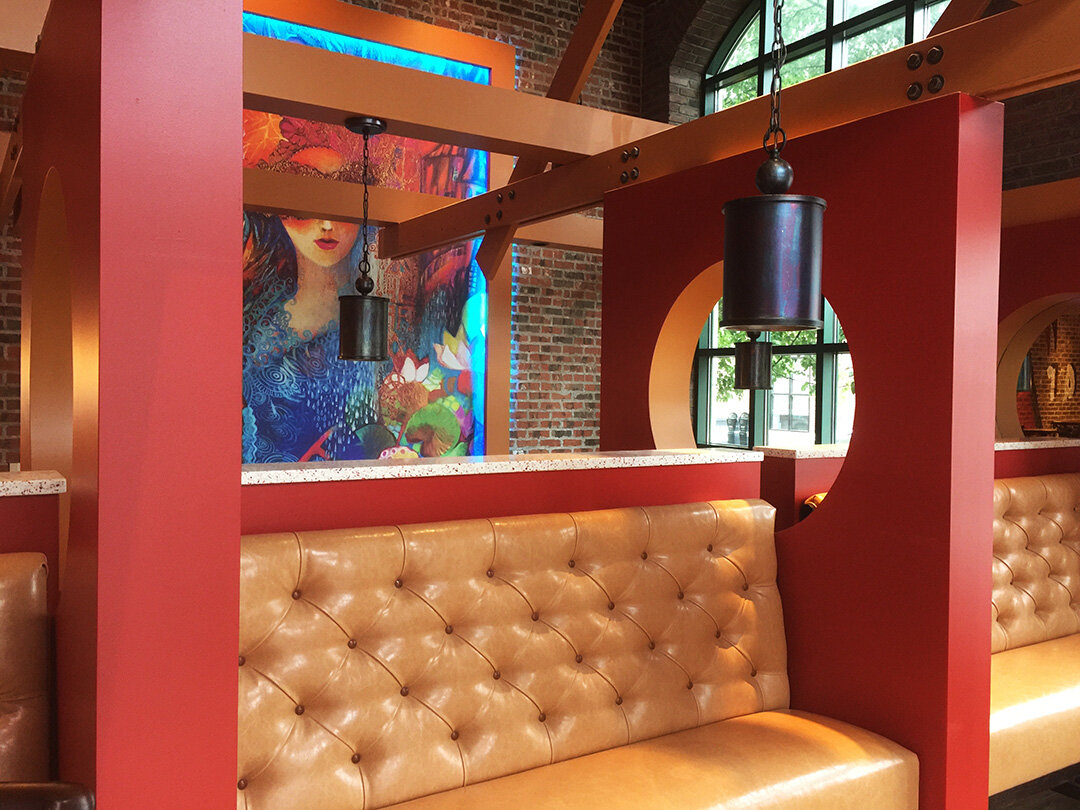
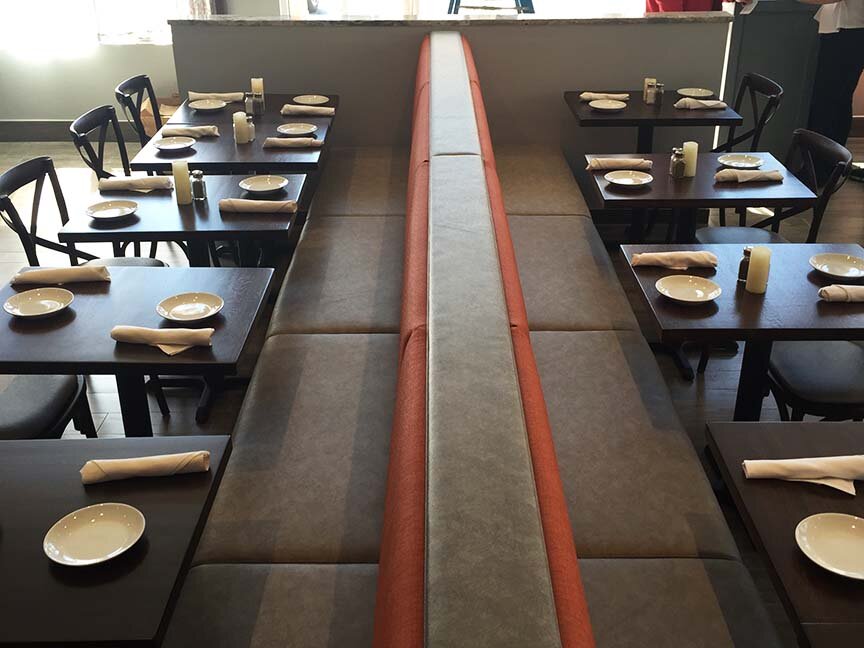
Elevated booths designed by Raymond Haldeman, The Restaurant Designer
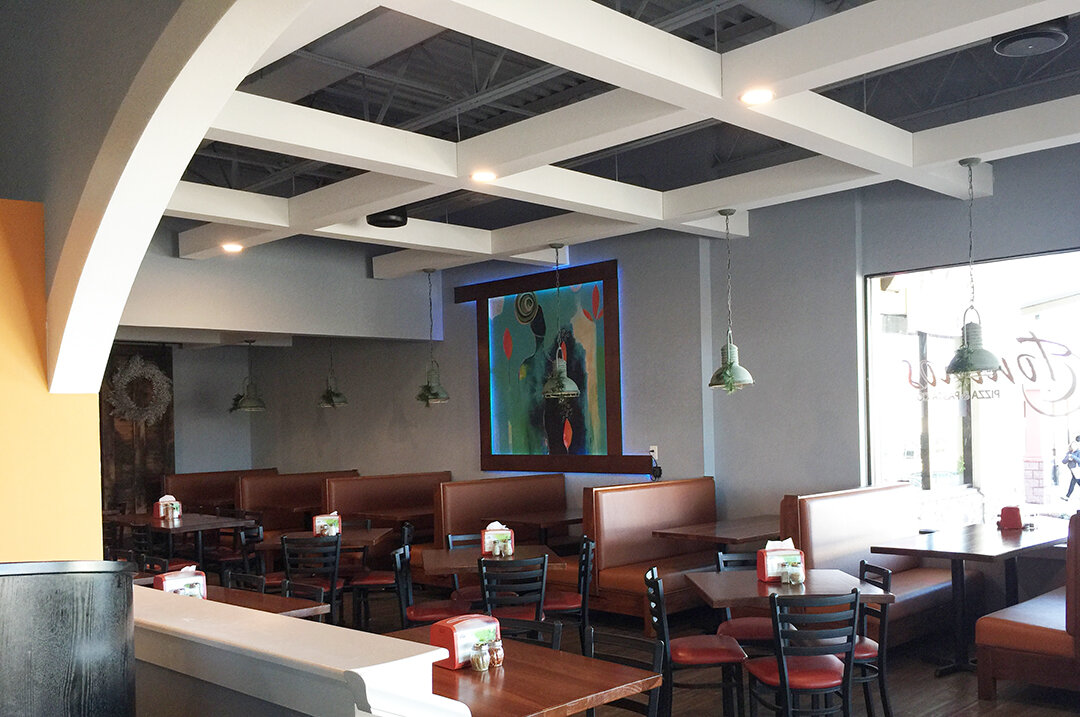
Layout is a science, not a hobby. Professional space planning dictates your profit per square foot by eliminating bottlenecks and maximizing seating capacity without sacrificing guest comfort. If your servers are constantly bumping into chairs or your bar area feels like a waiting room, you're losing money. We use "Atmosphere Engineering" to design bars that drive high-margin alcohol sales and dining rooms that naturally encourage guests to spend more. For high-volume venues, a professional floor plan is a non-negotiable requirement for operational sanity.
The Rebranding Investment
When a restaurant begins to fail, the instinct is often to cut costs. The reality is that you need to invest your way out of a slump. Calculating the cost of rebranding against the risk of total closure shows that a visual identity refresh is a protective measure for your capital. A strategic redesign breathes new life into a stagnant establishment, signaling to the market that you've evolved. Don't just hire a decorator to pick out colors. Hire a revenue strategist who understands that every design choice must serve the bottom line. Your space is your most aggressive salesperson; make sure it's trained to win.
Secure Your Competitive Edge
Navigating your restaurant interior design cost requires you to look beyond the surface level of paint and fixtures. You've seen how market-specific demands in Miami and Philadelphia shift the financial baseline and why flat-fee transparency is your best defense against budget creep. Don't let the fear of "fluff" lead you into the trap of a cheap, non-functional layout that destroys your table turnover before you even open. Elite design is a revenue engine, not an administrative hurdle.
Success in this high-stakes industry depends on engineering a space that works as hard as your culinary team. Every square foot must be optimized to drive per-guest spend and operational efficiency. Whether you're launching a new concept or executing a surgical rebrand of a failing establishment, your design must be your most aggressive sales tool. It's the difference between a venue that merely exists and one that dominates its market.
Contact Raymond Haldeman for a Straight-Talk Design Consultation
Take control of your venture's future by partnering with a specialist who has mastered high-impact rebranding across NJ, PA, and Miami. It's time to build a space that commands respect and delivers a measurable return on your investment. You have the vision; now secure the expertise to make it profitable.
Frequently Asked Questions
How much does a typical restaurant interior design cost per square foot?
High-end hospitality venues in competitive markets typically range from $150 to $350 per square foot for a complete interior transformation. This figure accounts for the strategic design, high-impact finishes, and professional oversight required to dominate a neighborhood in 2026. Don't rely on generic national averages that ignore the specific demands of urban hubs like Miami or Philadelphia. Investing in this range ensures your physical environment supports higher menu pricing and maximum operational speed.
What is the difference between a flat fee and a percentage-based design fee?
A flat fee provides budget certainty by locking in a specific price for a defined scope of work. This is ideal for rebranding projects where you need to satisfy investors with a predictable capital outlay. A percentage-based fee typically ranges from 10% to 20% of the total build-out cost. This aligns the designer's compensation with the project's complexity and scale, ensuring they remain invested in every detail of the construction phase from start to finish.
Do restaurant design costs include kitchen equipment and MEP engineering?
Design fees primarily cover the aesthetic, functional, and strategic layout of the front and back of house. While a consultant integrates kitchen workflows into the space plan, the actual purchase of kitchen equipment is a separate capital expense. MEP engineering (Mechanical, Electrical, and Plumbing) is often billed separately by specialized engineers. However, a professional designer coordinates with these experts to ensure your vision meets local building codes and permit requirements without costly delays.
Can professional interior design really increase my restaurant’s revenue?
Yes, a strategic layout directly impacts your bottom line by optimizing table turnover and increasing the average per-guest spend. Professional design isn't just about appearance; it's about engineering a space that encourages high-margin sales and eliminates service bottlenecks. By creating a compelling atmosphere that resonates with your target demographic, you can command higher prices and ensure your venue becomes a destination, rather than just another dining option in a crowded, competitive market.
How much should I budget for a restaurant rebrand vs. a new build?
A new build requires a comprehensive investment starting from a shell, often involving higher structural and MEP costs. A restaurant rebrand focuses on transforming an existing space to correct failing business models or outdated identities. While a rebrand can be more cost-effective, it must be aggressive enough to change public perception. You should budget for a total overhaul of visual touch points and layout to ensure the market recognizes your establishment as a completely new experience.