Master the Glow: The Definitive Guide to Strategic Bar Lighting Design in 2026

Article by
Raymond Haldeman
Raymond Haldeman spent decades as a hands-on owner and operator of bars, restaurants, and nightclubs before parlaying that experience into a second career designing and rebranding some of the most exciting restaurant spaces in the country. Every place he designs is built on years of actually running the business, paying the bills, and knowing exactly what it takes to make a restaurant full of people say, "WOW!"
Your lighting is not a utility; it is a psychological weapon that dictates exactly how long a guest stays and how much they spend. If your venue feels flat or your "vibe" disappears the moment the sun goes down, you aren't just losing atmosphere; you are hemorrhaging revenue. Most operators in the NJ, PA, and MD markets treat bar lighting design as an afterthought, resulting in outdated systems that look amateur and drive up energy costs. You cannot afford to settle for a space that looks great at 6 PM but fails by 11 PM.
You already know that atmosphere is the primary driver of elite clientele, yet maintaining that "Instagrammable" glow while meeting strict 2026 energy codes is a high-stakes challenge. This guide will show you how to weaponize professional lighting to dictate guest mood, extend stay-time, and maximize your bar's profitability. We will break down the shift toward low-intensity, layered lighting and explain how to navigate the mandatory controls and efficiency standards that make expert intervention a prerequisite for a successful venture.
Key Takeaways
- Learn how specific color temperatures between 2200K and 2700K act as psychological triggers to increase guest stay-time and beverage sales.
- Master the three-pillar approach to bar lighting design by layering ambient, task, and accent light to eliminate the flat atmospheres that kill brand identity.
- Position your back-bar as the high-impact focal point of the room to drive high-margin spirit sales through strategic illumination.
- Identify and eliminate amateur pitfalls like glare and overhead-only lighting that create guest discomfort and drive elite clientele toward your competitors.
- Balance intimate table settings with the "Instagram Factor" to ensure your venue is social-media-ready without sacrificing the sophisticated guest experience.
Table of Contents
- The Science of Illumination: Why Lighting is Your Bar's Most Powerful Sales Tool
- The Anatomy of High-Impact Bar Lighting: Layering for Atmosphere
- Strategic Placement: Lighting Your Bar for Maximum Profitability
- Avoiding the 'Amateur Glow': Critical Lighting Mistakes That Kill Your Brand
The Science of Illumination: Why Lighting is Your Bar's Most Powerful Sales Tool
Stop treating your fixtures like a utility bill. In a high-stakes hospitality environment, your bar lighting design is a psychological weapon that dictates guest behavior, alcohol consumption, and total revenue. To truly master The Science of Illumination, you must understand that lighting is a biological trigger, not just a decorative choice. When you control the light, you control the room's energy and, ultimately, the average check size.
The "Stay-Time Equation" is a proven metric in profitable bar design. By utilizing warm color temperatures between 2200K and 2700K, you mimic the glow of firelight and sunset. This range triggers the release of oxytocin, making guests feel safe, relaxed, and less likely to watch the clock. If your lighting is too cool or "daylight" focused, you're inadvertently telling your guests' brains that it's time to be productive and leave. Professional design aligns with the human circadian rhythm, gradually dimming and warming the light as the night progresses to keep the internal clock from signaling "bedtime."
Strategic illumination also transforms your product. A premium "pour" only looks premium if the light allows the liquid's true colors to shine. Without professional calibration, a top-shelf mahogany bourbon looks like muddy water, and a vibrant cocktail looks grey. You aren't just selling drinks; you're selling an aesthetic experience that demands high-quality results.
The Psychology of Dimness and Intimacy
Lower light levels naturally reduce social inhibitions. When you design with intentional dimness, you create "pockets of privacy" that allow guests to feel anonymous even in a crowded NJ or Miami hotspot. This sense of seclusion encourages longer conversations and additional rounds of drinks. Atmospheric contrast is the ratio between focal points and ambient shadows. Use this contrast to draw the eye toward the bar while keeping the seating areas intimate and protected from the "flat" glare of amateur installations.
Color Rendering Index (CRI) and the 'Lustre' of Luxury
A high Color Rendering Index (CRI) of 90 or above is non-negotiable for any venue targeting elite clientele. Low-CRI bulbs wash out textures and kill the "glint" of glassware, making your expensive renovation look cheap. High-end bar lighting design relies on the "sparkle" factor—the way light refracts through a crystal glass or reflects off a polished brass rail. This creates a perception of opulence and cleanliness that justifies premium pricing and reinforces your brand’s authority in the market.
The Anatomy of High-Impact Bar Lighting: Layering for Atmosphere
You wouldn't build a high-end venue using only one material; you shouldn't light it with a single source. Professional bar lighting design requires a sophisticated layering strategy that moves beyond simple visibility. If your space feels flat or "off," it's likely because you've failed to balance the three pillars of hospitality lighting: ambient, task, and accent layers. Each serves a specific psychological and operational purpose. When they work in harmony, they create a curated environment that demands respect and attracts elite clientele.
Think of your lighting as a hierarchy of information. Ambient lighting provides the base, task lighting enables the work, and accent lighting tells the guest where to look. Ignoring this structure results in a cafeteria-like atmosphere that kills the "vibe" and drives guests to your competitors. Successful operators treat these layers as a strategic investment in their brand's identity.
Establishing the Base: Ambient Lighting Strategy
Ambient light is the foundation of your room. It sets the overall mood without drawing attention to itself. To avoid the amateur mistake of creating a "flat" room, rely on indirect light sources. Use perimeter lighting and wall sconces to wash surfaces in a soft glow rather than pointing fixtures directly at the floor. Every circuit must be dimmable. Your venue needs the flexibility to transition from the bright, energetic pulse of Happy Hour to the deep, intimate shadows of late-night service. If you can't control the intensity of your base layer, you can't control the energy of your room.
Highlighting the Action: Task and Accent Layering
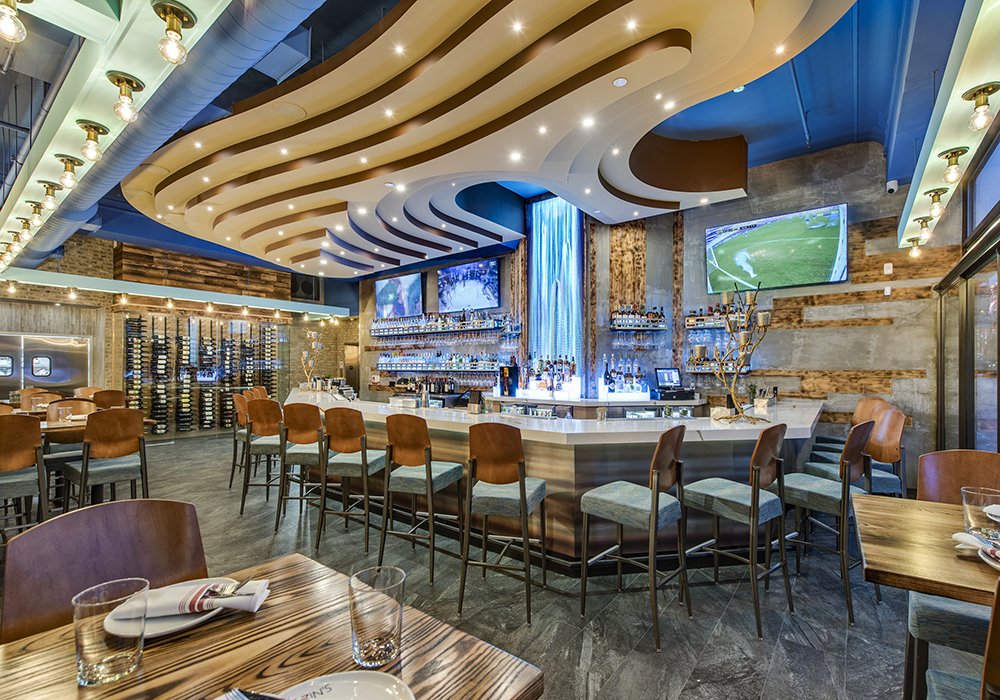
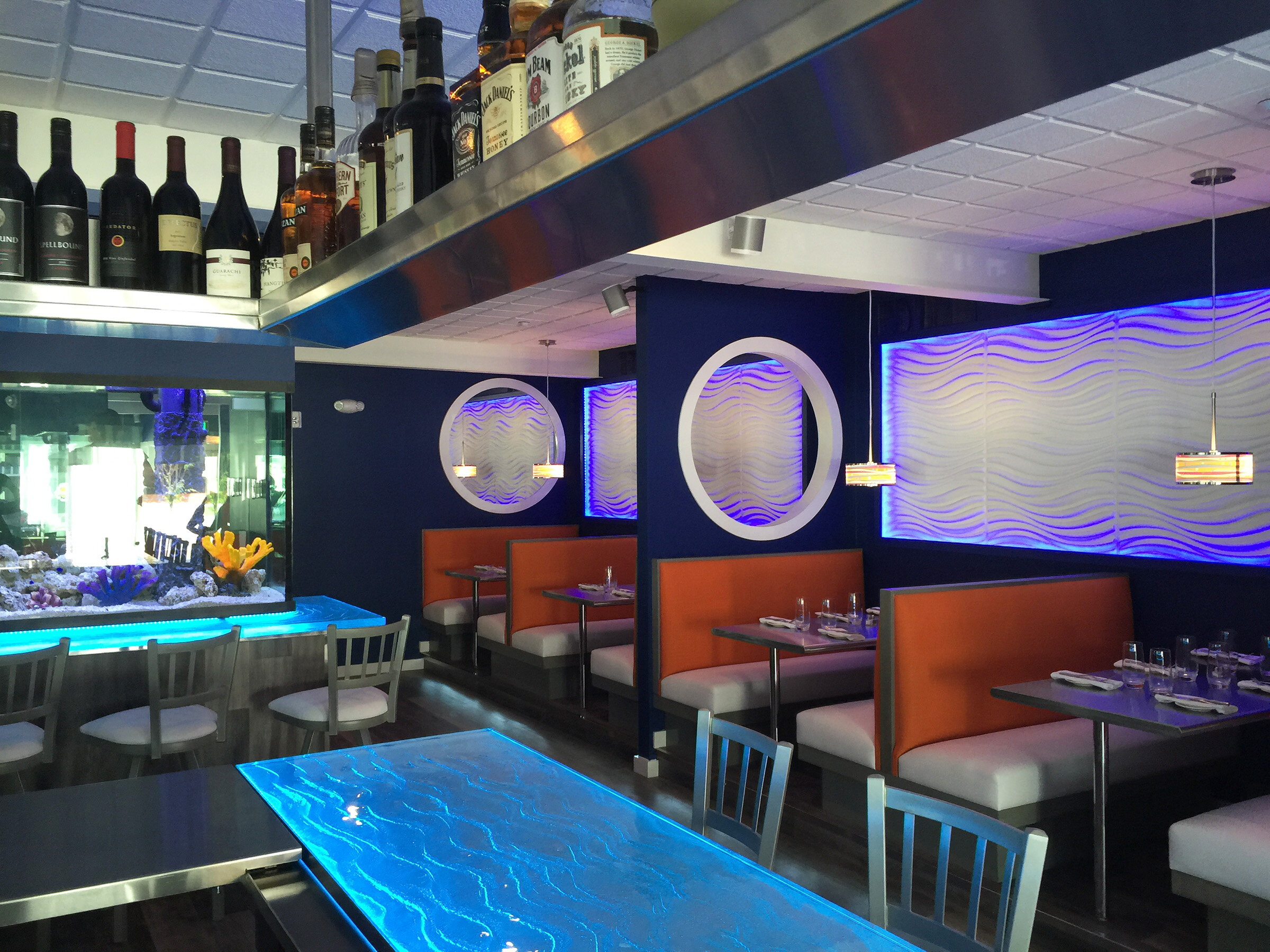
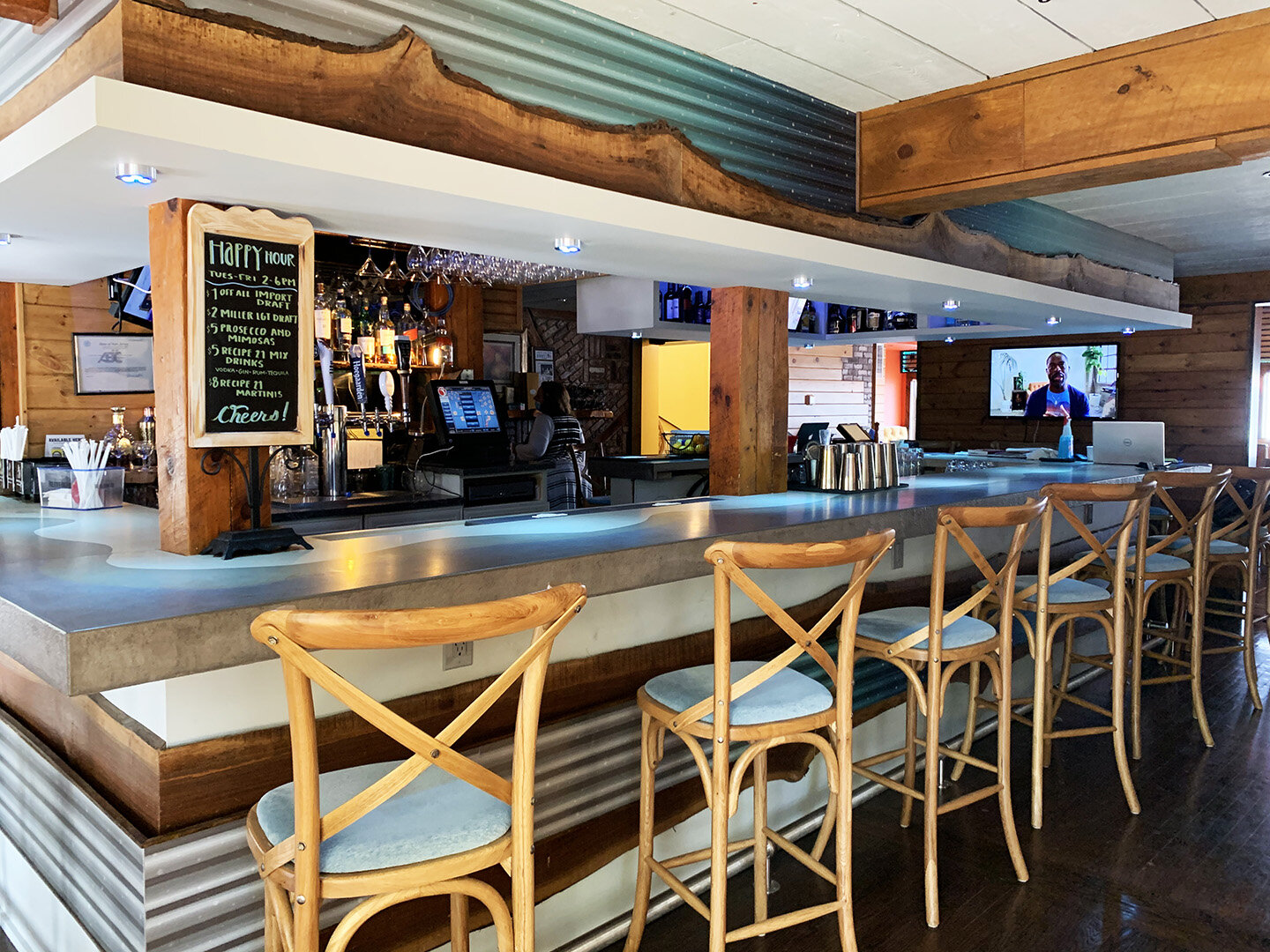
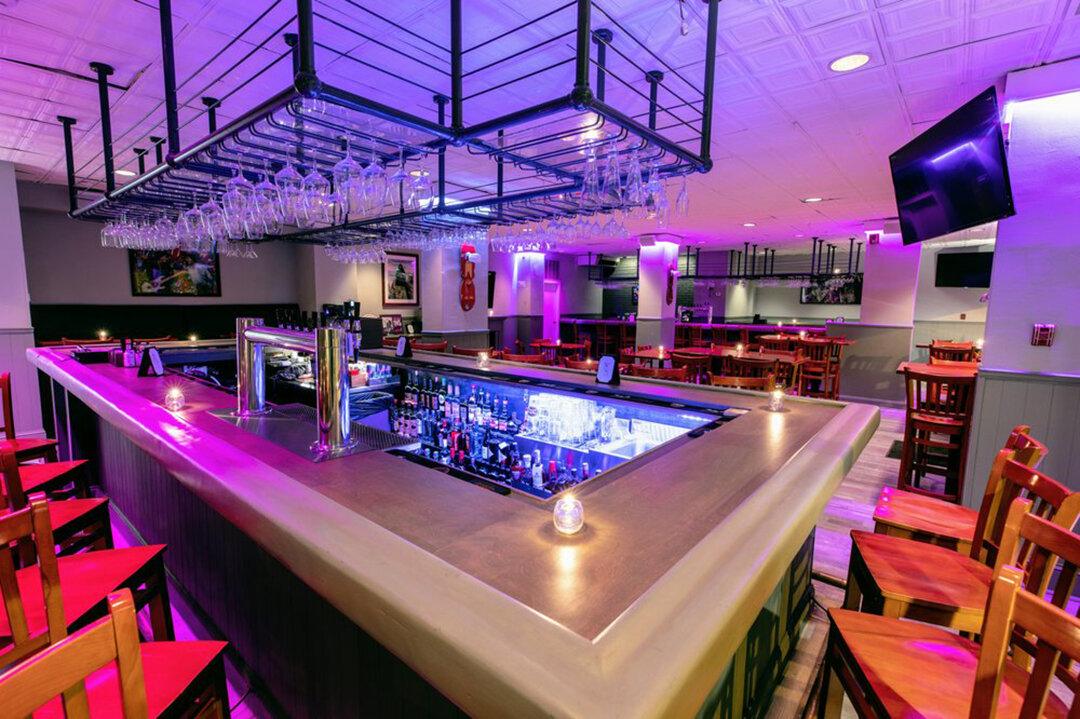
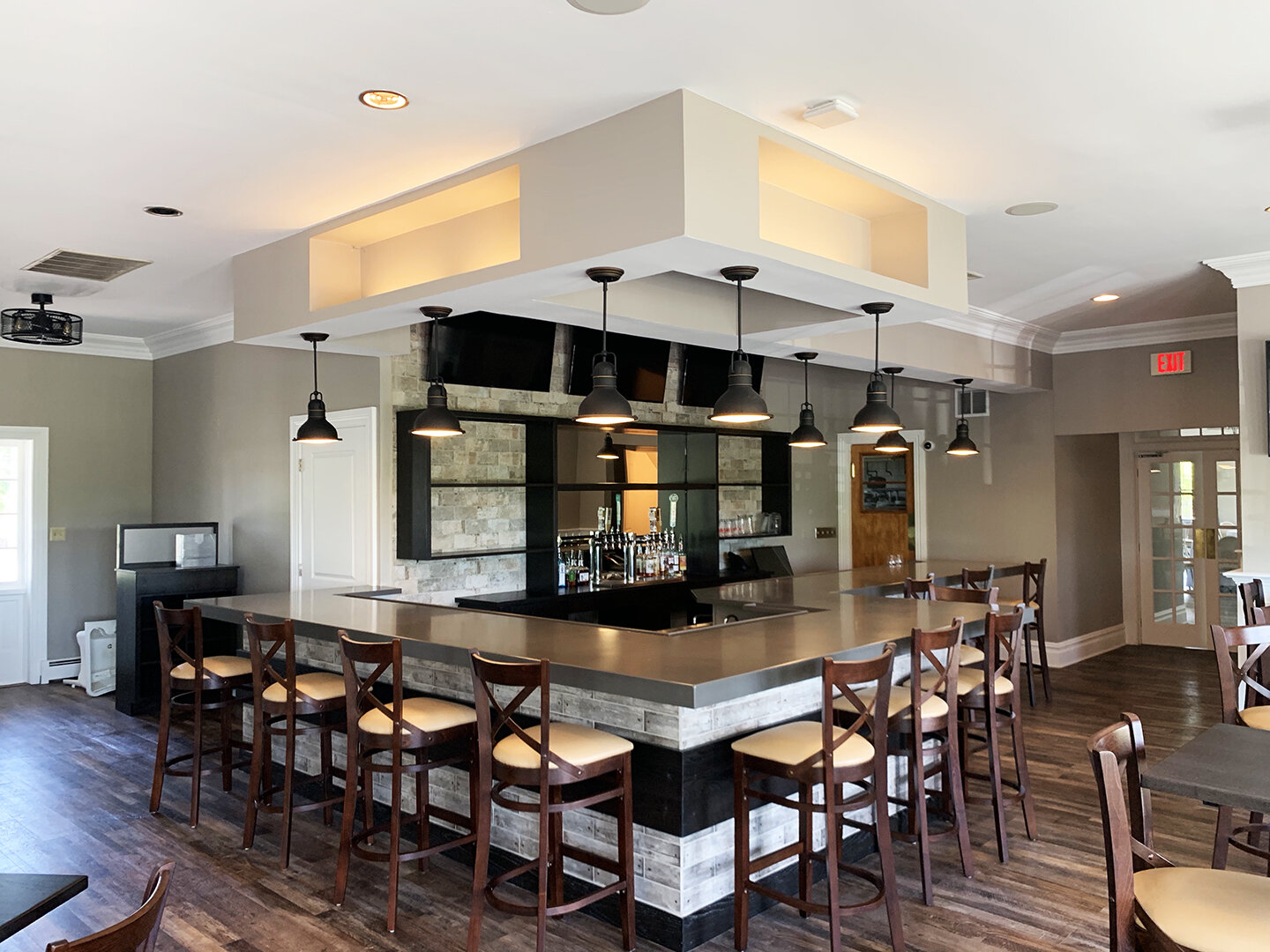
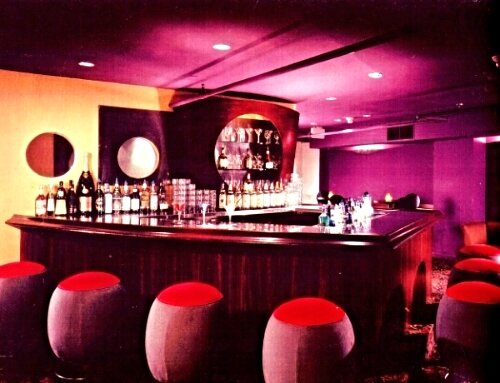
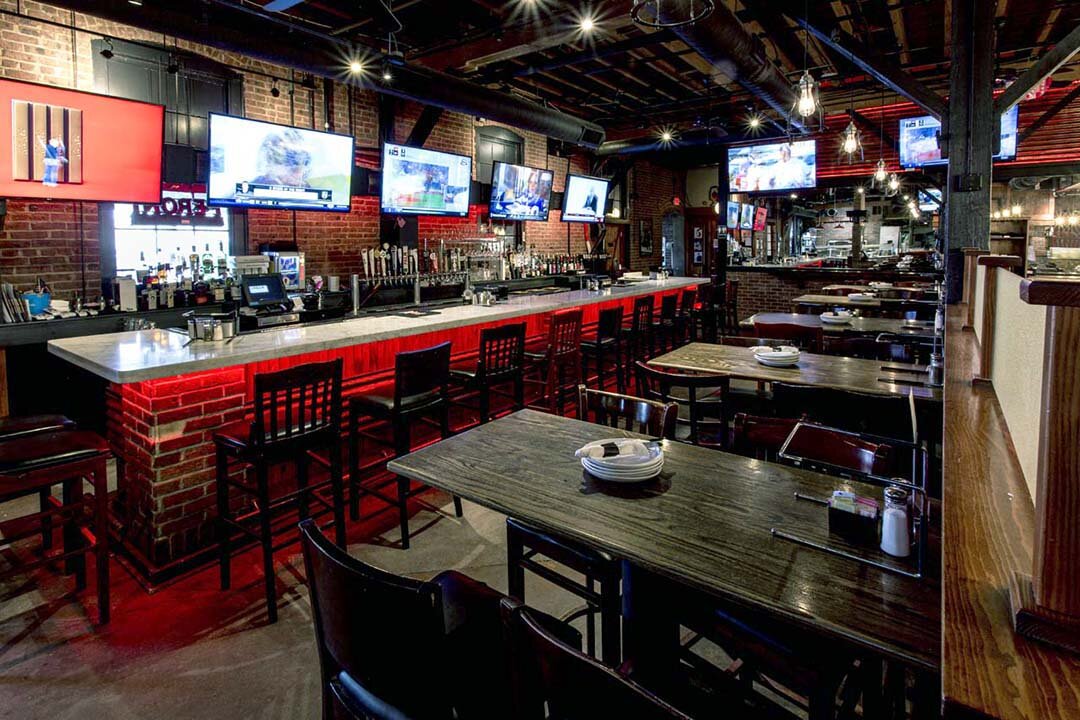
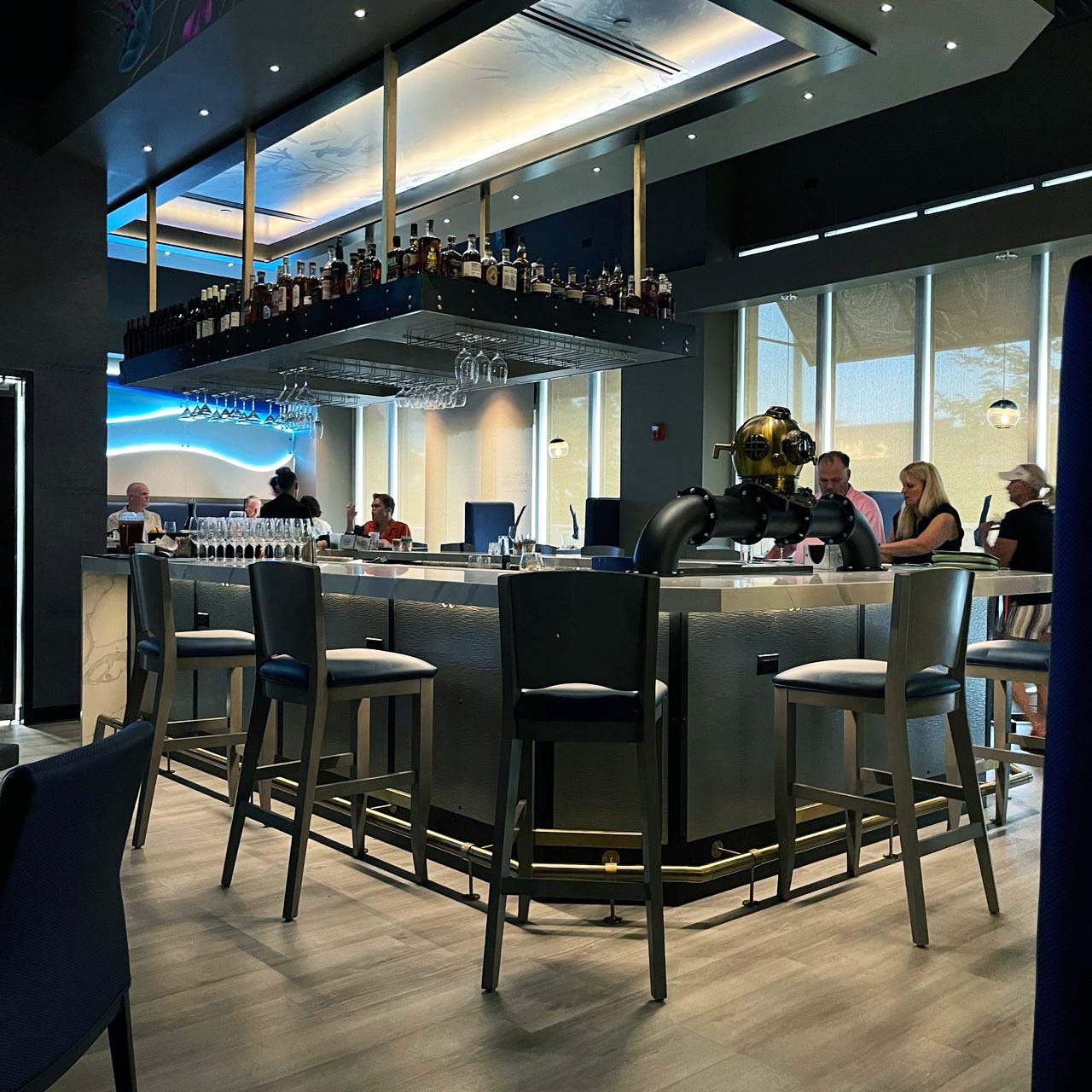
Task lighting is an operational necessity that can also be an aesthetic asset. Under-bar lighting is a critical example. It provides the visibility your bartenders need to pour with precision and work safely, yet it also adds a sophisticated glow to the bar's kick plate. Accent lighting is where you weaponize your design to drive profit. Your back-bar is your "Hero." It must be the brightest focal point in the room. Use focused spotlights to turn your spirit inventory into a high-end gallery display.
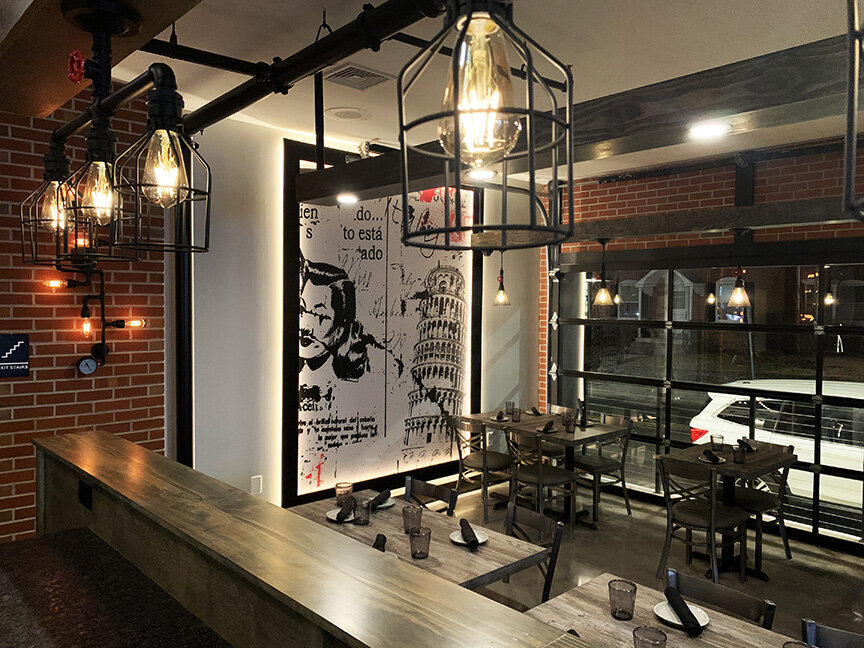
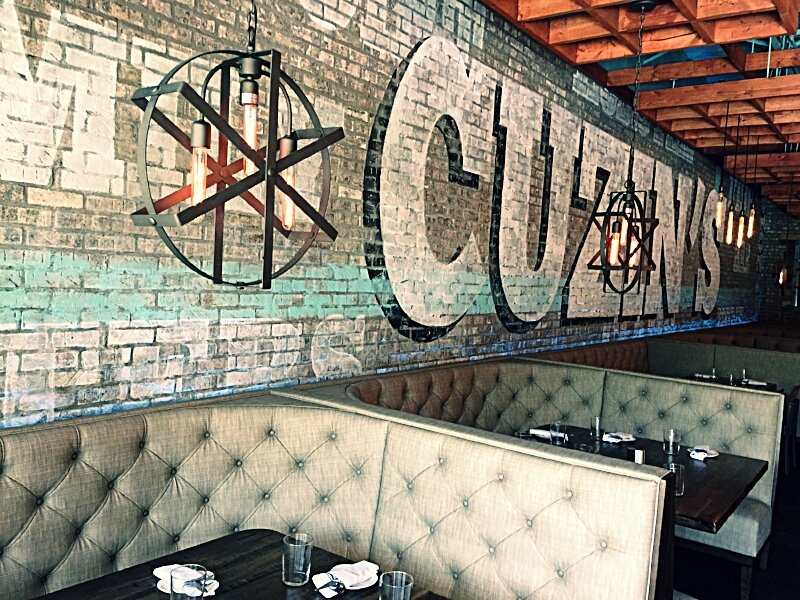
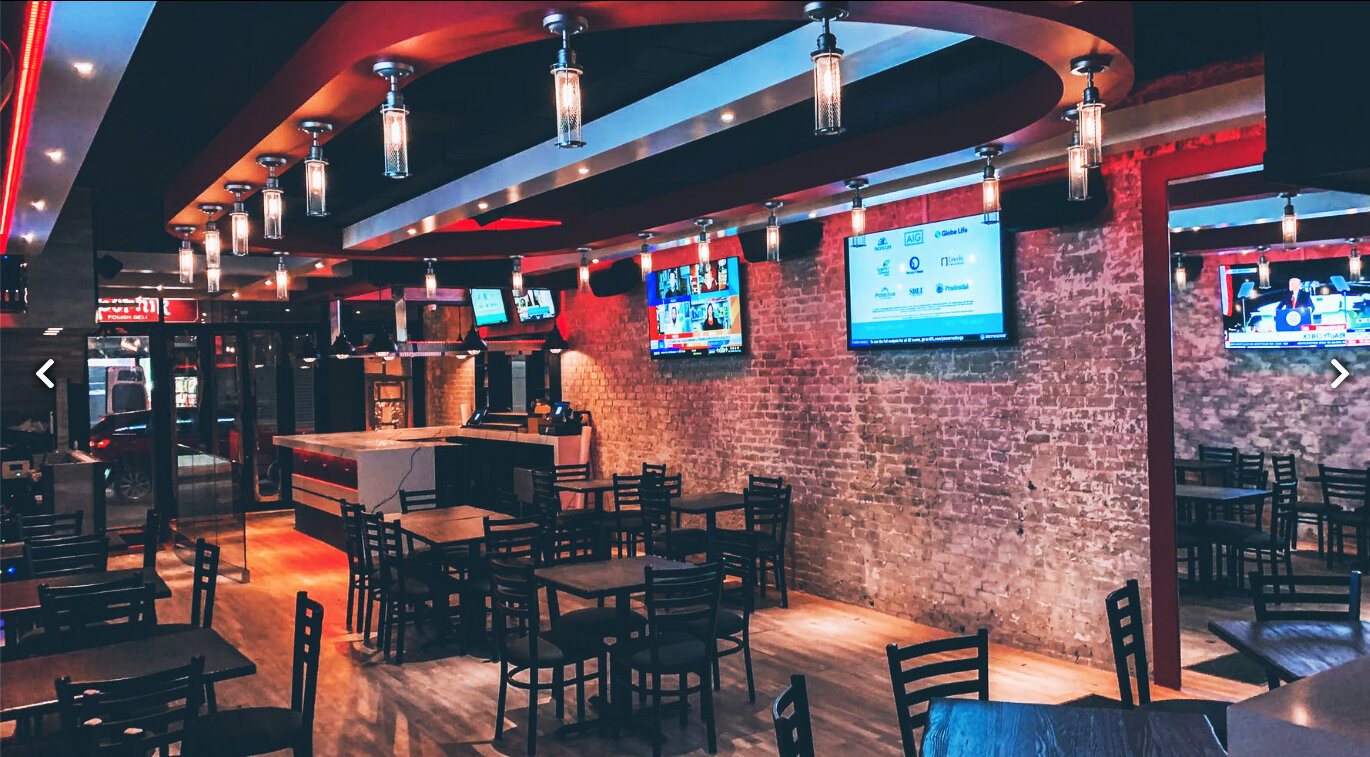
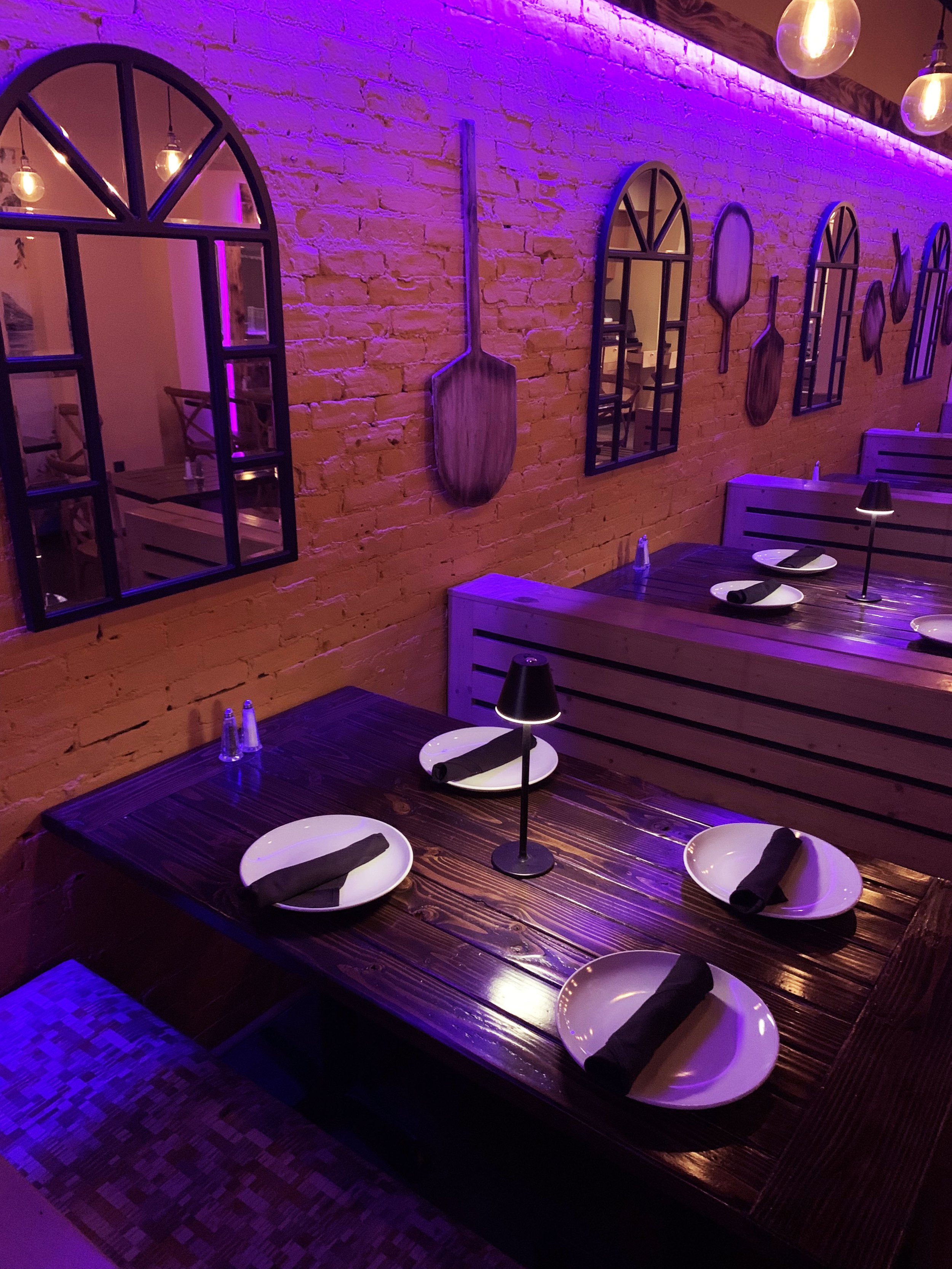
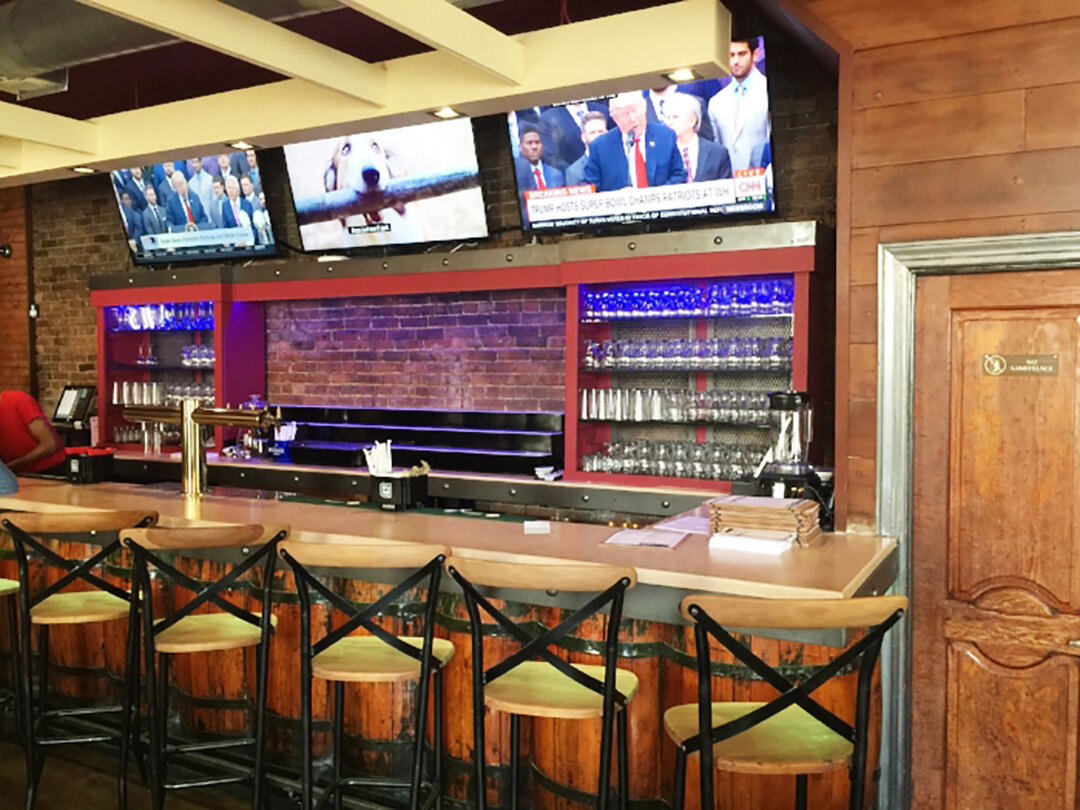
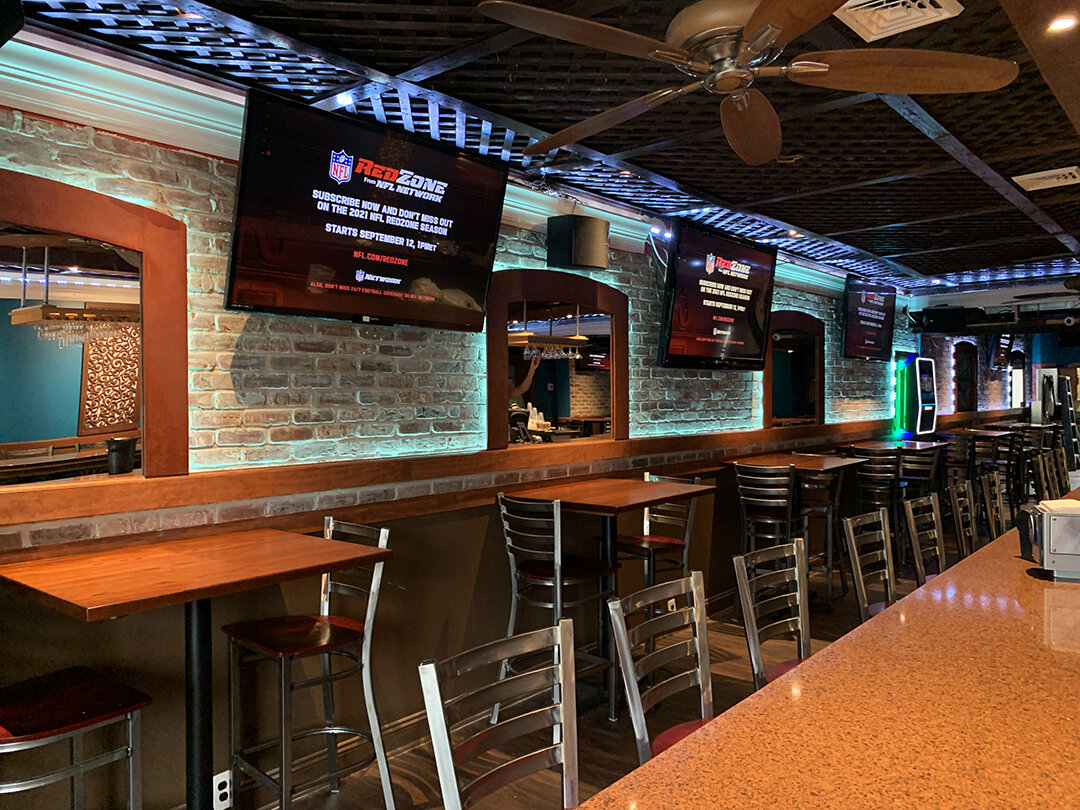
Don't let architectural details go to waste. Use "grazing" techniques, where light is placed close to a surface, to highlight the textures of reclaimed wood or rugged brick. This adds a sense of depth and luxury that flat lighting can't replicate. If you're planning a new build or a total brand refresh, integrating these layers early in your bar and nightclub design process is the only way to guarantee a high-impact result.

Strategic Placement: Lighting Your Bar for Maximum Profitability
Strategic placement is the difference between a room that feels cohesive and one that feels chaotic. You must use light to dictate the guest's journey through your restaurant floor plan. If your entrance is too bright, you create "light shock" that makes the transition into your lounge jarring and uncomfortable. Master the transition zones. Gradually step down the intensity from the host stand to the bar to ensure guests feel immediate immersion in your brand's atmosphere. Proper bar lighting design isn't just about the fixtures you choose; it's about where you put them to drive the highest possible return on investment.
Every square foot of your venue should have a financial purpose. Your lighting must reflect this. Use focused illumination to guide guest flow toward high-margin areas like the VIP lounge or the main bar. When your lighting and layout work in tandem, you eliminate dead zones and maximize the earning potential of every seat in the house. Stop leaving your revenue to chance. Secure a professional Bar and Nightclub Design consultation to ensure your lighting and layout are engineered for success.
The Back-Bar Showcase: Lighting Your Inventory
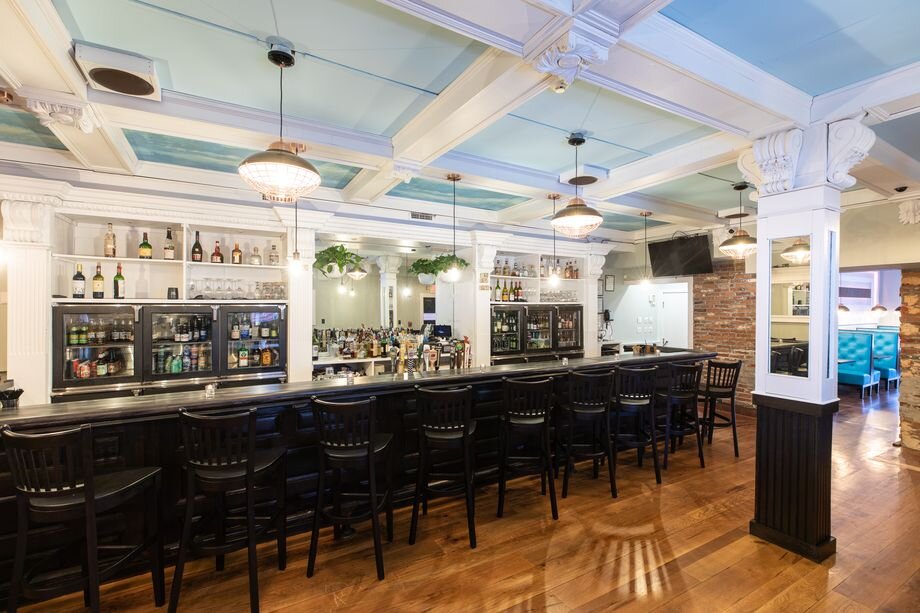
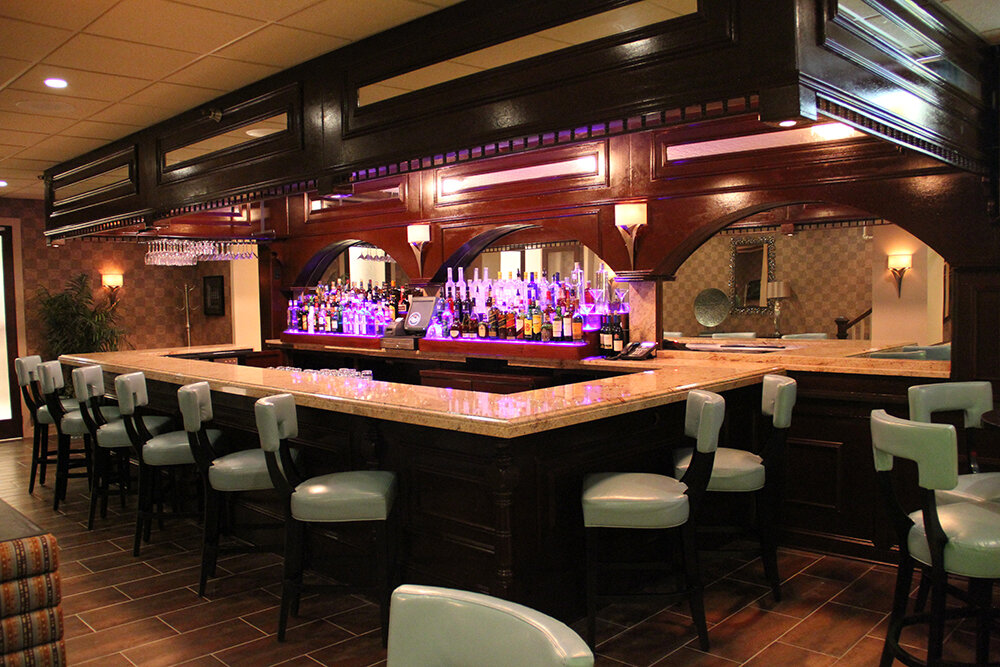
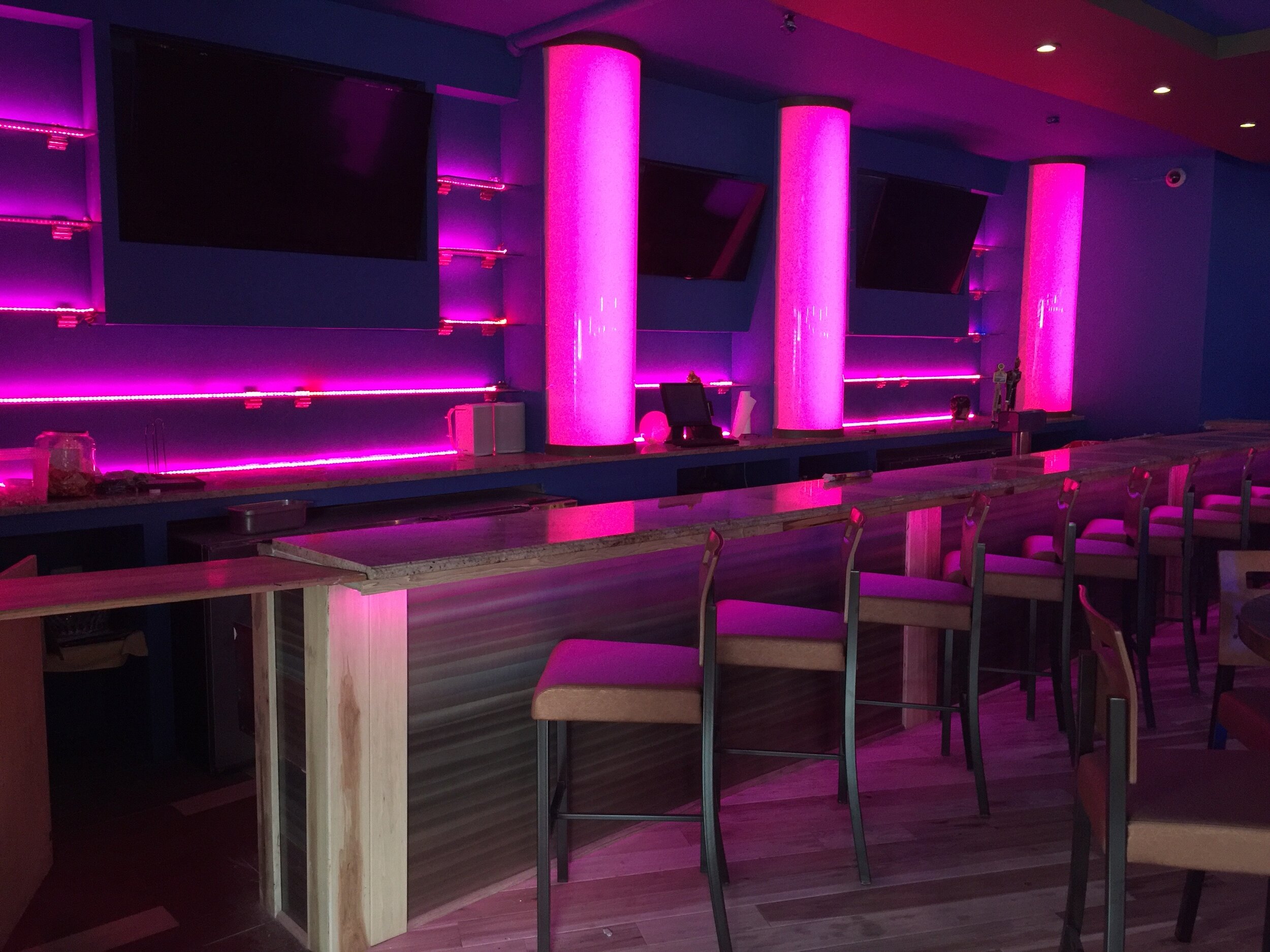
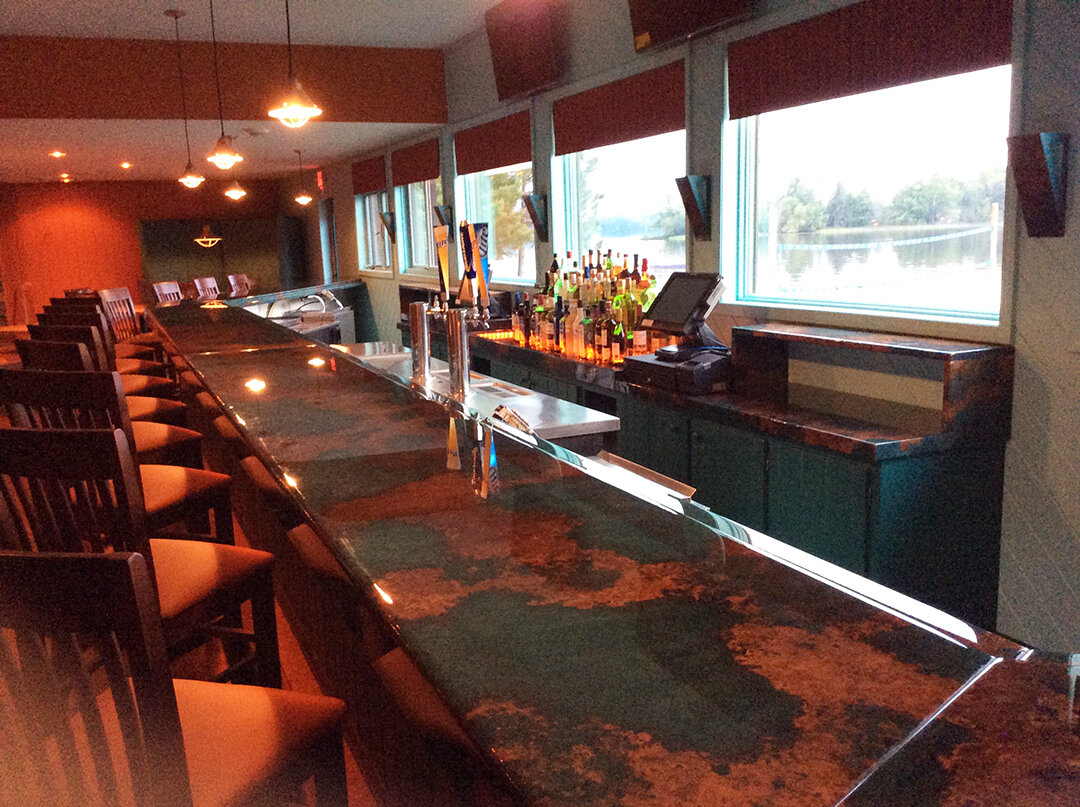
The back-bar is your "Hero." It must be the brightest, most captivating focal point in the room to drive spirit sales. Front-lighting is essential for label legibility, while back-lighting creates a sophisticated silhouette that adds depth. Use LED tape and puck lights to create subtle, high-impact glows on individual bottle tiers. Avoid the danger of over-lighting. If your back-bar is too bright, it loses its luxury appeal and begins to look like a convenience store cooler. Aim for a curated, gallery-like display that positions your inventory as a premium asset.
Intimate Table Lighting vs. High-Energy Social Zones
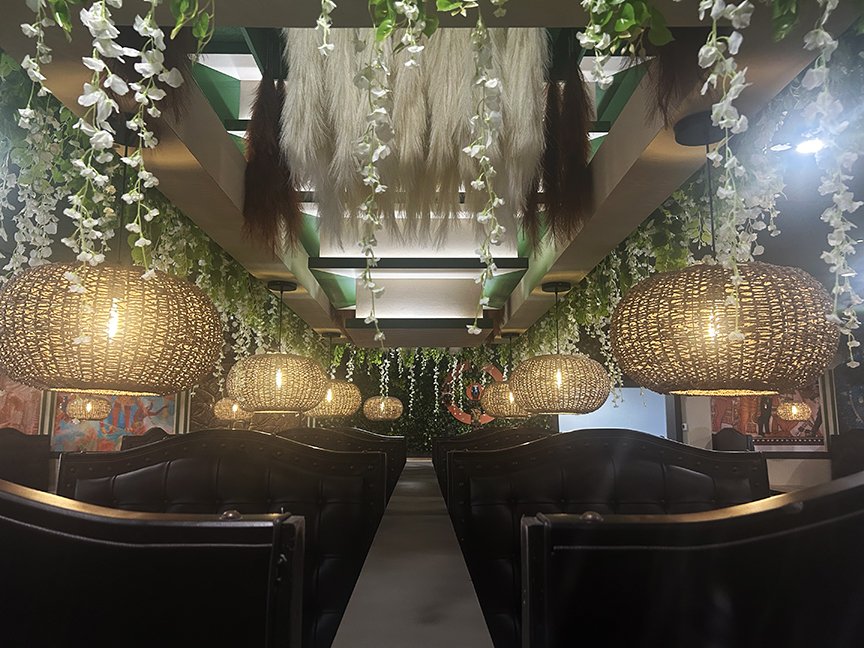
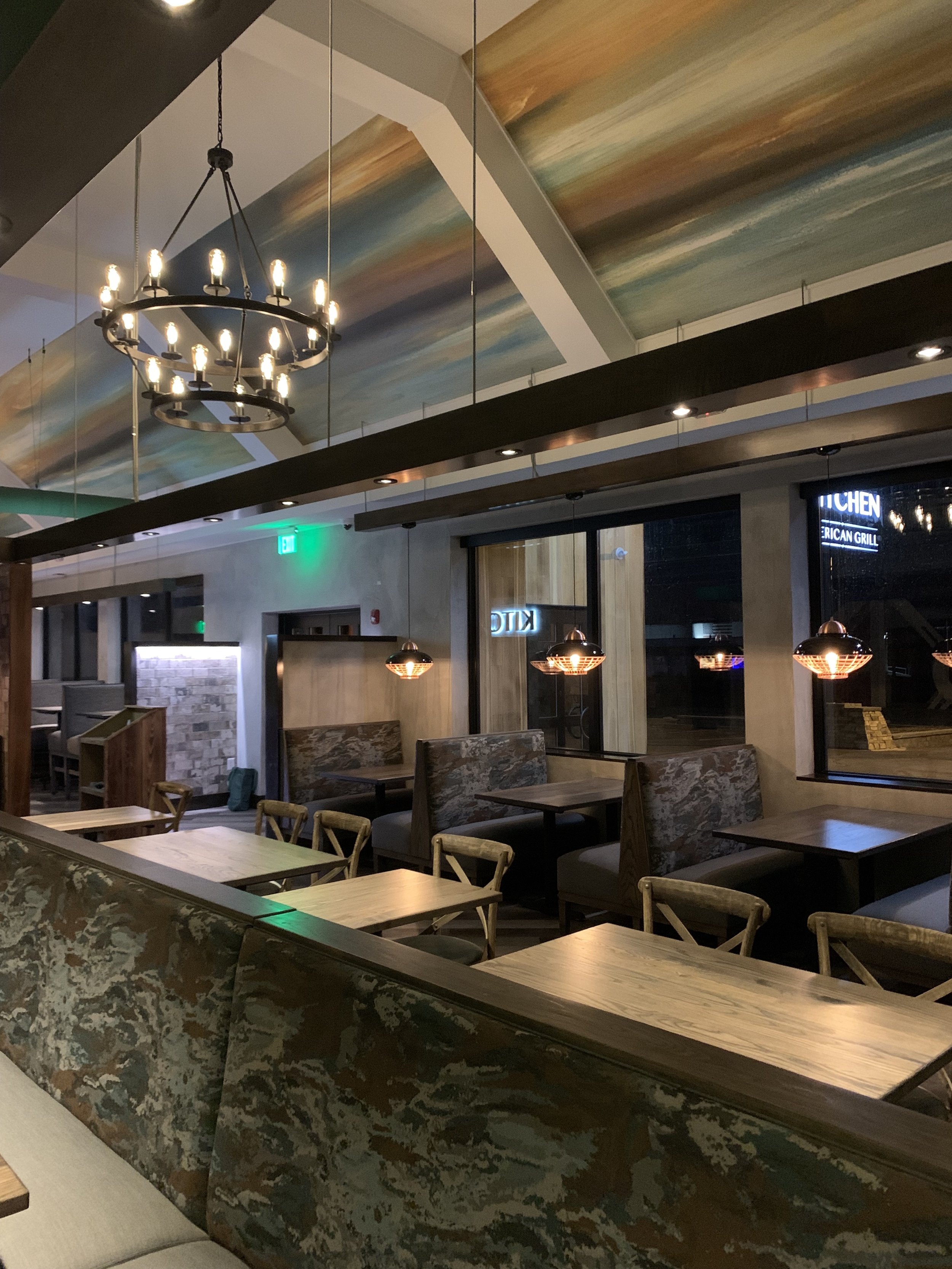
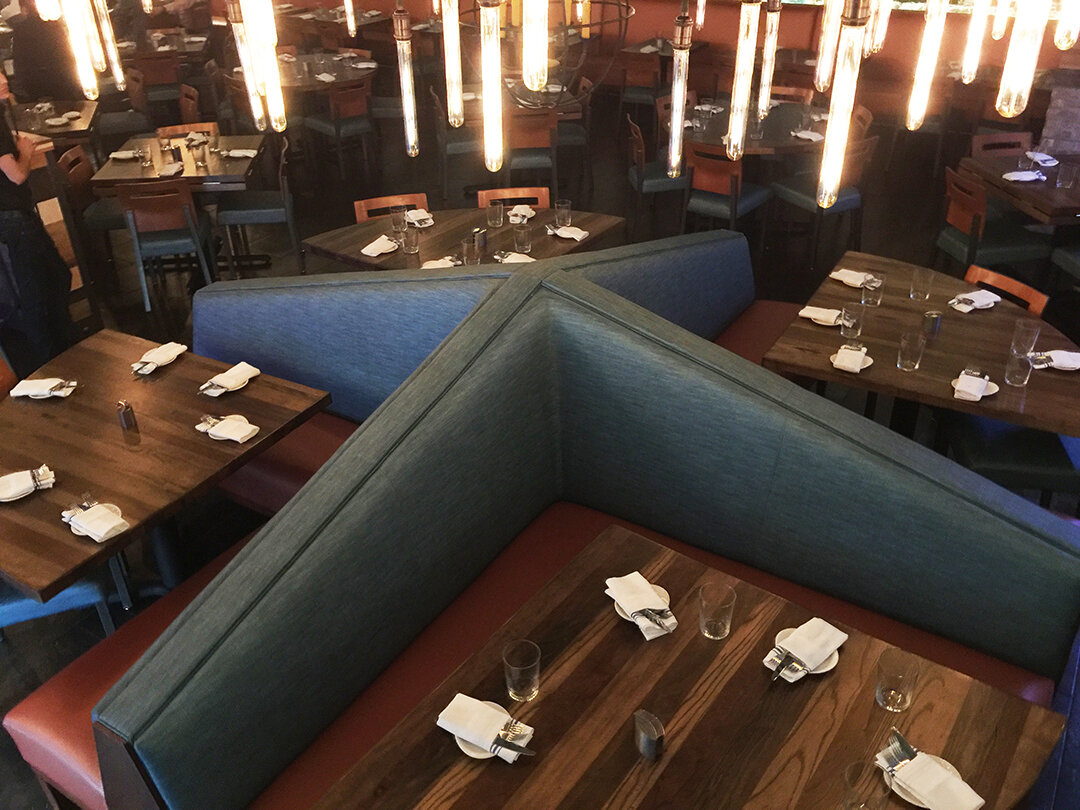
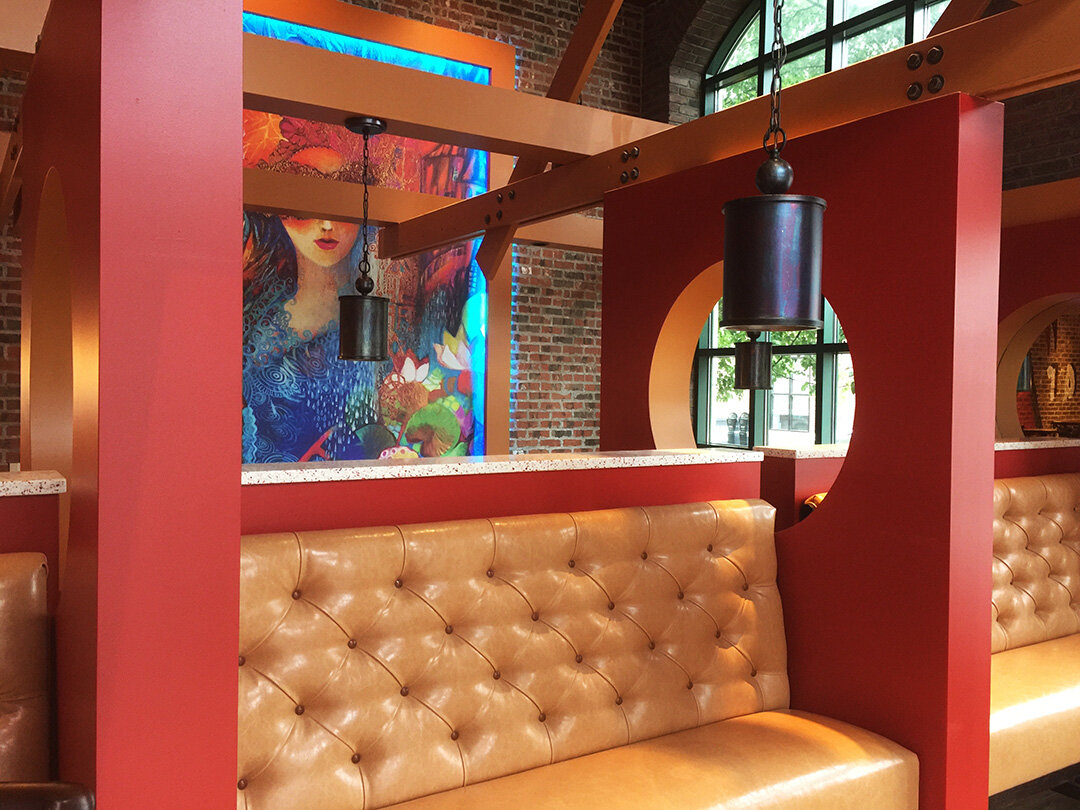
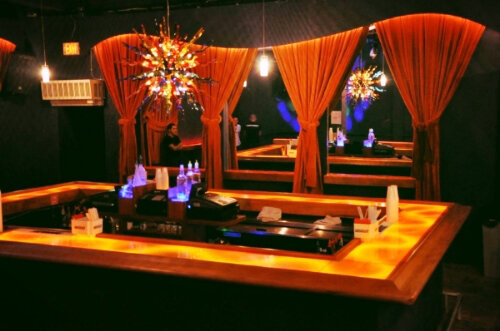
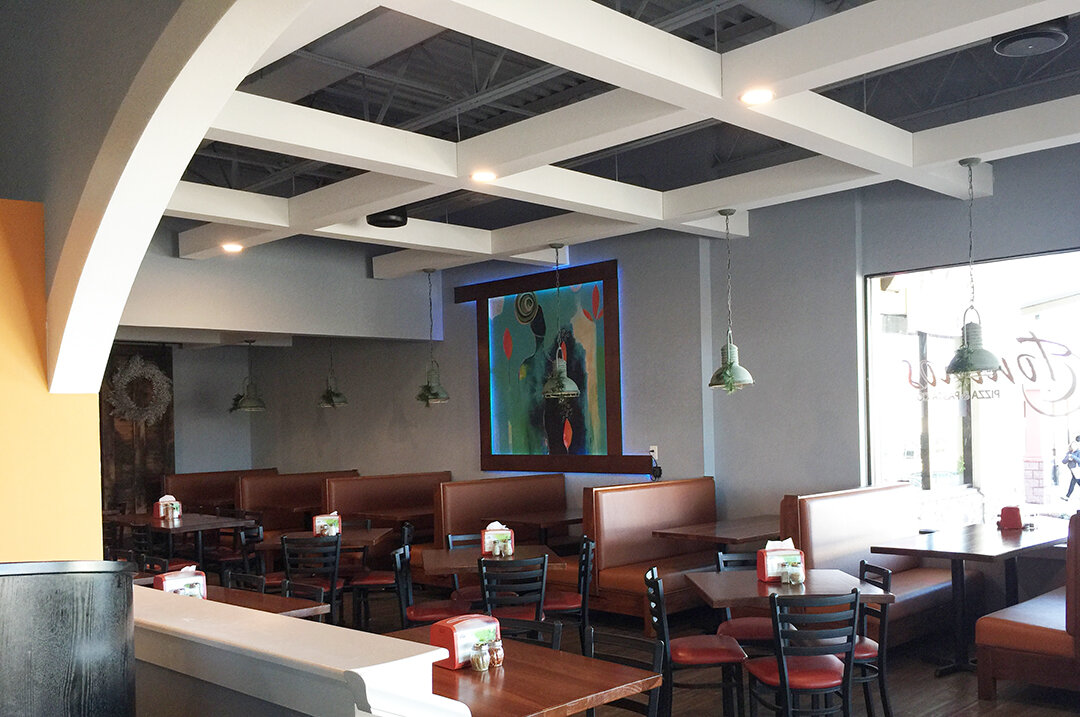
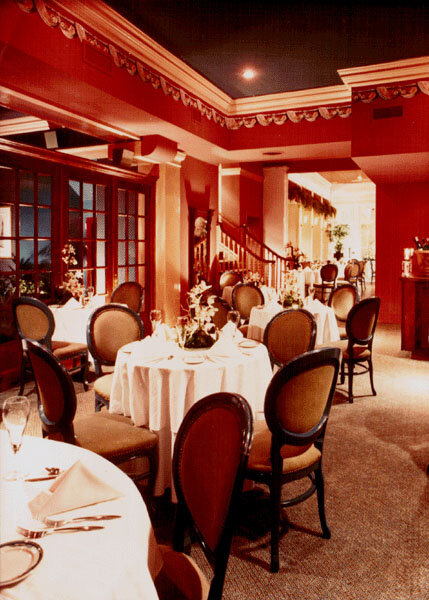
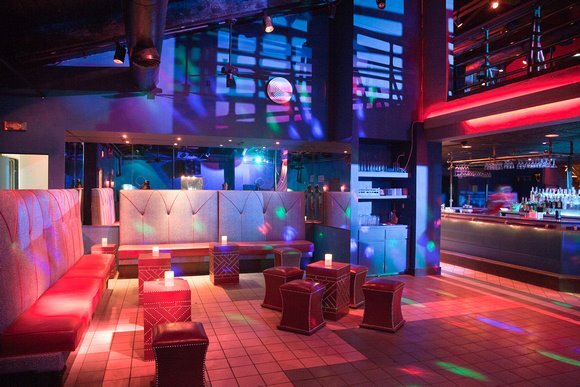
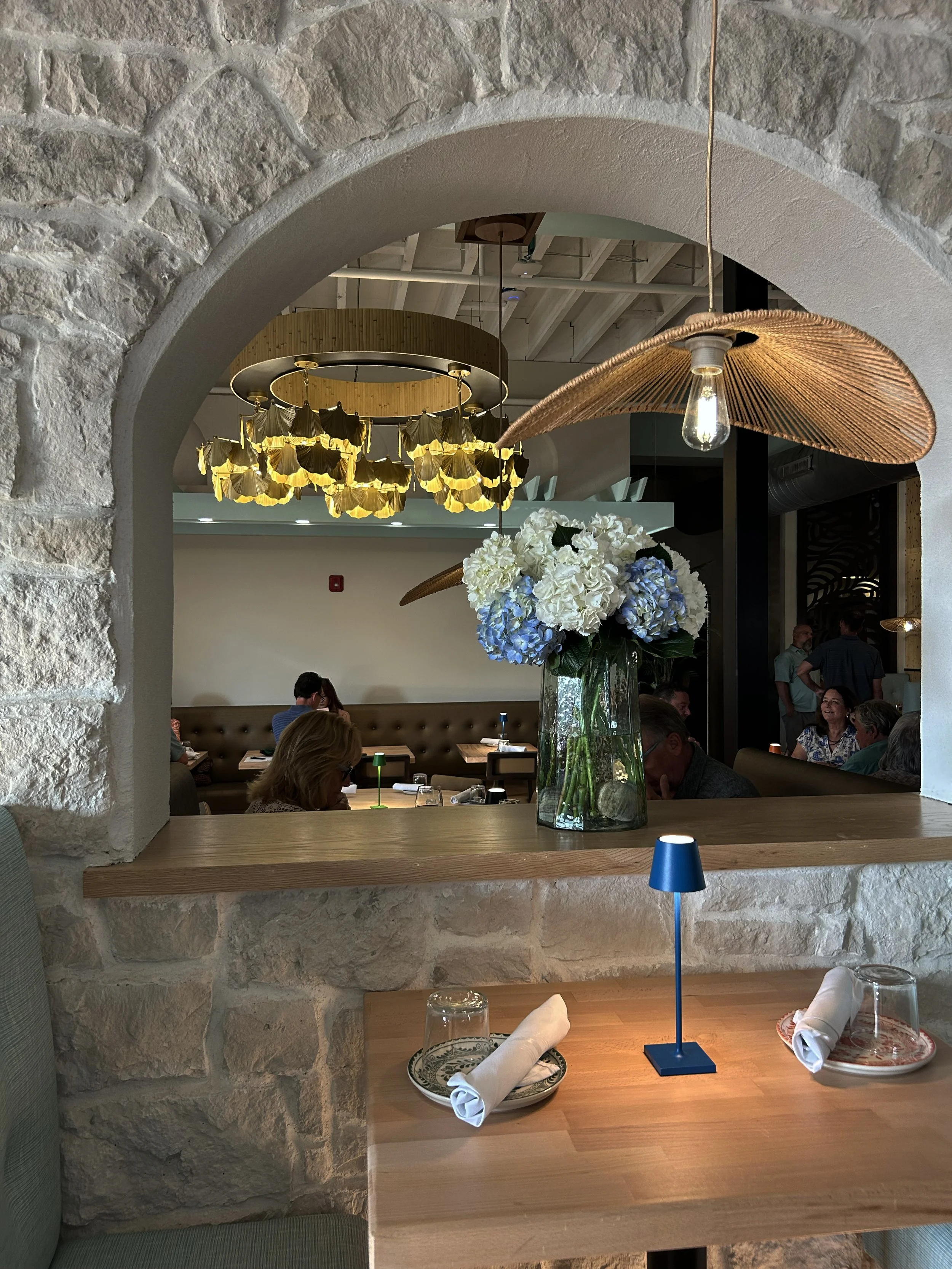
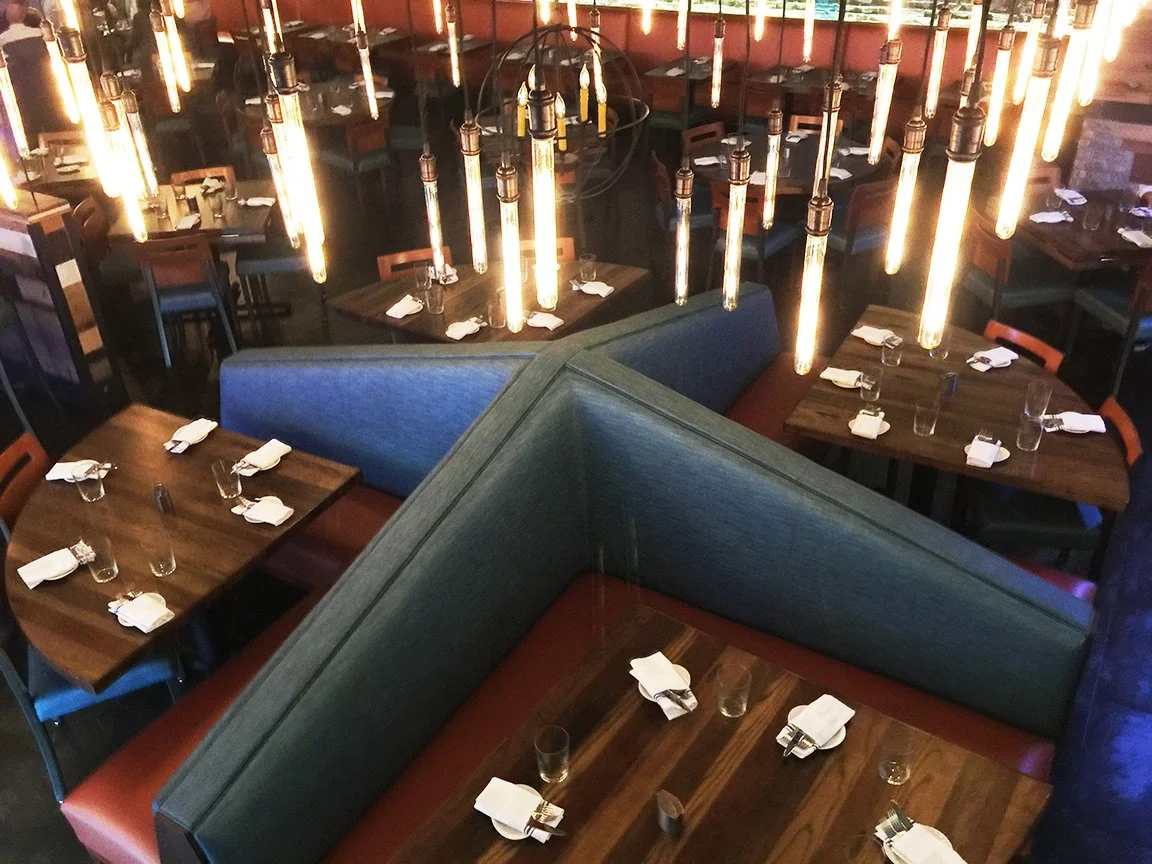
Table lighting requires a delicate balance between intimacy and the "Instagram Factor." Pendant height is the critical measurement here. Hang fixtures low enough to create a "canopy of light" over booths, which fosters a sense of seclusion without obstructing sightlines. For flexible seating, battery-operated table lamps provide a modern, cordless solution that eliminates trip hazards. In dance floors or high-energy social zones, your bar lighting design must transition from "mood" to "movement." Use dynamic, programmable systems that shift intensity as the night peaks to signal a change in the room's energy.
Avoiding the 'Amateur Glow': Critical Lighting Mistakes That Kill Your Brand
Amateur bar lighting design is a silent brand killer. Most failing venues in high-stakes markets like Philadelphia or Miami share one common trait: they look like a convenience store after dark. If your lighting is inconsistent or harsh, you aren't just losing "vibe"; you are actively driving away elite clientele who associate flat, bright spaces with low-end establishments. You cannot expect guests to pay premium prices for cocktails when they feel like they're sitting in a doctor's waiting room. Success requires a ruthless elimination of amateur errors.
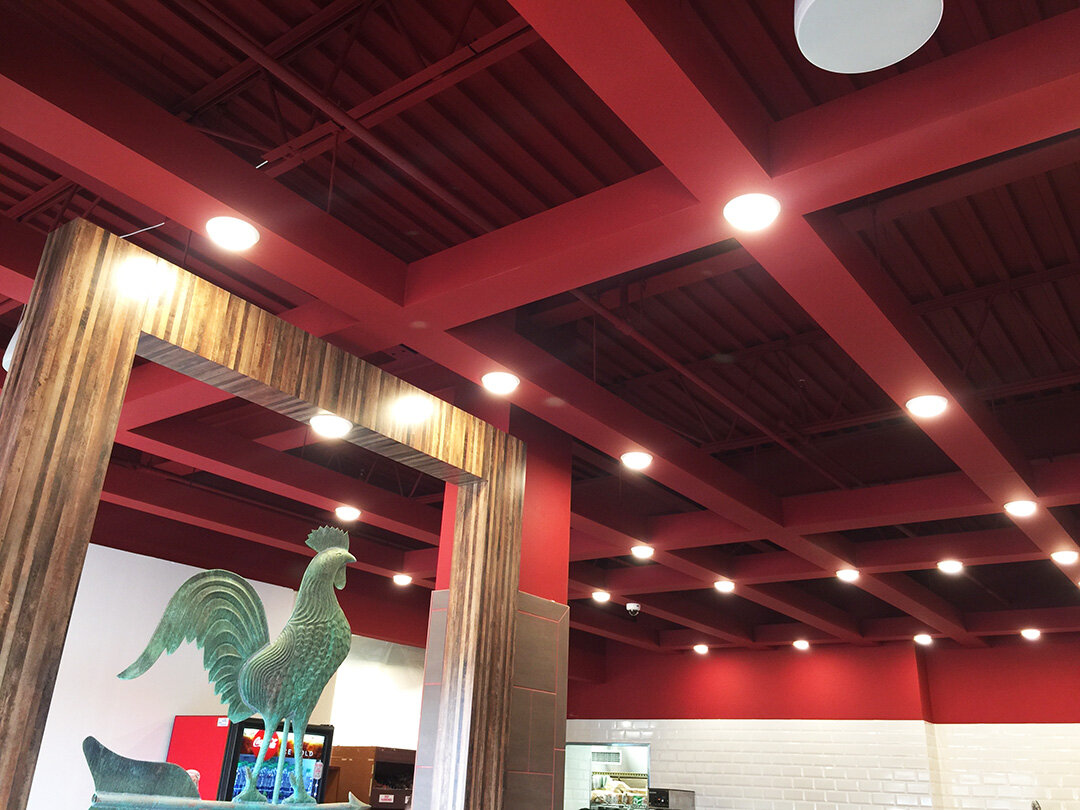
The "Blue Light" disaster is perhaps the most offensive mistake in modern hospitality. Cool-white LEDs, often anything above 3000K, have no place in a high-end bar environment. They make skin tones look sickly, drain the color from expensive spirits, and destroy the sense of intimacy you've worked hard to build. Similarly, failing to manage glare and reflection is an amateur oversight. If your spotlights are bouncing off mirrors or glass shelving directly into a guest's eyes, you've created physical discomfort that will cut their stay-time in half. Every reflection must be calculated.
The Death of Atmosphere: Flat and Harsh Lighting
The "Flat Light" trap occurs when an operator relies solely on overhead fixtures. A single, bright light source makes guests feel exposed and self-conscious, which is the antithesis of a social bar environment. You must learn to embrace the "Shadow Gap." Using darkness as a design element creates depth and intrigue, allowing your accent lights to do the heavy lifting. Professional lighting is the difference between a neighborhood joint and a destination venue. Without the contrast between light and shadow, your space will never achieve the "Instagrammable" status required to dominate the market in 2026.
Smart Controls: The Operator's Secret Weapon
Manual dimmers are a recipe for inconsistent branding. If you rely on a busy bartender to remember to adjust the atmosphere at 9 PM, you've already lost control of your guest experience. Advanced bar lighting design utilizes automated astronomical clocks that sync your venue’s transition with the actual sunset. Pre-programming specific "scenes" for Brunch, Happy Hour, and Late Night ensures that your brand identity remains flawless every single day. Beyond the aesthetic benefits, these advanced control systems can reduce lighting energy consumption by 50-70%, ensuring your venue meets the 0.74 watts per square foot requirements mandated by current ASHRAE 90.1 standards without sacrificing a single watt of style.
Dominate the Night: Transforming Your Vision into a High-Impact Hotspot
Your bar's atmosphere is the most critical asset you own. It dictates whether a guest orders a single drink or settles in for the entire night. By mastering layered illumination and avoiding the "flat light" traps that kill emerging venues, you position your brand as a destination rather than a neighborhood afterthought. Strategic bar lighting design is a high-stakes investment that demands professional precision. You cannot leave your revenue to chance or rely on manual dimmers to protect your brand identity when the stakes are highest.
Raymond Haldeman is a specialist in the competitive Miami and NJ markets with a proven track record of turning failing bars into revenue-generating hotspots. He acts as a visionary guide, providing a straight-talk advisory approach that treats your design as a strategic weapon. Don't let amateur mistakes undermine your success. Take the shortcut to a profitable venue by partnering with an expert who understands the commercial landscape.
Stop guessing and start winning, Contact Raymond Haldeman for a Visionary Bar Design Consultation. Your venue deserves a layout and a glow that commands respect. Secure your place as a market leader today.
Frequently Asked Questions
What is the best color temperature for bar lighting?
The most effective color temperature for high-end hospitality falls between 2200K and 2700K. This range mimics the warm, amber glow of sunset or candlelight, which triggers biological relaxation and encourages guests to linger. Avoid anything above 3000K; cool white light feels clinical and destroys the social intimacy required for a successful lounge. Stick to warm tones to keep your guests comfortable and your atmosphere sophisticated.
How much should I spend on professional bar lighting design?
View your bar lighting design as a strategic investment in guest stay-time, not a construction expense. While basic hardware costs vary, the value lies in the engineering of the system to drive revenue. Don't cut corners on the one element that dictates whether your venue looks like a premium destination or a neighborhood joint. A properly designed system pays for itself through increased beverage sales and significantly lower energy bills.
Can I use smart bulbs like Philips Hue for a commercial bar?
Consumer-grade smart bulbs are a liability in a professional environment. While these products work for residential use, they lack the durability, control precision, and integration capabilities required for high-traffic commercial spaces. Use professional-grade DMX or architectural control systems that allow for seamless scene-setting and long-term reliability. Don't jeopardize your brand's consistency with "off-the-shelf" solutions that often fail when the room is packed.
How does lighting affect the way people taste cocktails and food?
Perception is reality in the hospitality industry. If your lighting makes a cocktail look muddy or unappealing, the guest's brain will register a lower quality of taste. High Color Rendering Index (CRI) lighting ensures that the vibrant colors of a garnish or the rich ambers of a whiskey are presented accurately. When a drink looks premium, it tastes premium. This visual bait is what drives repeat orders.
What is 'layered lighting' and why is it important for bars?
Layered lighting is the intentional combination of ambient, task, and accent sources to create depth and visual hierarchy. Without it, your room feels flat and uninviting. This structure is essential for bar lighting design because it eliminates the harsh shadows of singular sources. Ambient light sets the base mood, task light ensures staff efficiency, and accent light draws the eye toward your most profitable assets, like the back-bar.
How do I light a bar with low ceilings without making it feel cramped?
Low ceilings require a strategy of "uplighting" and perimeter washing to create the illusion of height. Avoid large, hanging pendants that physically and visually clutter the space. Instead, use recessed fixtures or wall-mounted sconces that direct light upward or along the walls. This technique draws the eye horizontally and toward architectural textures, preventing the "cave-like" sensation that often kills the vibe in smaller urban venues.