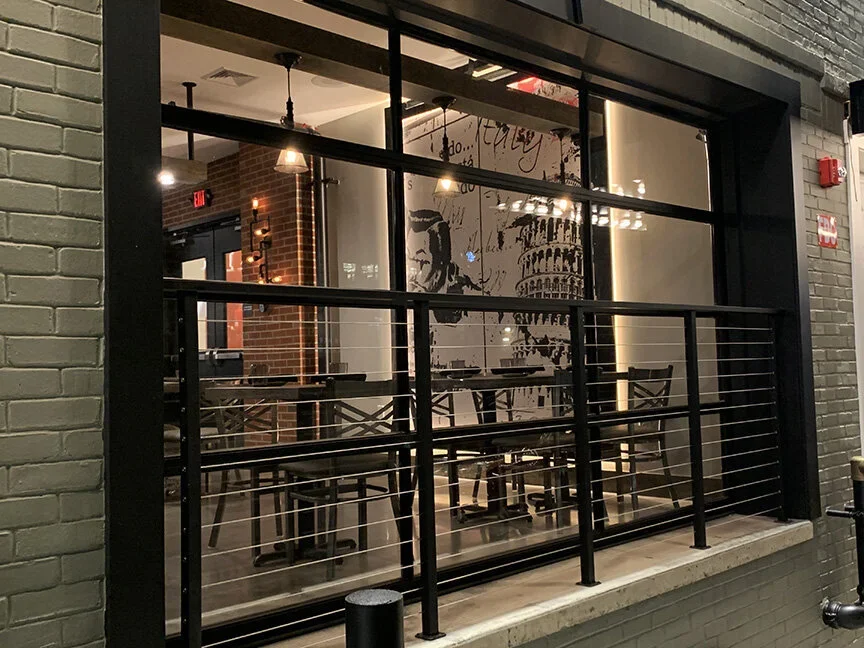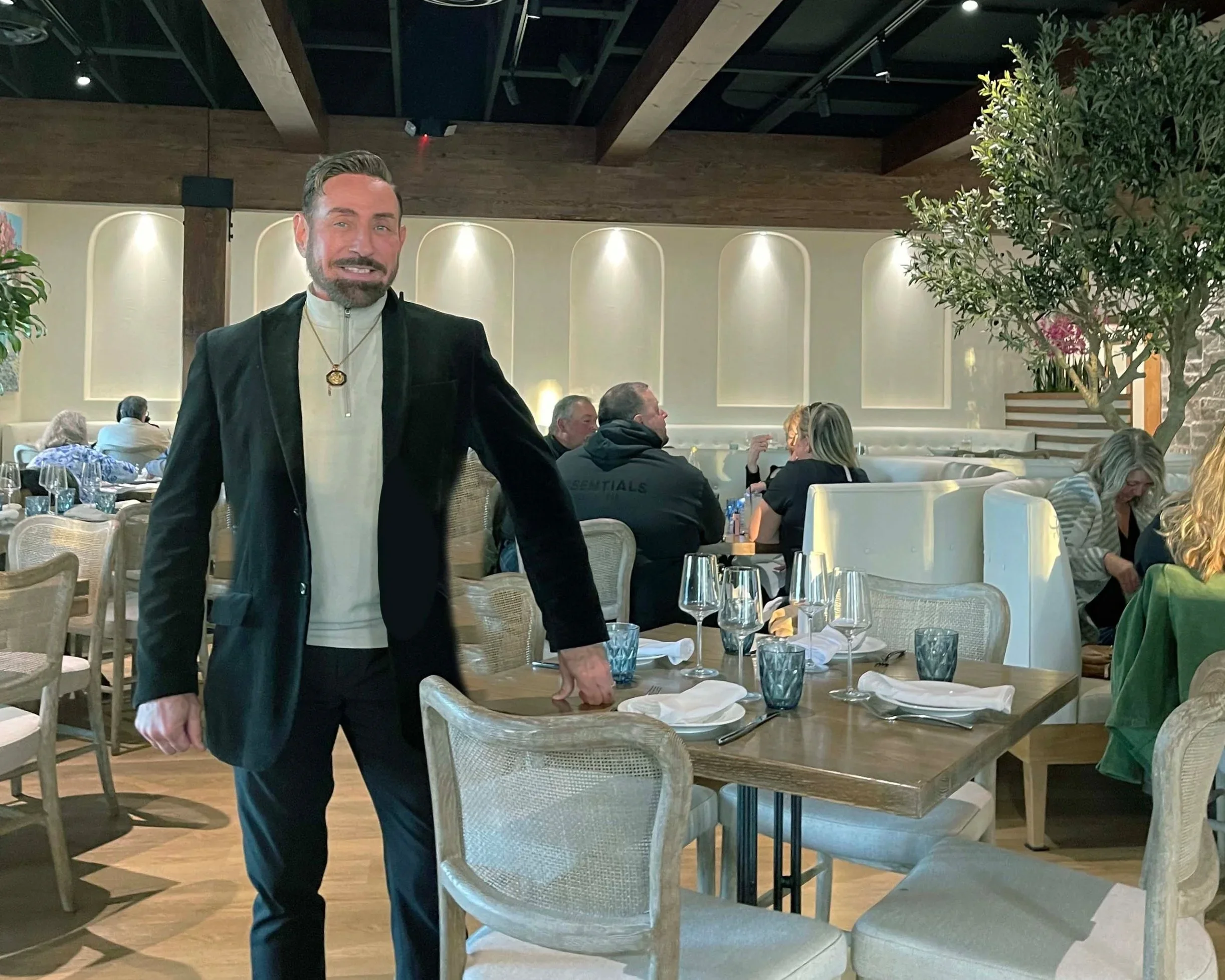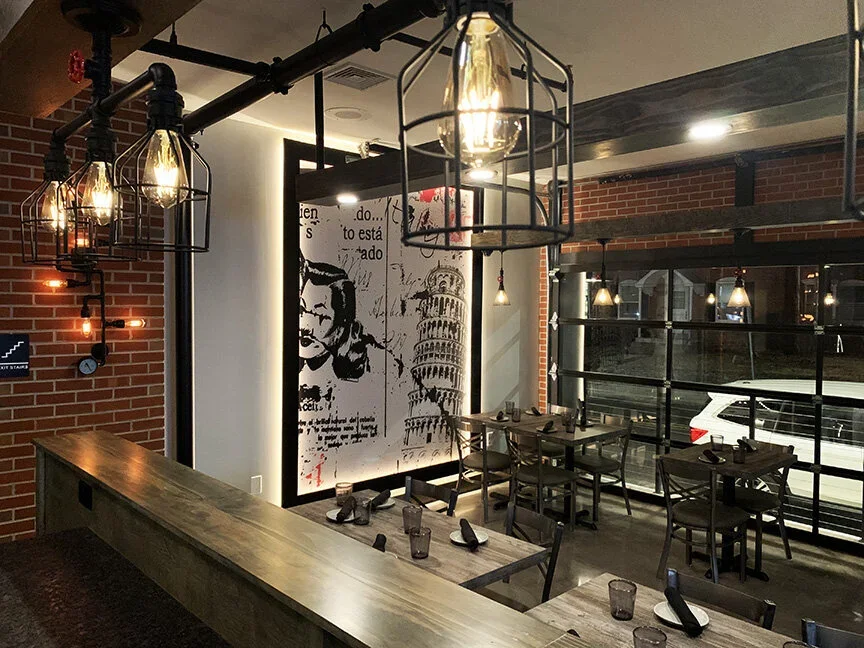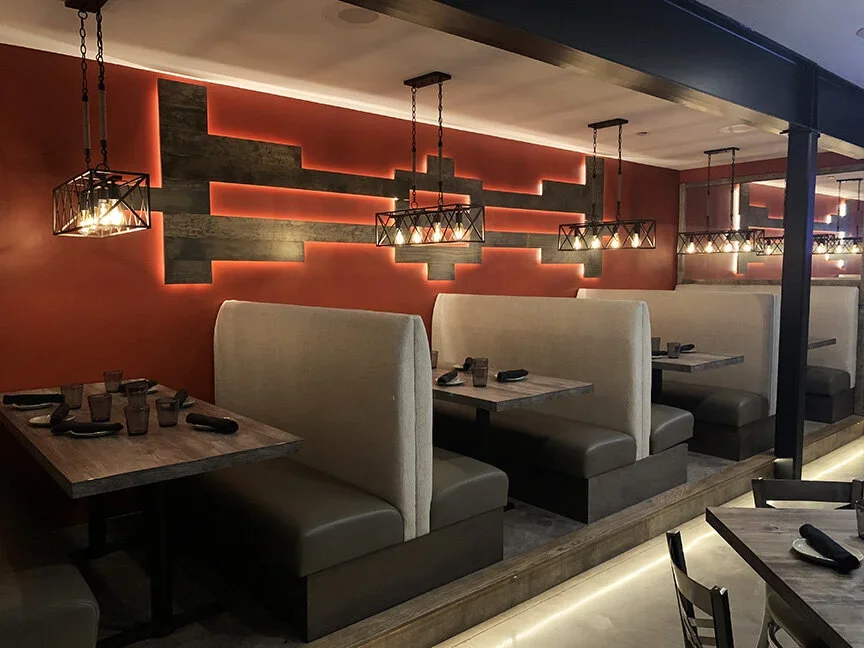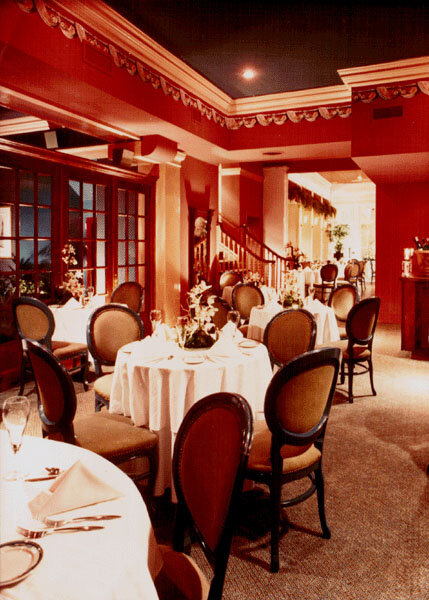
restaurant rebranding consultant

New Jersey Restaurant Interior Designer: Design That Performs

Your menu can be exceptional, but if the dining room feels dated, poorly planned or disconnected from the experience guests expect, the restaurant may never reach its full potential.

Today's diners are choosing restaurants based on much more than food.

They notice the atmosphere, lighting, energy, bar, seating and overall personality of a restaurant long before the first course arrives.

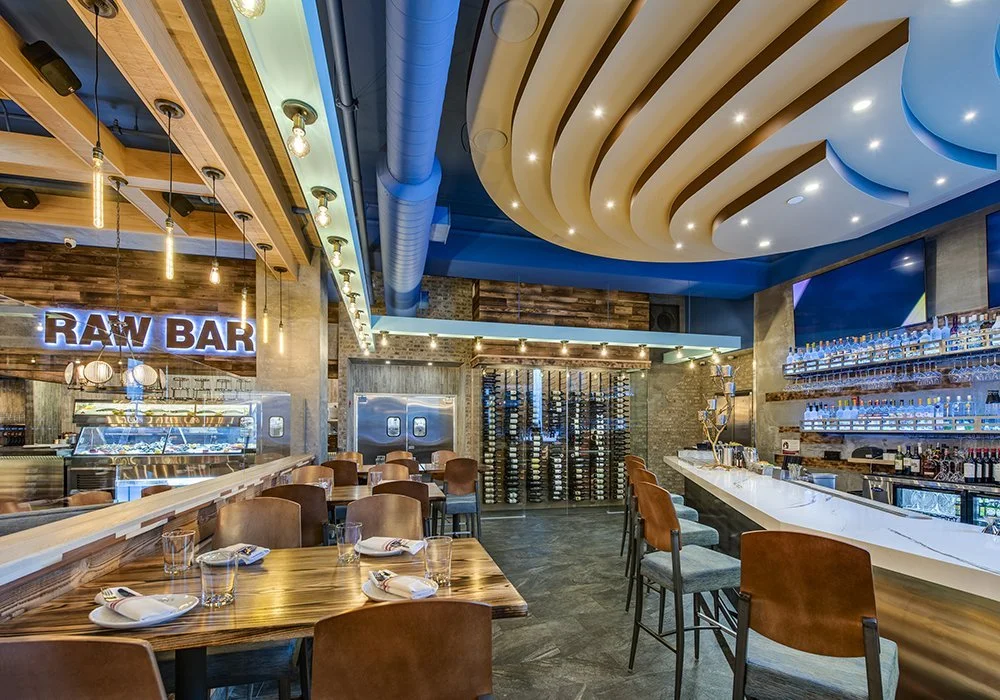
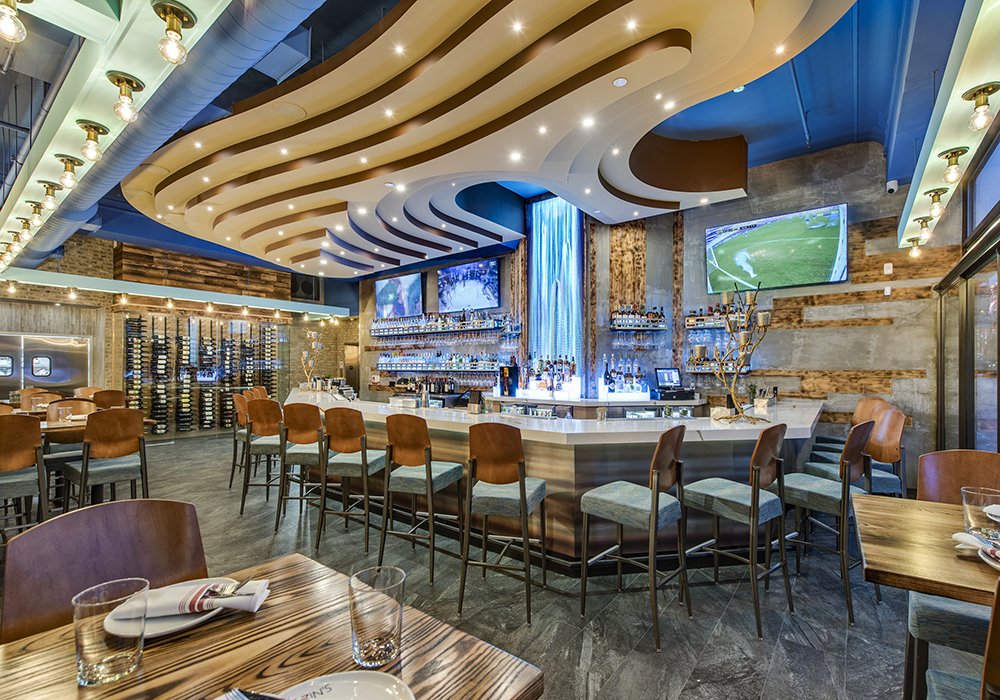
That makes working with an experienced New Jersey Restaurant Interior Designer much more than an aesthetic decision. The right design can strengthen your brand, improve the way your restaurant operates and help create an experience that supports your menu and price point.

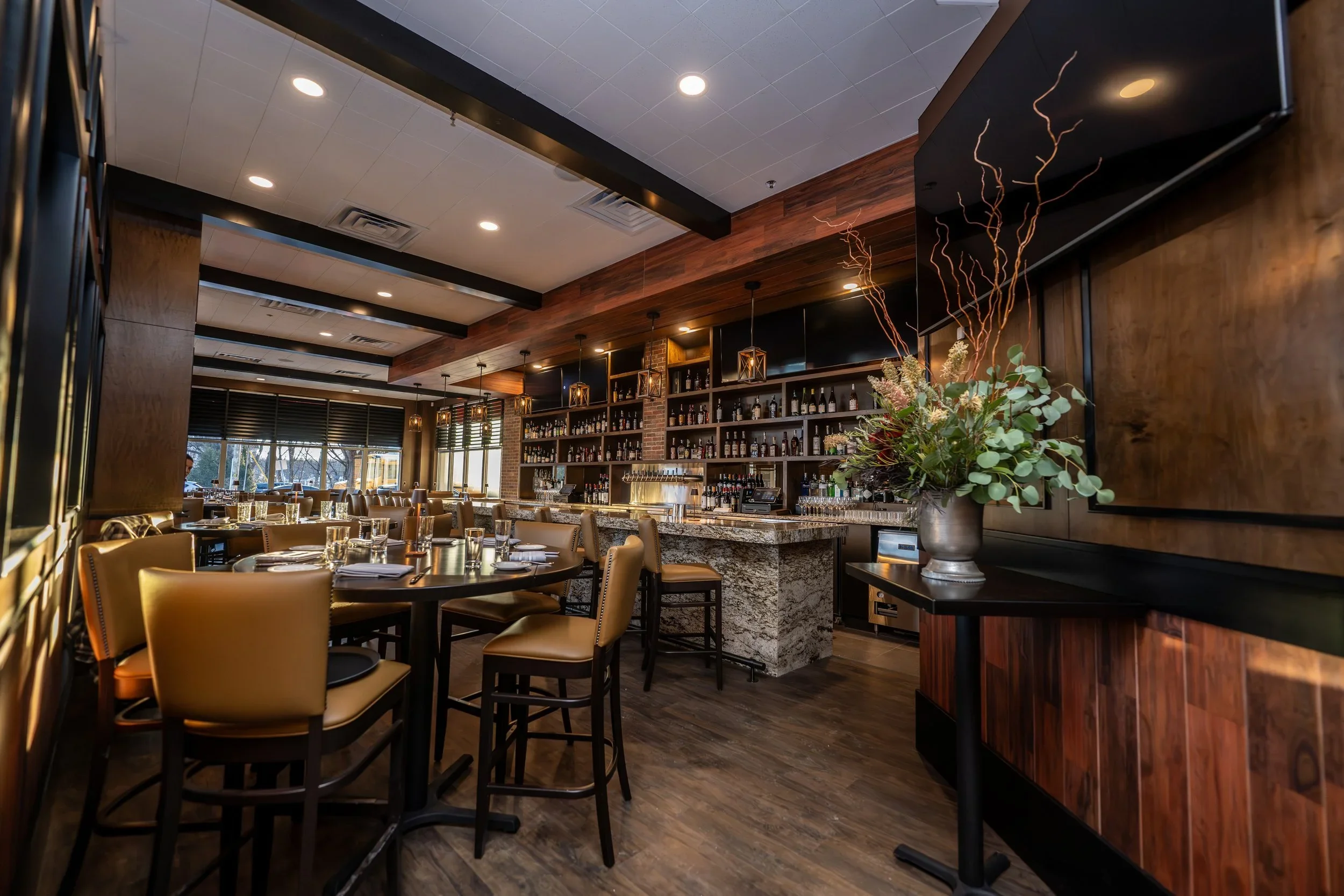
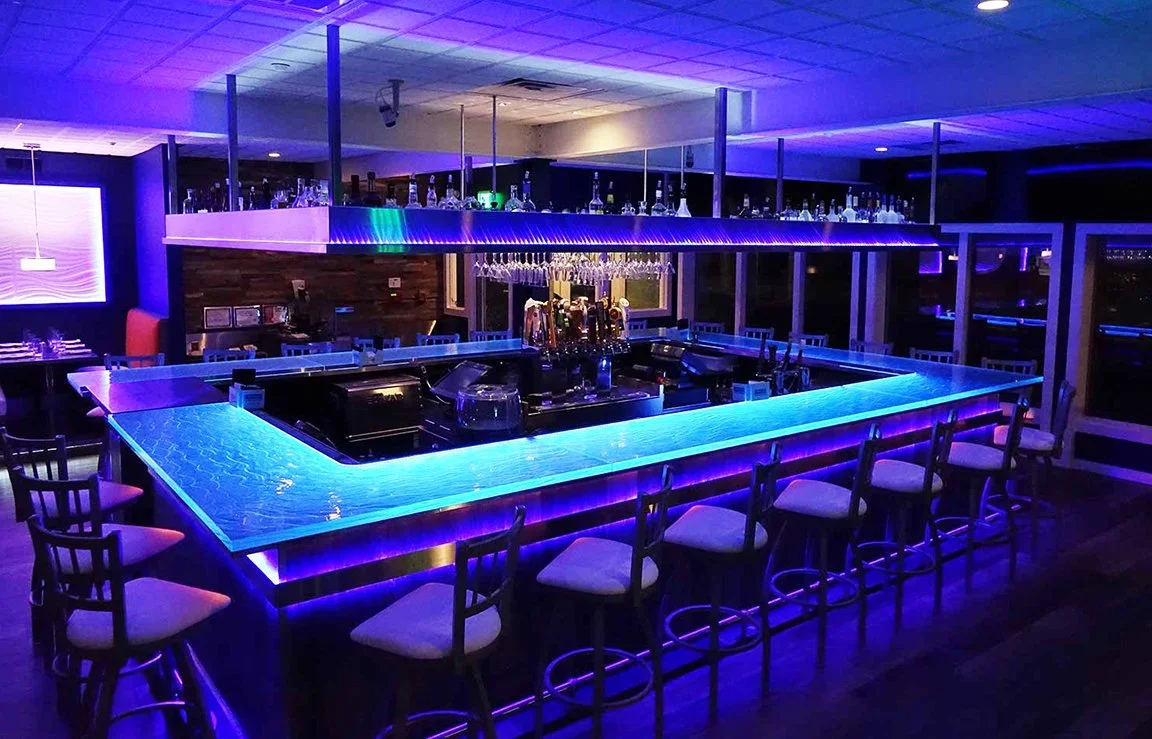
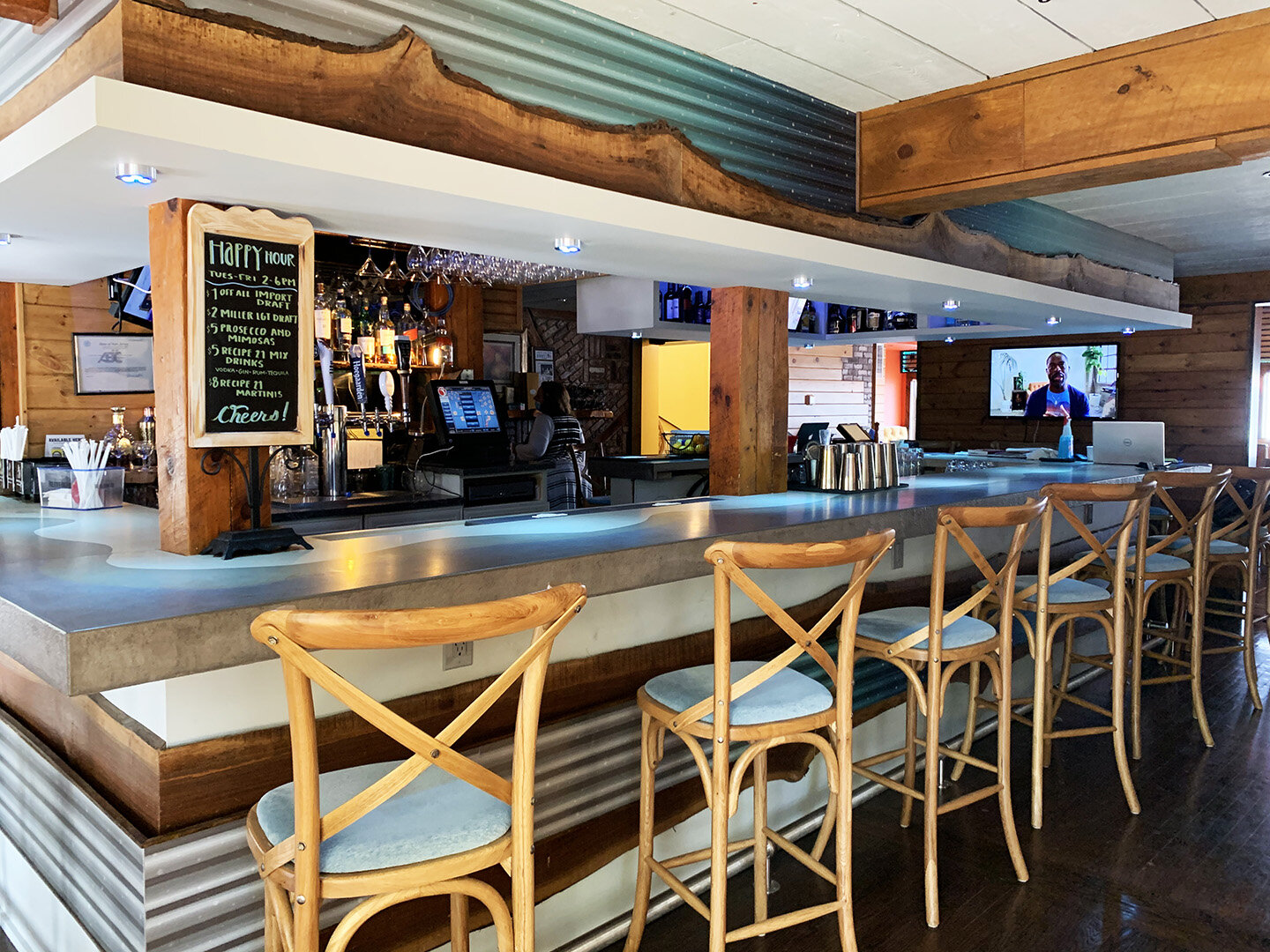
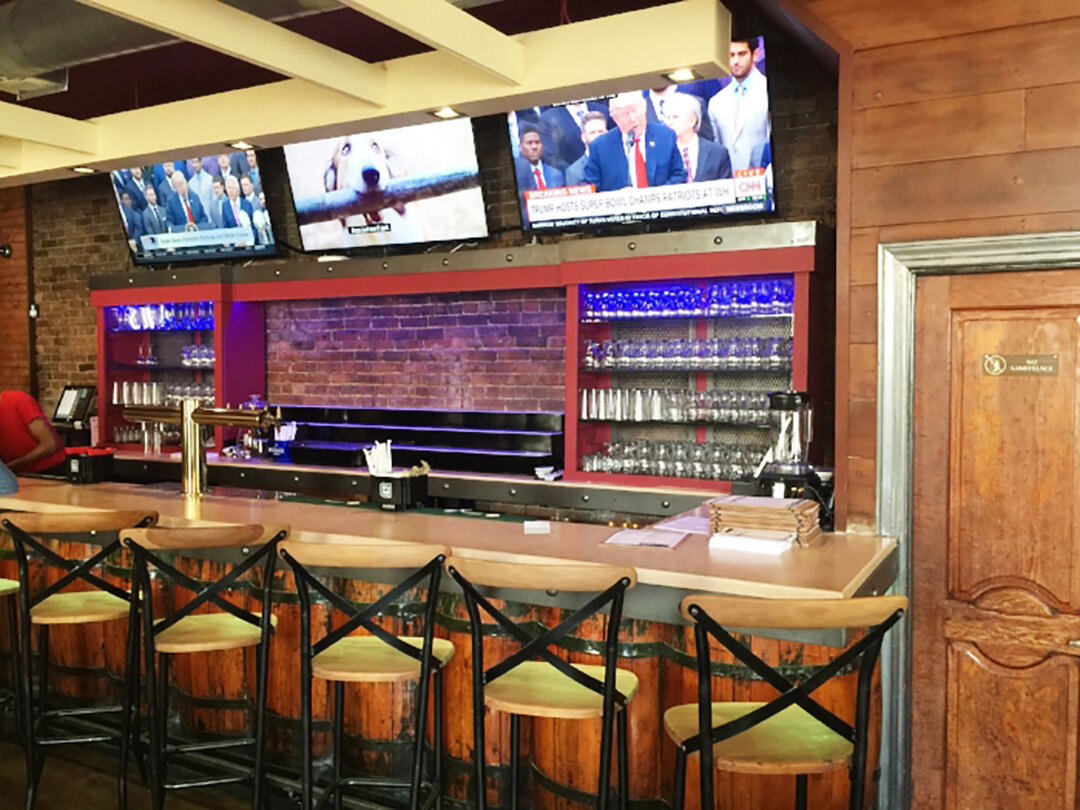
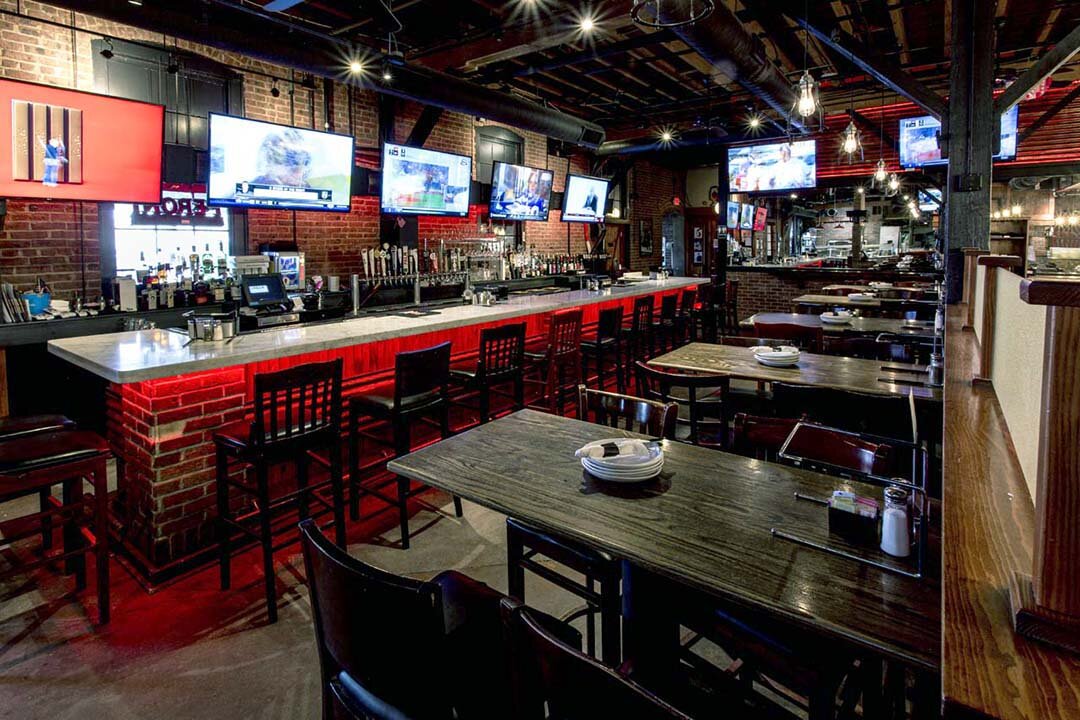
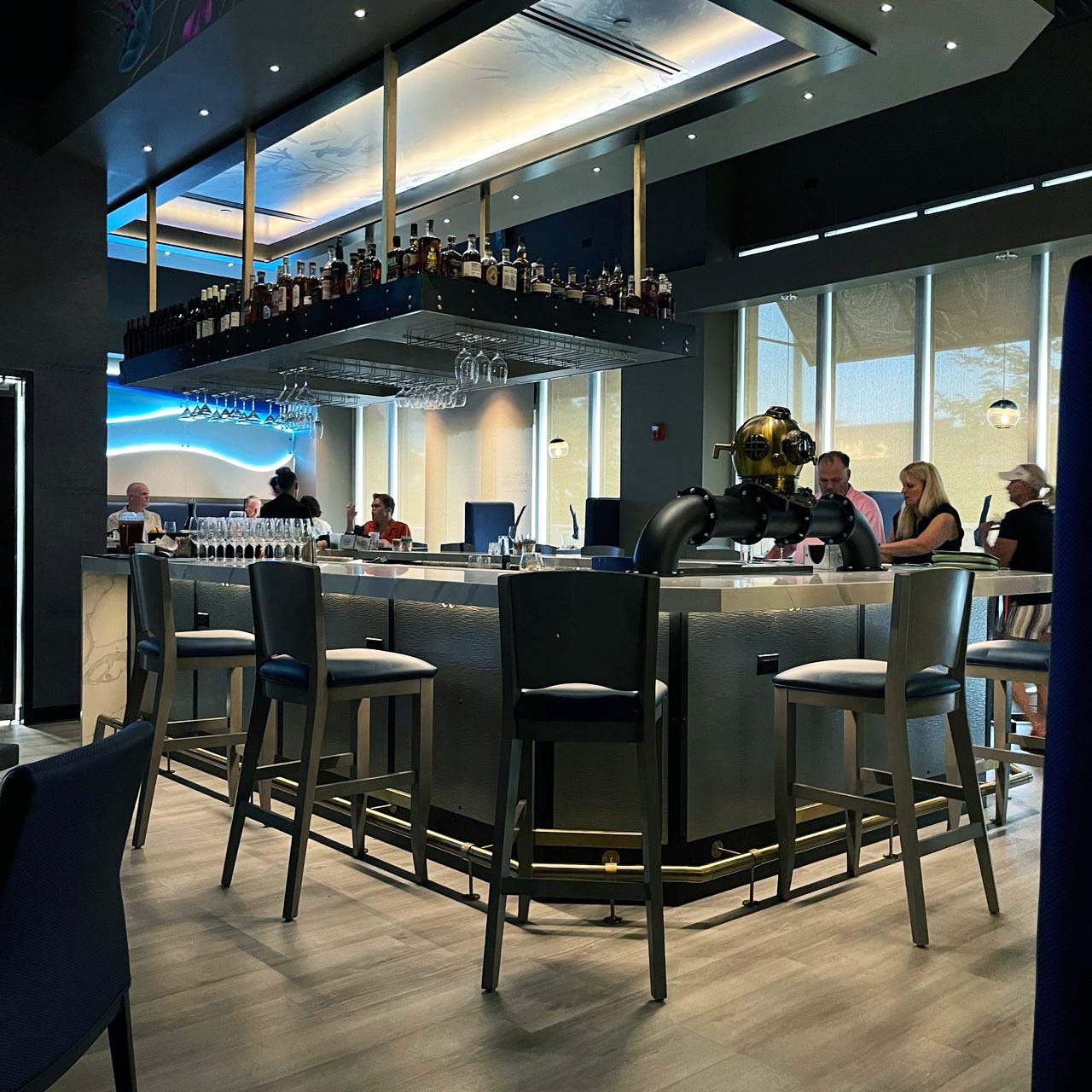
HW restaurant by Raymond Haldeman, NJ restaurant designer

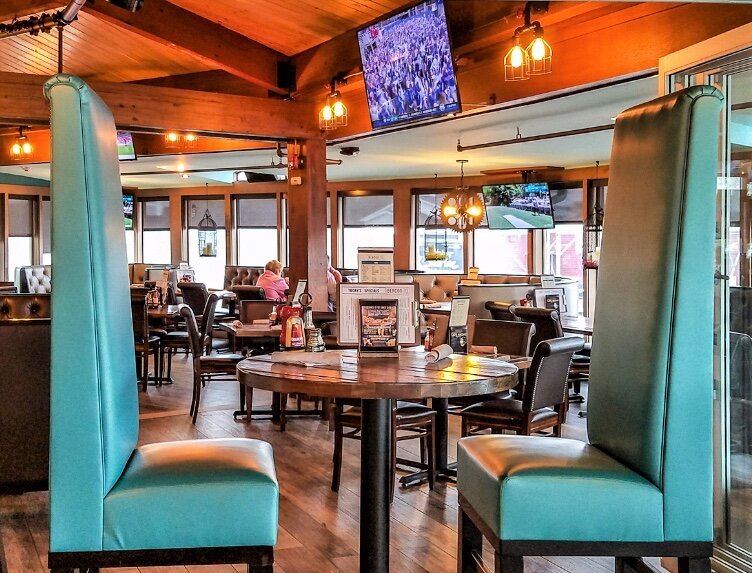
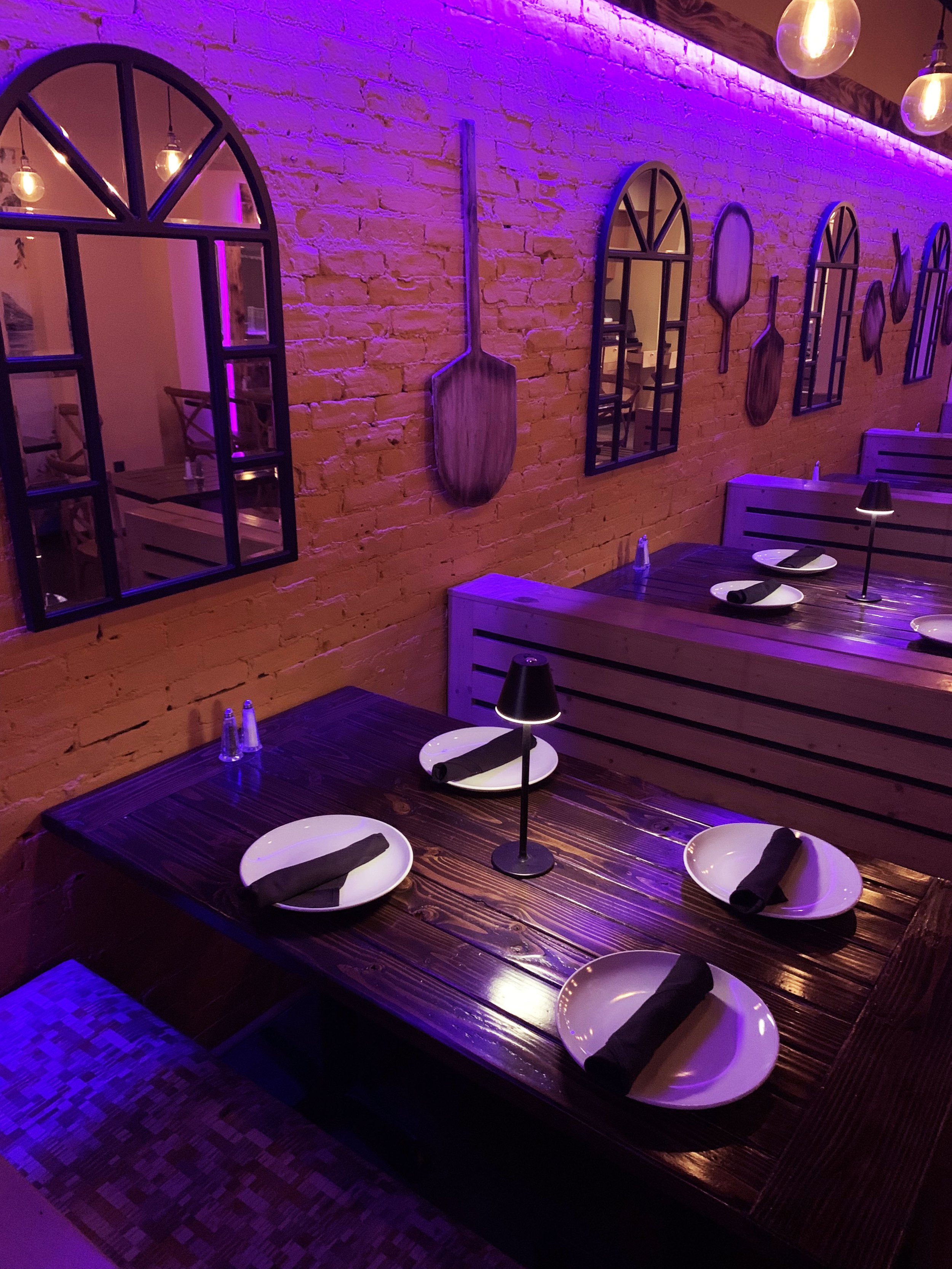
Harpoon Willy’s in Robbinsville, designed by Raymond Haldeman

I'm Raymond Haldeman, The Restaurant Designer, and my approach combines interior design with space planning, restaurant rebranding and the practical realities of running a successful hospitality business.

A restaurant should look memorable.

But just as importantly, it needs to work.

Key Takeaways

  • Restaurant design should balance aesthetics, guest psychology and day-to-day operations.

  • Strategic space planning can improve seating, circulation, service efficiency and the overall guest experience.

  • Restaurant rebranding can reposition an established business and introduce it to a new generation of customers.

  • New Jersey restaurants increasingly compete with destination dining experiences in New York City, Philadelphia and other major markets.

  • An experienced restaurant designer can help protect a significant construction investment by identifying design and planning problems before they become costly mistakes.

Why Your New Jersey Restaurant May Need More Than a Refresh

There is an important difference between refreshing a restaurant and repositioning it.

Changing paint colors, replacing a few light fixtures or purchasing new furniture can improve the appearance of a dining room, but those changes won't necessarily solve deeper problems with the concept.

If the floor plan doesn't work, the bar lacks energy, the lighting is wrong or the interior no longer appeals to your target customer, a cosmetic update may not be enough.

Successful restaurant design brings together several disciplines:

  • Interior design

  • Space planning

  • Lighting

  • Seating

  • Bar design

  • Branding

  • Guest circulation

  • Operational flow

  • Materials and finishes

The objective is to create a restaurant that is visually compelling while functioning efficiently as a business.

That's where a specialized New Jersey restaurant designer can make a significant difference.

New Jersey Restaurants Are Competing on Experience

New Jersey diners have access to an extraordinary range of restaurants.

They can spend an evening in Jersey City or Montclair, drive into Manhattan or Philadelphia, visit the Jersey Shore or choose one of the growing number of sophisticated restaurants throughout the state's suburbs.

That means a New Jersey restaurant isn't simply competing with the restaurant down the street anymore.

It's competing for the guest's entire night out.

Food remains essential, but today's customers also want an environment that feels memorable and distinctive.

They want someplace worth talking about.

Someplace worth photographing.

And, most importantly, someplace they want to experience again.

Good restaurant design helps create that emotional connection.

North Jersey and the Jersey Shore Require Different Design Strategies

One of the reasons restaurant design in New Jersey is so interesting is the variety of markets within the state.

A successful concept in Jersey City won't necessarily translate directly to a restaurant at the Shore.

North Jersey Restaurant Design

Markets such as Jersey City, Hoboken, Montclair and surrounding North Jersey communities often compete directly with New York City.

Guests are accustomed to sophisticated restaurants, dramatic interiors and highly developed concepts.

These locations may benefit from stronger urban energy, efficient space planning and distinctive design elements that give the restaurant an immediate identity.

In higher-density locations, every square foot becomes particularly valuable.

Jersey Shore Restaurant Design

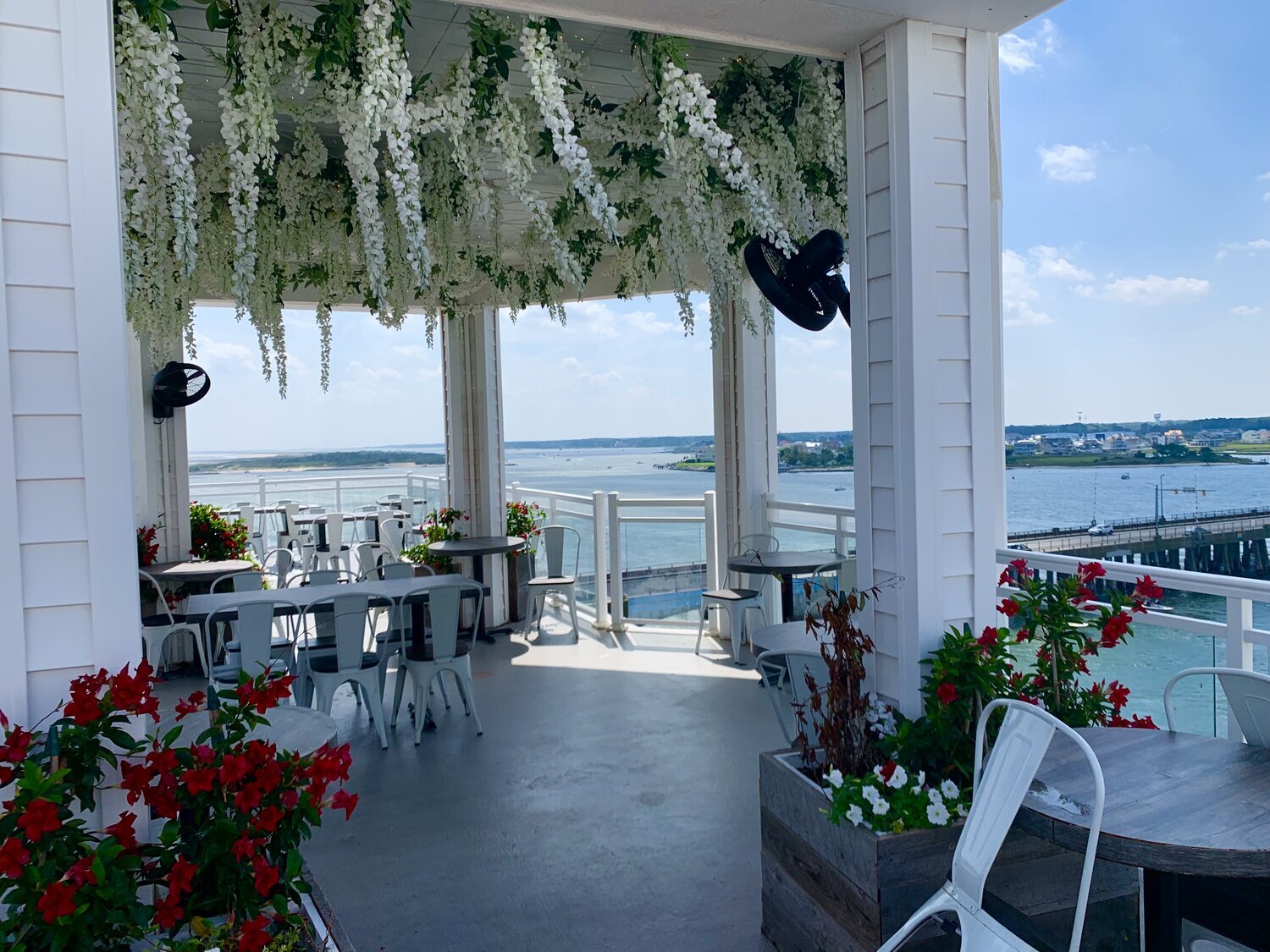
The Jersey Shore presents a different challenge.

Many restaurants experience enormous seasonal demand while still needing to feel comfortable and inviting during quieter months.

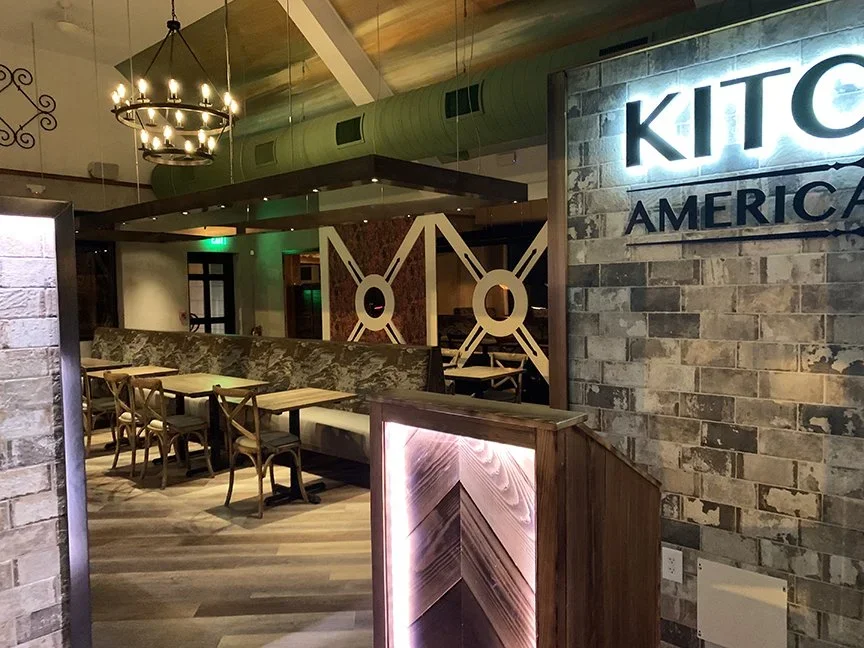
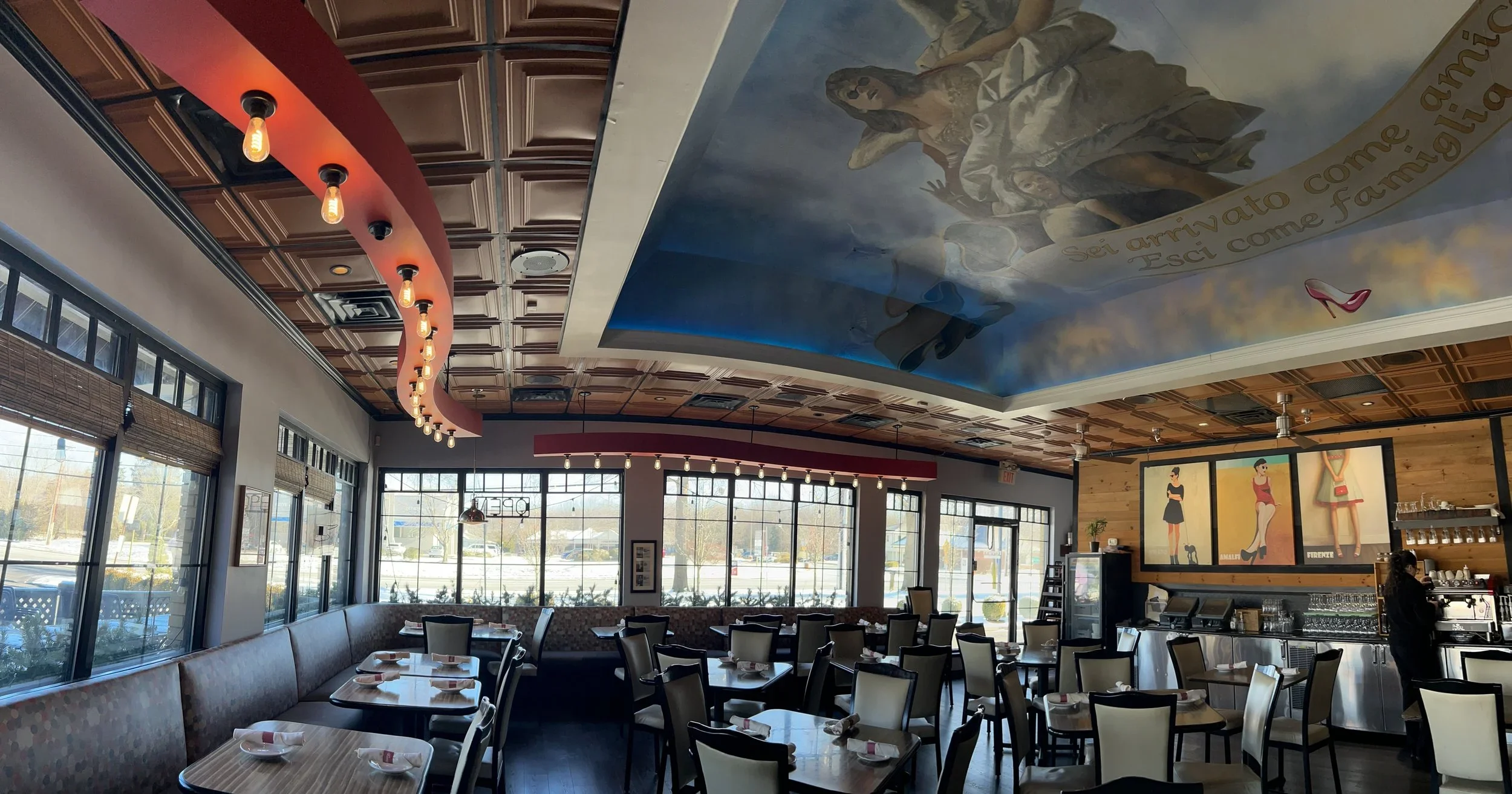
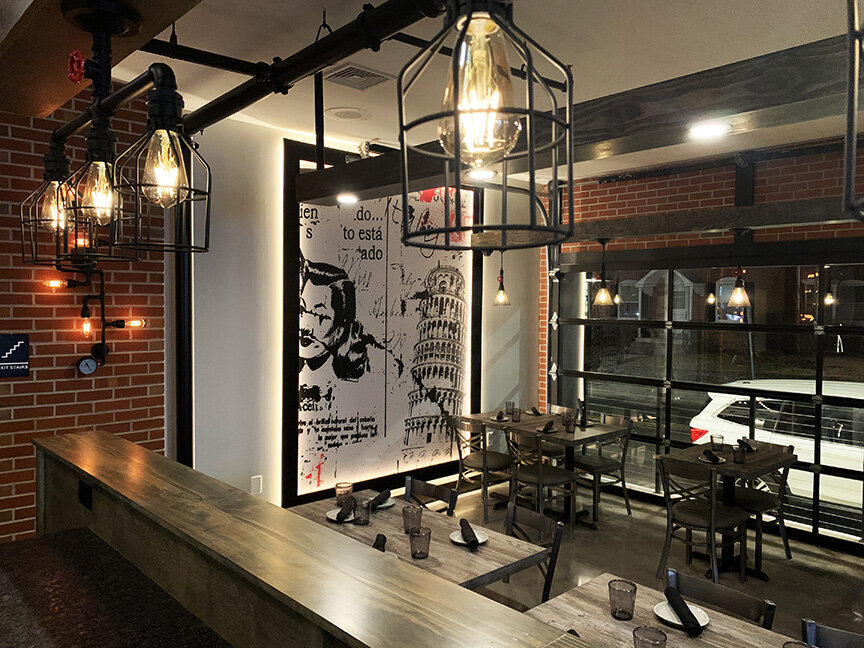
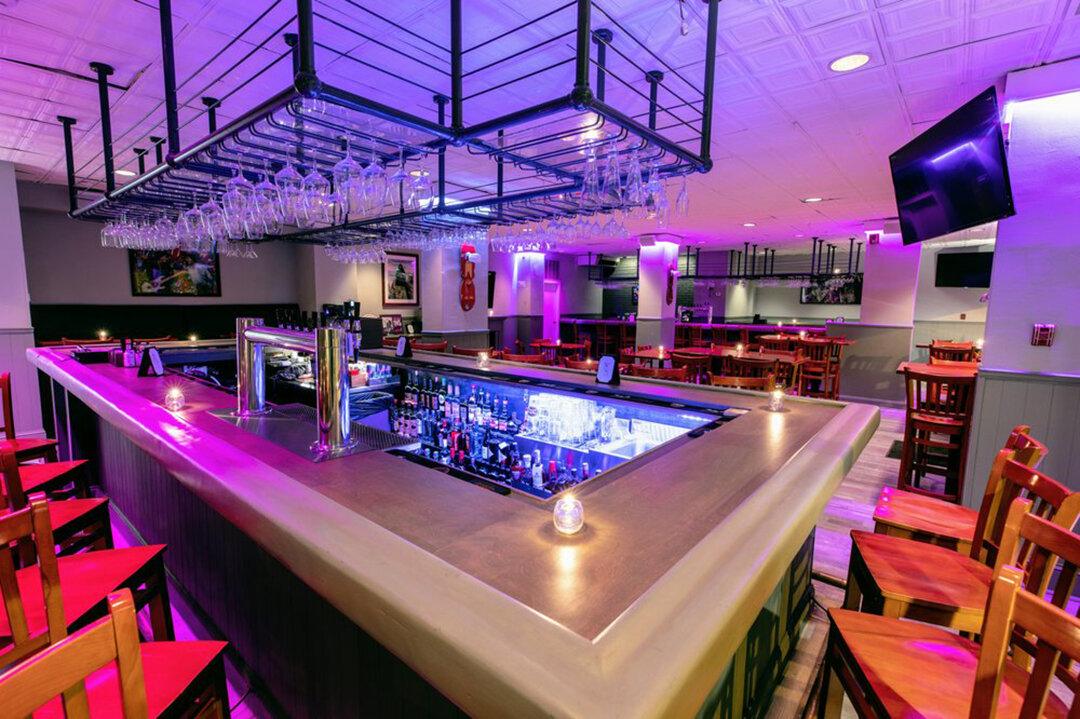
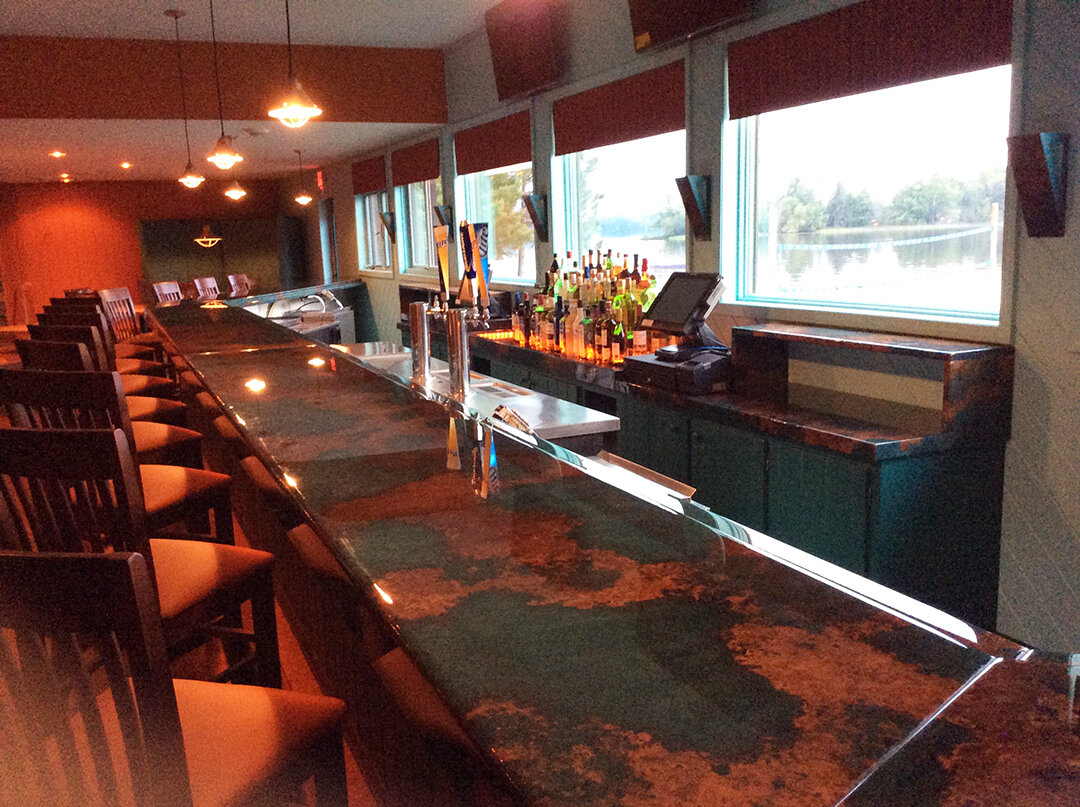
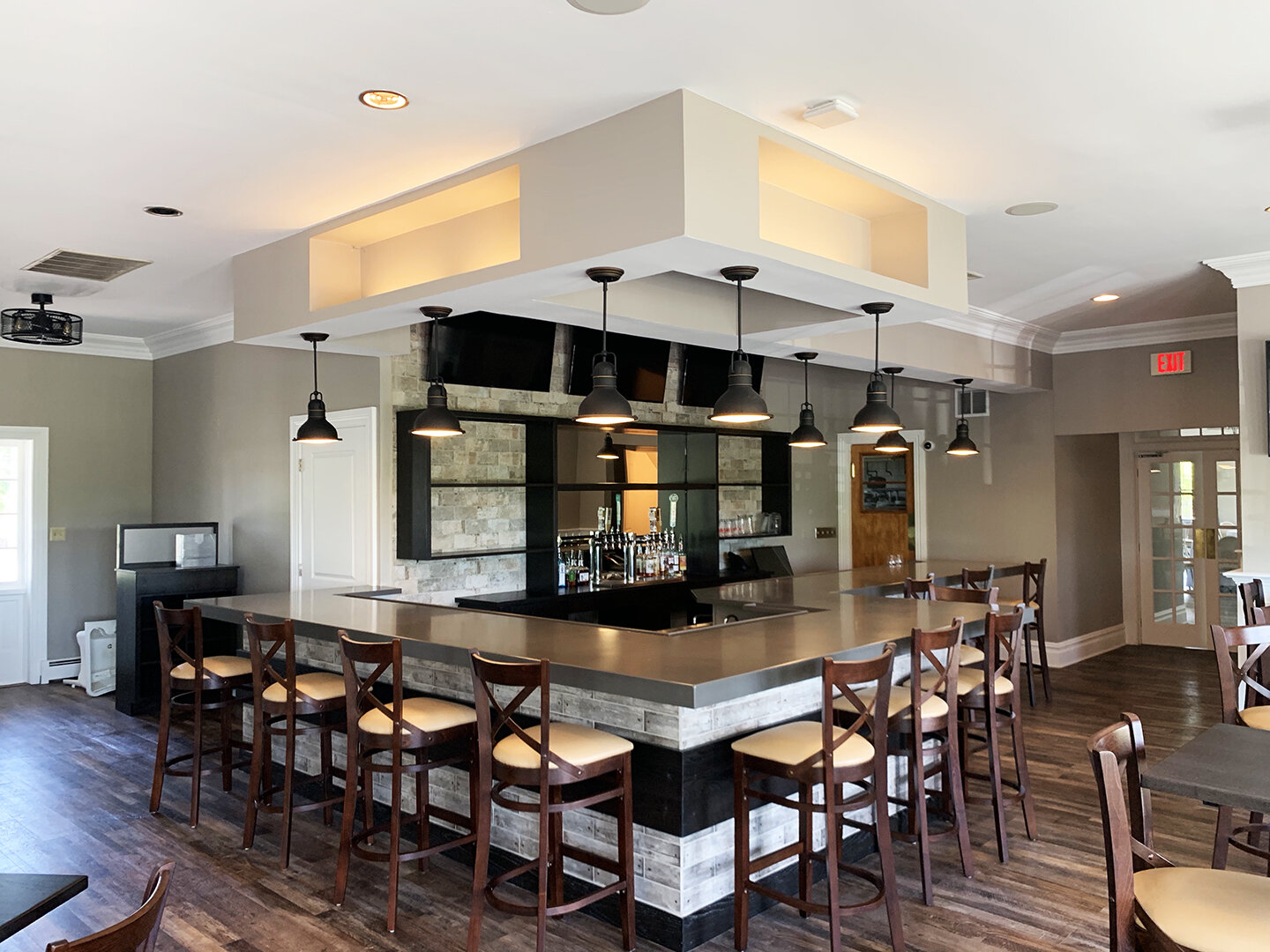
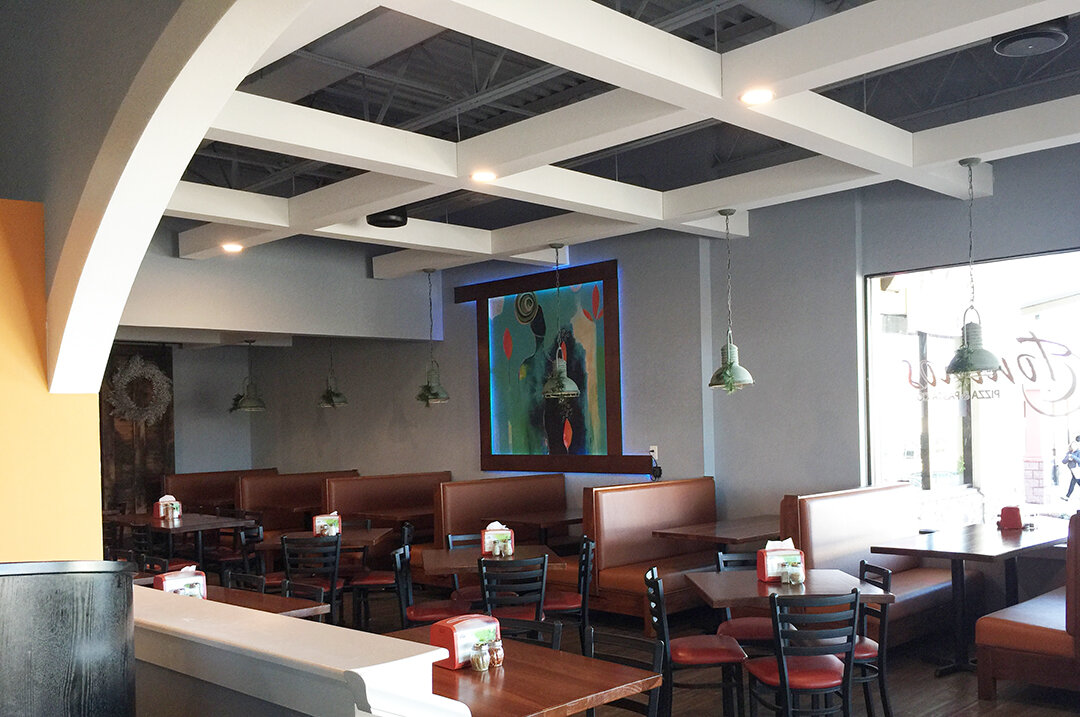
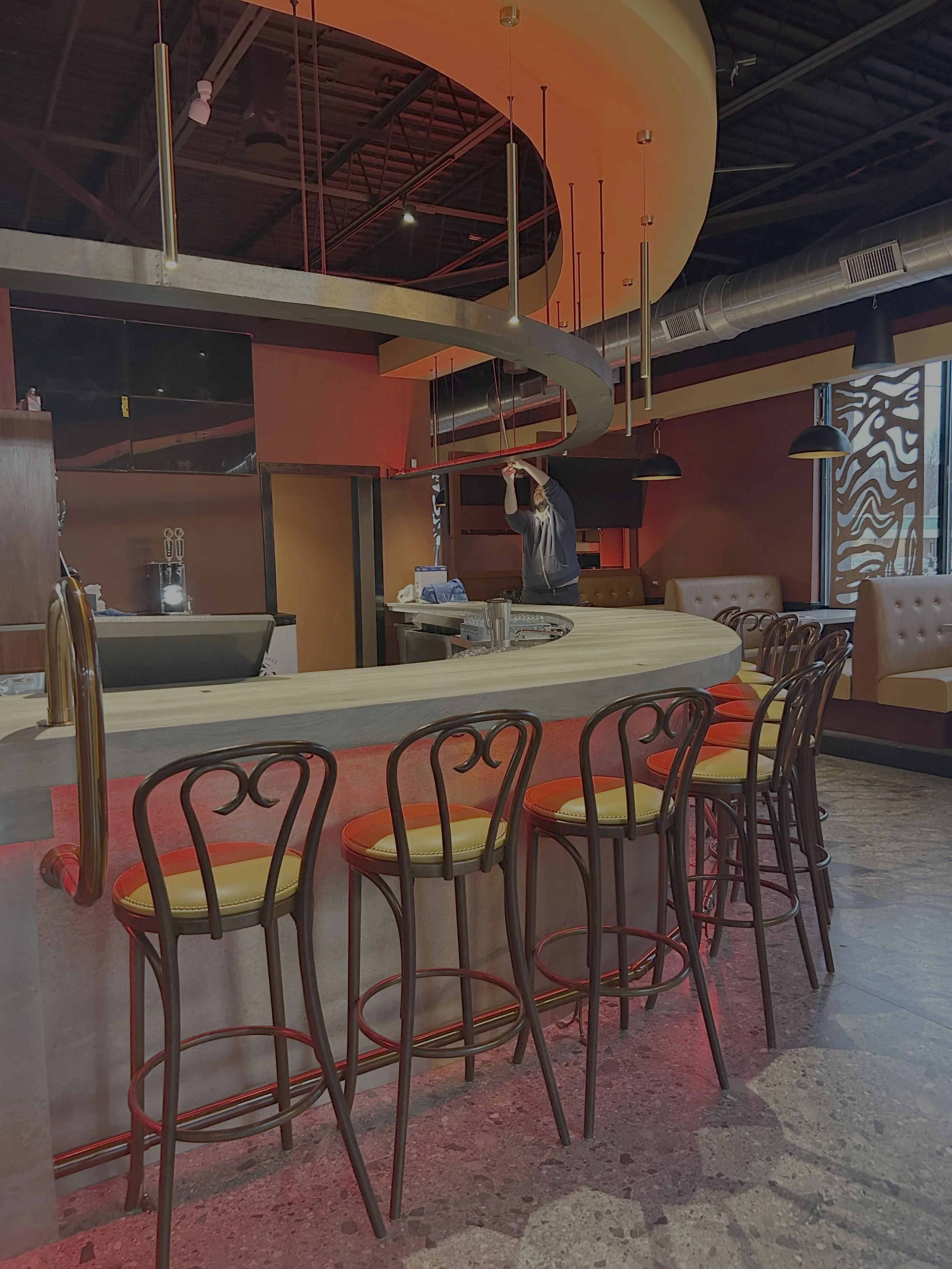
New Jersey restaurant interior designer project

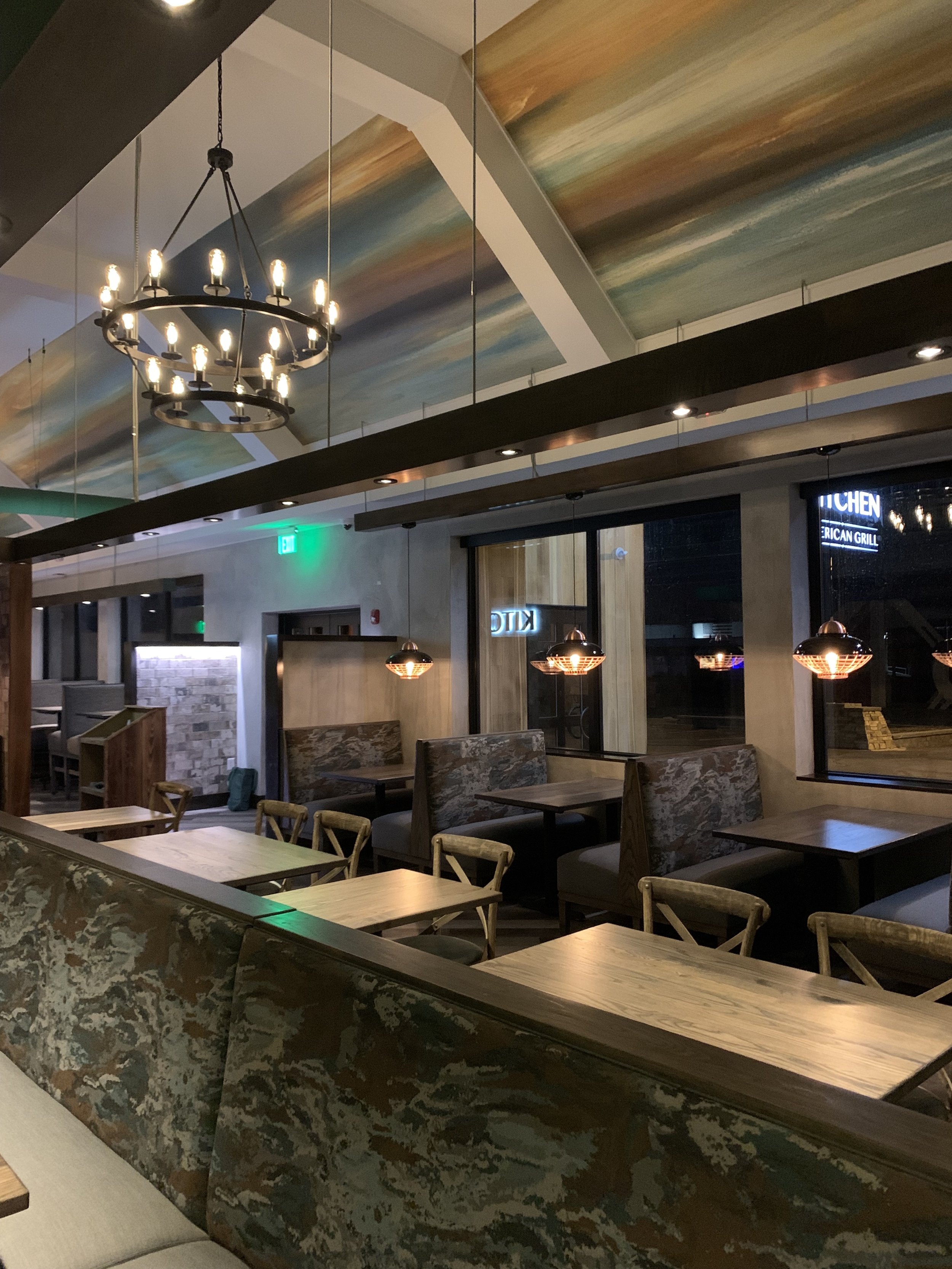
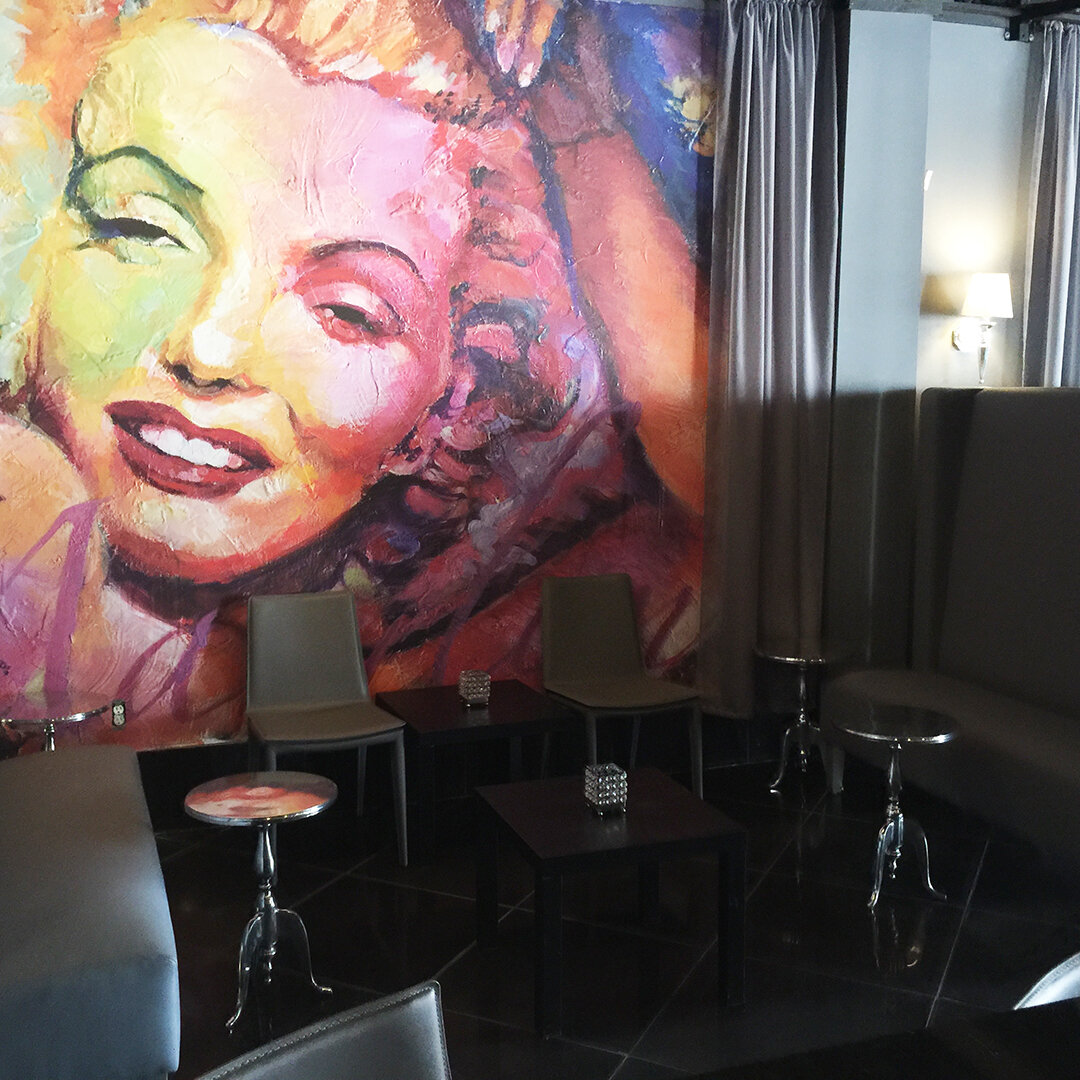
Kitchen American Grill, Whitehouse Station, NJ, designed by Raymond Haldeman

A large dining room that feels energetic on a Saturday night in July shouldn't feel empty and cavernous in February.

Thoughtful seating zones, lighting, flexible layouts and architectural features can help the restaurant adapt throughout the year.

An experienced New Jersey Restaurant Interior Designer should understand these differences rather than applying the same formula to every project.The ROI of Professional Restaurant Rebranding in the Tri-State Area

Restaurant Design Is About More Than What Guests See

Some of the most important elements of restaurant design aren't immediately obvious.

Guests may not consciously analyze the acoustics, lighting temperature or texture of a wall, but those elements affect how they experience the room.

Together, they create what people often describe simply as the vibe.

Lighting

Lighting has an enormous influence on the personality of a restaurant.

Too bright and the room can feel institutional.

Too dark and the food, faces and architectural details disappear.

The goal is to create layers of lighting that make the restaurant flattering, comfortable and visually interesting.

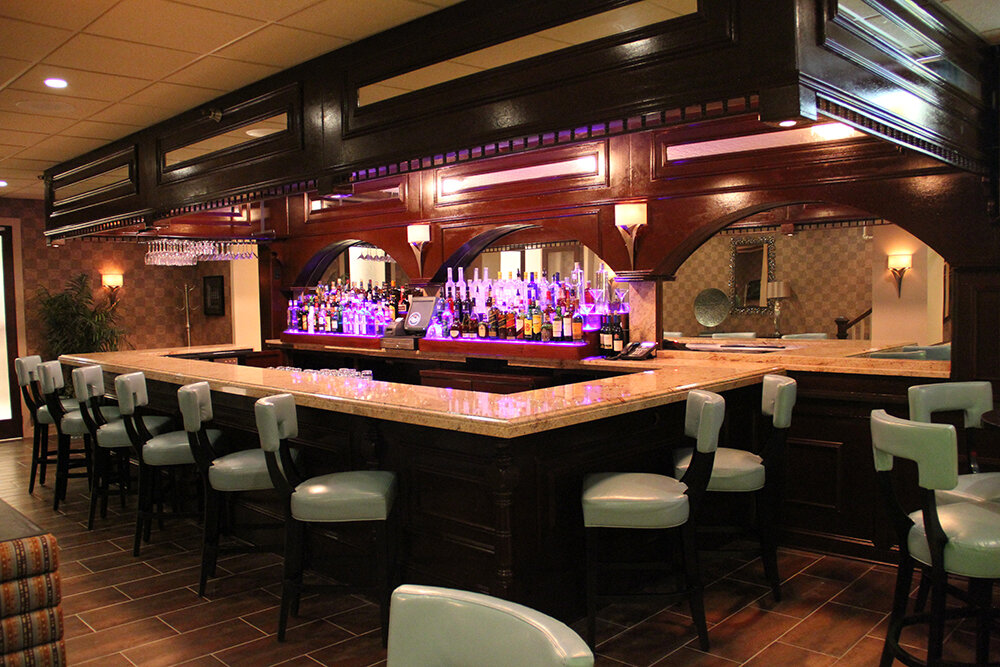
Bars deserve particular attention.

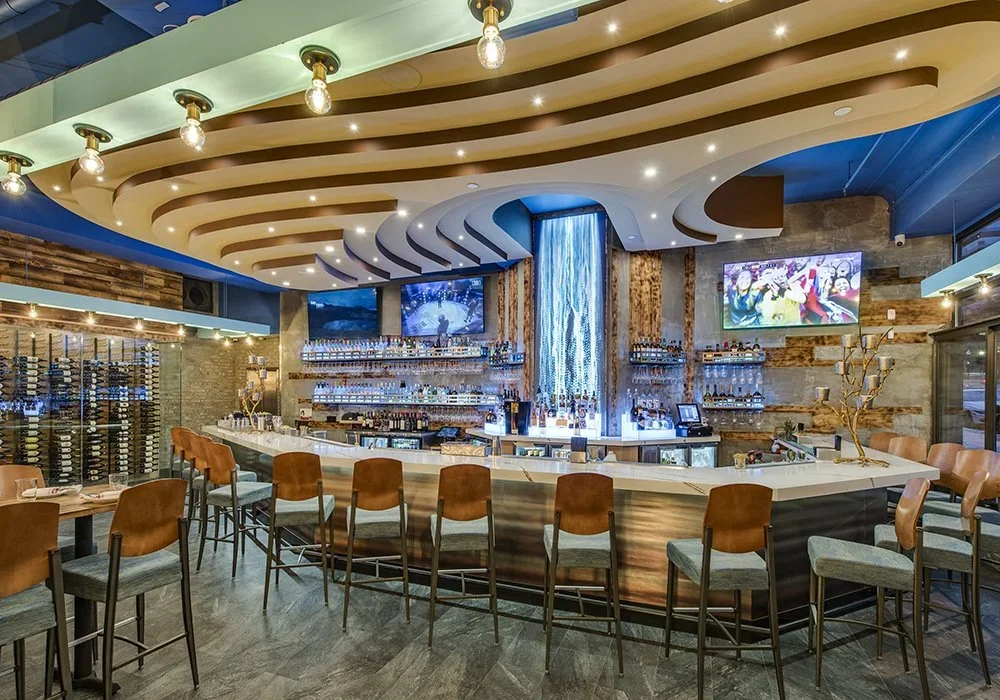
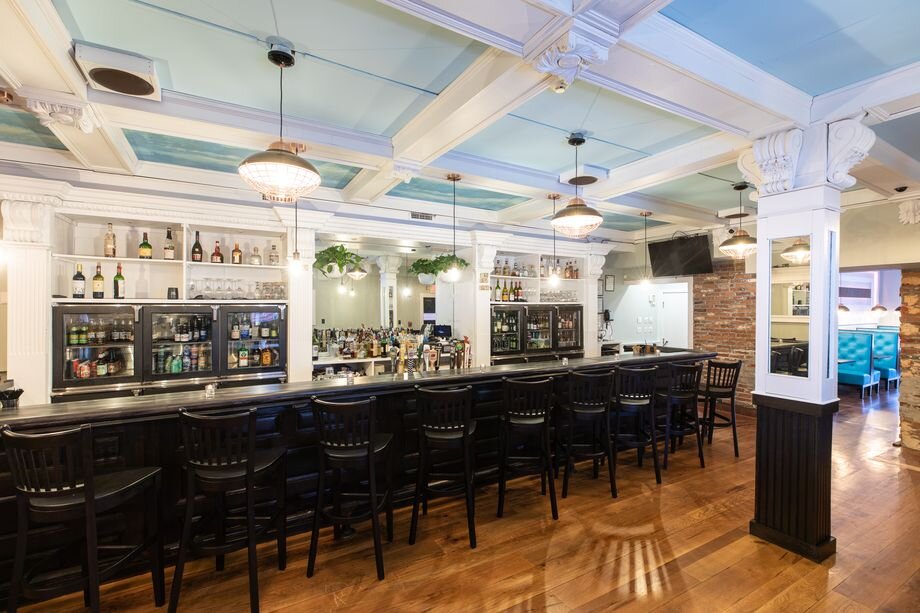
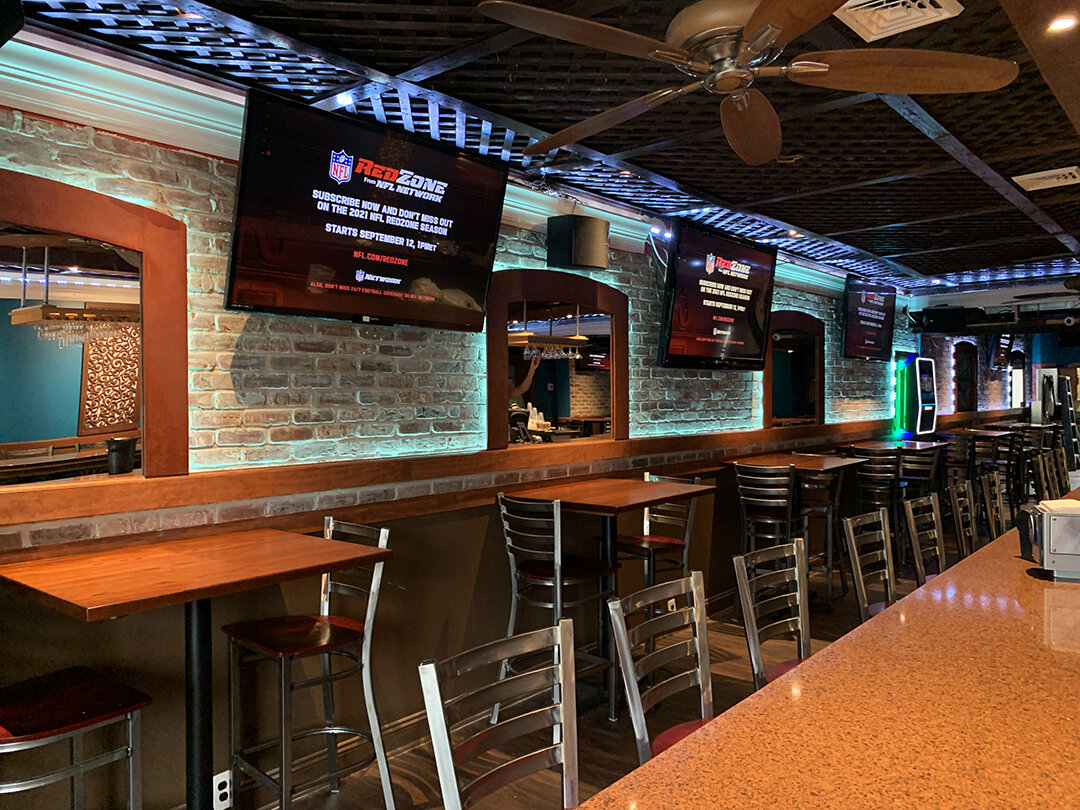
Back-bar lighting, bottle displays, decorative fixtures and architectural lighting can turn a bar into one of the strongest focal points in the restaurant.

Acoustics

Restaurants need energy, but there is a difference between energetic and uncomfortable.

If guests have to shout across the table, they may not stay for another drink or dessert.

Acoustic materials, upholstery, ceiling treatments and thoughtful space planning can help control sound without eliminating the lively atmosphere that makes a restaurant exciting.

Materials and Texture

Stone, wood, metal, tile, fabrics and textured surfaces give a restaurant depth and personality.

The materials don't necessarily need to be expensive.

They need to be appropriate, intentional and well composed.

A thoughtfully designed environment can strengthen the perceived value of the entire dining experience.

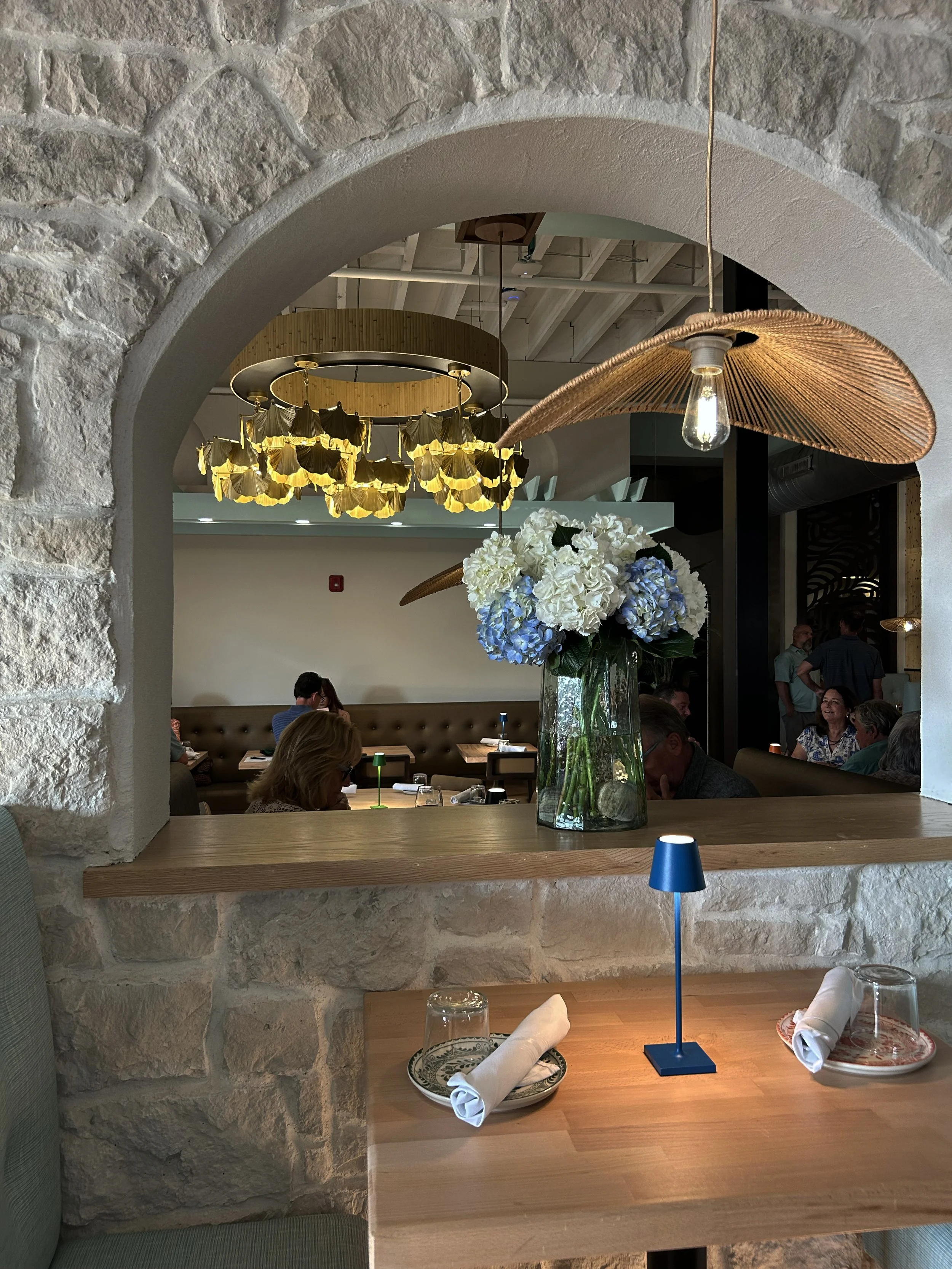
[PHOTO PLACEMENT #3 — DETAIL SHOT]
Suggested image: Lighting, wall texture, bar detail or custom restaurant feature
Suggested alt text: Custom restaurant interior design details in New Jersey

The Value of Professional Restaurant Rebranding

There comes a point when an established restaurant may need more than a renovation.

It may need a new identity.

A successful restaurant rebranding can change the way both existing and potential customers perceive the business.

That doesn't always mean abandoning everything that made the restaurant successful.

Often, the smartest strategy is to identify what still has value, eliminate what feels dated and build a stronger concept around the best parts of the existing business.

A rebranding may include:

  • Interior redesign

  • New space planning

  • Updated seating

  • Bar redesign

  • Lighting

  • New finishes and materials

  • Signage and graphics

  • Logo and visual identity

  • Menu presentation

  • Exterior improvements

  • A new overall guest experience

When all of these elements tell the same story, the transformation becomes much more powerful than a simple renovation.

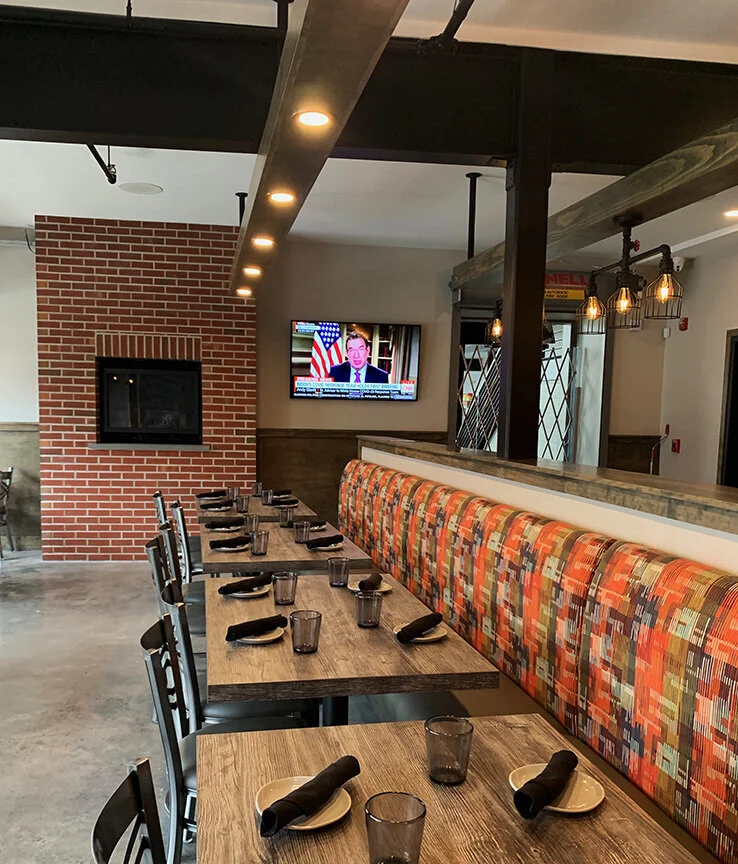
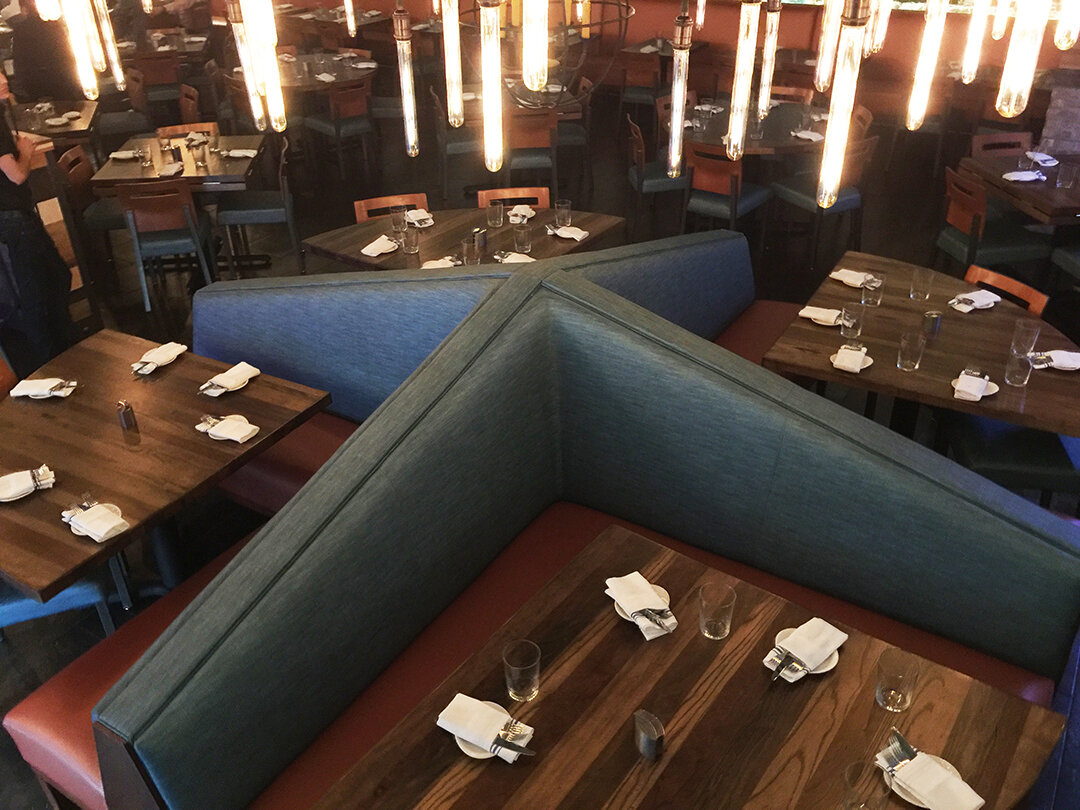
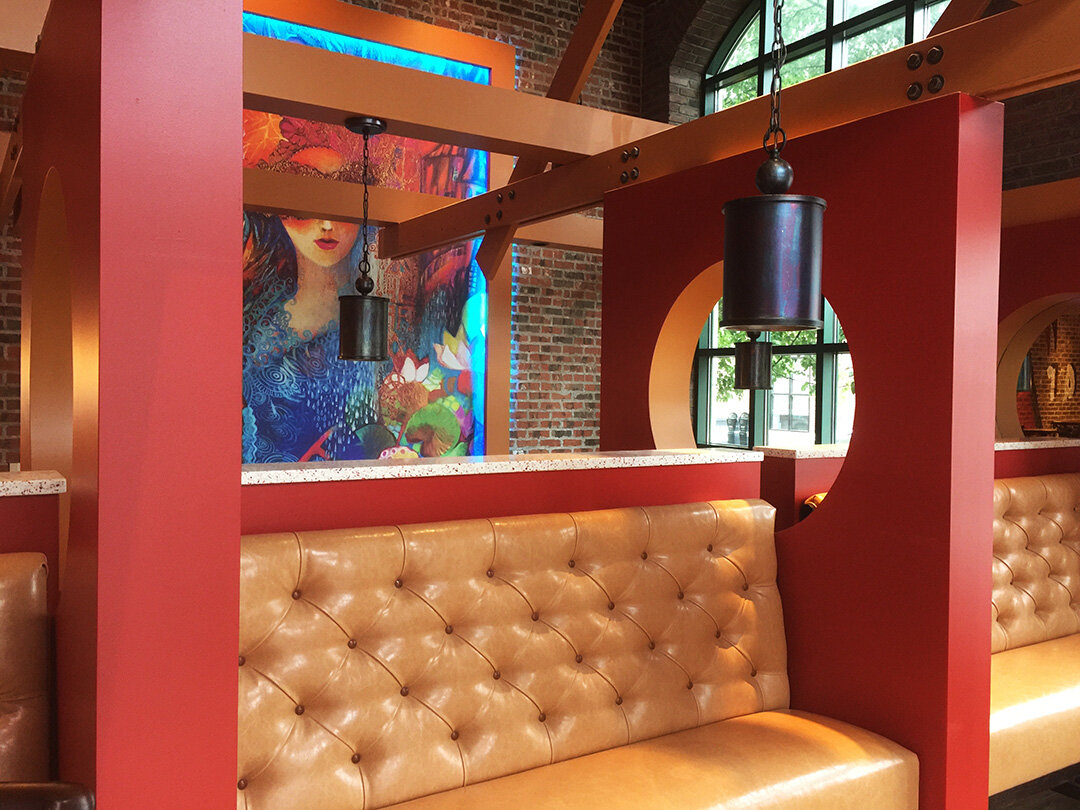
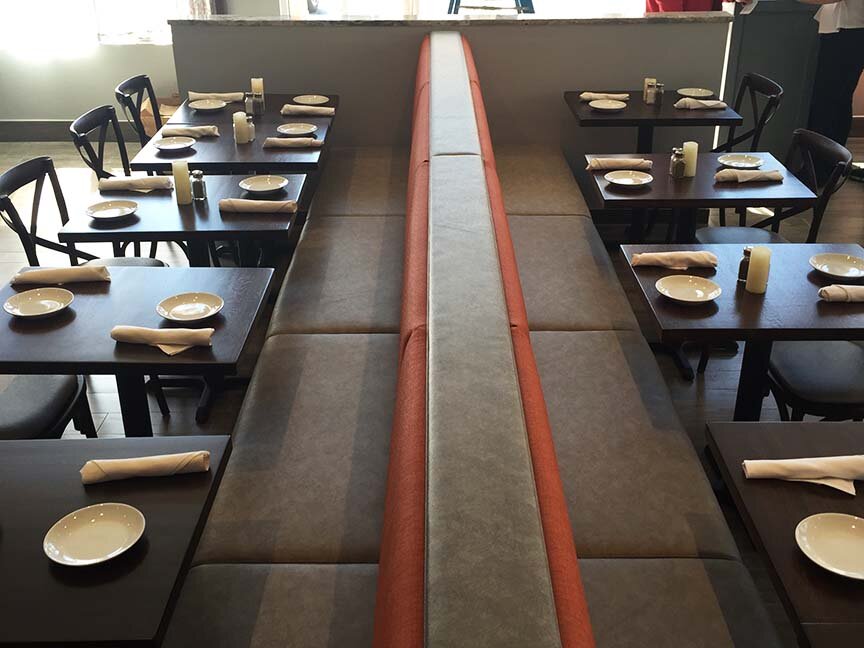
restaurant designer Raymond Haldeman displays his banquette design

Banquette seating designed by Raymond Haldeman, The Restaurant Designer

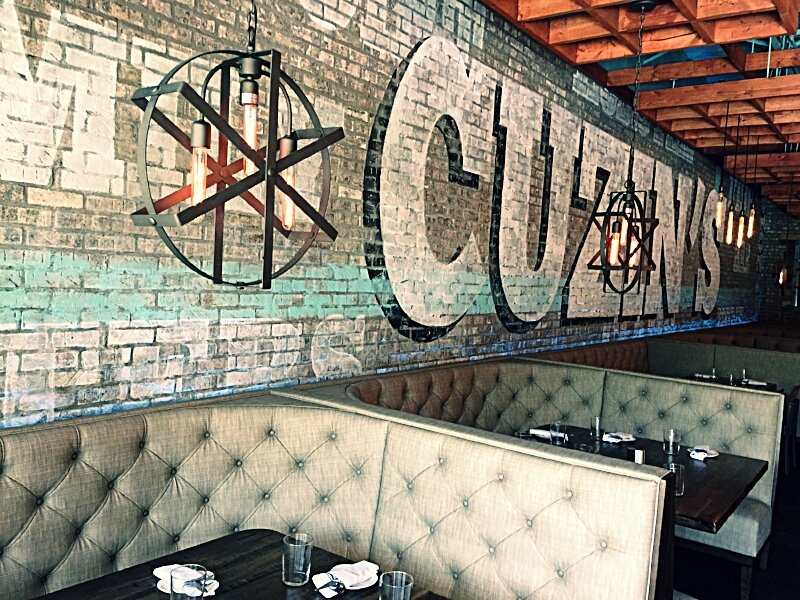
  • Booths: These increase guest comfort and encourage higher check averages through longer stays.

  • Communal Seating: This maximizes density during peak weekend hours without sacrificing the energy of the room.

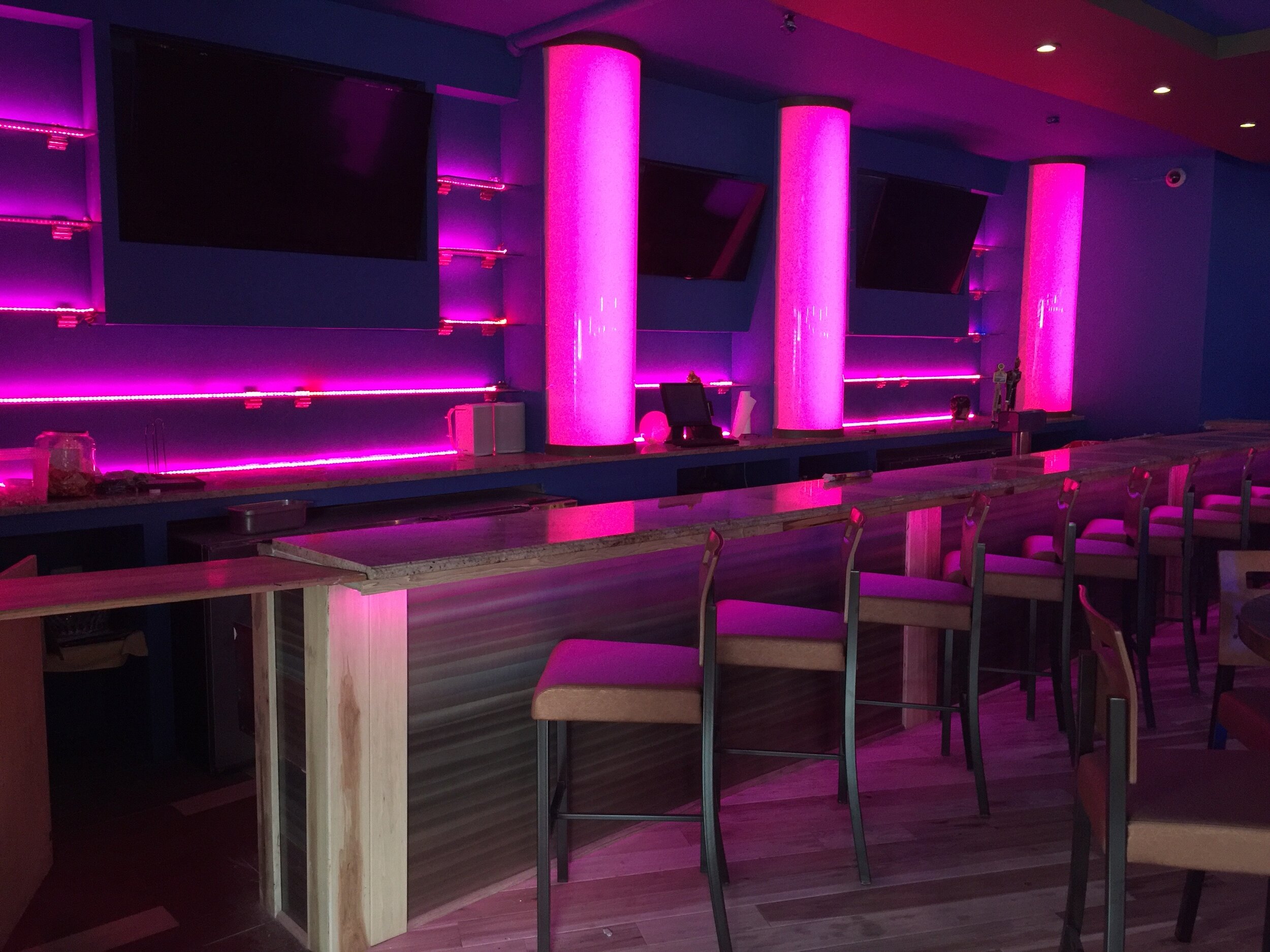
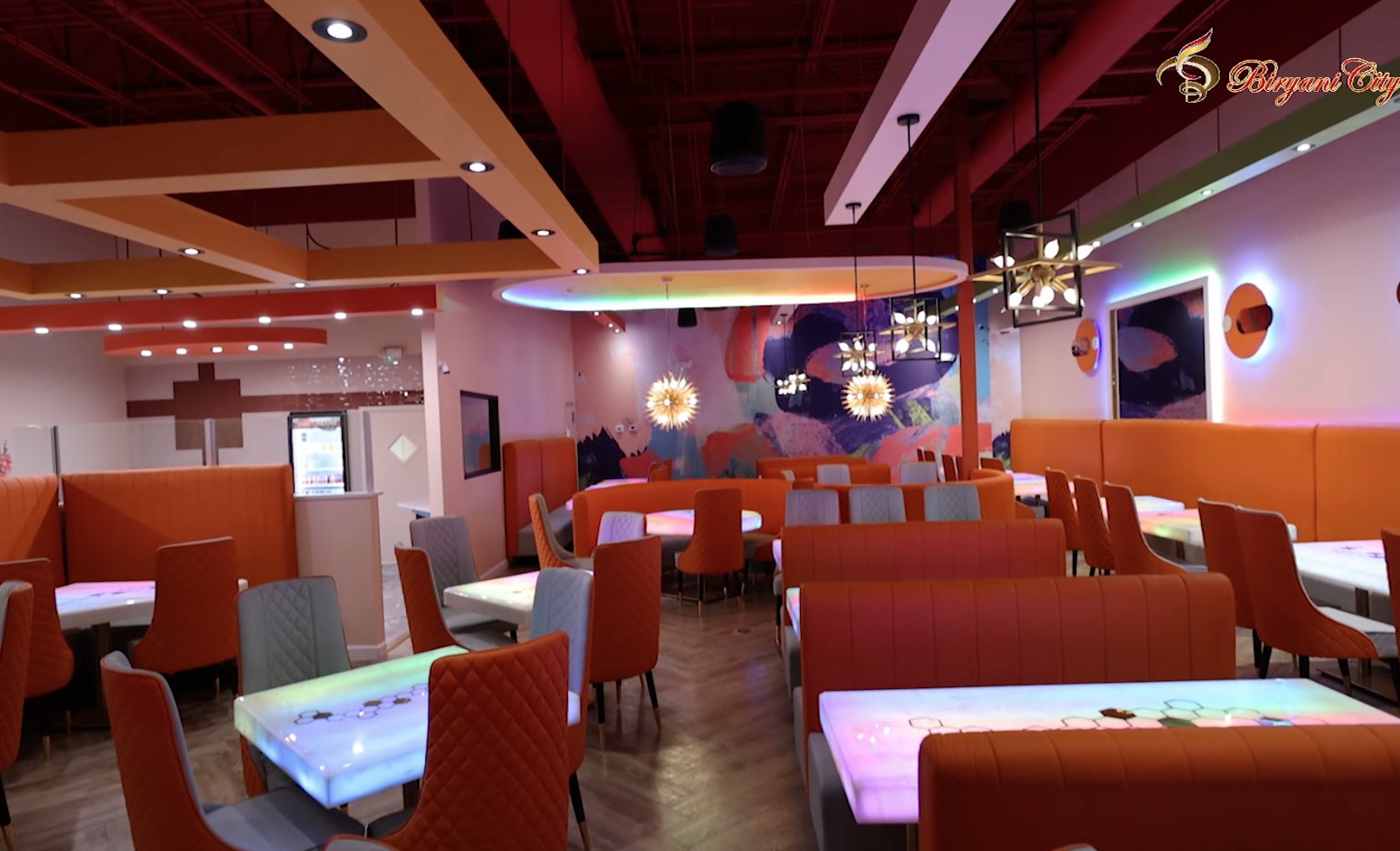
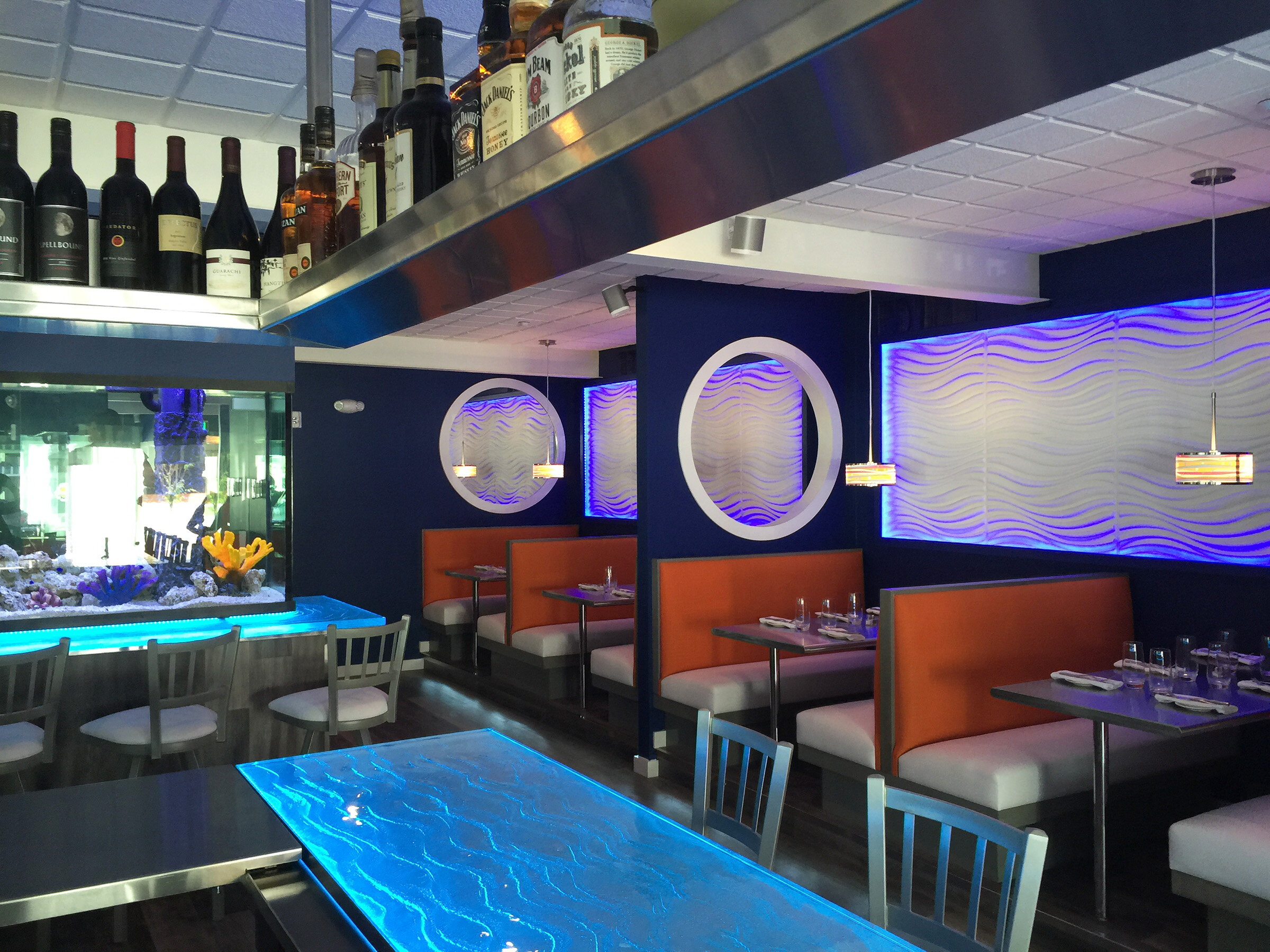
  • Vibe Dining: Integrating elements like LED mood lighting extends guest stays and drives high-margin drink orders.

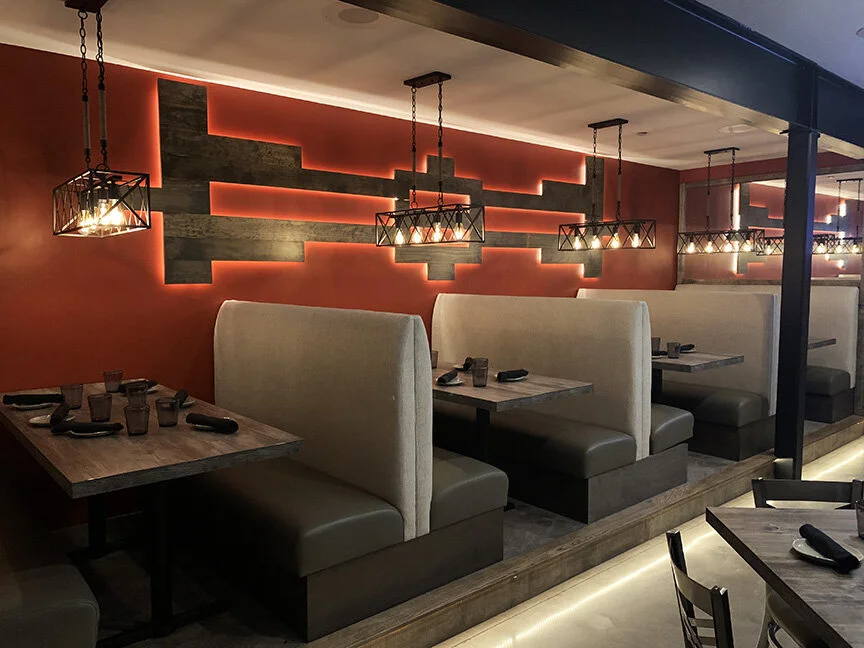
booths designed by Raymond Haldeman the restaurant designer

Elevated booth seating designed by Raymond Haldeman, The Restaurant Designer

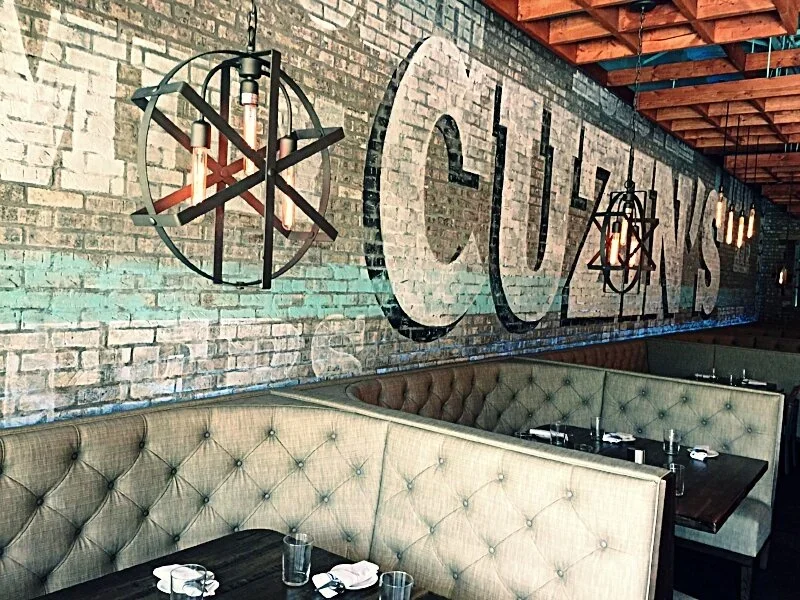
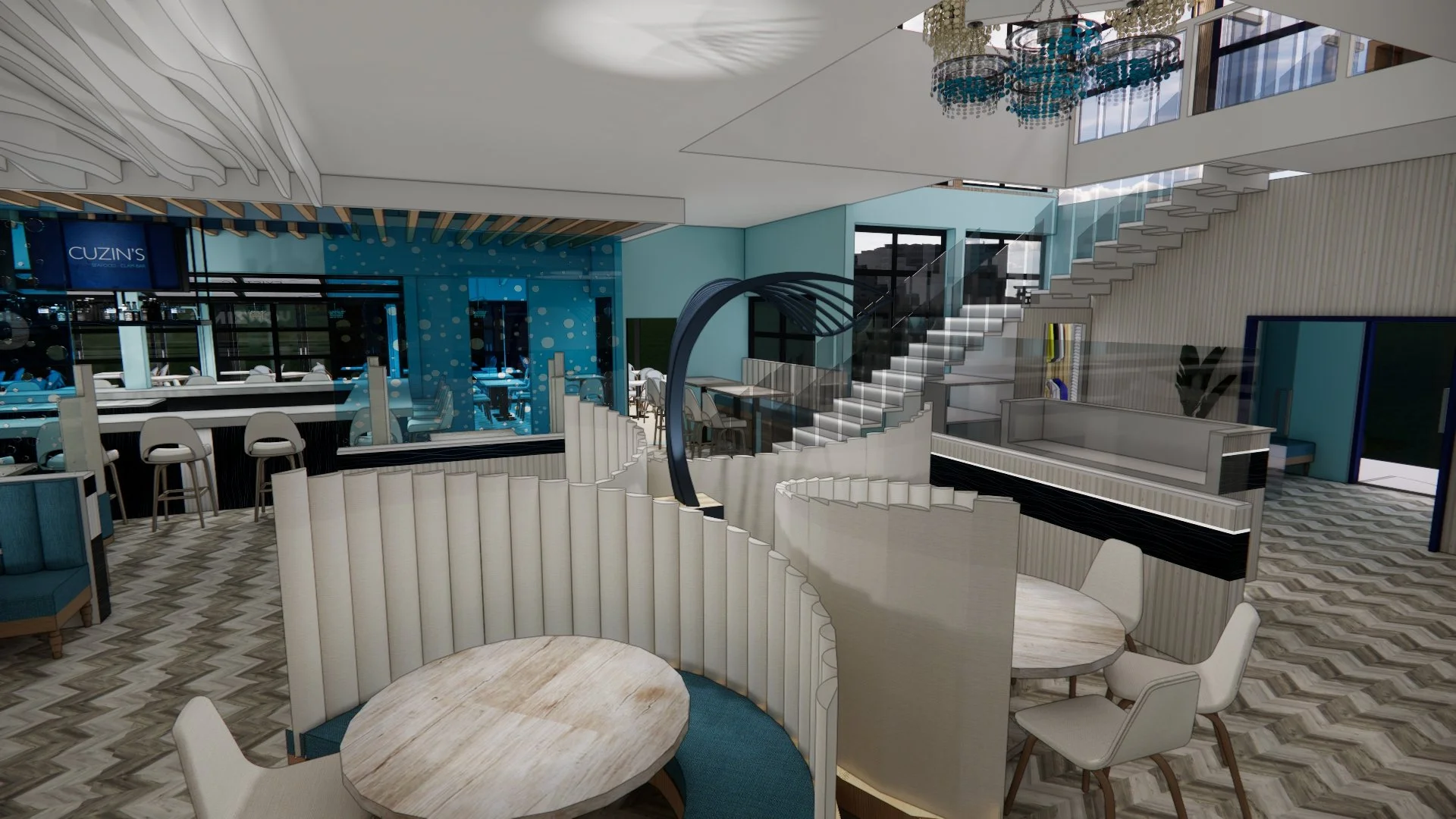
Cuzin's Seafood & Clam Bar: A New Jersey Restaurant Transformation

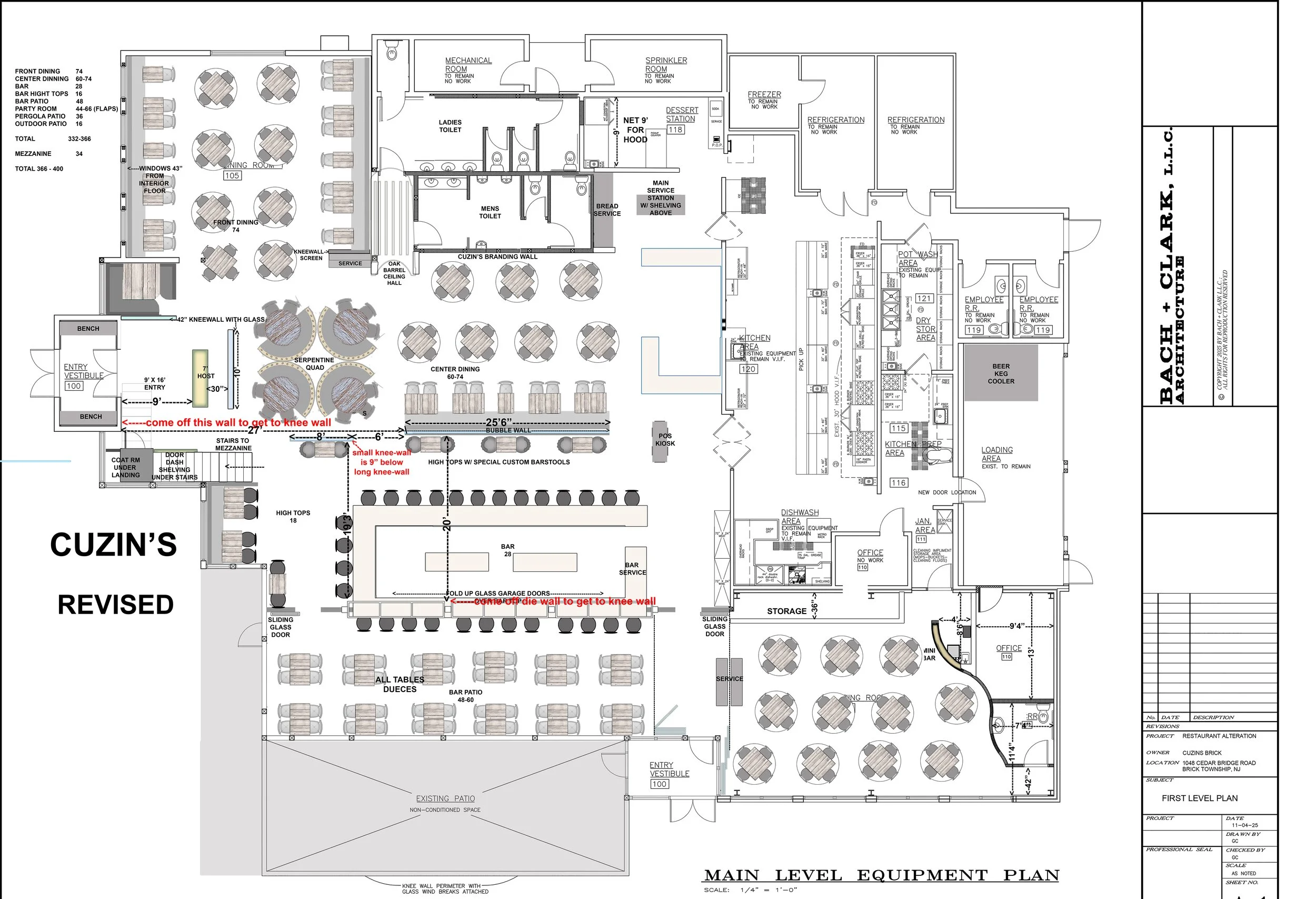
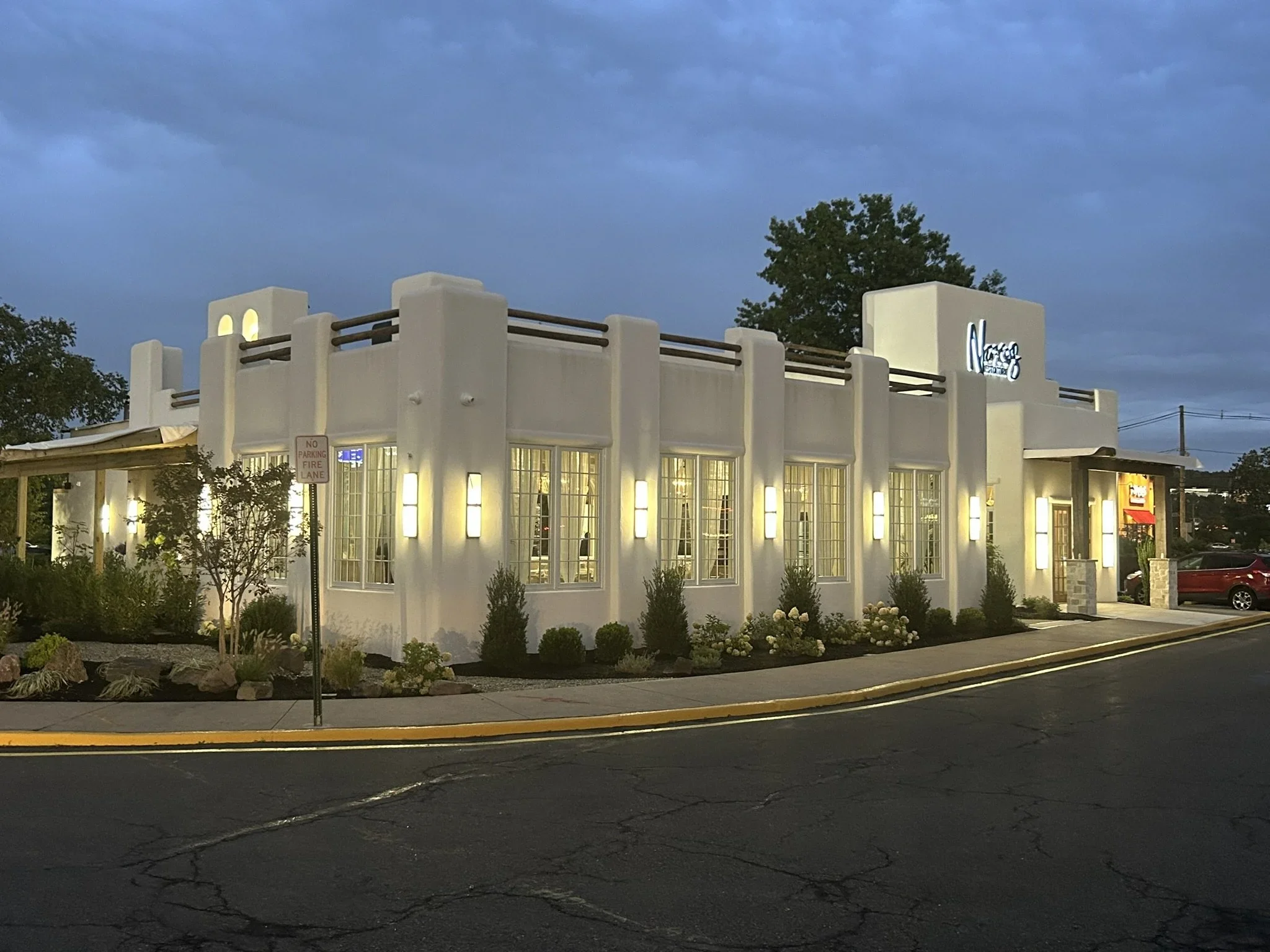
My designing of Cuzin's Seafood & Clam Bar in Marlboro, New Jersey and subsequently Cuzin’s Seafood in New Brunswick, NJ and Cuzin’s Seafood in Brick, NJ (nearing completion) is a good example of how restaurant design can help support the growth and evolution of an established concept.

The objective wasn't simply to make the restaurant larger.

The expanded environment needed to feel like a natural evolution of the Cuzin's brand while creating a stronger, more contemporary dining experience.

Space planning, visual impact and atmosphere all needed to work together.

That's an important distinction.

When a restaurant expands or reinvents itself, more square footage isn't automatically better.

The additional space needs to be planned and designed in a way that strengthens the restaurant rather than simply making it bigger.

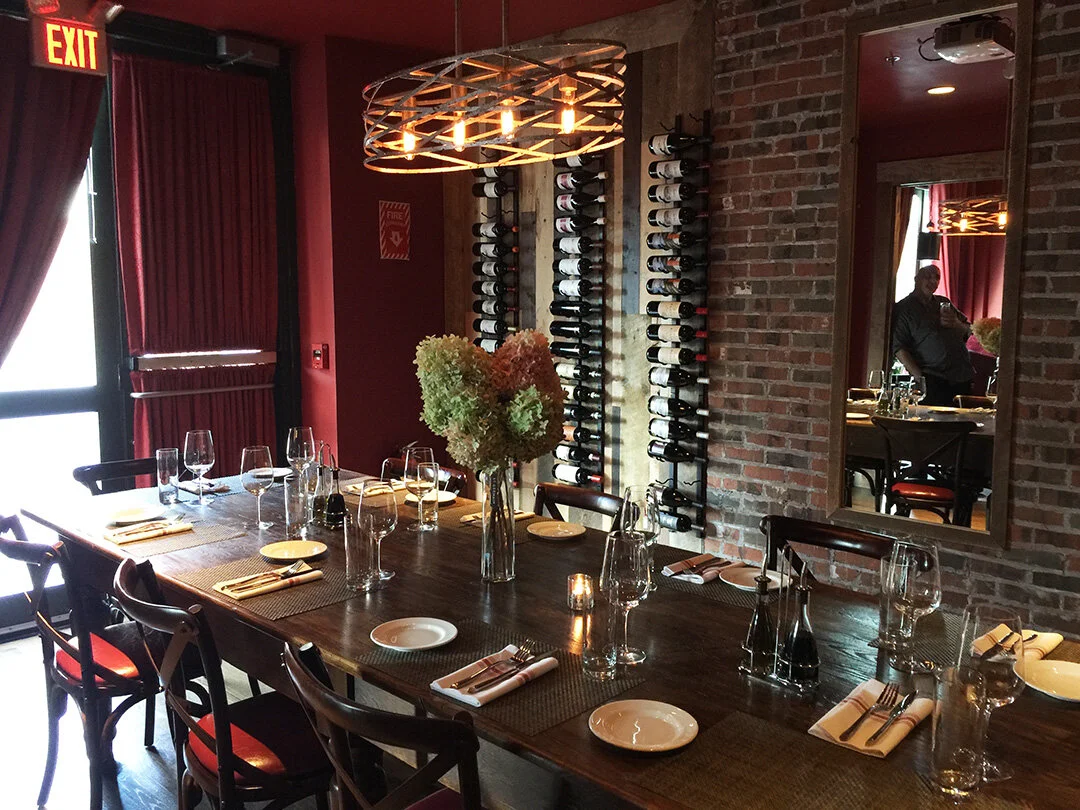
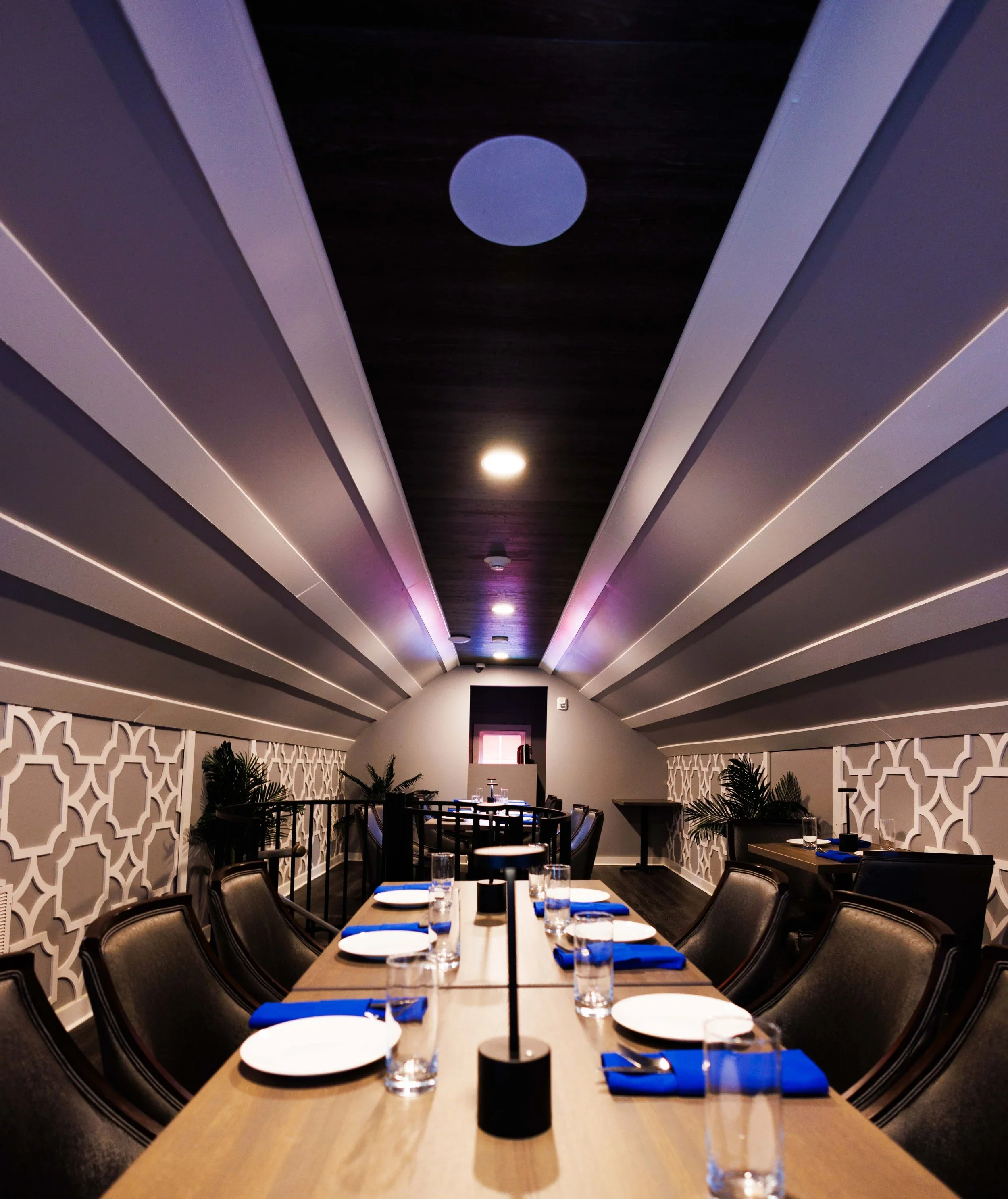
restaurant designer private dining room

Private party rooms that bring in additional revenue designed by Restaurant Design Consultant, Raymond Haldeman

Rebranding a Restaurant That Has Lost Momentum

Restaurant owners sometimes know something isn't working long before they know exactly what the problem is.

Sales may have softened.

The customer base may be getting older.

New competitors may feel more exciting.

The room may suddenly seem dated even though nothing significant has changed.

Those can all be signs that the restaurant's concept and its market have started moving in different directions.

The answer isn't necessarily to throw everything away.

The first step is understanding why the restaurant is losing relevance.

Questions I consider include:

  • Has the target customer changed?

  • Does the interior support the menu and price point?

  • Does the restaurant still have a distinctive identity?

  • Are there areas guests avoid?

  • Does the bar create enough energy?

  • Is the lighting flattering and comfortable?

  • Does the restaurant photograph well?

  • Is the floor plan helping or hurting operations?

  • Which parts of the existing concept are still worth preserving?

From there, the restaurant can be repositioned intentionally rather than simply redecorated.

A strong transformation can create what I think of as a second opening—giving existing customers a reason to rediscover the restaurant while introducing the concept to an entirely new audience.

Maximizing Revenue per Square Foot

One of the most important principles in restaurant design is also one of the simplest:

Your floor plan is a business tool.

Every square foot has value.

That doesn't mean squeezing as many tables as possible into the dining room. Overcrowding can damage the guest experience just as quickly as wasted space can damage profitability.

The real objective is finding the right balance between:

  • Seating capacity

  • Guest comfort

  • Server circulation

  • Table spacing

  • Service stations

  • Bar access

  • Kitchen access

  • Waiting areas

  • ADA circulation

  • Visual impact

A well-planned restaurant uses its available square footage intelligently.

It eliminates unnecessary dead zones while preserving enough space for the restaurant to feel comfortable and intentional.

Even seemingly small changes—a better booth configuration, relocating a service station or reworking an awkward corner—can significantly improve how the restaurant operates.

Restaurant Space Planning: The Silent Revenue Driver

Guests rarely walk into a restaurant and compliment the efficiency of the floor plan.

But they experience its effects all night.

They notice when servers constantly squeeze between tables.

They notice when there's congestion near the bar.

They notice when a table feels isolated or awkward.

And they notice when a restaurant simply feels comfortable and effortless.

Good space planning should appear almost invisible to the guest.

Behind the scenes, however, it can dramatically affect the way the restaurant functions.

A thoughtful plan can help:

  • Create more desirable seating

  • Improve server circulation

  • Reduce conflicts between guests and staff

  • Improve access to service stations

  • Strengthen the relationship between the bar and dining room

  • Reduce wasted space

  • Make large dining rooms feel more intimate

  • Improve operational efficiency

That's why I begin with the floor plan before worrying about decorative details.

Function creates the framework. Design brings it to life.

From Restaurant Floor Plan to Complete Experience

Once the space works properly, we can begin layering in the elements that give the restaurant its personality.

That includes lighting, furniture, color, textures, artwork, millwork, ceiling design, bar details and architectural features.

Each decision should support the same concept.

The best restaurant interiors don't feel like collections of unrelated good ideas.

They feel like one complete idea.

That consistency is what turns a nicely decorated restaurant into a recognizable brand.

Why Work With Raymond Haldeman, The Restaurant Designer?

There is a substantial difference between designing a residential interior and designing a restaurant.

Restaurants have unique operational demands.

Seating, bars, guest circulation, service paths, kitchens, lighting, acoustics, durability and branding all need to work together.

I've spent decades designing restaurants and hospitality environments with those realities in mind.

My services include:

  • Restaurant concept development

  • Restaurant interior design

  • Space planning

  • Restaurant rebranding

  • Bar and lounge design

  • Seating and booth design

  • Lighting concepts

  • Materials and finishes

  • Visual identity

  • Design development

  • Project oversight

My goal isn't simply to make a restaurant attractive.

It's to create an environment that looks distinctive, functions intelligently and supports the business behind it.

Check Out some of The Restaurant Designers New Jersey Designs

Click here for FULL PORTFOLIO

Planning a New Restaurant or Redesign in New Jersey?

Whether you're developing a new restaurant, expanding an existing venue or considering a complete rebrand, early design involvement gives you more opportunities to make smart decisions before construction begins.

That's particularly important when evaluating floor plans.

Problems that are relatively easy to correct during the design phase can become extremely expensive once walls, plumbing, electrical systems, millwork and equipment are installed.

An experienced restaurant designer can help identify those issues early while also uncovering opportunities that might otherwise be missed.

Ready to Transform Your New Jersey Restaurant?

A successful restaurant interior should accomplish several things at once.

It should attract attention.

It should support your brand.

It should make guests comfortable.

It should help your employees work efficiently.

And it should give people a reason to choose your restaurant over all the other options available to them.

If you're planning a restaurant renovation, new concept or complete rebranding, I can help you determine how to make the most of your space and your investment.

Raymond Haldeman, The Restaurant Designer

New Jersey Restaurant Design • Restaurant Rebranding • Space Planning • Bar & Lounge Design • Hospitality Interiors

Schedule a Restaurant Design Consultation with Raymond Haldeman

How to Rebrand a Failing Restaurant in Fort Lauderdale: A Strategic Design Guide

A fresh coat of paint may buy you a season. It won't buy you a business. If you're losing tables along Las Olas or watching a once-busy spot in Flagler Village go quiet on a Friday night, the honest diagnosis is rarely the parking or the economy. It's usually the identity. Superficial fixes spend capital you don't have to spare. If you're trying to figure out how to rebrand a failing restaurant in Fort Lauderdale, the starting point is accepting that a cosmetic refresh won't move the needle. A surgical pivot, guided by real restaurant design experience, could.

photo from Raymond Haldeman, The Restaurant Designer Portfolio

South Florida diners are not a forgiving audience. Fort Lauderdale alone adds new concepts every season, from Himmarshee to Wilton Manors to the beach corridor, and each one is competing for the same handful of Friday-night reservations. Foot traffic doesn't drift away by accident. It goes to the room next door that feels current. This guide covers what a real rebrand looks like, the role strategic space planning plays in table turnover, and how restaurant design that reads as high-end can support the higher check average this market rewards.

Key Takeaways A cosmetic refresh and a strategic rebrand are different projects, and knowing which one you actually need starts with an honest read on your "death spiral" signals. Rebranding in a market like Fort Lauderdale means auditing your brand equity and your position against a fast-moving field of new concepts. Space planning and interior design function as a business tool here, not decoration, often driving the turnover and check size that determine whether the doors stay open. A defined "Grand Re-Opening" tells the local market that the old concept is gone and something new has replaced it.

Table of Contents Diagnosing the Slowdown: Why Your Fort Lauderdale Concept May Be Losing Ground The Rebrand Strategy: Rebuilding an Identity That Fits South Florida Strategic Restaurant Design: Using Interior Design to Support a Revenue Turnaround Executing the Pivot: Launching the New Identity and Managing the Transition

Diagnosing the Slowdown: Why Your Fort Lauderdale Concept May Be Losing Ground

A quiet dining room isn't usually a marketing problem. No amount of ad spend closes the gap between a tired venue and the diner it's trying to attract. Understanding what rebranding actually means is the first step. A refresh is a new logo or a coat of paint. A strategic rebrand is closer to an extraction: pulling out what isn't working so something profitable has room to exist. In a competitive corridor like Las Olas or the Riverwalk, that distinction matters, and it's usually the point where an owner brings in a restaurant designer rather than guessing alone.

Watch for the signals. Repeat business that's thinned out. Reviews that keep using words like "tired" or "dated." Flat revenue in a neighborhood that's otherwise growing. What felt current in 2018 often reads as dated by 2026, especially in a market like Fort Lauderdale where new construction and new money keep raising the bar. Continuing to promote a concept that no longer fits the neighborhood tends to be a poor use of capital that could go toward the physical space instead.

The Concept-Market Mismatch

Fort Lauderdale and the broader South Florida market move fast. Demographics shift, snowbird season changes who's walking in the door, and a service model built for one crowd can leave you invisible to the next. A concept-market mismatch happens when a restaurant's identity stops lining up with what the local diner actually wants. It's rarely one bad decision. It's usually a slow drift, and it tends to take a rebrand, and often a fresh restaurant design, to correct.

The Psychology of the "Tired Venue"

Guests judge the kitchen by the dining room before they've tasted anything. A dated interior can quietly signal lower quality, even when the food is excellent. Lighting that's too harsh, acoustics that make conversation difficult, these are barriers a guest may never name out loud but will feel within the first two minutes. It's worth being honest about the space itself, and this checklist of Signs Your Fort Lauderdale Restaurant Needs a Redesign is a fair place to start. Fixing the environment often has to happen before the revenue numbers move.

The Rebrand Strategy: Rebuilding an Identity That Fits South Florida

Testing the waters slowly rarely works here. If a concept has already lost its footing in a market as competitive as Fort Lauderdale, a partial change tends to read as indecision. A full reset, done once and done right, is usually the more efficient path. That starts with an honest audit of what the current brand actually carries. For a lot of struggling venues, that "equity" has quietly turned into a deficit of bad reviews and a name people associate with a slow night.

If the name has been damaged, it may be time to retire it. Strip the concept back to the lease and the four walls, then build again. This isn't fixing a business. It's launching a new one inside the same address.

Find the gap that's actually underserved in your specific pocket of Broward County, whether that's Flagler Village, Wilton Manors, or the beach corridor. Generic concepts have a hard time surviving in a market this saturated. The menu, the service style, and the physical room need to tell one coherent story, or the pricing you want to charge won't feel earned.

Visual Identity Beyond the Logo

A brand isn't a sticker on the front window. It's the way the light hits a table at 8pm and the texture under a guest's hand on the bar top. South Florida diners eat with their eyes first, which makes a room worth photographing less of a luxury and more of a requirement for the kind of organic reach that costs nothing. For a deeper look at how this works in practice, see A Restaurant Redesign of Your Visual Identity for South Florida. Every square foot of the floor plan should be reinforcing the same story the menu is telling.

Defining Your New Competitive Edge

In a market like Fort Lauderdale, a concept usually needs a "hero element," the one architectural or design detail guests bring up when they're telling a friend where to go next. Trying to appeal to everyone is often what sank the first concept. A rebrand that picks a specific guest and commits to them tends to outperform one that stays vague to avoid alienating anyone. Getting the space planning and layout right, ideally with a restaurant designer who understands both the room and the P&L behind it, supports both that impression and the table count on a busy night.

Strategic Restaurant Design: Using Interior Design to Support a Revenue Turnaround

Raymond Haldeman restaurant designer in FTL

photo from Raymond Haldeman’s Restaurant Designer Portfolio

Restaurant design is quiet, but it's doing real work on the P&L. If you're working through how to rebrand a failing restaurant, the floor plan deserves a hard look first. Inefficient service paths and dead zones where no one wants to sit tend to bleed money slowly enough that owners don't notice until the numbers force the issue. Professional restaurant design isn't decoration. It's a capital investment aimed at two numbers: average check and table turnover. A room that reads as premium tends to make a $45 entrée feel reasonable. A dated one can make a $20 plate feel like too much.

This is where the design work goes beyond aesthetics into strategy. Every square foot should be earning its place on the balance sheet.

Space Planning for Profit

The floor plan needs to respect the triangle between kitchen, bar, and dining room. When staff are tripping over each other or walking long routes to deliver plates, service slows and margins shrink with it. Smart layout choices can add covers per shift without the room feeling crowded, and eliminating dead zones means fewer awkward moments at the host stand when a guest doesn't want the table they're offered.

Ambiance as a Sales Tool

Lighting does more work than almost anything else in the room. Done well, it makes the food look better and the guests look good to each other, which tends to encourage one more round rather than a quick check request. In South Florida's current market, the rooms doing the most volume lean toward a modern, functional aesthetic built on materials that hold up to heavy nightly use without looking worn in six months. Every surface a guest touches is quietly reinforcing, or undercutting, the price point on the menu.

Executing the Pivot: Launching the New Identity and Managing the Transition

A soft launch tends to be a luxury reserved for concepts that are already working. If the prior identity was genuinely failing, keeping the old doors open while easing into the new one usually creates more confusion than goodwill. A clean, defined "Grand Re-Opening" tells the Fort Lauderdale market that the old concept is done and something different has taken its place. Guests should feel the difference the moment they walk in.

Staff carry the old identity forward more than most owners expect. If the habits and energy of the previous concept survive the redesign, the rebrand hasn't actually happened yet. Training the team on the new story, and the service style that matches it, tends to matter as much as the construction. Some regulars may not follow the concept into its new identity. That's often the trade for a demographic that spends more and stays longer.

The Clean Break

Closing for a stretch, often a week or more, gives the space time to fully turn over, both physically and psychologically, for the team and the neighborhood. For a longstanding Fort Lauderdale spot with real history, our guide on How to Upgrade a Fort Lauderdale Restaurant's Design Without Losing Its Soul covers how to keep the parts of the story worth keeping while still meeting 2026 expectations. It's a balance, not an erasure.

Marketing the New Era

raymond_haldeman_restaurant_designer_fort_lauderdale

photo from Raymond Haldeman’s Restaurant Designer Portfolio

The messaging around a Broward County or South Florida rebrand should be direct. "New Concept" or "Under New Ownership" signals a real departure rather than a rename. Professional photography tends to do more for a launch than almost any other line item, since it sells the transformation before a guest ever books a table. If foot traffic has been sliding and it's time to stop the bleeding, the strategy phase is where that turnaround actually starts.

Call Raymond Haldeman for a direct conversation about your restaurant's next chapter.

Reclaim Your Revenue: The Path Forward in Fort Lauderdale

The gap between a shuttered space and a full dining room most often comes down to a clear, committed pivot. The fixes that look easiest rarely solve anything. A real turnaround tends to need a genuine new identity, a floor plan built for flow, and a room designed to support the prices you actually want to charge. In a market as competitive as Fort Lauderdale and greater South Florida, half measures rarely get noticed.

Raymond Haldeman has spent 45 years as a chef, society caterer, restaurateur, and nightclub owner across markets that don't forgive a tired room, including years operating in South Florida's nightlife scene. As a restaurant designer, that background shapes design work that comes from operating experience, not a design-school mood board.

Book a Rebranding Consultation with Raymond Haldeman

Frequently Asked Questions

How much does it cost to rebrand a failing restaurant in Fort Lauderdale?
Cost depends on the condition of the space and the standard the neighborhood expects, and Las Olas or the beach corridor often calls for a different level of finish than a smaller suburban strip. It's worth treating this as a capital investment rather than a straightforward expense, with the return measured in table turnover and average check.

Can I rebrand without changing the restaurant's name?
Sometimes. If the name hasn't been damaged by a run of poor service or "tired" reviews, keeping it may be worth considering. If the reputation itself is the problem, a name change is usually the safer path. A damaged name tends to follow a concept even after the room looks completely different.

How long does a full restaurant rebrand usually take?
A strategic rebrand in South Florida often runs three to six months from the first audit to the reopening. Planning and restaurant design typically take the bulk of that time, with the physical build-out condensed into a shorter closure. Rushing the strategy phase to save time is usually where a second failure starts.

Is it better to rebrand or close and open something entirely new?
Rebranding tends to make sense when the location is strong but the concept has fallen behind. It lets an owner keep the lease, the permits, and the kitchen infrastructure while replacing the identity built on top of them. Done well, it functions like launching a new business without the overhead of ground-up construction.

How do I know if the problem is the food or the brand?
Guest retention is usually the clearest signal. Strong initial traffic with little repeat business often points to something in the operations or the food. An empty room despite genuinely good food more often points to a brand and atmosphere that no longer connects with the neighborhood it's in.

Olde Silver Tavern Case Study: Rebranding the Same Restaurant Brand

Nostalgia is a death sentence for a restaurant if it isn't packaged in a modern, profit-driven framework. You've likely seen the warning signs: declining foot traffic, a demographic that's aging out, and a floor plan that makes your staff trip over their own feet. It's a common trap that many owners fail to escape, but the olde silver tavern proves that a bold intervention can change everything. This case study breaks down how this legacy neighborhood spot was salvaged and transformed into a high-revenue modern landmark through strategic restaurant rebranding and expert design by Raymond Haldeman, the restaurant designer.

You'll discover the exact methods used to attract new, high-spending customers and fix the operational bottlenecks that kill table turnover. We're showing you how to build a brand identity that stands out in a crowded market and demands respect. This is a roadmap for any operator who's ready to stop managing a decline and start leading a market. It's time to learn what it actually takes to turn a dated interior into a sophisticated, high-impact venue that maximizes every square foot for profit.

Key Takeaways

  • Understand why clinging to legacy "nostalgia" is a liability and how a total concept overhaul is required for survival in a competitive market.

  • Analyze the specific spatial strategies used at the olde silver tavern to turn high-impact areas like the bar into immediate revenue drivers.

  • Stop relying on general contractors for design; invest in specialized expertise to prevent fundamental brand failures that kill your profitability.

  • Master the relationship between floor plans and guest psychology to attract high-spending customers while improving your team's operational efficiency.

  • Discover the Raymond Haldeman method for streamlining the design-to-opening process to protect your cash flow and minimize costly downtime.

Table of Contents

The Resurrection of the Olde Silver Tavern: A Rebranding Success Story

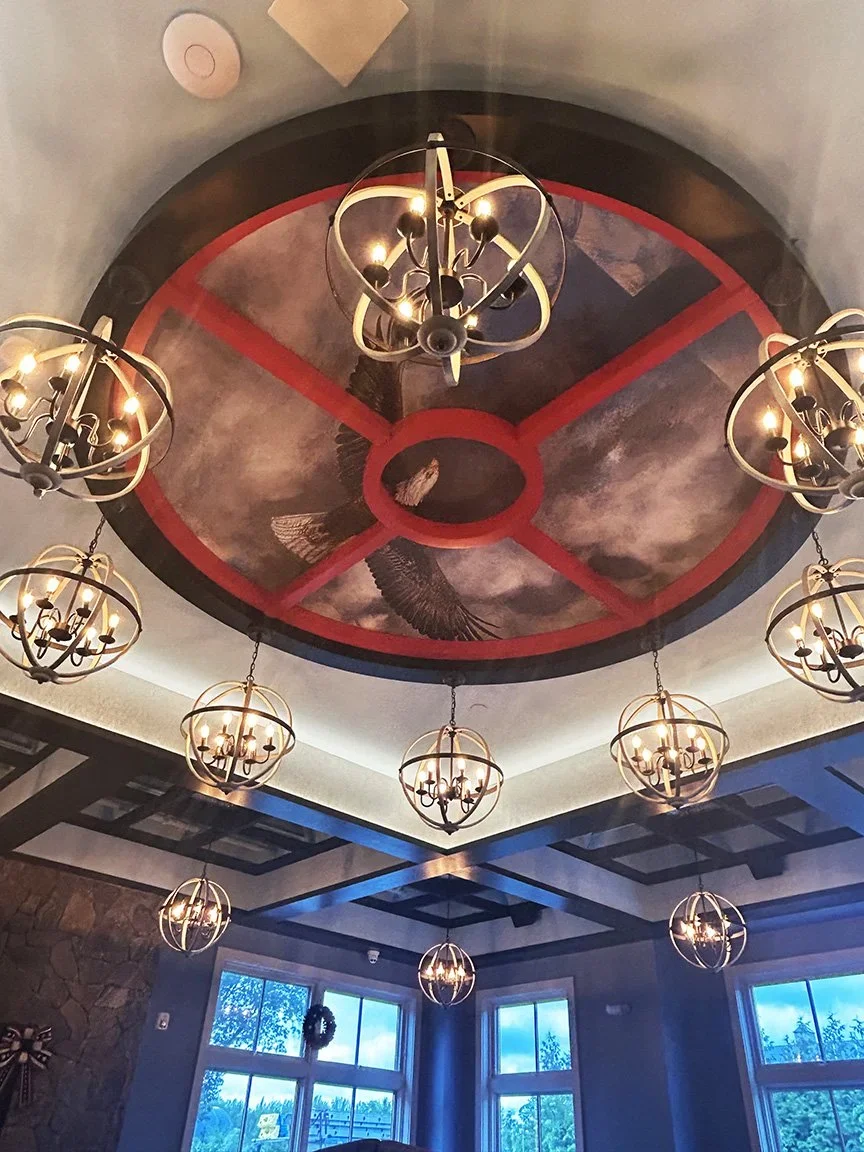
Raymond Haldeman - the restaurant designers branded wall

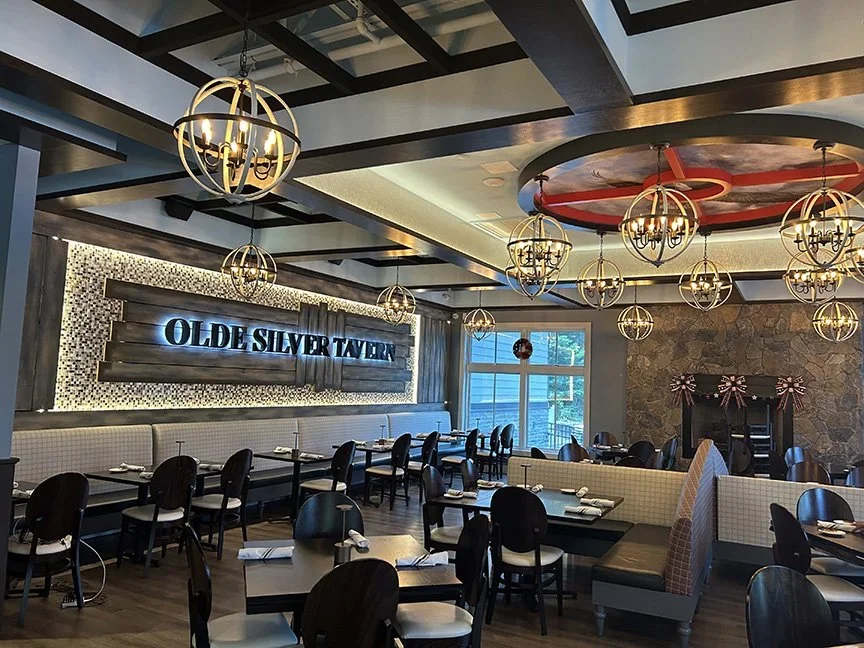
Raymond added a “Branding Wall” in the new, “Olde Silver Tavern”

Legacy brands often mistake stagnation for "tradition." If your restaurant relies on memories rather than modern revenue drivers, you're already behind. The olde silver tavern serves as a definitive case study in how to execute a strategic restaurant rebranding without alienating your core community. After being shuttered for years, simply reopening wasn't an option. The objective was clear: gut the outdated elements while preserving the "soul" of a neighborhood landmark. This required a calculated shift from a standard sports bar to a sophisticated New American Tavern that commands higher price points and attracts a broader demographic.

The transformation wasn't about surface-level aesthetics. It was about creating a venue that functions as a high-revenue machine. You must understand that the "soul" of a tavern isn't found in its old carpet or dim lighting; it's found in the energy of the space. By modernizing the comfort food aesthetic, the new construction ensured the venue felt familiar yet undeniably superior to its previous iteration. This is where many owners fail. They fear change, yet change is the only thing that prevents obsolescence.

Identifying the Need for a Total Redesign

Don't wait for your doors to close to admit you have a problem. Stagnant revenue and a "dated" atmosphere are business emergencies, not minor inconveniences. For the olde silver tavern, the challenge was moving beyond the tired sports bar trope that limits growth. Locals wanted the comfort of their old haunt but demanded the quality of a modern gastropub. A total redesign resets community perception. It signals that you're no longer a relic of the past but a visionary leader in the current market.

The Vision: Rustic Meets New American Sophistication

Success lies in the balance between locally-sourced comfort and high-end interior finishes. You aren't just selling a meal; you're selling an environment where Gen Z, Millennials, and Boomers all feel they belong. This isn't achieved through minor tweaks. You must commit to a total vision that marries rustic textures with modern, clean lines. The New American Tavern aesthetic acts as a primary revenue driver by creating a high-perceived-value atmosphere that justifies premium menu pricing and encourages repeat visits.

Navigating this level of transformation is a high-stakes gamble without professional guidance. Hiring an expert restaurant rebranding consultant is the only way to ensure your vision translates into operational efficiency and aesthetic excellence. Don't leave your legacy to chance. Expert intervention is the shortcut to a profitable, modern landmark.

The Design DNA: How Layout and Aesthetics Drive Tavern Revenue

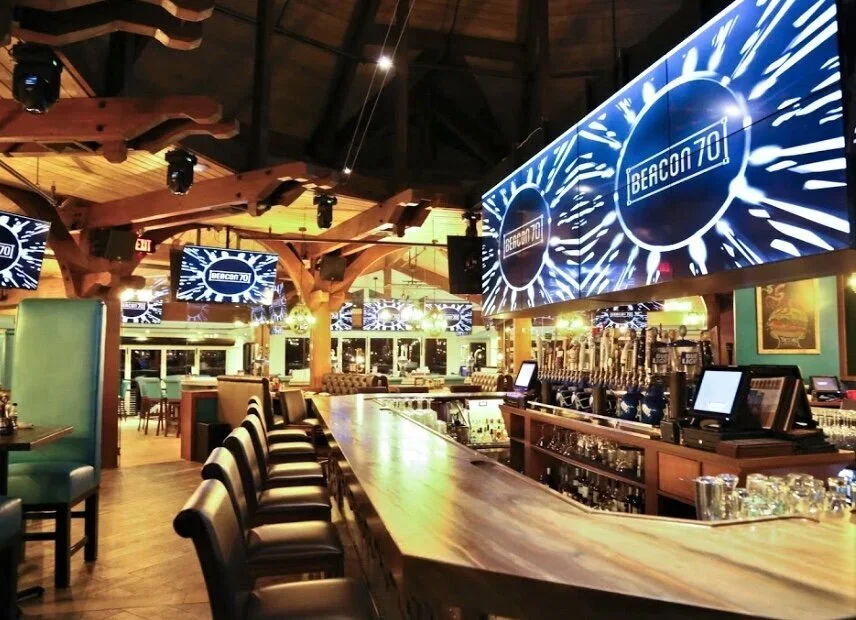
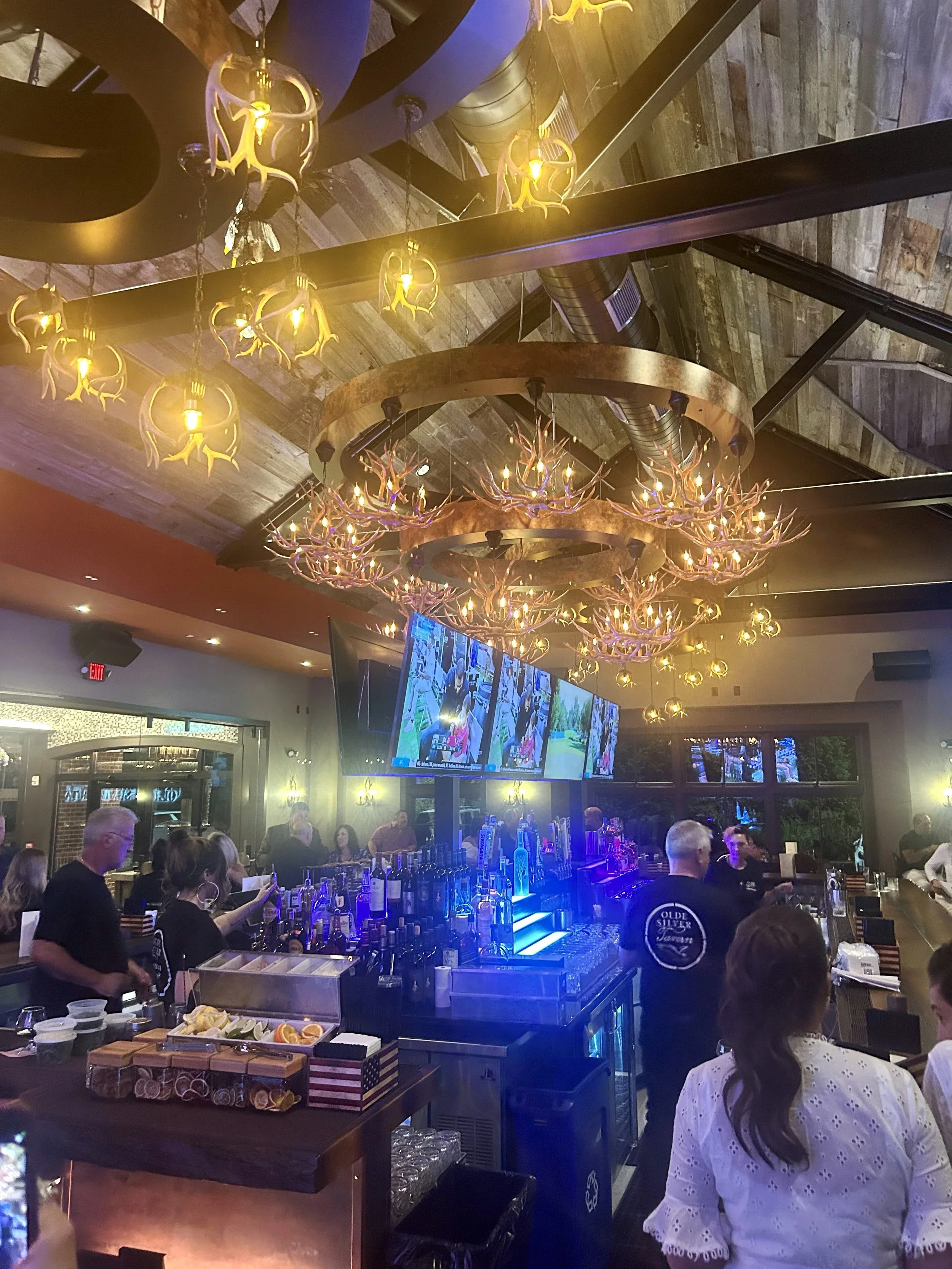
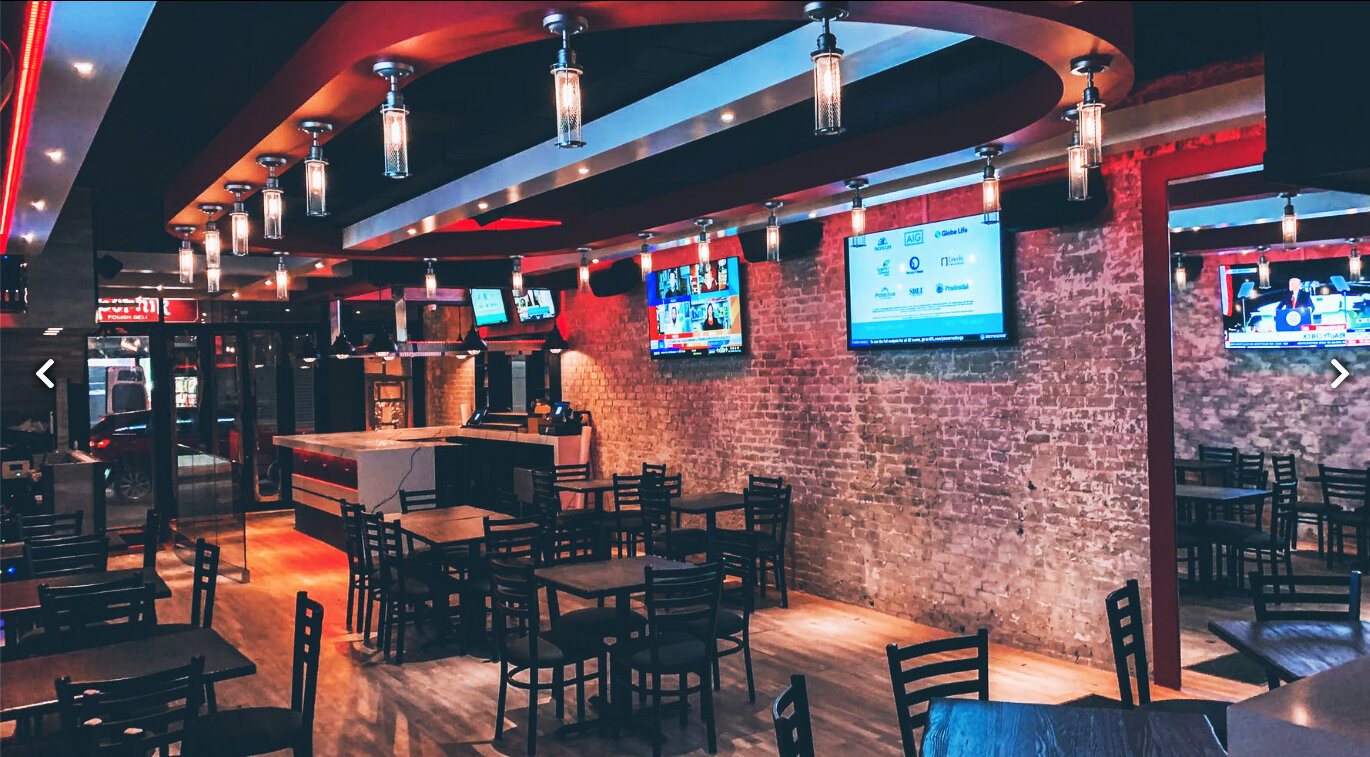
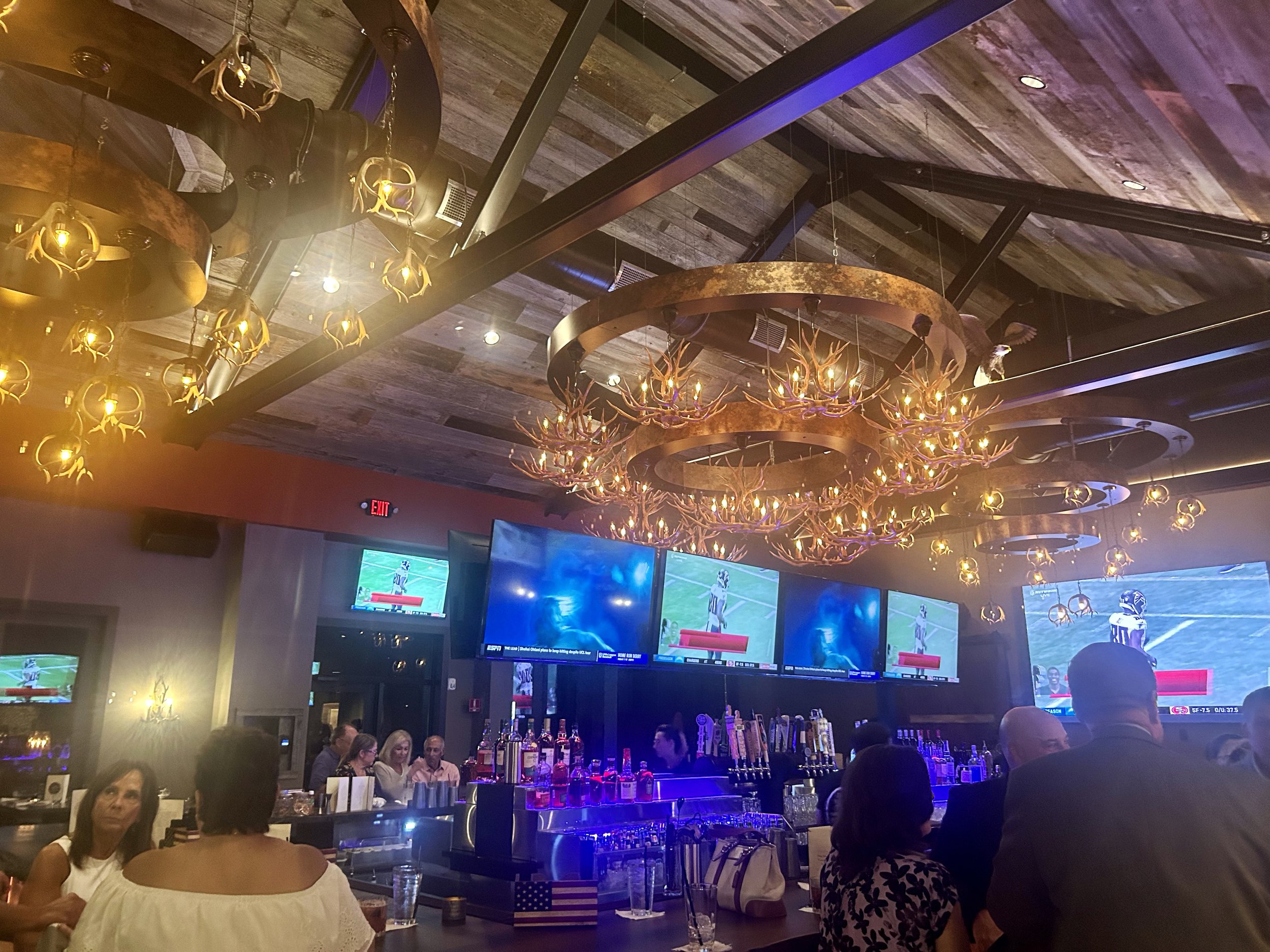
Design is not a coat of paint. It is a strategic revenue engine. At the olde silver tavern, the layout was engineered to convert floor space into profit centers. Take the 20-tap bar and the massive 10-foot screen. These aren't just amenities. They are carefully positioned to anchor the room's energy and dictate guest flow. When your bar is the focal point, you drive high-margin beverage sales from the moment a customer walks in. If your bar is tucked away or poorly lit, you're leaving money on the table.

giant chandeliers designed by Raymond Haldeman the restaurant designer

12’ Chandeliers designed by Raymond Haldeman, the restaurant designer

Lighting is your most subtle sales tool. After experiencing the excitement of the 12' massive custom chandeliers that Haldeman designed and had fabricated for a fraction of the cost of buying them outright, settle into the atmosphere.  A warm, inviting glow doesn't just look good; it lowers guest inhibitions and encourages longer stays. If your lighting is too clinical, guests eat and leave. If it's curated, they order another round. We also integrated outdoor dining and dedicated private party spaces. These aren't afterthoughts. They are secondary revenue streams that allow the venue to scale during peak hours and host high-margin events without disrupting the main dining room flow. Every square foot must justify its existence on your balance sheet.

Engineering the Perfect Floor Plan

Efficiency is the difference between a profitable night and a chaotic one. A restaurant floor plan consultant understands that staff path of travel is non-negotiable. At the olde silver tavern, the layout ensures servers move with precision, increasing table turnover without making guests feel rushed. We balanced VIP and group seating to cater to high-spending parties while maintaining individual diner comfort. Seating density is a science. You need enough bodies to create "buzz" but enough space to maintain a premium feel. If your floor plan is congested, your labor costs will skyrocket as staff struggle to navigate the room.

Visual Identity Beyond the Logo

Your brand must be a cohesive experience. This means your physical space, your menu, and your digital presence must speak the same language. We used high-end, locally-sourced materials to reinforce the "Locally Sourced" menu promise. Rustic design should never feel cheap or unrefined. It requires a sophisticated touch to ensure "weathered" doesn't look "worn out." In 2026, your interior design is your most powerful marketing asset. It is what guests photograph and share, doing the advertising for you. If you are ready to stop guessing and start engineering your success, consider how a strategic design partnership can redefine your bottom line.

3 Critical Lessons for Owners from the Olde Silver Tavern Rebrand

Stop playing it safe. Small tweaks like new paint or updated menus rarely fix a fundamental brand failure. The olde silver tavern succeeded because the owners embraced a total new build, proving that a complete overhaul is often the only way to reset market perception. When you treat the restaurant rebranding cost as a capital investment in future equity rather than an expense, you shift your focus from survival to dominance. The olde silver tavern transformation proves that design is your most potent weapon in a crowded market.

General contractors are not designers. They are builders. They follow blueprints; they don't engineer guest psychology or profit flow. Relying on a GC to "make it look nice" is a recipe for a mediocre space that lacks soul. You must focus on the "Third Place" concept. Your tavern shouldn't just be a place people go to; it must be the place they want to be. This requires a sophisticated understanding of how lighting, acoustics, and materials interact to create an environment guests never want to leave.

Step 1: Audit Your Current Guest Experience

Be brutal. Walk through your venue and identify "dead zones" where tables sit empty or staff congregate. If you wouldn't eat in your own dining room, your customers won't either. You must be honest about whether your current brand attracts the demographic you actually want. If your crowd is aging out and your revenue is stagnant, your brand is already dying. A straight-talk audit is the first step toward a profitable resurrection. Look at your floor plan through the lens of a high-spending guest, not an exhausted owner.

Step 2: Develop a Unified Concept

Avoid the "Mish-Mash" trap at all costs. Don't try to be everything to everyone. Pick a specific lane, such as New American Comfort, and commit to it in every detail. Your design must match your price point and service level perfectly. Whether you are consulting an expert restaurant designer in Miami or the Mid-Atlantic, the goal is a singular, cohesive vision. A fragmented concept confuses guests and dilutes your brand's power. Commit to a concept that drives repeat business.
Schedule your strategic consultation today

Executing Your Transformation: The Raymond Haldeman Approach

Decorating is a hobby; strategic rebranding is a business necessity. If you think changing your light fixtures or buying new chairs is enough to save a failing concept, you're mistaken. The olde silver tavern didn't just get a facelift. It was reinvented from the ground up and underwent a clinical transformation that aligned its aesthetic with a high-revenue business model. Raymond Haldeman doesn't provide "decorating" tips. He provides a blueprint for market dominance. By streamlining the design-to-opening process, he ensures you minimize the downtime that bleeds your cash flow dry during a transition.
The "Straight-Talk" advisory model is built on decades of seeing exactly where owners throw their money away. Most mistakes happen in the planning phase. Those errors cost hundreds of thousands in lost revenue and renovation do-overs. Whether you're preparing for a restaurant design for new openings or a high-stakes renovation in 2026, professional intervention is your only safeguard against mediocrity. You need a partner who protects your interests and your bottom line.

From Concept Development to Project Oversight

In competitive markets like NJ and Miami, space planning is your most valuable asset. Every square foot carries a high price tag. If your floor plan isn't optimized for flow and density, you're paying for space that isn't working for you. Haldeman’s portfolio serves as a masterclass in modern, functional concepts that actually perform. While some owners hesitate at professional fees, they fail to realize these costs are the smallest part of the budget with the highest ROI. You aren't paying for a drawing; you're paying for a profitable future.

  • Eliminate operational bottlenecks before construction begins to save on labor.

  • Align your interior finishes with your target demographic's expectations for higher spend.

  • Ensure project oversight keeps contractors on schedule and strictly on brand.

Your Next Move: Stop Losing Revenue to Bad Design

The post-2025 landscape doesn't tolerate "average" venues. You're either a destination or a footnote. The olde silver tavern is now a landmark because the owners chose to lead rather than follow. If your NJ, PA, or MD establishment is struggling with stagnant growth, the time for half-measures is over. Reach out to Raymond Haldeman today to initiate a consultation. Stop managing a decline and start building a legacy. Turn your vision into a high-profit reality before your competitors do it first.

Dominate Your Market Through Strategic Rebranding

The success of the olde silver tavern isn't a fluke. It's the result of a calculated, total concept overhaul that prioritizes revenue over sentimentality. You've seen how engineering a floor plan for maximum flow and using lighting as a psychological sales tool can turn a dated landmark into a high-revenue modern destination. Don't let your legacy become a liability by clinging to the nostalgia trap. If your revenue is stagnant, your design is likely the culprit.

Raymond Haldeman brings decades of experience in high-stakes rebranding and has been featured in major hospitality publications for his transformative work. You aren't just hiring a service provider; you're gaining direct access to a principal visionary who understands the commercial landscape from the inside out. The difference between a failing venue and a local landmark is the quality of the strategy behind it.

Stop settling for "average" and start your rebranding journey with Raymond Haldeman today.

Your establishment deserves to be the destination of choice in its community. Take the first step toward a venue that commands respect and delivers consistent profitability. The path to a high-impact, modern landmark starts with a single expert consultation.

Frequently Asked Questions

What is the history of the Olde Silver Tavern in Manalapan?

The olde silver tavern is a historic community landmark in Manalapan, New Jersey, that was shuttered for several years following a fire. It was demolished and a new build was successfully reopened in October 2023 after a complete strategic overhaul and celebrated its first anniversary in October 2024. The transformation successfully shifted the venue from its legacy roots into a modern gastropub and sports bar that honors its history while meeting modern market standards for aesthetic excellence.

How much does a total restaurant rebranding cost in 2026?

The cost of a total restaurant rebranding depends on the project's scope, the venue's square footage, and the level of design sophistication required. It is a comprehensive investment that covers brand strategy, visual identity, and physical space planning. Successful operators don't view this as an expense but as a capital investment that drives ROI by attracting higher-spending demographics and increasing table turnover through better operational flow.

Can I rebrand my restaurant without changing the name?

You can certainly rebrand without changing your name, particularly if the name holds significant local equity. The olde silver tavern is a prime example of a venue that kept its identity while gutting its outdated interior and concept. This approach allows you to maintain community ties while signaling to the market that the experience has been modernized. It's an effective way to salvage a legacy brand that has lost its competitive edge.

How long does a typical restaurant redesign take from concept to completion?

A typical restaurant redesign timeline varies based on the complexity of renovations and local permitting requirements. The focus is always on minimizing downtime to protect your cash flow during the transition. Professional oversight is required to manage the design-to-opening process effectively, ensuring contractors stay on schedule and avoid the delays that often plague unguided projects. Strategic planning allows you to execute many design phases before closure.

What are the biggest mistakes owners make when rebranding a tavern?

The most dangerous mistake is the "nostalgia trap," where owners keep outdated elements that drive away younger, high-spending customers. Many operators also fall into the "mish-mash trap" by failing to commit to a singular, cohesive concept. Relying on general contractors for design decisions is another common error. Without a strategic designer, you'll likely end up with a space that looks updated but fails to function as a high-revenue machine.

Is it worth hiring a restaurant design consultant for a small venue?

Hiring a consultant is even more critical for a small venue because you have zero margin for error. In a compact footprint, every square foot must be engineered for profit. A professional ensures your floor plan is optimized for seating density and staff efficiency, which are the primary drivers of success in smaller spaces. Attempting to design a small venue without expert guidance usually leads to "dead zones" that drain your potential revenue.

The Common Sense Guide to Hiring a Restaurant Design Consultant in 2026

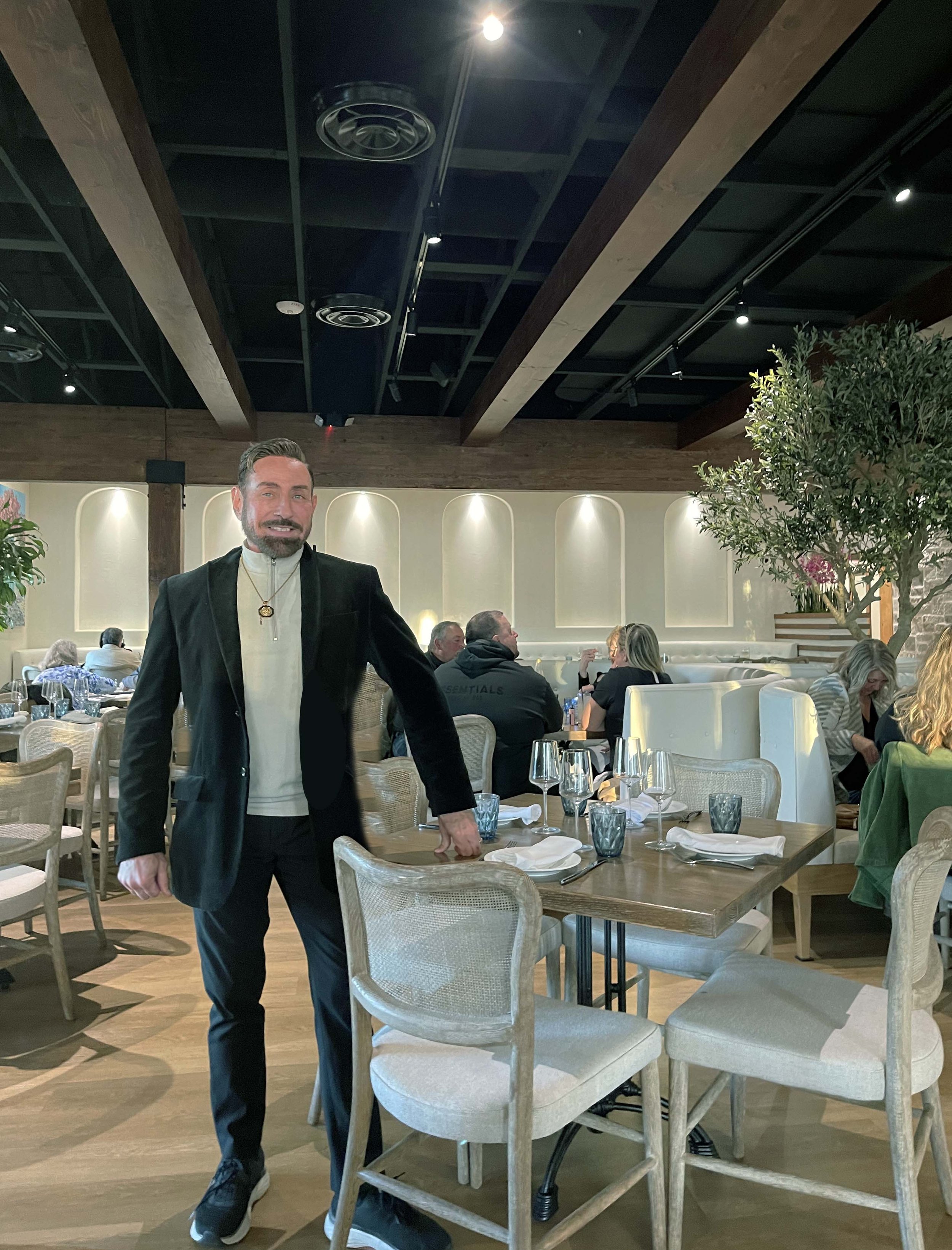
Restaurant Designer Raymond Haldeman

Most restaurant failures are decided before the first plate leaves the kitchen, often because the floor plan was designed by an artist instead of a revenue engineer. In a 2026 market where labor and food costs have surged by 35% over the last five years, you cannot afford to treat your layout as a mere aesthetic choice. Hiring a restaurant designer who understands the brutal reality of a 10.5% profit margin is the difference between a landmark success and a quiet closing within twelve months. You need a strategic partner who prioritizes operational flow and table turnover over vanity projects that kill your bottom line.

You already know that a stunning interior is mandatory for driving social media buzz and foot traffic, but the fear of wasted square footage is a valid concern that keeps owners awake at night. This guide provides the blueprint for hiring a strategic design consultant who engineers your floor plan for maximum revenue and ensures your new venue becomes a market landmark. We will examine how to vet for operational expertise, avoid the architectural mistakes that drain budgets, and secure a signature aesthetic that actually works for your staff and your guests.

Key Takeaways

  • Treat your floor plan as a revenue engine by prioritizing strategic space planning that maximizes table turnover and alcohol sales.

  • Master the no-nonsense framework for hiring a restaurant designer who understands operational flow rather than just picking colors.

  • Protect your investment against the high risk of failure by ensuring your consultant aligns your concept with a high-performance physical environment.

  • Discover how visionary design creates a signature aesthetic that drives social media buzz and secures your position as a market landmark.

Table of Contents

  • Why Hiring a Restaurant Opening Design Consultant is Your Most Critical Pre-Launch Decision

  • Revenue Engineering: How Design Consultants Weaponize Space for Profit

  • The No-Nonsense Framework for Vetting an Elite Restaurant Designer

  • The Raymond Haldeman Advantage: Transitioning from Concept to Landmark

Why Hiring a Restaurant Opening Design Consultant is Your Most Critical Pre-Launch Decision

Opening a restaurant is a high-stakes gamble where the house usually wins. Industry data suggests that roughly 60% of independent restaurants fail within their first year. This isn't typically a failure of the kitchen; it's a failure of the business model and the physical space it inhabits. Hiring a restaurant designer who acts as a strategic consultant is your most critical pre-launch decision. This partner serves as a visionary guide who aligns your culinary concept with a high-performance physical environment designed to extract maximum profit from every square foot.

Stop confusing a design consultant with a decorator. A decorator chooses "pretty" furniture for a dining room in Philadelphia or Miami; a strategic consultant engineers a machine that moves people and product with surgical precision. If your room looks like a gallery but your servers can't navigate the floor during a rush, you have a financial liability, not a business. Applying foundational Interior design principles to a commercial hospitality setting requires a deep understanding of operational flow that most residential designers simply lack. Professional design is your ultimate insurance policy against a disastrous first year.

Concept Development: From Vision to Market Dominance

Your menu is a promise, and your design is the delivery. In crowded markets like New Jersey or Delaware, you cannot afford to be "just another bistro." You must command attention. Concept development is the bridge between a chef's vision and a brand's profitability. It ensures that every element of the guest experience, from the lighting levels to the acoustic signature, justifies premium pricing and encourages repeat visits. If your environment doesn't outshine the competition across the street, your brand is already invisible. Don't just open a restaurant; build a landmark.

The Pre-Construction Financial Advantage

The most expensive mistakes in the hospitality industry happen on paper, long before a single nail is driven. An elite consultant identifies architectural pitfalls that lead to five-figure change orders during construction. By collaborating with architects and general contractors early, they ensure the vision survives the build process without compromising operational efficiency. This proactive approach identifies cost drivers in the pre-lease phase, effectively paying for the consultant's fee through avoided disasters and streamlined renovations. Early-stage consulting is the only way to ensure your budget goes into the guest experience rather than fixing avoidable structural errors.

Revenue Engineering: How Design Consultants Weaponize Space for Profit

Design is not a decorative luxury; it is a tactical weapon. When you are operating on a razor-thin 10.5% profit margin, every square foot must justify its existence. Hiring a restaurant designer who understands revenue engineering ensures your floor plan is optimized for maximum covers without compromising the high-end experience your guests expect. This is about more than just fitting tables into a room. It is about calculating the exact ROI of your seating layout and the psychological triggers that drive guest behavior.

Front-of-house revenue drivers often center on the bar and lounge. A strategic consultant designs these areas to psychologically encourage higher alcohol sales through lighting, sightlines, and proximity. If your bar is an afterthought, you are leaving your highest-margin products on the shelf. Beyond the bar, the science of ambiance plays a critical role. Using strategic lighting and acoustics can increase check averages and influence stay duration. A great restaurant design ensures that guests feel comfortable enough to order that second bottle of wine but doesn't encourage them to linger indefinitely when you need to turn the table.

Operational flow is the invisible "dance" between the kitchen and the table. If your layout forces servers to cross paths with guests or navigate inefficient routes, your turnover rates will suffer. A professional consultant engineers these paths to be seamless, allowing your staff to perform at peak efficiency even during the busiest Friday night rush. Efficiency in the back-of-house translates directly to faster service and more seat turns in the front.

Restaurant Floor Plan Optimization

Strategic density is the ultimate goal. You must balance seating capacity with guest comfort to maximize your return on investment. As a premier restaurant floor plan consultant, the focus is on creating "Power Tables" and VIP sections. These are high-demand areas that guests will specifically request and pay a premium to reserve, turning standard floor space into a high-revenue asset that drives repeat business.

Visual Identity and Material Selection

Your brand must be bulletproof. This requires selecting high-durability materials that reflect a premium identity while withstanding the brutal wear of commercial use. Custom millwork and signature lighting elements are the building blocks of a landmark venue. Whether you are opening an entryway in Maryland or selecting bar stools in Miami, maintaining branding consistency is non-negotiable. If you want to ensure your venue dominates the market, consider a consultation with Raymond Haldeman to align your vision with operational reality.

The No-Nonsense Framework for Vetting an Elite Restaurant Designer

Hiring a restaurant designer isn't about finding an artist who likes your mood board. It's about securing a strategic partner who understands that every inch of your venue must perform. Start with a brutal portfolio analysis. Does the designer create modern, functional concepts, or are they just chasing fleeting trends that will look dated in eighteen months? You need a space that remains relevant and profitable for a decade. Trends die; functionality pays the rent.

Avoid the generalist trap. Residential designers and general commercial architects will fail your project because they don't understand the high-stakes pressure of hospitality. They don't know the difference between a lounge that drives alcohol sales and one that just looks nice in a photo. Your consultant must also possess deep regional market knowledge. The demographics and seasonal demands of the Jersey Shore are worlds apart from the high-octane expectations of Miami or the established dining culture in Philadelphia. If they don't know the local landscape, they're just guessing with your money.

Finally, apply the 'Straight-Talk' test. A true expert will challenge your bad ideas. If a consultant simply nods and takes your check, they are a liability. You aren't paying for a "yes-man"; you are paying for an authoritative guide who prevents rookie mistakes before they cost you six figures. If they won't tell you when a layout choice is a financial mistake, they shouldn't be on your payroll.

Critical Questions for Your Potential Consultant

Don't settle for vague promises. Demand specifics. Ask: "How will this layout specifically increase my table turnover rate by 15%?" If they can't explain the mechanics of the flow, they aren't revenue engineers. Ask where they have engineered additional revenue streams into the floor plan. A visionary designer finds profit in the corners of a room that others ignore. For those starting from scratch, look for expertise in restaurant design for new openings to ensure your foundation is solid.

Red Flags in Design Proposals

When you are hiring a restaurant designer, the biggest red flag is a "one-size-fits-all" proposal. If the design ignores your specific neighborhood's competitive landscape, it's a template for failure. A designer who prioritizes their personal aesthetic over your business's profitability is a vanity project you can't afford. Remember, "cheap" consulting fees are a trap. In this industry, a low upfront cost often leads to the most expensive construction mistakes and operational bottlenecks. Pay for expertise now, or pay for renovations later.

[Schedule a high-level design consultation](https://raymondhaldeman.com)

The Raymond Haldeman Advantage: Transitioning from Concept to Landmark

Elite operators in NJ, PA, and Miami don't look for a service provider; they seek a visionary guide. Hiring a restaurant designer like Raymond Haldeman means you aren't just getting a floor plan. You are gaining direct access to a principal designer who has navigated every industry pitfall imaginable. This straight-talk approach is a shortcut to success that bypasses the trial-and-error phase most new owners suffer through. When the stakes are this high, you need an authoritative partner who prioritizes your profitability over their own portfolio aesthetics.

The results speak through the bottom line. Haldeman specializes in high-impact bars and nightclubs specifically engineered to drive massive alcohol sales and VIP revenue. By weaponizing sightlines and social psychology, these designs encourage guests to stay longer and spend more. Whether you are launching a new concept or executing a high-revenue rebranding, the goal is the same: market dominance. Strategic design can save a failing concept by identifying operational bottlenecks and aesthetic disconnects that drive customers away. It transforms a struggling space into a landmark destination.

A National Portfolio of Local Success

Success requires versatility across high-competition markets. From the established dining rooms of Philadelphia to the high-energy demands of high-end restaurant design Miami, the Haldeman signature remains consistent. It is modern, functional, and unapologetically bold. This portfolio of success across the US proves that while aesthetics change, the principles of revenue-driven design are universal. Your venue needs to be more than just "pretty"; it must be a functional machine that outshines every competitor in your zip code.

Your Next Move: Securing Your Venue’s Future

Stop guessing and start engineering. Your opening date is approaching, and every day spent with a flawed design foundation is a day of lost revenue. The first step toward a successful launch is vetting your concept against market reality. Don't leave your investment to chance or trust it to a designer who doesn't understand the brutal economics of the hospitality industry. Secure your venue's future by consulting with a professional who knows how to build a landmark from the ground up.

[Contact Raymond Haldeman today to engineer your restaurant’s success.](https://raymondhaldeman.com)

Secure Your Market Dominance Today

Your venue's success isn't a matter of luck; it's the result of deliberate revenue engineering. We've established that your physical space is the most powerful tool you have for driving high-margin alcohol sales and maximizing table turnover. Don't leave your life's work to chance by hiring a restaurant designer who lacks the "straight-talk" business acumen required to survive the 2026 market. You need a visionary guide who has already transformed concepts into landmarks across NJ, PA, DE, MD, and Miami.

Elite design is the ultimate insurance policy against the industry's high failure rate. By prioritizing operational flow and high-revenue bar layouts, you ensure your project is a financial powerhouse from day one. It's time to stop guessing and start building with precision. Every square foot of your floor plan must justify its existence by contributing to your bottom line.

[Schedule Your Strategic Design Consultation with Raymond Haldeman](https://raymondhaldeman.com)

Take the first step toward a high-performance venue that defines its market. Your vision deserves the protection of an elite specialist who has seen every industry pitfall and knows the shortcut to success. Let's build a landmark that dominates the competition.

Frequently Asked Questions

What is the difference between an interior decorator and a restaurant opening design consultant?

An interior decorator focuses on the surface level, selecting colors and furniture to create a specific look. A restaurant opening design consultant is a strategic partner who engineers a profit-driven environment. While a decorator deals with "pretty," a consultant focuses on revenue engineering, operational flow, and space planning to ensure every square foot generates maximum ROI. You don't need someone to pick curtains; you need an expert to build a high-performance business machine.

How much does hiring a restaurant design consultant typically cost in 2026?

Industry data for 2026 indicates that soft costs, which include architect and design fees, typically range from 10% to 15% of the total construction budget. For a mid-range casual dining project, these fees often fall between $35,000 and $75,000. While hiring a restaurant designer is a significant investment, it acts as an insurance policy against the six-figure construction errors and operational bottlenecks that frequently sink under-planned venues.

When is the best time to hire a design consultant for a new restaurant opening?

You must hire your consultant before you sign a lease. Engaging an expert during the pre-lease feasibility phase allows you to identify structural deal-breakers or hidden costs that could inflate your budget before you are legally committed to the space. If you wait until after you have the keys, you're already losing money to the clock and likely overpaying for a layout that doesn't serve your culinary concept.

Can a restaurant design consultant help if I am rebranding a failing establishment?

Yes, rebranding is a critical intervention for establishments that are struggling due to poor market positioning or inefficient layouts. A consultant identifies exactly why your current environment is driving guests away and redesigns the space to align with a fresh, profitable identity. This process turns a failing liability into a market landmark by fixing the friction points that currently kill your margins.

Does a restaurant design consultant handle the kitchen layout and equipment selection?

A design consultant focuses on space planning, guest experience, and high-revenue bar design rather than kitchen equipment sales. While they coordinate the essential flow between the kitchen and the dining room, the specific technical equipment selection is usually handled by specialized vendors. Your consultant's job is to ensure the kitchen footprint is optimized so it doesn't steal valuable square footage from your high-profit seating areas.

How does a professional design impact my restaurant’s table turnover rate?

Professional design increases turnover by eliminating the invisible bottlenecks that slow down your staff. By engineering the "dance" between the kitchen and the tables, you reduce server travel time and expedite the clearing process. A strategic layout allows you to serve more covers during peak hours without making guests feel rushed, directly increasing your daily revenue. When hiring a restaurant designer, you are essentially purchasing a faster, more efficient service model.

The High-Stakes Guide to Hiring a Restaurant Rebranding Consultant in 2026

The High-Stakes Guide to Hiring a Restaurant Rebranding Consultant in 2026

Is your restaurant failing? Hire a restaurant rebranding consultant to transform your space, justify premium prices, and dominate your market. This guide sho...