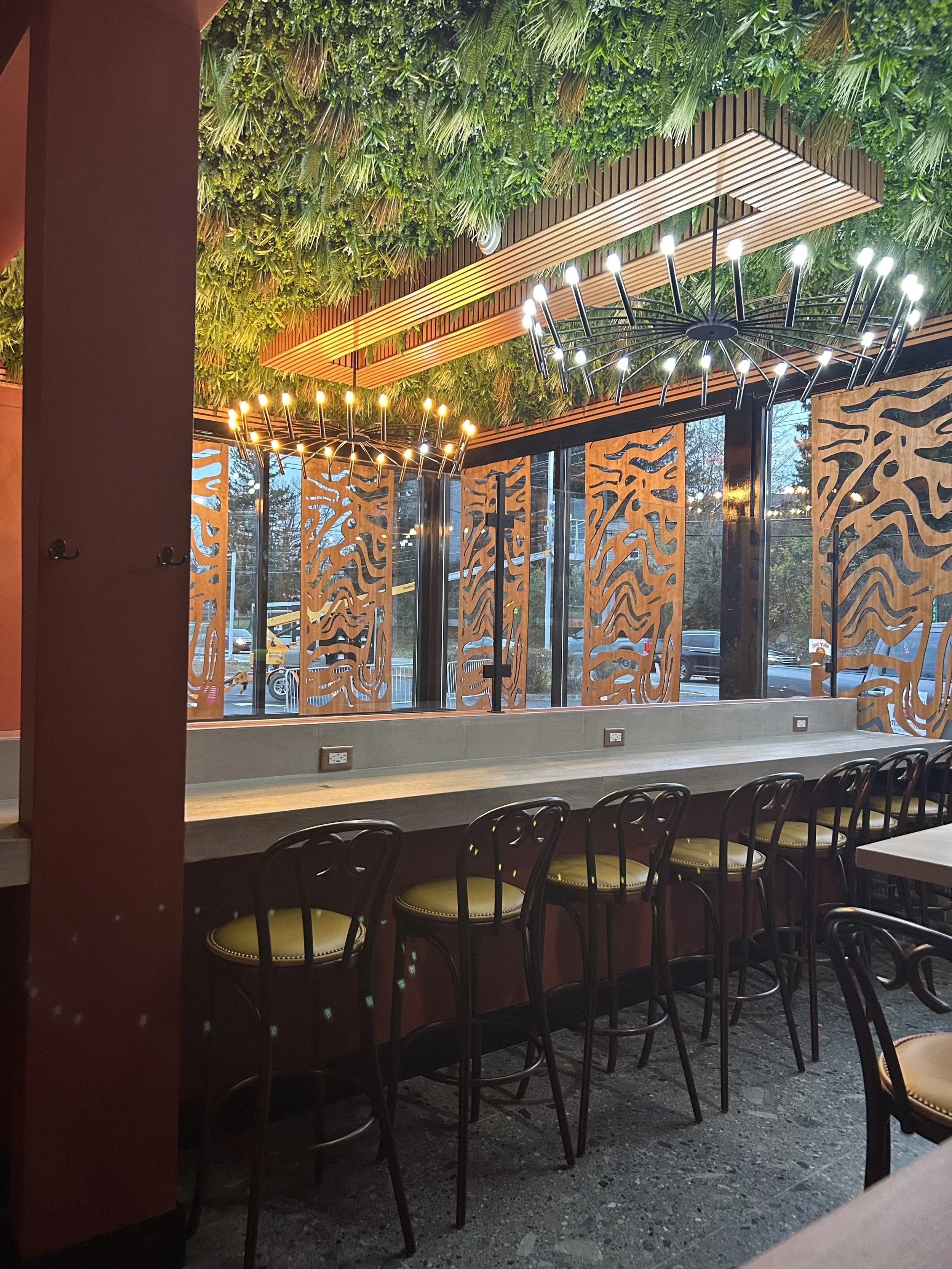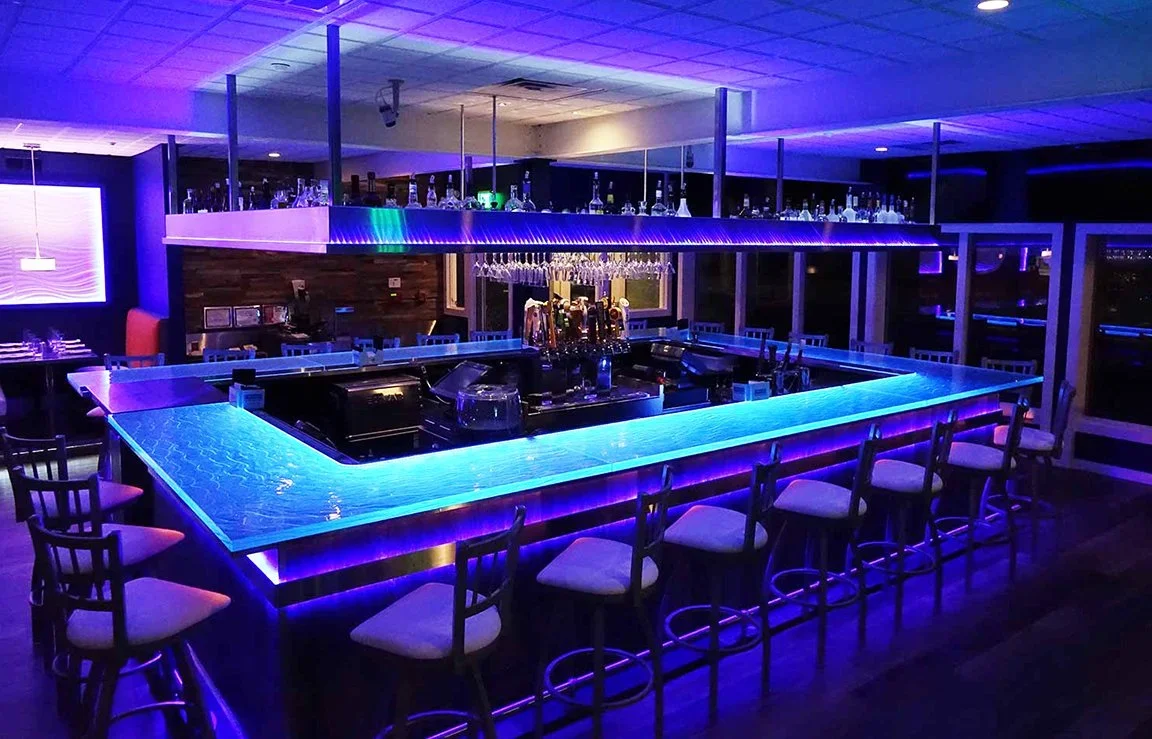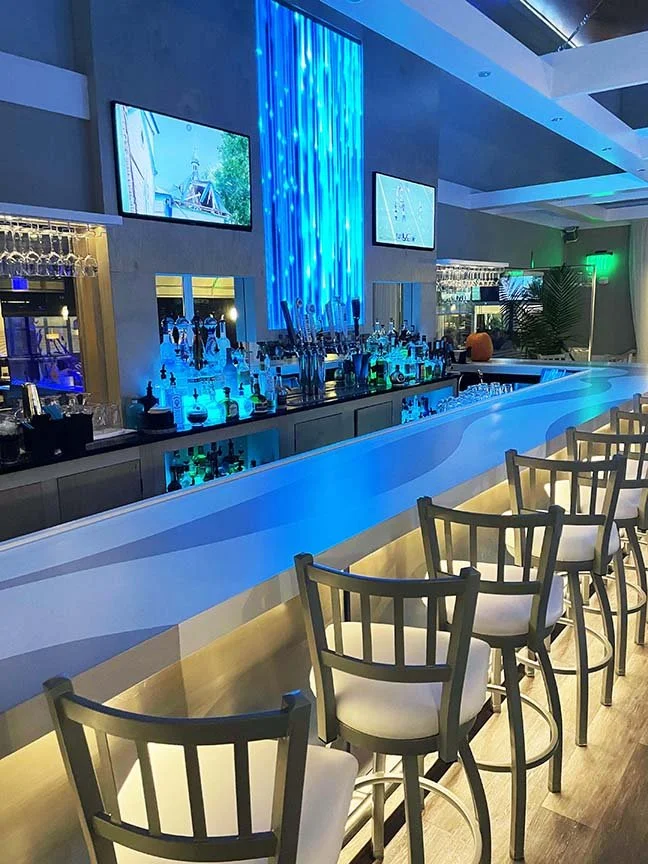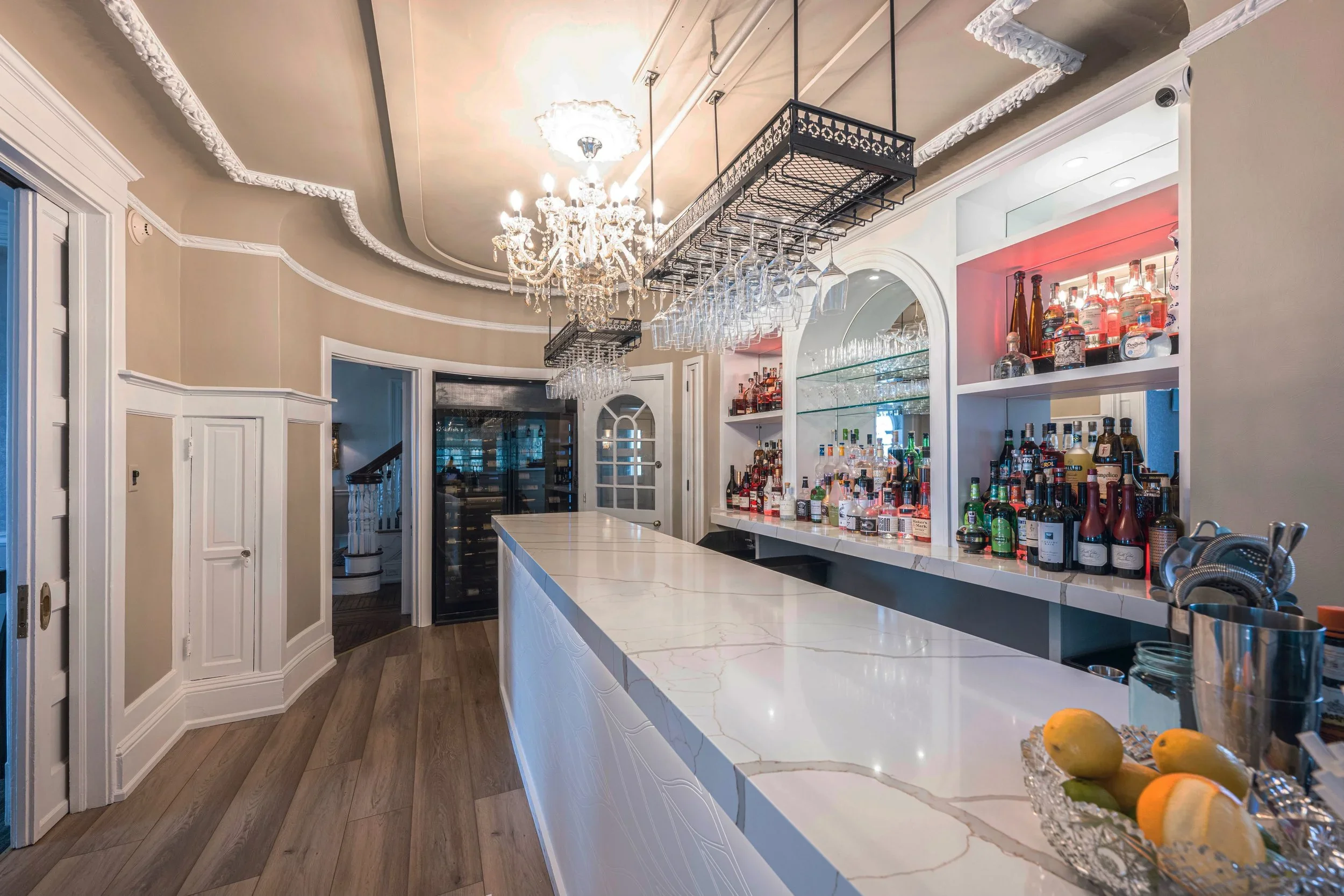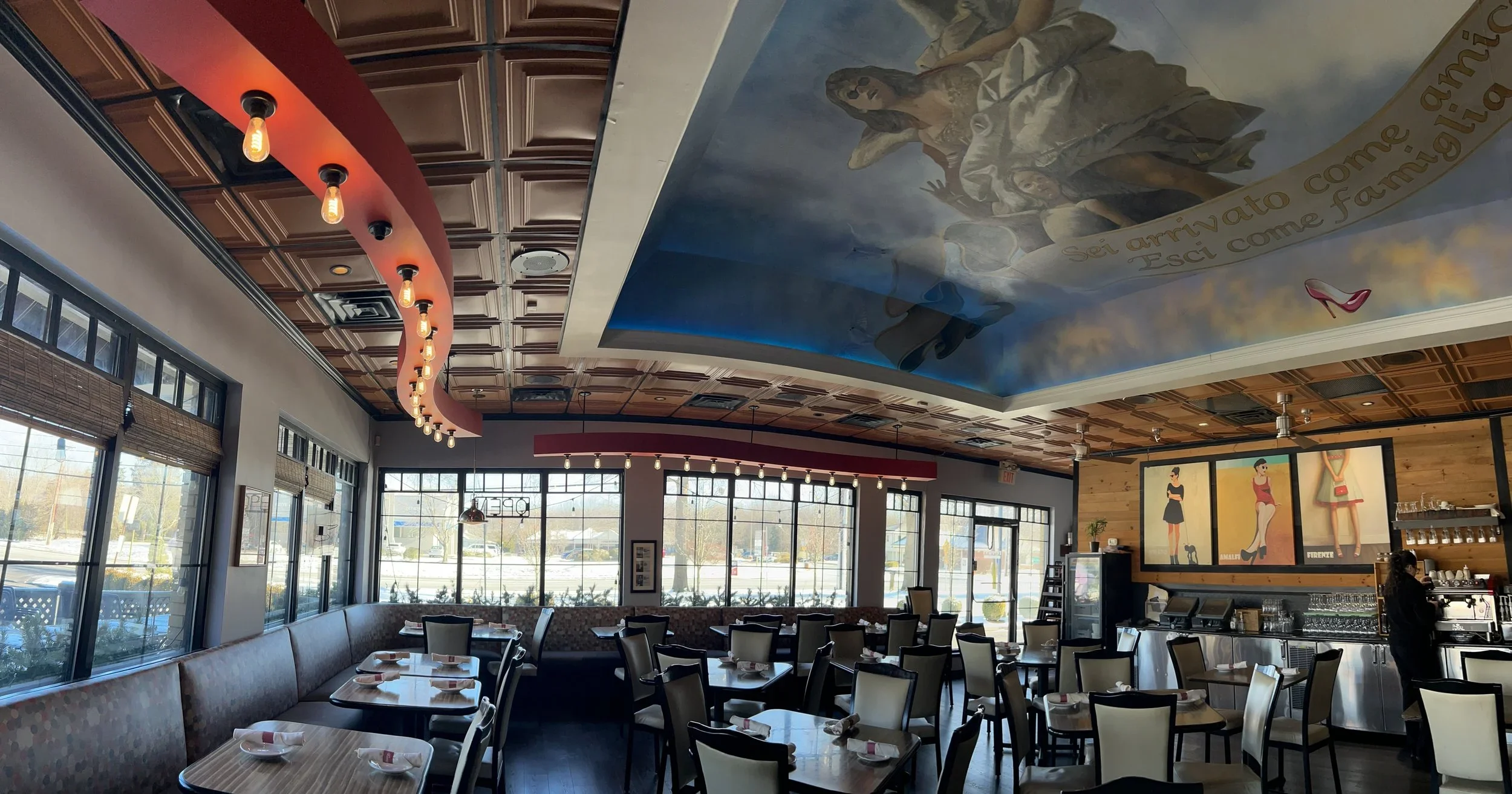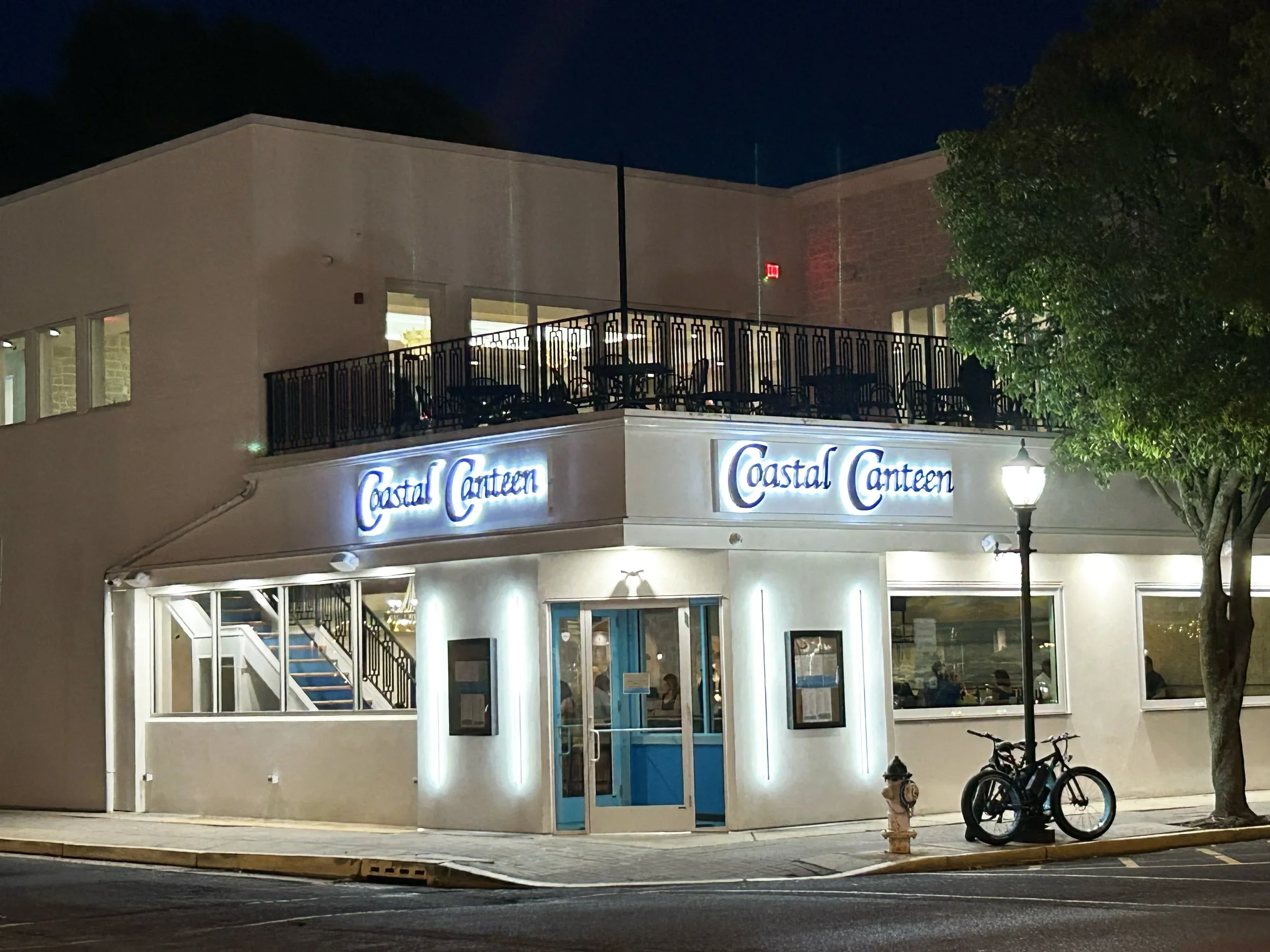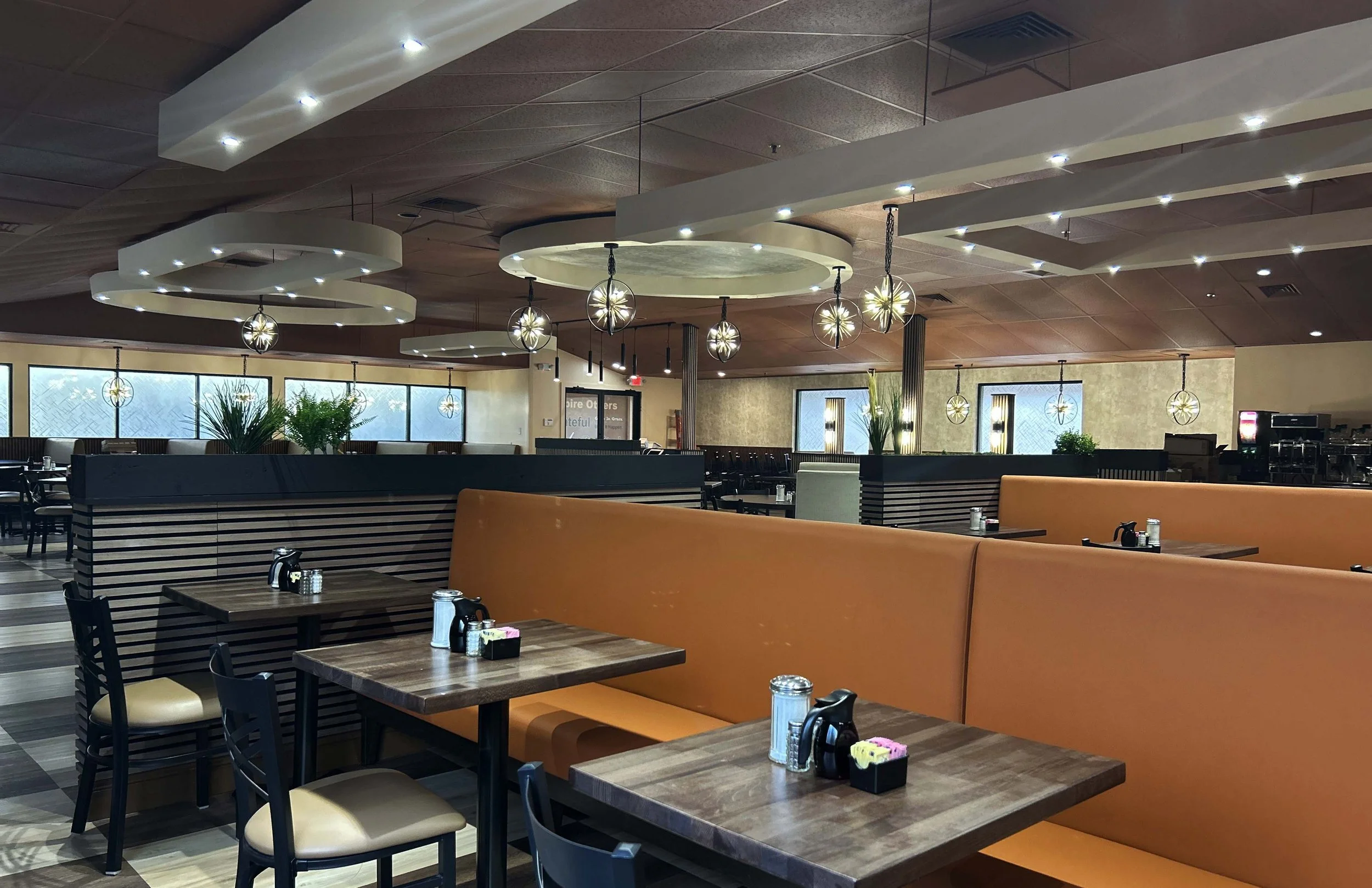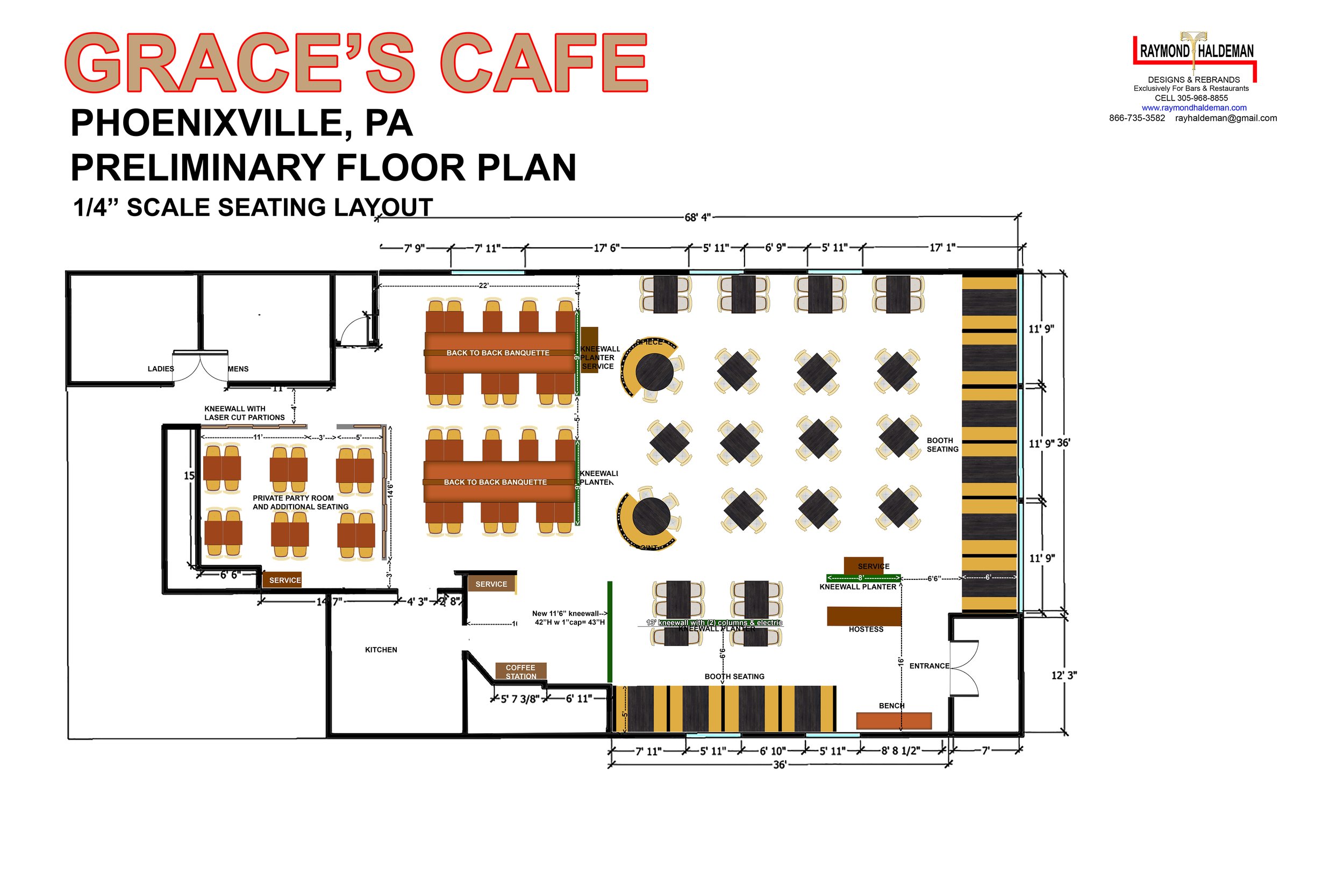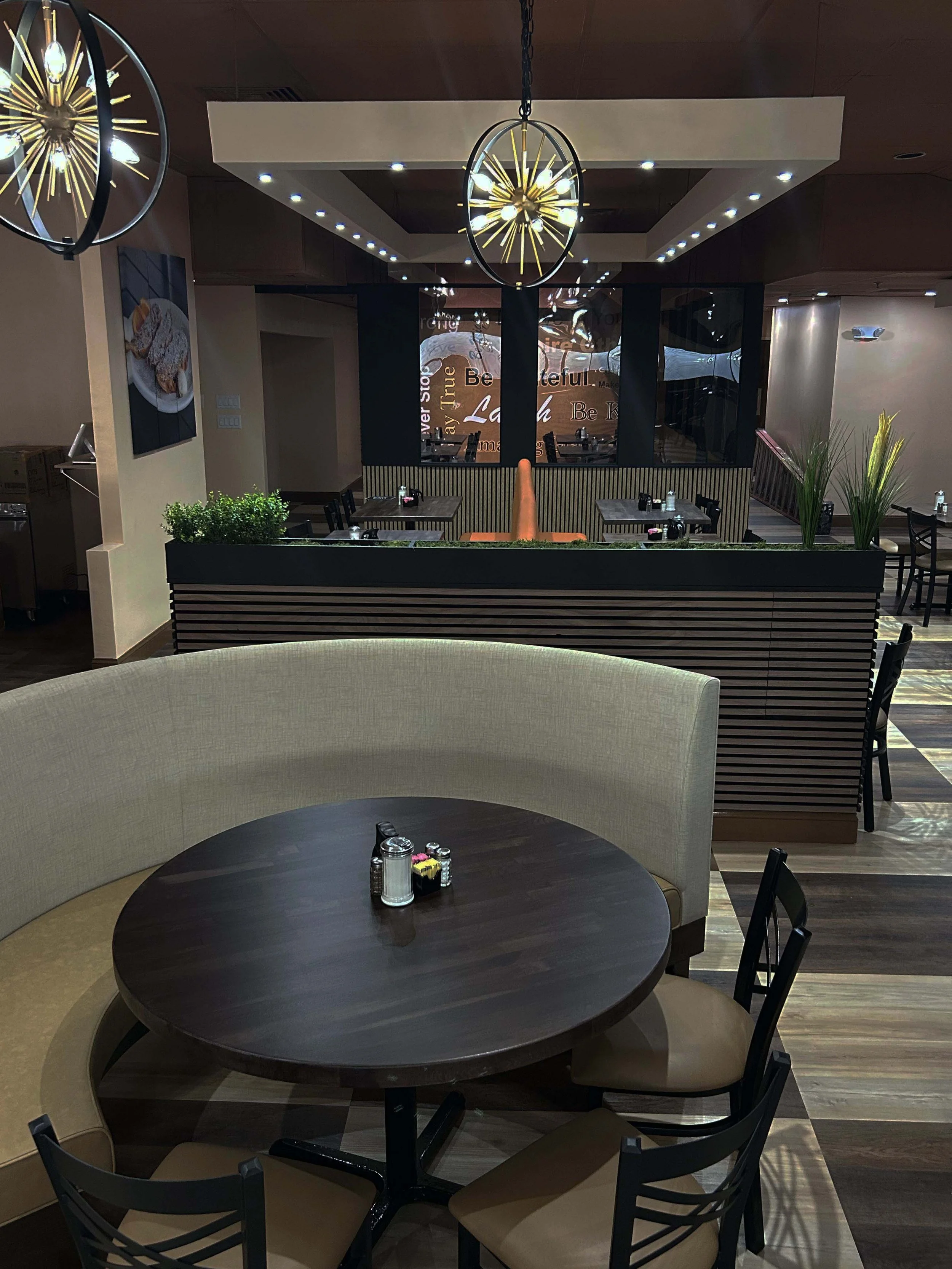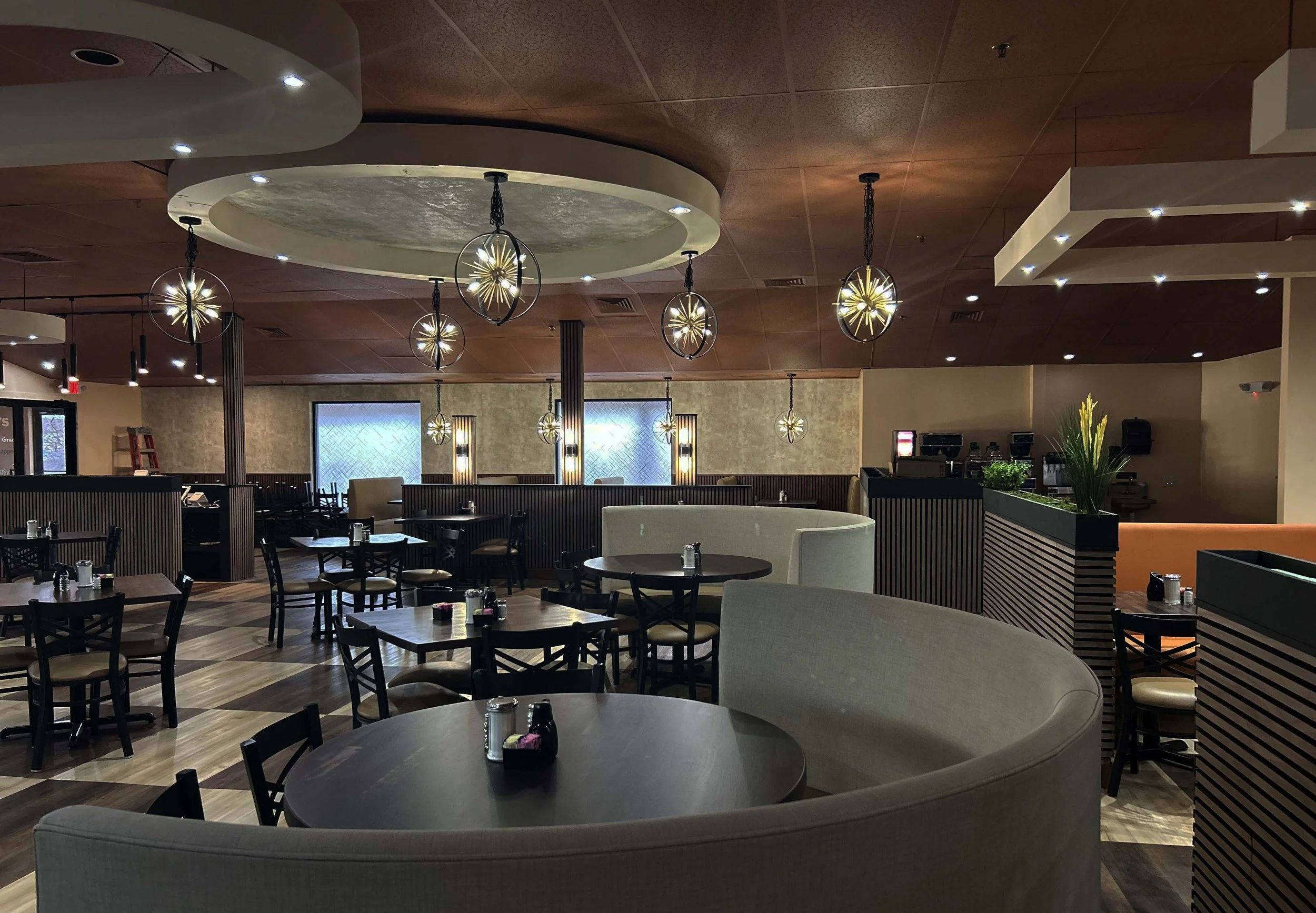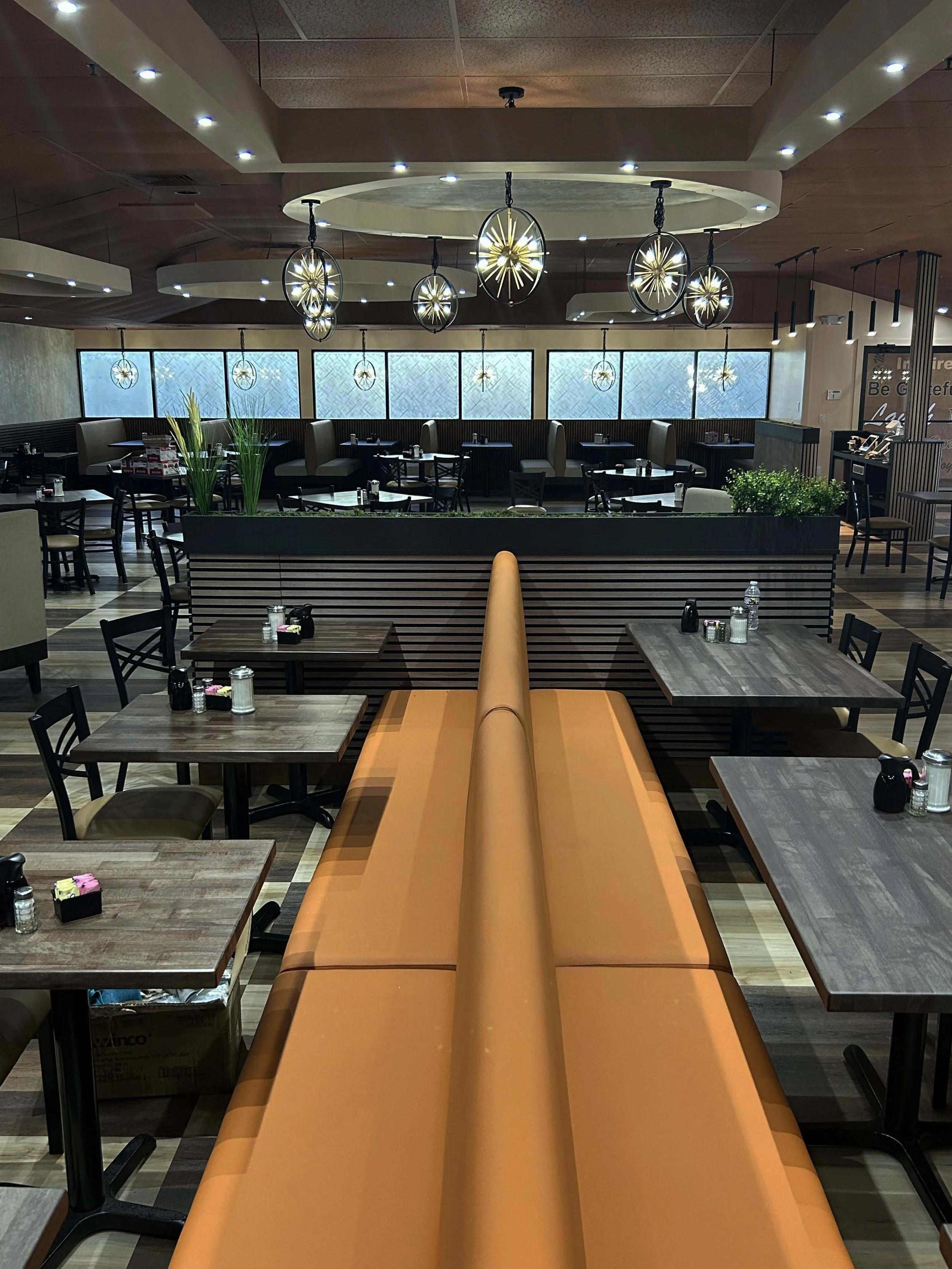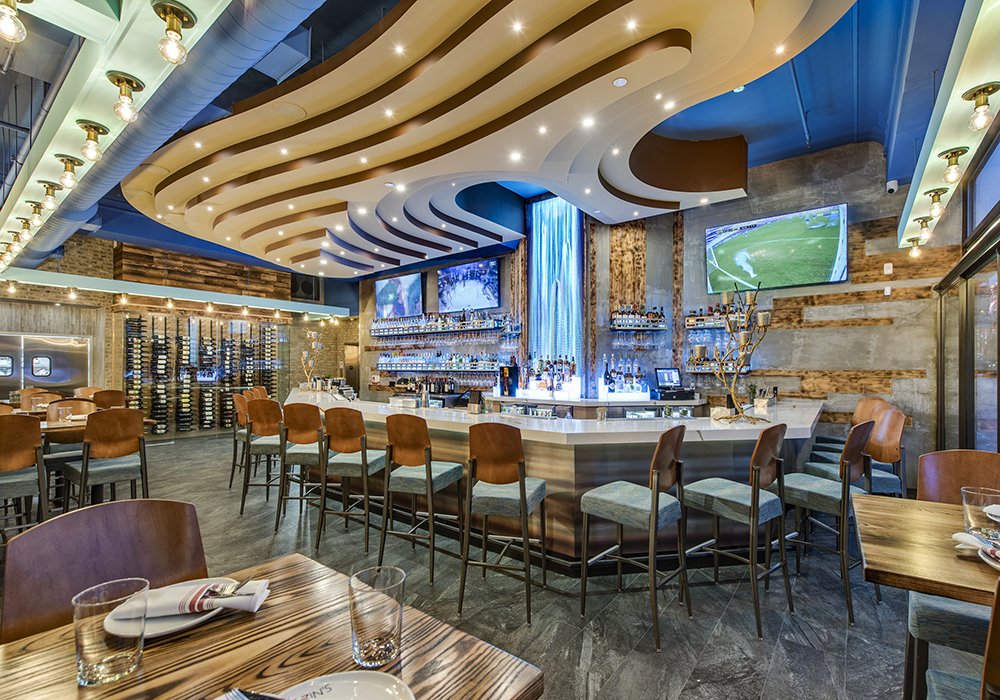
restaurant designer NJ

Best Restaurant Designer Practices: NJ & PA Success Guide

A beautiful restaurant that loses money is just an expensive hobby. If you are operating a venue in New Jersey or Pennsylvania, you already know that a packed house doesn't guarantee a healthy bottom line. High table turnover is useless if your margins are thin and your staff is constantly fighting against an inefficient layout. Implementing the best restaurant designer practices isn't about picking a trendy color palette; it's about engineering a high-performance revenue engine where every square inch justifies its existence on your P&L statement.

You deserve a space that commands premium pricing and operates with surgical precision. This guide masters the strategic design principles required to transform dated interiors into modern, high-capacity powerhouses. We'll examine how to optimize your floor plan for maximum seating, integrate the 2026 biophilic trends, and navigate critical regulatory shifts like the New Jersey "Skip the Stuff" law and Pennsylvania's updated building codes. Stop settling for a decorator when you need a visionary guide to secure your brand's future in a competitive market. Here's how you build a venue that survives and thrives.

Key Takeaways

  • Stop treating design as art and start engineering your space using the Design-to-Profit ratio to maximize average check sizes.

  • Deploy psychological architecture and "Anchor Table" strategies to command the room’s energy and eliminate revenue-killing seating zones.

  • Apply the "Total Immersion" rule to your rebranding efforts to ensure your new concept resonates with modern diners and survives the 2026 market.

  • Master the best restaurant designer practices that transform inefficient layouts into high-performance revenue engines through expert space planning.

  • Follow a professional roadmap from initial consultation to grand reopening to avoid the critical failure points that derail most new launches.

Table of Contents

The Strategic Foundation: Why Best Restaurant Designer Practices Start with ROI

Design is not a decorative luxury; it is a financial strategy. The best restaurant designer practices focus on the intersection of brand identity, operational flow, and guest psychology. If you treat your interior as a secondary expense after the kitchen equipment, you've already lost. Your space must be a high-performance revenue engine that generates returns. This is why professional restaurant design for new openings is a critical investment. It prevents the massive expenses that occur when you have to fix a broken layout after the doors are already open.

Consider the Design-to-Profit ratio. Every seat in your house has a daily value, and every square foot must pay rent. If your seating density is too low, you're leaving money on the table. If it's too high, you compromise the guest experience. Lighting also dictates spend; specific levels encourage longer stays and higher alcohol consumption. This strategy mirrors Menu Engineering Principlesby using visual cues and psychological placement to drive profitability.

The Cost of 'DIY' Design Mistakes

Amateurs build 'dead zones.' These are the tables next to the bathroom or the drafty entrance that every guest rejects. Poor space planning creates bottlenecks for your servers, slowing down service and killing your table turnover rates. Acoustics are another silent killer. If guests can't hear each other, they won't stay for dessert. Implementing the best restaurant designer practices avoids these pitfalls. Don't follow fleeting Instagram trends; if your brand is built on a gimmick, it will feel dated within 18 months, forcing a premature and expensive rebrand.

Engineering the First Impression

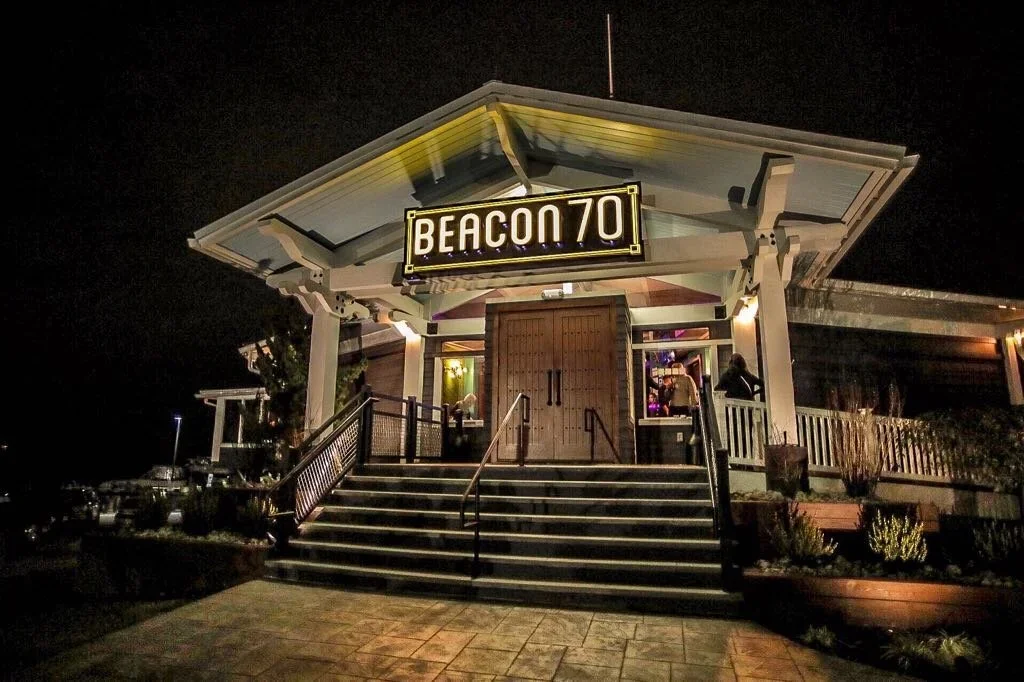
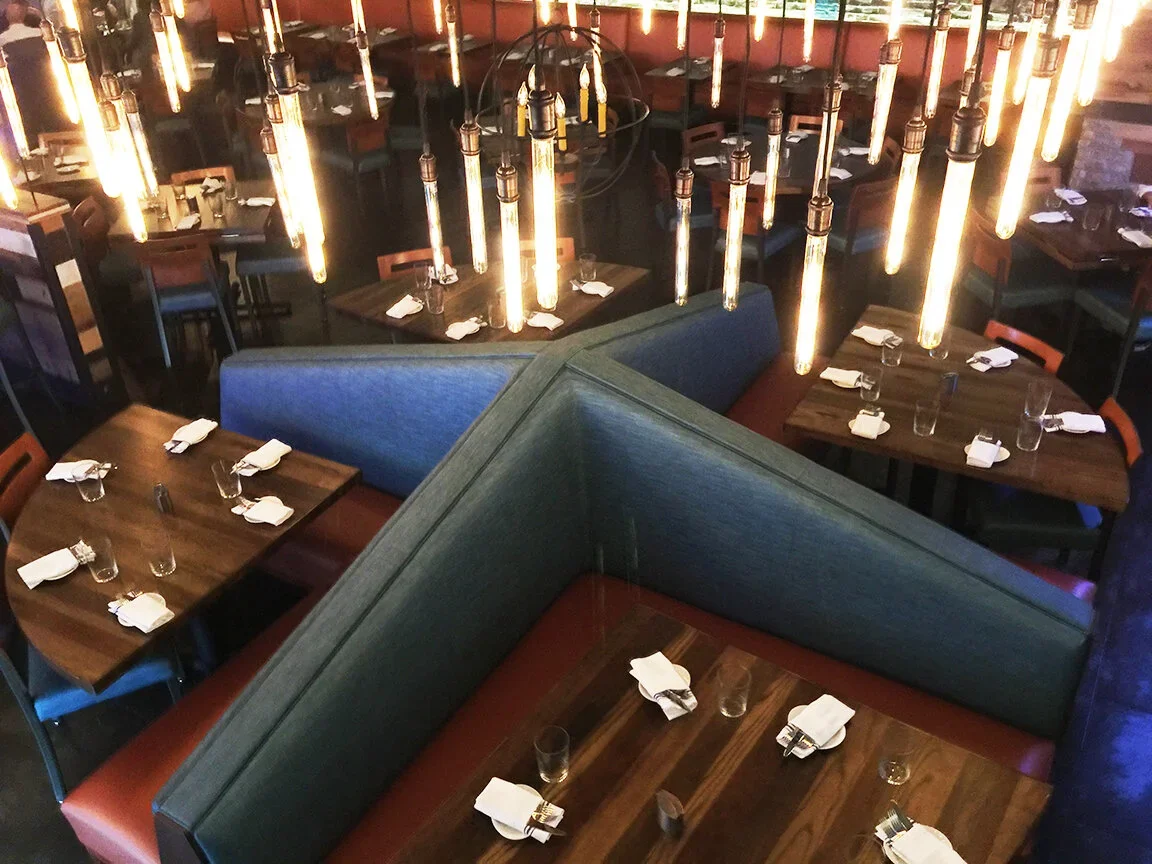
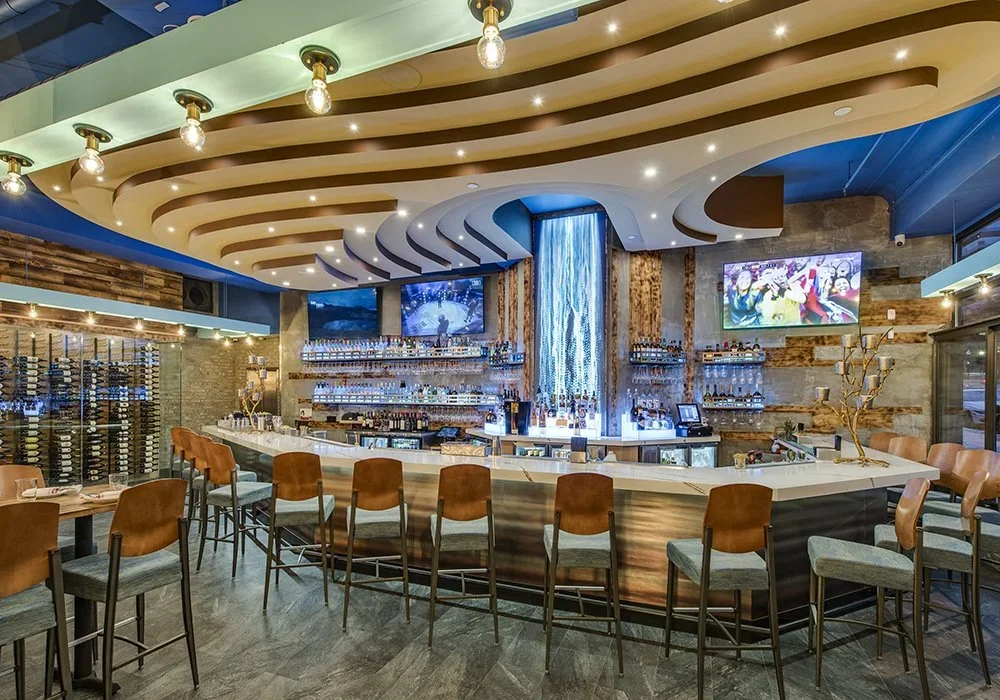
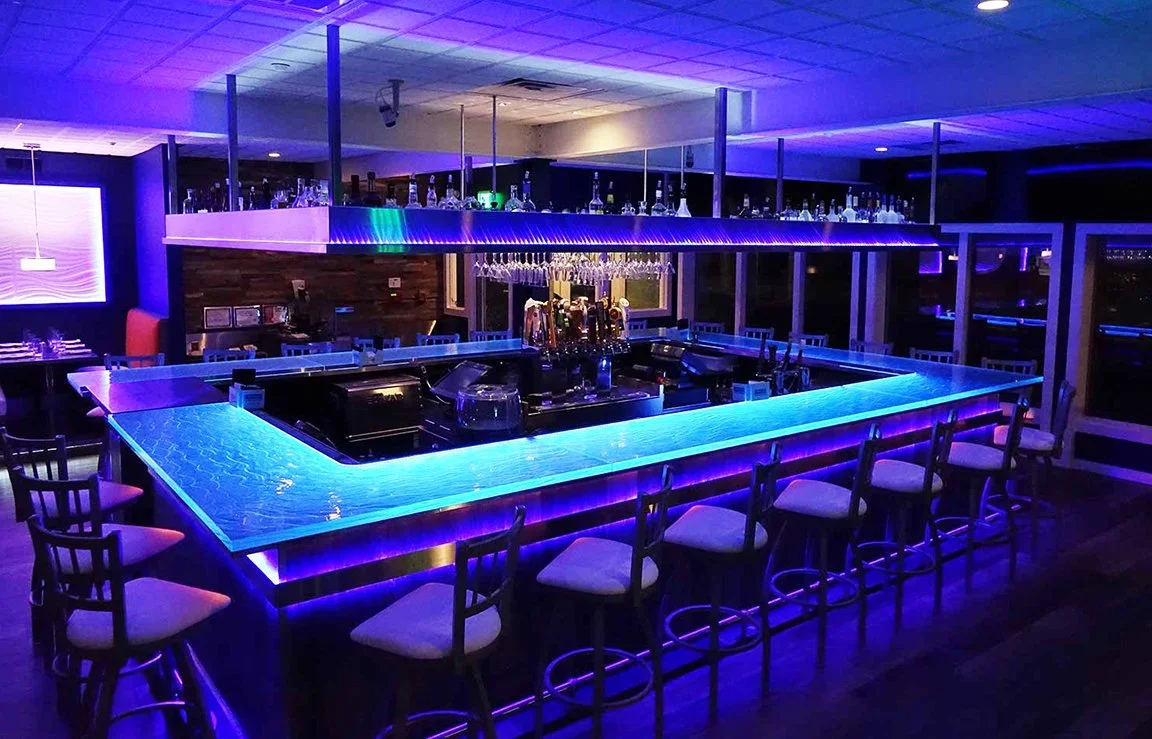
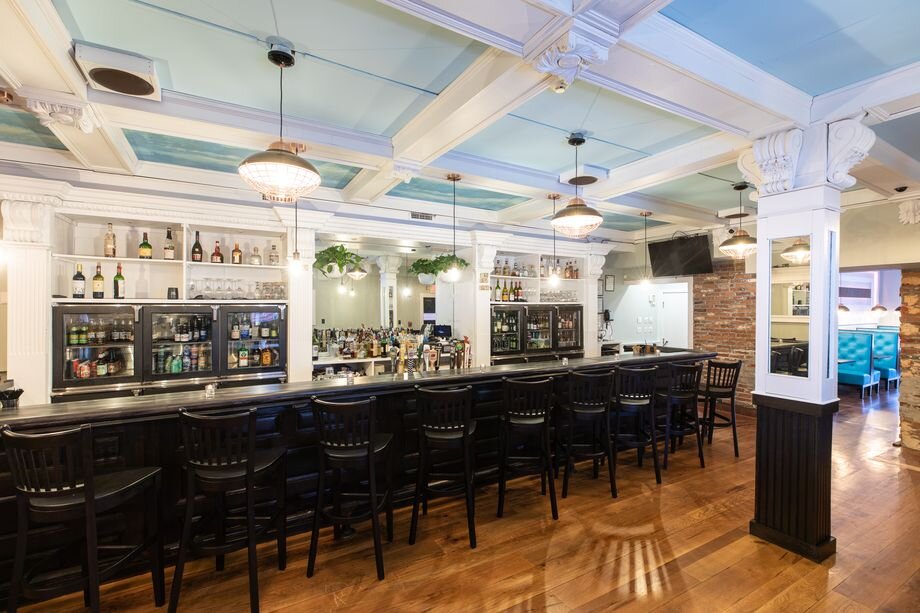
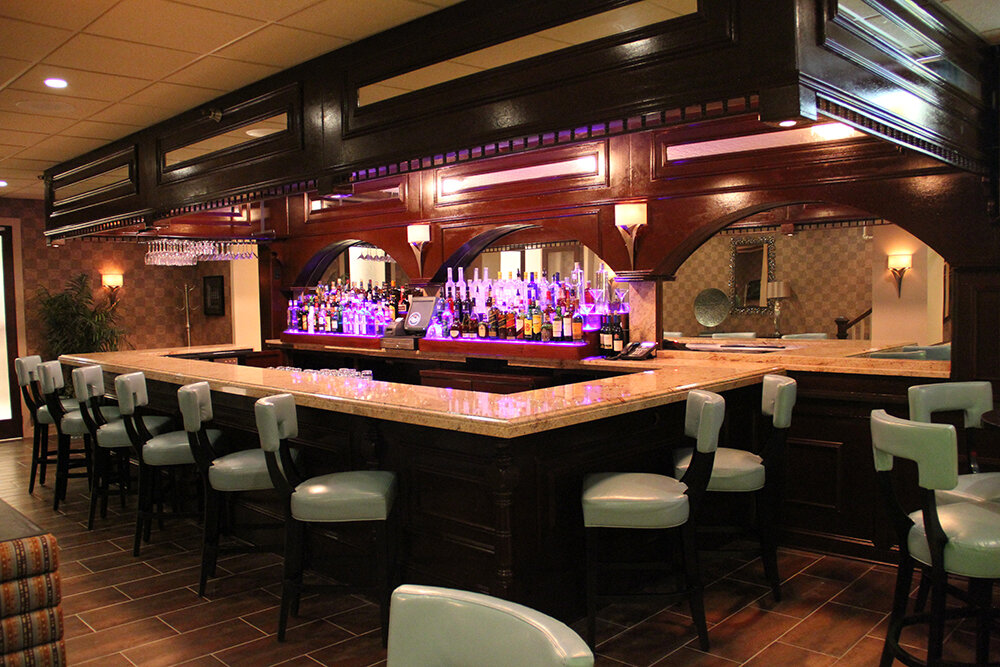
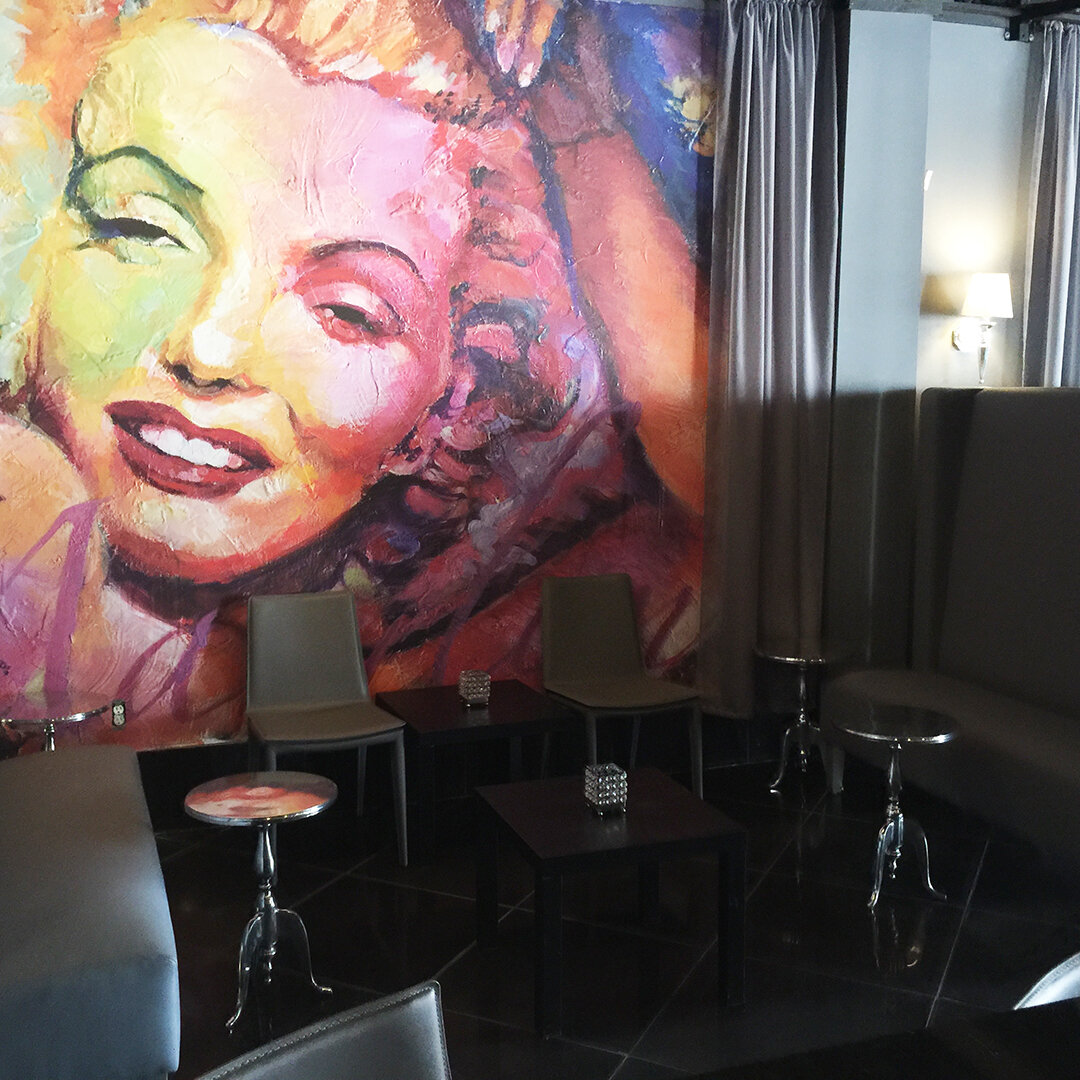
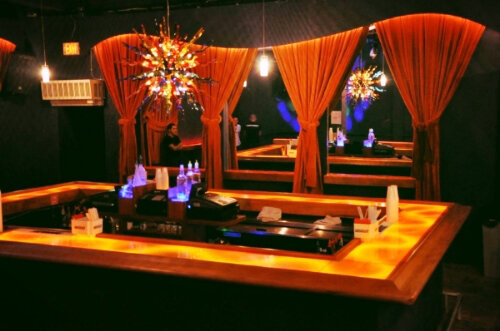
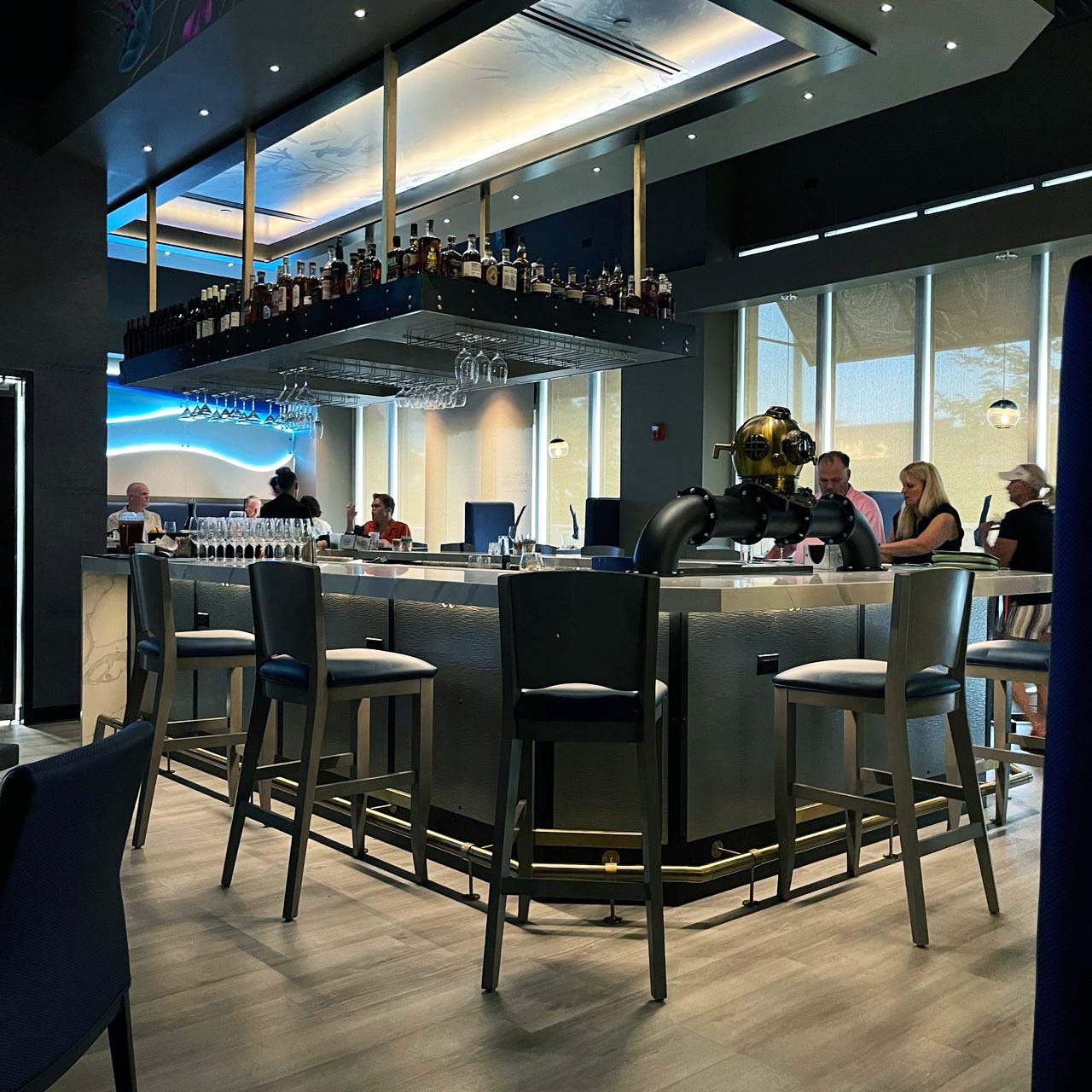
The 'threshold effect' is real. Within three steps of entering, your guest has already decided what your food is worth. If the entrance feels cheap, they'll balk at a $50 entree. Use focal points like a statement bar or lighting installation to command attention and establish your authority in the market. Your entrance sequence must communicate your entire brand promise in under three seconds to secure immediate guest buy-in.

Psychological Architecture: Managing Guest Behavior Through Layout

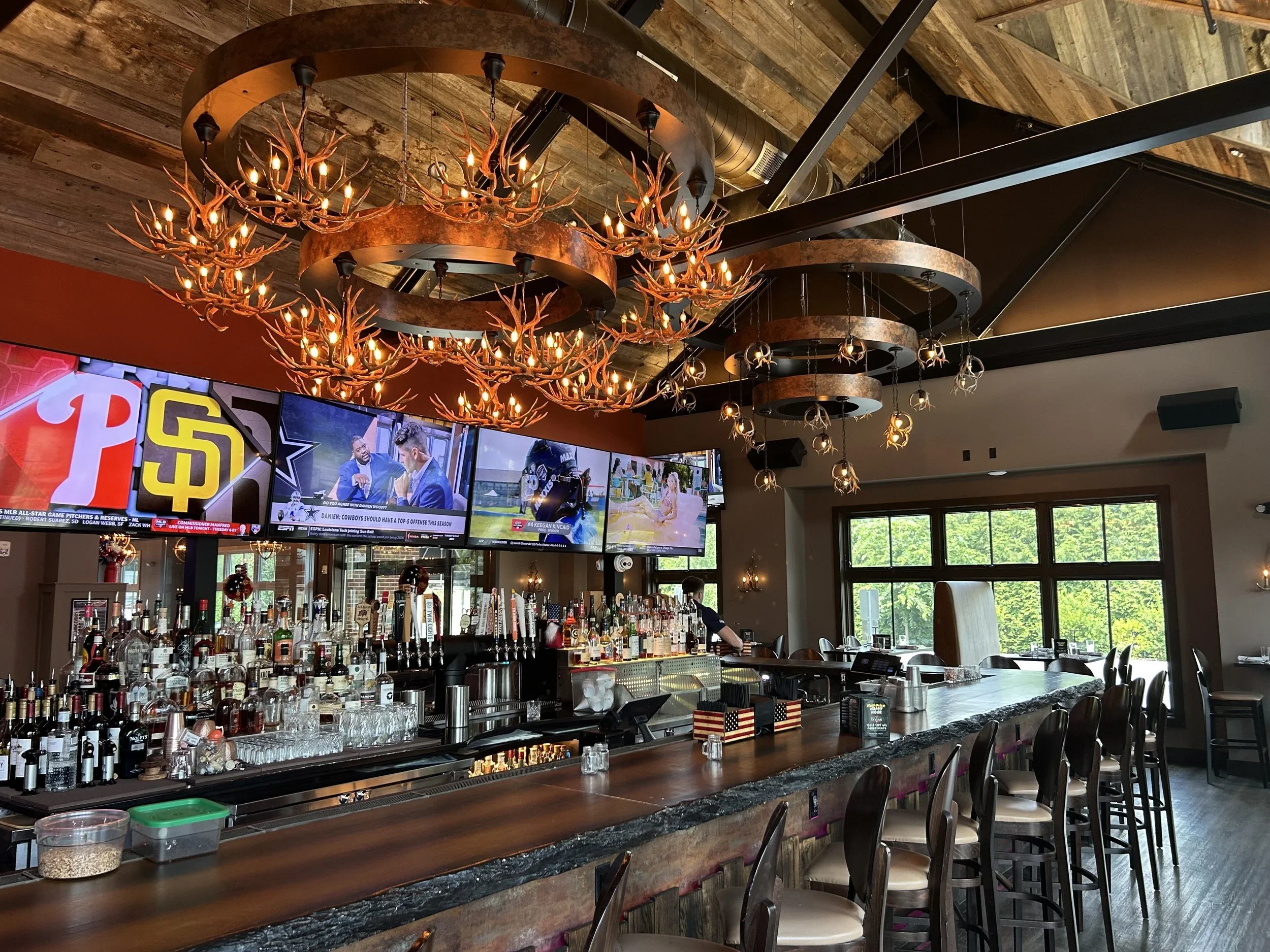
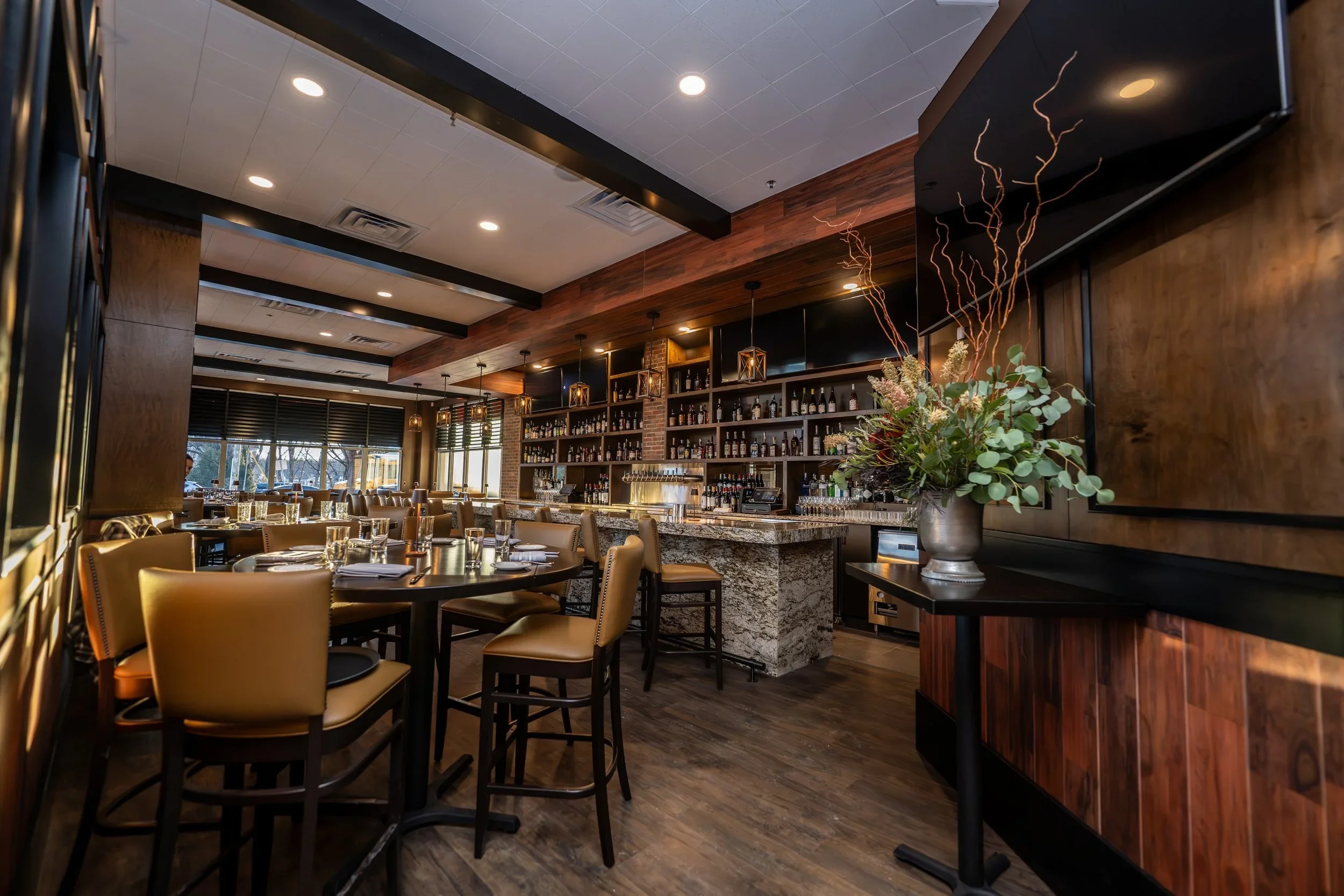
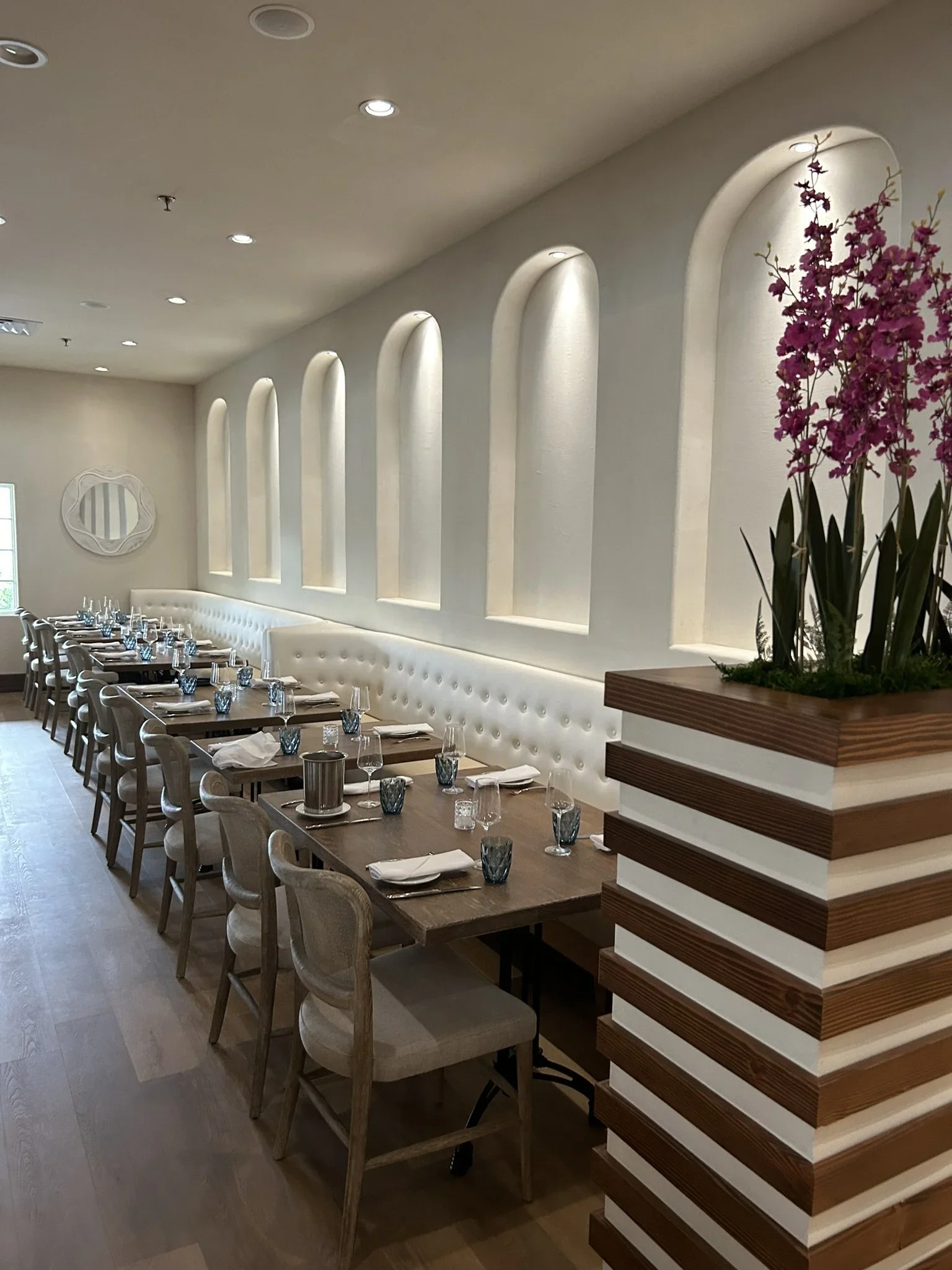
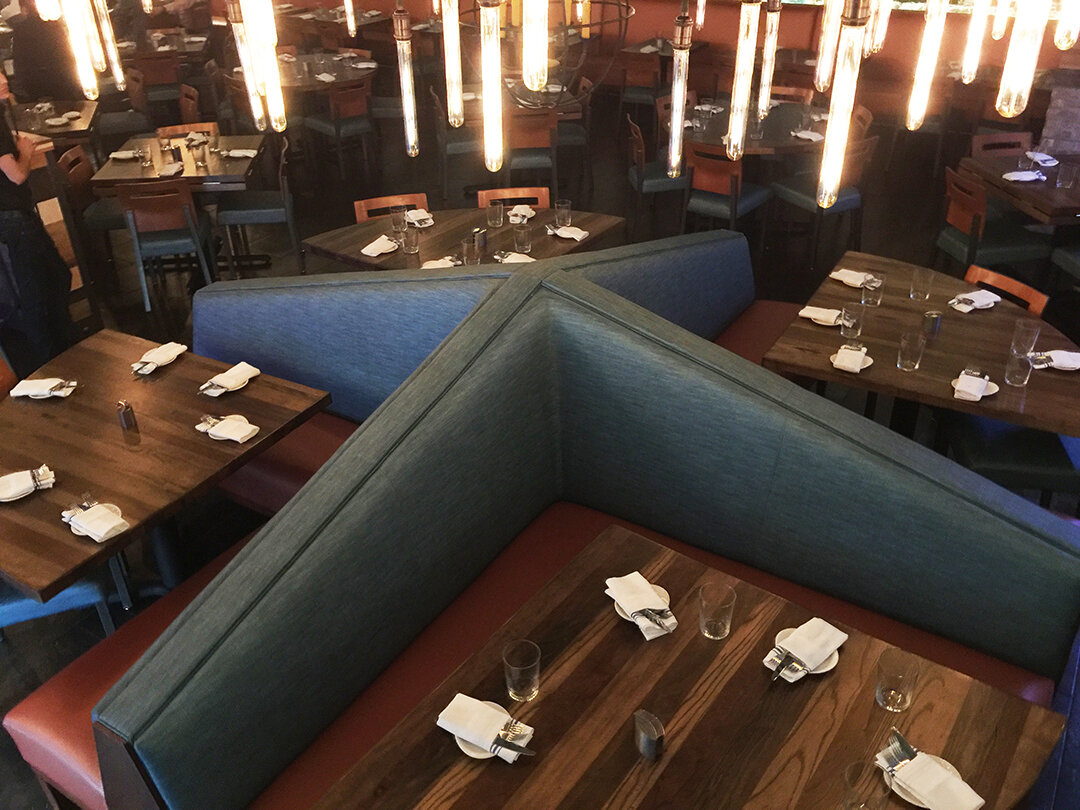
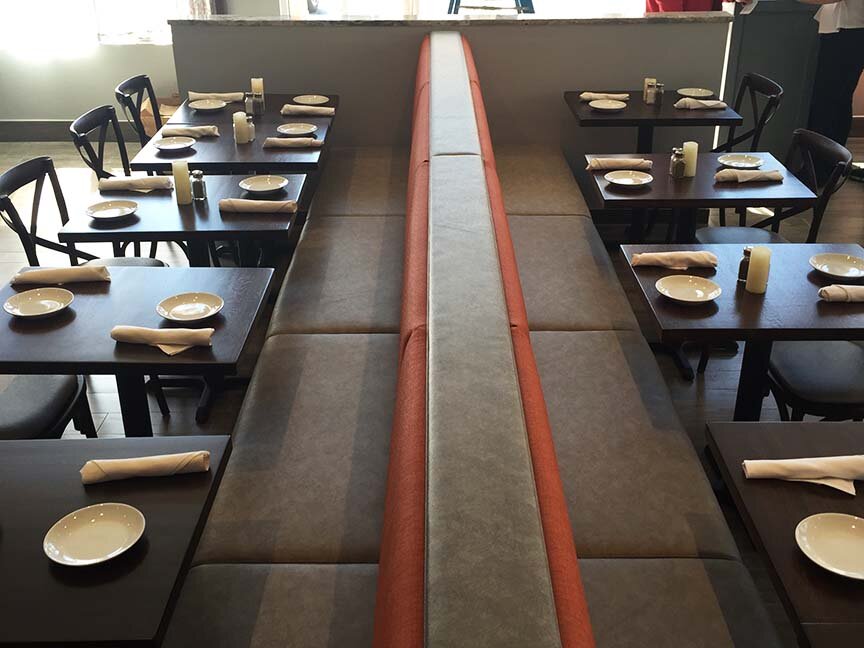
Every chair in your establishment is a psychological trigger. Layout is not just about fitting as many bodies as possible into a room; it is about controlling guest behavior to maximize spend. The best restaurant designer practices distinguish between 'money-makers' and 'revenue-killers.' Tables tucked near high-traffic restroom corridors or drafty service stations are dead weight. In contrast, the 'Anchor Table' strategy places VIP seating in high-visibility areas to broadcast an energetic vibe that influences the entire room. As noted by this culinary arts school on restaurant design, a unified aesthetic that considers the guest journey is non-negotiable for success.

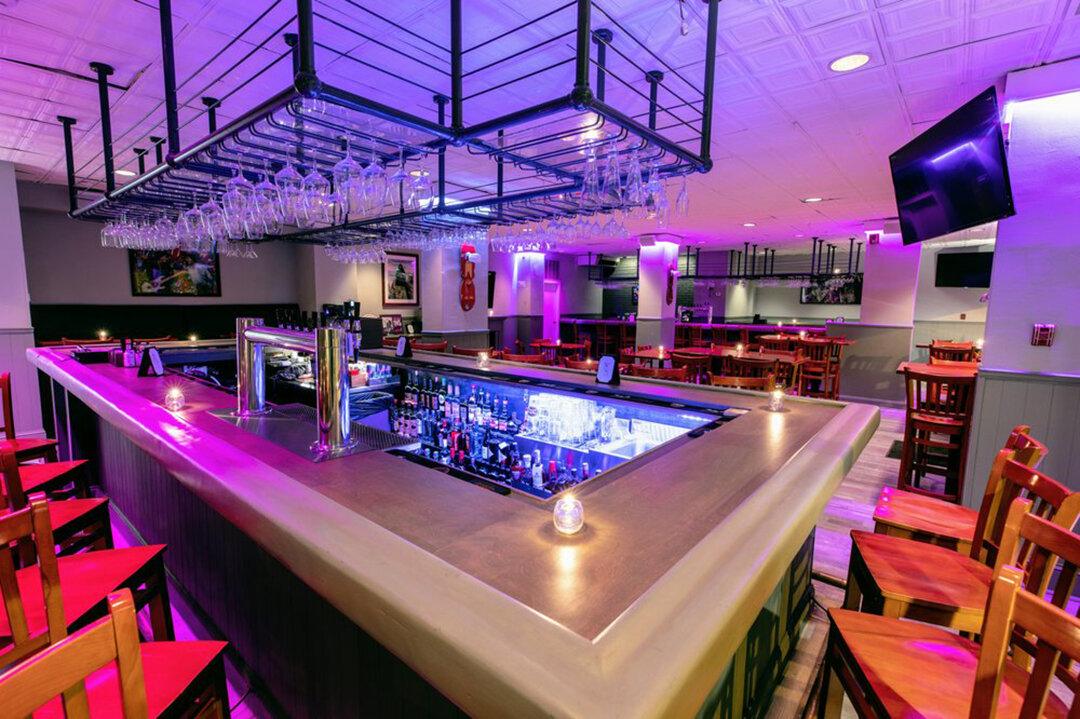
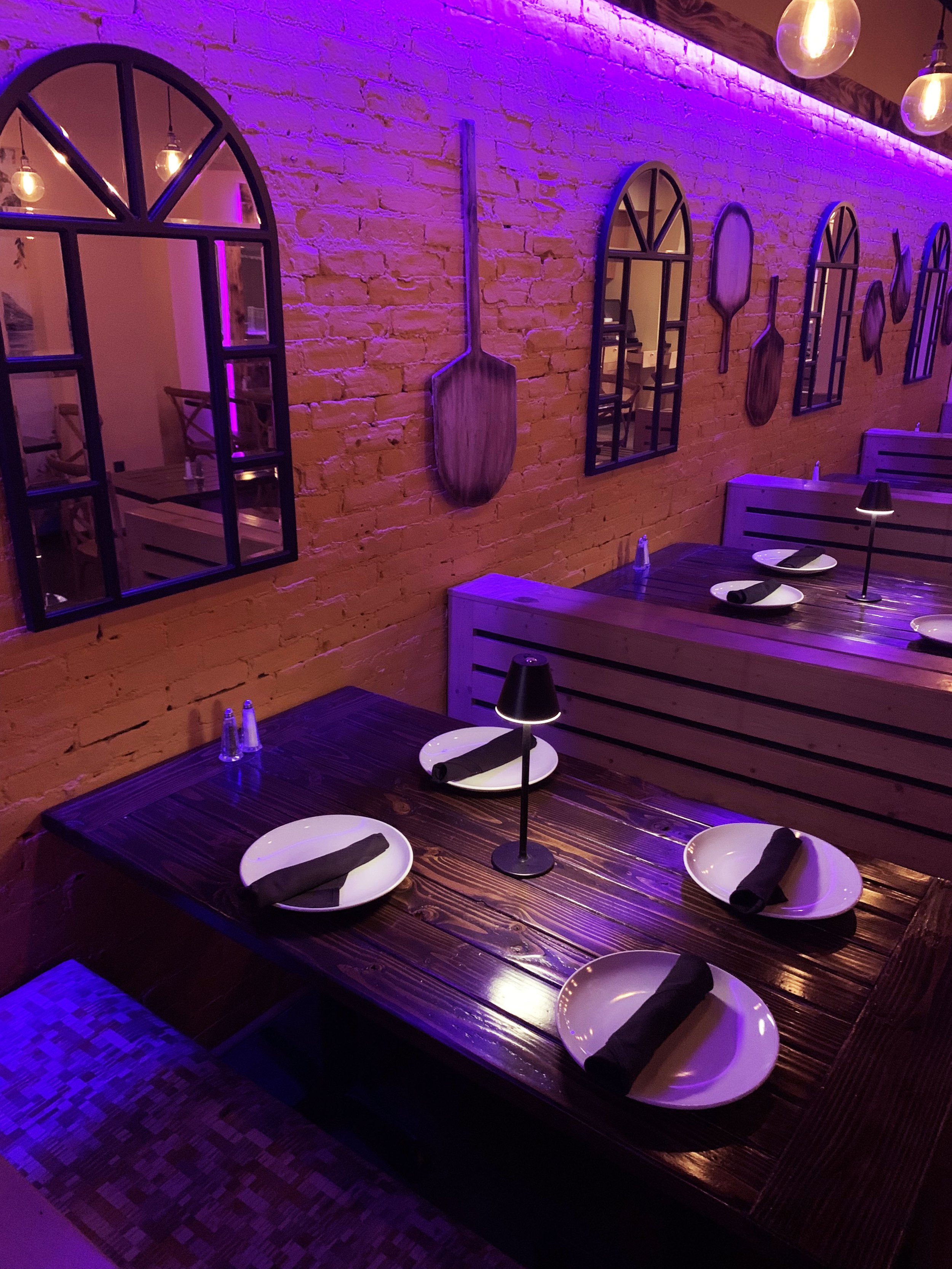
Lighting and acoustics are your silent sales force. Use layered lighting to direct the eye. Ambient light sets the mood, but task and accent lighting should illuminate high-margin menu items or the premium bar display. If your acoustics are poorly engineered, you lose control over table turnover. Too quiet, and the room feels clinical. Too loud, and guests leave before ordering coffee. Balance the 'vibe' with the ability to conduct a clear conversation to keep the checks growing.

Optimizing the Restaurant Floor Plan for Efficiency

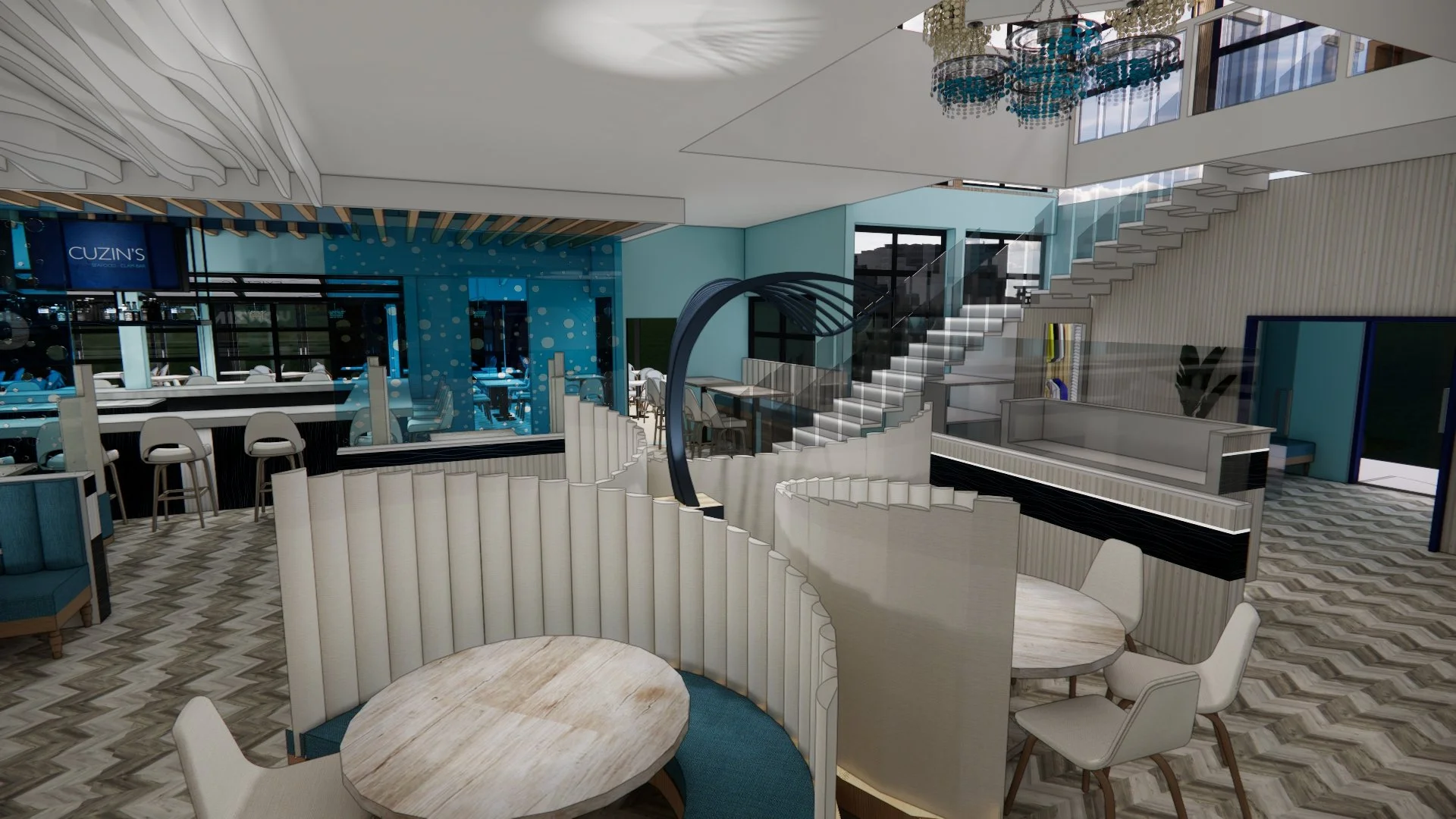
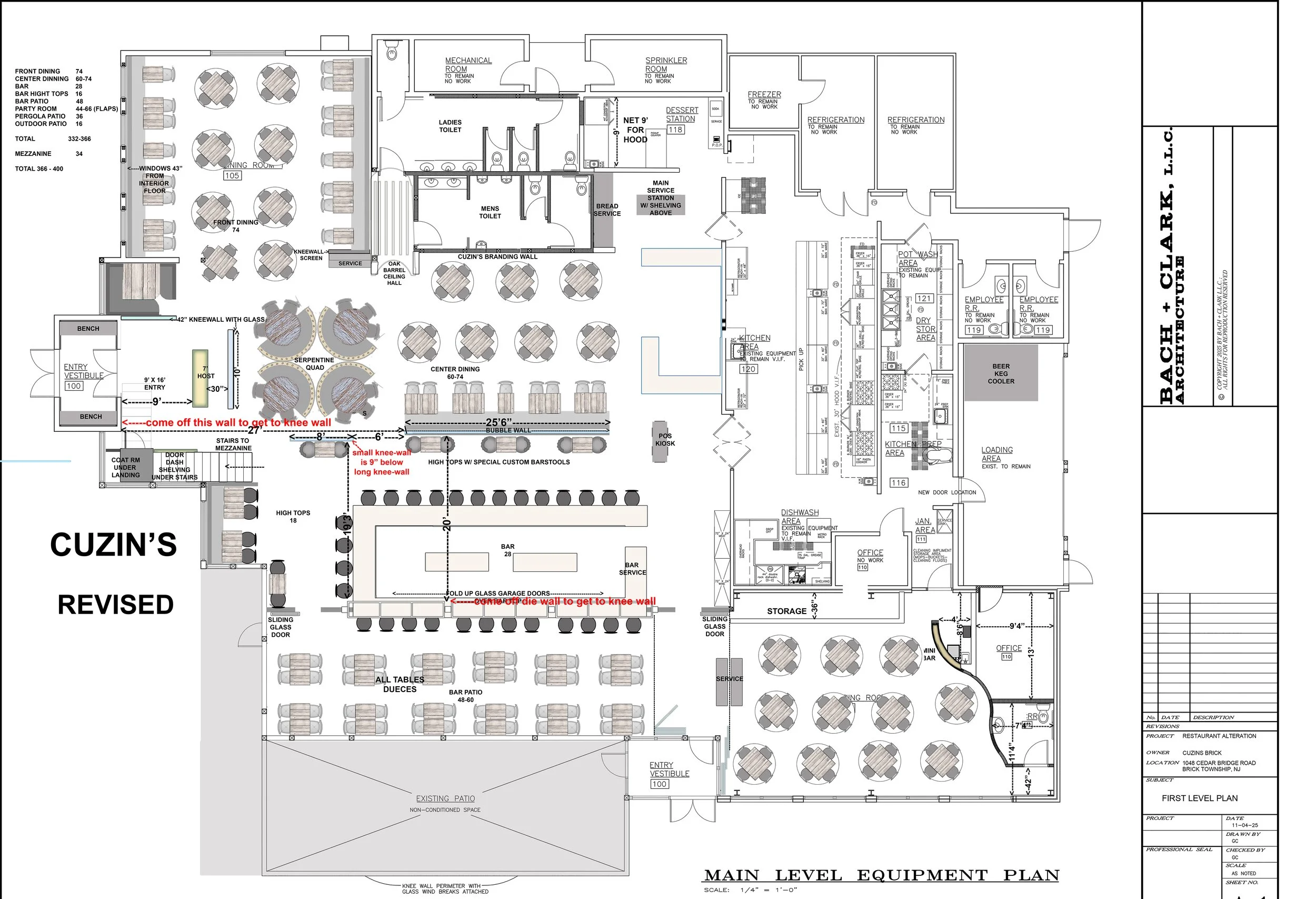
An inefficient layout is a tax on your labor costs. Engaging a professional restaurant floor plan consultant ensures that server paths are minimized. Every extra step a server takes is a delay in service and a hit to your profit margin. In high-volume bars and nightclubs, flow is both a safety requirement and a revenue priority. You must balance kitchen-to-table proximity with guest privacy. If your staff is constantly bumping into chairs, your design has failed.

Color Theory and Sensory Triggers

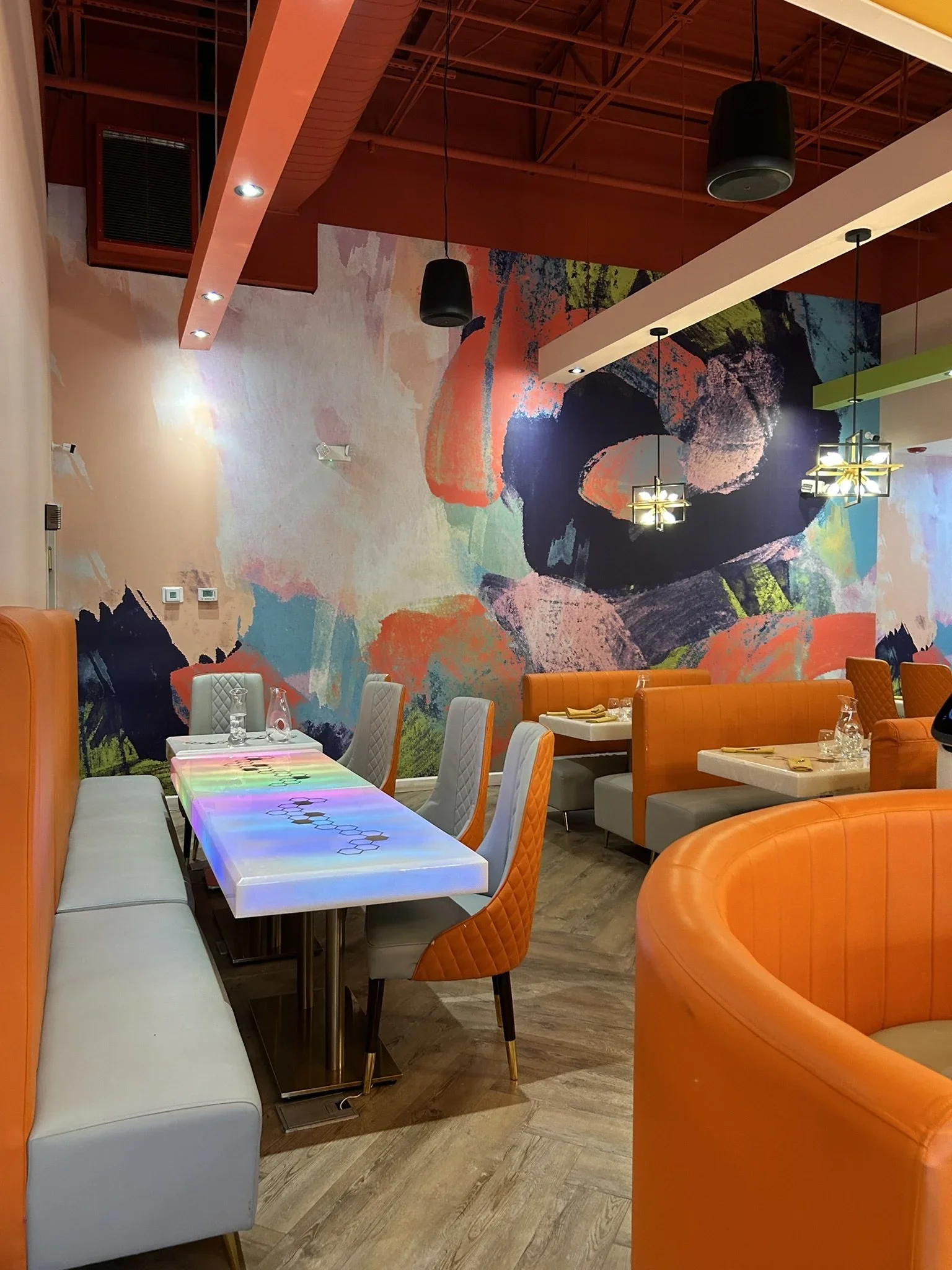
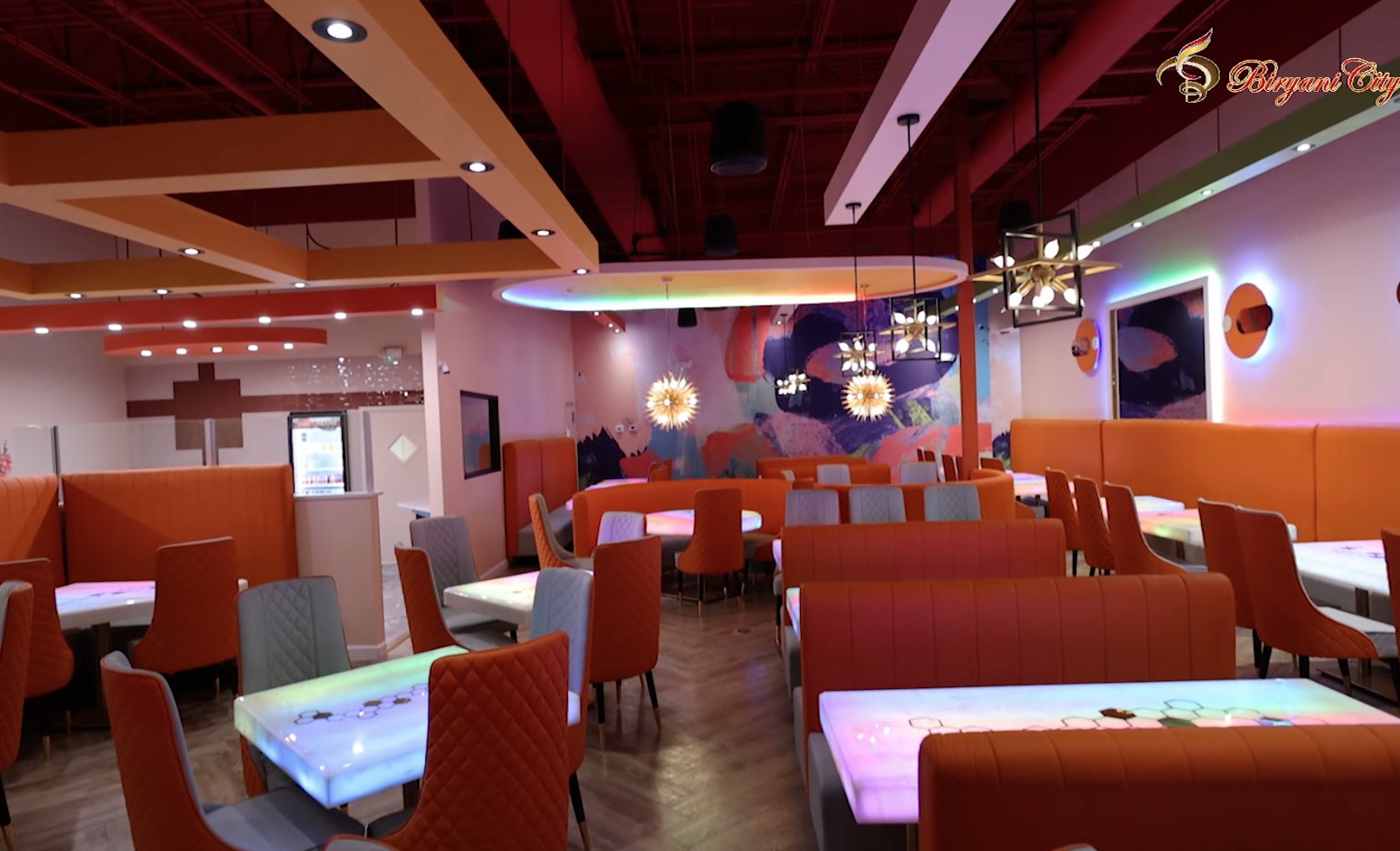
Colors dictate appetite. Use warm tones to stimulate hunger and cool tones to encourage faster turnover in high-volume concepts. Sensory design extends to touch and smell. Scent integration can subtly nudge guests toward dessert or specialty cocktails. Even the weight of your silverware matters. If you claim to offer a premium experience but provide flimsy cutlery, you've broken your brand promise. Every tactile detail must match your assertive brand voice. If you're ready to fix your layout, a professional space planning consultation is the next logical step.

Rebranding Best Practices: Rescuing a Failing Concept

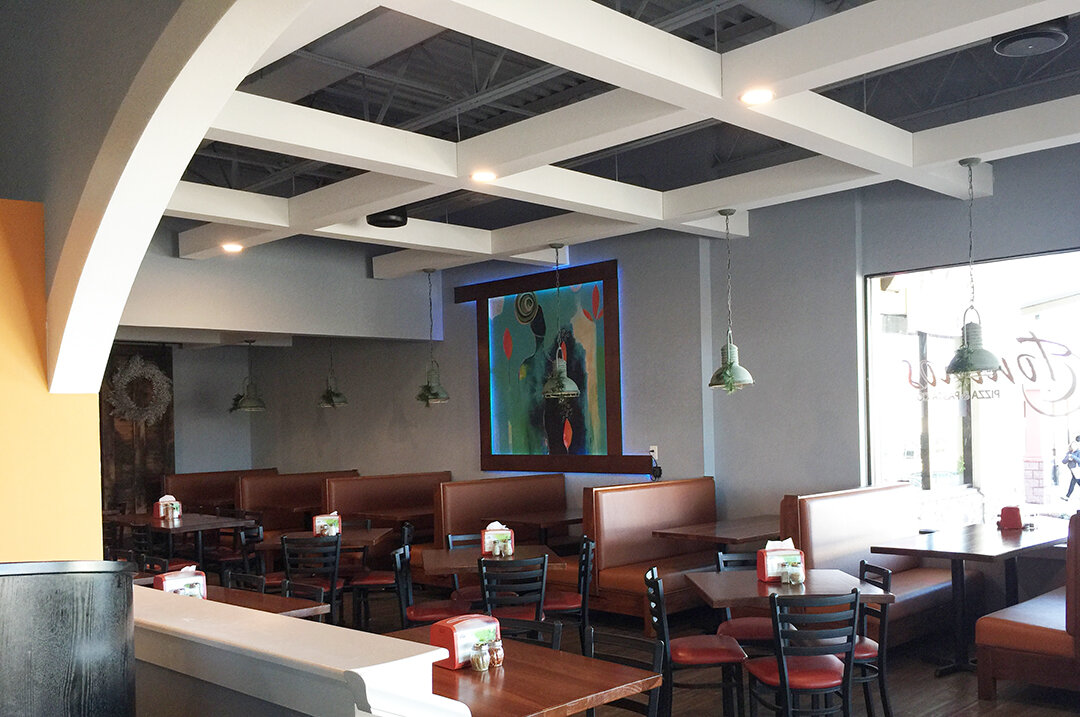
A failing restaurant is often a victim of its own stagnant environment. If your tables are empty while the competitor down the street is packed, your interior is likely broadcasting obsolescence to every passerby. Critical failure points include dated lighting that flattens your food's appeal, worn-out upholstery, and a layout that forces guests into awkward proximity. Applying the best restaurant designer practices means more than a fresh coat of paint. It requires a strategic overhaul that addresses the root causes of your declining revenue and restores your market authority.

Adopt the "Total Immersion" rule. Changing your logo while leaving the same tired booths in place is a waste of capital; it signals to your customers that you're only interested in a superficial fix. To see real results, you must align the physical space with your new brand promise. Managing the restaurant rebranding cost effectively involves prioritizing high-impact visual changes, like lighting and seating, that immediately shift the guest's perception of value. By adhering to the best restaurant designer practices during a concept rescue, you ensure that every dollar spent contributes to a measurable increase in foot traffic.

The Anatomy of a Successful Rebrand

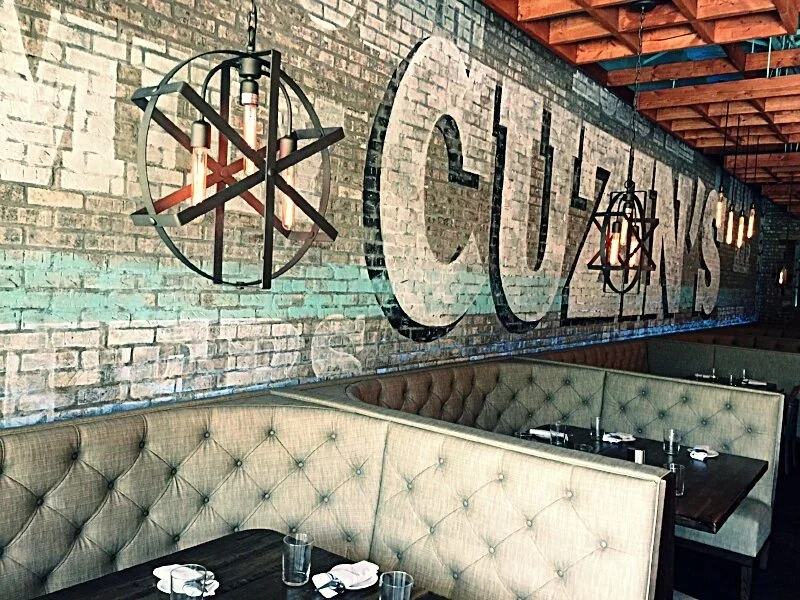
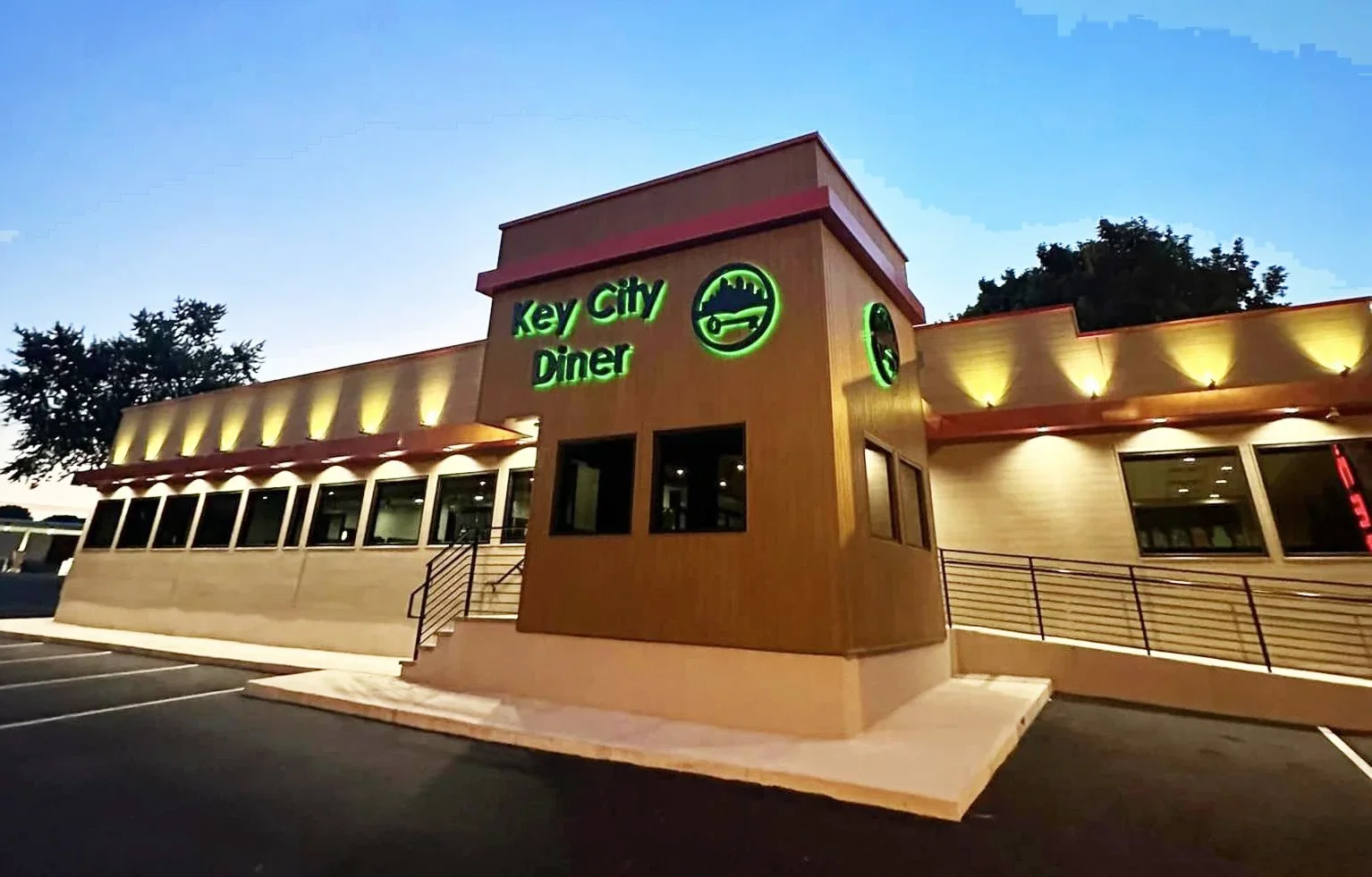
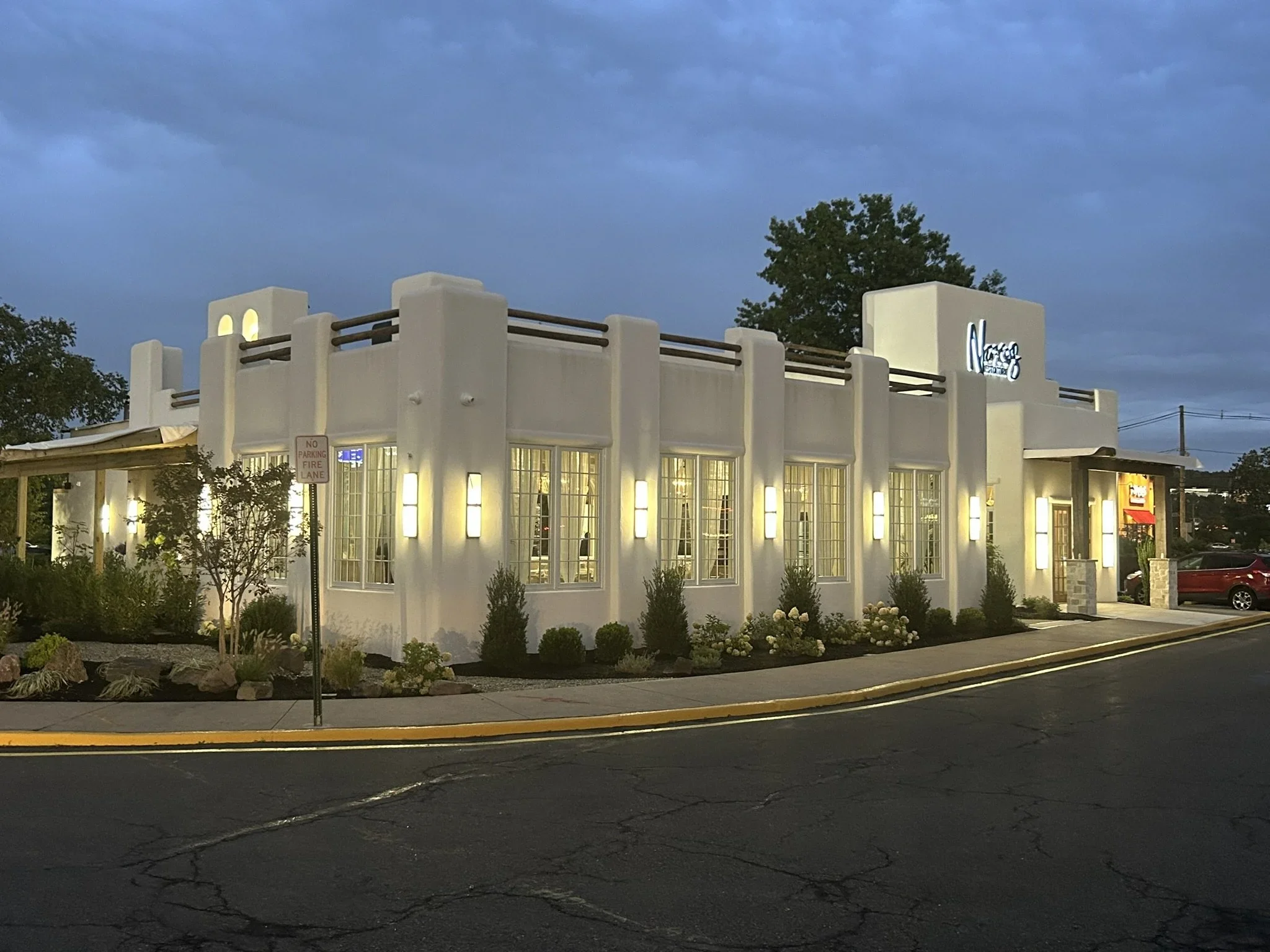
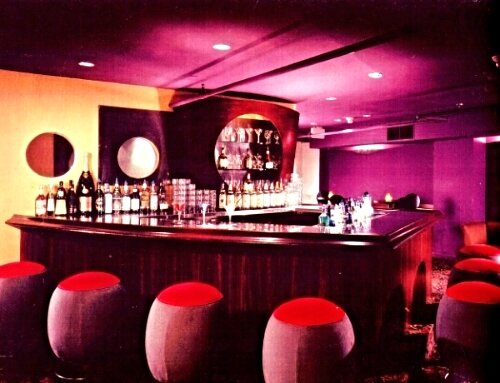
Consider the transformation of a classic New Jersey diner into a sophisticated modern bistro. This isn't just about changing the menu. It involves a complete visual identity redesign that signals a shift in quality and management to the local community. You must modernize without alienating your core base by retaining subtle nods to your history while elevating the overall sophistication. A successful rebrand is not a cosmetic mask; it is the physical manifestation of a brand's evolution from a struggling past to a profitable future.

Operational Rebranding: Beyond the Paint

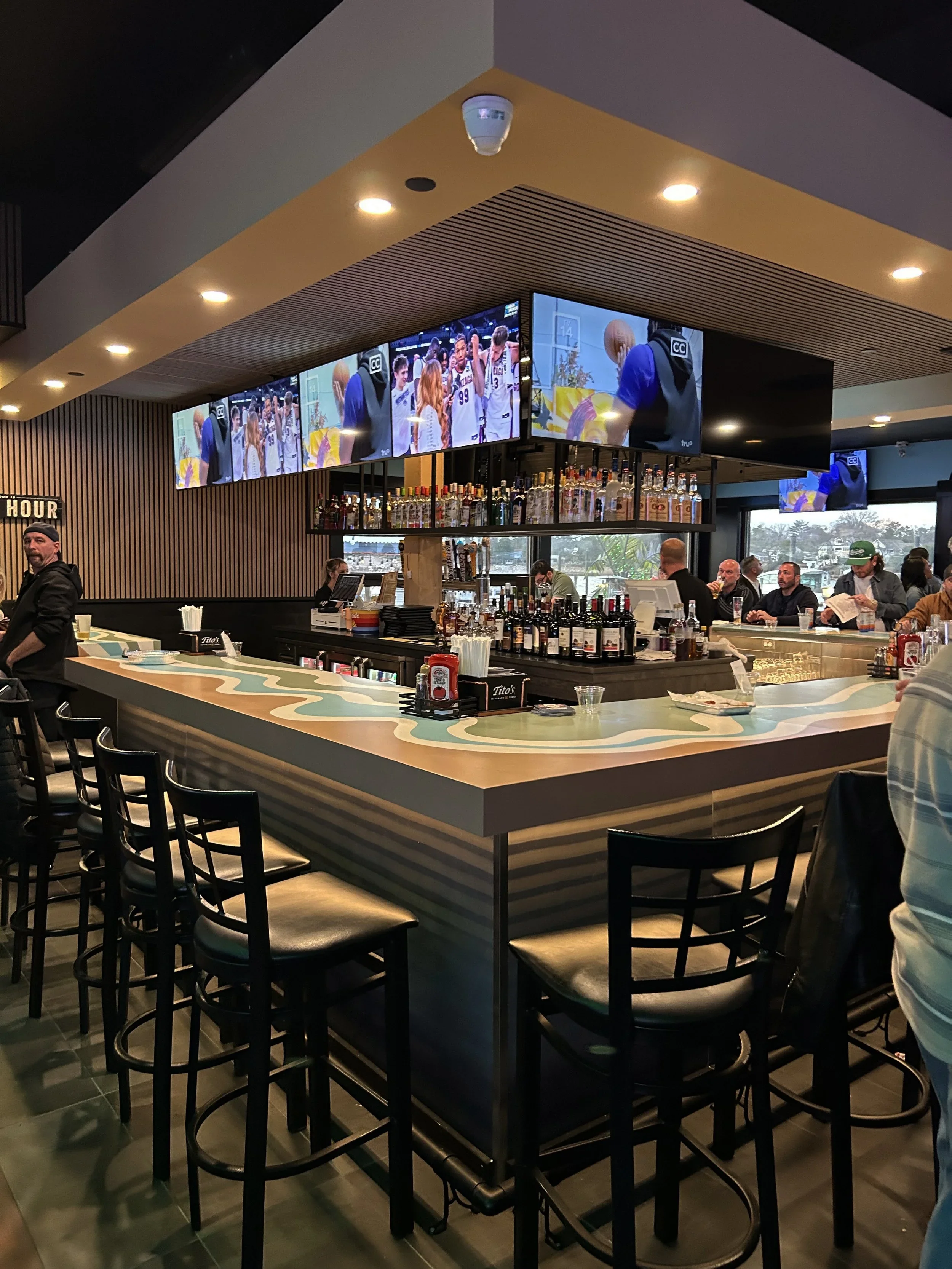
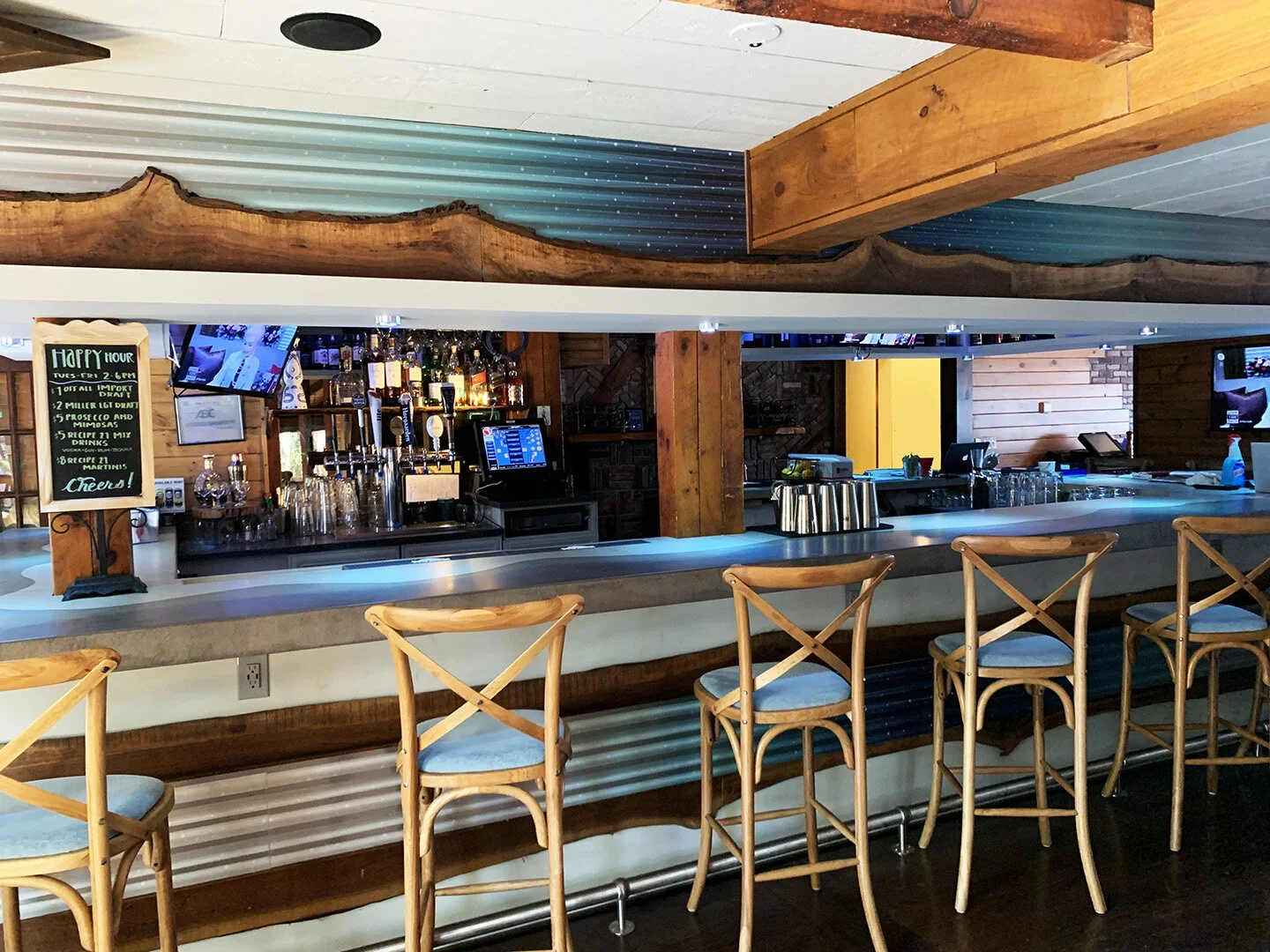
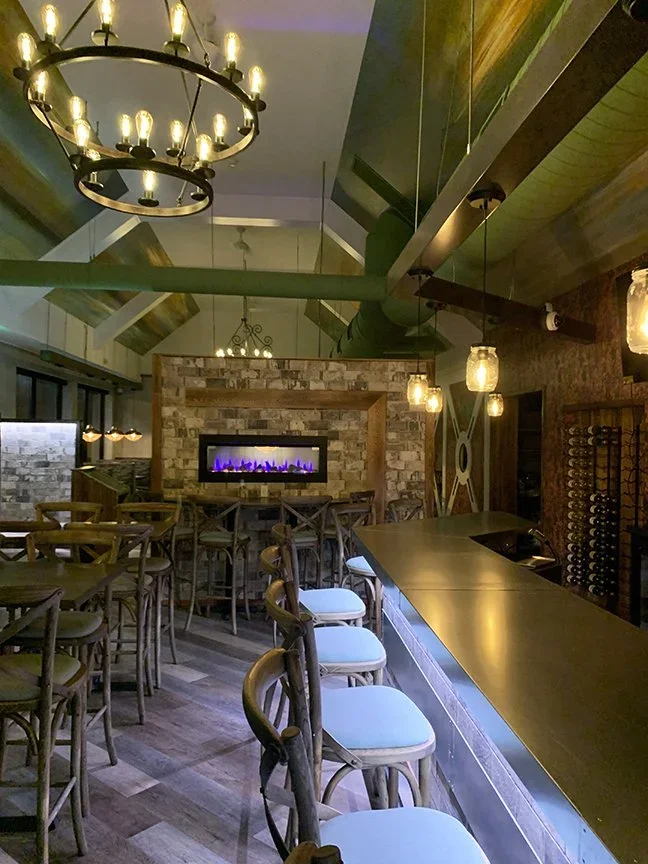
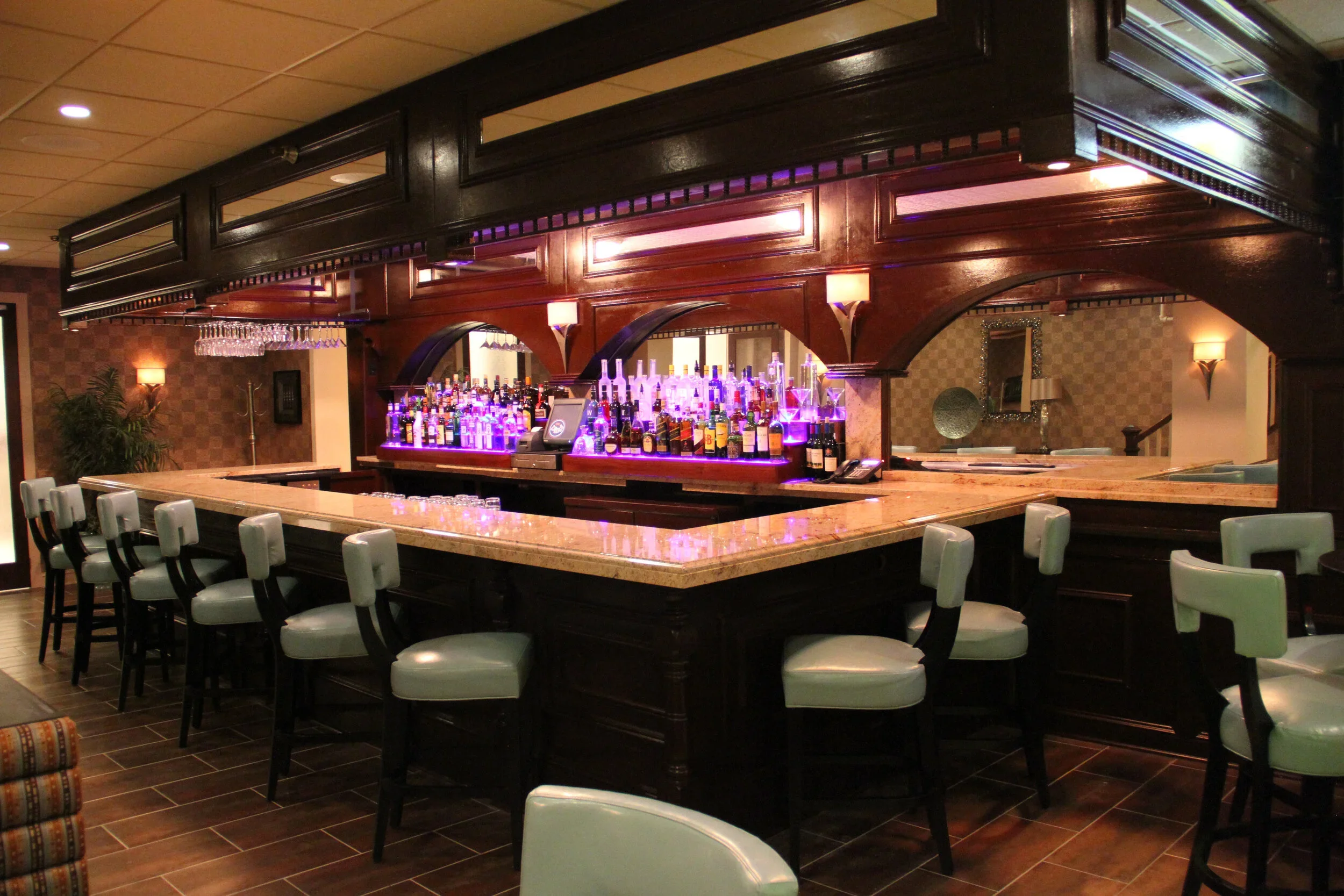
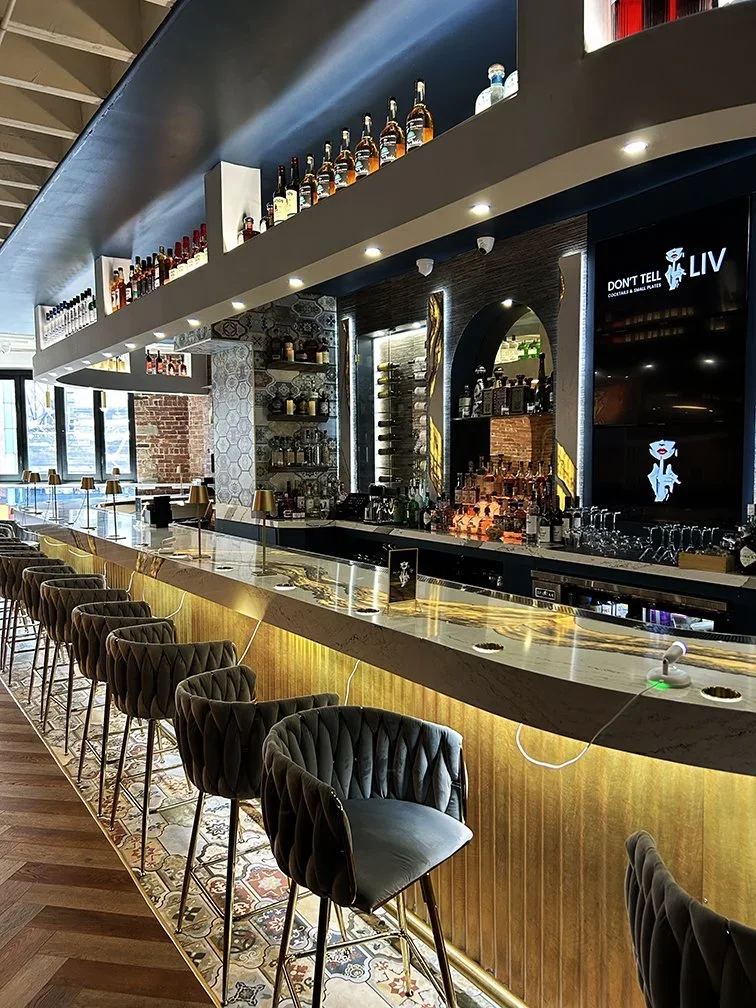
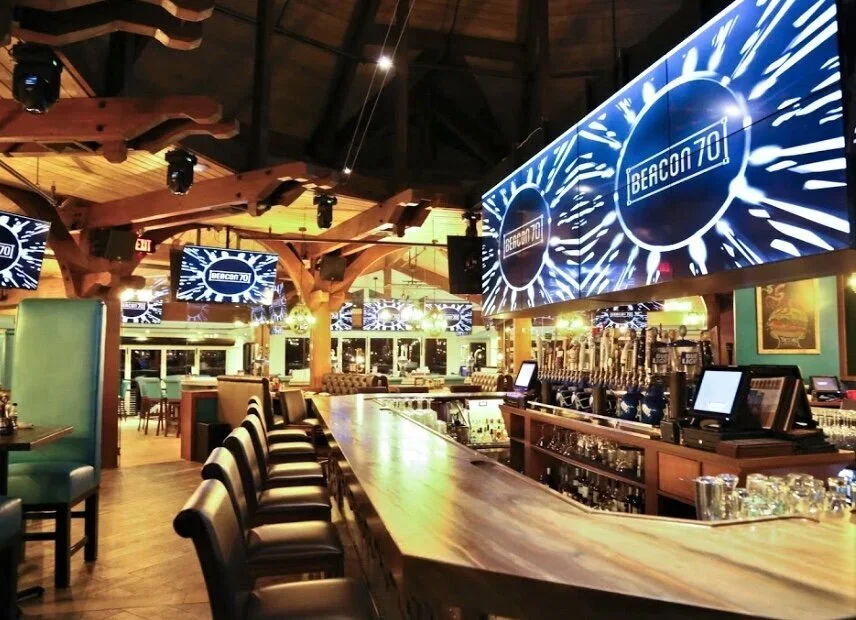
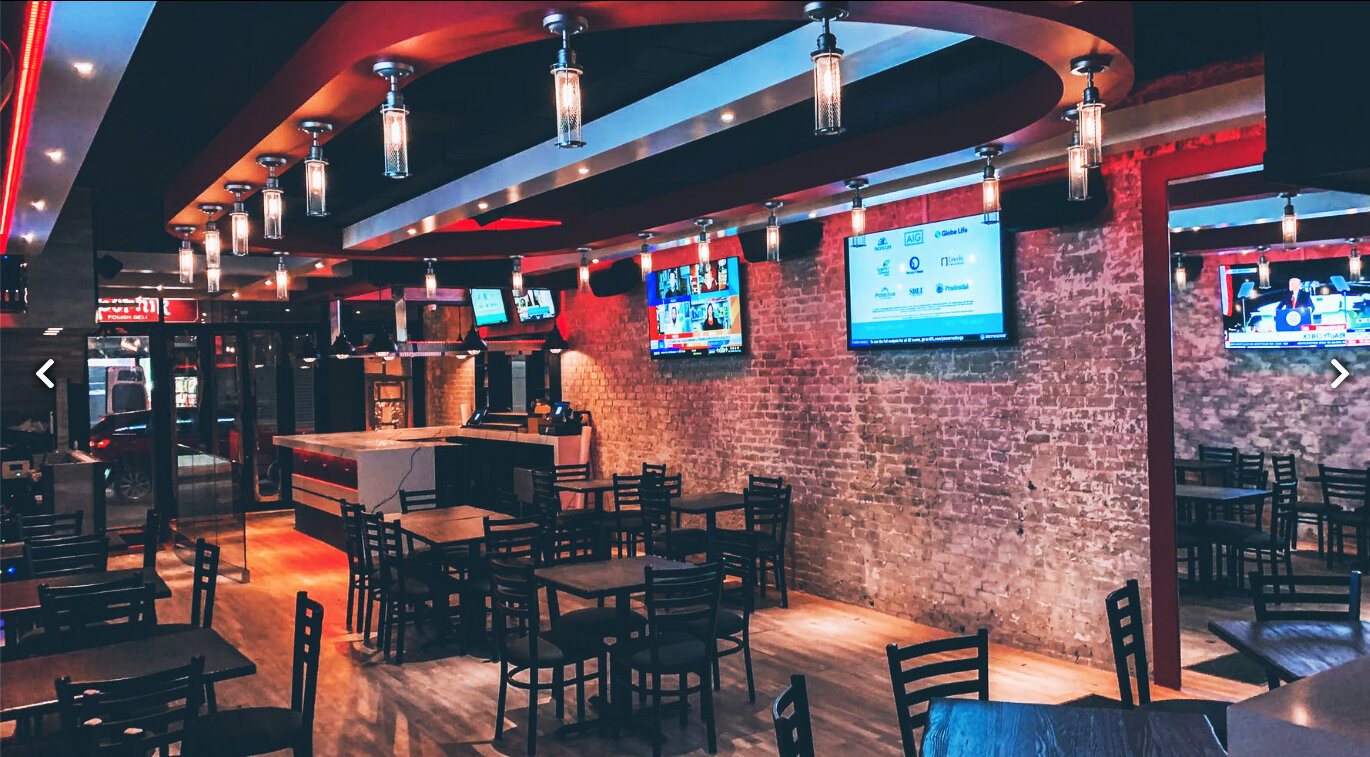
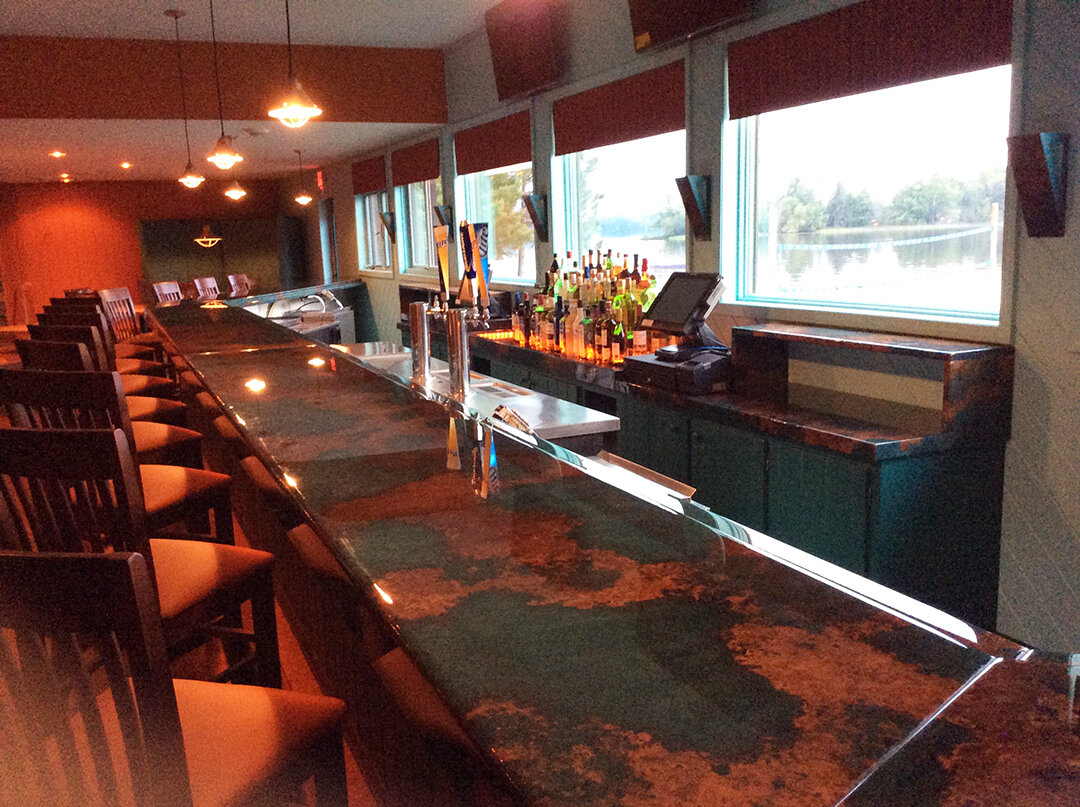
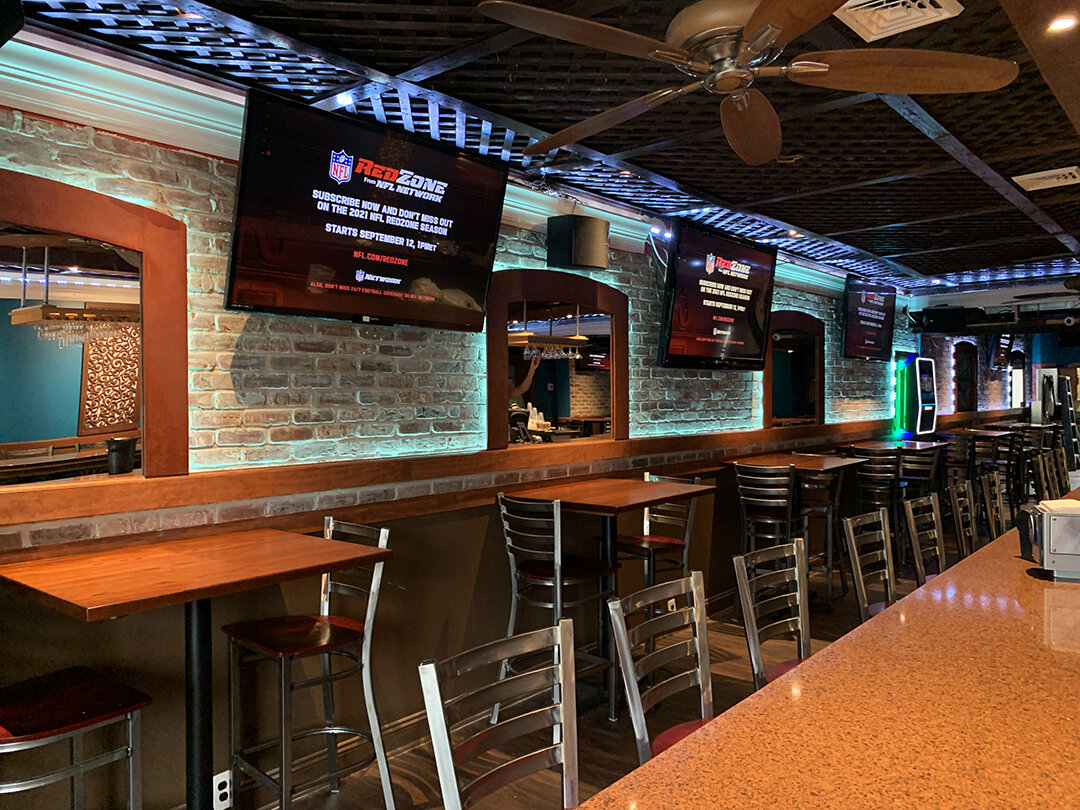
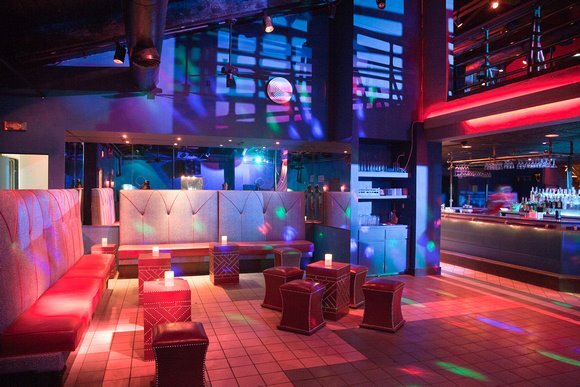
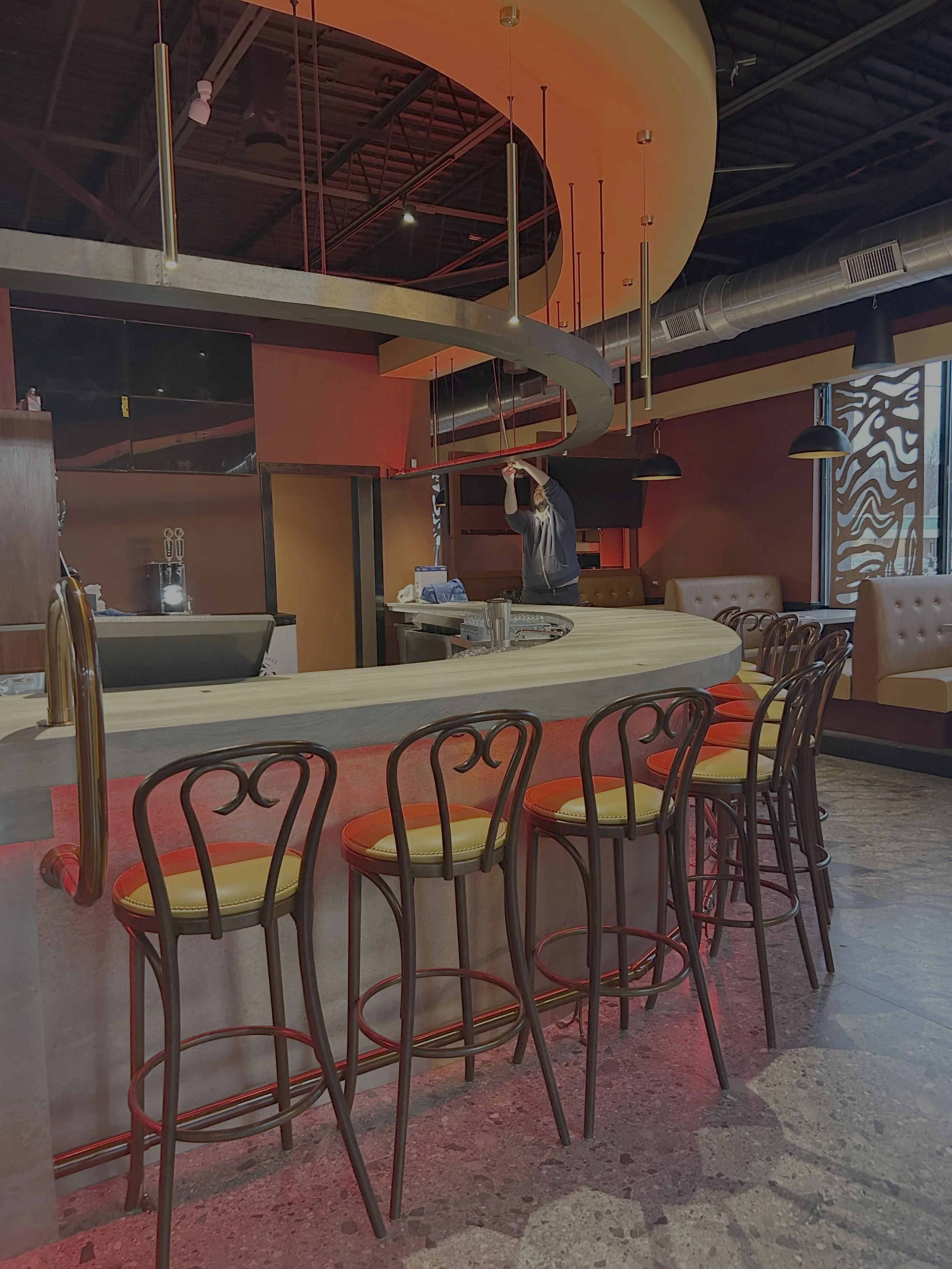
Modern beverage trends demand updated bar and nightclub layouts. If your bar is still designed for high-volume domestic beer but you're trying to sell craft cocktails, your staff will struggle and your service will lag. Integrate modern POS stations and digital menus seamlessly so they don't break the aesthetic vibe of the room. Use strategic lighting to hide architectural elements that are too expensive to move. This creates a fresh, high-end look without the price tag of a full demolition.

Transform your venue with a strategic rebranding consultation

The Elite Consultation: Navigating the Design Process

Don't leave your launch to chance. Hiring a restaurant rebranding consultant is a prerequisite for a successful debut. A portfolio filled with residential "pretty houses" is a massive red flag for a commercial operator. You aren't building a living room; you're building a high-volume commercial machine. The best restaurant designer practices prioritize ROI and operational flow over mere aesthetics. If your designer doesn't understand the nuances of NJ and PA zoning laws or the specific guest expectations in markets like Miami, they are a liability, not an asset.

Your success depends on a methodical roadmap. This journey moves from initial space planning and conceptualization through to the final grand reopening. It requires a strategic partner who can navigate the complexities of local regulations while maintaining the integrity of your brand promise. You need an expert who knows how to translate a vision into a floor plan that facilitates speed, minimizes labor costs, and maximizes seating capacity without compromising the guest experience.

Defining the Scope of Work

A comprehensive design fee must cover more than just a mood board. It should include meticulous planning, project management, and rigorous site oversight. There is a world of difference between a decorator and a hospitality design specialist. A specialist understands the ergonomics of a service station and the sightlines of a host stand. When communicating your vision, focus on your business goals. Tell your designer how you want the space to perform, not just how you want it to look. This ensures the final product is a functional revenue engine.

Execution and Project Oversight

Opening delays are profit killers. Manage your contractors with an iron fist and a clear timeline to avoid the common traps that push back your launch date. The designer's role remains critical during the final execution phase. They must lead the final punch list and handle the atmospheric fine-tuning. This includes adjusting lighting dimmers, speaker placement, and furniture alignment to ensure the room’s energy is perfect from the moment the first guest arrives.

Ready to stop winging it? Schedule a consultation with a leading restaurant design consultant.

Secure Your Competitive Edge Through Strategic Design

Your restaurant's interior is either a high-performance revenue engine or a financial liability. Stop treating design as a secondary expense and start viewing it as the foundation of your P&L statement. Success in the New Jersey and Pennsylvania markets demands a blend of psychological architecture and operational precision. If your layout frustrates staff or alienates modern diners, you are burning capital every day. You don't need a decorator; you need a strategic partner who understands that every square inch must justify its existence.

Mastering the best restaurant designer practices is the only way to ensure your brand identity commands premium pricing in an increasingly crowded hospitality landscape. Raymond Haldeman specializes in high-stakes restaurant, bar, and nightclub rebranding, delivering modern, functional designs engineered specifically for ROI. With deep expertise across the Northeast and Miami, we provide the visionary guidance required to ensure your venue survives and thrives in the 2026 market.

Transform your venue with a high-impact restaurant design consultation

You have the vision for a world-class establishment. Now, give it the structural foundation it deserves to dominate the market and secure your legacy.

Frequently Asked Questions

What are the most important restaurant design practices for 2026?

Success in 2026 requires a focus on biophilic elements, warm minimalism, and flexible layouts that accommodate varying group sizes. You must also account for regulatory shifts like the New Jersey "Skip the Stuff" law and Pennsylvania's adoption of the 2021 International building codes. These best restaurant designer practices ensure your venue remains compliant while providing the unique, shareable moments modern diners demand before they even book a table.

How much should I expect to pay for professional restaurant interior design?

Professional fees are typically calculated based on the total construction budget or as a fixed per-square-foot rate. Don't make the amateur mistake of shopping for the lowest bid. A strategic partner provides a shortcut to success by preventing costly post-launch corrections. You aren't just paying for drawings; you're investing in a revenue-generating asset that ensures your business thrives in a high-stakes, competitive industry.

Can a new restaurant layout really improve my table turnover rate?

Strategic space planning directly impacts how quickly your staff can serve and reset tables. By minimizing server steps and eliminating bottlenecks between the kitchen and the floor, you reduce wait times and increase efficiency. A professional layout ensures guests feel comfortable but doesn't encourage "camping," allowing you to seat more covers during peak hours without making the dining experience feel rushed or clinical.

What is the difference between restaurant rebranding and a simple renovation?

A renovation is a cosmetic update, whereas rebranding is a strategic overhaul of your entire business identity. Renovation might involve new paint or flooring; rebranding changes the "soul" of the venue. It aligns the physical space, service style, and brand promise into a unified experience. If you change the logo but keep the same tired layout, you haven't rebranded; you've just put a mask on a failing concept.

How do I choose the best restaurant designer for my specific concept?

Look for a specialist with a proven track record in hospitality, not a generalist who designs homes. The best restaurant designer practices require an understanding of commercial kitchen flow, bar ergonomics, and guest psychology. Vet their portfolio for measurable results, not just aesthetics. Ensure they have deep local expertise in markets like NJ and PA to navigate specific zoning laws and building codes that general decorators often overlook.

Is it possible to rebrand a failing restaurant without closing for months?

Strategic phasing allows you to execute high-impact changes without a total shutdown. By prioritizing "Total Immersion" in visible areas like the entrance, bar, and main dining room, you can signal a shift in quality immediately. Some operators choose to close for a short, intensive "blitz" period rather than months of demolition. This approach protects your cash flow while still delivering the dramatic transformation required to rescue a struggling concept.