ARTICLE
Most restaurant owners believe they're building a brand when they're actually just picking out paint colors and light fixtures. This fundamental misunderstanding is why so many venues vanish within six months. A concept isn't a decor choice. It's a strategic weapon engineered to dominate your specific market. If you treat the restaurant design process as an afterthought to your menu, you've already lost the battle for a share of the $1.55 trillion in projected industry sales for 2026. You don't need a "vibe." You need a blueprint that commands attention and forces operational excellence.
It's natural to fear launching a concept that falls flat or an inefficient floor plan that kills your table turnover. These aren't just aesthetic concerns. They're financial liabilities in an industry where margins are tightening toward 14.91%. This guide provides the clear, actionable framework you need to build a brand that attracts your ideal demographic and operates with maximum precision. Stop "decorating" and start developing a high-end venue that turns every square foot into a profit center.
Key Takeaways
Stop treating design as a cosmetic choice and learn why a concept is a strategic weapon that dictates your market position and long-term survival.
Discover how to engineer a high-performance Revenue Engine where the bar and dining room work in synergy to drive maximum alcohol and food sales.
Master the 5-step restaurant design process for 2026 to transform a raw vision into a high-end, operationally efficient venue that outpaces the competition.
Understand why a visionary guide is the essential shortcut to avoiding the costly DIY mistakes that lead to early closure and wasted capital.
Learn to identify the lethal signs of a failing concept and how a strategic rebrand can rescue your investment before it's too late.
Table of Contents
What is Restaurant Concept Development? Beyond the Aesthetic
Stop confusing decorating with concept development. Decorating is choosing a velvet booth or a trendy light fixture; concept development is the strategic synthesis of brand identity, operational flow, and market positioning. It's the engine that drives your profit. While the history of restaurant development shows that dining out has always been about more than just food, modern competition demands a level of precision that most owners ignore. This negligence is fatal. Industry data consistently suggests that approximately 60% of independent restaurants fail within their first year. This usually happens because the concept was a personal whim rather than a response to a specific market gap.
A successful concept isn't about what you like. It's about what the market lacks. If you build a venue based on your own tastes without analyzing the local landscape, you're building a monument to your own ego, not a business. Your restaurant design process must begin with a cold, hard look at the competition and a clear plan to outperform them on every level.
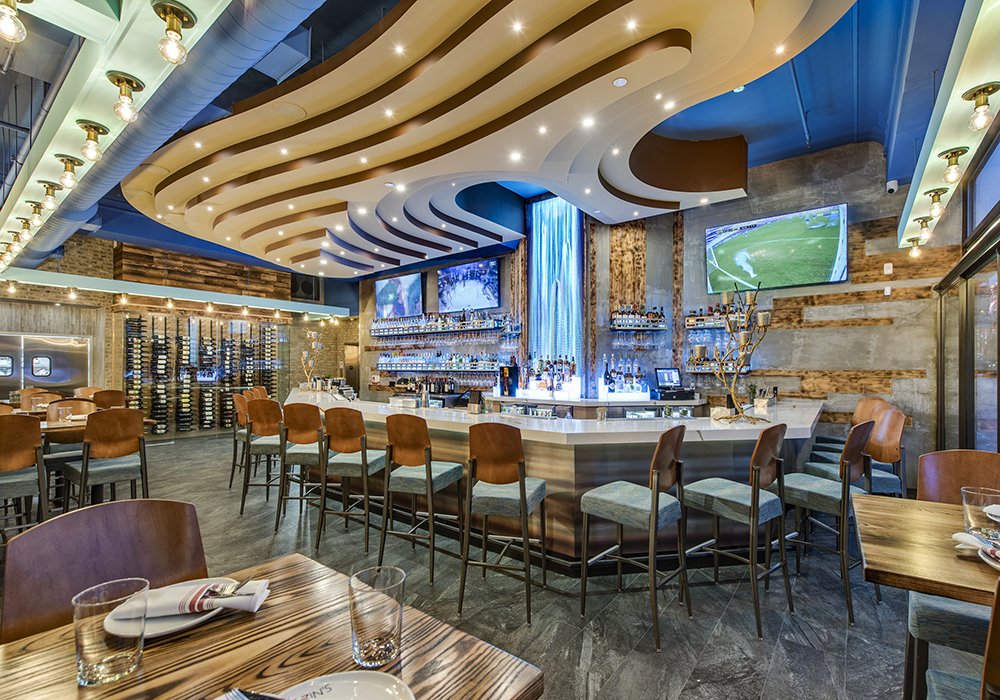
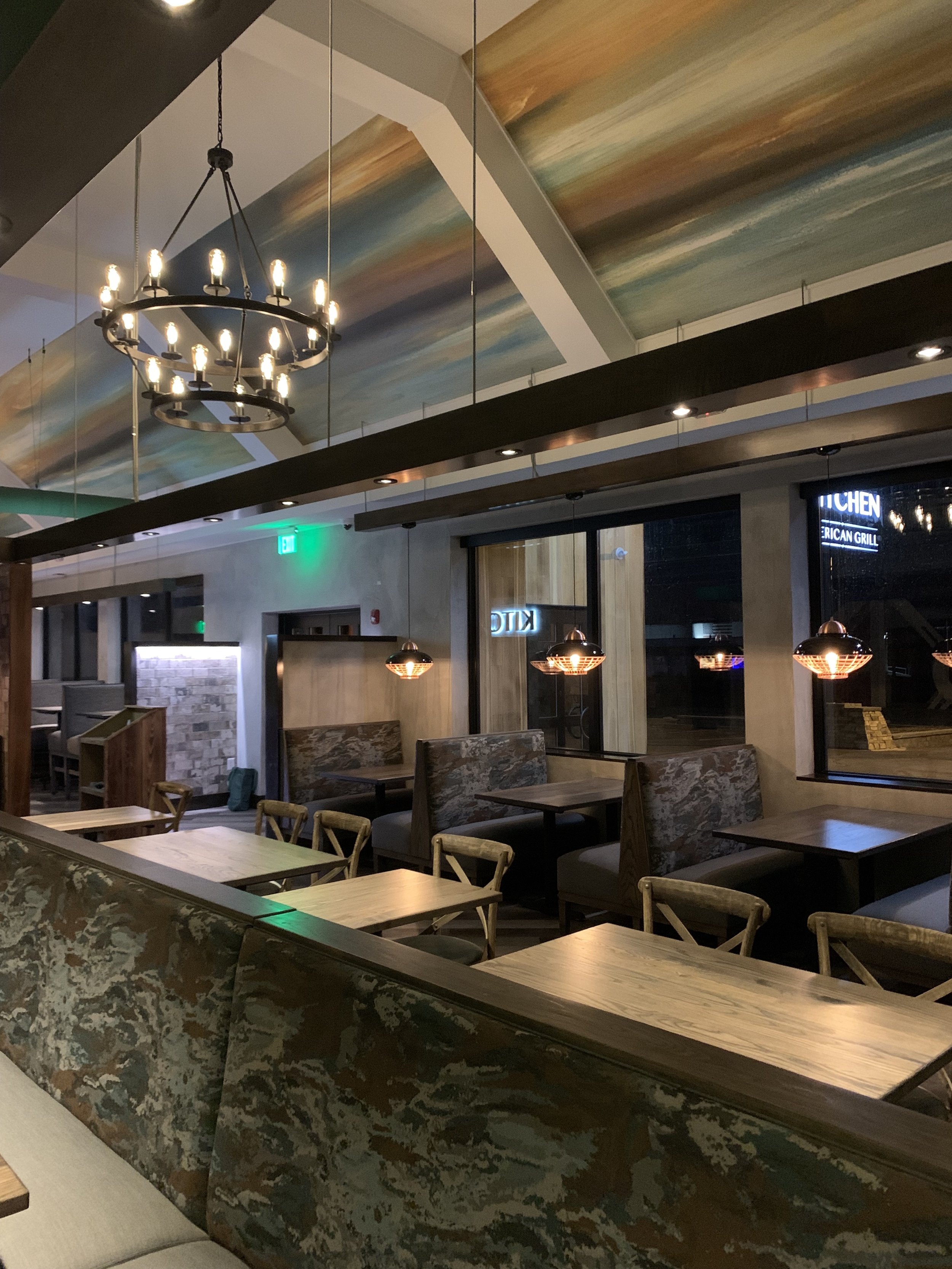
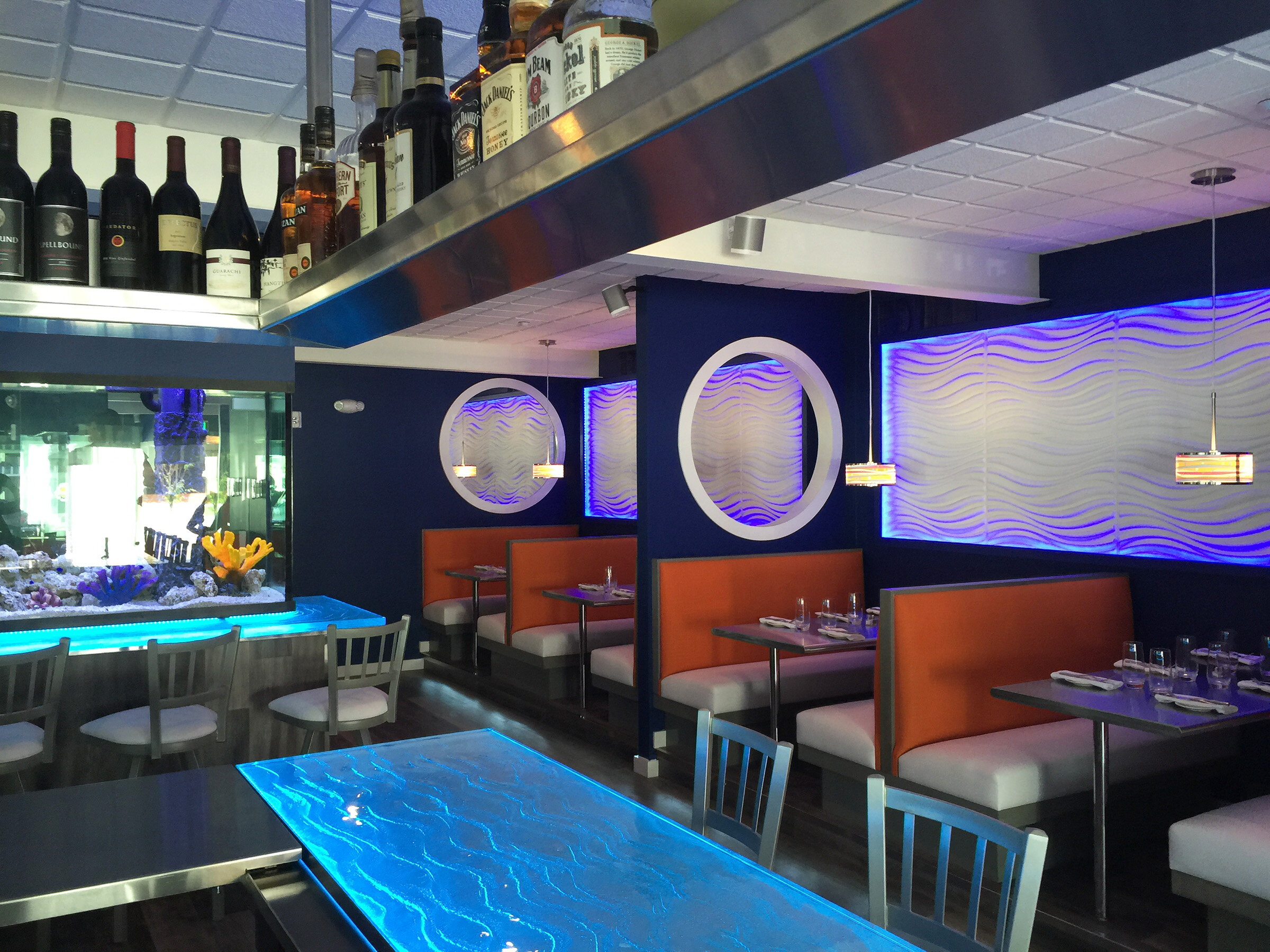
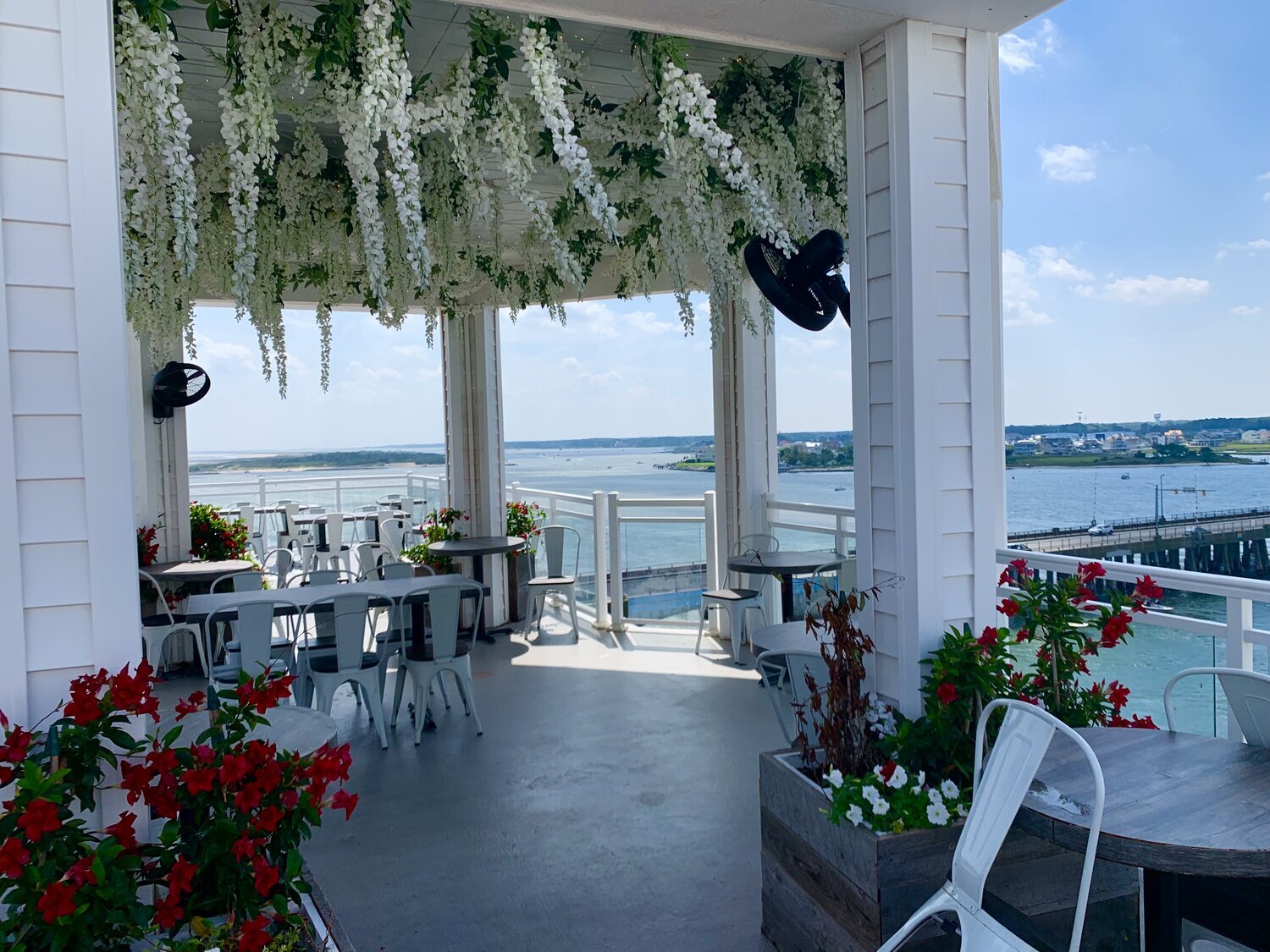
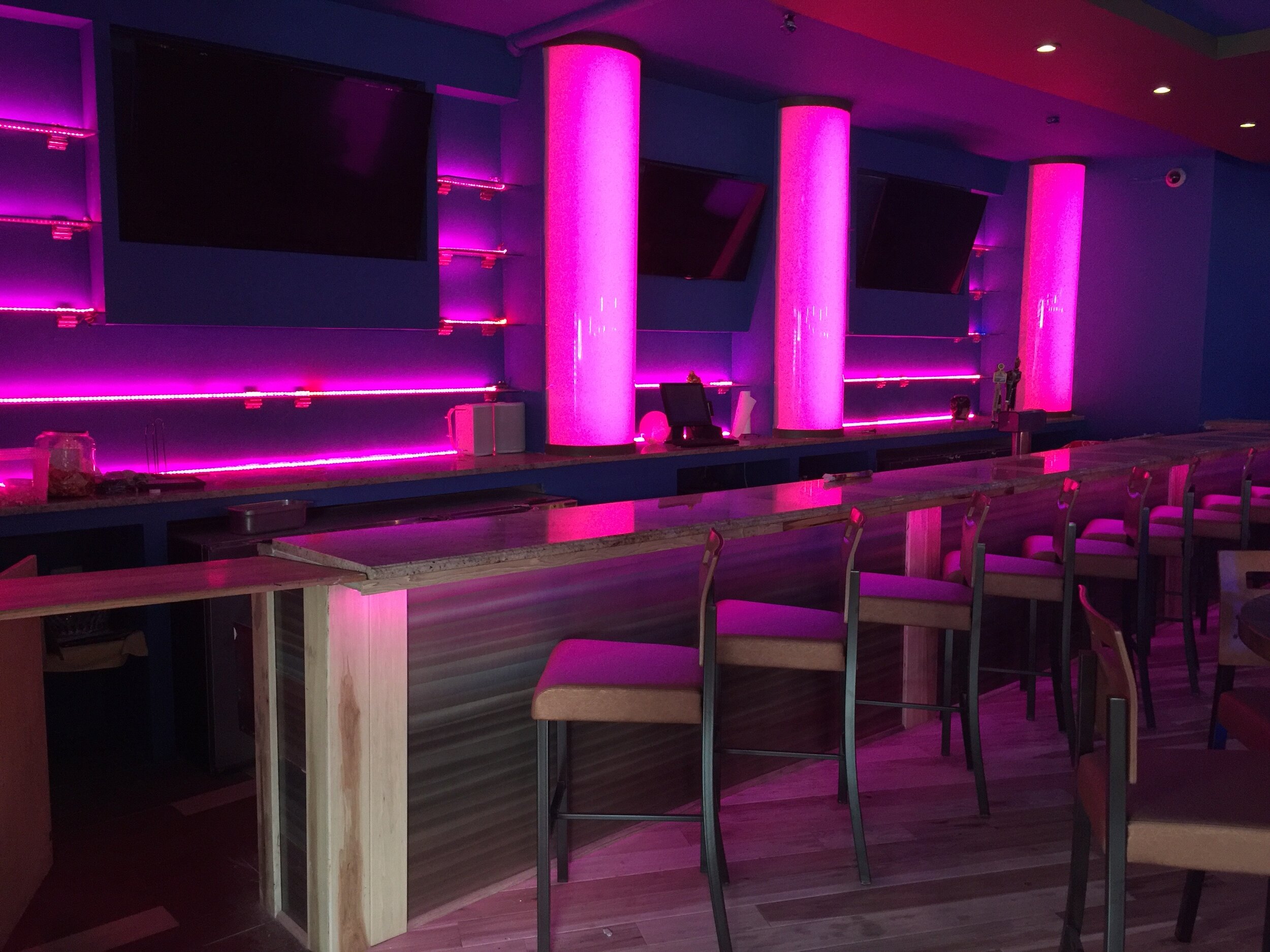
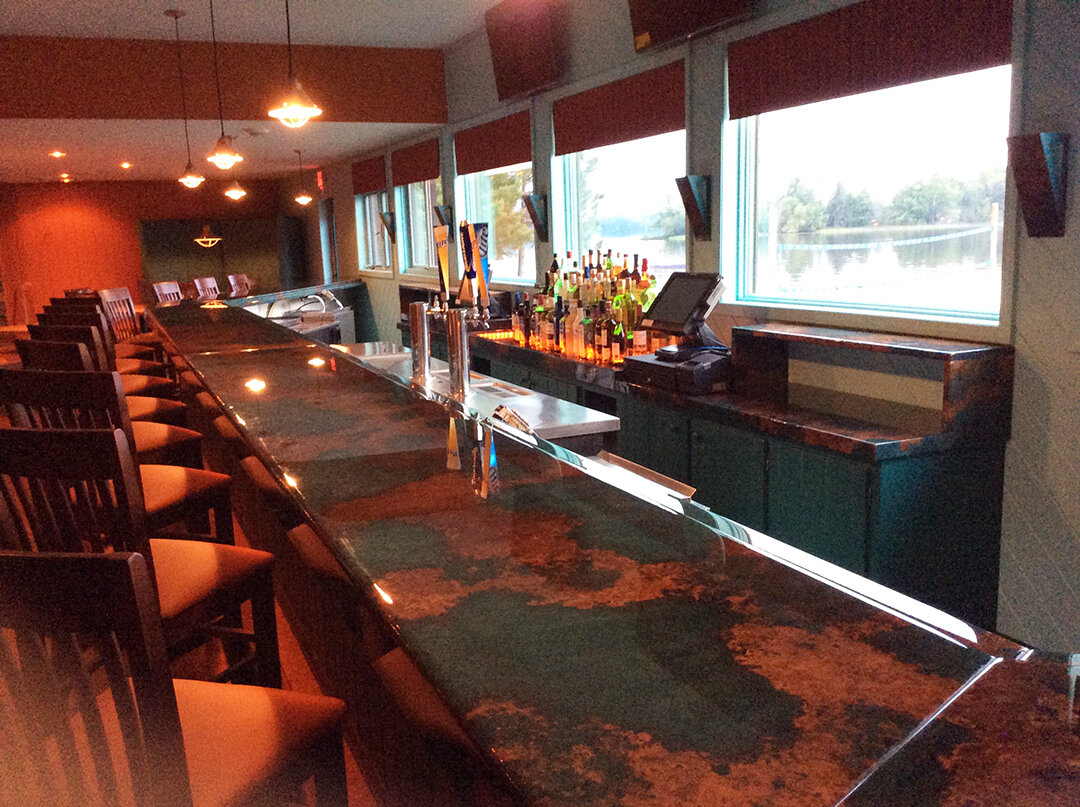
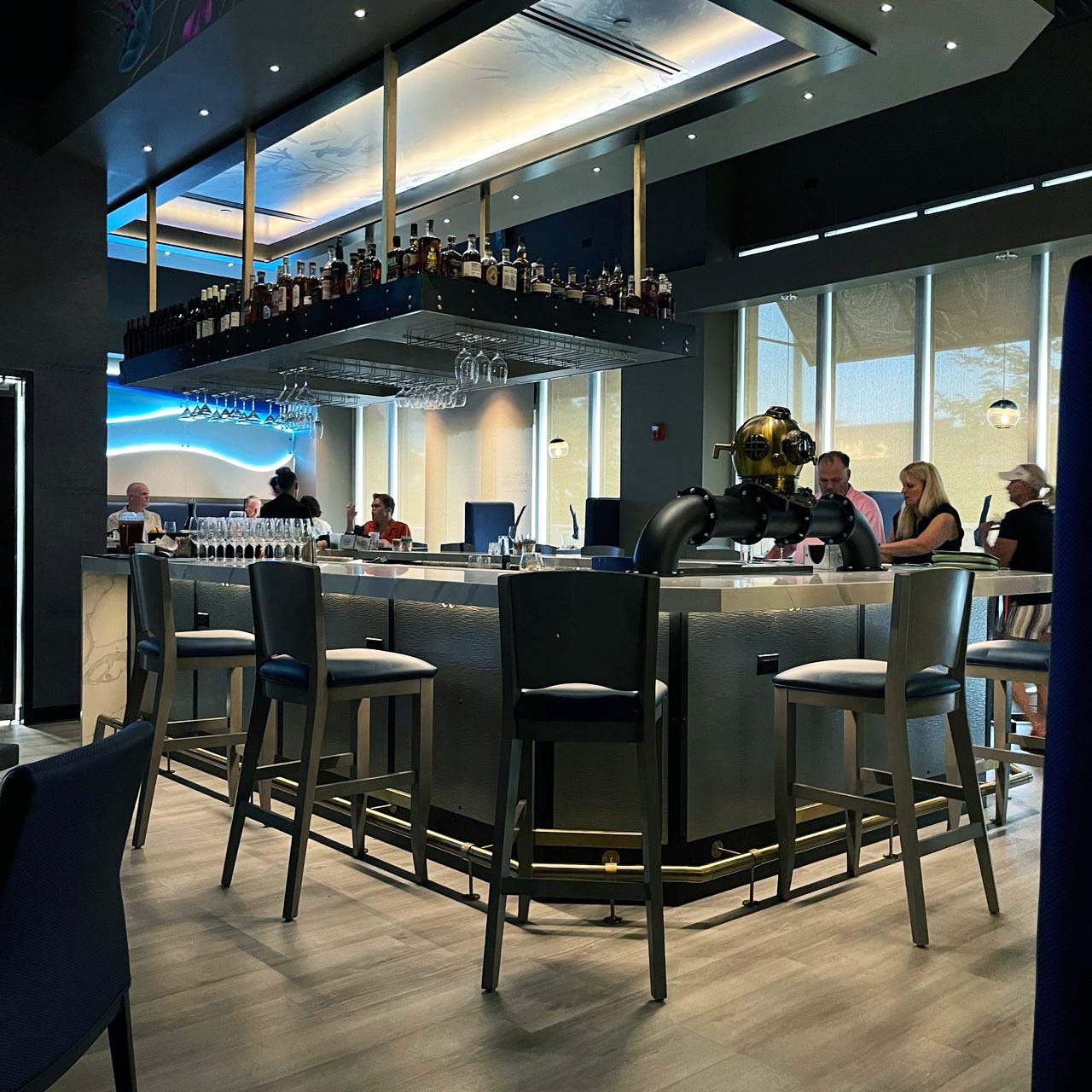
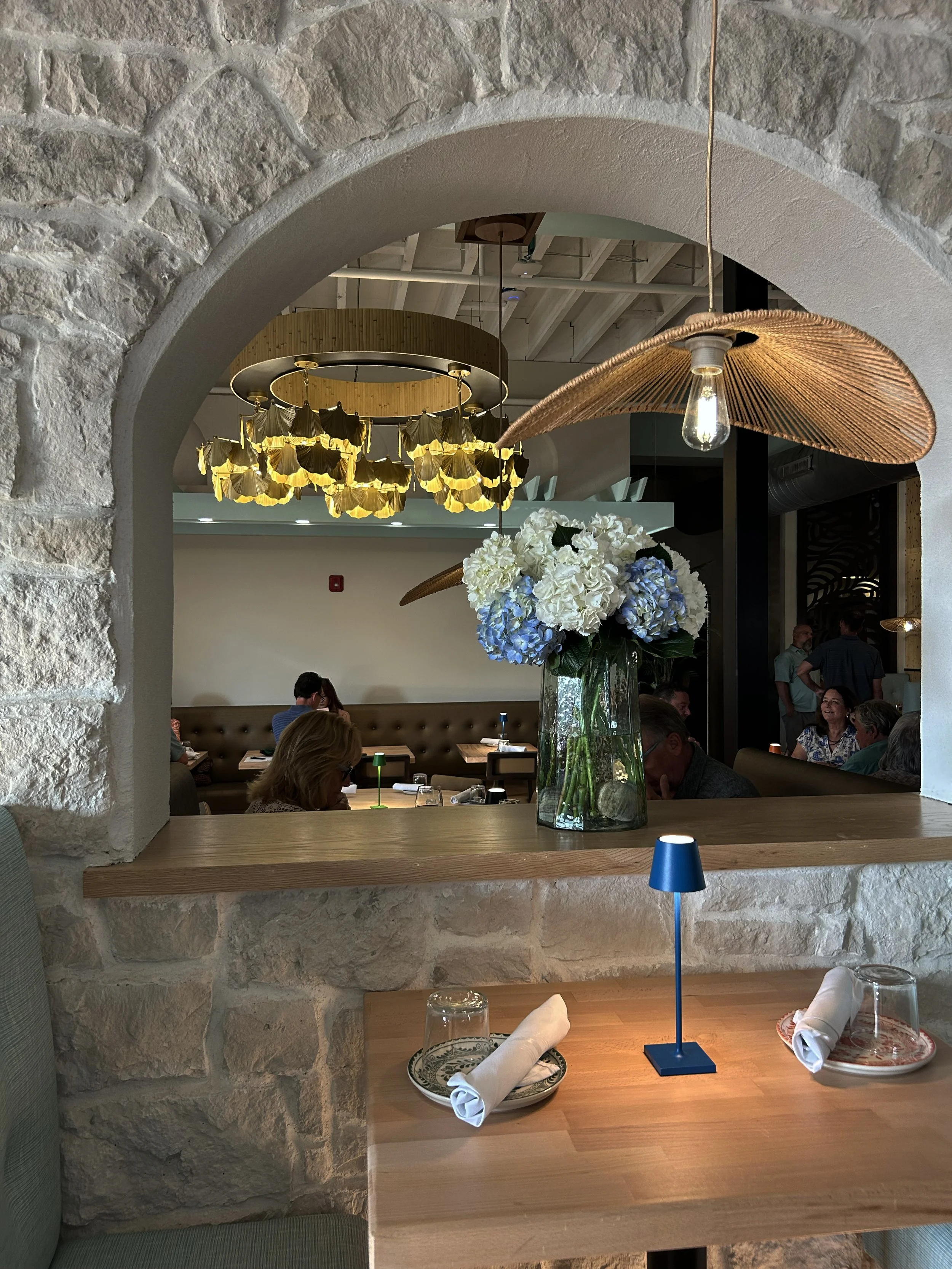
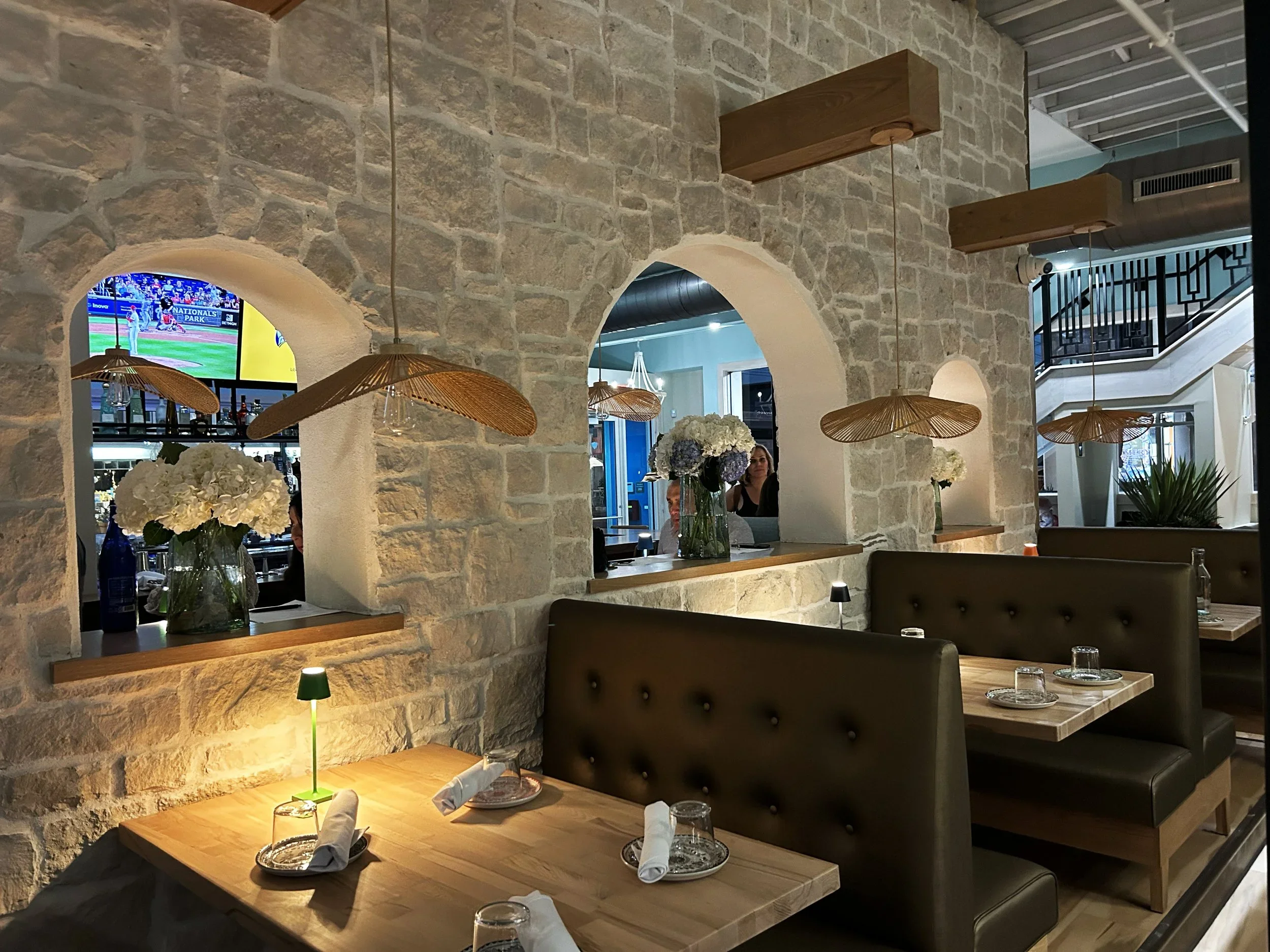
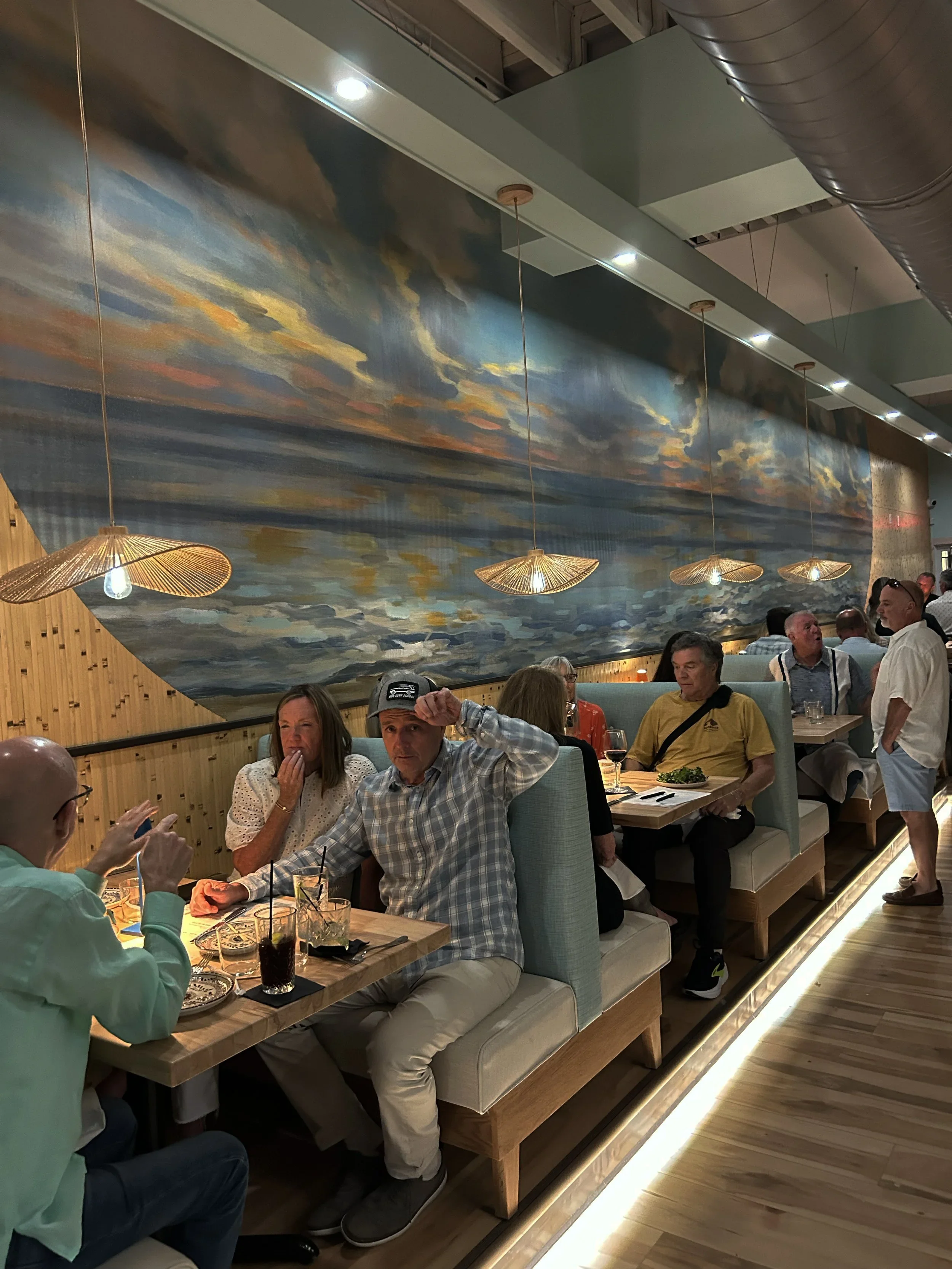
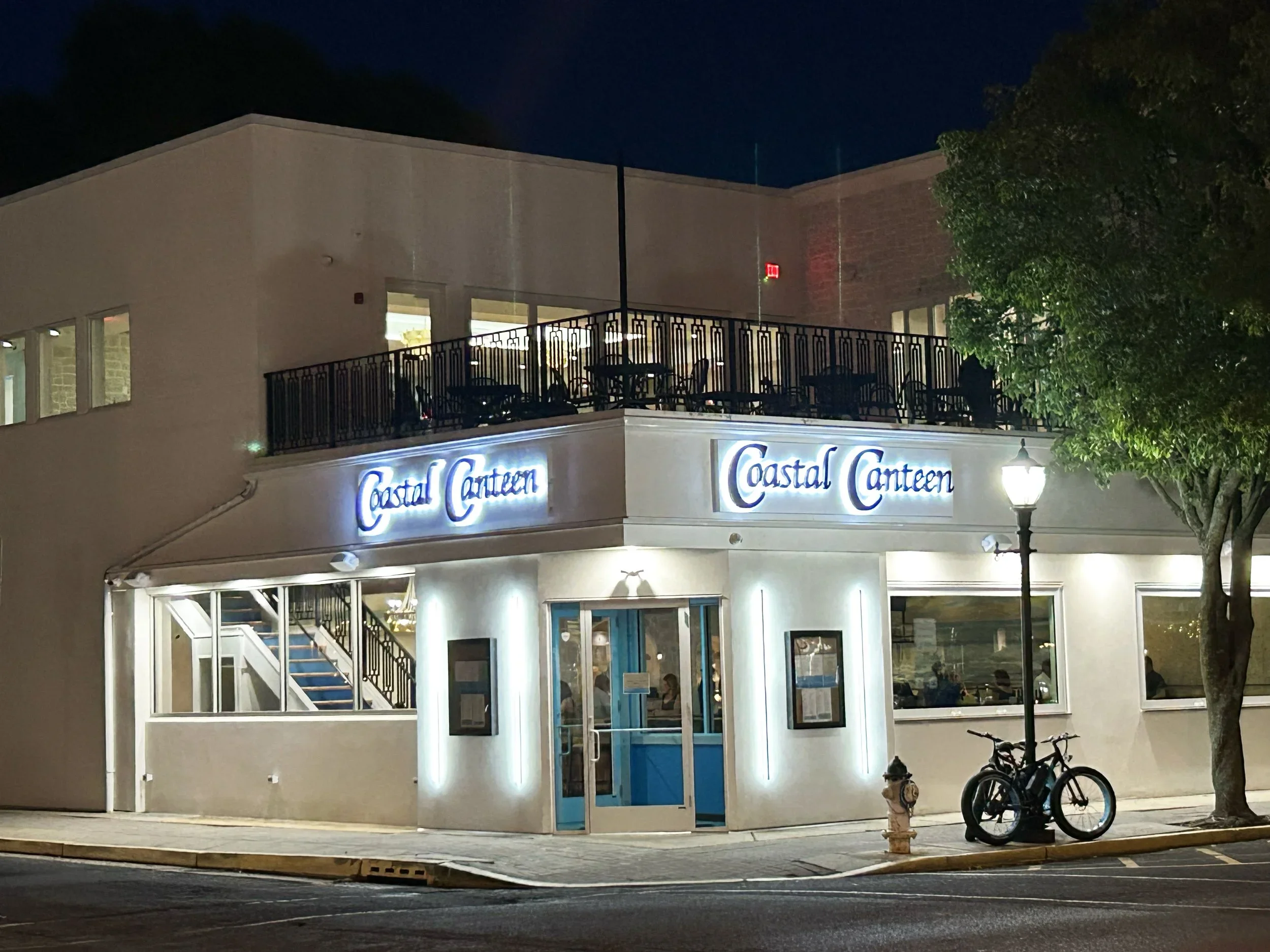
Coastal Canteen (below) is a new restaurant concept and brand that
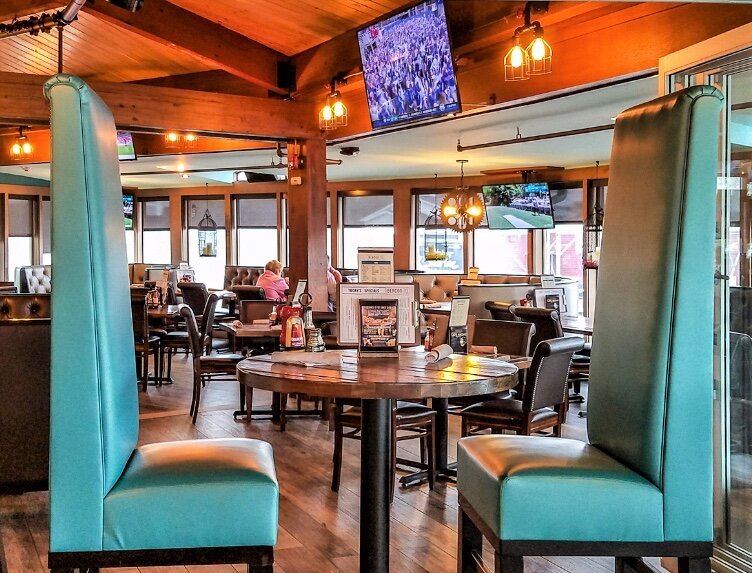
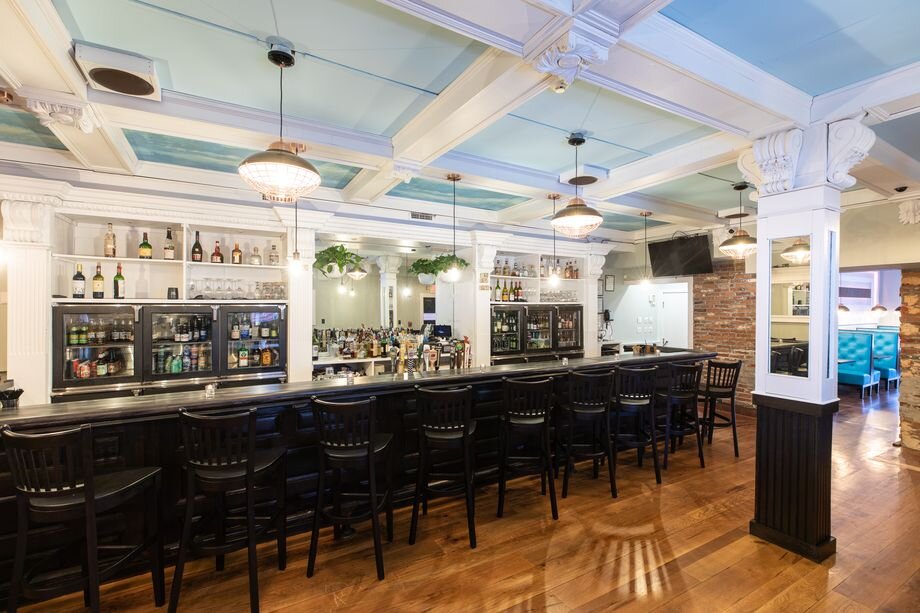
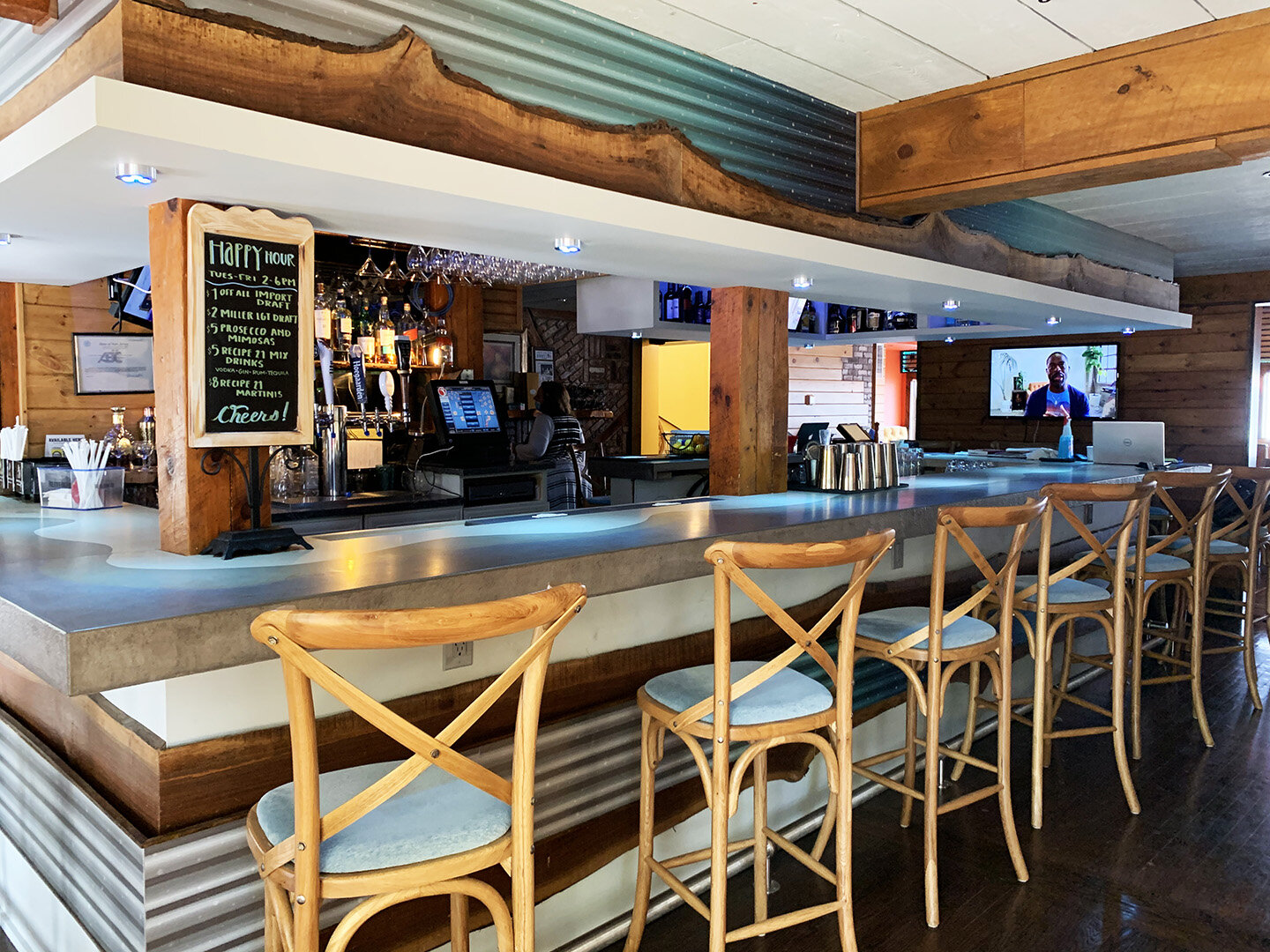
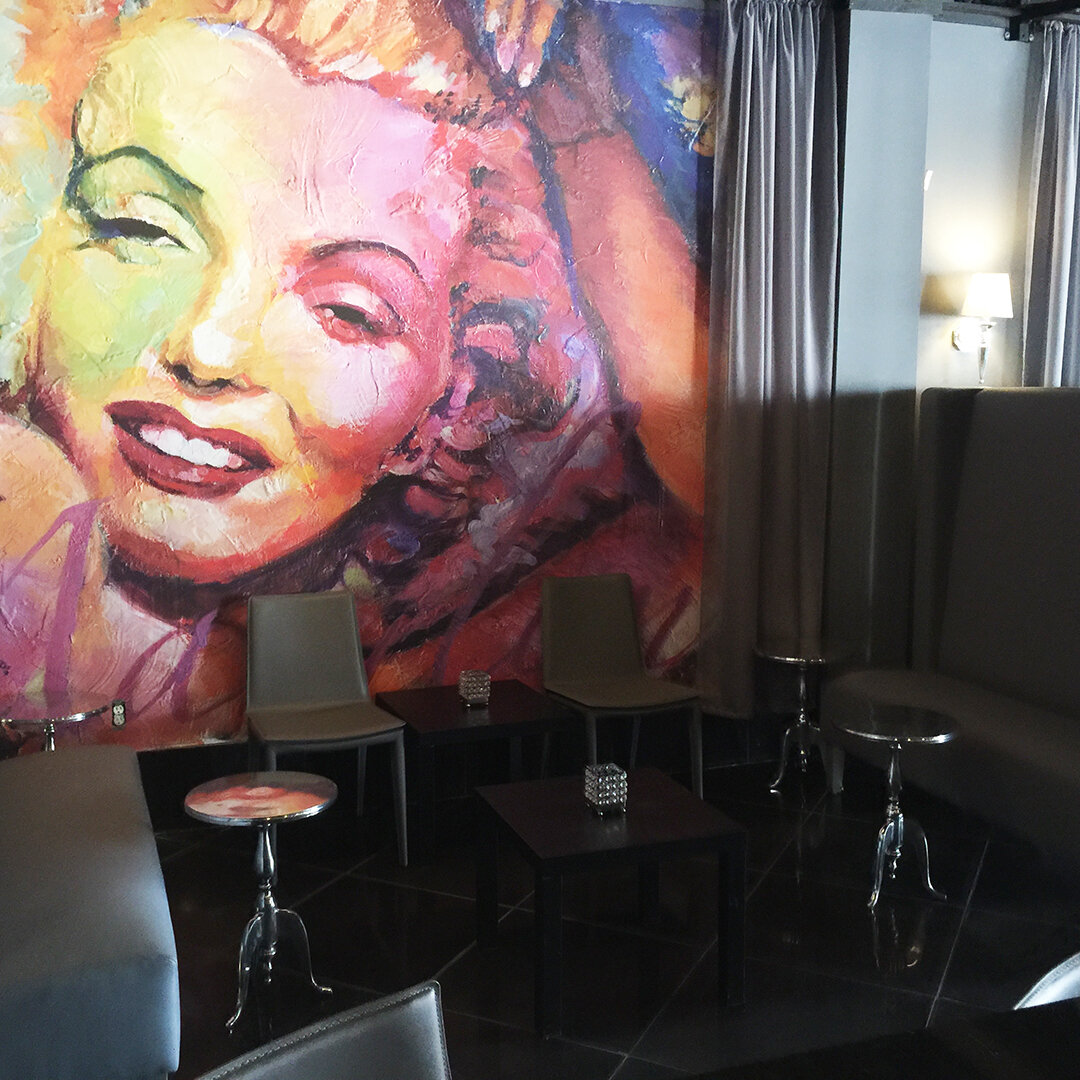
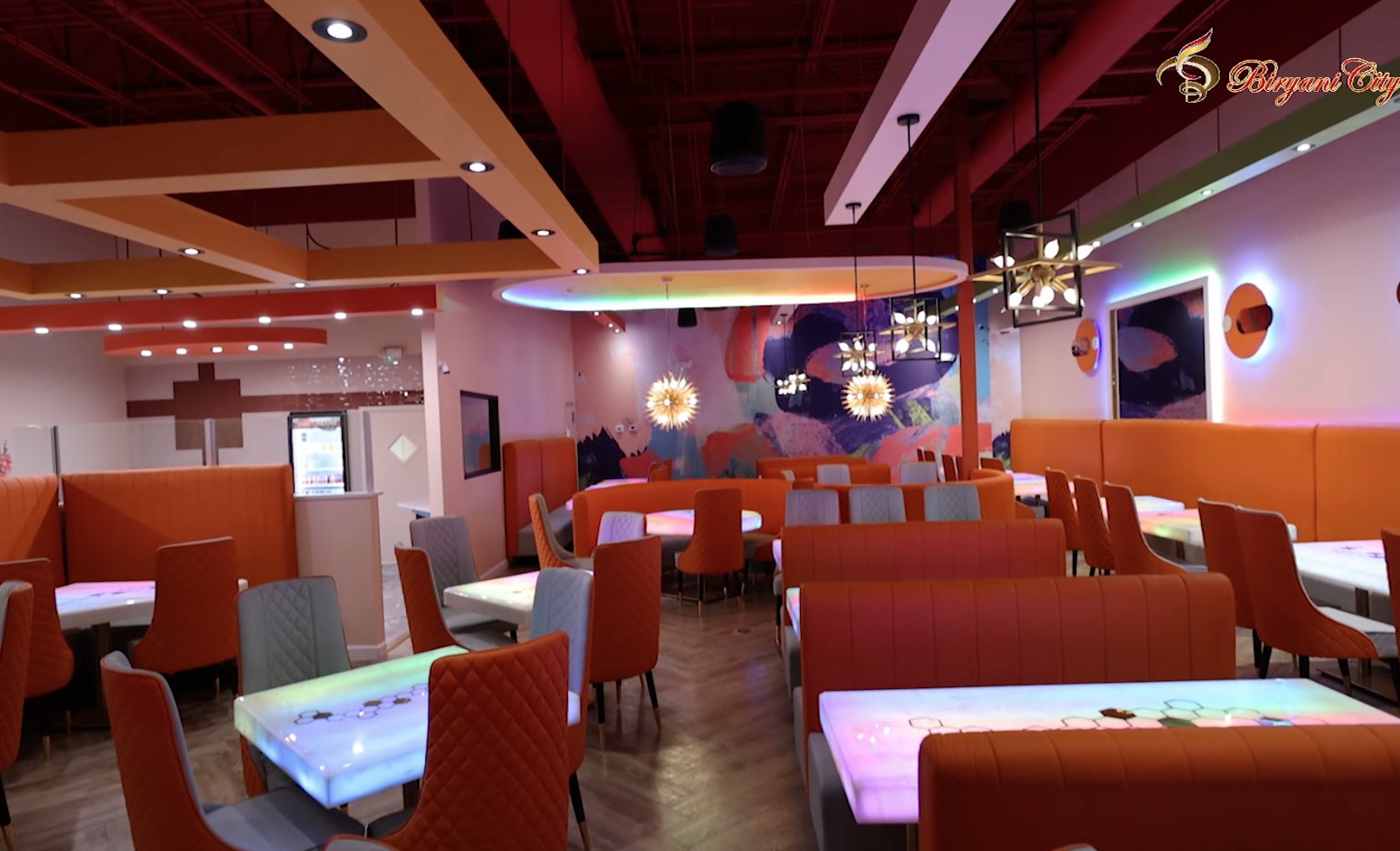
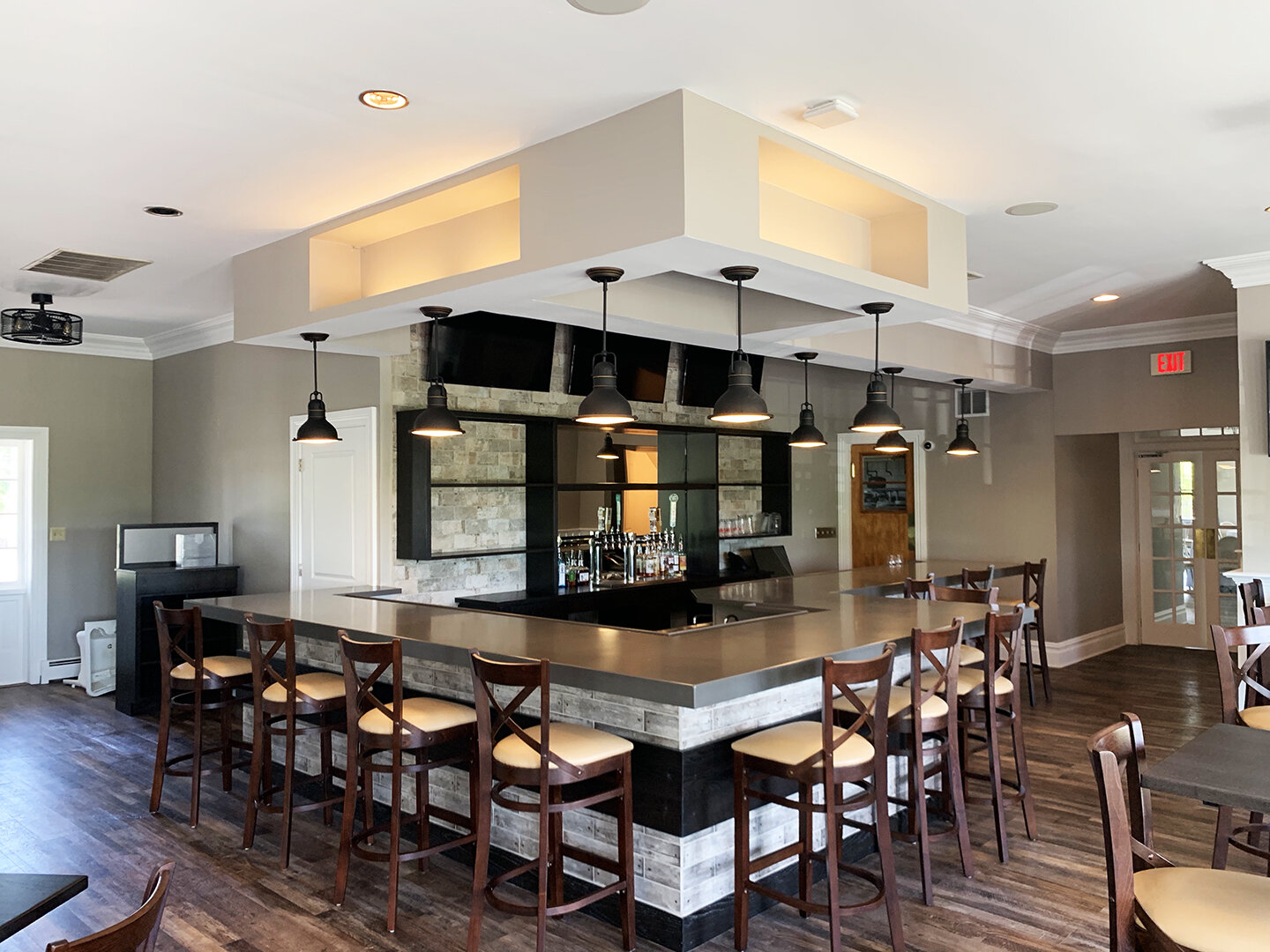
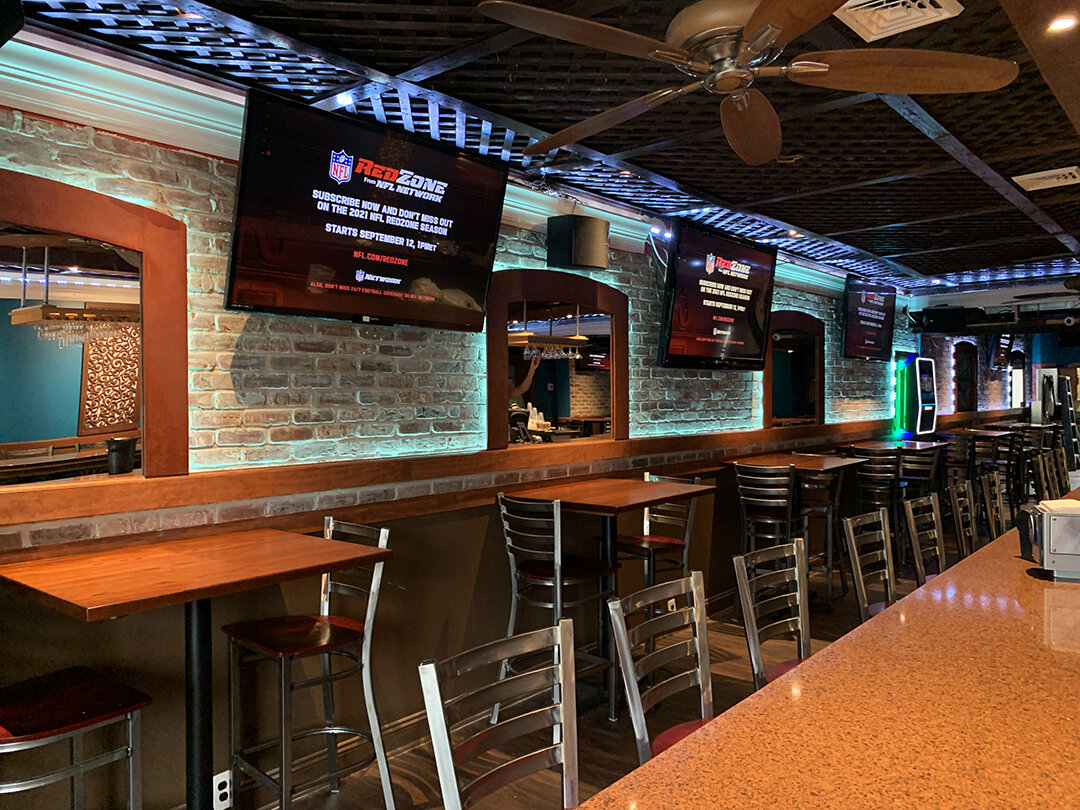
Raymond was hired to design the brand look of JSRG Jersey Shore Restaurant Group’s new concept
The Three Pillars: Brand, Position, and Promise
Your brand identity isn't a logo. It's a personality crafted to resonate with a specific demographic. In the high-stakes markets of Miami or Philadelphia, your market positioning must be surgical. You need to know exactly where you sit in the competitive landscape. Finally, define your Guest Promise. This is the emotional takeaway of every visit. If these three pillars don't align, your restaurant design process is just an expensive exercise in vanity that will fail to attract repeat guests.
Why "Winging It" is a Recipe for Bankruptcy
Winging it results in disjointed brands and lethal operational friction. A poorly planned concept leads to low table turnover, high labor costs, and zero brand loyalty. You don't just need a "good idea." You need professional vetting before you ever sign a lease. Utilizing a professional restaurant design for new openings is the only way to mitigate these launch risks. Your vision is a liability until it's been stress-tested by an expert who knows how to engineer profit. Don't gamble your capital on a hunch. Every square foot of your restaurant must be designed to generate revenue, not just look pretty for a social media post.
The Anatomy of a High-Performance Restaurant Concept
A high-performance restaurant concept isn't a collection of pretty things. It's a calculated machine where physical design and psychological triggers converge to force specific guest behaviors. This is your "Revenue Engine." If your bar and dining room aren't working in total synergy, you're bleeding cash every night. The bar isn't just a place to wait for a table; it's a high-margin powerhouse that must be positioned to dominate the guest's visual field and appetite the moment they walk through the door.
Atmosphere design serves as the primary driver for high-end sales. It dictates how long a guest stays and how much they spend. When you ignore the fundamental Elements of Concept Development, you end up with a space that looks expensive but feels hollow. Your brand storytelling must be integrated into the restaurant design process to ensure the physical environment justifies your price point. Every square foot must tell the same story, or your guests will sense the disconnect and take their business elsewhere.
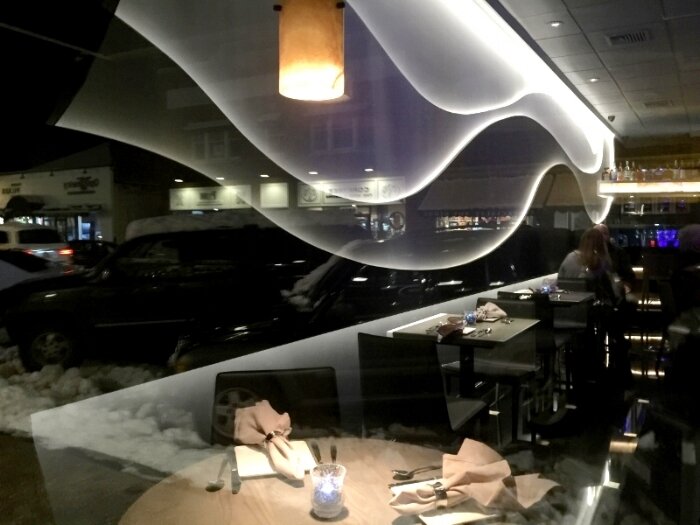
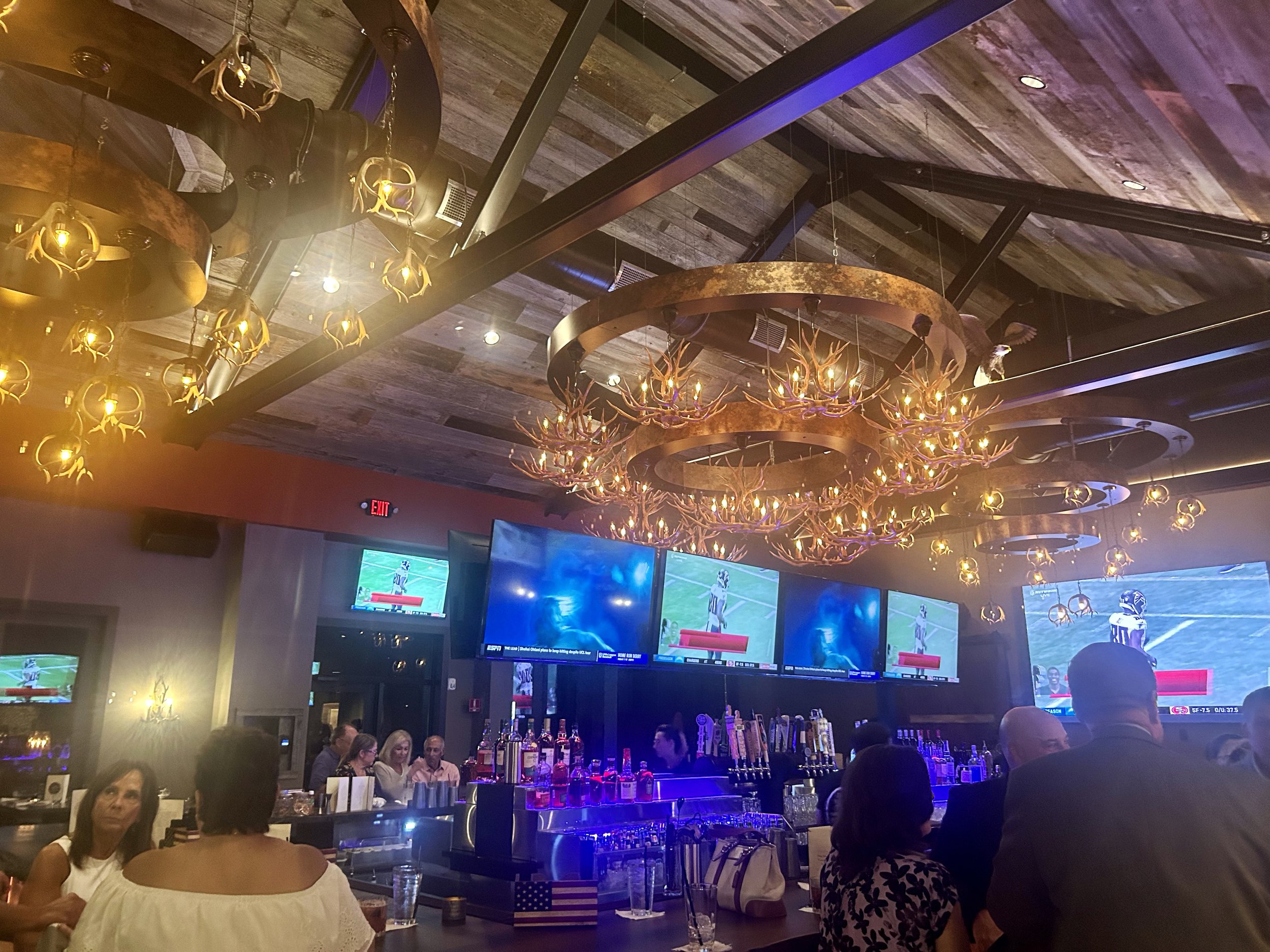
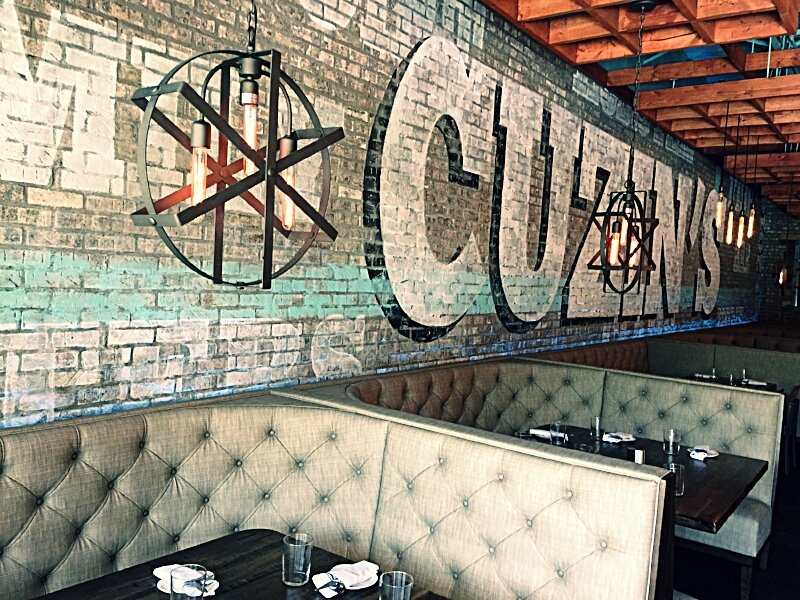
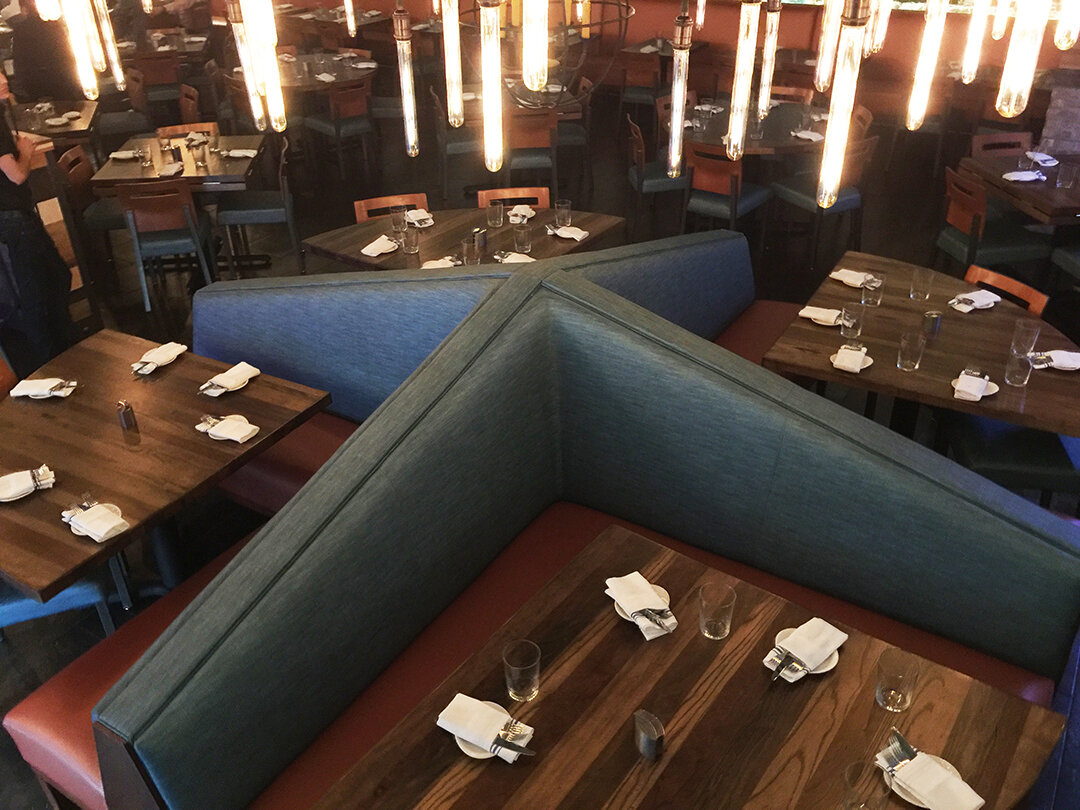
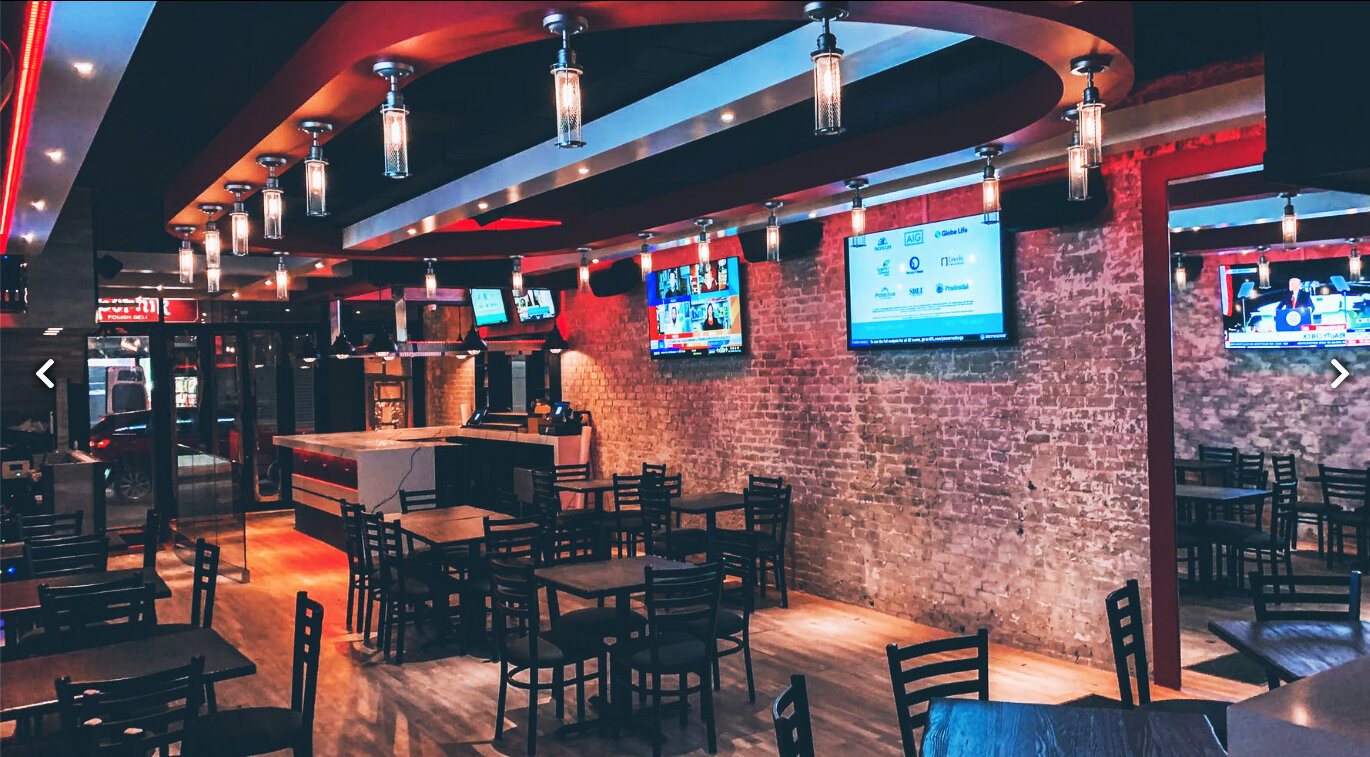
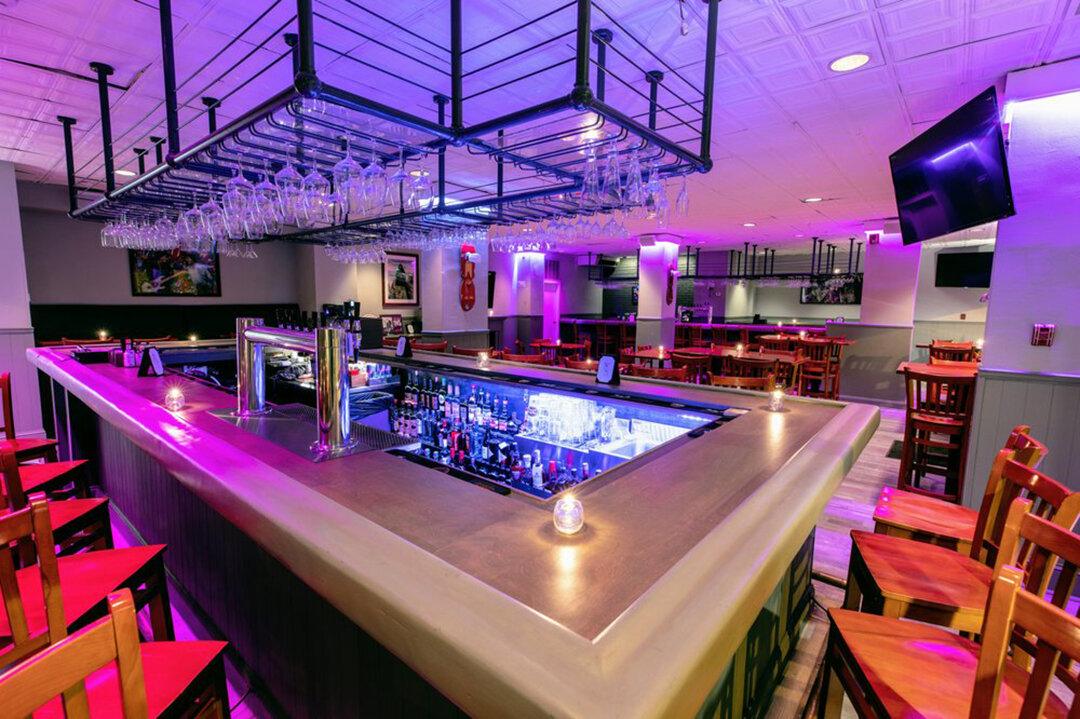
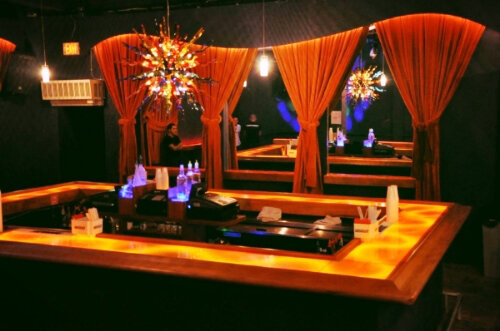
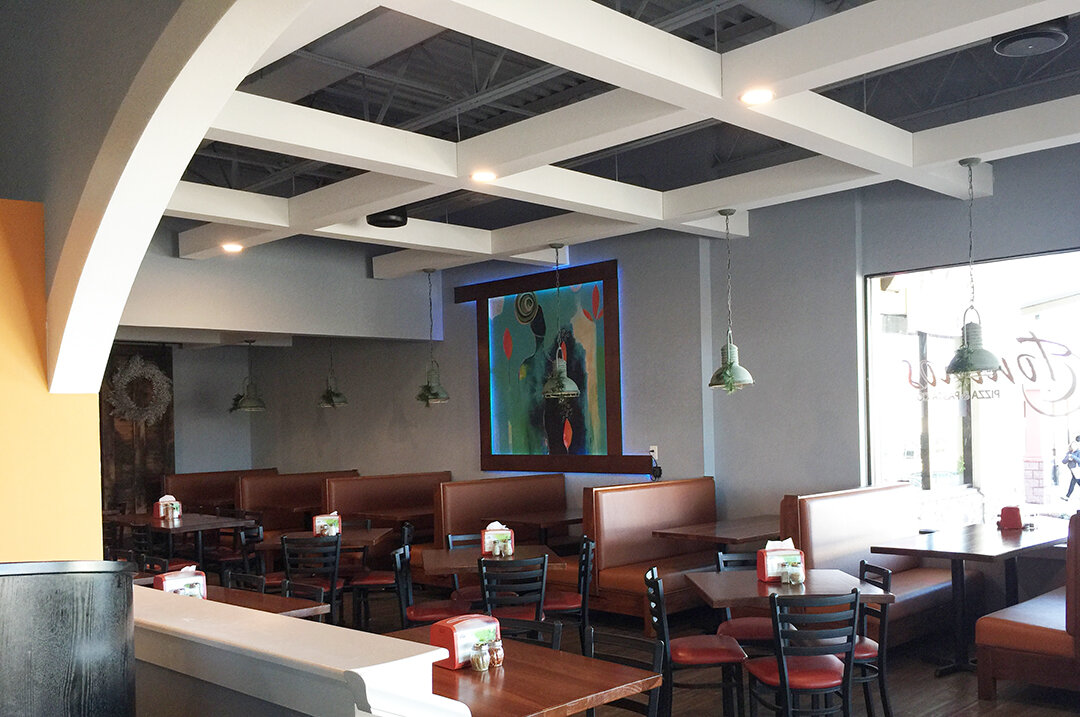
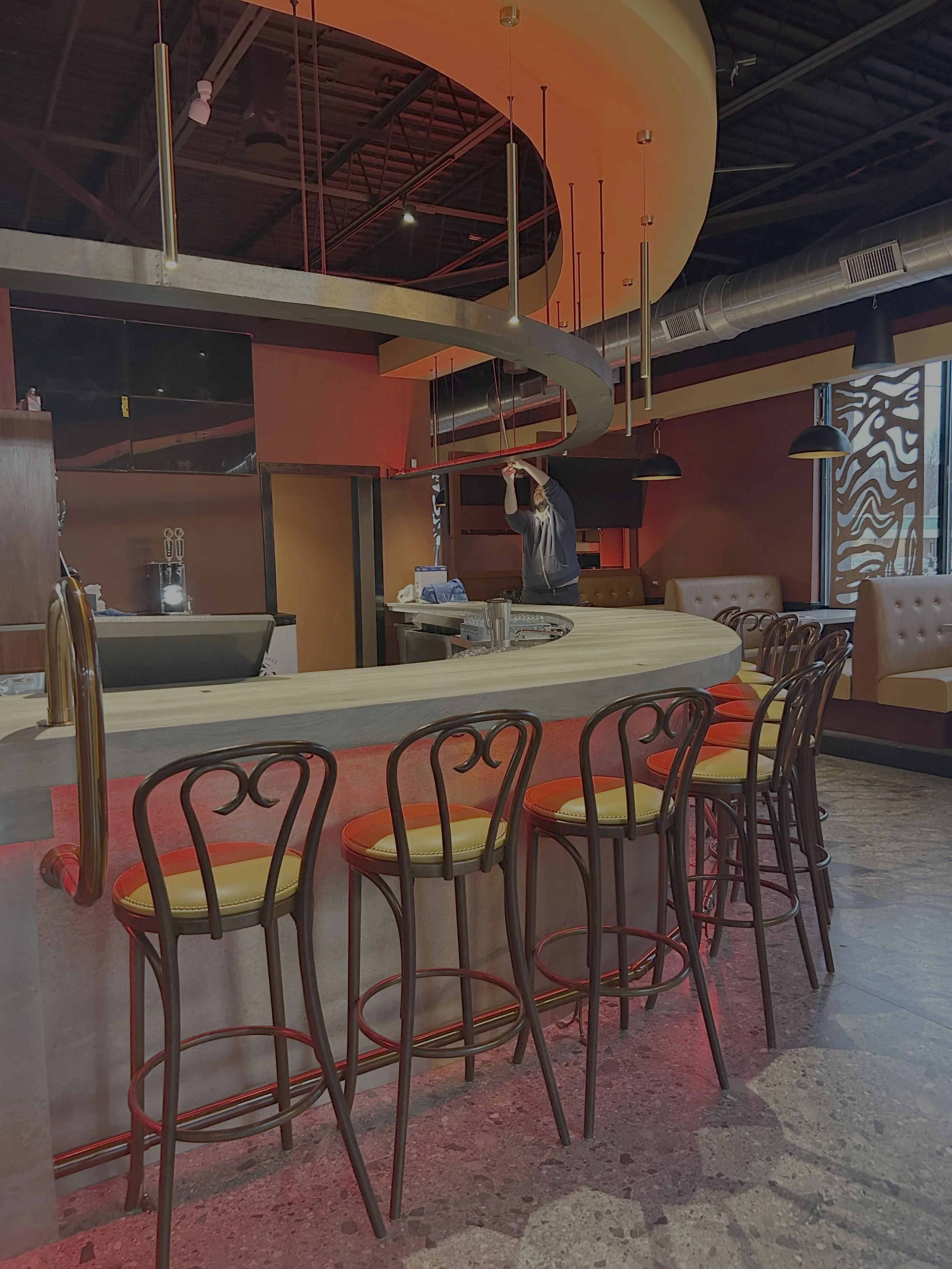
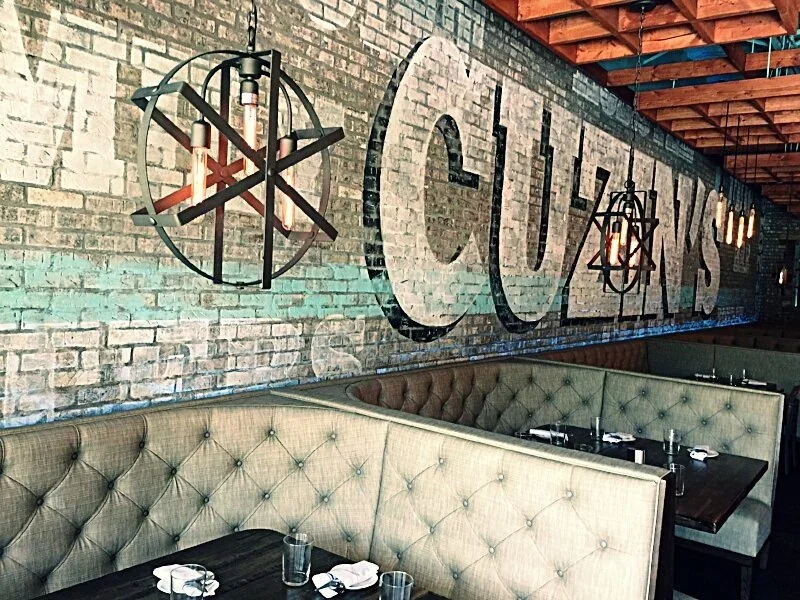
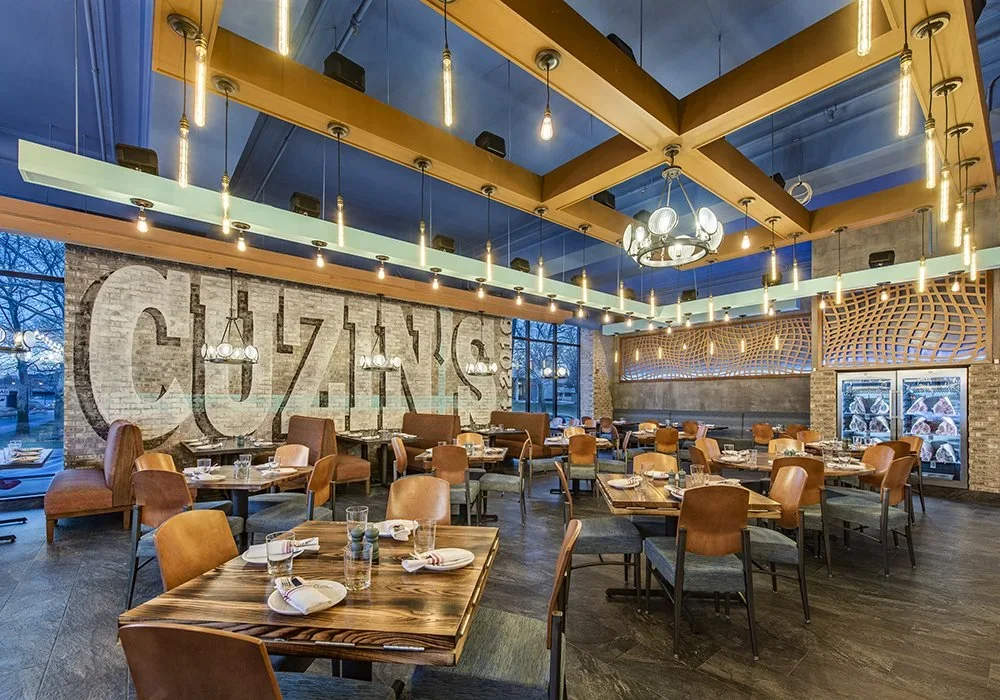
Raymond designed the original Cuzin’s in Marlboro solidifying the brand and concept of owner Charlie Mayo. He then updated the brand with the Cuzin’s in New Brunswick and is currently designing a refreshed Cuzins concept in Brick, NJ
Operational Flow as a Design Element
Efficiency is the silent partner in your profitability. Engineering a restaurant floor plan that maximizes staff movement isn't just about comfort; it's about survival. Every extra step a server takes is a delay in service and a hit to your bottom line. This is a critical phase of the restaurant design process that amateurs often overlook. You must also account for "invisible" design: acoustics that permit conversation without killing the energy, and lighting that directs focus toward the high-margin cocktails. Your bar design needs a workflow that prioritizes speed and visibility to keep the drinks flowing and the revenue climbing.
Visual Identity: More Than Just a Logo
Your brand lives in the details. Uniforms, menu textures, and even the weight of your doorknobs reinforce the concept. Disconnects kill trust. If your decor promises fine dining but your menu feels like a casual bistro, guests won't return. Use modern restaurant design ideas to create "Instagrammable" moments that turn your customers into a free marketing department. Every corner should be a deliberate statement of your brand's authority. If you're struggling to align these complex elements, it's time to consult with a professional strategist who understands the commercial stakes of your investment.
The 5-Step Restaurant Design Process for 2026
Stop guessing and start engineering. A functional, high-end venue doesn't happen by accident; it requires a disciplined, no-fluff roadmap that moves from vision to construction without wasting time or capital. In hyper-competitive markets like Maryland or New Jersey, a slow or disjointed launch is a dead launch. Your restaurant design process must be fast, methodical, and guided by a visionary who understands the commercial landscape. You don't need a decorator; you need a strategic partner to navigate the high-stakes transition from a blueprint to a physical reality that commands the market.
Phase 1 & 2: Concept Ideation and Market Alignment
Success begins with aggressive "what-if" scenarios. You must test your concept against the local competition to find the gaps they've missed. We use mood boards and aesthetic rebranding strategies to visualize the vibe long before the first hammer swings. Choosing Your Restaurant Concept is a surgical exercise in market alignment, not a creative hobby. The Programmatic Foundation is the bedrock of all future design decisions.
Phase 3 & 4: Space Planning and Design Development
This is the "pencil to paper" stage where we create the initial floor plan and circulation paths. These paths dictate whether your staff operates with elite efficiency or constant friction. Material selection is equally critical. You must balance extreme durability with high-end aesthetic excellence to ensure the space looks as good in year five as it does on opening night. We refine every inch of the guest journey, ensuring the brand immersion is total, from the moment they see the signage to their experience in the restrooms. This phase of the restaurant design process is where your profit margins are protected through smart planning.
Phase 5: Execution and Project Oversight
Blueprints are just paper until they're executed correctly. A designer must oversee the build to ensure the vision isn't diluted by contractors looking for shortcuts. We manage the transition to ensure every detail matches the strategic intent. The final "vibe check" is the most important step. We verify that the lighting levels, acoustics, and music are perfectly calibrated to deliver on your brand promise. Don't leave the final 10% of your project to chance.
Secure your strategic design consultation and dominate your market
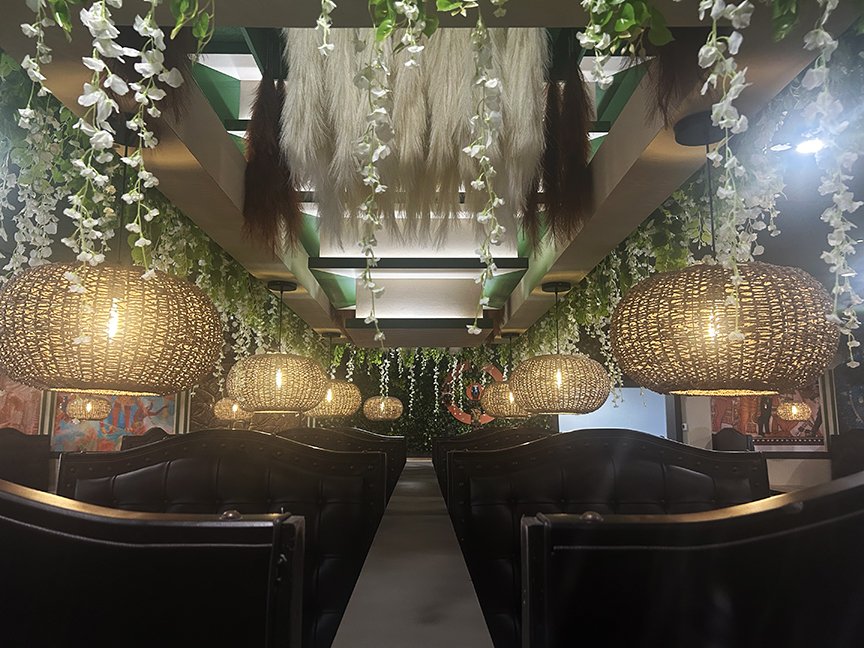
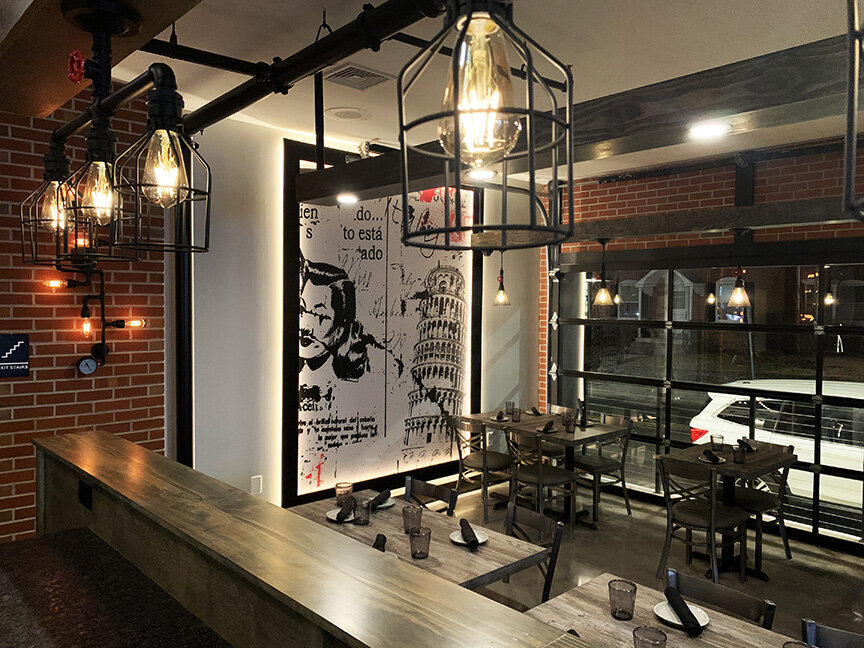
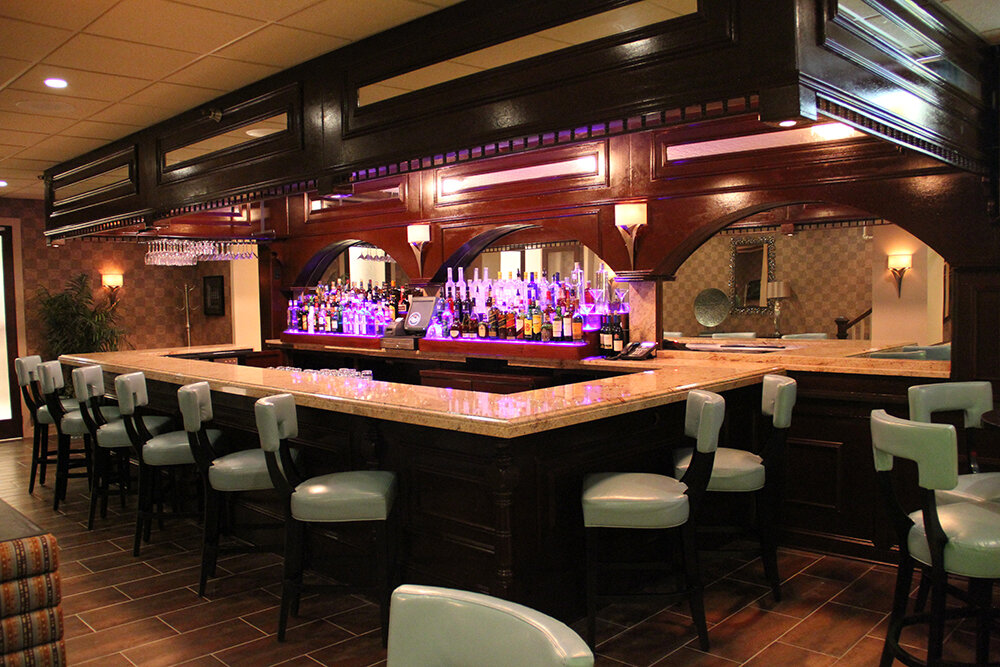
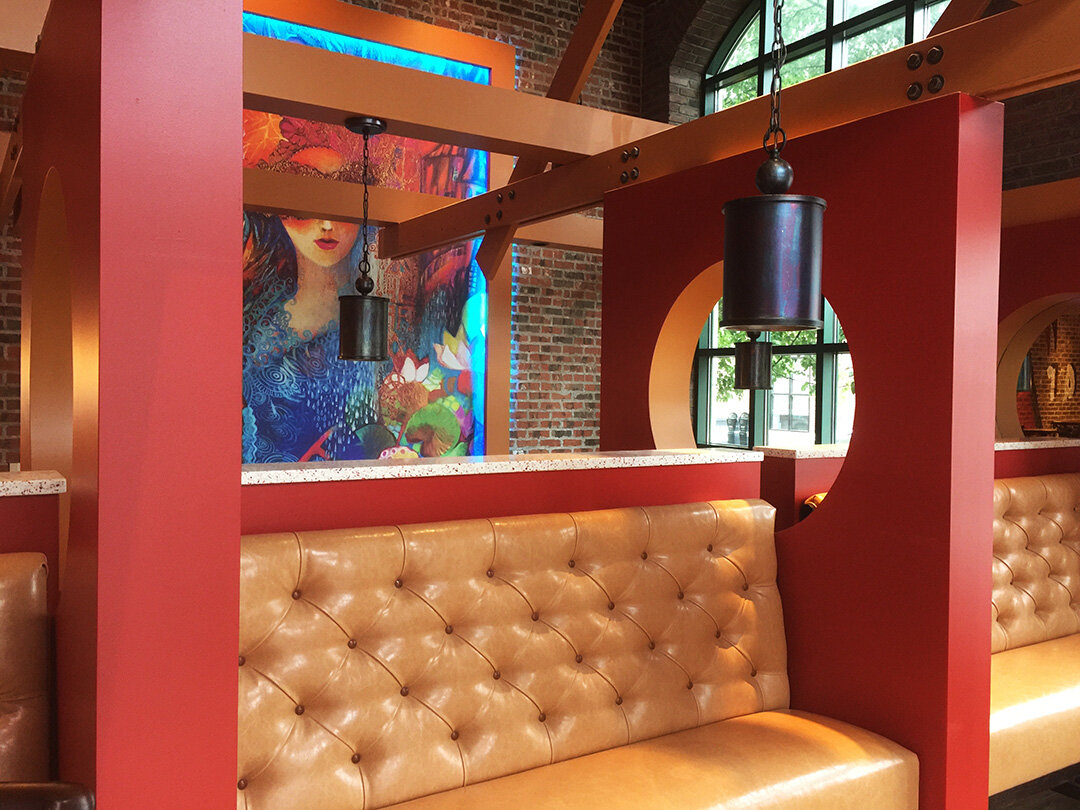
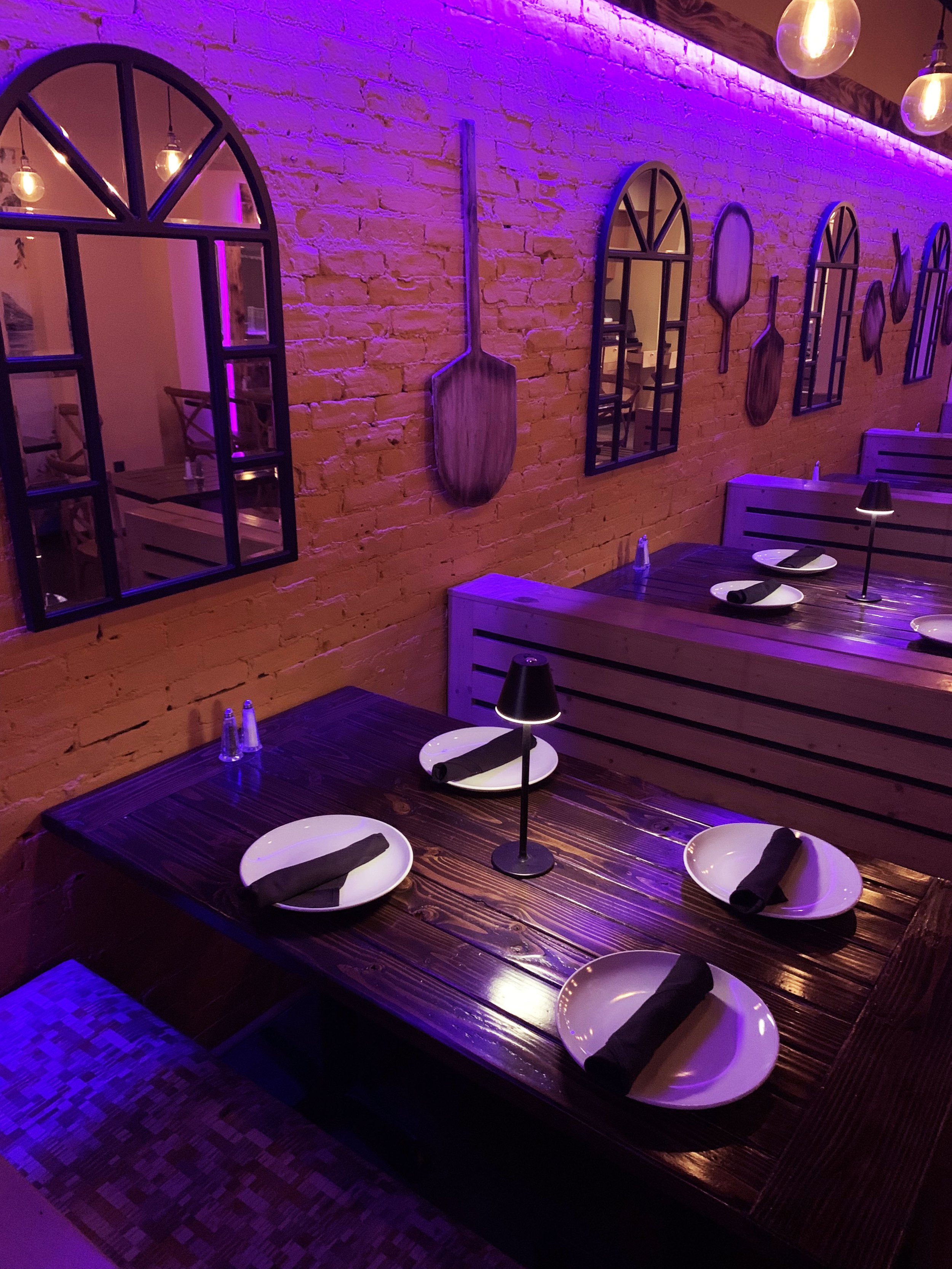
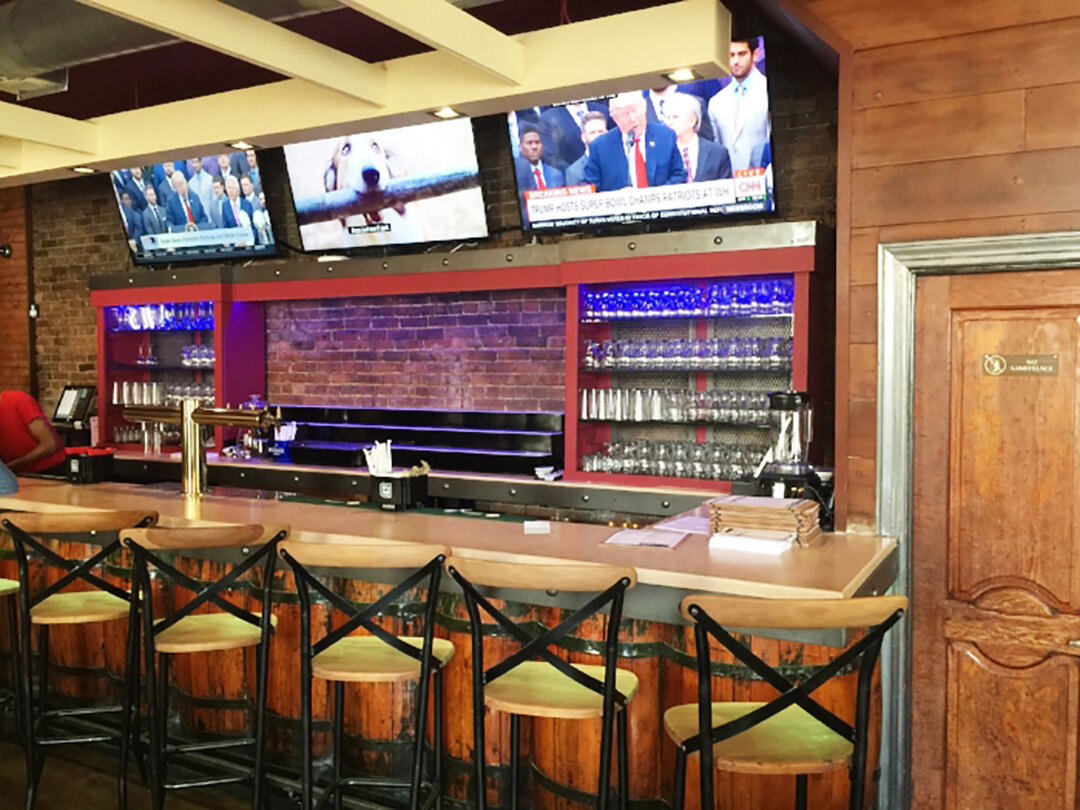
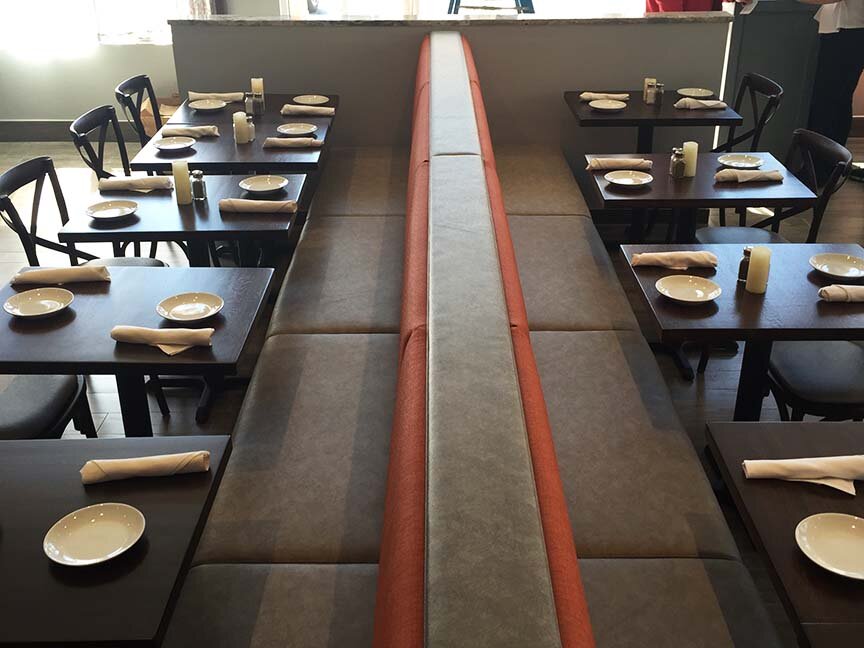
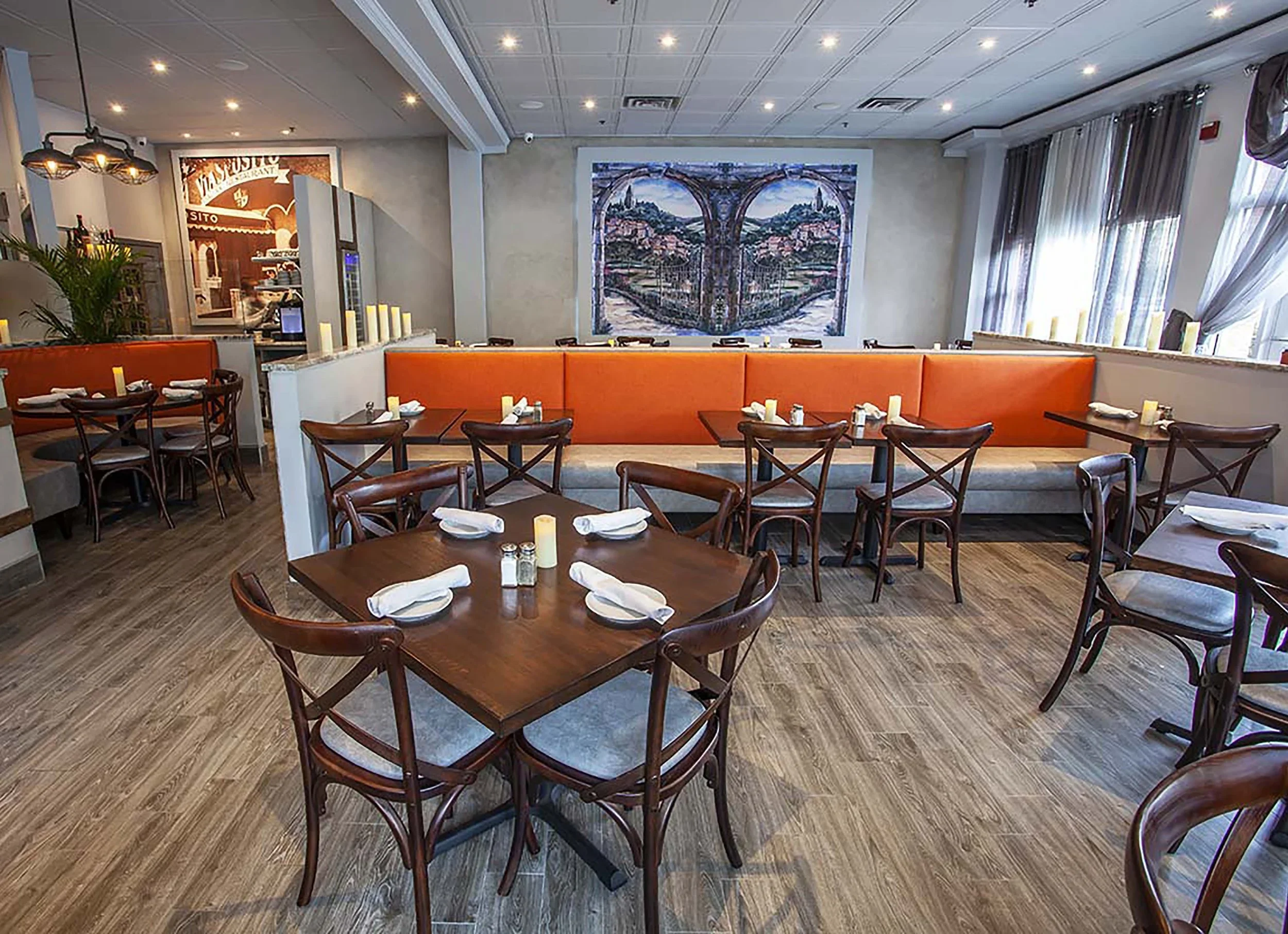
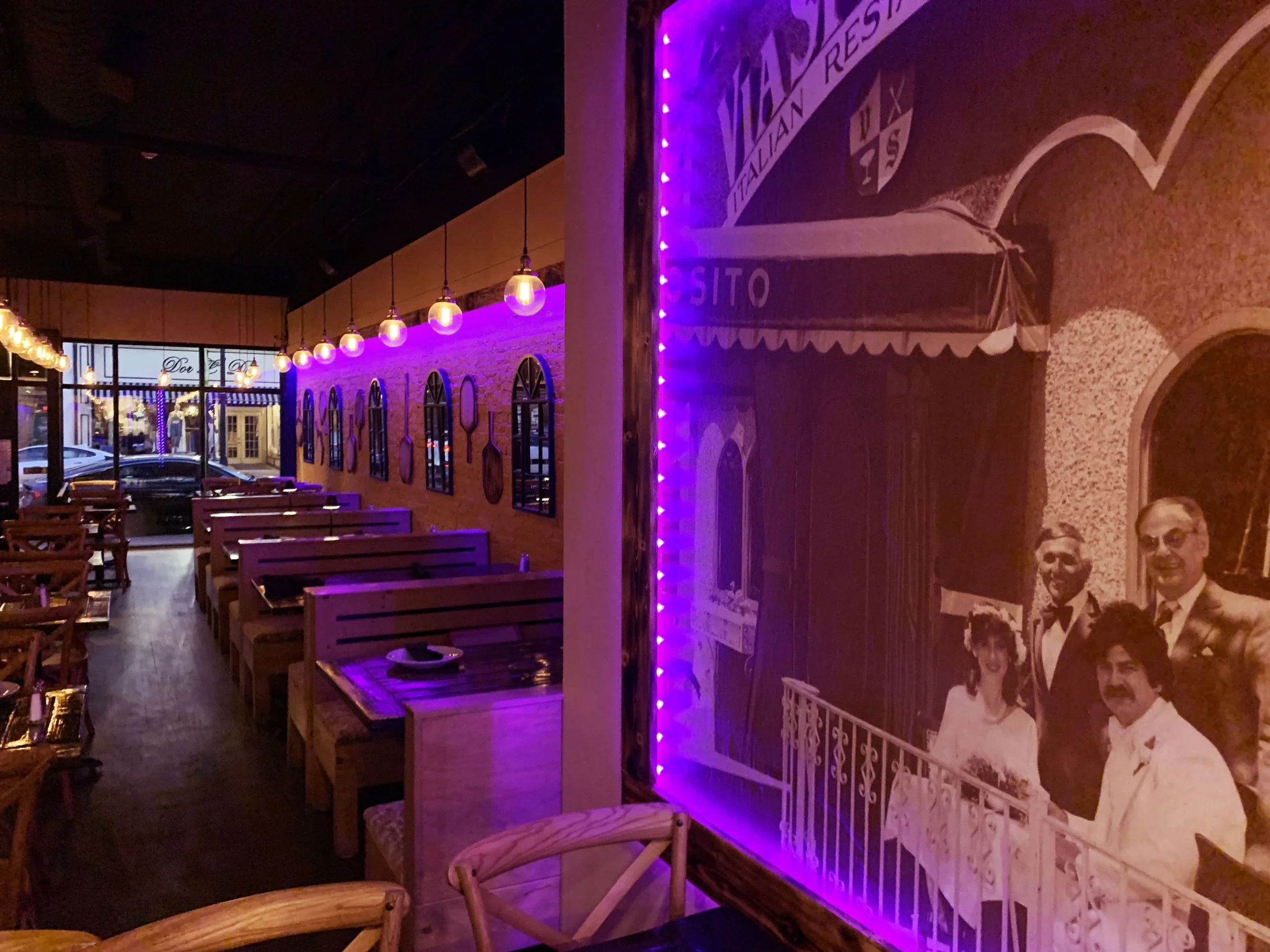
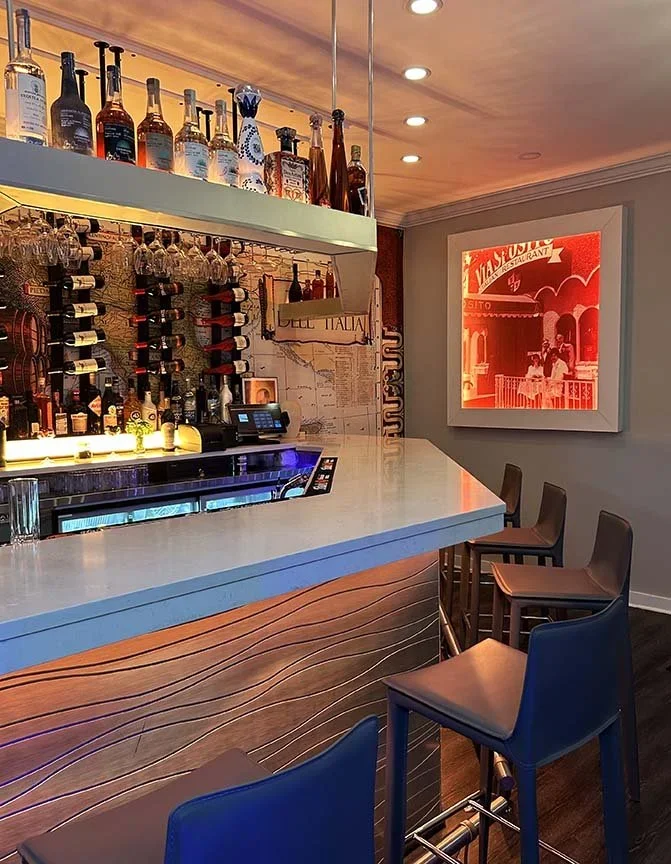
Vincent Esposito call Raymond to brand his authentic family Italian restaurant concept. There are now 3!
Rebranding vs. New Concepts: When to Pivot
The most dangerous lie you can tell yourself is that it's too late to change. If your venue is bleeding cash or stagnating, sticking to a failing vision isn't loyalty; it's a slow-motion bankruptcy. Many owners ask if they've missed the window for a strategic concept. They haven't. Rebranding is a tactical pivot designed to reclaim market share from competitors who are currently out-designing you. It's a calculated investment, not a cosmetic cost. Engaging a restaurant rebranding consultant allows you to salvage the "soul" of your business while stripping away the operational and aesthetic friction that's killing your margins.
Diagnosing Conceptual Failure
You must determine if the problem is your kitchen or your environment. If your culinary reviews are stellar but your dining room is a ghost town, your concept is the culprit. In high-stakes markets like New Jersey or Miami, the "Boredom Factor" is a silent killer. Locals stop seeing your venue because it has become invisible. Your restaurant design process should have prevented this, but if it didn't, you must act now. Analyze your table turnover rates. If your floor plan creates bottlenecks or fails to encourage high-margin drink orders, your design is actively working against your bank account. Disjointed branding and low repeat guest numbers are the final warnings before total failure.
The Rebranding Shortcut to Success
Rebranding isn't about alienating your regulars; it's about giving them a reason to come back more often. You can modernize a legacy restaurant by identifying the core elements that work and ruthlessly cutting the rest. The ROI of a professional redesign is found in the revenue lift that follows a refined guest journey. Your restaurant design process needs an expert overhaul to turn a failing space into a market-dominant powerhouse. Don't let your investment vanish because you were too proud to pivot.
Stop hemorrhaging cash on a concept that doesn't work. Consult with Raymond Haldeman today.
Secure Your Venue's Future Through Expert Concept Development
You've seen why a restaurant concept is a strategic weapon, not a decor choice. It dictates your operational efficiency and your market dominance. If you ignore the psychological triggers of atmosphere design or the precision of the restaurant design process, you're leaving your investment to chance. A high-performance venue requires a blueprint that transforms every square foot into a profit center. Whether you're launching a new flagship in Miami or rebranding a legacy location in New Jersey, you need more than a good idea. You need a visionary guide who has mastered the high-stakes hospitality landscape across PA, DE, and MD. Stop guessing and start engineering a brand that commands respect and profit.
Book Your Strategic Concept Consultation with Raymond Haldeman
Don't settle for a disjointed brand or a layout that kills your table turnover. Straight-talk advisory is the shortcut to a venue that looks high-end and operates with maximum precision. You deserve the confidence that comes from a proven track record and elite industry insight. Take control of your brand's destiny today. Success in this industry is reserved for those who plan for it.
Strategic Insights: Frequently Asked Questions
What is included in a restaurant concept development package?
A comprehensive package synthesizes brand identity, market positioning, and operational flow into a single strategic blueprint. It goes far beyond a logo or a color palette. You receive a complete roadmap that defines your Guest Promise and engineers your Revenue Engine. This ensures every square foot of your venue is optimized for profit and brand consistency. Don't settle for anything less than a total commercial strategy.
How much does professional restaurant concept development cost in 2026?
Industry data for 2026 indicates that soft costs for architecture and design typically range from 10% to 15% of your total construction budget. For mid-range casual dining projects, these fees frequently fall between $35,000 and $75,000. While these are industry averages, the real cost is the capital you lose by launching a failed concept. Professional guidance is an investment in your venue's long-term survival and market dominance.
Can I develop a restaurant concept without an interior designer?
You can attempt it, but you risk a total loss of your capital. Amateurs focus on surface-level decorating while experts master the restaurant design process to ensure operational efficiency. DIY concepts frequently suffer from disjointed branding and inefficient floor plans that kill your table turnover. Without professional vetting, your "good idea" is just a high-stakes gamble. Secure an expert strategist to protect your interests and ensure your venue's success.
How long does the restaurant design process typically take?
Expect a professional restaurant design process to take anywhere from three to six months. This timeline covers everything from initial concept ideation and market alignment to final project oversight. While speed is critical in high-stakes markets like Miami or New Jersey, you cannot skip the foundational planning stages. Rushing the execution phase without a refined blueprint leads to costly construction errors and a diluted brand identity.
What is the difference between a restaurant theme and a restaurant concept?
A theme is a surface-level aesthetic; a concept is a comprehensive business strategy. Themes are temporary and often feel gimmicky, like "nautical" or "industrial." A concept is the calculated synthesis of that vibe with surgical market positioning, menu alignment, and profit-driven space planning. Don't build a theme that people visit once. Build a concept that commands a loyal demographic and forces long-term profitability.
How do I know if my current restaurant concept needs a total rebrand?
Look for lethal signs like declining repeat guest numbers, stagnant sales, or a general "Boredom Factor" where your venue has become invisible to locals. If your physical space no longer justifies your price point or feels disconnected from your culinary offerings, you're in trouble. A total rebrand is a strategic pivot to reclaim market share. Don't wait for the doors to close. Act while you still have the capital to reinvent.