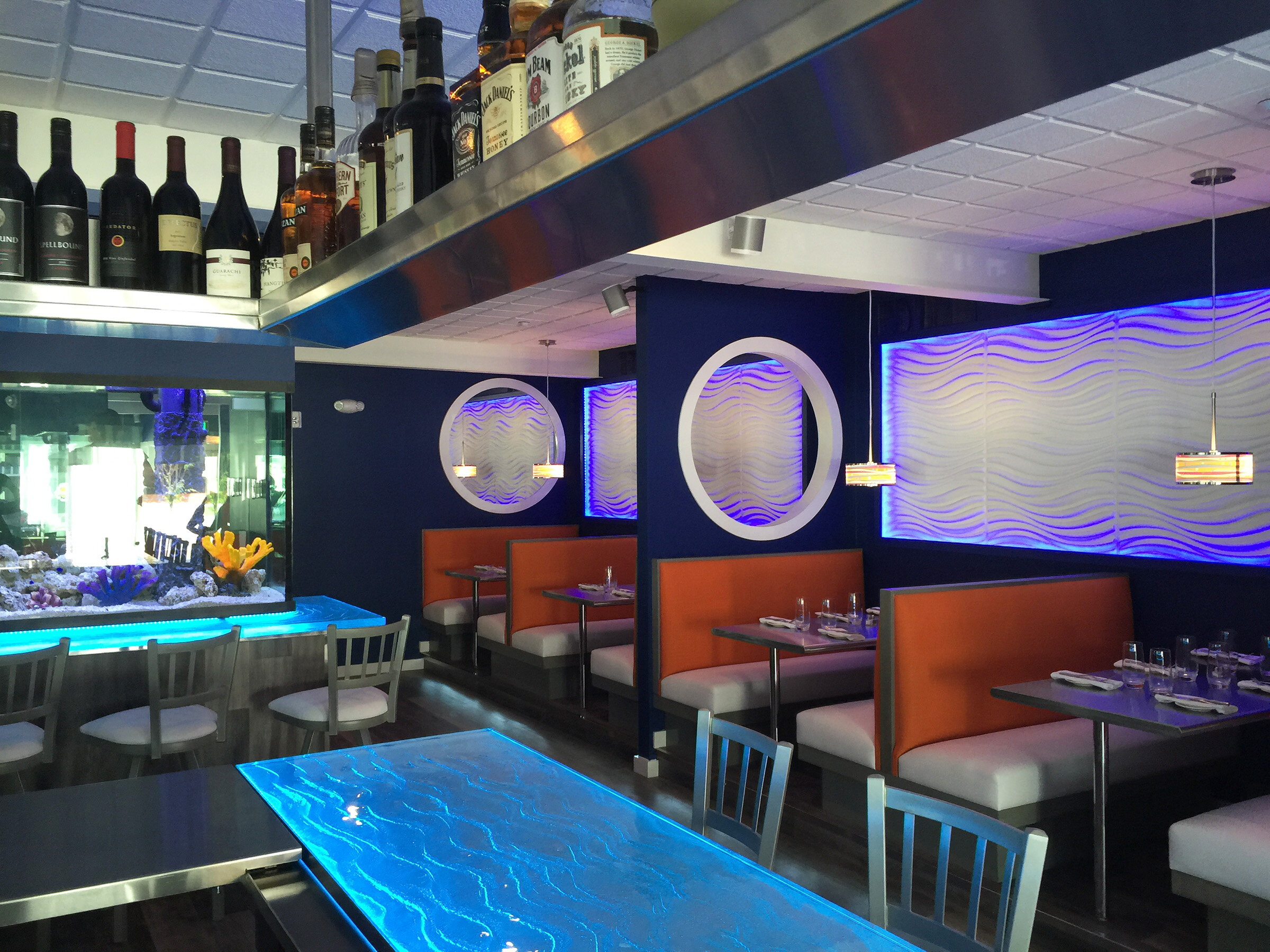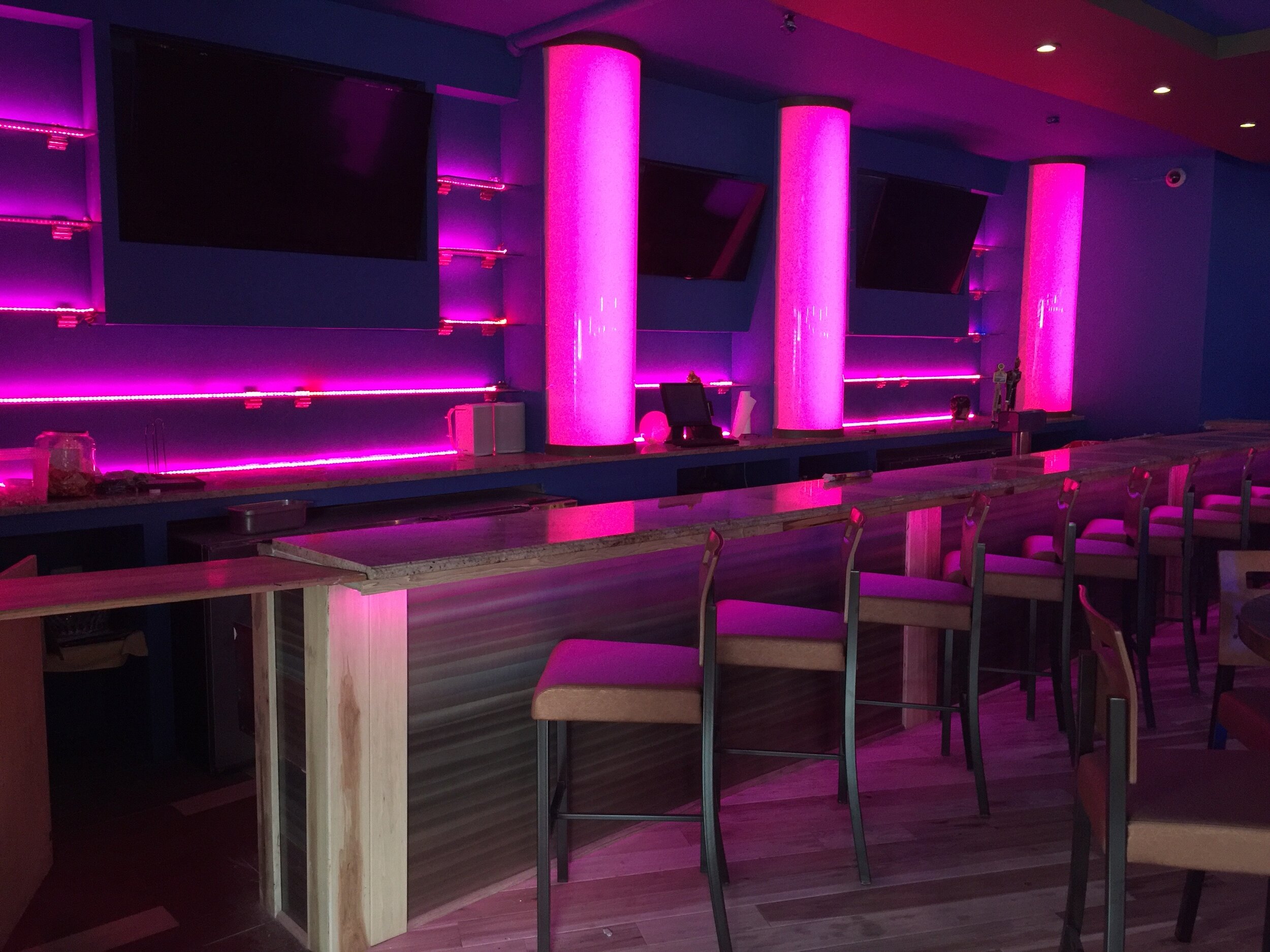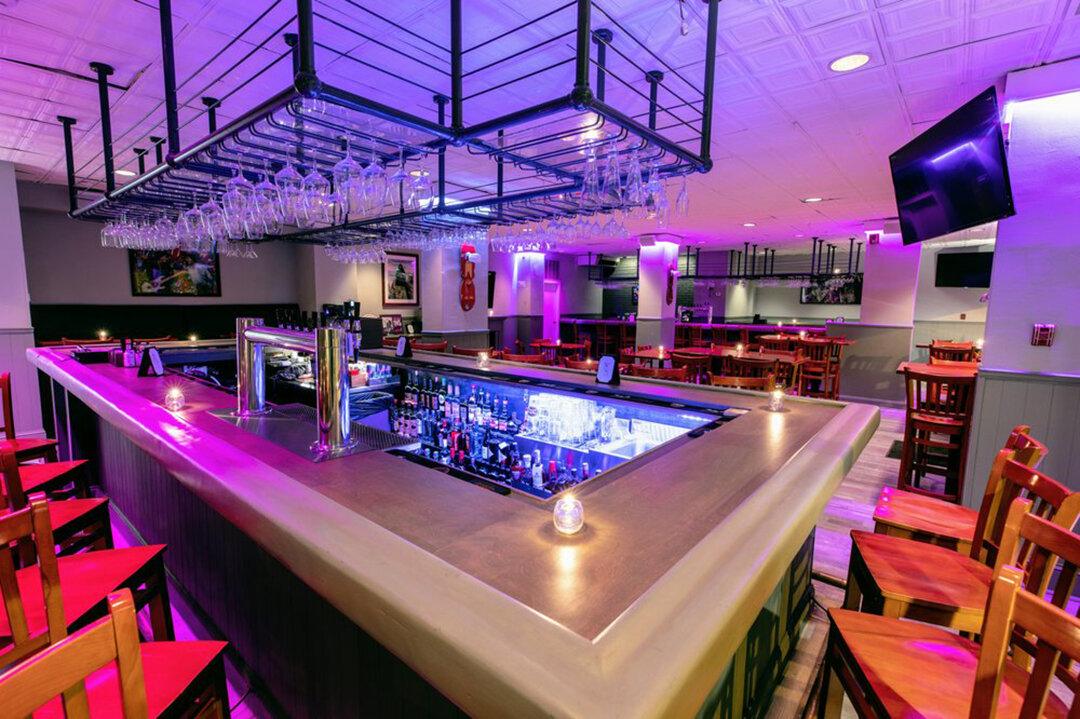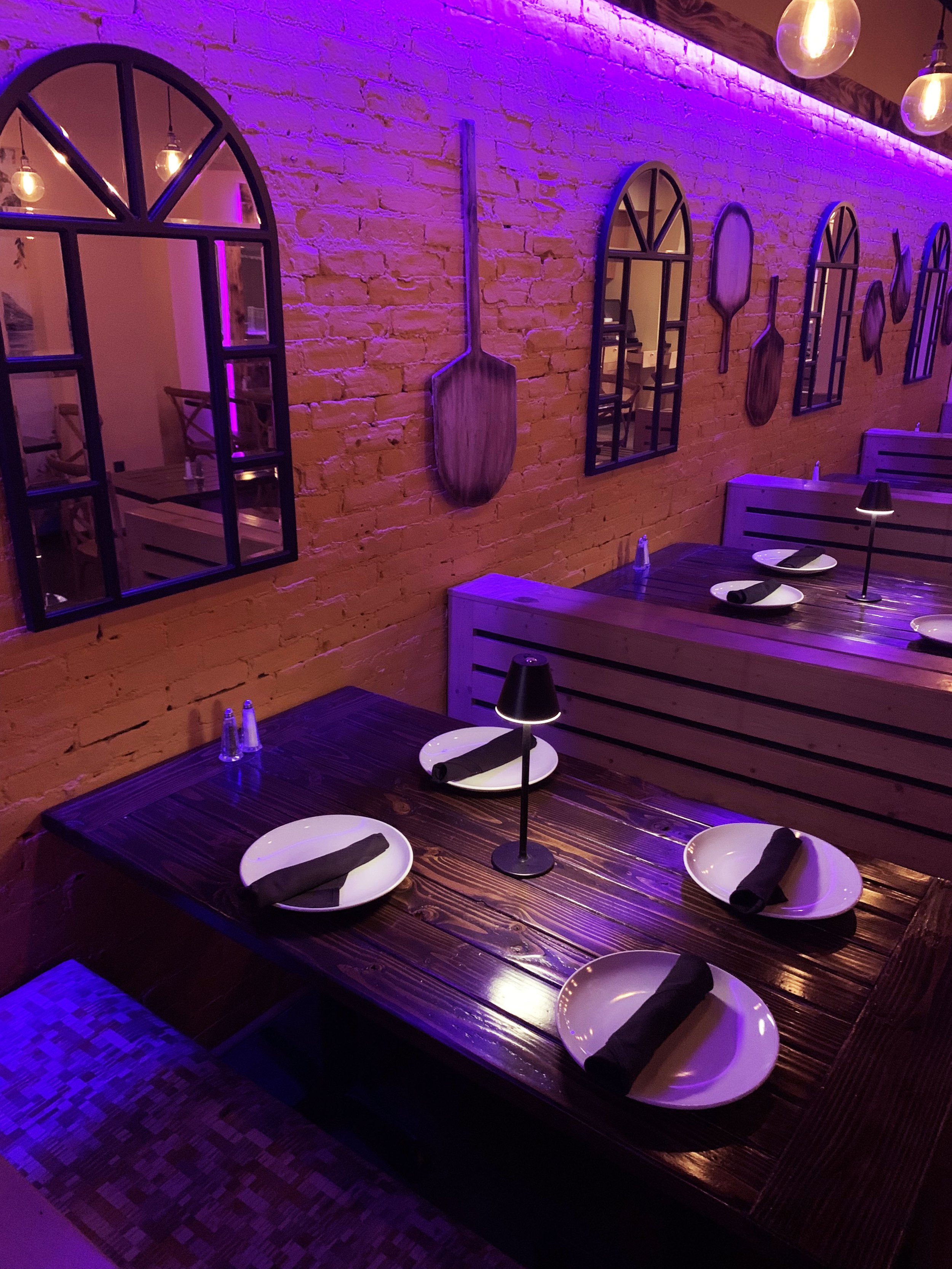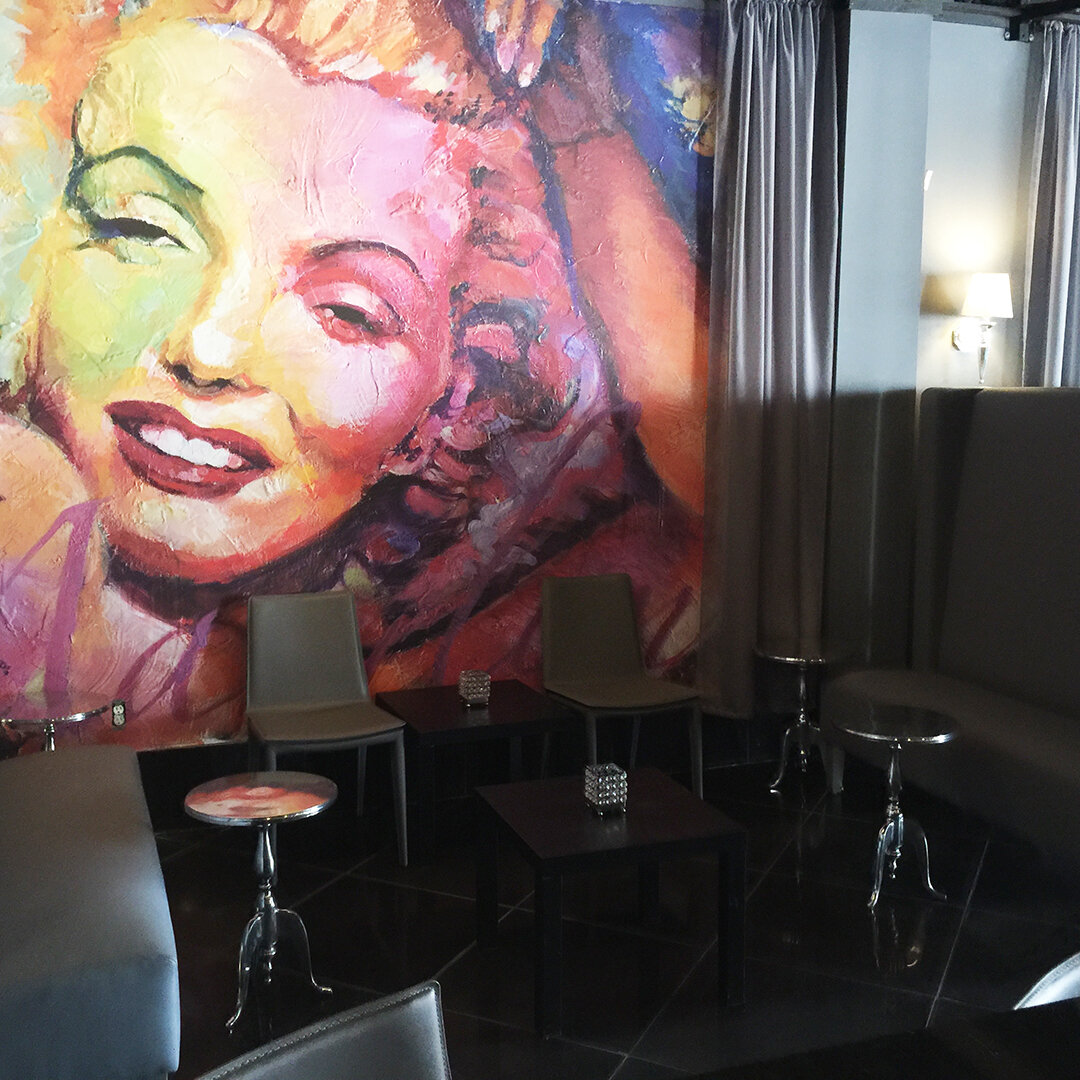
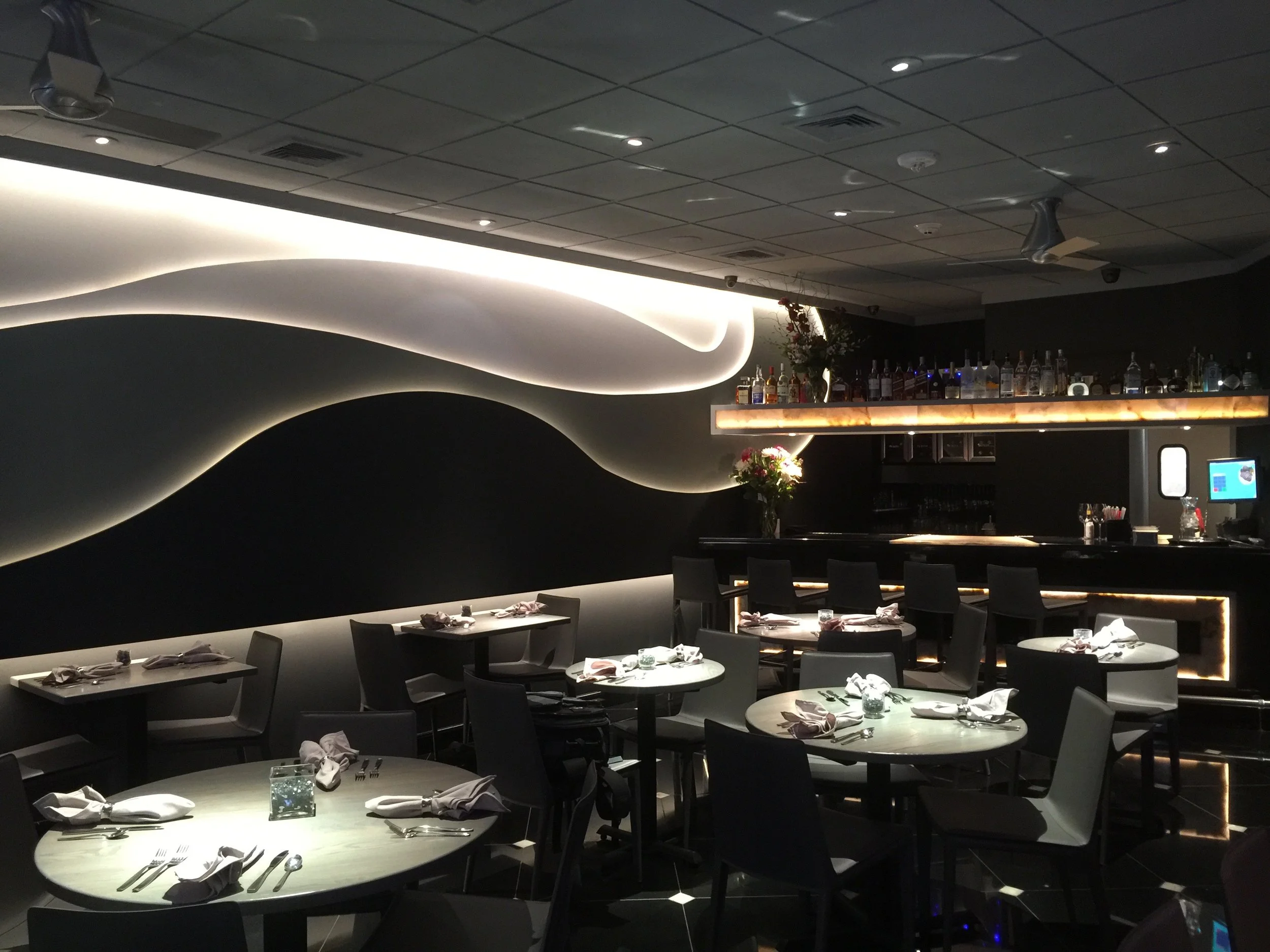
Miami Restaurant Designer Raymond Haldeman’s LED Wave Wall
Upscale Restaurant Design in Miami: A Case Study

Article by
Raymond Haldeman
Raymond Haldeman spent decades as a hands-on owner and operator of bars, restaurants, and nightclubs before parlaying that experience into a second career designing and rebranding some of the most exciting restaurant spaces in the country. Every place he designs is built on years of actually running the business, paying the bills, and knowing exactly what it takes to make a restaurant full of people say, "WOW!"
In Miami, luxury isn't a competitive advantage; it's the baseline requirement. If you think a few gold accents and velvet chairs will secure your legacy, you've already lost the game. You're likely aware that the local hospitality market is notoriously unforgiving, and failing to invest in professional upscale restaurant design miami is a fast track to closure. Generic designs fail to attract the elite crowd, and inefficient layouts quietly kill your profit margins before you even open your doors.
Stop settling for "pretty" and start demanding "profitable." This case study explores how elite design transforms venues into high-revenue landmarks through strategic space planning and assertive branding. You'll discover why expert intervention is a prerequisite for success, not a luxury afterthought. We're breaking down the exact methodology used to turn a vision into a dominant commercial reality, ensuring your venue becomes an icon rather than a statistic.
Key Takeaways
- Understand why "experiential architecture" is the new standard and why hiring a generalist designer is a critical mistake in the high-stakes Miami market.
- Analyze the spatial engineering behind Coco Miami to see how strategic bar placement and floor plan flow directly impact guest energy and spending.
- Discover how to treat high end restaurant design miami as a hard financial asset that increases table turnover and profit margins through expert space planning.
- Follow a strategic roadmap for your launch, from market-gap concept validation to navigating the physical constraints of premium Miami real estate.
Table of Contents
- The Anatomy of High-End Restaurant Design in Miami
- Case Study: Engineering the Aesthetic and Flow of Coco Miami
- The ROI of Atmosphere: Why Design is Your Most Profitable Investment
- Launching in Miami: Your Strategic Design Roadmap
The Anatomy of Upscale Restaurant Design in Miami
Miami isn't just a city; it's a high-stakes arena where mediocre design goes to die. In the 2026 market, luxury is no longer defined by the price of the marble or the brand of the fixtures. It's defined by "experiential architecture." This means every square foot must serve a dual purpose: aesthetic dominance and operational efficiency. If your space doesn't tell a story within the first five seconds of a guest walking in, you've already lost their attention to the next venue down the street. Successful upscale** restaurant design miami** requires an aggressive approach to branding that manifests physically in your floor plan.
The Experiential Imperative
Miami diners aren't just paying for a meal; they're purchasing social currency. The "vibe" is the actual product. Lighting serves as a primary psychological tool in this environment. It's not just about visibility; it's about creating an atmosphere that keeps guests in their seats and ordering another round. Strategic dimming and focal points are proven to drive alcohol sales by creating an environment where time feels irrelevant and the ego feels elevated. Experiential design is the primary driver of 2026 guest loyalty, transforming a one-time visit into a recurring revenue stream through sensory immersion.
Specialist vs. Generalist Designers
Hiring a residential or generalist designer for a high-stakes hospitality project is a liability you can't afford. A generalist understands comfort, but they don't understand the "theater" of the front-of-house or the brutal efficiency required for commercial flow. The hidden costs of poor space planning show up in slow table turns, bottlenecked service, and frustrated staff. You need a restaurant design consultant in Miami who understands how to balance the neon-soaked vibrancy of South Beach with the polished, glass-and-steel sophistication of Brickell.
Your brand identity must be physically manifested in the architecture to survive this market. Consider these critical intersections:
- The Focal Point: If your brand is high-energy, your bar must be the central powerhouse of the room.
- The Seating Strategy: Intimate brands require exclusive seating clusters that prioritize privacy without sacrificing the "see and be seen" factor.
- The Flow: A specialist ensures the path of travel for staff never intersects with the guest's luxury experience.
Don't let a generic aesthetic kill your margins. In Miami, your design is either a tool for profit or a recipe for failure. Choose a partner who treats your floor plan like the financial asset it is.
Case Study: Engineering the Aesthetic and Flow of Coco Miami
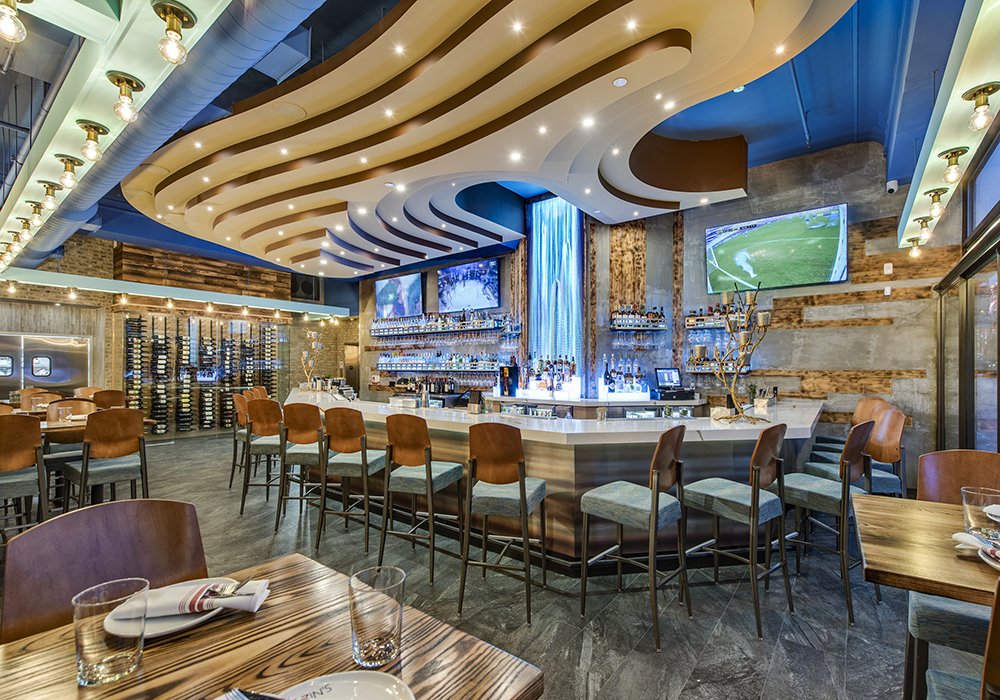
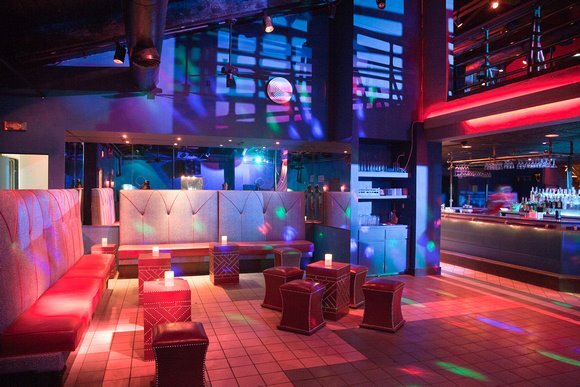
Coco Miami stands as a definitive benchmark for upscale** restaurant design miami** within the ultra-competitive Design District. It isn't a success by accident. Every element of the venue was engineered to command attention and maximize revenue through a sophisticated blend of "experiential architecture" and aggressive branding. This project serves as a prime example of how a visionary guide can take a concept and turn it into a high-revenue landmark by focusing on the intersection of aesthetic dominance and floor plan efficiency.
Spatial Planning for Maximum Energy
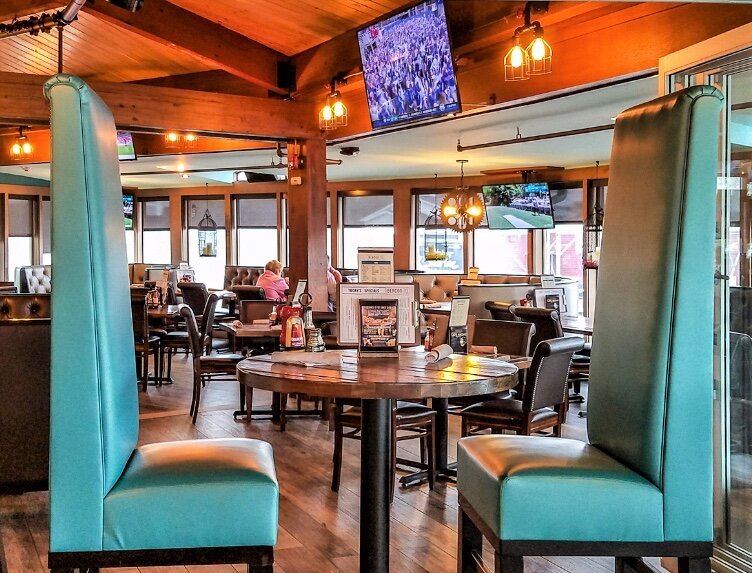
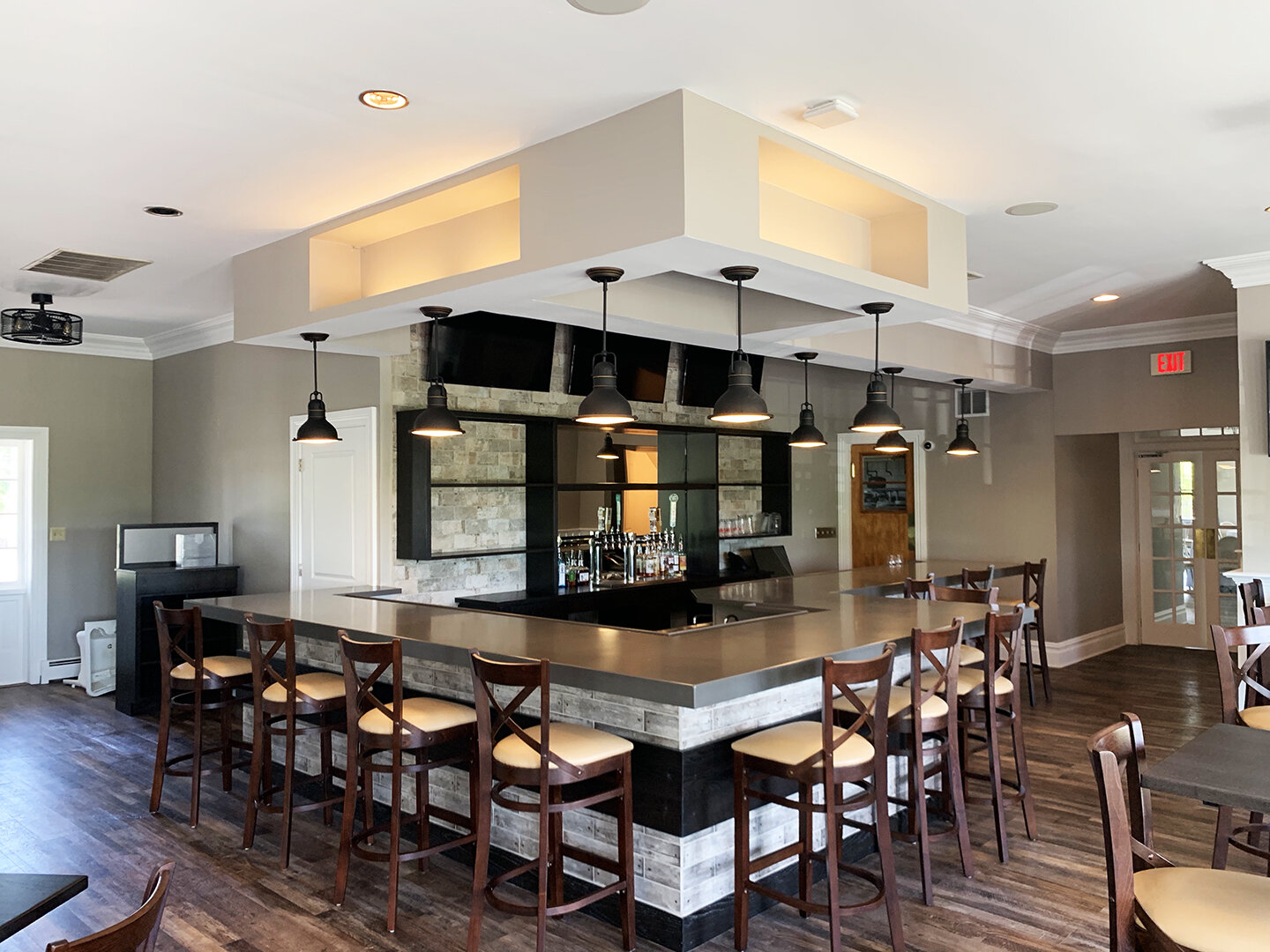
The entrance sequence at Coco Miami determines the entire guest experience. You only have seconds to establish the value of your brand. By positioning the bar as the central powerhouse of the room, the design ensures that energy radiates outward to every table. This layout isn't just for looks; it dictates the average check size. When guests feel the pulse of a high-energy room, they stay longer and spend more.
Effective zoning allows for "VIP" pockets within the main dining area. These spaces offer exclusivity without isolating guests from the "see and be seen" atmosphere that defines Miami's elite social scene. If your floor plan doesn't account for this social hierarchy, you're leaving money on the table. Proper space planning ensures that high-spending groups feel prioritized while maintaining a seamless flow for service staff.
Visual Identity and Materiality
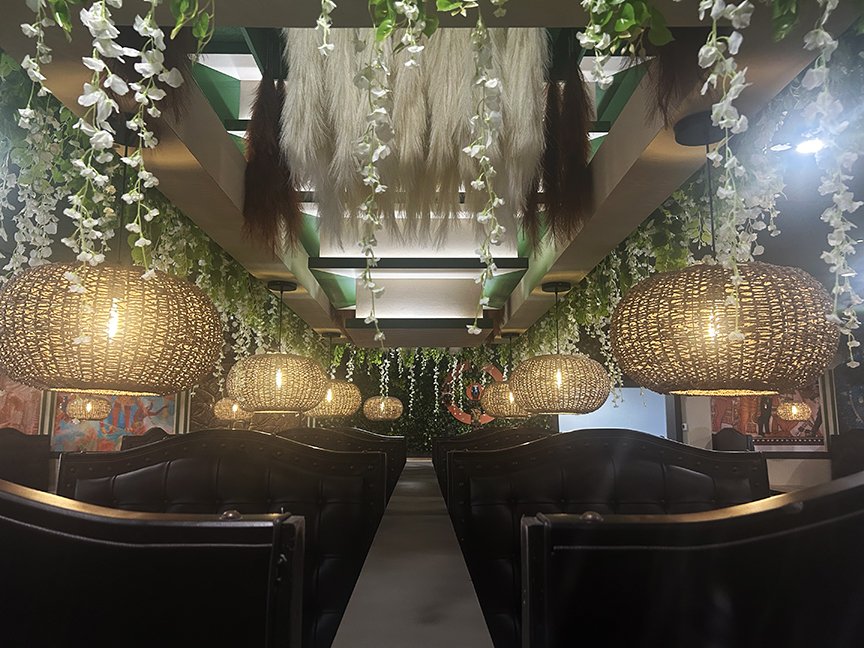
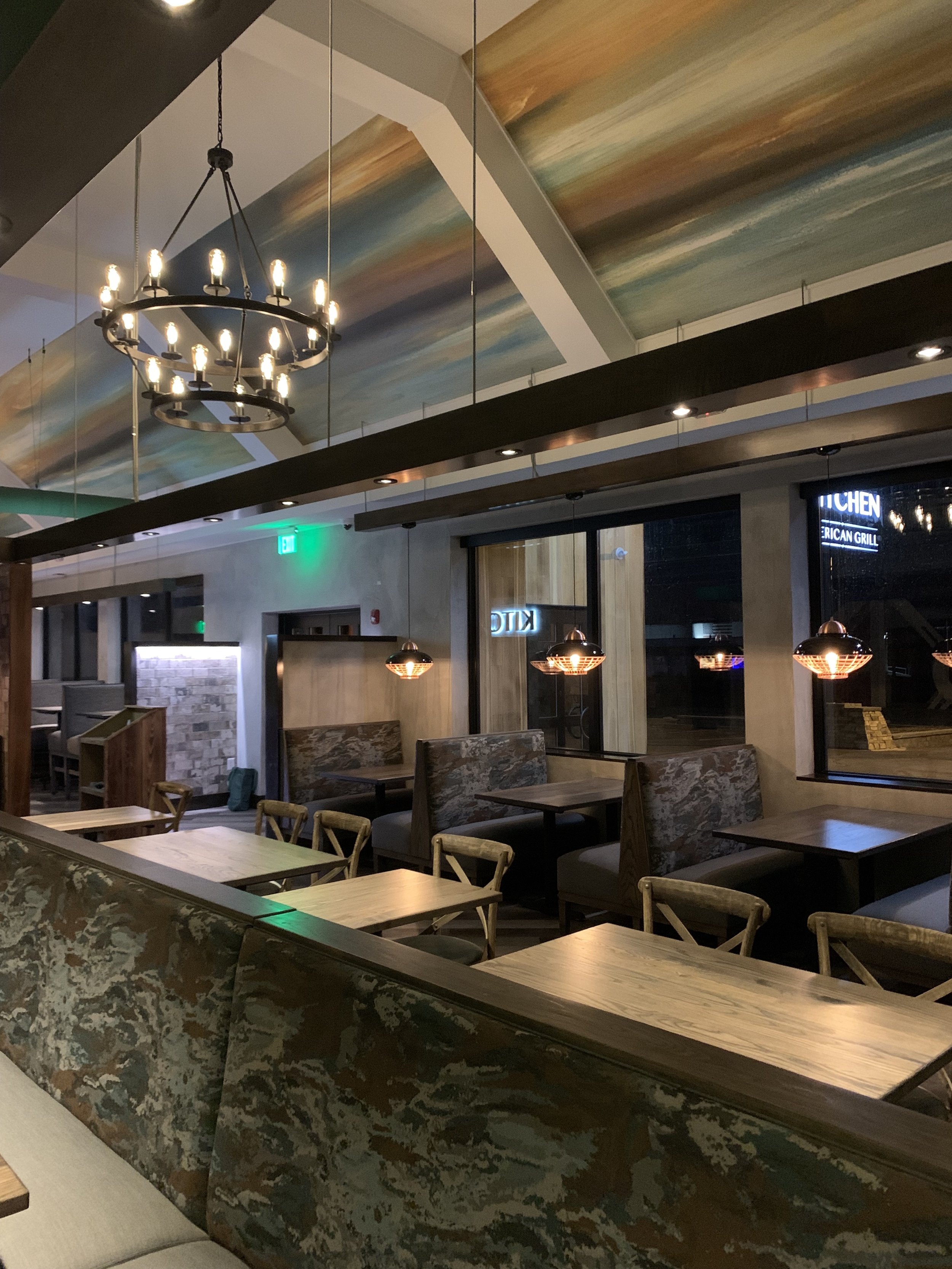
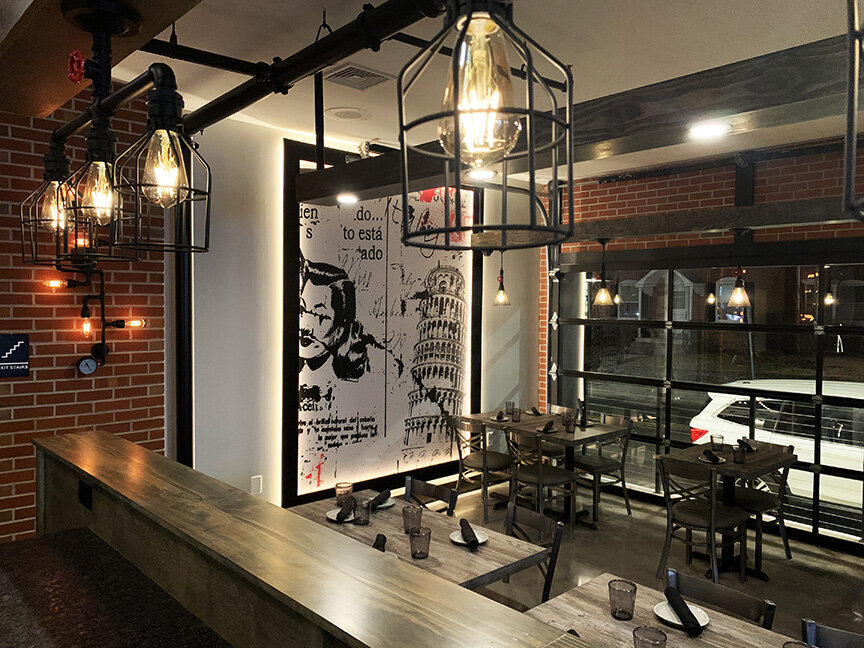
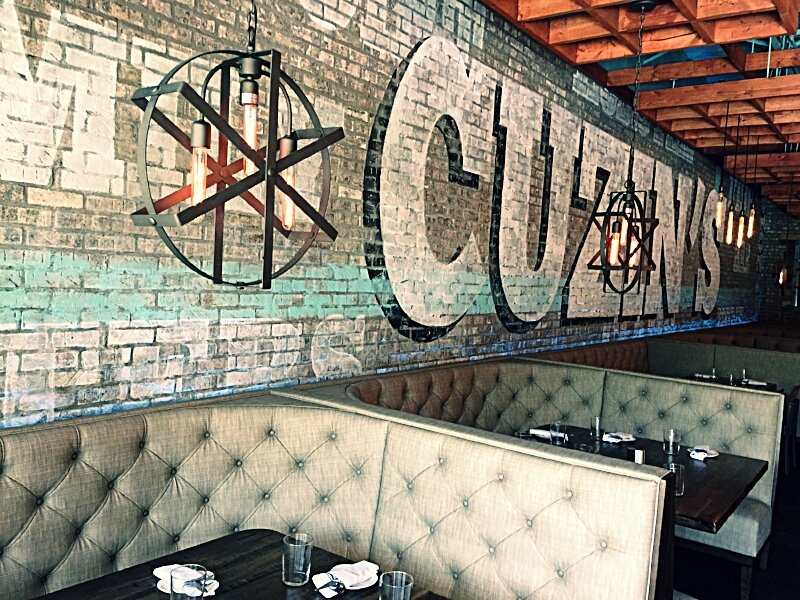
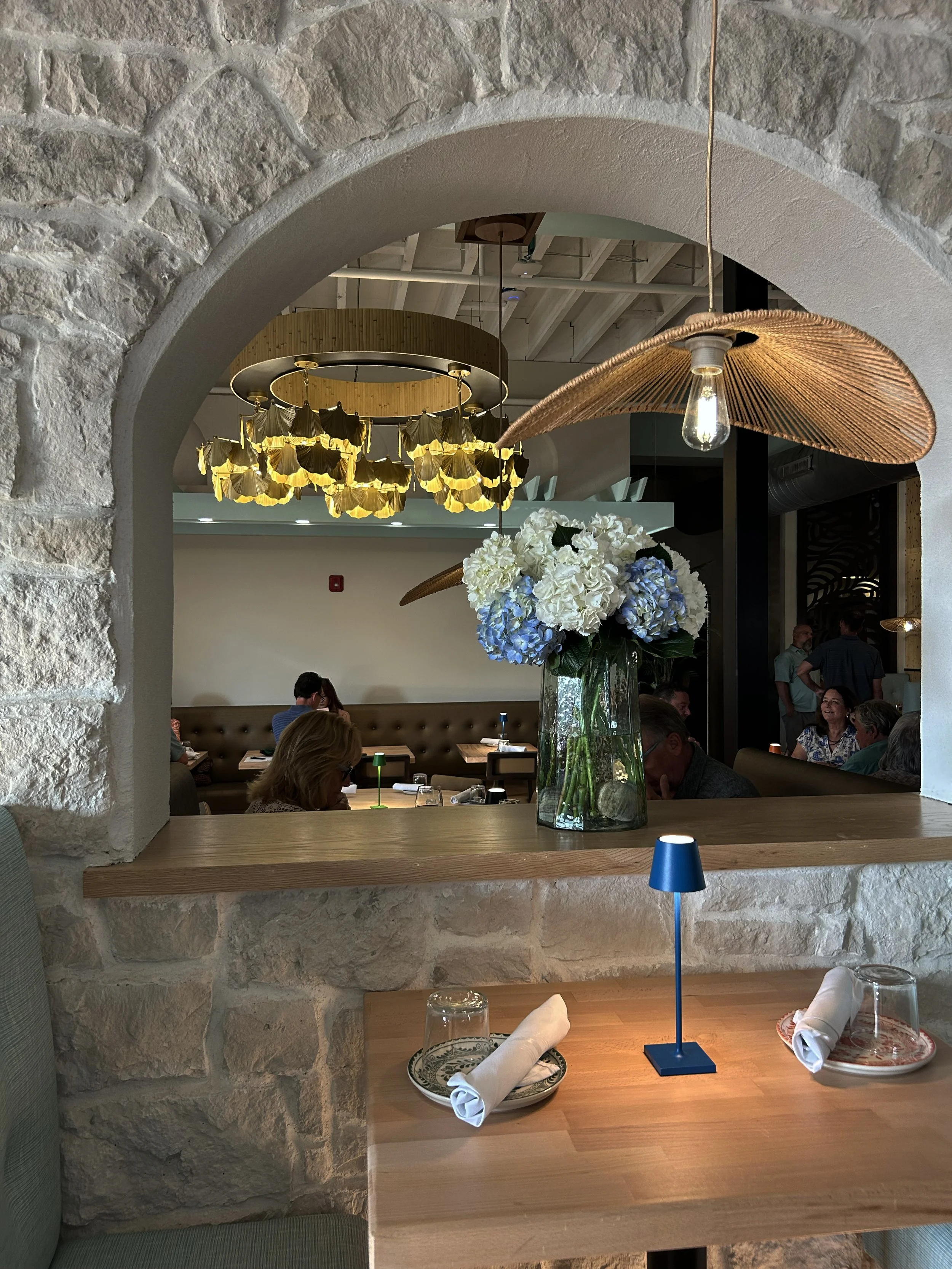
In a city where everyone is a photographer, your materials are your marketing team. Coco Miami utilizes high-contrast textures—polished stone against soft, deep velvets—to create "Instagrammable" moments that act as free, organic advertising. Safe design choices are the fastest way to become invisible in this market. If your venue looks like every other bistro in the zip code, you've failed the first test of Miami hospitality.
Custom lighting fixtures do more than just illuminate; they establish an elite brand identity that justifies premium pricing. This assertive approach is often the core of a successful restaurant rebranding strategy. Turning a struggling mid-tier venue into a high-end contender requires more than a fresh coat of paint. It requires a total structural pivot that fixes failing concepts through professional space planning and bold visual declarations. If you're ready to stop being a background player, it's time to consult with a specialist who understands the theater of the front-of-house.

The ROI of Atmosphere: Why Design is Your Most Profitable Investment
Stop treating your interior as a "soft" cost or a vanity project. In the aggressive world of upscale** restaurant design miami**, every square foot must be a revenue generator. If your design doesn't actively sell your menu and your brand, it's a financial failure. Elite operators understand that the environment is the primary tool for justifying premium pricing. You aren't just selling food; you're selling the psychological permission for guests to spend three times the market average because the surroundings demand it. High-end finishes aren't just for ego. They provide the sensory cues that tell a guest they are in a space of value, lowering their resistance to high-ticket items and protecting your margins.
Engineering Table Turnover
Strategic seating is a math problem, not an art project. You need a profitable floor plan that balances the perception of luxury with high-density efficiency. Space planning is the difference between a chaotic floor and a synchronized machine where every server movement is optimized for speed. Acoustics are your silent partner in this effort. By controlling sound levels, you can influence the pace of dining and drinking without ever making a guest feel rushed. Achieving a 10% increase in turnover through strategic design can effectively double your net profit by maximizing your earnings during peak hours.
The Cost of "Bad" Design
Dead zones are where profits go to die. If a table feels isolated, under-lit, or caught in a service bottleneck, it will remain empty while your overhead stays the same. A cheap, surface-level redesign is actually more expensive than an elite strategic investment because it fails to address these fundamental revenue leaks. Miami is a city of first impressions, and it doesn't offer second chances to boring or dysfunctional venues. Launching with a generic aesthetic is a guaranteed way to become invisible in a market that rewards boldness.
Your design must perform. It must command respect, drive social media engagement, and facilitate flawless service. If it doesn't do all three, you've wasted your capital. Expert space planning is the prerequisite for a sustainable, high-revenue hospitality venture in this market. Don't leave your success to chance when you can engineer it through superior architecture.
Calculate the ROI of your restaurant rebranding today
Launching in Miami: Your Strategic Design Roadmap
Opening a venue in this city without a clear roadmap is a suicide mission. You need a battle plan that prioritizes revenue over vanity. Success in upscale** restaurant design miami** follows a rigid, four-step process that leaves nothing to chance. First, validate your concept. If your vision doesn't fill a specific gap in the 2026 market, it's dead on arrival. Second, select your space with surgical precision. Never sign a Miami lease based on location alone; you must evaluate the physical limitations and infrastructure before committing your capital. Infrastructure failures are the silent killers of hospitality budgets.
Once the lease is secured, move immediately to strategic space planning. Map out the revenue flow, which includes the path of the guest, the server, and the dollar, before you even think about color palettes. Finally, move to aesthetic execution. This is where you implement an elite design for new openings that commands the attention of the city's power players and ensures your brand is the only one they're talking about.
Concept Development and Feasibility
Designing for your own ego is the fastest way to go bankrupt. You must design for the Miami 2026 guest, a demographic that demands constant innovation and sensory stimulation. A specialist consultant acts as your shield against expensive architectural errors that a generalist would miss. My role is to bridge the gap between a chef's culinary vision and the harsh reality of a profitable design. If the kitchen flow doesn't support the dining room's pace, your reputation will suffer before the first course is even served. We ensure the "theater" of the front-of-house is backed by a machine that actually works.
Executing the Vision
High-end builds in South Florida are notoriously difficult to keep on schedule. You need aggressive project management to ensure your upscale** restaurant design miami** project doesn't stall in the permitting or construction phase. Delays are lost revenue. The final walkthrough isn't just a checklist; it's about tuning the atmosphere for maximum impact. Every light, every texture, and every sound level must be calibrated to perfection before the first guest arrives. This is the difference between a soft opening and a dominant launch.
Stop guessing and start dominating. Contact Raymond Haldeman for a high-level consultation and secure your venue's future as a Miami landmark.
Secure Your Dominance in the Miami Market
Miami hospitality moves at a ruthless pace. If you aren't engineering your space for maximum revenue, you're essentially funding an expensive hobby. We've established that upscale** restaurant design miami** is a prerequisite for commercial success, blending sensory theater with hard-nosed spatial math. Don't let your investment become another cautionary tale of what could've been in the Design District or Brickell.
Raymond Haldeman provides the visionary guidance needed to navigate this high-stakes landscape. With a nationwide portfolio of high-profit hospitality venues and a specialty in engineering maximum table turnover, his expertise turns architectural potential into realized profit. As an authoritative expert in restaurant rebranding and new builds, he ensures your venue is built to win. It's time to stop guessing and start building your legacy.
Your vision deserves a floor plan that performs. Take the first step toward opening a venue that doesn't just survive the Miami market but defines it.
Frequently Asked Questions
How much does an upscale restaurant design in Miami typically cost?
High-end design costs are determined by the complexity of the architectural intervention and the quality of the materiality selected. You must view this as a strategic capital investment rather than a simple expense. Factors such as custom lighting systems, structural space planning, and premium finishes will dictate your total budget. Settling for a low-cost approach often results in a generic venue that fails to attract the elite crowd necessary for a high-revenue operation.
How long does a complete restaurant rebrand take in the Miami market?
The timeline for a comprehensive rebrand depends on the scope of structural changes and the speed of local permitting. You should prepare for a multi-month process to ensure every detail of your "experiential architecture" is executed without compromise. Rushing a high-stakes project is a recipe for expensive errors. A methodical approach ensures your venue is operationally sound and aesthetically dominant on opening night.
What are the biggest design mistakes Miami restaurant owners make?
The most fatal error is hiring a residential or generalist designer for a high-stakes hospitality project. Generalists often prioritize aesthetics over the "theater" of service, leading to bottlenecked floor plans and lost revenue. Another common failure is choosing a "safe" design that lacks the assertive branding required to compete in Miami. If your venue doesn't command attention immediately, you've already lost your audience to more aggressive competitors.
Can a professional redesign really increase my restaurant’s revenue?
Professional upscale** restaurant design miami** is a direct driver of net profit. By optimizing your space planning and layout, you can increase table turnover and eliminate "dead zones" that waste square footage. A sophisticated environment also provides the psychological cues that justify premium menu pricing. When your design sells the experience, your guests spend more and return more frequently.
Do I need a separate designer for my bar and nightclub areas?
You should never hire separate designers for different zones within the same venue. Disjointed design creates a fragmented guest experience that dilutes your brand identity. You need a single visionary guide who specializes in bar and nightclub design as part of a cohesive hospitality concept. This ensures a seamless transition of energy and aesthetic flow throughout the entire space, keeping guests engaged and spending across all areas.
What is the most important design trend for Miami restaurants in 2026?
The defining trend is "experiential architecture" that treats the environment as a primary product. Guests in 2026 demand sensory immersion and social currency from every outing. This means using lighting as a psychological tool to drive alcohol sales and selecting high-contrast textures that create organic marketing moments. Your design must be an active participant in the guest experience, not just a background for the food.