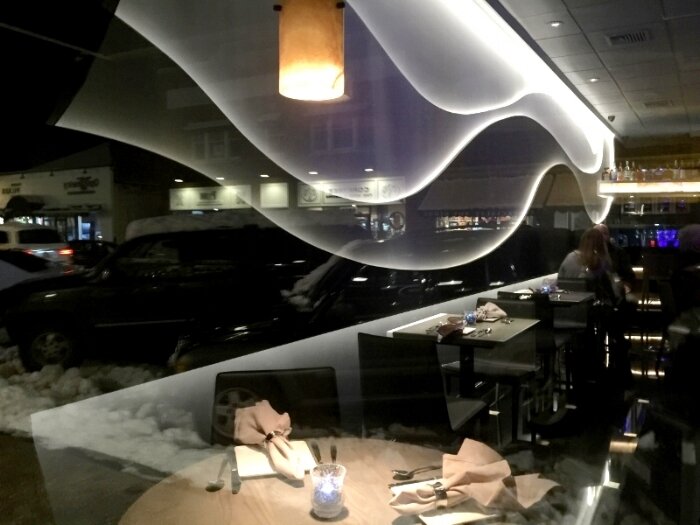
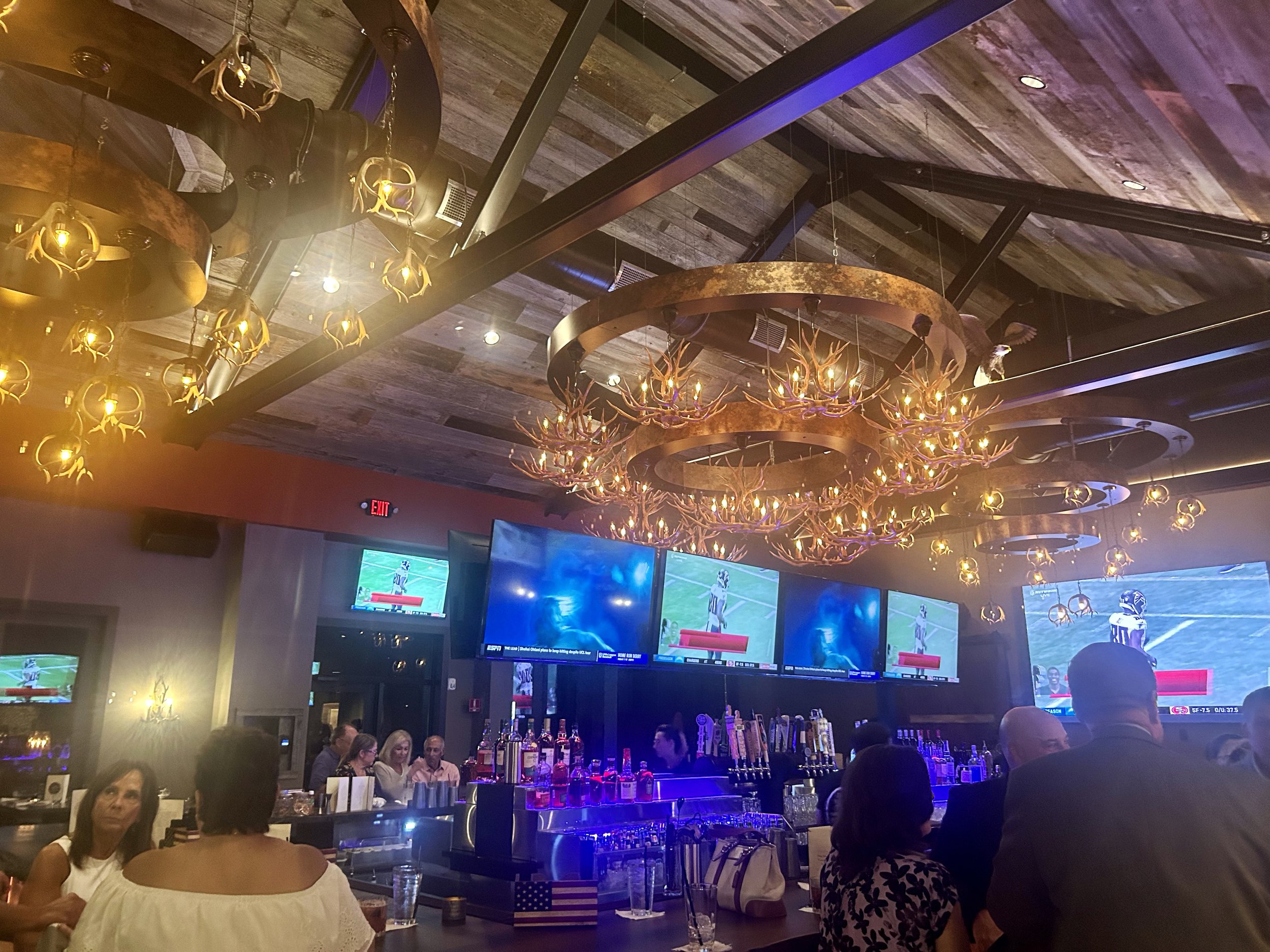
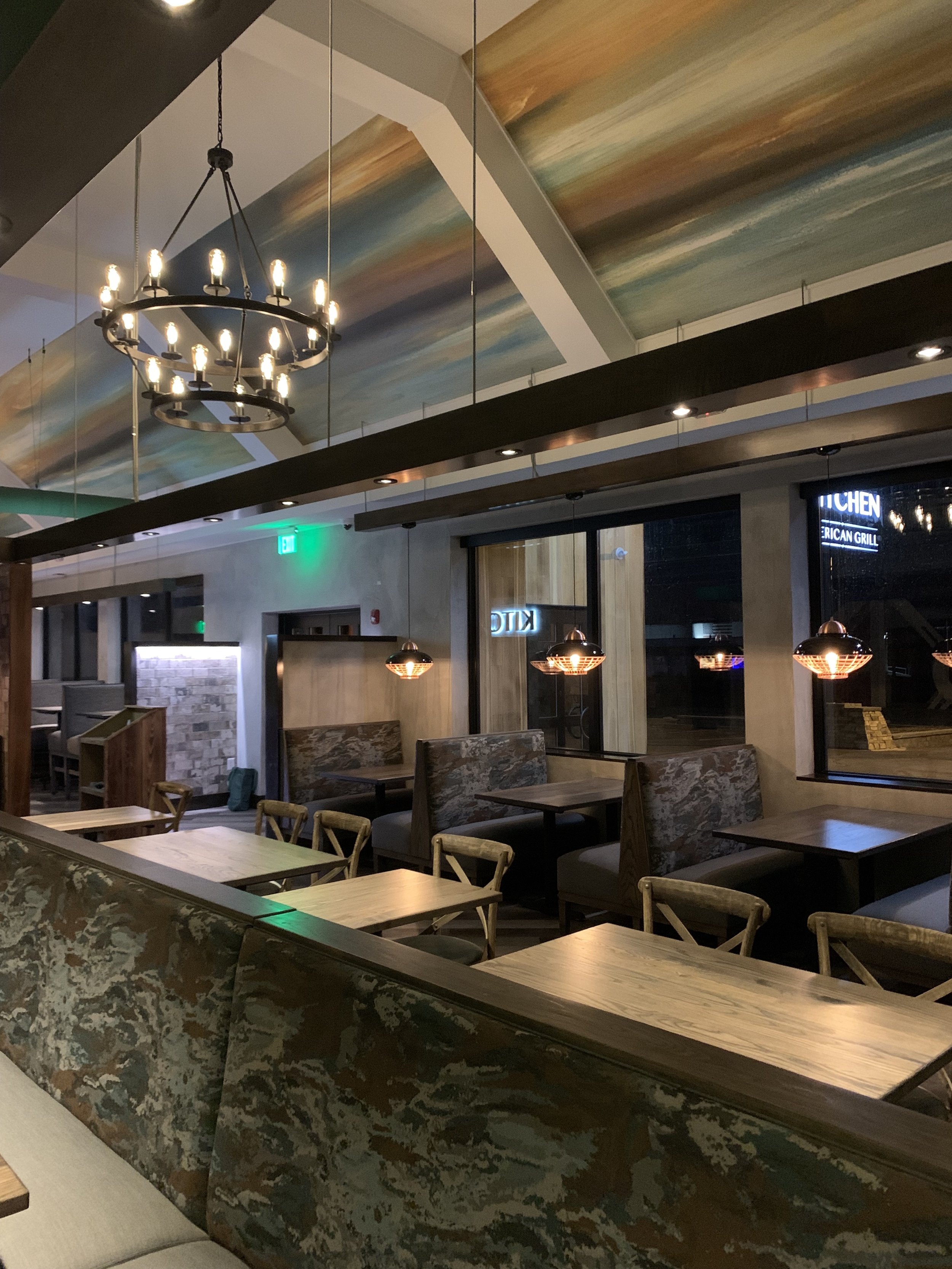
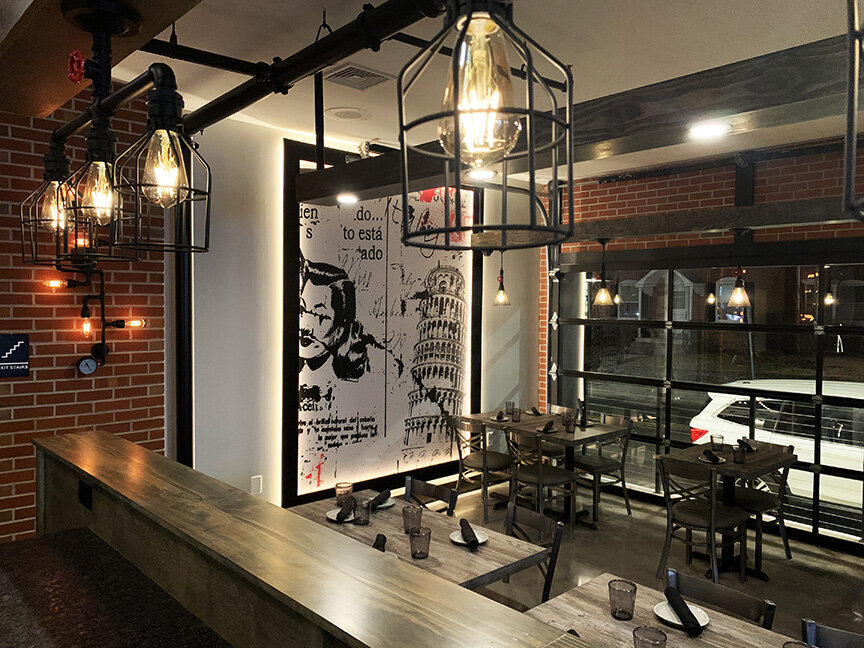
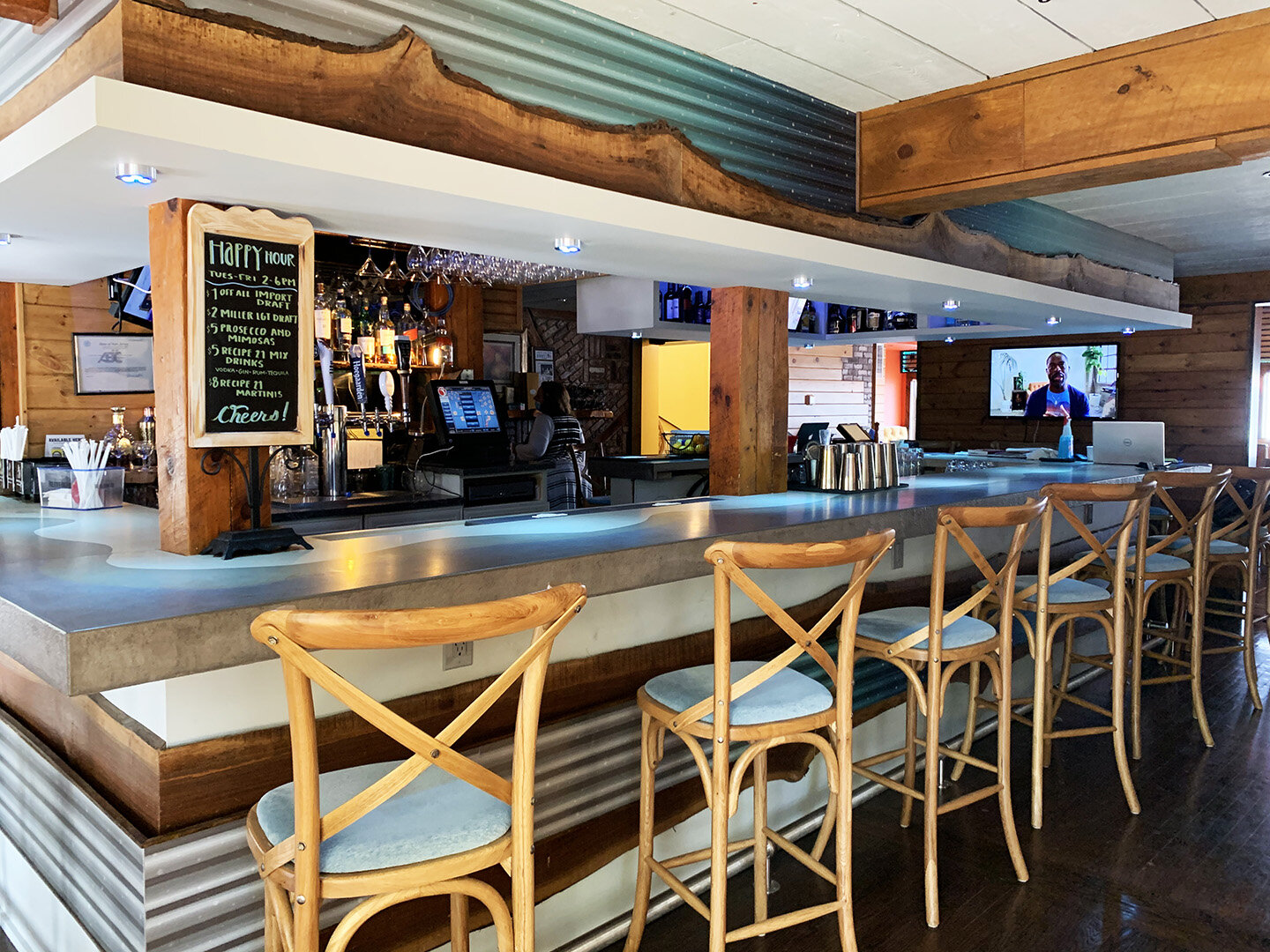
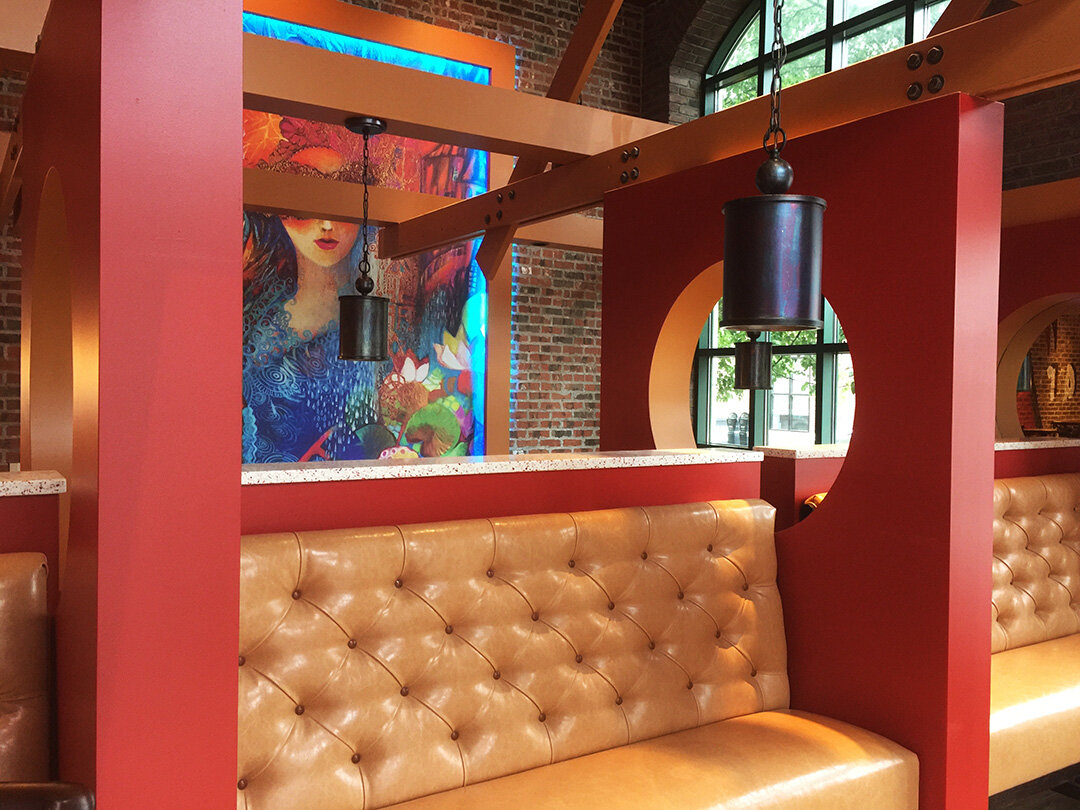
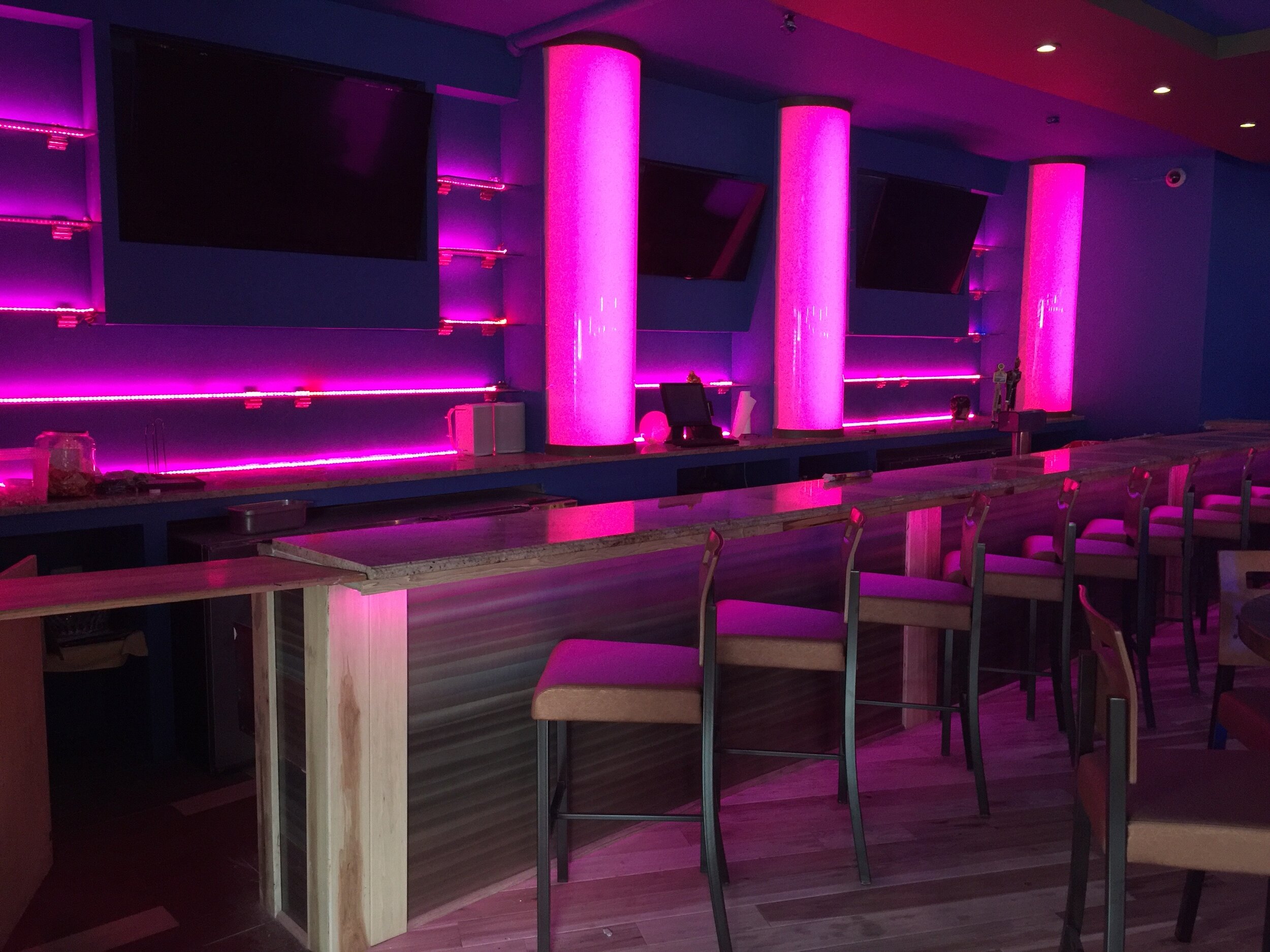
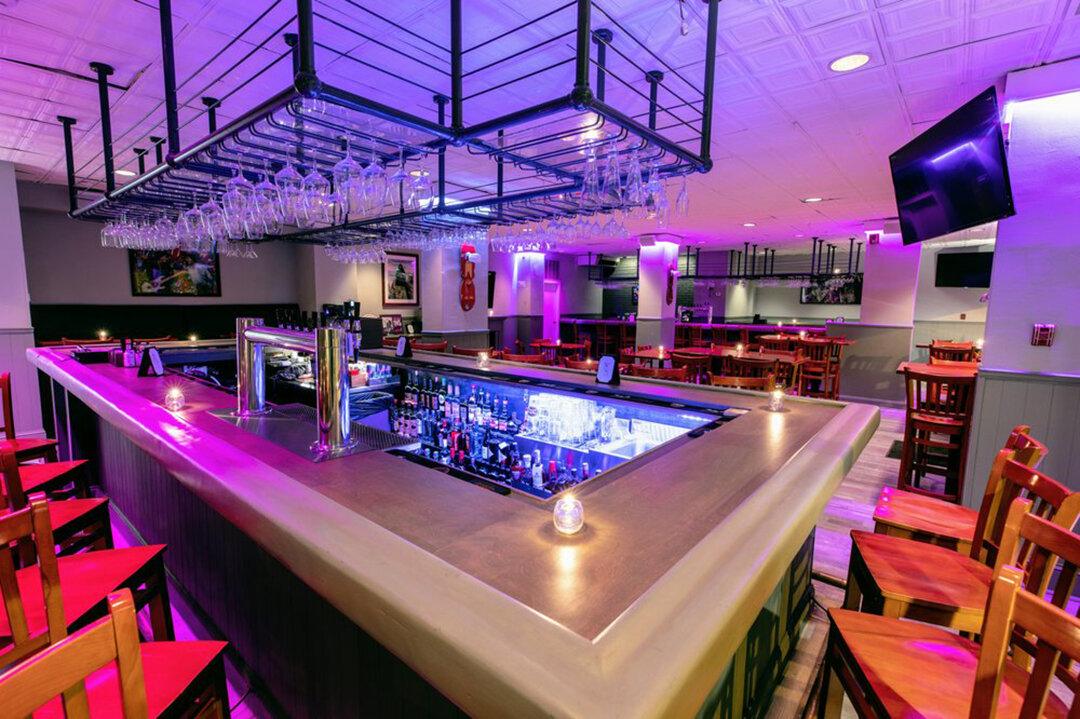
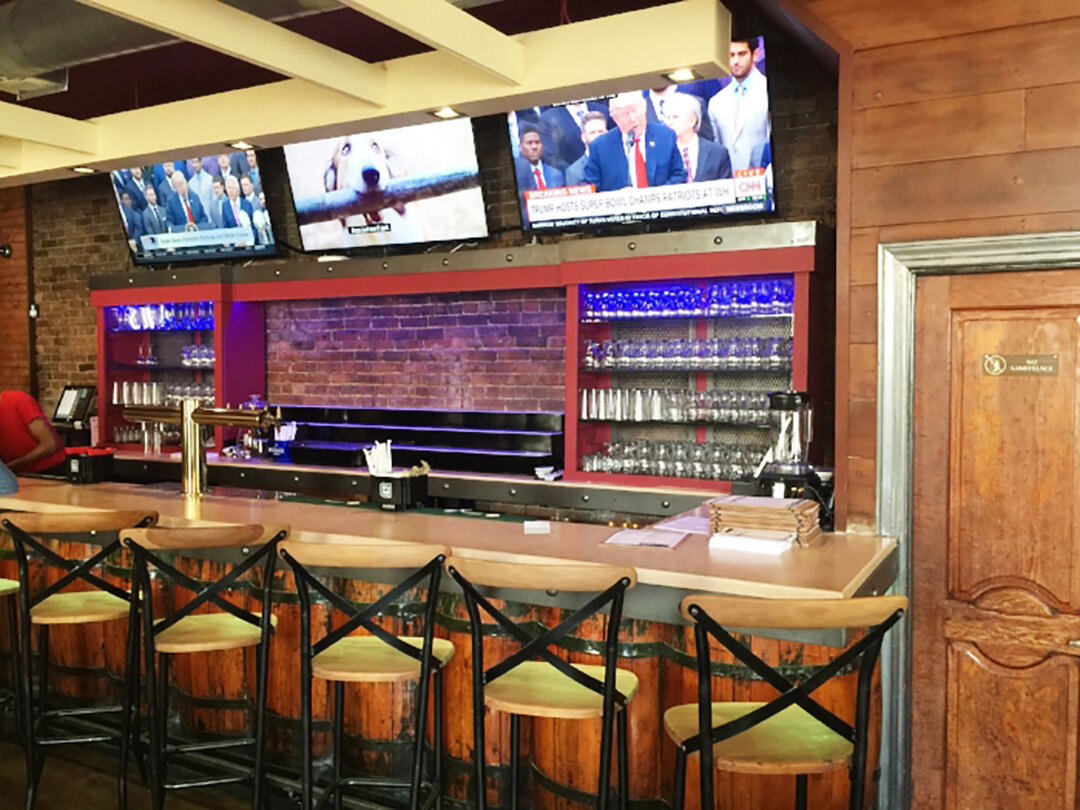
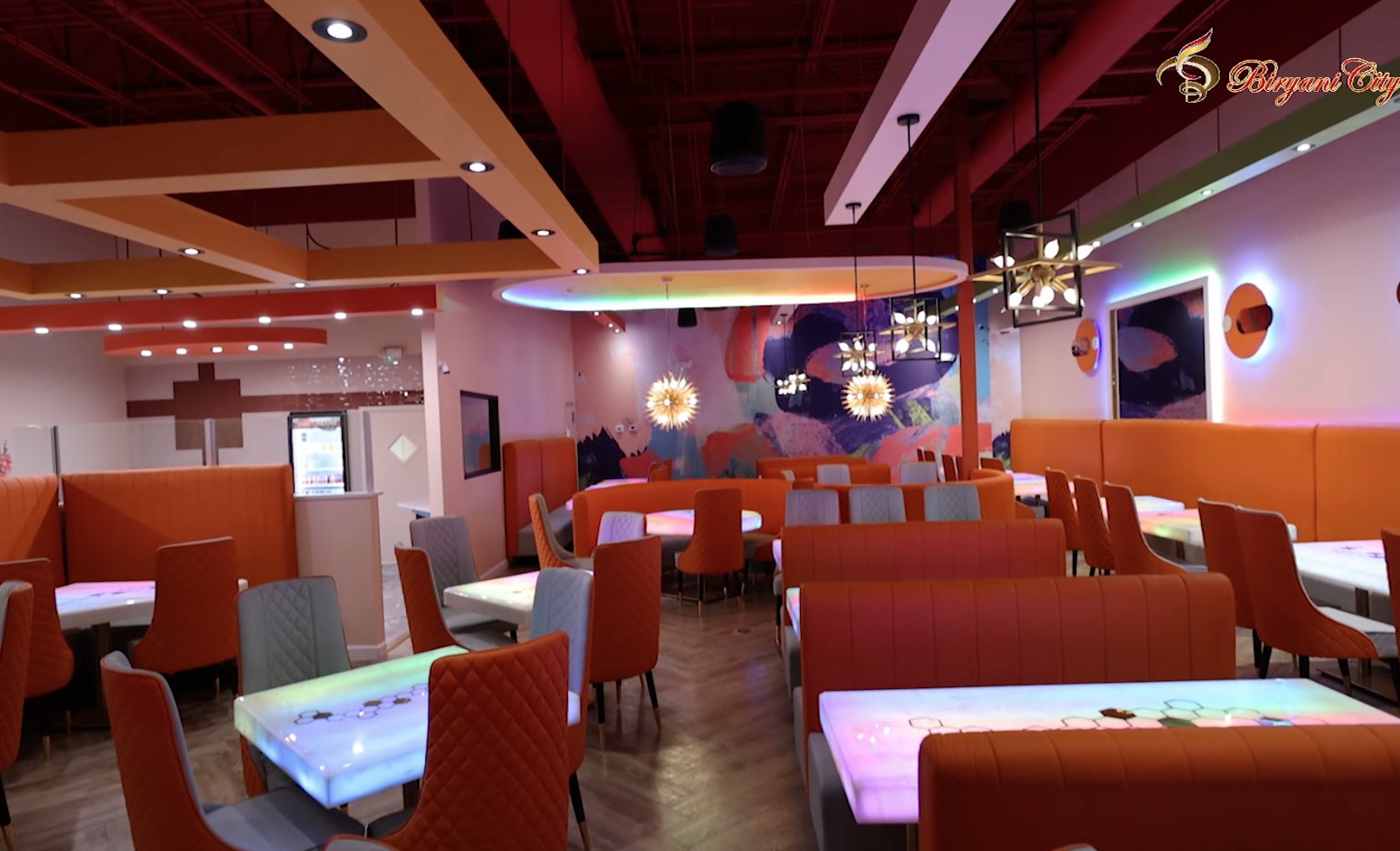
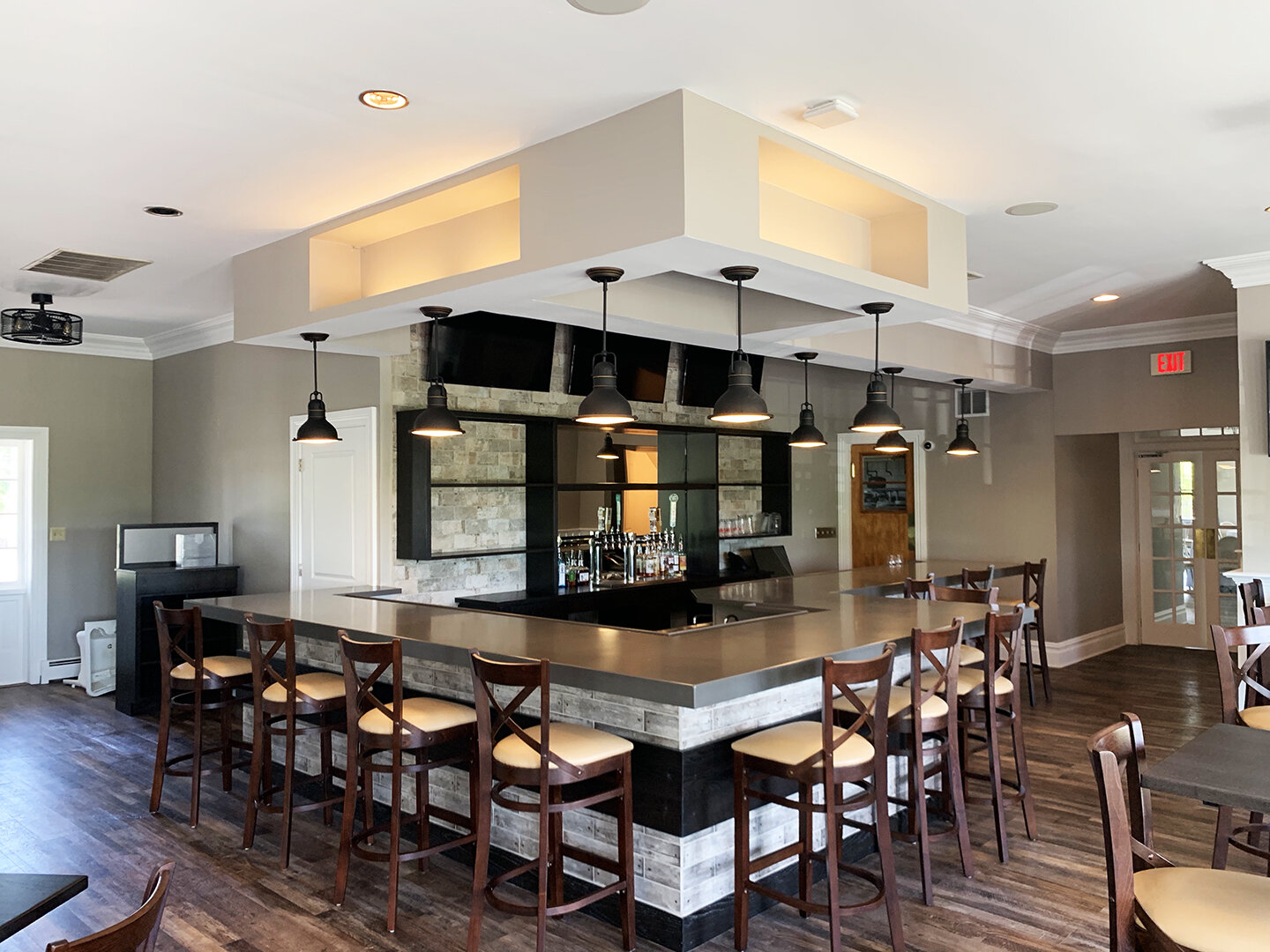
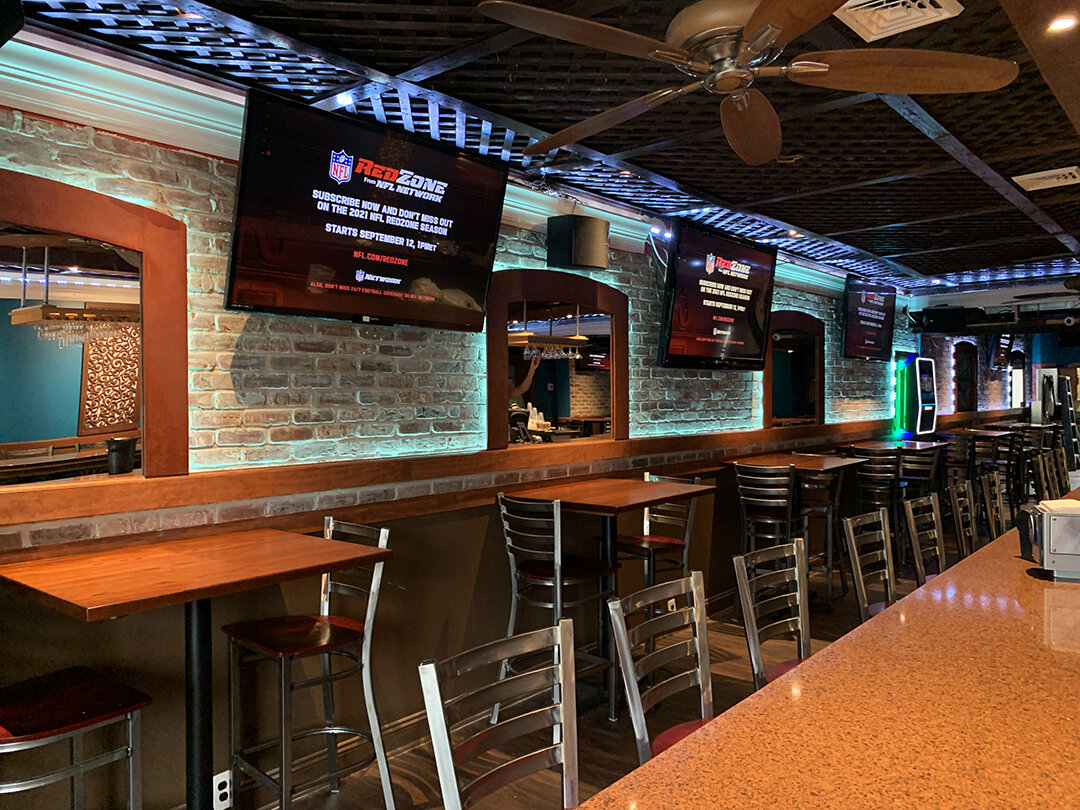
There's a closed restaurant near you right now with your name on it: good bones, a kitchen already in place, and a landlord who wants it filled. Buying a shuttered space can be the smartest money in the business today. It's also where first-time operators lose their shirts if they walk in seeing a bargain instead of a build.
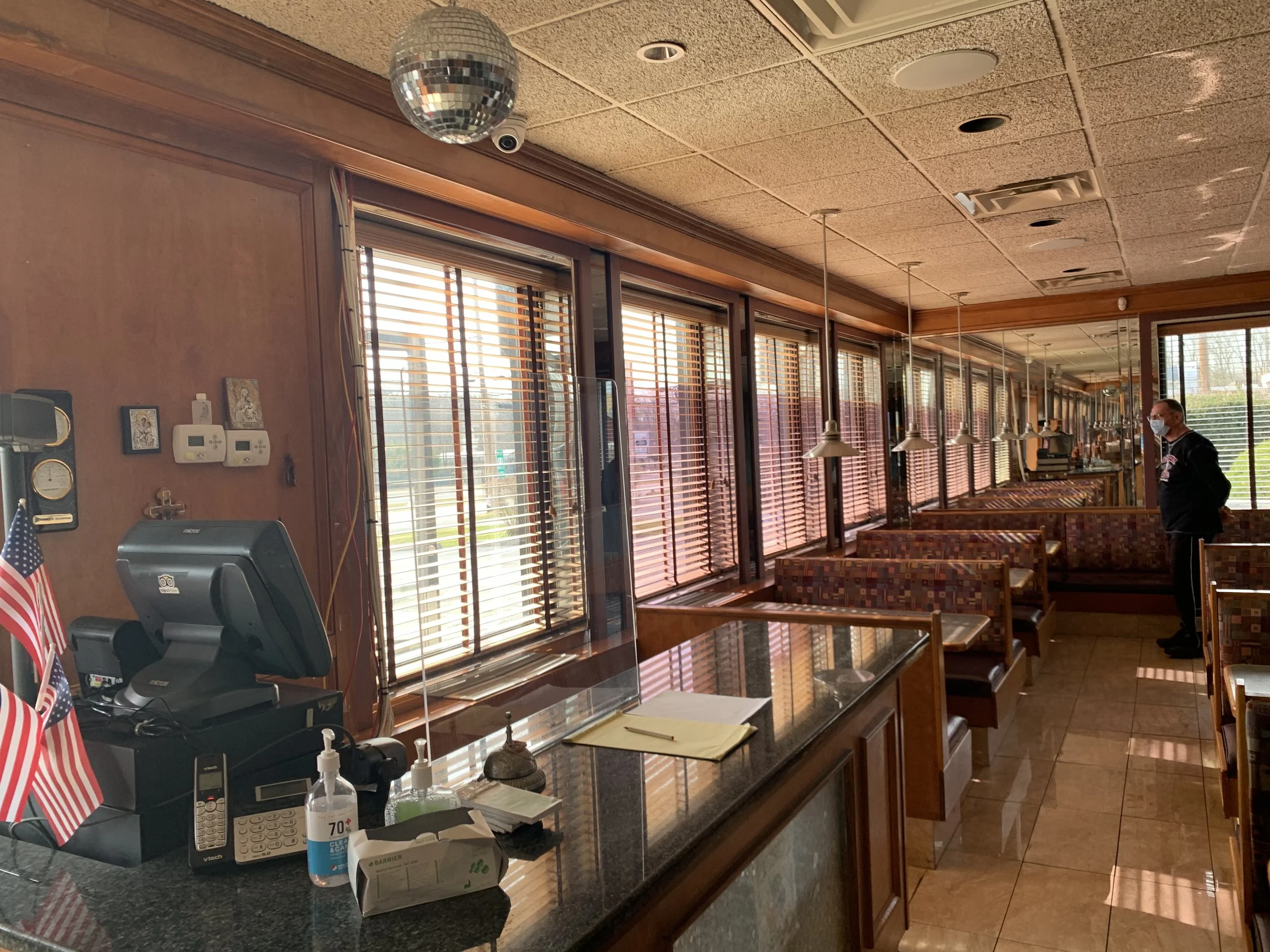
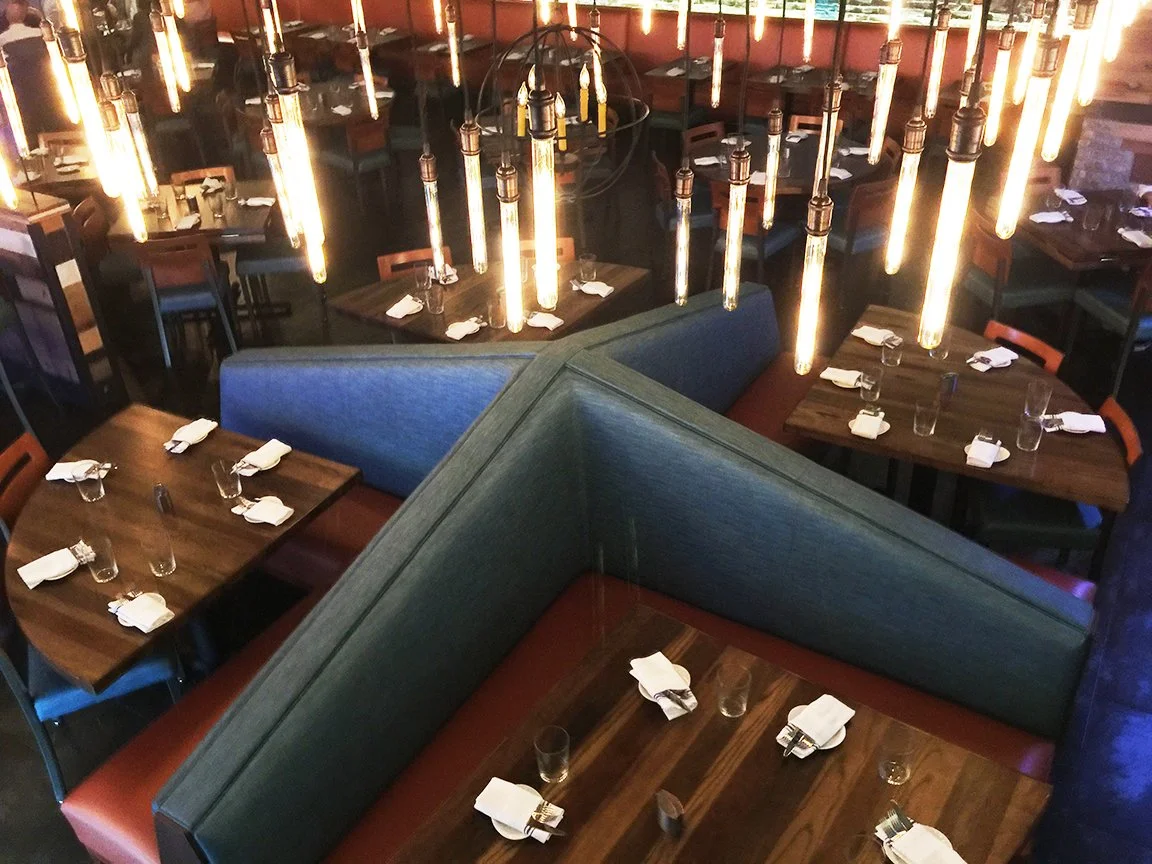
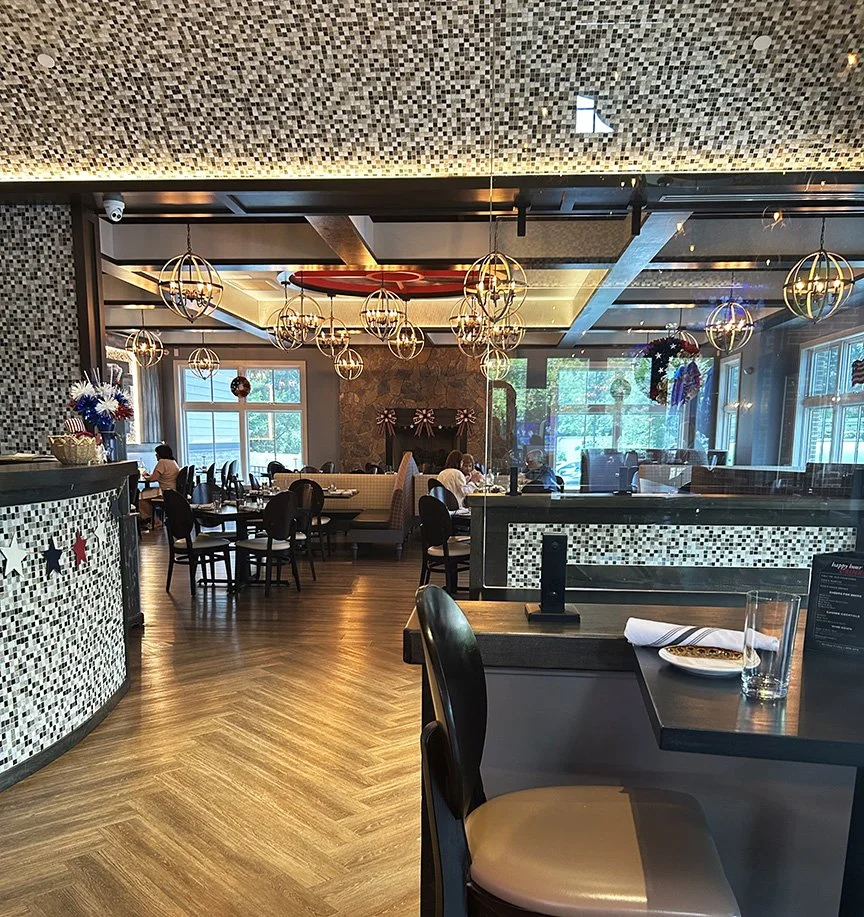
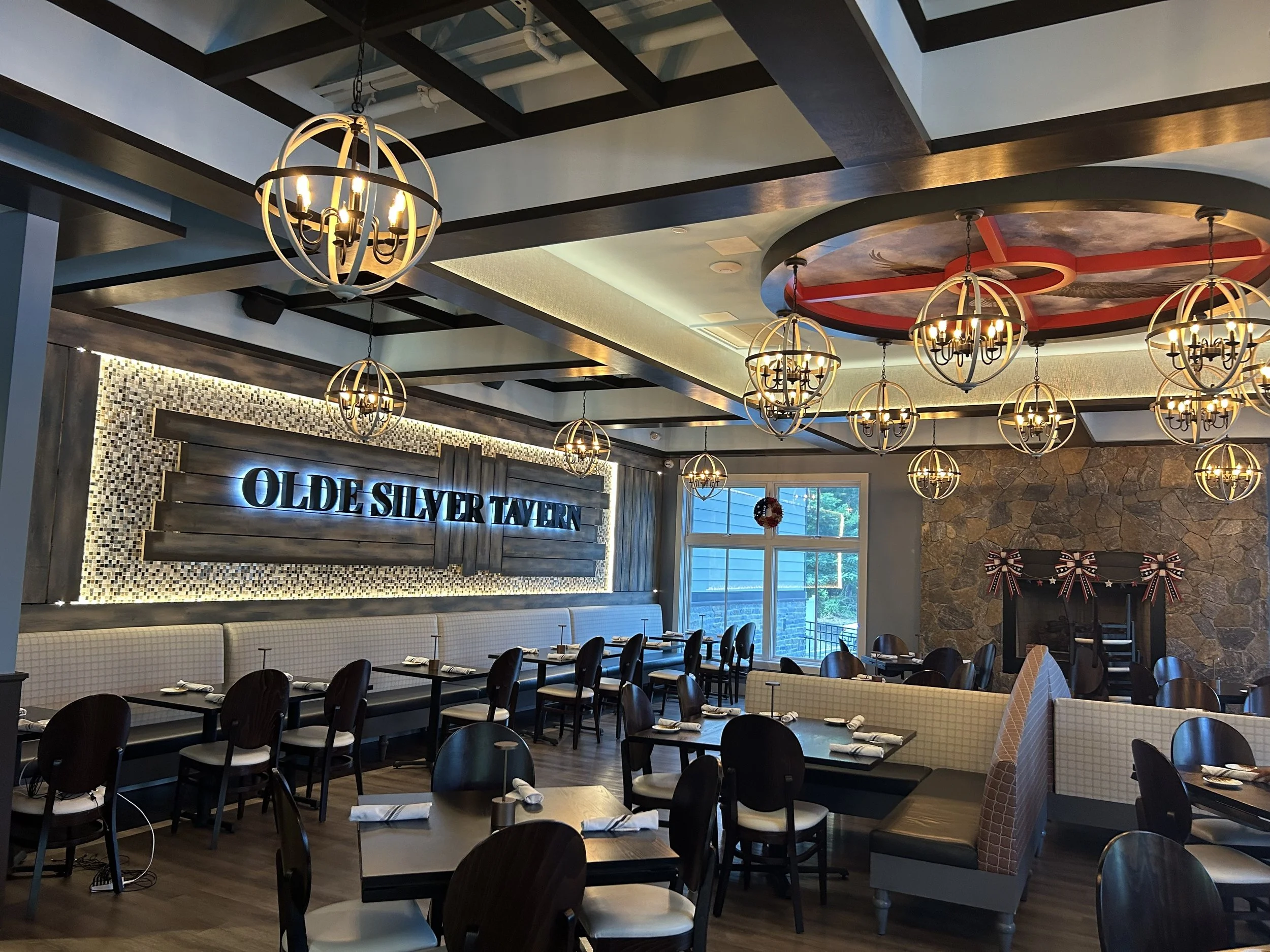
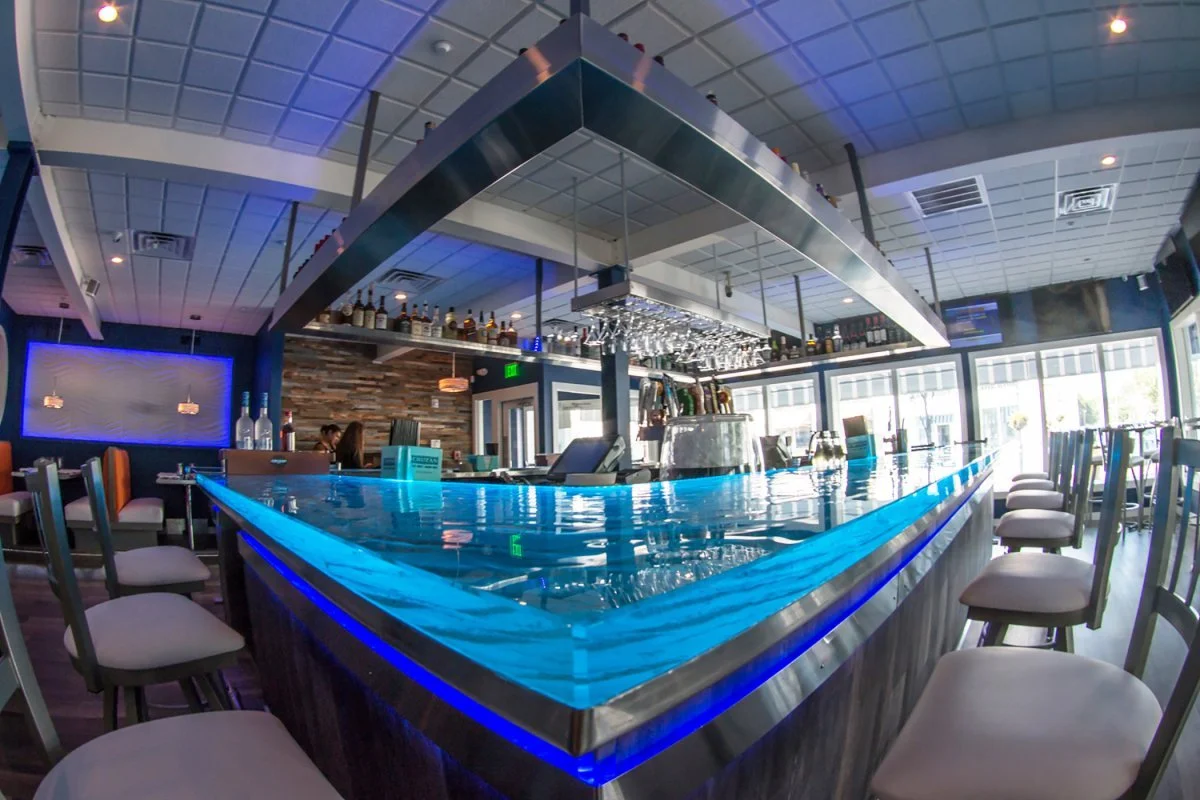
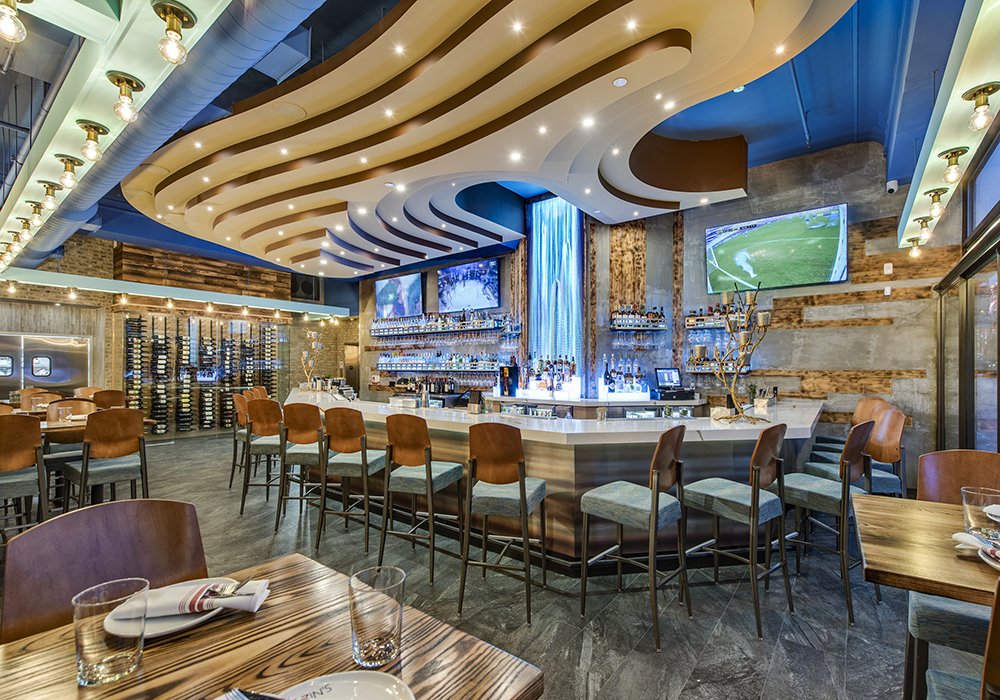
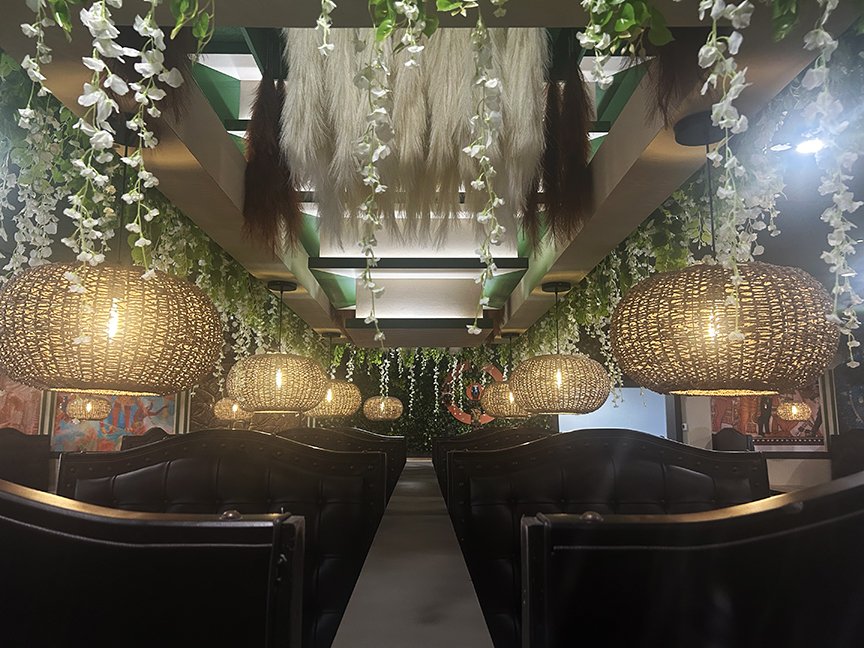
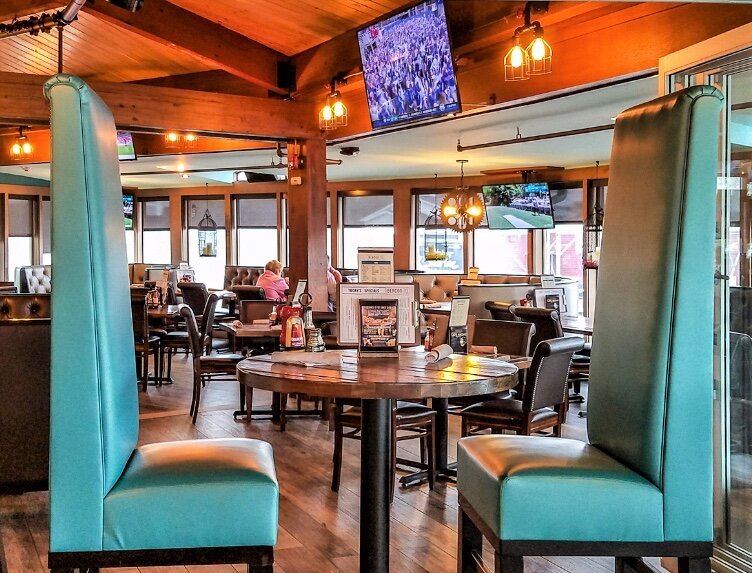
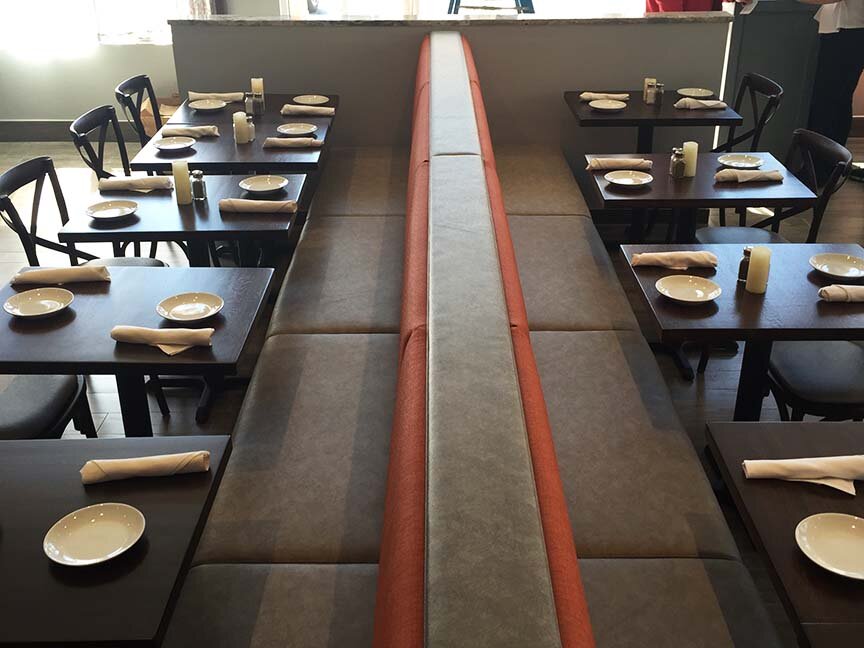
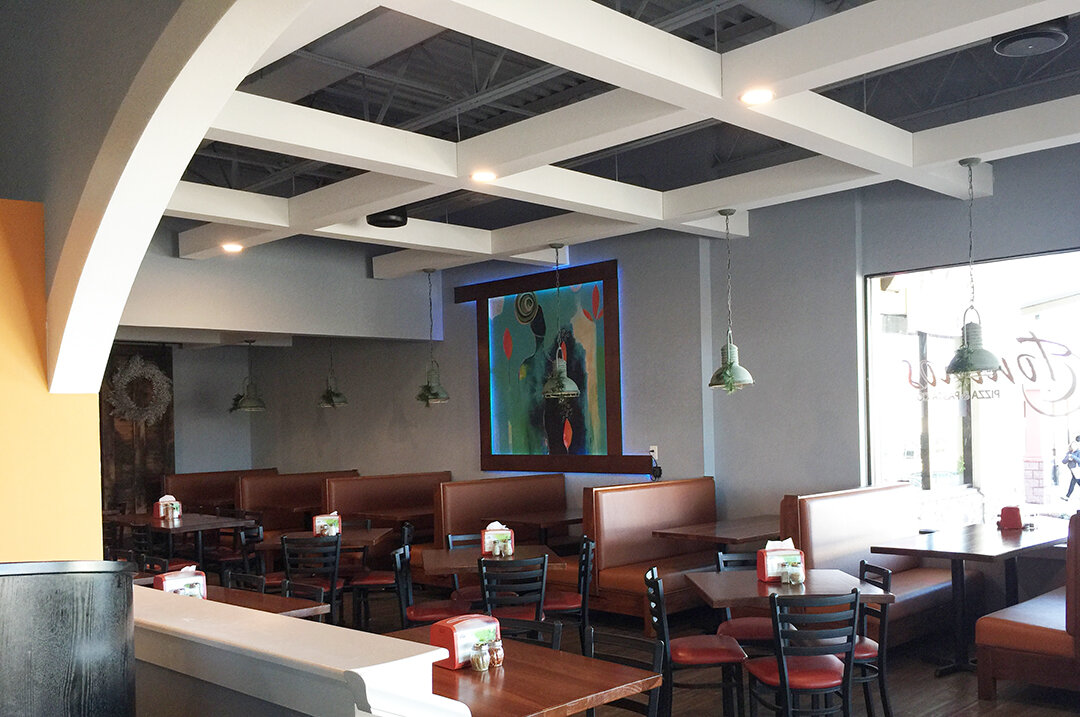
The closed Redington Diner that Raymond turned into the juggernaut “Kitchen Amercan Grill” (see pic at end of page)
I'm Raymond Haldeman. I've spent 30 years on the inside of this business as a chef, a caterer, a restaurateur, and a nightclub owner. I've signed the leases, made the payroll, and lived with the consequences of a bad floor plan. As a restaurant designer, I don't design from the outside looking in. I resurrect dead spaces from the operator's chair. If you're about to buy a closed restaurant in New Jersey or South Jersey, here's what you need to know before you sign anything.
Why Buying a Closed Restaurant Is the Smartest Money Right Now
Building a restaurant from raw space typically costs far more than converting an existing one. The most expensive parts of any restaurant are the hood system, the grease trap, the commercial refrigeration, the electrical and gas service, and the HVAC. In a second-generation space, they're already there. You're buying that infrastructure at a fraction of replacement cost.
You also avoid the two things that quietly sink new builds: time and fees. A ground-up restaurant can take many months, sometimes more than a year, before it serves a plate. A well-chosen conversion can open in a fraction of that time. And many of the utility connection and impact fees the first builder paid won't come due again.
With a wave of restaurants closing across the country, more of these spaces are hitting the New Jersey market than we've seen in years. That's your opening, if you buy the right one.
Here's the mistake I see over and over: someone buys a closed space because it's cheap, then tries to force their concept into a layout that was built for someone else's. They save money on day one and spend it three times over ripping out walls, moving the line, and redoing what they should have gotten right the first time. Penny-wise, pound-foolish.
A cheap space is only a deal if it fits what you're actually going to serve. That's a judgment call, and it's exactly the call an operator makes differently than a contractor or a broker.
Before You Sign: The Closed Restaurant Walk-Through Checklist
Bring someone who's run a kitchen, not just built one. Here's what has to be checked before the ink dries:
Why did it actually close? Concept, operator, or location? If the last three restaurants in that spot failed, the real estate may be the problem, not the food.
The hood and fire suppression. Is it sized and certified for the cooking you plan to do? A grill concept in a space built for a café is a five-figure surprise.
The grease trap. Is it correctly sized and up to current code, or a violation waiting to happen?
HVAC. Existing units at the end of their life are one of the most common hidden costs. They can fail right after you open.
Electrical and gas capacity. Is there enough for your equipment, or will you need a service upgrade you didn't budget for?
ADA and current code. A change of ownership or scope can trigger compliance work the previous tenant was grandfathered out of.
The lease itself. Term, options, who pays for what, and whether the landlord will contribute to the build-out.
What's really staying. Equipment that "conveys" but needs replacing next year isn't an asset. It's deferred cost.
What a Designer With an Operator's Eye Catches That a Contractor Won't
A contractor prices what you tell them to build. A broker prices the real estate. Neither one is asking whether the space will actually run: whether the line flows, whether the seats turn, whether the bar carries its weight on a Friday night.
That's my job. I look at a dead space and see the room it's going to become, and I see the P&L behind it. Elevating your vision beyond what you could pull off alone, and making sure it makes money, is the whole point of bringing me in before you buy, not after.
Case in Point: Two Brick, NJ Restaurant Conversions
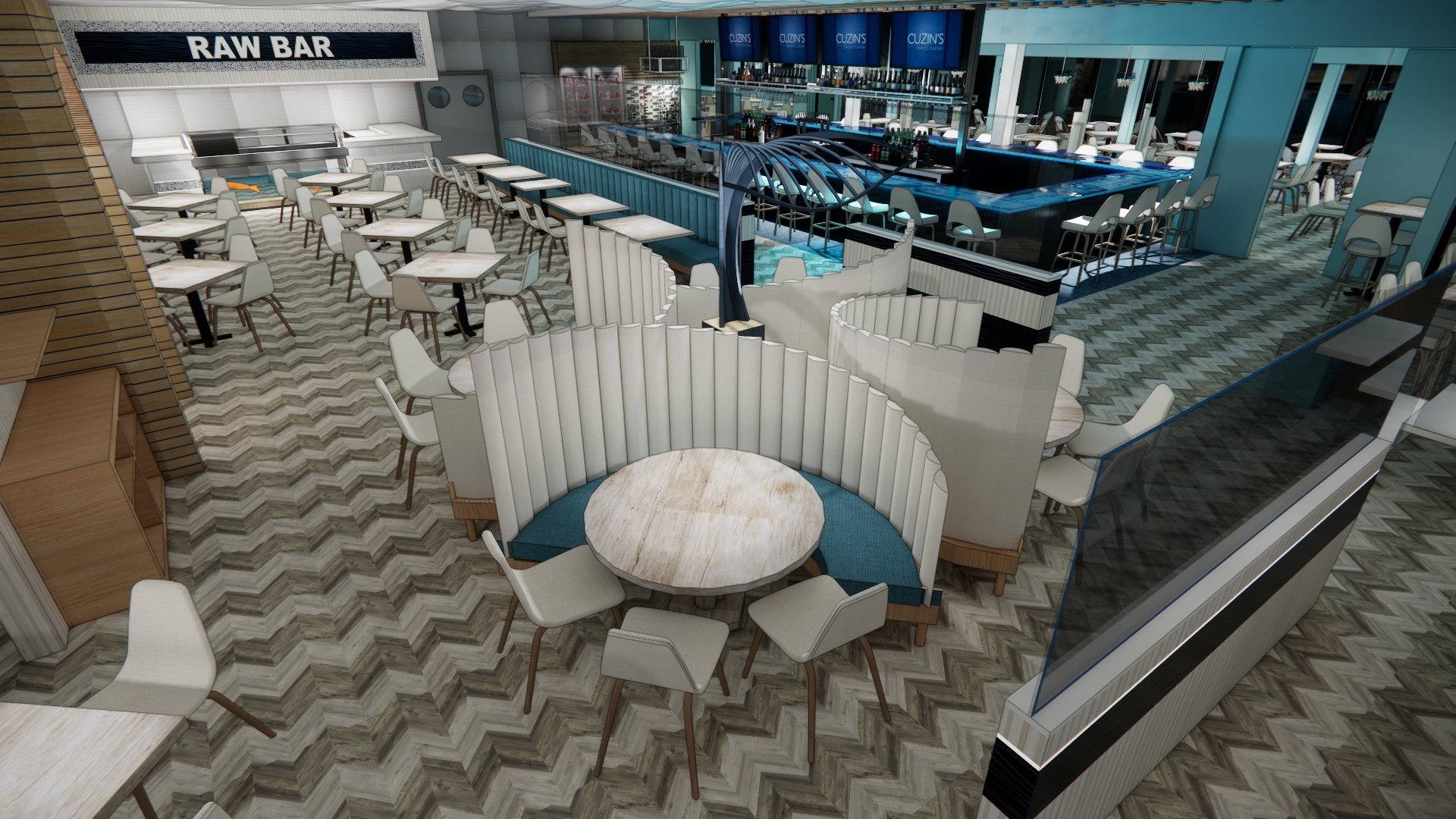
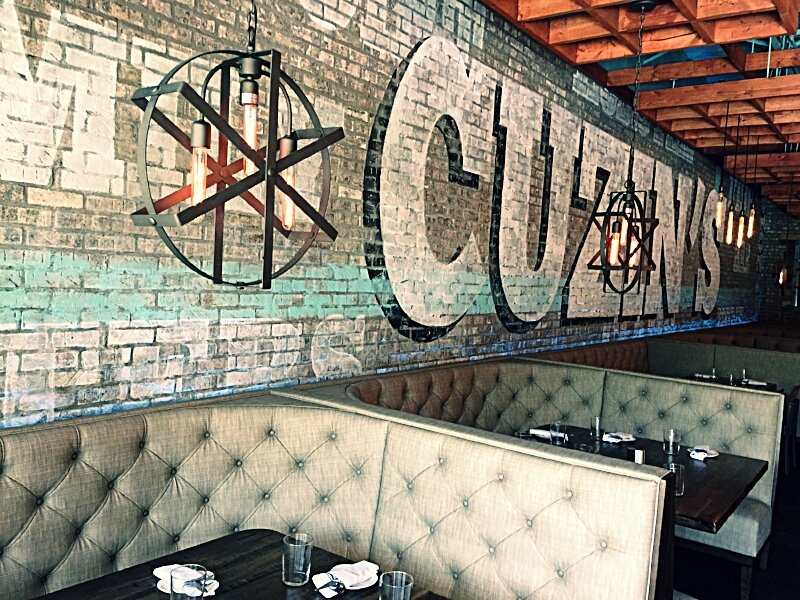
On Cedarbridge Avenue in Brick, I'm turning the former Rosalita's Roadside Cantina into the newest Cuzin's Seafood & Clam Bar, the latest location of a brand I've designed since the original in Marlboro. It's a completely new concept living inside a space someone else gave up on. That's resurrection: keeping what's worth keeping, changing everything that matters, and creating a place people are excited to walk into.
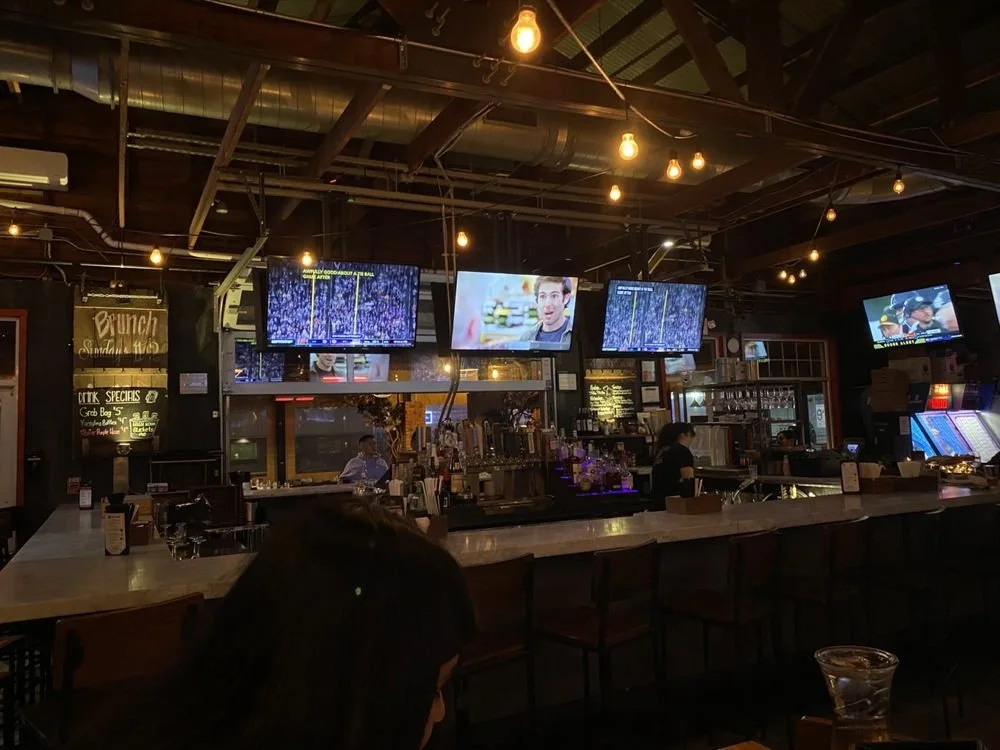
Before - The Old Rosalita's - Site of the New Cuzins
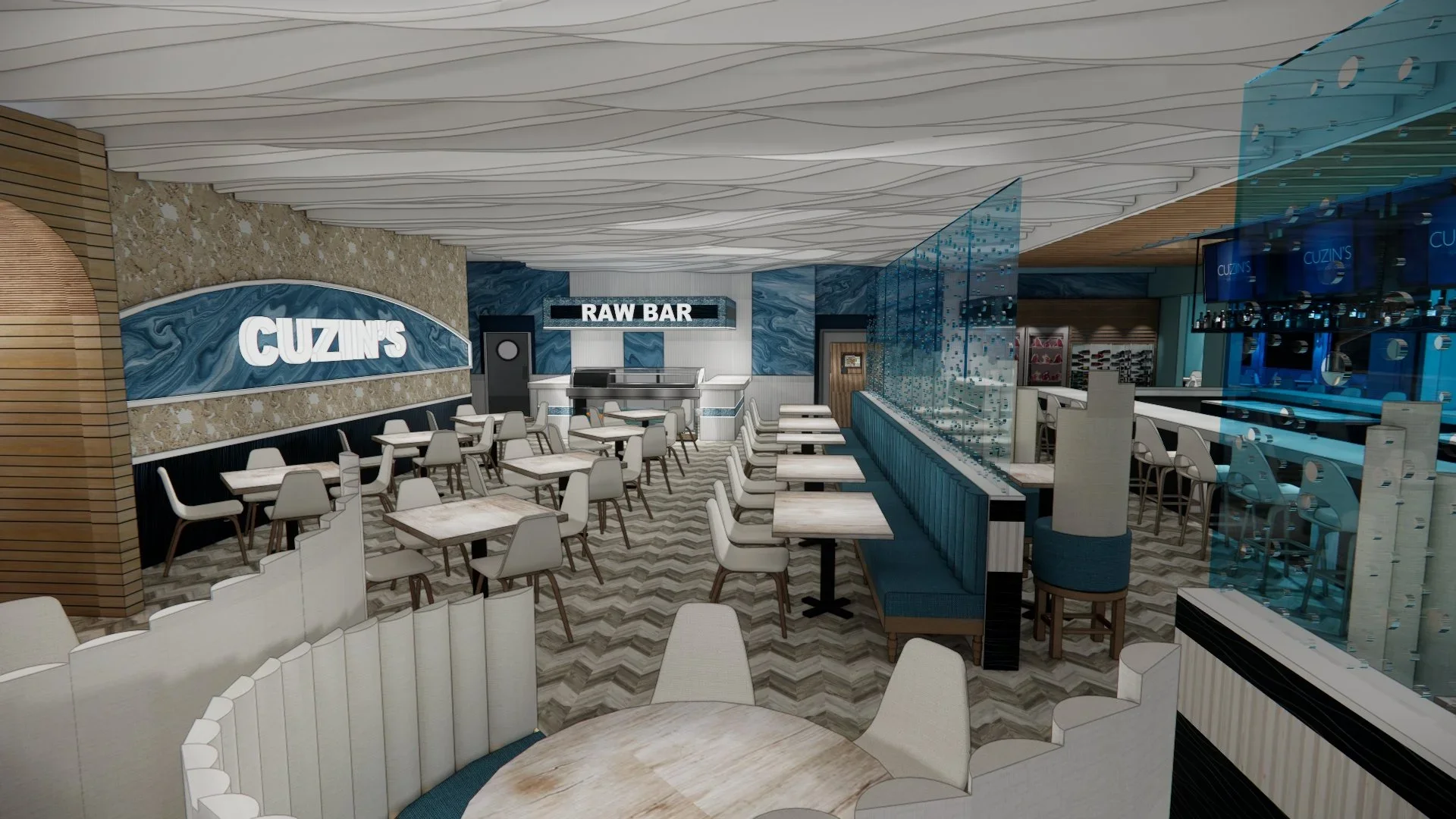
Under Construction - The New Cuzins in Brick, NJ (design rendering)
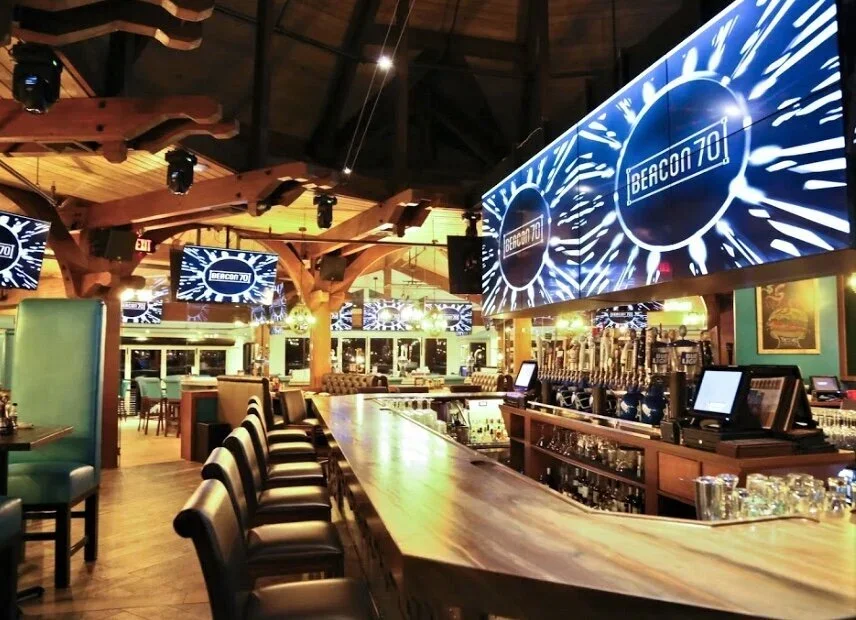
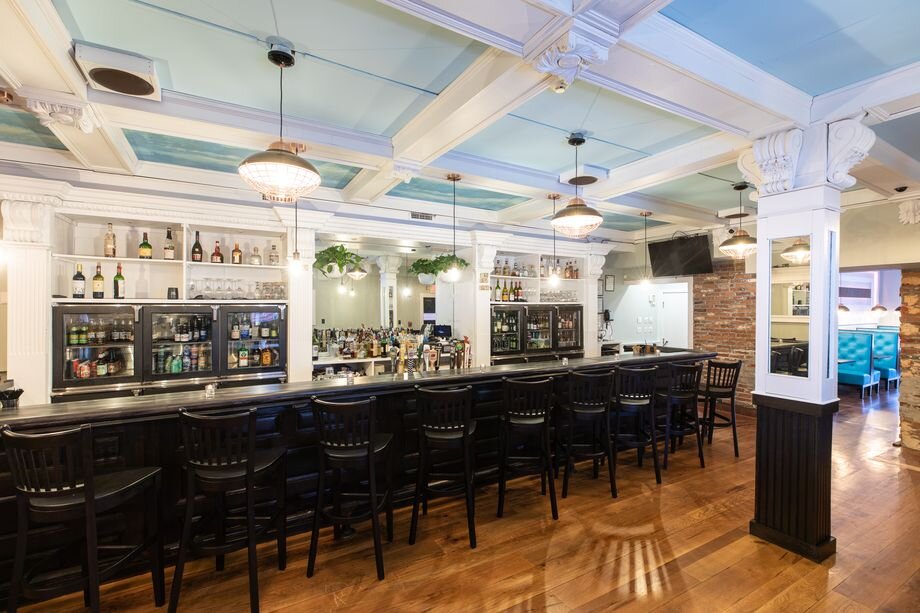
It isn't the first time I've done it in Brick. At Beacon 70, an older seafood restaurant on the marina became an upscale restaurant and sports bar, with two statement bars and a see-through fireplace.
I work with you from the space you're considering all the way through opening night. I also offer flexible fee structures, including one that lowers your upfront cost, so more of your capital stays where you need it in year one: branding, staff, and marketing. We'll talk about which fits your project when we meet.
Let's Look at the Space Before You Commit
The best time to call me is before you sign, when a walk-through can save you from the wrong building or confirm you've found the right one.
Is it cheaper to buy a closed restaurant than build a new one?
Usually. Converting an existing, second-generation restaurant typically costs far less than building from raw space, because the most expensive systems (hood, grease trap, refrigeration, electrical, and HVAC) are already in place. The savings only hold if the space genuinely fits your concept.
How do I find out why the previous restaurant closed?
Ask the landlord and broker directly, talk to neighboring businesses, and look at how many concepts have failed in that location. If the same spot has turned over repeatedly, the problem may be the real estate itself, not the operators.
What's the biggest hidden cost when buying a closed restaurant?
Aging HVAC and equipment that conveys with the sale but needs replacing soon after opening, plus any code or ADA upgrades triggered by your change of use. A pre-purchase walk-through catches these before they become surprises.
Do I need a restaurant designer if I already have a contractor?
Yes, because they do different jobs. A contractor builds what's specified. A designer with operating experience decides what should be built so the space runs well and turns a profit. Bringing a designer in before you buy is where the most money is saved.
The old Redington Diner that was pictured at the top of the page, now”after”as Kitchen American Grill in Whitehouse Station, NJ
Most restaurateurs treat design like a luxury tax. In reality, it's the only insurance policy your revenue actually has. You're likely staring at a proposal right now, wondering if those restaurant design firm fees are buying you a functional business or just a very expensive ego trip for a designer. It's a justified anxiety. The industry is crowded with opaque pricing and artistic fluff that fails to account for operational flow or seat turnover. You don't need a decorator; you need a strategic design partner who understands that every square foot must justify its existence on your balance sheet.
You're about to stop viewing design as a sunk cost and start understanding it as a calculated investment in your venue's survival. This guide strips away the mystery to provide a clear, straight-talk breakdown of professional fee structures for 2026. We will examine industry-standard rates, expose the hidden costs lurking in renovation contracts, and provide the exact framework you need to evaluate a specialist's ROI before you commit your capital. Don't settle for a generalist who guesses with your money when you can hire a specialist who guarantees your results.
Key Takeaways
Reframe your perspective: treat restaurant design firm fees as a strategic insurance policy that protects your capital from operational failure.
Demystify the industry-standard fee structures to negotiate with the confidence of an insider and avoid hidden renovation costs.
Discover how elite space planning translates directly into faster table turnover and streamlined server efficiency.
Recognize the critical difference between a generalist decorator and a hospitality specialist to ensure your design actually drives revenue.
Utilize professional design oversight to eliminate the risk of expensive contractor errors and avoidable construction delays.
The Reality of Restaurant Design Firm Fees: Understanding the Investment {#the-reality}
Stop viewing professional fees as a line-item expense. They are the cost of entry for surgical concept development, space planning, and aesthetic direction. If you prioritize the lowest bid, you're essentially subsidizing a future failure. "Cheap" design is the most expensive mistake in this industry because it lacks the operational foresight required to keep a kitchen running and a dining room full. While general interior design focuses on mood, hospitality-specific rebranding fees focus on money. You need a partner who views the interior design profession as a commercial science rather than an artistic hobby. The Design Value Proposition is the strategic intersection where high-impact aesthetics meet peak operational efficiency to drive measurable revenue.
New Build vs. Restaurant Rebranding Fees
New builds carry heavy fees for technical drafting and regulatory oversight. You're starting from a shell, which demands rigorous coordination of mechanical, electrical, and plumbing systems. Rebranding is a different animal. It's a strategic intervention. You hire a restaurant rebranding consultant to perform an autopsy on a failing concept and resurrect it with a viable business model. This process prioritizes immediate ROI by identifying exactly where your current layout is bleeding cash. It's about fixing the "why" of your business before you spend a dime on the "how" of the decor.
The Regional Factor: Miami to Philadelphia
Location drives the market rate. High-stakes environments like Miami's South Beach or Philadelphia's Rittenhouse Squaredemand a higher tier of expertise, which directly impacts restaurant design firm fees. Local knowledge is critical for vendor sourcing and permitting across PA, NJ, and South Florida. A designer who understands the local labor market and material availability can protect your budget from the regional volatility that often blindsides outsiders. Don't hire a firm that doesn't understand the specific regulatory hurdles of your zip code. Local expertise isn't just about style; it's about navigating the bureaucratic friction that can stall your opening for months.
Standard Fee Structures: How Firms Calculate Your Quote {#fee-structures}
Don't approach a design contract with a "best guess" mentality. Professional restaurant design firm fees are calculated through specific frameworks that reflect the complexity of your vision. Most firms utilize one of three primary methods: a flat fee, a percentage of construction costs, or hourly billing. However, elite hospitality designers often employ a "Hybrid Model." This structure combines a fixed base fee for the initial concept with a percentage-based oversight fee to ensure the buildout matches the blueprints. This approach protects you from open-ended hourly billing while ensuring the designer remains incentivized to manage every detail of the construction phase.
Your greatest defense against financial surprises is a rigid Scope of Work. This document defines the boundaries of the designer's responsibility. Without it, you're vulnerable to "fee creep," where every minor adjustment results in an additional invoice. You must also distinguish between "design-only" services and "design and project oversight." While design-only fees cover the creative vision, project oversight acts as your insurance policy on-site. It ensures that contractors don't cut corners that compromise your brand's integrity. For those seeking a partner who manages the entire transformation, consulting with an expert like Raymond Haldeman ensures your investment is backed by decades of operational experience.
Percentage of Construction Cost: The Industry Standard
In the hospitality sector, design fees typically range from 8% to 15% of the total construction cost, and can climb higher on projects with extensive custom fabrication. This model aligns the designer's interests with the project's scale. It covers everything from technical lighting plans to the sourcing of custom restaurant furniture that withstands high-volume commercial use. Because the fee is tied to the budget, the designer is motivated to find high-impact solutions that fit within your financial reality while maintaining the professional qualifications that protect your liability.
Flat Fees and Consultation Retainers
A flat fee structure is often the most transparent choice for rebranding or concept refreshes. It provides a fixed cost for a specific deliverable, such as a new professionally engineered floor plan or a visual identity overhaul. Elite firms usually require a consultation retainer upfront. This isn't just a deposit; it's a commitment that locks in their expertise for your specific launch window. In a high-stakes industry where timing is everything, this retainer ensures your project remains a priority during the critical weeks before your doors open.
Beyond the Draft: What You Are Actually Paying For {#beyond-the-draft}
Professional design isn't a collection of pretty pictures. When you analyze restaurant design firm fees, you're looking at the price of operational precision. You're paying for a layout that eliminates bottlenecks and maximizes every square inch of your lease. An elite designer doesn't just draw walls; they engineer server paths that shave seconds off every transaction. Over a year, those seconds translate into thousands of dollars in reclaimed labor and increased table turnover. Without this level of detail, you're simply guessing with your overhead.
Professional oversight is your primary defense against contractor incompetence. A single misaligned plumbing stack or an incorrectly placed electrical outlet can derail your timeline and drain your contingency fund. Your designer acts as the enforcer on-site, ensuring the physical build matches the strategic vision. They also manage the psychological triggers of your space. From the "Instagrammability" of your lighting to the acoustic balance that keeps guests comfortable, these elements directly influence how much customers spend and how often they return.
Strategic Space Planning and Flow
Amateur layouts are profit killers. If your staff is constantly dodging each other or your guests are squeezed into high-traffic zones, your brand suffers. High-end restaurant floor plan engineering ensures that your seating capacity is optimized without sacrificing the guest experience. In the high-stakes world of bars and nightclubs, this means designing for the "VIP Experience." You need dedicated flow patterns that drive premium bottle service sales while maintaining a high-energy atmosphere for the general crowd. This level of strategic investment in hospitality separates the icons from the short-lived failures.
The ROI of a Professional Rebrand
A professional rebrand is a catalyst for financial growth. It's not uncommon for a strategic redesign to justify a 20% increase in menu pricing overnight. When the environment matches the quality of the plate, price resistance vanishes. Consider the transformation of a failing New Jersey venue into a local hotspot; the change wasn't just aesthetic, it was structural. By fixing the "why" of your business through rebranding, you secure a sustainable future. In 2026, viewing design as a strategic investment is the only way to navigate a hyper-competitive market.
Avoiding the "Budget Designer" Trap: Choosing Value Over Price {#budget-trap}
Lowering your overhead by hunting for the cheapest restaurant design firm fees is the fastest way to bankrupt your project before it opens. You aren't buying a living room; you're building a high-volume revenue engine. Residential designers often lack the technical depth required for commercial hospitality. They might pick a beautiful tile, but they won't know if it meets slip-resistance standards or if the grout can withstand commercial degreasers. Vetting a firm requires more than a glance at a Pinterest board. You must demand a hospitality-specific portfolio and direct communication with the principal who will be managing your capital. Engaging an authoritative restaurant design consultant is non-negotiable for high-stakes openings where every day of delay costs thousands in "dark rent."
Red Flags in a Design Proposal
A vague scope of work is a death warrant for your budget. If a proposal lacks specific project management hours or fails to mention kitchen flow and local health codes, walk away. You aren't paying for "vibes." You're paying for "vibe and volume." A designer who can't explain how their layout handles peak-hour congestion is an amateur. Look for line items that address technical oversight and vendor coordination. If the proposal feels like a generic template, it's because the designer doesn't understand the unique friction of your specific site.
The Raymond Haldeman Advantage
Choosing Raymond Haldeman means securing direct access to a principal designer who treats your venue like a business, not an art project. This "straight-talk" advisory approach is designed to protect your interests from day one. Specialist expertise in rebranding failing establishments provides a shortcut to profitability that generalists can't match. Every concept is a fusion of modern aesthetics and functional interior concepts that outshine competitors. Don't let a "cheap" fee be the reason your restaurant closes in six months. Invest in the expertise that ensures your doors stay open and your tables stay full.
Dominate Your Market with Strategic Design Oversight
Success in the hospitality industry isn't accidental. It's engineered. You've seen that restaurant design firm fees are a strategic investment in your venue's operational DNA. By understanding industry-standard fee structures and the hidden value of space planning, you've moved past the "cost" mindset. You're now equipped to choose a partner who delivers a revenue-driving environment rather than just a pretty room. Don't let the fear of professional fees push you toward a budget generalist who doesn't understand the friction of a busy service line.
Raymond Haldeman stands as an authoritative expert in US restaurant rebranding, specializing in the high-stakes world of bar and nightclub design. Serving elite markets from Miami to NJ, PA, and MD, he offers the straight-talk advisory voice your project needs to avoid expensive failures. It's time to stop guessing and start building with a visionary guide who has seen it all and knows how to turn a failing concept into a local icon.
Your vision is too valuable to leave to chance. Take the next step toward a profitable, iconic venue that outshines every competitor on the block and secures your legacy in the industry.
Frequently Asked Questions
How much does a restaurant interior designer typically charge?
Design-only fees for high-end hospitality projects are often quoted at roughly $25 to $75 per square foot, although Raymond Haldeman’s fees are considerably lower because he isn’t carrying the large firm overhead. Haldeman’s design fees range between $12 to $24 per square foot. Total project buildouts in competitive markets like Miami or Philadelphia vary widely by tier: fast-casual concepts commonly run about $150 to $350 per square foot, while upscale and fine-dining establishments frequently reach $400 to $1,000+ per square foot (renovations typically cost 30% to 50% less than ground-up new builds). These restaurant design firm fees reflect the technical drafting and high-impact aesthetic rebranding required to dominate a local market.
What is the difference between an architect fee and a restaurant design firm fee?
Architects focus on the structural shell, life safety codes, and mechanical systems. In contrast, restaurant design firm fees cover the strategic elements that drive revenue, such as space planning, seating engineering, and brand identity. While an architect ensures your building stands, a specialist designer ensures your business thrives by optimizing the guest experience. In markets like New Jersey and Maryland, you need both to navigate complex local permitting and specialized vendor sourcing.
Is it better to pay a flat fee or a percentage of construction for a restaurant redesign?
Choosing between a flat fee and a percentage depends on your project's scope. Flat fees offer total transparency for rebranding or concept refreshes where the strategic overhaul is the primary goal. A percentage model, typically 8% to 15% of construction costs, aligns the designer's interests with the scale of a new buildout. Elite firms often utilize a hybrid model to ensure comprehensive oversight without the unpredictability and risk of open-ended hourly billing.
Does the design fee include project management and contractor oversight?
Not every proposal includes oversight, so you must verify this in your Scope of Work. Professional design fees that include project management act as an insurance policy against contractor errors on-site. Without this oversight, you risk expensive delays and deviations from the original blueprints. Specialist designers in South Beach and Pennsylvania prioritize this role to ensure the physical buildout matches the high-end operational vision required to outshine your competitors.
How can I calculate the potential ROI of a restaurant rebranding fee?
Calculate ROI by measuring improvements in table turnover, server efficiency, and average check size. A strategic rebrand often justifies a 20% increase in menu pricing because the environment finally matches the quality of the plate. By optimizing your floor plan to increase seating capacity without sacrificing flow, you can drive measurable revenue growth. This transformation turns a failing establishment into a profitable venture, making the initial investment a proven shortcut to success.
What happens if the project scope changes mid-design?
Scope changes mid-design typically trigger an adjustment in the fee structure or a formal change order. If you decide to expand the kitchen or add a VIP lounge after the initial concept is finalized, expect your restaurant design firm fees to increase proportionally to the additional drafting and sourcing required. Clear communication and a rigid initial Scope of Work are essential to minimize these disruptions and keep your project on schedule for its launch.
Survival in today's fiercely competitive hospitality scene isn't about luck; it's about engineering a brand soul that refuses to be ignored. Many operators believe a trendy interior and a flashy social media feed are the keys to longevity in this cutthroat market. They're mistaken. In an environment where operational costs are soaring and initial permit expenses can drain significant capital before you even open your doors, chasing fads is a fast track to bankruptcy. You need more than a decorator. You need a strategic New Jersey restaurant designer whose expertise is forged in the demands of high-stakes, high-volume environments, someone who understands that space planning is a revenue driver, not just an aesthetic choice. Cuzin's Clam Bar, a beloved Jersey institution, hasn't grown by accident. It has mastered the art of brand soul across multiple locations.
Restaurant designer Raymond Haldeman conceived and designed all three Cuzin's Clam Bar locations: the original in Marlboro, NJ, the New Brunswick, NJ location, and the third now under construction in Brick, NJ. You likely fear that modernizing or expanding your brand will strip away the authenticity that built your loyal following. It's a valid concern, but staying stagnant while the market evolves is a guaranteed way to lose your edge. This article, presented by Raymond Haldeman, reveals the strategic design and branding secrets behind Cuzin's success. We'll explore actionable insights on brand longevity, how to replicate a signature concept across multiple sites, and why space planning is the ultimate ROI for your business.
Understand why "Brand Soul" is the foundation of longevity and how a singular signature product secures your market position against fleeting trends.
Discover why high-end finishes often destroy authentic hospitality and how a professional New Jersey restaurant designer engineers a "lived-in" atmosphere that drives revenue.
Learn how a proven concept can be faithfully replicated across multiple locations without diluting its core DNA.
Master the Raymond Haldeman checklist for future-proofing your venue, turning intangible "soul" into your most profitable asset.
The Anatomy of a Jersey Icon: Why Cuzin's Clam Bar Endures
Most restaurant owners mistake "brand" for a logo or a color palette. They're wrong. Brand soul is the intangible character that keeps a business alive while neighbors fold under the weight of rising rents and fickle trends. Cuzin's Clam Bar isn't just a restaurant; it's a strategic fortress of identity. While many operators settle for a generic seafood spot, Cuzin's leaned into bold, distinctive, totally original design — a space with genuine wow-factor that still manages to exude comfort. This isn't a happy accident. A veteran New Jersey restaurant designer knows that a room with real personality and style is what commands loyalty, not a safe, forgettable one. By designing something exciting and unmistakably its own, owner Charles Mayo and designer Raymond Haldeman built generational trust — and a brand strong enough to carry to a second and now a third location.
Cuzin's has understood that consistency is a premium currency. In a market crowded with copycats, Cuzin's stood its ground. They didn't chase the latest design fads. Instead, they engineered an environment that feels authentic and welcoming. This psychological anchoring is what turns a one-time visitor into a lifelong advocate. You don't build a multi-location Jersey institution by being pretty; you do it by being essential.
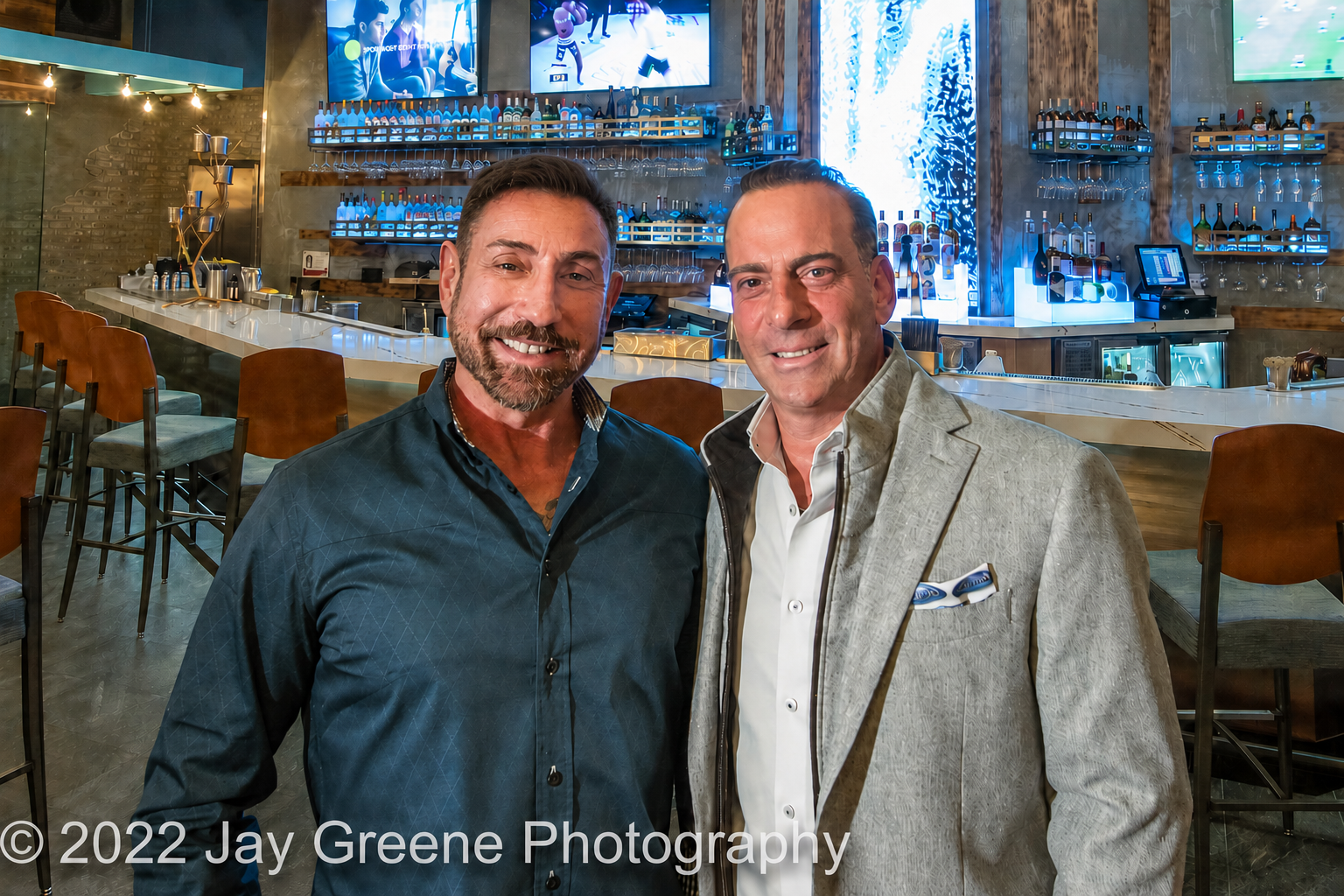
Designer Raymond Haldeman with Cuzin’s owner and founder Charles Mayo built generational trust
The Power of a Signature Product: Fresh Jersey Clams & Seafood
You need a hero. Without a singular product anchor, your menu is just a list of options that customers will eventually forget. Cuzin's built its identity around fresh, no-nonsense clams and seafood — the physical manifestation of the brand. In a market saturated with generic seafood spots, that focused reputation differentiates them instantly. It isn't just about taste; it's about recognition. Strategic product identity serves as the primary engine for brand recall and long-term market dominance. Every successful New Jersey restaurant designer will tell you that the floor plan must support the hero product's delivery and theater — from the raw bar to the pass.
Location as Identity: The Neighborhood Institution
Your neighborhood should dictate your brand voice. Cuzin's positioned itself as a genuine local institution, embracing its Jersey roots rather than trying to be a generic tourist trap. By owning a specific niche and a loyal community, each location transforms a physical address into a gathering place. This is the ROI of professional space planning and branding: it turns a building into a landmark that families return to for years.
Atmosphere Over Aesthetics: Design Secrets from a New Jersey Restaurant Designer
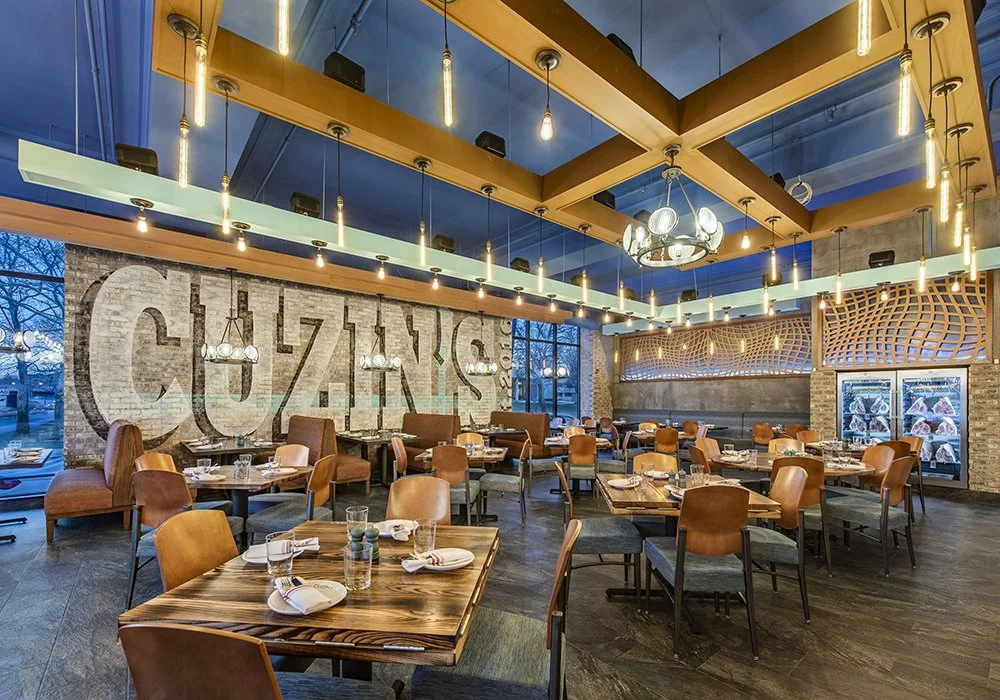
Expensive finishes alone don't create great hospitality. Many operators spend heavily on marble and brass only to wonder why their room still feels cold and generic. A seasoned New Jersey restaurant designer understands that atmosphere is built through bold, deliberate design, not just a shopping list of luxury materials. At Cuzin's, the wow-factor isn't a happy accident; it's the result of striking, original design choices — dramatic lighting, standout materials, and a smart layout — that deliver excitement and style while still making guests feel completely comfortable. When you prioritize the principles of restaurant design, you create a space that is distinctive and unforgettable, yet warm and inviting.
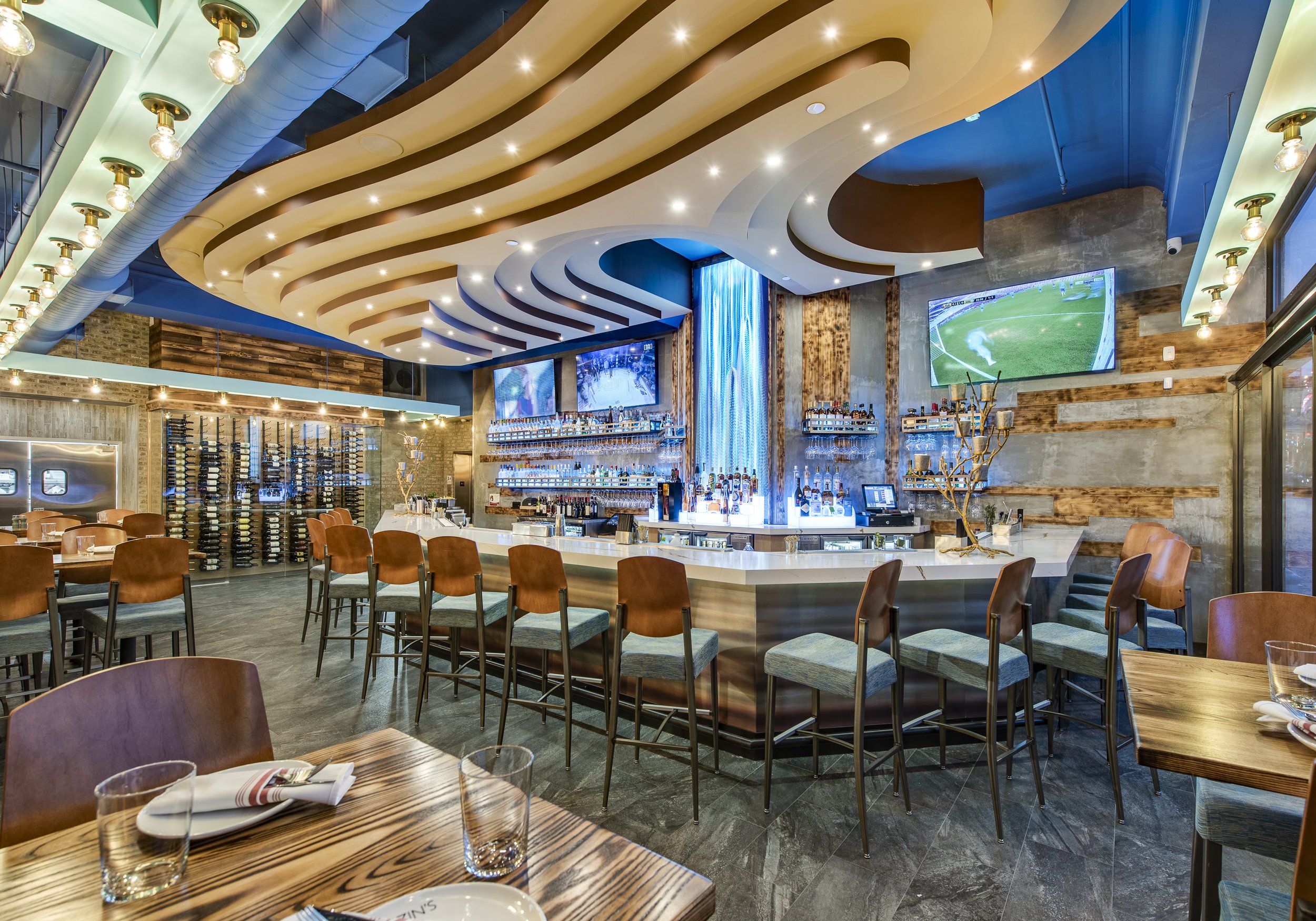
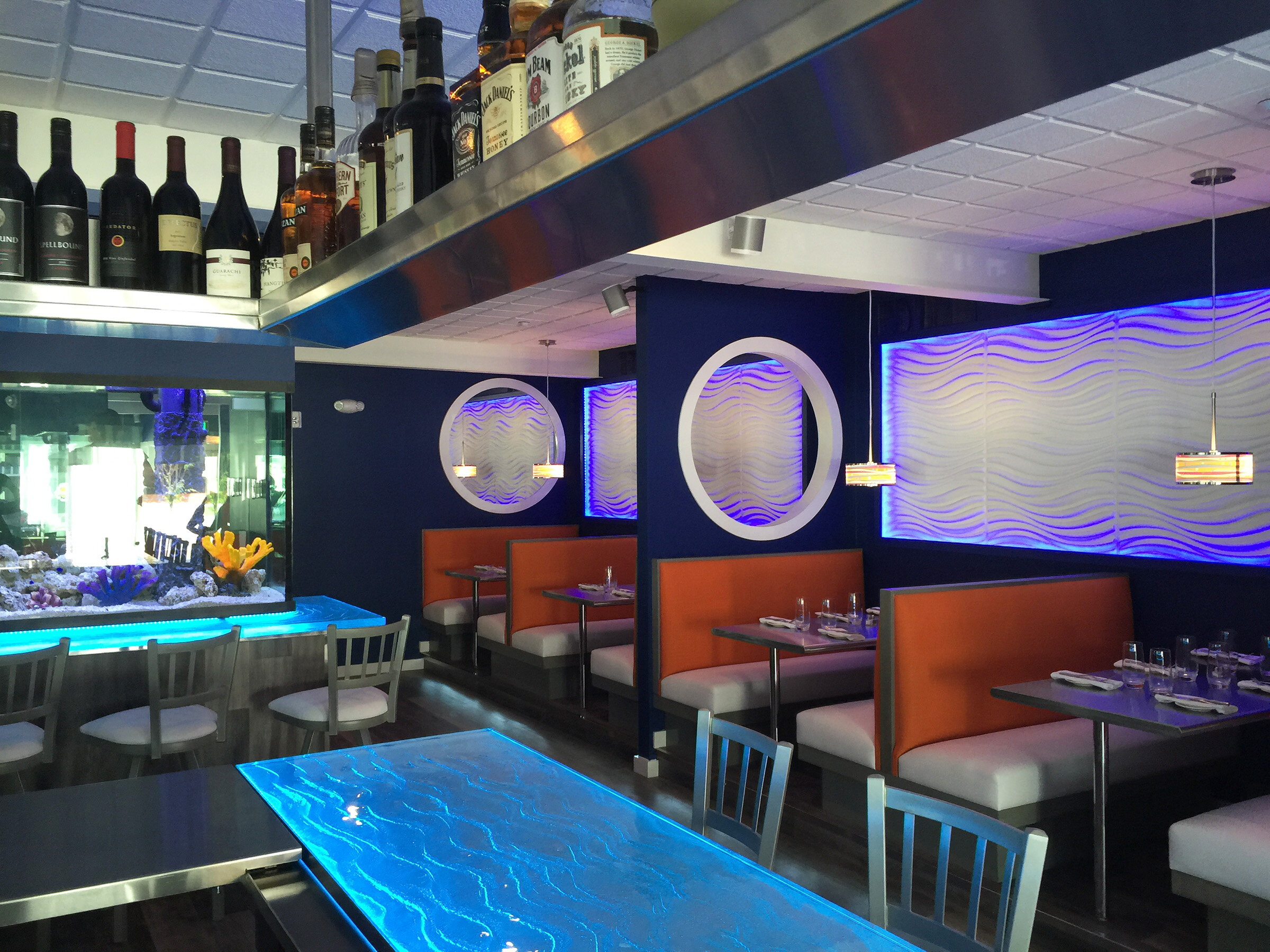
Cuzin’s digital waterfall and free form reverse tiered ceiling design by Raymond
In a business where every square foot carries a cost, you can't afford dead space. This is where the expertise of a restaurant floor plan consultant becomes your most valuable asset. Cuzin's works because it avoids the sterile, cookie-cutter layout of a franchise while still delivering the efficiency a high-volume clam bar demands. If you're struggling to maximize your revenue per square foot, you might need to re-evaluate your spatial strategy before you lose another month to poor flow.
[PHOTO: Cuzin's Clam Bar, New Brunswick, NJ]
The Destination Effect: Bold Design That Draws a Crowd
Raymond invented this ceiling wave to hide unmovable low hanging pipes without compromising ceiling height!
Most seafood spots settle for forgettable. Cuzin's does the opposite. A skilled New Jersey restaurant designer engineers a sense of arrival and energy — bold, distinctive, and completely original — that makes guests feel they've found something special the moment they walk in. Through dramatic lighting, standout materials, and a layout built around the raw bar, you deliver real wow-factor while still exuding comfort. You aren't just selling seafood; you're selling a place people drive across the county to reach.
Preserving the "Soul" in Modern Hospitality Design
Modern hospitality is currently plagued by sterile, trend-driven designs that will look dated in twenty-four months. Gimmicks made for social media feeds don't build long-term loyalty. Raymond Haldeman advocates for personality-driven interiors grounded in authentic materials and a genuine sense of place. These elements provide a tactile connection to the brand's roots and resist the hollow feel of "Instagrammable" decor. Don't fall for the trap of over-designed spaces. Your restaurant's soul is a tangible, engineered asset that must be protected to ensure decades of profitability.
INFOGRAPHIC — Engineering Brand Soul
The Blueprint for Restaurant Longevity & Profit — Lessons from a New Jersey Icon: Cuzin's Clam Bar
Brand Longevity: Foundation vs. Fad
The Fad Trap:
Chasing fleeting trends and "Instagrammable" moments.
Sanitizing brand identity to appeal to everyone (and no one).
Ignoring space planning as a critical revenue driver.
The Enduring Foundation:
Engineering an authentic, unignorable "Brand Soul."
Anchoring the brand with a singular, signature product.
Prioritizing "Atmosphere" over sterile aesthetics.
Replicating a proven concept without diluting its DNA.
Case Study: The Cuzin's Clam Bar Blueprint
The Signature Product Anchor — Fresh Jersey Clams & Seafood. In a market saturated with generic seafood spots, a focused, no-nonsense product identity provides instant differentiation and is the primary engine for brand recall.
Location as Identity — The Neighborhood Institution. By embracing its Jersey roots, Cuzin's built a loyal local following that turns each address into a community gathering place.
Atmosphere Over Aesthetics — Bold, Original, and Comfortable. A distinctive, high-style space with genuine wow-factor that still feels warm and welcoming. Deliberately engineered excitement and comfort drive revenue.
The Multi-Location Advantage — One Concept, Faithfully Replicated. From Marlboro to New Brunswick to Brick, a proven concept is repeated without losing its soul.
The Future-Proofing Checklist
Anchor Your Brand — champion a single, unforgettable hero product.
Engineer Atmosphere, Not Aesthetics — prioritize a lived-in feeling over sterile luxury.
Master Your Footprint — treat space planning as your most critical ROI.
Own Your Niche — root your brand's voice in your specific community.
Replicate Without Diluting — when you expand, protect the DNA.
Modernizing a Legacy: When to Refresh a Classic Brand
Legacy is a double-edged sword. While it provides a foundation of trust, it can also become a trap that prevents growth. If your decor feels tired rather than welcoming, you're already losing ground to hungrier competitors. A strategic refresh isn't about erasing your history; it's about sharpening it for a modern audience. When you work with a top-tier New Jersey restaurant designer, the goal is to enhance the "soul" we've discussed, not replace it. Stagnation is the silent killer of the hospitality industry. You must recognize when your brand identity is no longer communicating the quality of your product.
The Raymond Haldeman method focuses on identifying the core DNA that still resonates, then building on it. You must modernize your technology and POS systems to keep pace with rising labor costs and high-volume takeout and delivery demands without diluting the bold, distinctive character guests love. That is exactly the discipline that lets a single Cuzin's location become a second and a third: you carry forward what works and upgrade only what holds you back.
Subtle Shifts: Updating Visual Identity Without Alienating Regulars
Never shock your loyalists. Apply the "10% Rule" when refreshing logos or menus. This involves keeping the "color palette of memory" while cleaning up typography and material textures. If customers feel the change but can't quite pinpoint what it is, you've succeeded. Communicate these updates as an investment in their experience to build excitement rather than fear. A sharpened look signals that you're still a leader, not a relic of the past.
Engineering Efficiency: Space Planning for High-Volume Seafood
A busy clam bar lives and dies on flow. A professional New Jersey restaurant designer must find ways to improve table turnover without making guests feel rushed. This requires the strategic placement of service stations and the raw bar to minimize staff travel time. You must also optimize the kitchen-to-counter flow to handle the surge in takeout and delivery orders. Space planning is the difference between a cramped, chaotic room and a high-performance revenue machine.
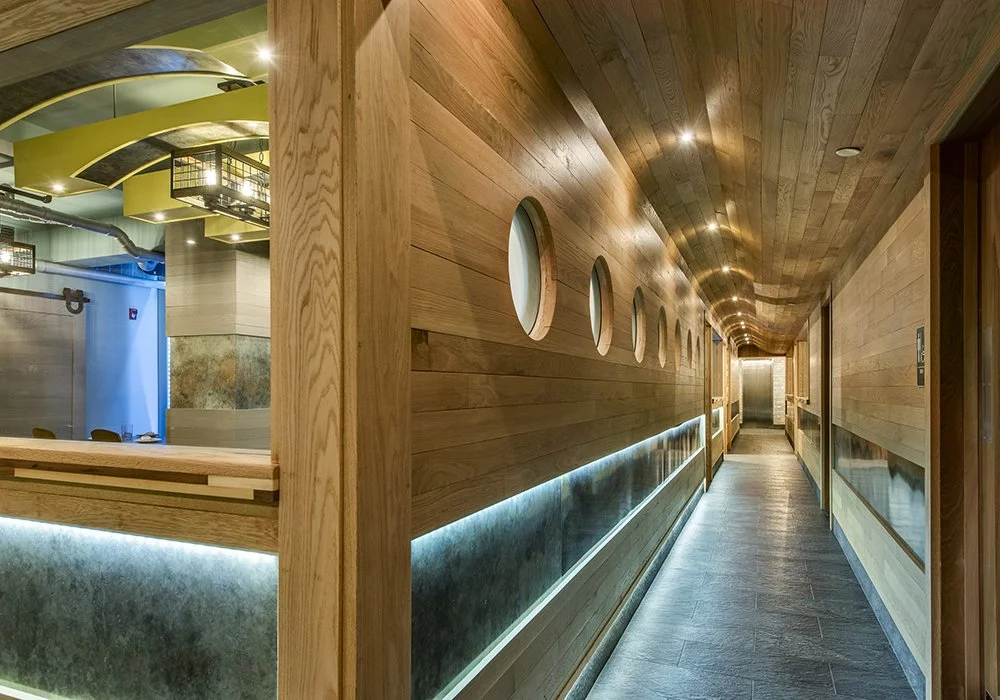
Sneak peek at the “new” Cuzin’s in Brick, NJ
Future-Proofing Your Restaurant: Engineering Your Own Legacy
Soul isn't a luxury; it's a survival mechanism. In a competitive market, your margin for error is slim. You can't afford to be a flash in the pan that burns out when the next trend arrives. A professional New Jersey restaurant designer doesn't just pick colors; they build a strategic ecosystem that thrives for decades. Cuzin's didn't grow into a multi-location brand by chasing "aesthetic" fads. It built a culture that became an asset. If you want to replicate that success, you must stop thinking like a decorator and start thinking like a visionary.
The Raymond Haldeman checklist for a lasting brand focuses on three pillars: functional flow, emotional resonance, and unshakeable product identity. Every decision you make during the design phase must pass the longevity test. If a design element won't be relevant in ten years, cut it. This is why restaurant design for new openings must prioritize enduring value over fleeting gimmicks. Your legacy is built on the foundation you lay today.
The ROI of Authenticity: Why Soul Sells
Guests pay a premium for experiences they can't find anywhere else. Authenticity isn't a buzzword; it's a high-yield financial strategy. When your space reflects a genuine soul, you create design-driven loyalty that significantly reduces your long-term marketing costs. Your customers become your ambassadors. There is a fundamental difference between a temporary "concept" and a lasting "culture." One is a liability that requires constant reinvestment; the other is a self-sustaining engine of profit.
Partnering with a Visionary: The Straight-Talk Advisory
You are likely too close to your business to see the "hidden gold" buried in your brand. A professional consultant provides the objective, experienced voice needed to navigate high-stakes hospitality. You don't need a "yes man" who will agree with your every whim. You need an expert who has been an owner and operator himself, and who can guide you toward a shortcut to success. Don't leave your legacy to chance. Take the first step toward securing your future and start a rebranding audit for your establishment today.
Secure Your Hospitality Legacy
Cuzin's Clam Bar is a blueprint for survival and growth in a market that routinely devours the unprepared. You now understand that brand soul isn't a vague concept; it's a tangible asset engineered through strategic design and unshakeable product identity. Relying on fleeting trends is a liability you've got to avoid as labor and permit costs climb. A seasoned New Jersey restaurant designer provides the professional intervention necessary to transform a footprint into a high-performance revenue machine, and to repeat that success across new locations. Don't wait for your sales to stagnate before you decide to modernize.
Raymond Haldeman offers a portfolio built on real ownership experience and a direct, advisory voice for owners who demand results. He is a specialist in maximizing profitability and ensuring brand longevity for bars, restaurants, and nightclubs. Your restaurant deserves a partner who has been there and knows how to navigate the high stakes of the hospitality industry. Take command of your brand identity before the competition does it for you.
Ready to build a legacy? Consult with Raymond Haldeman for your restaurant design or rebrand today:https://raymondhaldeman.com
Success in this industry is reserved for those who act with vision and authority. Secure your future now.
Frequently Asked Questions
What makes Cuzin's Clam Bar a Jersey icon? Cuzin's status is built on "Brand Soul" and a refusal to chase fleeting design fads. By anchoring its identity in fresh clams and seafood and wrapping it in bold, distinctive, totally original design, it created a singular, unshakeable brand. Its high-style, wow-factor atmosphere still exudes comfort, and that combination commands loyalty. That consistency builds generational trust that generic, corporate competitors simply cannot replicate, and it is strong enough to carry across multiple New Jersey locations.
How do I know if my restaurant needs a professional rebrand? You need a rebrand when your visual identity no longer reflects the quality of your product or when sales remain stagnant despite a strong menu. Consulting with a New Jersey restaurant designer helps you identify if your brand has become tired. If your decor feels dated rather than vibrant, you are losing ground to hungrier competitors who prioritize modern, functional concepts.
What are the biggest mistakes when modernizing a classic restaurant? The biggest mistake is sanitizing the "soul" of the venue with sterile, trend-driven design that alienates your loyal regulars. Operators often chase fleeting Instagram gimmicks instead of using authentic materials to ground their identity. You must modernize your efficiency and technology without destroying the tactile connection that makes your brand unique. Professional guidance ensures you refresh the brand without erasing its DNA.
Can a New Jersey restaurant designer help me open a second or third location? Yes. Replicating a proven concept across locations is one of the hardest things in hospitality, and it is exactly what Raymond Haldeman did for Cuzin's Clam Bar in Marlboro, New Brunswick, and Brick, NJ. A professional designer protects the DNA of your original while adapting each new footprint for its site, so every location strengthens the brand instead of diluting it.
How much does a professional restaurant design or rebranding consultant cost? The cost depends entirely on the project scope and the complexity of your existing footprint. You should view design and rebranding as a strategic investment for survival rather than a simple expense. A professional audit identifies "hidden gold" in your brand and prevents the catastrophic financial losses associated with poor layout or a failing concept.
How does restaurant layout impact table turnover and profitability? Layout directly dictates your profit margins by controlling the kitchen-to-counter flow and staff movement. Strategic placement of service stations reduces travel time, allowing for faster turnover without making your guests feel rushed. Professional space planning ensures every seat is a revenue-generating asset and every takeout order goes out fast, which is your most effective tool for maximizing profit per square foot.
A Restaurant Redesign of Your Visual Identity: A Strategic Guide to Top Tier
Stop treating your brand like a simple coat of paint. If your restaurant looks cheap or outdated, you aren't just losing social media engagement; you're hemorrhaging revenue to competitors in Miami and Philadelphia who understand that atmosphere is a currency. Research shows that 58% of diners now choose "TikTok worthy" establishments over less aesthetic options. When your menu, website, and physical decor don't align, you create a psychological rift that drives high-spending guests away. A professional restaurant redesign, your visual identity is the only way to bridge the gap between your kitchen's promise and your guest's wallet.
You already know that a mediocre competitor with a better aesthetic is winning the demographic you want. It's a bitter pill to swallow, but visual inconsistency signals a lack of professional standards to your customers. This guide will show you how to transform your visual presence into a high-performance revenue driver. We'll explore the 3-7-27 rule of branding and how strategic menu engineering can increase your profits by more than 15%. It's time to stop guessing and start commanding the market share your expertise deserves.
Key Takeaways
Stop thinking of your brand as a logo; it's a sensory ecosystem of lighting, acoustics, and textures that defines your guest's experience.
Master the psychology of typography and color to influence diner behavior and drive appetite before they even take a bite.
Execute a restaurant redesign, a visual identity that bridges the gap between your culinary promise and the physical atmosphere of your space.
Utilize a brutally honest brand audit to identify where your current aesthetic is hemorrhaging revenue and losing ground to local competitors.
Align every touchpoint-from your website to your interior layout-to create a cohesive "North Star" that attracts high-spending demographics.
Beyond the Logo: Why Your Restaurant’s Visual Identity Is Costing You Revenue
Visual identity is the sum of every sensory touchpoint your guest encounters. It isn't just a logo printed on a napkin. It's the specific weight of your menu, the warmth of your lighting, and the psychological impact of your typography. In the broader scope of corporate visual identity, your restaurant's brand is the psychological bridge between your kitchen's promise and your guest's wallet. When you serve a high-end, dry-aged ribeye in a room that looks like a 1990s diner, you create a "Brand Gap." This disconnect doesn't just look bad; it actively destroys your profit margins.
In high-stakes markets like Miami and Philadelphia, you have approximately three seconds to win a guest. That's the time it takes for a potential customer to glance at your Instagram profile or peer through your front window. If your visual story is weak, they'll walk to the competitor next door. A strategic restaurant redesign of your visual identity isn't a luxury; it's a prerequisite for survival. Without it, you suffer from "demographic drift," attracting low-spenders who complain about prices while alienating the high-net-worth guests you actually need.
The Financial Impact of Visual Inconsistency
A weak identity forces you to compete on price because you haven't given guests a reason to value your brand. High-end visual cues dictate what a guest is willing to pay for a cocktail; a gold-foiled menu paired with dim, amber lighting commands a premium price tag that a laminated sheet simply cannot justify. In New Jersey and Delaware, your brand authority also determines your labor quality. Top-tier staff want to work in spaces that reflect their professional caliber. A comprehensive restaurant redesign of your visual identitycorrects these errors before they become terminal and allows you to attract the talent required to scale your operation.
Signs Your Current Identity Is Failing Your Business
You must be brutally honest about your current state. Review these signs your restaurant needs a redesign to see where your revenue is leaking. Look for these critical red flags:
The Clutter Test: Your logo, menu, and signage look like they belong to three different owners.
Visual Stagnation: Your decor hasn't changed since the previous decade, signaling a lack of innovation to your guests.
The Social Void: Your bar lacks "visual moments" that guests feel compelled to capture and share on social media.
In 2026, a lack of social-media-ready environments is a death sentence for modern bars. Every corner of your space must be curated to be captured and shared. If it's not worth a photo, it's not worth the square footage.
The Core Components of a Strategic Visual Identity Redesign
A successful restaurant redesign of your visual identity isn't a collection of pretty pictures; it's a calculated deployment of psychological triggers. You aren't just choosing colors and fonts. You're defining the guest's expectations before they even see a menu. Research into effective branding proves that consistency across these visual cues is what builds consumer trust and justifies premium pricing. If your visual elements are disjointed, your guests will subconsciously devalue your culinary expertise.
Materiality and texture play a critical role in this perception. The weight of your menu and the finish of your business cards signal "premium" or "budget" instantly. If your menu feels flimsy, your guests will expect flimsy service. You also need a "Hero Graphic." This is a singular, iconic visual element that becomes synonymous with your venue, creating a mental shortcut for your brand in a crowded market. It's about owning a piece of your customer's mind.
Strategic Color Theory for Hospitality
Forget the tired cliche that red makes people hungry. Modern hospitality requires sophisticated palettes that define specific zones within your floor plan. Use deep, moody tones to anchor your bar area and lighter, organic shades like sage or terracotta to signal freshness in the dining room. You must also adapt for regional tastes. A vibrant, high-contrast palette that thrives in Miami will likely feel garish in a Philadelphia industrial space. If you're unsure how to balance these elements, it's time to consult with a professional who understands regional market dynamics.
Typography and Brand Voice
Typography is your brand's silent spokesperson. Serif fonts suggest tradition and heritage, while sans-serif fonts signal modern efficiency and speed. Your font choice must survive the "dim light test" common in high-end bars. If a guest has to use their phone flashlight to read your menu, you've failed. Your typography strategy must also align with your operational goals. Just as a restaurant floor plan consultant optimizes for flow and speed, your font choice dictates how quickly guests can process information and make a purchase. Use bold, statement typography for signage to pull foot traffic in from the street and establish your presence immediately.
The Brand Gap
Article by
Raymond Haldeman
Raymond Haldeman spent decades as a hands-on owner and operator of bars, restaurants, and nightclubs before parlaying that experience into a second career designing and rebranding some of the most exciting restaurant spaces in the country. Every place he designs is built on years of actually running the business, paying the bills, and knowing exactly what it takes to make a restaurant full of people say, "WOW!"
Why Your Restaurant's Visual Identity is Costing You Revenue
Atmosphere is a Currency.
In today's market, a weak visual identity isn't just a missed opportunity—it's a direct path to lost profits. When your decor, menu, and online presence are misaligned, you create a "Brand Gap" that drives high-spending customers to your competitors.
A mediocre competitor with a superior aesthetic is winning the demographic you want.
58%
of diners now choose
"TikTok Worthy" establishments
over less aesthetic options.
Is Your Visual Identity Failing?
Be brutally honest. These red flags indicate your brand is hemorrhaging revenue.
The Clutter Test
Your logo, menu, and signage look like they belong to three different businesses, creating customer confusion and signaling a lack of professionalism.
Visual Stagnation
Your decor hasn't changed in a decade. This tells guests your brand lacks innovation and is out of touch with modern tastes.
The Social Void
Your space lacks "visual moments" that compel guests to share on social media. If it's not worth a photo, it's not working for you.
The Solution: A Strategic Redesign
A successful redesign is a calculated deployment of psychological triggers, not just pretty pictures. It's about building a cohesive sensory ecosystem.
Beyond the Logo: A Sensory Ecosystem
Your brand is the sum of every touchpoint: the warmth of the lighting, the acoustics of the room, and the texture of the menu. Consistency across these elements builds trust and justifies premium pricing.
Strategic Color & Type
Use sophisticated palettes to define zones (e.g., moody tones for a bar, organic shades for dining). Typography is your brand's silent spokesperson, conveying elegance, casualness, or tradition.
Materiality & Menu
The physical weight and texture of your menu instantly signals "premium" or "budget." Strategic menu engineering can increase overall profits by more than 15%.
The Payoff: From Visuals to Value
A cohesive visual identity isn't an expense; it's a high-performance revenue driver. It allows you to stop competing on price, attract high-spending demographics, and command the market share your culinary expertise deserves.
Command Premium Pricing
High-end visual cues, from gold-foiled menus to amber lighting, justify higher price points for your offerings.
Attract Top Talent
The best staff want to work in spaces that reflect their professional caliber, improving service quality.
Increase Profitability
Strategic alignment can increase profits by over 15% through better menu design and perceived value.
The Psychology of Perception: Aligning Brand Identity with Physical Space
Stop thinking in two dimensions. Your brand isn't a sticker you slap on the front door; it's a physical environment that guests must inhabit. A high-impact restaurant redesign of your visual identity requires your graphic language to live within the architecture itself. Lighting levels and acoustic design aren't technical afterthoughts. They are the "vibe" that defines your brand's soul. When your lighting is too harsh or your acoustics are tinny, you contradict your high-end logo and immediately lose the guest's trust.
An effective restaurant marketing strategy demands a seamless transition from your digital presence to your physical space. You must design specific "Instagrammable" corners to act as organic marketing engines. These areas aren't just for show. They are strategic assets that compel guests to promote your venue to their own networks. A seasoned restaurant design consultant understands how to bridge the gap between two-dimensional graphics and three-dimensional architecture to ensure your brand feels cohesive from every angle.
From 2D Logo to 3D Experience
Translate your brand patterns into custom wall coverings or floor tiles to create an immersive experience that feels curated rather than assembled. Use these visual markers to improve guest flow and reduce congestion at the host stand. Your branding must remain consistent from the moment a guest approaches the host stand until they visit the restroom. If the design quality drops off in the hallways, your brand's perceived value drops with it.
Modernizing Without Losing Your Soul
You don't always need a sledgehammer to fix a failing brand. Learn how to modernize a restaurant by identifying legacy elements that still carry emotional weight with your regulars. A "Soft Refresh" might update your upholstery and lighting to align with a restaurant redesign of your visual identity, while a "Total Overhaul" reimagines the entire footprint. Diagnose which one your venue actually needs before you waste capital on unnecessary demolition.
Executing the Redesign: From Concept to Profitable Reality
Execution is where most owners fail. You don't just "get a new look" and hope for the best. A strategic restaurant redesign of your visual identity requires a methodical, four-phase deployment. First, you must conduct a brutally honest audit. This isn't about what you like; it's about how your guests actually perceive your brand. Second, you develop the "North Star" concept. This is the governing vision that ensures every napkin, light fixture, and menu font serves the same objective. If your vision is blurry, your results will be too.
The third phase is integration. This is the high-stakes coordination between your restaurant rebranding consultant and your contractors. If the graphics don't match the physical build, the entire investment is wasted. Finally, you execute the launch. Use your new identity to generate massive PR buzz. You only get one chance to create "New Opening" energy with an existing venue. Don't waste it on a quiet rollout. Demand attention and capture the market share you've been missing.
Why DIY Branding Is a Recipe for Failure
Cheap design is the most expensive mistake you can make. Signage that fades in six months, menus with unreadable fonts, and files that don't print correctly are the hallmarks of amateur work. A general graphic designer doesn't understand the hospitality environment. They don't know how colors shift under specific restaurant lighting or how font weights behave on textured paper. A specialized hospitality consultant brings decades of industry-specific data to the table. This expert advantage ensures your design choices are based on proven revenue drivers rather than personal whims.
Measuring the ROI of Your New Look
A redesign must pay for itself. Track your metrics. You should see an immediate increase in average check size as your new visual authority justifies higher price points. Monitor your social media tag frequency. If guests aren't photographing your new space, your brand health is failing. A professional restaurant redesign of your visual identity isn't just a temporary fix; it's a long-term asset. When executed correctly, your brand won't need another refresh for at least a decade. That longevity is the ultimate return on investment for any serious operator.
Dominate Your Market Through Visual Authority
Your brand's visual presence is either a barrier or a bridge to your revenue goals. A mediocre aesthetic doesn't just look bad; it actively signals to your target demographic that your standards are slipping. You've seen how typography, color theory, and environmental design must converge to create a high-performance guest experience. A strategic restaurant visual identity redesign is the single most effective way to reclaim your market position and justify the premium pricing your kitchen deserves.
Don't leave your legacy to a generalist or a DIY template. You need a partner who understands the high stakes of hospitality and the specific demands of the East Coast and Miami markets. With over 30 years of high-stakes hospitality design experience, Raymond Haldeman provides a specialized focus on revenue-driven rebranding that generalists simply cannot match. You get direct access to the principal designer via a toll-free US line to ensure your vision is executed with surgical precision. It's time to stop settling for a brand that feels like a decorative afterthought and start building a visual engine that drives consistent growth.
[Stop losing guests to dated design, Consult with Raymond Haldeman Today](https://raymondhaldeman.com)
Take the first step toward a more profitable future. Your restaurant's transformation starts with a single, expert decision.
Frequently Asked Questions
How much does a restaurant redesign of your visual identity cost in 2026?
Industry data for 2026 indicates that professional brand identity systems typically range from $12,000 to over $75,000 for comprehensive strategy and asset rollout. These figures reflect the high-stakes nature of the hospitality market where a surface-level logo is no longer sufficient to drive growth. You're investing in a revenue-generating system, not just a graphic file. Treat this as a capital expenditure that dictates your long-term market value.
Can I redesign my visual identity without changing my restaurant’s name?
Yes, you can and often should retain your name if it carries significant local equity. Executing a restaurant redesign of your visual identitywhile keeping your name allows you to shed an outdated "cheap" image while maintaining the trust you've built in markets like Philadelphia or Miami. It's a strategic way to signal a new era of quality to your guests without starting from zero.
How long does a typical restaurant rebranding project take to implement?
A professional rebranding project usually spans eight to sixteen weeks from the initial audit to the final design delivery. This timeline accounts for the deep psychological analysis and concept development required to create a "North Star" for your business. The physical integration into your space may take longer depending on your contractor's schedule and the complexity of your new interior design elements.
What is the difference between a logo refresh and a full visual identity redesign?
A logo refresh is a minor facelift that updates an existing mark to look more modern. A full visual identity redesign is a total sensory overhaul that aligns every touchpoint including lighting, acoustics, menu textures, and staff uniforms. One is a cosmetic touch-up; the other is a strategic transformation of your entire guest experience to maximize profitability.
How do I know if my restaurant’s visual identity is actually the reason my sales are down?
Look for "demographic drift" where you're attracting bargain hunters instead of high-spenders. If your social media tags are non-existent and your decor feels like a relic of a previous decade, your brand is failing. When your visual cues don't justify your menu prices, guests will subconsciously devalue your food and look for reasons to complain about the check.
Should I hire a local designer in Philadelphia or a national hospitality specialist?
Don't make the mistake of hiring for proximity over expertise. A general local designer lacks the hospitality-specific data required to understand operational flow and menu engineering. You need a specialist who understands the commercial landscape of the US East Coast and can act as a visionary guide. A specialist ensures your design isn't just "pretty" but is functionally built to increase your average check size.
Maryland Restaurant Designer: Modern Design Ideas for High-Performance Venues in 2026
Your restaurant's interior is either a strategic asset or a liability that's quietly draining your bank account. In the high-stakes MD/DC market, a dated atmosphere doesn't just fail to attract modern diners; it actively signals that your brand is irrelevant. If you aren't working with a specialized Maryland restaurant designer to modernize your space, you're hemorrhaging profit to competitors who already understand the 2026 landscape. You know the frustration of watching overhead climb while table turnover remains stagnant. It's a dangerous cycle that demands an immediate, professional intervention before your margins disappear entirely.
Stop settling for an average eatery and start building a high-profit hospitality destination. This guide reveals the strategic design concepts and professional consulting secrets used to engineer venues for maximum revenue. You'll learn how to optimize your floor plan for better seating flow and create an immediate "wow" factor that resonates with sophisticated local demographics. We'll preview the essential rebranding tactics and space planning shifts that turn underperforming establishments into the most profitable spots in the state. Success in this industry isn't accidental; it's designed.
Key Takeaways
Stop hiring residential designers for commercial hospitality projects; Maryland’s high-stakes corridor requires a specialist who understands high-concept branding.
Discover the 2026 design trends that transform dated interiors into high-performance venues through strategic rebranding and bold new concepts.
Treat your floor plan as your most critical business document by optimizing seating and service paths for maximum ROI.
Partner with a Maryland restaurant designer who offers a deep understanding of the hospitality business model to avoid expensive renovation mistakes.
Prioritize a professional consultation before spending a single dollar to ensure your venue is engineered for success from day one.
Why Maryland Operators Need a Specialized Hospitality Interior Designer
Stop treating your restaurant renovation like a home kitchen remodel. Hiring a residential designer for a commercial hospitality project is a recipe for financial disaster. A living room doesn't need to facilitate the movement of fifty servers or handle the logistical chaos of a Friday night rush. In Maryland's aggressive market, you need a Maryland restaurant designer who understands that every square foot must generate a return on investment. If your designer hasn't spent years behind the line or managing a floor, they're just guessing with your money.
Maryland's corridor between Baltimore and Washington D.C. is one of the most competitive regions in the country. To survive here, your brand needs more than just a fresh coat of paint. It requires high-concept branding that speaks to a sophisticated, diverse audience. From navigating local health department codes to optimizing space planning for maximum seating capacity, the technical requirements are immense. You can't afford to sacrifice operational speed for a "pretty" aesthetic that doesn't work when the house is full.
The High Stakes of the Mid-Atlantic Market
Diners in affluent pockets like Bethesda and Chevy Chase have zero tolerance for mediocrity. By 2026, "good enough" design will be the fastest way to close your doors. These patrons expect a cohesive visual identity that matches the quality of the plate. Whether you're operating an urban bistro in Baltimore or a sprawling suburban destination, your interior must command attention immediately. A generic look tells the customer your food is generic too. Don't let your venue become a background character in a crowded market.
Aesthetic vs. Operational Efficiency
A poorly designed floor plan is a silent thief. It costs you thousands in labor every month because your staff is taking too many steps to reach a table or the bar is a bottleneck. A true expert creates a money-making machine, not just a pretty room. Raymond Haldeman’s background as a former owner and operator is your secret weapon here. He understands that bar service speed and kitchen flow are just as vital as the lighting fixtures. You need a strategic partner who prioritizes the bottom line while delivering a high-end aesthetic. Before you commit to a single contractor, get the professional guidance that protects your interests.
5 Modern Restaurant Design Ideas for Maryland Establishments
Maryland operators often fall into the trap of "safe" design. That's a mistake. A professional Maryland restaurant designer creates a brand identity that stands out in a crowded market by ditching tired cliches for sophisticated textures and lighting. By 2026, the Baltimore-Washington corridor will be dominated by venues that prioritize visual impact as much as the menu. Forget the anchors and rope; modern success is built on high-concept branding that commands premium pricing. If your venue looks like it belongs in the last decade, you're already losing the battle for the modern diner's attention.
1. The "Hybrid" Indoor-Outdoor Experience
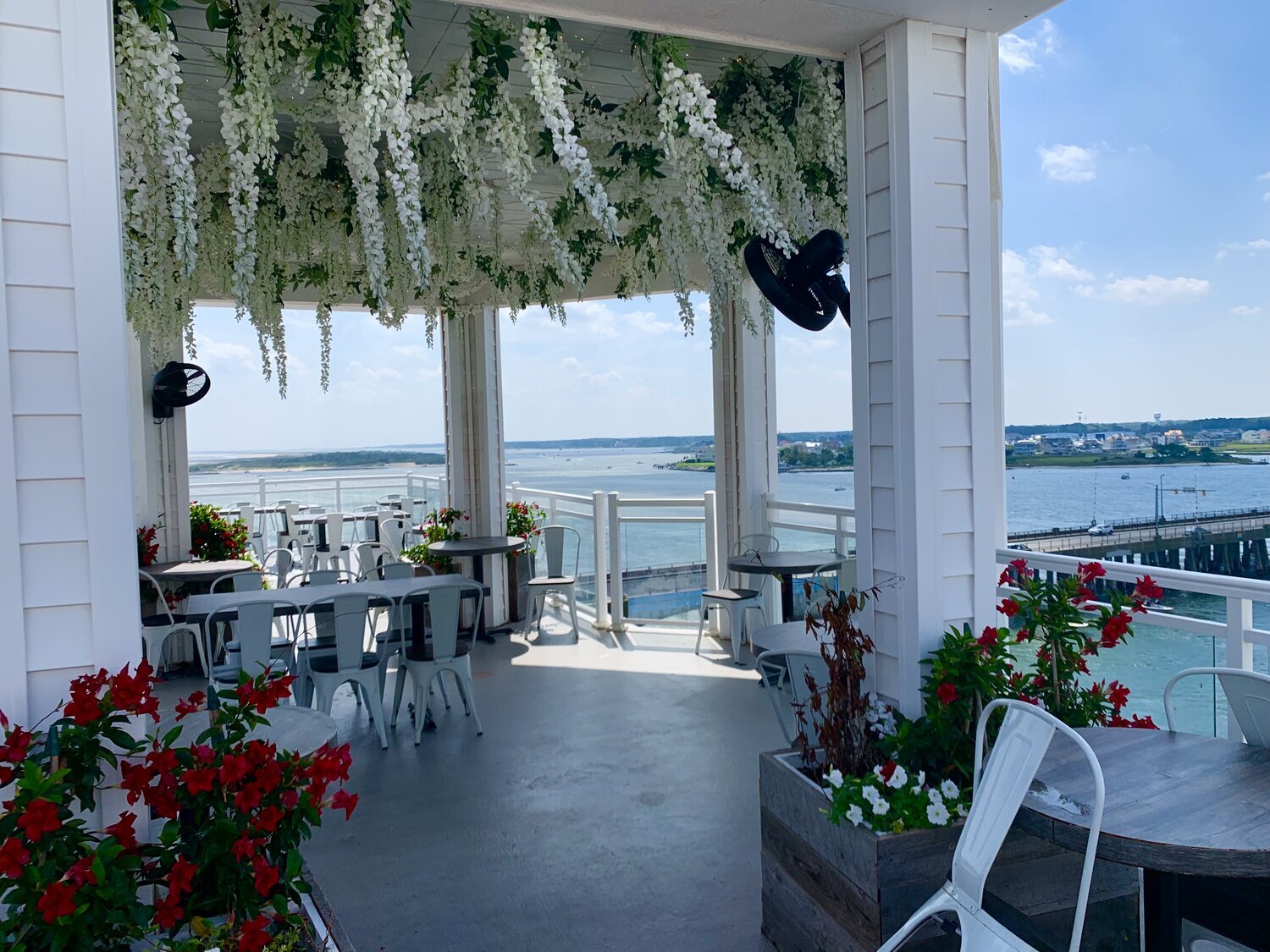
Maryland's seasonal shifts shouldn't kill your revenue. Retractable glass walls and integrated heating systems turn a summer patio into a high-margin winter lounge. For venues on the Annapolis waterfront, we are seeing a shift away from "nautical" tropes toward sleek, coastal modernism. This maximizes your square footage for year-round profitability. Don't leave money on the table just because the temperature drops below sixty degrees.
2. High-Impact Bar and Nightclub Lighting
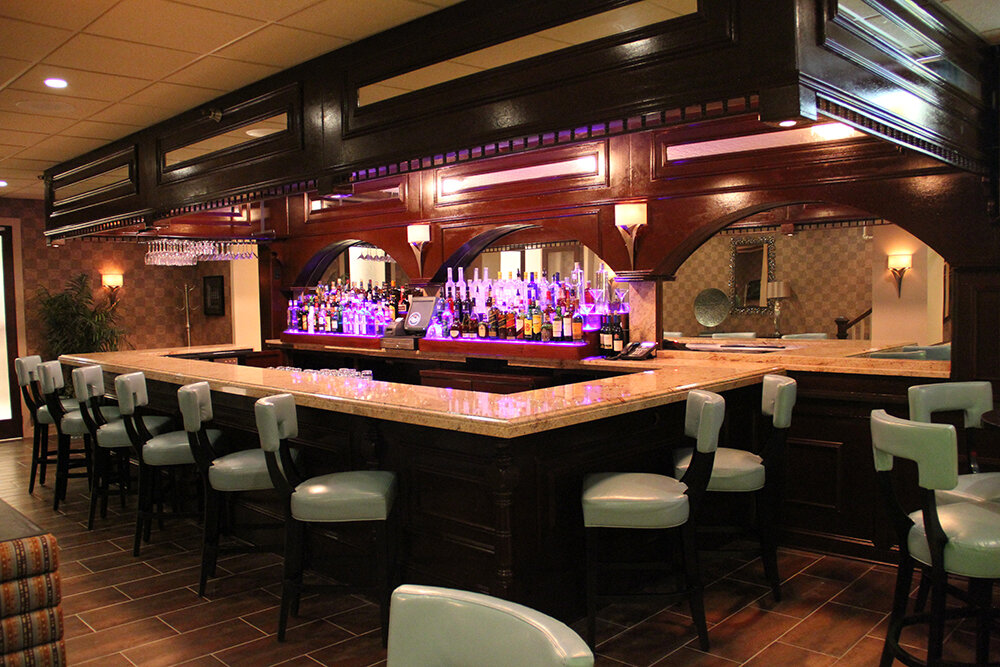
Light is your most powerful sales tool. In Baltimore’s nightlife scene, we use dynamic lighting to define zones and influence behavior. Warm, amber tones encourage lingering and second rounds, while strategic pops of color draw eyes to high-margin premium bottles. Don't just light the room; use Bar and Nightclub Interior Design That Drives Alcohol Sales to turn your bar into a visual magnet. If your lighting is flat, your sales will be too.
3. Strategic Space Planning and VIP Zoning
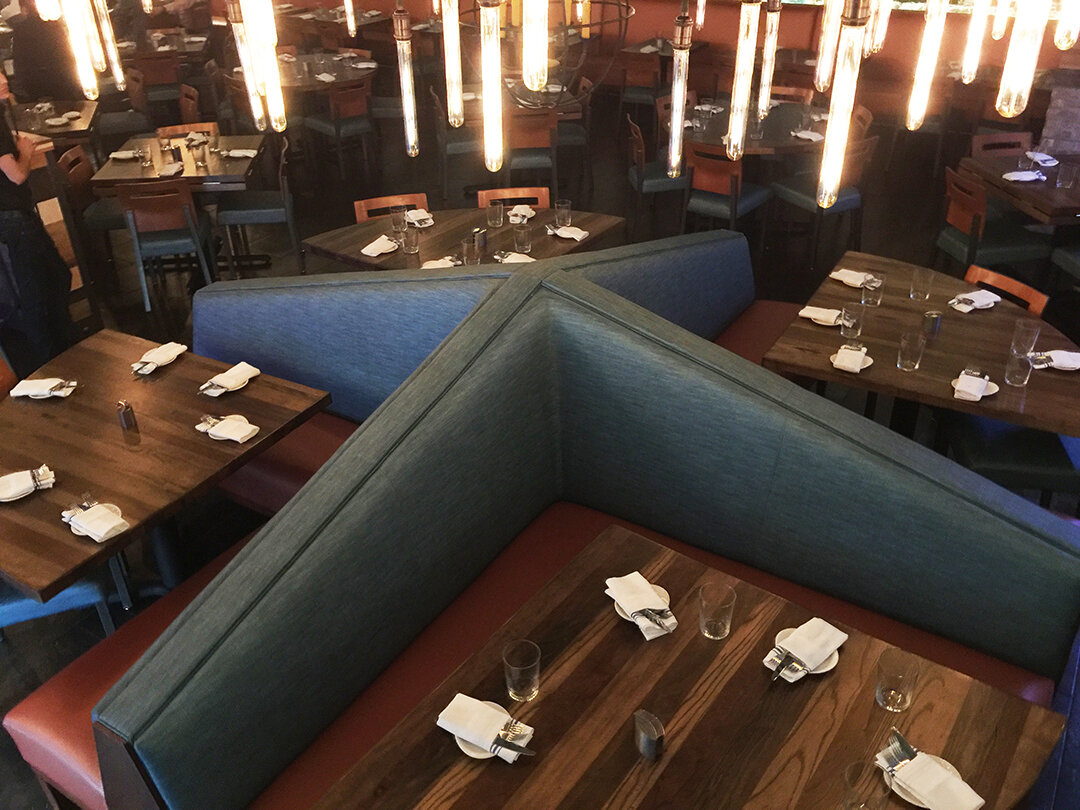
Every seat in your house must perform. High-end booths are making a massive comeback because they offer the privacy and comfort modern diners crave. By creating "exclusive" pockets within the main dining room, you can drive up check averages without alienating your core audience. It all starts with an optimized restaurant floor plan that eliminates dead zones and prioritizes the guest experience. A Maryland restaurant designer ensures your layout is a tool for profit, not a logistical nightmare. Before you spend a dollar on furniture, ensure your layout is engineered for peak efficiency.
If you're ready to stop guessing and start winning, it's time to consult with an expert who has actually operated in the trenches. You can schedule a professional consultation to see exactly how these strategies apply to your specific footprint.
Designing for Profit
Article by
Raymond Haldeman
Raymond Haldeman spent decades as a hands-on owner and operator of bars, restaurants, and nightclubs before parlaying that experience into a second career designing and rebranding some of the most exciting restaurant spaces in the country. Every place he designs is built on years of actually running the business, paying the bills, and knowing exactly what it takes to make a restaurant full of people say, "WOW!"
The Modern Maryland Restaurant Blueprint
In the competitive MD/DC market, your restaurant's interior is either a strategic asset or a costly liability.
A dated atmosphere doesn't just fail to attract diners; it actively signals that your brand is irrelevant, hemorrhaging profit to competitors.
The Liability: Dated & Draining
✗ Stagnant table turnover & high overhead
✗ Actively signals brand irrelevance
✗ Generic look repels sophisticated diners
✗ Leads to a dangerous cycle of disappearing margins
The Asset: Modern & Profitable
✓ Creates an immediate "wow" factor
✓ Engineered for maximum revenue & ROI
✓ Optimizes flow for faster service
✓ Builds a high-profit hospitality destination
The #1 Mistake: Hiring the Wrong Professional
Stop treating your restaurant like a home remodel. A residential designer for a commercial project is a recipe for financial disaster.
Residential Designer
Focuses on aesthetics, not business.
× Doesn't understand operational flow
× Guesses with your money on logistics
× Creates pretty rooms that fail under pressure
Hospitality Design Specialist
Understands the business of hospitality.
✓ Engineers every square foot for ROI
✓ Prioritizes the bottom line
✓ Navigates codes & high-concept branding
3 Modern Design Strategies for 2026
Ditch "safe" design. Dominate the market with high-impact concepts.
01
The "Hybrid" Indoor-Outdoor Experience
Turn seasonal limitations into year-round profit. Retractable glass walls and integrated heating systems transform a summer patio into a high-margin winter lounge, maximizing your usable square footage and revenue streams.
02
Strategic Space Planning & VIP Zoning
Make every seat a top performer. An optimized floor plan eliminates dead zones, while creating "exclusive" pockets with high-end booths drives up check averages by offering the privacy and comfort modern diners demand.
03
High-Impact Bar & Nightclub Lighting
Use light as your most powerful sales tool. Dynamic lighting defines zones and influences behavior—warm tones encourage lingering, while strategic color pops draw eyes to high-margin premium bottles, turning your bar into a visual magnet.
Your Floor Plan is Your Most Critical Business Document
A poorly designed floor plan is a silent thief. An optimized layout is a money-making machine.
Poorly Designed Flow
Bottleneck
Wasted Steps
Costs thousands in labor, slows service, and reduces table turnover.
Optimized Service Path
Direct to Table
Efficient Flow
Maximizes staff efficiency, improves guest experience, and increases profit.
Success in the hospitality industry isn't accidental; it's designed.
Ensure your venue is engineered for success from day one with professional consultation.
raymondhaldeman.com
Engineering Your Layout: The ROI of Professional Space Planning
Your floor plan isn't a suggestion; it is the most critical document in your entire business plan. If your layout is flawed, your revenue is capped before you even open your doors. Professional space planning is the strategic arrangement of seating, service paths, and focal points to ensure every square inch of your lease is working for you. A Maryland restaurant designer doesn't just "place furniture." They engineer a high-performance environment where staff moves faster and guests spend more. This is about the math of table turnover. Even a minor increase in efficiency can result in thousands of dollars in additional monthly profit.
In Maryland, we often deal with historic footprints in cities like Annapolis or Baltimore. These buildings have structural constraints that can easily become bottlenecks if you don't have a plan. A seasoned consultant turns these architectural quirks into unique design features, such as intimate VIP alcoves or high-impact focal bars. Don't let a "charming" old building drain your efficiency. Turn those constraints into a competitive advantage that increases your daily revenue potential while maintaining the character diners love.
Maximizing Seating Without Crowding
There is a specific "sweet spot" for seat density in upscale Maryland venues. If you crowd the room, you destroy the guest experience and lower your check average. If you under-seat, you're leaving money on the sidewalk. Never trust a general contractor with your seating layout. They are experts at building walls, not understanding the nuances of elbow room and acoustics. You need a layout that protects the bottom line while maintaining a premium, comfortable feel for your patrons.
Optimizing Service Flow and Speed
Seconds matter on a busy shift. Every extra step your server takes to reach the furthest table is labor cost you’ll never get back. We design bar layouts for high-volume service and maximum visibility, ensuring your bartenders aren't tripping over each other during the rush. For more on this, read our guide on Elite Restaurant Design for New Openings. Efficiency is the difference between a venue that survives and one that thrives in the Mid-Atlantic market.
Choosing the Right Maryland Restaurant Design Consultant
Selecting a Maryland restaurant designer is the most consequential decision you'll make for your brand’s future. Don't be fooled by a portfolio of "pretty" pictures. A generalist firm might create a space that looks good in a magazine, but if they don't understand the hospitality business model, they’ll build you a beautiful failure. You need an expert who understands that every design choice must be a calculated move to increase your bottom line. Demand a one-on-one consultation before you spend a single dollar on renovation. It’s the only way to get realistic, straight-talk answers about costs and operational ROI.
The Mid-Atlantic market is unforgiving. If your designer is more interested in artistic expression than your P&L statement, your project is doomed from the start. A specialist understands the nuances of local demographics, the technicalities of health codes, and the psychological triggers that drive guest spending. This isn't about interior decoration; it's about business engineering. You are hiring a strategic partner to protect your interests and ensure your capital works as hard as you do.
Questions to Ask Your Designer
Have you ever owned or operated a restaurant? If the answer is no, they are just guessing with your capital. They won't understand why a server station placement matters or how bar lighting affects high-margin sales.
How will this design specifically increase my table turnover or bar sales? If they talk about "vibes" instead of metrics, walk away. Every square foot must be optimized for revenue.
Raymond Haldeman isn't just a designer; he's a former owner and operator who has seen it all. He brings a nationwide reputation with a laser-sharp focus on the Mid-Atlantic market. Whether you're launching a new build or need a high-stakes restaurant rebranding for an underperforming venue, his approach is built on functional excellence. This is the "operator’s edge" that generalist firms simply cannot replicate. Your restaurant is an investment, not a hobby. Design it with the authority it deserves. Stop gambling with your vision and start engineering your success with a partner who understands the business of hospitality.
Secure Your Competitive Edge for 2026
Maryland's hospitality landscape is moving too fast for "good enough" design. Success in the 2026 market requires a venue engineered for high performance; every square foot must be a calculated profit center. You now understand that specialized space planning and high-concept branding are the only ways to stay relevant in the Baltimore-Washington corridor. Partnering with a proven Maryland restaurant designer ensures your layout maximizes turnover while your aesthetic commands the premium pricing your brand deserves.
Raymond Haldeman provides the "operator’s edge" that generalist firms lack. As a former owner and nationwide hospitality specialist, he offers the straight talk necessary to protect your capital from expensive renovation mistakes. You don't need a decorator. You need a strategic partner who has been in the trenches and knows how to build a money-making machine.
Call 1-866-735-3582 to discuss your vision directly with an expert who understands the high stakes of your business. Your path to a more profitable, high-concept venue starts with a single strategic conversation. Let's build a destination that dominates the market.
Frequently Asked Questions
What is the average cost of hiring a restaurant designer in Maryland?
Fees vary significantly based on the project's scope, including whether you are executing a full rebrand or a ground-up new build. Professional design is a strategic investment in your venue's future revenue rather than a simple line-item expense. You should prioritize the value of expertise over the lowest bid, as a cheap plan often leads to expensive construction errors. Discussing your specific needs during a professional consultation is the only way to get a realistic assessment of the required capital for your unique footprint.
How long does a typical restaurant redesign or rebrand take?
A standard timeline depends on the complexity of the space planning and the speed of local Maryland permit approvals. Most comprehensive transformations take several months from the initial concept phase to the grand reopening. You must account for lead times on custom fixtures and the logistical coordination of various trades. Rushing this critical process usually results in a compromised aesthetic and operational bottlenecks that will hurt your long-term profit margins.
Do I need a separate architect and restaurant designer for my Maryland venue?
You often need both to ensure your venue is structurally sound and operationally efficient. While an architect focuses on the building's shell and life safety codes, a Maryland restaurant designer specializes in the guest experience and revenue-generating zones. We coordinate with your architectural team to ensure the interior layout doesn't just meet local code but actually works for your staff and patrons. Don't let a generic architect handle your seating density or bar service flow.
Can a professional redesign really help a failing restaurant?
Strategic rebranding is often the most effective way to save an underperforming establishment. If your food is excellent but your tables remain empty, the problem is likely your brand's visual identity or a dated atmosphere that fails to attract modern diners. A professional redesign addresses these psychological barriers, creating a "wow" factor that attracts new patrons and justifies higher menu prices. We specialize in turning failing establishments into high-profit hospitality destinations by fixing fundamental layout and aesthetic flaws.
What are the most popular restaurant design trends in Maryland for 2026?
The 2026 market is moving toward high-concept, immersive environments that prioritize sophisticated textures and lighting over generic themes. We see a massive shift toward "hybrid" indoor-outdoor spaces and the return of high-end, private booth seating. Success for a Maryland restaurant designer requires moving beyond tired cliches and embracing a modern look that resonates with affluent Mid-Atlantic diners. Focal points must be "Instagrammable" to drive organic social media marketing for your brand.
How does a restaurant floor plan impact my insurance and local MD permits?
Your floor plan dictates your legal occupancy limits and fire safety compliance, which directly affects your insurance premiums and permit eligibility. Maryland health departments and liquor boards have strict requirements regarding kitchen flow and bar visibility. A flawed layout can lead to failed inspections and costly delays in your opening schedule. Professional space planning ensures your layout adheres to these regulations without sacrificing the high-end aesthetic your brand needs to thrive in a competitive landscape.
Discover how to modernize a restaurant strategically. Our guide helps you boost profits and attract new diners while protecting your brand's core identity.