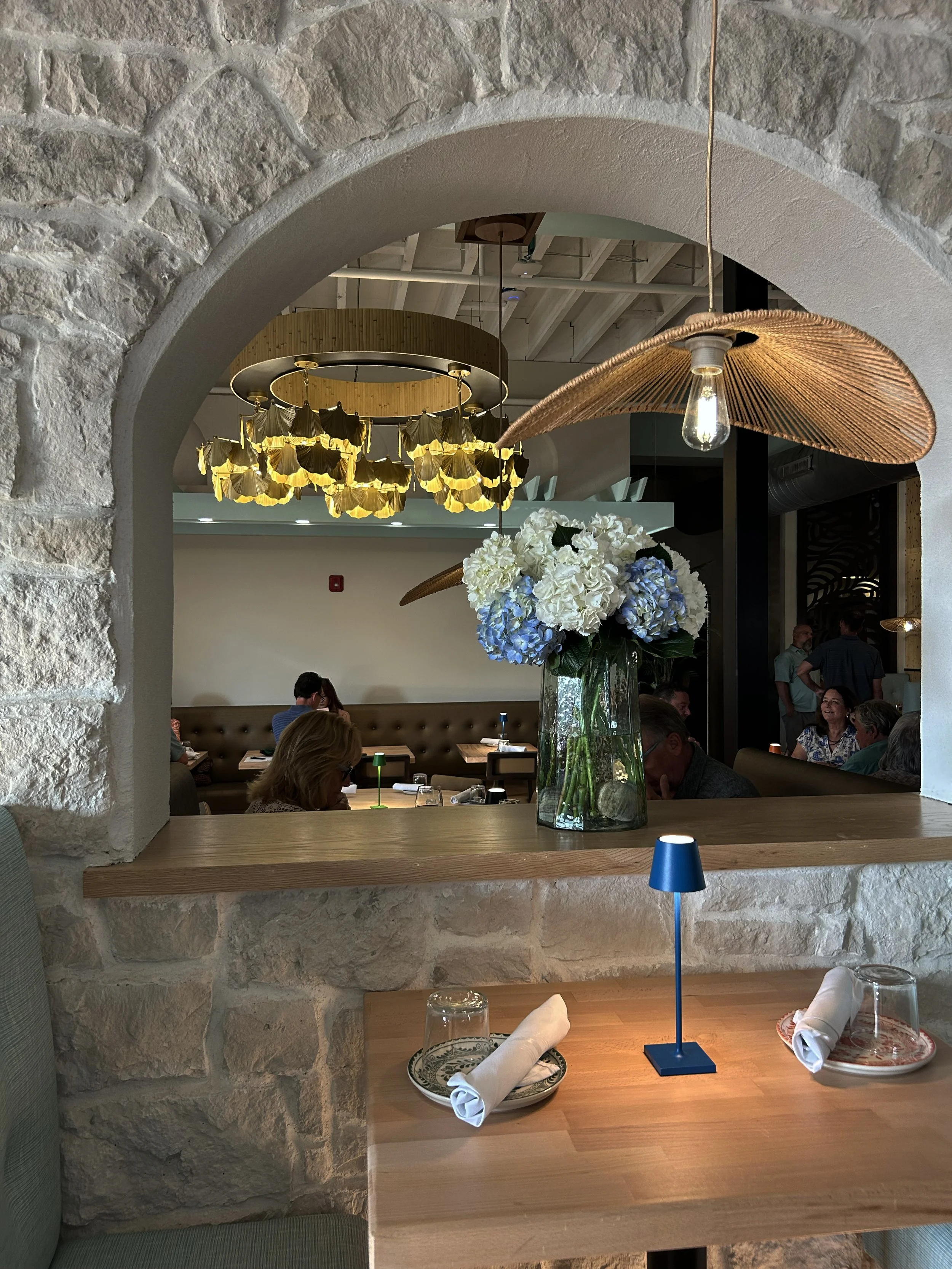
There's a closed restaurant near you right now with your name on it: good bones, a kitchen already in place, and a landlord who wants it filled. Buying a shuttered space can be the smartest money in the business today. It's also where first-time operators lose their shirts if they walk in seeing a bargain instead of a build.
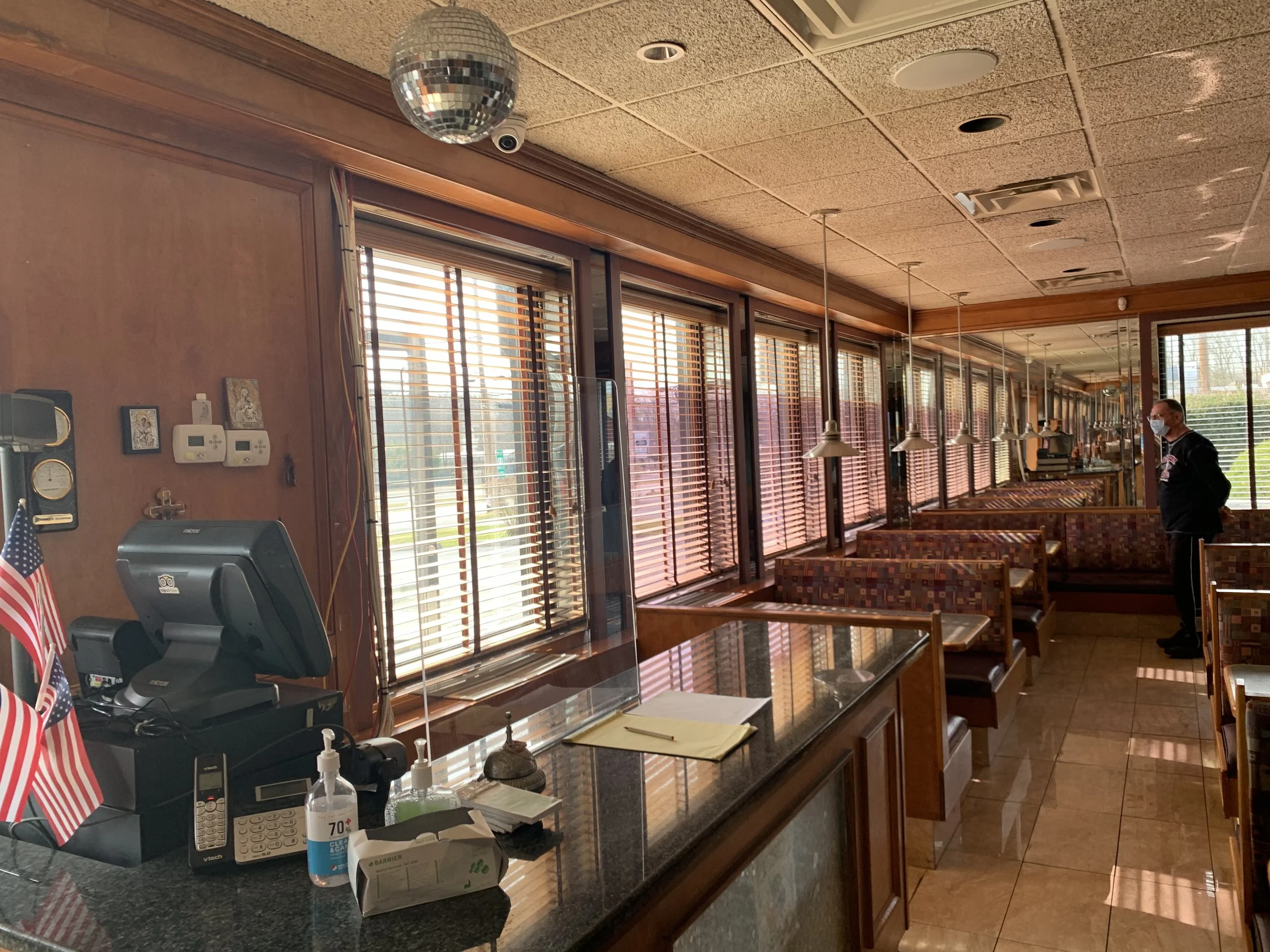
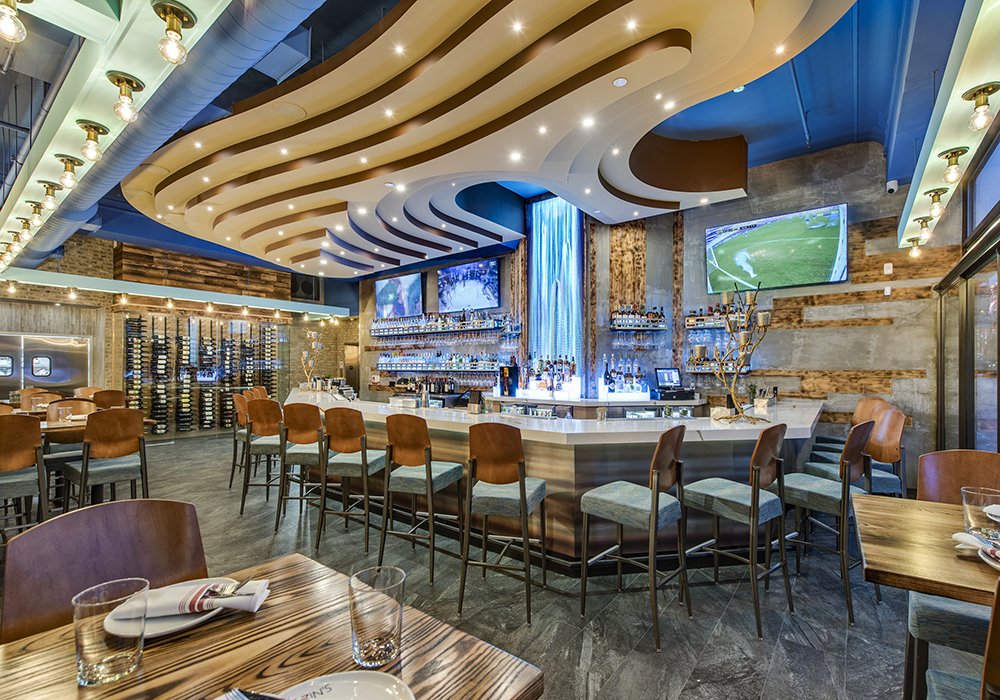
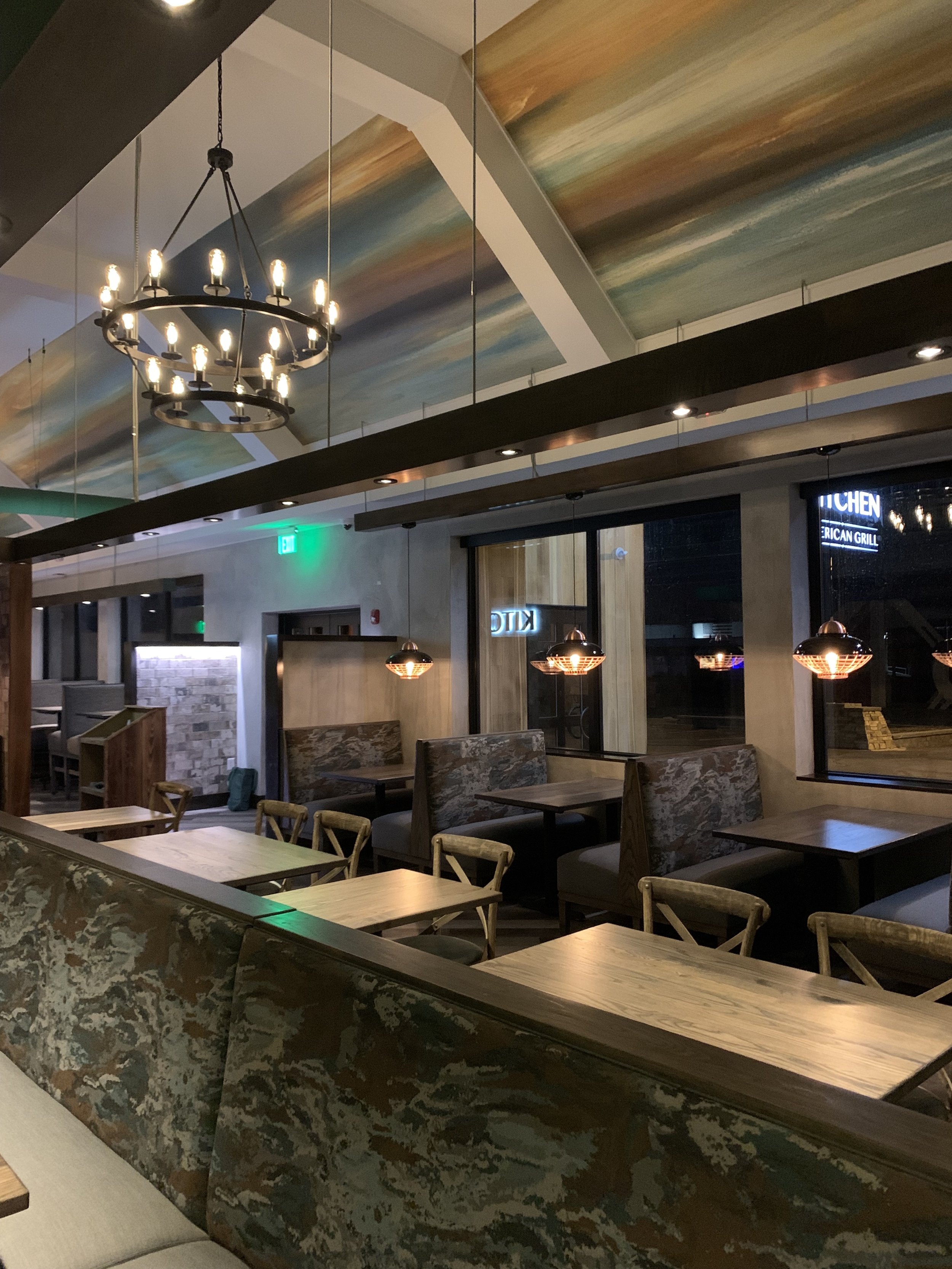
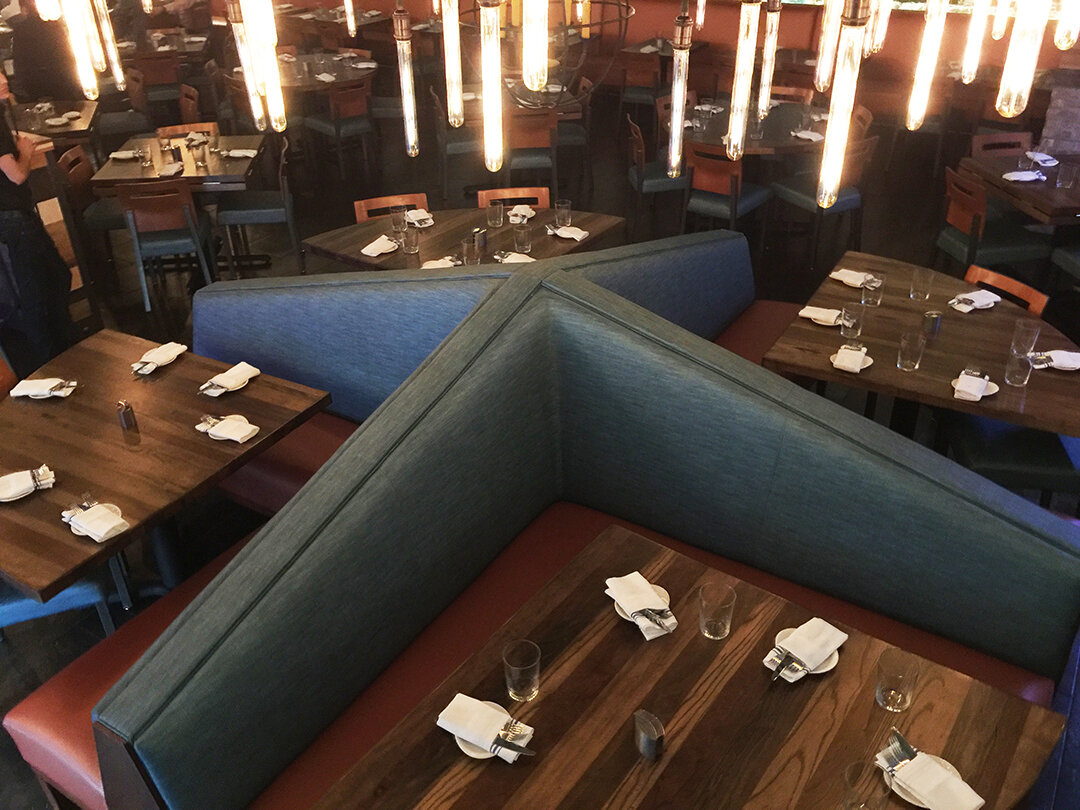
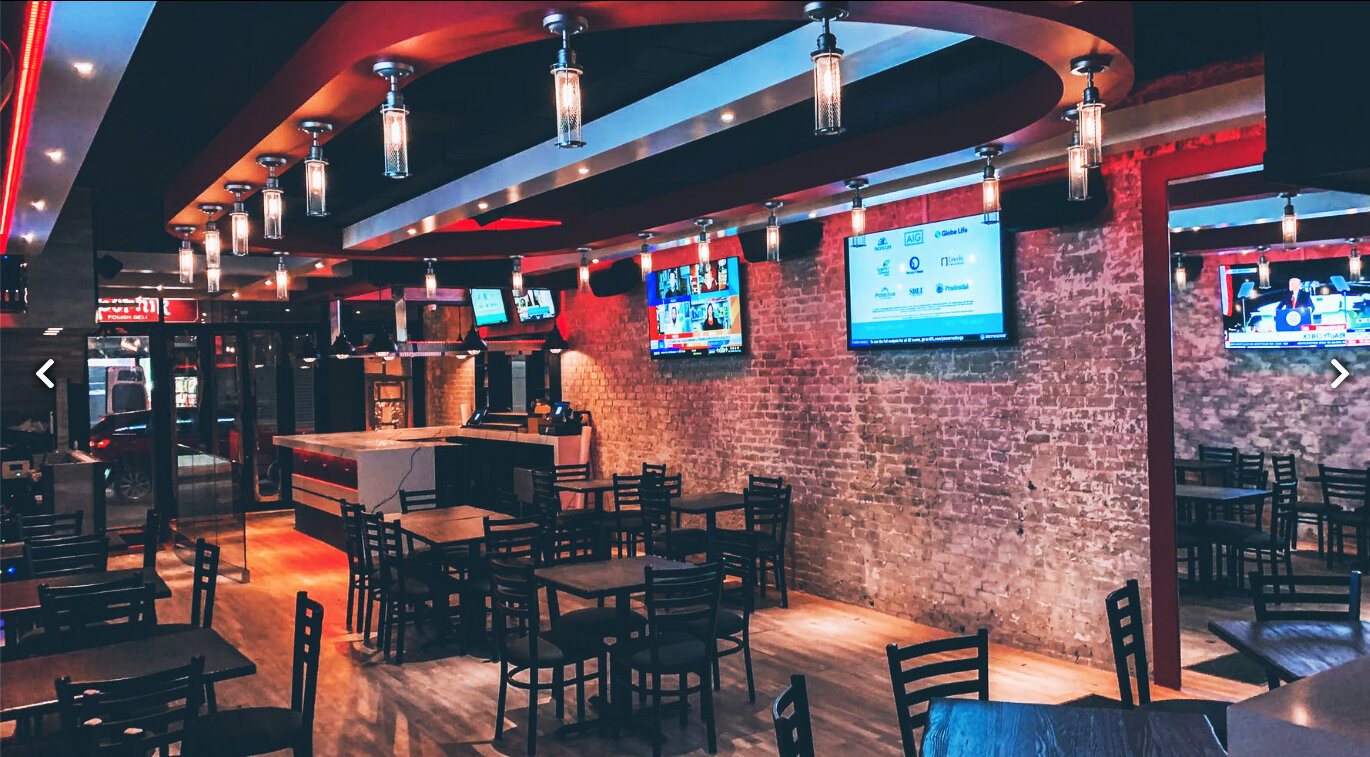
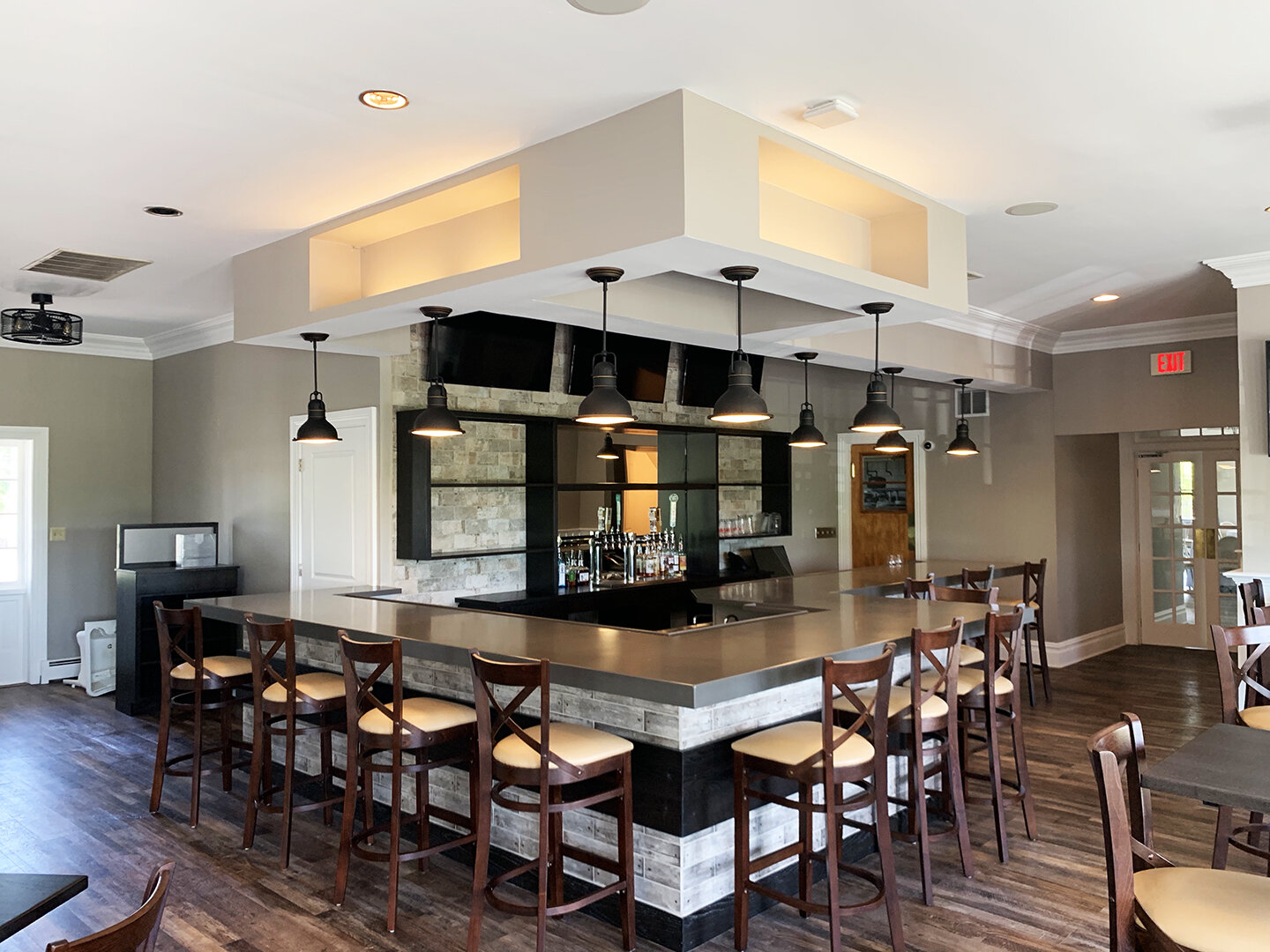
The closed Redington Diner that Raymond turned into the juggernaut “Kitchen Amercan Grill” (see pic at end of page)
I'm Raymond Haldeman. I've spent 30 years on the inside of this business as a chef, a caterer, a restaurateur, and a nightclub owner. I've signed the leases, made the payroll, and lived with the consequences of a bad floor plan. As a restaurant designer, I don't design from the outside looking in. I resurrect dead spaces from the operator's chair. If you're about to buy a closed restaurant in New Jersey or South Jersey, here's what you need to know before you sign anything.
Why Buying a Closed Restaurant Is the Smartest Money Right Now
Building a restaurant from raw space typically costs far more than converting an existing one. The most expensive parts of any restaurant are the hood system, the grease trap, the commercial refrigeration, the electrical and gas service, and the HVAC. In a second-generation space, they're already there. You're buying that infrastructure at a fraction of replacement cost.
You also avoid the two things that quietly sink new builds: time and fees. A ground-up restaurant can take many months, sometimes more than a year, before it serves a plate. A well-chosen conversion can open in a fraction of that time. And many of the utility connection and impact fees the first builder paid won't come due again.
With a wave of restaurants closing across the country, more of these spaces are hitting the New Jersey market than we've seen in years. That's your opening, if you buy the right one.
See my New Jersey restaurant design services.
The Trap That Sinks First-Time Buyers
Here's the mistake I see over and over: someone buys a closed space because it's cheap, then tries to force their concept into a layout that was built for someone else's. They save money on day one and spend it three times over ripping out walls, moving the line, and redoing what they should have gotten right the first time. Penny-wise, pound-foolish.
A cheap space is only a deal if it fits what you're actually going to serve. That's a judgment call, and it's exactly the call an operator makes differently than a contractor or a broker.
Before You Sign: The Closed Restaurant Walk-Through Checklist
Bring someone who's run a kitchen, not just built one. Here's what has to be checked before the ink dries:
Why did it actually close? Concept, operator, or location? If the last three restaurants in that spot failed, the real estate may be the problem, not the food.
The hood and fire suppression. Is it sized and certified for the cooking you plan to do? A grill concept in a space built for a café is a five-figure surprise.
The grease trap. Is it correctly sized and up to current code, or a violation waiting to happen?
HVAC. Existing units at the end of their life are one of the most common hidden costs. They can fail right after you open.
Electrical and gas capacity. Is there enough for your equipment, or will you need a service upgrade you didn't budget for?
ADA and current code. A change of ownership or scope can trigger compliance work the previous tenant was grandfathered out of.
The lease itself. Term, options, who pays for what, and whether the landlord will contribute to the build-out.
What's really staying. Equipment that "conveys" but needs replacing next year isn't an asset. It's deferred cost.
Learn how I plan restaurant floor plans and operations.
What a Designer With an Operator's Eye Catches That a Contractor Won't
A contractor prices what you tell them to build. A broker prices the real estate. Neither one is asking whether the space will actually run: whether the line flows, whether the seats turn, whether the bar carries its weight on a Friday night.
That's my job. I look at a dead space and see the room it's going to become, and I see the P&L behind it. Elevating your vision beyond what you could pull off alone, and making sure it makes money, is the whole point of bringing me in before you buy, not after.
Case in Point: Two Brick, NJ Restaurant Conversions
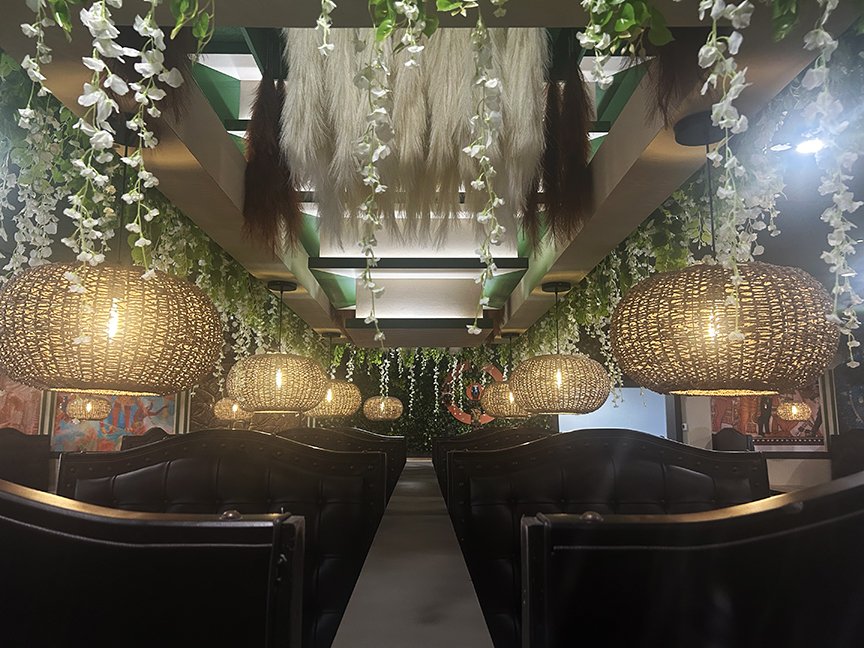
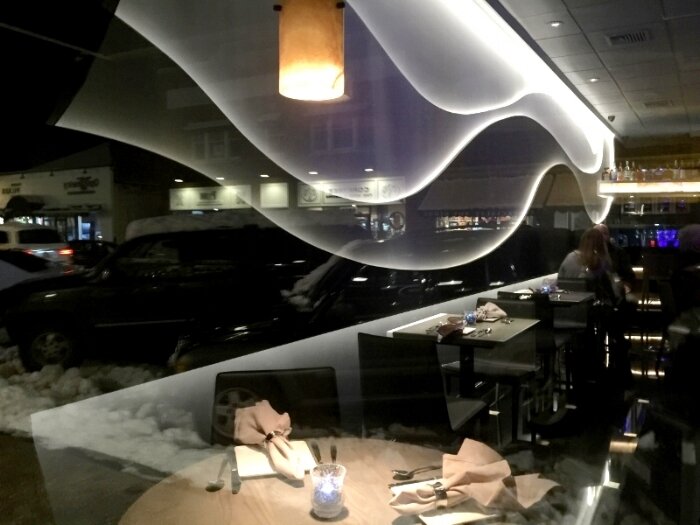
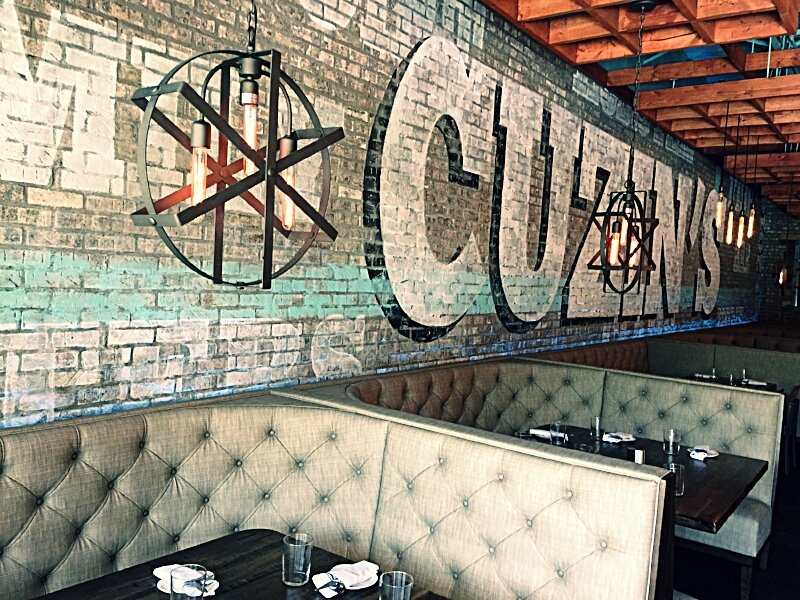
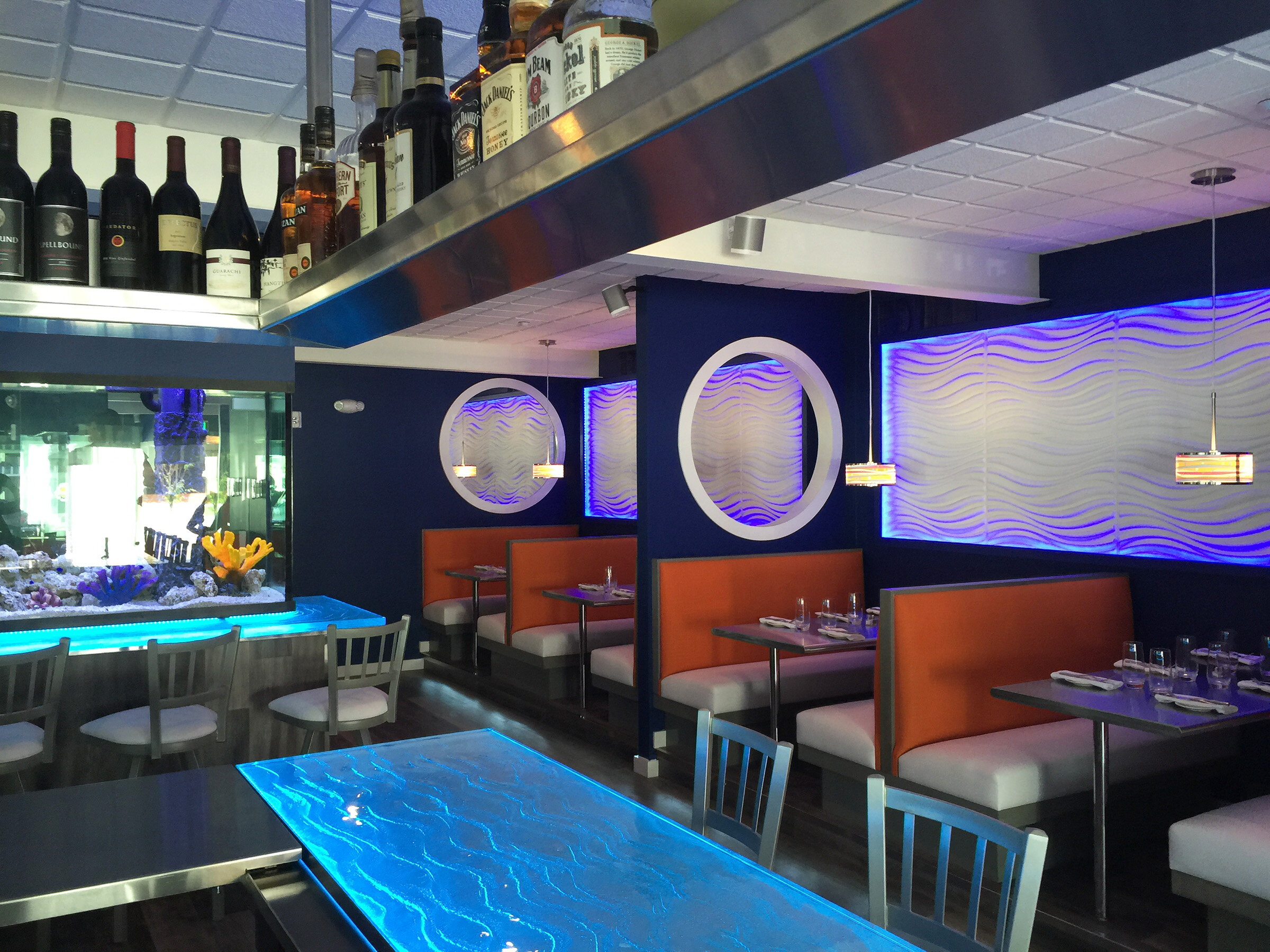
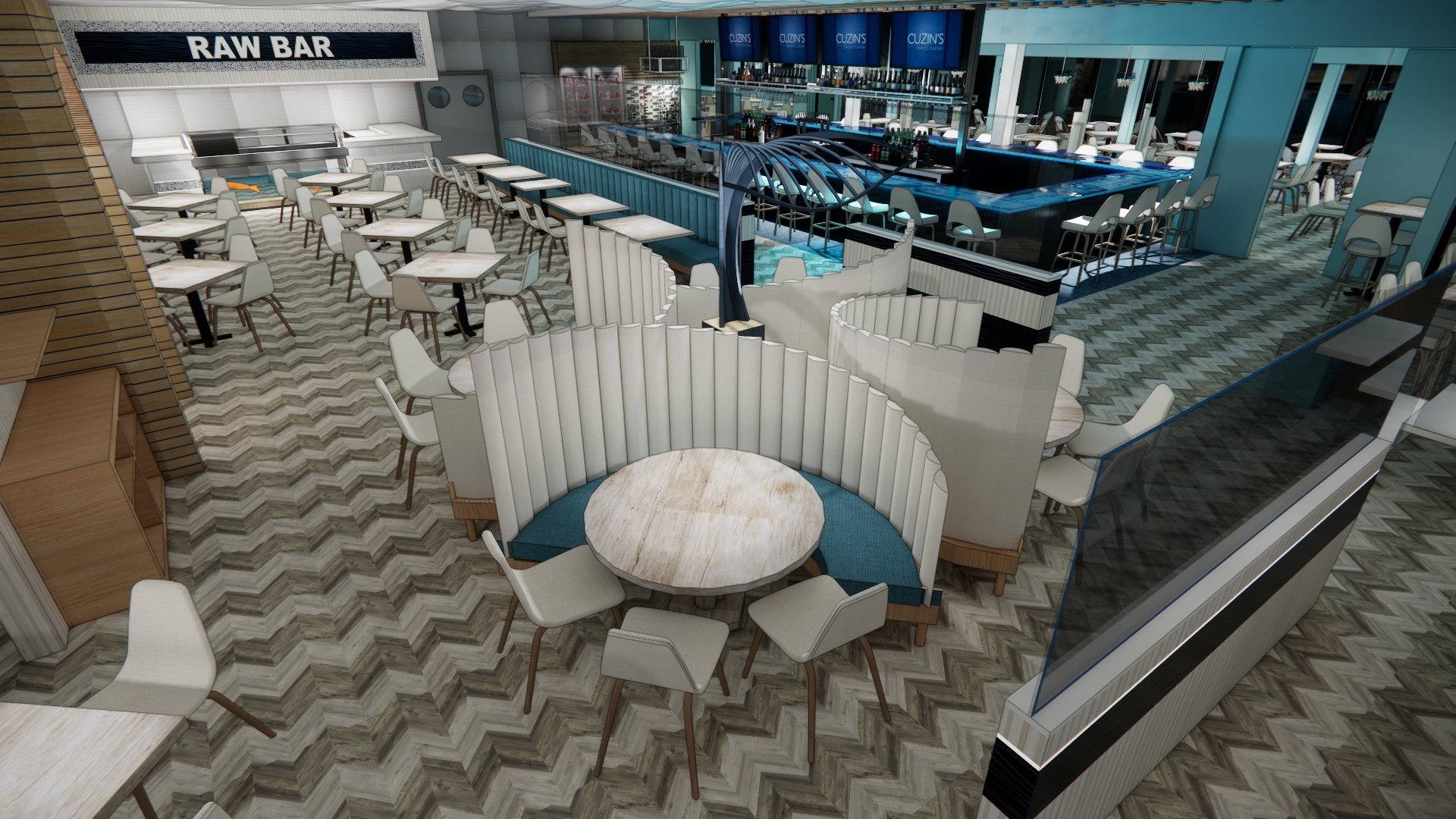
On Cedarbridge Avenue in Brick, I'm turning the former Rosalita's Roadside Cantina into the newest Cuzin's Seafood & Clam Bar, the latest location of a brand I've designed since the original in Marlboro. It's a completely new concept living inside a space someone else gave up on. That's resurrection: keeping what's worth keeping, changing everything that matters, and creating a place people are excited to walk into.
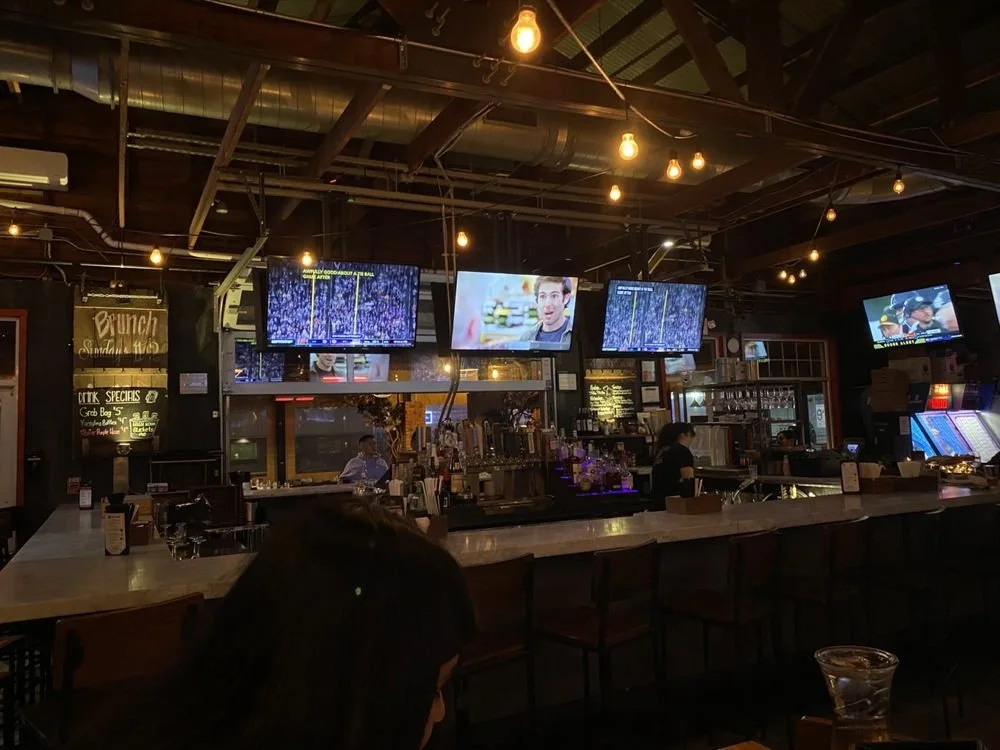
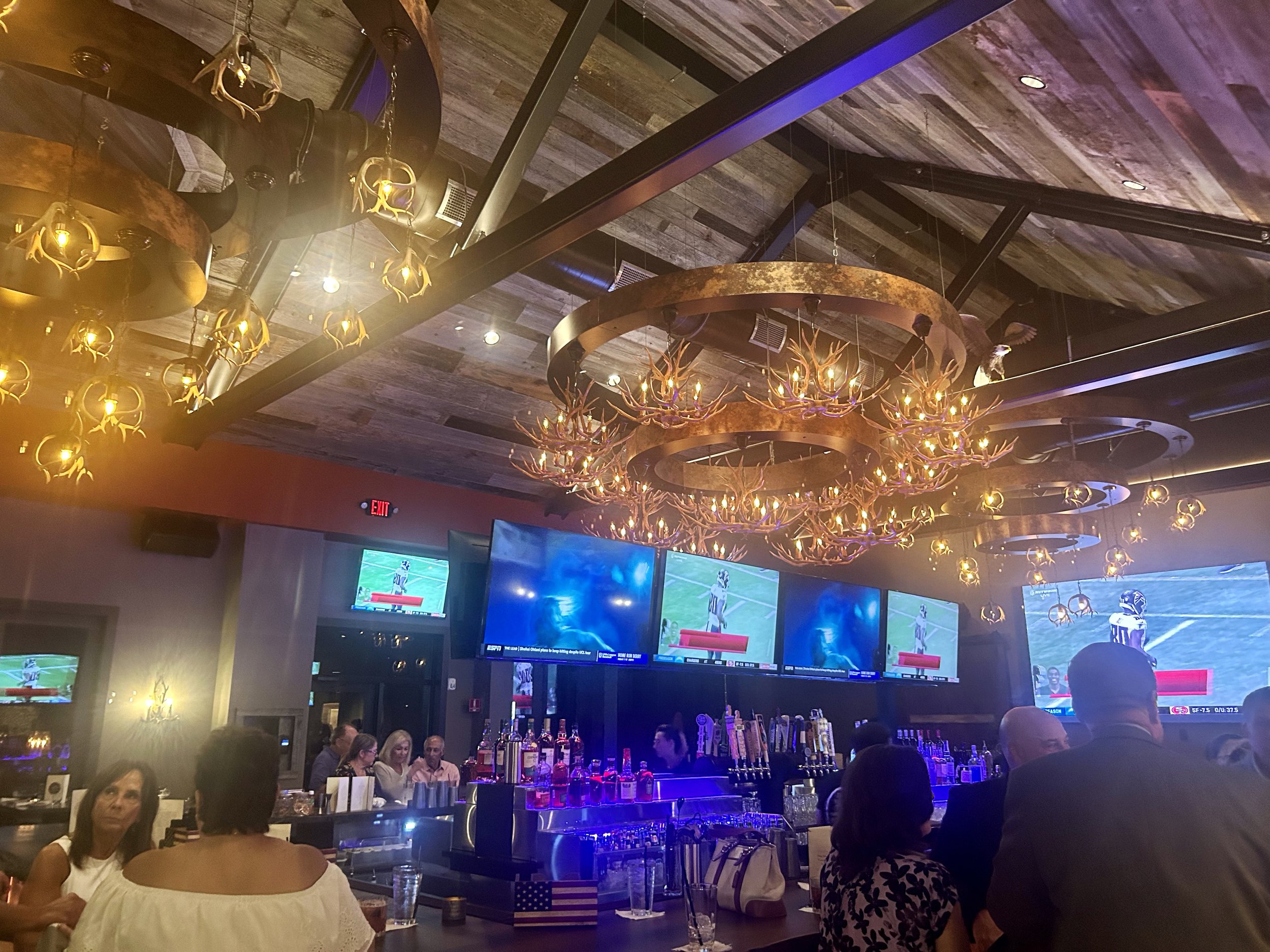
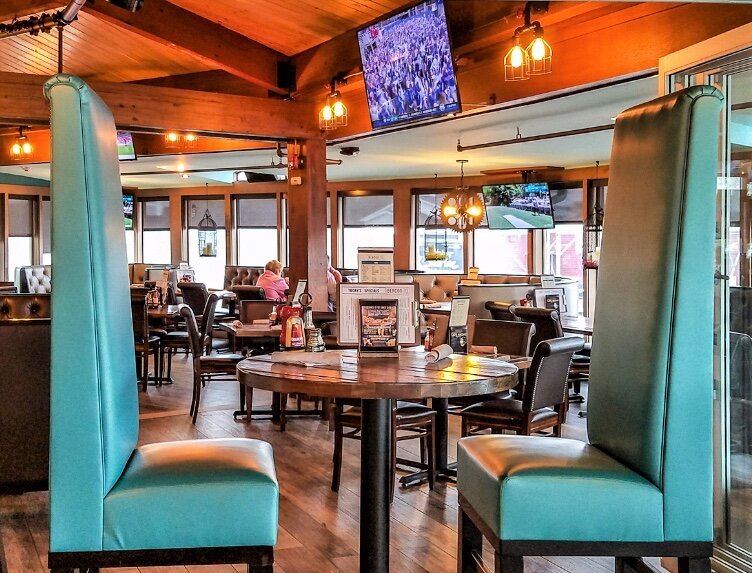
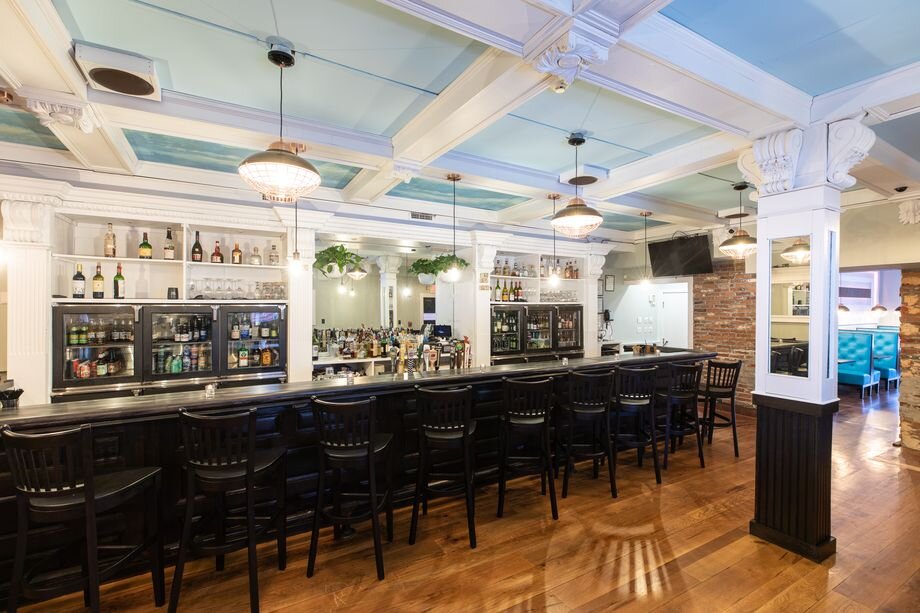
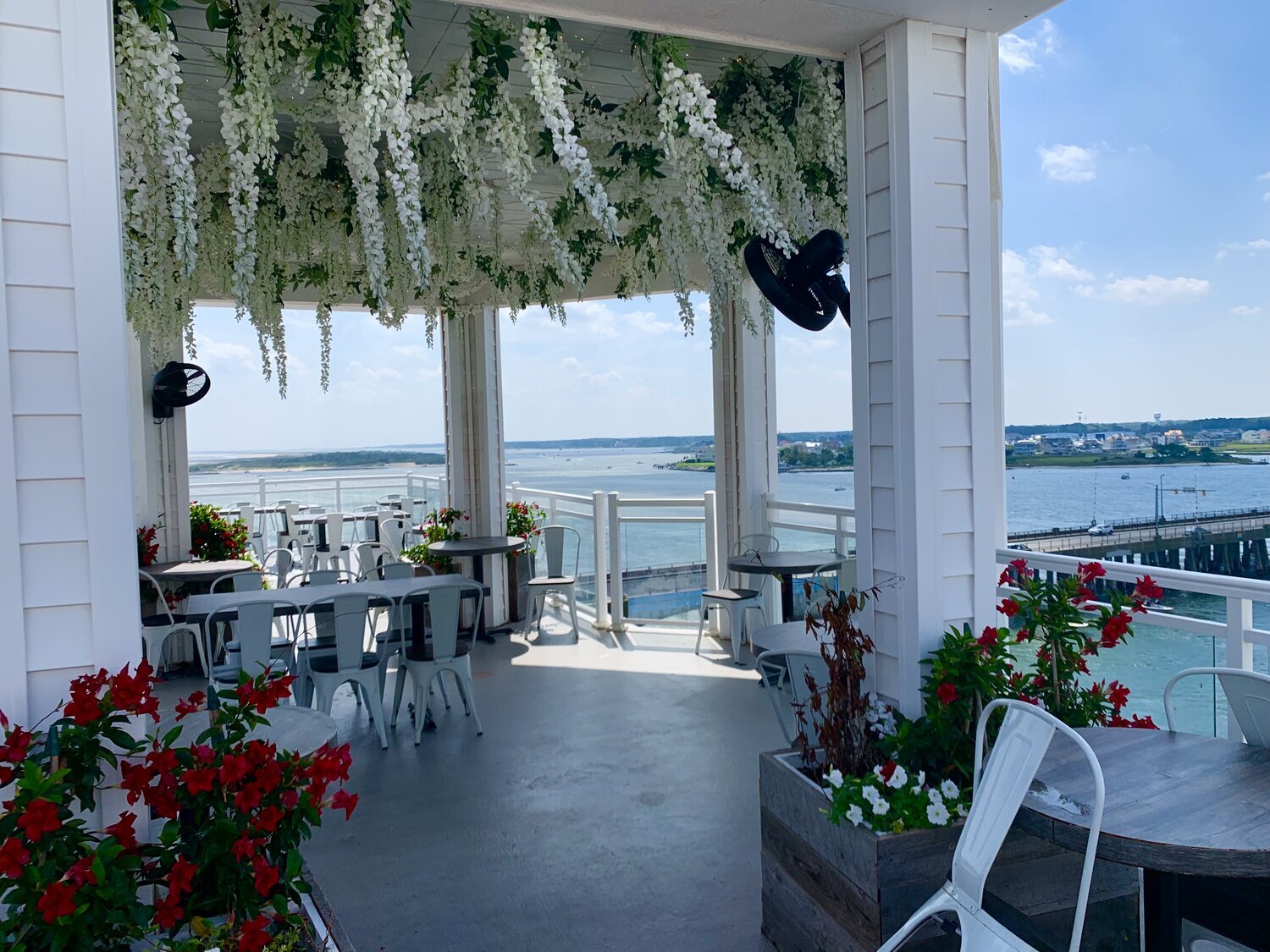
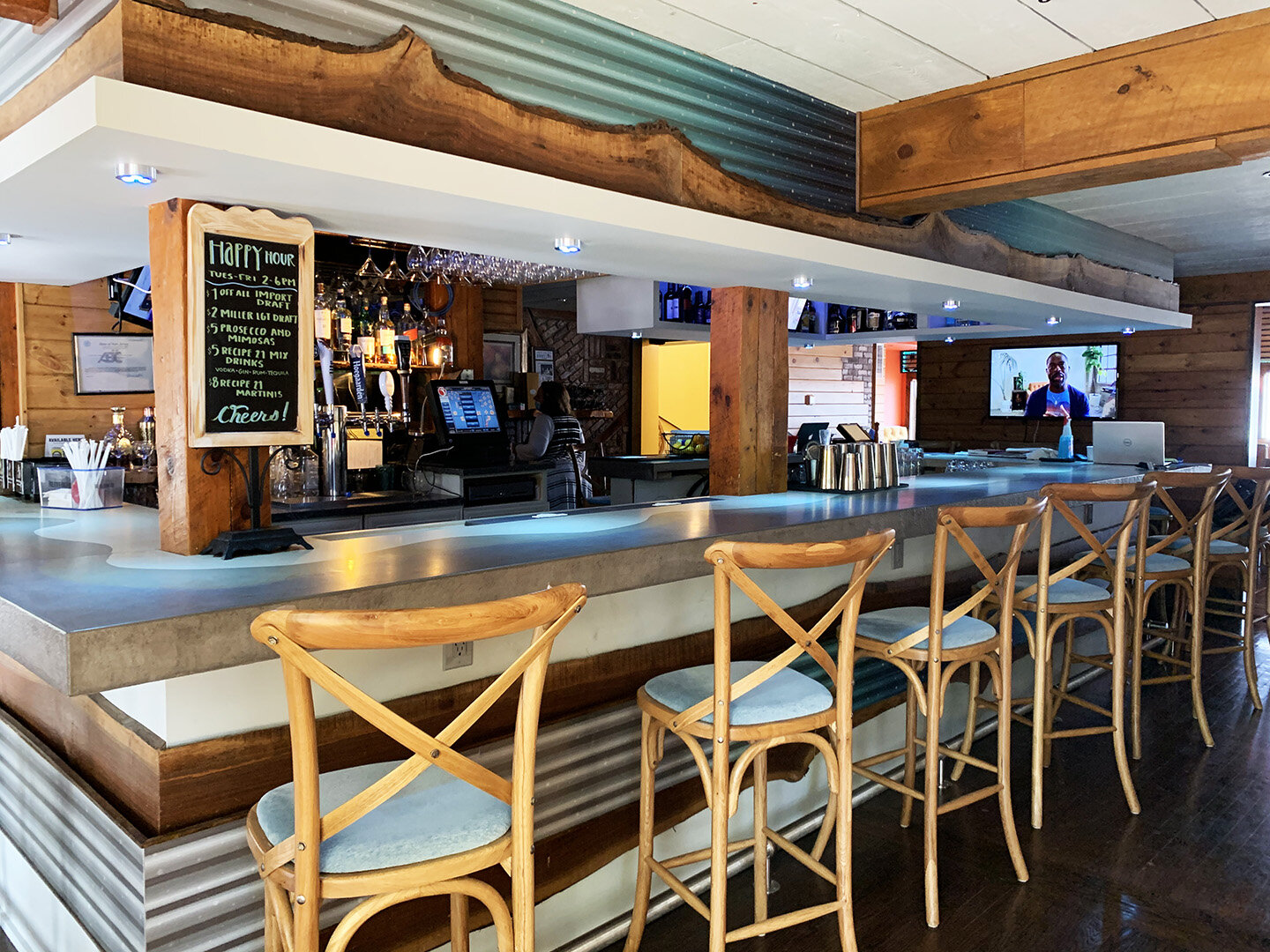
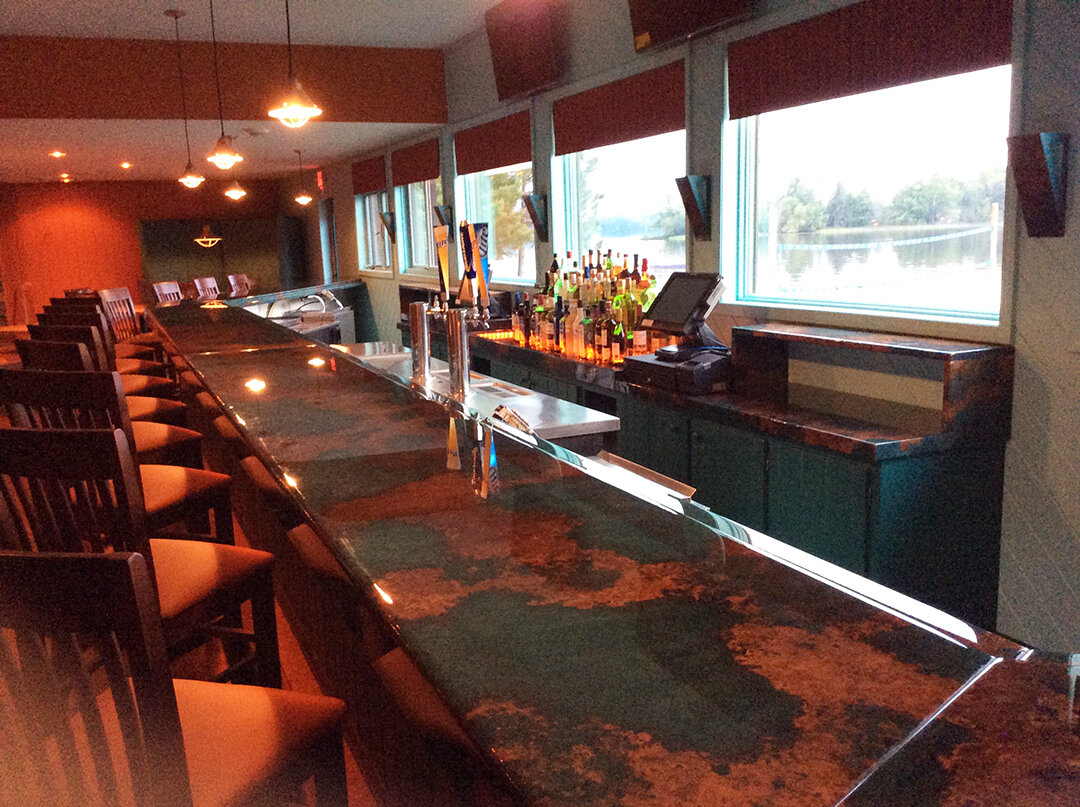
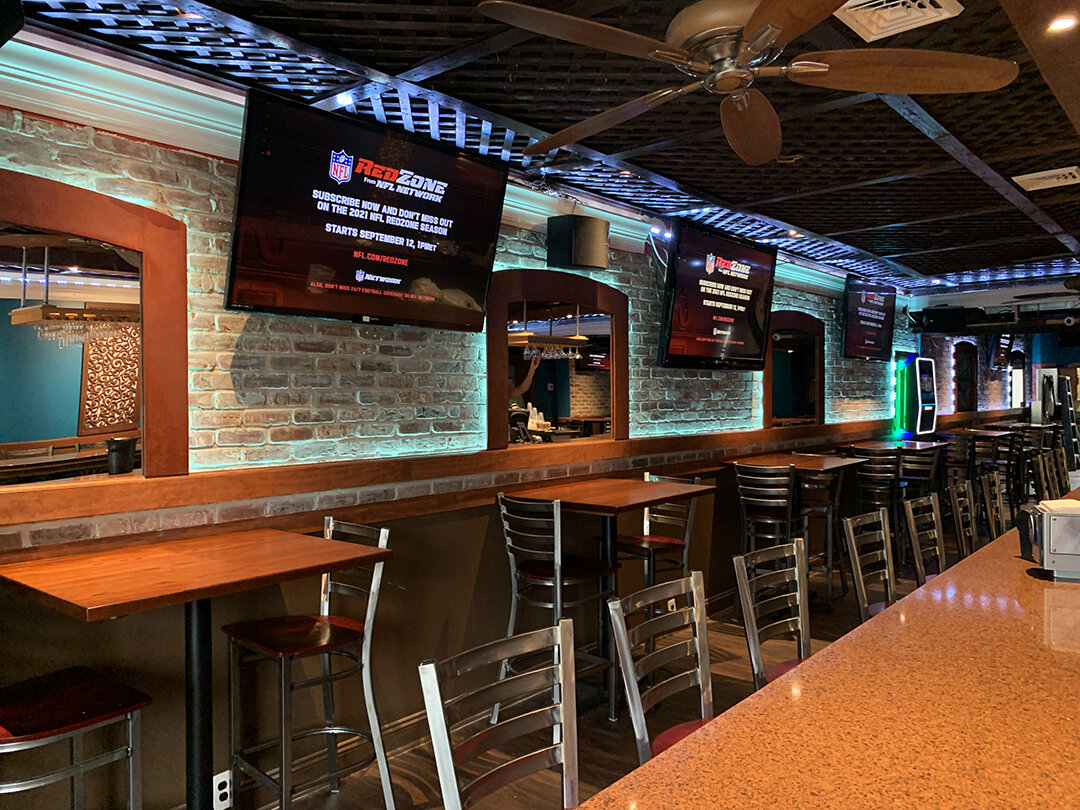
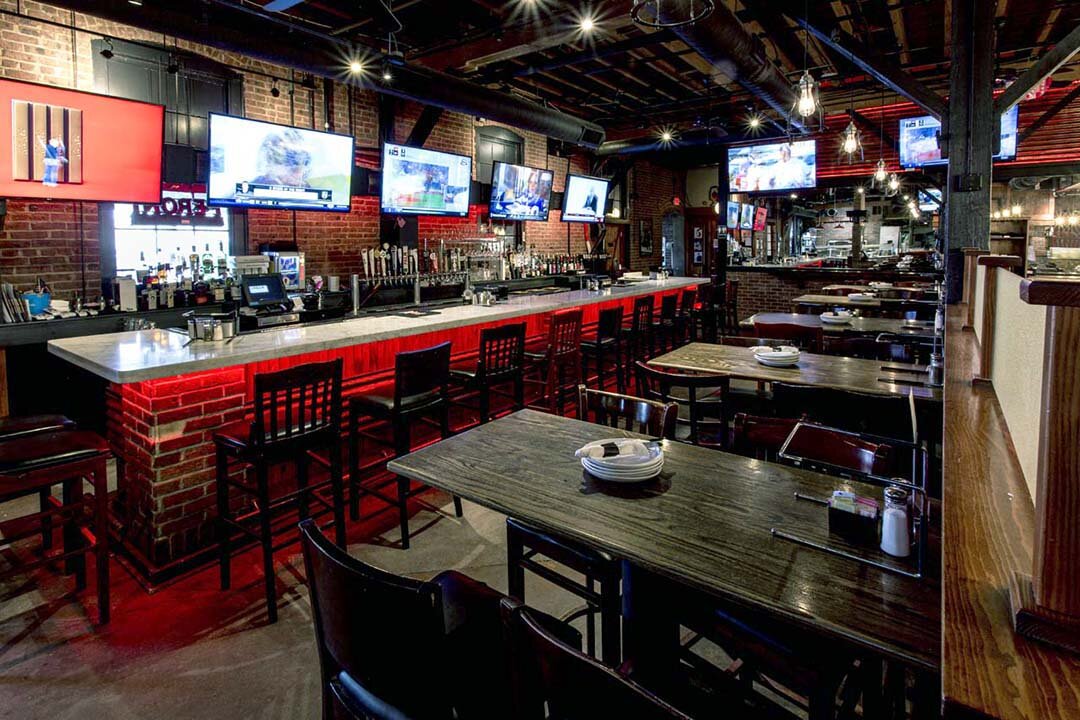
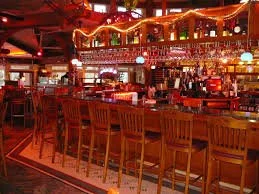
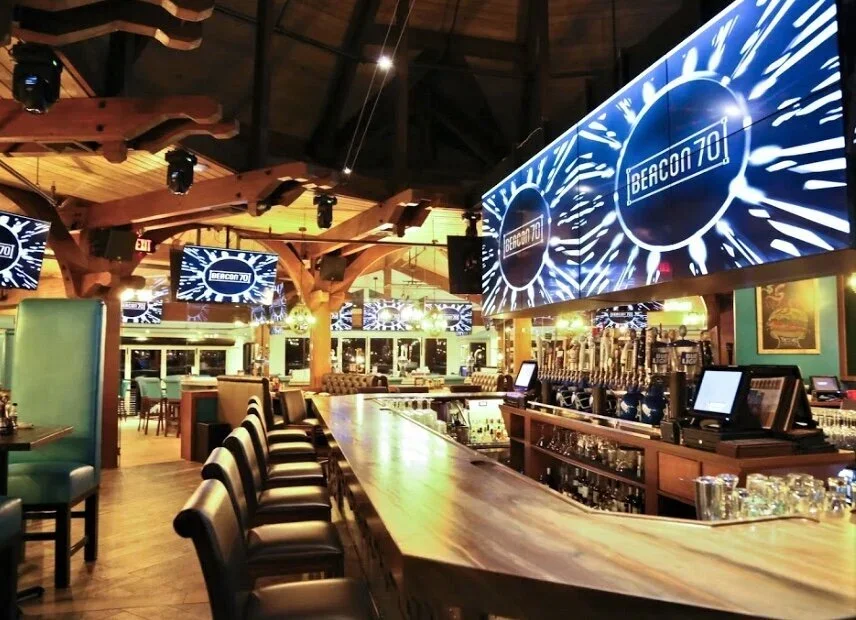
It isn't the first time I've done it in Brick. At Beacon 70, an older seafood restaurant on the marina became an upscale restaurant and sports bar, with two statement bars and a see-through fireplace.
Explore the full restaurant design portfolio.
How I Work
I work with you from the space you're considering all the way through opening night. I also offer flexible fee structures, including one that lowers your upfront cost, so more of your capital stays where you need it in year one: branding, staff, and marketing. We'll talk about which fits your project when we meet.
Let's Look at the Space Before You Commit
The best time to call me is before you sign, when a walk-through can save you from the wrong building or confirm you've found the right one.
Call 1-866-735-3582 or email therestaurantdesigner@gmail.com to set up a conversation.
Buying a Closed Restaurant: FAQs
Is it cheaper to buy a closed restaurant than build a new one?
Usually. Converting an existing, second-generation restaurant typically costs far less than building from raw space, because the most expensive systems (hood, grease trap, refrigeration, electrical, and HVAC) are already in place. The savings only hold if the space genuinely fits your concept.
How do I find out why the previous restaurant closed?
Ask the landlord and broker directly, talk to neighboring businesses, and look at how many concepts have failed in that location. If the same spot has turned over repeatedly, the problem may be the real estate itself, not the operators.
What's the biggest hidden cost when buying a closed restaurant?
Aging HVAC and equipment that conveys with the sale but needs replacing soon after opening, plus any code or ADA upgrades triggered by your change of use. A pre-purchase walk-through catches these before they become surprises.
Do I need a restaurant designer if I already have a contractor?
Yes, because they do different jobs. A contractor builds what's specified. A designer with operating experience decides what should be built so the space runs well and turns a profit. Bringing a designer in before you buy is where the most money is saved.
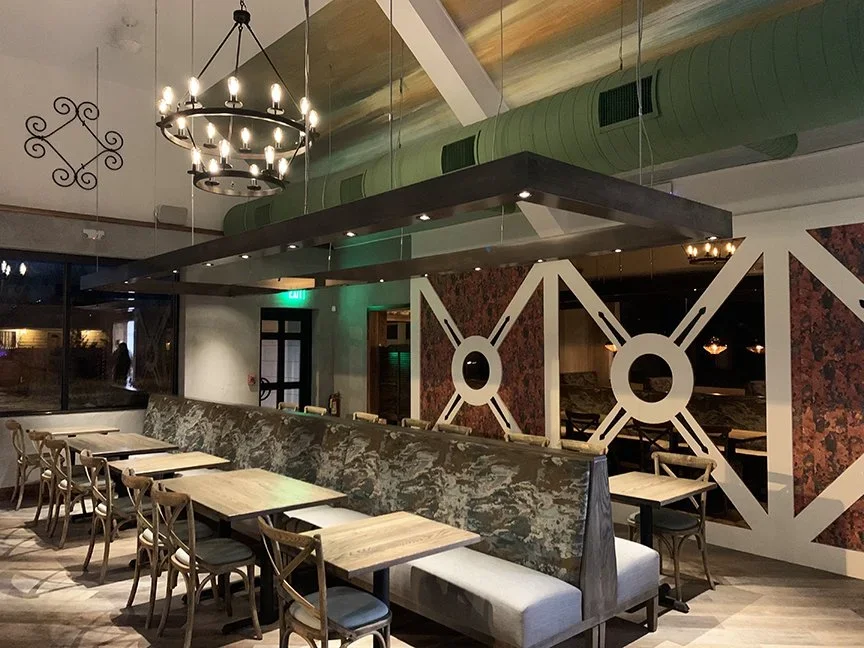
The old Redington Diner that was pictured at the top of the page, now”after”as Kitchen American Grill in Whitehouse Station, NJ
Do you work outside the Jersey Shore?
Yes. I work throughout New Jersey, including South Jersey, as well as the Philadelphia area and South Florida. Reach out with your location and concept.