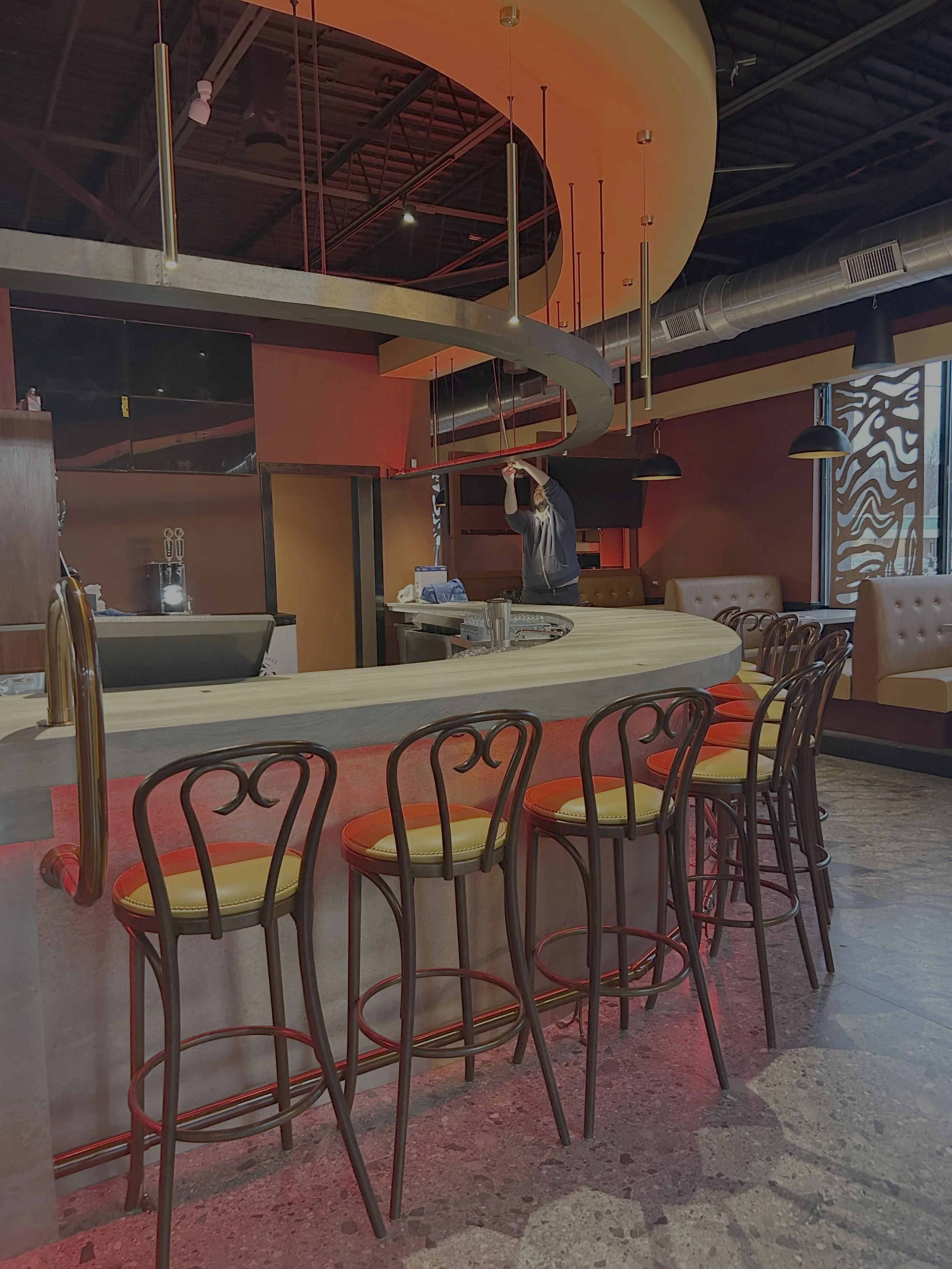
A fresh coat of paint may buy you a season. It won't buy you a business. If you're losing tables along Las Olas or watching a once-busy spot in Flagler Village go quiet on a Friday night, the honest diagnosis is rarely the parking or the economy. It's usually the identity. Superficial fixes spend capital you don't have to spare. If you're trying to figure out how to rebrand a failing restaurant in Fort Lauderdale, the starting point is accepting that a cosmetic refresh won't move the needle. A surgical pivot, guided by real restaurant design experience, could.
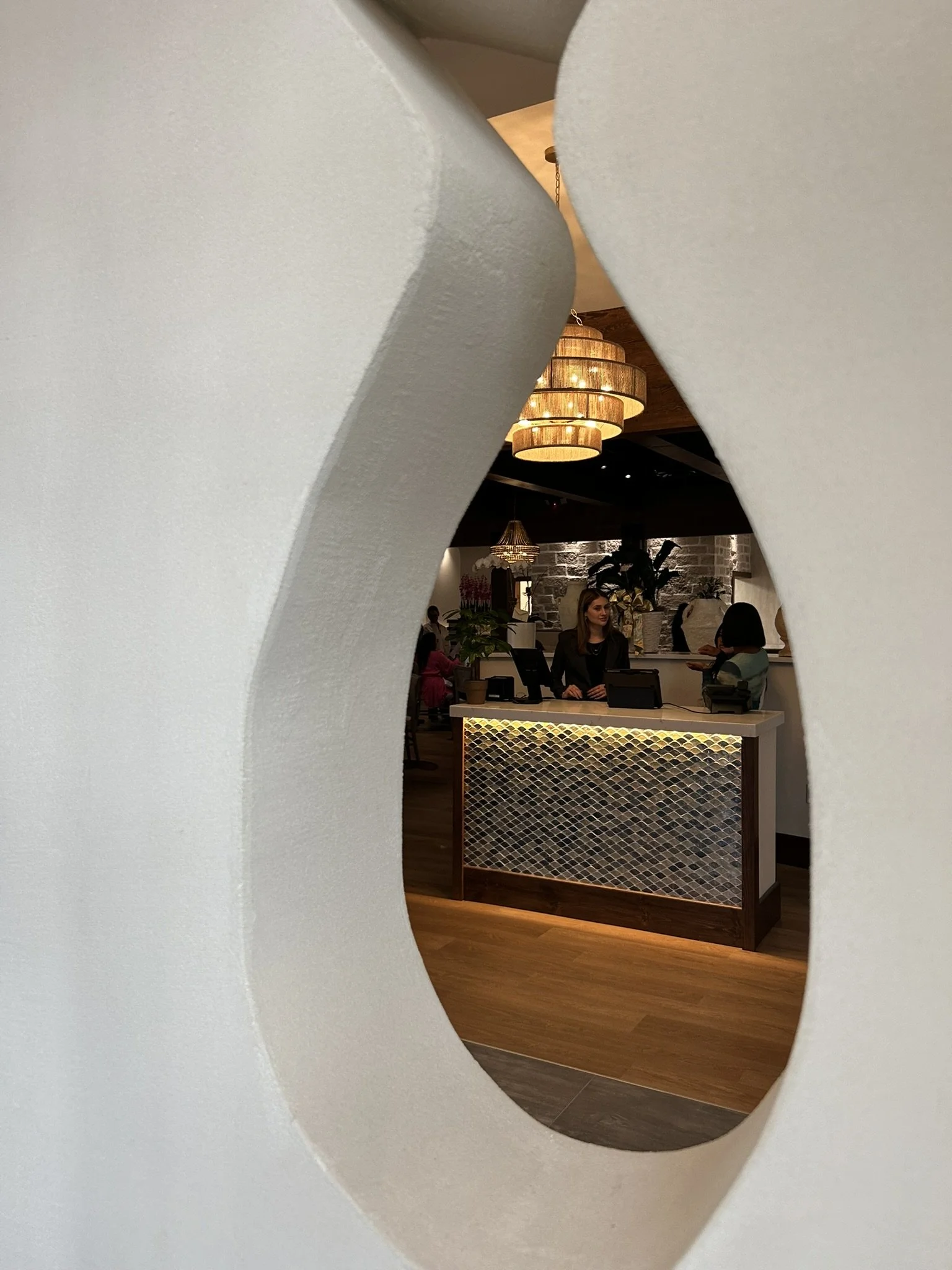
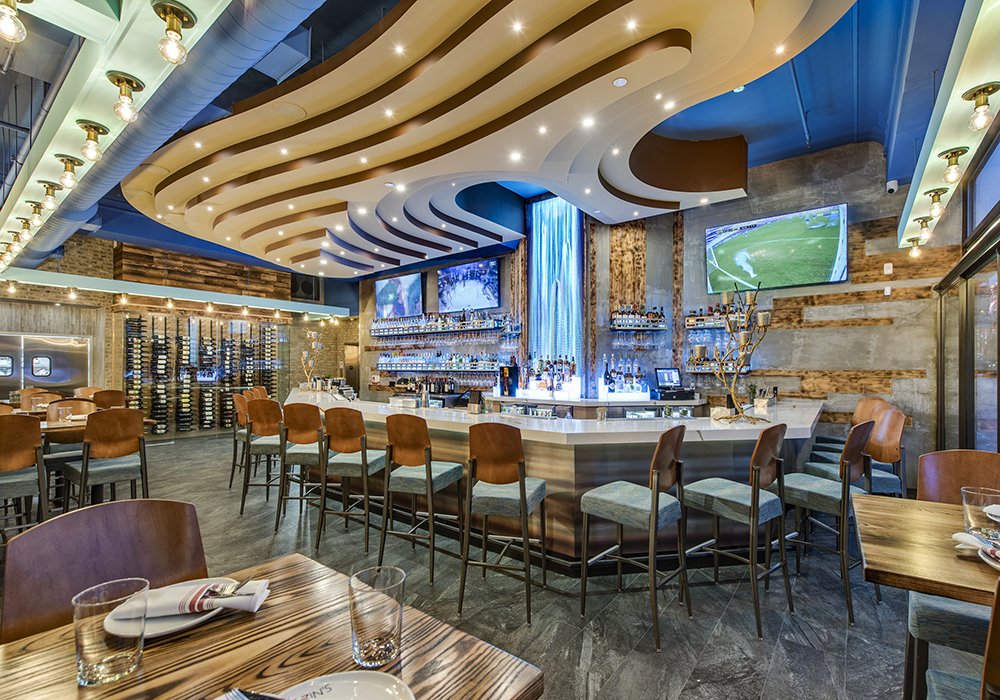
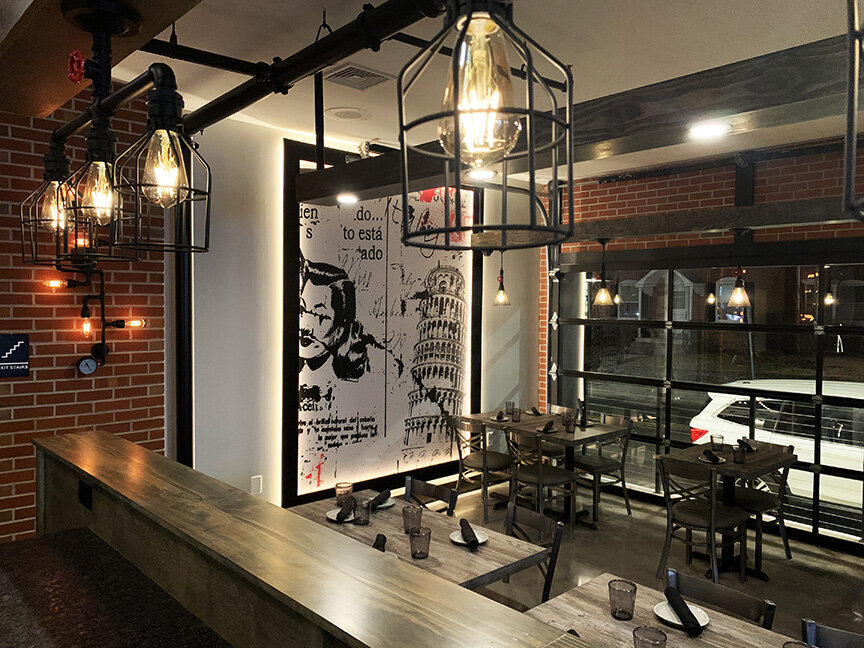
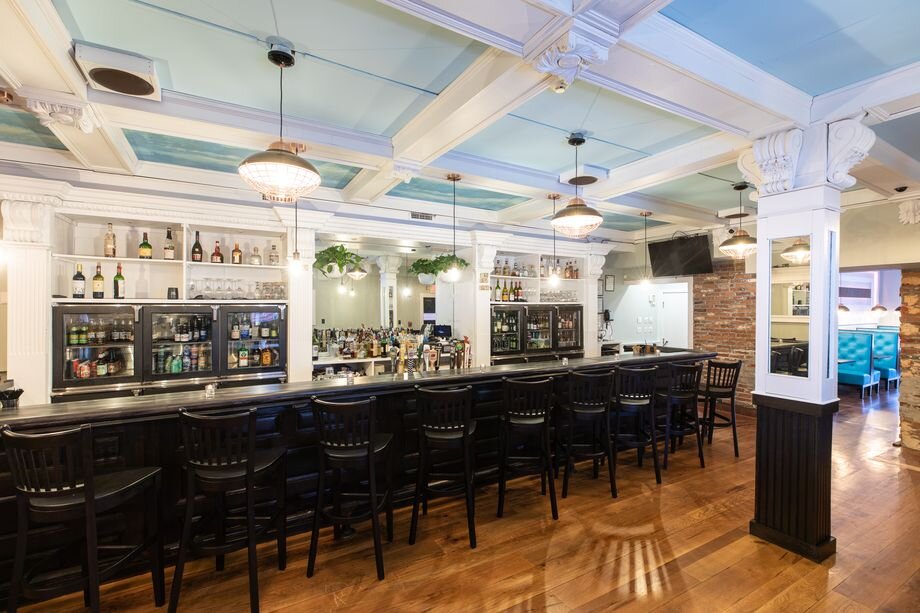
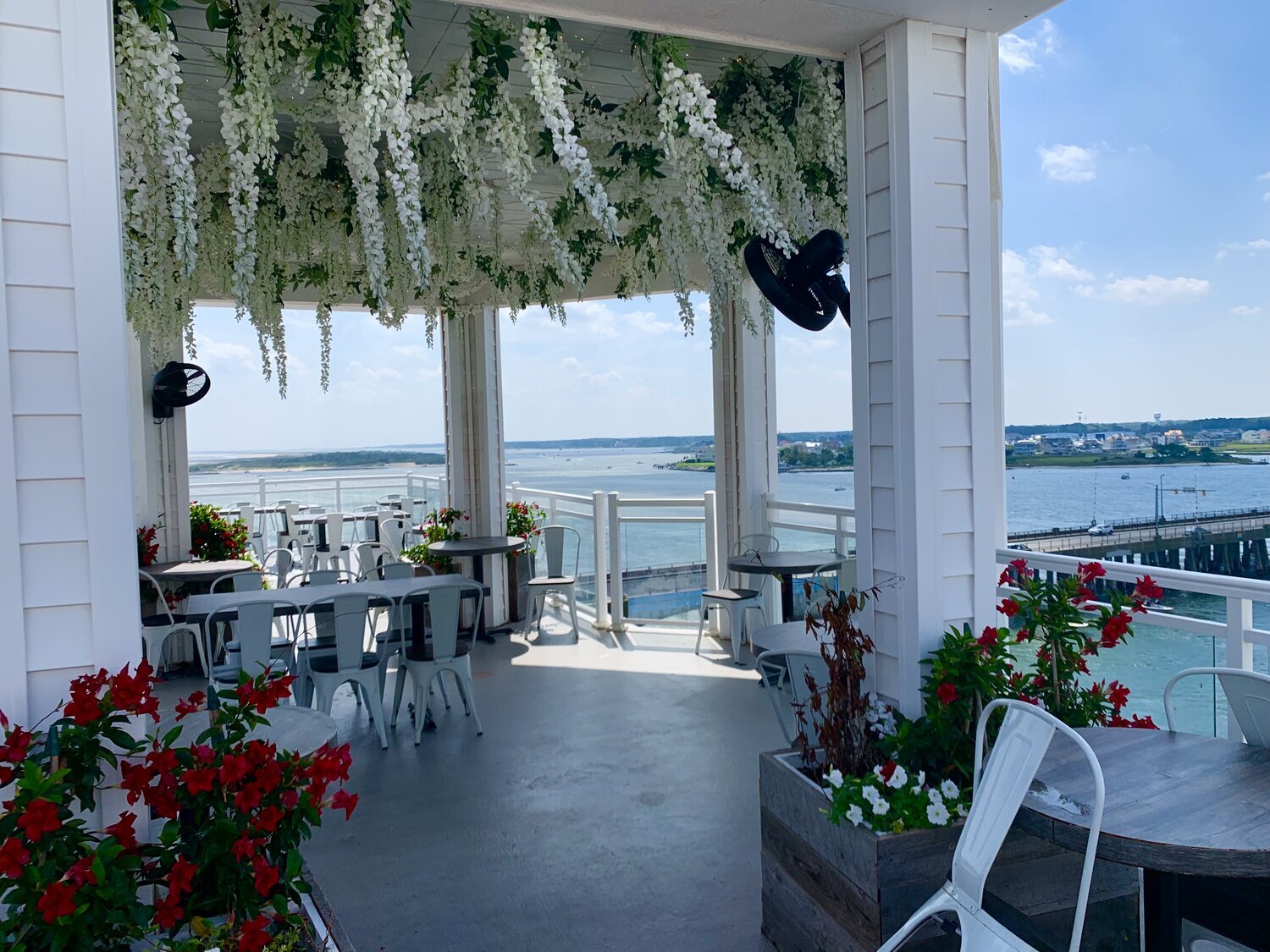
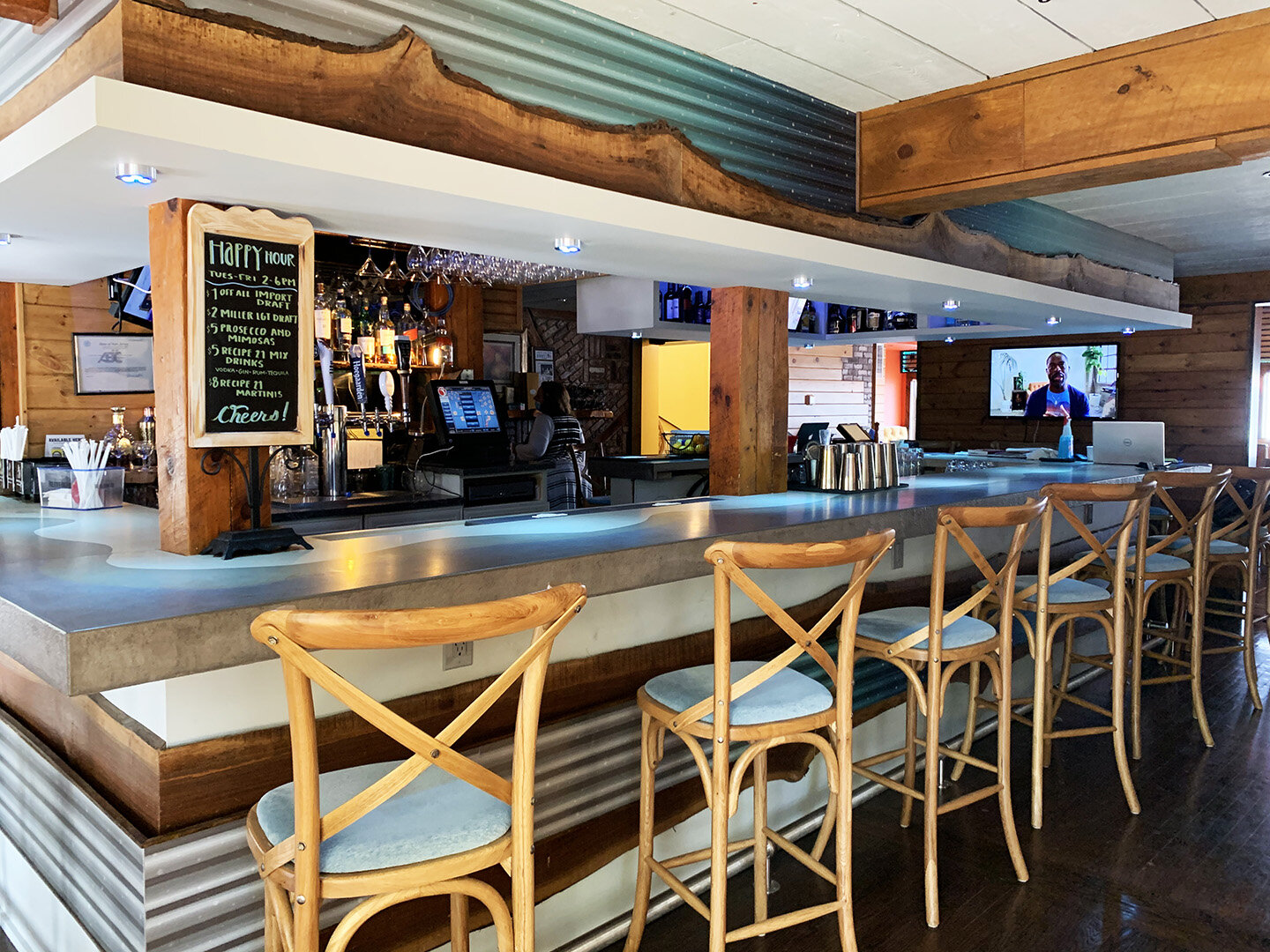
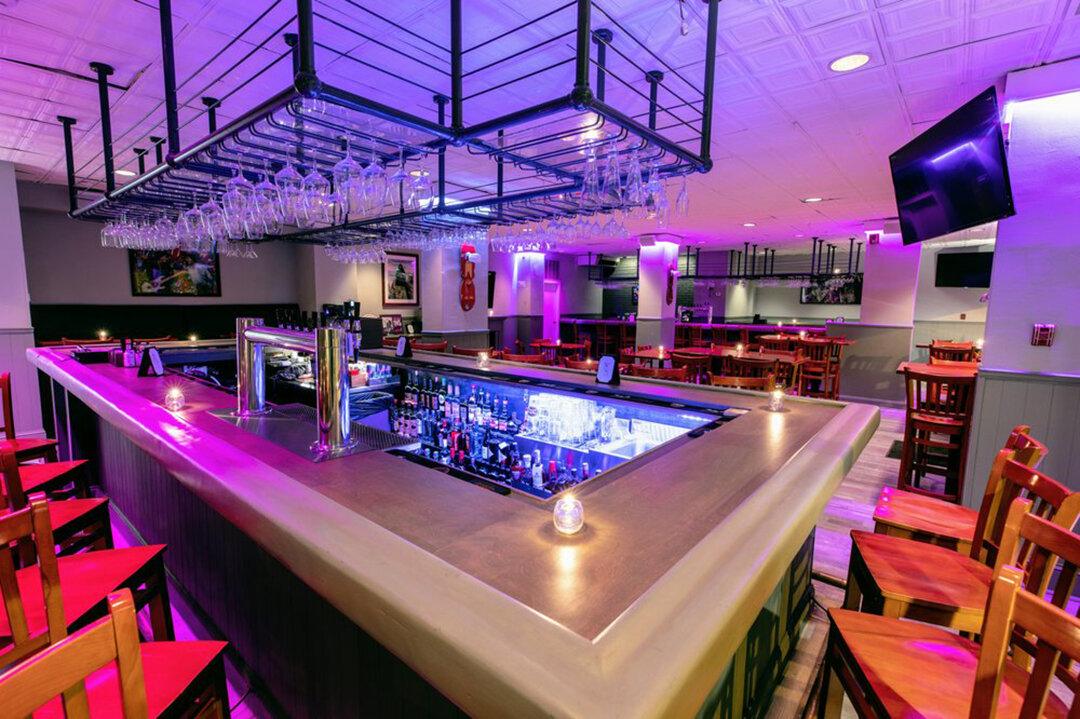
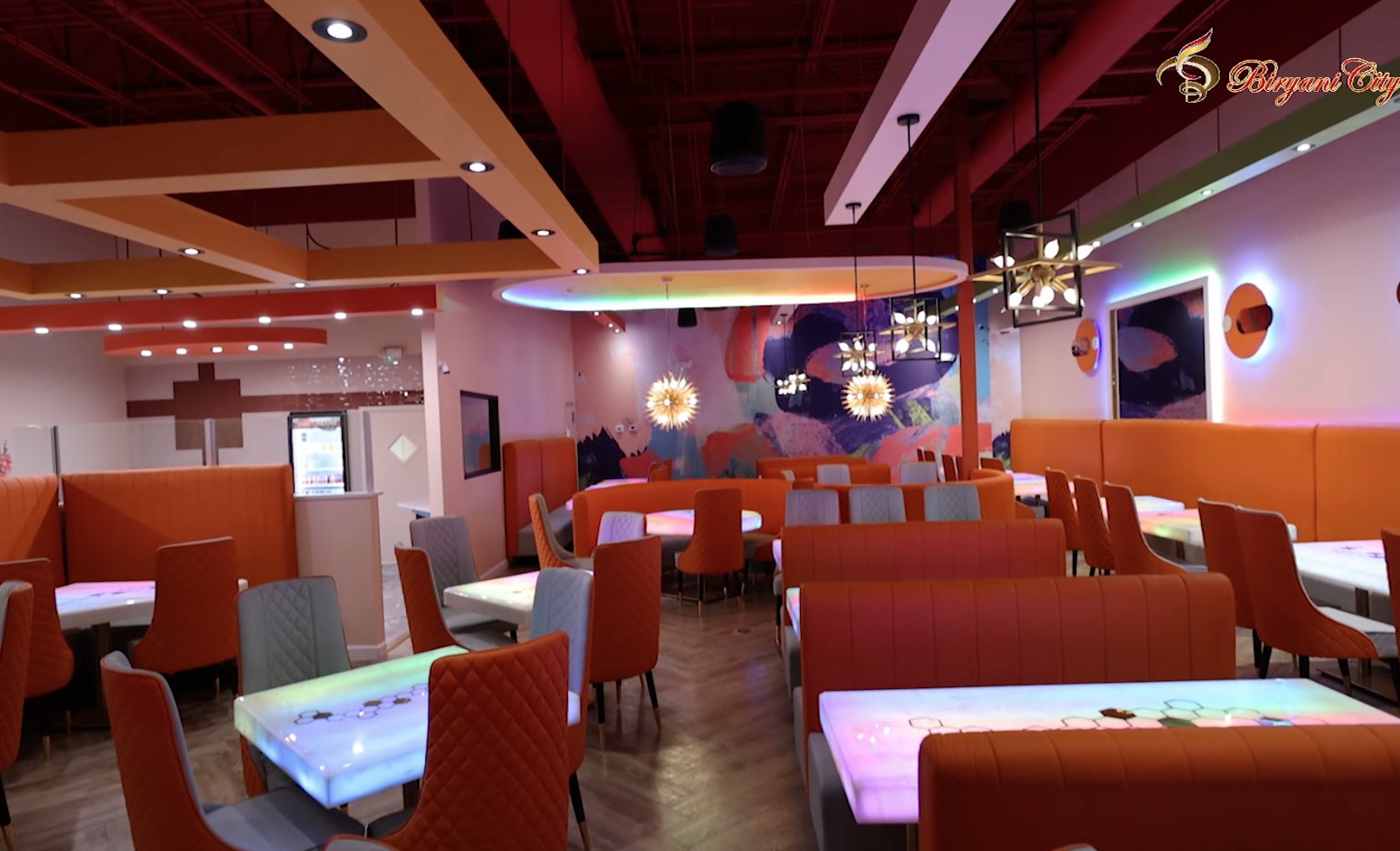
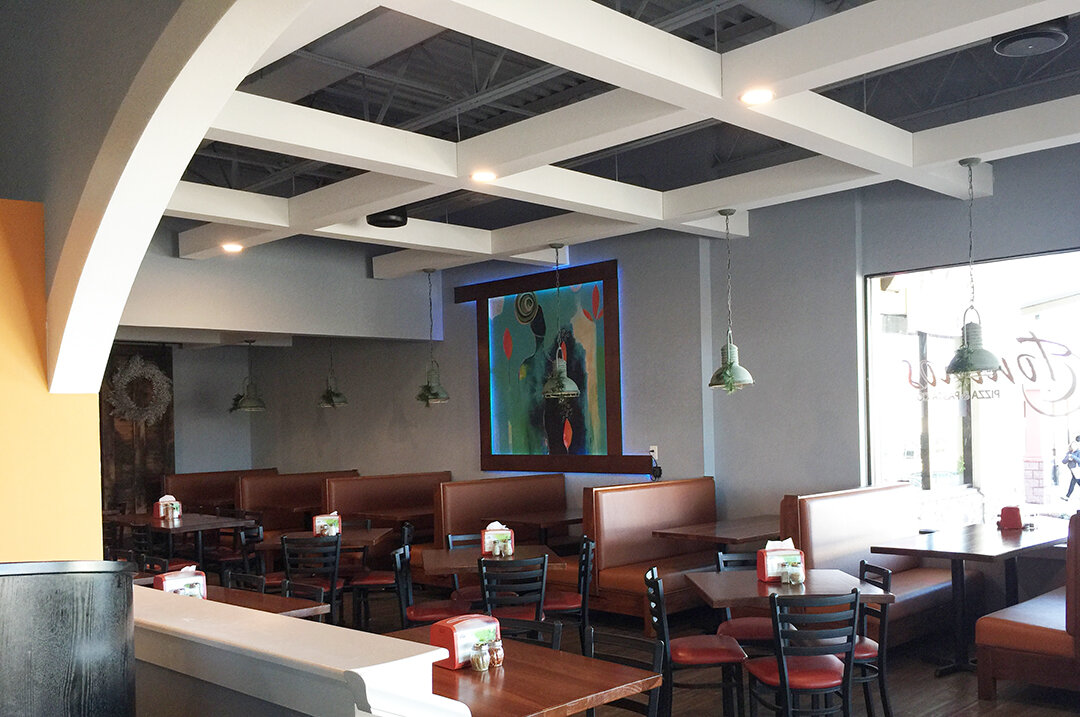
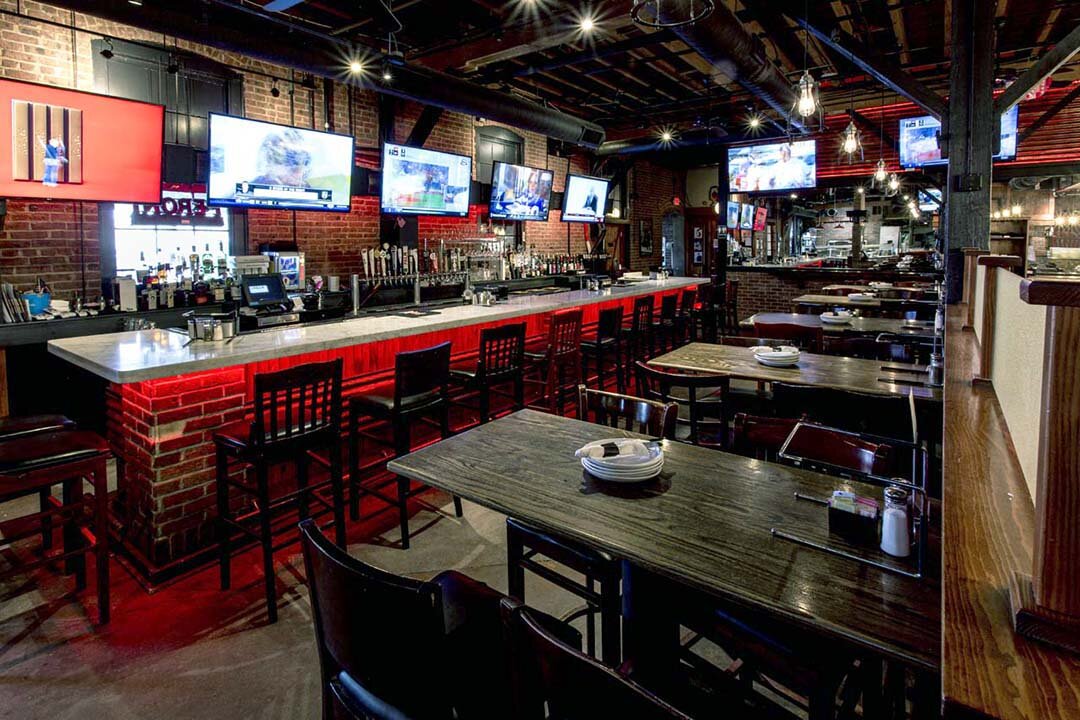
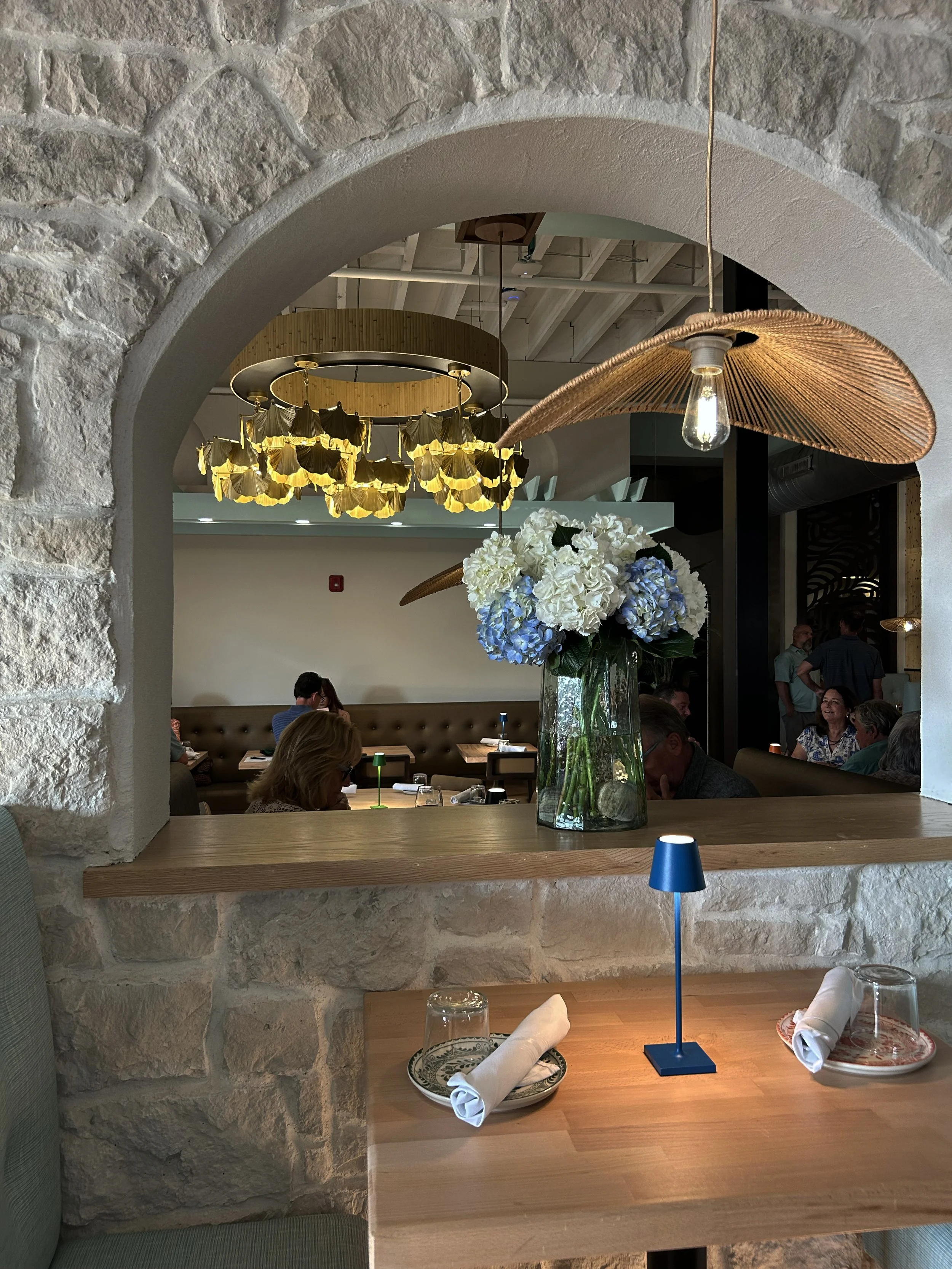
photo from Raymond Haldeman, The Restaurant Designer Portfolio
South Florida diners are not a forgiving audience. Fort Lauderdale alone adds new concepts every season, from Himmarshee to Wilton Manors to the beach corridor, and each one is competing for the same handful of Friday-night reservations. Foot traffic doesn't drift away by accident. It goes to the room next door that feels current. This guide covers what a real rebrand looks like, the role strategic space planning plays in table turnover, and how restaurant design that reads as high-end can support the higher check average this market rewards.
Key Takeaways A cosmetic refresh and a strategic rebrand are different projects, and knowing which one you actually need starts with an honest read on your "death spiral" signals. Rebranding in a market like Fort Lauderdale means auditing your brand equity and your position against a fast-moving field of new concepts. Space planning and interior design function as a business tool here, not decoration, often driving the turnover and check size that determine whether the doors stay open. A defined "Grand Re-Opening" tells the local market that the old concept is gone and something new has replaced it.
Table of Contents Diagnosing the Slowdown: Why Your Fort Lauderdale Concept May Be Losing Ground The Rebrand Strategy: Rebuilding an Identity That Fits South Florida Strategic Restaurant Design: Using Interior Design to Support a Revenue Turnaround Executing the Pivot: Launching the New Identity and Managing the Transition
Diagnosing the Slowdown: Why Your Fort Lauderdale Concept May Be Losing Ground
A quiet dining room isn't usually a marketing problem. No amount of ad spend closes the gap between a tired venue and the diner it's trying to attract. Understanding what rebranding actually means is the first step. A refresh is a new logo or a coat of paint. A strategic rebrand is closer to an extraction: pulling out what isn't working so something profitable has room to exist. In a competitive corridor like Las Olas or the Riverwalk, that distinction matters, and it's usually the point where an owner brings in a restaurant designer rather than guessing alone.
Watch for the signals. Repeat business that's thinned out. Reviews that keep using words like "tired" or "dated." Flat revenue in a neighborhood that's otherwise growing. What felt current in 2018 often reads as dated by 2026, especially in a market like Fort Lauderdale where new construction and new money keep raising the bar. Continuing to promote a concept that no longer fits the neighborhood tends to be a poor use of capital that could go toward the physical space instead.
The Concept-Market Mismatch
Fort Lauderdale and the broader South Florida market move fast. Demographics shift, snowbird season changes who's walking in the door, and a service model built for one crowd can leave you invisible to the next. A concept-market mismatch happens when a restaurant's identity stops lining up with what the local diner actually wants. It's rarely one bad decision. It's usually a slow drift, and it tends to take a rebrand, and often a fresh restaurant design, to correct.
The Psychology of the "Tired Venue"
Guests judge the kitchen by the dining room before they've tasted anything. A dated interior can quietly signal lower quality, even when the food is excellent. Lighting that's too harsh, acoustics that make conversation difficult, these are barriers a guest may never name out loud but will feel within the first two minutes. It's worth being honest about the space itself, and this checklist of Signs Your Fort Lauderdale Restaurant Needs a Redesign is a fair place to start. Fixing the environment often has to happen before the revenue numbers move.
The Rebrand Strategy: Rebuilding an Identity That Fits South Florida
Testing the waters slowly rarely works here. If a concept has already lost its footing in a market as competitive as Fort Lauderdale, a partial change tends to read as indecision. A full reset, done once and done right, is usually the more efficient path. That starts with an honest audit of what the current brand actually carries. For a lot of struggling venues, that "equity" has quietly turned into a deficit of bad reviews and a name people associate with a slow night.
If the name has been damaged, it may be time to retire it. Strip the concept back to the lease and the four walls, then build again. This isn't fixing a business. It's launching a new one inside the same address.
Find the gap that's actually underserved in your specific pocket of Broward County, whether that's Flagler Village, Wilton Manors, or the beach corridor. Generic concepts have a hard time surviving in a market this saturated. The menu, the service style, and the physical room need to tell one coherent story, or the pricing you want to charge won't feel earned.
Visual Identity Beyond the Logo
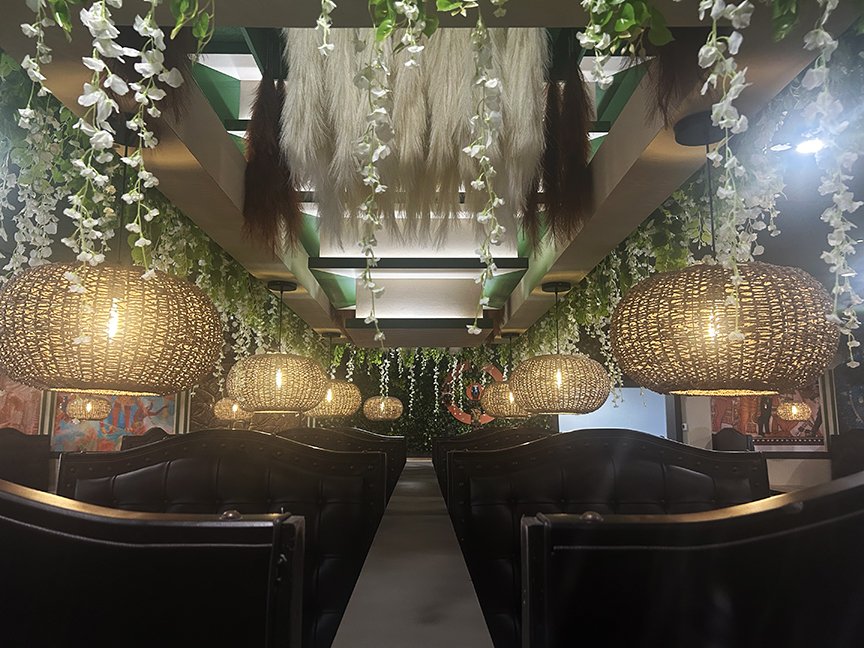
A brand isn't a sticker on the front window. It's the way the light hits a table at 8pm and the texture under a guest's hand on the bar top. South Florida diners eat with their eyes first, which makes a room worth photographing less of a luxury and more of a requirement for the kind of organic reach that costs nothing. For a deeper look at how this works in practice, see A Restaurant Redesign of Your Visual Identity for South Florida. Every square foot of the floor plan should be reinforcing the same story the menu is telling.
Defining Your New Competitive Edge
In a market like Fort Lauderdale, a concept usually needs a "hero element," the one architectural or design detail guests bring up when they're telling a friend where to go next. Trying to appeal to everyone is often what sank the first concept. A rebrand that picks a specific guest and commits to them tends to outperform one that stays vague to avoid alienating anyone. Getting the space planning and layout right, ideally with a restaurant designer who understands both the room and the P&L behind it, supports both that impression and the table count on a busy night.
Strategic Restaurant Design: Using Interior Design to Support a Revenue Turnaround
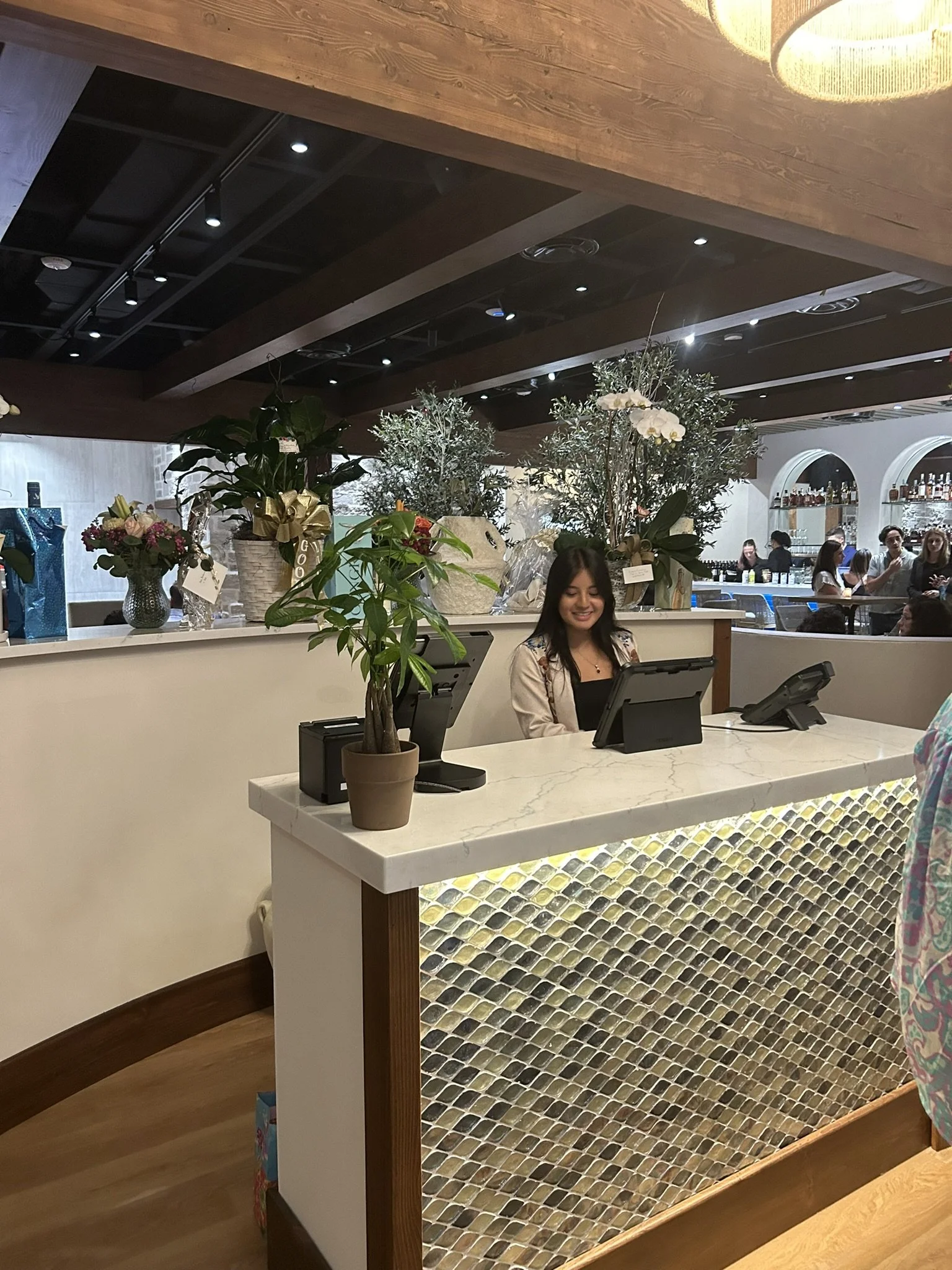
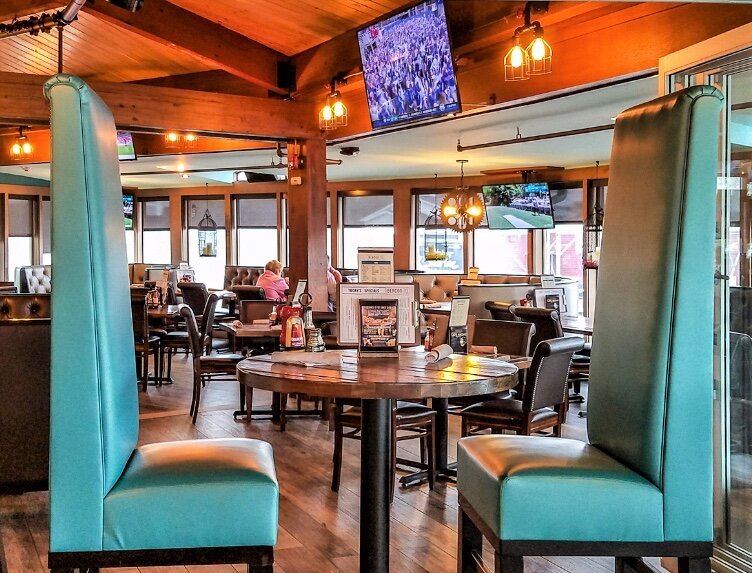
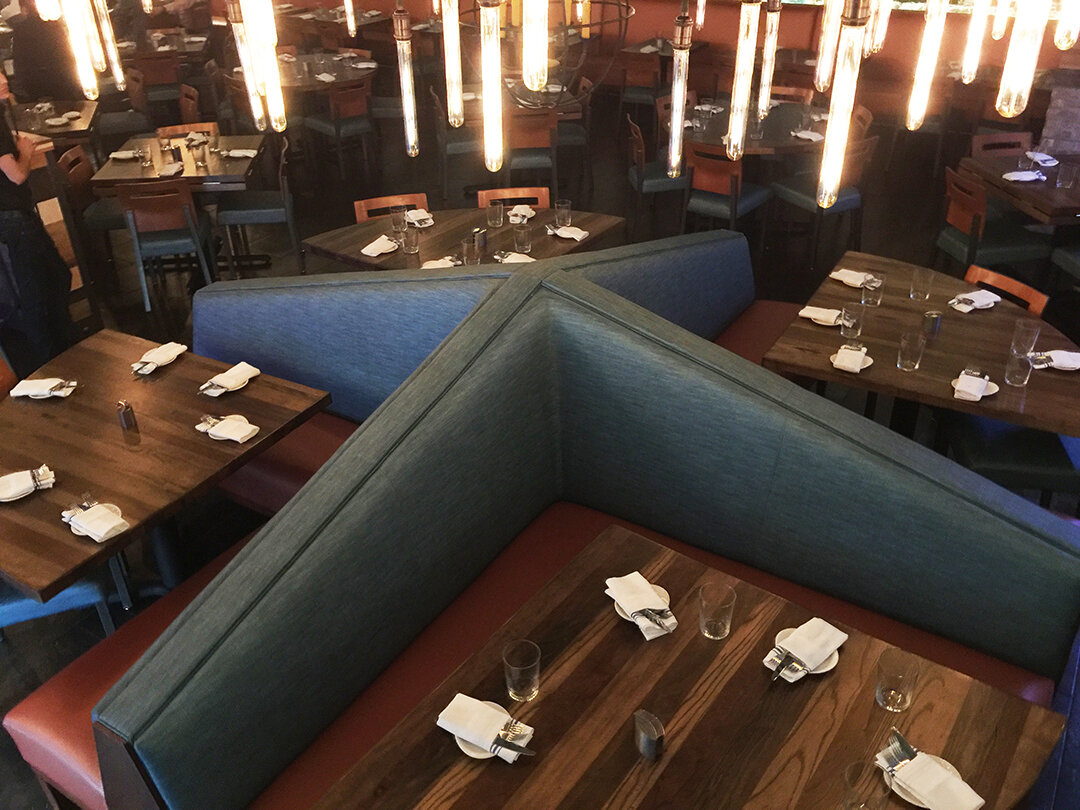
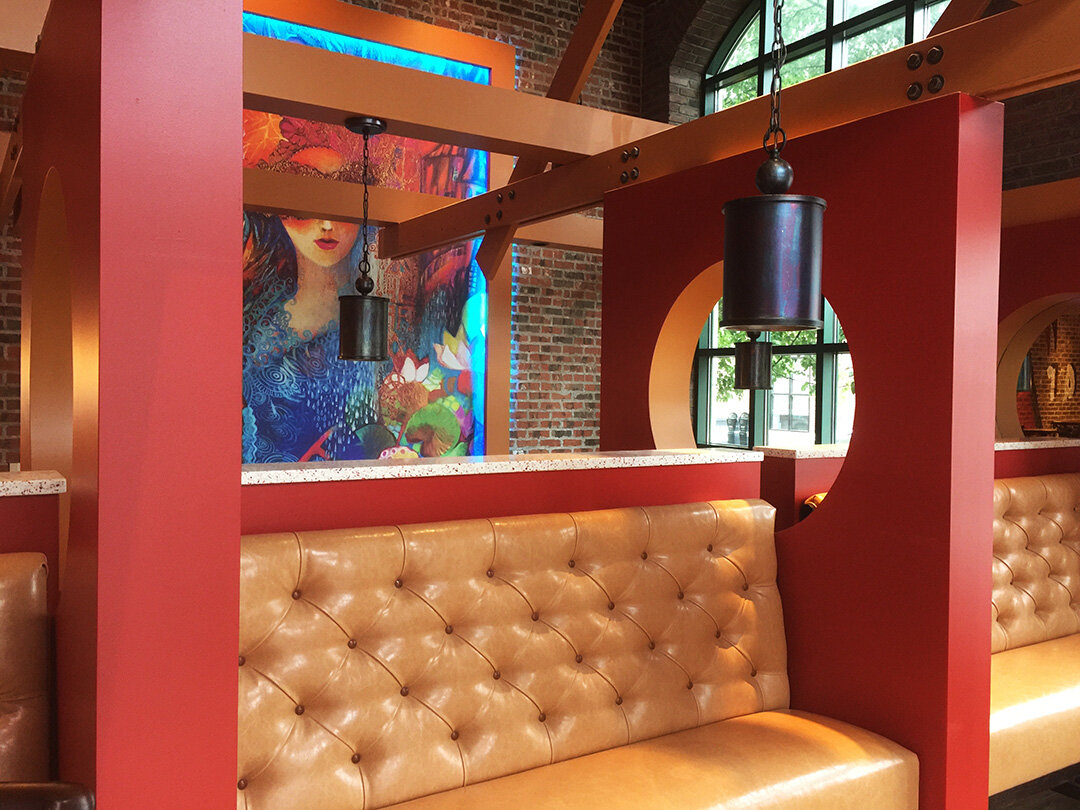
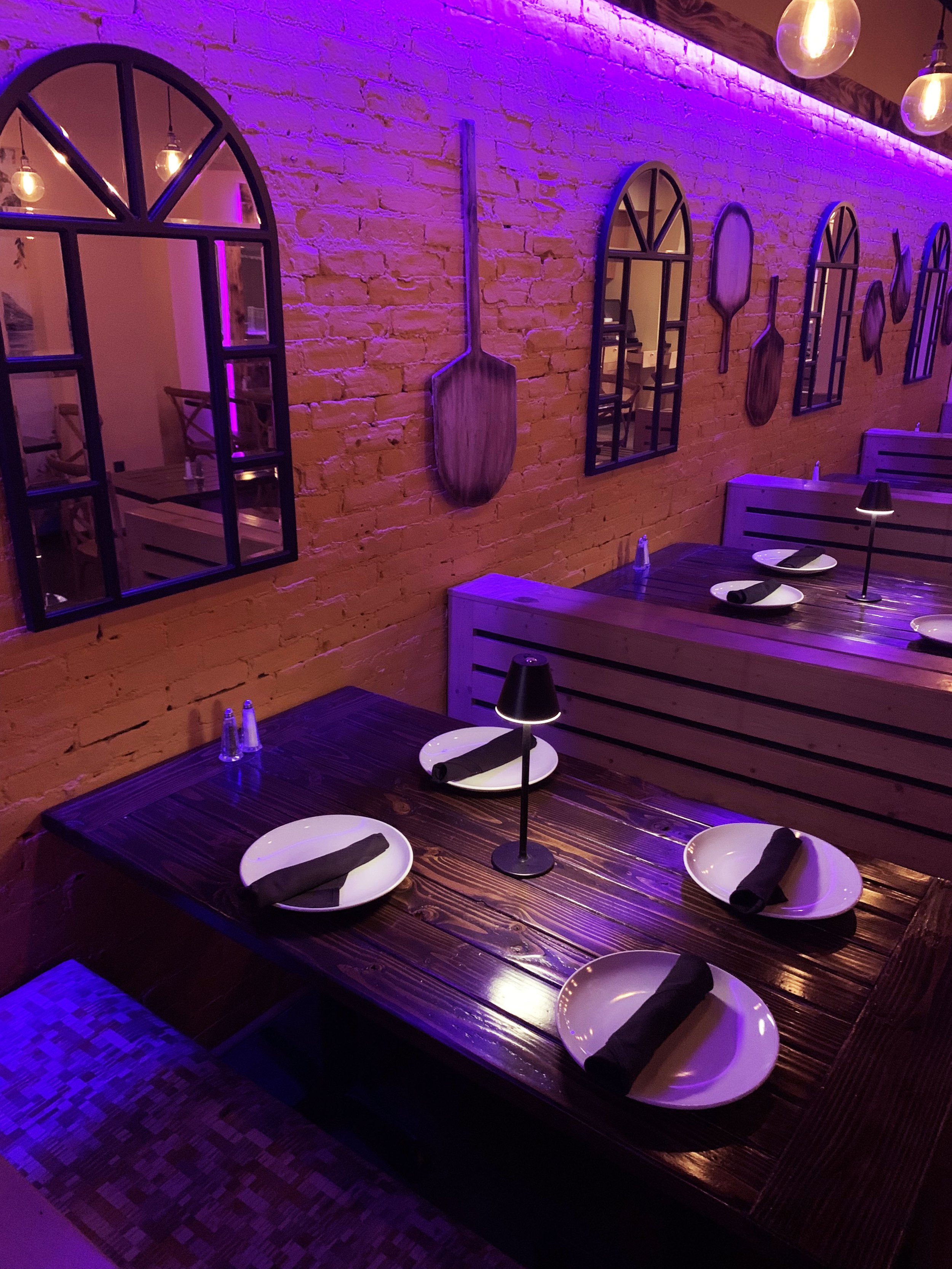
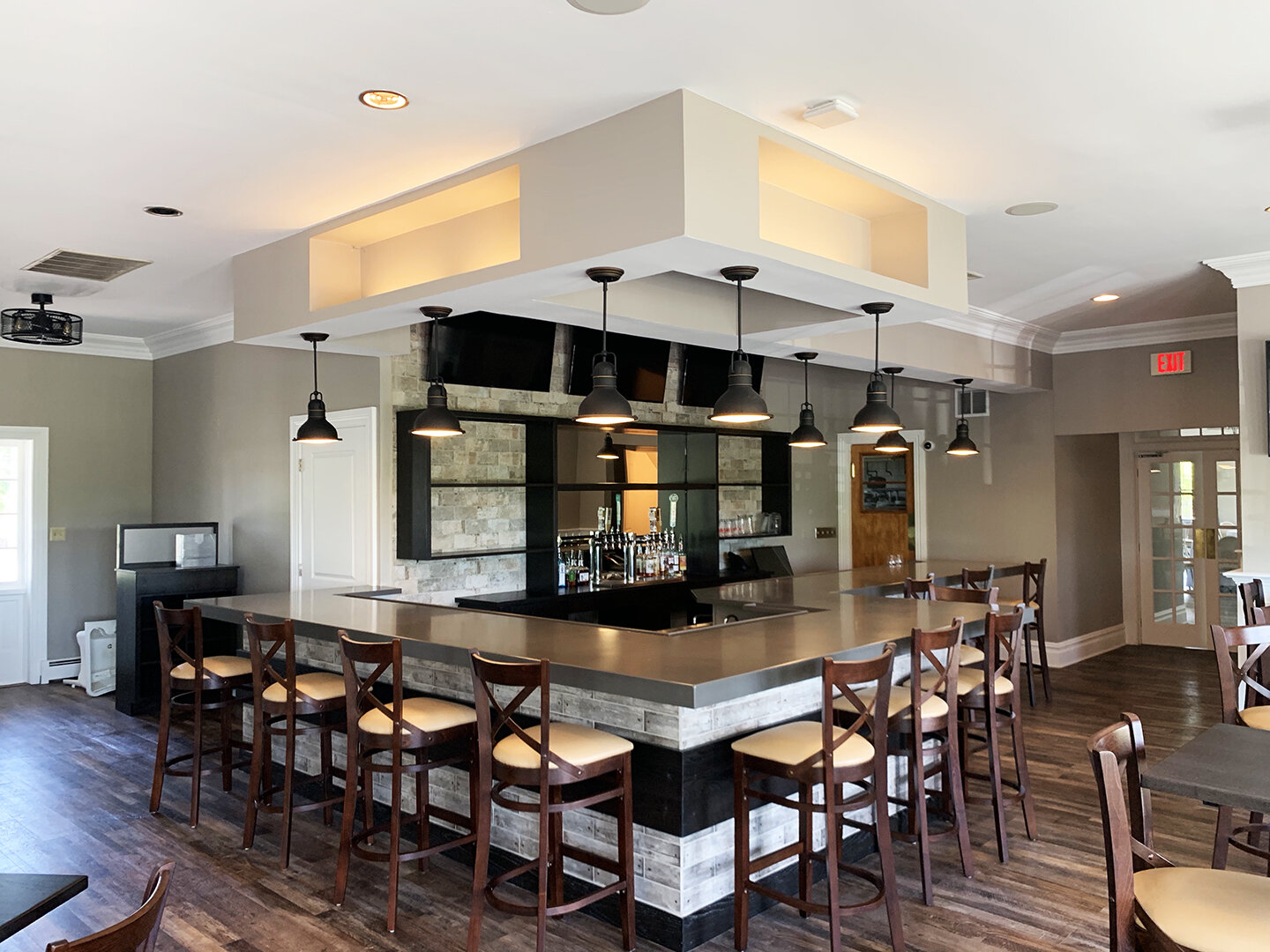
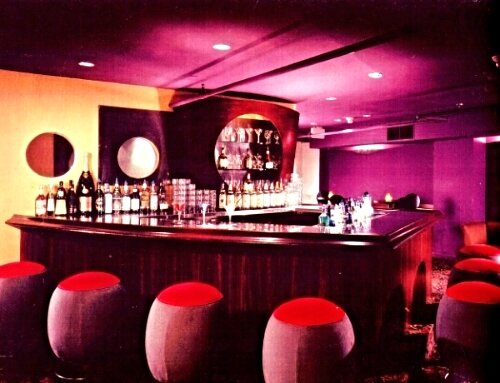
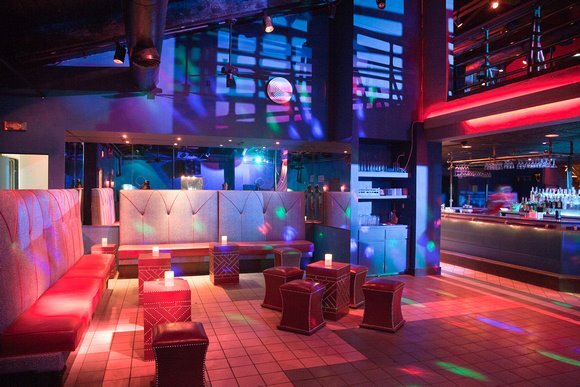
photo from Raymond Haldeman’s Restaurant Designer Portfolio
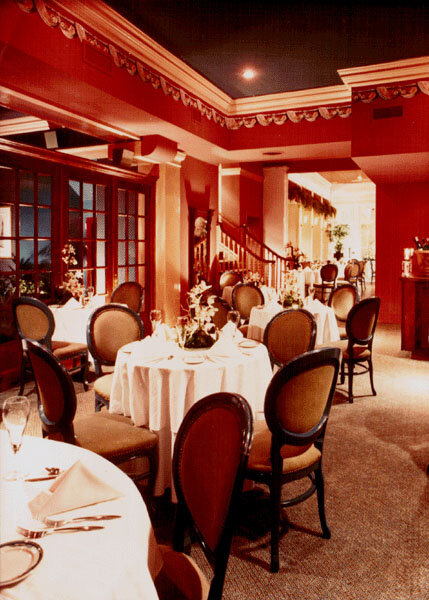
Restaurant design is quiet, but it's doing real work on the P&L. If you're working through how to rebrand a failing restaurant, the floor plan deserves a hard look first. Inefficient service paths and dead zones where no one wants to sit tend to bleed money slowly enough that owners don't notice until the numbers force the issue. Professional restaurant design isn't decoration. It's a capital investment aimed at two numbers: average check and table turnover. A room that reads as premium tends to make a $45 entrée feel reasonable. A dated one can make a $20 plate feel like too much.
This is where the design work goes beyond aesthetics into strategy. Every square foot should be earning its place on the balance sheet.
Space Planning for Profit
The floor plan needs to respect the triangle between kitchen, bar, and dining room. When staff are tripping over each other or walking long routes to deliver plates, service slows and margins shrink with it. Smart layout choices can add covers per shift without the room feeling crowded, and eliminating dead zones means fewer awkward moments at the host stand when a guest doesn't want the table they're offered.
Ambiance as a Sales Tool
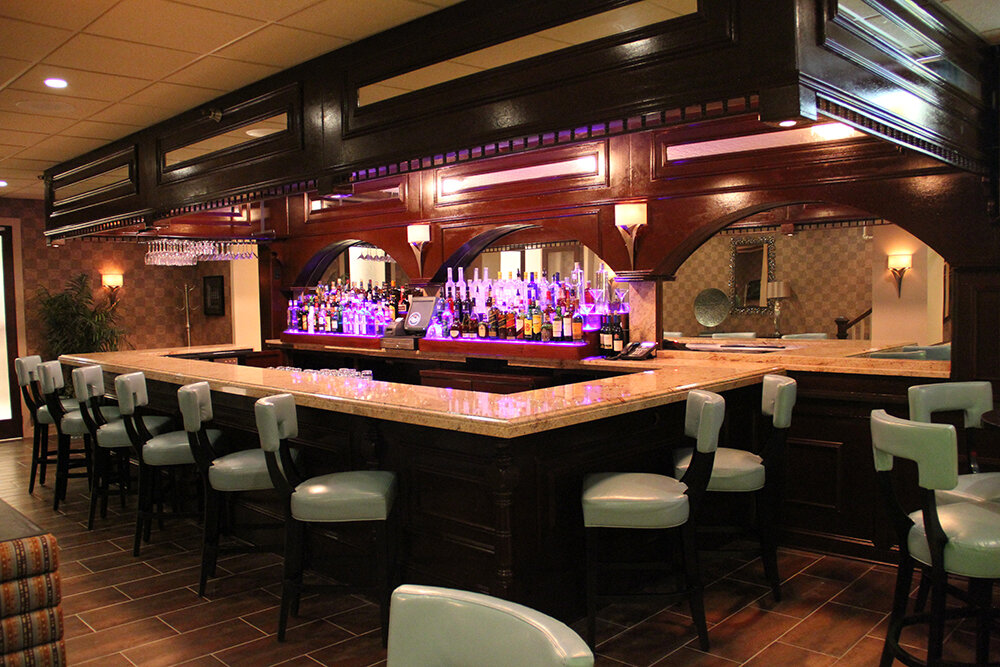
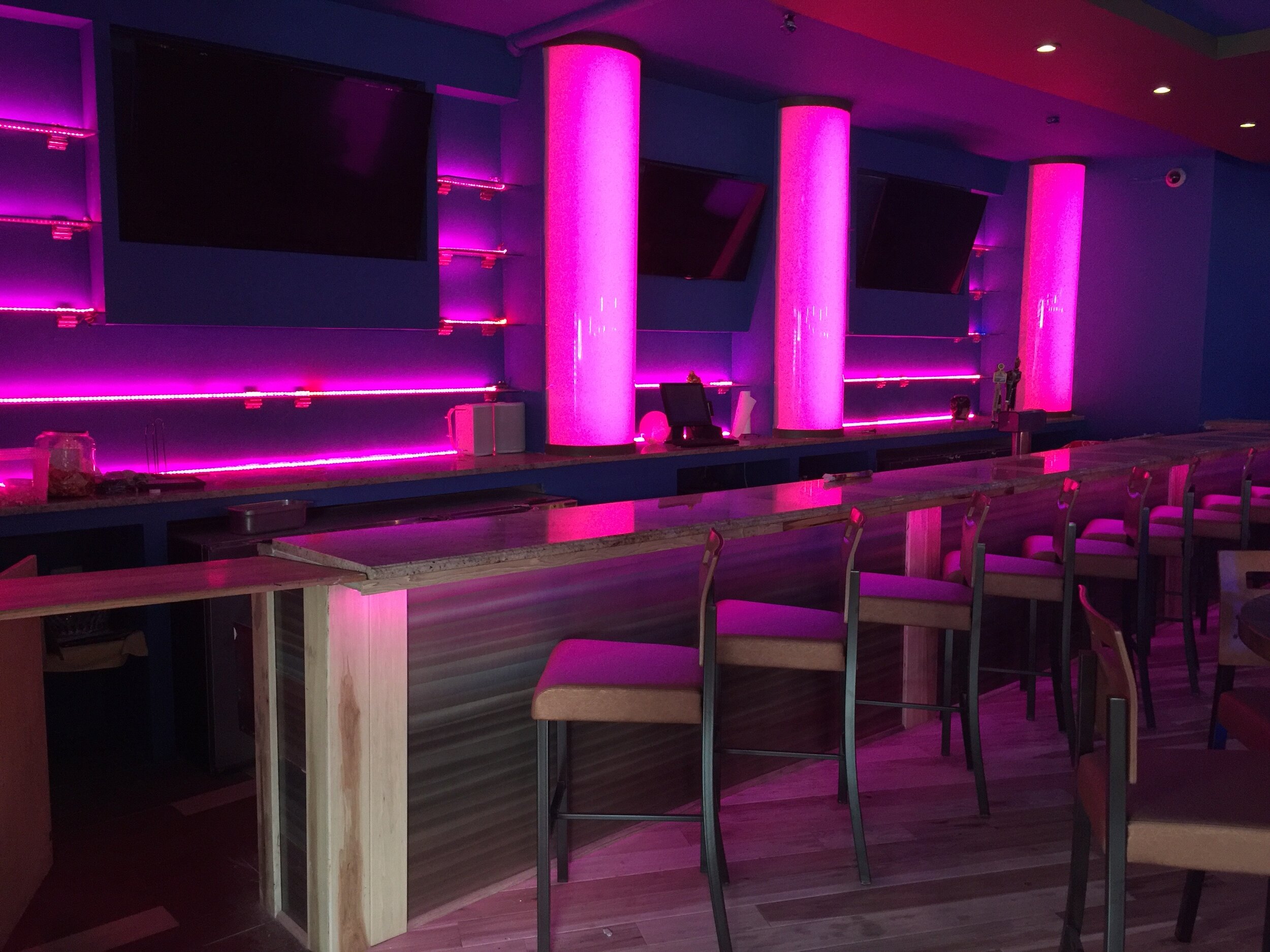
Lighting does more work than almost anything else in the room. Done well, it makes the food look better and the guests look good to each other, which tends to encourage one more round rather than a quick check request. In South Florida's current market, the rooms doing the most volume lean toward a modern, functional aesthetic built on materials that hold up to heavy nightly use without looking worn in six months. Every surface a guest touches is quietly reinforcing, or undercutting, the price point on the menu.
Executing the Pivot: Launching the New Identity and Managing the Transition
A soft launch tends to be a luxury reserved for concepts that are already working. If the prior identity was genuinely failing, keeping the old doors open while easing into the new one usually creates more confusion than goodwill. A clean, defined "Grand Re-Opening" tells the Fort Lauderdale market that the old concept is done and something different has taken its place. Guests should feel the difference the moment they walk in.
Staff carry the old identity forward more than most owners expect. If the habits and energy of the previous concept survive the redesign, the rebrand hasn't actually happened yet. Training the team on the new story, and the service style that matches it, tends to matter as much as the construction. Some regulars may not follow the concept into its new identity. That's often the trade for a demographic that spends more and stays longer.
The Clean Break
Closing for a stretch, often a week or more, gives the space time to fully turn over, both physically and psychologically, for the team and the neighborhood. For a longstanding Fort Lauderdale spot with real history, our guide on How to Upgrade a Fort Lauderdale Restaurant's Design Without Losing Its Soul covers how to keep the parts of the story worth keeping while still meeting 2026 expectations. It's a balance, not an erasure.
Marketing the New Era
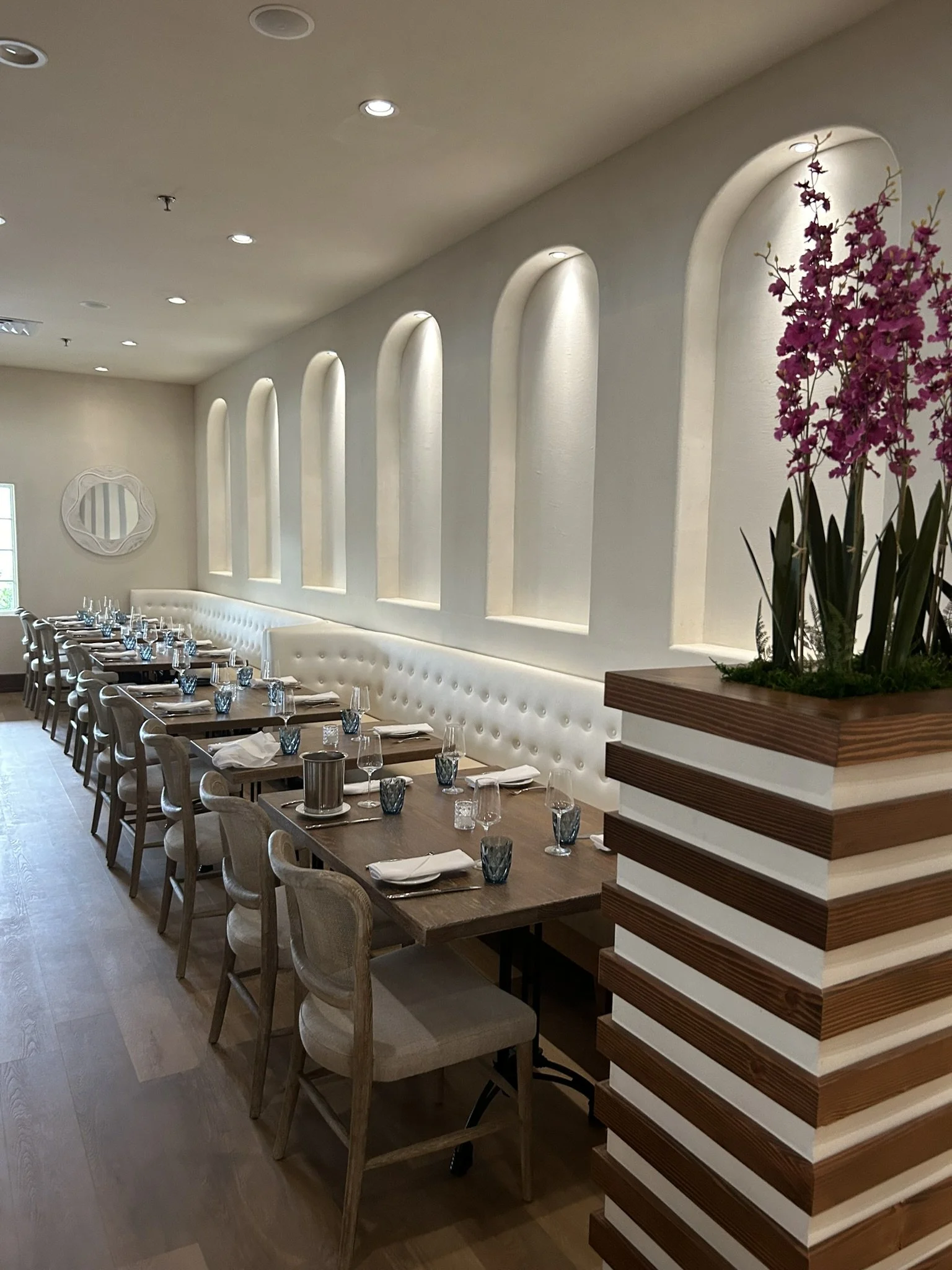
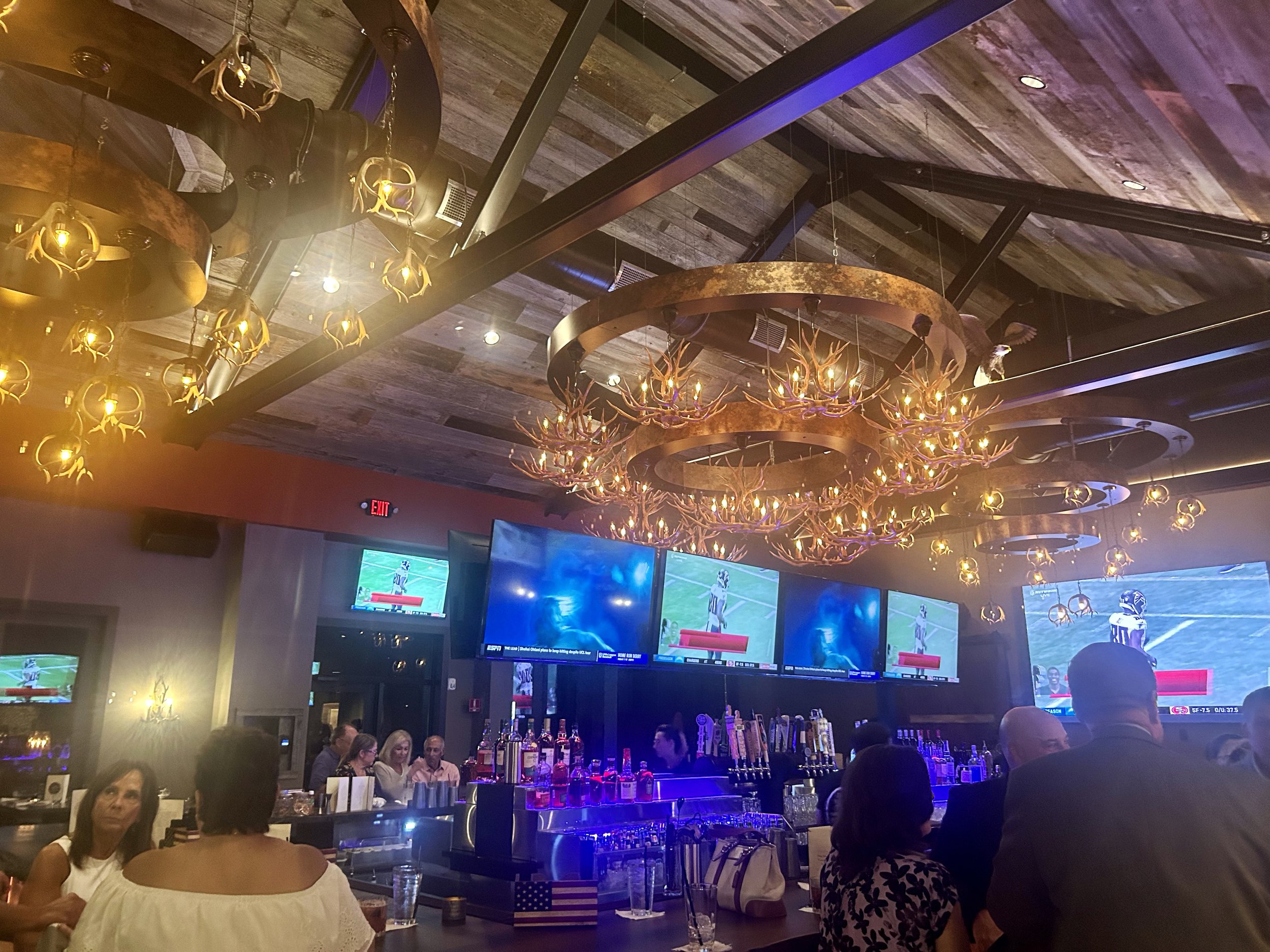
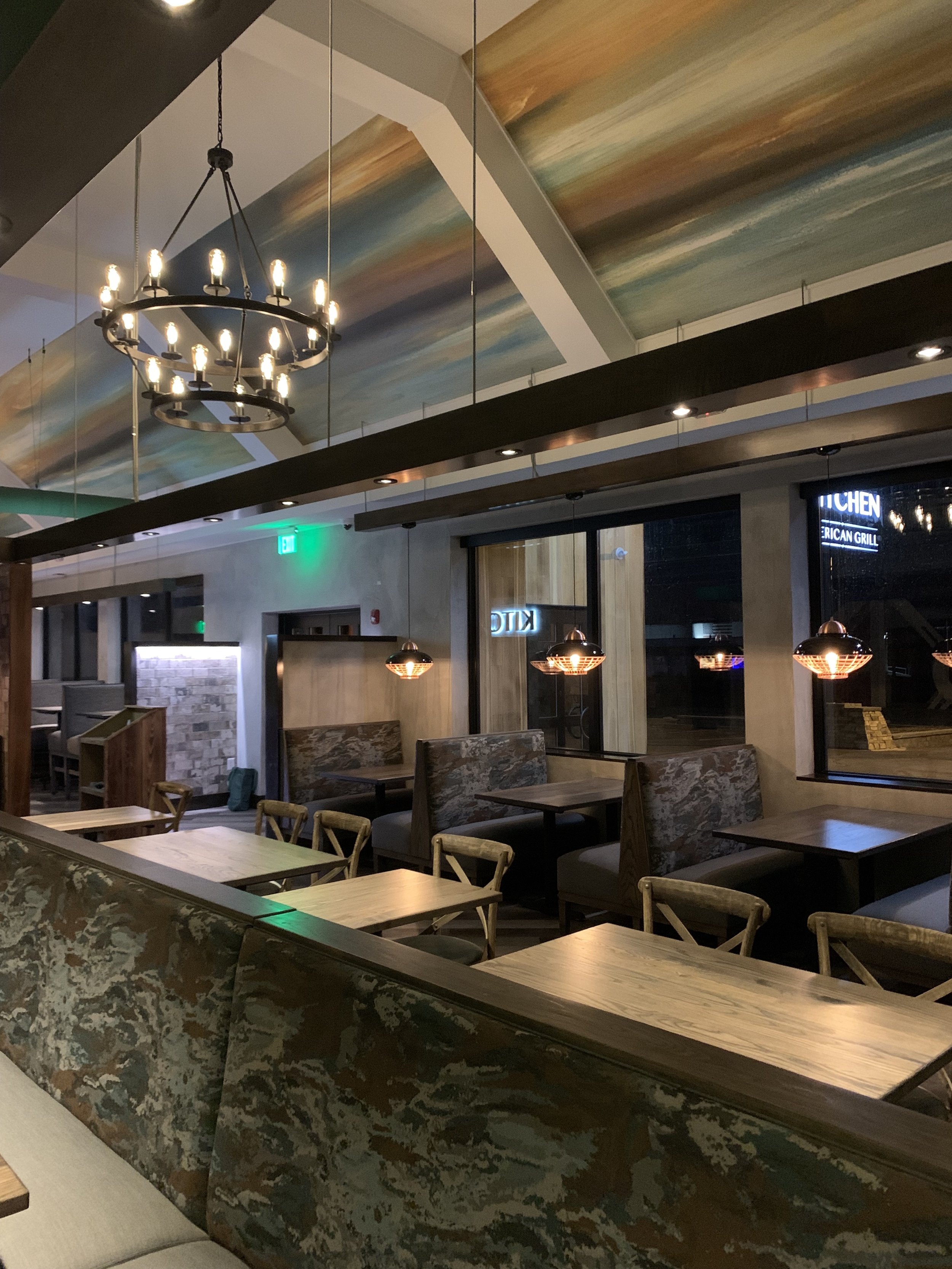
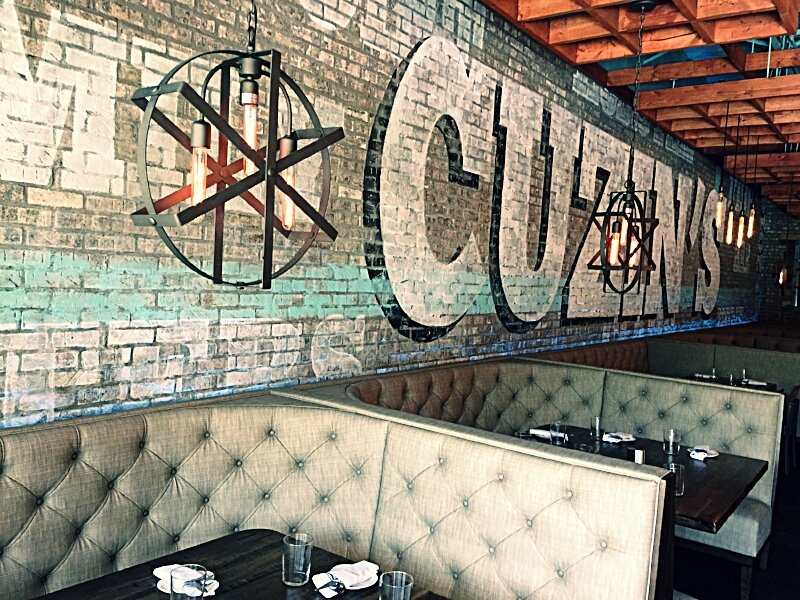
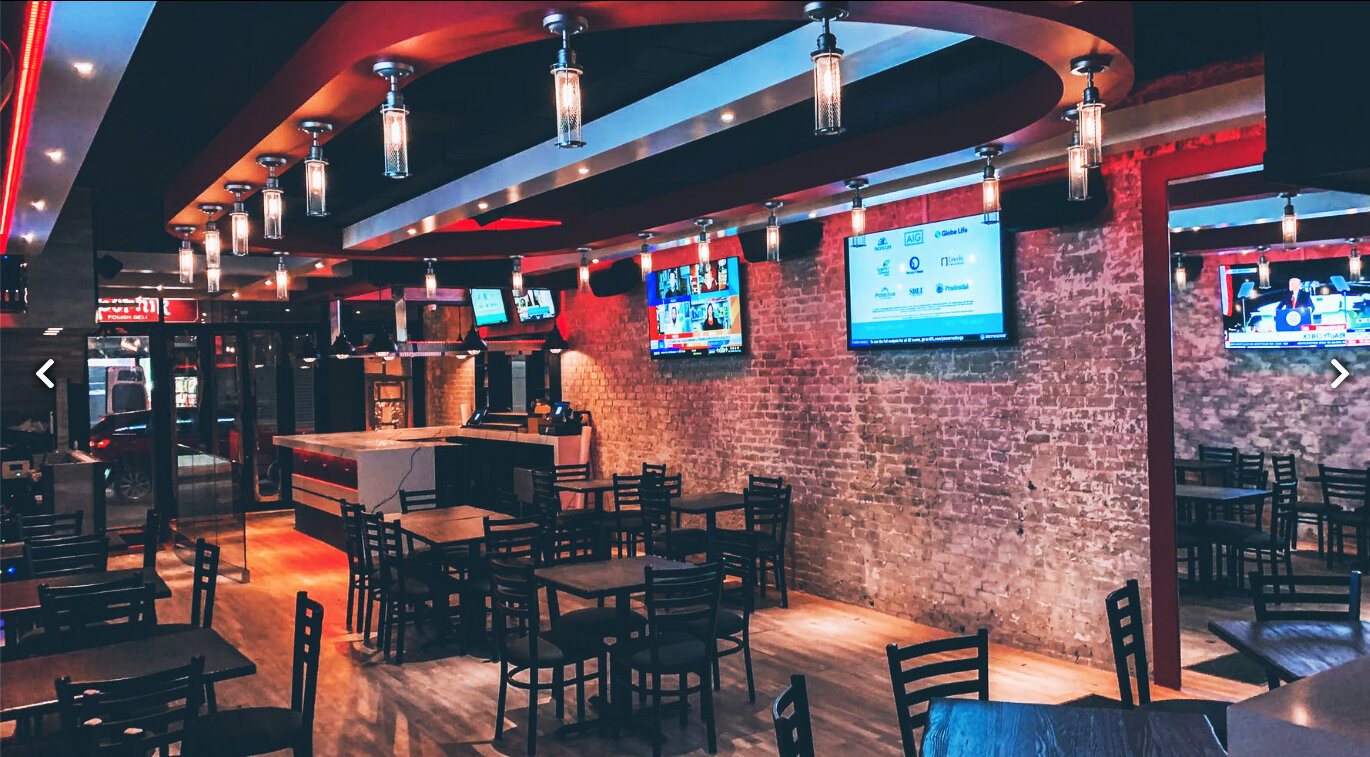
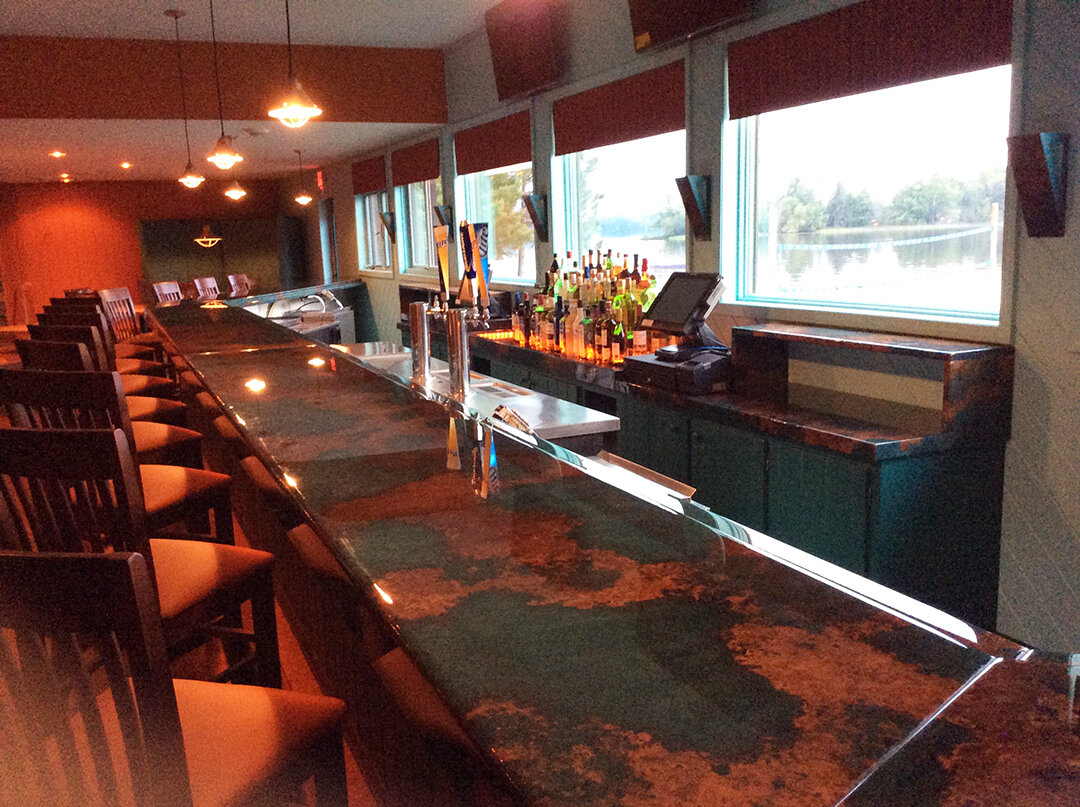
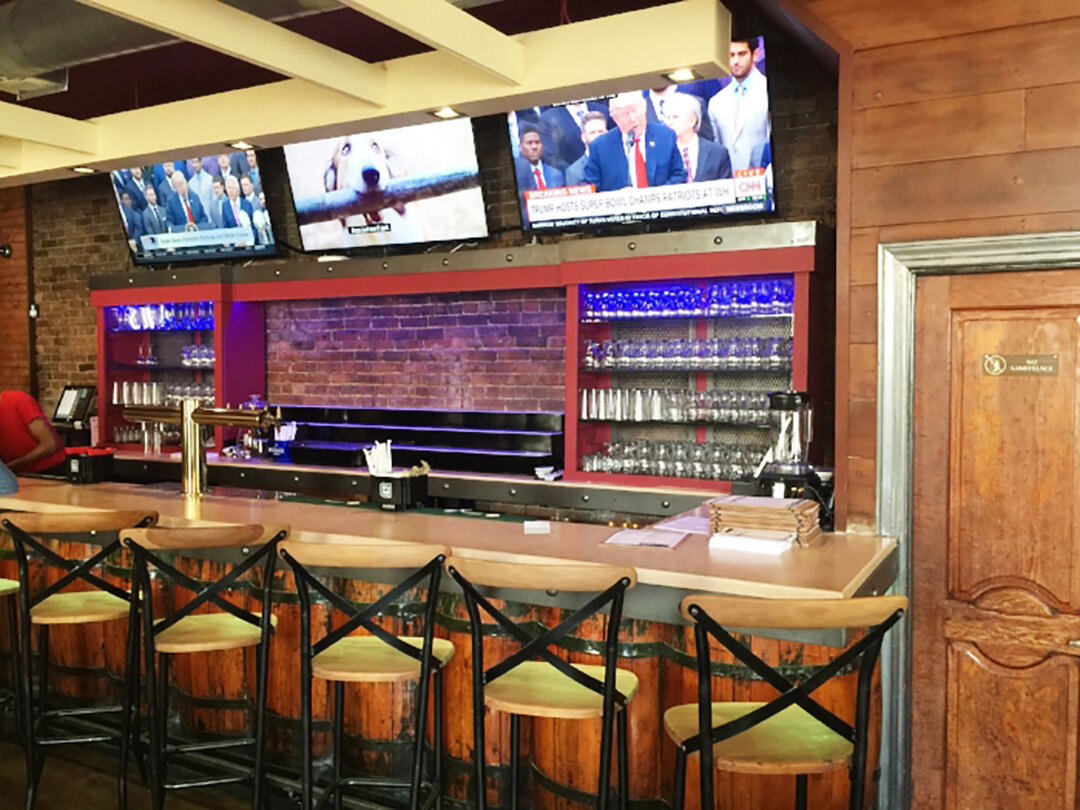
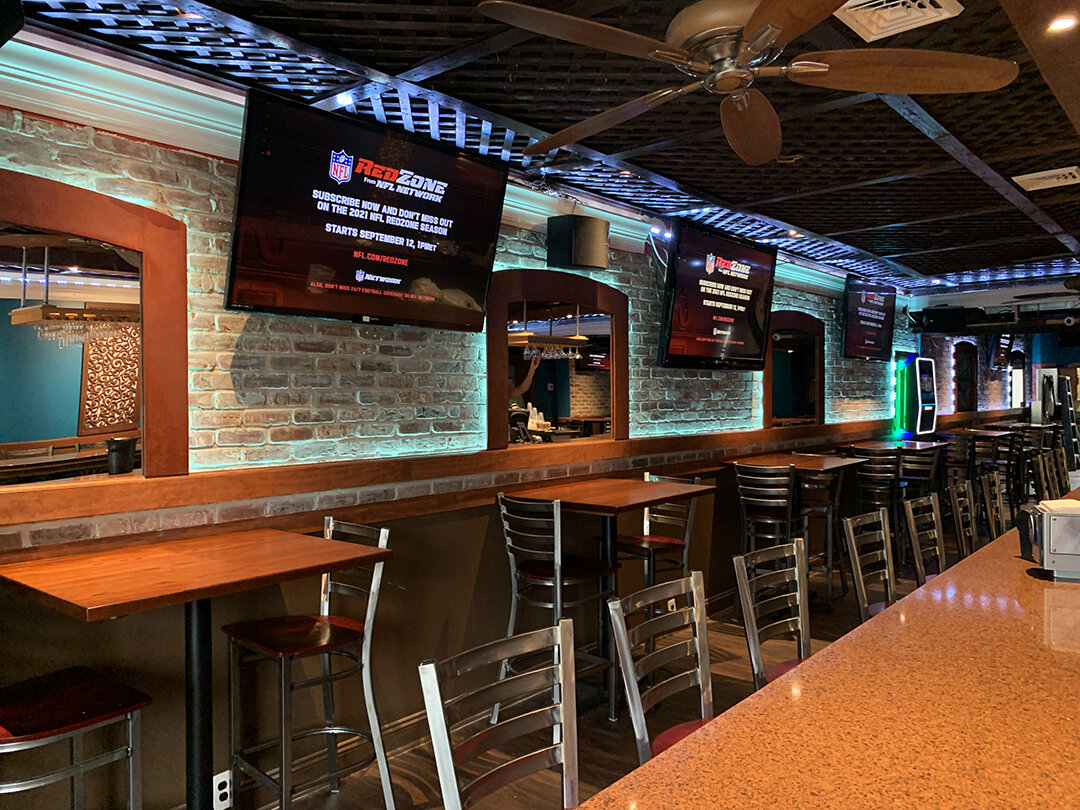
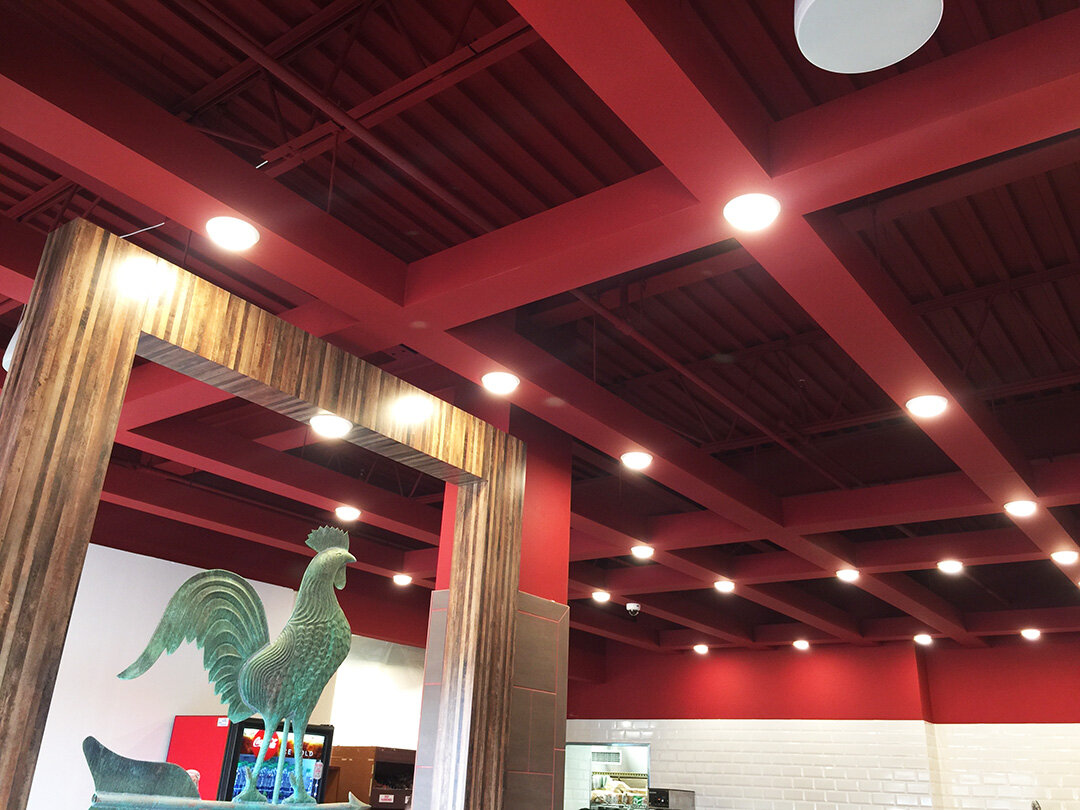
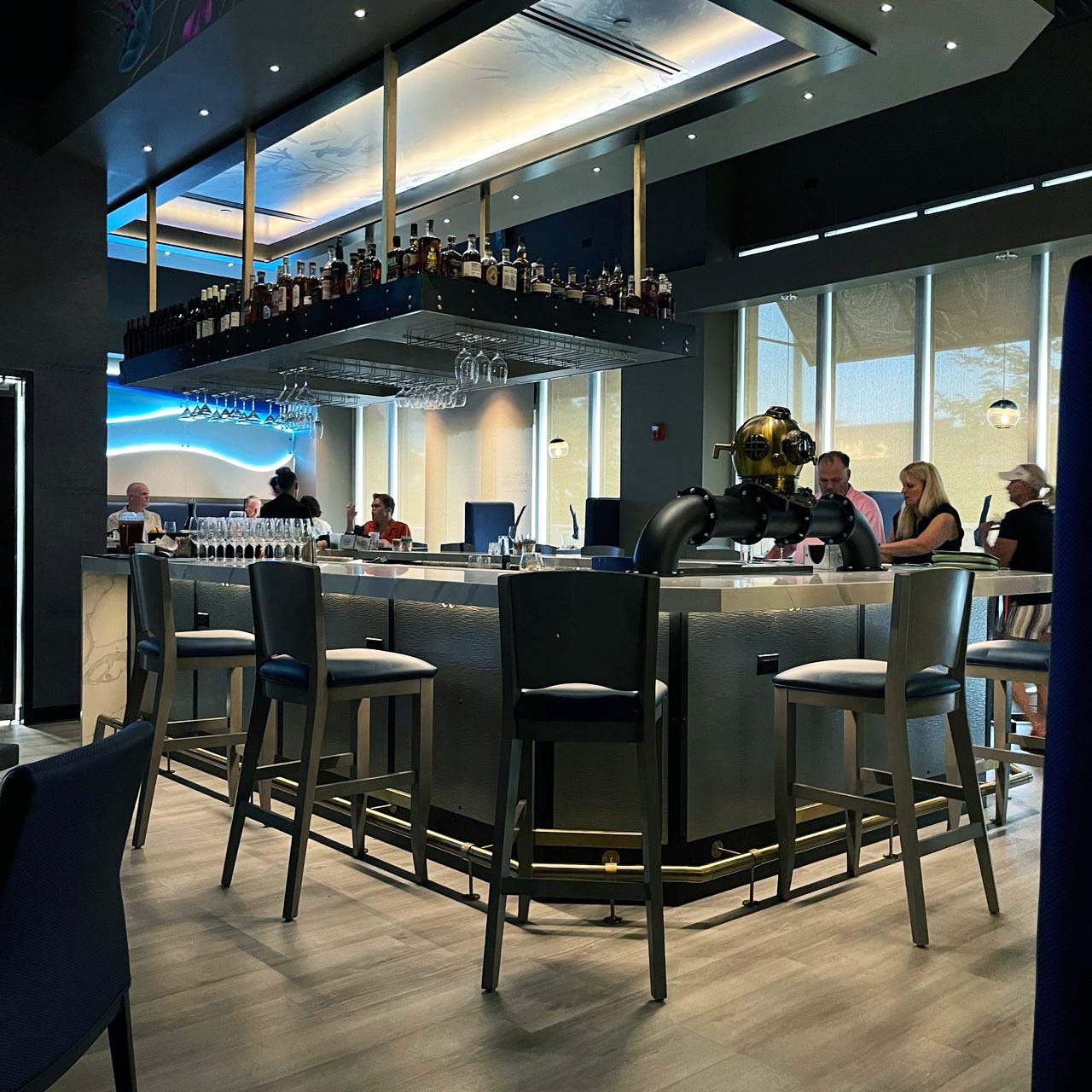
photo from Raymond Haldeman’s Restaurant Designer Portfolio
The messaging around a Broward County or South Florida rebrand should be direct. "New Concept" or "Under New Ownership" signals a real departure rather than a rename. Professional photography tends to do more for a launch than almost any other line item, since it sells the transformation before a guest ever books a table. If foot traffic has been sliding and it's time to stop the bleeding, the strategy phase is where that turnaround actually starts.
Call Raymond Haldeman for a direct conversation about your restaurant's next chapter.
Reclaim Your Revenue: The Path Forward in Fort Lauderdale
The gap between a shuttered space and a full dining room most often comes down to a clear, committed pivot. The fixes that look easiest rarely solve anything. A real turnaround tends to need a genuine new identity, a floor plan built for flow, and a room designed to support the prices you actually want to charge. In a market as competitive as Fort Lauderdale and greater South Florida, half measures rarely get noticed.
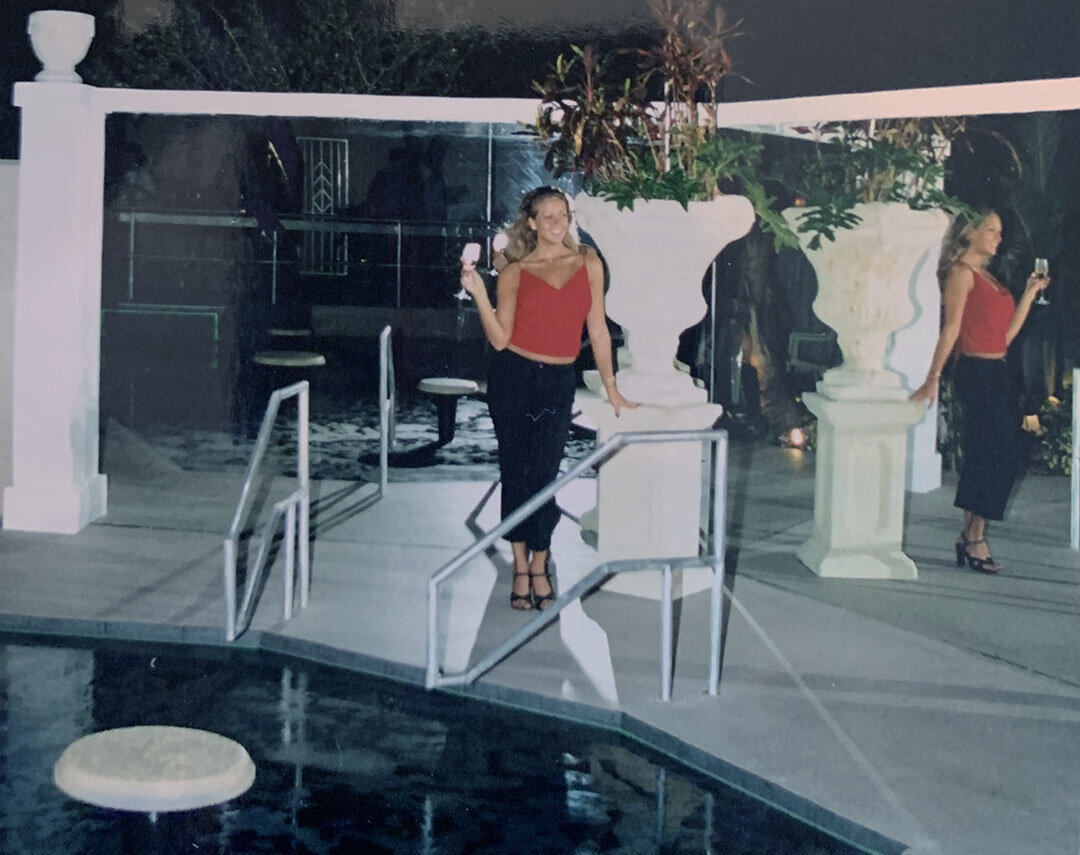
Raymond Haldeman has spent 45 years as a chef, society caterer, restaurateur, and nightclub owner across markets that don't forgive a tired room, including years operating in South Florida's nightlife scene. As a restaurant designer, that background shapes design work that comes from operating experience, not a design-school mood board.
Book a Rebranding Consultation with Raymond Haldeman
Frequently Asked Questions
How much does it cost to rebrand a failing restaurant in Fort Lauderdale?
Cost depends on the condition of the space and the standard the neighborhood expects, and Las Olas or the beach corridor often calls for a different level of finish than a smaller suburban strip. It's worth treating this as a capital investment rather than a straightforward expense, with the return measured in table turnover and average check.
Can I rebrand without changing the restaurant's name?
Sometimes. If the name hasn't been damaged by a run of poor service or "tired" reviews, keeping it may be worth considering. If the reputation itself is the problem, a name change is usually the safer path. A damaged name tends to follow a concept even after the room looks completely different.
How long does a full restaurant rebrand usually take?
A strategic rebrand in South Florida often runs three to six months from the first audit to the reopening. Planning and restaurant design typically take the bulk of that time, with the physical build-out condensed into a shorter closure. Rushing the strategy phase to save time is usually where a second failure starts.
Is it better to rebrand or close and open something entirely new?
Rebranding tends to make sense when the location is strong but the concept has fallen behind. It lets an owner keep the lease, the permits, and the kitchen infrastructure while replacing the identity built on top of them. Done well, it functions like launching a new business without the overhead of ground-up construction.
How do I know if the problem is the food or the brand?
Guest retention is usually the clearest signal. Strong initial traffic with little repeat business often points to something in the operations or the food. An empty room despite genuinely good food more often points to a brand and atmosphere that no longer connects with the neighborhood it's in.