Your food may be excellent, your service attentive, and your regulars loyal. But does your restaurant still give people a compelling reason to walk through the door?
An outdated dining room, an indistinct concept, or a disconnect between your online image and your actual atmosphere can make it harder to communicate what makes your business special. For owners considering restaurant rebranding services in Philadelphia, the opportunity is to bring the entire experience into focus—from the sign outside to the room guests remember after dinner.
A successful restaurant rebrand connects your concept, visual identity, interior design, and service experience. It gives each decision a purpose and helps the restaurant express a recognizable personality.
This guide explains when to rebrand, what to include, and how to prepare for a transformation with restaurant designer Raymond Haldeman.
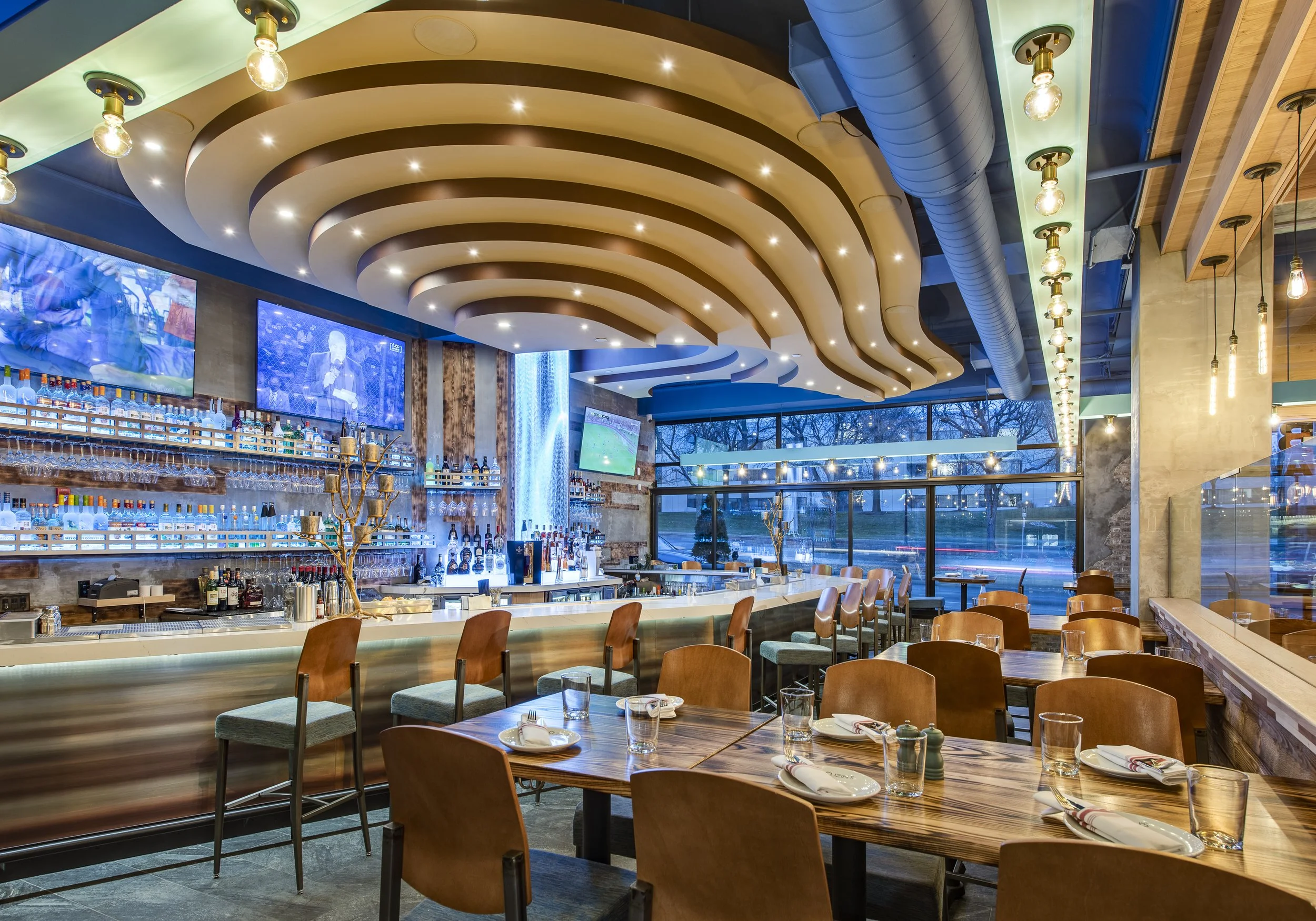
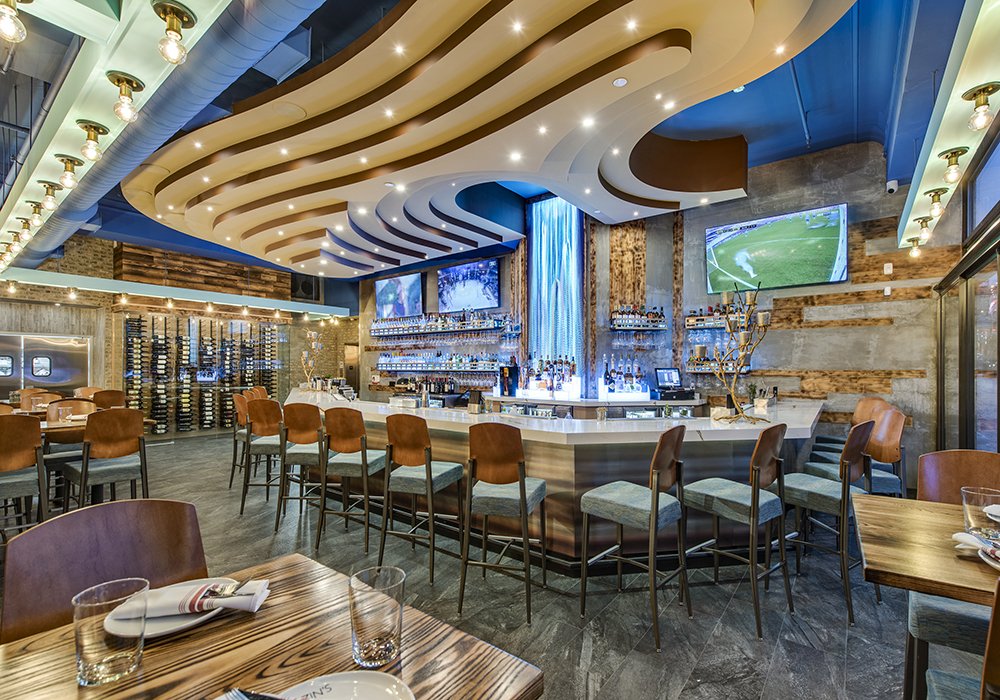
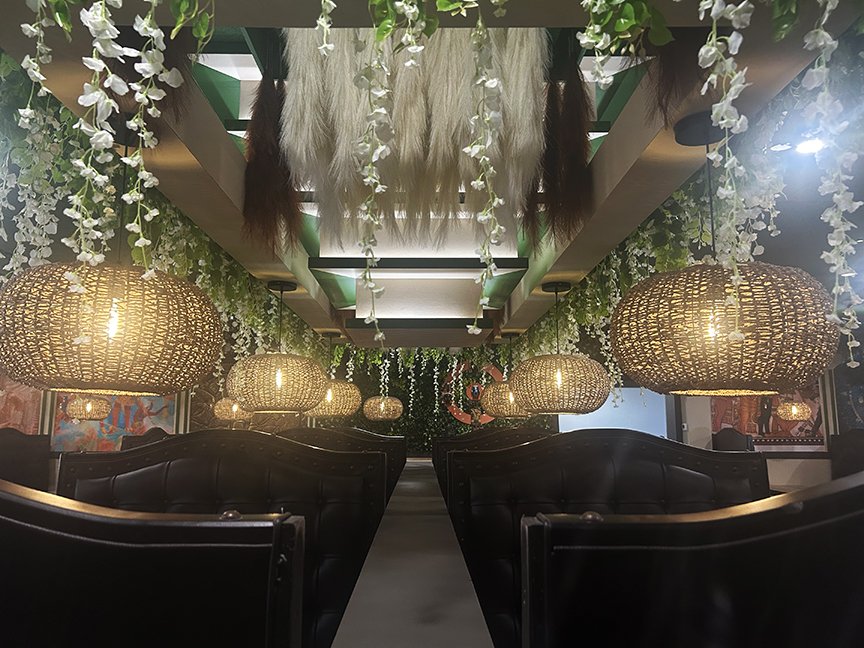
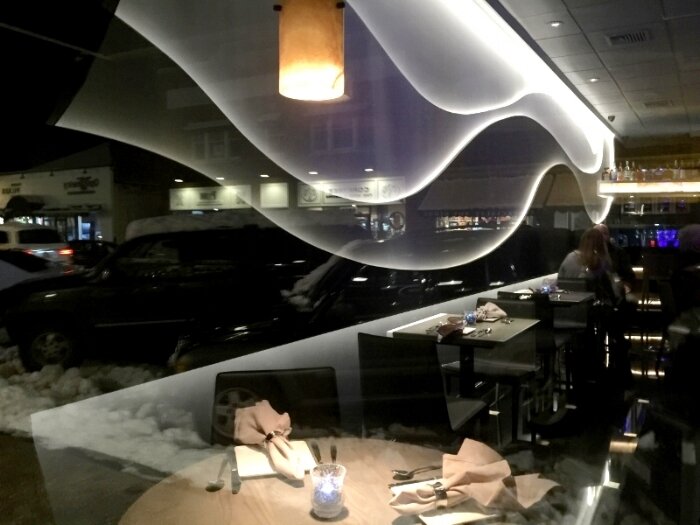
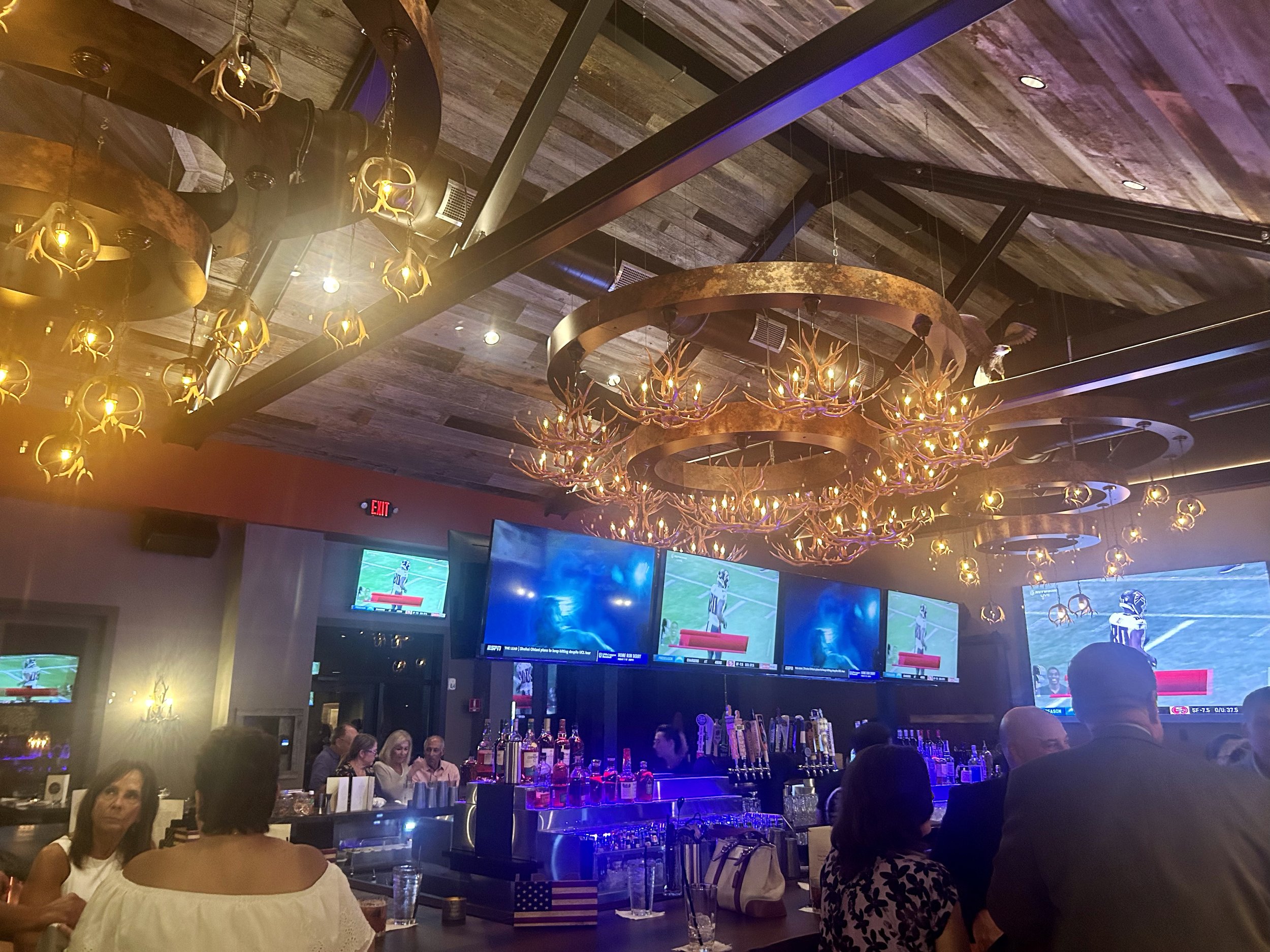
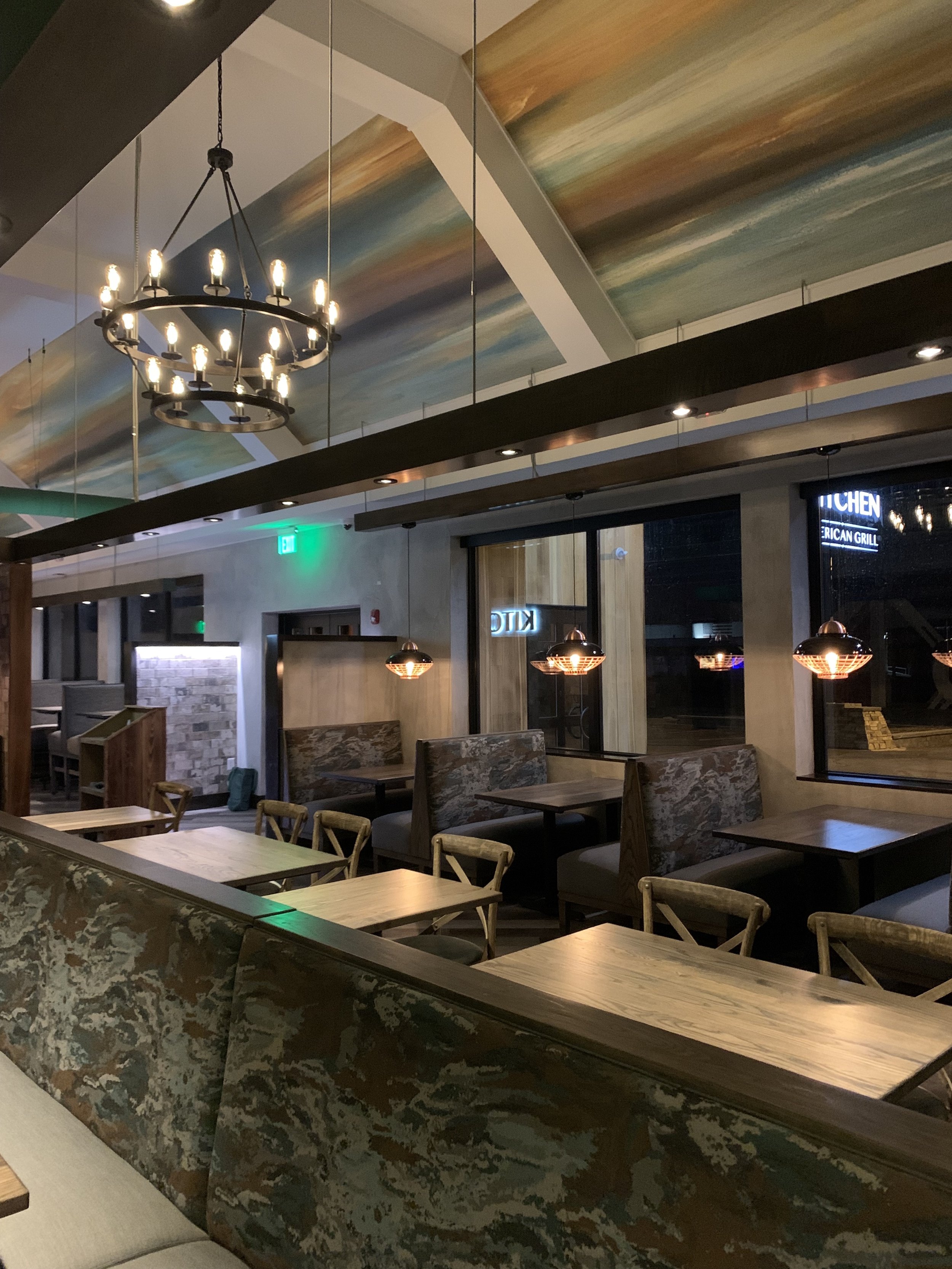
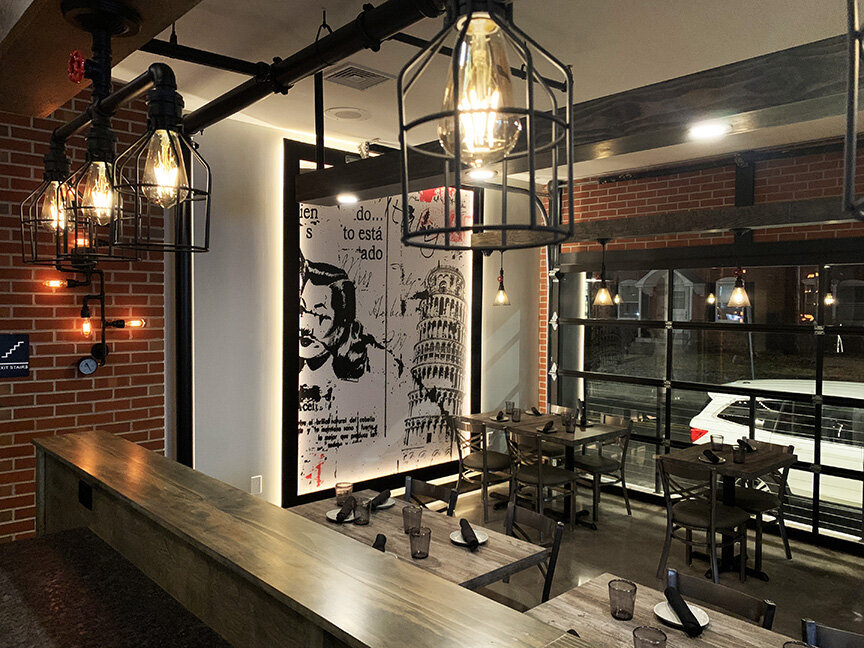
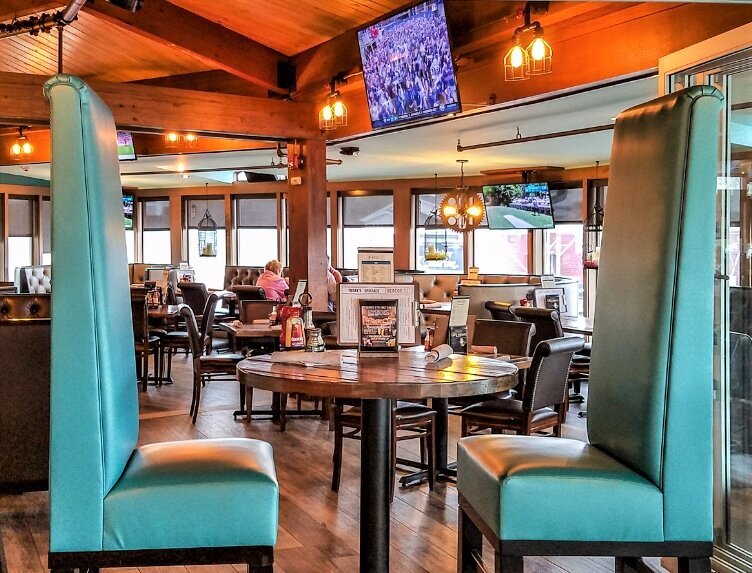
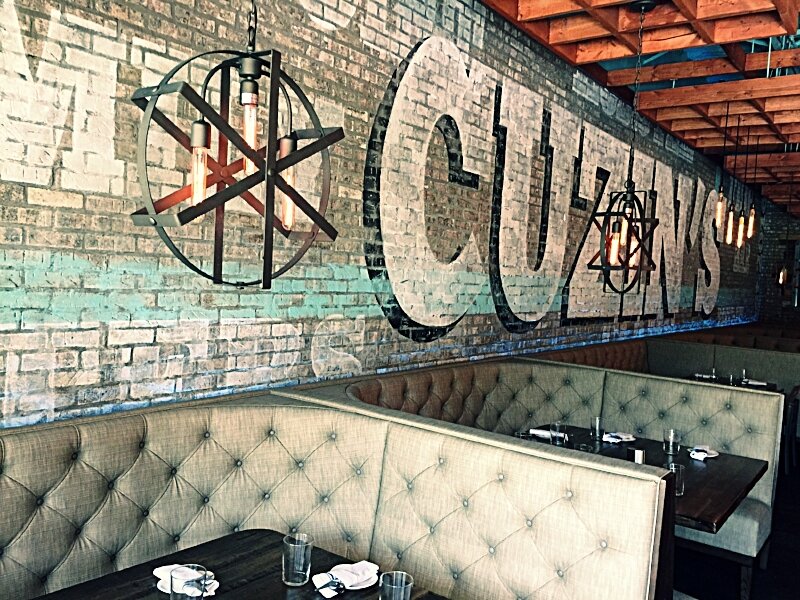
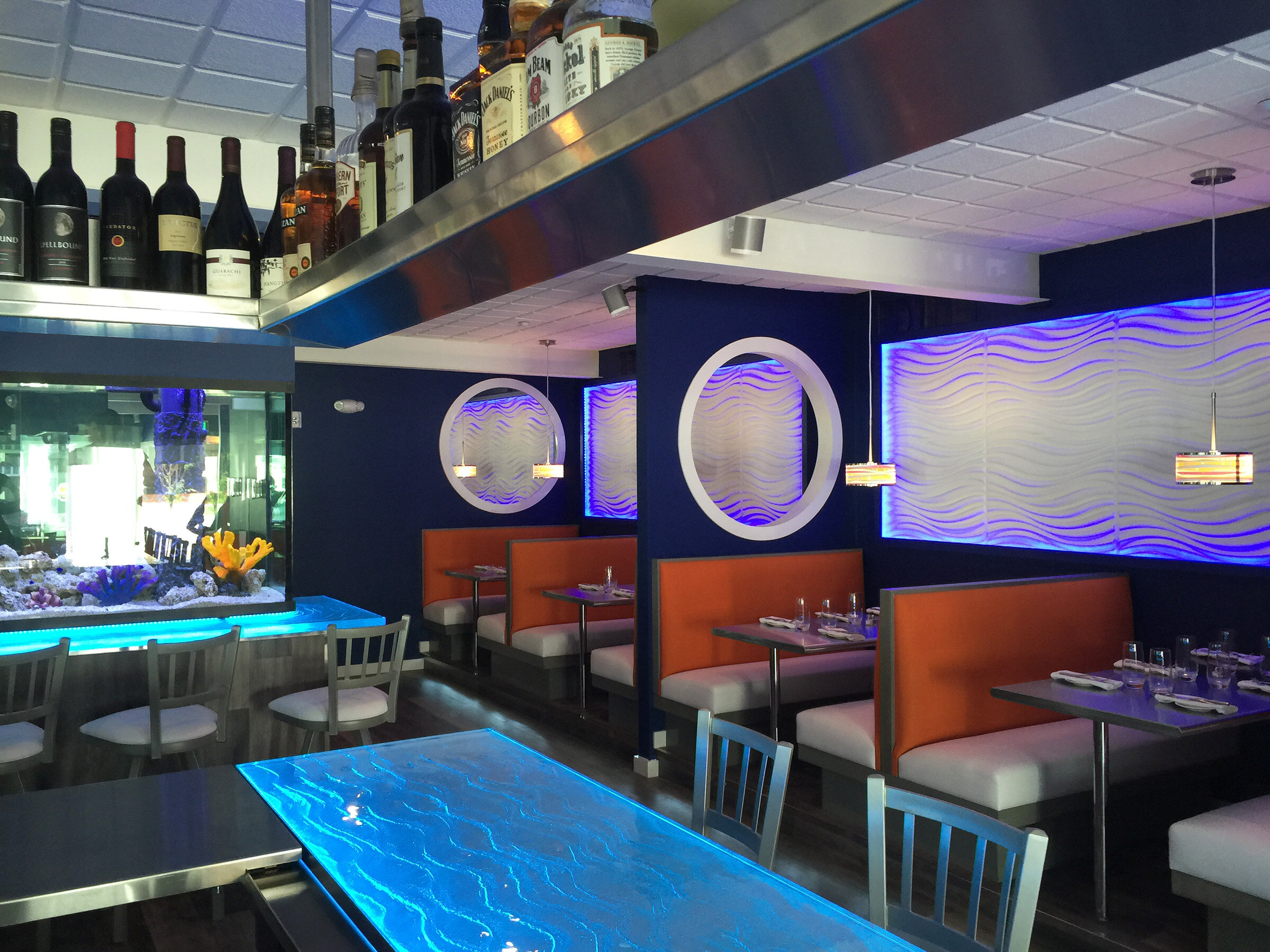
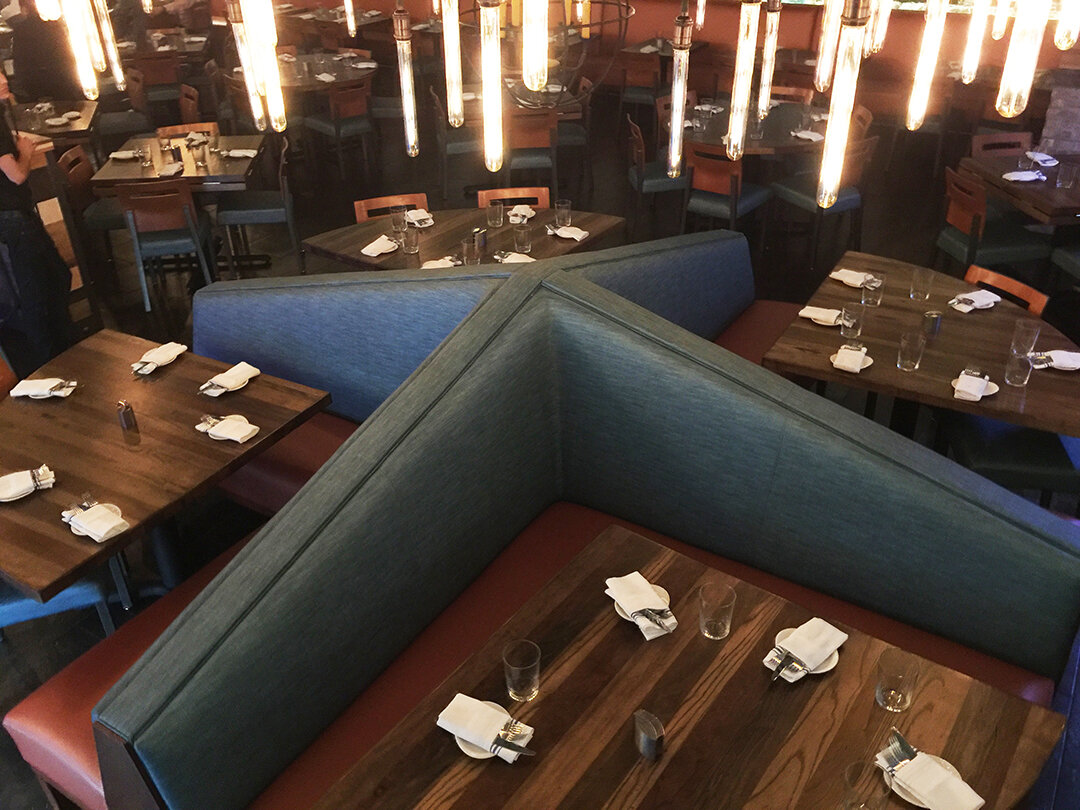
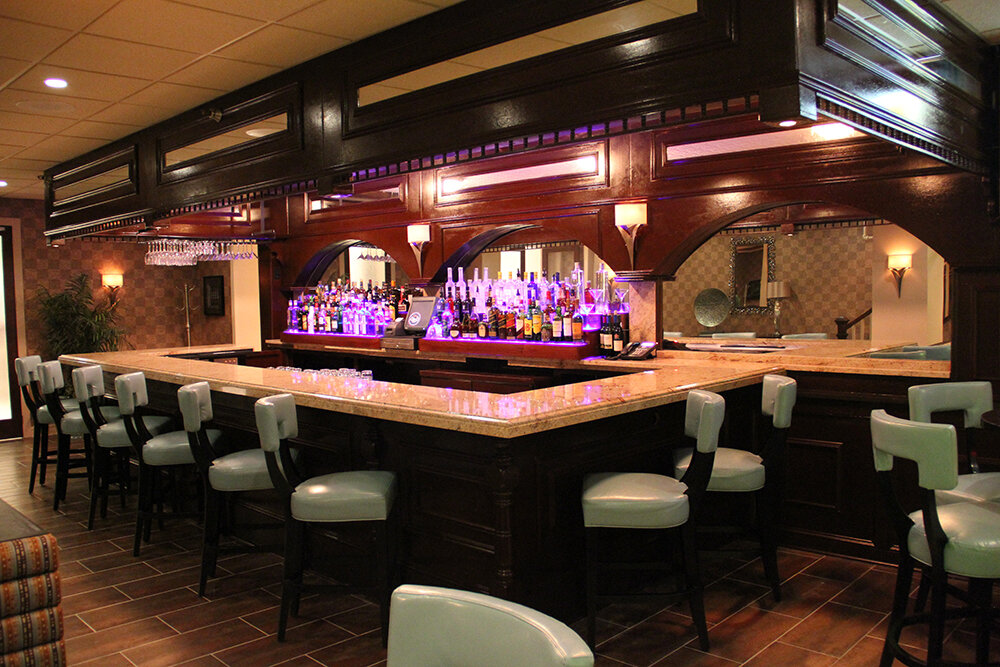
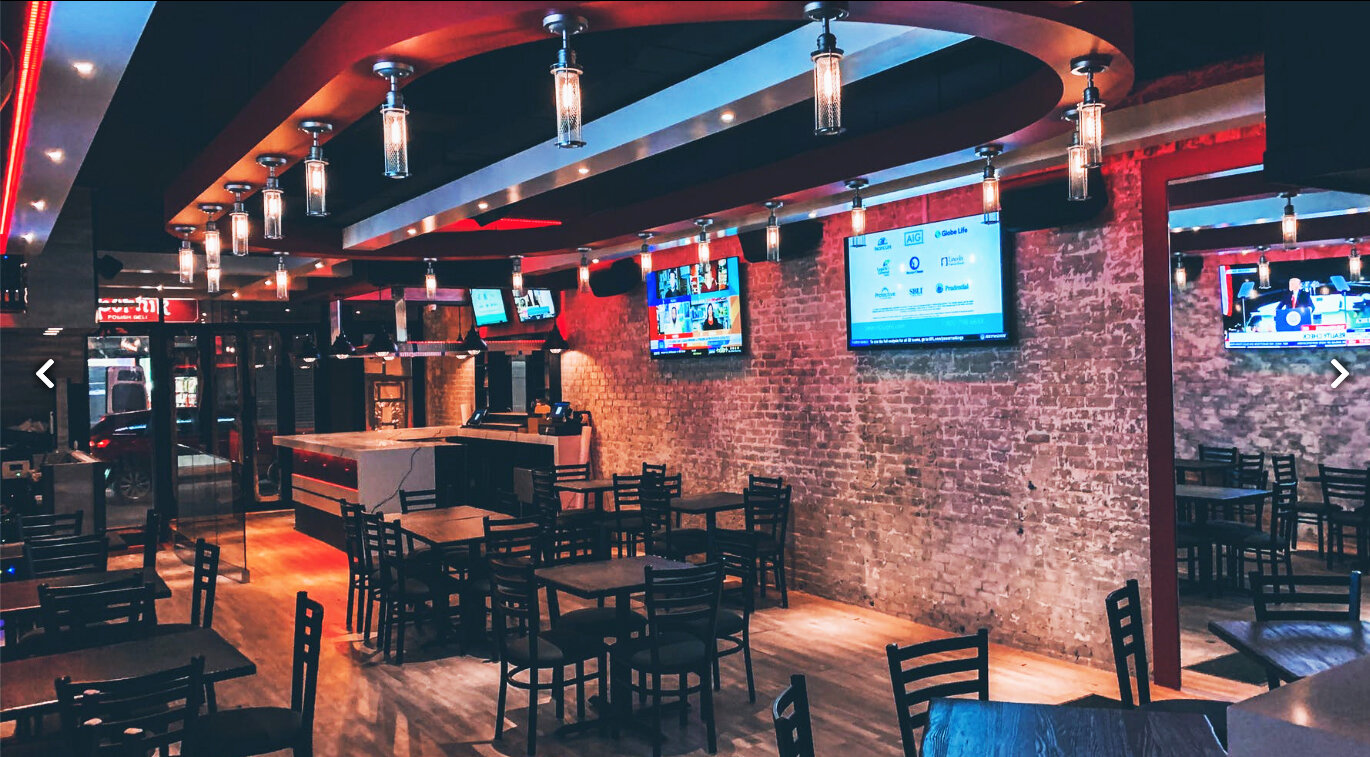
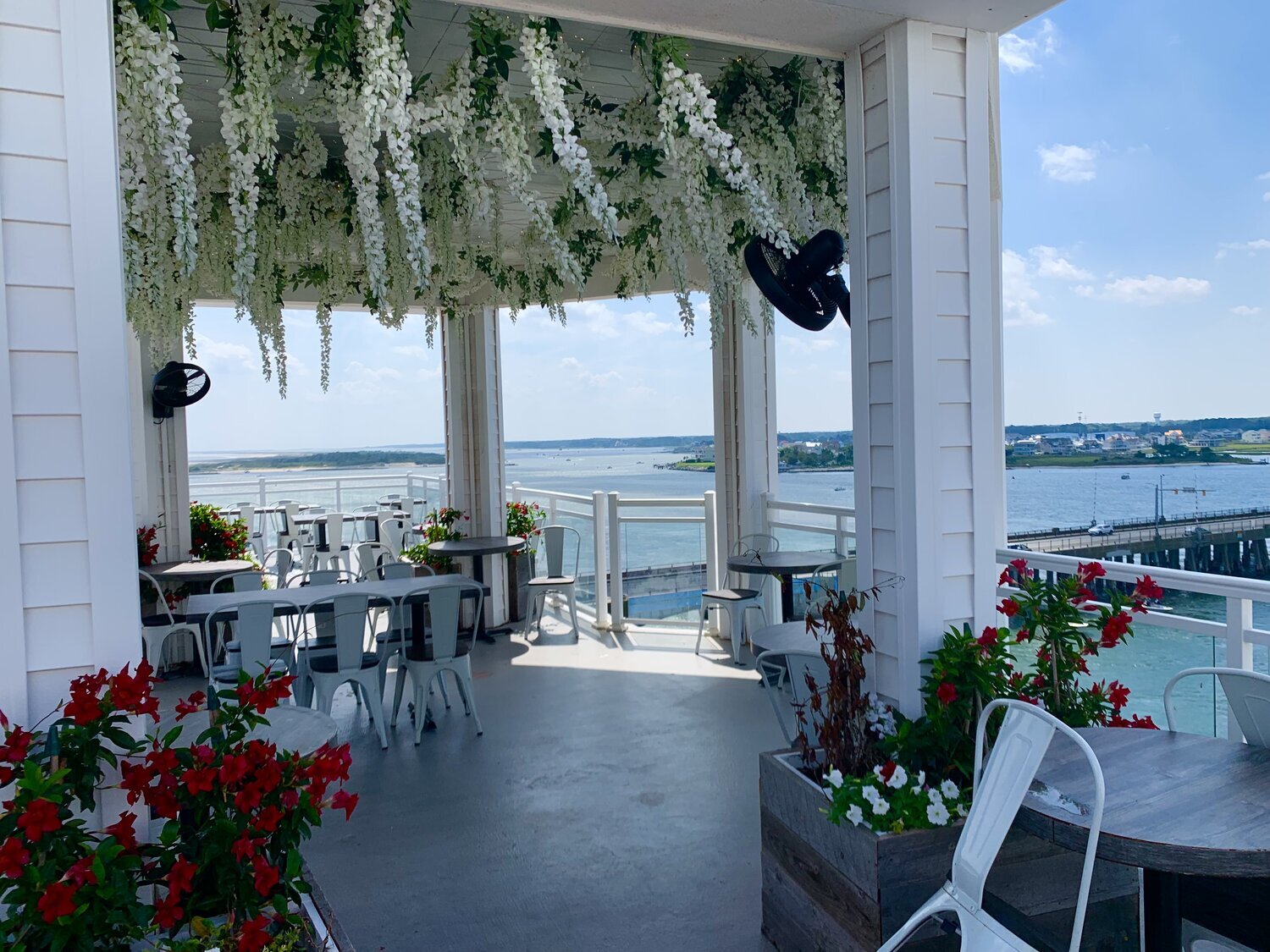
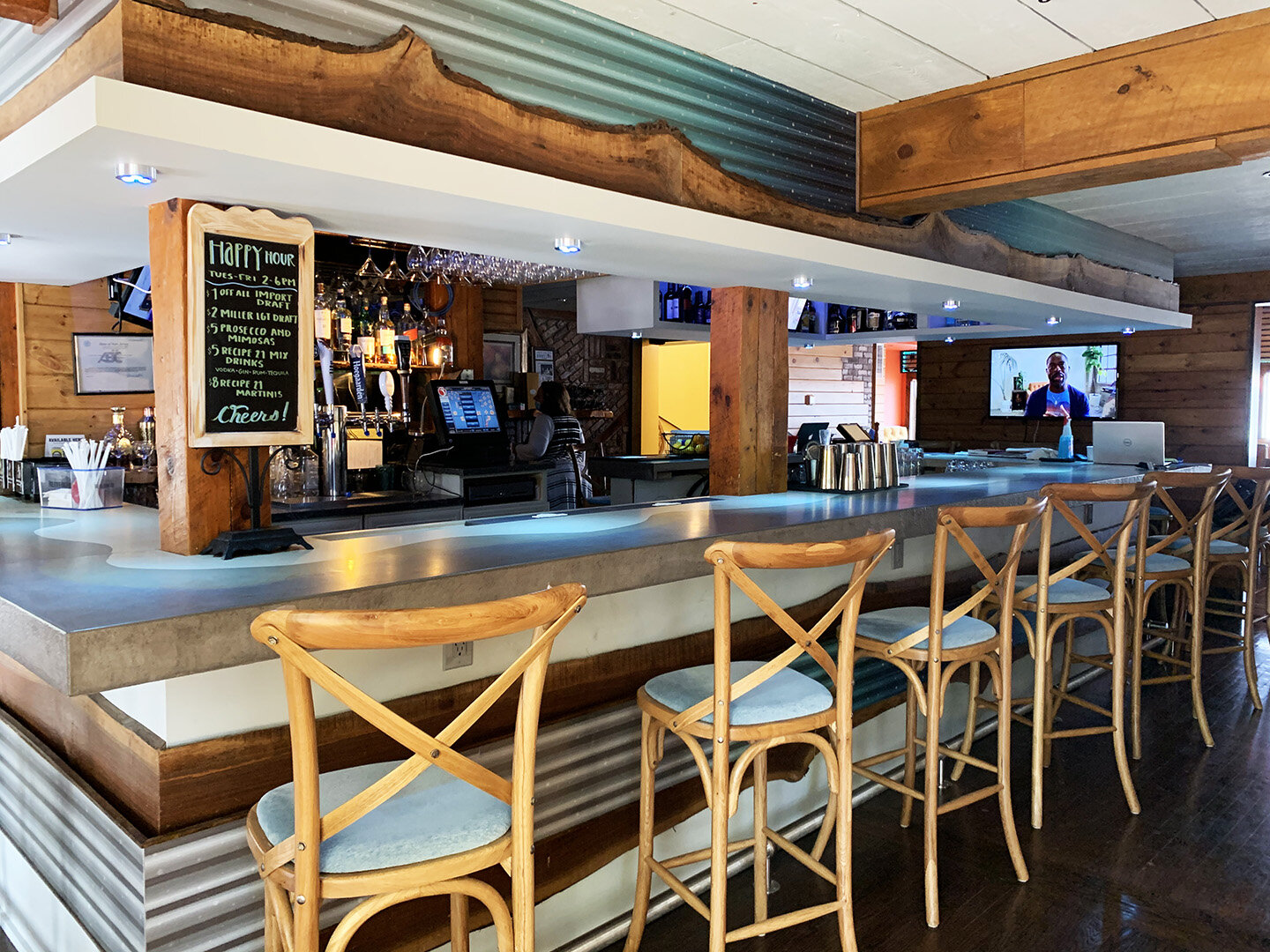
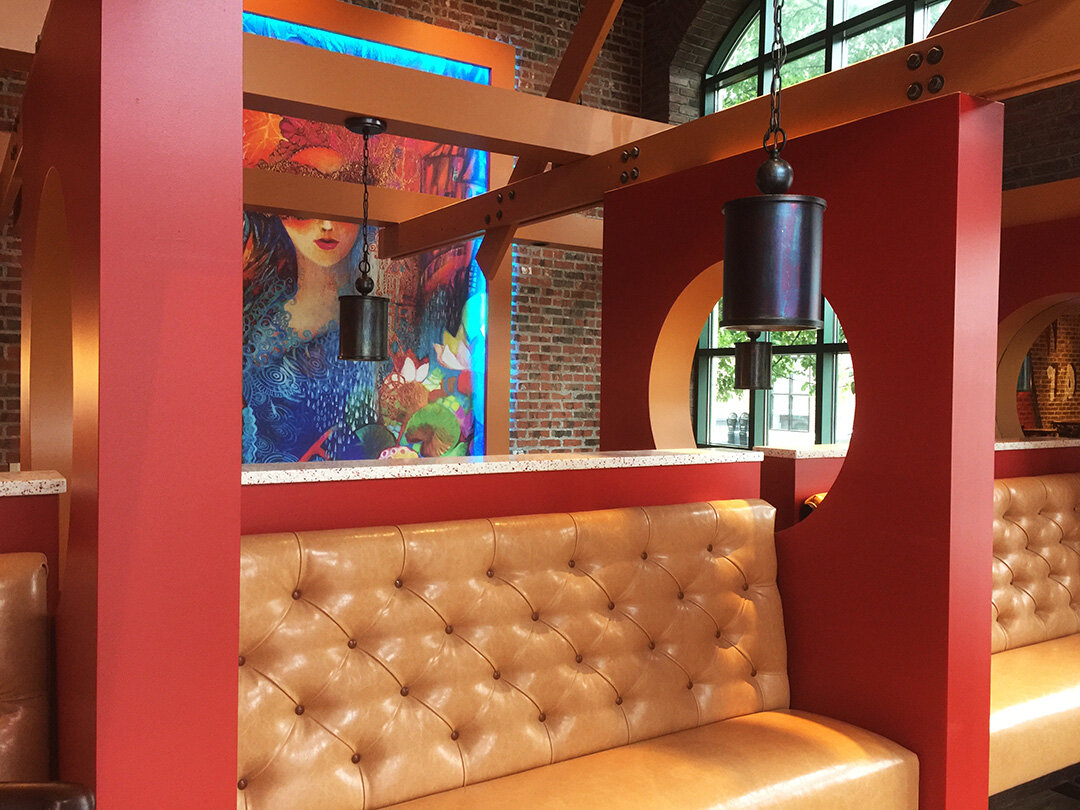
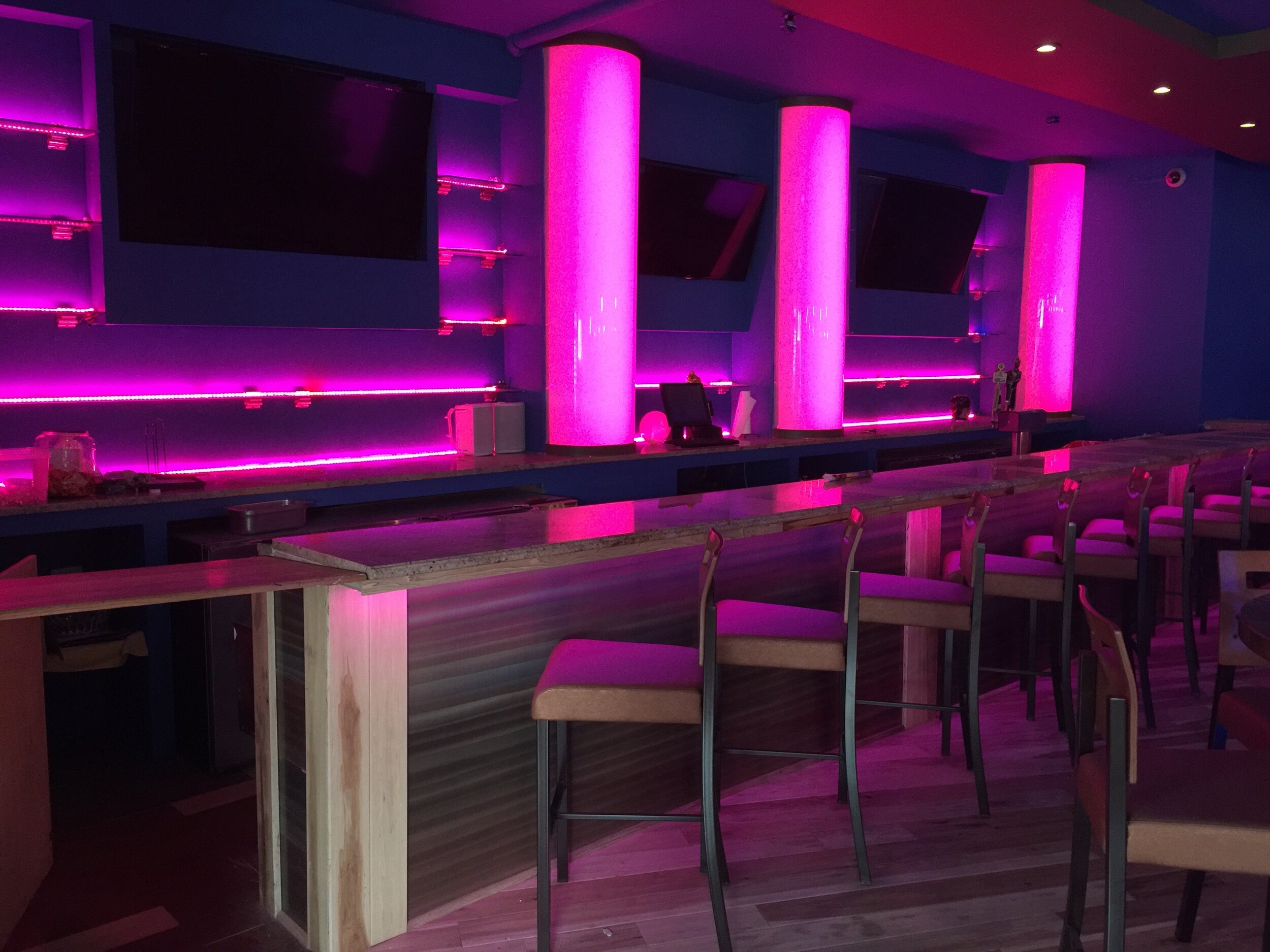
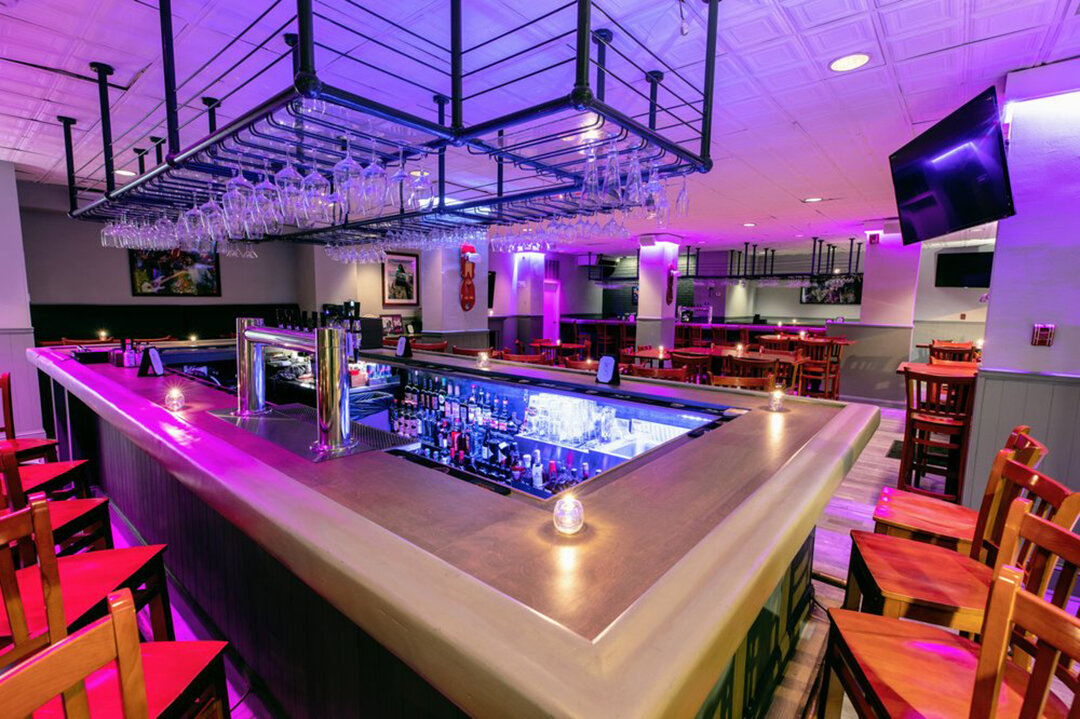
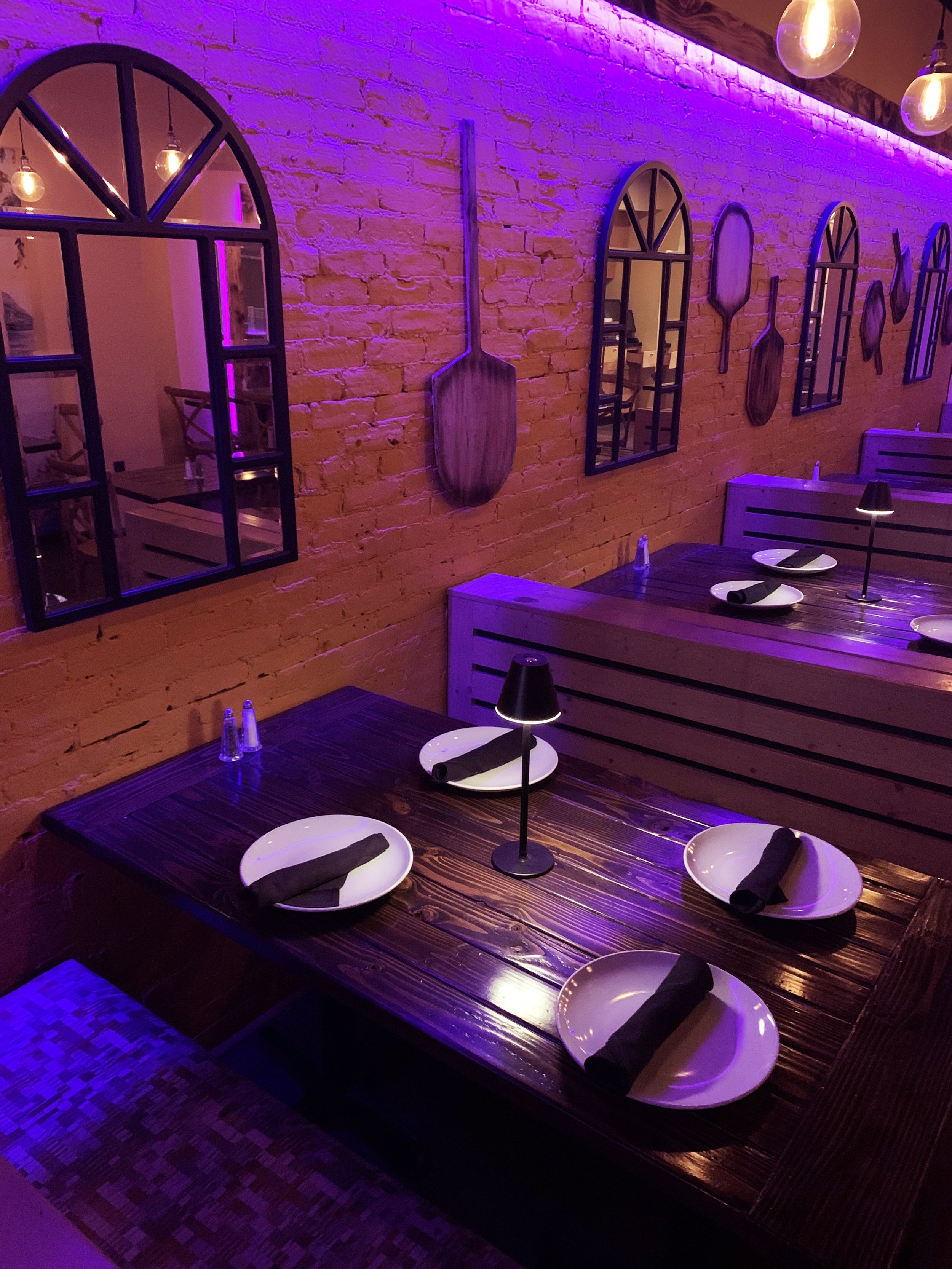
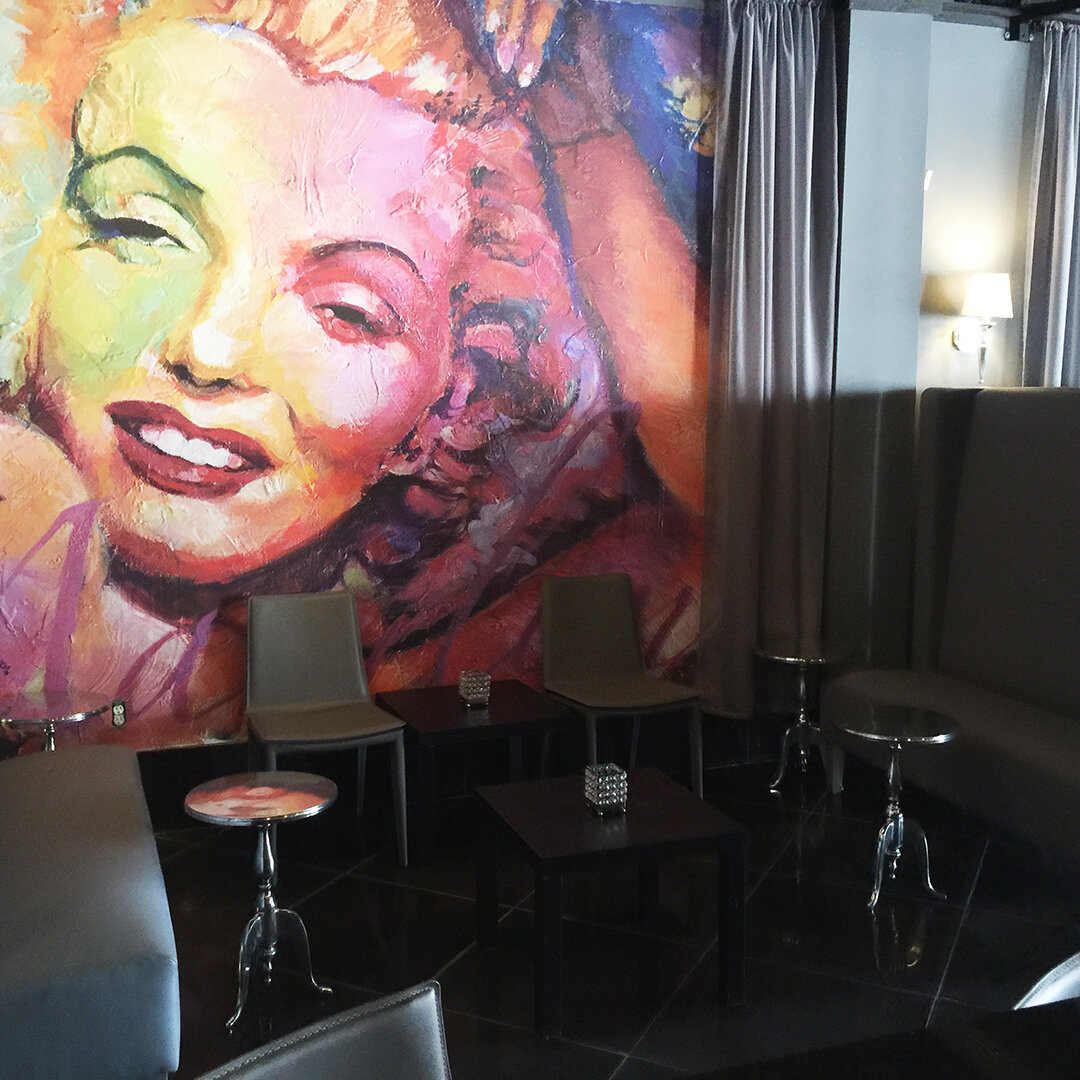
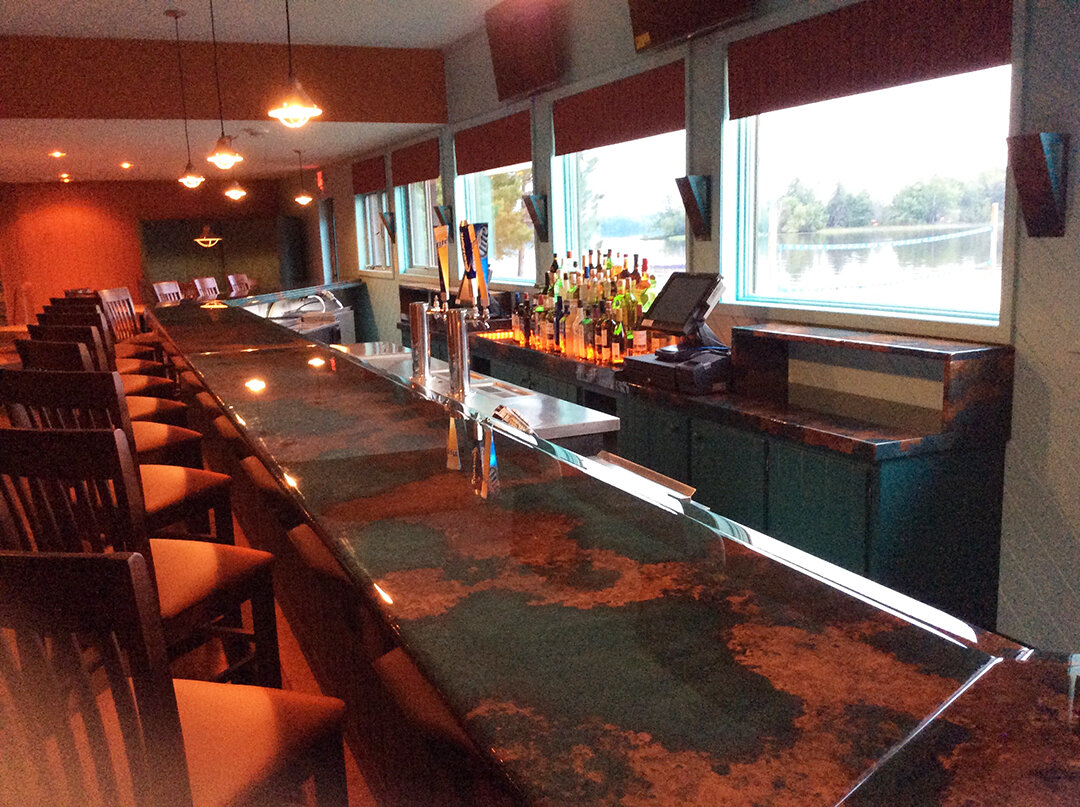
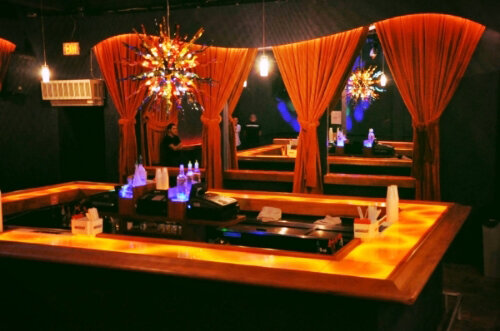
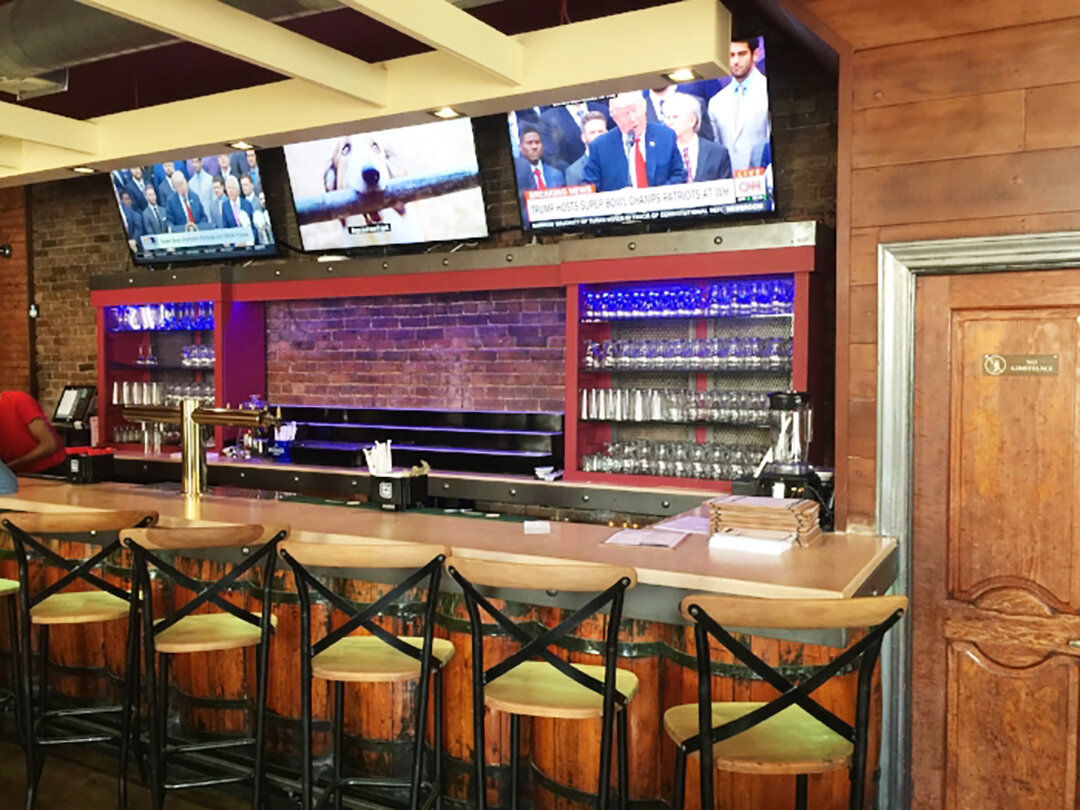
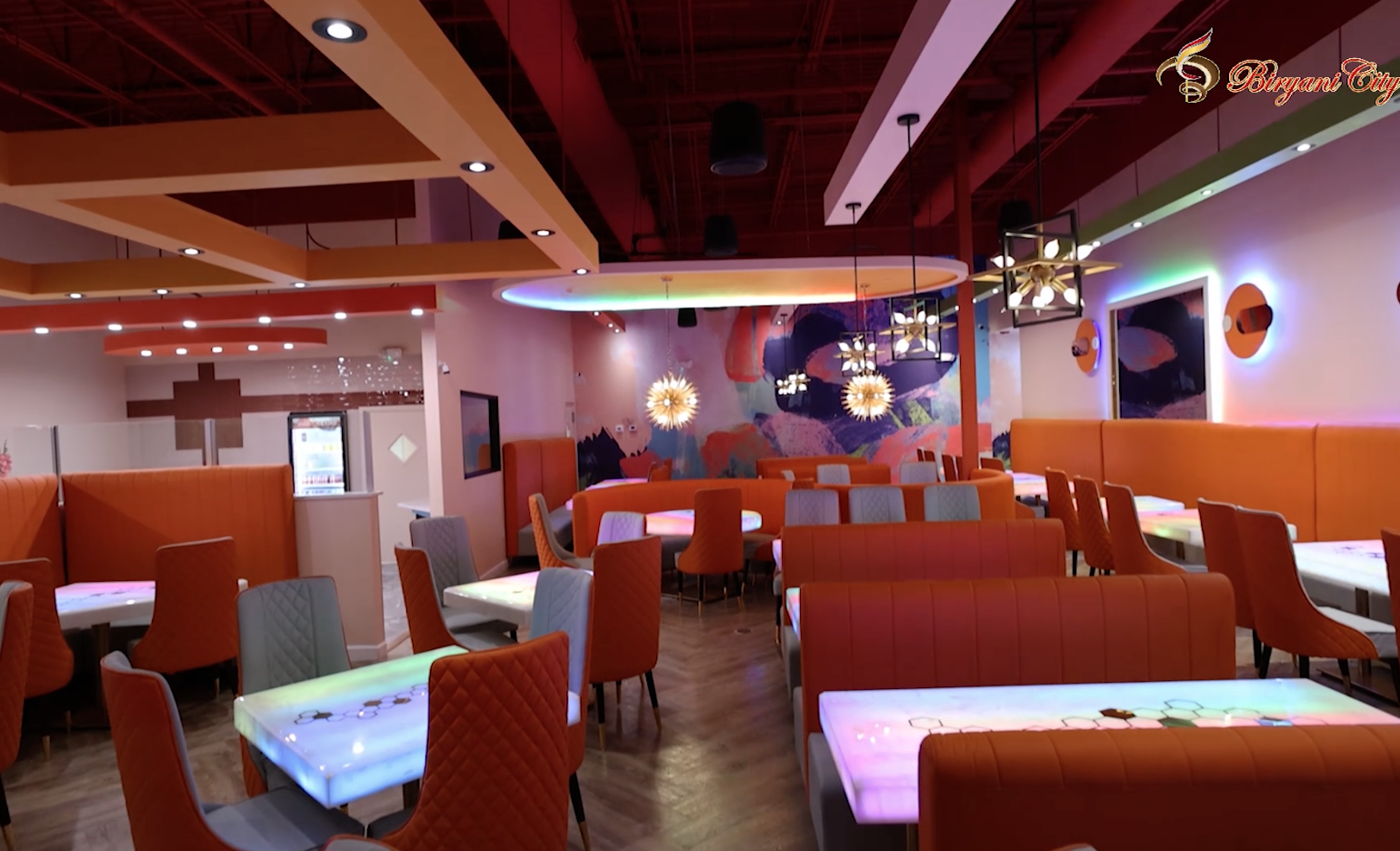
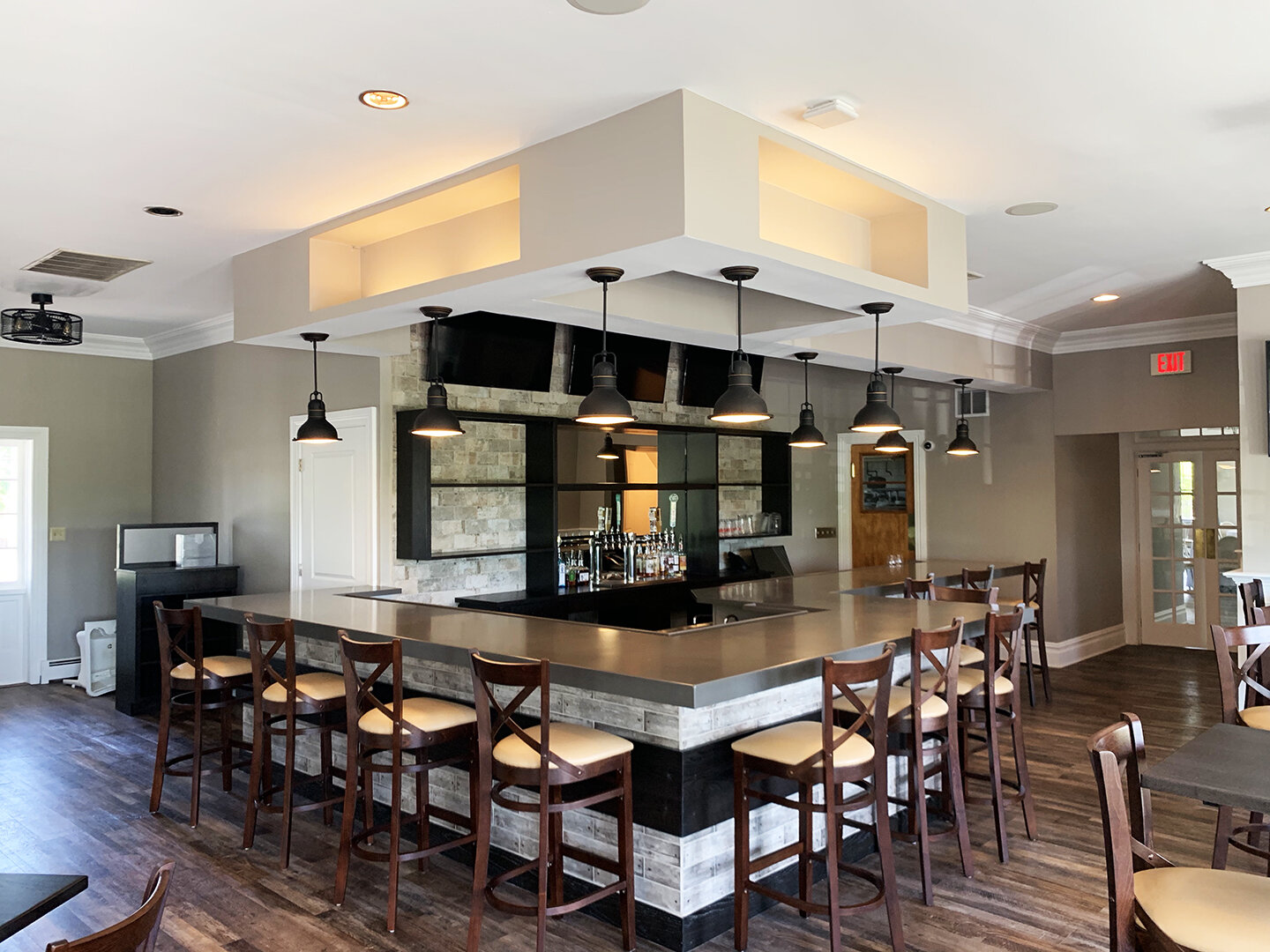
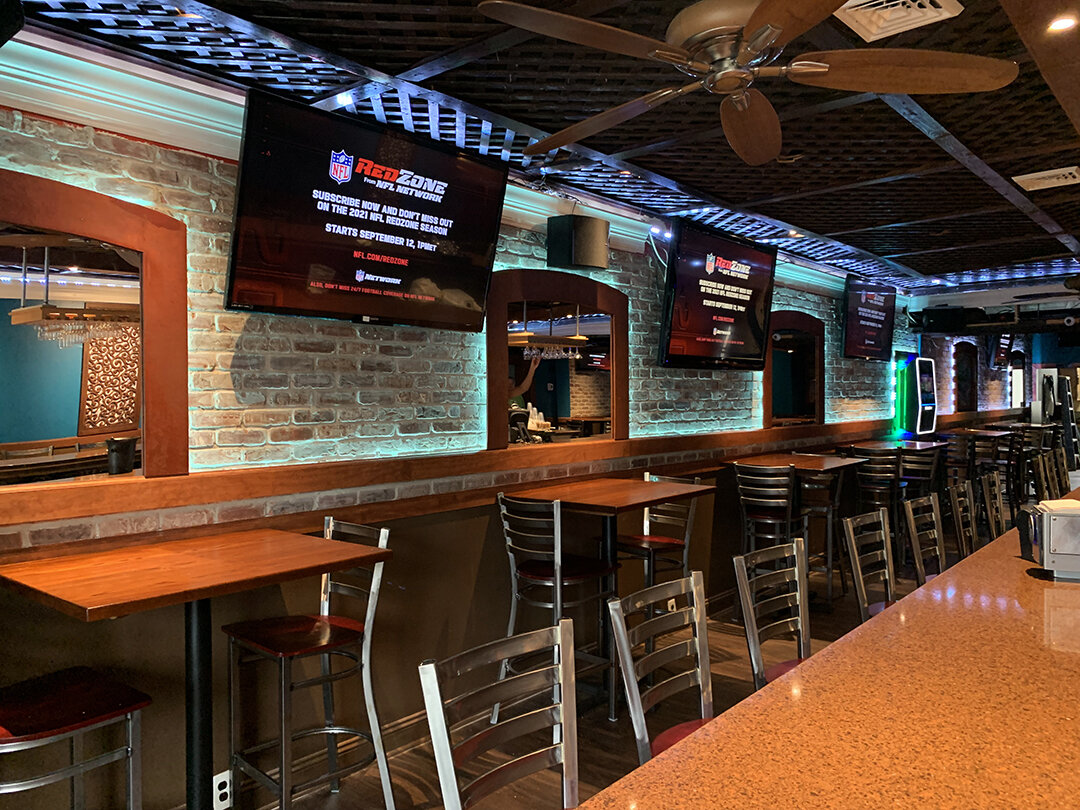
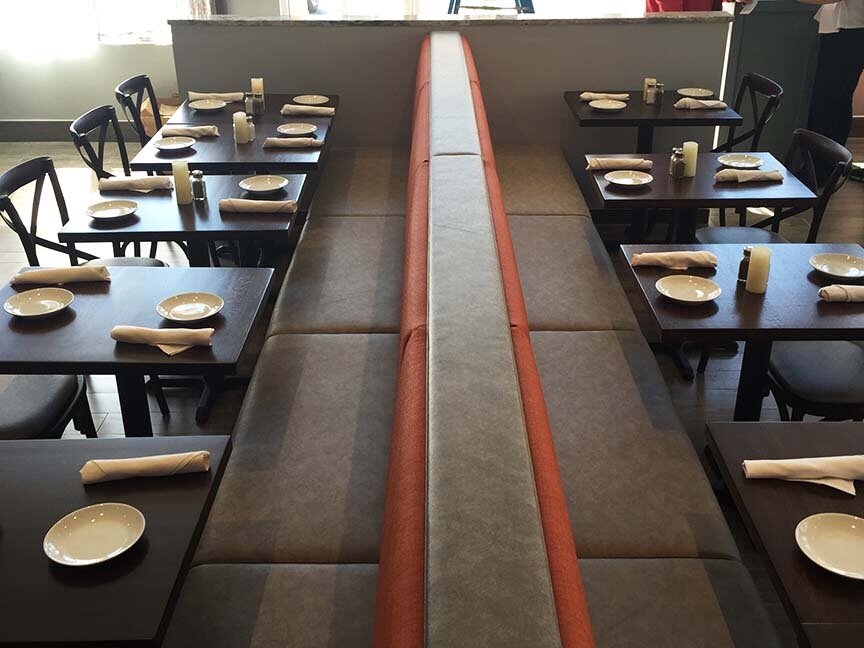
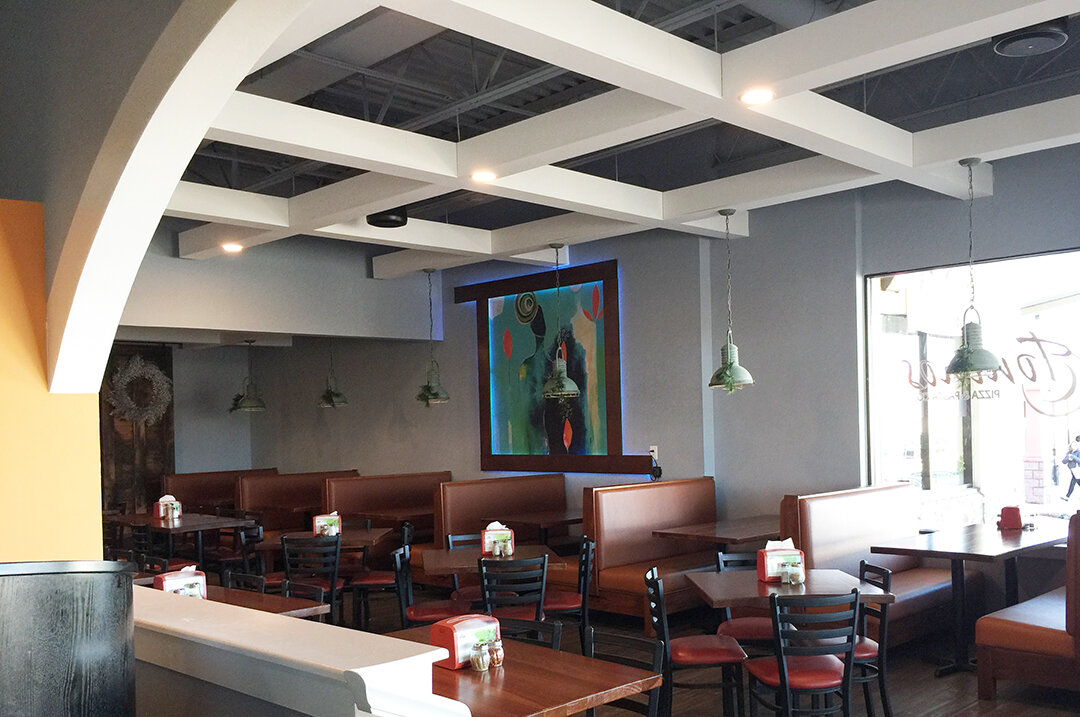
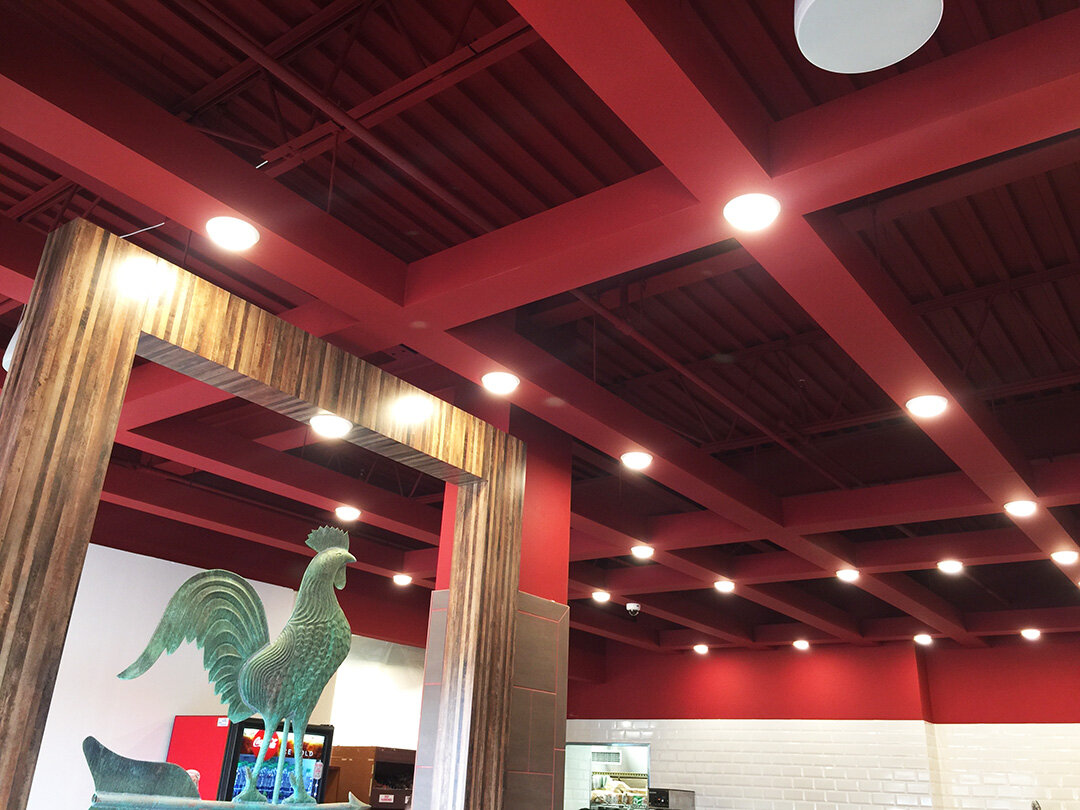
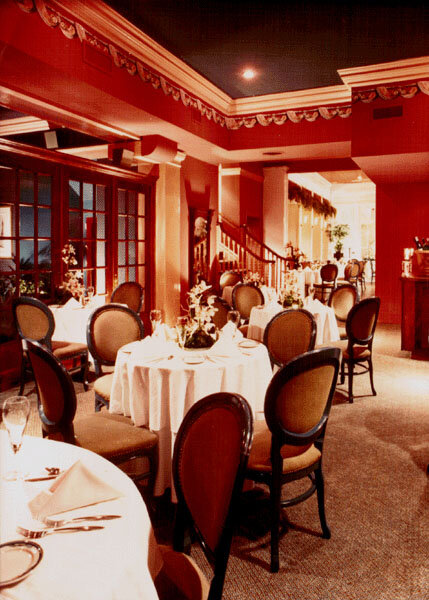
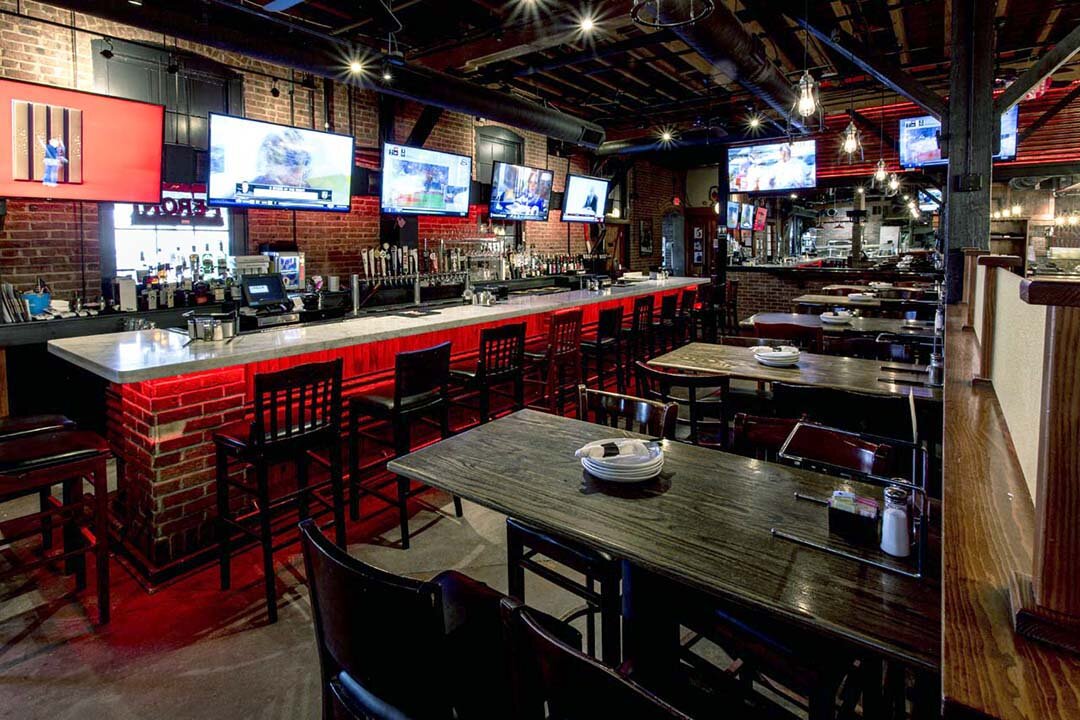
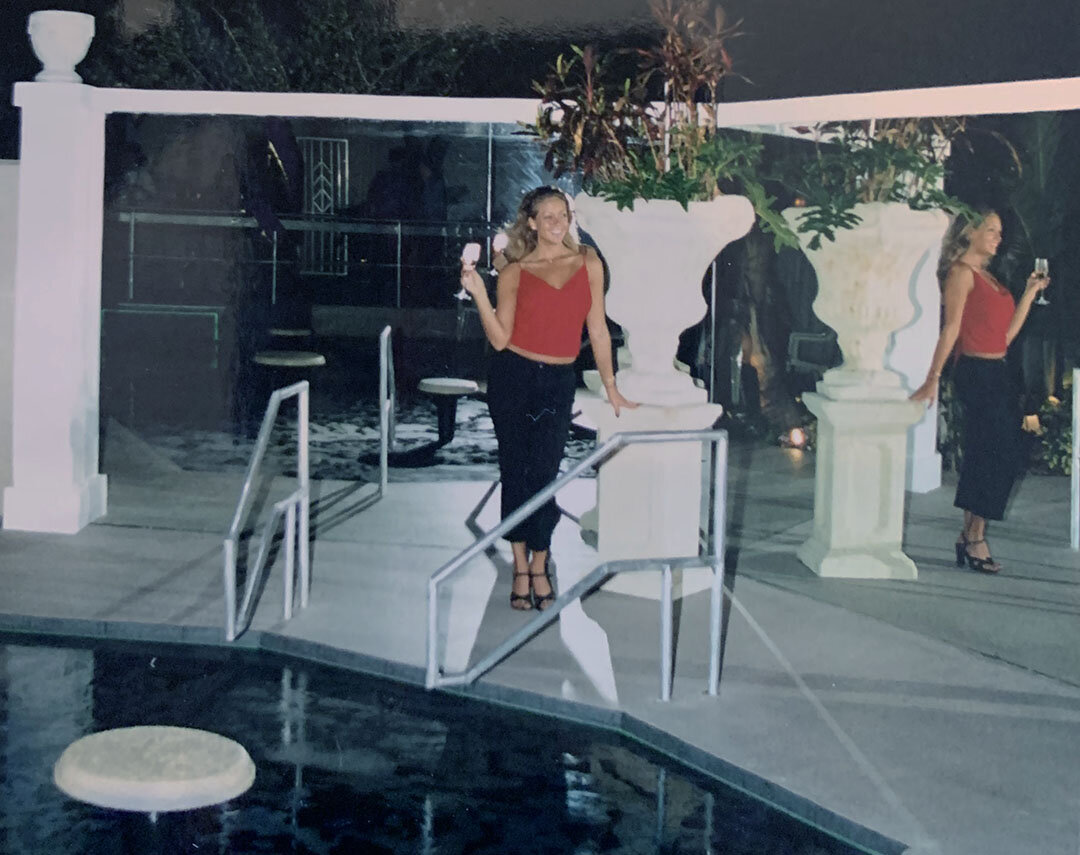
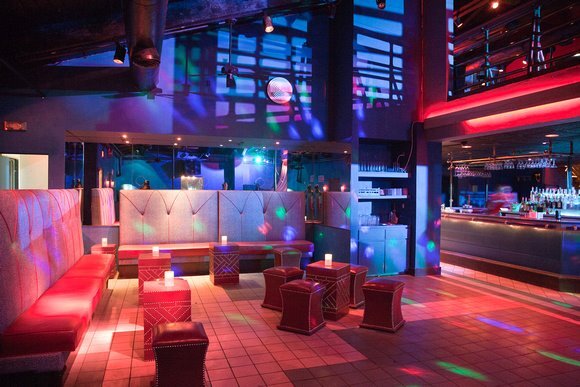
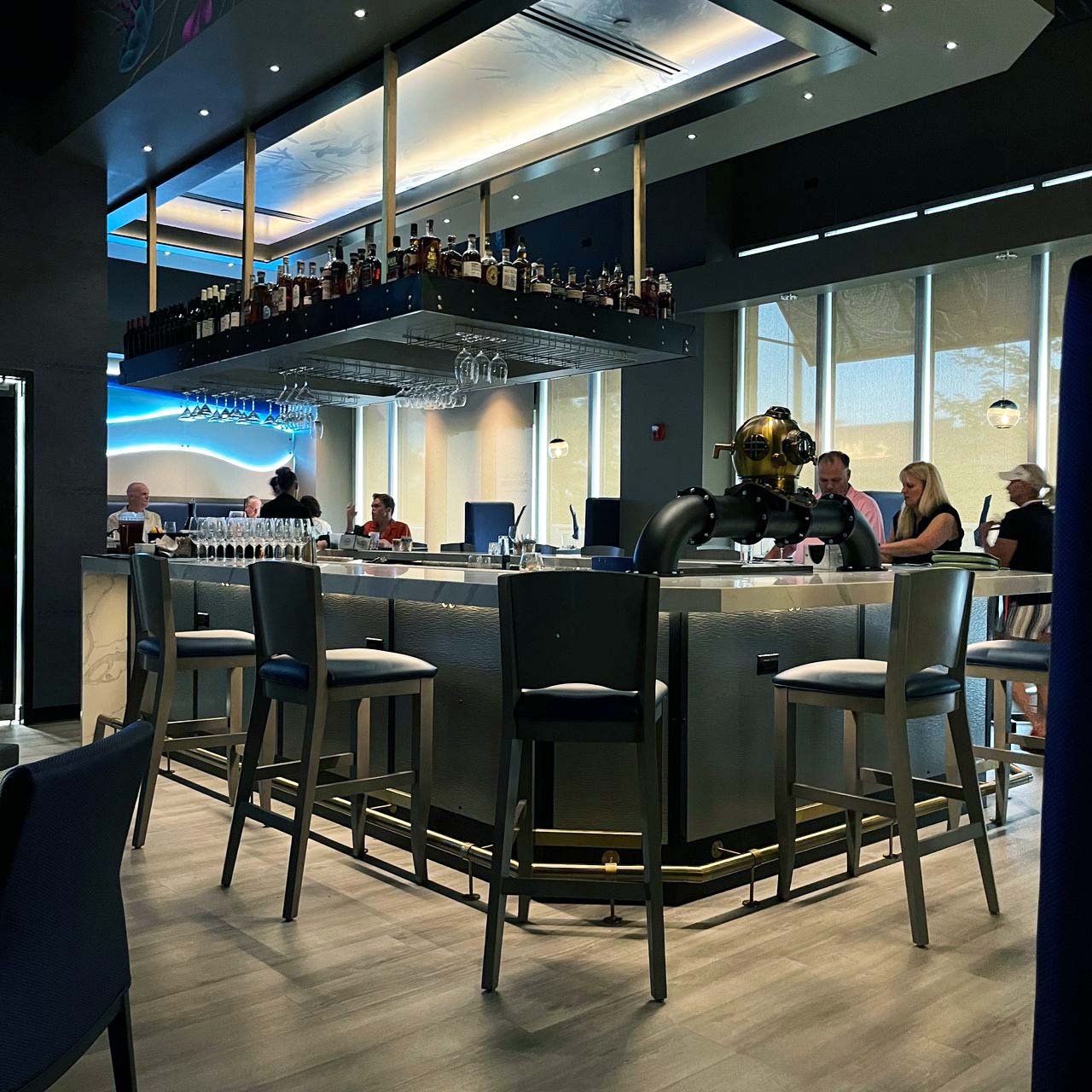
A distinctive restaurant identity comes to life through atmosphere, lighting, materials, and thoughtful design.
What Is Restaurant Rebranding?
Restaurant rebranding is the process of redefining how a restaurant presents itself and how guests experience it. Depending on the project, it can involve refining the concept, updating the visual identity, redesigning the interior, and coordinating the details that communicate the brand.
A restaurant renovation changes the physical space. A rebrand establishes what that space should communicate and how it supports the business's direction. The two often work together.
For example, an owner repositioning a casual restaurant as a more sophisticated evening destination may need to reconsider lighting, seating, the bar, menus, signage, and photography. Changing one element while leaving the rest disconnected can weaken the intended impression.
The first question is straightforward: What do you want guests to understand, feel, and remember about your restaurant?
When Should a Philadelphia Restaurant Consider Rebranding?
A rebrand should solve a specific problem or support a clear opportunity. Before investing, identify what has changed in your business and where the current experience falls short.
Your interior no longer reflects your food or price point
If your menu has evolved but the room still suggests an earlier concept, guests may struggle to understand your positioning. Finishes, furniture, lighting, and presentation should support the experience you are offering today.
Your restaurant lacks a recognizable identity
A room can be attractive and still feel interchangeable. A stronger concept gives the design a point of view, with memorable details that belong together rather than competing for attention.
You are introducing a new concept or taking over an existing space
A change in ownership, cuisine, or service style is an opportunity to reconsider the restaurant as a whole. Assess which existing features support the new direction and which continue to tell the previous restaurant's story.
Your brand looks different everywhere guests encounter it
The website promises one atmosphere, the signage suggests another, and the dining room delivers a third. Coordinating these impressions helps guests understand what to expect before they arrive.
Not every mismatch calls for a complete reinvention. A focused refresh may be appropriate when the underlying concept is strong and only selected elements need attention.
What Should Restaurant Rebranding Services Include?
When evaluating a restaurant rebranding proposal, look for a clear connection between strategy and execution. Confirm which services are included, who is responsible for each deliverable, and where other specialists will be needed.
Concept development and positioning
Define the intended guest, occasion, atmosphere, and price positioning. Is the restaurant a neighborhood gathering place, a celebratory destination, a lively bar with dining, or an intimate evening retreat? A clear direction gives the design team a basis for making decisions.
Restaurant interior design
The interior makes the concept tangible. Color, texture, lighting, furniture, artwork, and architectural features shape the way guests perceive the restaurant.
A dramatic ceiling might become the room's signature. A custom banquette could create a more intimate dining area. A well-composed bar might establish the energy of the entire space. Each feature should reinforce the restaurant's personality while contributing to comfort and practical use.
Brand identity and guest-facing details
Consider how the name, logo, signage, menus, and digital presentation relate to the physical setting. These elements do not all need to change, but they should feel like parts of the same restaurant. Confirm whether graphic design, website work, and launch materials are included in the scope or require separate providers.
Space planning and operational coordination
Evaluate the arrival experience, waiting area, seating mix, service routes, and bar access. Identify places where guests or staff encounter friction. A beautiful concept needs a layout that supports the way the restaurant operates.
Coordinate proposed changes with the appropriate construction and technical professionals as the project develops.
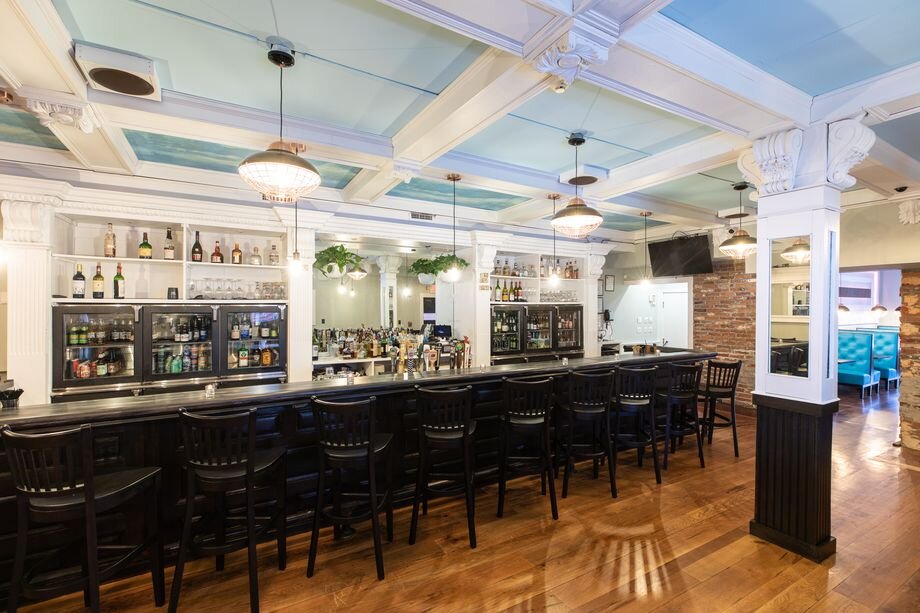
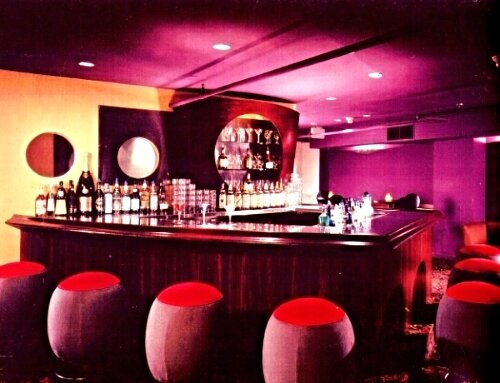
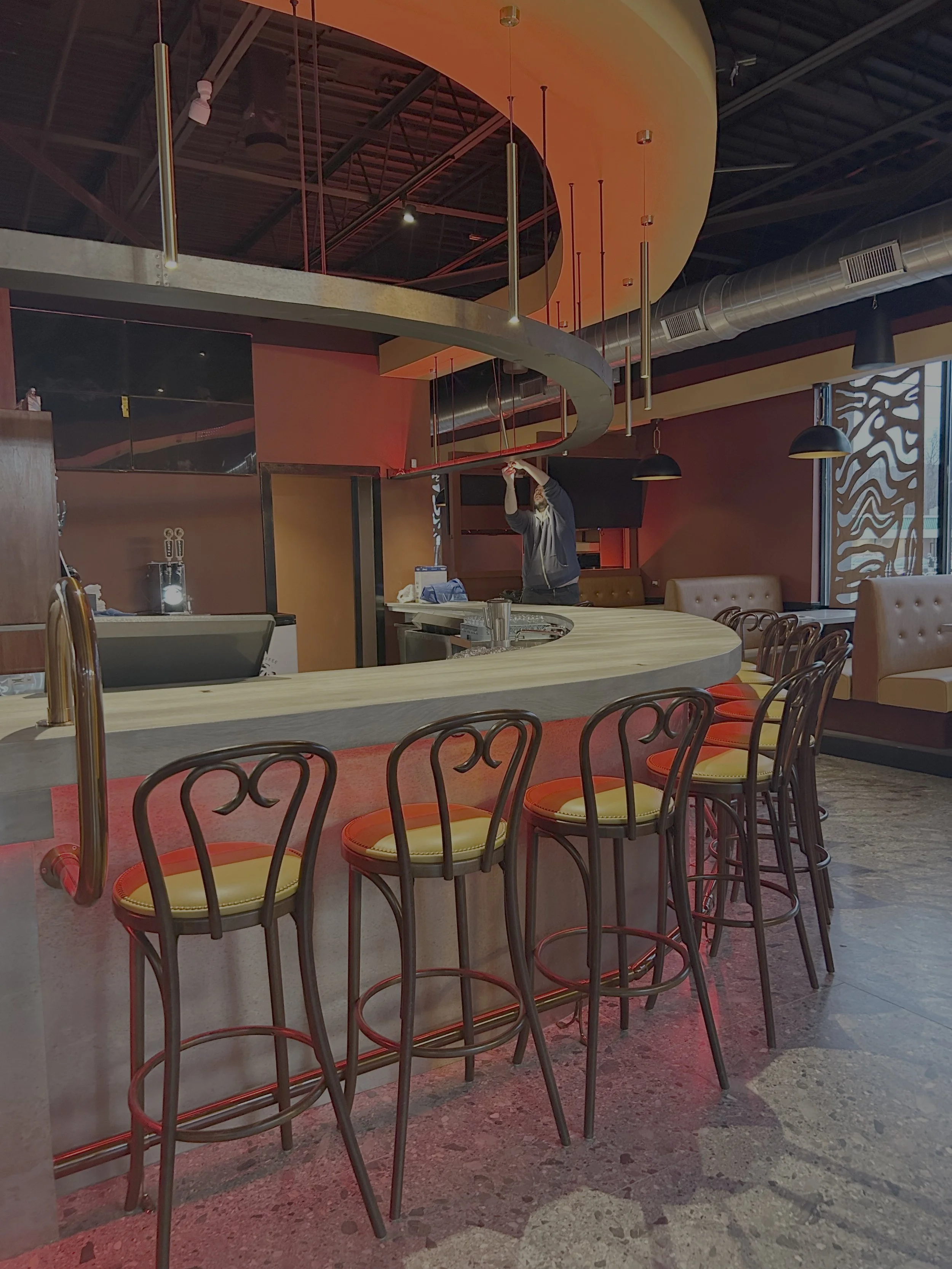
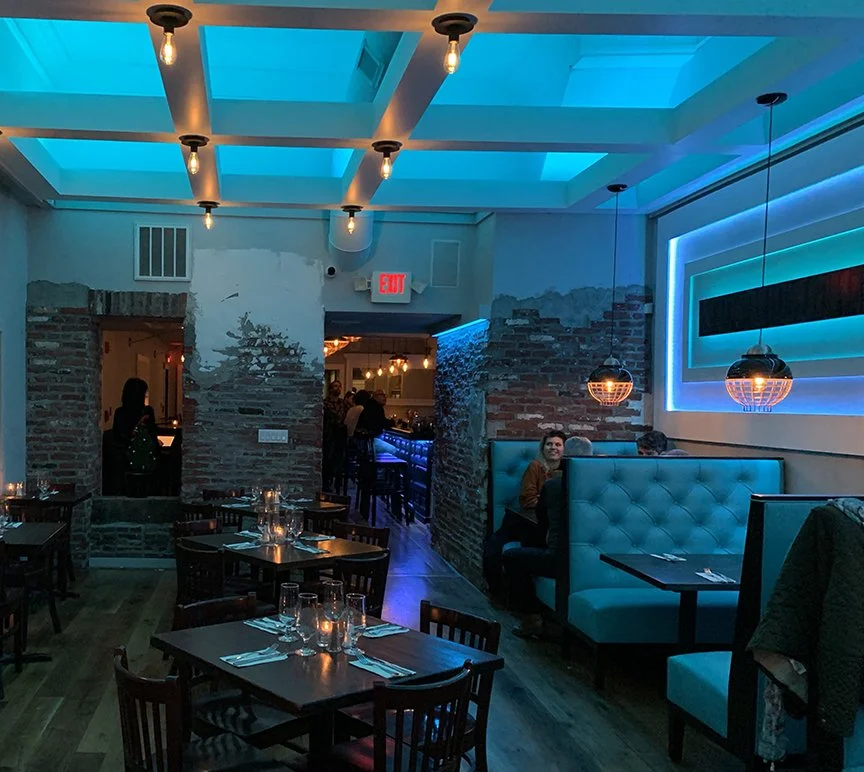
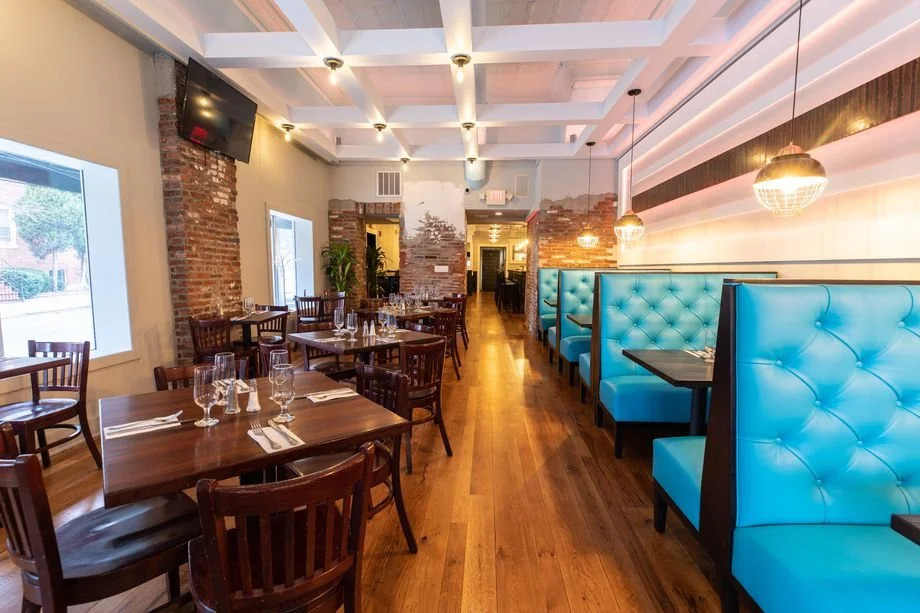
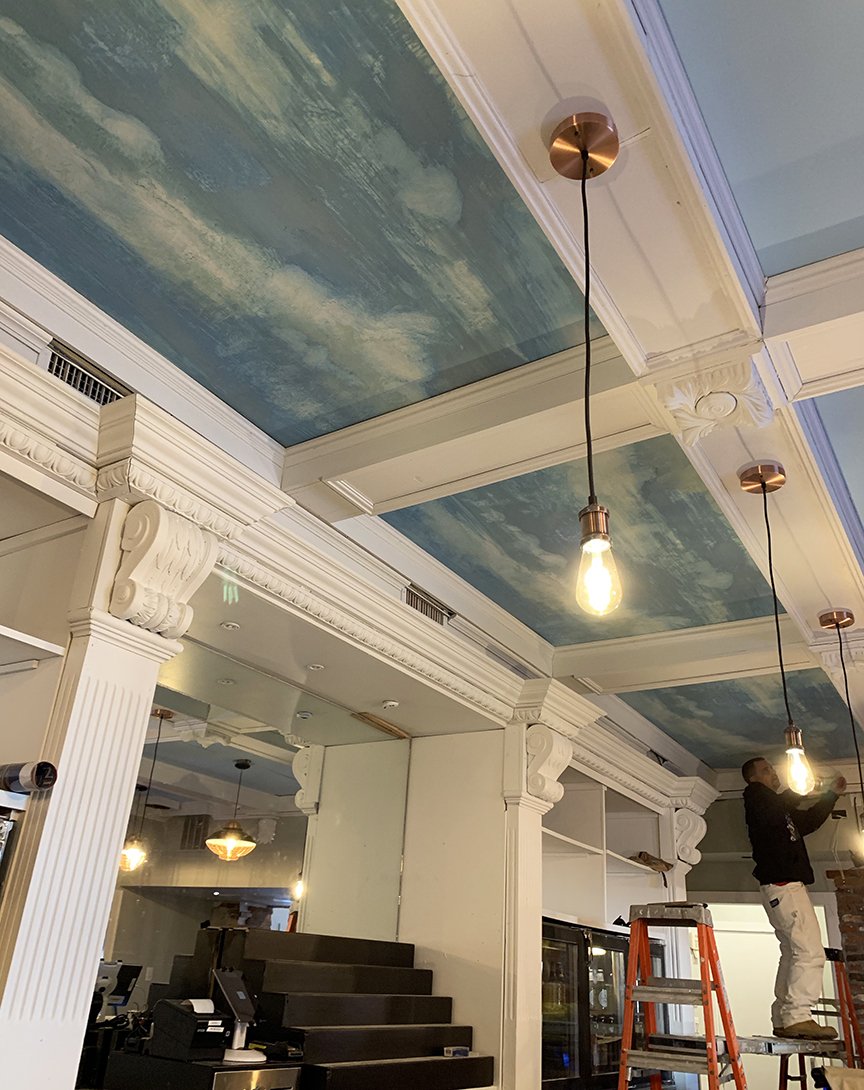
At VAL’S, 21st & Green in Philadelphia’s Fairmount Neighbor hood, Raymond painted the dank old wood white and continued the original coffered beams in the bar through the dining room, adding some architectural significance to the large empty ceiling. A great example of a Philadelphia Restaurant Rebrand. (pics below)
VAL’s Philadelphia Restaurant Rebrand
”BEFORE”
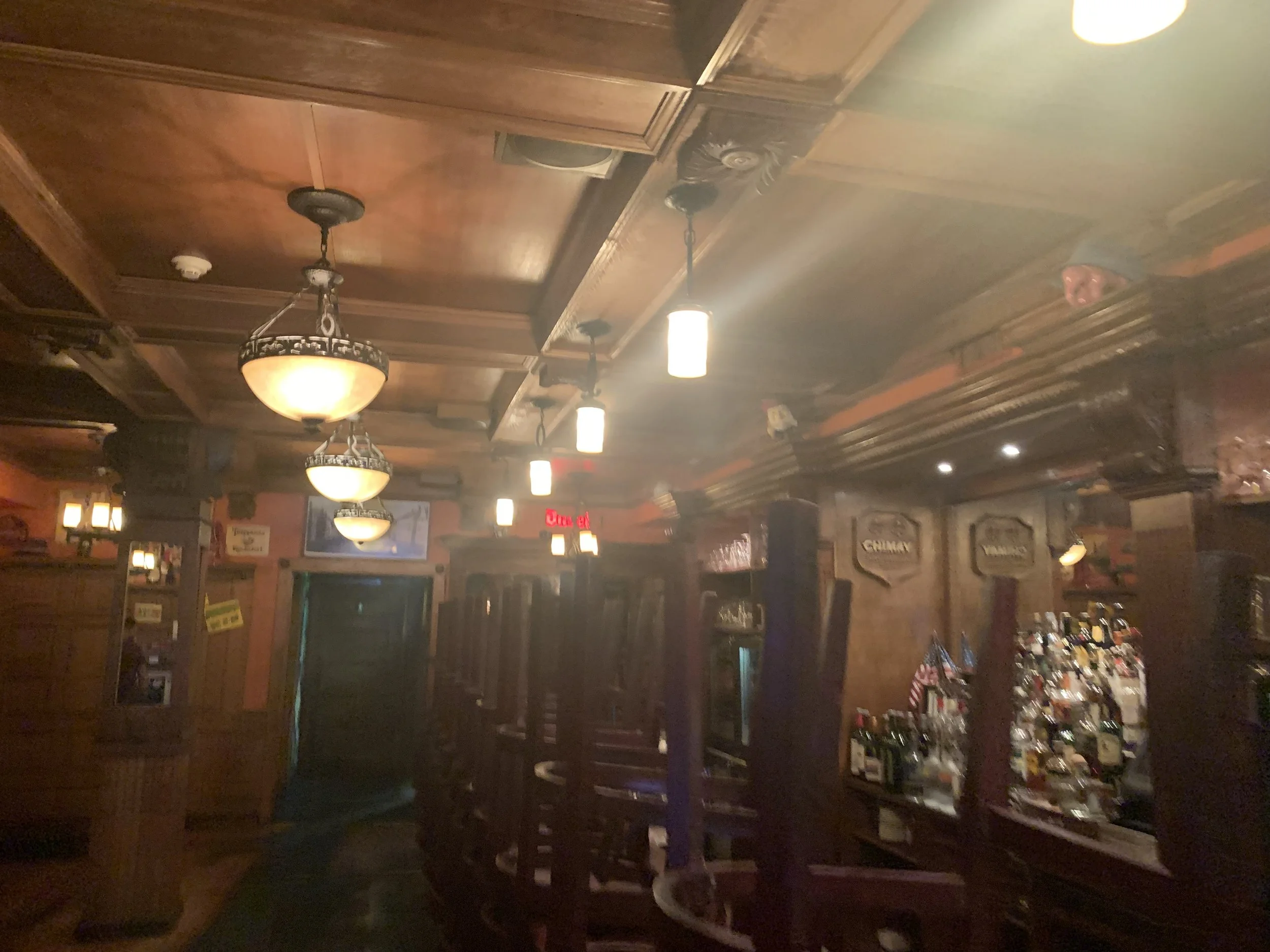
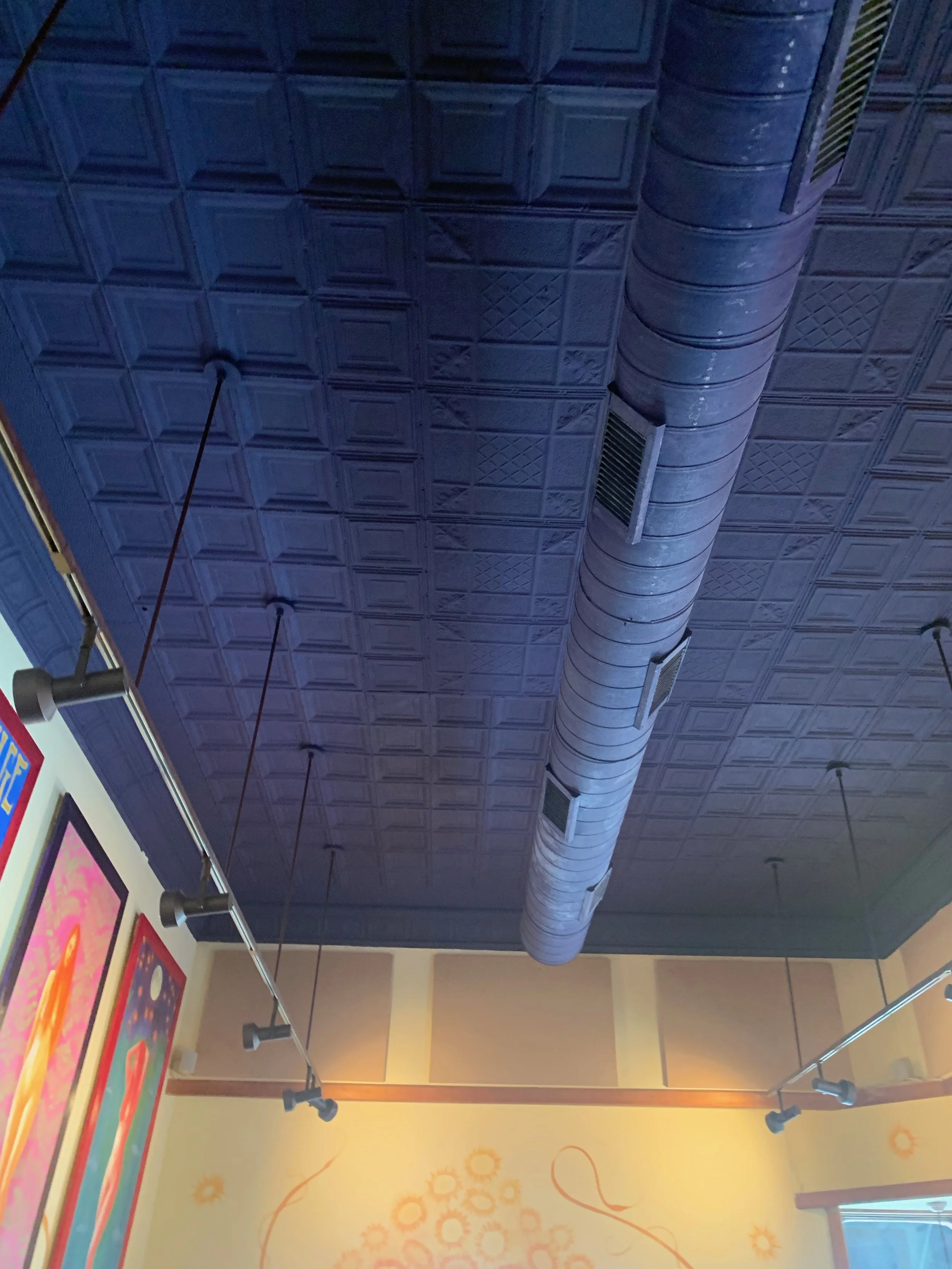
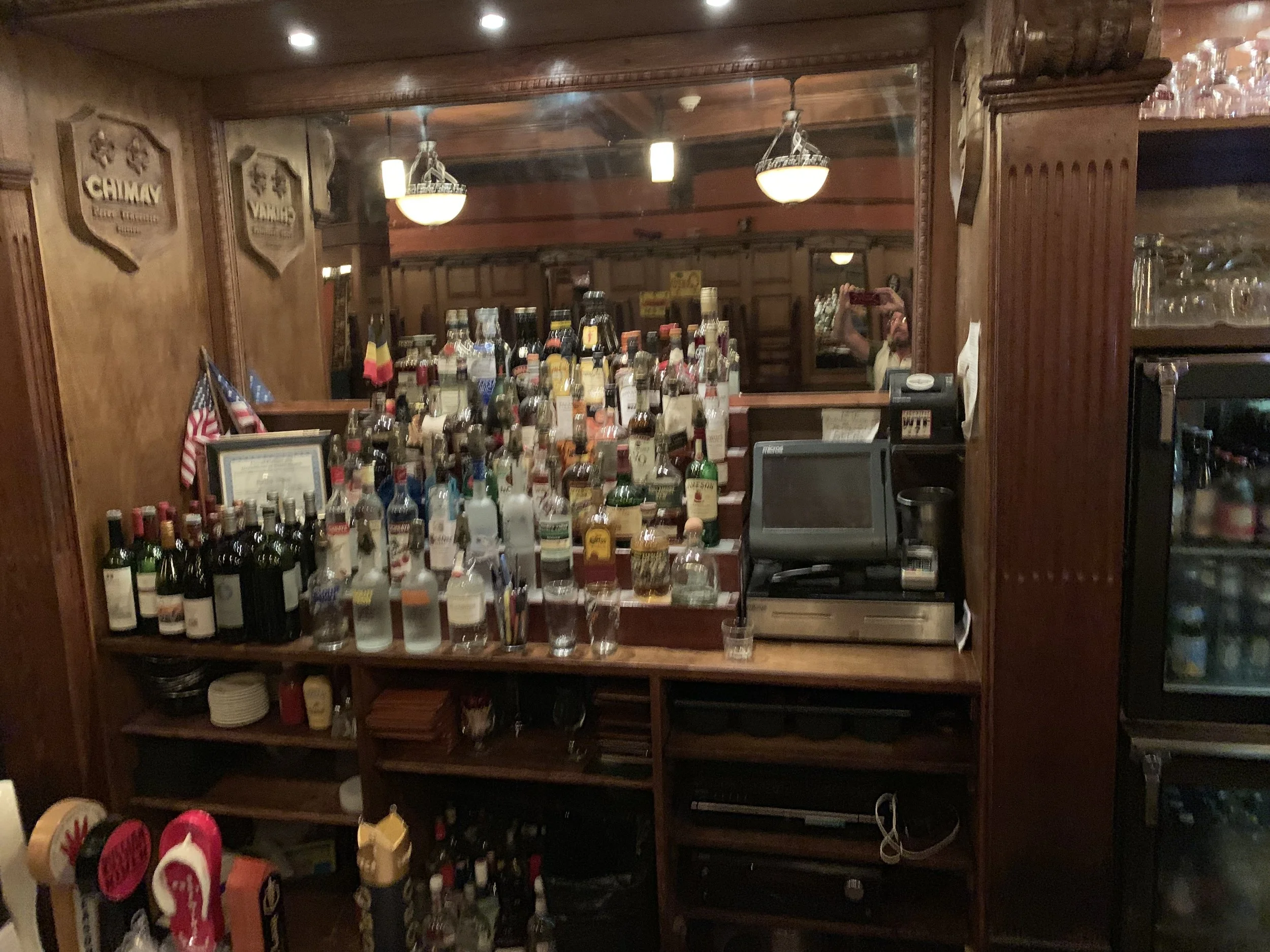
VAL’s Philadelphia Restaurant Rebrand
”AFTER”
Designing a Rebrand for Your Philadelphia Location
A restaurant's location should inform the brief without dictating a predictable look. A Center City dining room, an Old City property, a Rittenhouse restaurant, and a neighborhood venue in South Philadelphia may present very different spaces and business priorities.
Start with the conditions at your address. Who visits now? Who would you like to attract? Which occasions bring them in? What do nearby restaurants already offer, and where can your concept establish its own identity?
Consider the building as well. An existing façade, narrow entrance, exposed brick wall, or unusual ceiling height may become part of the design's character. Decide what deserves emphasis and what needs a new treatment.
For more about Raymond's approach to local projects, explore his Philadelphia restaurant design services.
How to Choose a Restaurant Rebranding Designer
Review completed work for evidence of a clear concept carried through the space. Look beyond individual decorative features and ask how the entrance, dining room, bar, and lighting work together.
Useful questions for an initial discussion include:
How would you assess whether we need a refresh or a broader rebrand?
How will the design reflect our concept and intended guests?
Which existing features are worth preserving?
What drawings, selections, and other deliverables are included?
Who coordinates with contractors, fabricators, and other specialists?
How will budget and operating constraints shape the proposed scope?
Browse Raymond Haldeman's restaurant design portfolio to explore his work across dining rooms, bars, and hospitality settings. Select references that relate to the atmosphere you want, then discuss how an original direction could work for your own venue.
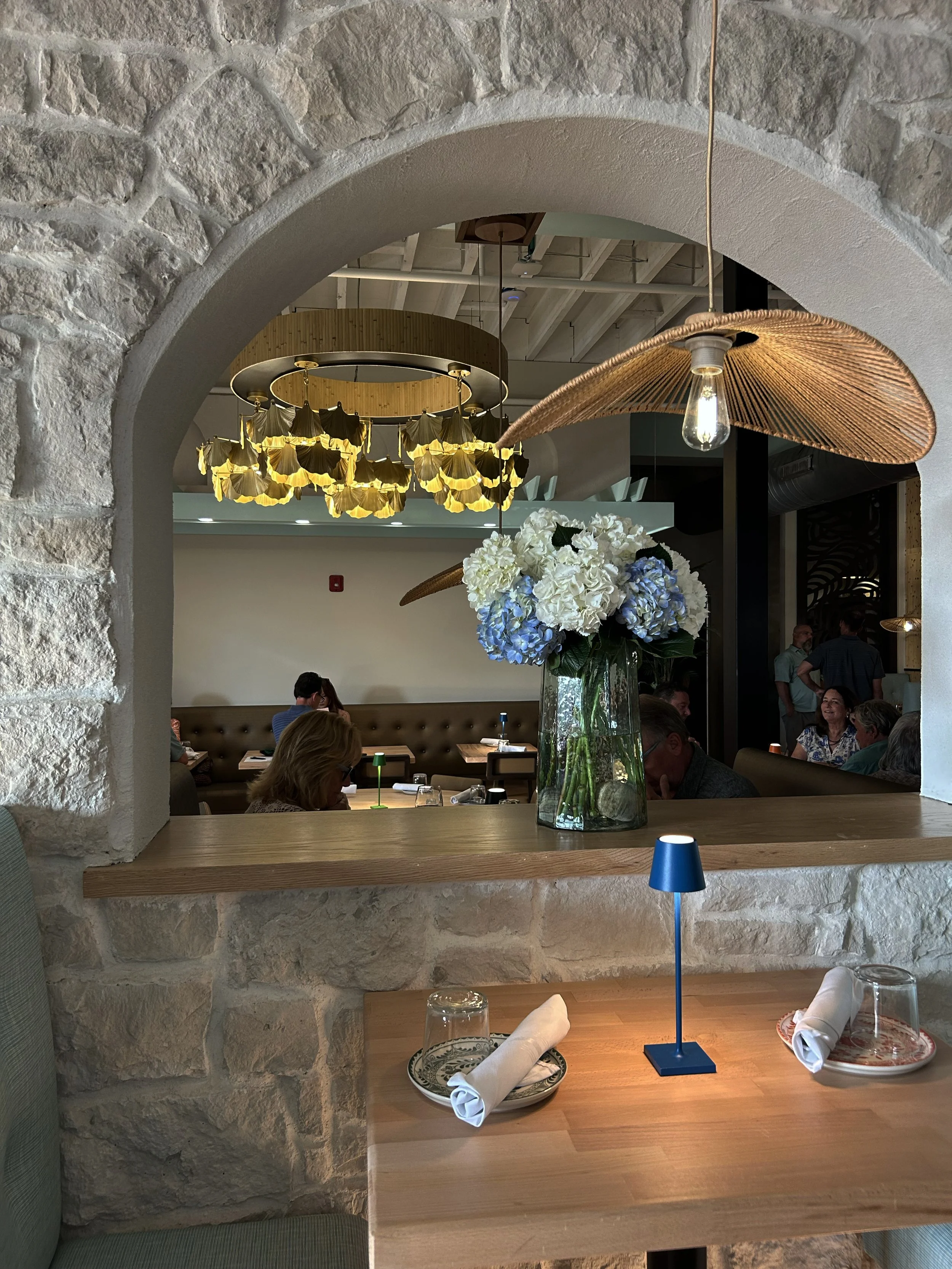
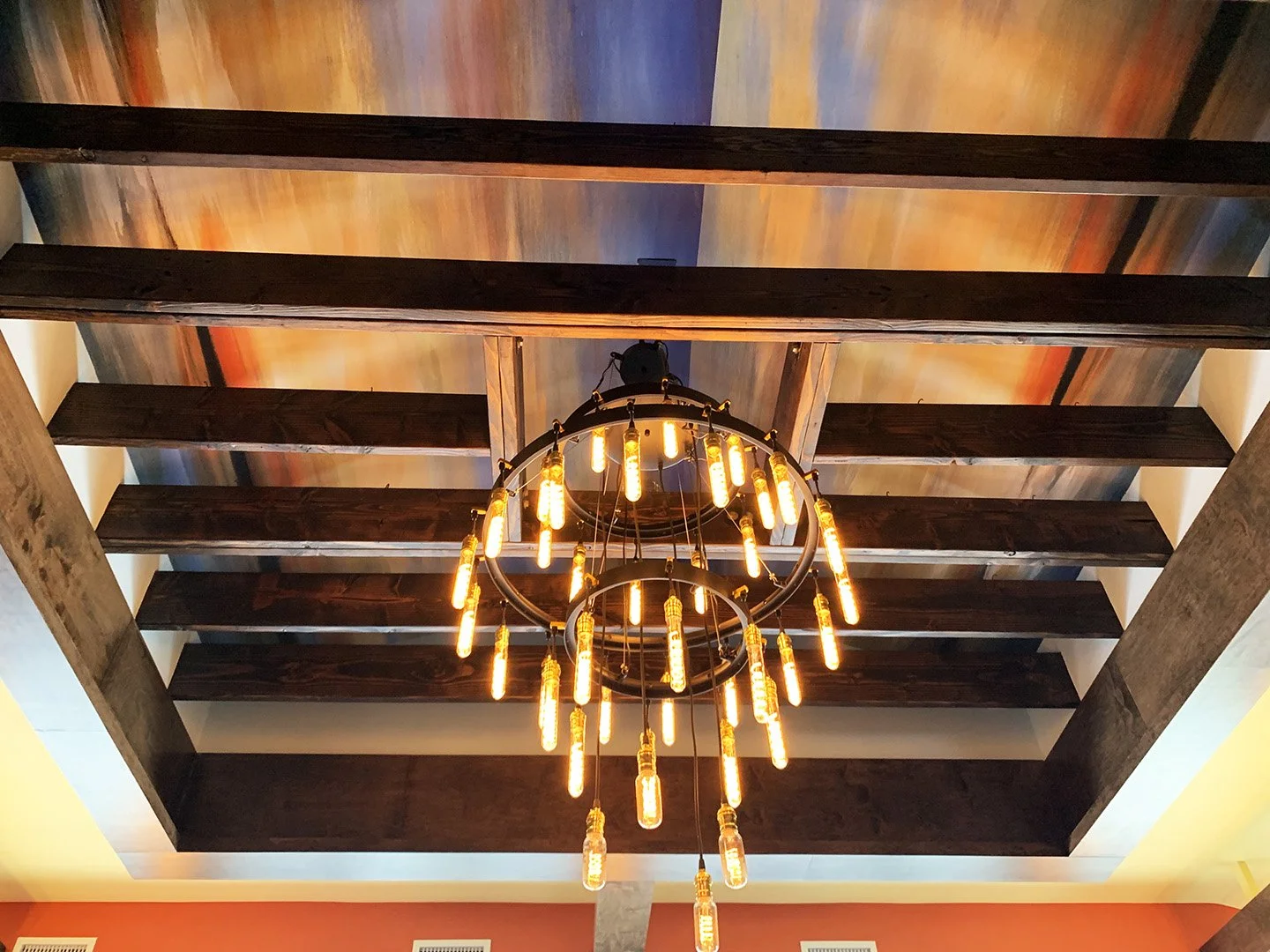
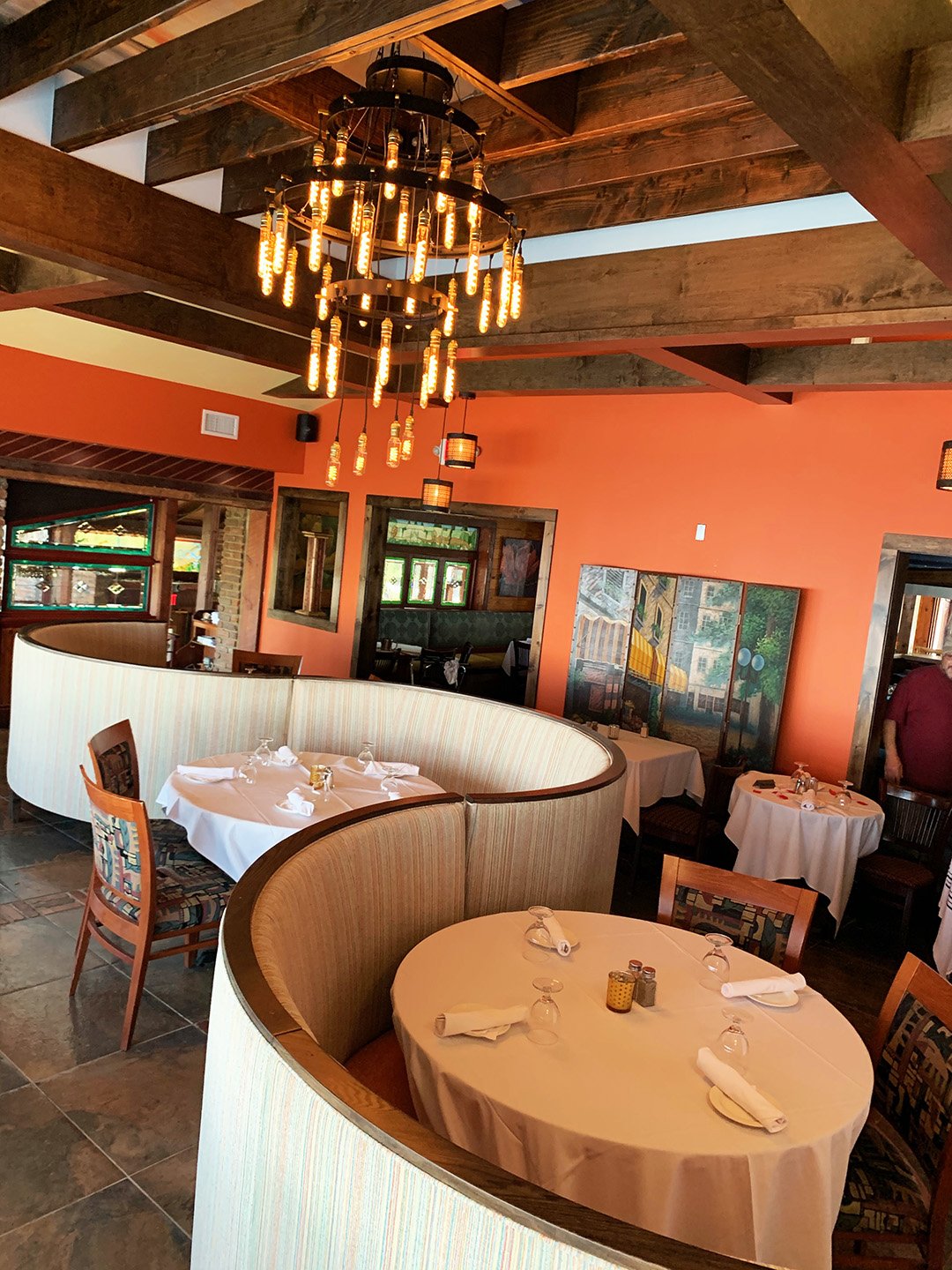
At Scarborough Affair, a castle like building, the restaurant rebrand took on a whimsical look and that character was woven throughout the dining room, bar and into the custom furniture design.
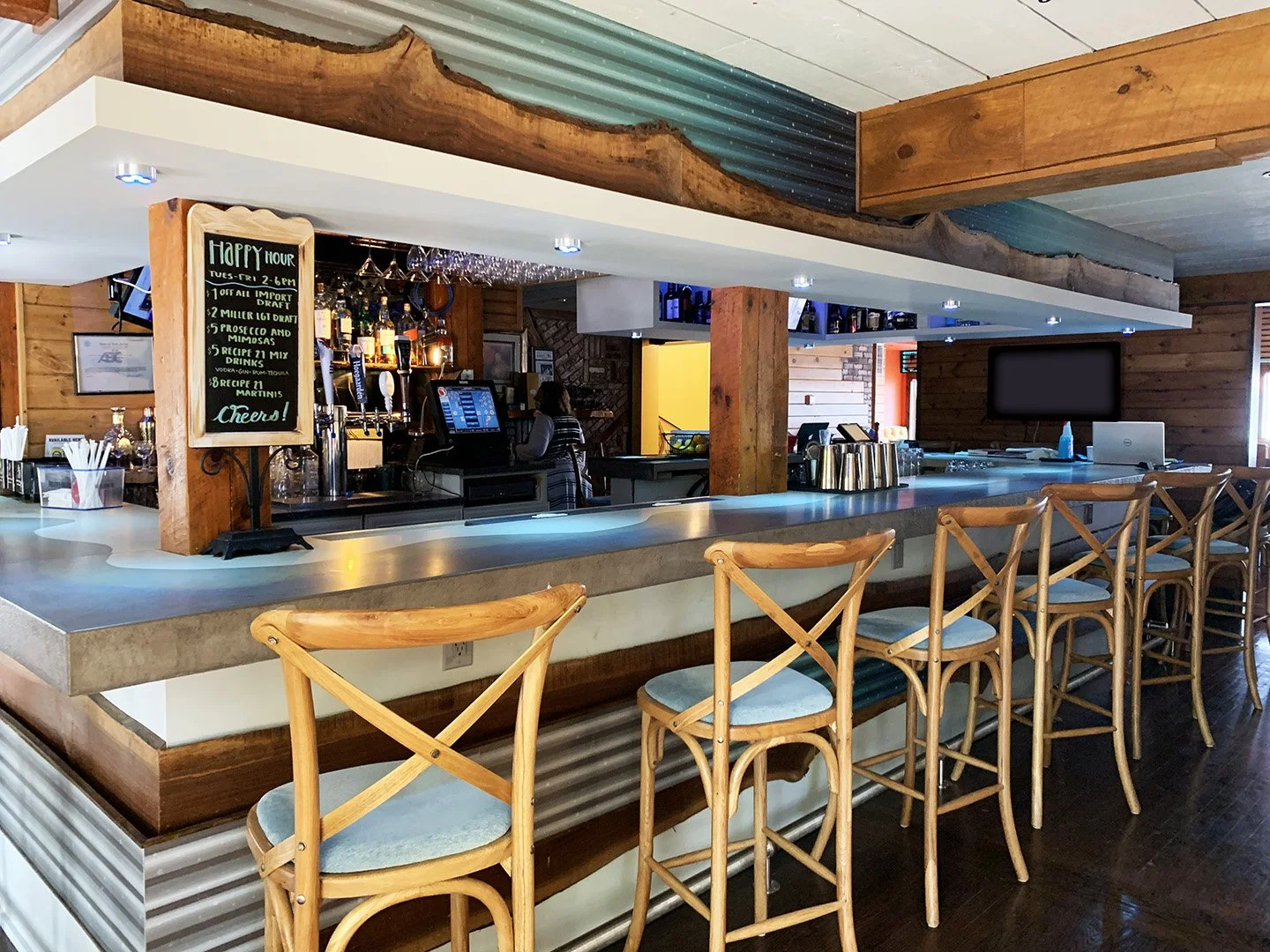
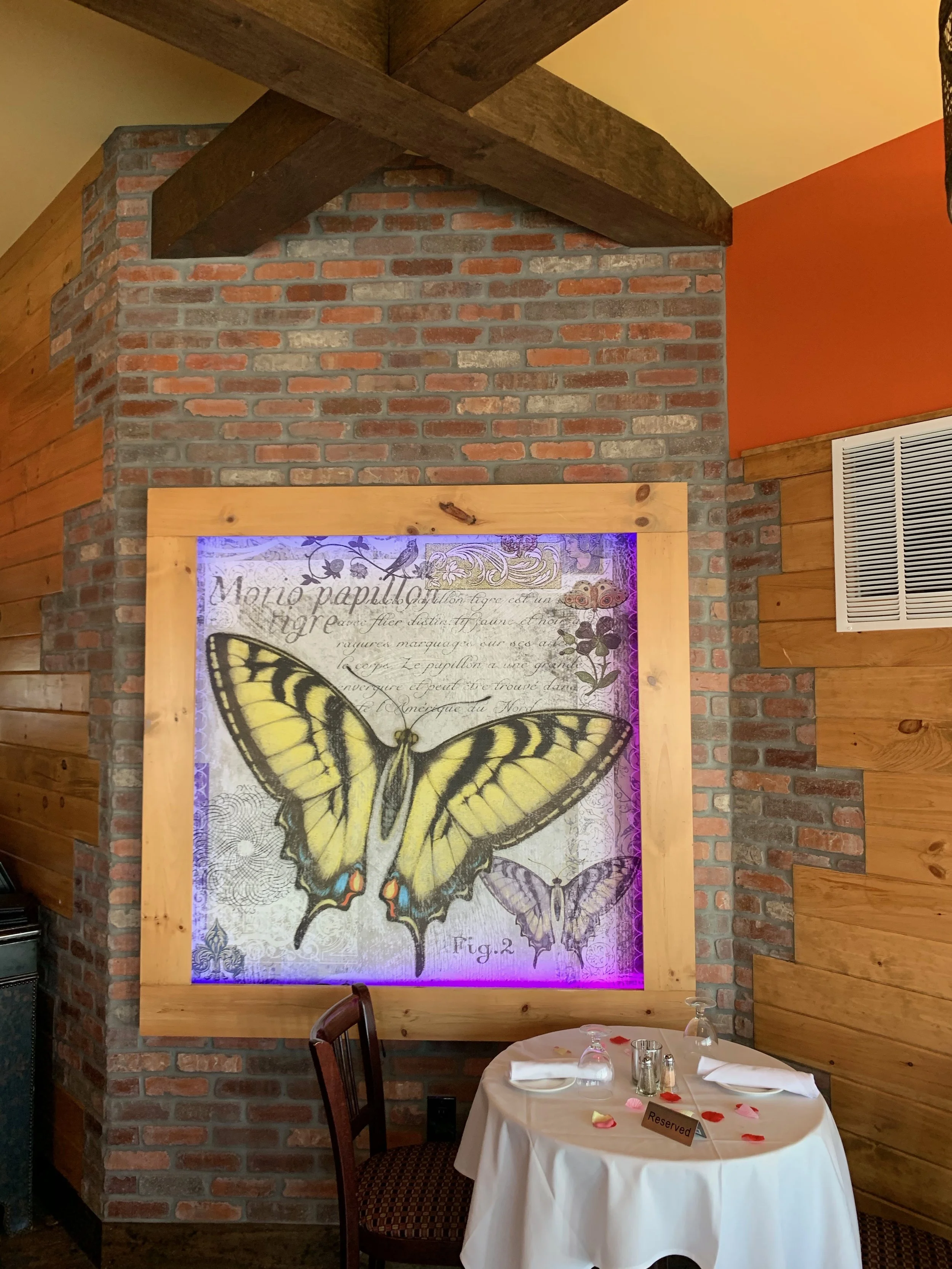
Planning Your Restaurant Rebranding Budget and Timeline
The investment depends on what must change. A refresh built around lighting, upholstery, paint, and selected finishes has a different scope from a project involving a new layout, extensive construction, custom fabrication, or building systems.
Before requesting a proposal, identify your priorities and establish a working budget. Account for design fees, construction, furniture, fixtures, signage, photography, and launch expenses where applicable. Include a contingency for conditions discovered during renovation and consider the business impact of any closure.
Ask for a schedule that distinguishes design, approvals, ordering, fabrication, installation, and reopening. Some updates can be phased; other work may require affected areas to close. Establish the work sequence with your project team before announcing a reopening date.
How to Prepare for a Rebranding Consultation
Bring a concise description of your goals along with materials that show the restaurant as it operates today:
Current photographs, including the exterior, entrance, dining room, and bar.
Available floor plans and dimensions.
Menus, logos, signage, and website details.
Recurring guest feedback and staff observations.
A list of features you want to preserve and problems you want to solve.
Your working budget, target timing, and operating constraints.
Explain the result you want in concrete terms. “We want a warmer dining room that supports a more upscale dinner experience” offers more direction than “We want something modern.” Reference photos help, but your restaurant's concept should guide the design.
Work With Raymond Haldeman on Your Philadelphia Restaurant Rebrand
Raymond Haldeman, The Restaurant Designer, brings a restaurant-focused approach to rebranding: connecting concept, atmosphere, and the physical guest experience. His services encompass restaurant design, rebranding, and concept development for Philadelphia operators.
The design opportunity is to give your venue a distinct personality—through expressive materials, dramatic lighting, memorable features, and a cohesive overall vision. The right direction should suit your restaurant, your guests, and the experience you want to create.
Whether you are refreshing an established business or repositioning an existing space, start with a conversation about what the restaurant could become.
Contact Raymond Haldeman to discuss your Philadelphia restaurant rebrand.

Restaurant Designer Raymond Haldeman at ViaSposito, a recent restaurant rebrand he designed.
Frequently Asked Questions About Restaurant Rebranding in Philadelphia
What is the difference between restaurant branding and rebranding?
Branding establishes a restaurant's identity. Rebranding revisits an existing identity to support a new direction or address a disconnect. Either process can influence the concept, visual presentation, interior design, and guest experience.
Does restaurant rebranding require a new name or logo?
No. A recognizable name or effective logo may remain while the interior, signage, menus, or overall presentation evolves. Decide what to retain by assessing its value to guests and its fit with the restaurant's future direction.
How much do restaurant rebranding services in Philadelphia cost?
Cost depends on the services included and the extent of physical changes. A targeted visual refresh differs substantially from a full interior renovation. A useful estimate requires a defined scope, venue information, and discussion of the desired finishes and construction work.
How long does a restaurant rebrand take?
Timing depends on design scope, approvals, product availability, fabrication, and construction. Establish a project-specific schedule after the team has assessed the venue and confirmed the work required.
Can I keep my restaurant open during a rebrand?
Some projects allow phased work or installation outside service hours. Others require a temporary closure. The decision depends on access, construction activity, and the ability to operate safely during the work.
How can I retain regular customers during a rebrand?
Identify what they value, preserve the elements that still support your concept, and communicate the reasons for the changes. Updated photography, menus, and clear reopening information can help guests understand what to expect.
How do I measure the results of a restaurant rebrand?
Set goals before launch and compare relevant measures over time, such as reservations, repeat visits, average check, guest feedback, and service efficiency. Consider seasonality, menu changes, and other business factors when interpreting results. Design can support business goals, but it cannot guarantee revenue.