
Article by
Raymond Haldeman
Raymond Haldeman spent decades as a hands-on owner and operator of bars, restaurants, and nightclubs before parlaying that experience into a second career designing and rebranding some of the most exciting restaurant spaces in the country. Every place he designs is built on years of actually running the business, paying the bills, and knowing exactly what it takes to make a restaurant full of people say, "WOW!"
In a market where a 4COP quota license can command $400,000, your floor plan is either a high-speed revenue engine or a liability. You didn't enter the Miami hospitality scene to settle for "nice" decor that fails to convert. You know that declining VIP sales and sluggish table turnover are symptoms of a design that ignores the psychology of spending. To survive the 2026 landscape, you need a restaurant design consultant who treats every square foot as a strategic asset for alcohol sales and guest retention.
It's a fact that Miami's nightlife is shifting toward hyper-segmented, experiential models where the difference between a "steakhouse plus" concept and a failed venture lies in the layout. This guide shows you how to leverage current Miami Beach ordinances, like the temporary 2026-4793 deregulation, to maximize your occupancy and profit margins. We'll explore how elite space planning and layout optimization transform generic rooms into commanding venues that secure VIP loyalty and drive massive revenue.
Key Takeaways
- Stop hiring decorators for a high-stakes business. Learn why a specialized restaurant design consultant is your only safeguard against expensive market failures.
- Turn your bar into a high-performance machine by mastering strategic placement and psychological triggers that compel guests to increase their spend.
- Eliminate profit-killing dead zones through precision space planning that ensures every square foot of your floor plan generates revenue.
- Discover the strategic blueprint for merging your creative vision with the harsh commercial realities of the Miami nightlife market.
- Leverage seasoned expertise in high-competition zones to navigate complex regulations and secure a dominant position from day one.
Table of Contents
- The High-Stakes Role of a Nightclub Design Consultant
- Engineering the Vibe: Design Elements That Drive Revenue
- From Vision to Launch: The Strategic Design Process
- Why Raymond Haldeman is Your Prerequisite for Success
The High-Stakes Role of a Nightclub Design Consultant
A nightclub design consultant is not an interior decorator; they are the strategic architect of your venue's financial future. In the high-velocity Miami market, where the hospitality sector generates over $57 billion in economic output, you cannot afford to treat your layout as an afterthought. While a generic designer focuses on color palettes and fabric swatches, a specialized consultant focuses on the movement of people and the flow of capital. They understand that a beautiful room is worthless if your staff cannot move a tray of drinks through the crowd or if your VIPs feel exposed rather than exclusive.
The 2026 shift in markets like Miami and New Jersey is moving decisively toward maximalist, brand-led environments. With some projects now exceeding $30 million in construction costs, your design serves as a protective shield for your investment. Professional guidance ensures that your concept isn't just a trend that expires in six months, but a calculated revenue engine built for longevity. If you're putting millions on the line, an expert consultant is your prerequisite for a successful launch.
Why Nightlife Design Requires a Specialized Expert
High-volume nightlife environments operate under different physical laws than standard dining rooms. A restaurant design consultant with deep industry experience identifies critical concept flaws long before the first hammer swings. They look past the "pretty" elements to analyze how the room handles 750 patrons under the new Miami Beach occupancy thresholds. You need straight talk about whether your bar is too small for your projected volume or if your "innovative" layout actually creates a bottleneck that kills your table turnover. A specialized expert bridges the gap between your creative vision and the brutal operational reality of a Saturday night rush.
The Cost of 'DIY' or Amateur Design Mistakes
Amateur mistakes in lighting and acoustics are the silent killers of a venue's atmosphere. If the sound is muddy or the lighting is flat, your patrons will leave early, taking their spending power with them. Even worse are "dead zones," those awkward corners where guests can't see the action or access the bar. These are effectively holes in your pocket where you're paying rent on space that yields zero ROI. Strategic design often mirrors the principles of menu engineering, where visual cues and physical placement guide guests toward high-margin purchases.
The Design-to-Profit ratio in modern hospitality is the direct correlation between your aesthetic investment and the measurable increase in alcohol and VIP sales per square foot.
Engineering the Vibe: Design Elements That Drive Revenue
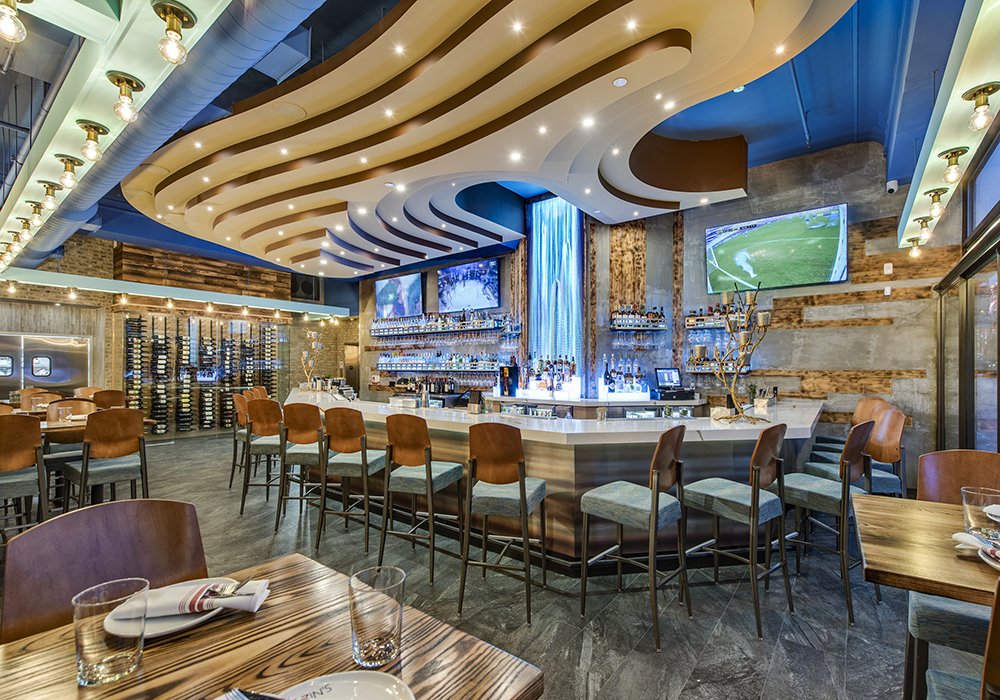
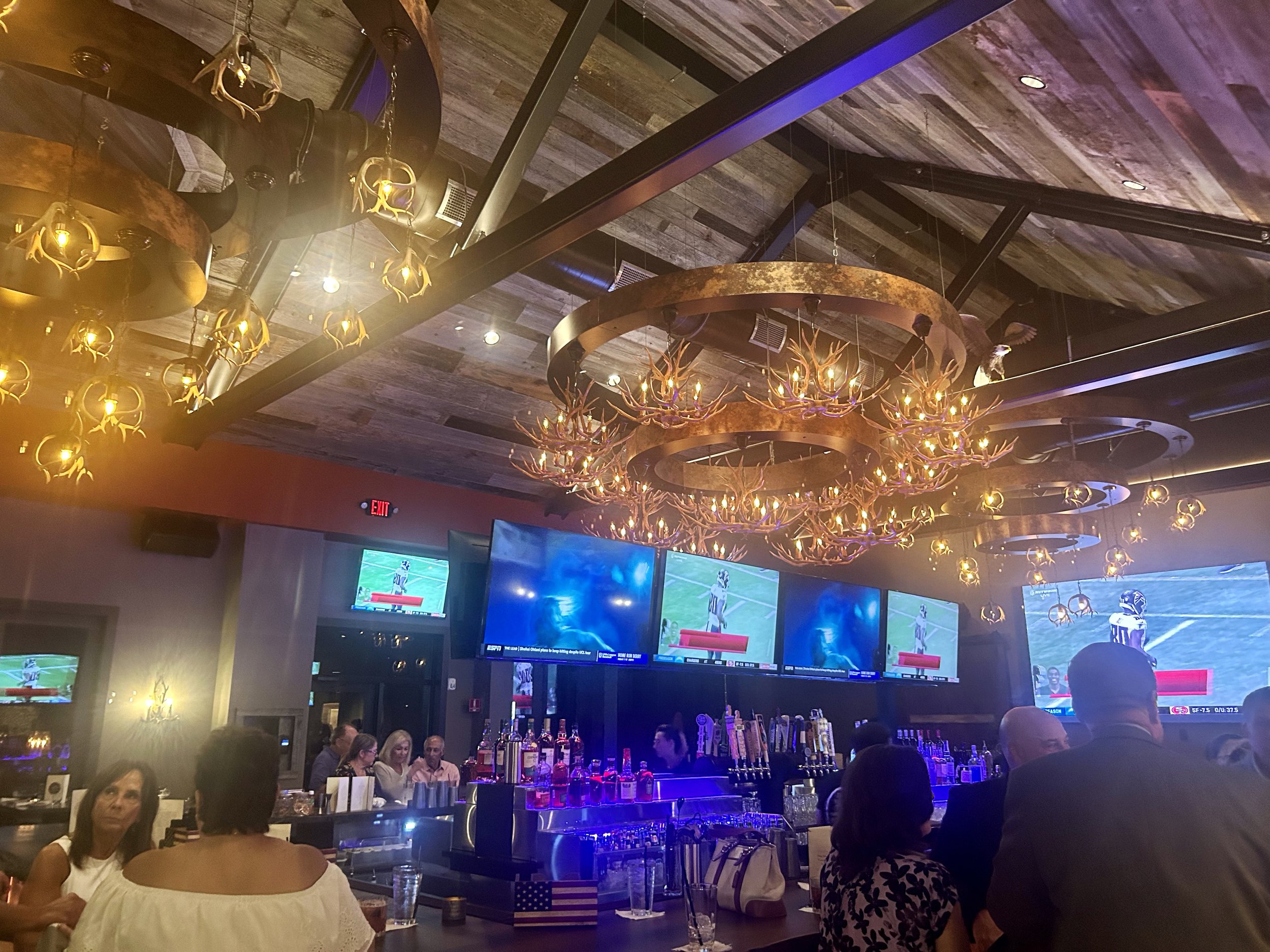
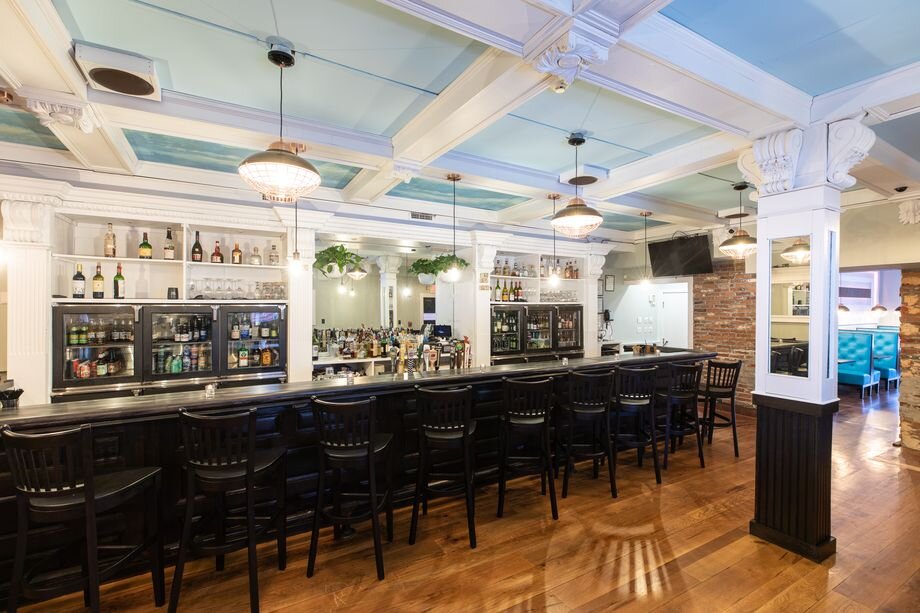
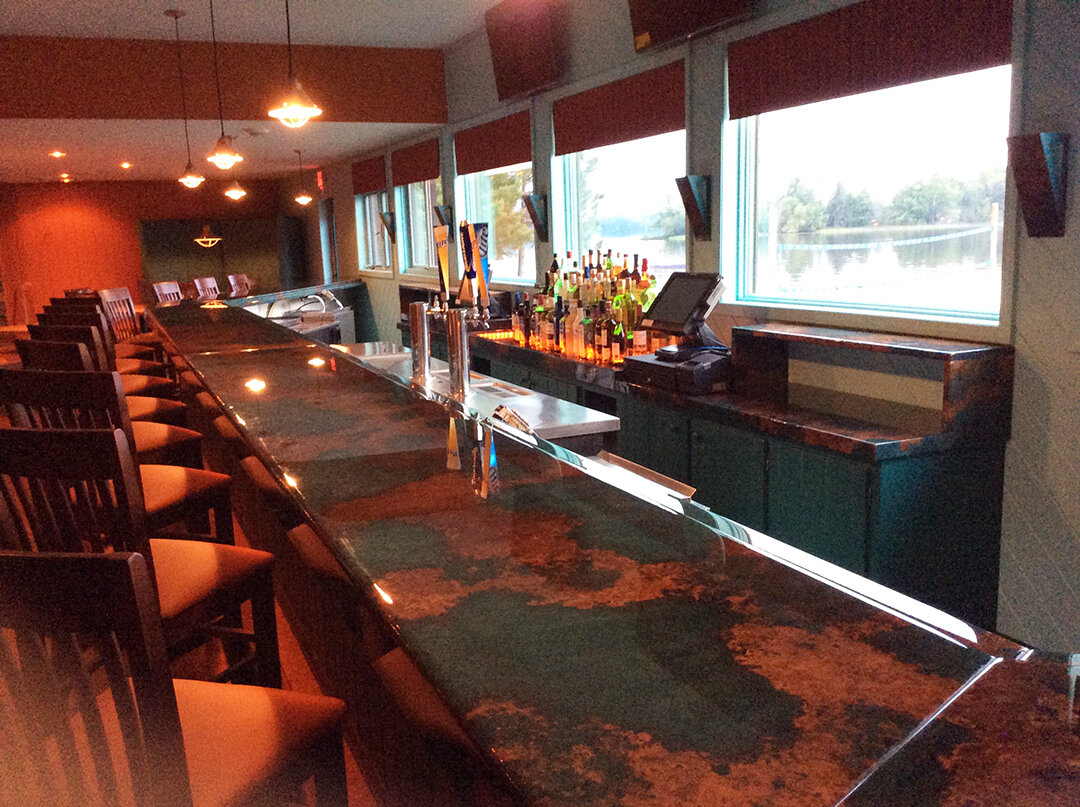
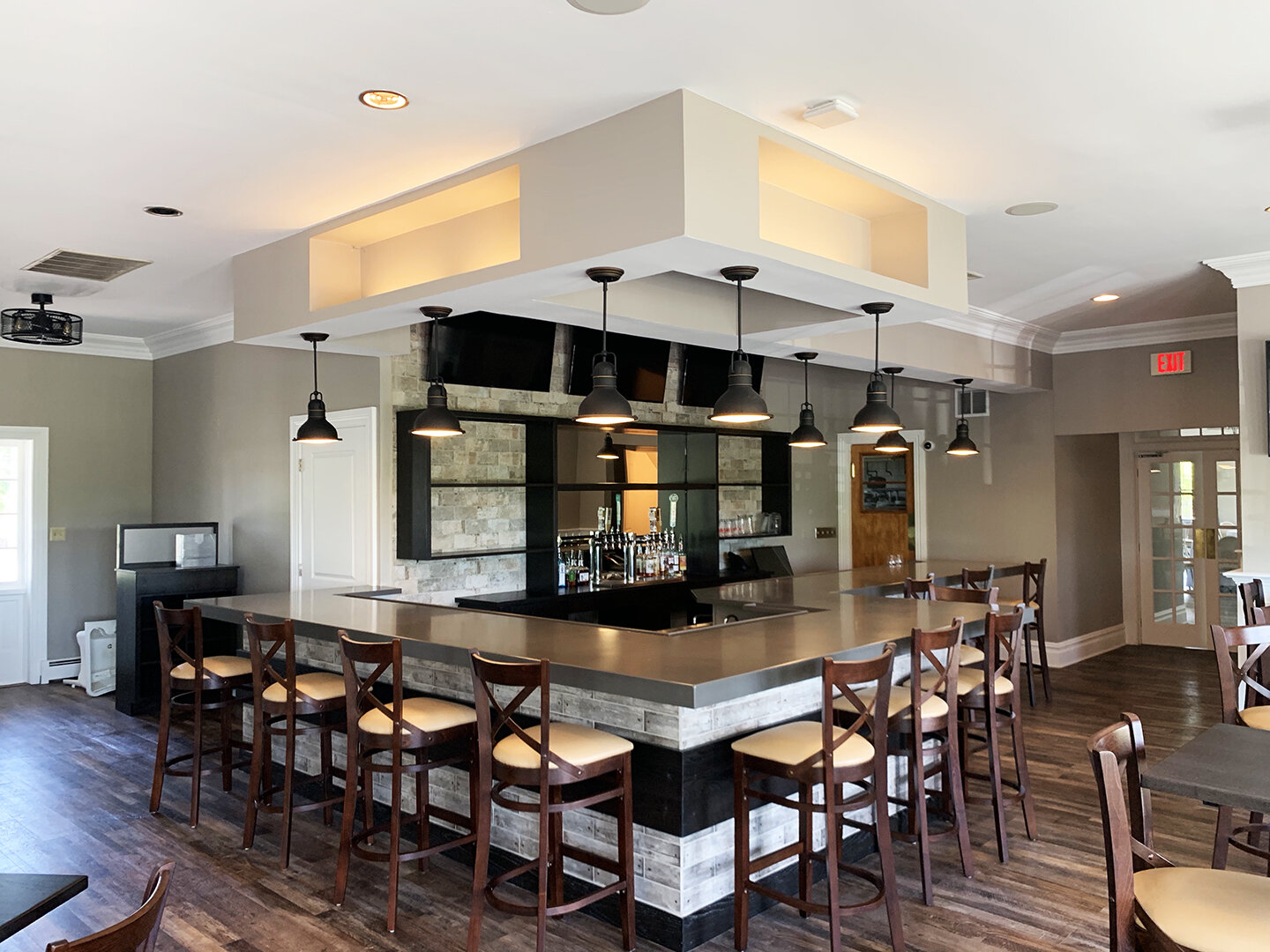
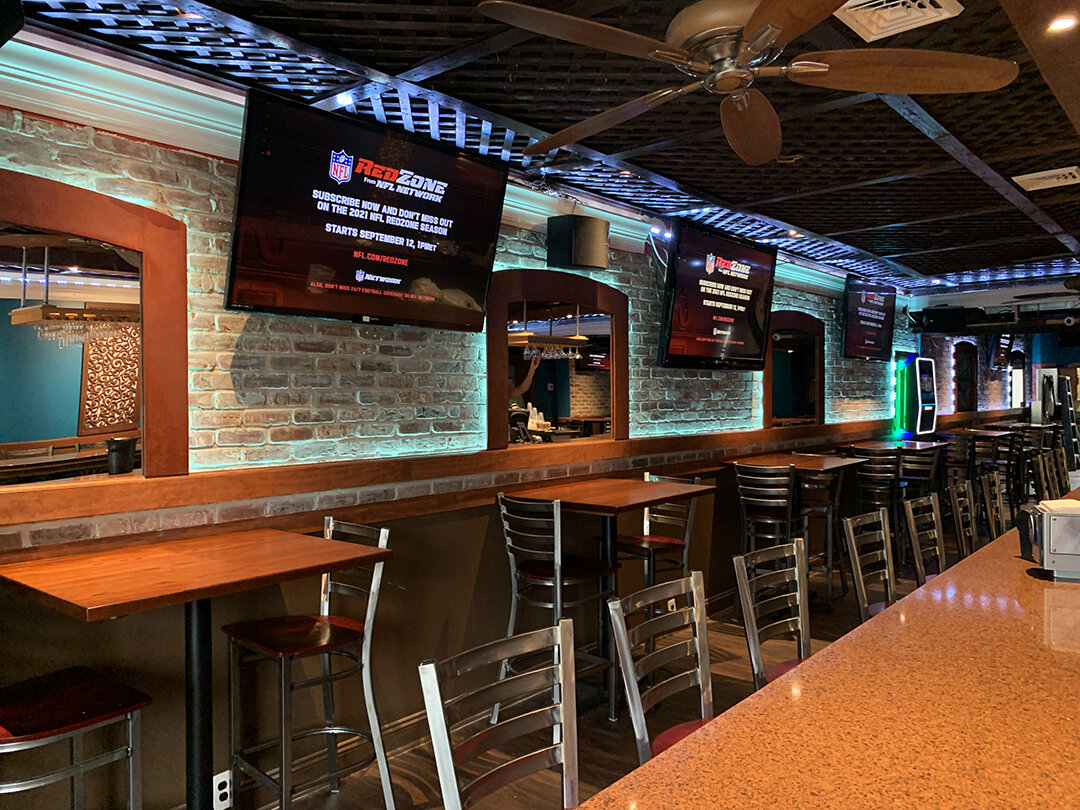
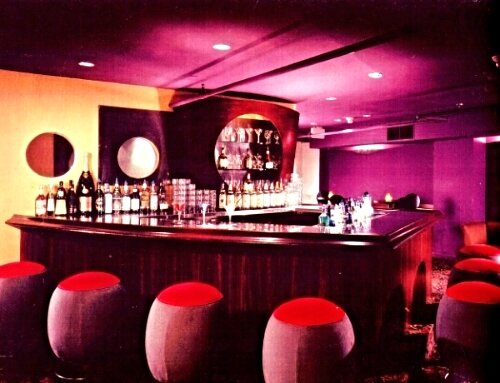
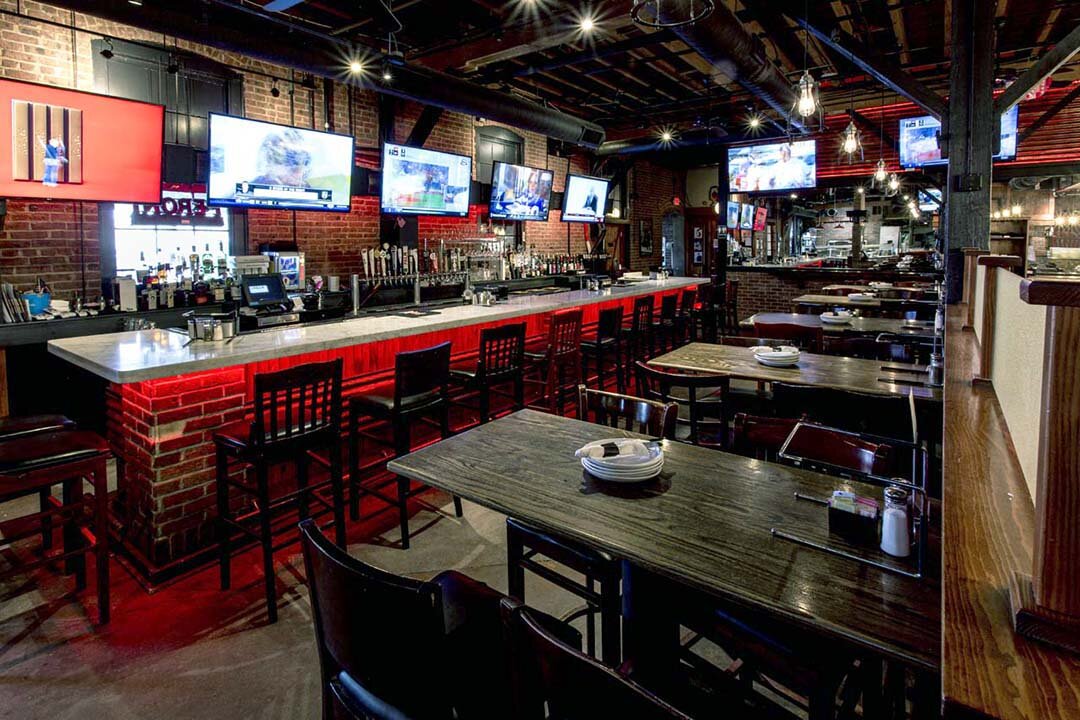
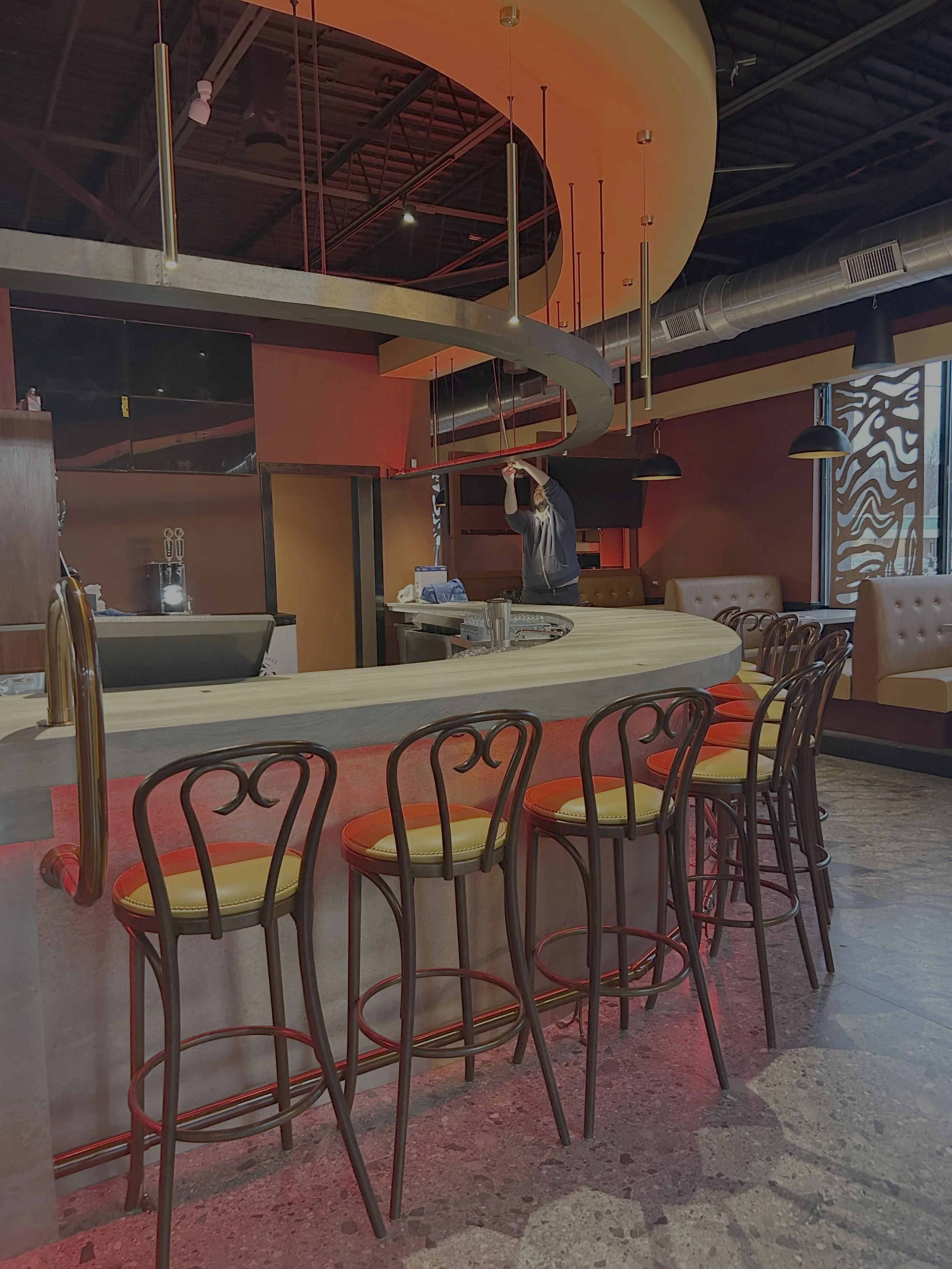
In a city where visitor spending on food and beverages reaches $4.6 billion, your bar placement isn't a suggestion; it's a financial mandate. The bar is the primary engine of your venue. It must command the room's energy and remain accessible from every high-traffic zone. A seasoned restaurant design consultant knows that burying your revenue generator in a corner is a death sentence for your margins. You need a layout that pulls guests toward the point of sale the moment they step inside.
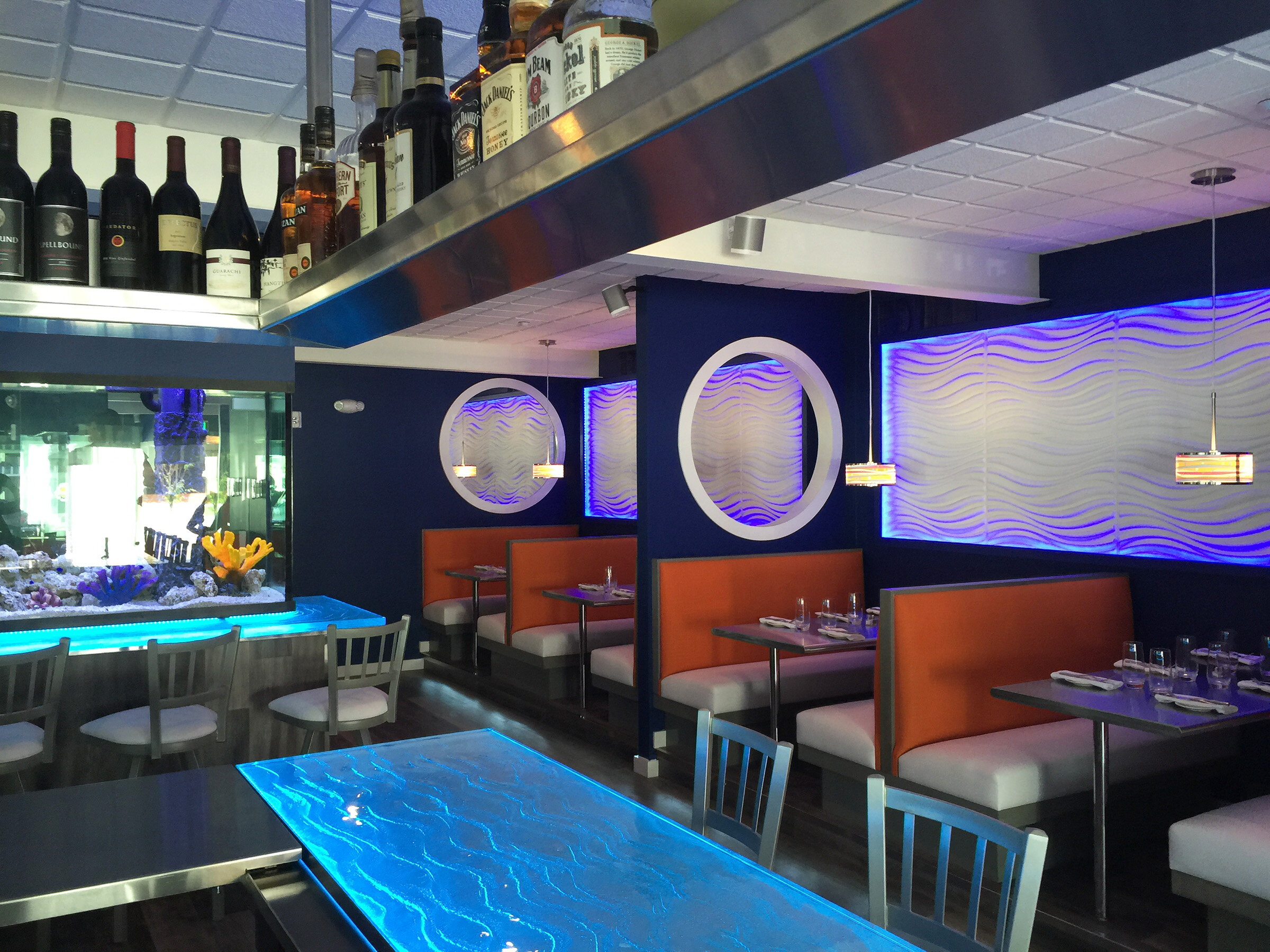
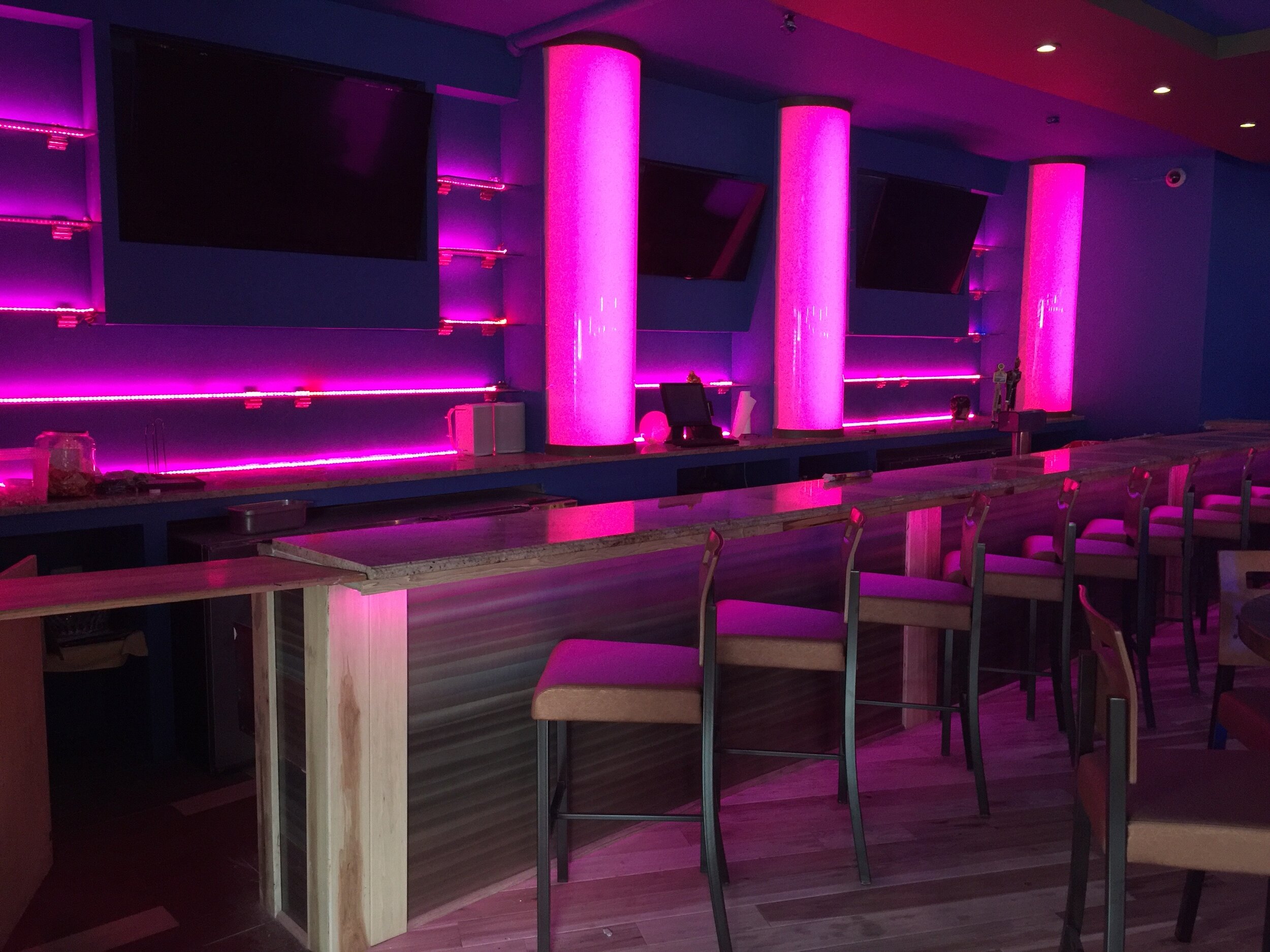
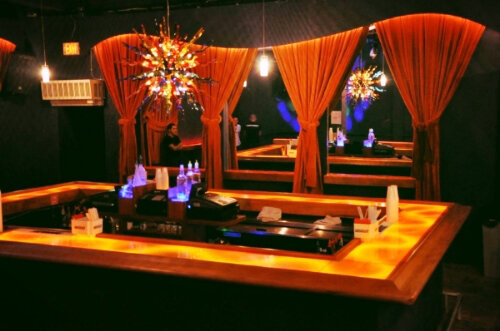
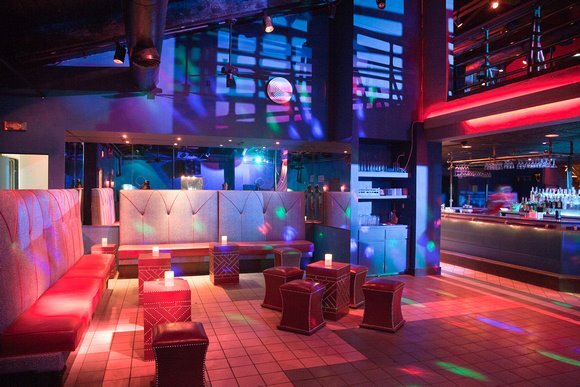
Lighting and sound are your most potent psychological tools. They don't just set a mood; they dictate guest behavior. Understanding the psychology of restaurant design allows you to manipulate the room's tempo. Use high-intensity, focused lighting at the bar to signal action and speed, while employing warmer, lower-level illumination in lounges to encourage lingering and repeat bottle service. If your atmosphere is flat, your sales will be too.
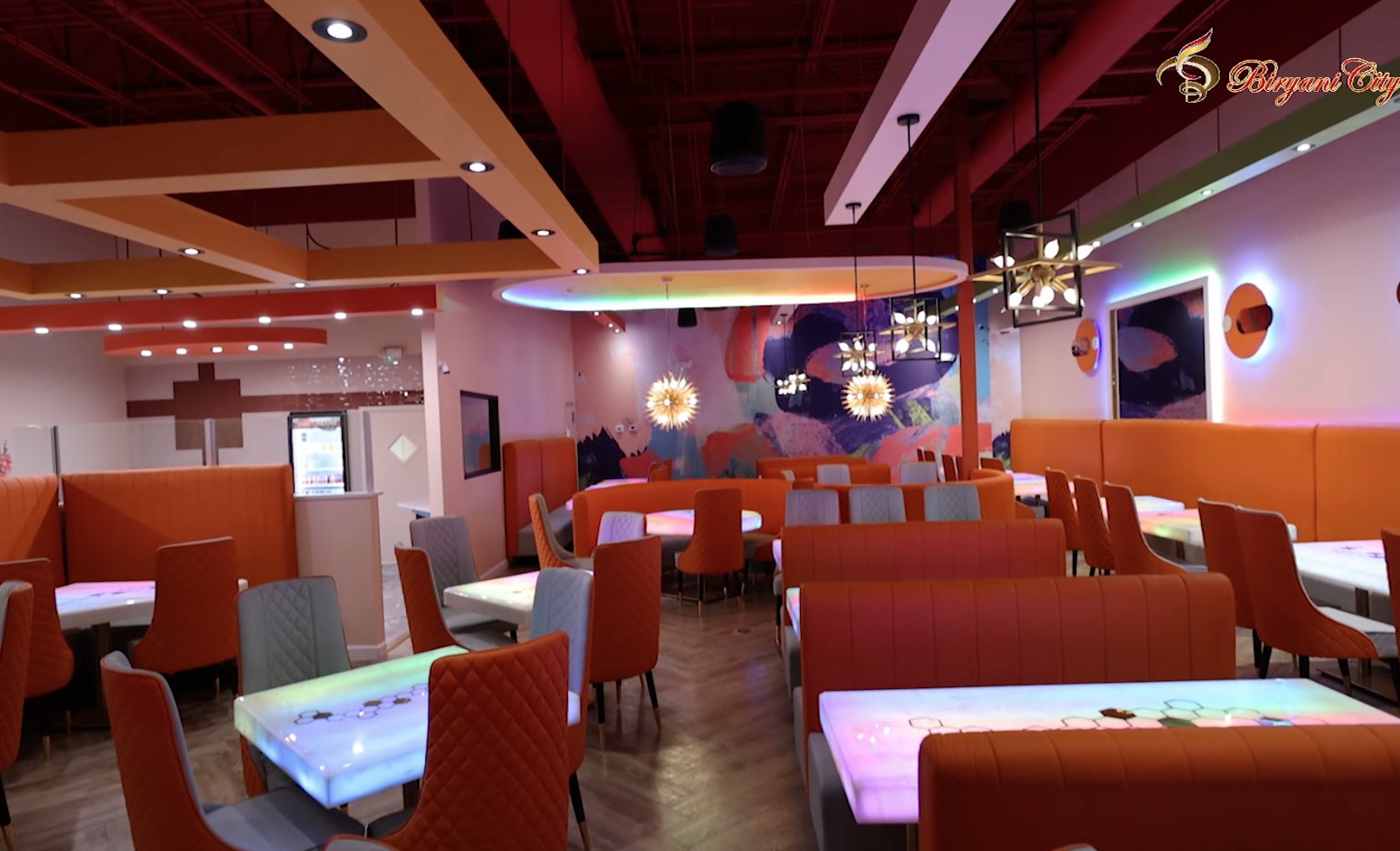
Don't ignore the power of the lens. In 2026, every square foot must be "Instagrammable." This isn't about vanity; it's about free, organic marketing that reaches thousands before your doors even close for the night. Pair these visual "moments" with high-end material selection. You need finishes that project luxury but possess the industrial durability to survive high-volume traffic. If your furniture looks worn after three months, you've failed the investment test.
Maximizing VIP and Bottle Service Profitability
VIP table layout requires "sightline engineering." Your highest-spending guests pay for the paradox of being seen while remaining untouchable. Position your VIP sections on elevated tiers or in central hubs that offer a 360-degree view of the action. Exclusivity loses its value if the guest feels isolated from the party. Simultaneously, you must design dedicated service paths. Your staff shouldn't have to fight through a crowded dance floor to deliver a premium bottle. If your service flow is interrupted, your "premium" experience is compromised.
The Science of Bar Efficiency and High-Margin Sales
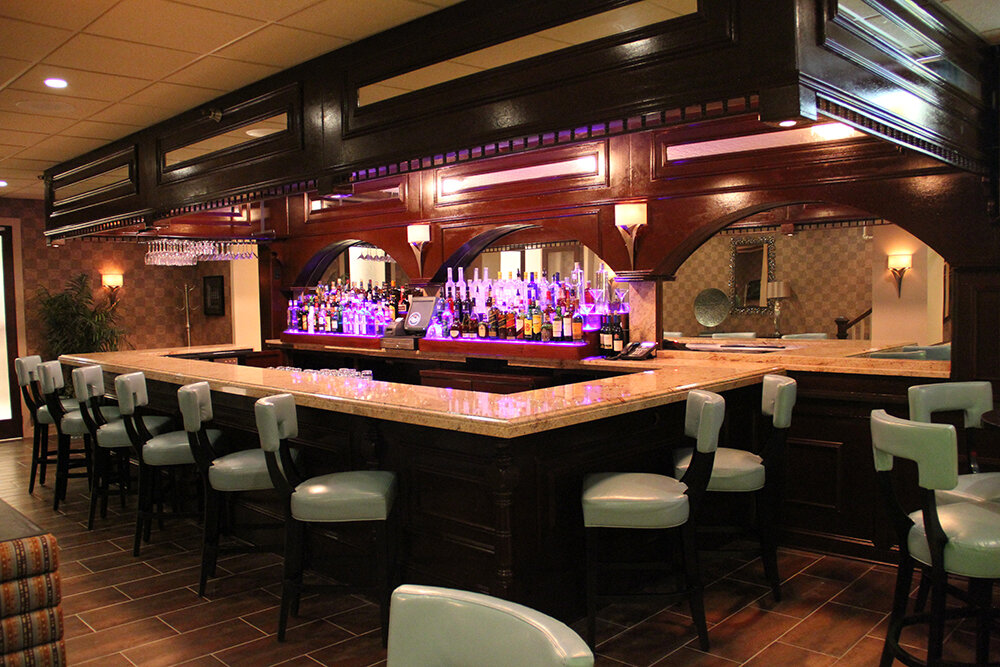
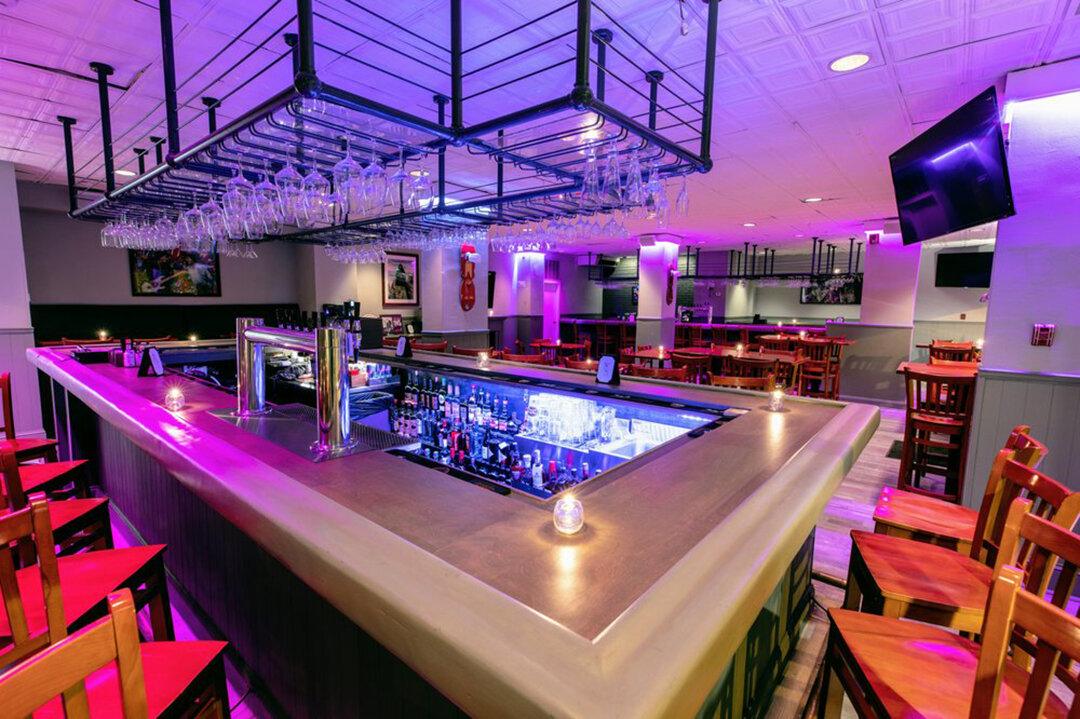
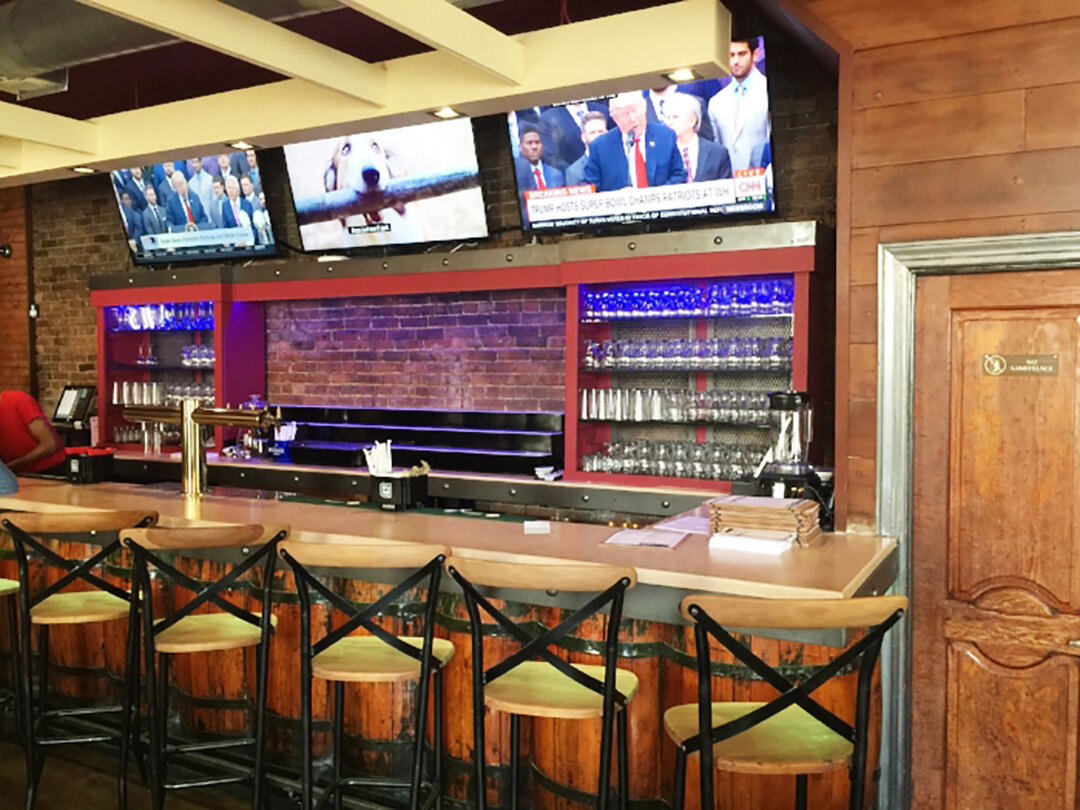
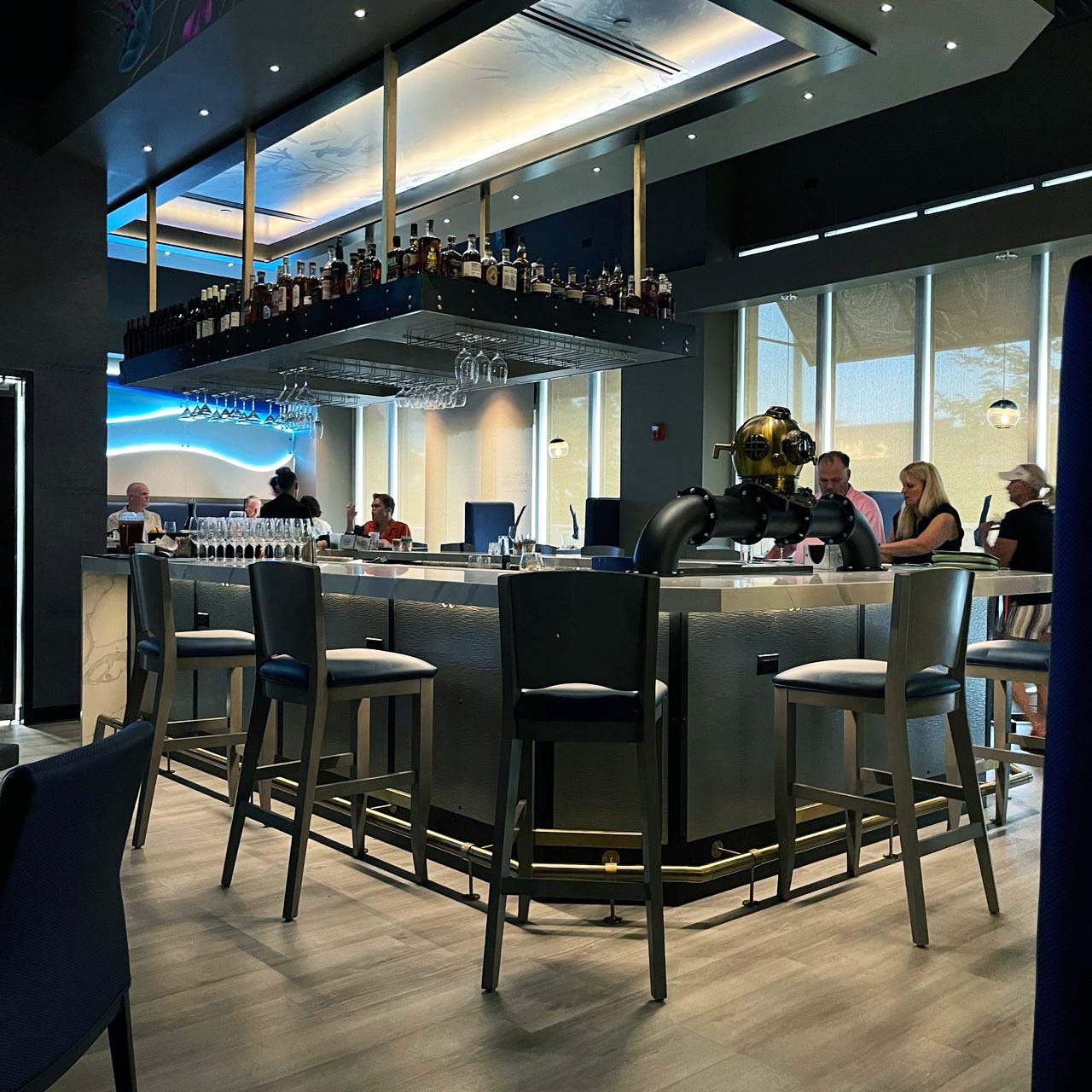
Transaction speed is the difference between a record-breaking night and a mediocre one. Implement the "Golden Triangle" of bar design by placing ice, glassware, and speed rails in a tight, ergonomic radius for every bartender. This slashes service time and maximizes output during peak hours. Use your back-bar as a theatrical stage for high-margin branding, pushing guests toward premium spirits through strategic lighting and placement. If your current flow feels sluggish, it's time to consider a professional Space Planning and Layout audit to eliminate the bottlenecks killing your profit.

From Vision to Launch: The Strategic Design Process
Your vision for a venue is only as valuable as your ability to execute it within a fickle market. A professional restaurant design consultant acts as the essential filter between your creative aspirations and commercial reality. It's not enough to have a "cool idea." You need a concept that addresses local competition, guest psychology, and the brutal math of operating costs. This process begins by stripping away ego and focusing on what actually drives revenue in 2026.
Execution requires a project manager who can keep general contractors aligned with the high-end design vision. Without this oversight, contractors often prioritize ease of installation over aesthetic excellence or operational flow. You need a partner who demands precision at every stage, ensuring that the final build matches the strategic blueprint you approved. Don't let your investment be diluted by compromises made during the construction phase.
Concept Development and Rebranding Strategy
Identifying whether your venue needs a cosmetic refresh or a total concept overhaul is a critical business decision. If your table turnover is declining and your VIP sales have stalled, a new coat of paint won't save you. You likely need a fundamental pivot. For venues currently struggling, consulting a restaurant rebranding consultant is the first step toward a total turnaround. In markets like Pennsylvania and New Jersey, the 2026 trend is shifting away from generic "big box" clubs toward intimate, segmented lounges and participatory concepts. If you aren't adapting to these specific regional shifts, you're already behind.
The Technical Side: Layouts and Floor Plans
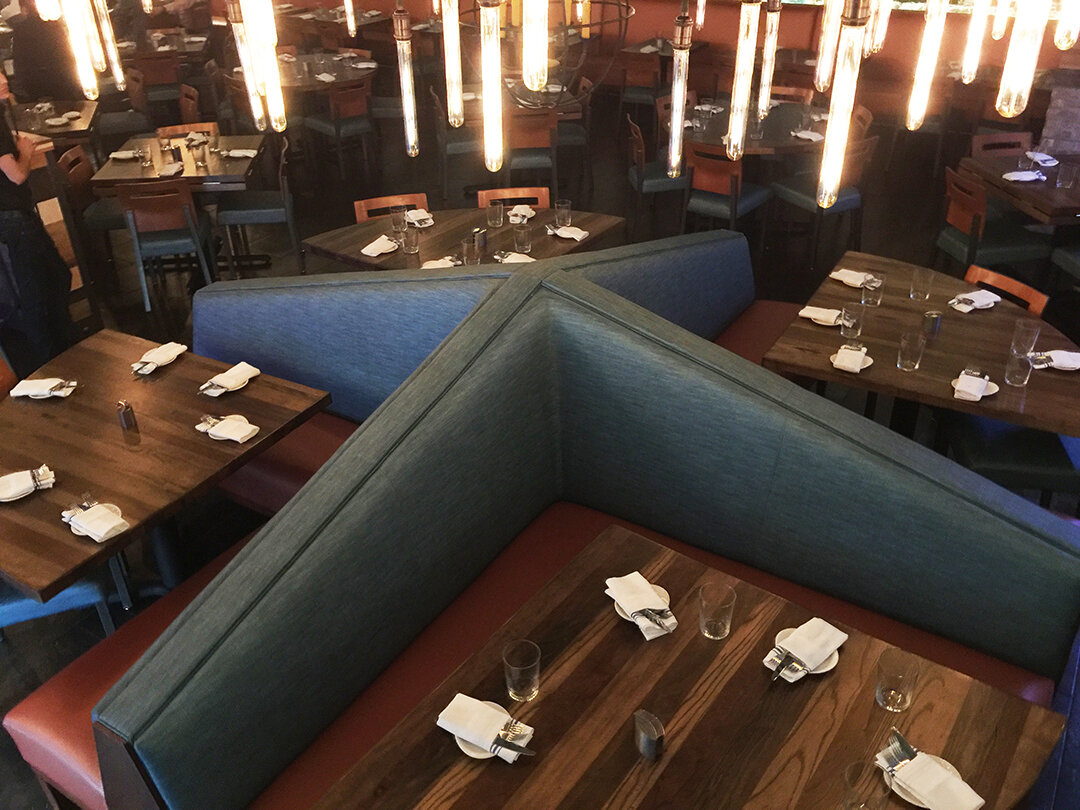
Your floor plan is a legal and operational document. It must satisfy fire marshals while simultaneously maximizing your "Design-to-Profit" ratio. Professional space planning prevents the bottlenecks at entrances and restrooms that frustrate guests and kill the vibe. In 2026, a high-performance layout must include:
- Elevated VIP Sightlines: Strategic positioning that ensures high-spenders are the focal point of the room.
- Optimized Service Arteries: Dedicated paths that allow staff to move at peak speed without disrupting the crowd.
- Modular Seating: Furniture layouts that can be quickly reconfigured for different events or group sizes.
- Integrated Tech Hubs: Discreet placement for POS systems and lighting controls that don't break the aesthetic.
Stop risking your capital on amateur layouts that don't account for the flow of a high-volume night. Secure your venue's future by hiring a visionary Bar and Nightclub Design expert today.
Why Raymond Haldeman is Your Prerequisite for Success
Raymond Haldeman isn't just a service provider; he's the visionary guide you need to navigate a high-stakes industry where the margin for error is zero. While large firms often pass your multi-million dollar project to a junior associate, Raymond provides direct access to his decades of hard-won experience. He's seen every concept flaw, operational bottleneck, and design mistake in the book. You aren't just hiring a restaurant design consultant; you're securing a strategic partner who knows exactly how to turn your vision into a local landmark.
His expertise spans the most competitive markets in the country, including Miami, New Jersey, Pennsylvania, Delaware, and Maryland. Professional design is not a line-item expense you should try to minimize. It's your most profitable asset. It dictates your table turnover, your VIP retention, and your brand's ability to command attention. If you're serious about your investment, you need an expert who understands that every square foot must justify its existence on your balance sheet.
A Portfolio of Proven Hospitality Success
Raymond's track record is defined by the ability to transform failing venues into thriving, high-revenue engines through aggressive Restaurant Rebranding. This isn't about superficial "refreshing." It's about a fundamental shift in how your space functions and how guests perceive your brand. By merging aesthetic excellence with modern, functional interior concepts, he creates environments that work as hard as your staff does. His assertive, results-oriented approach ensures you maintain a competitive edge in a fickle market.
Your Next Step: Securing the Vision
Every day you spend in the planning phase without expert guidance is a day you risk costly construction delays or irreversible design errors. Don't let your capital be drained by amateur planning. Take the first step toward a successful launch or a total turnaround by scheduling a consultation. You can reach out via the US toll-free number to discuss your New Restaurant Design or rebranding strategy. The right design consultant isn't a luxury; they're the definitive difference between a venue that flops and a local phenomenon.
Dominate the Miami Market with Strategic Design
Your venue's success is not a matter of luck; it is a result of calculated spatial engineering. You now understand that every square foot of your floor plan must function as a high-revenue engine. From optimizing bar efficiency to securing VIP loyalty through sightline engineering, your design dictates your bottom line. In a high-stakes environment like Miami, settling for a generic layout is an invitation to failure. You need an expert who treats your investment with the same urgency as you do.
Raymond Haldeman brings a nationwide portfolio of success, with a specific focus on East Coast and Miami hotspots. Whether you are launching a new build or executing a high-impact rebranding of a failing venue, his assertive guidance prioritizes your ROI above all else. Don't leave your vision to chance or the whims of an amateur designer. Secure the strategic partner who has seen it all and knows how to deliver a phenomenon.
Schedule your elite nightclub design consultation with Raymond Haldeman today and take command of your market. It's time to work with a premier restaurant design consultant who turns vision into measurable profit. Your future landmark starts here.
Frequently Asked Questions
What exactly does a nightclub design consultant do?
A consultant acts as the strategic architect of your venue's financial future. They move beyond simple decor to engineer a guest experience that maximizes alcohol sales and VIP loyalty. From precision space planning to identifying fatal concept flaws before construction begins, they ensure every square foot of your floor plan justifies its existence on your balance sheet.
How much does it cost to hire a professional nightclub interior designer?
Fees for professional design services are an investment in your ROI rather than a simple expense. Most experts in the hospitality industry structure their fees based on project complexity, the total scope of work, or a percentage of the construction budget. Investing in a seasoned restaurant design consultant prevents the amateur errors that cost owners hundreds of thousands in lost revenue and construction delays.
How long does the nightclub redesign or rebranding process take?
The timeline for a comprehensive redesign or rebranding typically spans several months from the initial concept development to your grand opening. This duration depends on the complexity of the project and the speed of local permitting. A professional consultant streamlines this timeline by delivering technically sound floor plans that satisfy fire marshals and prevent mid-build corrections.
Can a design consultant help a nightclub that is currently failing?
Yes, a consultant is often the only way to save a venue that is hemorrhaging capital. They provide a "straight-talk" audit of your operation to identify why your current layout isn't converting guests into high-spenders. Through strategic rebranding and layout optimization, they can transform a stagnant room into a high-performance local landmark.
What are the most common nightclub design mistakes to avoid in 2026?
The most fatal mistakes include creating "dead zones" where patrons cannot easily access the bar and ignoring the psychology of sightline engineering for VIPs. Many owners prioritize aesthetics over operational flow, which results in staff bottlenecks and frustrated guests. If your design doesn't account for high-volume traffic and transaction speed, you've built a liability, not a business.
Do I need a local consultant for my nightclub in Miami or Philadelphia?
You need an expert with specific geographic expertise who understands the unique regulatory and competitive landscape of these markets. Whether you're navigating the 2026 Miami Beach occupancy thresholds or the high-stakes scene in Philadelphia, your consultant must have a proven portfolio in these areas. Local knowledge combined with a nationwide perspective ensures your venue stays relevant and profitable.