Signs Your Restaurant Needs a Redesign: The 2026 High-Stakes Checklist

Article by
Raymond Haldeman
Raymond Haldeman spent decades as a hands-on owner and operator of bars, restaurants, and nightclubs before parlaying that experience into a second career designing and rebranding some of the most exciting restaurant spaces in the country. Every place he designs is built on years of actually running the business, paying the bills, and knowing exactly what it takes to make a restaurant full of people say, "WOW!"
When 45% of restaurant operators reported they weren't profitable in 2025, your "good enough" atmosphere became an active liability. You've likely noticed the symptoms: stagnating revenue despite your best efforts, or negative reviews targeting a tired vibe rather than your menu. Ignoring the signs your restaurant needs a redesign is a fast track to irrelevance in a market where food costs have surged 38% since 2019.
You already understand that a restaurant is a high-stakes machine where every square foot must perform. We agree that leaving money on the table because of a clunky floor plan or dated decor is unacceptable for a serious operator. This article identifies the critical red flags that prove your current space is suppressing your profit potential and demonstrates how a strategic redesign restores your competitive edge.
We'll examine the 2026 high-stakes checklist, from optimizing table turnover to adopting the "layered warmth" aesthetic that justifies premium price points. Stop settling for a space that works against you. It's time to align your physical environment with your financial goals and reclaim your position as a market leader.
Key Takeaways
- Stop sabotaging your margins with a physical environment that fails to justify your menu's premium price point.
- Uncover the operational "dead zones" and service bottlenecks that are currently bleeding revenue and inflating labor costs.
- Review the 2026 checklist to spot the critical signs your restaurant needs a redesign before your brand identity becomes obsolete.
- Learn why professional space planning is the only reliable shortcut to a high-performing venue that maximizes table turnover.
- Discover how a strategic design intervention transforms your restaurant into a dominant market force that attracts high-spend VIPs.
Table of Contents
-
The Psychological Disconnect: When Your Space No Longer Matches Your Price Point
-
The 2026 Redesign Readiness Checklist: 7 Non-Negotiable Signs
-
Executing the Vision: Why Professional Consulting Is Your Only Shortcut
The Psychological Disconnect: When Your Space No Longer Matches Your Price Point
Your restaurant is suffering from an identity crisis if your menu promises a premium experience that your walls can't deliver. When your culinary vision and physical environment are in conflict, you create a psychological disconnect that guests feel the moment they walk through the door. This friction is one of the most overlooked signs your restaurant needs a redesign. Recognizing these signs your restaurant needs a redesign early is the difference between a thriving flagship and a forgotten relic.
Think about the guest experience from a purely financial perspective. If you're charging $50 for an entrée in a space that feels like a $15 neighborhood bistro, you aren't just selling food; you're selling resentment. Guests evaluate value based on the psychology of the physical environment, and if the "vibe" doesn't match the bill, they won't return. This mismatch creates an "Invisible Ceiling" on your revenue. No matter how talented your chef is, outdated aesthetics will cap your maximum check average because guests don't feel the space justifies the spend.
Aesthetic ROI is the measurable increase in guest spend and brand equity that follows a strategic realignment of your restaurant's physical identity with its target price point.
The "Regular" Trap: Are Your Loyalists Killing Your Growth?
Don't let a dwindling base of loyalists dictate your future. While regulars provide a safety net, relying on them exclusively prevents you from capturing the lucrative 2026 market. Many owners fear "losing the soul" of their establishment, but stagnation is a greater risk than evolution. You must learn how to modernize a restaurant to attract high-spend newcomers without alienating the foundation of your business. Evolution isn't betrayal; it's survival.
Atmospheric Erosion in Competitive Hubs
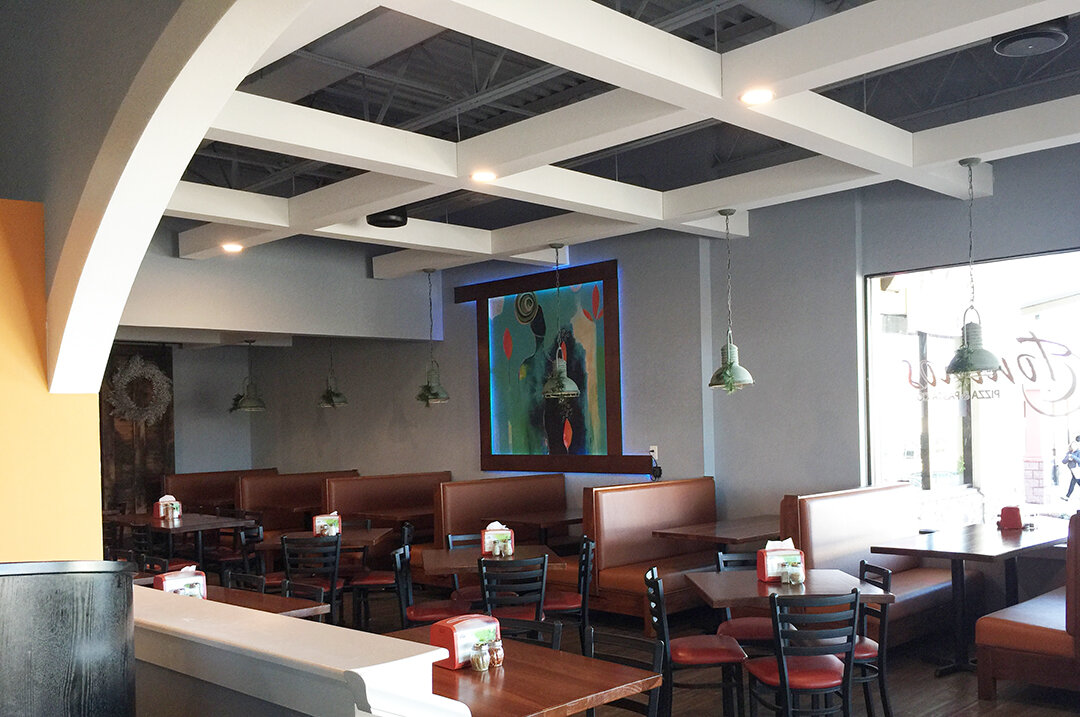
In high-stakes markets like Miami and Philadelphia, the competition is relentless. A "trendy" design from five years ago is a liability today. If your space isn't "shareable" on social media, you're invisible to the modern diner. Reservations follow aesthetics. If your lighting is poor or your textures feel dated, you aren't just losing diners; you're losing the free marketing that a visually dominant brand identity provides. Demand attention or be ignored.
Operational Paralysis: How Your Layout Is Bleeding Revenue
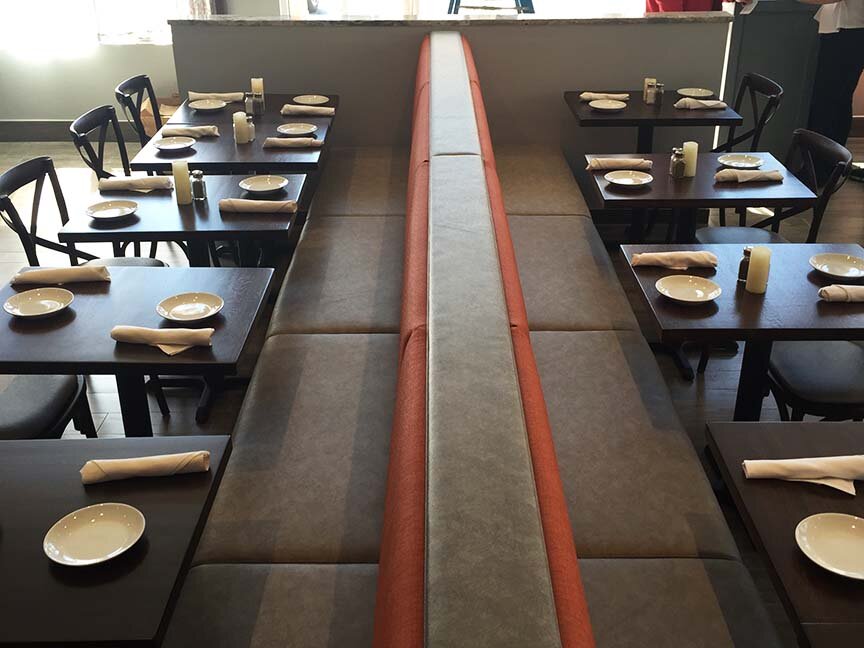
Stop ignoring the dead zones in your dining room. If guests consistently refuse specific tables or look visibly disappointed when seated near the kitchen door, you've identified one of the most obvious signs your restaurant needs a redesign. These underperforming areas aren't just aesthetic flaws; they are active drains on your daily revenue. When you lose the ability to seat a full house because of poor configuration, you're effectively subsidizing your own failure. Professional space planning and layout eliminates these silent killers by maximizing every square inch for profit.
Bottlenecks in the service path are equally destructive. If your servers are dodging each other or fighting for access to the POS station, your labor costs are artificially inflated. Every extra step a staff member takes is a second lost in table turnover. Beyond the floor staff, consider your VIP deficit. If you lack secluded, high-margin seating options, you're missing out on the premium spend that drives modern profitability. Industry case studies confirm that a strategic redesign yields big ROI by aligning your physical capacity with actual guest demand.
Table Turnover vs. Guest Comfort
Acoustics are your most powerful tool for managing table turns. If the room is too quiet, guests linger; if it's too loud, they leave without ordering dessert. Strategic lighting design is equally critical; it directly influences alcohol sales and late-night revenue by shifting the energy of the room as the sun goes down. A 10% improvement in floor plan efficiency can transform yearly EBITDA by slashing wasted labor hours and accelerating guest throughput.
The Bar and Nightclub Bottleneck
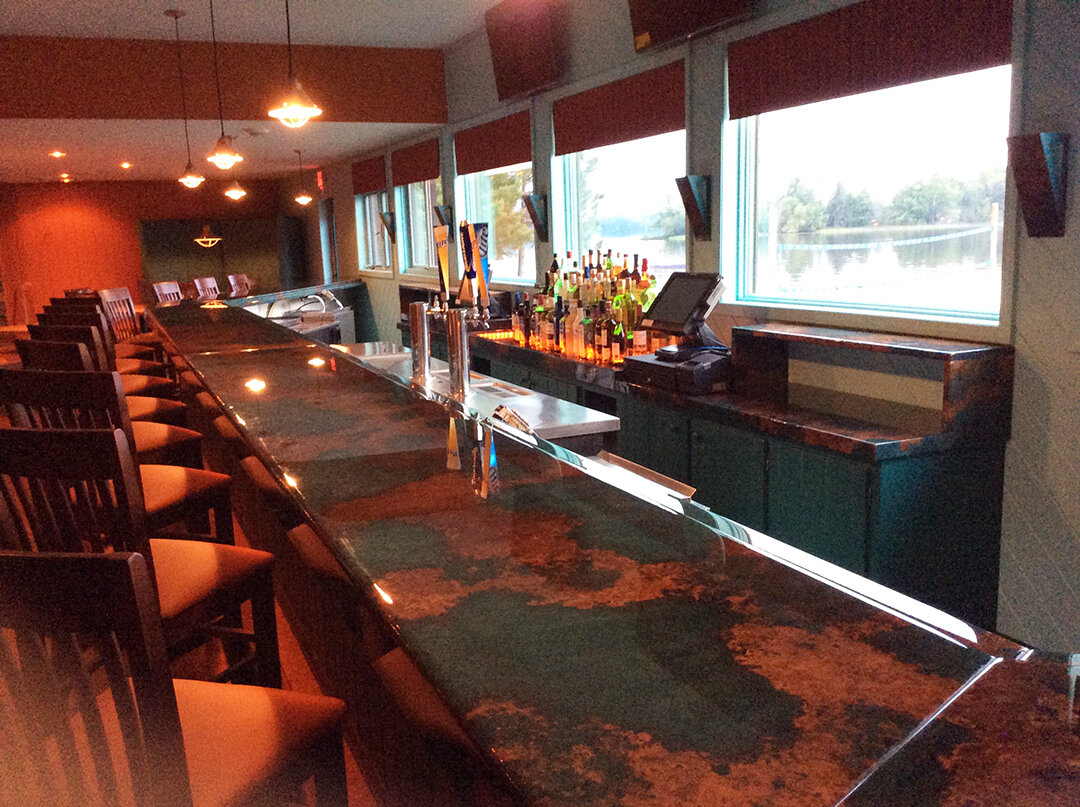
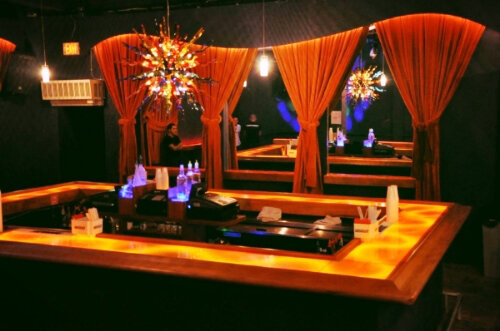
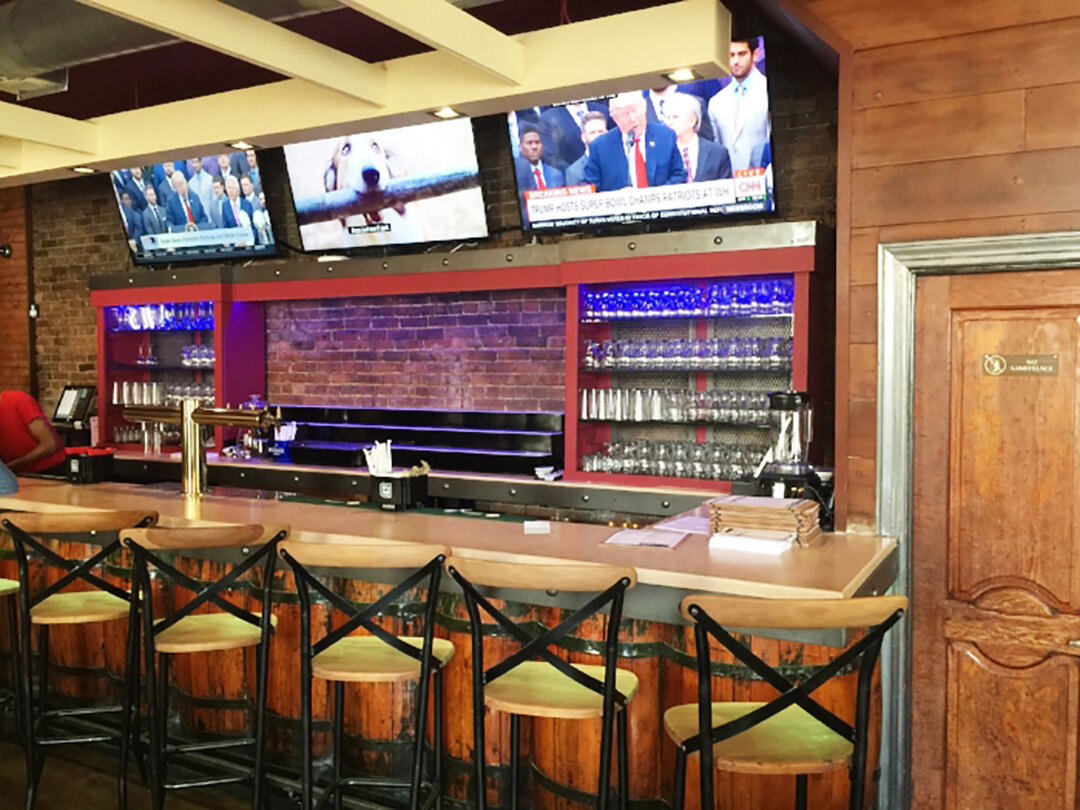
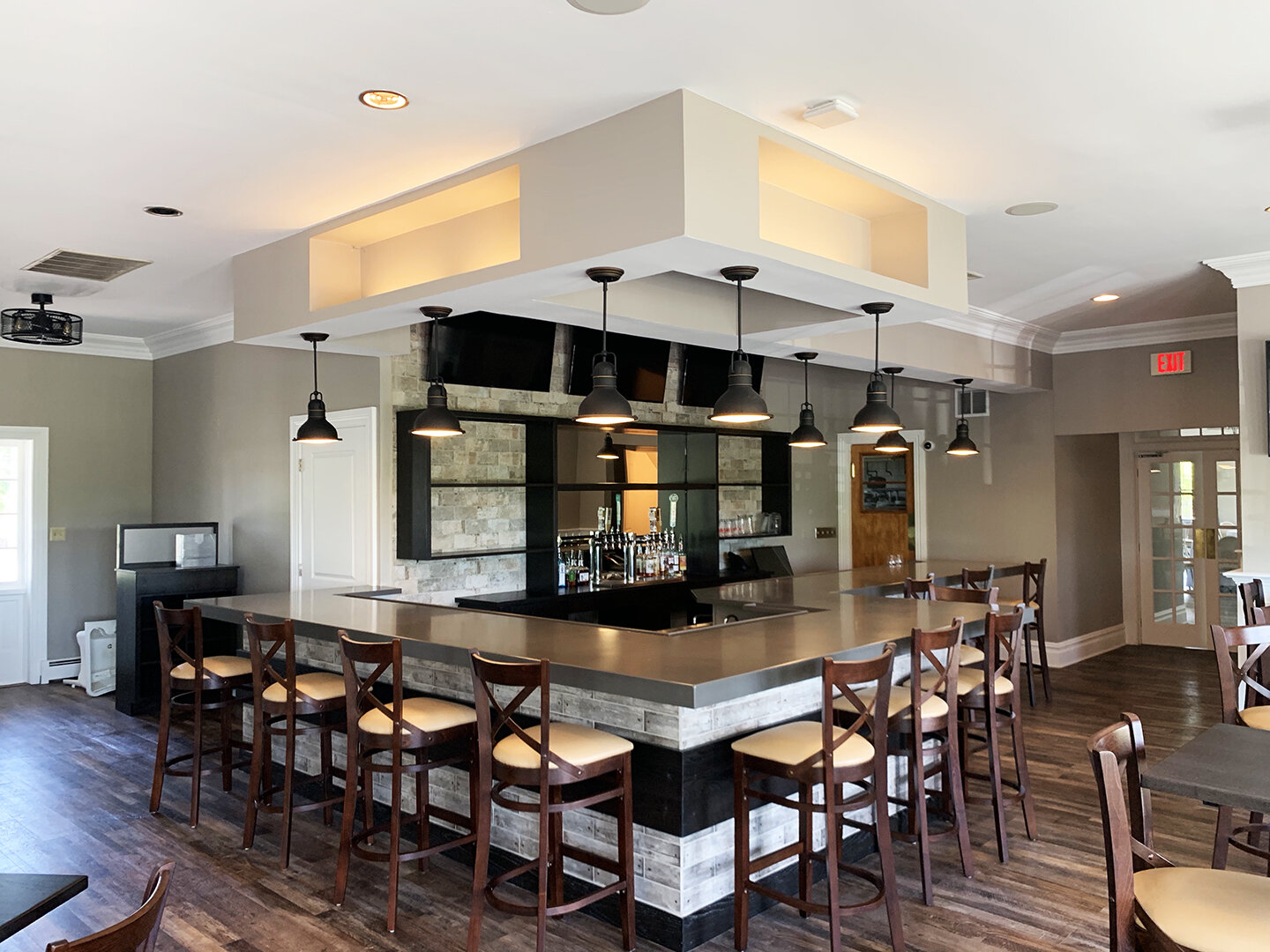
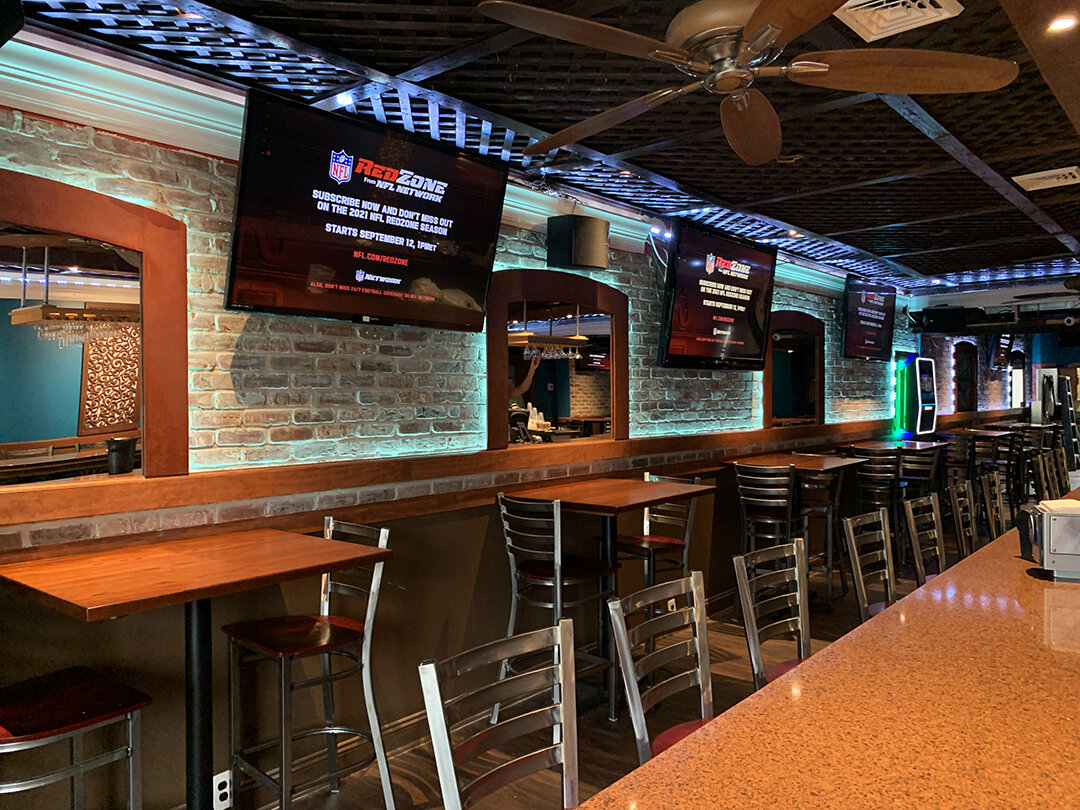
In high-volume markets like New Jersey and Delaware, a poorly configured bar is a financial catastrophe. If your bartenders are tripping over each other, you are losing high-margin drink orders every minute. Many nightclubs waste prime real estate on oversized dance floors that could be converted into lucrative VIP tables. Look for the red flags: crowded service wells, dark corners that guests avoid, and a lack of clear sightlines to the bar. If your venue feels "clunky" during peak hours, it's time to demand more from your real estate.
The 2026 Redesign Readiness Checklist: 7 Non-Negotiable Signs
Objectivity is your greatest asset as an operator. If you can't look at your venue and identify the friction points, your guests certainly will. Stagnating revenue is rarely just a "slow season" issue; it's often a direct result of environmental fatigue. Recognizing the signs your restaurant needs a redesign is the first step toward reclaiming your market position. Don't wait for the doors to close before you admit the space has failed.
-
Declining Check Averages: If guests order fewer courses despite price increases, they don't feel the environment justifies a long stay or a high bill.
-
Sensory Failures: Outdated lighting that flattens food presentation or acoustics that force guests to shout are active profit killers.
-
Functional Decay: Worn surfaces, "sticky" branding, and furniture fatigue signal to guests that you've stopped caring about the details.
-
The "Ghost Town" Effect: A layout that feels empty and uninviting during off-peak hours effectively deters walk-in traffic.
-
Inefficient Labor Metrics: When staff take 30% more steps than necessary due to a fragmented floor plan, you're paying for their exhaustion.
-
Brand Drift: If your original concept has been diluted by years of inconsistent additions, your identity is officially compromised.
-
Technical Obsolescence: An inability to integrate modern POS systems or mobile ordering tech into your current flow is a terminal diagnosis.
These indicators aren't suggestions; they're warnings. If you recognize three or more of these signs your restaurant needs a redesign, your profitability is already under threat. Demand more from your real estate or prepare to be replaced by a competitor who does.
Visual Identity and Brand Fatigue
A logo refresh is a superficial fix for a deep-seated problem. If your physical space remains stagnant while your marketing changes, you create a trust gap with your audience. Establishments in Maryland and Pennsylvania frequently suffer from Brand Drift, where the original vision has been diluted by years of mismatched additions. Your decor shouldn't be a time capsule of the decade you opened. If it is, you've already lost the 2026 diner who craves relevance and sophistication.
Technical and Infrastructure Warnings
Outdated lighting and HVAC systems aren't just inefficient; they're expensive liabilities. High energy costs are a direct result of failing to integrate modern infrastructure during your last refresh. If your layout prevents the seamless use of modern POS stations or mobile ordering, you're losing speed and accuracy. Use these technical hurdles as a catalyst to execute a comprehensive restaurant rebranding that modernizes your entire operation and secures your future.
Executing the Vision: Why Professional Consulting Is Your Only Shortcut
Stop treating your restaurant design like a weekend project. DIY attempts often lead to expensive mistakes that fail to move the needle because they lack strategic depth. While your guests can identify when a space feels "off," they cannot engineer the solution. You need an expert who understands how a floor plan dictates profit. Professional design fees pay for themselves through optimized table turnover and increased brand equity. In the high-velocity hospitality landscapes of New Jersey and Miami, professional guidance isn't a luxury; it's a prerequisite for survival.
Consultants act as visionary guides who see the pitfalls you've grown used to. They transform the signs your restaurant needs a redesign into a roadmap for dominance. Instead of asking diners for their opinions, which usually results in generic feedback, trust a specialist who understands the commercial landscape. We move quickly from identifying your immediate needs to presenting high-impact solutions that demand respect from your competition.
The High-Stakes Strategy for Rebranding
Transitioning your brand requires more than a new logo. You need a restaurant rebranding consultant to manage the complex shift from your current state to a high-performance venue. There is a fundamental difference between a cosmetic "refresh" and a "revenue-focused redesign." A refresh merely hides flaws, but a strategic redesign fixes the operational bottlenecks and psychological disconnects that suppress your margins. Expert project management ensures you keep the doors open or minimize closure time, protecting your cash flow while you evolve.
Your Next Move: Consultation over Speculation
Vet your design specialist by their ability to translate aesthetics into EBITDA. Look for a partner who has mastered space planning and layout in your specific niche. The critical first steps of a 2026 project involve a deep audit of your current "dead zones" and a roadmap for sensory alignment. Stop guessing and start strategizing with an expert who has seen it all. The cost of inaction is always higher than the cost of a professional rebrand. Reach out to a visionary guide today and secure your place at the top of the market.
Secure Your Market Dominance for 2026
Identifying the signs your restaurant needs a redesign is the first step toward reclaiming your competitive edge. You've seen how a psychological disconnect between your price point and your atmosphere creates guest resentment, and how a clunky layout acts as a silent killer of your profit margins. In a market where every square foot must perform, settling for mediocrity is a choice to leave money on the table. Stagnation is not a strategy; it is a slow exit from the industry.
Stop speculating and start executing with a specialist who understands the high-stakes world of hospitality. Raymond Haldeman is the visionary designer for elite venues in Miami and across the East Coast, specializing in revenue-driving restaurant and nightclub layouts that eliminate guesswork. His assertive guidance ensures your rebranding is a strategic transformation designed for maximum ROI. Schedule your high-level redesign consultation with Raymond Haldeman today. Your vision deserves a space that performs as well as your menu. Build the future your brand deserves.
Frequently Asked Questions
How often should a restaurant undergo a redesign?
Plan for a major redesign every five to seven years to prevent atmospheric erosion. In hyper-competitive hubs like Miami or Philadelphia, the pace of design fatigue is even faster. If your decor explicitly dates your business to a previous decade, you're already losing the 34% of consumers who report spending more at restaurants that offer a premium, modern experience.
Can a redesign really increase my restaurant revenue?
Strategic design is a direct revenue driver that justifies the 68% menu price increases seen across the industry since 2025. By optimizing your servicescape, you eliminate "dead zones" and create an environment that encourages higher check averages. A precision-engineered floor plan doesn't just look better; it functions as a high-performance machine that accelerates table turnover and VIP spend.
How much does a professional restaurant redesign cost in 2026?
Hard construction costs for a tenant improvement in 2026 typically range from $150 to $350 per square foot. Total project costs for a mid-size, full-service casual dining venue often fall between $750,000 and $2.4 million depending on the scale and location. These figures reflect the investment required to secure a healthy 10% to 15% profit margin in a market where labor costs have surged 35% since 2019.
What is the difference between rebranding and a simple redesign?
A redesign focuses on the physical environment while rebranding transforms your entire market identity and culinary vision. You shouldn't invest in one without the other if there's a psychological disconnect between your price point and your space. Rebranding ensures your physical venue actually delivers on your brand promise and attracts your target demographic.
How do I know if my restaurant layout is actually the problem?
Watch your staff and your guests for friction. If servers are constantly dodging bottlenecks or guests consistently reject specific tables, your layout is failing. These are clear signs your restaurant needs a redesign to fix the operational paralysis that inflates labor costs and kills your energy during off-peak hours.
Will a redesign alienate my current regular customers?
A strategic redesign rewards your loyalists with improved comfort and better acoustics while opening the door for high-spend newcomers. Don't let the fear of change trap you in a declining revenue cycle. Evolution is a prerequisite for survival; your regulars will appreciate a venue that values its own future and maintains a dominant brand identity.