Bar Interior Design That Drives Alcohol Sales

Article by
Raymond Haldeman
Raymond Haldeman spent decades as a hands-on owner and operator of bars, restaurants, and nightclubs before parlaying that experience into a second career designing and rebranding some of the most exciting restaurant spaces in the country. Every place he designs is built on years of actually running the business, paying the bills, and knowing exactly what it takes to make a restaurant full of people say, "WOW!"
Your bar's layout is either your most powerful sales tool or your silent profit killer. Most owners treat bar interior design as a superficial exercise in choosing paint colors and barstools. They focus on the "look" while ignoring the operational bottlenecks that stifle table turnover and the poor flow that frustrates staff. It's a high-stakes mistake that leaves thousands in potential revenue on the table every single month. You already know that a pretty room doesn't guarantee a packed house or high-spending clientele. You need a venue that performs as hard as your best bartender.
We'll show you how to transform your bar from a simple room into a high-octane revenue engine through professional design strategy. This guide breaks down how to outshine local competitors by mastering the psychology of atmosphere and maximizing every square foot of your floor plan. You'll learn the strategic elements of space planning, lighting, and zoning that drive VIP bookings and keep your alcohol sales climbing consistently. It's time to stop guessing and start designing for profit.
Key Takeaways
- Stop viewing your venue as a simple decoration project and start treating your floor plan as a high-stakes engine for operational efficiency and brand dominance.
- Discover how to engineer guest psychology using specific lighting temperatures and tactile materials that trigger longer stays and higher alcohol sales.
- Master the "Golden Path" layout to eliminate staff bottlenecks and squeeze maximum profit out of every square foot of your bar interior design.
- Identify the technical bar height and depth specifications that optimize bartender speed without sacrificing the comfort of your high-spending clientele.
- Avoid the expensive trap of DIY design by leveraging professional expertise to navigate regional regulations and establish a cohesive, premium brand identity.
Table of Contents
-
Beyond Aesthetics: Why Bar Interior Design is a High-Stakes Business Strategy
-
Maximizing Revenue per Square Foot: Layout and Space Planning
-
The Professional Edge: Why DIY Design is a Recipe for Financial Disaster
Beyond Aesthetics: Why Bar Interior Design is a High-Stakes Business Strategy
Commercial bar design is not a creative hobby. It is the calculated intersection of brand identity, guest psychology, and operational efficiency. While many designers focus on "mood boards," a professional strategy focuses on the bottom line. You can have the most visually stunning venue in the city, but if your layout creates friction for your staff or forces guests to wait twenty minutes for a drink, you are losing money. In the hyper-competitive markets of 2026, from the high-energy strips of Miami to the sophisticated lounges of Philadelphia, a "pretty" bar is a baseline requirement, not a competitive advantage.
Success requires a straight-talk approach to your floor plan. This is where the fundamentals of interior design meet hard-nosed business logic. We call this "The Raymond Haldeman Edge." It means every design choice is made for your wallet, not for a designer's portfolio. If a feature doesn't drive sales or improve efficiency, it doesn't belong in your venue. You are building a business, not a museum.
The Financial Impact of a Professional Redesign
A strategic refresh is more than a facelift; it's a revenue multiplier. Data indicates that a professional redesign can increase average check sizes by 20% or more by optimizing seating and encouraging premium orders. Don't fall for the "DIY design" trap. Attempting to save money upfront by cutting corners on professional planning leads to expensive operational bottlenecks and a failing venture within the first year. ROI-driven design is the primary goal for any 2026 hospitality project looking to survive and thrive.
Escapism as a Commodity in the Modern Bar Scene
In 2026, guests aren't just buying drinks; they're buying an escape. The rise of craft cocktail culture has turned "the vibe" into a high-margin commodity. Patrons in competitive markets like New Jersey and Maryland are willing to pay a significant premium for an environment that feels exclusive and curated. When you engineer "Instagrammable moments" into your bar interior design, you aren't just being trendy. You are effectively reducing your marketing spend by turning every guest into a brand ambassador with a smartphone. Stop selling liquid and start selling an experience that demands a higher price point.
The Psychology of Atmosphere: Engineering the Perfect Vibe
Atmosphere is not an accidental byproduct of good taste; it is a psychological trigger you pull to control guest behavior. Every design choice you make either invites a second round or signals the guest to close their tab. To drive sales, you must master the invisible forces that dictate how long a patron stays and how much they spend. Research into environmental psychology in bars confirms that environmental factors like lighting and seating density are the primary drivers of social interaction and venue profitability. Don't leave these variables to chance. Engineer them.
Lighting Design: The Invisible Salesman
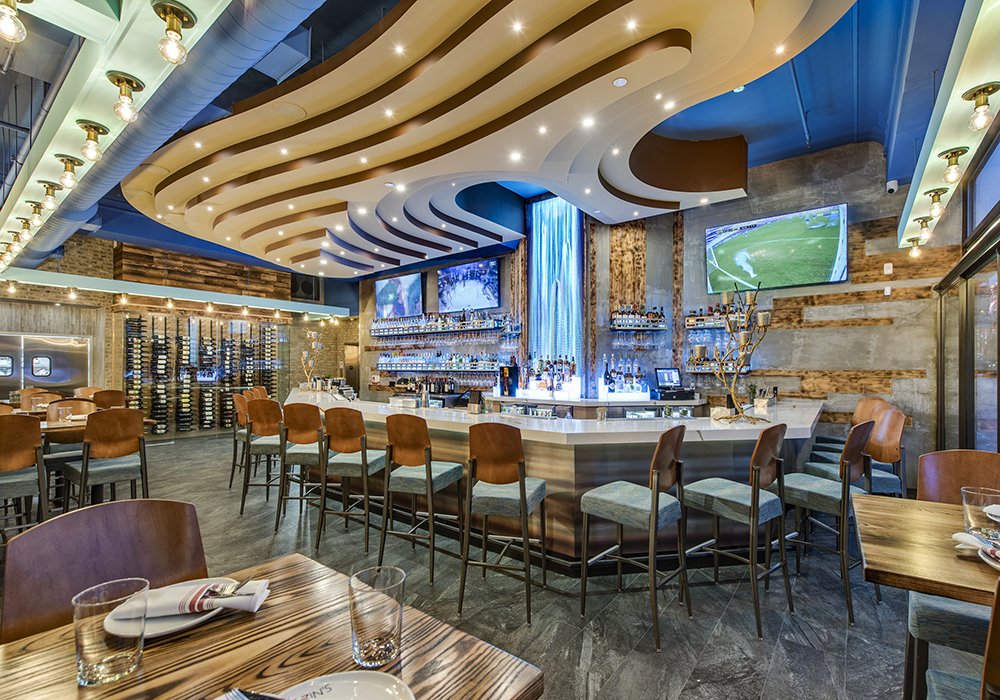
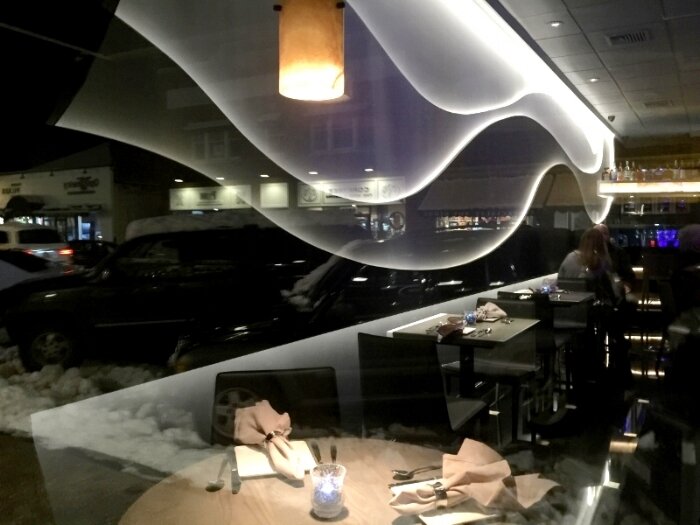
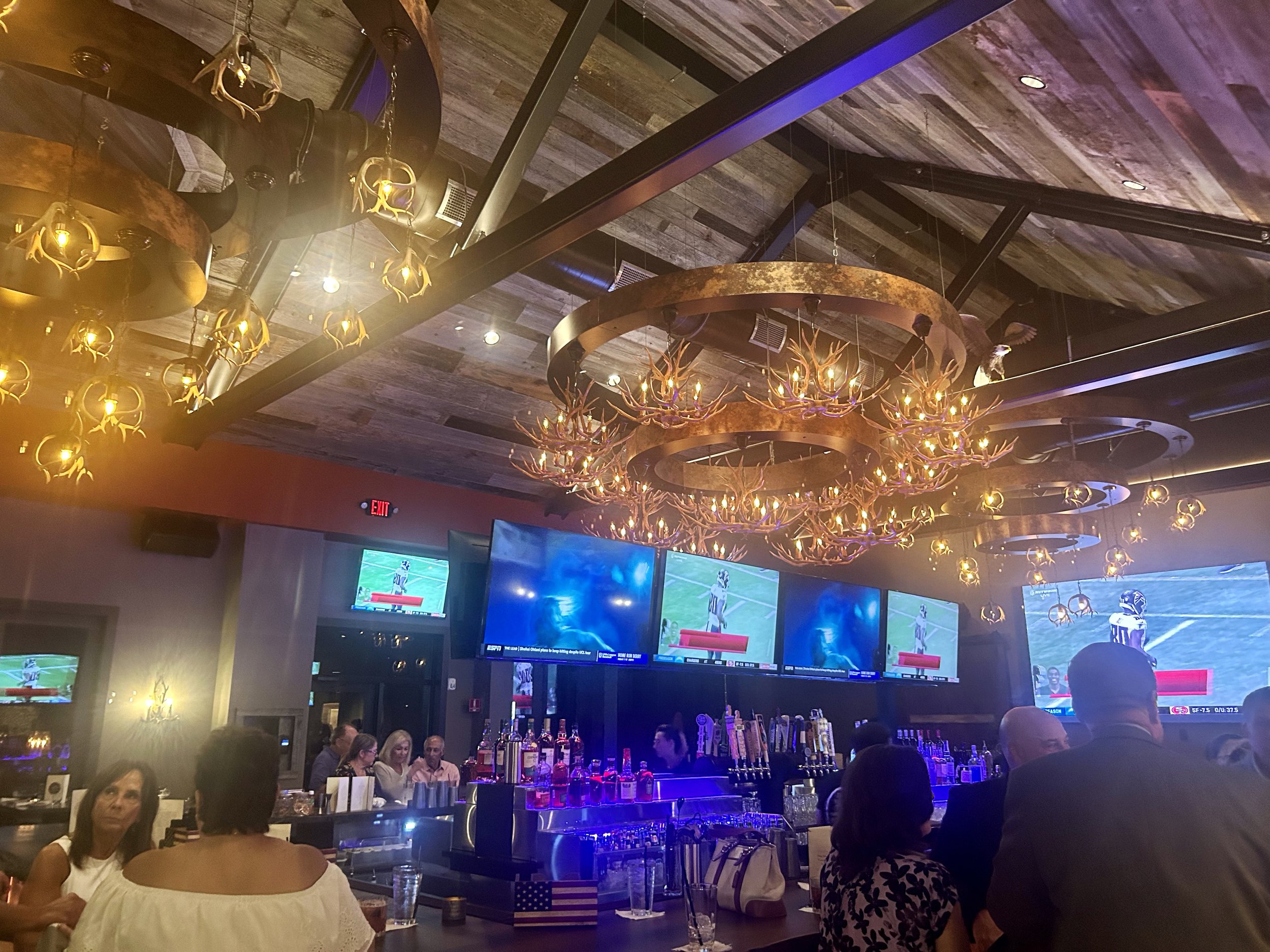
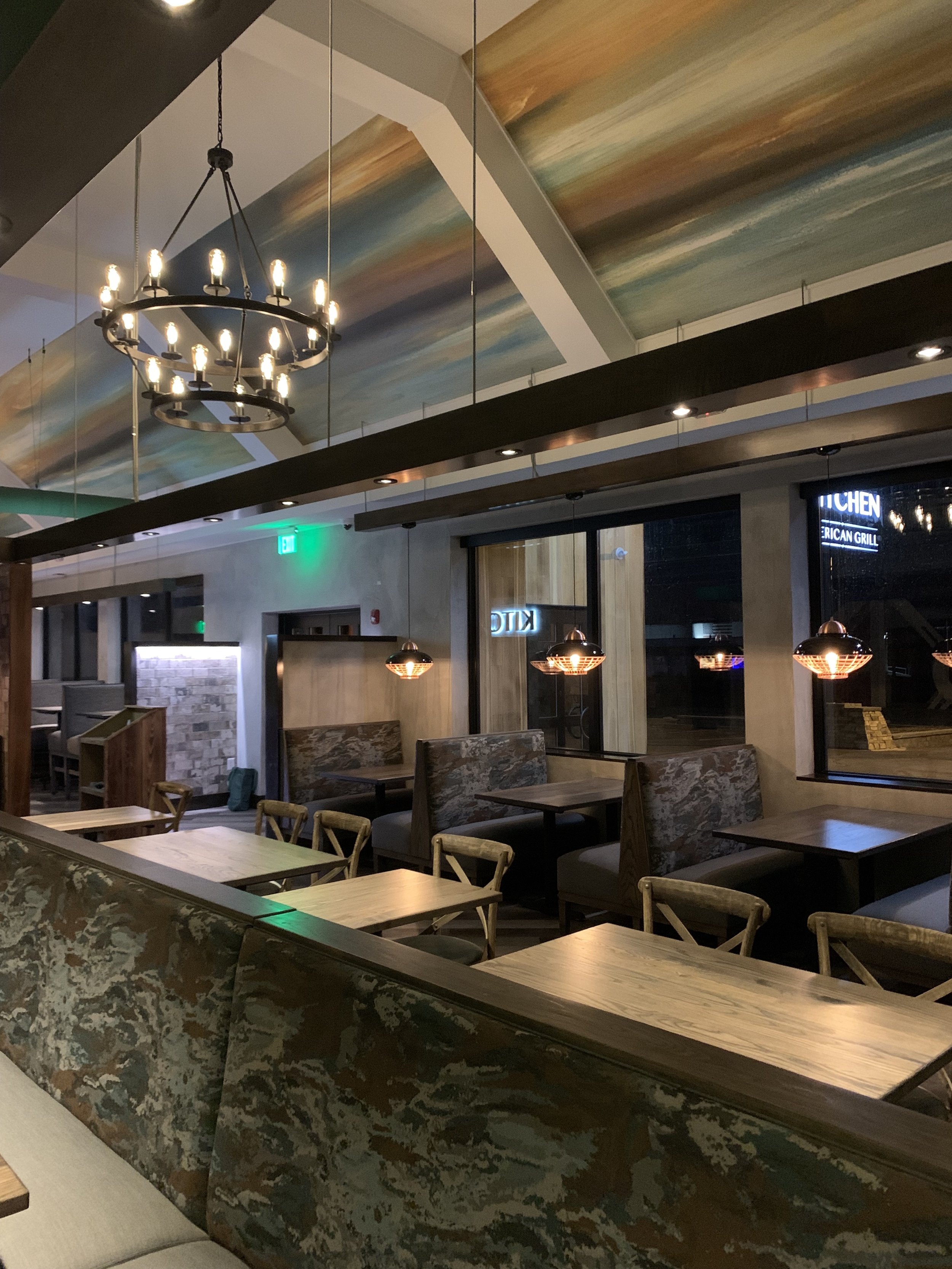
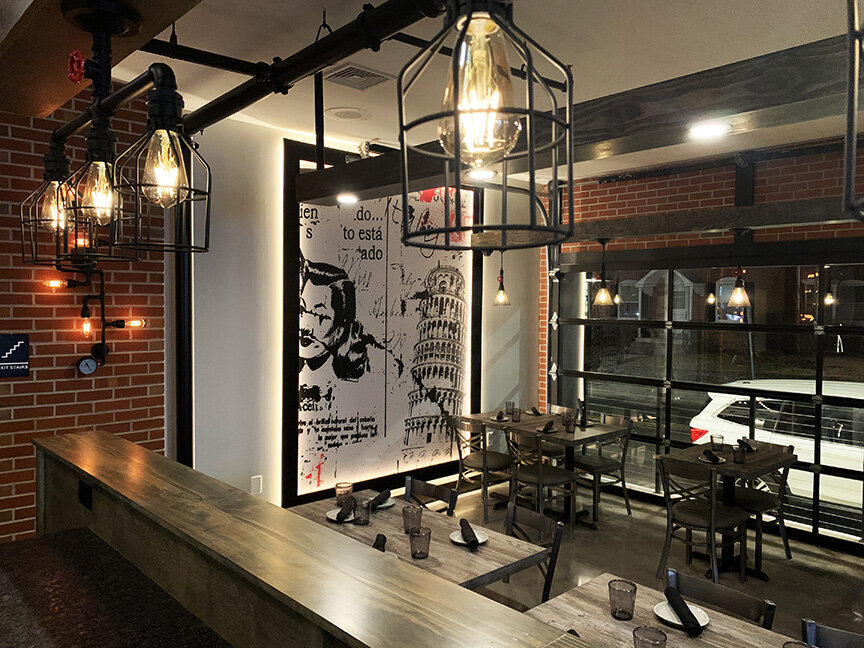
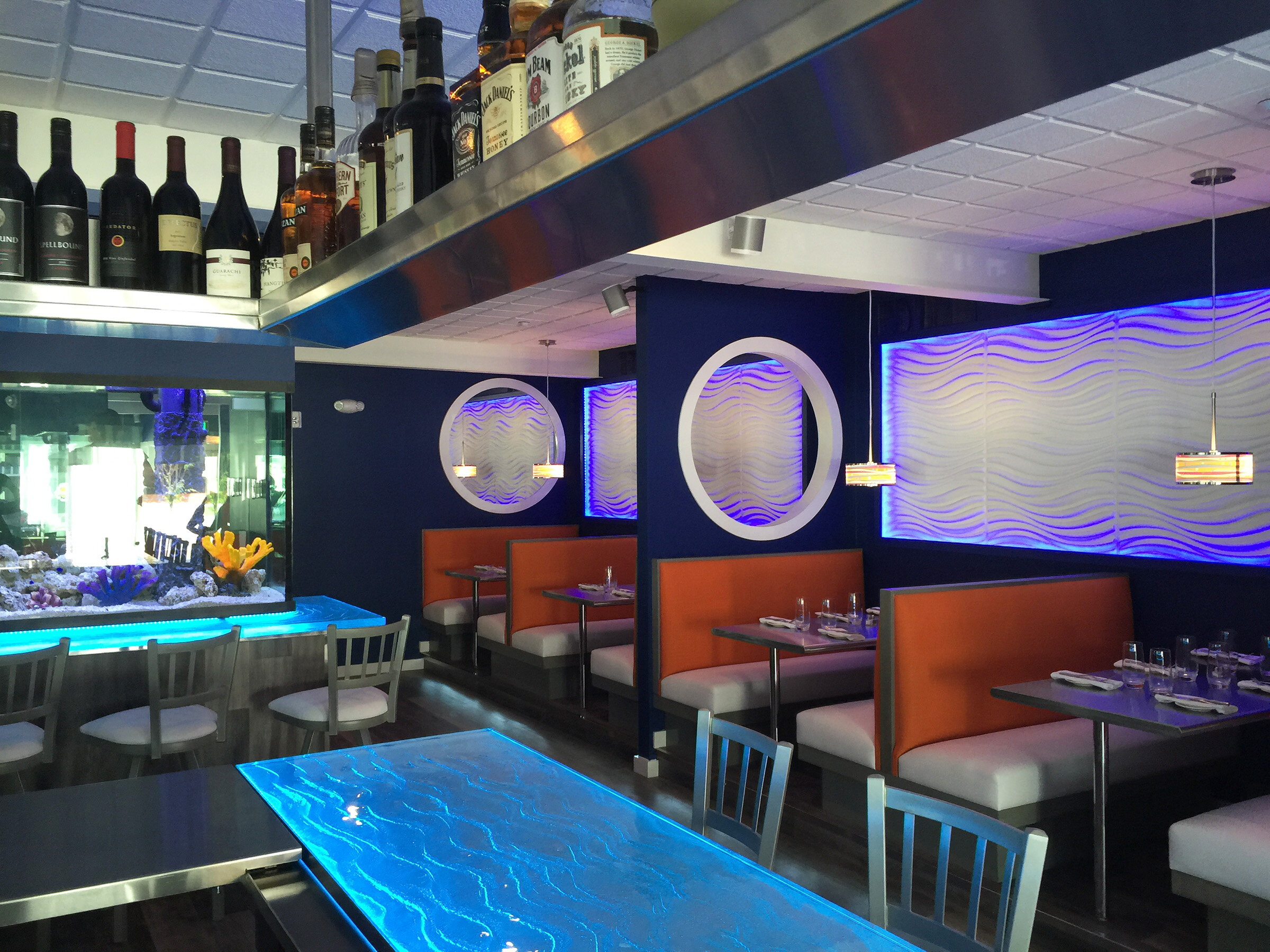
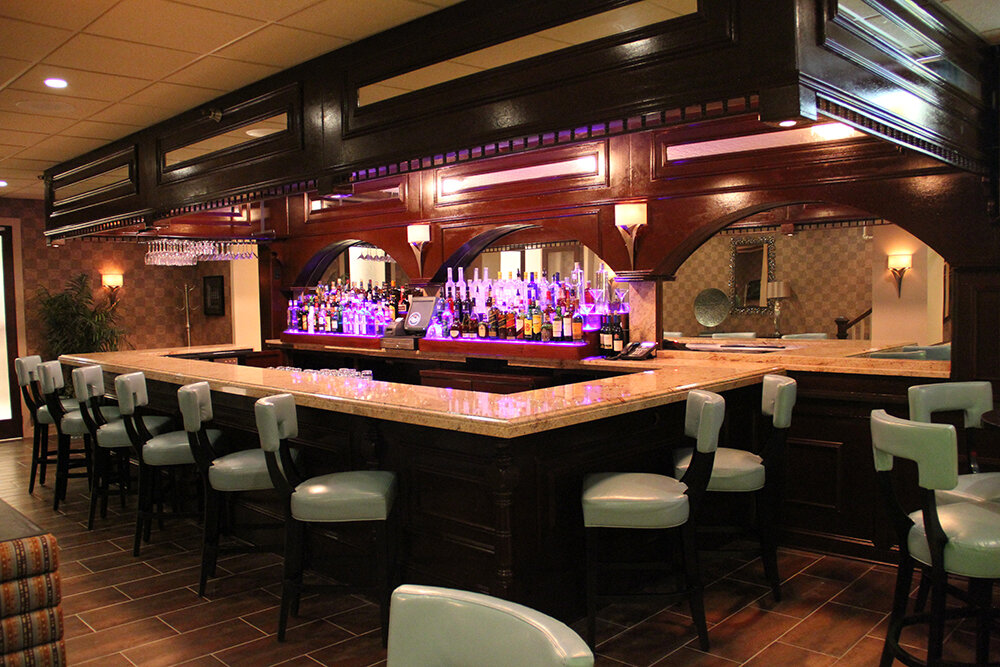
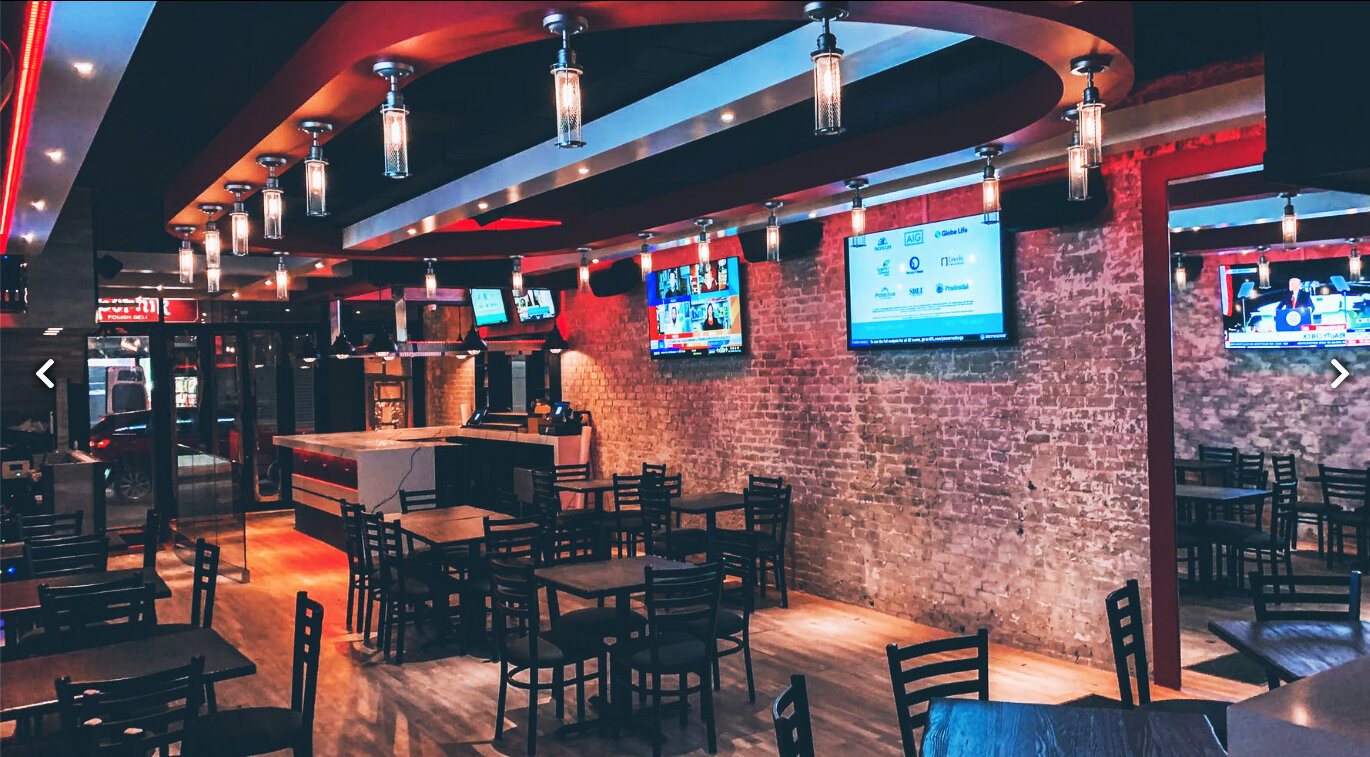
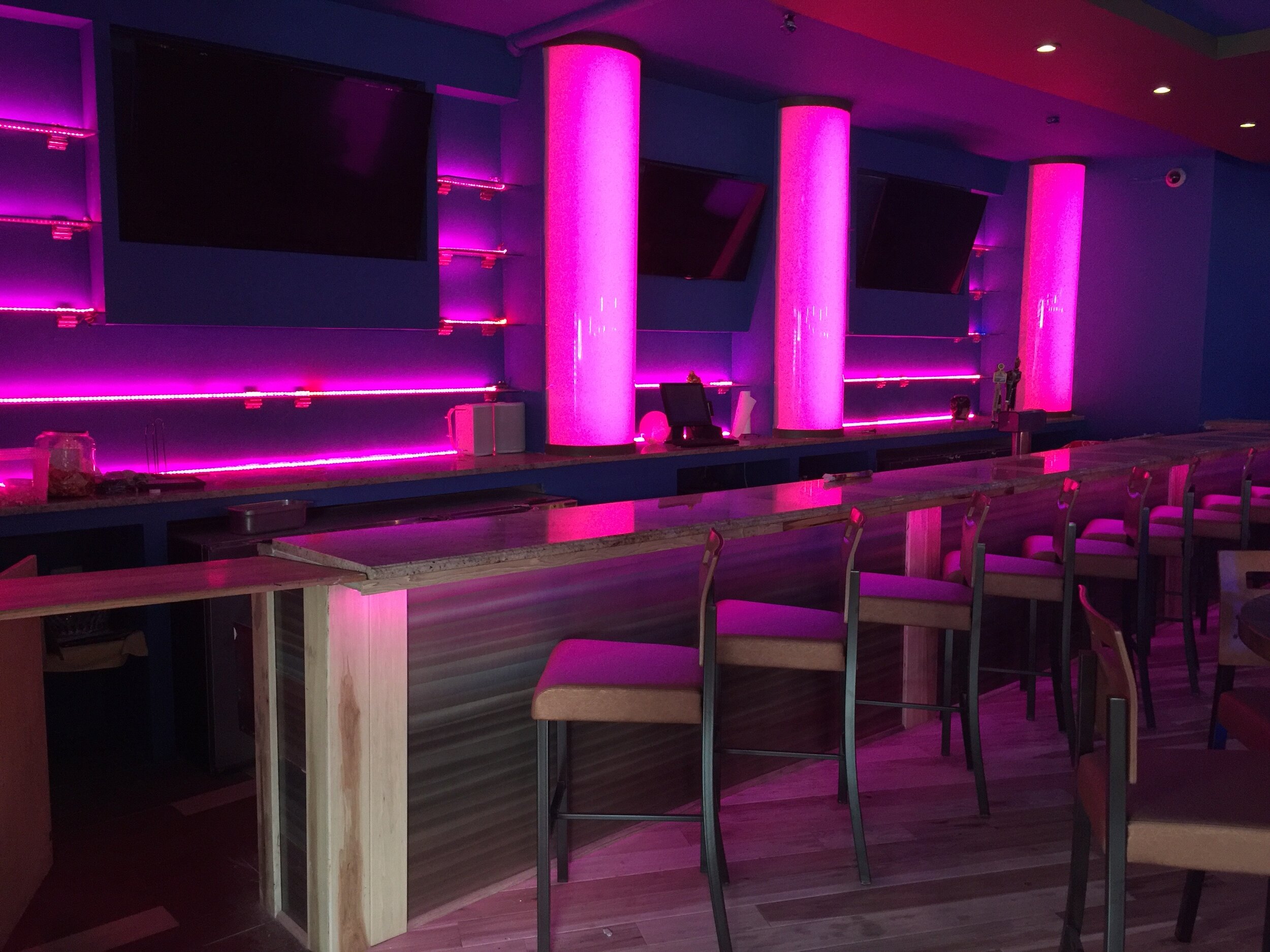
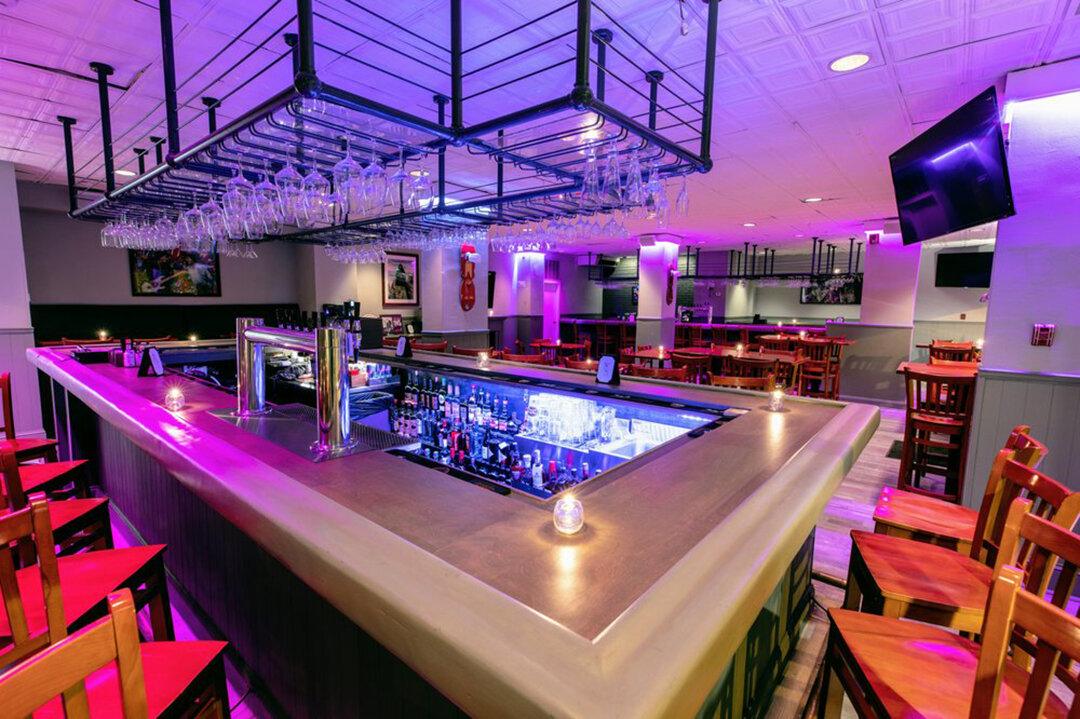
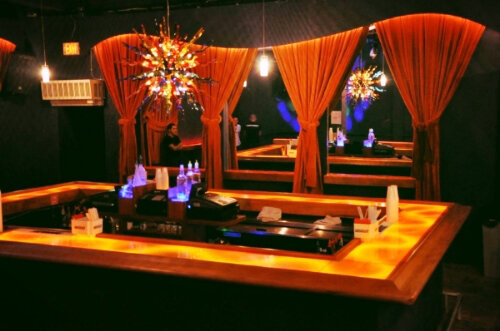
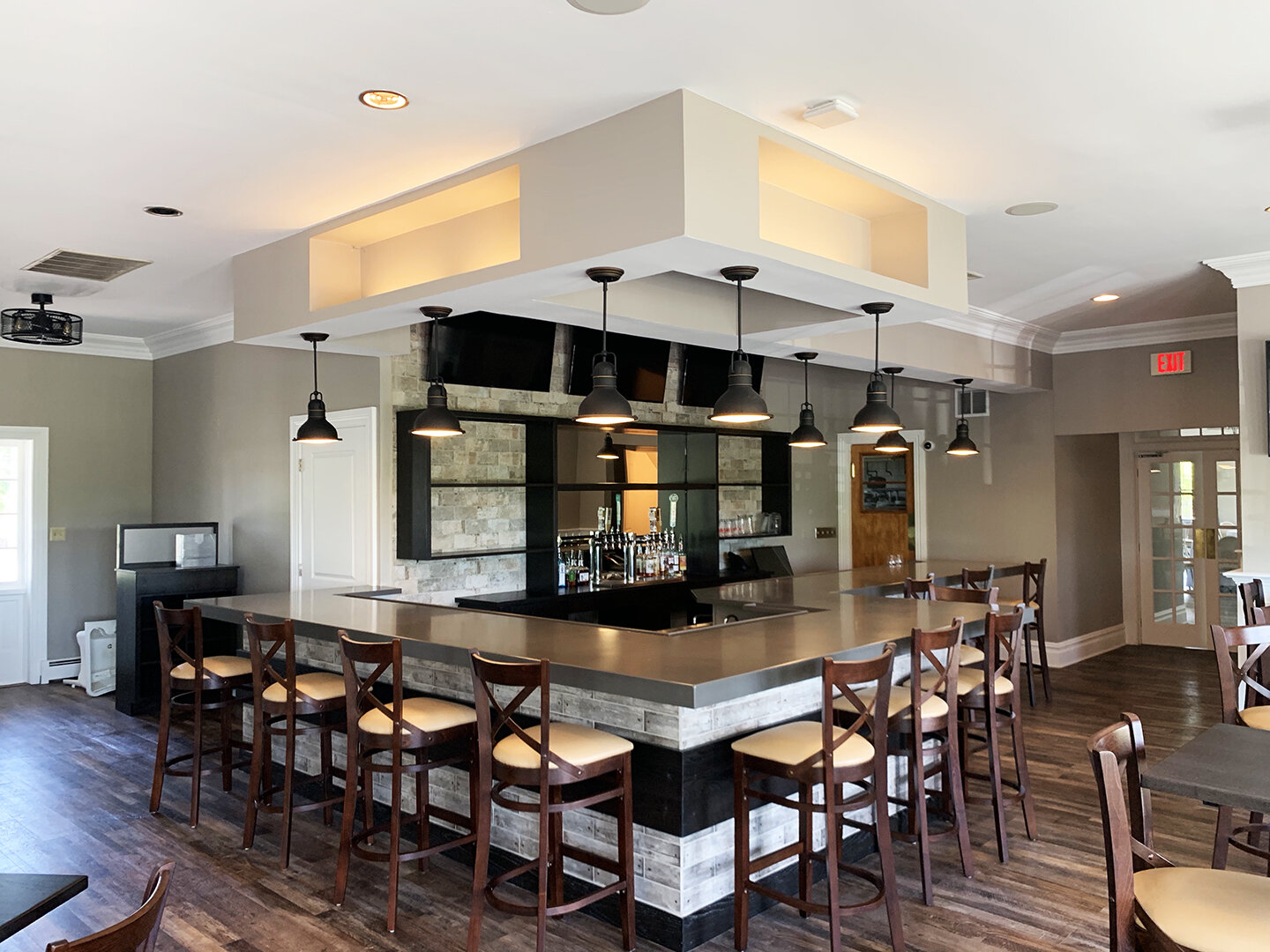
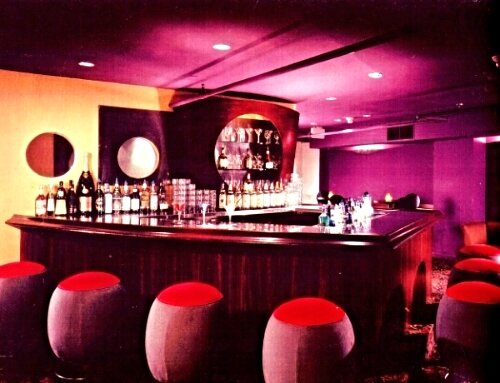
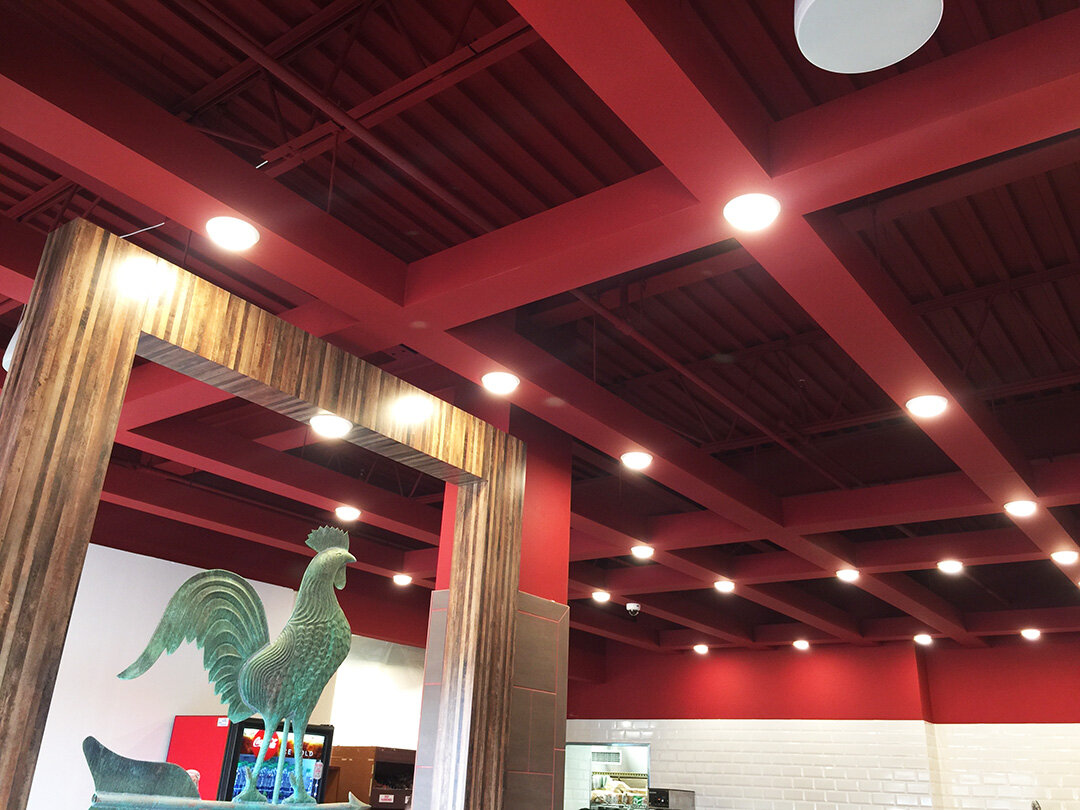
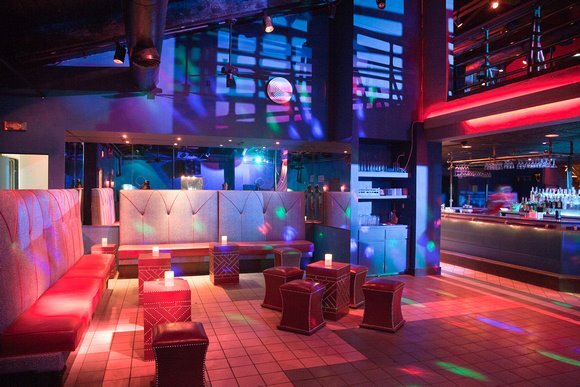
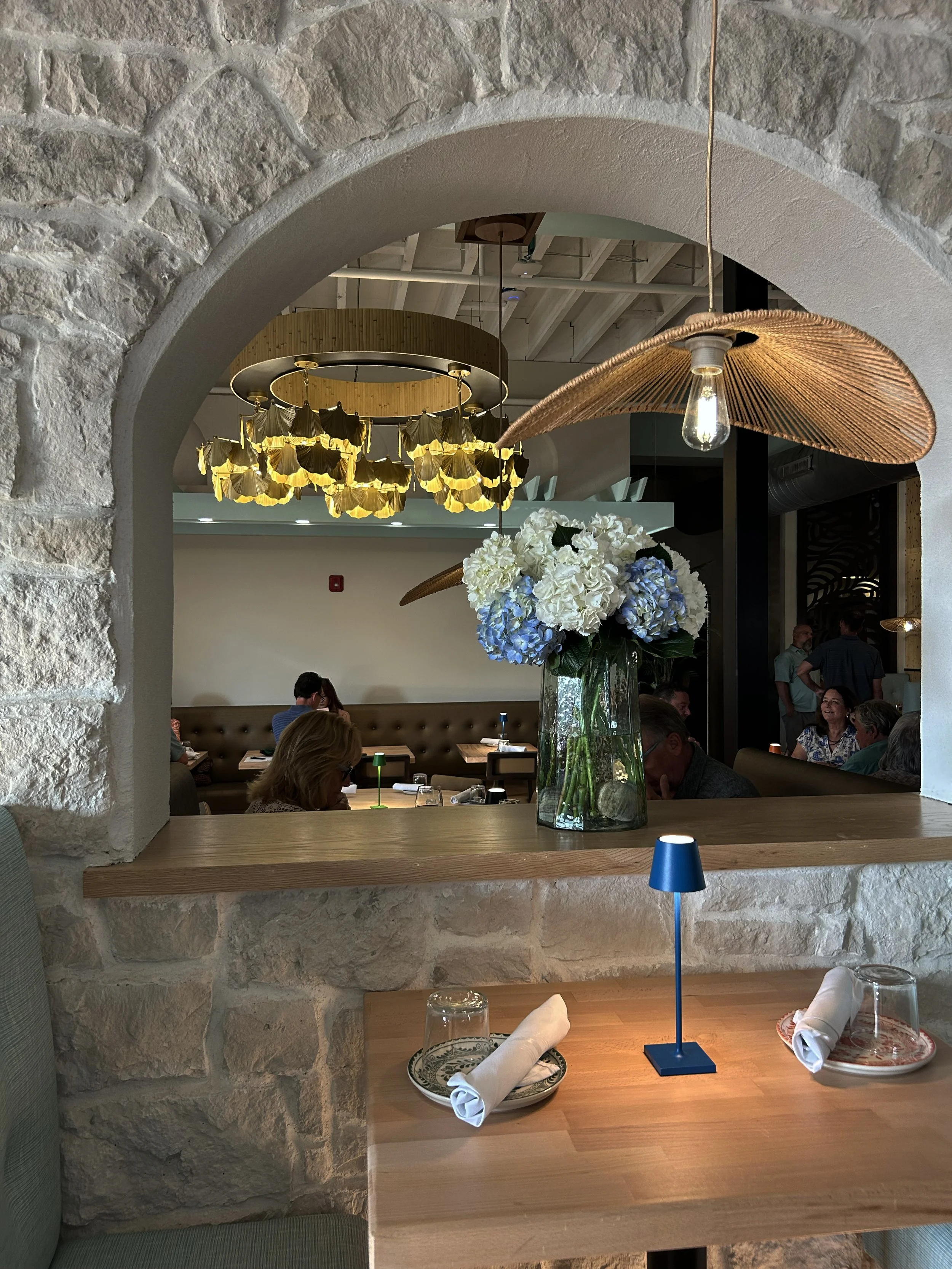
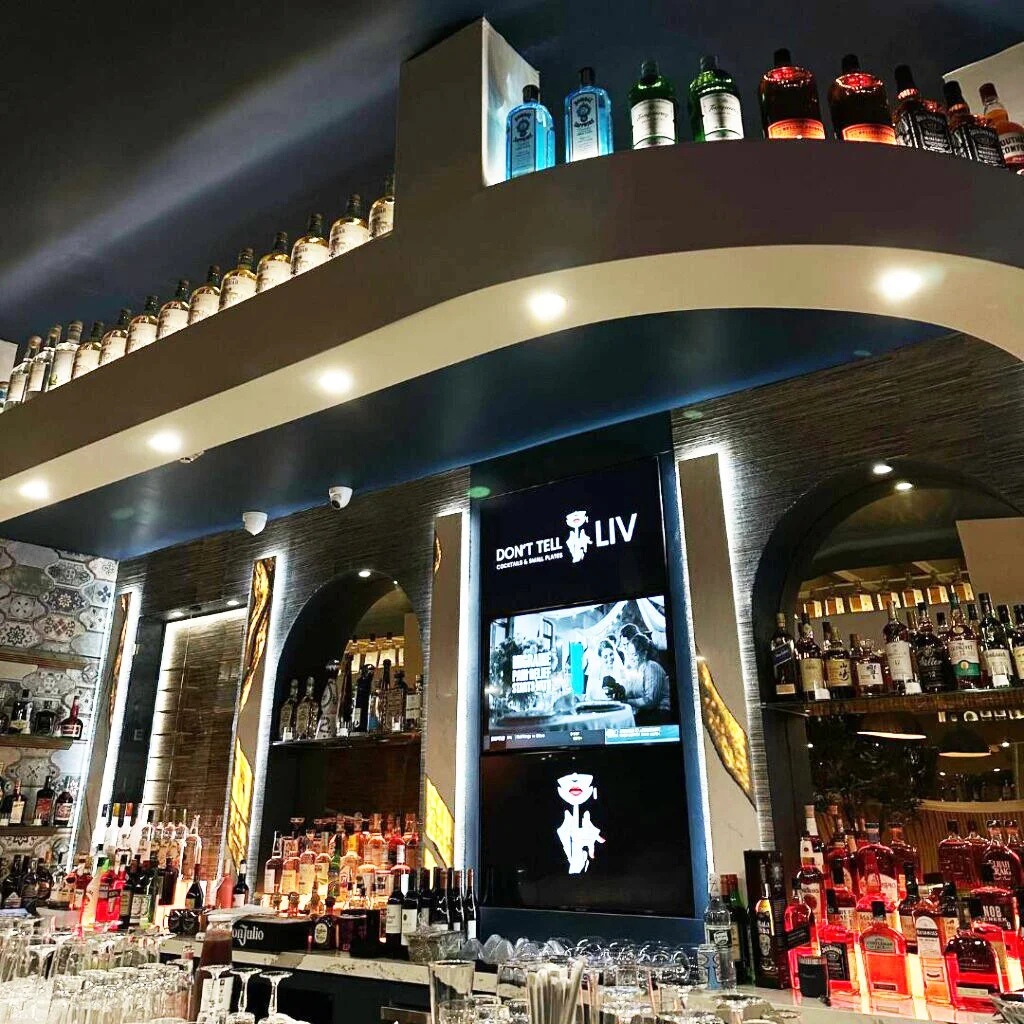
Lighting is the most cost-effective tool in your arsenal. To maximize sales, move away from flat, overhead illumination. Use layered, low-intensity lighting between 2200K and 2700K to create a cinematic, intimate environment. This "golden hour" effect makes guests feel more attractive and relaxed, which directly correlates to increased dwell time. Implement dimmable zones to transition your bar interior design from a bright happy hour to a high-energy late-night vibe. Your back-bar should be the focal point of the room. Use targeted spotlights to make your premium, high-margin spirits glow. If your venue feels like a brightly lit office, you are killing the mood and your profit margins simultaneously.
Materiality and the "Premium" Perception
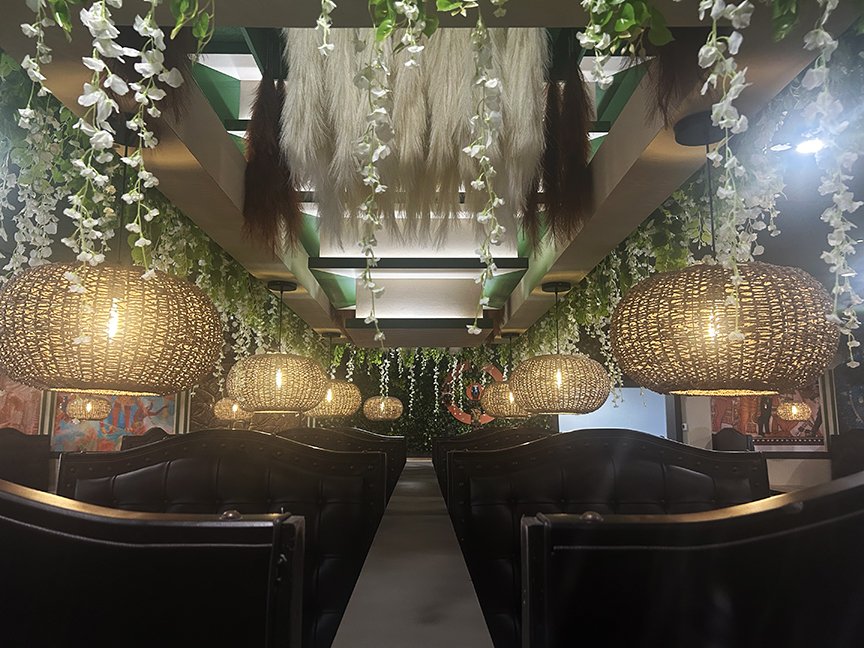
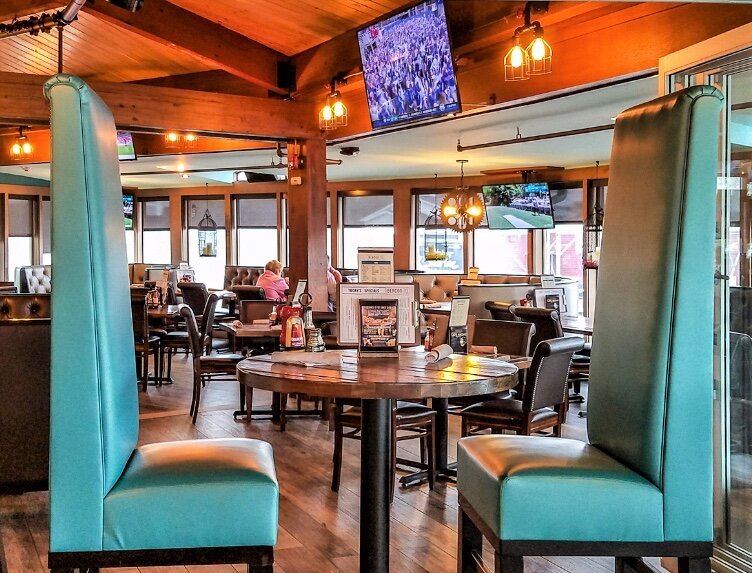
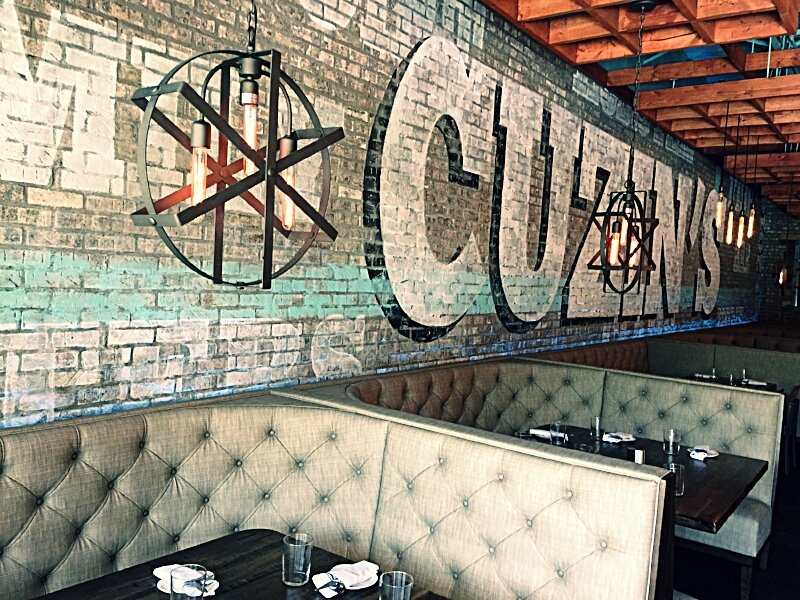
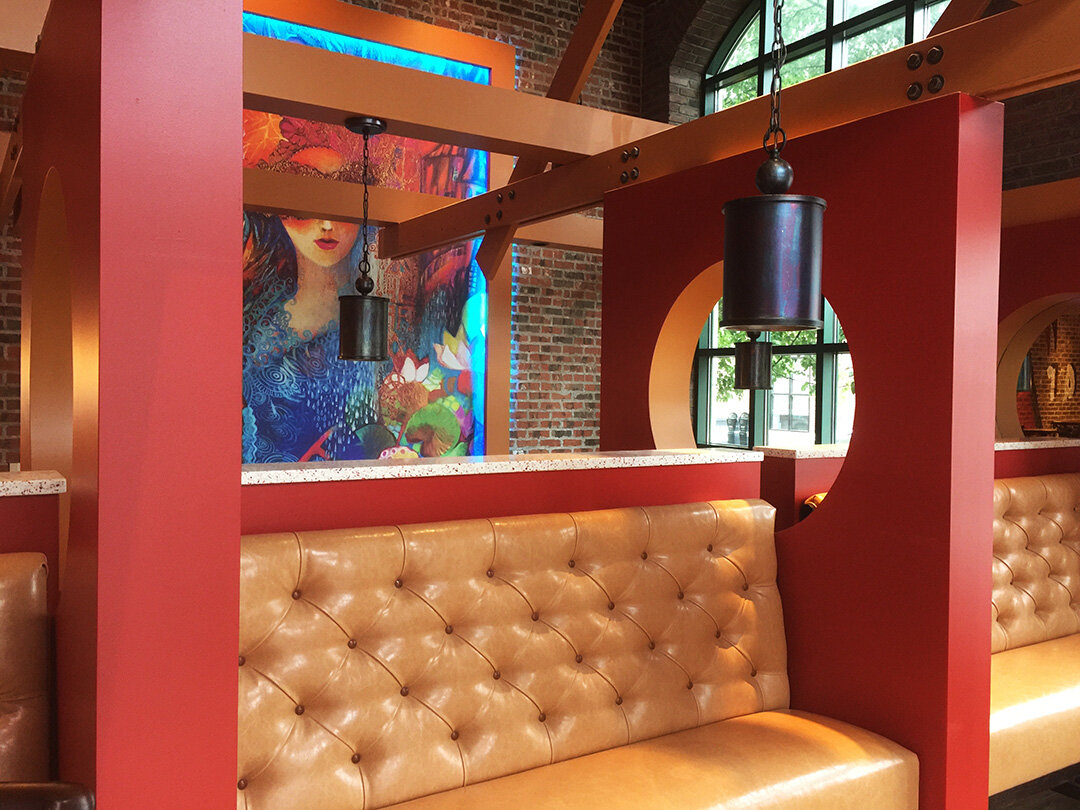
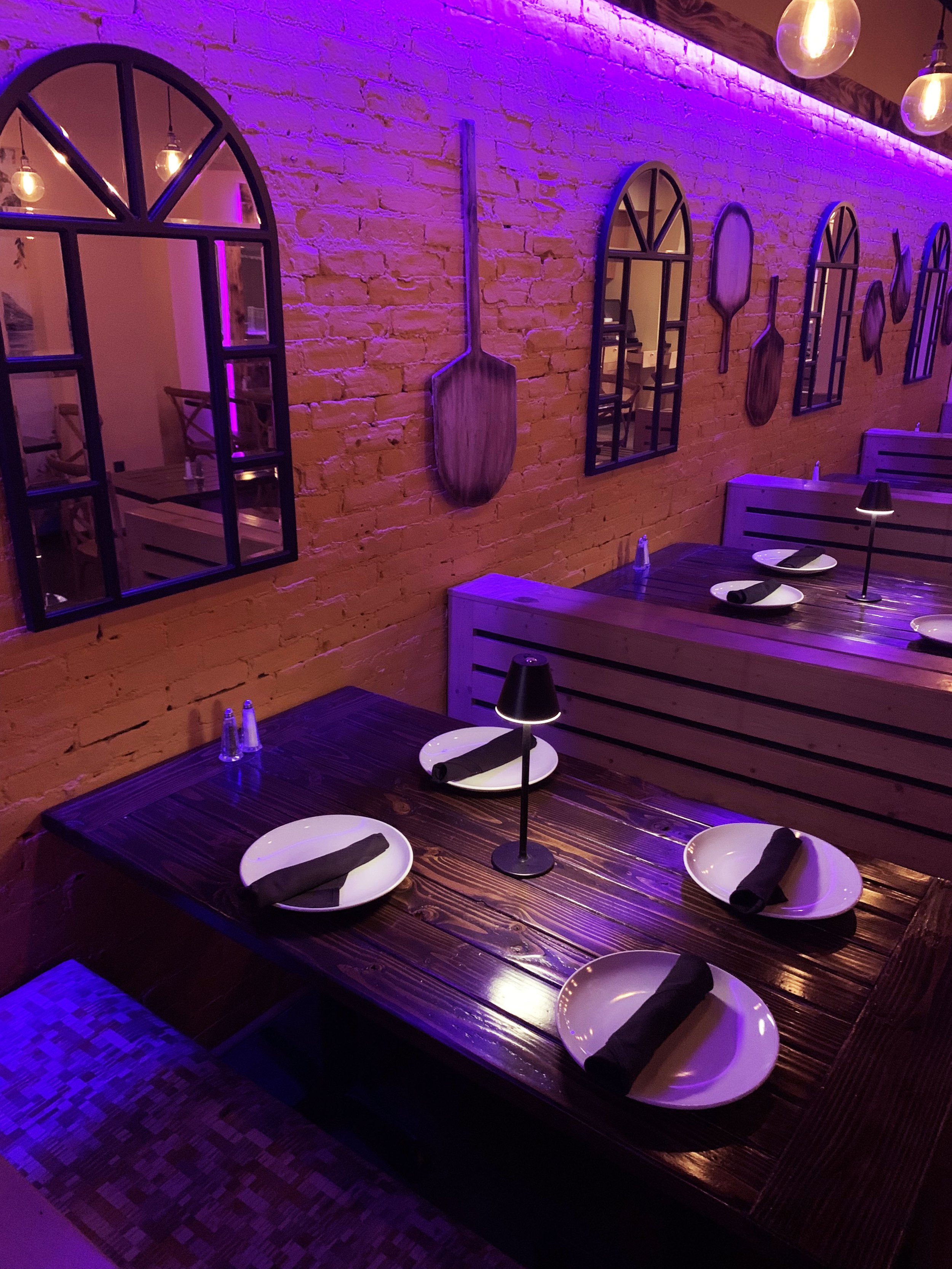
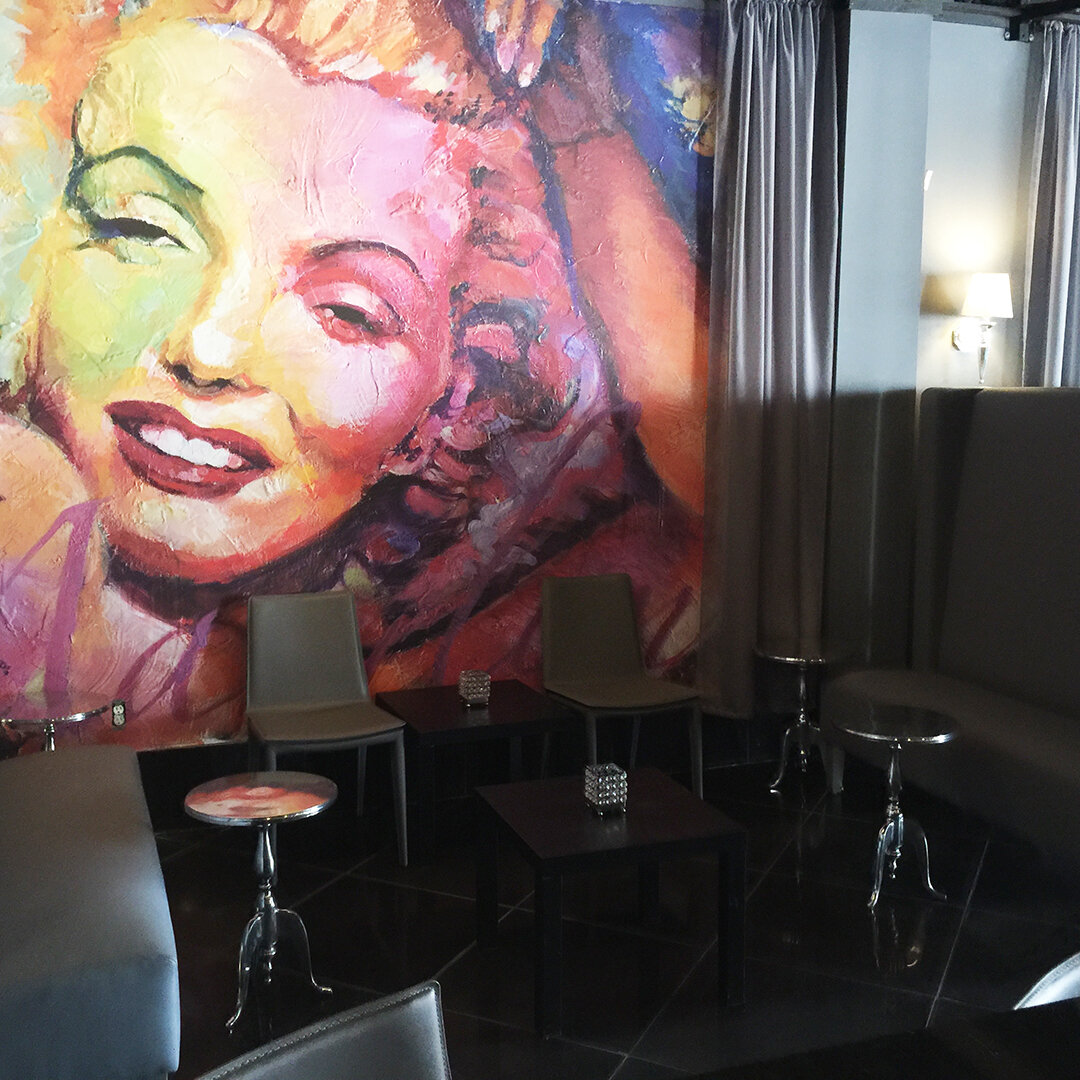
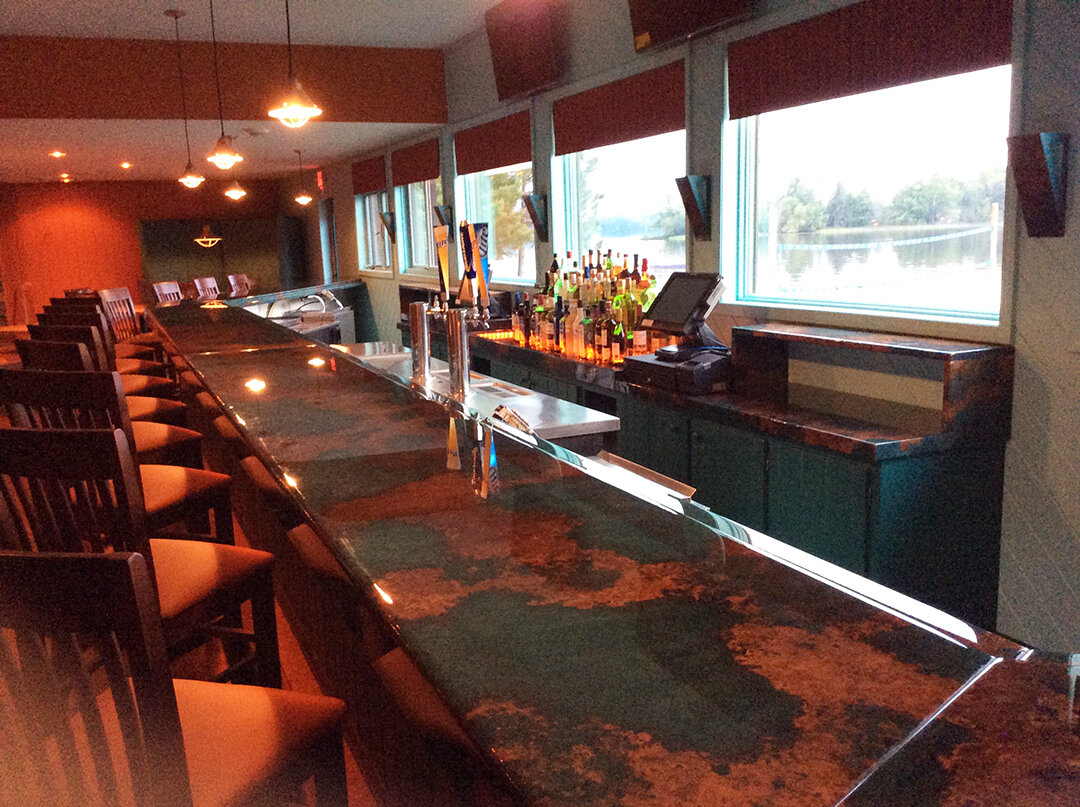
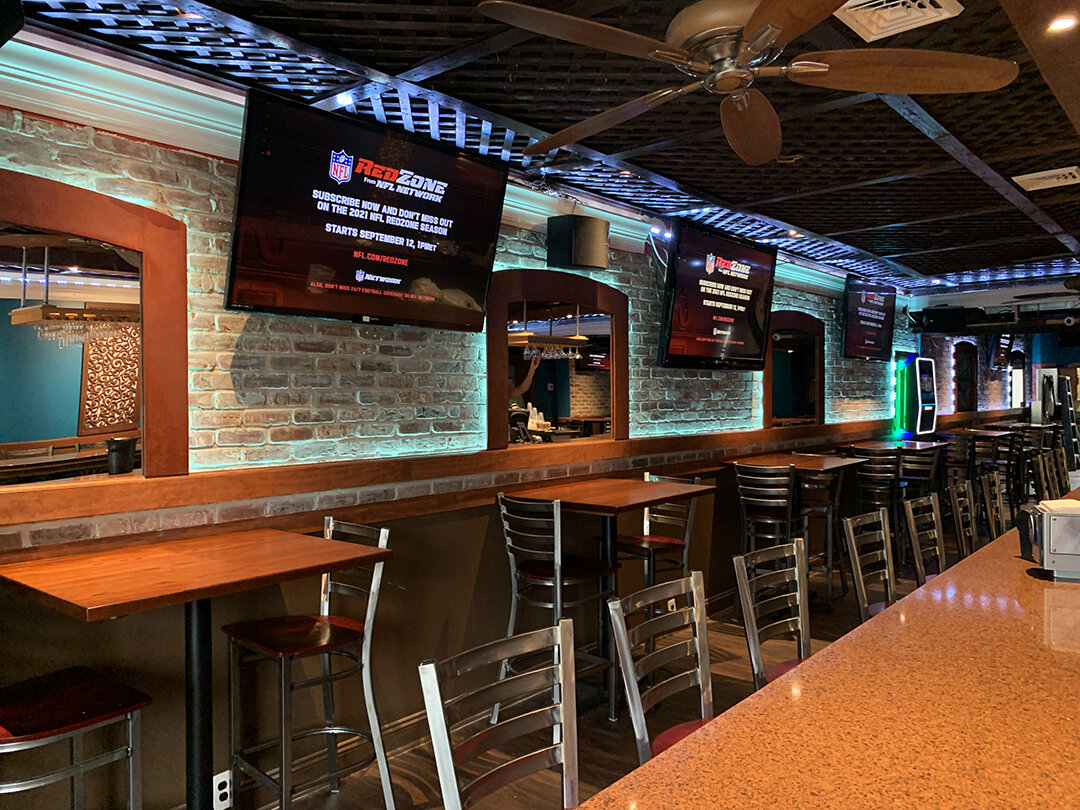
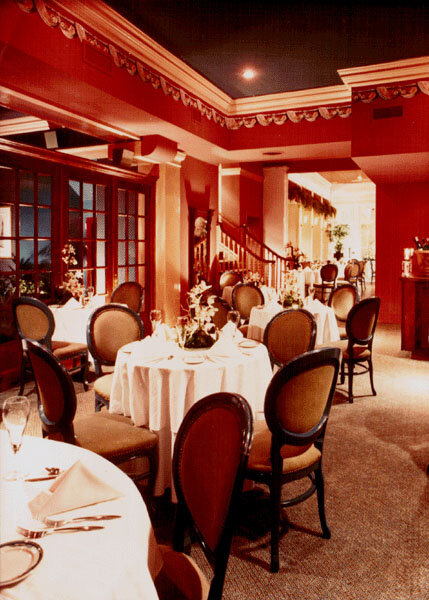
The materials your guests touch define their perception of your brand's value. Use tactile surfaces like velvet and leather to create a sense of permanence and luxury. These materials are known to retain the "imprint of bodies," making a space feel lived-in and intimate rather than sterile. In tight urban footprints like Philadelphia or Baltimore, use mirror-clad surfaces strategically to make small rooms feel expansive and energetic. If you are operating in a high-volume market like Miami, your materials must be bulletproof. Choose leathered granite or hammered copper that can survive a 2:00 AM rush while maintaining a high-end aesthetic. If you're ready to move beyond basic aesthetics, a professional bar and nightclub design will ensure your material choices are both durable and profitable.
Trends like "Space Age" or "Retro-Future" should be used as branding weapons, not just fashion statements. These styles provide immediate differentiation in crowded markets, but they must be balanced with acoustic management. A high-energy bar needs a certain level of buzz, but if it's "impossible to talk," your guests will leave for a venue where they can actually socialize. Use textured wall panels and upholstered seating to absorb harsh frequencies while maintaining the energetic "clink" of a busy bar. Every decibel and every texture must serve the bottom line.

Maximizing Revenue per Square Foot: Layout and Space Planning
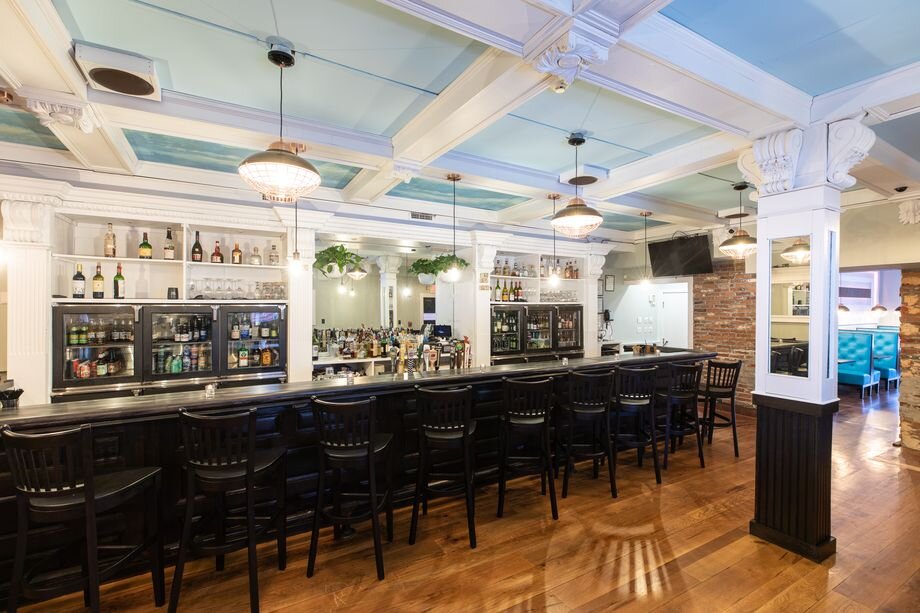
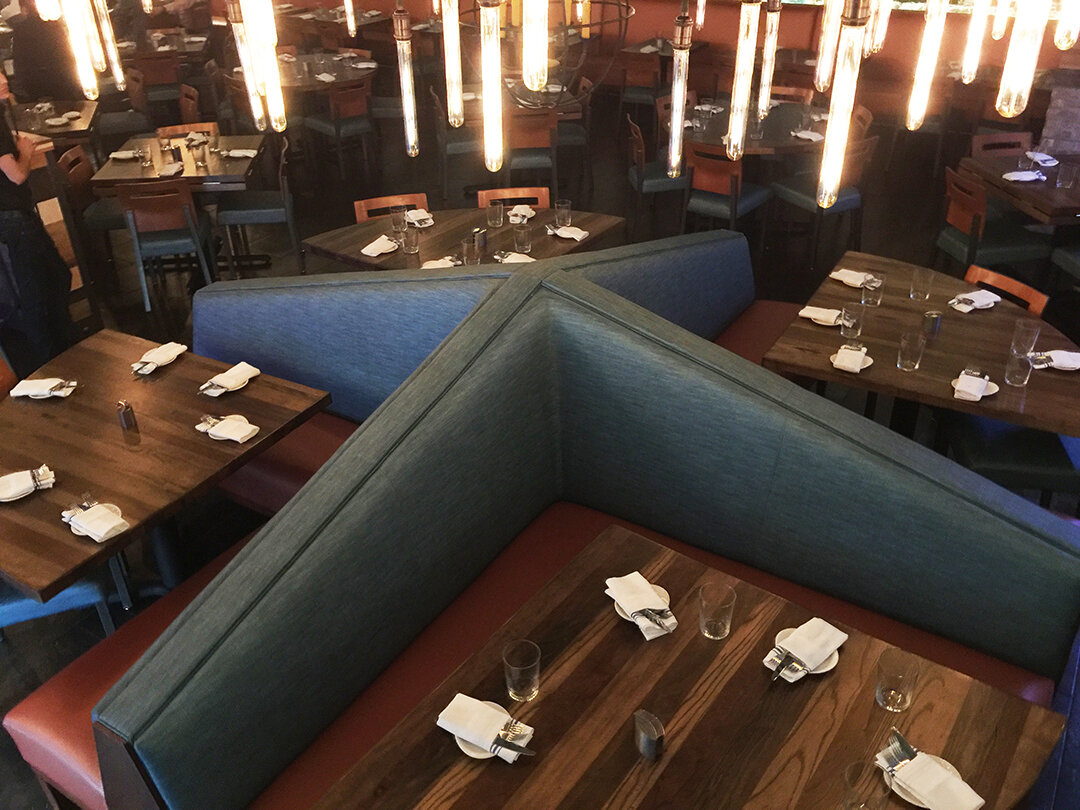
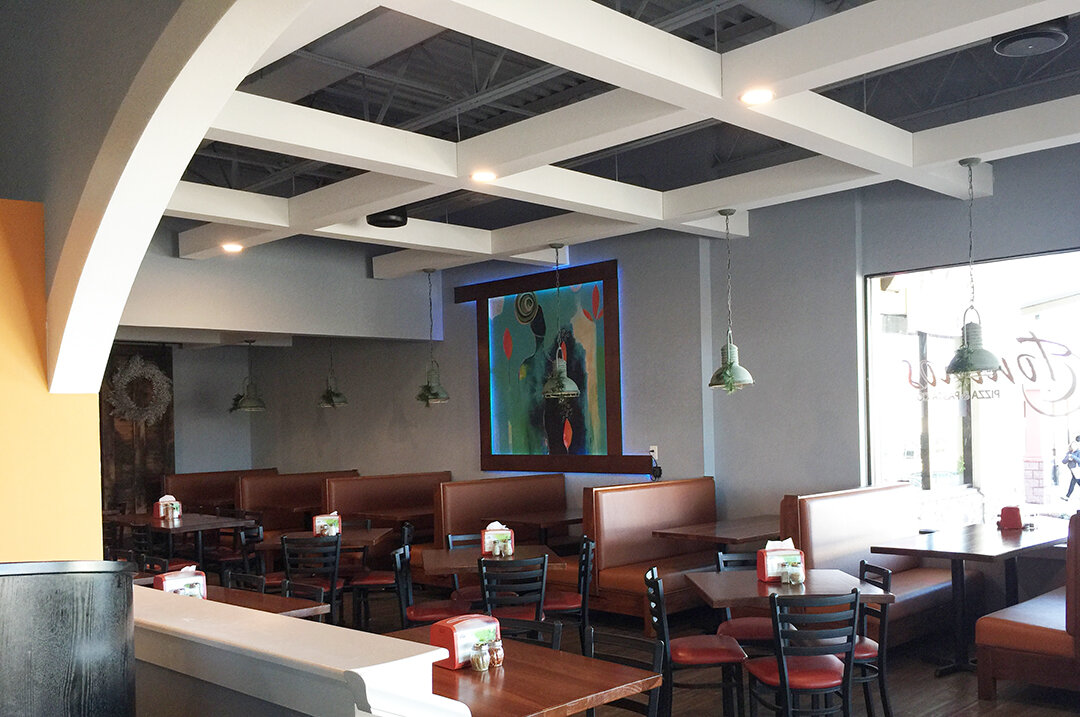
A beautiful bar that doesn't function is a liability. In the hospitality industry, your floor plan is your most valuable asset. Every square inch must justify its existence by generating revenue. If you aren't calculating your revenue per square foot, you aren't running a business; you're running a hobby. Effective bar interior design prioritizes the flow of people and the speed of service above all else. You must audit your space with a cold, analytical eye to identify where money is being made and where it's being lost.
Follow these critical steps to optimize your venue:
-
Map the Golden Path: The route from the entrance to the bar and then to the restrooms must be unobstructed. Any friction here reduces the frequency of drink orders and frustrates your guests.
-
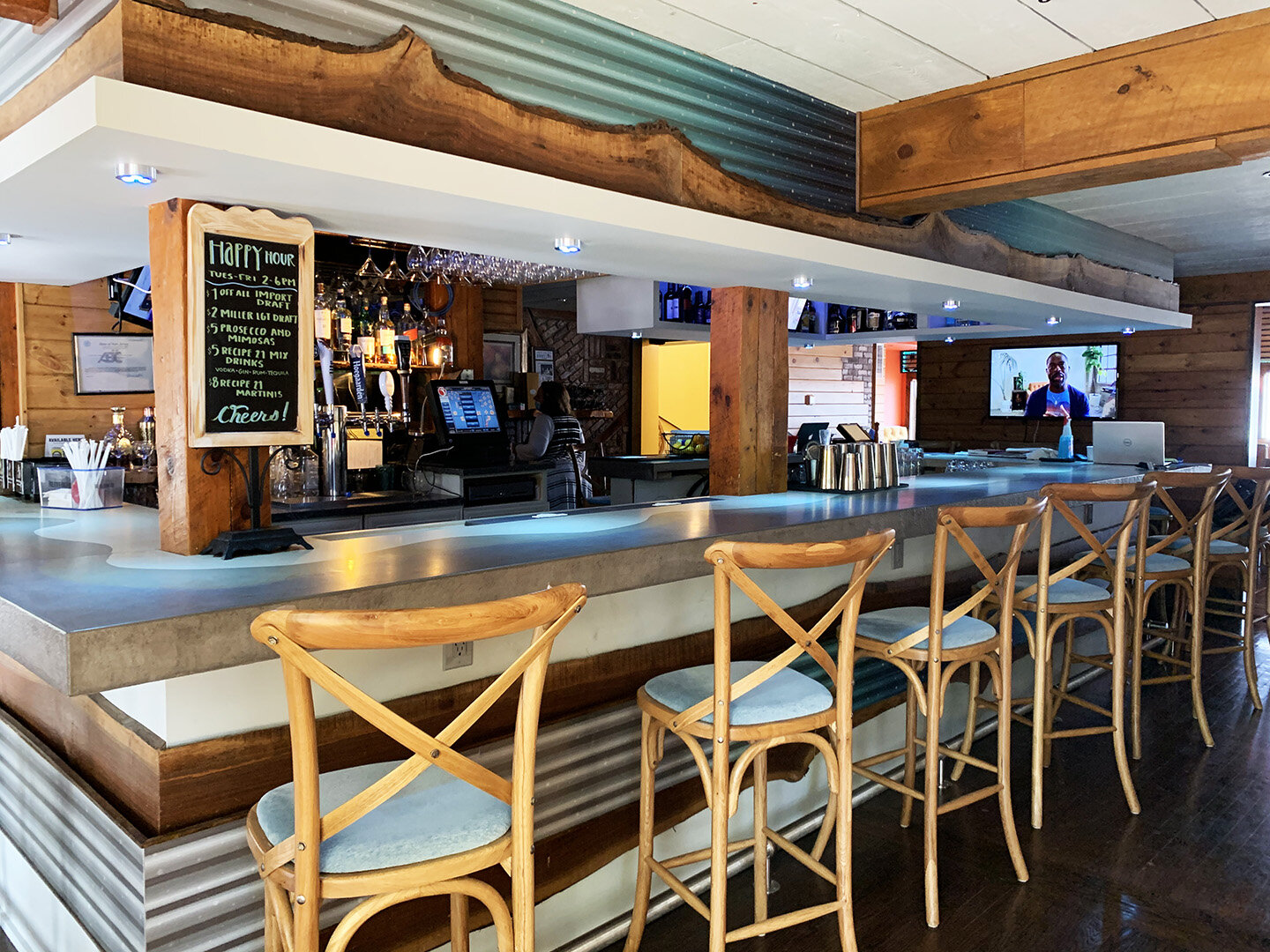
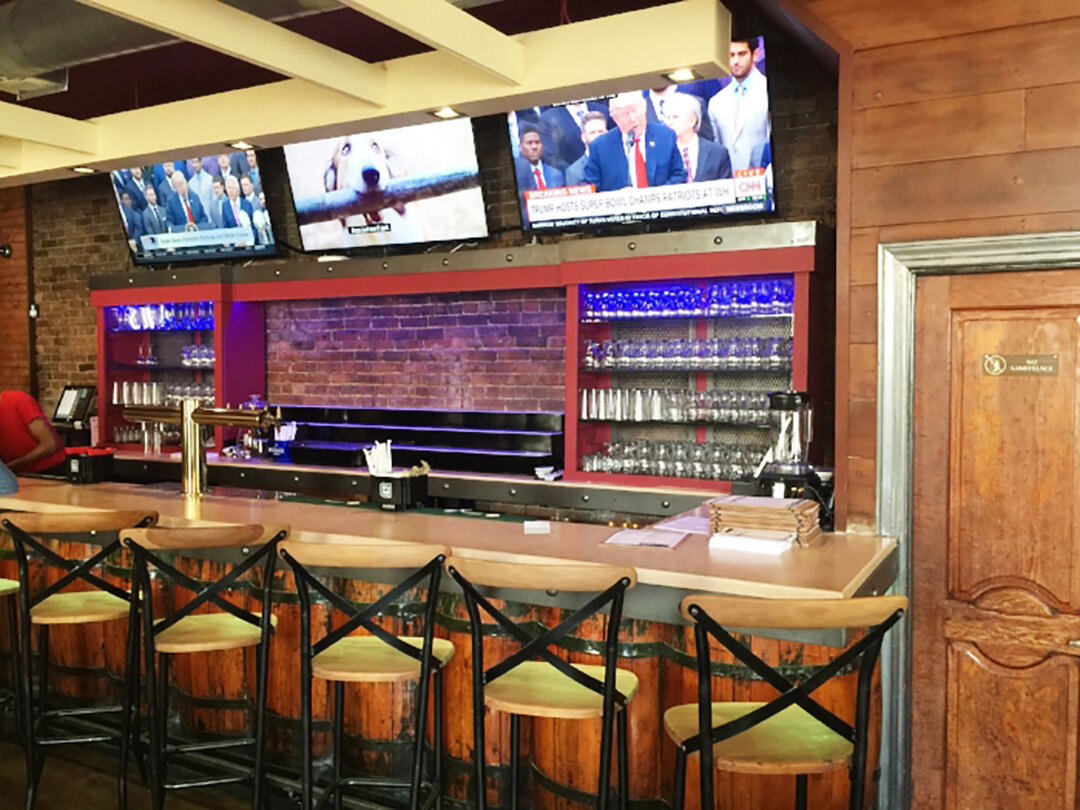
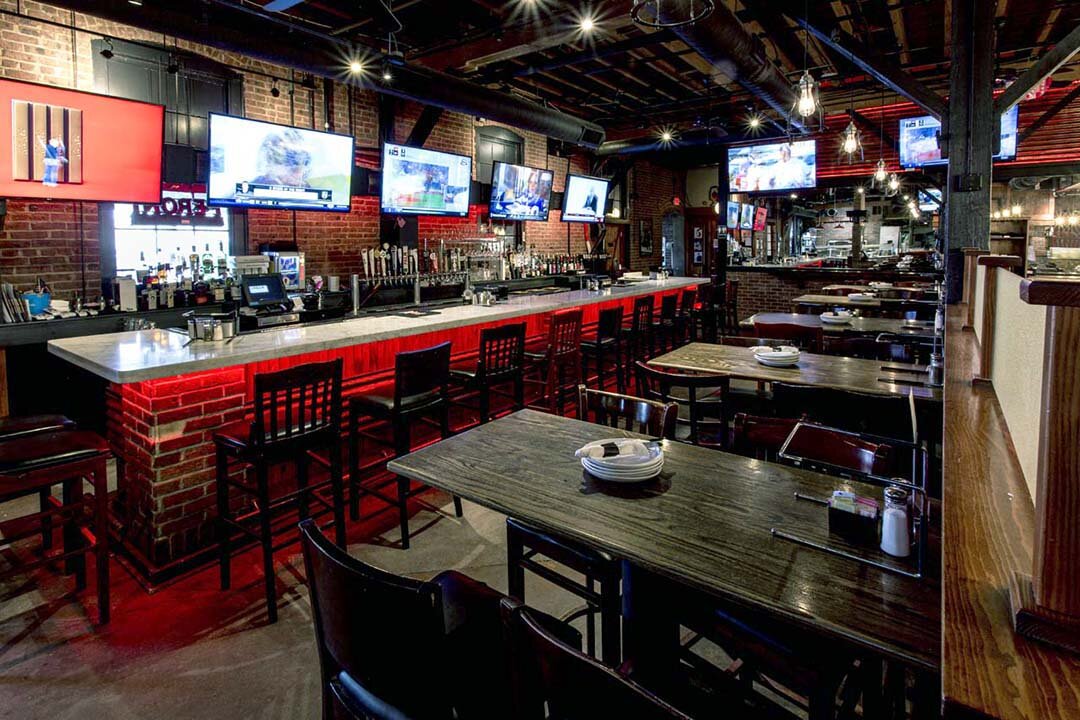
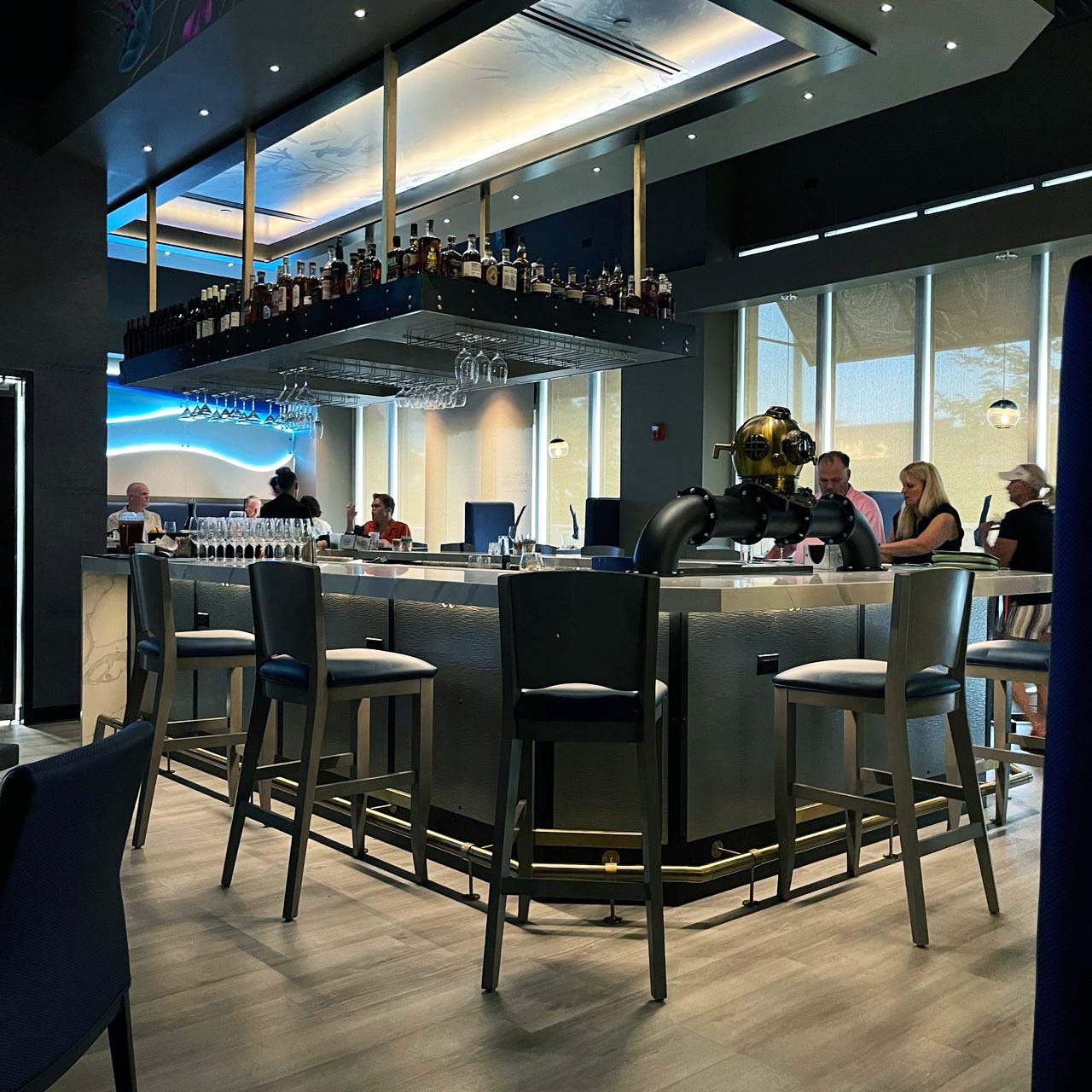
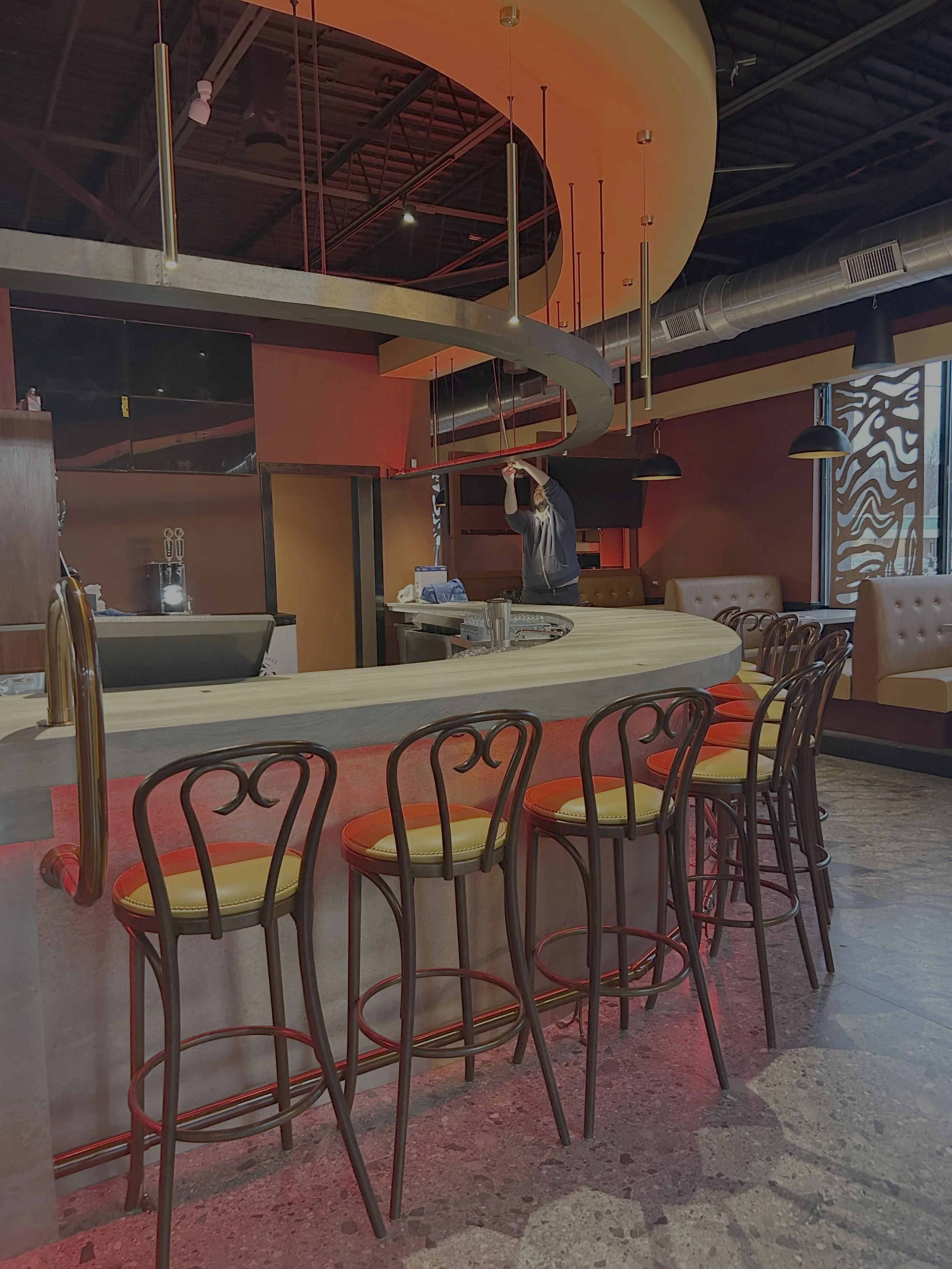
Optimize Bar Dimensions: Standard bar heights of 42 inches are typical, but you must meet ADA requirements with 36-inch accessible sections. The depth of the bar top dictates how long a guest lingers; too narrow, and they feel rushed; too deep, and you lose valuable floor space. I tipically stay in the 28" to 30" depth range.
-
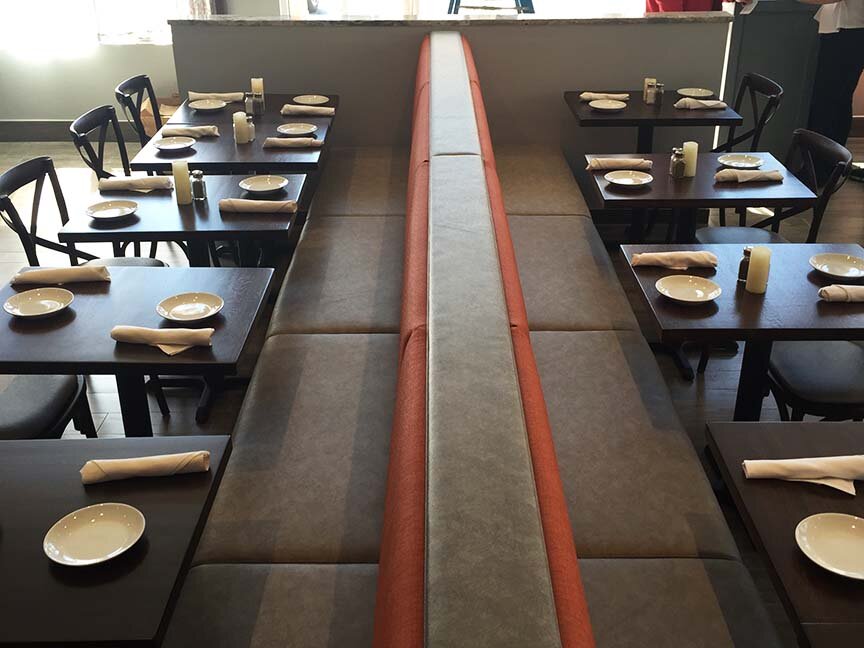
Eliminate Dead Zones: Identify corners or alcoves that don't attract guests. Repurpose these areas into high-margin "power booths" or storage for high-turnover inventory.
-
Professional Space Planning: Ensure your staff has dedicated service lanes. When bartenders and servers collide, you lose time, glass, and profit.
The VIP and Bottle Service Revenue Engine
In competitive markets like Miami, being "seen" is the primary driver for VIP bookings. Your layout must prioritize sightlines that put your high-spending clientele on display. Place VIP tables on elevated platforms or in central "power positions" to trigger the aspirational spending of other guests. If your bottle service area feels tucked away or secondary, you're leaving thousands on the table. For a layout that actually converts, you need Specialist Restaurant Floor Plan Consultant Services to engineer your success which your designer will provide.
Bar Ergonomics: Speed Equals Profit
Your bar's physical design determines your maximum throughput. Implement the "three-step rule" for your bartenders: every tool, spirit, and garnish must be within three steps of the workstation. A 10-second reduction in drink prep time can add thousands to your monthly revenue by allowing your staff to handle higher volumes during peak hours without adding labor costs. If you want to stop the bleed and start scaling, it's time to invest in a professional Space Planning and Layout strategy that turns your floor plan into a profit machine.
The Professional Edge: Why DIY Design is a Recipe for Financial Disaster
Amateurism is the most expensive mistake you can make in the hospitality industry. A "Pinterest-inspired" look might look decent in a filtered photo, but it lacks the cohesive brand identity and operational backbone required to survive. DIY bar interior design is a gamble with your life savings. You aren't just choosing paint colors; you're navigating a minefield of local regulations in New Jersey, Pennsylvania, and Maryland. A single ADA compliance failure, such as failing to provide the required 5% of accessible seating or a 36-inch counter height, can result in fines up to $75,000 for a first-time violation. Professional guidance isn't a luxury; it's your insurance policy against financial ruin.
The most common objection is that a designer is too expensive. This is a fundamental misunderstanding of the business. You can't afford to fail. You can't afford a venue that sits empty on a Tuesday night because the "vibe" is off or the floor plan is a bottleneck. If your bar is struggling to hit a 10-15% profit margin, the problem is likely built into the walls. Professional design is an investment that pays for itself through increased throughput and the attraction of high-spending clientele who demand a premium experience.
Rebranding a Failing Venue: A Strategic Pivot
If your sales are declining and your table turnover is stagnant, your current design is likely the silent culprit. You can't solve a systemic layout issue with a new happy hour special. Rebranding is the fastest way to save a failing bar or nightclub. A professional concept development phase prevents you from repeating the same errors that led to your current slump. Learn how to execute a successful turnaround by reading The High-Stakes Guide to Hiring a Restaurant Rebranding Consultant in 2026. Stop throwing good money after bad design.
Selecting Your Strategic Partner
Don't hire a residential designer or a generalist architect. You need a partner who understands the specific mechanics of bar interior design, from bartender ergonomics to the psychology of lighting. You need a US-based expert who understands the unique demands of the Miami and Tri-State hospitality landscape. A specialist knows that every design choice must serve the owner's wallet. Stop guessing and start winning. Your vision deserves the expertise of a seasoned professional who has seen it all. Contact Raymond Haldeman for a high-level consultation and turn your venue into the revenue engine it was meant to be.
Transform Your Venue into a High-Octane Profit Machine
Superior bar interior design is the result of a calculated strategy that merges environmental psychology with surgical space planning. You've seen the difference between a venue that looks nice and one that actually makes money. Success requires eliminating the physical friction that kills your throughput and engineering an atmosphere that commands a premium price point. Every square foot of your floor plan must work as hard as your best bartender to drive sales and ensure long-term guest retention.
Don't leave your life savings to chance with amateur guesswork or generic designers who don't understand the hospitality P&L. You need a strategic partner with a nationwide portfolio of high-impact projects and a proven specialty in revenue-driven rebranding. Secure direct access to principal designer Raymond Haldeman to ensure your venue is built for commercial dominance. Stop settling for "pretty" and start demanding performance. Launch Your High-Profit Venue with Raymond Haldeman today. Your vision deserves a professional edge that delivers measurable results.
Frequently Asked Questions
How much does professional bar interior design typically cost?
Industry data indicates that hospitality design fees typically range from $25 to $75 per square foot. While building a statement bar can cost between $30,000 and $80,000, your design investment is what ensures that capital isn't wasted on a dysfunctional layout. Don't focus on the fee; focus on the cost of a venue that fails to attract a crowd. Professional guidance is an investment in your venue's survival.
What are the biggest bar design mistakes to avoid in 2026?
Avoiding the "office lighting" trap and ignoring ADA requirements are non-negotiable. A first-time ADA violation can cost you up to $75,000 in fines. You must also design for the 55% of Gen Z patrons choosing low-alcohol options by ensuring your bar interior design includes the infrastructure for complex craft mocktail service. If your station isn't built for speed and variety, you're alienating a massive segment of the market.
How long does a total bar redesign or rebranding project take?
Most professional rebranding or redesign projects require three to six months to execute correctly. This timeline includes the essential phases of space planning, concept development, and regulatory compliance. Attempting to shortcut this process is a recipe for disaster that often results in permanent, expensive operational friction. Do it right the first time so you don't have to pay to fix it later.
Can a new interior design really increase my alcohol sales?
Strategic design is a proven revenue multiplier that can increase check sizes by 20% or more. When you master the psychology of atmosphere, you aren't just decorating; you're engineering a space where guests want to stay longer and order more. Every lighting choice and seating arrangement is a calculated move to drive high-margin alcohol sales. If your vibe is off, your guests will leave after one round.
What is the most important element of a nightclub layout?
Sightlines are the lifeblood of a successful nightclub layout. VIP guests pay a premium to be at the center of the action; if your high-margin tables are tucked away in a corner, you're killing your bottle service potential. Your floor plan must put your big spenders on display while maintaining a clear "Golden Path" for staff to move at high speed during the peak rush.
Do I need a separate architect and interior designer for my bar?
You need a specialist who understands the brutal reality of hospitality operations. While a general architect handles the shell, a bar designer manages the revenue engine inside. Choosing a partner who specializes in bar and nightclub design ensures your layout is optimized for bartender speed and guest psychology. Don't hire a generalist to do a specialist's job; the stakes are too high for half-measures.