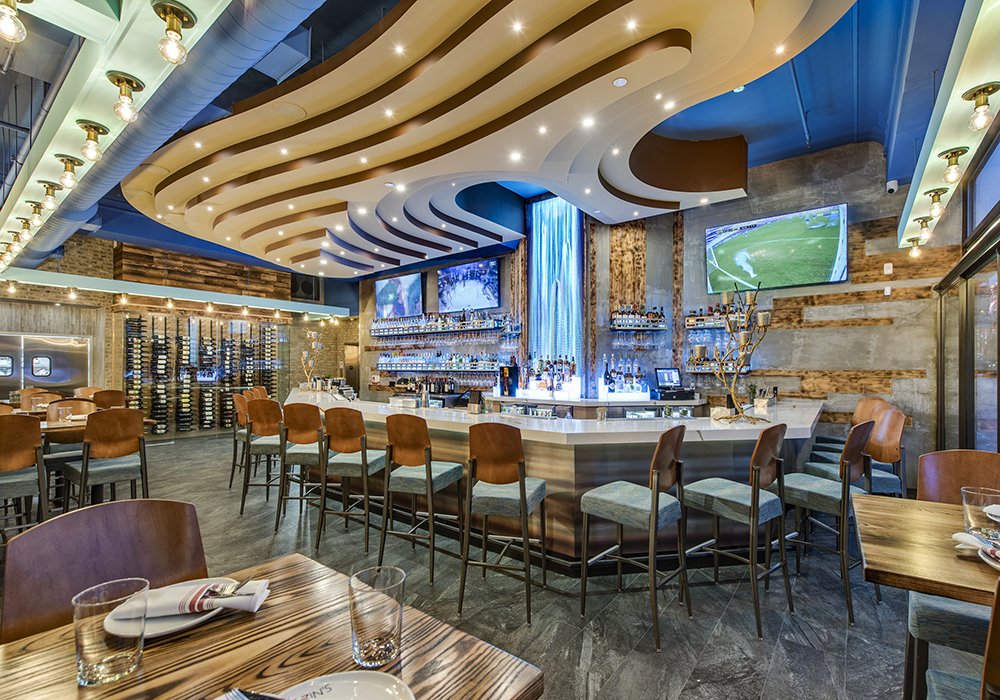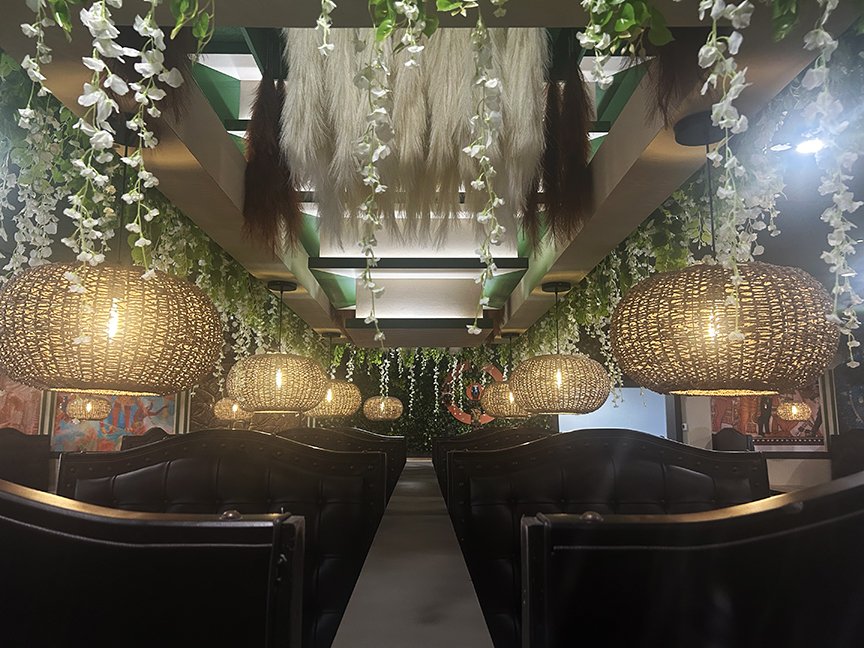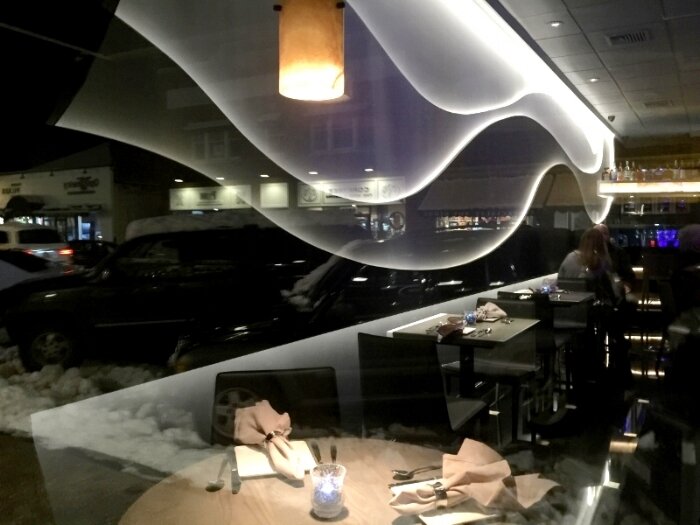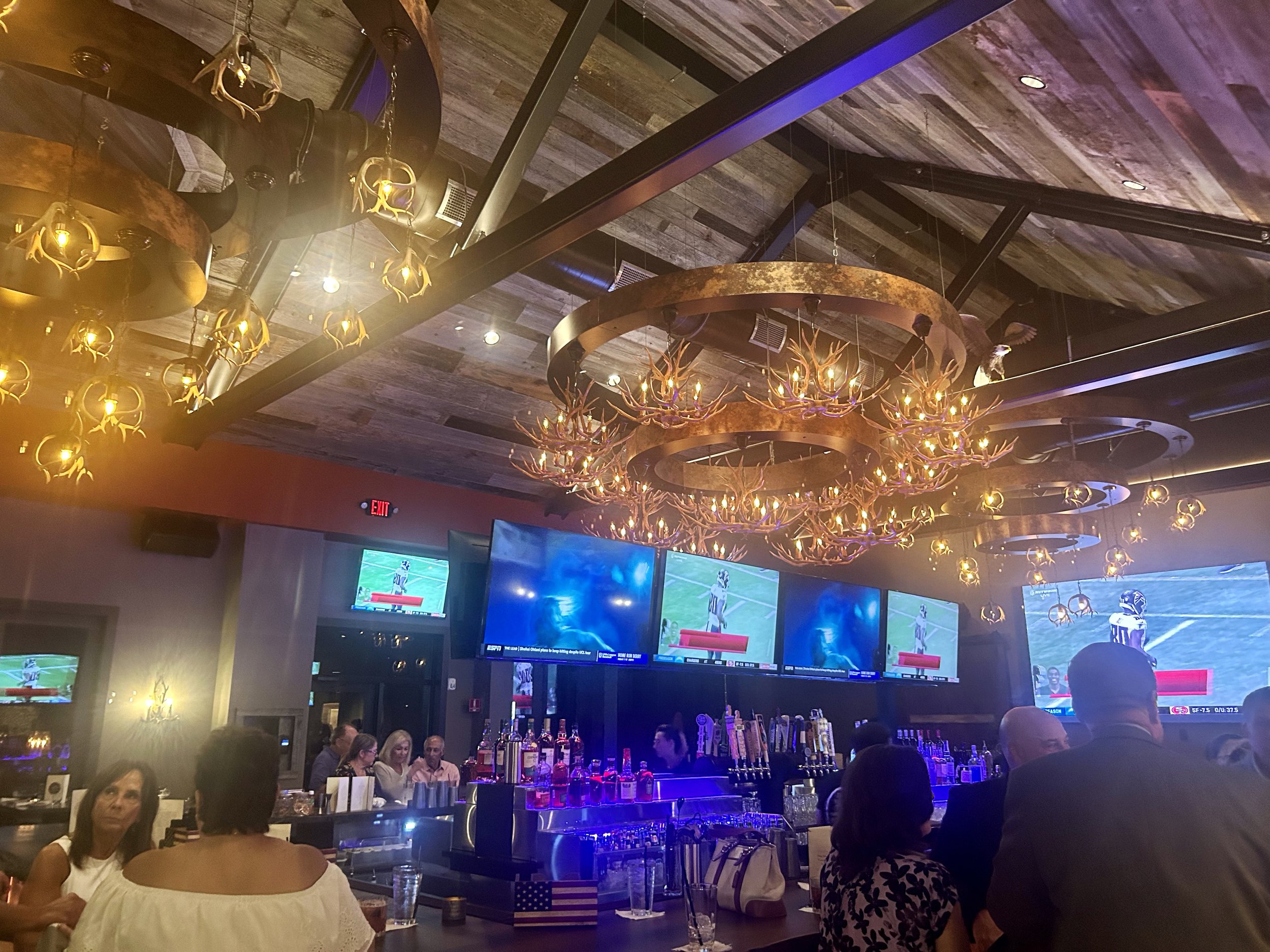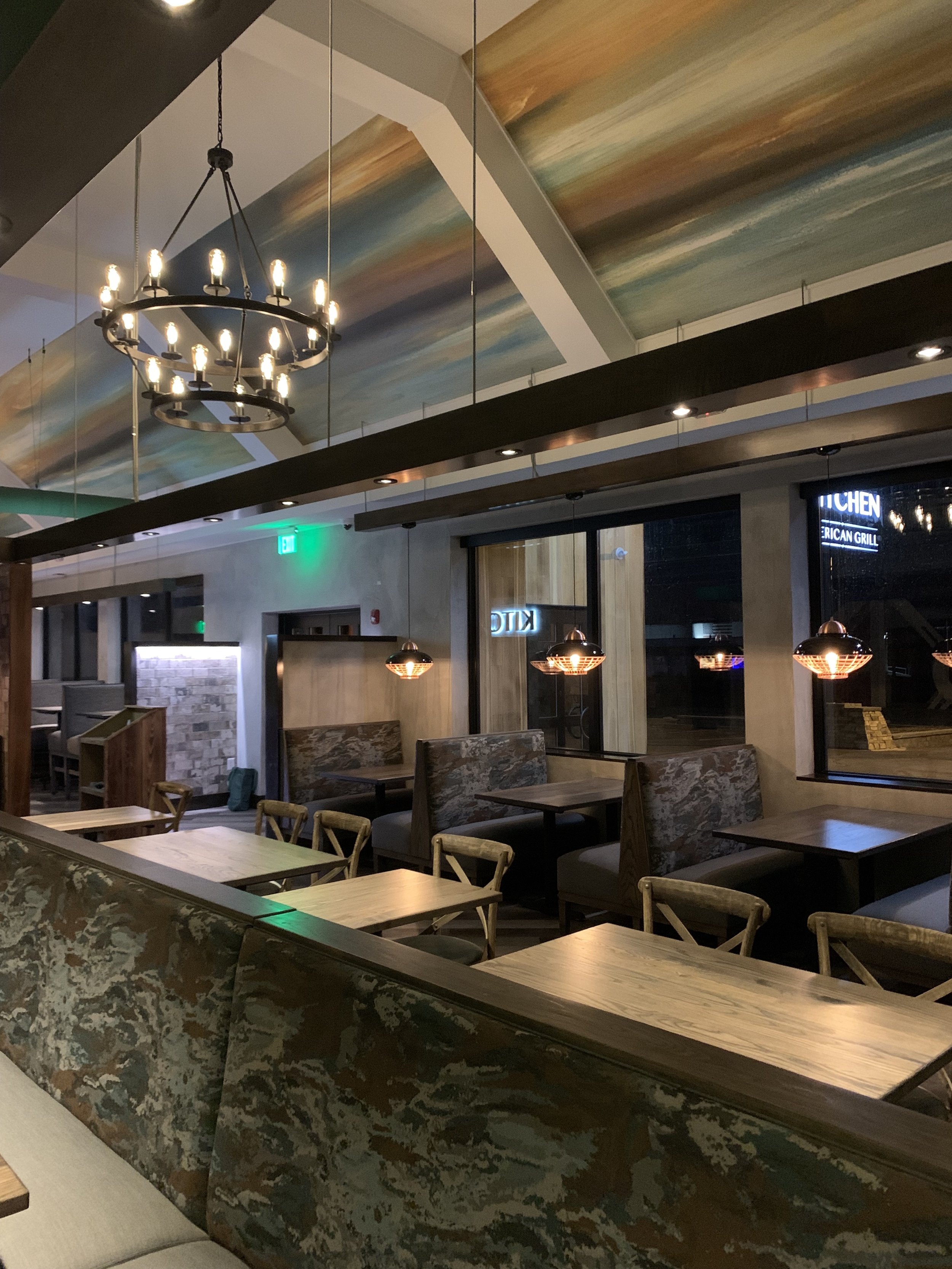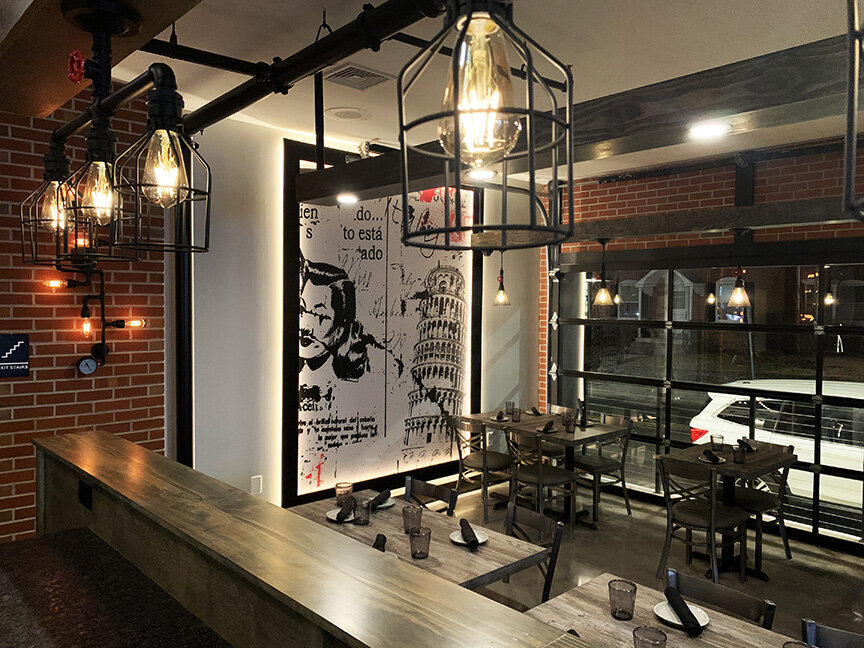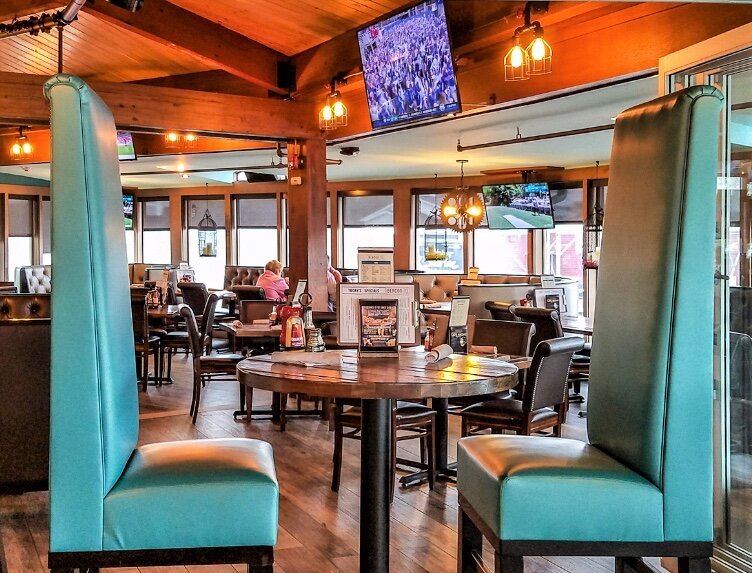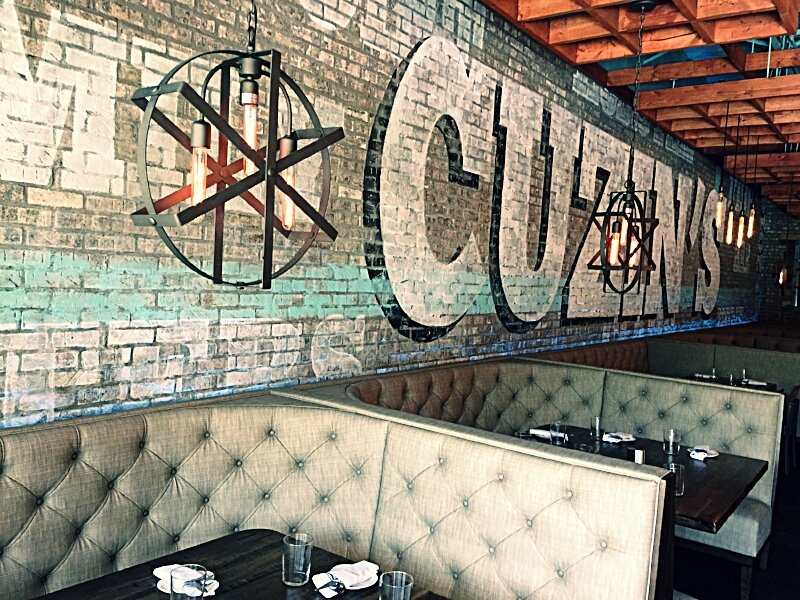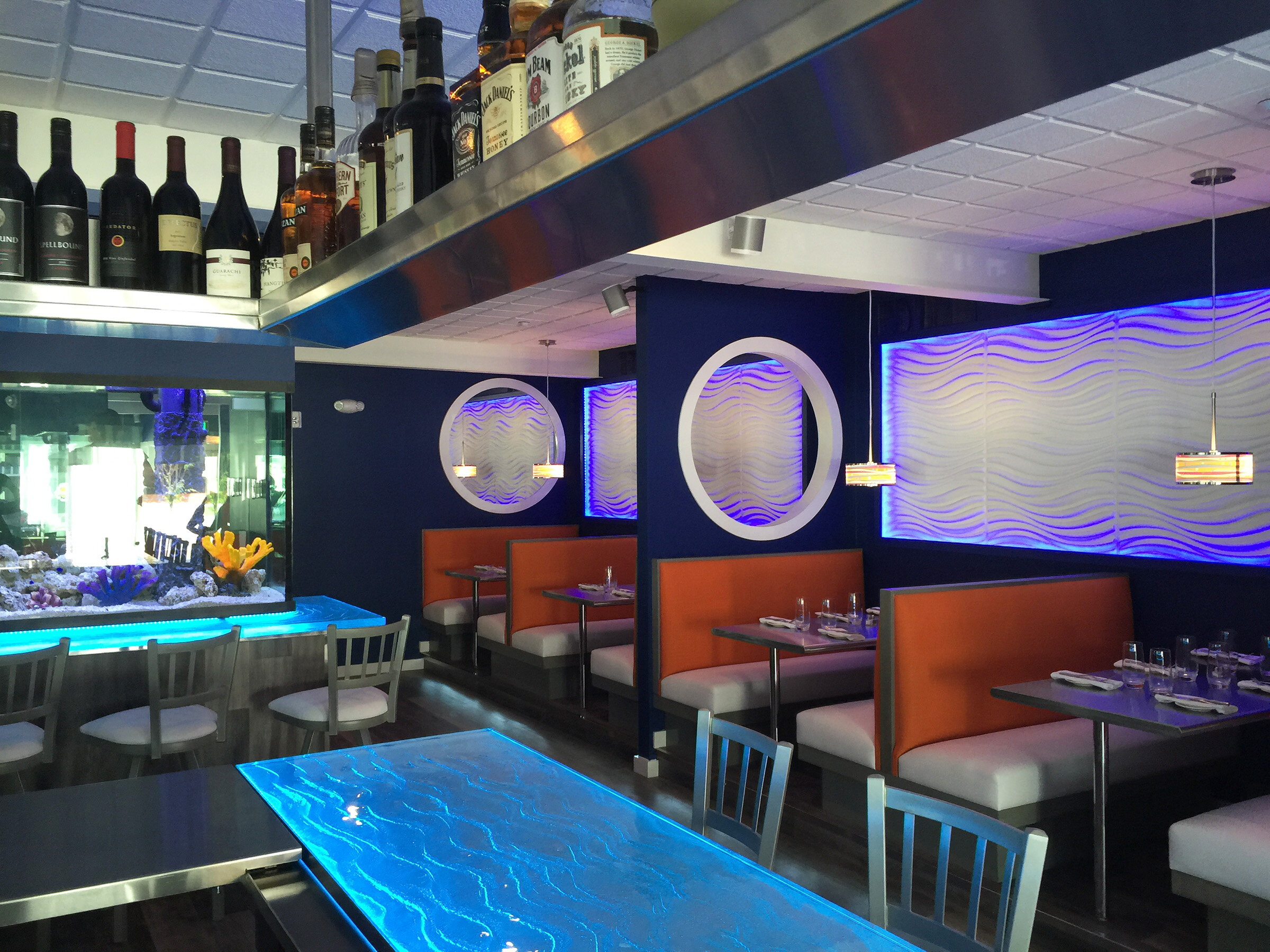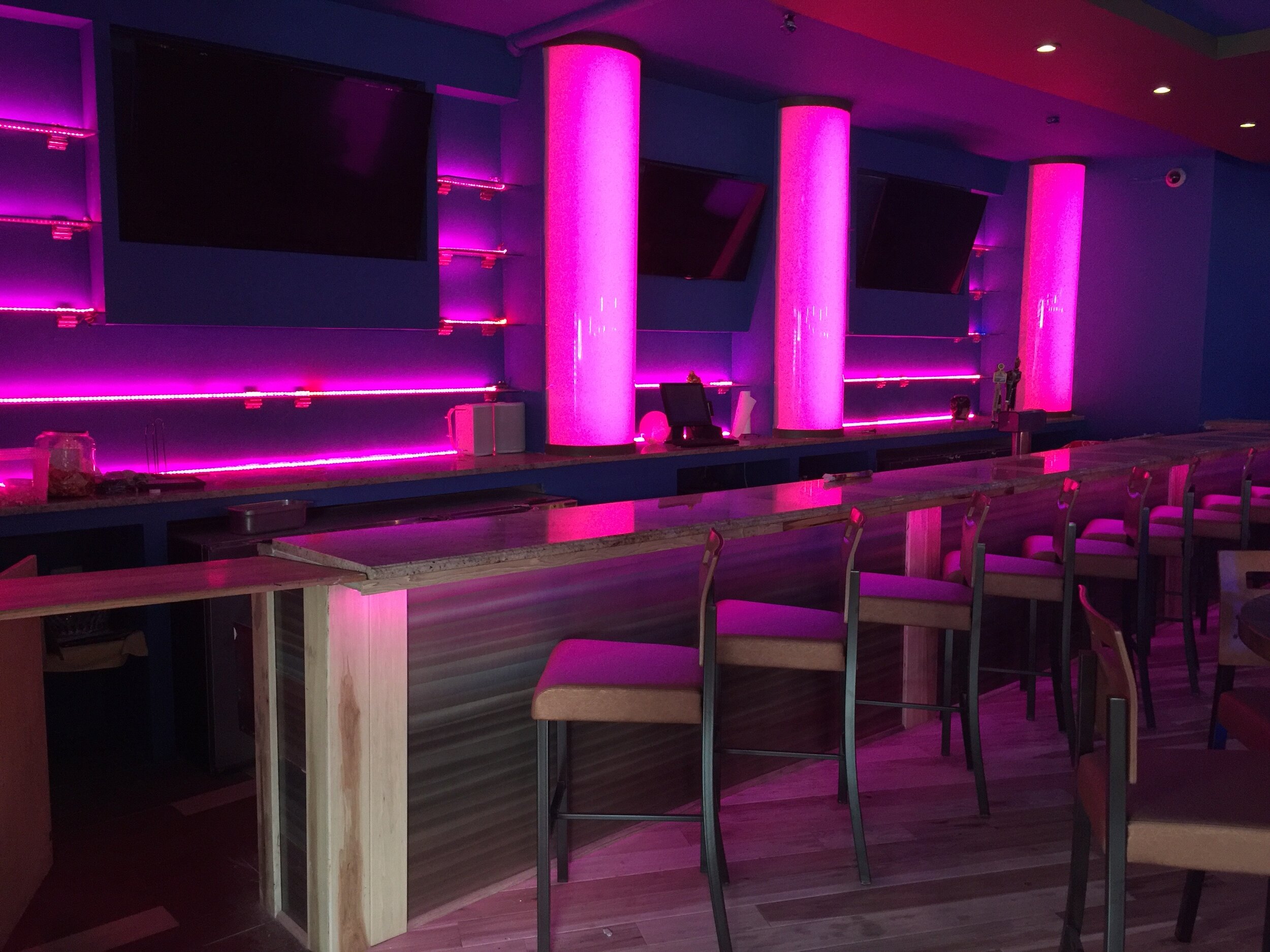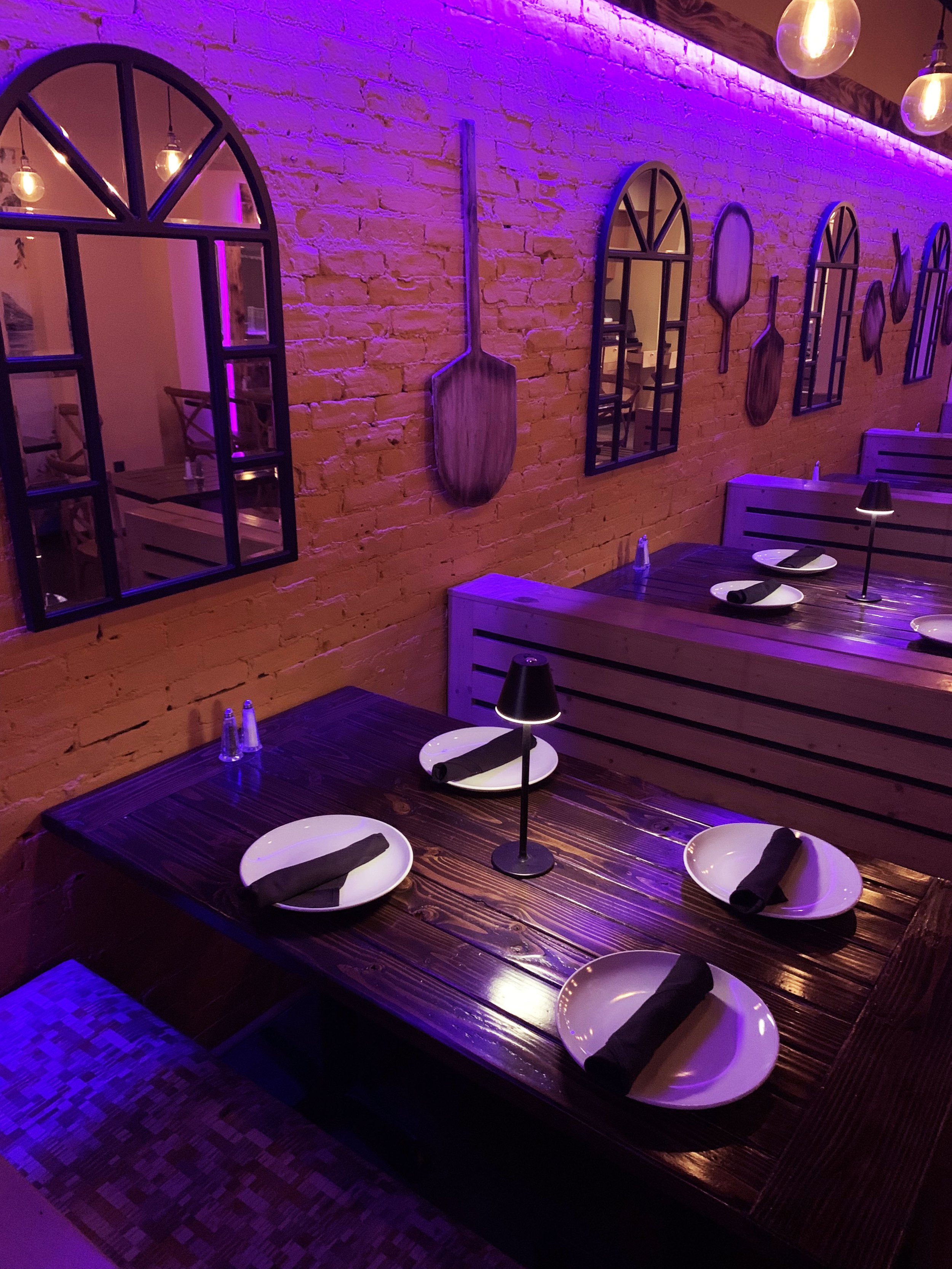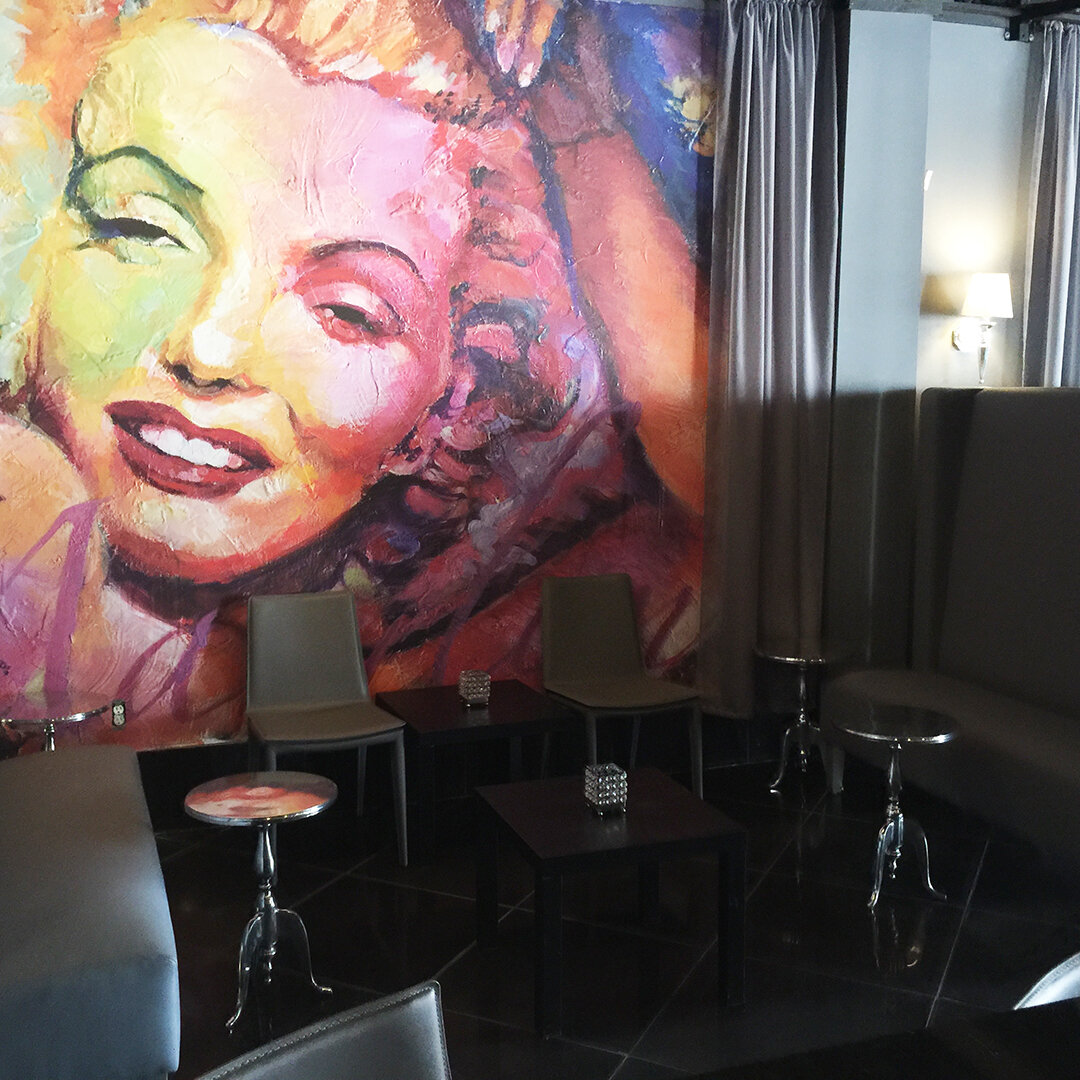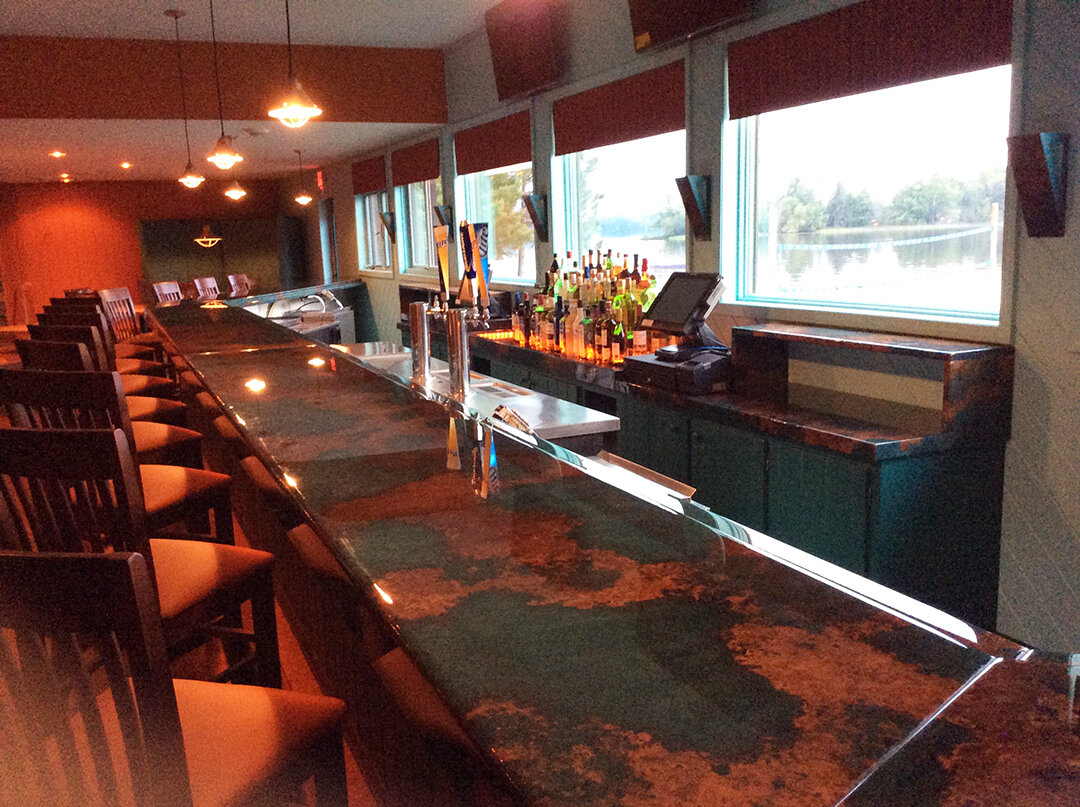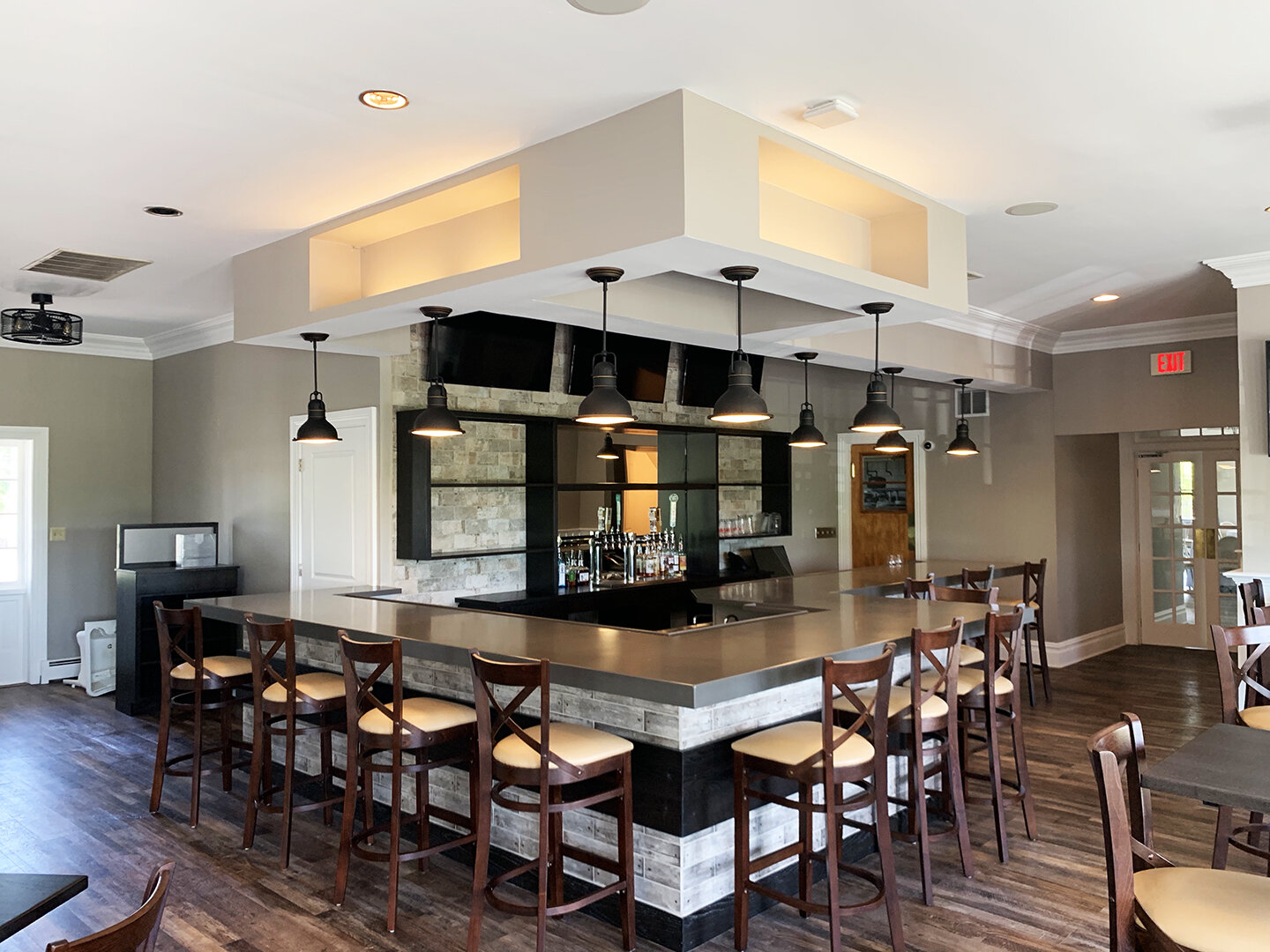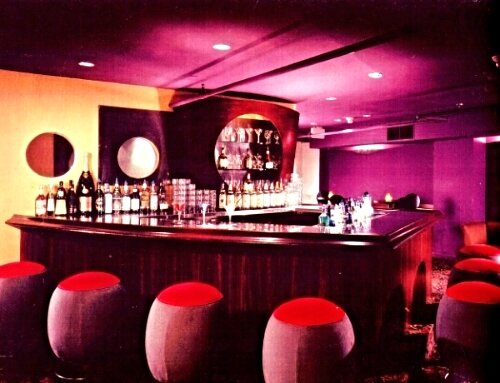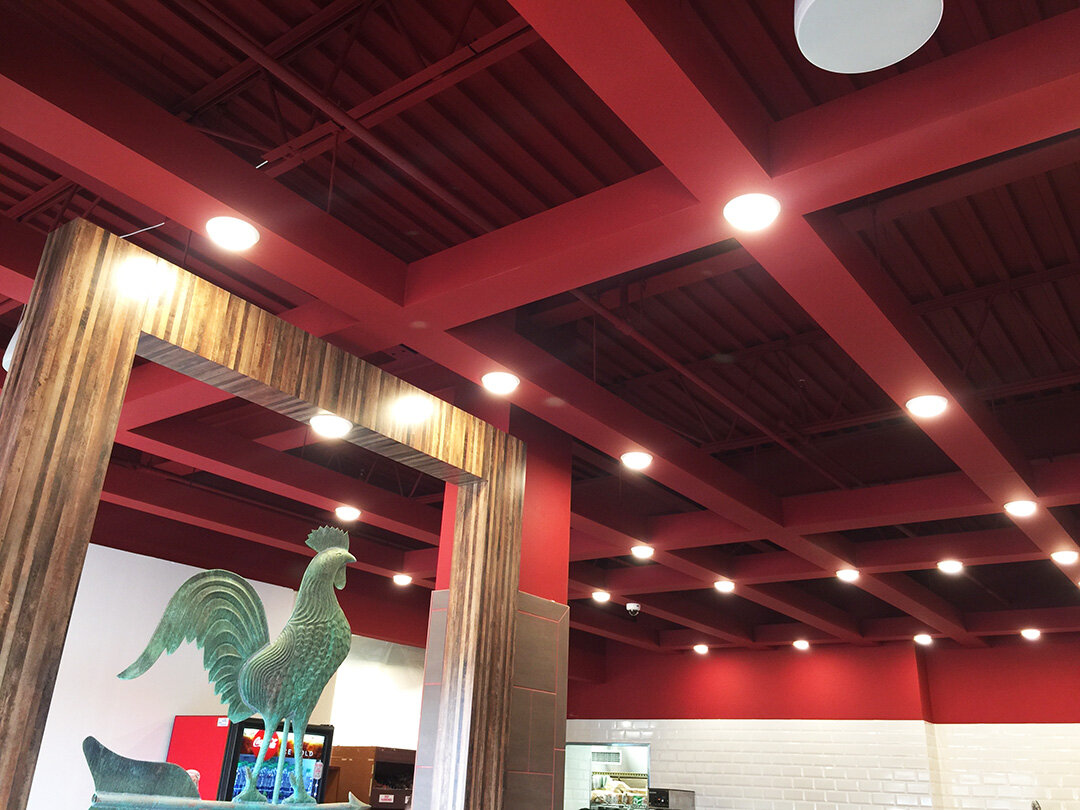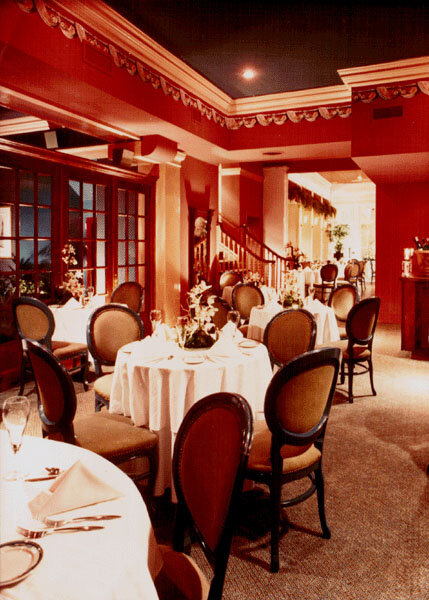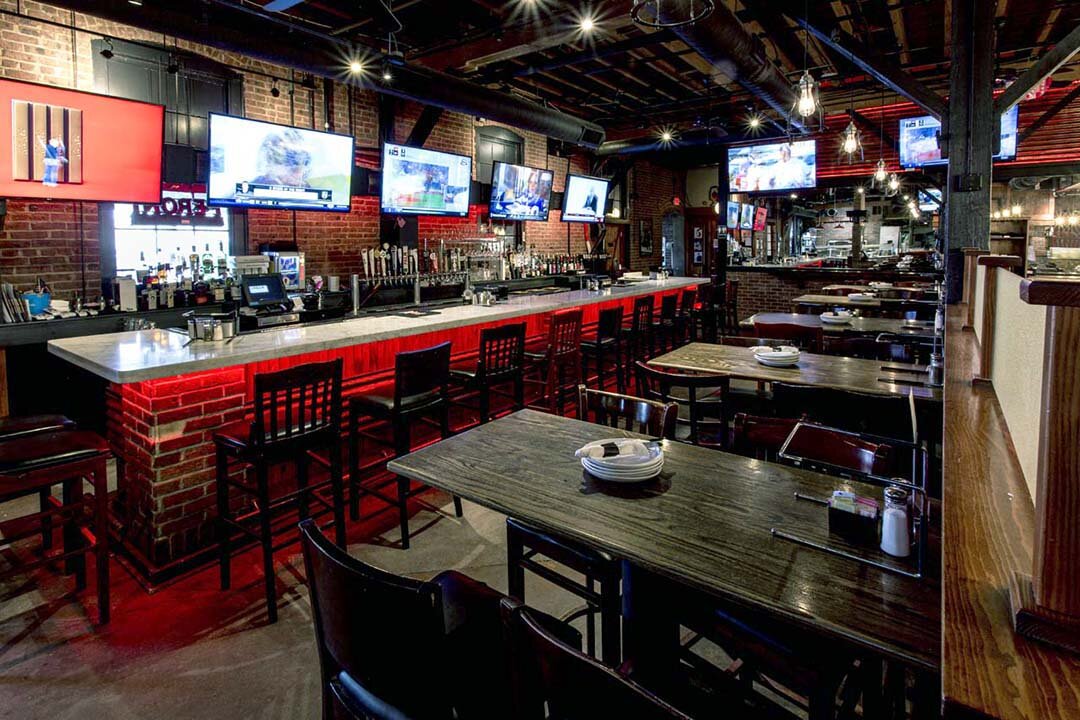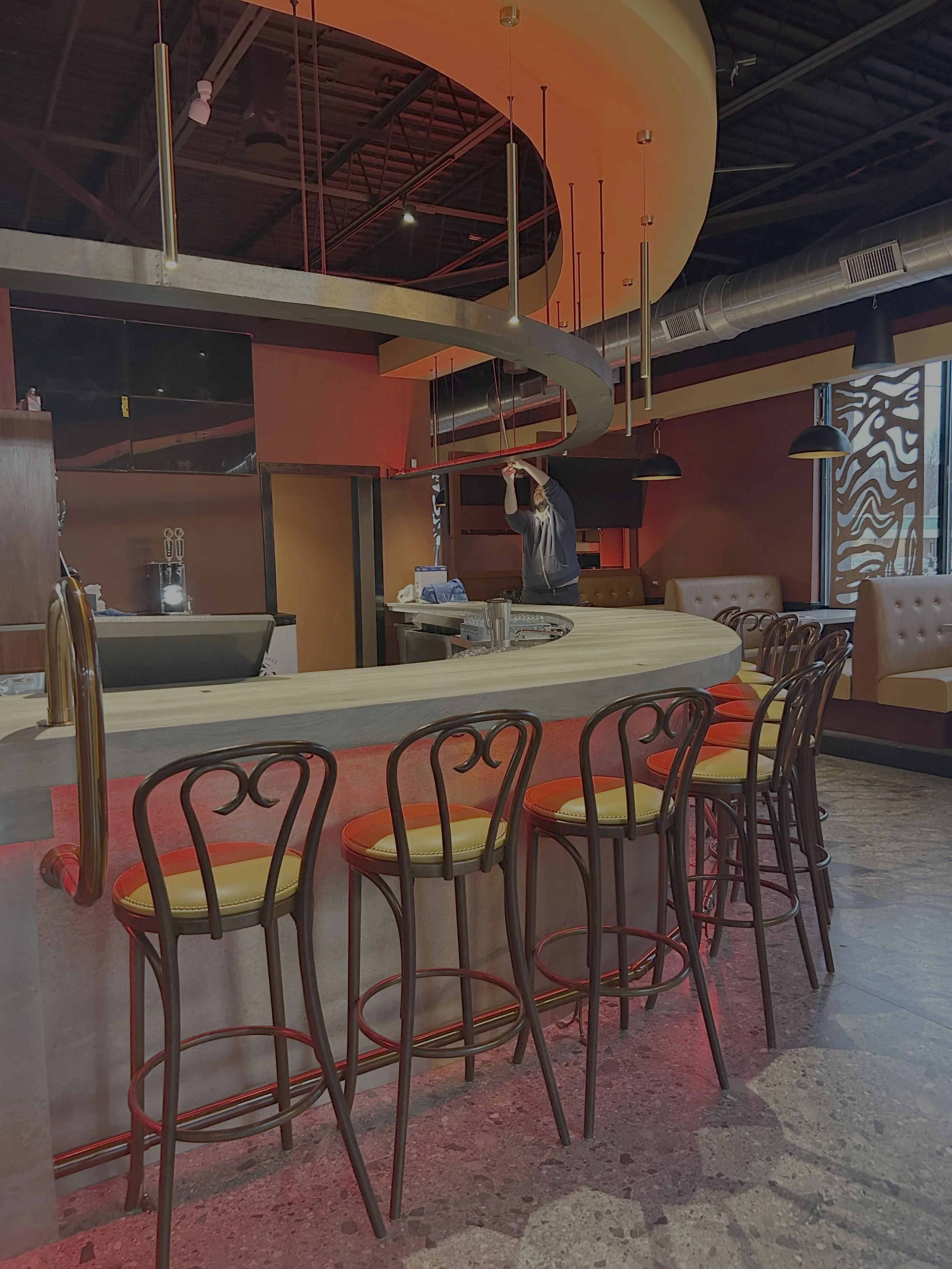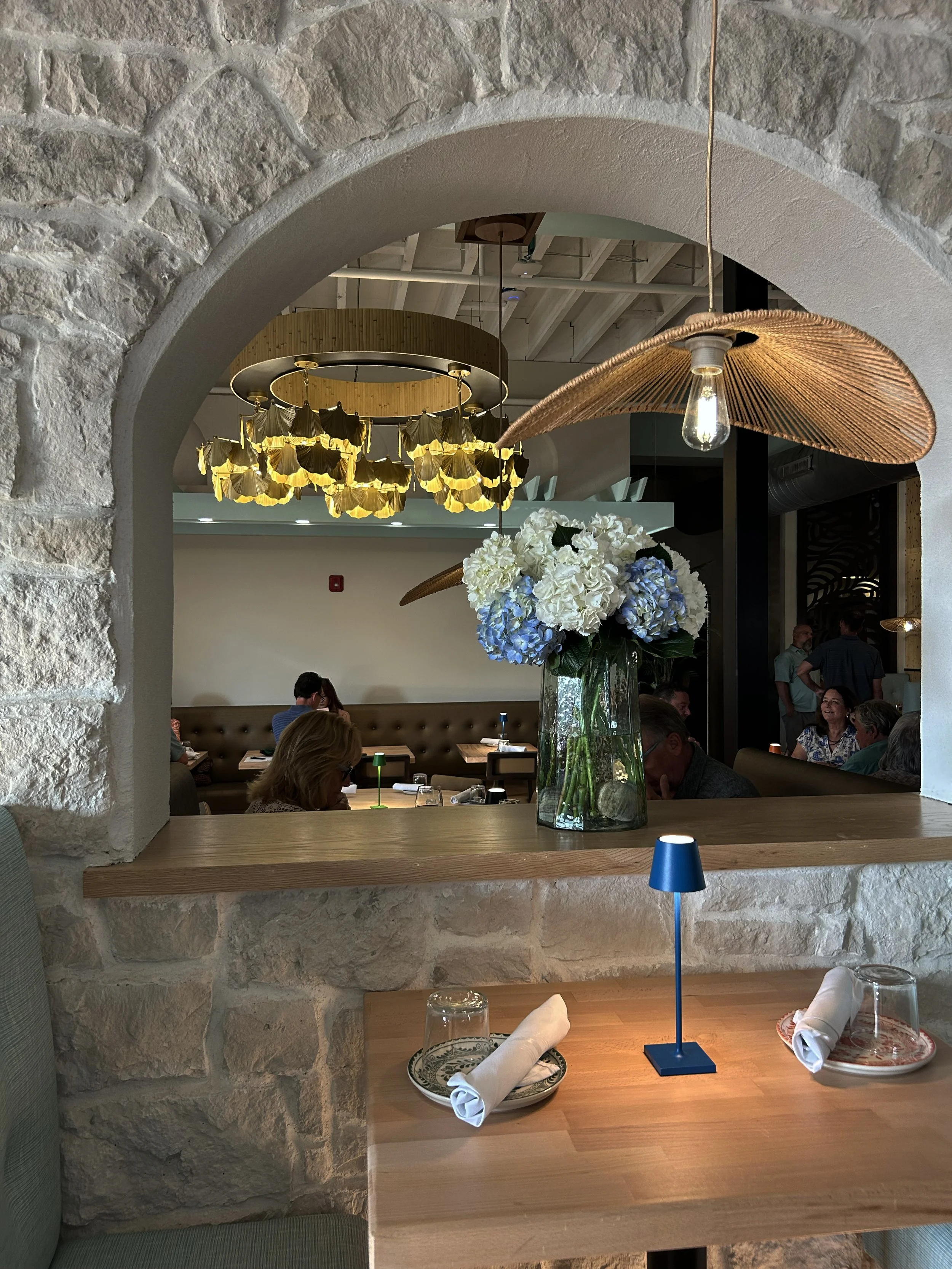
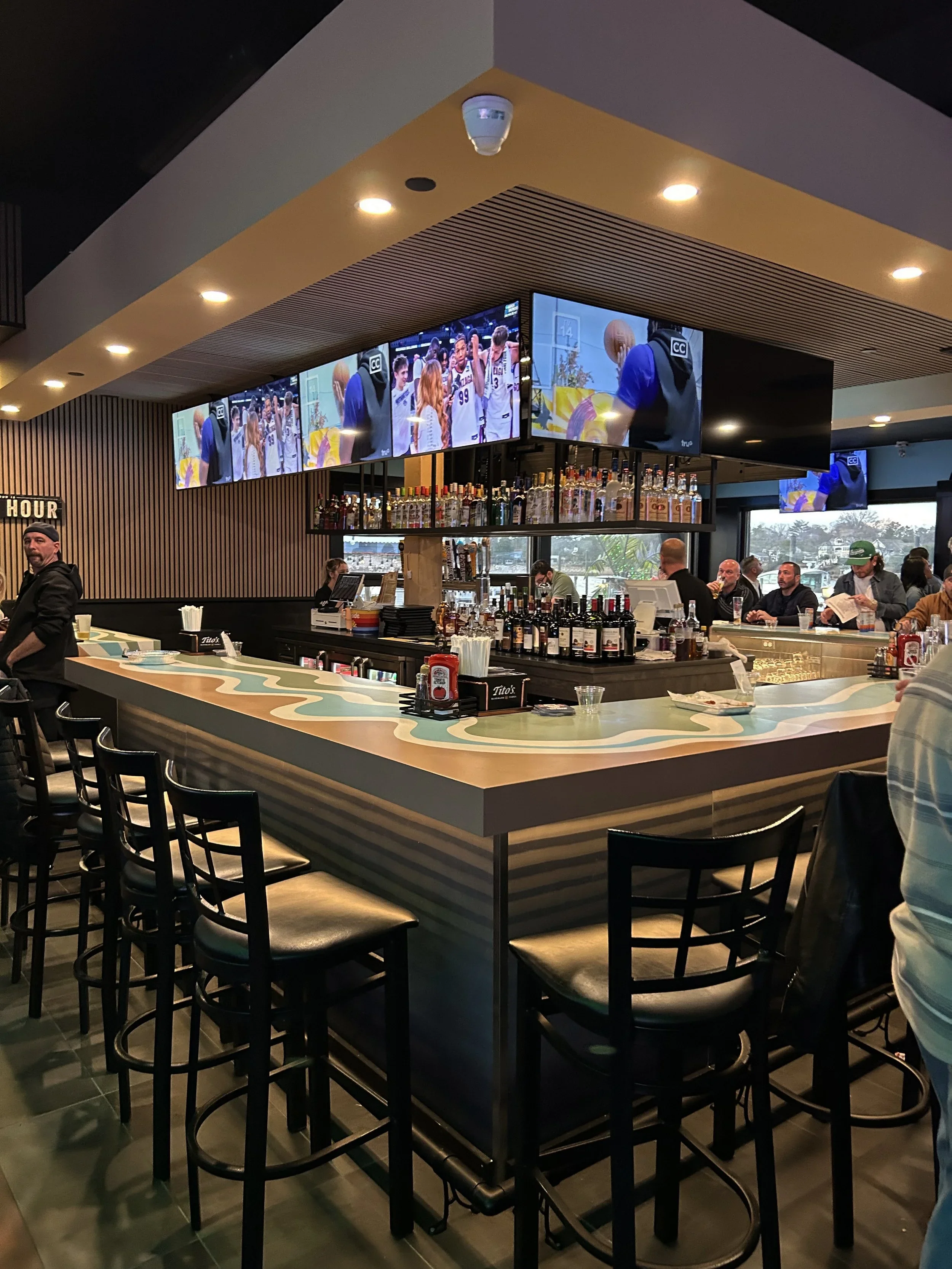
River Rock Bar Designed by Raymond Haldeman
Your venue probably isn't struggling because the drinks or the food are bad. More often it's the floor plan quietly working against you, turning every shift into an obstacle course that eats into your margins. Declining table turnover and an average check that won't budge are usually symptoms, not the disease. This is where an NJ bar designer or restaurant consultant tends to make the real difference between a closed door and a line at the host stand. It's a hard thing to watch guests choose the newer spot down the block while your staff fights a layout that slows service to a crawl. A brand identity that worked five years ago in Hoboken or Asbury Park may simply not be pulling the same weight today.
A professional redesign isn't a cosmetic add-on. In a market as saturated as New Jersey, it functions more like a tactical necessity for any owner trying to turn a stale concept into a real revenue engine. This guide covers how strategic space planning and a rebuilt brand identity can support premium pricing and faster service, along with a realistic roadmap for moving from a struggling spot to a destination that holds its own in a competitive local market. We'll also look at how shifting guest habits, including a growing interest in more mindful drinking among younger diners, could shape how a New Jersey venue should be designed in 2026.
Key Takeaways Treating design as a strategic investment rather than a cosmetic afterthought is usually the first shift a restaurant consultant makes with a client. Lighting and layout choices influence the price a guest is comfortable paying, long before the menu is even in their hands. A forensic audit of the floor plan tends to surface the operational bottlenecks that are quietly limiting table turnover. Aligning brand identity with current guest habits is often what separates a stale concept from a genuine revenue engine. Working with an experienced NJ bar designer can help an owner avoid the renovation mistakes that tend to be the most expensive to fix later.
Table of Contents Why an NJ Bar Designer Belongs on Your Team in 2026 The Psychology of Profit: How Design Shapes What Guests Order The Five-Step Bar and Restaurant Redesign Process Why Raymond Haldeman Is a Strong Fit for a New Jersey Redesign
Why an NJ Bar Designer Belongs on Your Team in 2026
A bar or restaurant is not just a room where people eat and drink. It's closer to a machine built to generate profit, and a clunky or outdated one loses money every night it's open. A restaurant consultant or NJ bar designer isn't there to pick out curtains and trendy wallpaper. The role is closer to a strategic partner who works through the physical space to fix the business underneath it. In a competitive corridor stretching from Jersey City down through Red Bank and Cherry Hill, a tired environment tends to be a slow but steady drain on revenue. Guests in this market have too many options to settle for a venue that still feels like 2015.
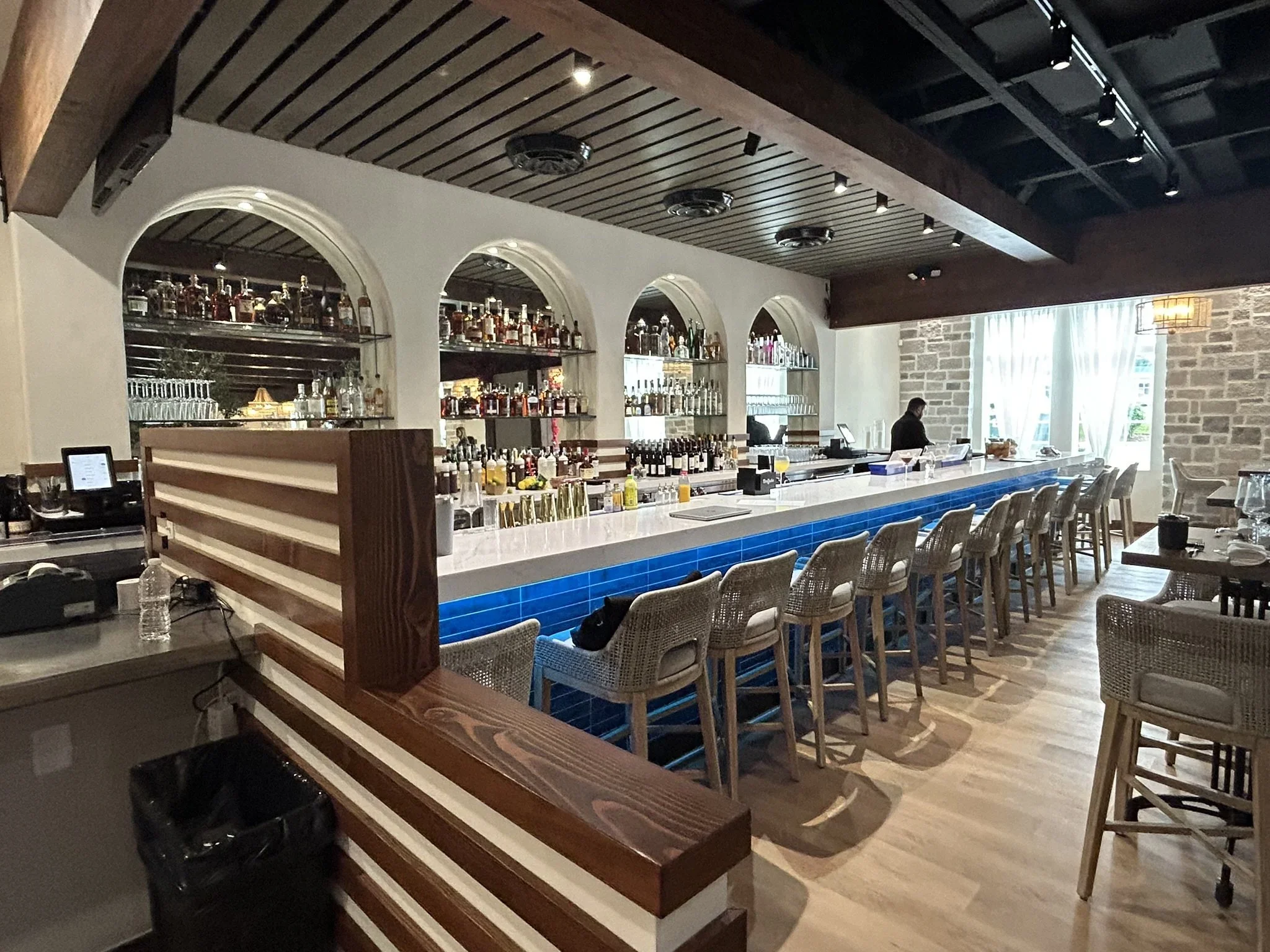
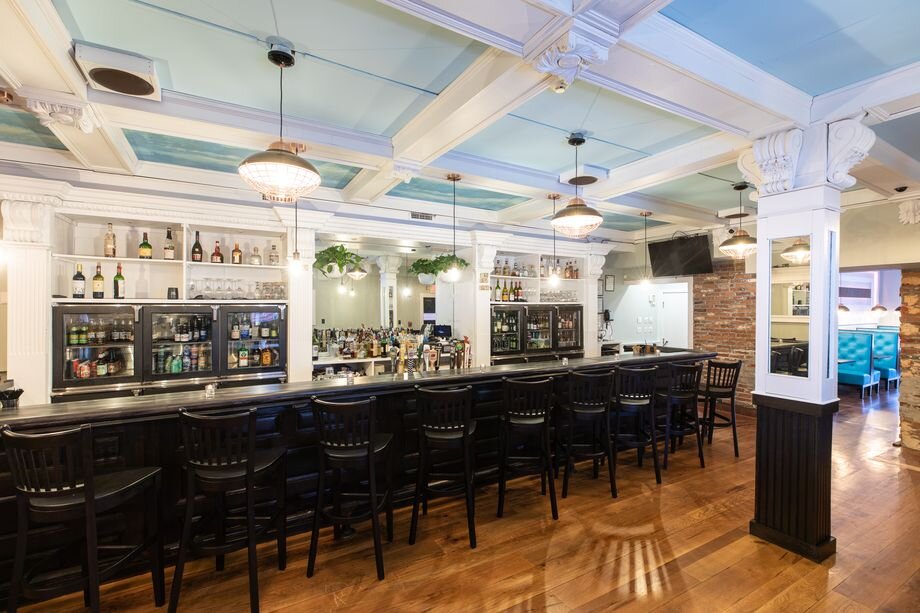
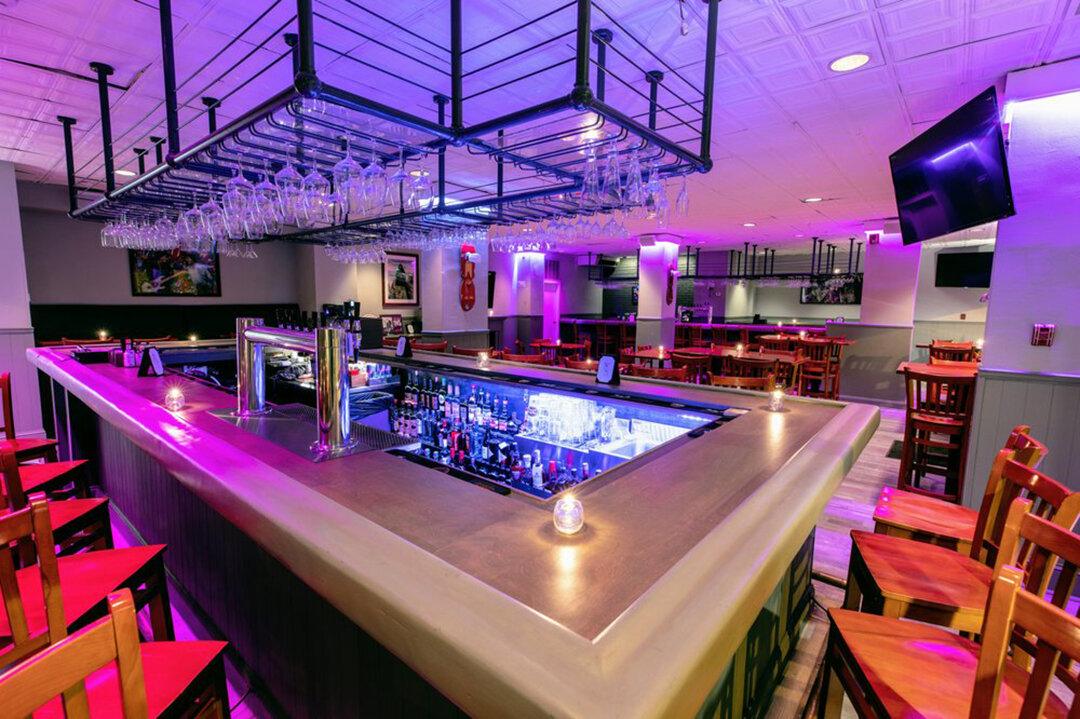
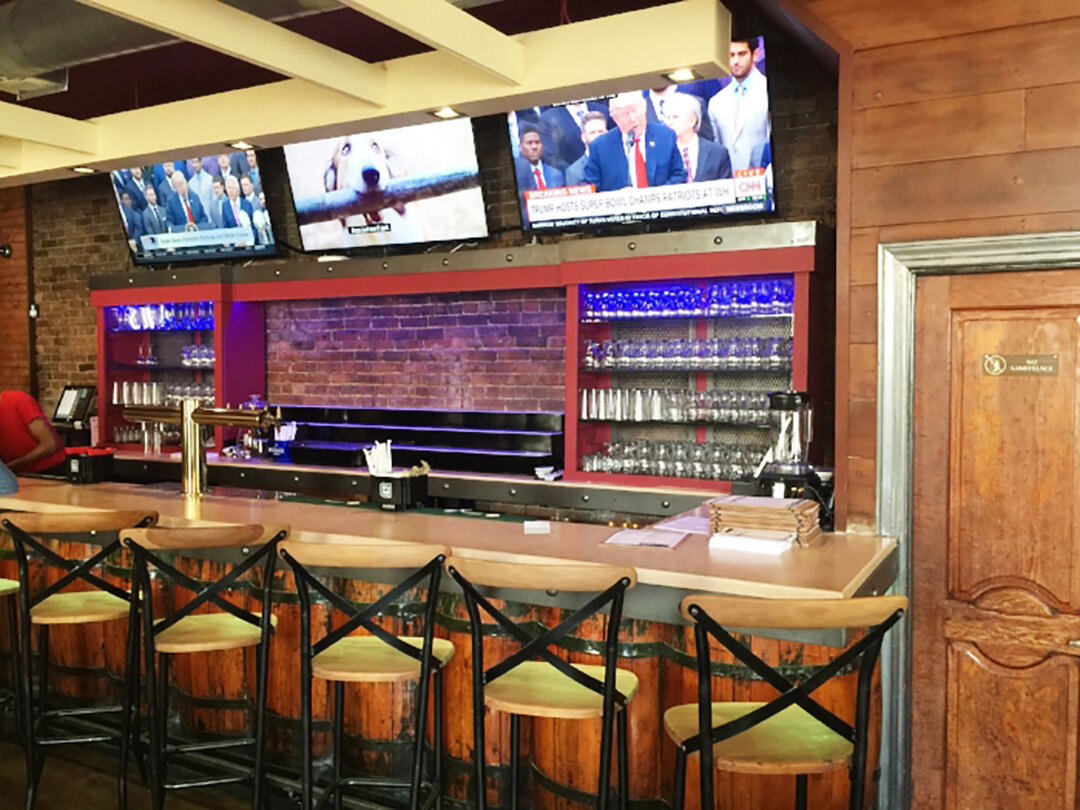
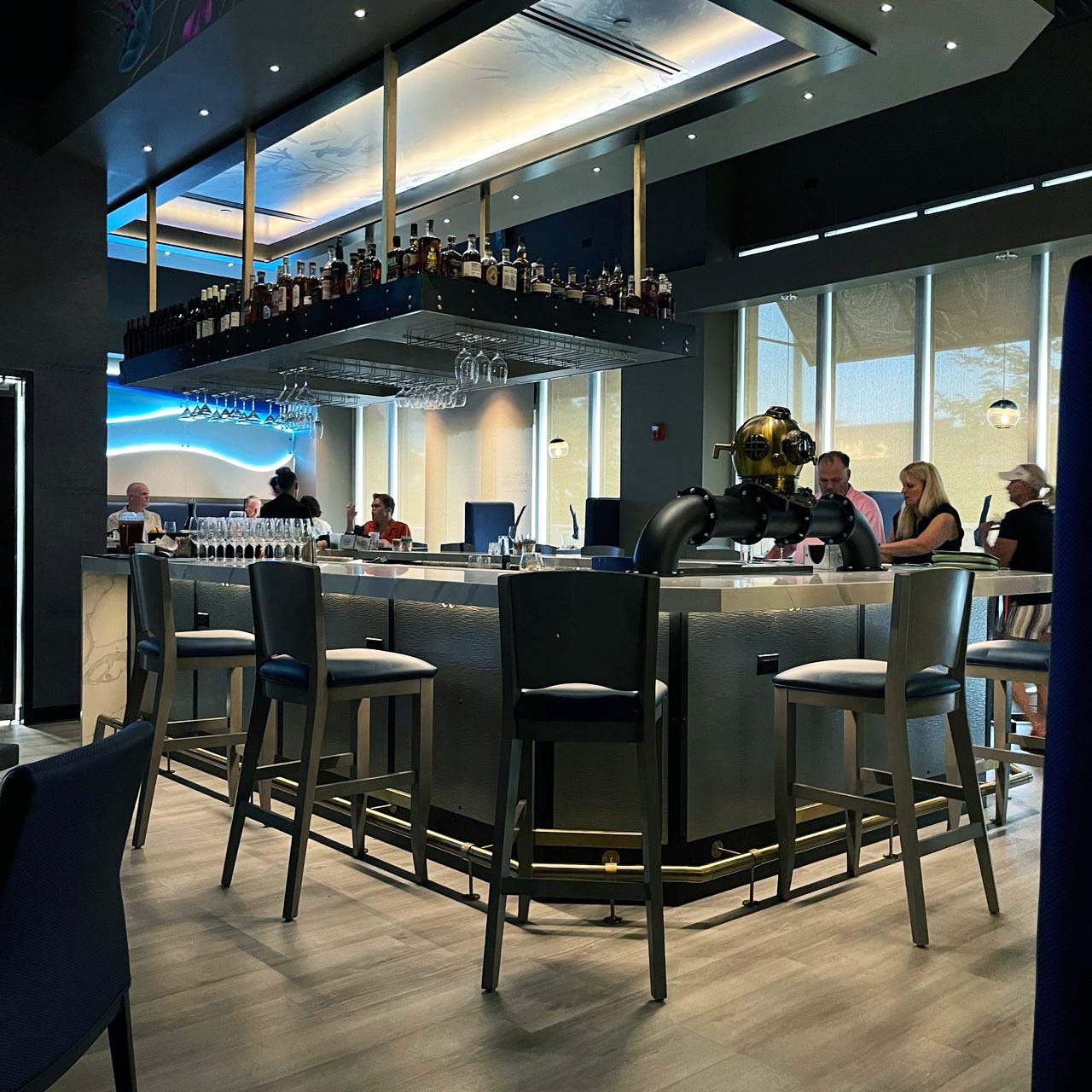
Bar at Naxos designed by Restaurant Design Consultant Raymond Haldeman
A lot of the leak in a struggling business traces back to poor design. An inefficient floor plan creates friction for guests and burnout for staff. Bartenders shouldn't be running the length of the room for a garnish tray, and guests shouldn't feel like they're navigating a crowd just to reach the restroom. That friction slows service, cuts into how many rounds a table orders, and eventually pushes good staff toward a competitor with an easier shift. A professional audit tends to catch these bottlenecks before they show up in the numbers.
The High Stakes of a Struggling Concept
In a market like New Jersey, "good enough" design rarely holds up for long. It's worth being aware of the common restaurant rebranding mistakes that quietly drain capital without ever delivering a return. Owners are often too close to their own space to see the blind spots clearly. A familiar corner to the owner might be a dead zone to a consultant, one that could become a high-margin private nook instead. As restaurant formats continue to evolve, a venue needs enough flexibility to capture a new demographic without losing what made it work in the first place. An experienced restaurant consultant tends to spot these opportunities long before the first wall comes down.
Consultant First, Contractor Second
Hiring a general contractor before there's a design strategy in place is one of the more common and costly sequencing mistakes an owner can make. Contractors are built to execute a plan, not to originate one. Without a consultant-led design, change orders alone can turn into a significant unplanned expense once construction is underway. A restaurant consultant provides the blueprint first, so every dollar spent on construction is working toward the finished brand rather than being spent and adjusted twice.
The Psychology of Profit: How Design Shapes What Guests Order
Every element in a venue should be pulling its weight toward revenue. If a design choice doesn't support a higher average check or a faster turnover, it's probably not worth the expense. An experienced restaurant consultant tends to treat the floor plan almost like a psychological map, one built to encourage guests to stay a bit longer, order one more round, and feel comfortable paying a premium for the experience. The goal isn't just selling drinks or entrées. It's selling a mood guests are genuinely willing to pay for.
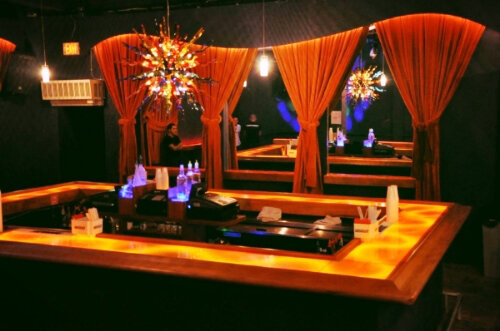
Lighting does more of this work than most owners expect. Strategic lighting isn't primarily about helping guests read the menu. It's about how it makes people feel, and people who feel good at a table tend to order more. That lighting often shapes the price a guest is willing to pay for a cocktail before the ingredients even register. A strong visual identity at the entrance works the same way, giving a venue enough pull on a busy street to draw guests in rather than let them keep walking.
Engineering the Right Feel
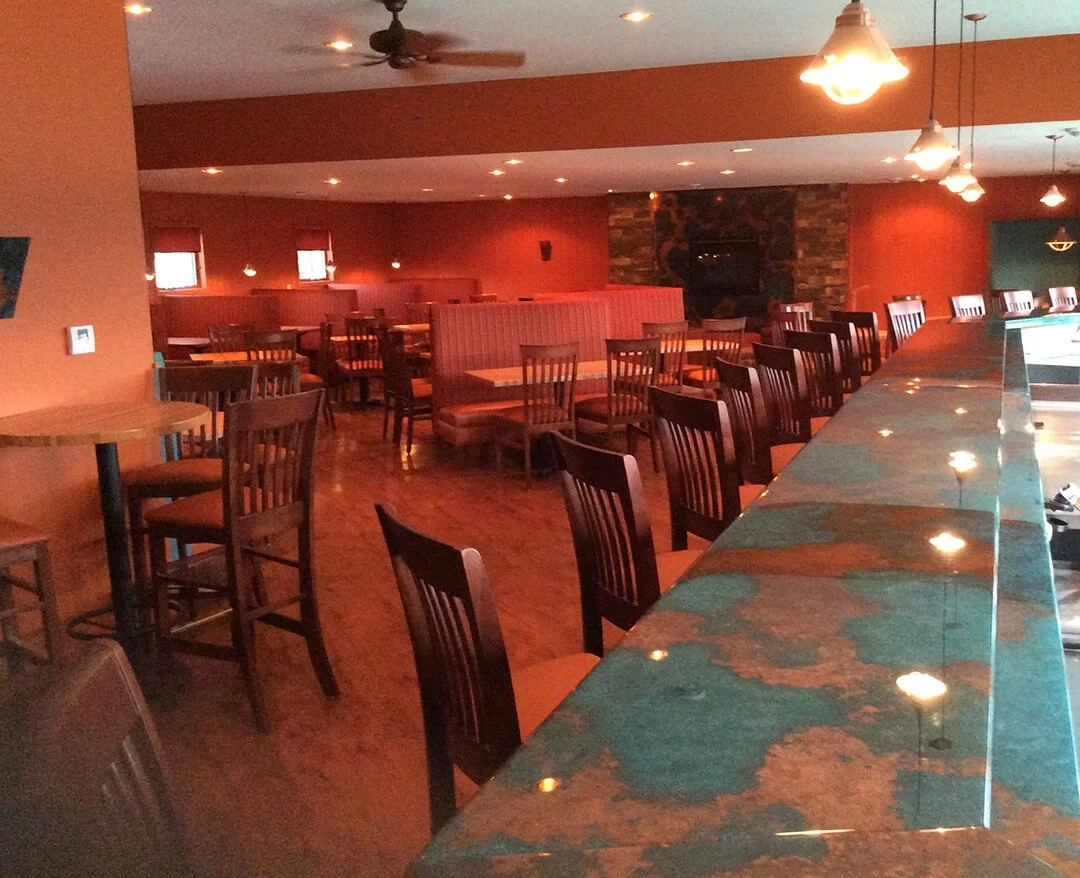
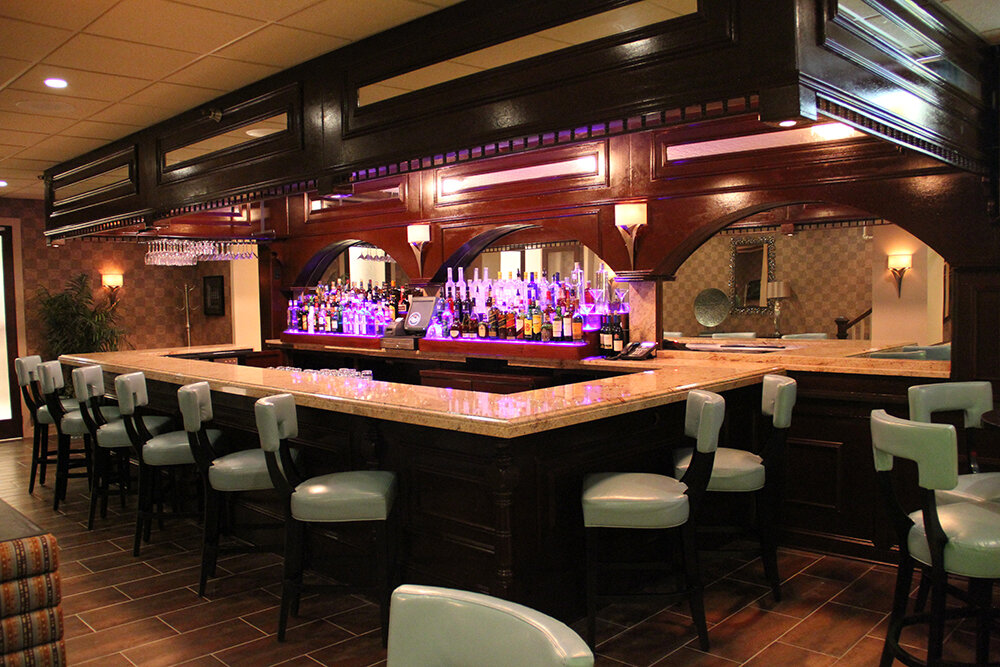
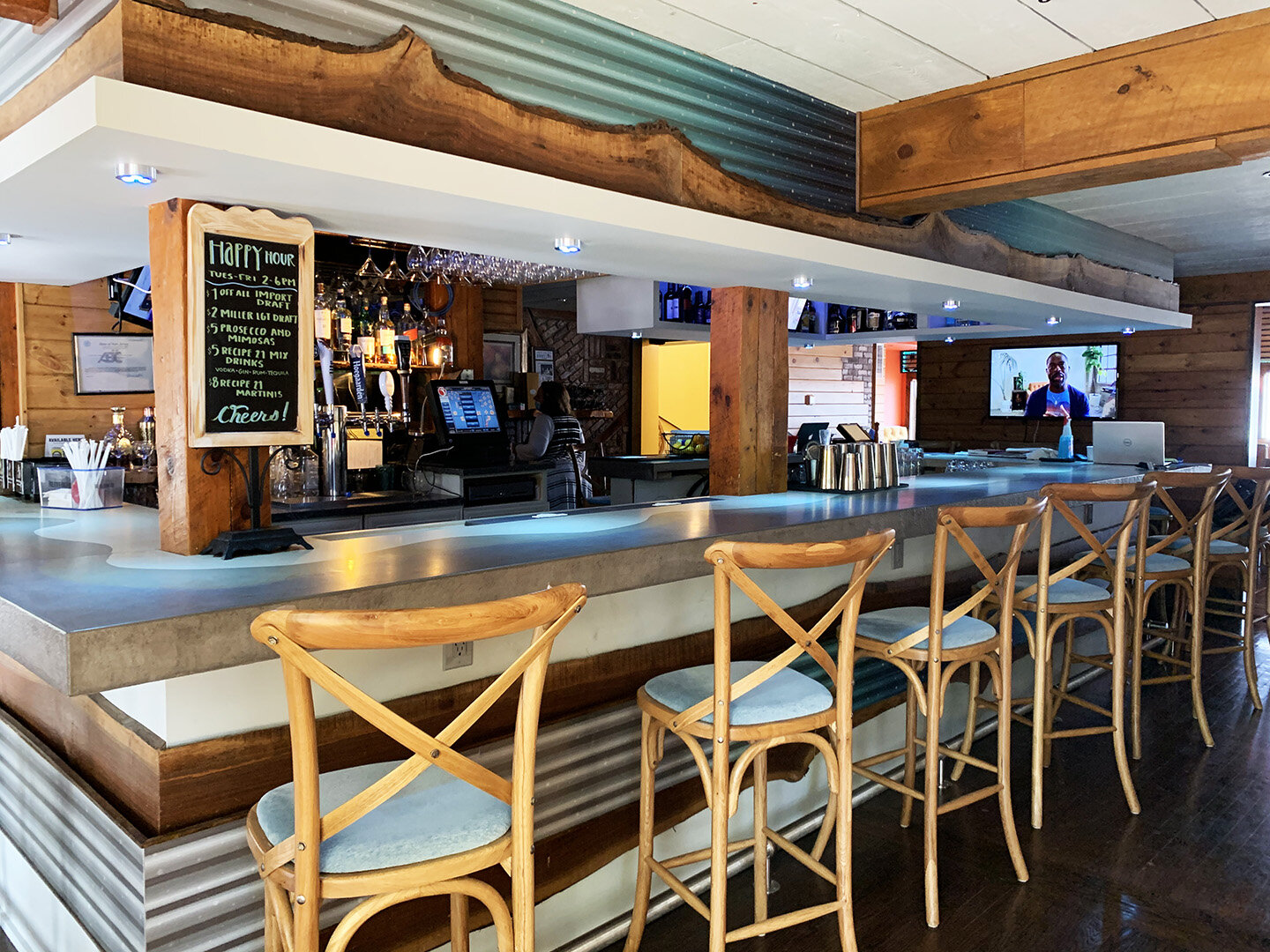
Patina Copper Bar Top designed by Raymond Haldeman, The Restaurant Designer
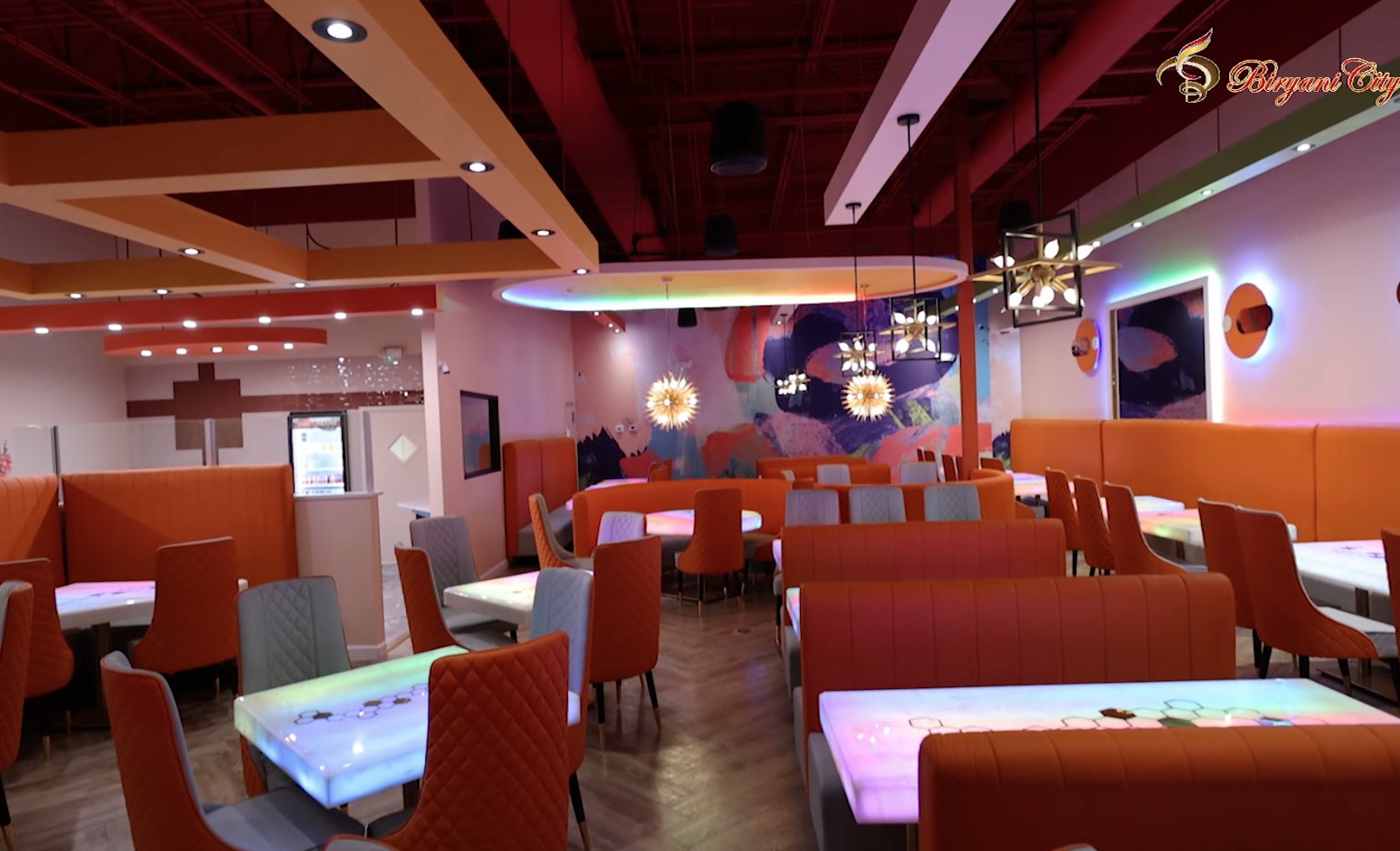
Color and texture aren't just decorative choices. They influence how quickly a room feels like it's moving. Deeper, richer textures tend to suggest a slower, more premium pace, which fits well in a spirit-forward lounge. Brighter, higher-energy colors can support faster turnover in a high-volume room. This is really environmental psychology applied to restaurant design, and it works best when the physical space matches the financial goals behind it. Bringing that thinking into the furniture and finishes, sometimes described as hospitality branding and design, helps create a cohesive space that can support premium pricing in a dedicated VIP or bottle-service area.
Space Planning for Speed
Speed tends to be the quiet partner of profit. This is why a restaurant floor plan consultant spends real time on what's sometimes called the bartender's path. When staff have to cross lanes or hunt for supplies mid-shift, ticket times climb and volume drops with them. The layout should keep every movement efficient, and seating should maximize density without tipping into discomfort. Guests want to feel the energy of a full room, not the frustration of being crowded into it. Owners ready to move past guesswork can review how a strategic redesign tends to change these numbers.
The Five-Step Bar and Restaurant Redesign Process
Success in this kind of project rarely happens by accident. It's closer to engineering than decorating. A restaurant consultant generally follows a structured process so capital goes toward changes that convert rather than vanity choices that don't. The process moves from high-level strategy down to the details of execution, which keeps the owner focused on outcomes while the design work handles the vision.
Phase 1: The Forensic Audit. A close look at current performance and untapped potential, going beyond a simple walkthrough to understand exactly where turnover is lagging and where the layout is quietly leaking revenue. Phase 2: Concept Development. Building the new brand identity, the blueprint for how the venue will hold its own in the local New Jersey market and connect with the target guest. Phase 3: Space Planning. Every seat and service station placed with real precision, balancing aesthetics with the operational flow that supports speed and comfort. Phase 4: Material and Finish Selection. Choosing finishes that read as high-end while holding up to the real wear of a busy bar or dining room night after night. Phase 5: Implementation Oversight. Making sure the contractor sticks to the plan rather than simplifying it for convenience, so the finished space matches the profit-driven design.
Schedule a consultation to begin the forensic audit for your venue.
From Concept to Reality
Turning a vague idea like "modern lounge" into a concrete set of design specifications is where a lot of owners lose momentum. Without precise specs, a project can drift into a disjointed mix that doesn't photograph well or function well. In 2026, a design that includes a few genuinely shareable moments tends to earn organic reach that paid marketing can't easily replicate. That visual strategy is often the bridge between a struggling concept and a launch that actually generates buzz on its own.
Navigating New Jersey Regulations
Local codes and permitting can slow or derail a project before it starts. Municipal requirements vary across New Jersey, and a consultant who understands how to work through them tends to save an owner real time and expense. Careful space planning can meet fire and safety requirements without giving up high-value seats in the process. Getting ahead of these requirements early keeps a building inspector from quietly deciding how much revenue potential the room actually has.
Why Raymond Haldeman Is a Strong Fit for a New Jersey Redesign
Treating a venue's future as trial and error tends to be an expensive way to learn. Every night spent operating with a flawed concept is a night of lost revenue and slipping market share. Raymond Haldeman works as a restaurant consultant and NJ bar designer for owners who are ready to stop losing ground to the newer place down the street. With decades spent actually owning and operating hospitality venues, Raymond brings a direct, operator's perspective to the table rather than a purely decorative one. He's less interested in picking colors and more interested in building a room that performs, informed by having made the same mistakes himself early on and learned to avoid them.
A Strategic Partner, Not a Vendor
Raymond's role on a project tends to look more like a partnership than a service transaction. He works as a guide through the revenue leaks and blind spots an owner is often too close to the business to see clearly. A consultation is a reasonable, low-risk starting point for an owner who wants to stop the bleeding and start the transformation. For a New Jersey operator ready to move past "good enough" and start commanding real pricing, that conversation is the first step.
A Track Record Across the Region
From Hoboken and Jersey City to Asbury Park, Morristown, and the Jersey Shore corridor, Raymond's design work spans some of the more demanding hospitality markets on the East Coast, including years operating nightclubs and restaurants of his own. He understands the regulatory and cultural texture that shifts from town to town across New Jersey, so a design stays both compliant and genuinely compelling. Whether the project is a new build or a rescue of a struggling venue, the goal is the same: a space built for real velocity and guest loyalty, not just a fresh coat of paint.
Every night your venue runs on an outdated floor plan is revenue quietly walking out the door. Put an operator's eye on the project instead of guessing your way through another season.
Claim Your Market Position
A venue's current trajectory usually traces back to its physical and strategic limits, not bad luck. Declining check sizes and staff burnout tied to an outdated floor plan don't have to be permanent. Partnering with a restaurant consultant or NJ bar designer means getting a profit-focused design approach that turns the space itself into a working part of the business. We've covered how lighting, layout, and surgical space planning can shift the environment toward guests spending more and service moving faster.
Raymond Haldeman brings direct, operator-level guidance to venues across New Jersey, drawing on a career built inside restaurants and nightclubs rather than a design portfolio alone. For an owner looking for a shortcut past the usual renovation mistakes, that experience tends to be the difference.
Schedule a Strategic Bar and Restaurant Design Consultation with Raymond Haldeman
Frequently Asked Questions
What does a restaurant consultant or bar designer actually do?
A restaurant consultant or NJ bar designer works as a strategic partner focused on re-engineering a venue for better performance, not just a new look. That usually starts with a forensic audit of operations and space planning, followed by a cohesive brand identity and oversight through construction. The goal is a layout built for speed and guest comfort, backed by a real strategy rather than a mood board alone.
How long does a typical bar or restaurant redesign take from concept to launch?
Timelines depend on the scope of the project. A focused refresh might run 12 to 16 weeks, while a full overhaul of a struggling venue can stretch past six months. Every week spent operating with an inefficient layout tends to cost more in lost revenue than people expect, so it's often worth starting the consultation before the situation becomes urgent.
Will a redesign really increase my venue's revenue?
A well-planned redesign turns more of the physical space into a working part of the business. Optimizing staff movement and using lighting deliberately tends to reduce friction and support the price guests are comfortable paying. Guests increasingly choose venues that feel current and worth talking about, so a space that doesn't hold attention is often leaving revenue on the table.
How do I know if my bar or restaurant needs a full redesign or just a refresh?
Table turnover and average check size are usually the clearest signals. If staff are constantly working against the floor plan or the brand feels invisible to the current local demographic, a full redesign is often the better investment. A refresh tends to make more sense for a venue with strong operational bones that mainly needs an aesthetic update. A professional audit can settle the question either way.
Can a consultant help a bar or restaurant that's already losing money?
Yes, and it's often the more common starting point. Identifying the less visible issues, like poor zoning or inefficient service stations, tends to be the first step in rebuilding a struggling concept into something that actually performs. Waiting too long to address structural issues in the space usually makes the eventual fix more expensive.
What's the difference between a designer and a consultant?
A designer typically focuses on finishes and aesthetics. A consultant works across space planning, branding, and operational efficiency, treating the design as one part of a larger business strategy. A restaurant consultant who understands the commercial side of hospitality is generally aiming for a space that performs financially, not just one that photographs well.
A great bar is only part of the picture. See how NJ restaurant renovation design ties the bar, floor plan and brand together into one profitable room.