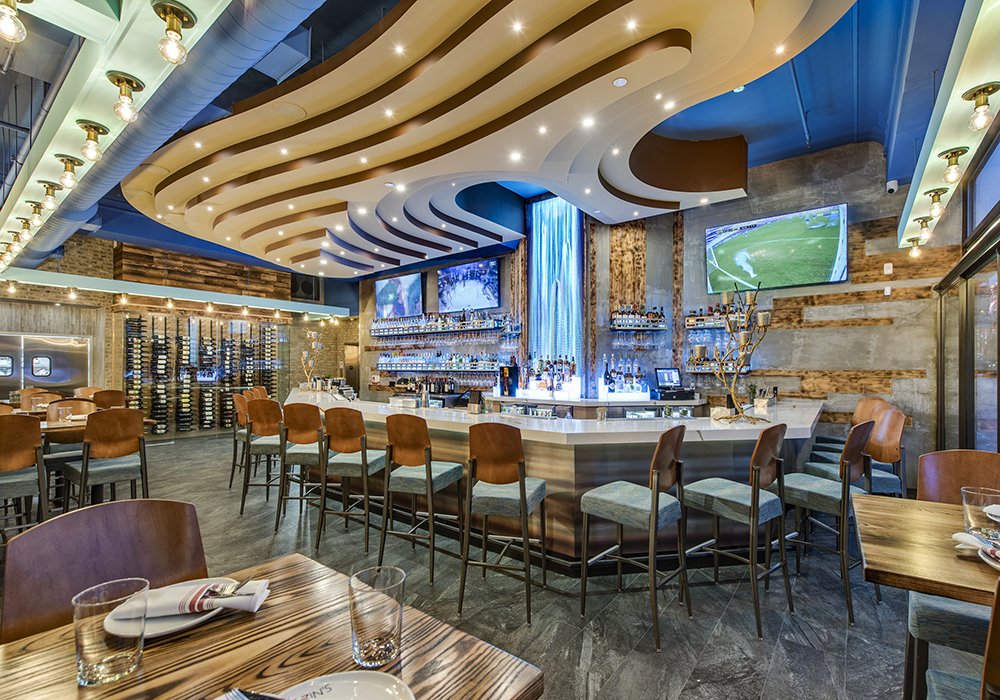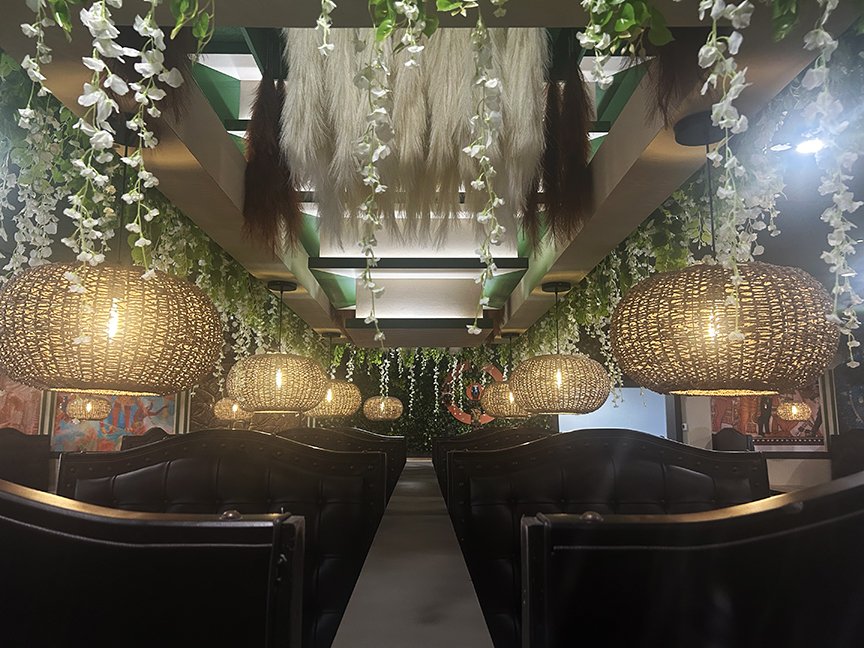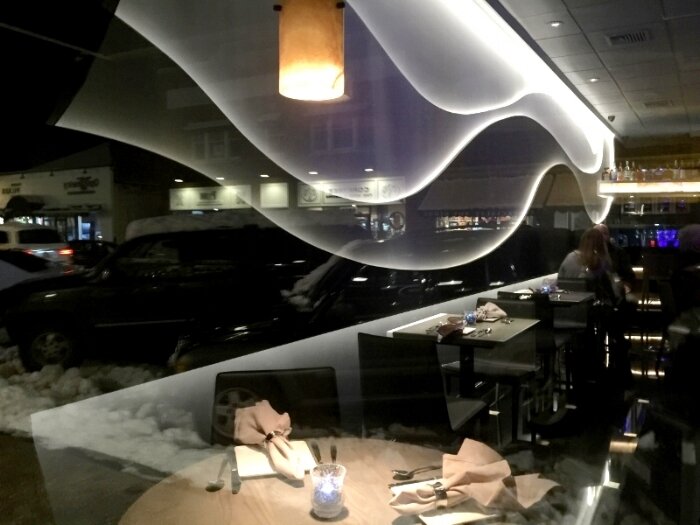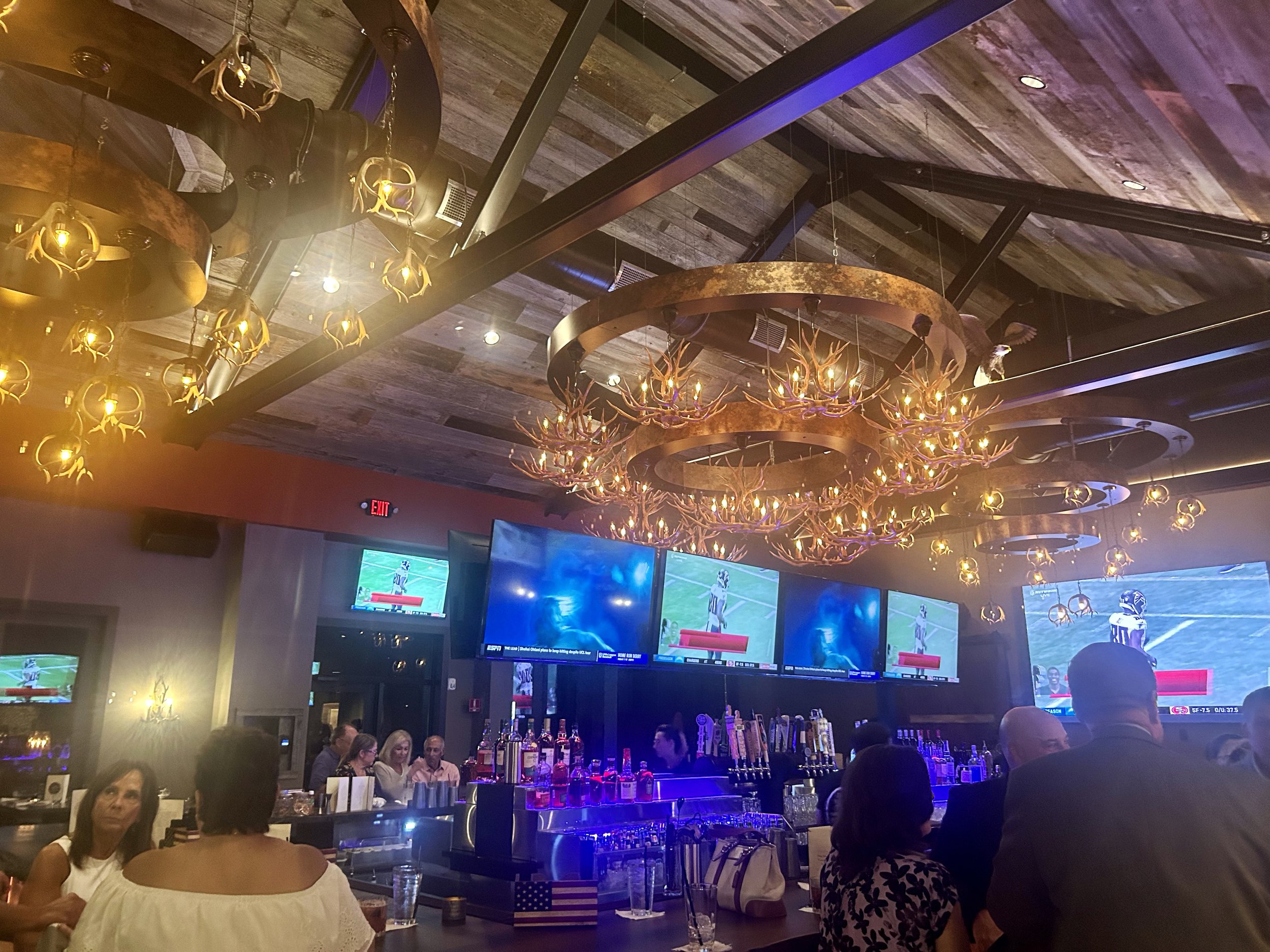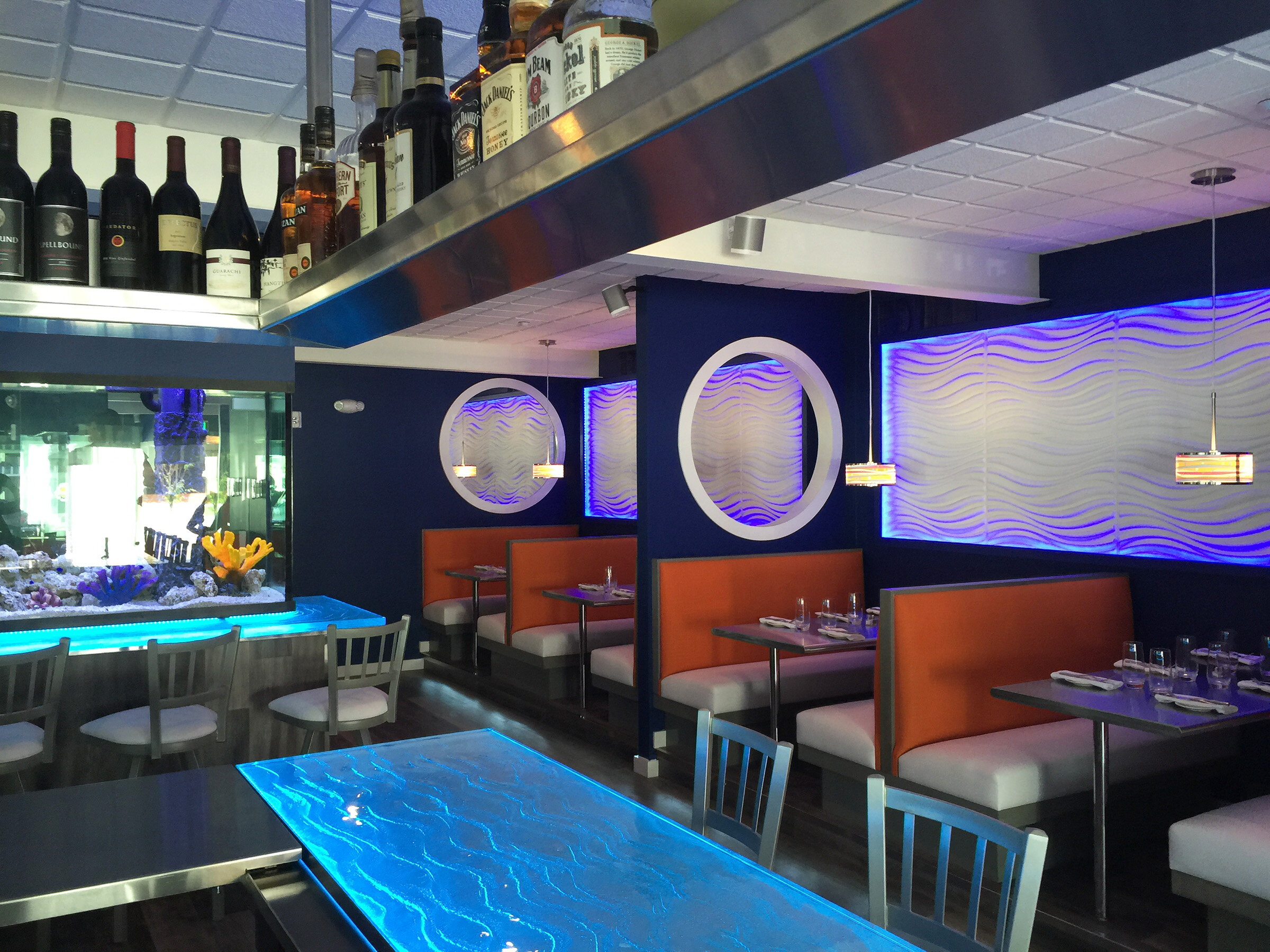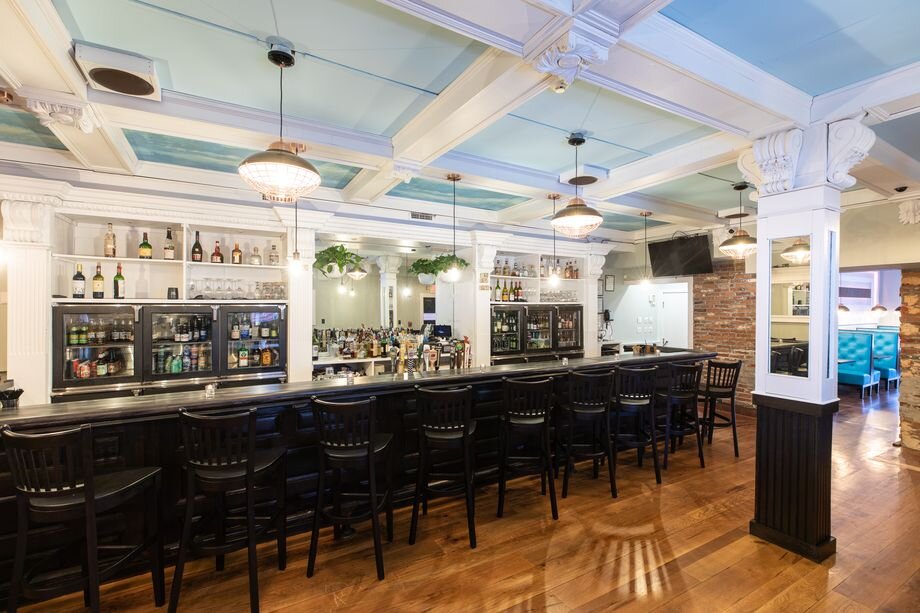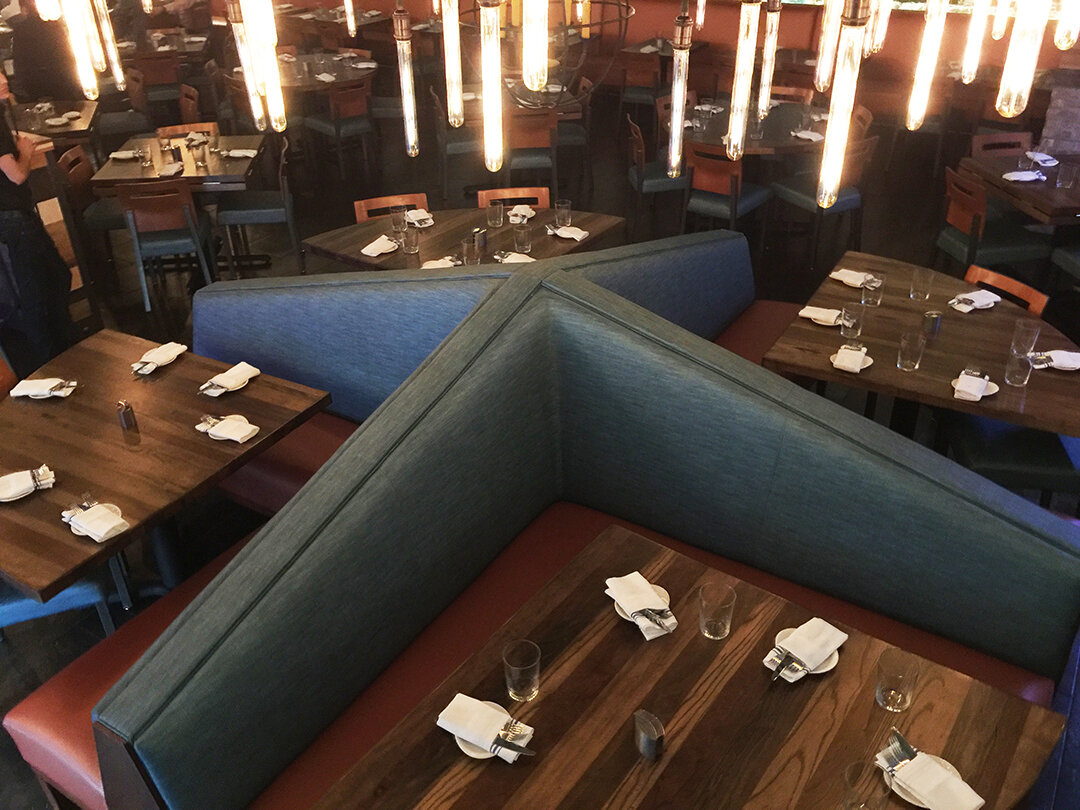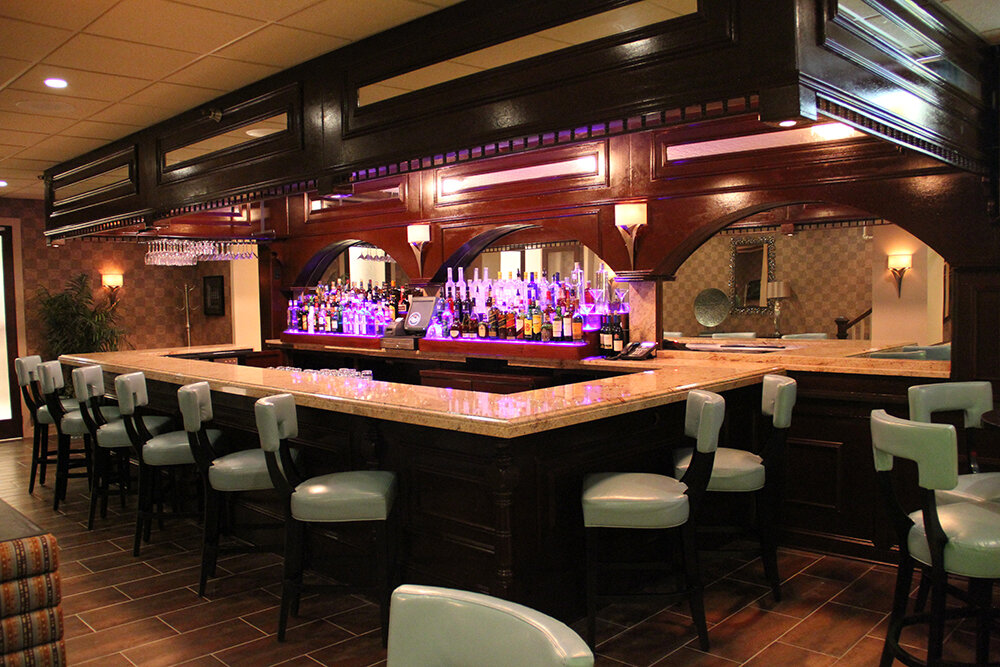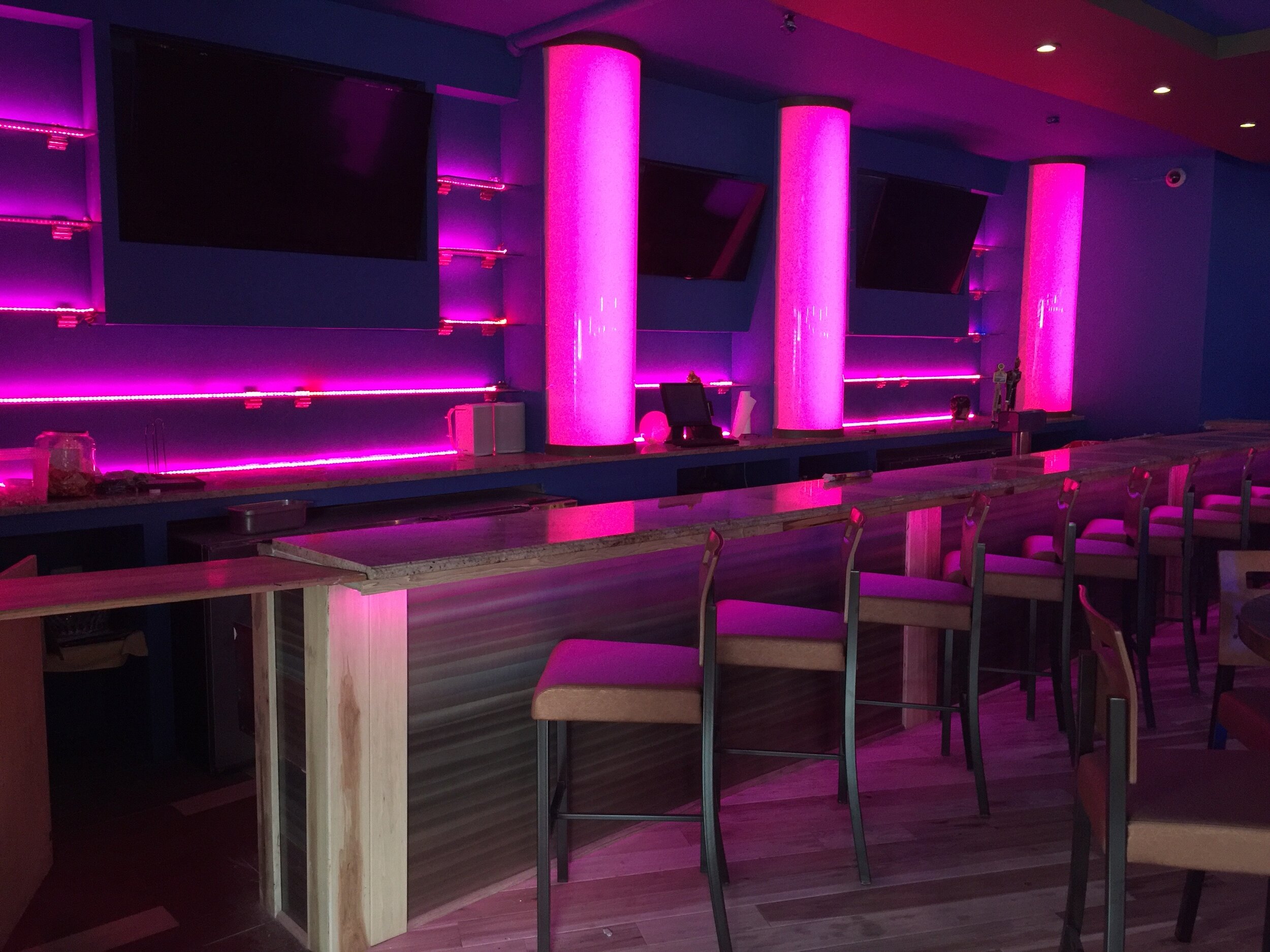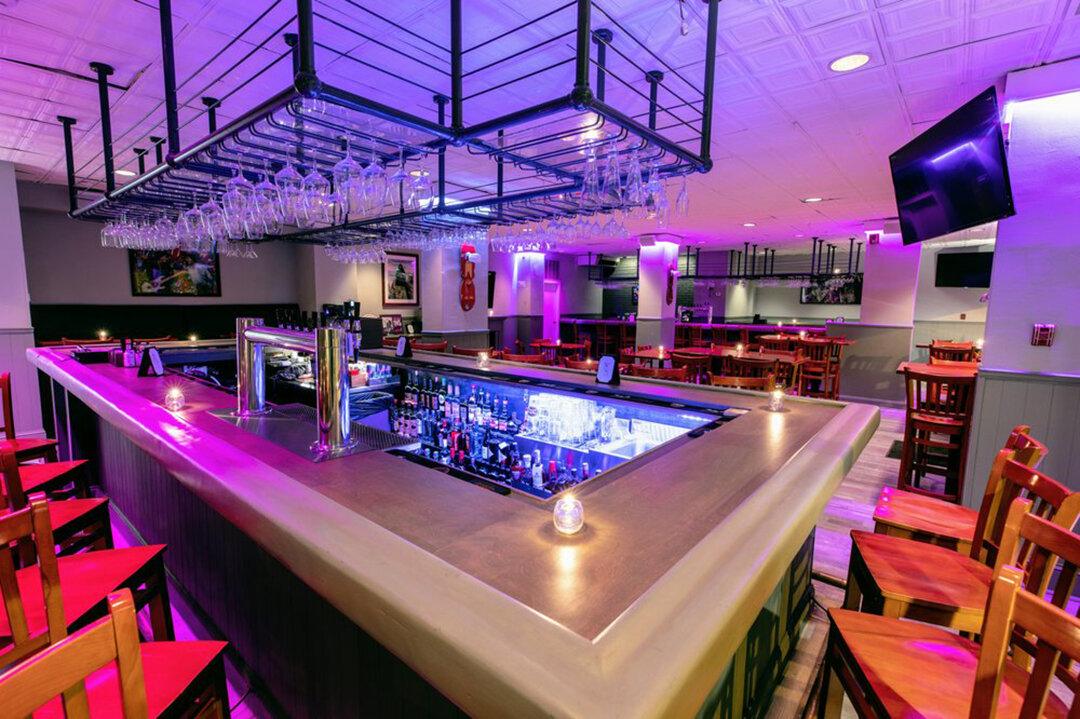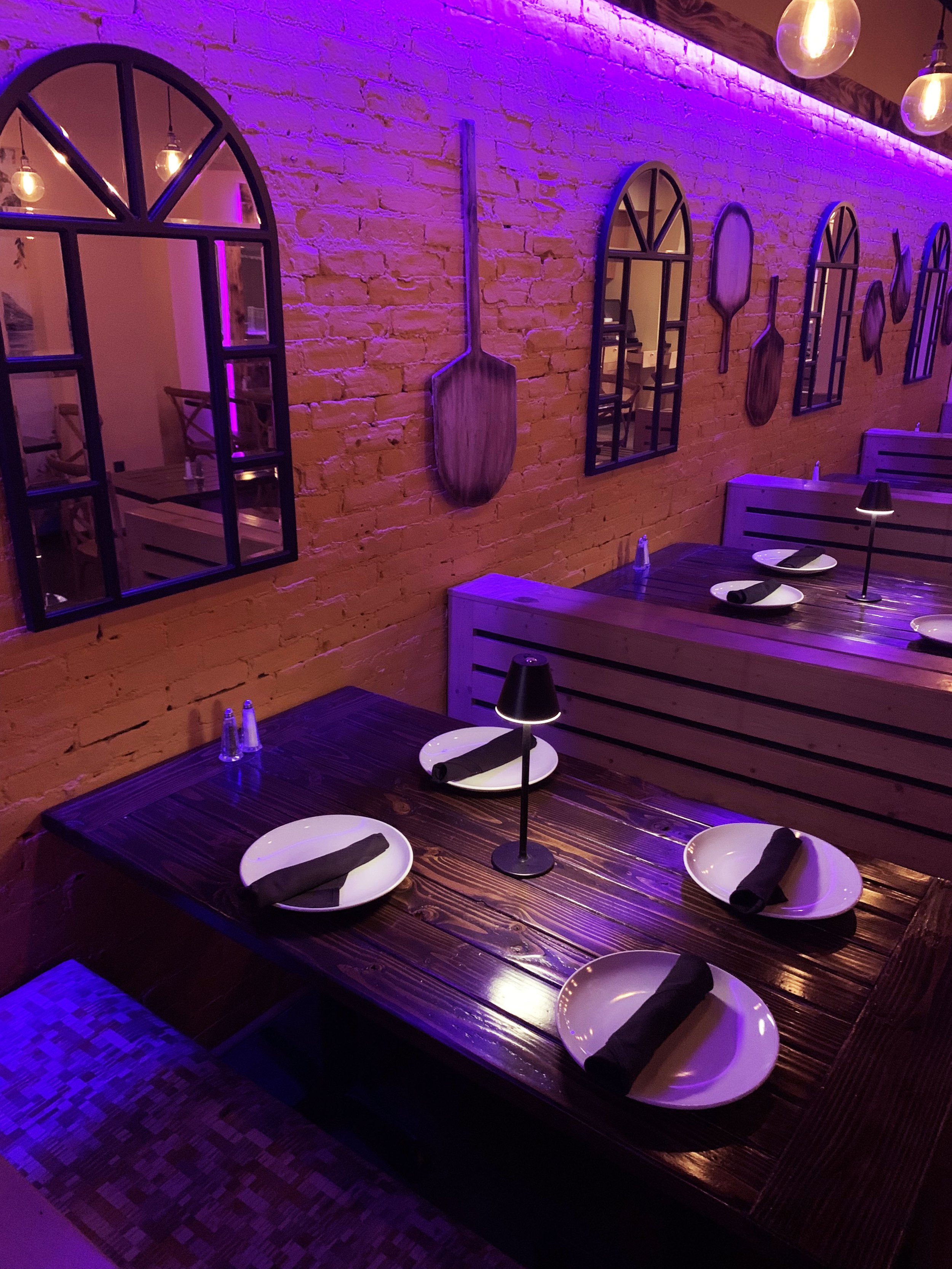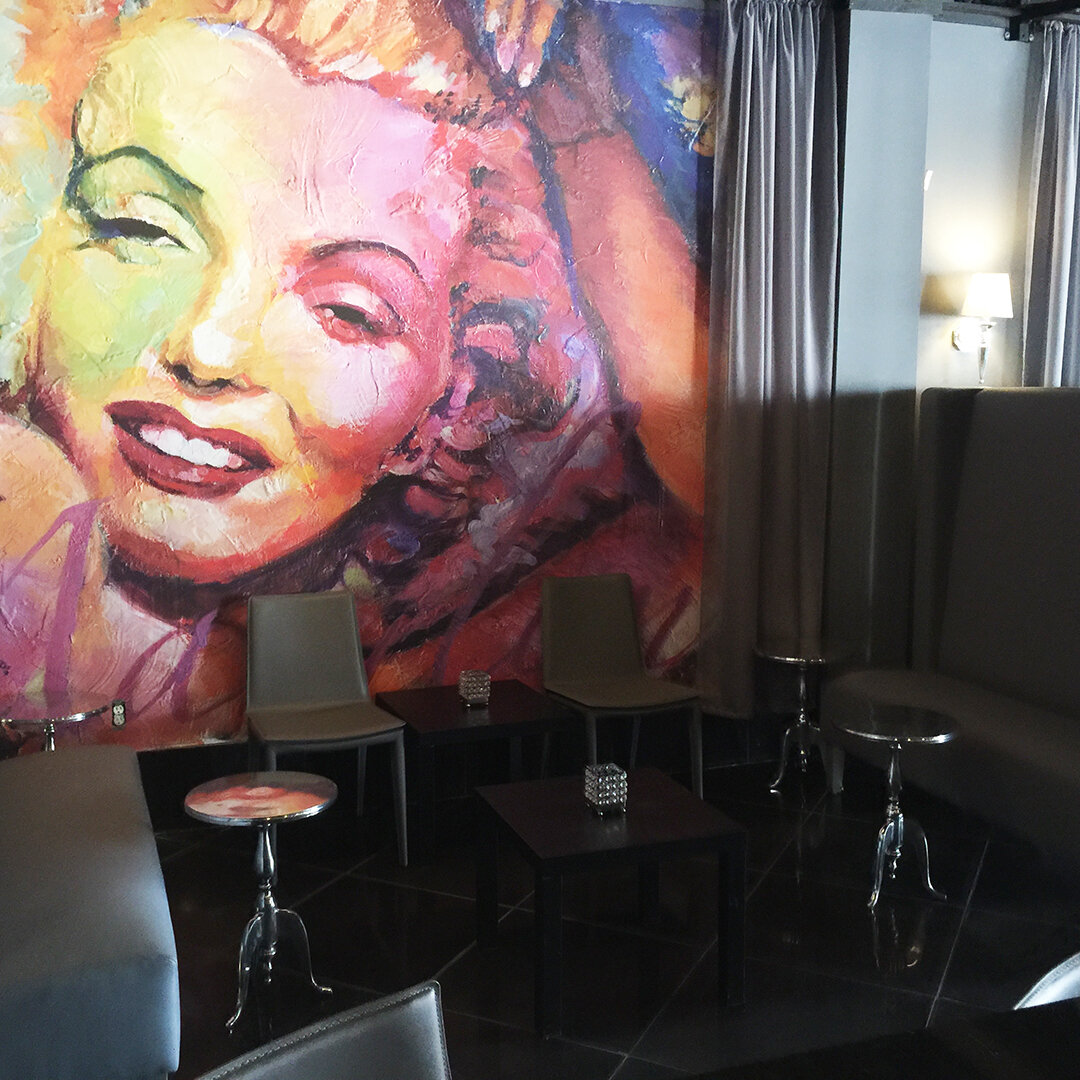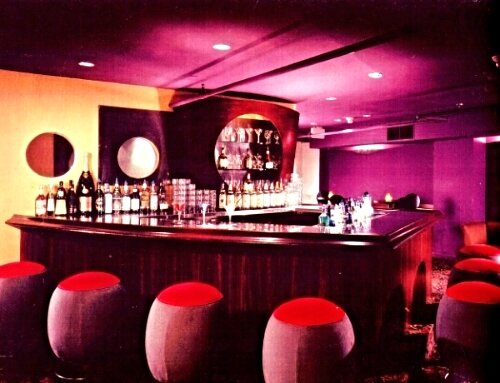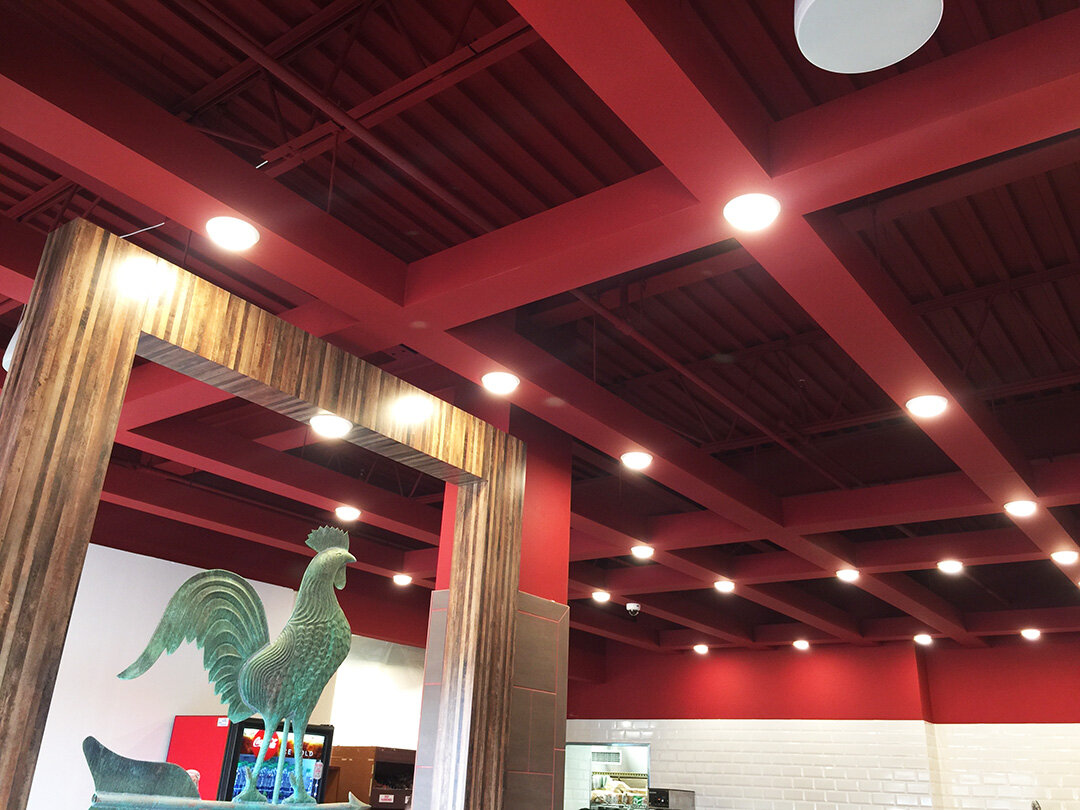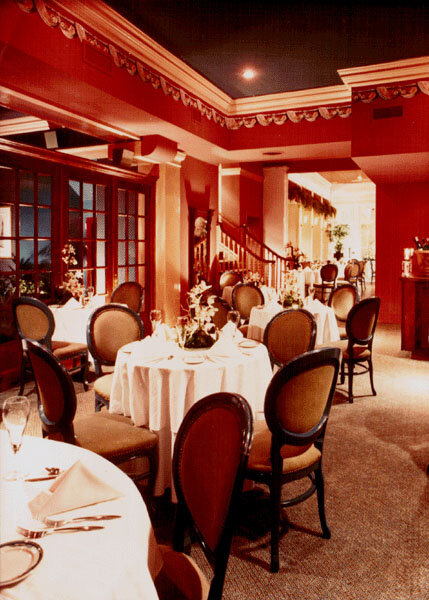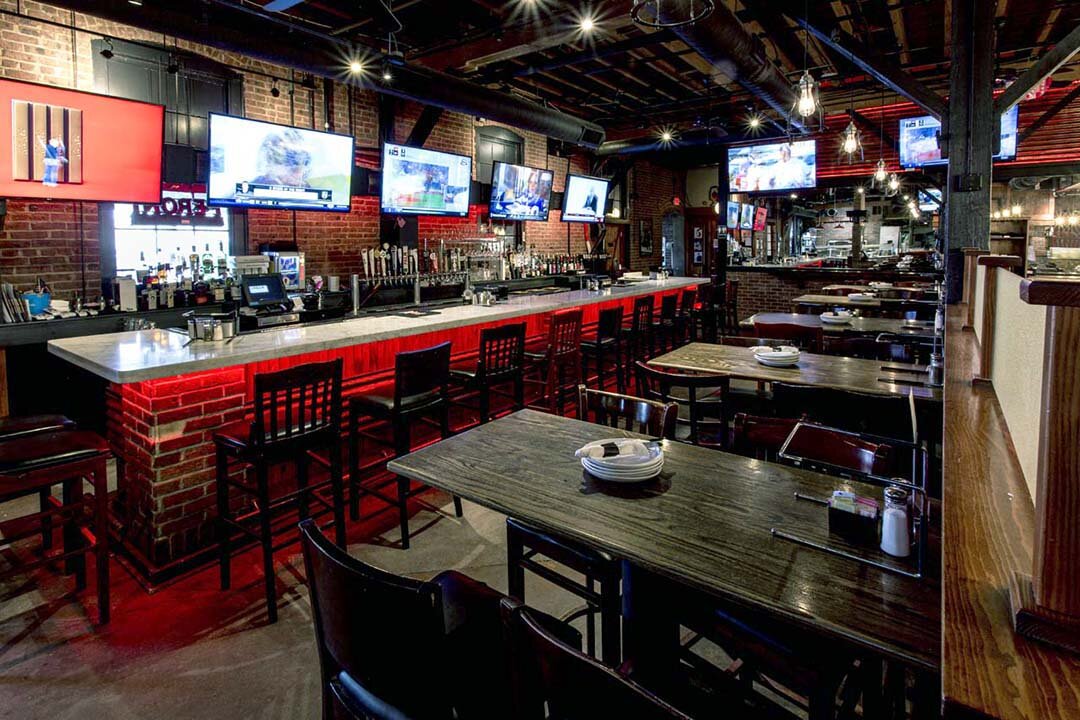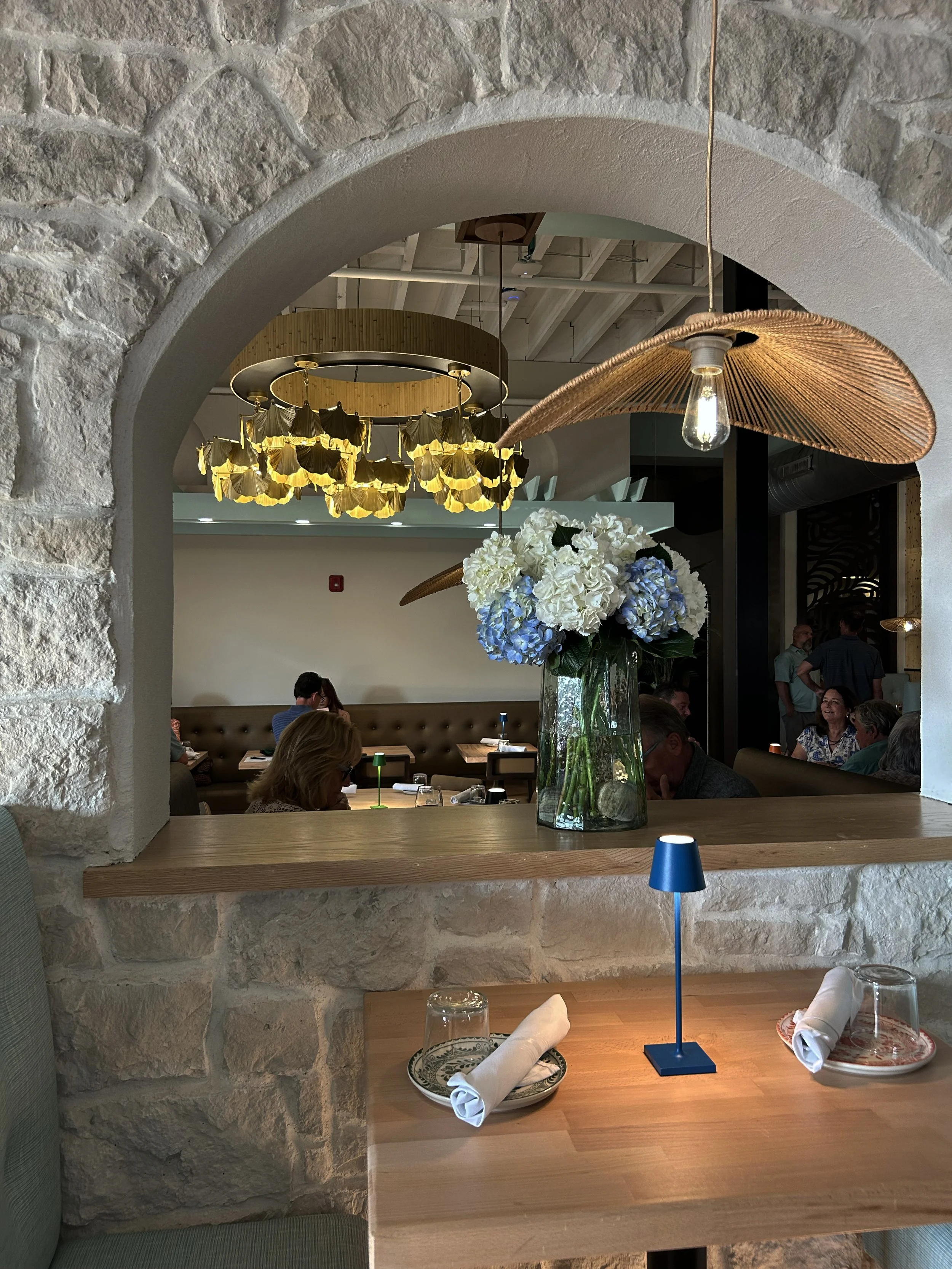
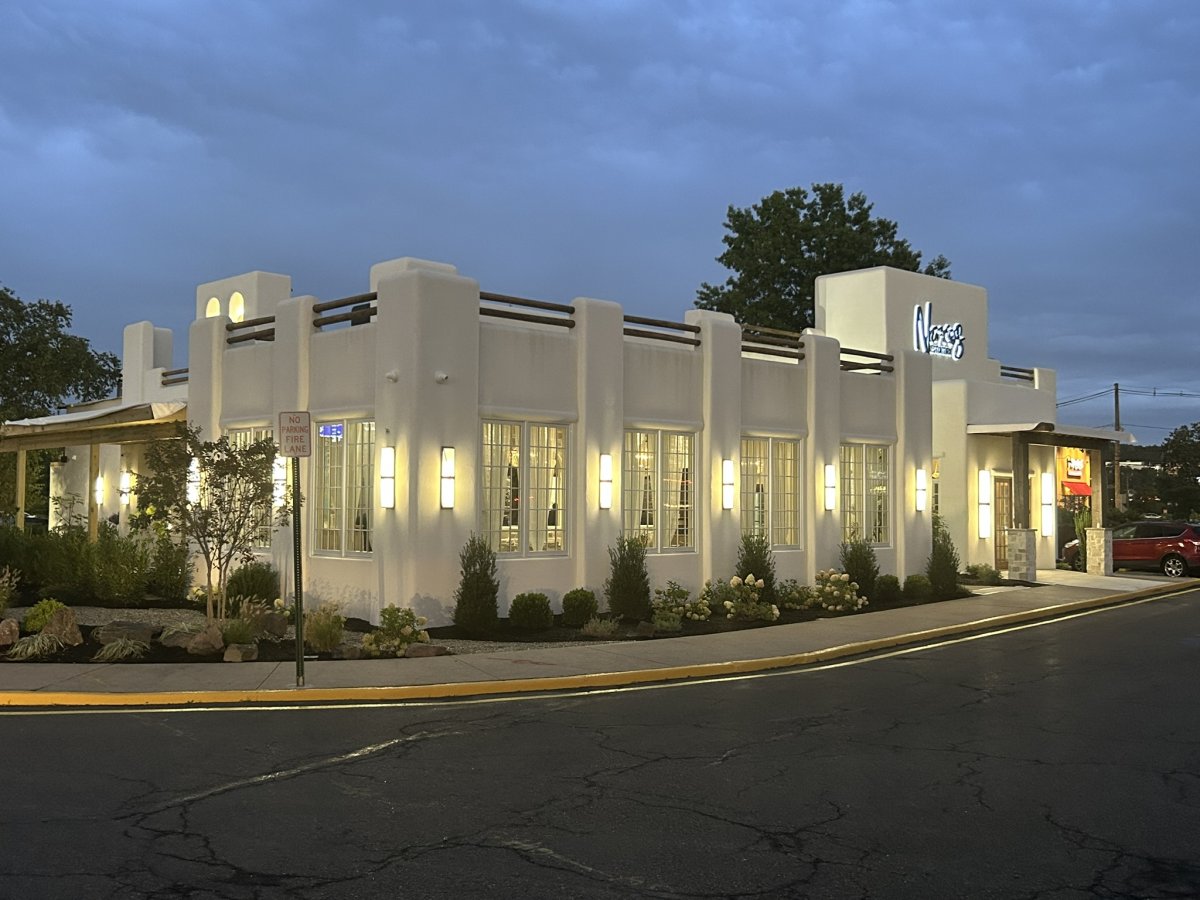
Your restaurant design concept is a liability until it's built exactly as intended. Most Maryland owners think the hard part is the vision, but the real danger lies in the execution. You've likely felt the sting of a contractor suggesting "minor" changes that slowly strip the soul out of your brand. It's frustrating to watch your budget bloat while you juggle architects, kitchen consultants, and the new 15 percent permit fee increase in Montgomery County. This chaos isn't just stressful; it's a direct threat to your ROI.
Mastering professional restaurant design project management is the only way to protect your investment from being value-engineered into mediocrity. You're about to learn how to bridge the gap between a 3D render and a high-functioning hospitality reality. We'll show you how to maintain total control over your venue's flow and brand identity so you can open on time, on budget, and ready to dominate the local market. Stop settling for "close enough" and start demanding the exact venue you planned to build.
Key Takeaways
- Stop letting contractors "value engineer" the soul out of your brand by mastering the transition from concept to a high-functioning hospitality reality.
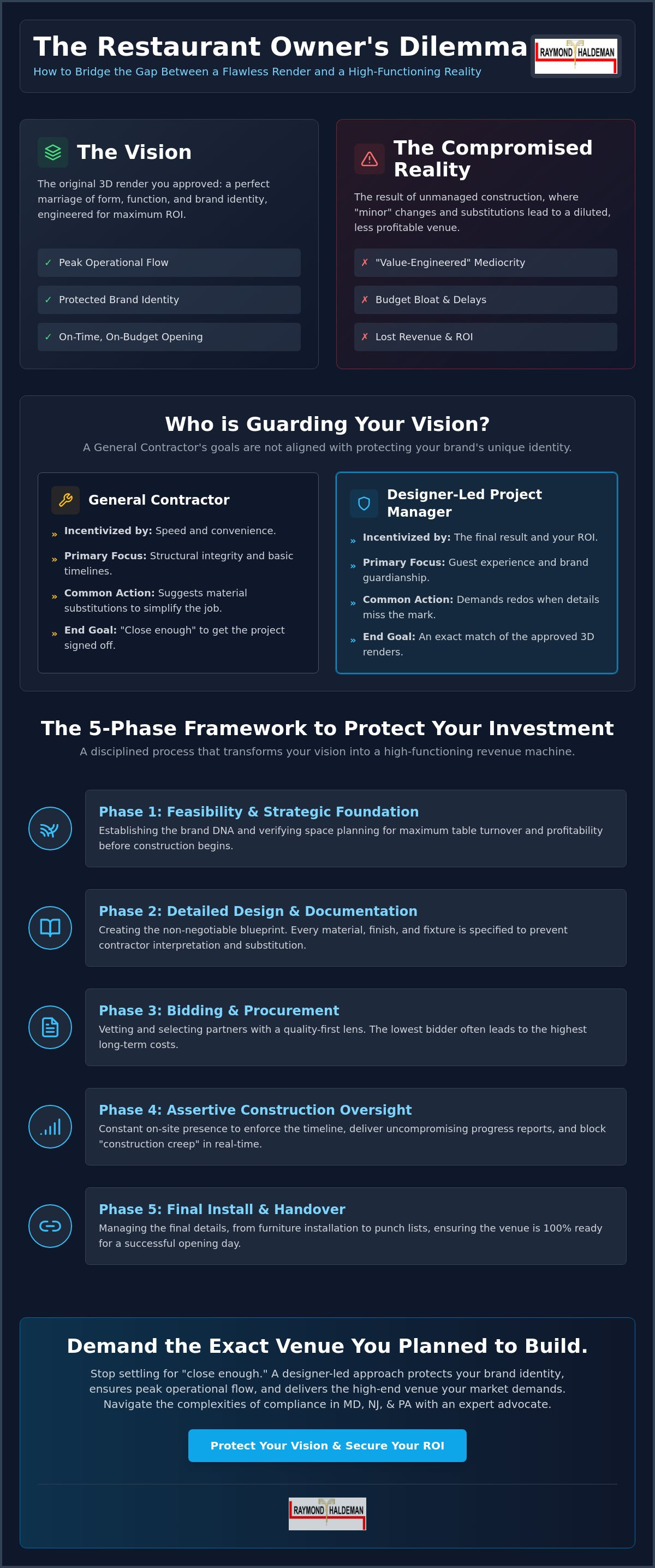
- Implement a disciplined 5-phase framework for restaurant design project management to ensure your venue looks exactly like the 3D renders you approved.
- Learn to identify and block the "construction creep" that causes budget bloat and delays your opening day revenue.
- Navigate the high-stakes regulatory landscape of Maryland, New Jersey, and Pennsylvania with strategies that turn compliance into a competitive advantage.
- Discover why a designer-led approach is the only way to protect your brand identity and ensure peak operational flow in a crowded market.
What is Restaurant Design Project Management?
Restaurant design project management is the specialized oversight of the design, procurement, and construction phases to ensure a hospitality venue meets its aesthetic and operational goals. This discipline is far more than simple scheduling; it is the strategic guardianship of your brand's physical identity. If you've ever wondered What is Design Project Management? in a commercial context, understand that it involves the meticulous coordination of creative vision with technical execution. In the high-stakes world of Maryland hospitality, this process ensures that the "soul" of your concept isn't lost during the messy reality of construction.
General construction project management focuses on structural integrity and basic timelines. While those are necessary, they are insufficient for a restaurant. A hospitality-focused manager prioritizes the guest experience, the nuance of layered lighting, acoustic control, and the critical flow of service. Every day your doors remain closed is a day of lost revenue; every detail that is "value-engineered" away by a contractor is a blow to your ROI. You need a vision guardian who understands that a profitable venue is built on the perfect marriage of form and function.
The Core Components of Hospitality PM
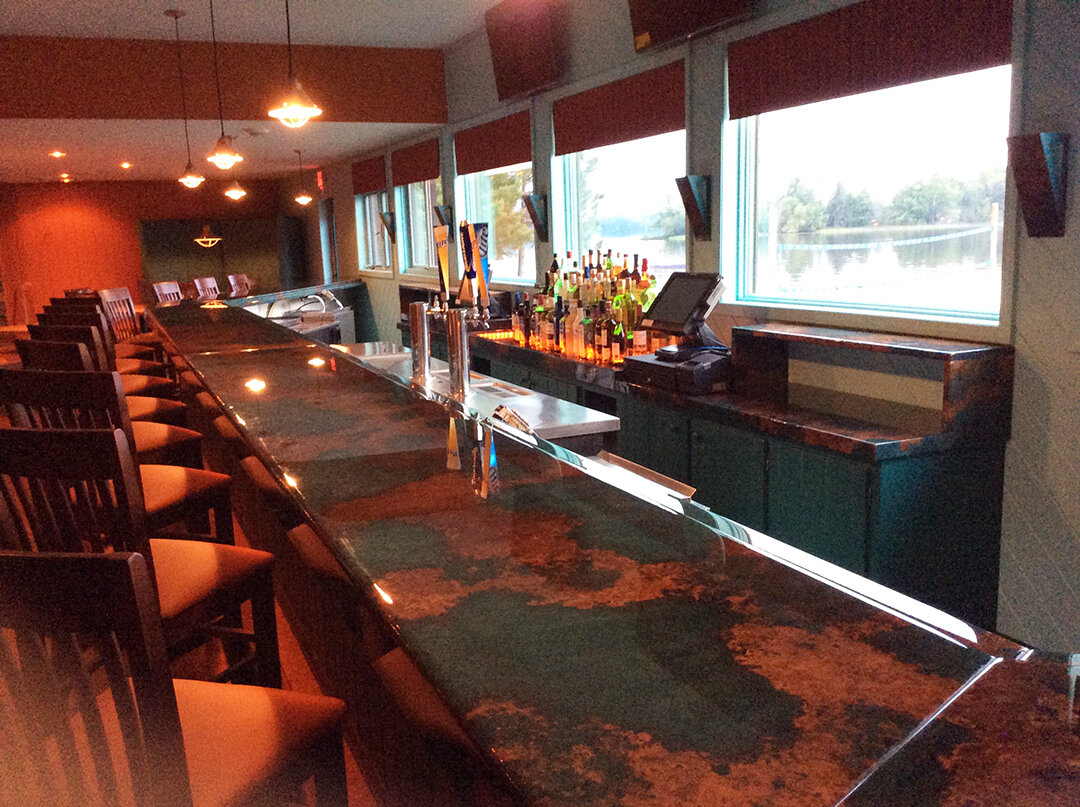
Success in restaurant design project management requires a deep dive into three critical areas. First, space planning and layout verification must happen on-site to ensure the kitchen flow doesn't choke the dining room's energy. Second, aesthetic rebranding requires obsessive oversight of material selection; you cannot leave the final finish of your bar top to chance. Third, a specialized manager acts as the central hub for coordination. They sync the needs of kitchen consultants with the artistic goals of the interior designer, ensuring that technical requirements like gas lines and ventilation don't compromise your brand's visual impact.
Why General Contractors Are Not Design Project Managers
Entrusting your brand identity to a general contractor is a dangerous gamble. GCs are naturally incentivized by convenience and speed. They will often suggest "shortcuts" or material substitutions that make their job easier but dilute your concept's premium feel. To a contractor, "close enough" is often the goal. To a high-end brand, "close enough" is a failure. You need an assertive advocate on the job site who isn't afraid to demand a redo when a detail misses the mark. This advocate ensures that the final build matches the 3D renders that sold you on the project in the first place. Don't let a contractor's preference for the path of least resistance dictate your restaurant's future success.
How to Execute a Restaurant Design Project: A 5-Phase Framework
Executing a world-class venue requires more than just a mood board; it demands a rigid, 5-phase framework that leaves zero room for contractor interpretation. You cannot afford to treat the Restaurant Construction Process as a series of "best guesses." Instead, professional restaurant design project management transforms your abstract vision into a high-functioning revenue machine. This framework is your primary defense against the budget bloat and design dilution that plague unmanaged builds.
Phase 1 & 2: Building the Strategic Foundation
Phases 1 and 2 are about establishing the brand DNA and translating it into technical documentation. We begin with feasibility. It's critical to determine if your space planning allows for maximum table turnover before a single hammer swings. If the layout doesn't support your revenue goals, the design is a failure. We then move to detailed design and documentation. This phase creates the blueprint for success by specifying every material, finish, and fixture. You must set a non-negotiable standard for quality here. If a detail isn't documented with precision, a contractor will inevitably substitute it with something cheaper and less effective.
Phase 3 & 4: From Paper to Pavement
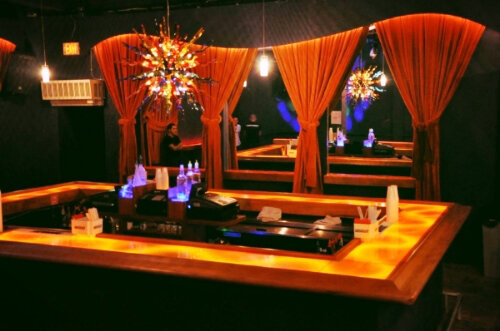
Phases 3 and 4 move the project into the physical world. Bidding and procurement must be handled with a quality-first lens. Selecting the lowest bidder is often the fastest way to double your long-term costs through repairs and retrofits. You need to vet partners who specifically understand the unique demands of Bar and Nightclub Design. During construction oversight, the project manager becomes an assertive force on the job site. This involves frequent site visits and uncompromising progress reports. The PM's job is to ensure the timeline remains intact so you can hit your Grand Opening date without losing a single day of potential income.
Finally, Phase 5 is the pre-opening punch list. This is where we ensure every detail is perfect before the first guest arrives. We scrutinize everything from the kitchen flow to the acoustic balance in the lounge. This obsessive attention to detail ensures that your venue doesn't just open; it opens with a fully realized brand identity that commands respect from day one. High-stakes restaurant design project management means refusing to settle for anything less than excellence in these final hours.
Avoiding "Construction Creep" and Design Dilution
Construction creep is the gradual erosion of design intent for the sake of contractor convenience. It begins the moment a contractor suggests a "similar" lighting fixture or a "comparable" floor finish to save time. These small concessions might seem harmless in isolation, but they collectively dismantle the high-end feel of your brand. Professional restaurant design project management exists to stop this rot before it compromises your ROI. You must understand that every shortcut taken on the job site is a withdrawal from your future guest experience.
Value engineering is often used as a euphemism for stripping the soul out of a project. While optimizing costs is necessary, it shouldn't come at the expense of the elements that drive revenue. If your brand relies on a specific acoustic warmth or a dramatic lighting scheme, those items are non-negotiable. Assertive communication with trades is your only defense. You aren't there to be liked by the subcontractors; you're there to ensure the venue looks exactly like the 3D renders that define your Restaurant Rebranding strategy.
The Designer vs. Contractor Dynamic
The relationship between the designer and the contractor is naturally tense. One prioritizes the vision, while the other prioritizes the path of least resistance. To protect your investment, the designer must have absolute final sign-off on all material substitutions. Don't let a general contractor bully you into "budget cuts" that target your lighting or acoustic plans. These are the "invisible" design elements that dictate how long guests stay and how much they spend. If you lose the integrity of these plans, you lose the competitive edge of your new design.
Preventing Budget and Timeline Bloat
The "Change Order" trap is the primary driver of budget bloat. Contractors often use vague initial bids as a springboard for expensive mid-project adjustments. Rigorous restaurant design project management eliminates this by insisting on granular documentation from day one. You must also master critical path management. Identify the specific tasks, such as specialized kitchen ventilation or custom bar fabrication, that have the potential to delay your opening. By managing these high-risk items with straight-talk and constant oversight, you prevent the timeline from slipping. Every week of delay is a week of zero revenue; don't let contractor convenience dictate your bank balance.
Managing the intersection of specialized kitchen consultants and interior designers is equally vital. If the kitchen equipment supplier places a stainless steel unit where a decorative partition was planned, the "vibe" dies instantly. Your project manager must facilitate a high-level consultation between these parties to ensure functional equipment never compromises the aesthetic rebranding. Demand excellence, refuse "close enough," and keep your trades focused on the blueprint, not their own schedules.
Navigating Regional Compliance: NJ, PA, MD, and Miami
Local expertise is a non-negotiable prerequisite for success. If your project manager doesn't understand the specific friction points of your municipality, your opening date is a moving target. In Maryland, for instance, the Montgomery County Department of Permitting Services is implementing a 15 percent fee increase effective July 1, 2026. This isn't just a line item; it's a signal of the tightening regulatory environment. Navigating these nuances requires aggressive restaurant design project management that anticipates roadblocks before they stall your build. Every day you spend waiting on a permit is a day of lost revenue that you will never recover.
New Jersey and Pennsylvania present their own minefields, particularly regarding liquor licensing and seating layouts. In New Jersey, construction permit fees can be as specific as $0.6040 per cubic foot of volume for new restaurant buildings. If your design doesn't account for these costs and the associated plumbing or electrical codes from the start, your budget will hemorrhage. Meanwhile, Miami demands a different level of rigor. You aren't just designing for "vibe"; you're designing for hurricane-grade construction codes and state-mandated food safety certifications that require a Certified Food Protection Manager on-site whenever four or more staff members are working.
Permitting and Regulation Strategy
Your project manager must be the one wrestling with the red tape. This allows you to focus on training staff and building your menu. We coordinate with local fire marshals and health inspectors during the initial design phase to ensure compliance with COMAR 10.15.03 in Maryland or the latest I-Codes in Pennsylvania. Waiting until the final walk-through to check for ADA compliance is a recipe for disaster. We ensure every ramp and restroom meets federal standards without sacrificing your high-revenue seating layout. Professional oversight turns these bureaucratic hurdles into manageable tasks.
Regional Aesthetic Nuances
Aesthetics are regional, and procurement follows suit. The "Miami Vibe" relies on specific organic materials and layered textures that may have vastly different lead times than the reclaimed steel and brick required for a "Philadelphia Industrial" look. Understanding these trends is vital for Space Planning and Layout. Don't let a lack of local insight delay your procurement cycle or result in a venue that feels out of place. If you want to avoid the pitfalls of a generic build, you need to consult an expert in your specific city who understands the local commercial landscape. Demand a partner who knows how to translate regional expectations into a profitable, high-functioning reality.
The Raymond Haldeman Advantage: Designer-Led Management
Hiring a specialist in restaurant, bar, and nightclub design is not a luxury. It is a prerequisite for survival in a high-stakes industry. While general firms manage timelines, Raymond Haldeman manages the outcome. Your investment is a target for mediocrity the moment you hand it over to unspecialized hands. Designer-led restaurant design project management ensures that the transition from a conceptual render to a physical reality is seamless. We protect the vision that drives your profit, ensuring that the "soul" of the brand survives the construction process intact.
Corporate firms offer you a revolving door of junior associates and bureaucratic delays. You need direct access to a visionary guide who has seen every pitfall and shortcut in the commercial landscape. With a portfolio of success spanning the United States, Raymond Haldeman provides a level of experience that corporate structures simply cannot replicate. This is a strategic partnership designed to bypass the common errors that cost owners thousands in lost revenue and post-opening fixes. We don't just provide a service; we provide a shortcut to success.
Beyond Interior Design: Strategic Partnership
Rebranding a failing restaurant requires a fundamentally different approach than a new build. It's about diagnosing why the previous iteration failed and using aggressive Space Planning and Layout to fix it. We don't just move furniture; we re-engineer the guest journey. This includes maximizing VIP table profitability through layouts that command higher minimum spends and better visibility. By crafting a high-end atmosphere that prioritizes lighting and acoustics, we directly influence alcohol sales and guest retention. Every square inch of your floor plan must be a high-functioning revenue generator, not just a decorative space.
Take the First Step to a Successful Opening
Stop guessing. The difference between a "pretty" venue and a profitable one is professional oversight. You've seen the risks of construction creep and regional compliance hurdles. Now, it's time to execute with the confidence of a seasoned expert. Protect your brand identity from day one by bringing in a partner who demands excellence from every trade on the site. Don't leave your Bar and Nightclub Design to chance. Call our toll-free US number for an immediate consultation. Let's turn your concept into the high-functioning hospitality reality your market demands.
Secure Your Vision and Command Your Market
Your restaurant’s success depends on the bridge between a bold vision and its physical execution. You cannot afford to let contractors dilute your brand or allow bureaucratic red tape to delay your opening day revenue. Protecting your investment requires a strategic partner who understands that every detail, from lighting to layout, is a driver of ROI. Professional restaurant design project management is the essential safeguard that keeps your project on track and your brand identity intact.
Raymond Haldeman provides a proven portfolio of modern and functional interior concepts across the US, specializing in high-stakes bar and nightclub rebranding. When you partner with us, you gain direct access to the principal designer’s decades of expertise. Don't settle for a venue that is "close enough" to your render. Schedule Your Professional Design Consultation with Raymond Haldeman right now to ensure your project is built for peak profitability. The market is waiting for your next move; make it a decisive one.
Frequently Asked Questions
Why do I need a project manager if I have a general contractor?
A general contractor is incentivized by construction convenience and speed, not your brand’s long-term profitability. While the contractor focuses on structural basics, a project manager ensures the design integrity and guest experience remain intact. Without this oversight, contractors often "value engineer" away the very details that drive your revenue. You need an advocate who prioritizes the vision over the path of least resistance.
How much does restaurant design project management typically cost?
Fees for professional oversight are generally structured as a percentage of the total project cost or a flat monthly retainer based on the scope of work. While costs vary, the investment is a fraction of the potential losses caused by construction delays or rebranding failures. Think of it as insurance for your capital. It prevents the budget bloat that occurs when unmanaged trades make expensive errors on your dime.
Can a project manager help if my restaurant is already under construction and failing?
Yes, professional intervention can stop the bleeding even mid-build. If you notice your contractor is cutting corners or your timeline is slipping, bringing in expert restaurant design project management can realign the project with your original goals. We perform a site audit to identify where the build has deviated from the plans and implement immediate course corrections to salvage your brand identity and opening date.
What is the difference between a project manager and a construction manager in hospitality?
Construction managers oversee the technical "how" of the build, such as plumbing and electrical rough-ins. A hospitality project manager oversees the "why," ensuring every technical decision supports the guest flow, lighting layers, and operational efficiency. In a high-stakes venue, the project manager acts as the visionary guide who coordinates the architect, GC, and kitchen consultants to ensure the final product is a cohesive, profitable reality.
How long does a typical restaurant redesign project take from start to finish?
A comprehensive redesign typically spans four to nine months, depending on the complexity of the rebranding and local permitting timelines. Phase one and two usually take eight to twelve weeks, while construction and procurement consume the remainder. Factors like custom furniture lead times or Maryland's specific health department reviews can impact this window. Professional management keeps these moving parts synchronized to prevent unnecessary weeks of lost revenue.
Is project management included in the restaurant interior design fee?
Project management is usually a distinct service phase separate from the initial creative design fee. While the design fee covers the concept and documentation, management covers the assertive oversight required during bidding and construction. It's a specialized role that demands on-site presence and trade coordination. Combining these services ensures the person who dreamed up the vision is the one enforcing it on the job site.
How does professional project management help with liquor licensing and permits?
We ensure your physical layout complies with the strict requirements of local liquor boards and fire marshals from day one. In jurisdictions like Pennsylvania or New Jersey, a minor layout error can result in a denied license or a failed inspection that pushes your opening back by months. Your project manager handles the coordination of these details so your legal and operational requirements are met without compromising the aesthetic.
What happens if the contractor wants to change the materials we selected?
The project manager acts as the final authority to approve or reject any material substitutions. Contractors often suggest "comparable" materials that are easier for them to source but inferior in quality or look. We hold the line on your specifications. If a change is truly necessary due to supply chain issues, we select the alternative ourselves to ensure it matches the high-end standards of your rebranding strategy.