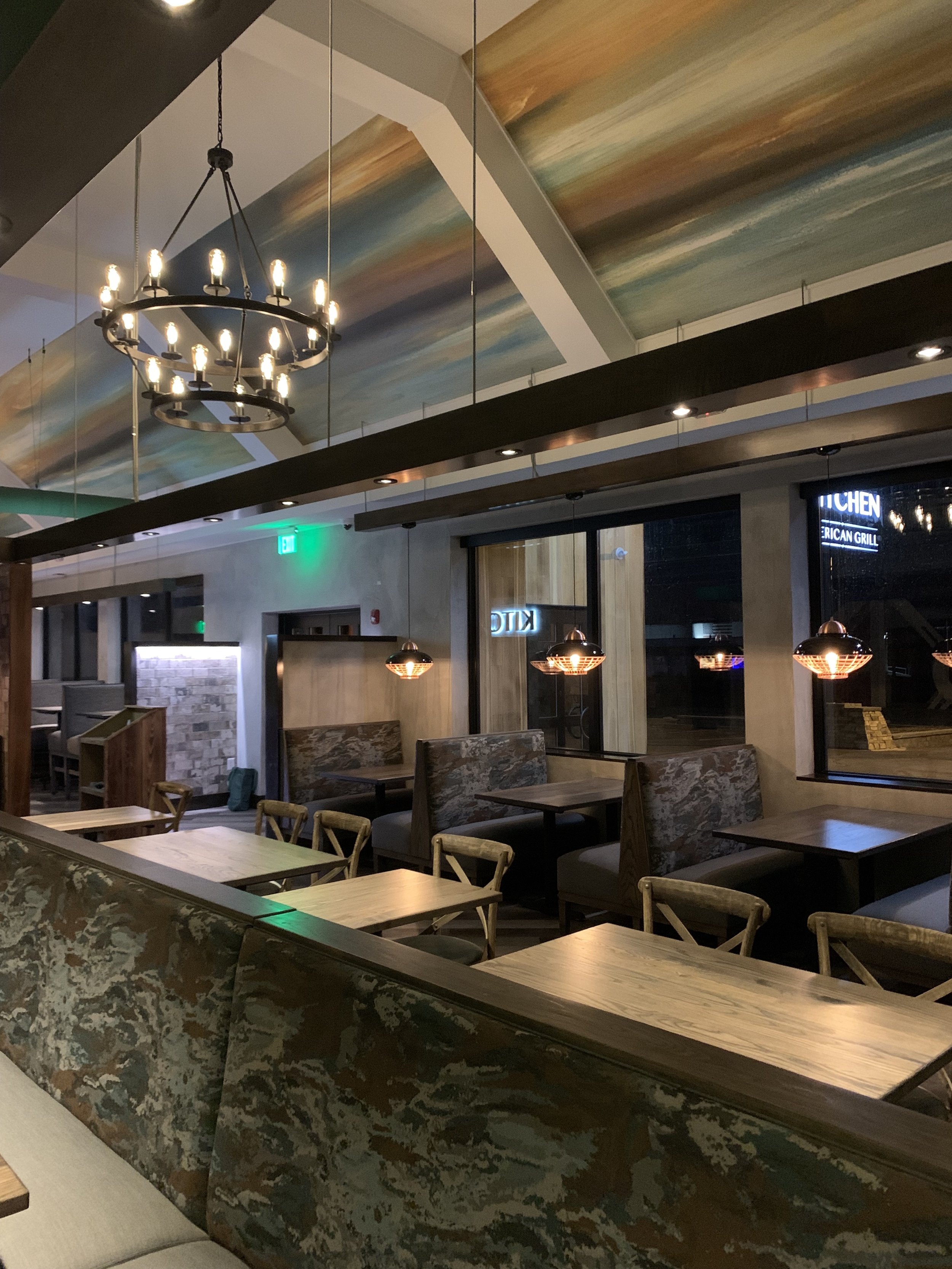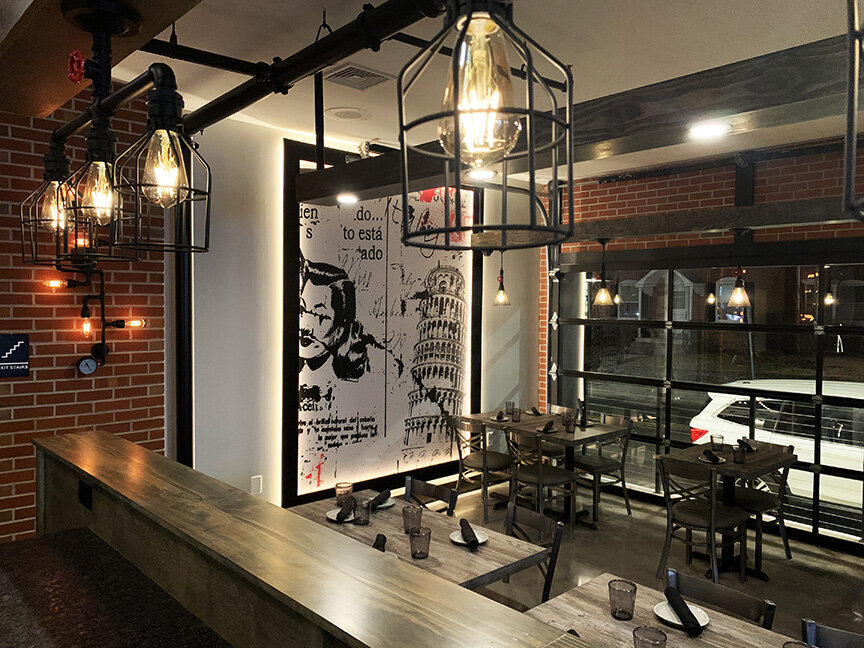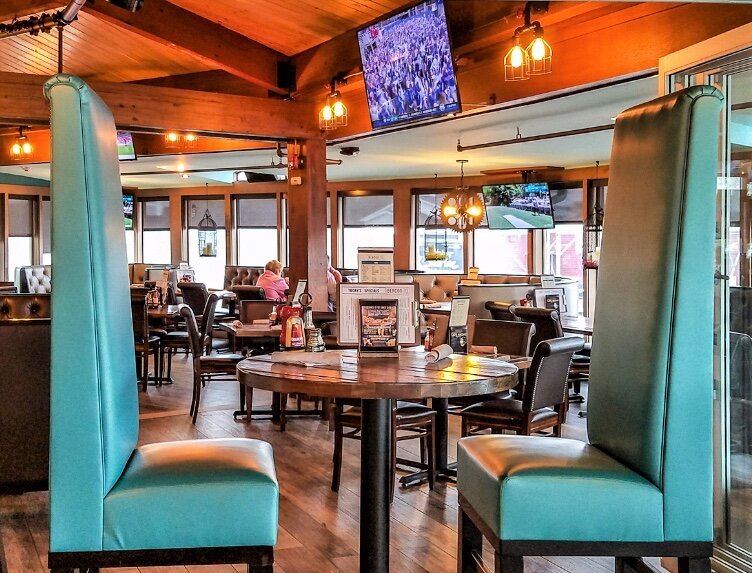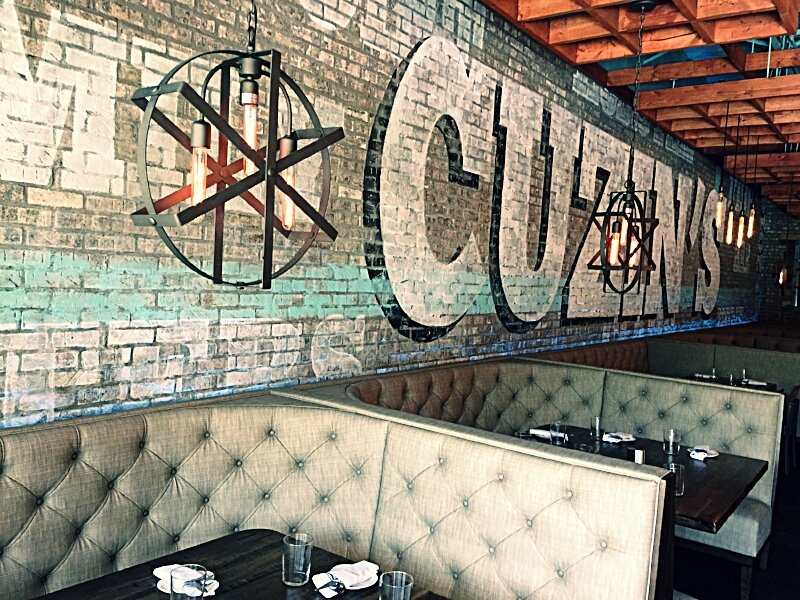
Your current floor plan isn't a design choice; it's a silent tax on every plate you serve. If you're watching your profit margins dwindle while staff struggle through bottlenecks during peak hours, you aren't just facing an operational hiccup. You're losing money because of a fundamental misunderstanding of your space. Most owners treat their restaurant layout as a simple puzzle of chairs and tables, but this passive approach is exactly why your overhead remains high while your table turnover stays low.
We know the frustration of reading negative reviews about cramped seating or noise levels that kill the mood. It's time to stop settling for a floor plan that barely works and start demanding a layout that performs. This expert-led guide will show you how to transform your space into a high-performance profit engine. We'll explore how strategic bar placement can drive alcohol sales and how to maintain the 36-inch pathways required by accessibility standards without sacrificing your high-end atmosphere. You'll learn the exact steps to create a flow that justifies premium pricing and turns every square foot into a measurable asset.
Key Takeaways
- Stop treating your floor plan like a puzzle. Learn why a strategic restaurant layout prioritizes operational flow and guest psychology over sheer table count to drive higher margins.
- Ditch the generic templates. Discover why relying on basic drafting software without expert guidance exposes your business to critical fire and health code violations.
- Master the "Transition Zone." Identify the invisible boundaries between the kitchen and dining room that either streamline service or create profit-killing bottlenecks.
- Engineer guest behavior through spatial psychology. Use specific furniture heights and lighting zones to intentionally boost alcohol sales and differentiate your brand's experience.
The Maximum Capacity Trap: Why More Tables Often Mean Less Profit
Many owners fall into the trap of thinking every extra chair represents an extra dollar of revenue. It doesn't. Jamming more tables into a New Jersey bistro won't increase your bottom line; it will likely cannibalize it. A truly strategic restaurant layout is a sophisticated balance of ergonomics, psychology, and operational flow. If you treat your floor like a game of Tetris, you've already lost the battle for profitability. You must shift your focus from simple table counts to "Revenue per Square Foot."
Perceived crowding, often called the "Sardine Effect," is a silent profit killer. When guests feel packed in, they don't linger. They rush. This reduced stay duration directly impacts your margins by eliminating high-margin secondary sales like desserts and specialty cocktails. A strategic layout doesn't just fit bodies into a room; it engineers an environment where guests feel comfortable enough to spend more money over a longer period.
The Psychological Cost of Over-Seating
High-end diners pay for an experience, not just a meal. When you violate their personal space, you trigger a "flight" response that causes them to finish their meal as quickly as possible. This psychological friction effectively kills your average check size. Strategic spacing creates sightlines that offer a sense of exclusivity and privacy. If your guests feel like they're eavesdropping on the next table, they won't stay for that second round of drinks. Exclusivity justifies your premium pricing; crowding demands a discount.
Staff Efficiency and the Cost of Bottlenecks
A cramped restaurant layout doesn't just frustrate guests; it cripples your team. When you ignore basic restaurant management principles during the design phase, you create "collision zones" that lead to broken glassware and slowed service. Every extra second a server spends navigating a tight corner adds up to hours of lost productivity every single week.
- Movement Waste: Cramped aisles add seconds to every server movement, delaying order delivery and table clearing.
- Food Quality: Increased kitchen-to-table travel time leads to temperature drops, resulting in sent-back plates and wasted product.
- Safety Risks: Narrow corridors increase the likelihood of accidents, leading to higher insurance risks and staff burnout.
Don't gamble your operational success on a crowded floor plan. Efficiency is the foundation of turnover, and turnover is the foundation of profit.
The DIY Software Delusion: Why a Floor Plan Maker Isn’t a Strategy
Don't confuse a drafting tool with a strategy. Many software platforms offer drag-and-drop symbols, but they lack the hospitality DNA required to run a high-stakes business. A generic restaurant layout template doesn't know your menu, your service style, or your local fire marshal's requirements. It's a drawing; it isn't a business plan. You need more than a digital sketch to survive. These tools often ignore the "invisible layout" factors like acoustics, lighting zones, and scent paths that define a premium guest experience.
Using a basic floor plan maker often results in "pretty drawings" that contractors simply cannot execute. These templates frequently overlook industry standards for restaurant seating density and fail to account for structural load-bearing points or complex HVAC requirements. This is where a restaurant rebranding consultant becomes an essential safeguard. They act as the bridge between your creative vision and a functional, code-compliant reality that actually makes money.
The Professional Layout Planning Process
- Step 1: Concept Alignment. Your physical space must mirror your brand promise. If your high-end concept feels like a cafeteria because of poor furniture choices, your pricing will never stick.
- Step 2: Flow Mapping. Trace the exact journey of a plate, a guest, and a busser. If their paths cross in a narrow corridor, you've engineered a service disaster.
- Step 3: Mechanical Integration. Plan around the bones of the building. HVAC, plumbing, and grease traps aren't afterthoughts; they dictate where your kitchen and bar must live.
ADA Compliance and Navigation Reality
Stop "eye-balling" aisle widths. In high-traffic venues across Maryland and Delaware, precision is the difference between a successful opening and a costly lawsuit. ADA compliance isn't a suggestion. It's a federal requirement that demands specific clearance for accessibility. Professional planning ensures inclusive access without sacrificing your most profitable seating. If you're looking to avoid these common pitfalls, consider a professional review of your space planning and layout before you sign a construction contract.
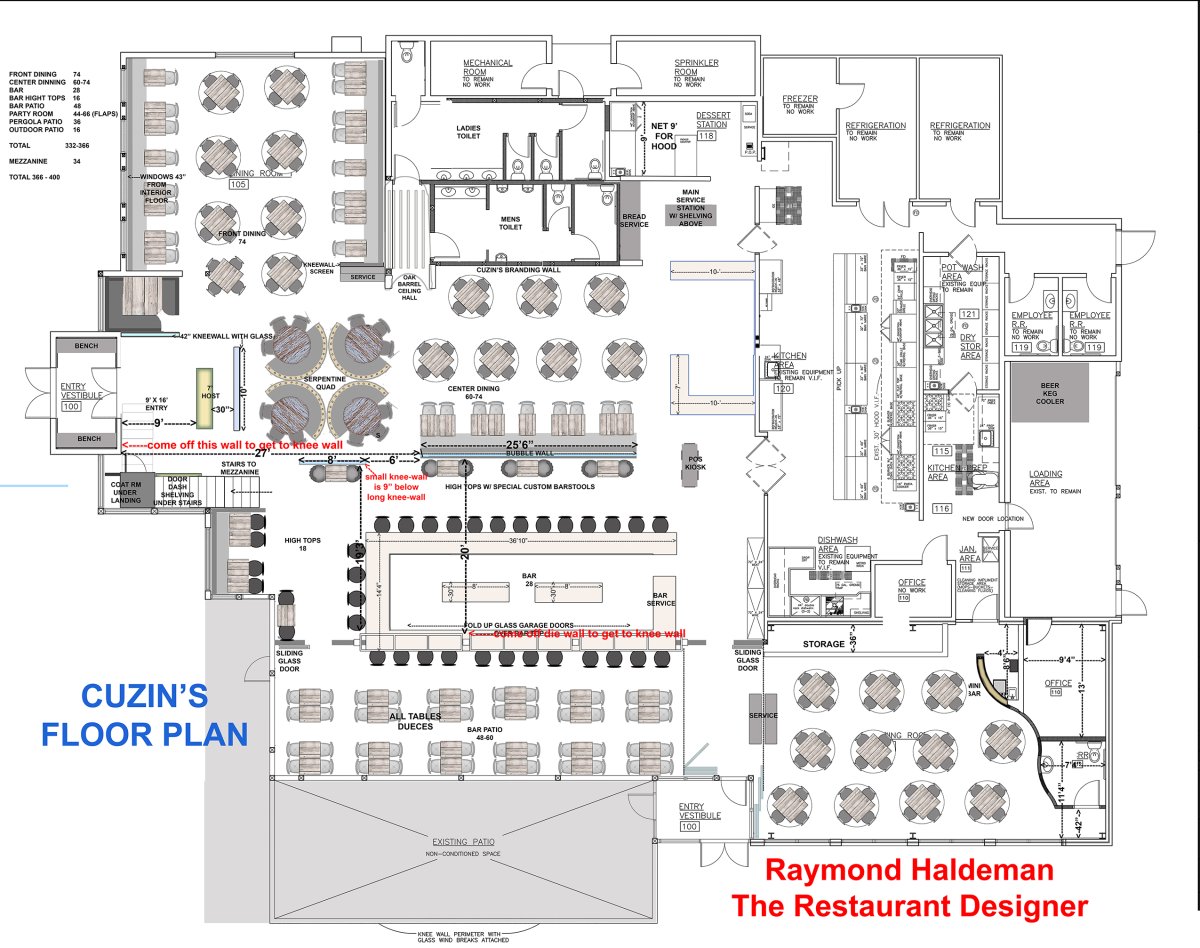
Beyond the Dining Room: The Hidden Zones That Make or Break Operations
Your dining room is only as efficient as the spaces your guests never see. While most owners obsess over table counts, the elite understand that the kitchen layout is the heartbeat of the entire operation. It dictates the dining room’s rhythm. If the kitchen is sluggish, your table turnover stalls. You must prioritize optimizing service flow in your restaurant by engineering the "Transition Zone." This is the high-stakes area where servers exit the heat and noise of the kitchen and enter the refined atmosphere of the dining room. Without a dedicated buffer, the chaos of the back-of-house will inevitably bleed into the guest experience.
Strategic POS placement is another non-negotiable factor in a high-performance restaurant layout. Don't hide your terminals in distant corners. Every extra step a server takes is a second shaved off your profit margin. Position these stations to minimize travel time and prevent "collision zones" near the kitchen doors. Similarly, your entryway and host stand must act as a traffic control center, not just a podium. A poorly designed entrance creates a bottleneck that immediately lowers the perceived value of your establishment and frustrates guests before they even sit down.
The Bar as a Revenue Anchor
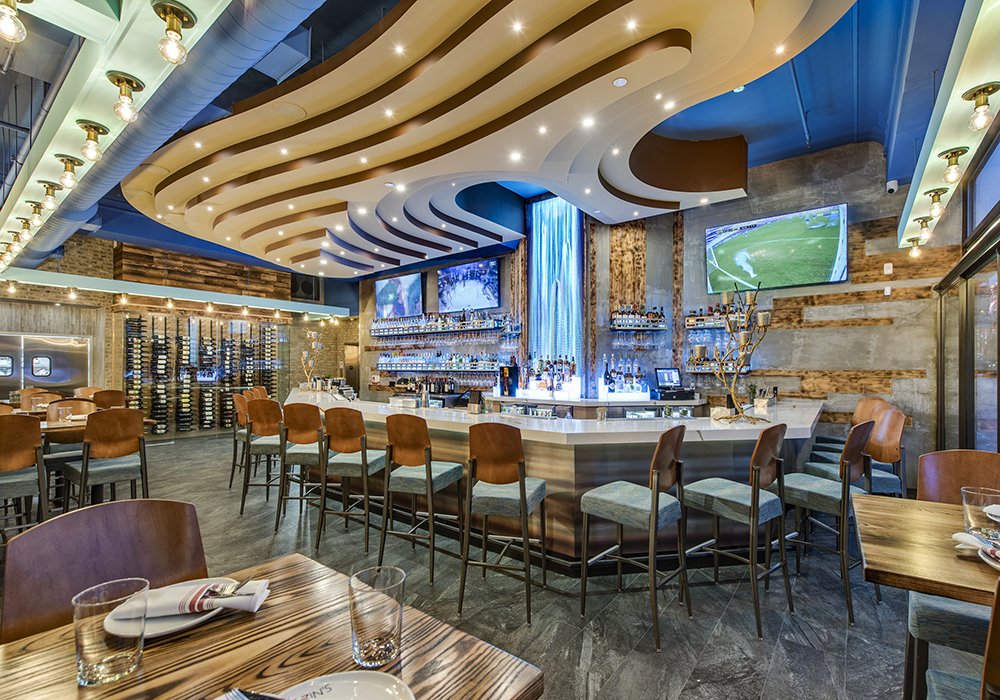
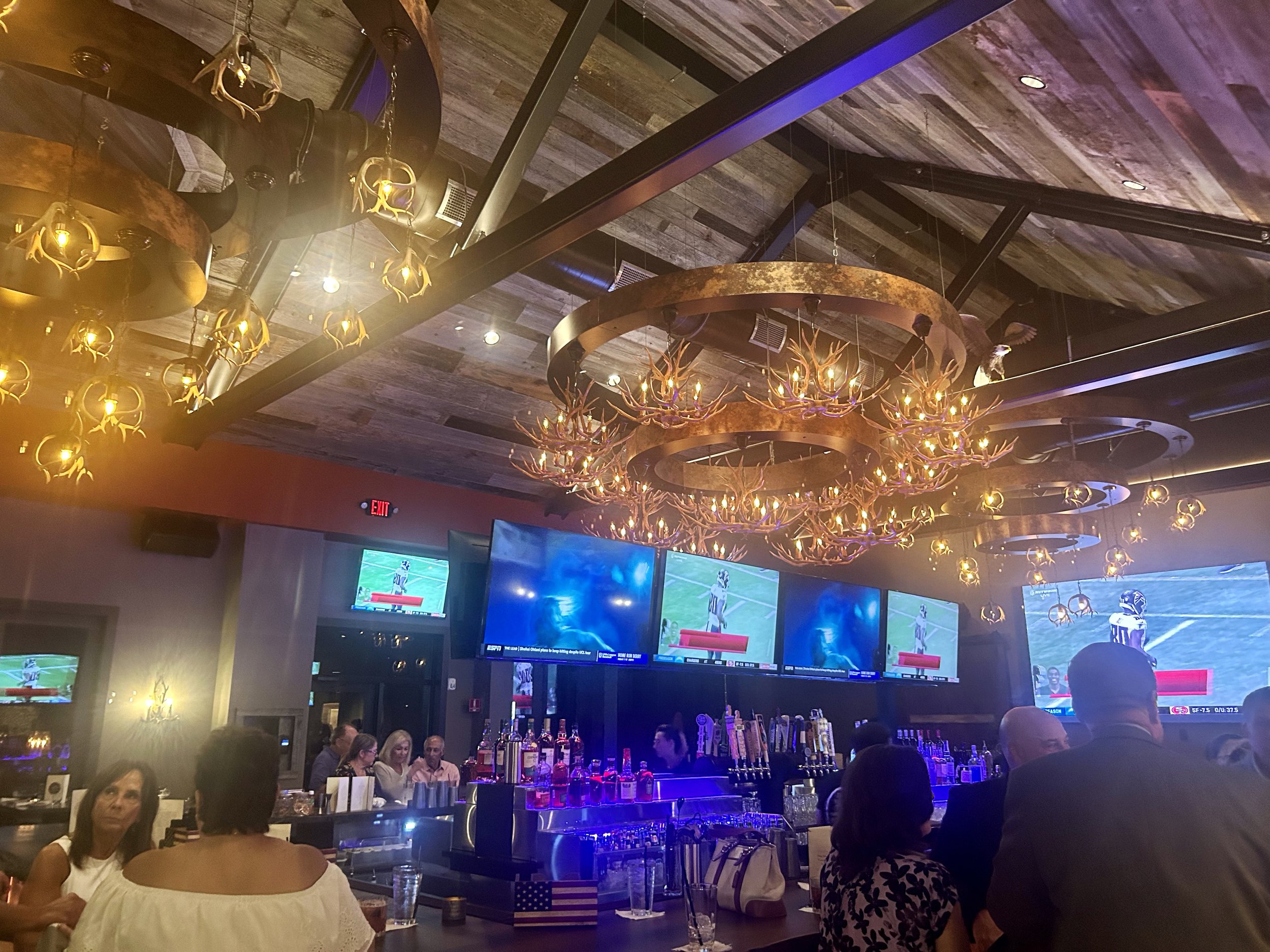
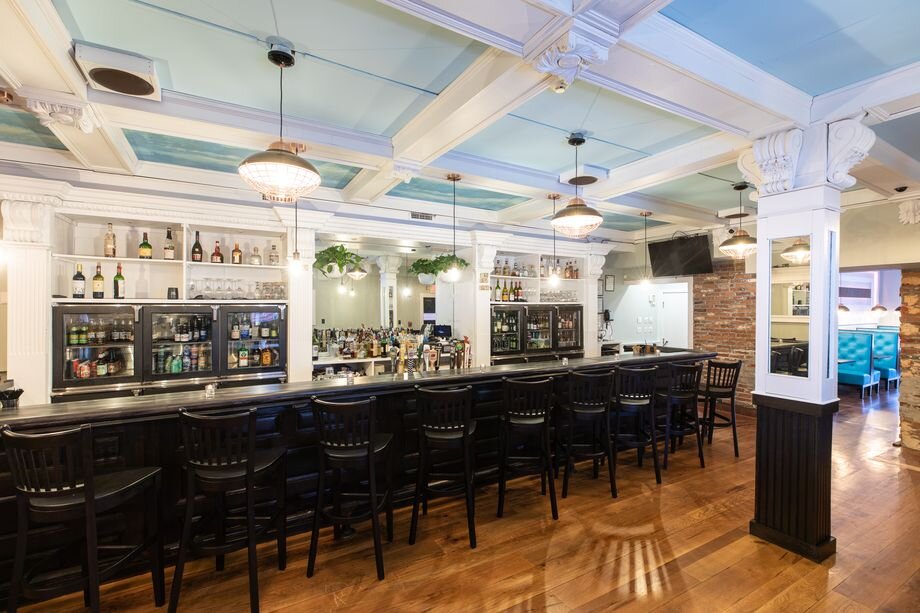
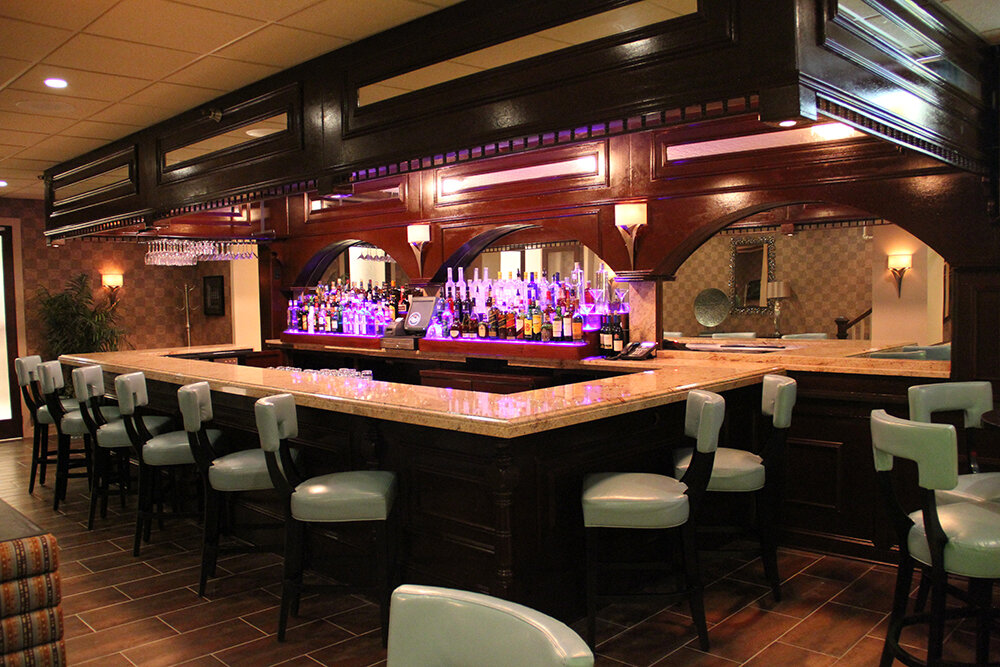
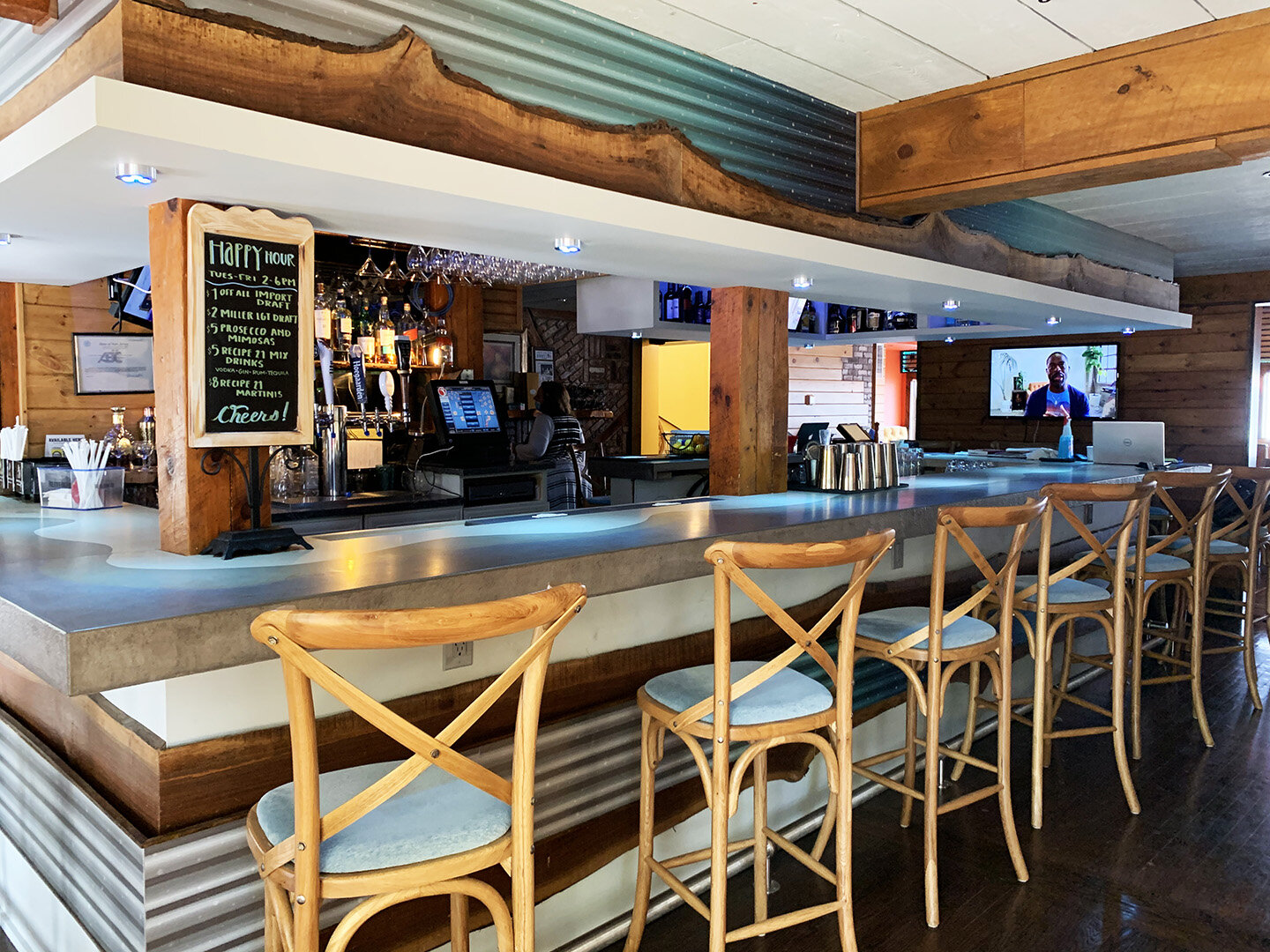
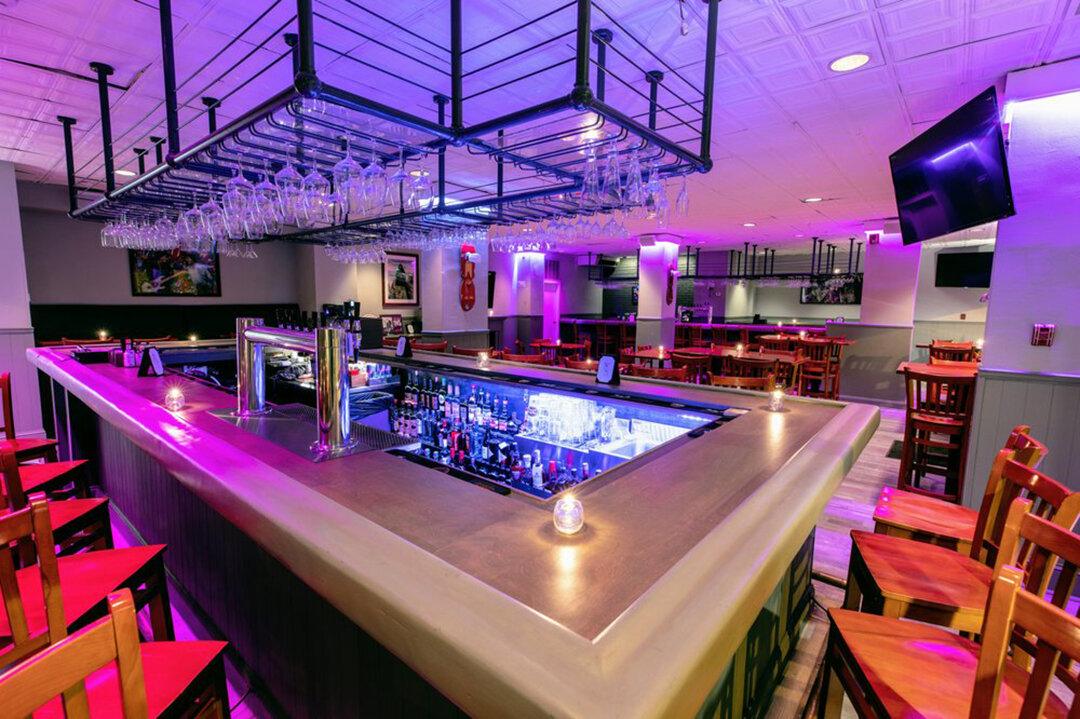
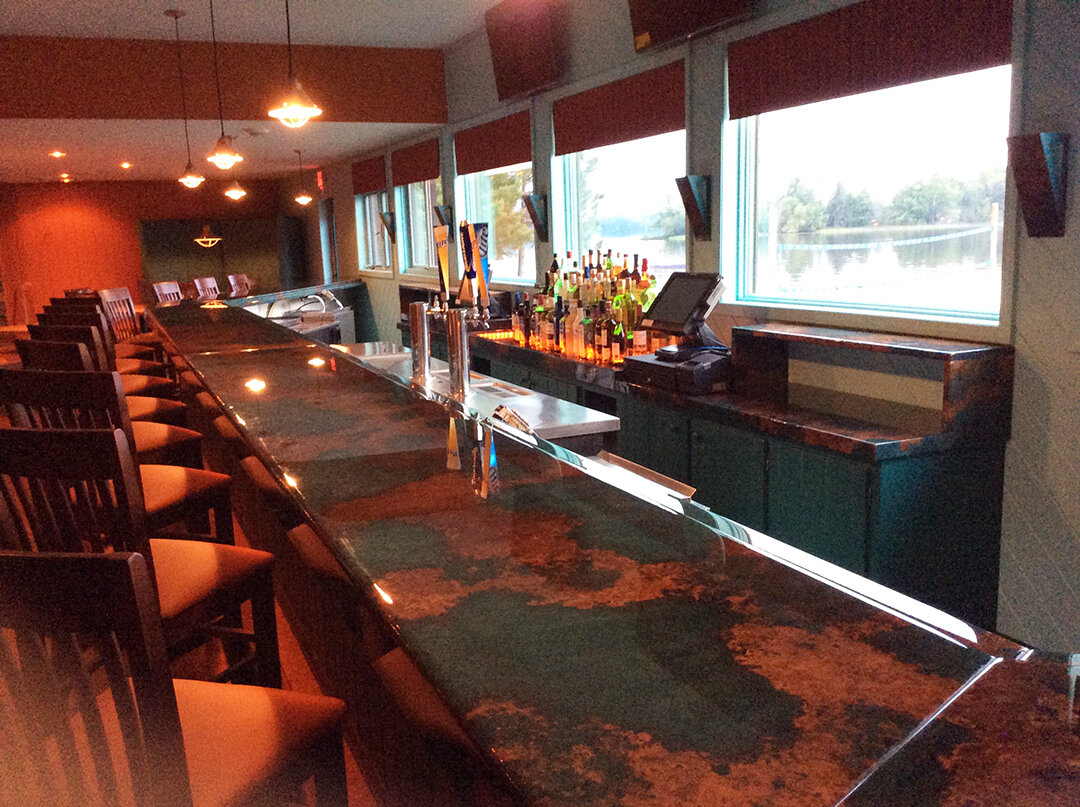
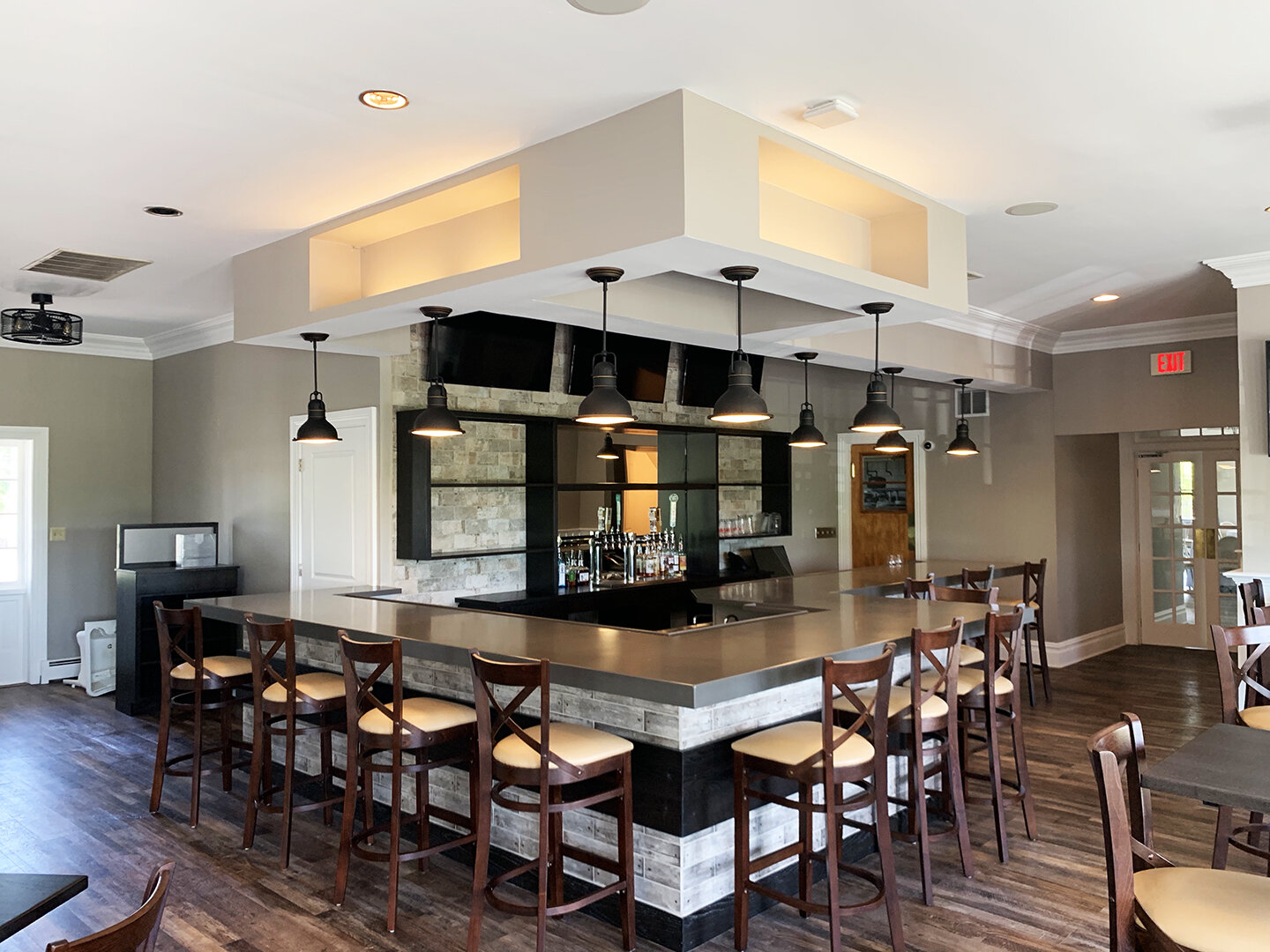
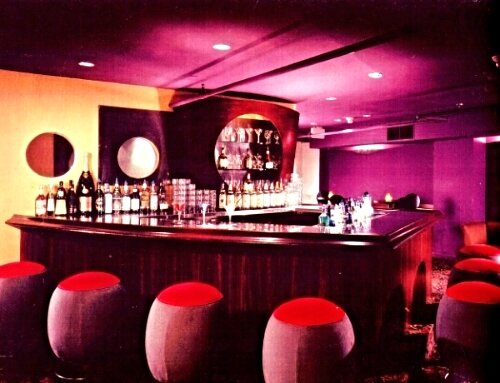
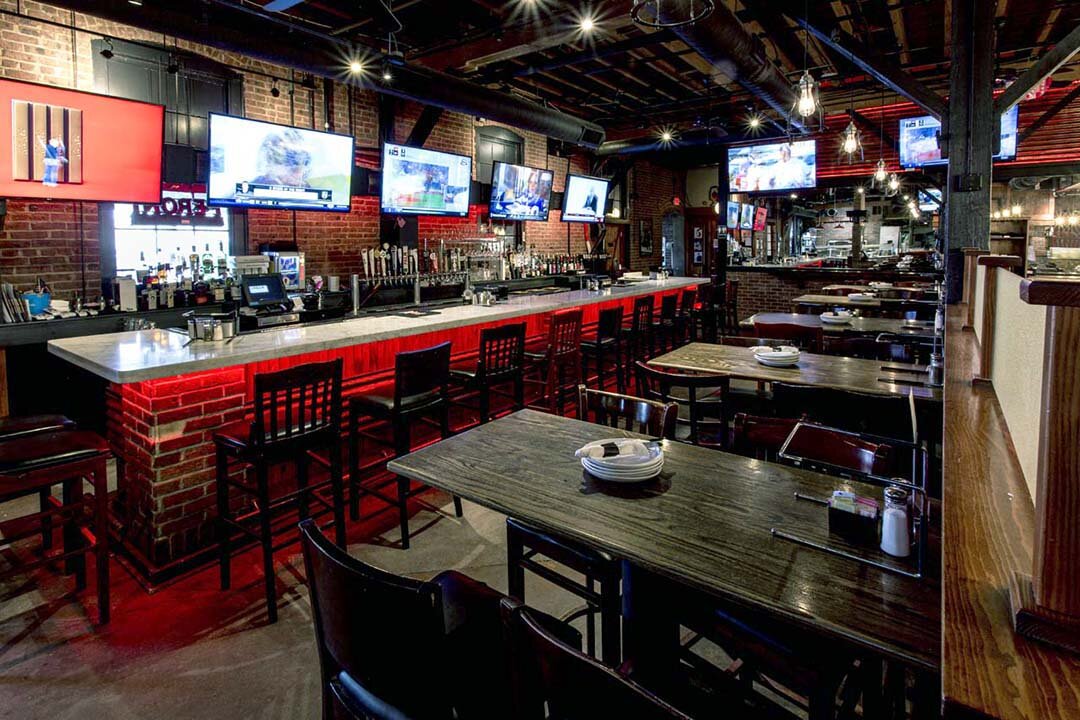
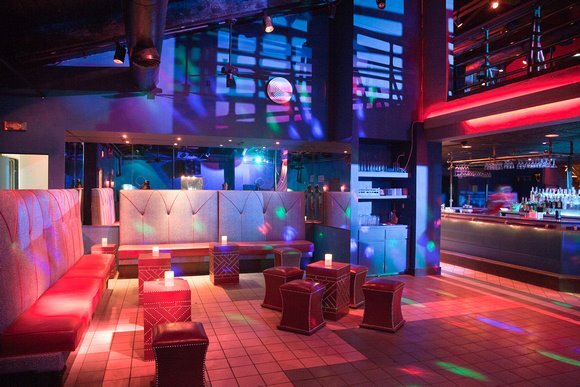
In high-end markets like a Miami lounge, bar placement is a primary driver of high-margin impulse sales. Position the bar to be visible upon entry to immediately signal a social, premium atmosphere. A fluid "Bar-to-Table" flow allows you to capture revenue from guests waiting for seating, turning a potential delay into a profit opportunity. Ensure the bar's internal ergonomics maximize speed; your bartenders should never have to turn their backs on guests or take more than two steps to complete a standard drink order. Speed at the bar equals volume in the bank.
Restroom Placement and the "Vibe" Continuity
The guest journey doesn't end at the table. The path to the restroom is an often-overlooked touchpoint that can shatter a premium atmosphere. If guests must navigate past mop buckets or smell kitchen grease, your brand's integrity is compromised. Use soundproofing and strategic lighting to maintain "vibe" continuity. Restrooms in upscale venues should feel like an extension of the dining room's aesthetic, not a functional afterthought. If your current floor plan is failing these operational tests, it is time to invest in a professional space planning and layout strategy that protects your interests.
Engineering the Vibe: How Layout Dictates Ambiance and Alcohol Sales
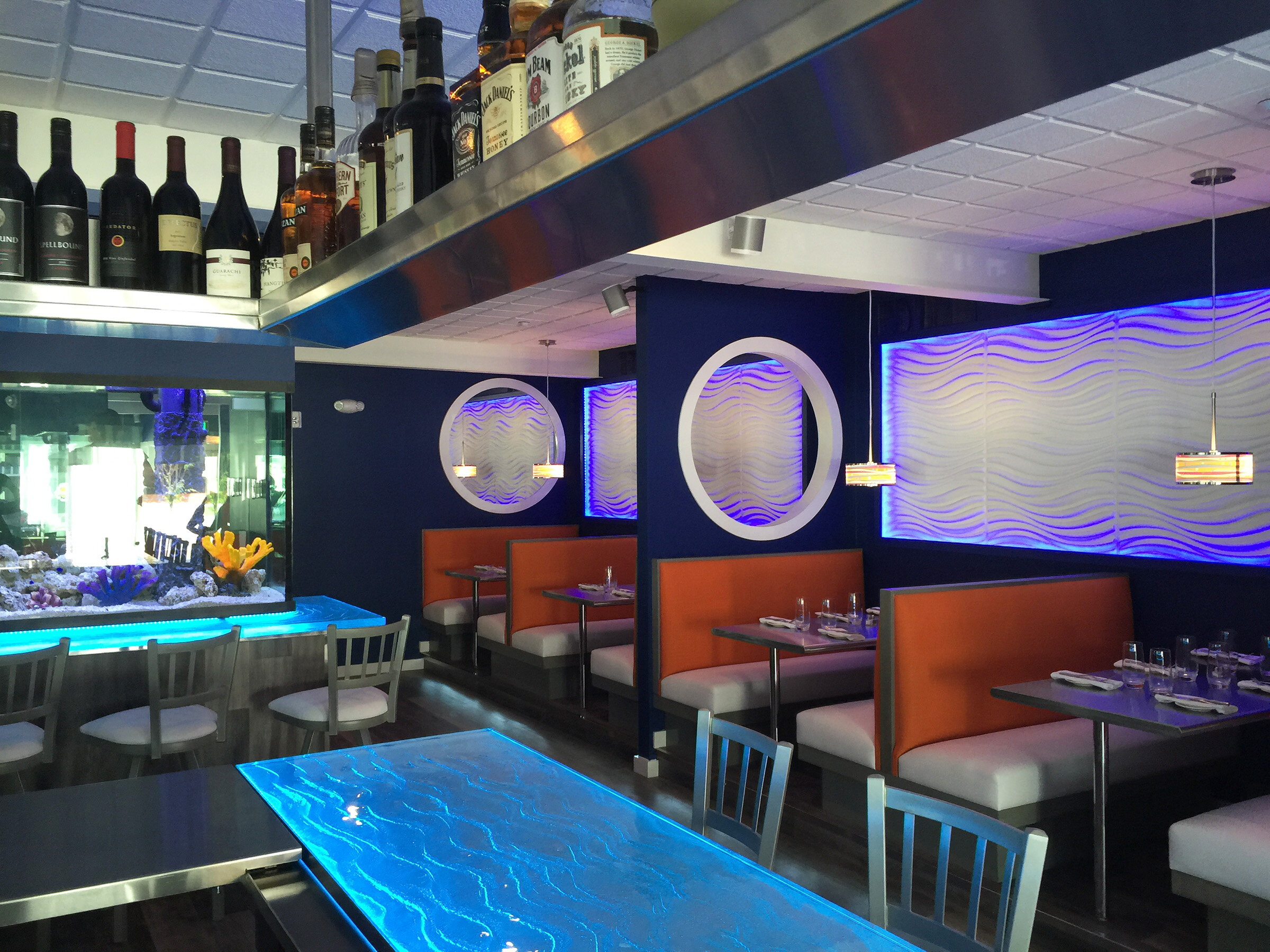
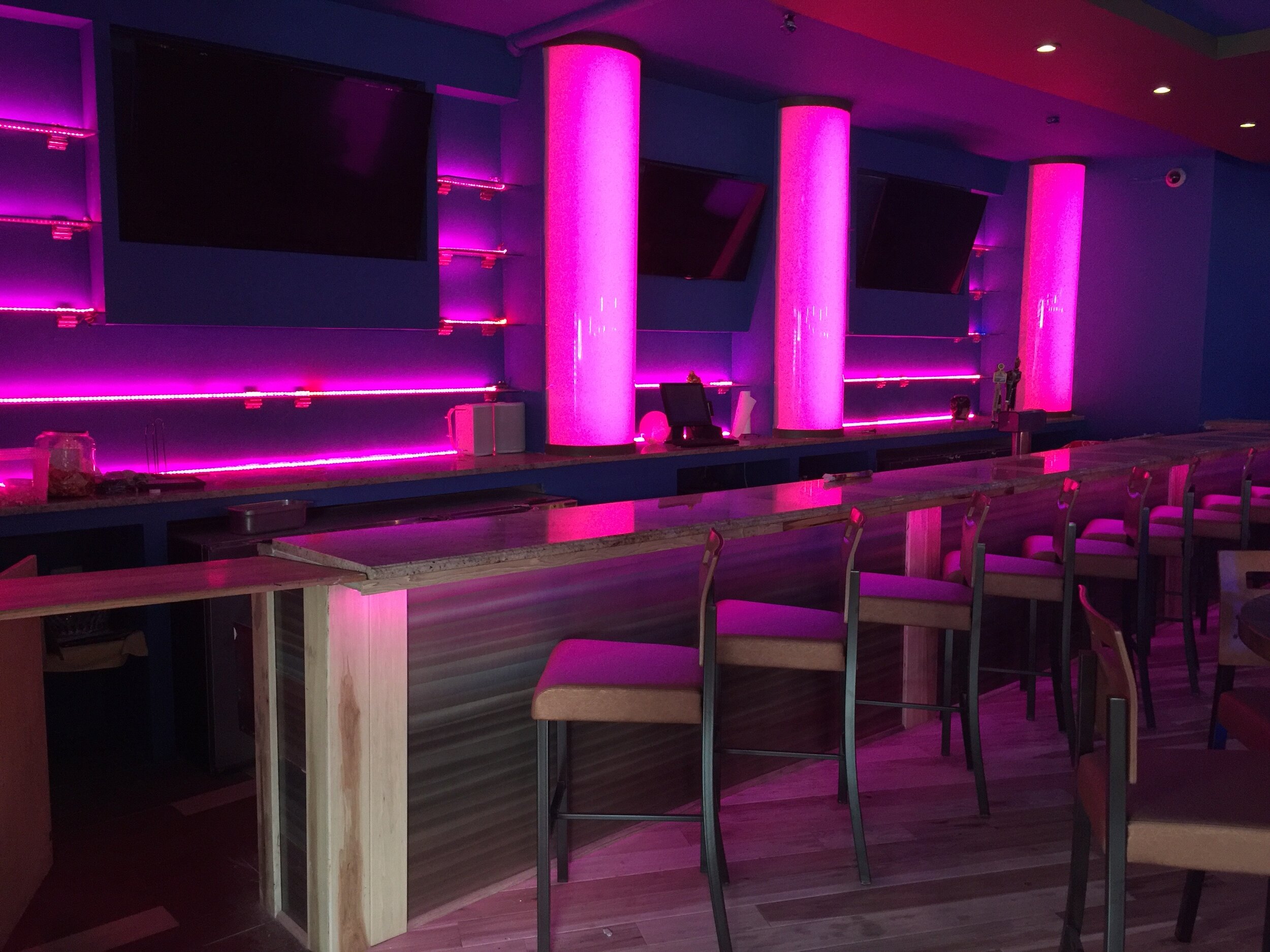
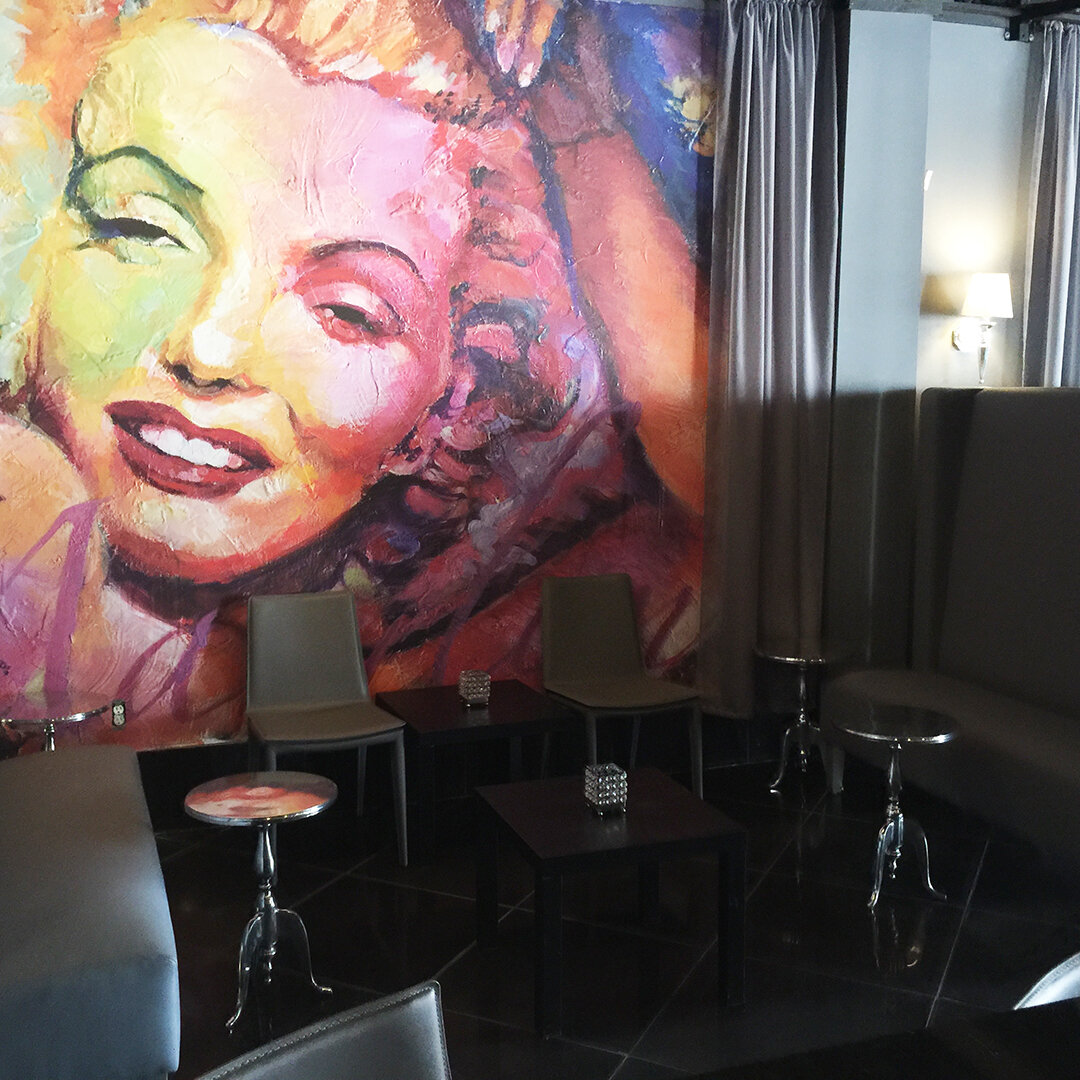
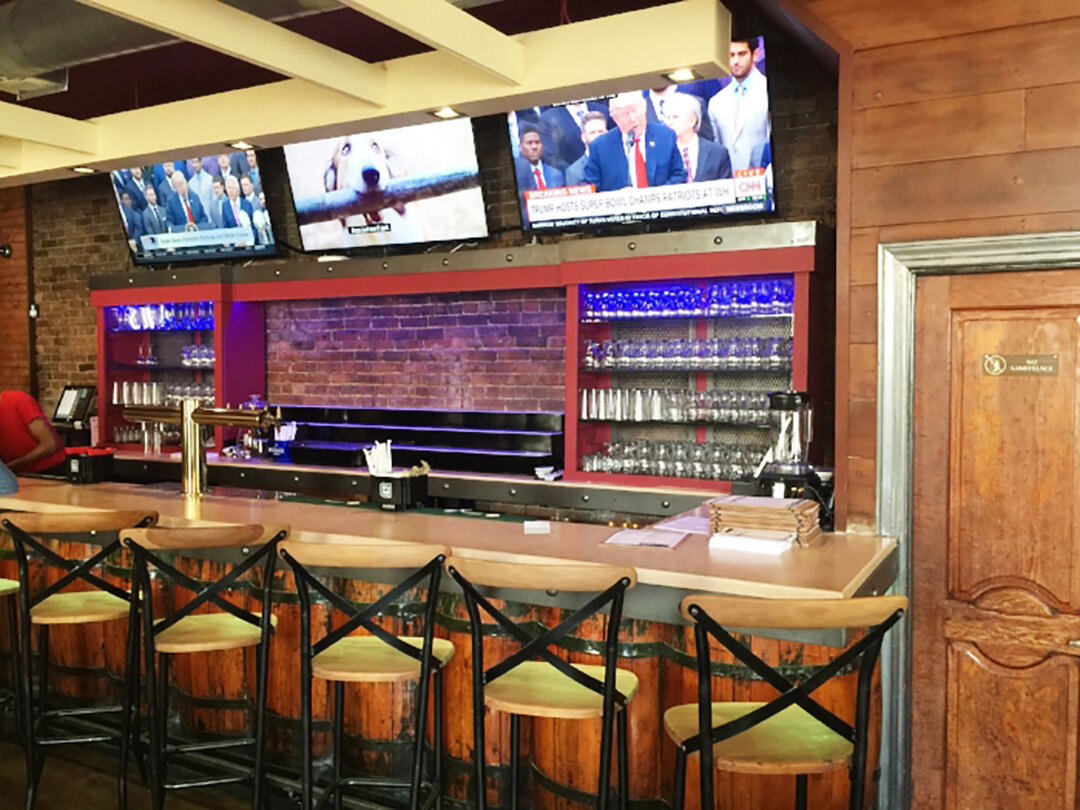
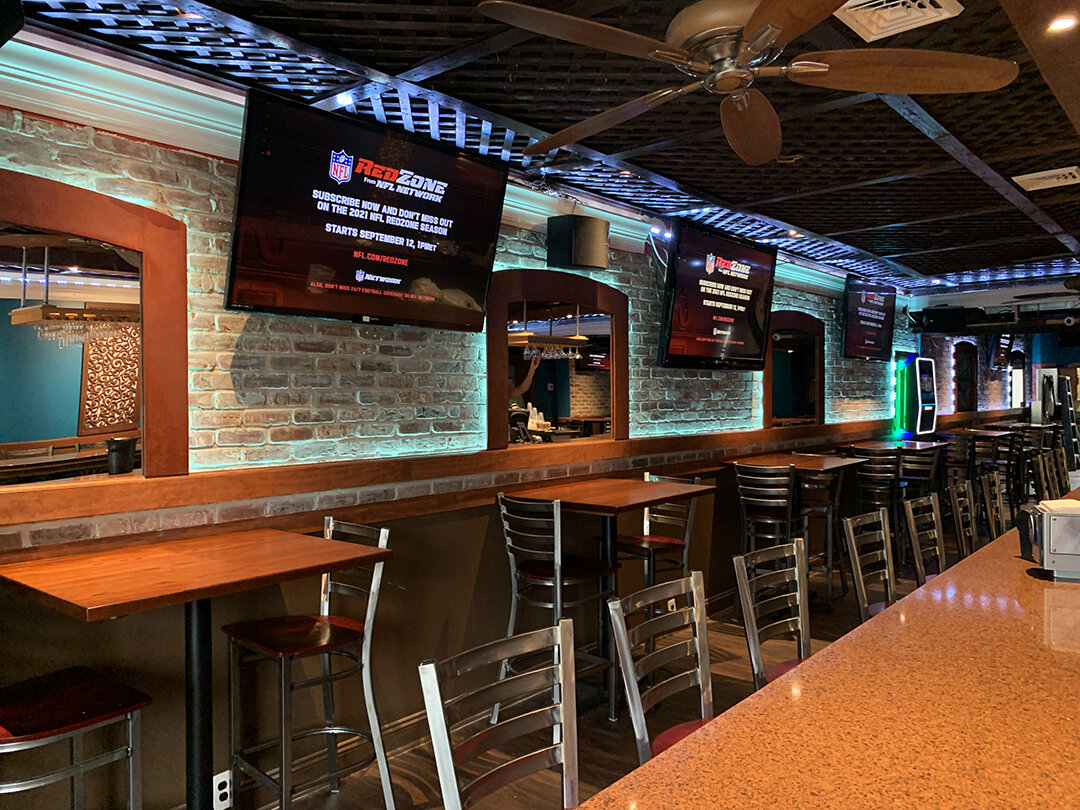
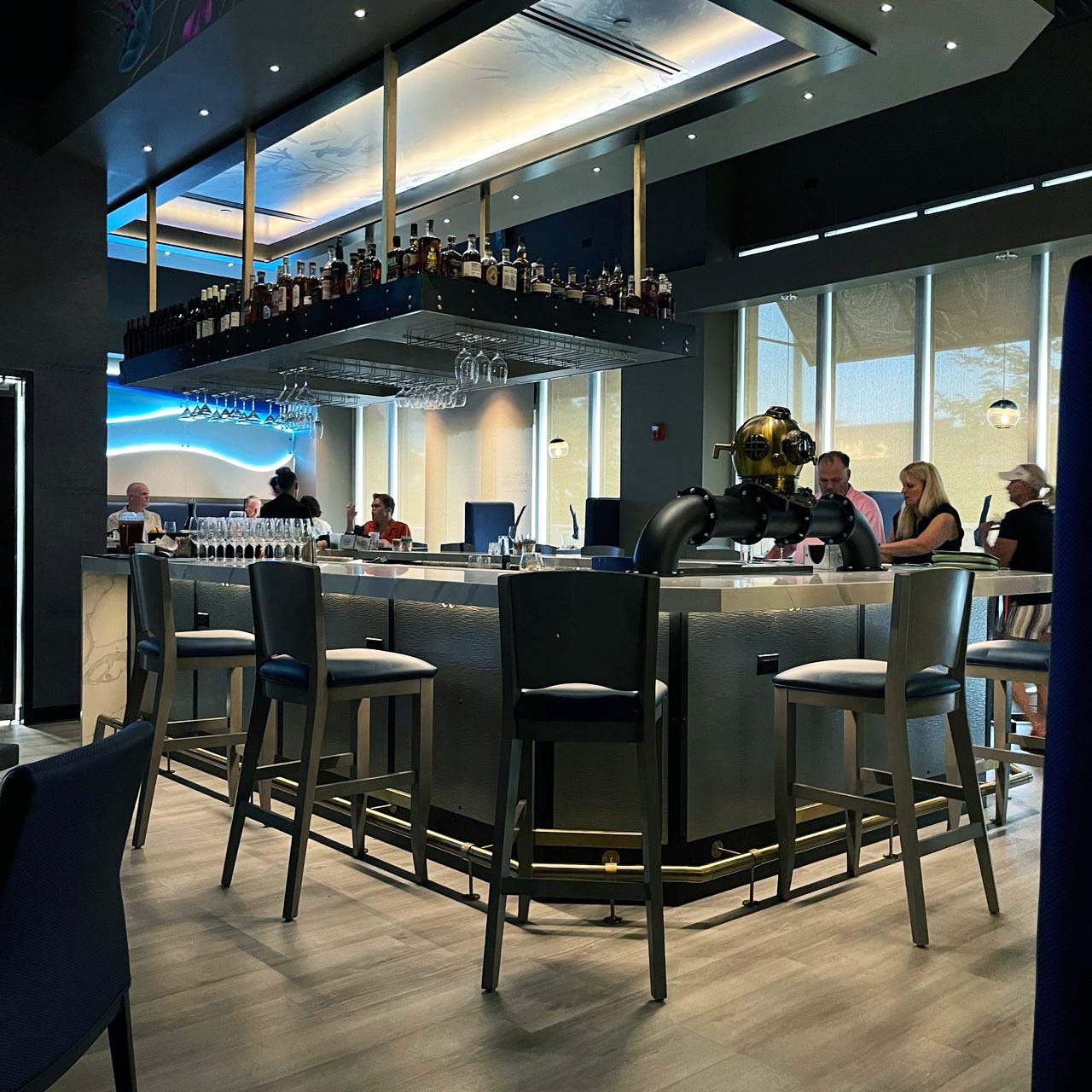
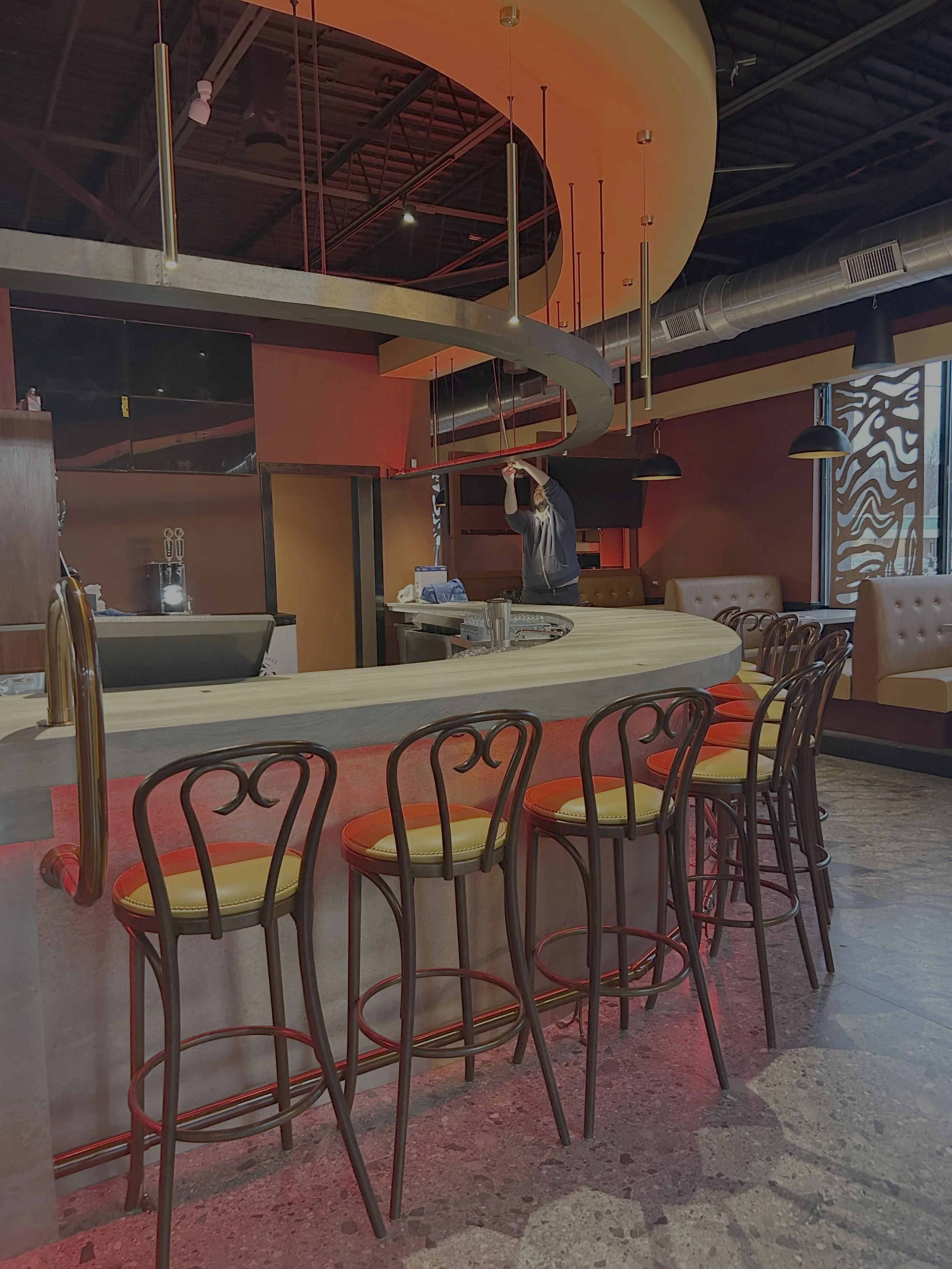
Stop viewing your dining room as a static photo. A successful restaurant layout is a living, breathing commercial environment that utilizes spatial psychology to dictate guest behavior. If you want to boost alcohol sales, you don't just change the menu; you change the physical cues. High-top seating near the bar encourages a faster pace and higher drink volume, while lower, plush seating in the dining room signals a slow, multi-course experience. You must engineer these zones with intent. Every furniture choice is a directive to your guest on how they should spend their time and money.
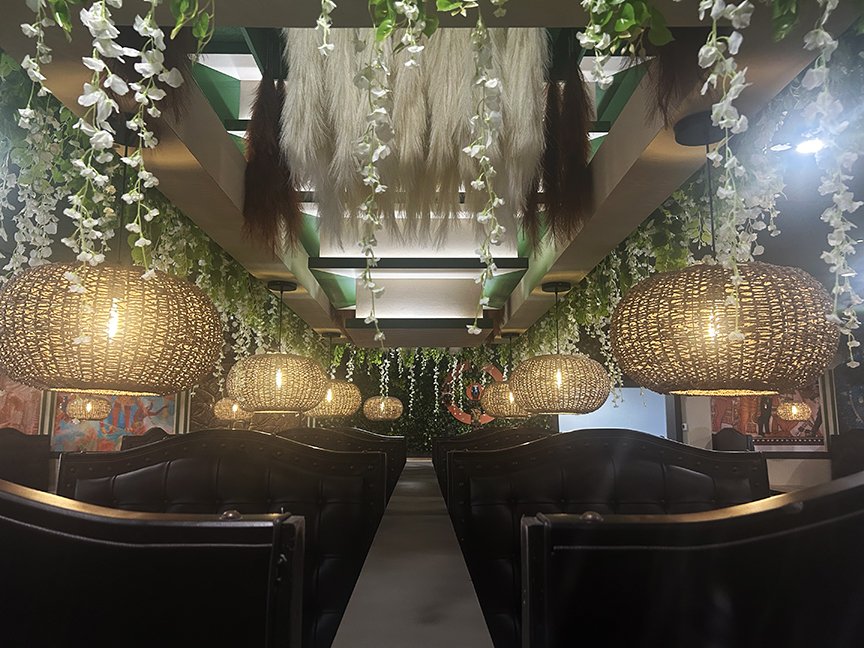
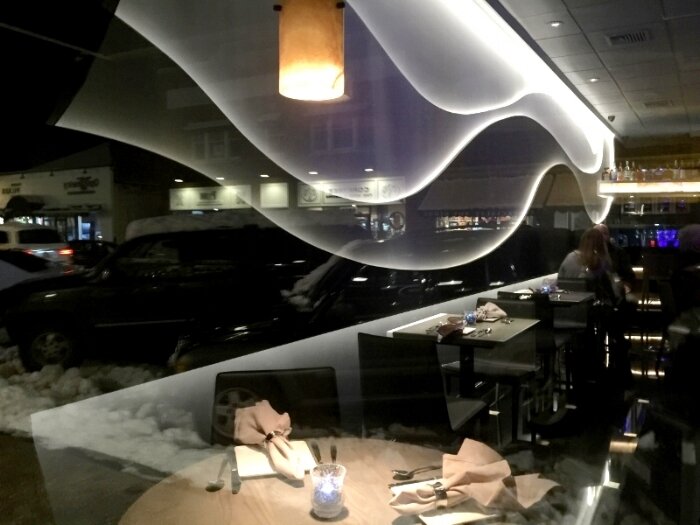
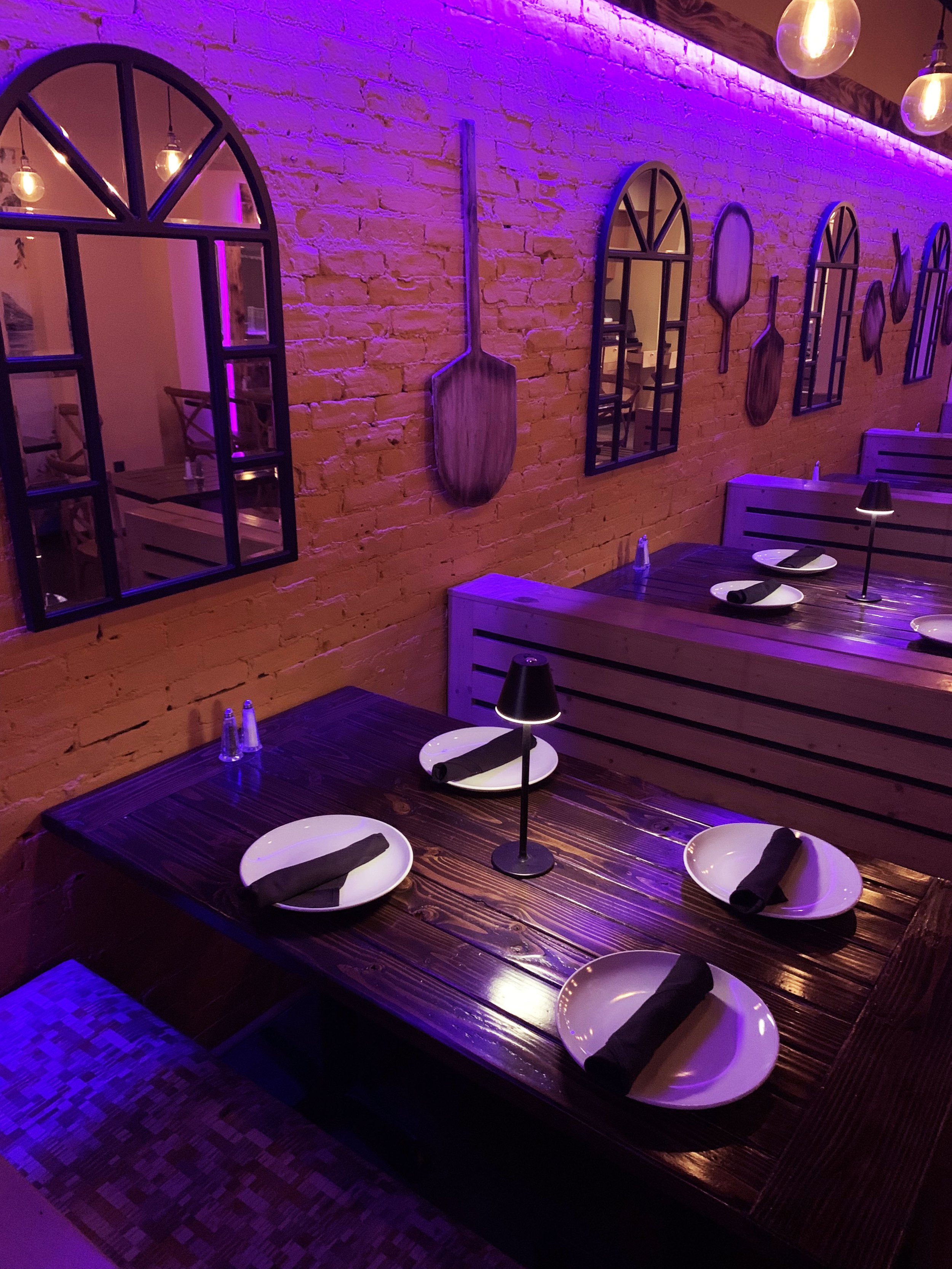
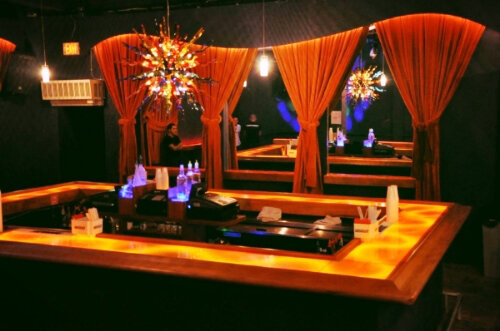
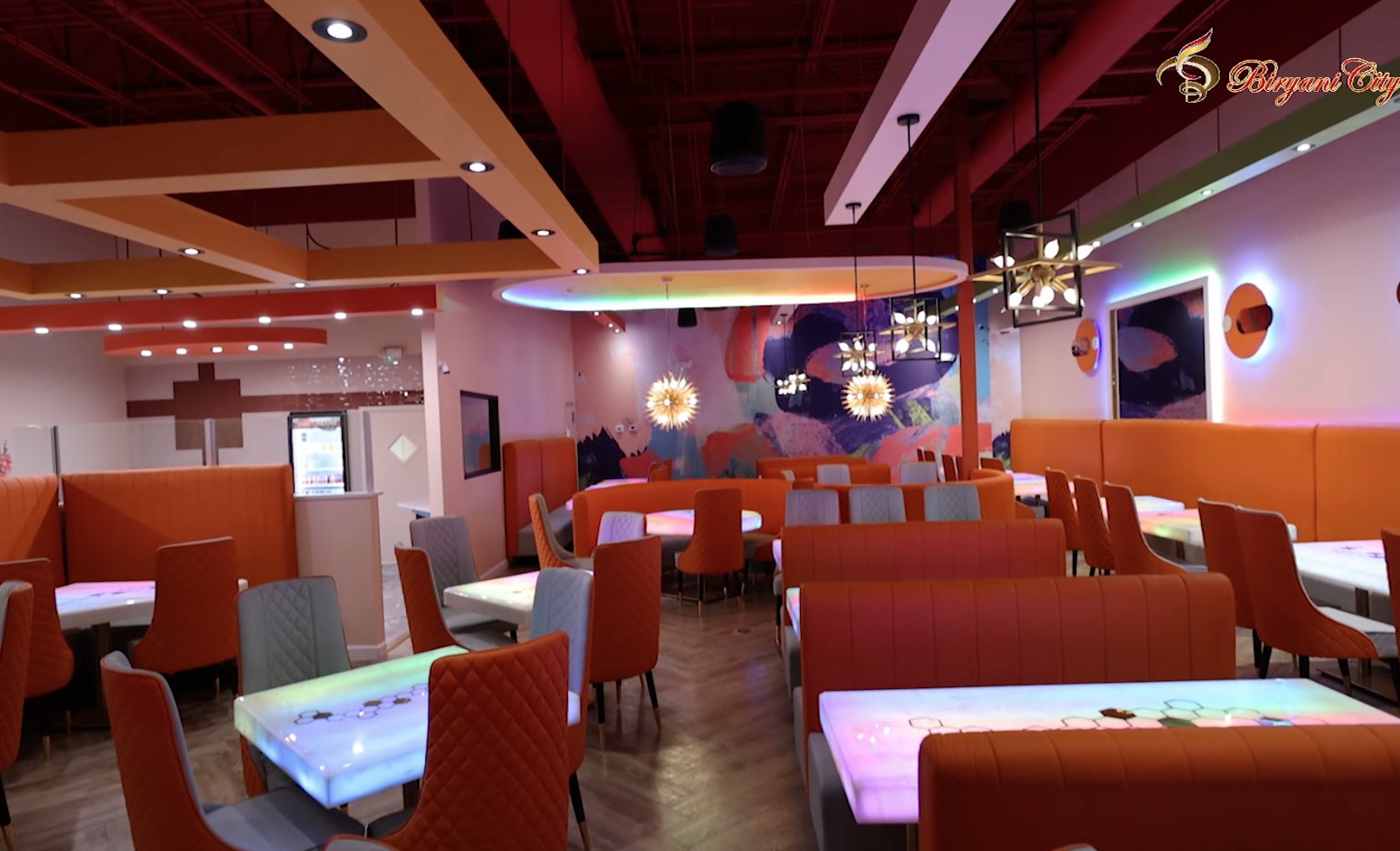
Lighting isn't decoration; it's a strategic tool for day-to-night transitions. A lunch spot requires bright, natural energy to drive quick turnover. A late-night bar demands layered, moody lighting that encourages lingering and impulse orders. By adjusting furniture heights and focal points, you define the energy of the room. You also need to identify your "Power Tables." These are the high-demand seats with the best views or highest privacy that guests will wait longer for. Mastering this hierarchy of seating is how you maximize revenue during peak hours without adding a single square foot.
A professional hospitality space planning consultant doesn't just draw lines; they engineer profit. Their expertise pays for itself through increased turnover and the avoidance of catastrophic construction errors. If you're still relying on guesswork, you're leaving your profit margin to chance.
Acoustic Layout: The Silent Killer of Comfort
Acoustics are the silent killer of guest comfort. Your choice of floor materials and ceiling heights dictates the energy of the space. In a high-volume Philadelphia eatery, a certain level of "buzz" signals success and excitement. However, in an intimate Maryland dining room, that same noise level becomes a liability. Reject the myth that "loud" always equals "busy." If your guests can't hear their own conversation, they won't come back for a second visit. Strategic restaurant layout planning includes sound management as a core pillar of the design.
The ROI of Professional Design vs. DIY
The choice between professional design and DIY is the difference between a high-performance machine and a ticking time bomb. You're either building an asset or a liability.
- Pros of Professional Design: You gain higher turnover, better staff retention, full code compliance, and long-term brand longevity.
- Cons of DIY: You face a high risk of expensive redesign costs, failed inspections, and poor guest reviews that haunt your brand for years.
Don't gamble your life savings on a drag-and-drop template. Your floor plan is the foundation of your entire investment. Treat it with the respect it deserves and hire an expert who understands the high stakes of the hospitality industry.
Secure Your Venue’s Financial Future
Your floor plan is either your greatest asset or your most expensive mistake. We've exposed how jamming tables kills turnover and why generic software can't replace genuine hospitality expertise. A strategic restaurant layout doesn't just look good; it functions as a high-speed engine for staff efficiency and guest spending. You now understand the risks of DIY planning and the immense rewards of engineering the perfect vibe. Don't settle for a space that merely exists when you can own one that performs.
Protect your life savings with the guidance of a visionary who has seen it all. Raymond Haldeman brings over 30 years of high-stakes hospitality design experience to your project. With a proven track record in Miami, Philadelphia, and New Jersey, he is the specialist you need to transform a stagnant venue into a high-profit icon. Stop guessing and start winning—book your consultation with Raymond Haldeman today. Your vision deserves a space that works as hard as you do. Let's turn your restaurant into the success story it was meant to be.
Frequently Asked Questions
What is the most common mistake in a restaurant layout?
The most common mistake is sacrificing operational flow for maximum seating capacity. Owners often jam extra tables into a space, creating bottlenecks that slow down service and irritate guests. This tactical error destroys your profit margin by increasing labor costs and lowering the average check size. You must prioritize the movement of staff and plates over a simple chair count.
How much space should be allocated per guest in a full-service restaurant?
You should allocate between 15 and 20 square feet per guest in a standard full-service establishment. For more upscale environments, this number should increase to 20 or even 25 square feet to ensure the privacy and exclusivity that justifies premium pricing. Cutting these dimensions too close leads to a cramped restaurant layout that triggers a flight response in high-end diners.
Does a restaurant floor plan need to be stamped by an architect?
Yes; most local jurisdictions require a licensed architect or engineer to stamp your floor plan for building permit approval. However, an architect is not a hospitality expert. You must secure a strategic design before the technical drafting begins. Relying solely on an architect for your restaurant layout often results in a space that is code-compliant but operationally dysfunctional.
How can I improve my table turnover rate through design?
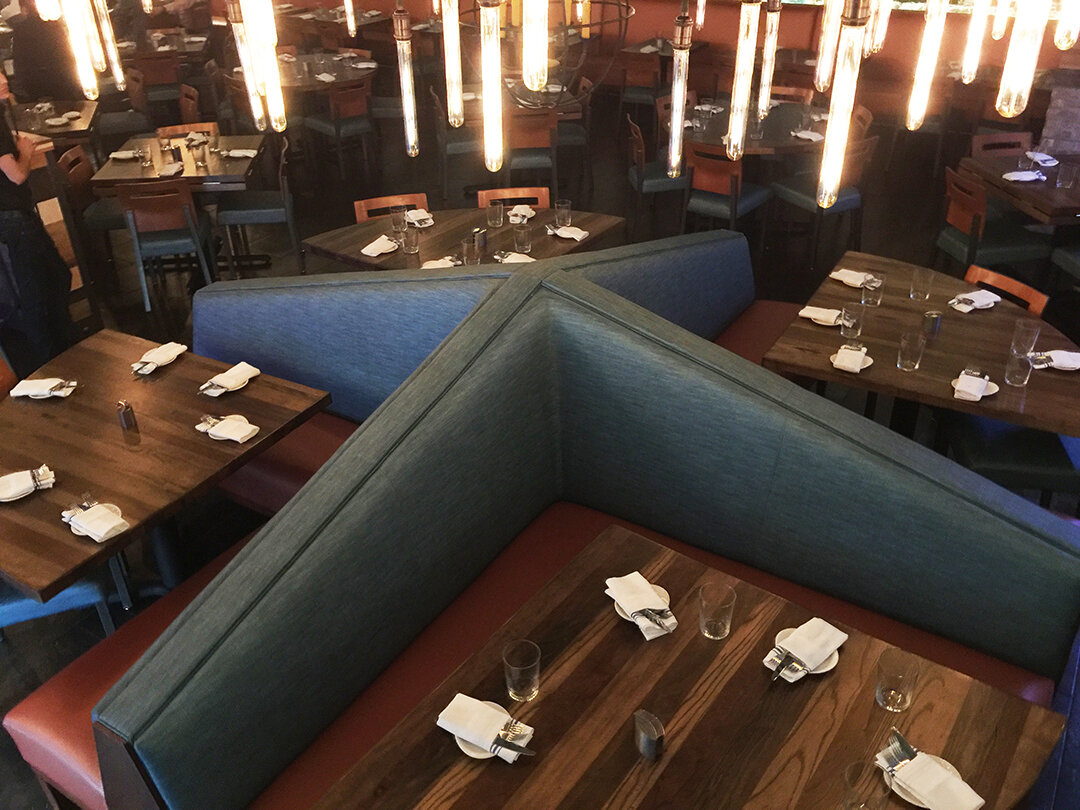
Improve your turnover by engineering clear sightlines and strategically placing POS stations to reduce server travel time. When your staff can monitor table progress without walking the entire floor, they can clear plates and present checks faster. Use furniture heights to signal the intended duration of the stay; high-tops naturally encourage faster turnover compared to deep, comfortable booths.
What is the ideal ratio of dining room to kitchen space?
The industry standard is typically a 60/40 split, with 60 percent of the space dedicated to the dining room and 40 percent to the kitchen and storage. Some casual concepts push this to 70/30, but you do so at your own peril. A kitchen that is too small becomes a bottleneck that dictates a slow rhythm for the entire dining room, effectively capping your revenue.
How do I handle ADA compliance in an older building redesign?
ADA compliance is mandatory regardless of building age, requiring at least 36-inch wide pathways for accessibility. In older building redesigns, you must ensure that clear floor space at tables does not overlap with accessible routes. Failing to meet these standards invites inspections and lawsuits. Professional space planning identifies these structural hurdles early, allowing you to integrate universal design without losing valuable seating.