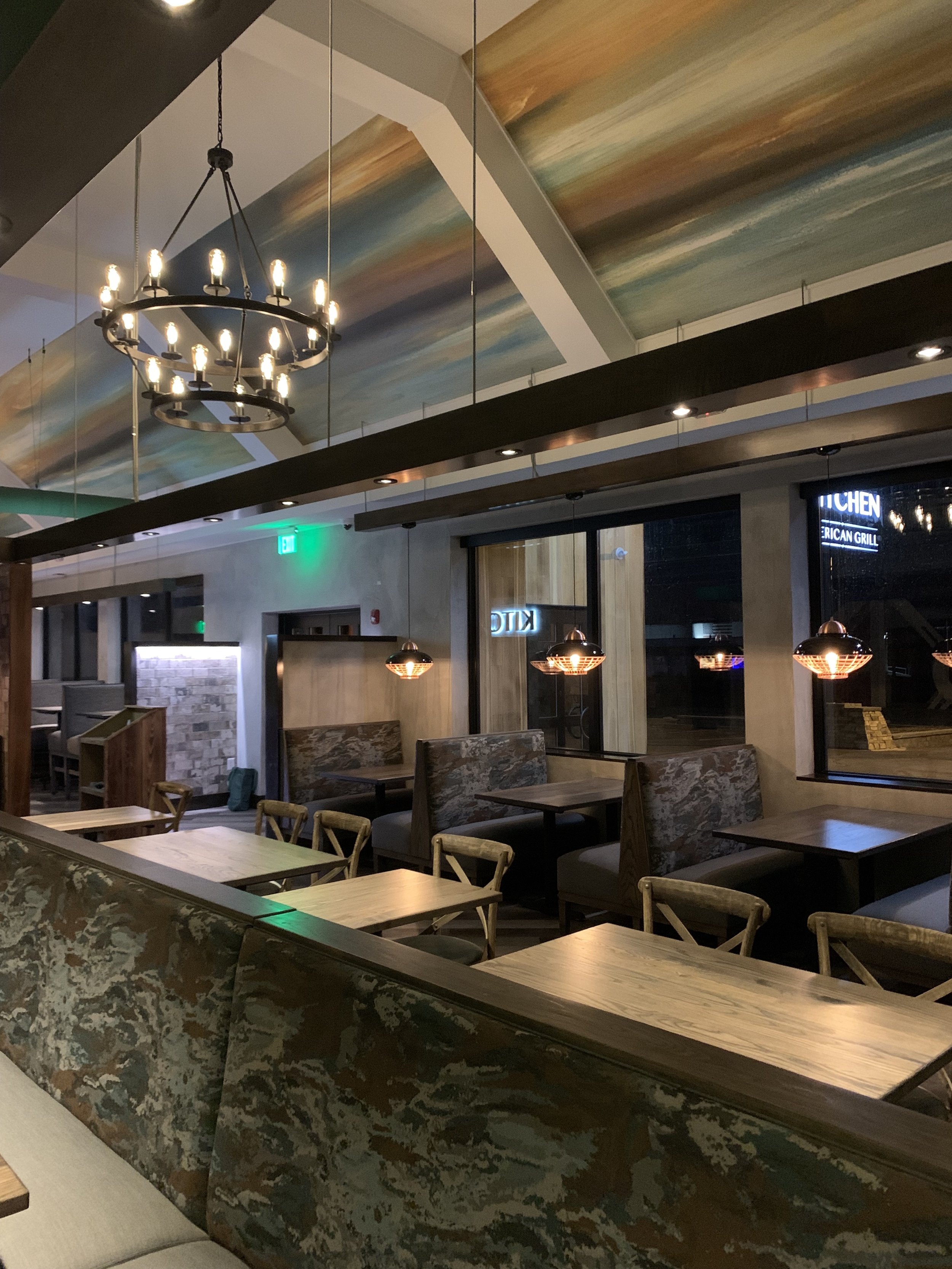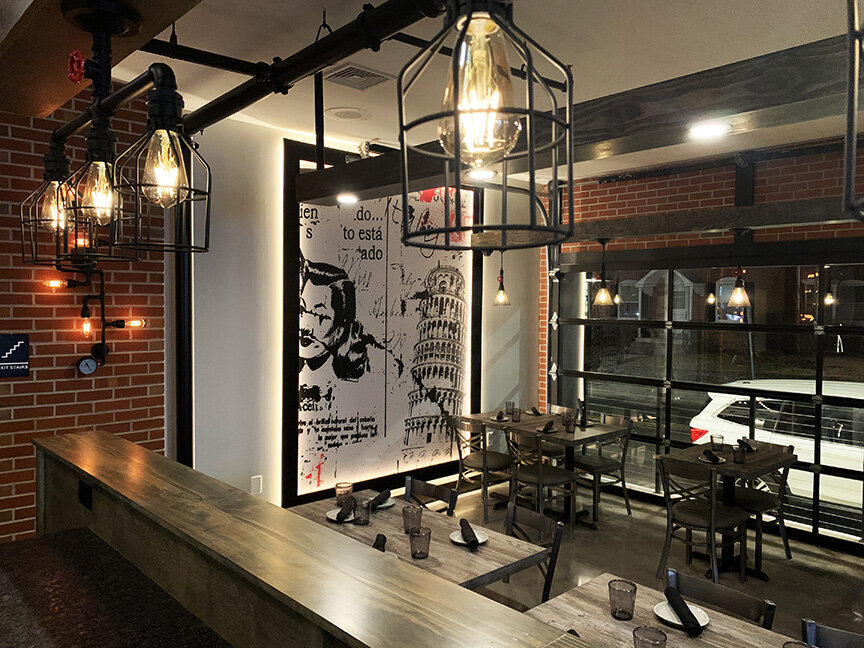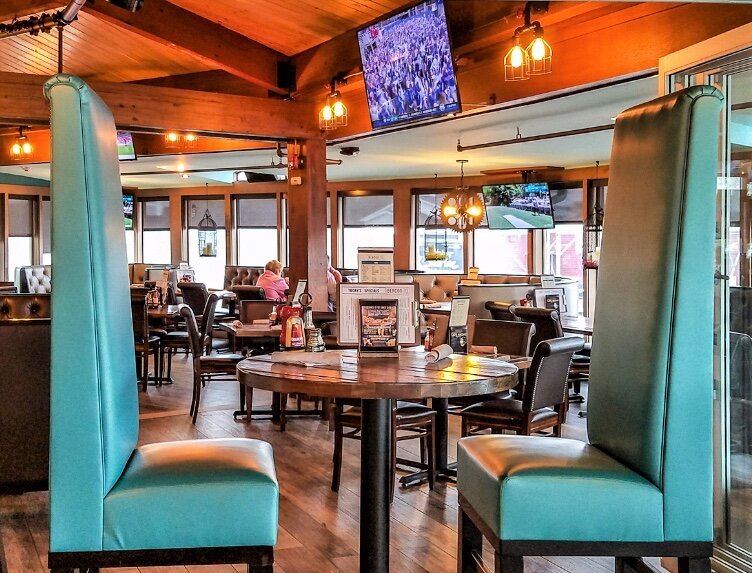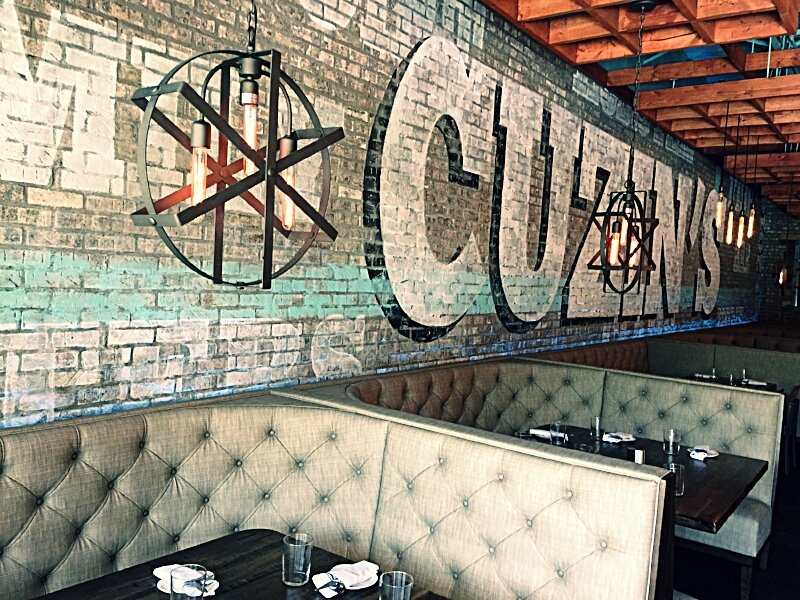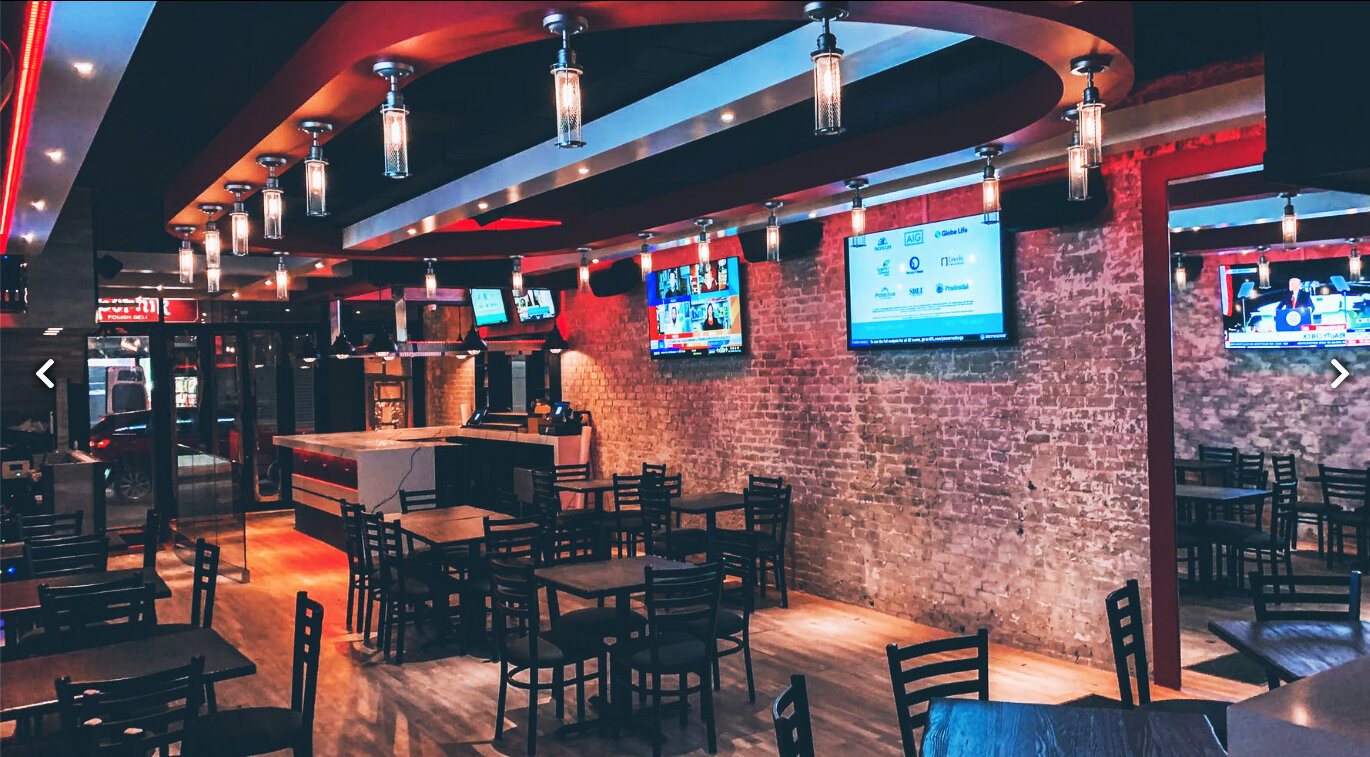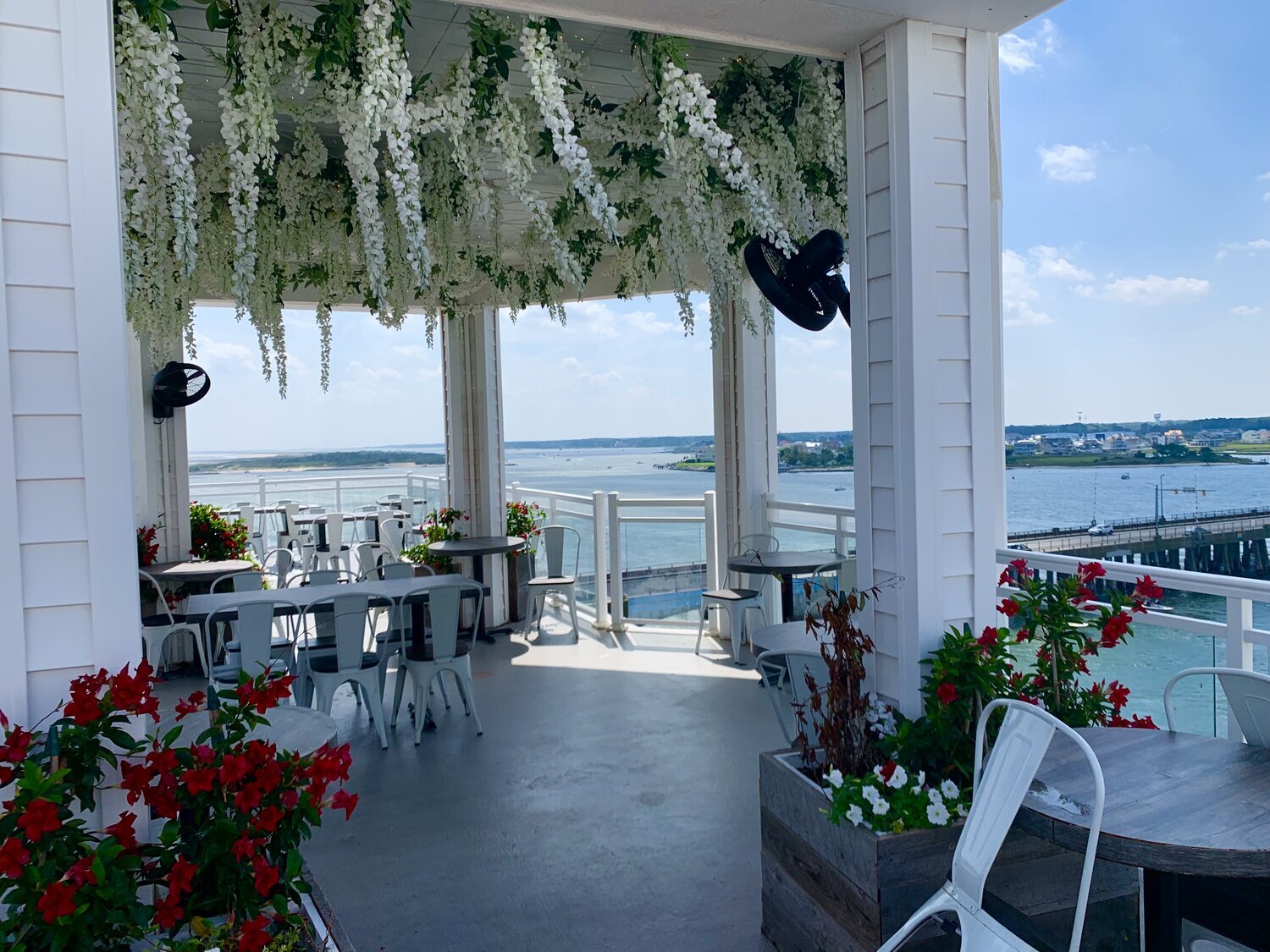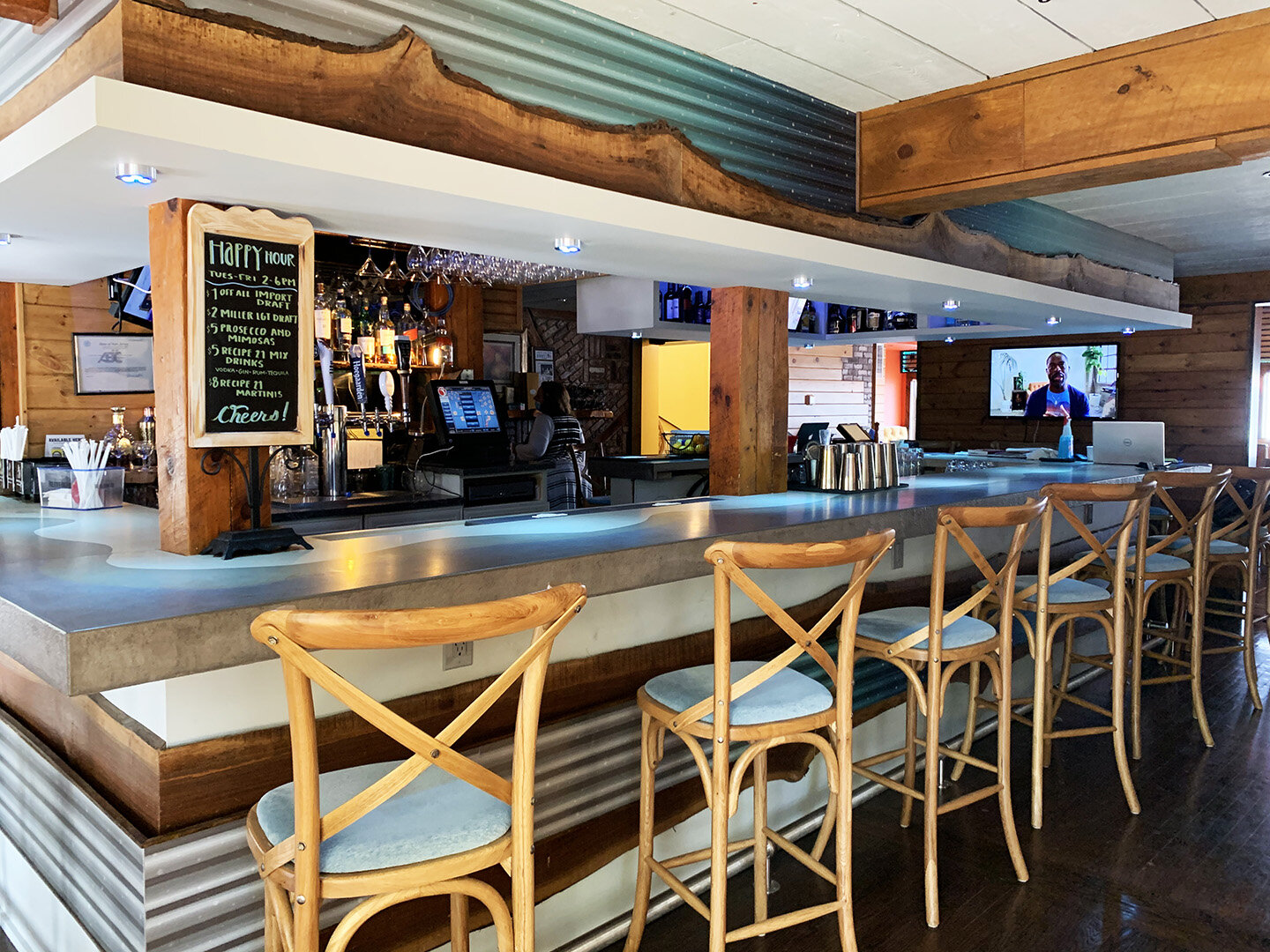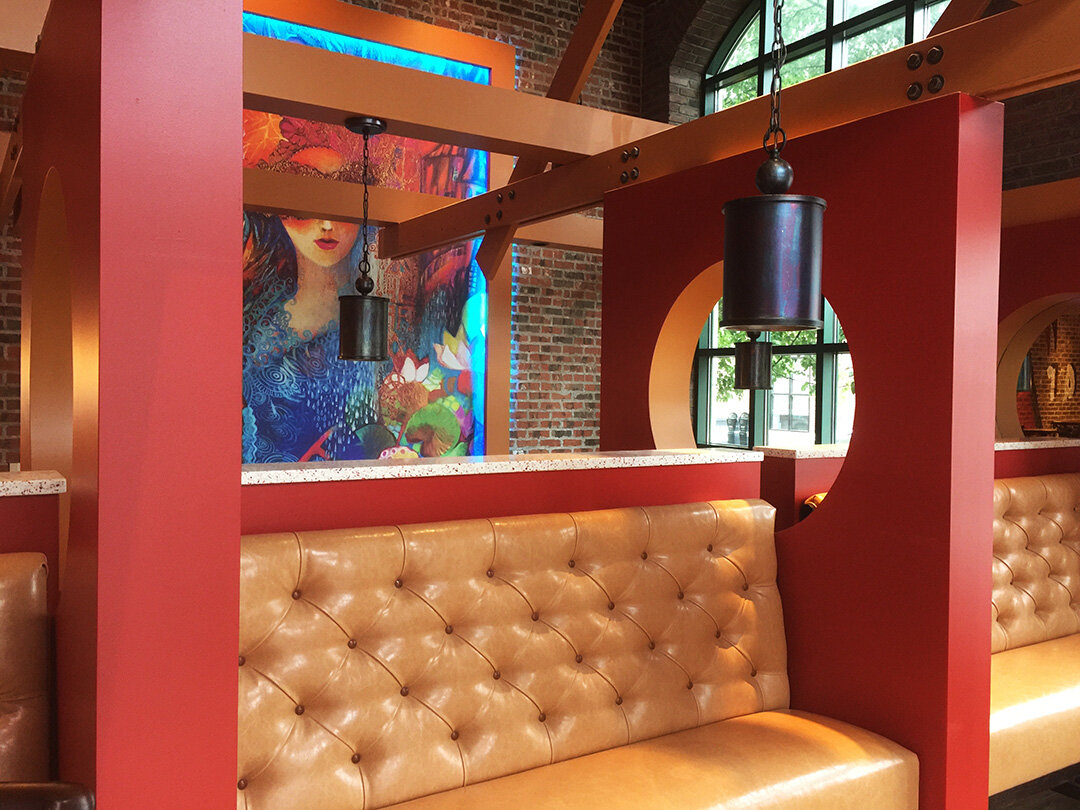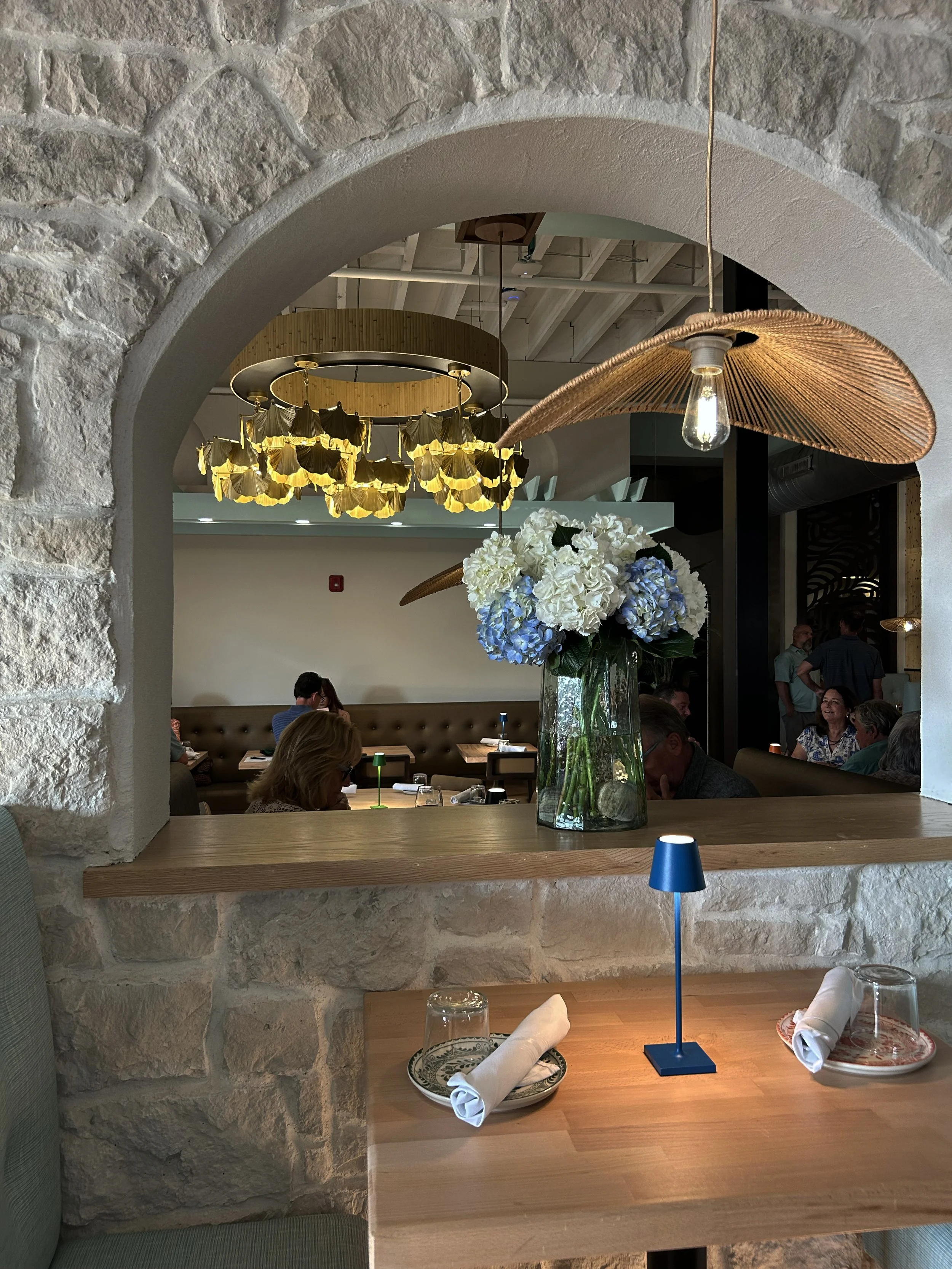
Your restaurant is either a destination or a relic. In a market this competitive, "good enough" is a slow death sentence for your margins. Most owners realize they need to evolve but hesitate because they fear a renovation will drive away loyal regulars or result in a costly identity crisis. Understanding how to modernize a restaurant isn't about chasing fleeting trends that look dated by next season. It's about strategic re-engineering that protects your legacy while demanding attention from a new generation of diners.
You've worked hard to build your brand, and you shouldn't have to sacrifice your history to secure your future. This guide provides the professional roadmap you need to transform an aging venue into a high-revenue powerhouse. You'll learn how to balance timeless aesthetics with social-media-ready design, ensuring your space stays relevant and profitable. We'll examine the critical shift from simple cosmetic fixes to high-impact space planning that increases table turnover and drives higher average checks without alienating your core clientele.
Key Takeaways
- Stop viewing updates as a cosmetic luxury; learn how to modernize a restaurant through strategic re-engineering that turns your space into a high-revenue destination.
- Eliminate operational bottlenecks and drive high-margin alcohol sales by prioritizing professional space planning and high-impact bar design.
- Protect your brand's core DNA with a "Legacy Pivot" that keeps your best-selling identity while shedding the weight of outdated decor.
- Maximize your ROI by focusing on transformative elements like strategic lighting and lean furniture silhouettes that modernize your venue overnight.
- Secure your investment by choosing a strategic design consultant who focuses on commercial performance rather than a simple decorator who only sees aesthetics.
Why Your Restaurant Feels Outdated (And It’s Not Just the Decor)
Your restaurant is leaking revenue, and it isn't just because the paint is peeling. A stale concept manifests in declining dinner crowds and a total absence of social media tags. If your "regulars" are the only ones keeping the lights on, you're in the danger zone. Learning how to modernize a restaurant is about recognizing that your brand has become invisible to high-spending diners. In 2026, a "modern" venue isn't just a place with new chairs. It's a calculated psychological environment designed for maximum engagement.
Many owners fall into the "DIY trap." They swap a few light fixtures and buy trendy napkins, thinking they've rebranded. This amateur approach often does more harm than good. It creates a disjointed aesthetic that devalues your premium offerings. True modernization requires a strategic overhaul of your restaurant management principles to ensure every design choice serves your bottom line. A professional refresh is always more affordable than the total failure of a business that refused to evolve.
The Psychology of the Modern Diner
Modern dining is experiential. In competitive markets like Miami or Jersey City, guests aren't just paying for a plate of food. They're paying for a mood. Your lighting and acoustics aren't secondary details; they dictate the length of stay and the final spend per head. Low, warm lighting encourages lingering and higher wine sales. Poor acoustics create a chaotic environment that drives guests out the door before they order dessert. Don't ignore the "Instagrammability" factor. In the digital age, every corner of your restaurant must be a photo op. If your space doesn't inspire a guest to pull out their phone, you've lost a primary marketing channel.
Signs Your Brand Identity Is Anchored in the Past
Look at your logo, menu design, and staff uniforms. If they haven't changed in a decade, they are anchors dragging down your brand. High-end standards move fast, and your visual identity must keep pace. You must also confront "clutter creep," which is the slow accumulation of mismatched signage and random decor additions that ruin your aesthetic clarity. Finally, evaluate your floor plan. An outdated layout is often the silent killer of your table turnover rate. If your staff is fighting through bottlenecks or your seating feels cramped, you're losing money on every shift. Understanding how to modernize a restaurant means reclaiming that lost efficiency through professional space planning and layout design.
Strategic Space Planning: The Foundation of Modernization
Space is your most valuable asset. If your floor plan is broken, your business is broken. Most owners think a successful restaurant renovation is about choosing the right fabrics, but true modernization starts with the blueprint. You must analyze your current flow to identify the silent killers of your profit margin. Bottlenecks where staff and guests collide aren't just annoying; they are expensive. Every second your server spends navigating a poorly planned corridor is a second they aren't upselling a table. Professional Space Planning and Layout services turn these wasted seconds into billable minutes.
When you evaluate how to modernize a restaurant, you must address your "dead zones." These are the corners where guests feel isolated or forgotten, making your venue feel empty even when it's half-full. By maximizing VIP and "prime" seating areas, you increase the perceived value of your dining room. Guests will pay a premium for the right seat, and a strategic layout ensures every table feels like the best seat in the house. This shift from a passive floor plan to an active revenue generator is the hallmark of a high-impact rebrand.
Re-Engineering the Floor Plan for Profit
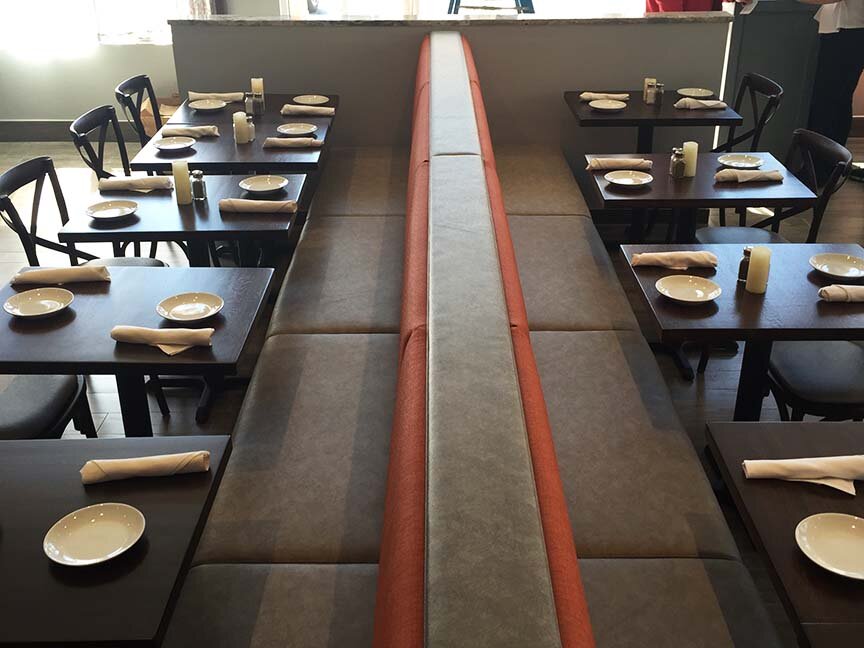
Table spacing is a science, not a guess. You must balance guest comfort with maximum capacity to ensure your business remains viable. Use "zones" to create different moods within a single venue; this allows you to cater to intimate diners and high-energy groups simultaneously. Revenue-per-square-foot is the primary metric for design success, measuring how effectively every inch of your floor plan contributes to your daily intake. If a section of your floor isn't performing, it needs to be re-engineered or removed entirely.
The Bar as the Revenue Engine
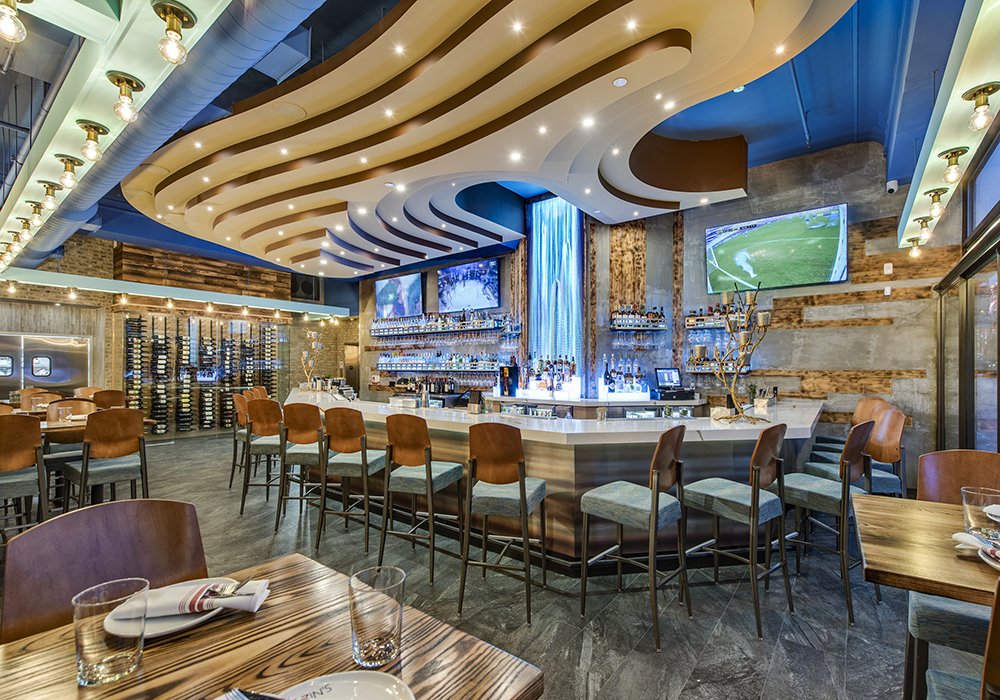
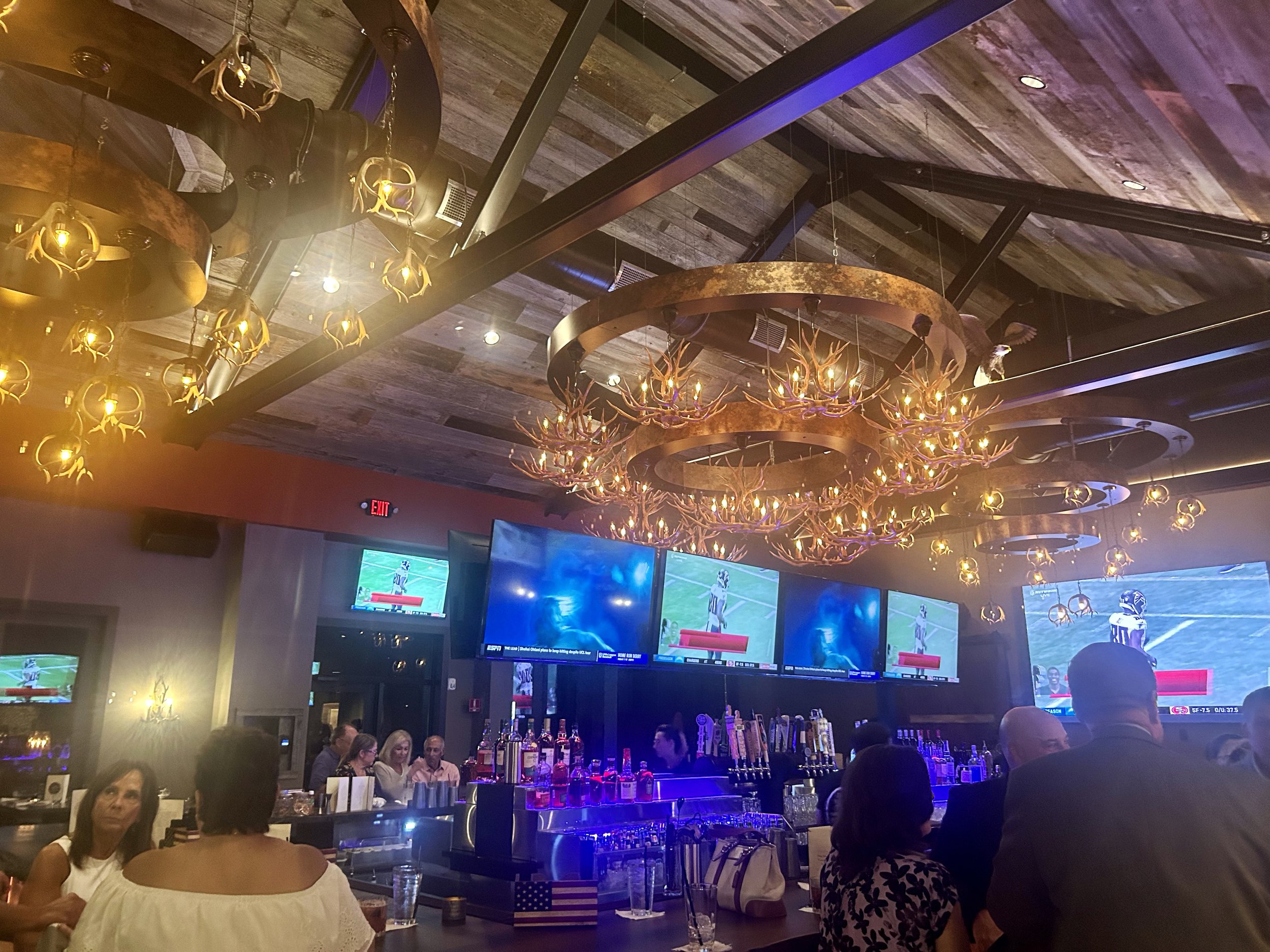
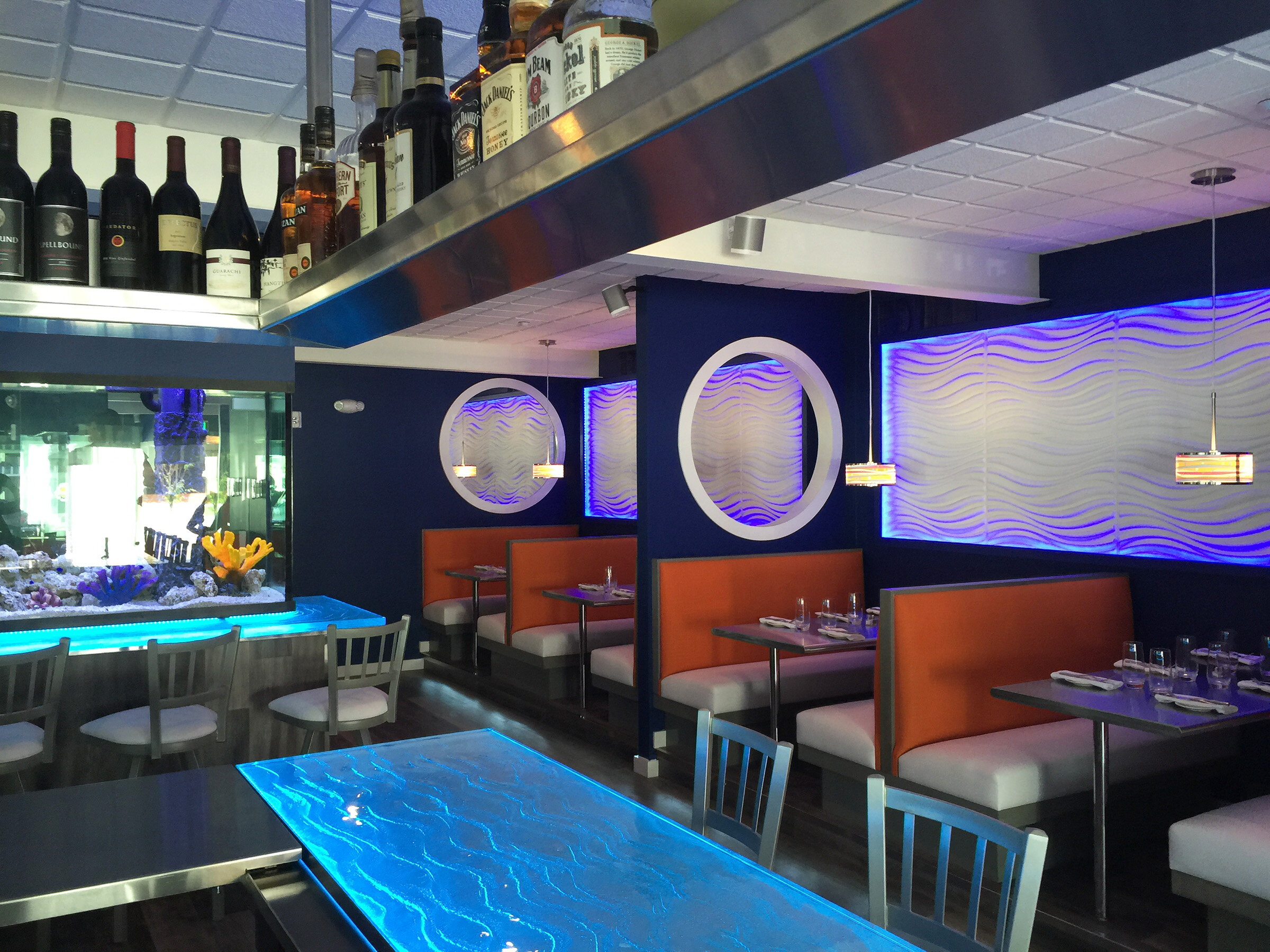
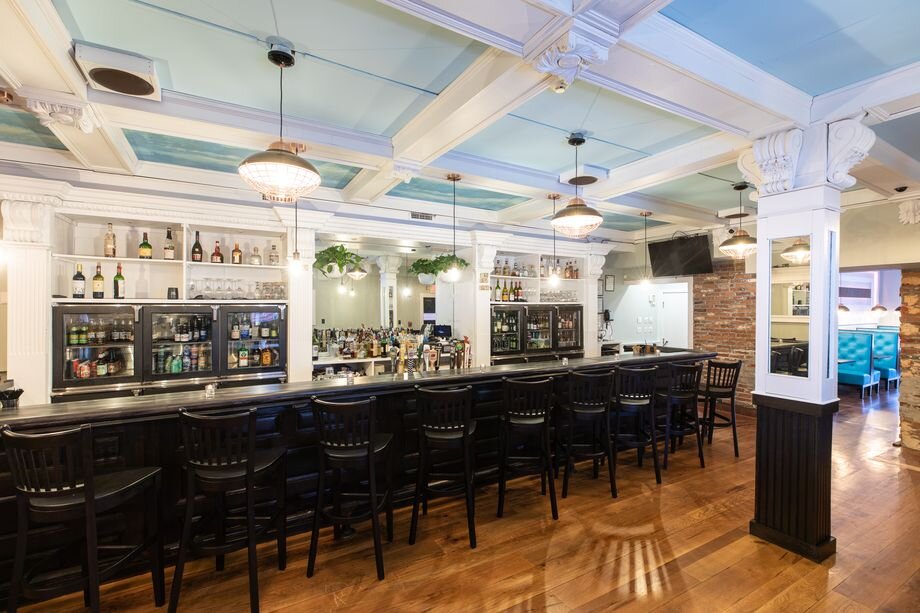
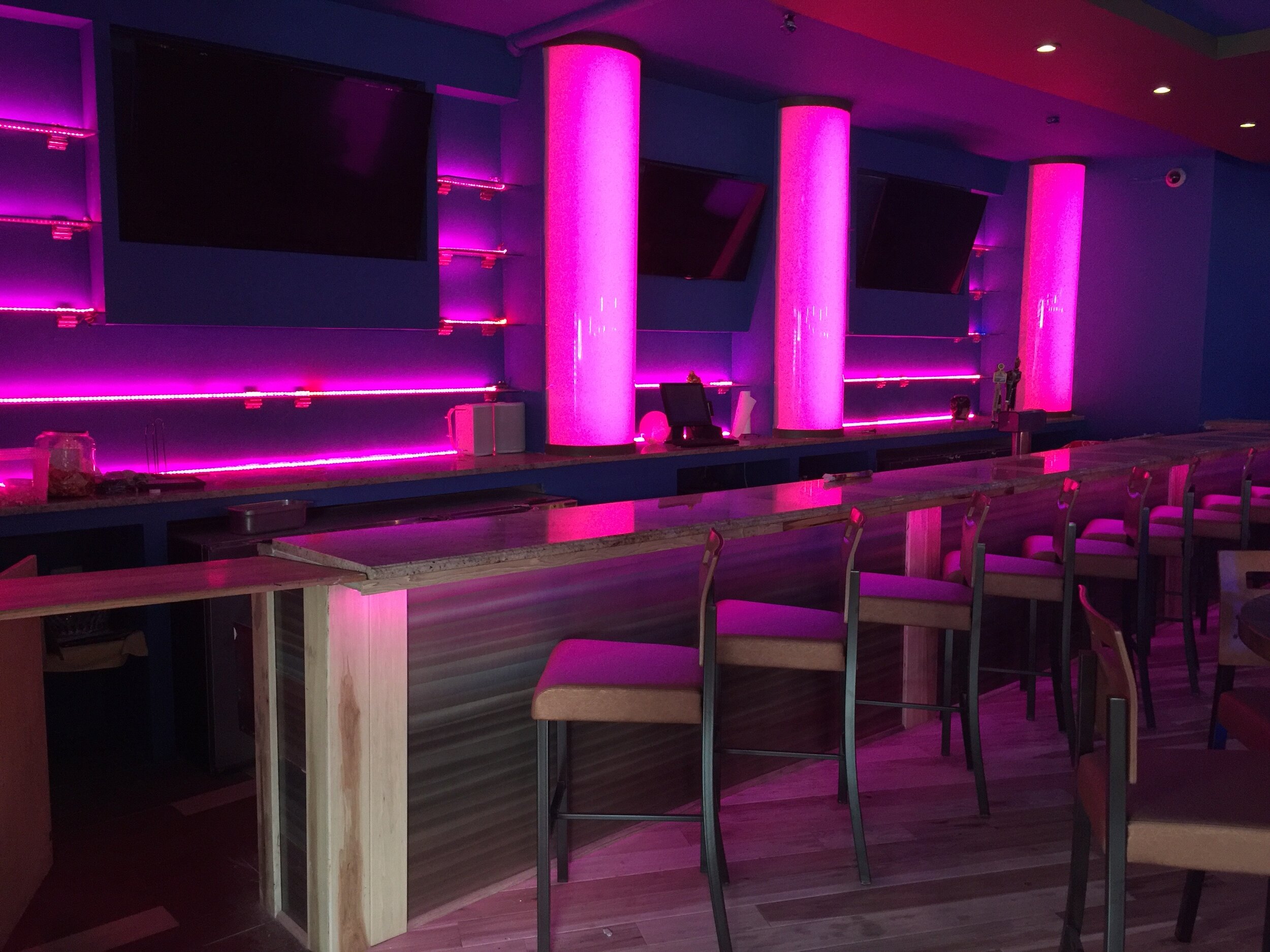
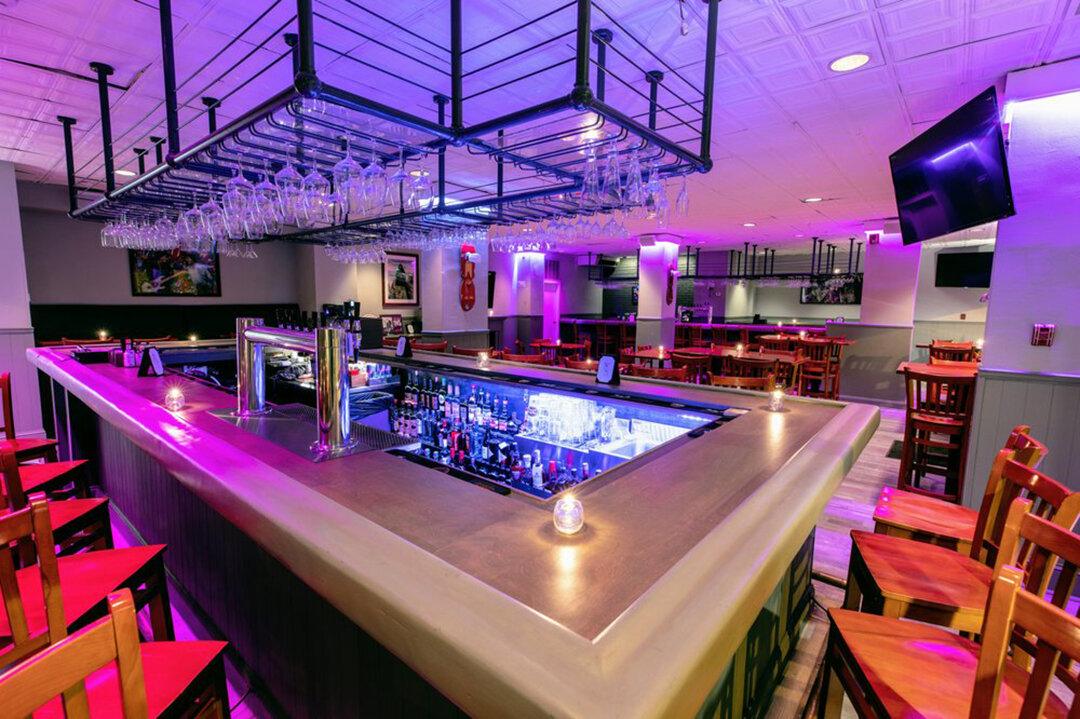
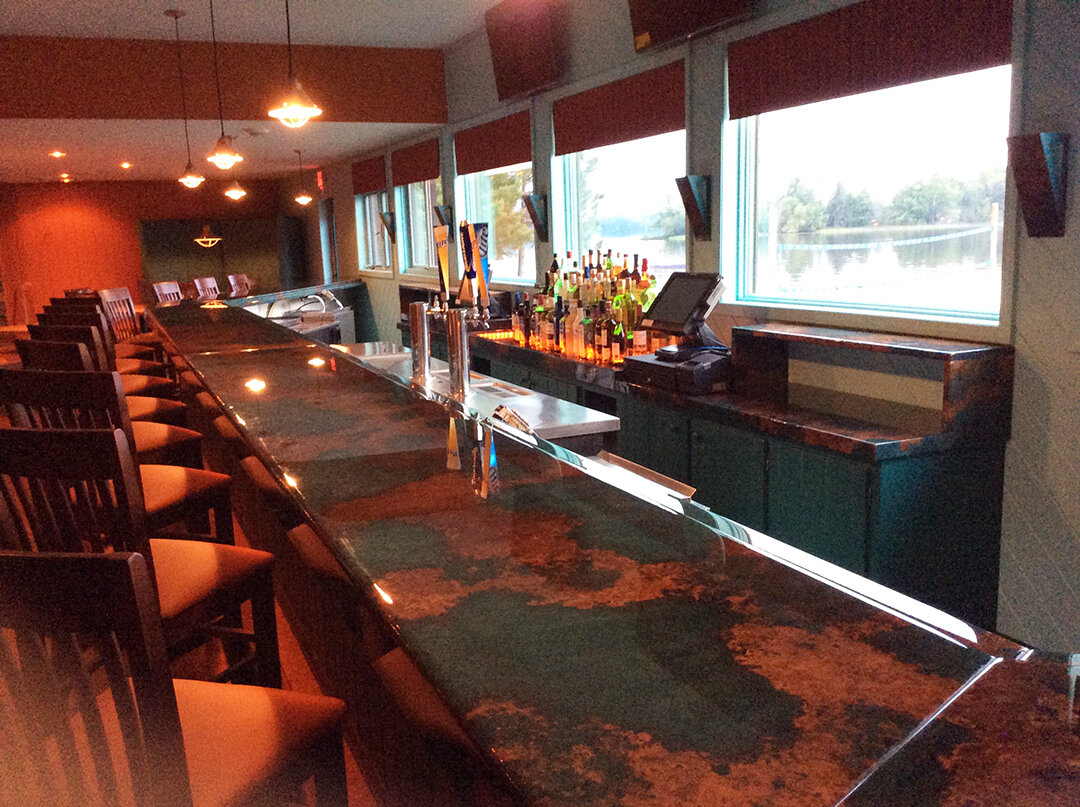
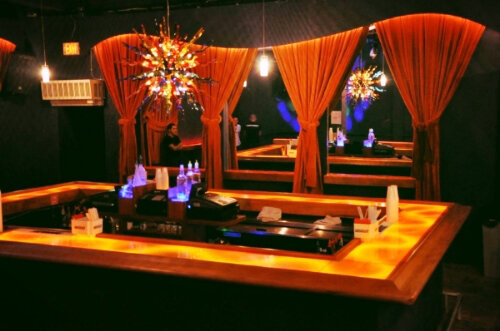
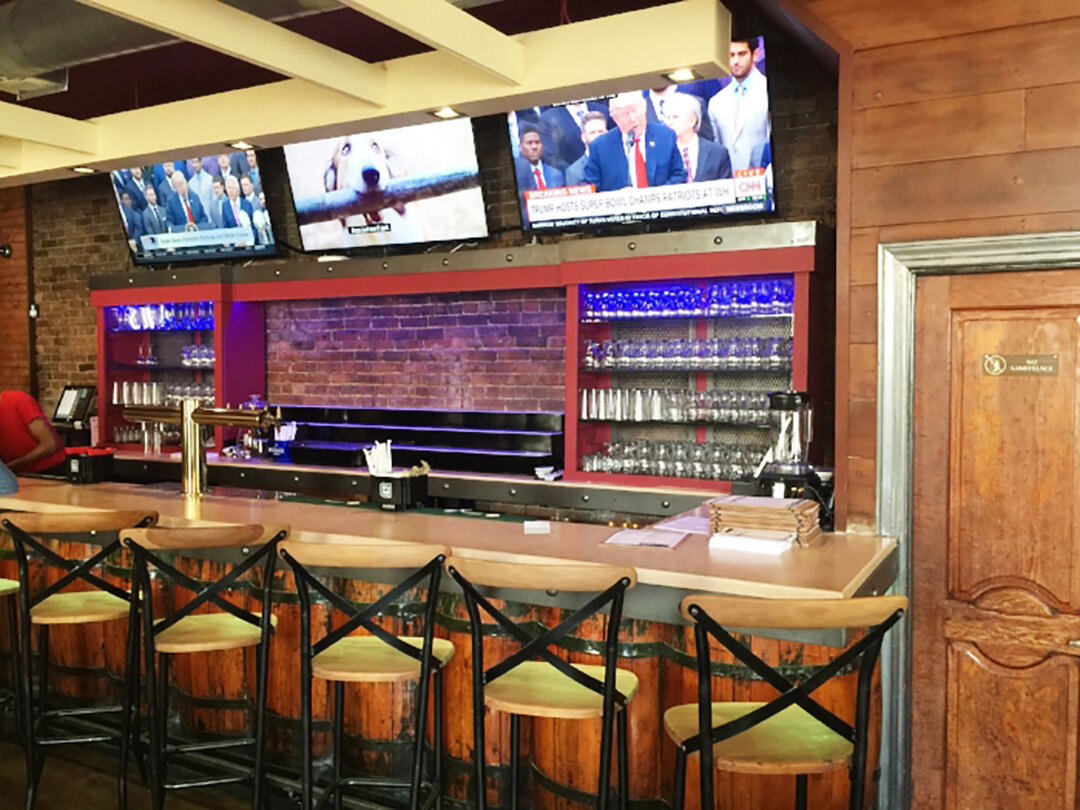
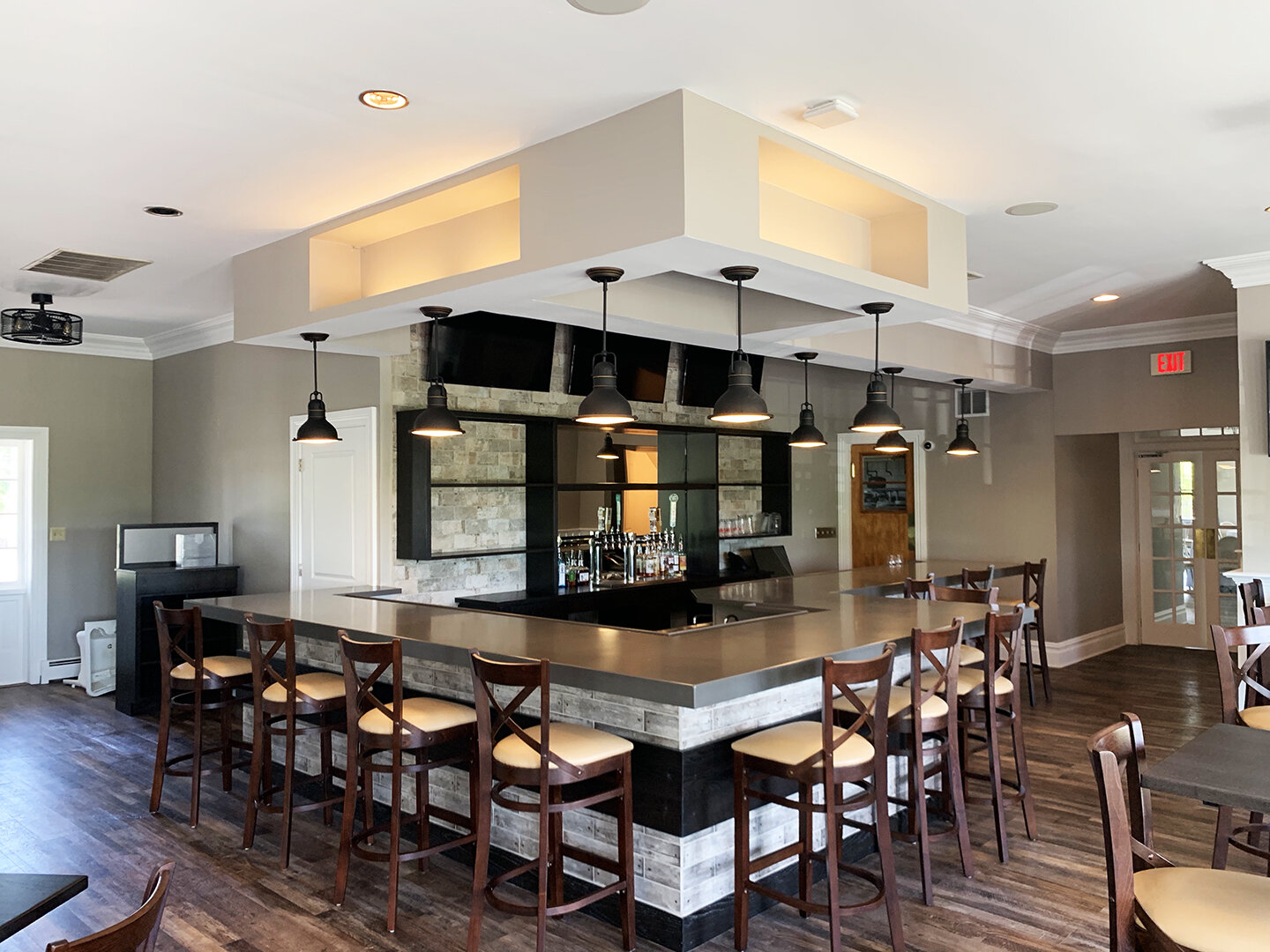
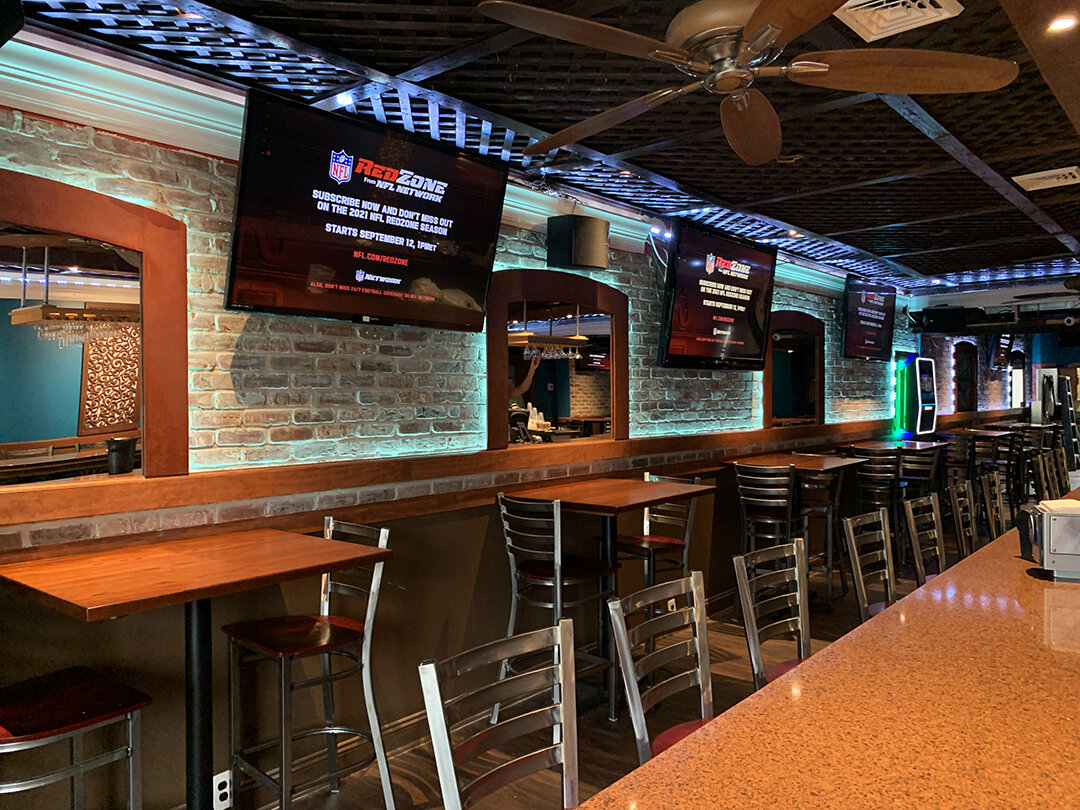
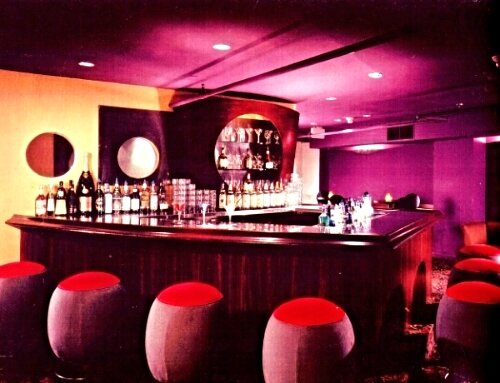
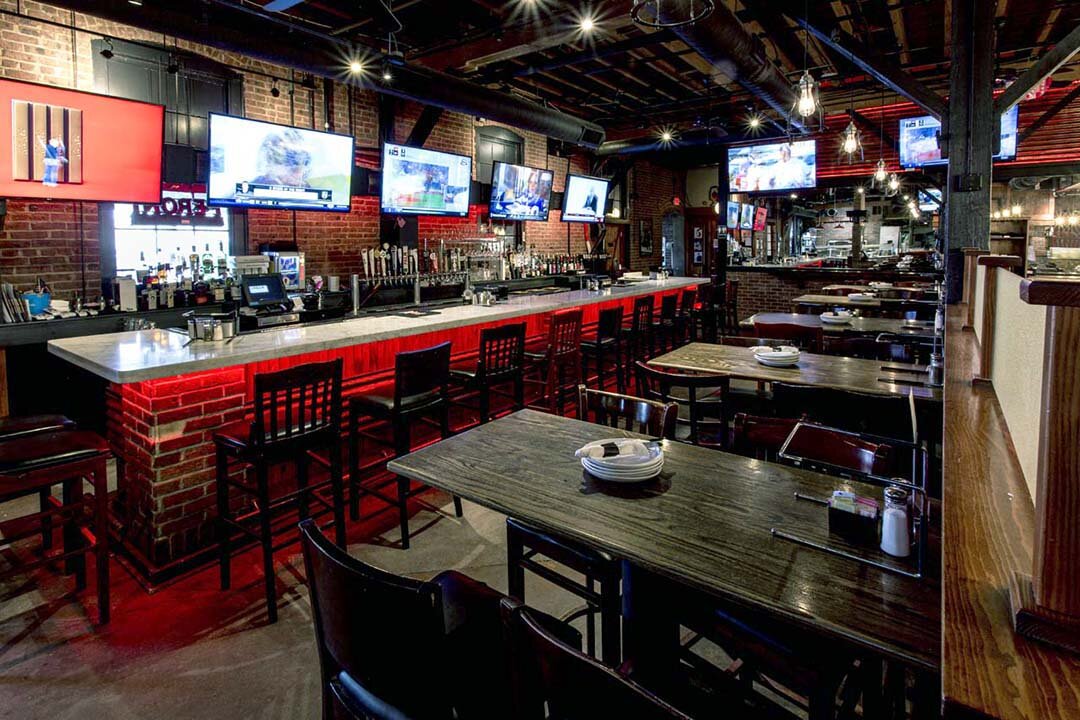
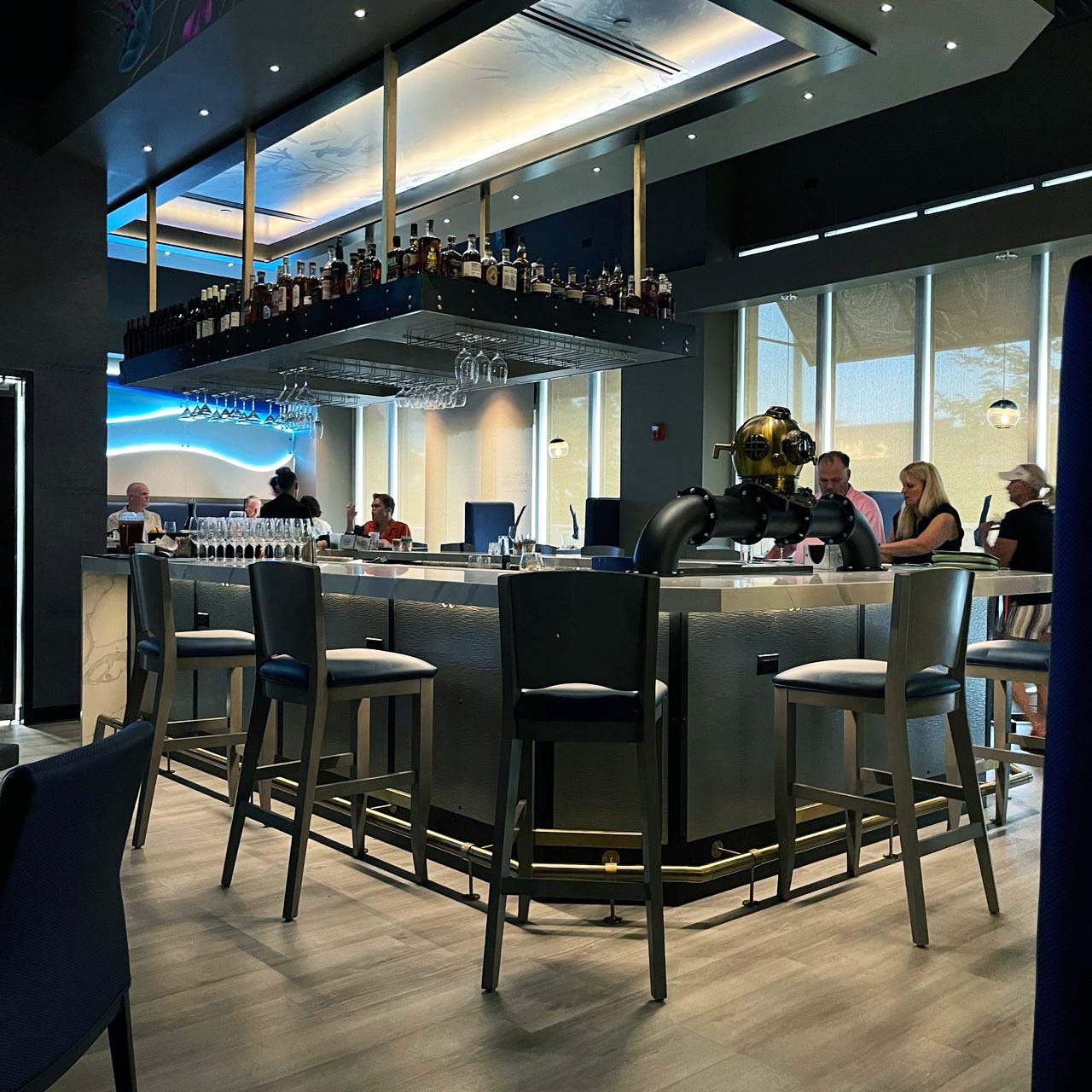
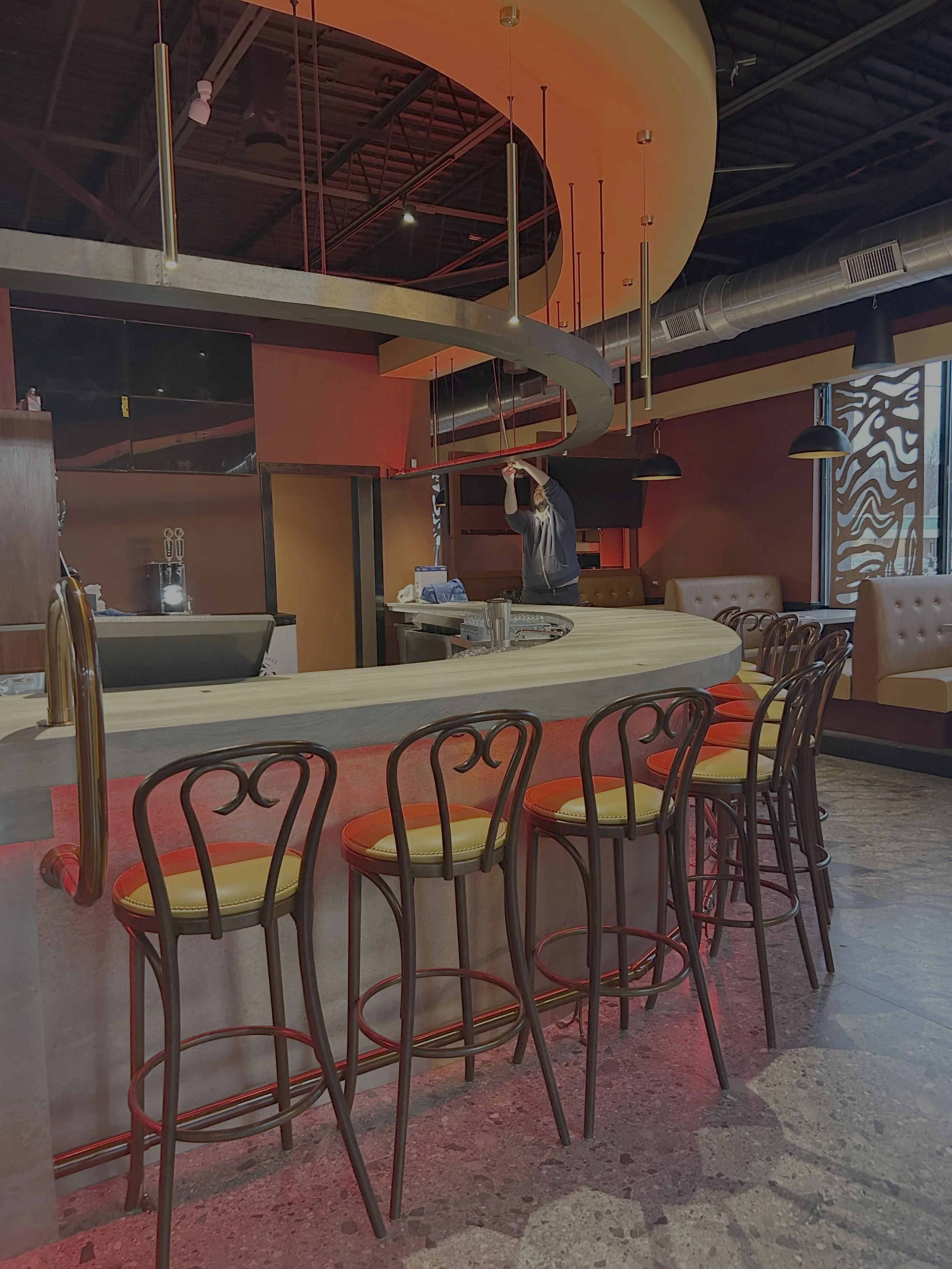
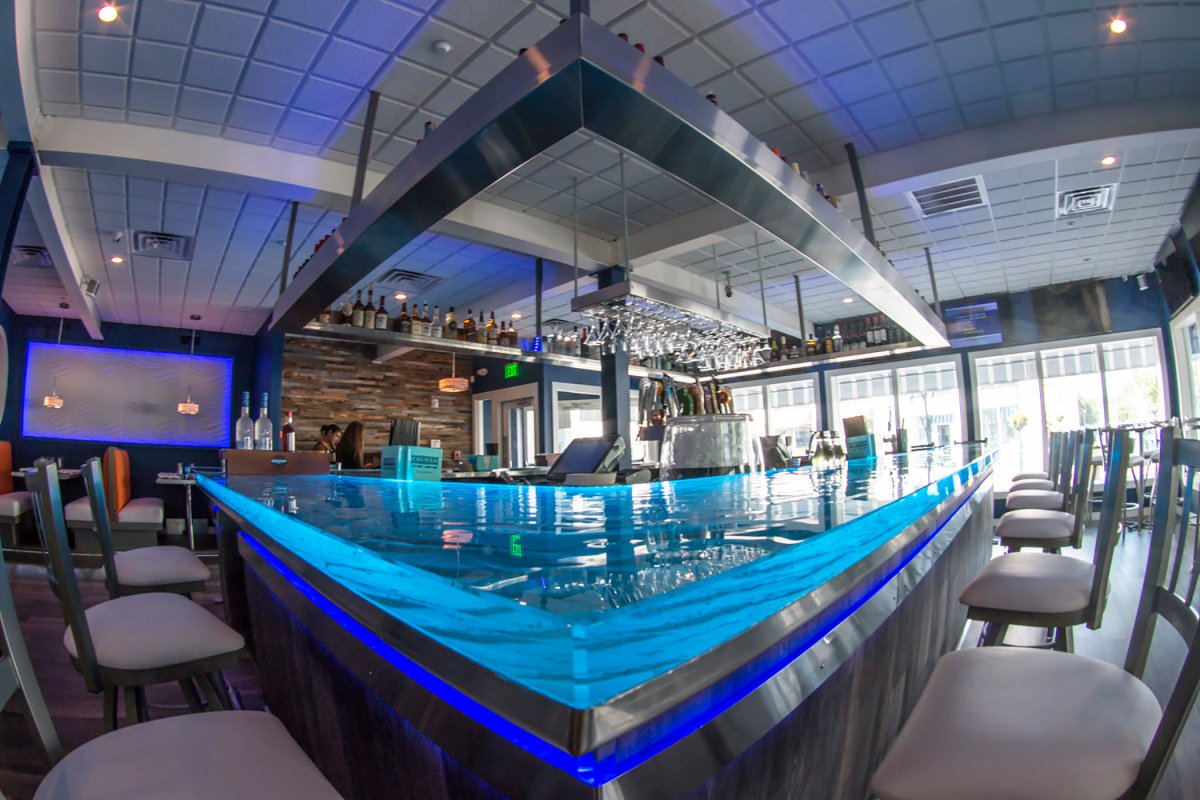
The bar should be your highest-grossing area. Modernizing bar ergonomics is critical to speed up service during peak hours, ensuring your bartenders can move with surgical precision. Integrate display shelving and strategic lighting that "sells" your premium spirits without a word from the staff. Creating a social hub atmosphere that attracts the high-velocity after-work crowd in cities like Philadelphia or Baltimore requires more than just a long counter. It requires a design that facilitates interaction and commands attention. When you master how to modernize a restaurant bar, you transform a service station into a high-margin revenue engine.
Modernizing Without "Losing the Soul" of Your Restaurant
Your brand is not a museum. It is a living entity that must adapt or die. Modernization is not a demolition project; it is a strategic evolution. You cannot afford to alienate the loyal regulars who have carried your business for years, but you also cannot survive on nostalgia alone. The "Legacy Pivot" is the professional solution. This approach allows you to protect your core identity while shedding the weight of an outdated environment. To master how to modernize a restaurant, you must first identify your "Core DNA." These are the non-negotiable elements that define your brand. Everything else is on the table for replacement.
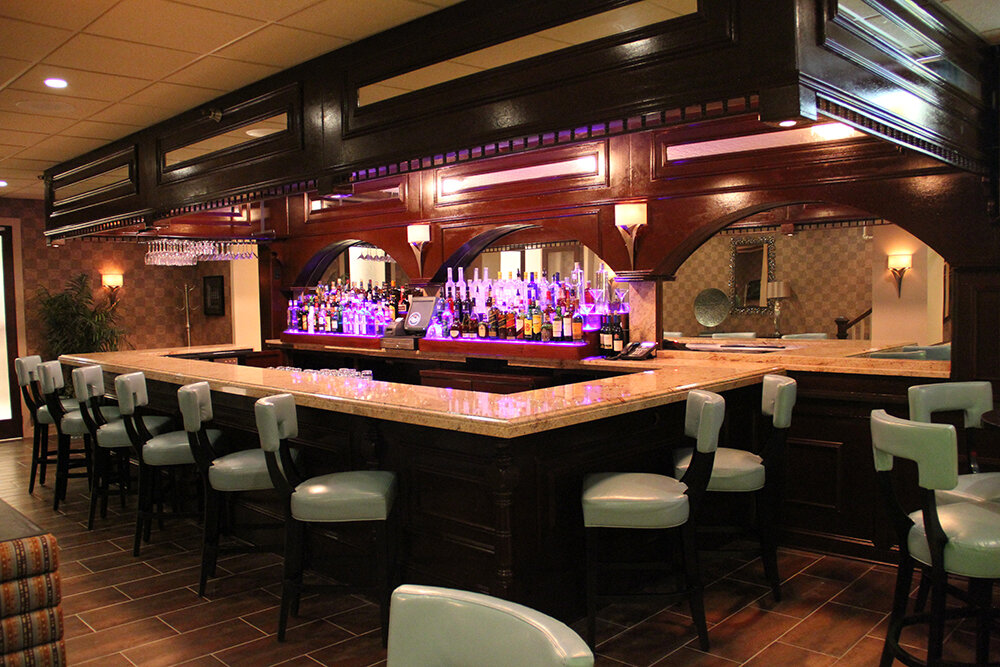
Consider the transformation of a classic New Jersey steakhouse. It has history and reputation, but if the carpet is worn and the lighting is flat, it is a relic. By preserving the original mahogany bar but replacing heavy drapes with industrial glass and matte metal accents, you create a destination that appeals to both the old guard and new high-spenders. Communicate these changes early and often. Frame the Restaurant Rebranding as an investment in the guest experience. When regulars feel like they are part of the evolution rather than being replaced by it, you secure their loyalty for the next decade. Strategic preservation also helps manage costs, keeping you closer to the $150 per square foot entry point for cosmetic refreshes rather than the $600 per square foot price tag of a full gut renovation.
Selective Preservation vs. Total Overhaul
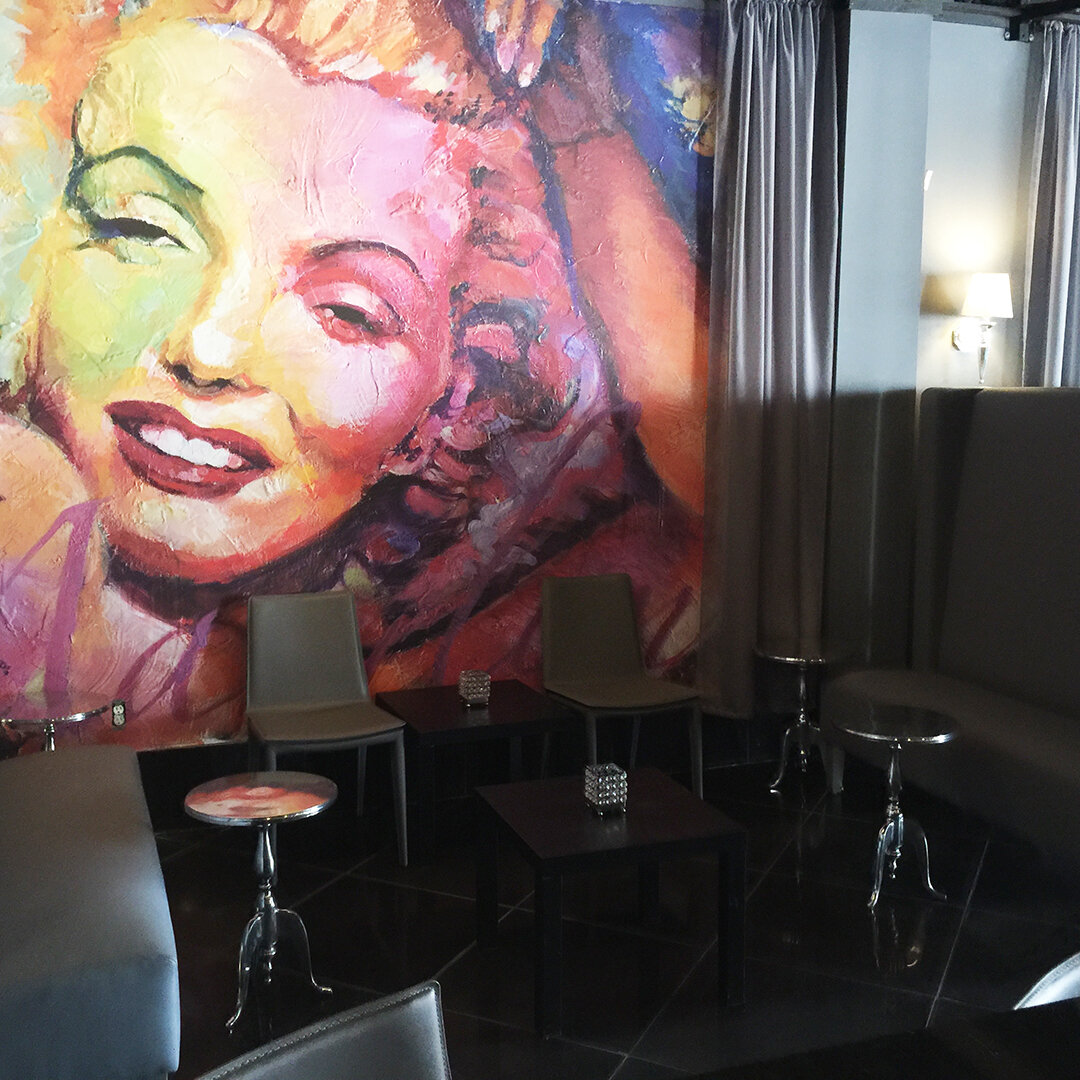
Don't gut the building unless the structure is failing. Often, the most powerful modern designs come from the sharp contrast between old and new. Keep the "bones" like original brickwork or reclaimed wood beams, but treat them with modern finishes. Follow the "Rule of Three" to maintain continuity: identify three iconic elements that your customers love and keep them untouched. Modernize everything else around them. This creates a sense of history that feels intentional. For example, keeping an original mural but surrounding it with velvet upholstery and sophisticated lighting transforms a dated room into a curated experience that guests will actually want to share online.
Evolving Your Visual Identity
A visual refresh is about more than a new font. You must update your color palette to reflect current high-end standards without abandoning your brand colors entirely. If your brand is known for navy blue, move toward a deeper, moodier midnight hue paired with metallic accents. Your menu layout must also evolve. Use strategic typography and white space to guide guests toward high-profit items. Even staff uniform updates can instantly change the energy of the room. Swapping heavy, traditional aprons for lean, modern silhouettes signals a new era of excellence. This is how you signal to the market that you are still the expert, just better.
High-ROI Modernization Tactics for 2026
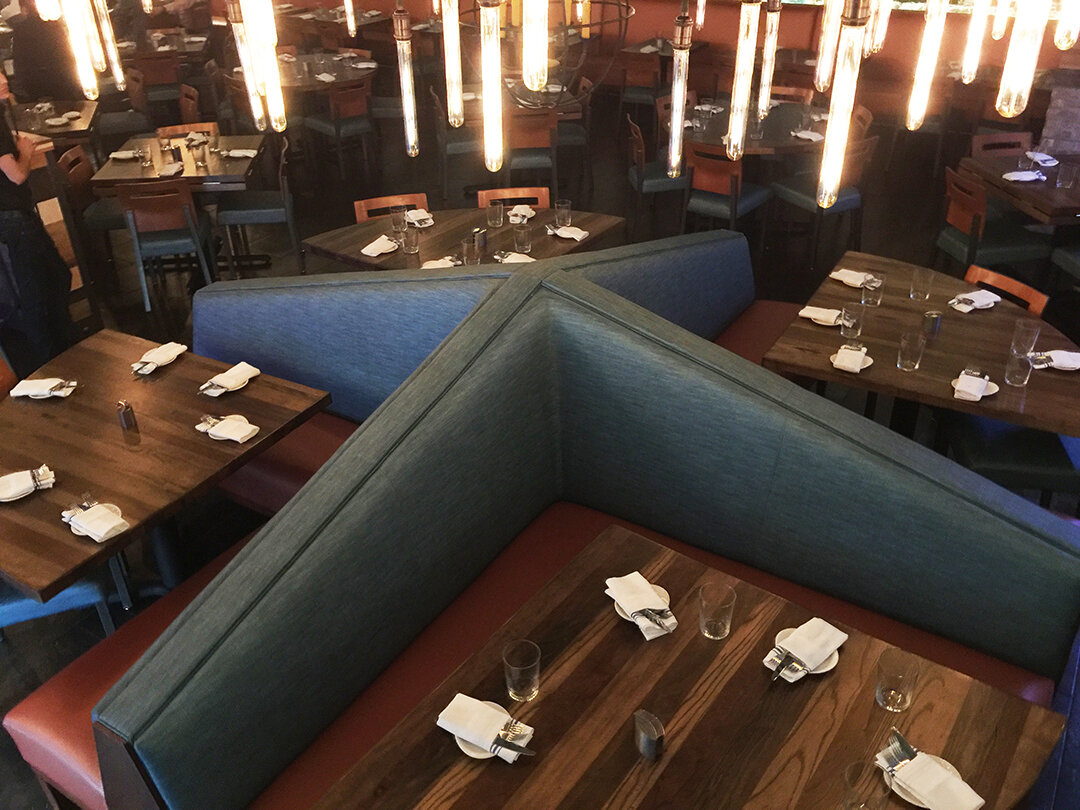
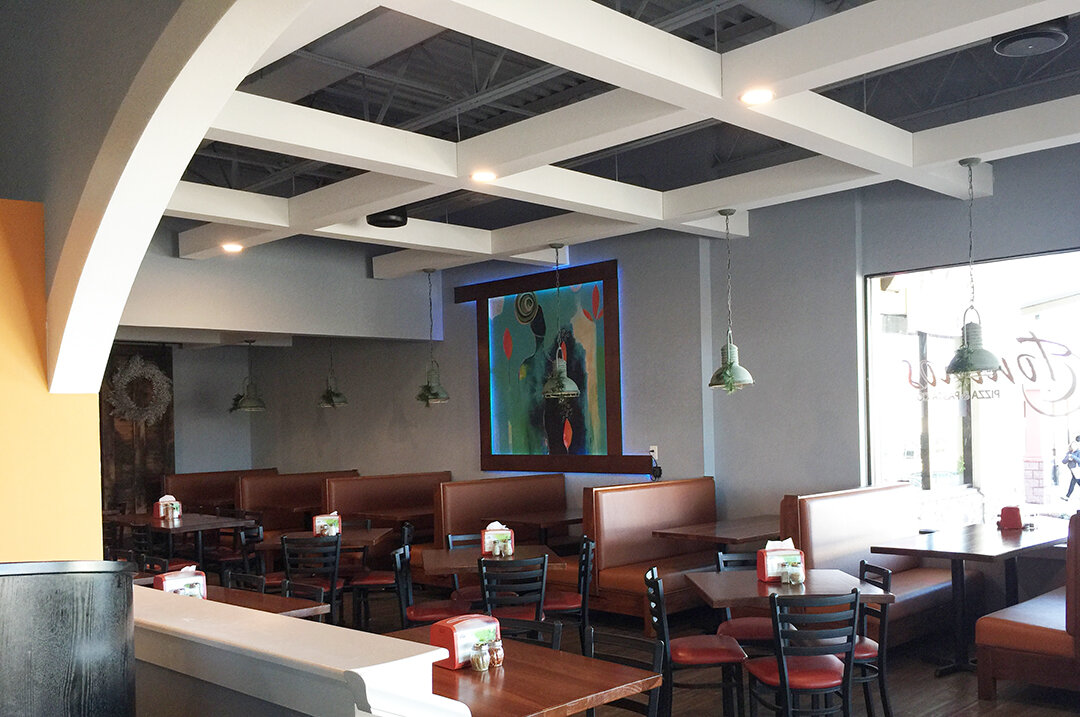
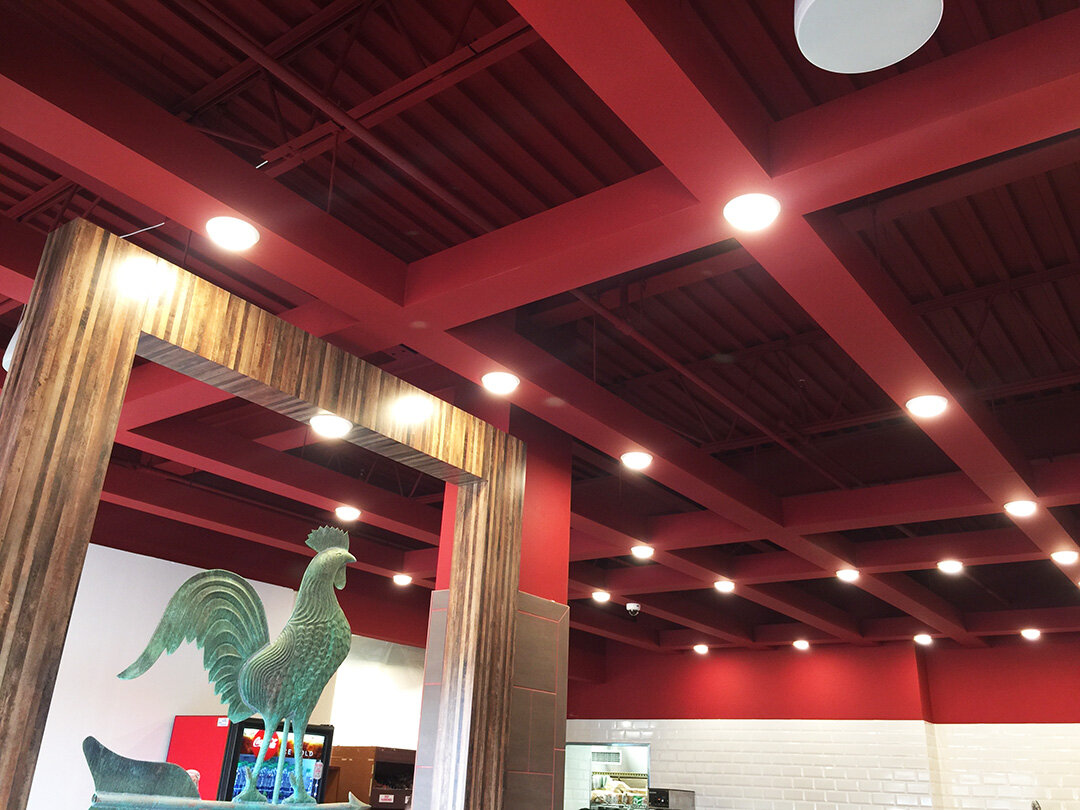
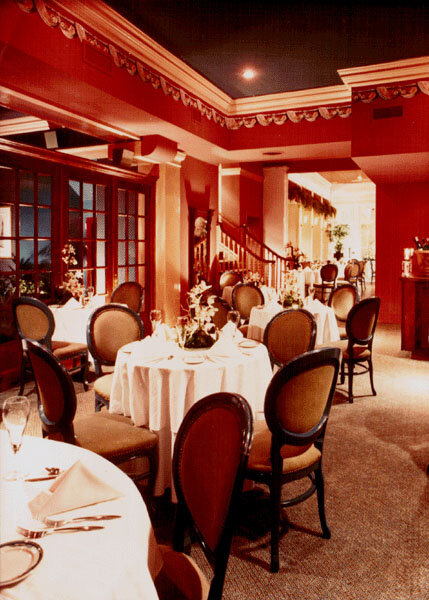
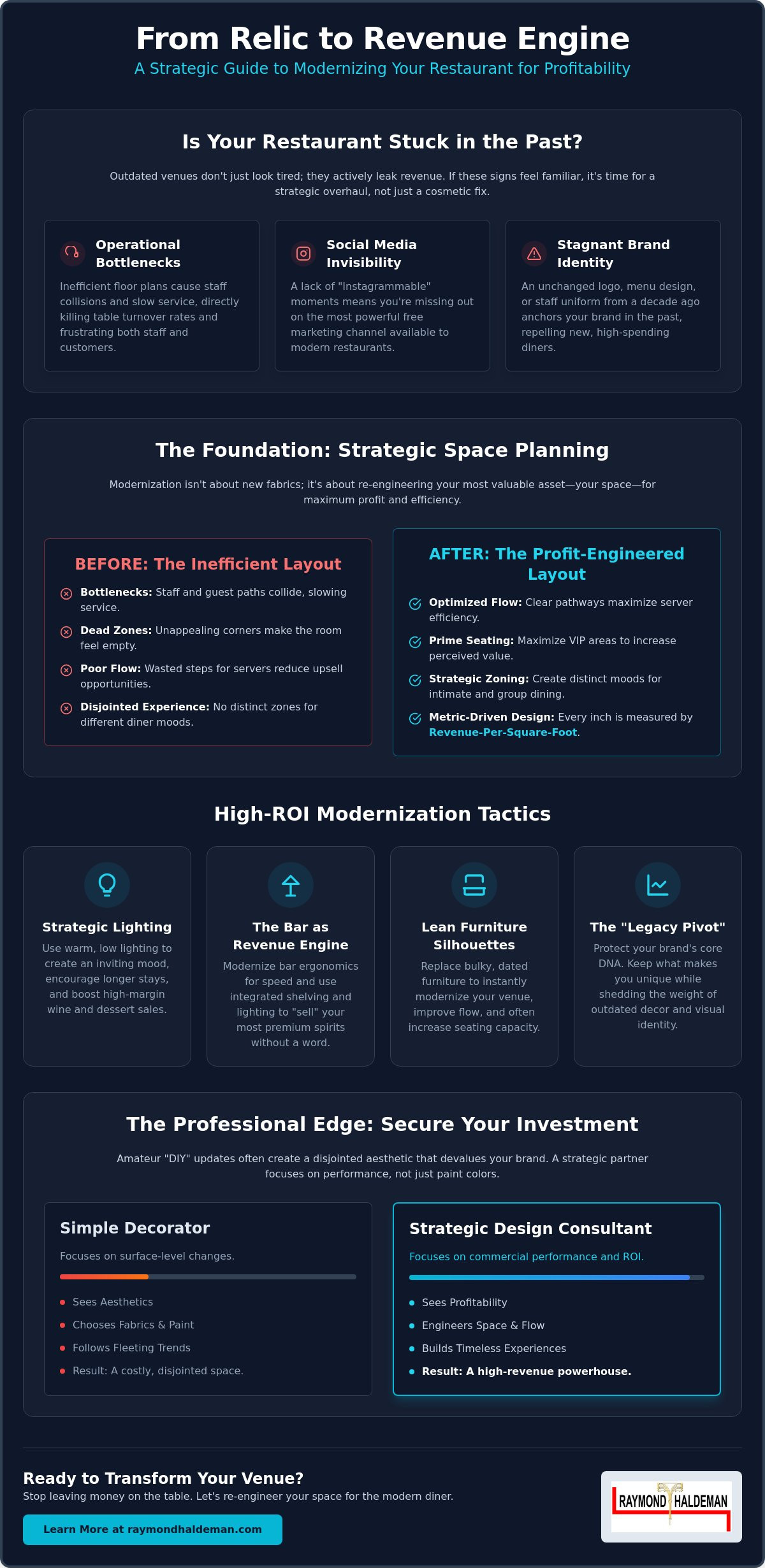
ROI in a rebrand isn't measured by how much you spend, but by how much your revenue increases post-completion. You must prioritize high-impact changes that guests notice immediately. Lighting is the single most cost-effective way to learn how to modernize a restaurant overnight. It sets the emotional tone and hides the flaws of an aging structure. Ditch the heavy, high-back traditional chairs that swallow up your floor space. Replace them with lean, modern silhouettes that open up sightlines and make your dining room feel expansive and high-end.
Technology must be invisible. While digital innovation can lead to a 60% improvement in operational efficiency, clunky hardware ruins a sophisticated aesthetic. Use integrated POS systems and digital menus that feel like a natural extension of your brand, not a tech-store showroom. Finally, never ignore the "Bathroom Rule." Your restrooms must be the most modern part of your design. Guests judge the cleanliness and modernity of your kitchen by the state of your stalls. A dated bathroom can undo a million-dollar dining room renovation in seconds. If you are ready to stop guessing and start growing, invest in a professional New Restaurant Design that guarantees these high-ROI results.
The Layered Lighting Strategy
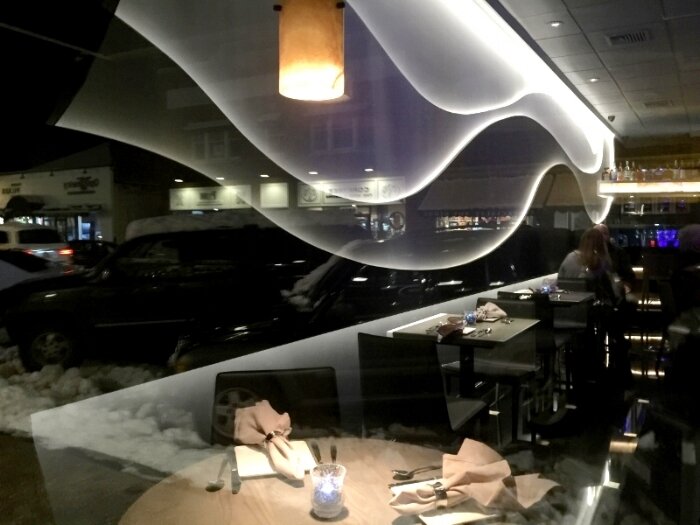
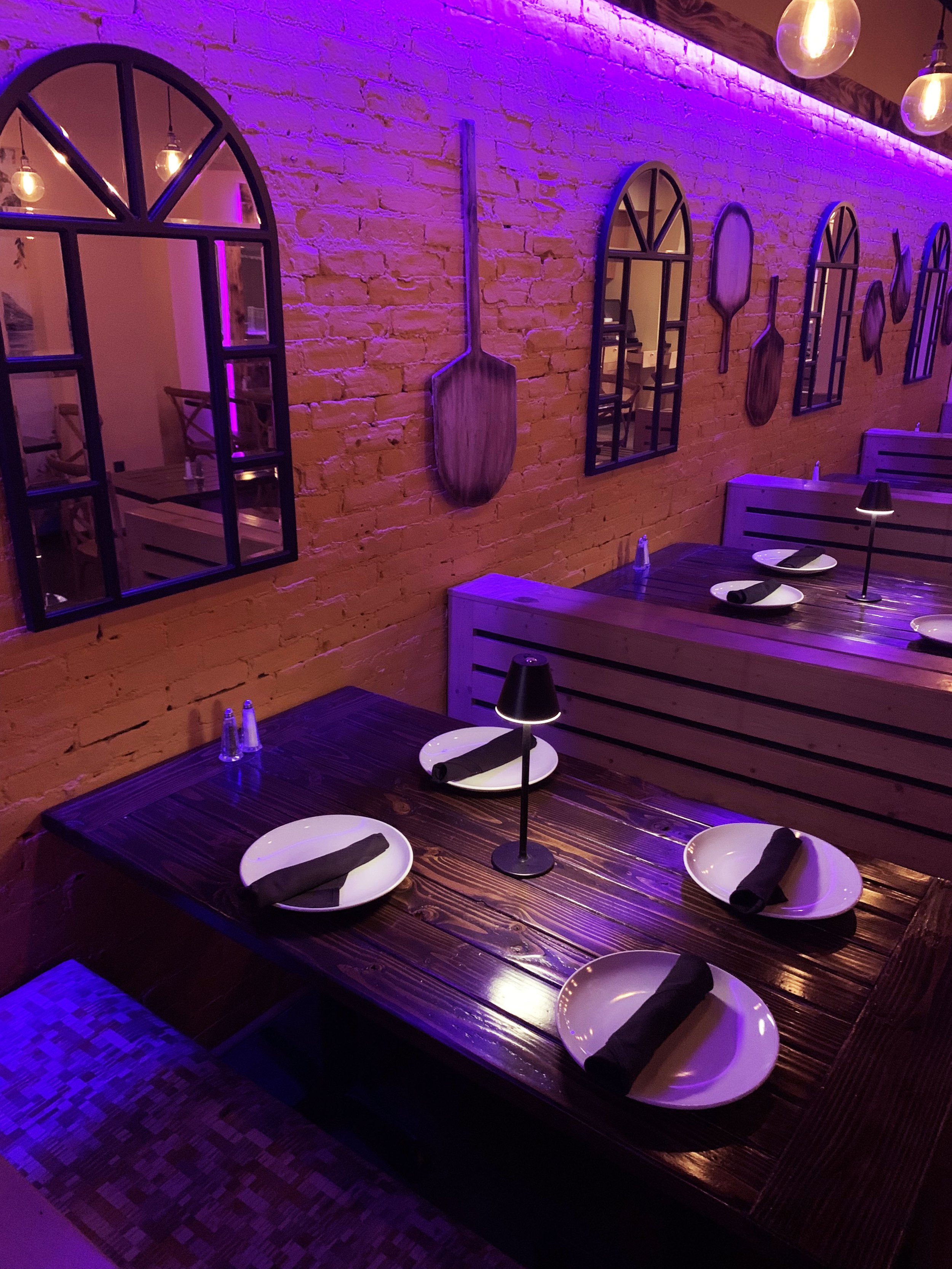
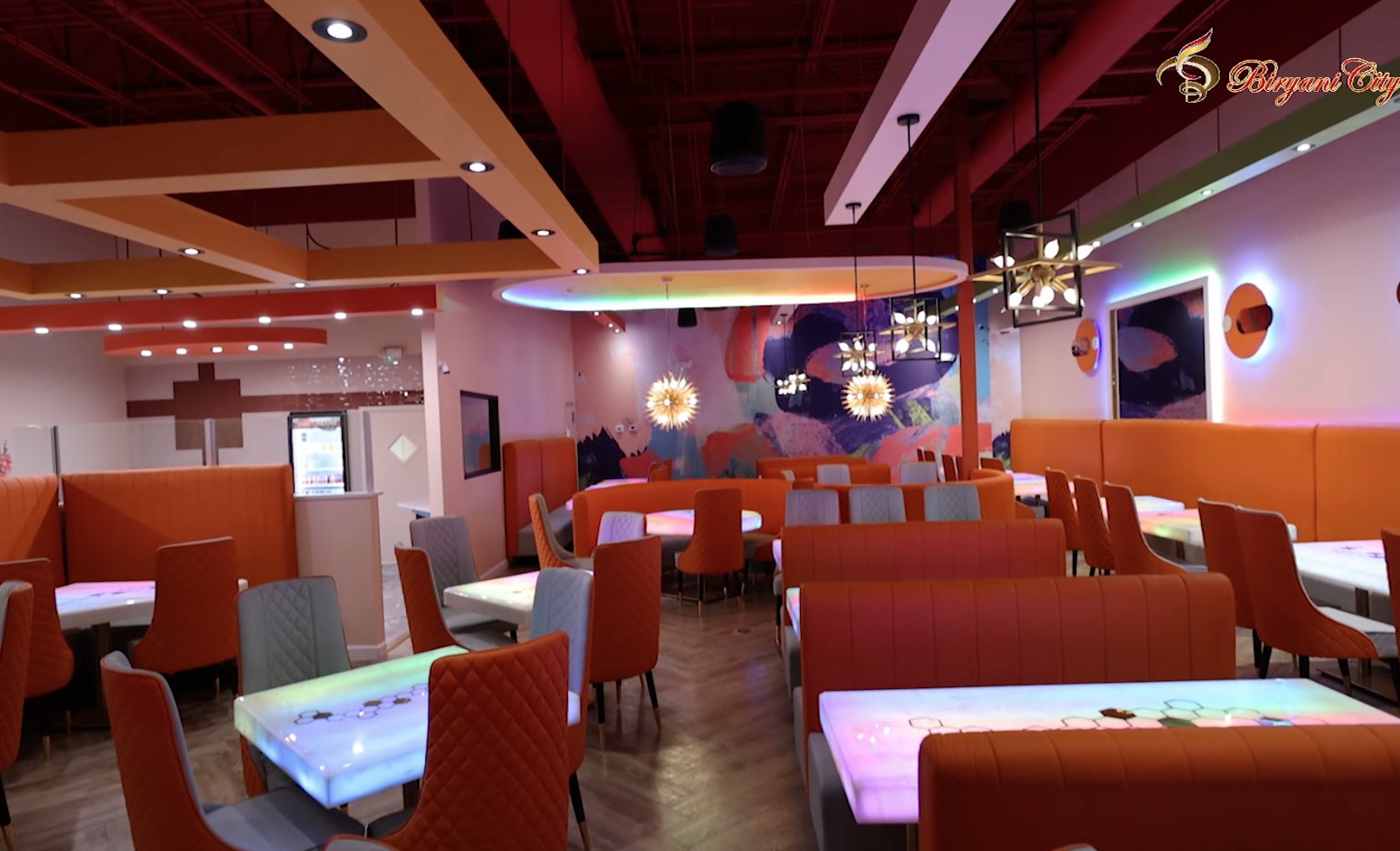
A single light source is a design failure. You must combine ambient, task, and accent lighting to create a sophisticated glow that flatters both the food and the guests. Use smart dimming systems to transition the vibe seamlessly from a bright, high-energy lunch to a moody, intimate late-night setting. Warm-dim LED technology allows you to mimic the luxury of traditional candlelight while maintaining the energy efficiency and control of a digital system. This layered approach ensures your venue always looks its best, regardless of the time of day.
Texture and Material Trends in Modern Hospitality
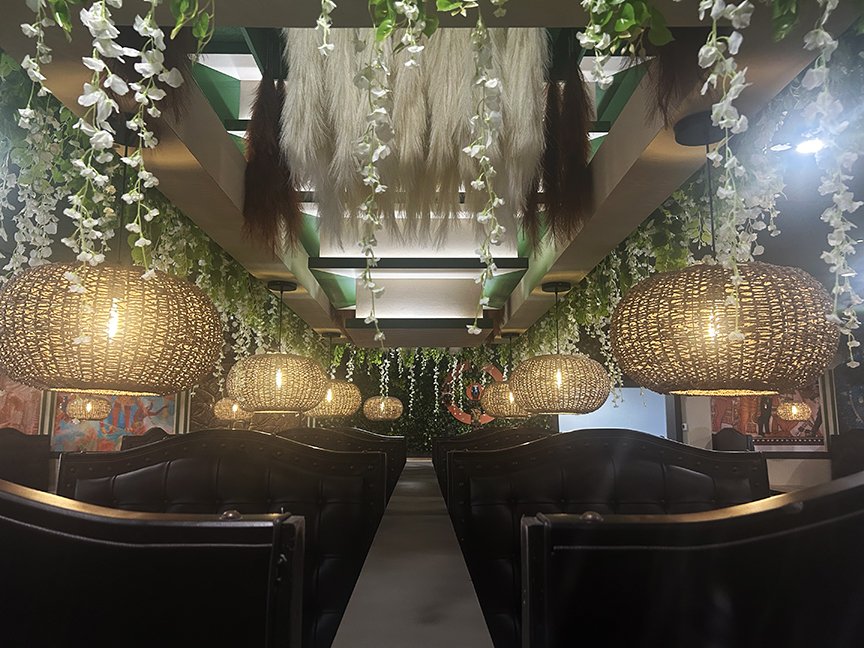
Modern hospitality has moved away from cold minimalism toward "tactile luxury." Guests want to touch the surfaces around them. Mix biophilic elements, such as living walls or preserved moss, with high-end industrial finishes like matte metals and fluted glass. This creates a balanced environment that feels both organic and curated. Don't forget acoustic management. Use modern sound-absorbing materials disguised as decorative wall panels or upholstered seating to prevent a noisy room from ruining the experience. A "vibrant" room is profitable; a "noisy" room is a mistake that drives customers away.
The Professional Edge: Why a Design Consultant is Non-Negotiable
Amateur hour is over. When you decide how to modernize a restaurant, you aren't just choosing a new color palette. You are re-engineering a high-stakes commercial engine. A decorator focuses on aesthetics, but a strategic design consultant focuses on your P&L statement. Professional Space Planning and Layout pays for itself by optimizing every square inch for maximum throughput. If your layout prevents even one extra table turn during a Friday night rush, you are forfeiting thousands of dollars in monthly revenue. You cannot afford to guess when your legacy is on the line.
Raymond Haldeman transforms failing or stagnant concepts into market leaders by identifying the structural and psychological barriers to your success. Avoiding the "Trend Trap" is critical for long-term survival. You need a design that commands respect and maintains its edge for a 10-year lifespan, not a 6-month fad that leaves your venue looking like a relic by next season. This is the fundamental difference between a vanity project and a strategic business move. A professional consultant ensures your venue remains a destination long after the initial hype fades.
The ROI of Expert Rebranding
You must calculate the "Cost of Mistake" before you lift a hammer. DIY renovations frequently result in expensive do-overs because owners lack the technical foresight to manage commercial-grade material selection or complex permitting. In hyper-competitive markets like Miami and New Jersey, being "okay" is the same as being invisible. You need a visionary guide who understands the business of hospitality and ensures your Restaurant Rebranding translates directly to higher average checks and better guest retention. While industry data indicates full renovations can reach $600 per square foot, an expert ensures that every dollar spent is an investment in your future, not a drain on your current capital. Outshining the local competition requires a level of sophistication that only a seasoned professional can provide.
Your Modernization Roadmap
A successful transformation follows a rigorous and methodical process. It begins with a comprehensive audit of your current brand DNA and ends with a high-impact reveal that leaves your competition scrambling to keep up. Managing the timeline is essential to minimize closure days; every hour your doors are shut is an hour of lost profit. A professional consultant coordinates these moving parts with surgical precision, managing the 12 to 16-week lead times for custom equipment to ensure your opening is never delayed. Knowing how to modernize a restaurant is only half the battle; executing that vision without operational friction is what separates the winners from the closures. Don't leave your investment to chance.
Stop losing revenue to outdated design-Schedule your consultation with Raymond Haldeman
Secure Your Legacy with Strategic Design
You've seen the risks of stagnation and the pitfalls of amateur updates. True modernization is a precise science that balances your brand's core DNA with high-impact, revenue-driven design. It's about more than new chairs; it's about re-engineering the guest experience from the floor plan up. By mastering how to modernize a restaurant through professional space planning and layered lighting, you transform your venue into a high-end destination that commands premium prices and ensures long-term relevance.
Don't leave your profit margins to chance. Raymond Haldeman brings a proven portfolio of high-impact transformations across NJ, PA, and Miami to every project. As a specialist in revenue-driven space planning, he offers the assertive, expert-led design strategy your business demands to outshine the competition. Transform your venue with the expertise of Raymond Haldeman and secure your place at the top of the market. Your future is built on the decisions you make today. Take the lead and turn your vision into a market-leading reality.
Frequently Asked Questions
How much does it typically cost to modernize a restaurant interior?
General renovation costs typically range from $150 to $600 per square foot depending on the scope of the project. A cosmetic refresh sits at the lower end of this scale, while a full gut renovation with new kitchen systems hits the high end. In high-cost regions like the Bay Area, these figures can exceed $750 per square foot. Your budget must include a 10-20% contingency to handle permitting delays or hidden infrastructure issues.
Can I modernize my restaurant without closing for a full renovation?
You can execute a phased modernization by focusing on high-impact cosmetic changes during off-hours to maintain cash flow. However, a true rebrand usually requires at least a short closure to ensure a cohesive "reveal" that commands market attention. Attempting to renovate while open often compromises the guest experience and creates safety hazards. A professional consultant manages the timeline to minimize closure days and protect your immediate revenue while building your future.
What are the biggest restaurant design trends for 2026?
Biophilic design and "tactile luxury" are the dominant forces in the 2026 hospitality sector. Integrating natural elements like living walls and wood textures creates the calming, eco-friendly atmosphere that modern diners demand. Additionally, smart lighting systems and social-media-worthy design elements are essential for attracting a high-spending demographic. The focus has shifted away from stark minimalism toward inviting, comfortable spaces with layered textures and warm, inviting color palettes.
How do I know if my restaurant needs a redesign or just a rebranding?
A redesign addresses the physical space while a rebrand focuses on your market identity and message. If your floor plan causes bottlenecks or your seating feels cramped, your physical structure is the problem. If your logo looks dated or your social media presence has stagnated, your brand identity is failing. Most successful transformations require both to ensure your venue functions as a high-revenue engine that matches a sophisticated new image.
Will modernizing my restaurant alienate my older, loyal customers?
Not if you utilize a "Legacy Pivot" strategy that protects your brand's core DNA. Identify three iconic elements that your regulars love and keep them untouched while modernizing the environment around them. Frame the change as an investment in their comfort and experience. When loyal customers see improved acoustics and better lighting, they typically embrace the evolution as long as the soul of your hospitality remains intact.
How long does a professional restaurant rebranding project take?
A professional rebranding project typically spans several months from the initial audit to the final reveal. You must account for current lead times on custom equipment and furniture, which average 12 to 16 weeks. Rushing the process leads to expensive errors and a disjointed result. A strategic roadmap ensures that every phase, from permitting to construction, stays on a strict schedule to minimize your operational downtime.
What is the most important element to change when modernizing a bar?
Lighting and ergonomics are the most critical elements to change when modernizing a bar. You need a layered lighting strategy that highlights premium spirits and creates a sophisticated social hub for guests. Simultaneously, you must re-engineer the bar’s layout to speed up service during peak hours. A bar that looks modern but functions poorly will fail to capture the high-margin alcohol sales that are essential for your profitability.
Do I need a general contractor or an interior designer first?
You must hire a strategic design consultant before engaging a general contractor. Hiring a contractor first is a recipe for expensive change orders and a disjointed aesthetic. A consultant establishes the vision and technical requirements for how to modernize a restaurant before construction starts. They provide the precise blueprints and specifications that a contractor needs to execute the project accurately, ensuring your investment results in a high-revenue destination.