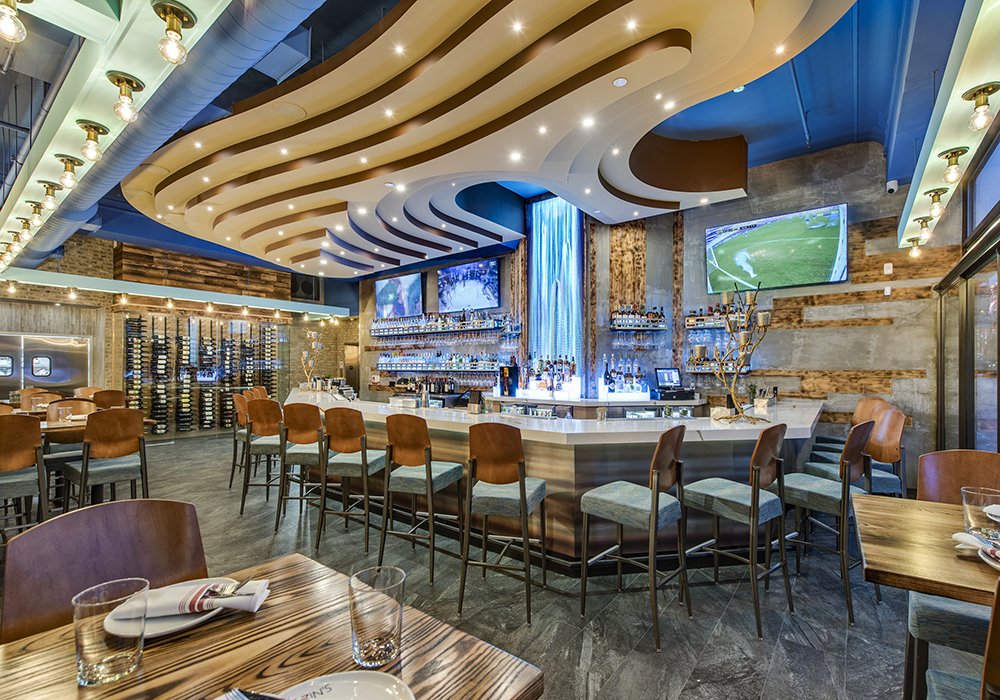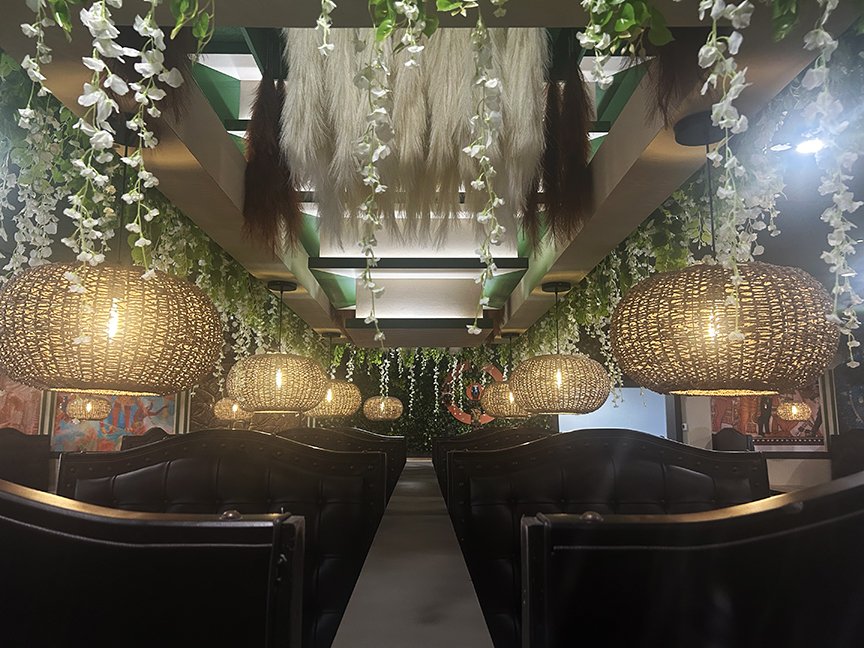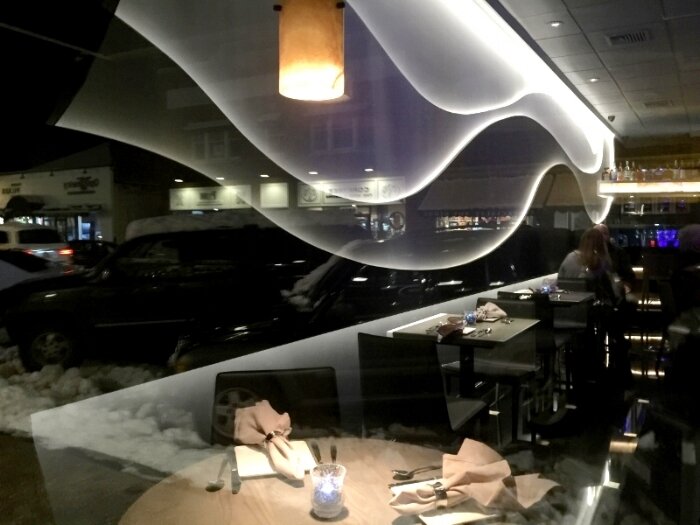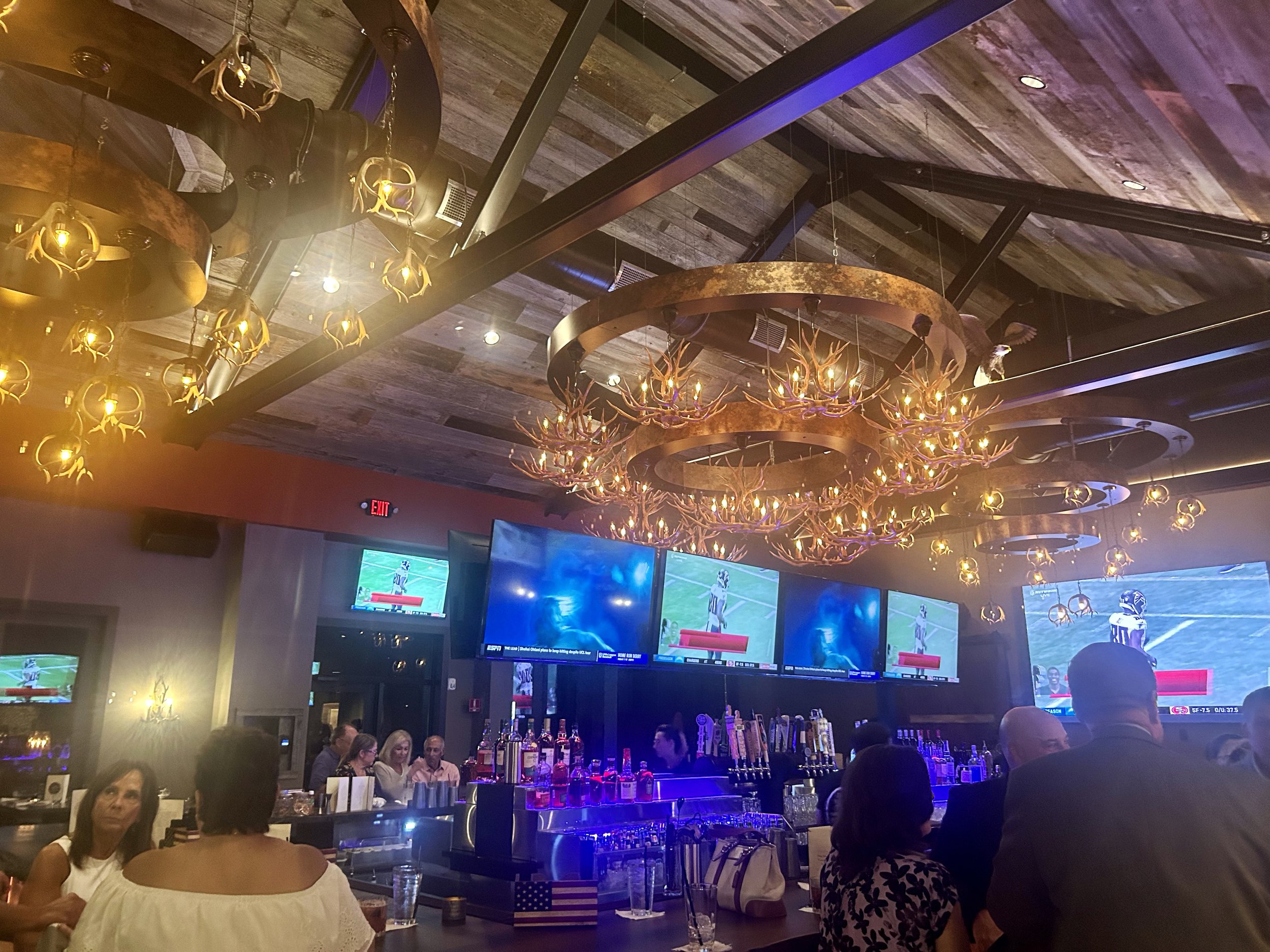
Over 58% of Americans will bypass your menu entirely if your space isn't "TikTok worthy" enough to justify the trip. In a market where dining out costs have risen 4% year-over-year, your guests aren't just buying a meal; they're investing in an experience. You likely feel the pressure of declining table turnover and an atmosphere that fails to attract a high-end clientele. A strategic restaurant rebranding consultant is no longer a luxury; it's a prerequisite for survival in a high-stakes industry where your brand identity must be unmistakable.
Discover how a professional consultant transforms failing concepts into high-revenue hospitality venues that dominate their local market. We'll show you how to secure a sophisticated interior that justifies premium pricing while avoiding the costly design mistakes that sink lesser businesses. This article previews the roadmap for turning a stale concept into a high-performance asset. It's time to stop settling for mediocrity and start demanding results that reflect your ambition.
Key Takeaways
- Stop confusing decor with strategy; hiring a professional restaurant rebranding consultant ensures your concept, aesthetics, and operations align to capture market share.
- Execute a brutal audit of your current positioning to identify exactly where your brand is leaking revenue before rebuilding your visual identity.
- Leverage professional space planning to eliminate profit-killing "dead zones" and maximize your dining room's immediate revenue potential.
- Demand a portfolio that proves commercial success across diverse hospitality concepts to ensure your new design drives sustainable sales growth.
- Shift your focus from pure aesthetics to the "business of design" to justify premium pricing and secure your venue's long-term viability.
What is a Restaurant Rebranding Consultant and Why Are They a Prerequisite for Success?
Don't mistake a decorator for a strategist. A restaurant rebranding consultant is a high-level partner who treats your venue as a commercial asset, not an art project. They align your core concept with physical aesthetics and operational flow to ensure every guest interaction drives revenue. Most owners wait until they're in a financial death spiral to seek help. By then, the brand is often toxic. A consultant acts as a visionary guide, identifying the friction points that kill sales before they become terminal.
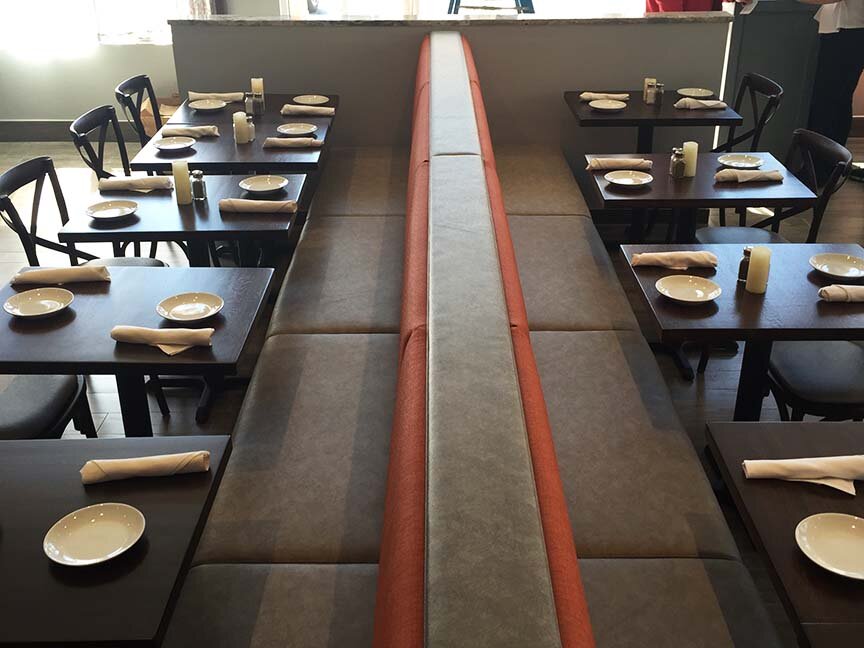
While an interior designer focuses on the color of your banquettes, a rebranding consultant asks if those banquettes maximize your cover count. They differ from marketing agencies because they fix the product itself, not just the advertising. You can't market your way out of a stale atmosphere or an incoherent brand identity. The 2026 market is unforgiving. With the National Restaurant Association projecting industry sales to hit $1.55 trillion despite a slim 1.3% inflation-adjusted growth margin, you need an expert who understands the business of design.
The stakes are higher than ever. With dining costs up 4% year-over-year, guests demand a clear value proposition to justify their spend. While a traditional Theme restaurant might rely on a singular hook to draw crowds, a professional consultant ensures your entire narrative justifies premium pricing. They prevent you from becoming another statistic in a market that rewards innovation and punishes mediocrity.
The Difference Between a Refresh and a Total Concept Rebrand
Deciding between a refresh and a rebrand is a critical financial choice. A refresh is a cosmetic facelift; it's new paint, updated lighting, or modern upholstery. A total concept rebrand is a fundamental identity shift that changes how the market perceives your business. If you're in a competitive hub like Philadelphia or Miami, a refresh might suffice if your core concept still resonates but simply looks tired. However, if your table turnover is plummeting or you're failing to attract the modern high-end demographic, you need a total overhaul. Red flags include a stale reputation or a layout that confuses your target market.
The ROI of Professional Hospitality Consulting
Investing in expert guidance protects your brand equity from amateur mistakes that lead to costly tear-outs. You aren't just paying for a new look; you're buying a shortcut to success. A restaurant rebranding consultant identifies dead zones in your floor plan that currently cost you thousands in lost revenue every month. A strategic rebrand dramatically accelerates table turnover by eliminating operational friction and aligning the guest experience with high-demand time slots.
The 5-Step Strategy to Rebrand a Failing Restaurant Concept
A successful rebrand is a calculated strike, not a series of guesses. You can't simply change your logo and expect the market to forgive years of stagnation. To reverse a decline, you must follow a methodical process that addresses the root causes of failure. A professional restaurant rebranding consultant uses a specific framework to dismantle an underperforming concept and rebuild it into a high-revenue asset. This process is about survival and dominance, not just aesthetics.
- Step 1: Conduct a brutal audit. Dissect your current market positioning, reputation, and financial leaks. You must acknowledge why the current model is failing before you can fix it.
- Step 2: Develop a high-end visual identity. Create a concept that resonates with the demographic you actually want, not just the one you currently have.
- Step 3: Execute a strategic space planning overhaul. Layout is your primary revenue driver. If your floor plan doesn't maximize revenue per square foot, you're leaving money on the table.
- Step 4: Align menu and service. Your new aesthetic is a promise. If your service style or menu quality doesn't match the sophisticated surroundings, you'll lose credibility instantly.
- Step 5: Launch with a bold narrative. Don't just open the doors. Demand attention with a marketing story that positions your venue as the new standard in hospitality.
Concept Development: The Visionary Phase
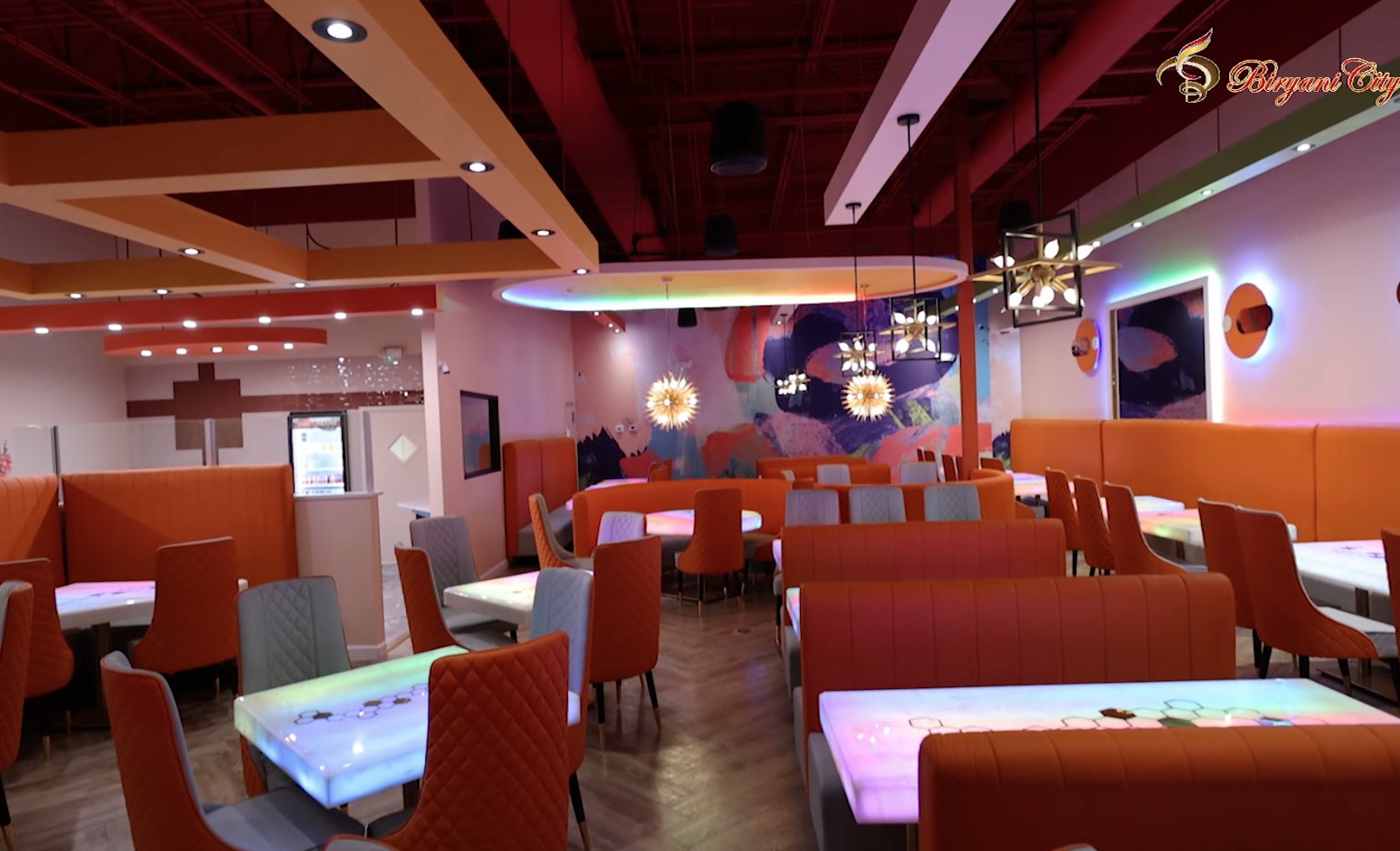
Identifying the "soul" of your venue is the first step toward modernization. Whether you're operating in the urban centers of Philadelphia or the affluent suburbs of New Jersey and Maryland, your concept must reflect the local landscape while offering something unique. In 2026, functionality is just the baseline. Research shows that 58% of Americans will choose a restaurant they consider "TikTok worthy" over a less aesthetically pleasing competitor. Your concept must be designed for social currency while maintaining the operational efficiency required for high-volume service. Deciding on a Brand Refresh or Total Rebrand depends entirely on how far your current "soul" has drifted from market demands.
Aesthetic Rebranding: More Than Just a Logo
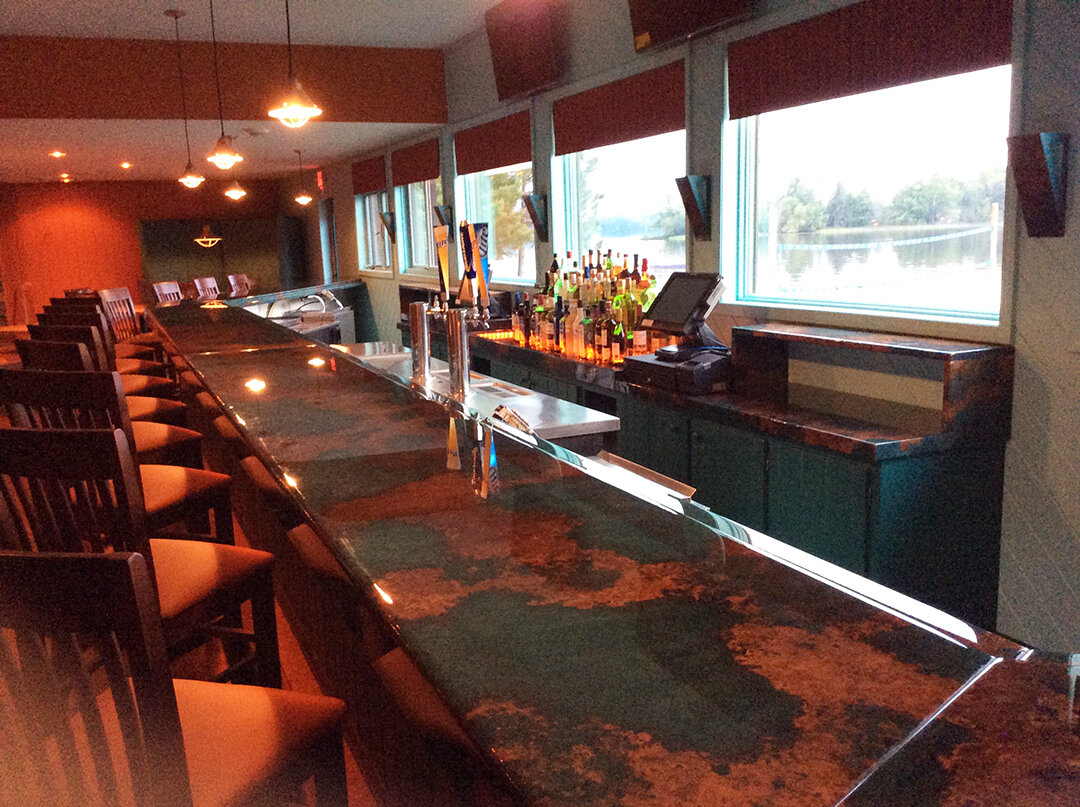
Materials and lighting are strategic business tools. Color psychology and curated lighting levels directly influence guest spending habits and dwell times. Choosing premium finishes isn't about vanity; it's a commercial decision that justifies higher menu prices and attracts high-end clientele. Every physical touchpoint, from the texture of the bar top to the digital menu interface, must tell a cohesive story of excellence. If you're ready to stop the "death spiral" and start seeing real growth, it's time to consult with an expert in restaurant rebranding who understands the high stakes of this industry.
Space Planning: The Secret Weapon of High-Performance Rebranding
Stop treating your floor plan like a puzzle and start treating it like a profit engine. Most owners mistakenly believe a rebrand is limited to a new logo or a fresh coat of paint. They're wrong. A restaurant rebranding consultant knows that your layout is the most overlooked revenue driver in your entire operation. If your space planning is flawed, your marketing spend is wasted. You can't advertise your way out of a dining room that feels awkward or a bar that bottlenecks during peak hours.
Professional space planning eliminates "dead zones", those specific tables that guests hate and servers ignore. These areas are silent killers of your bottom line. An amateur DIY layout usually prioritizes filling the room with as many seats as possible, which often destroys the "vibe" and creates operational chaos. High-end, functional hospitality design balances seating density with an atmosphere that feels intentional. It creates a rhythm. When your layout works, your staff moves faster, your guests feel more comfortable, and your revenue per square foot climbs naturally.
Maximizing Bar and Nightclub Profitability Through Design
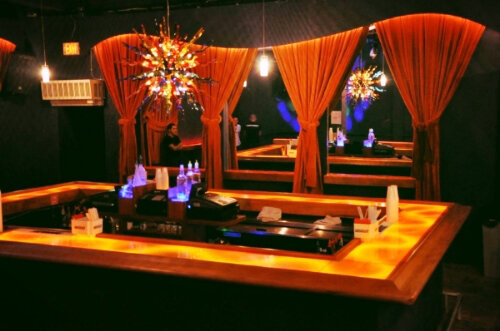
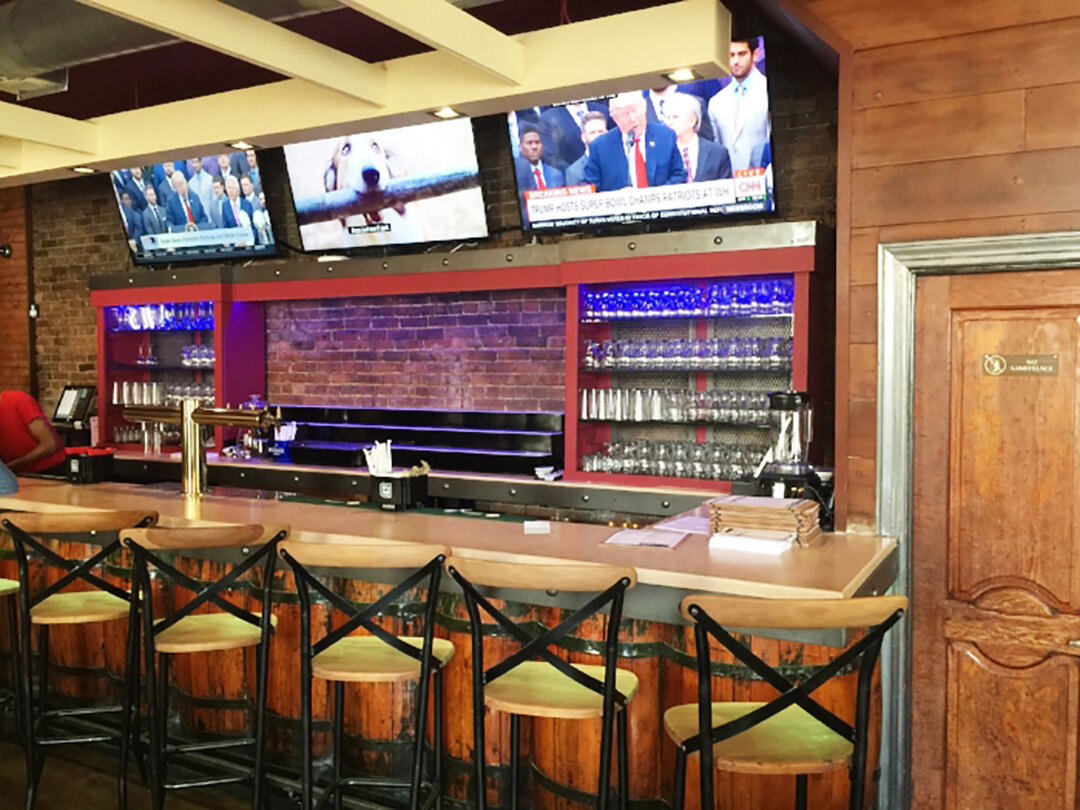
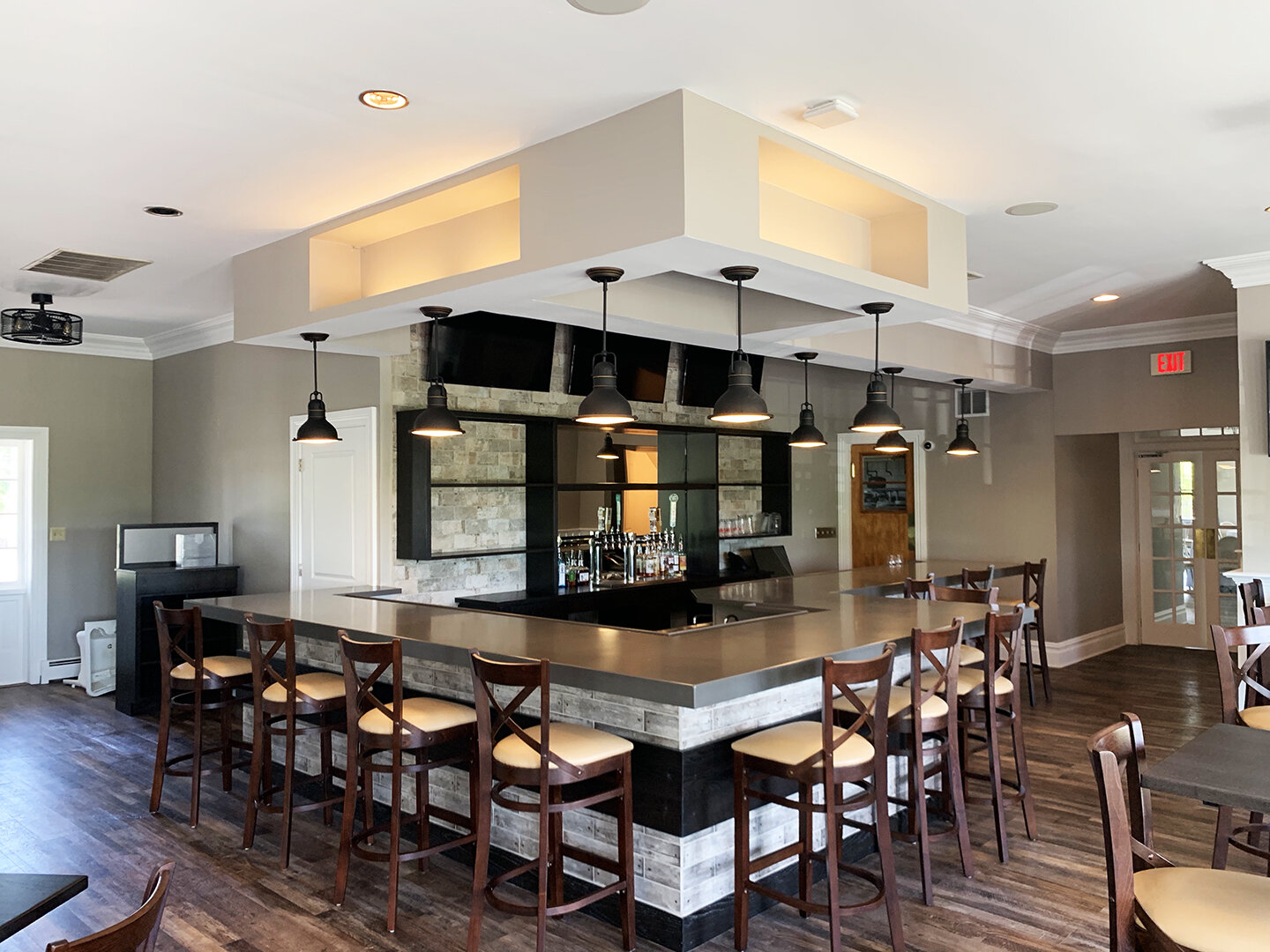
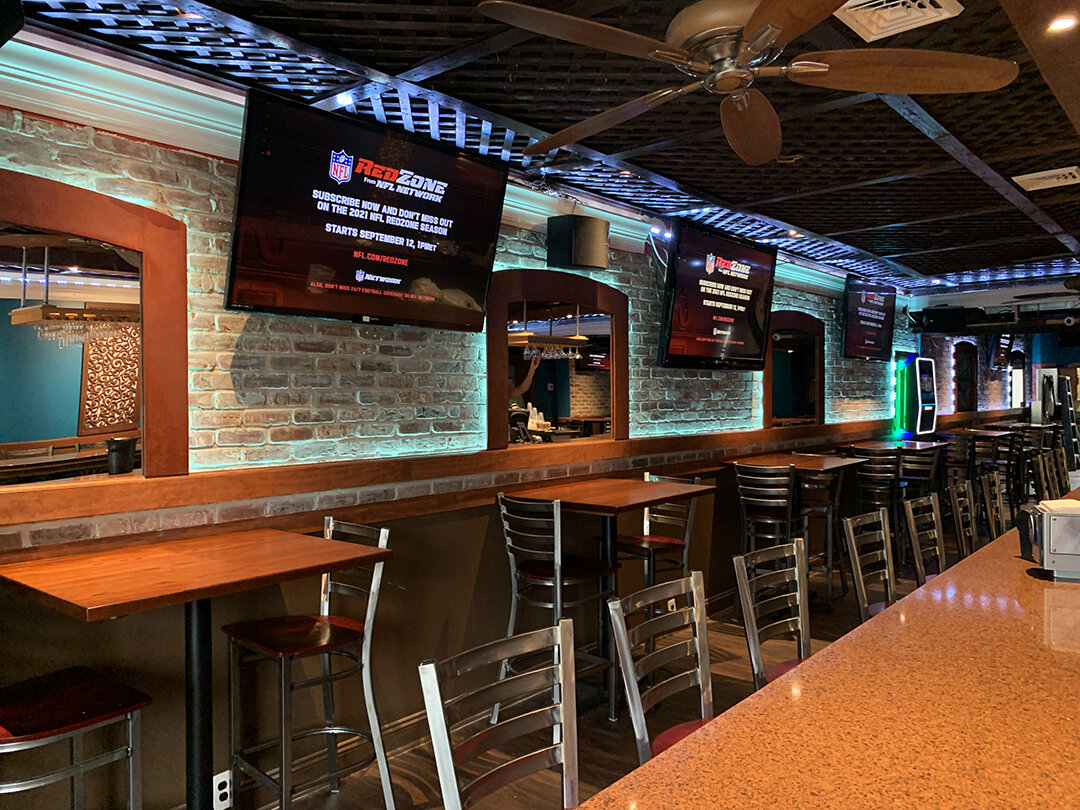
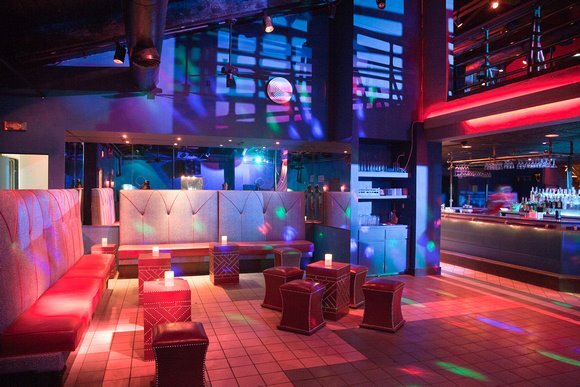
In the high-stakes nightlife markets of Miami and New Jersey, your layout design directly dictates your alcohol sales. VIP table placement isn't a matter of opinion; it's a science of visibility and exclusivity. You must position high-margin areas to be seen but not touched, driving the desire for premium service. Bar flow is equally critical. A streamlined bar layout reduces bartender travel time and accelerates drink service, which directly increases guest satisfaction and total transactions per shift. If your bartenders are tripping over each other, you're losing money every second.
Improving Table Turnover Without Sacrificing Guest Experience
You don't need to rush guests to increase turnover. You need to manage the pace of the meal through subconscious design cues. Acoustics and lighting levels are your primary tools for seat duration management. Research from 2026 shows that 48% of Americans prefer a "cozy, local charm," but cozy doesn't have to mean slow. By adjusting the "hardness" of surfaces and the temperature of your lighting, you can influence how long a guest lingers without them ever feeling pushed. A restaurant rebranding consultant proves that "comfortable" and "high-turnover" are not mutually exclusive. It's about creating a space that feels right for the exact duration of a premium dining experience.
How to Select the Right Restaurant Rebranding Partner
Hiring a restaurant rebranding consultant is a high-stakes decision that dictates the future of your equity. You aren't looking for a vendor; you're looking for a strategic partner who will protect your interests. Don't gamble on a one-trick pony. Demand a portfolio that showcases diverse, modern hospitality concepts. If a designer only produces one "look," they'll force your brand into their comfort zone rather than building what your specific market demands. You need a visionary who understands the "business of design" over a pure decorator who only cares about fabric swatches.
Prioritize regional expertise. The demographics of the US East Coast and Florida require a nuanced understanding of local consumer behavior. A consultant who doesn't grasp the subtle differences between a Philadelphia urban crowd and a New Jersey suburban demographic will miss the mark. Insist on a "straight-talk" advisory voice. You don't need a "yes-man" who agrees with your every whim. You need an expert who will tell you when an idea is a financial liability and offer a high-impact alternative.
Critical Questions to Ask Before Signing a Consulting Agreement
Demand proof of performance. Ask for specific examples of venues they have successfully turned from failing to profitable. A portfolio of "pretty" pictures is useless if those businesses closed six months later. Inquire about their approach to design oversight. Does the consultant stay involved during the build-out to ensure the vision is executed correctly? Finally, verify their knowledge of local regulations. Navigating the specific health and building codes in NJ, PA, or MD is a prerequisite for a smooth rollout. If they can't speak to these details, they aren't the right partner for your project.
Warning Signs of an Amateur Designer Masquerading as a Consultant
Beware of designers who ignore the kitchen and back-of-house flow. Hospitality is a machine; if the "engine room" is inefficient, the front-of-house will suffer. A major red flag is a background in residential design. Residential designers often fail to grasp the durability requirements and operational pressures of a high-volume commercial space. Most importantly, if a designer lacks a focus on ROI, walk away. Every dollar spent on your rebrand must be tied to a specific outcome, whether it's increased seating density or higher average check sizes. If you want to secure your venue's future with an authoritative expert, contact Raymond Haldeman to discuss your vision.
The Raymond Haldeman Advantage: Transformative Design for Elite Venues
Stop waiting for a miracle. Start engineering one. When your venue is underperforming, you don't need a cheerleader; you need a visionary who understands the brutal reality of the hospitality industry. Raymond Haldeman is the premier restaurant rebranding consultant for operators who demand excellence and refuse to settle for mediocrity. This isn't just about choosing new furniture. It's about a strategic physical overhaul that reposition's your business as a dominant market leader. Raymond provides the assertive, "straight-talk" advisory voice necessary to protect your interests and ensure your investment delivers a massive return.
Serious operators know that the "business of design" is what separates profitable icons from forgettable failures. Raymond Haldeman acts as your strategic partner, guiding you through the high-stakes decisions that dictate your revenue potential. From maximizing seating density to creating a "TikTok worthy" atmosphere that justifies premium pricing, his involvement is a prerequisite for a successful venture. You aren't just hiring a designer. You're securing a shortcut to success from a professional who has seen every pitfall and knows exactly how to avoid them.
A Portfolio of Success Across the United States
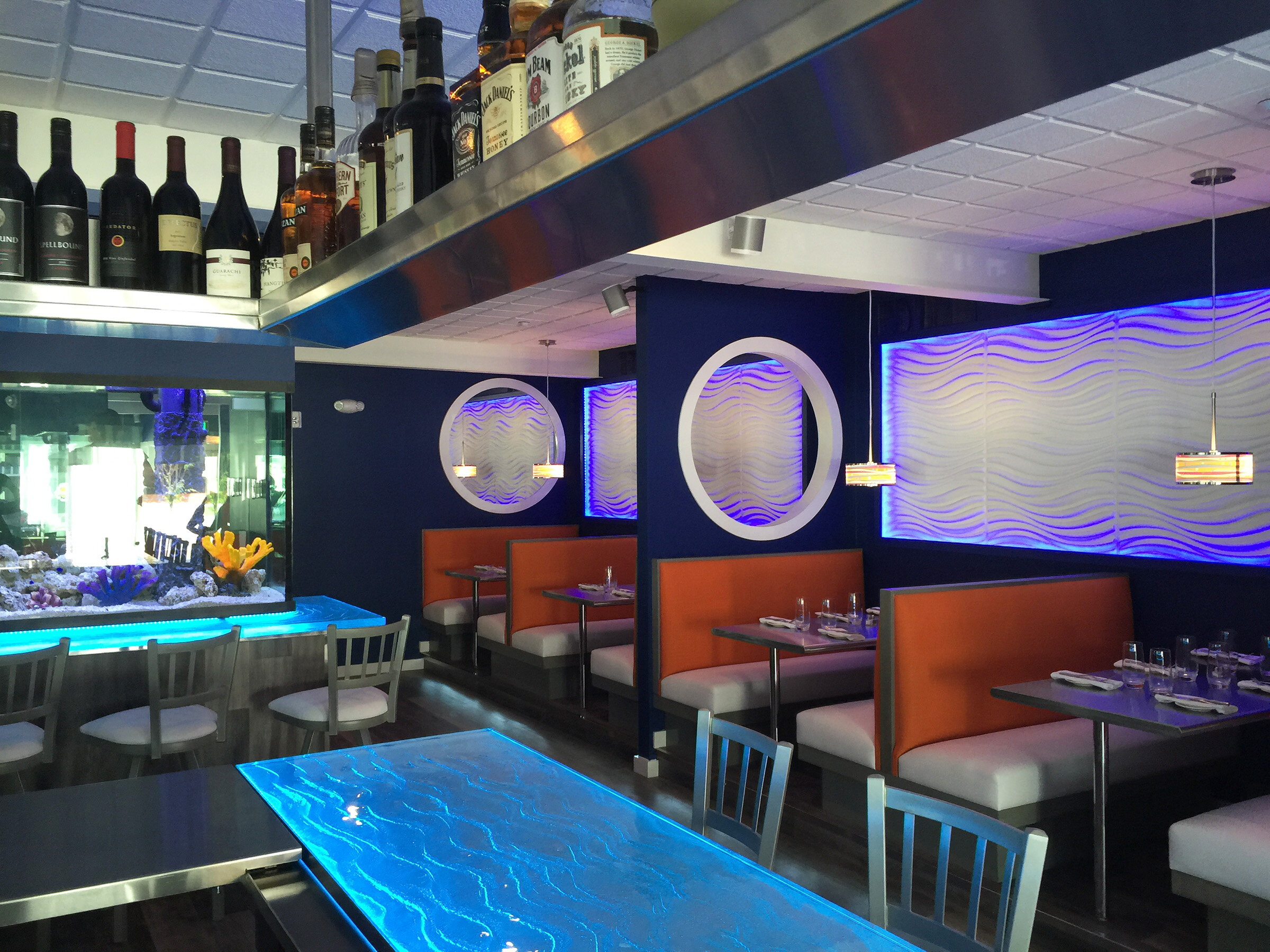
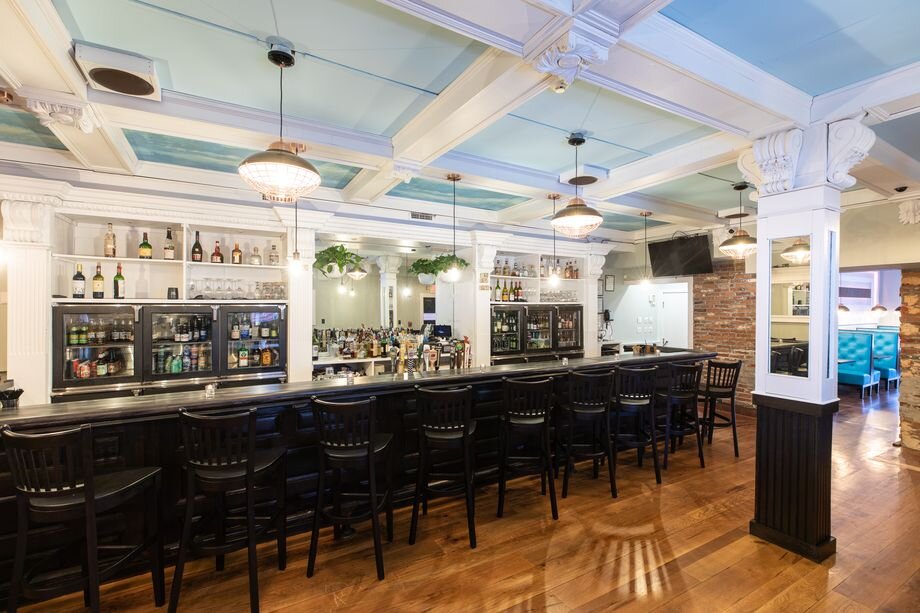
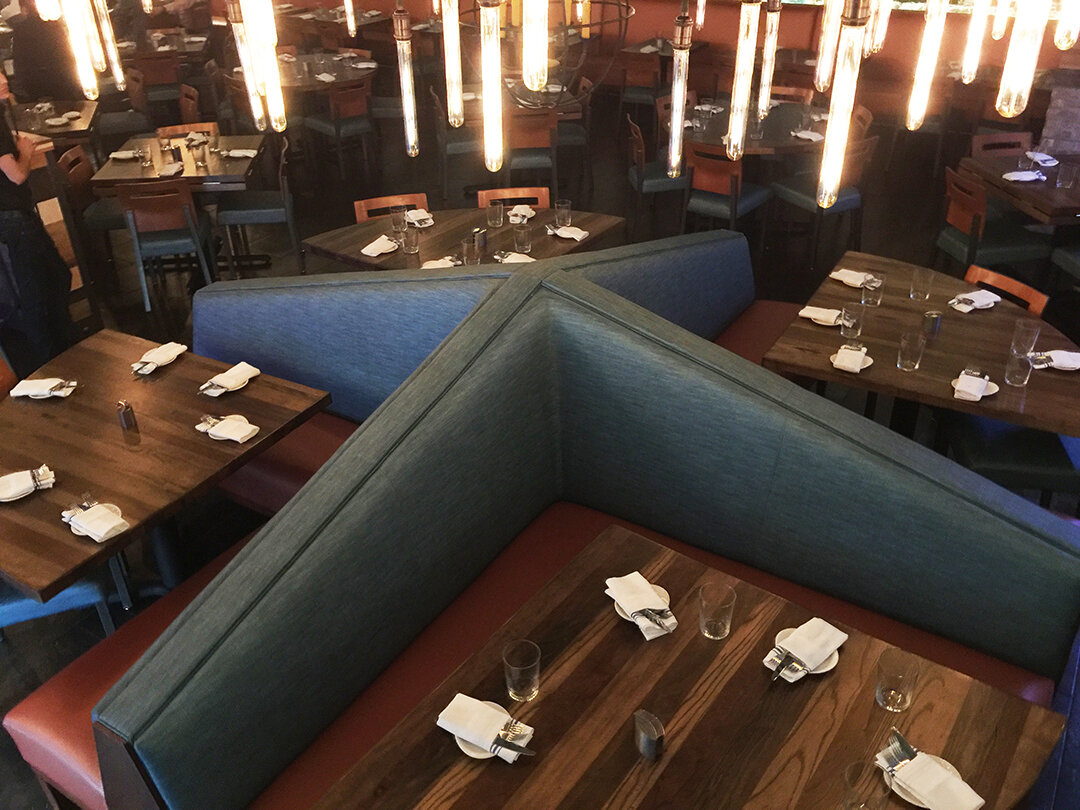
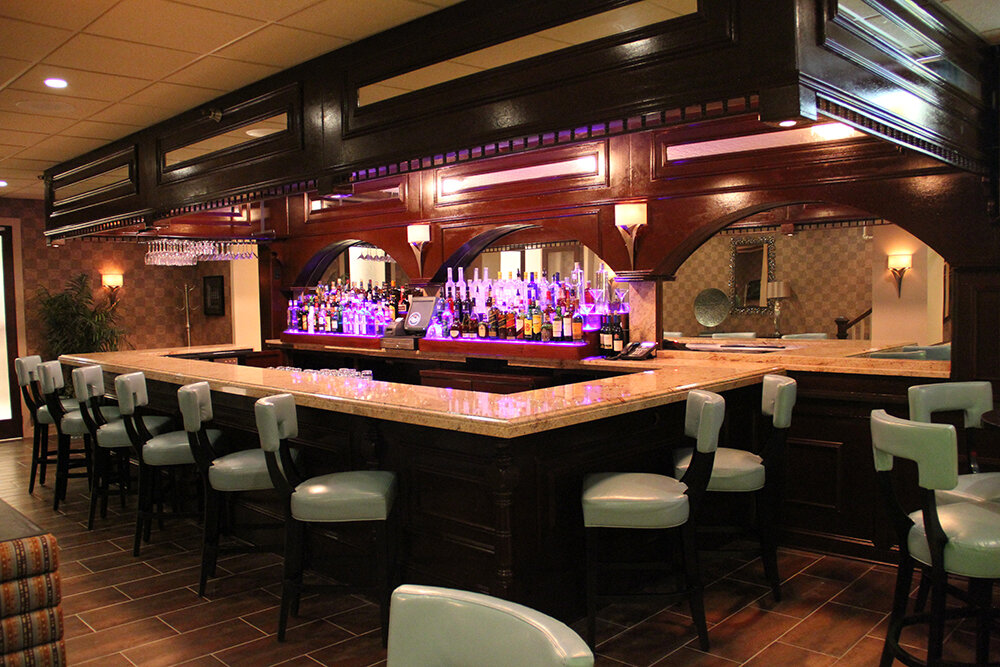
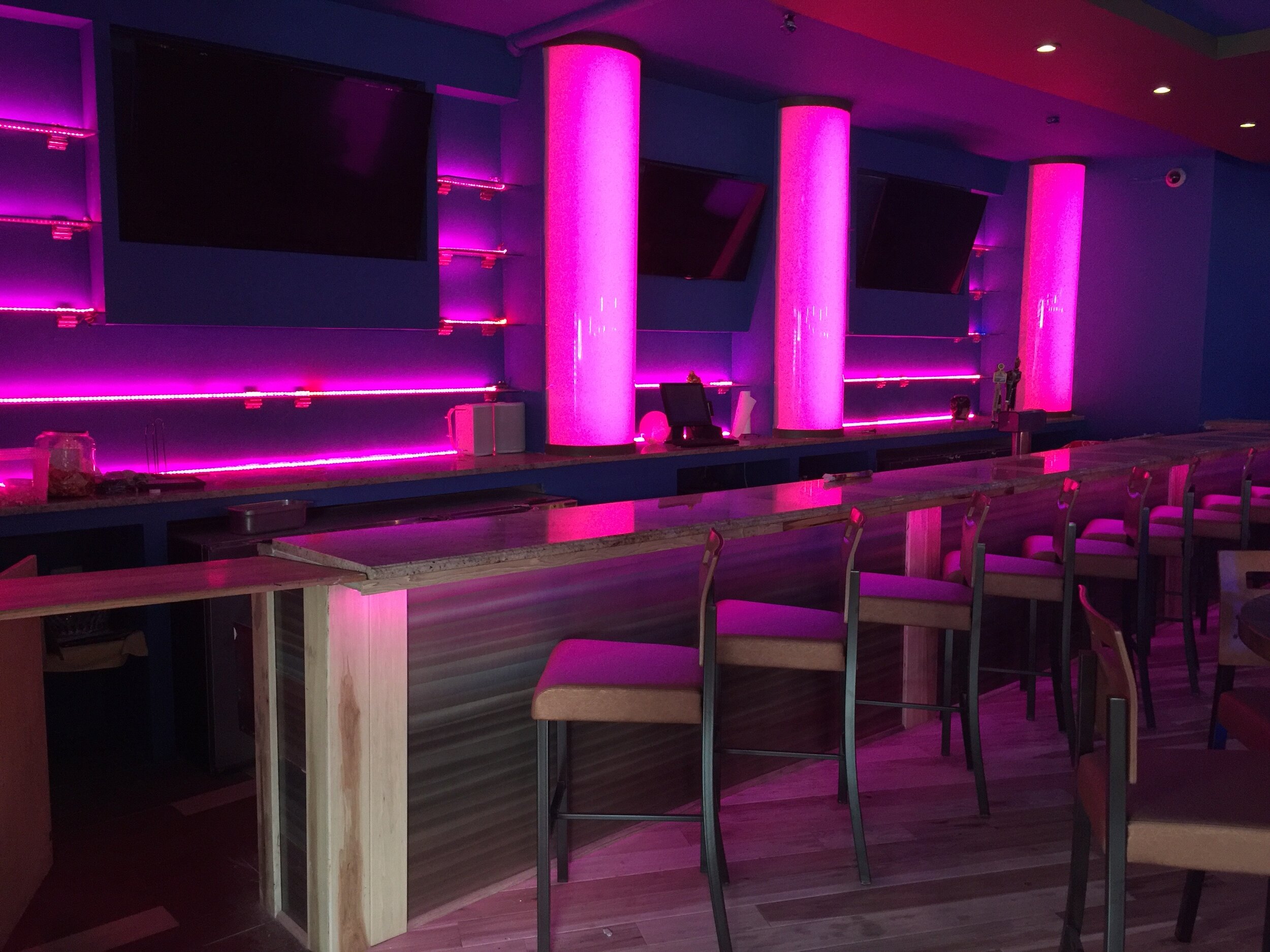
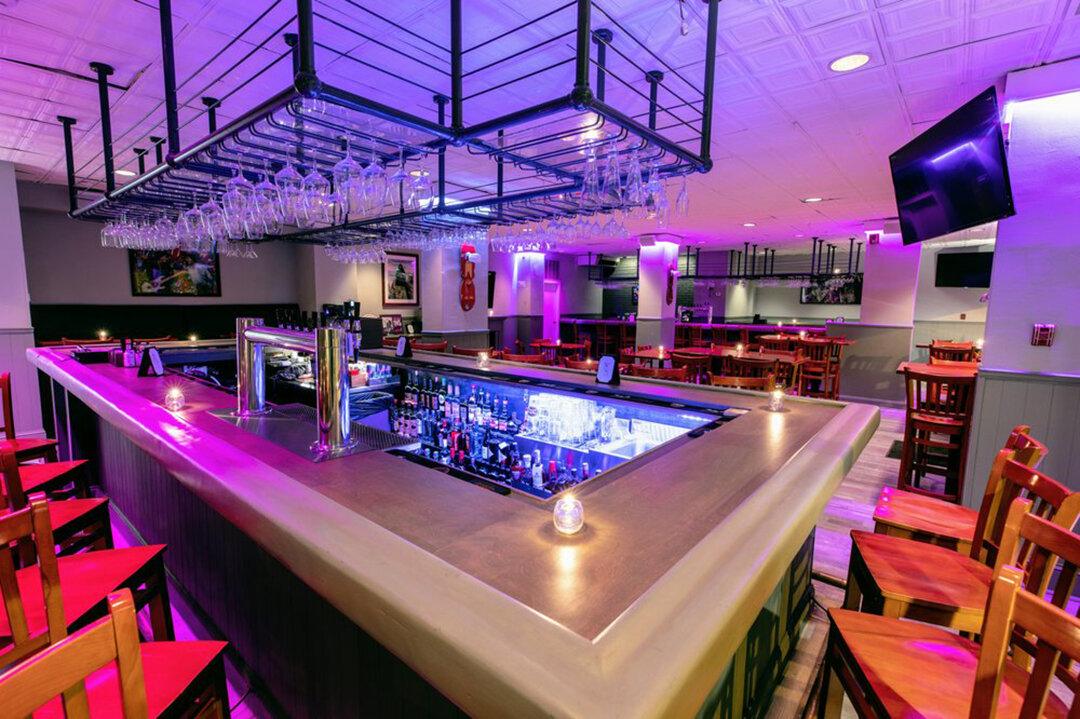
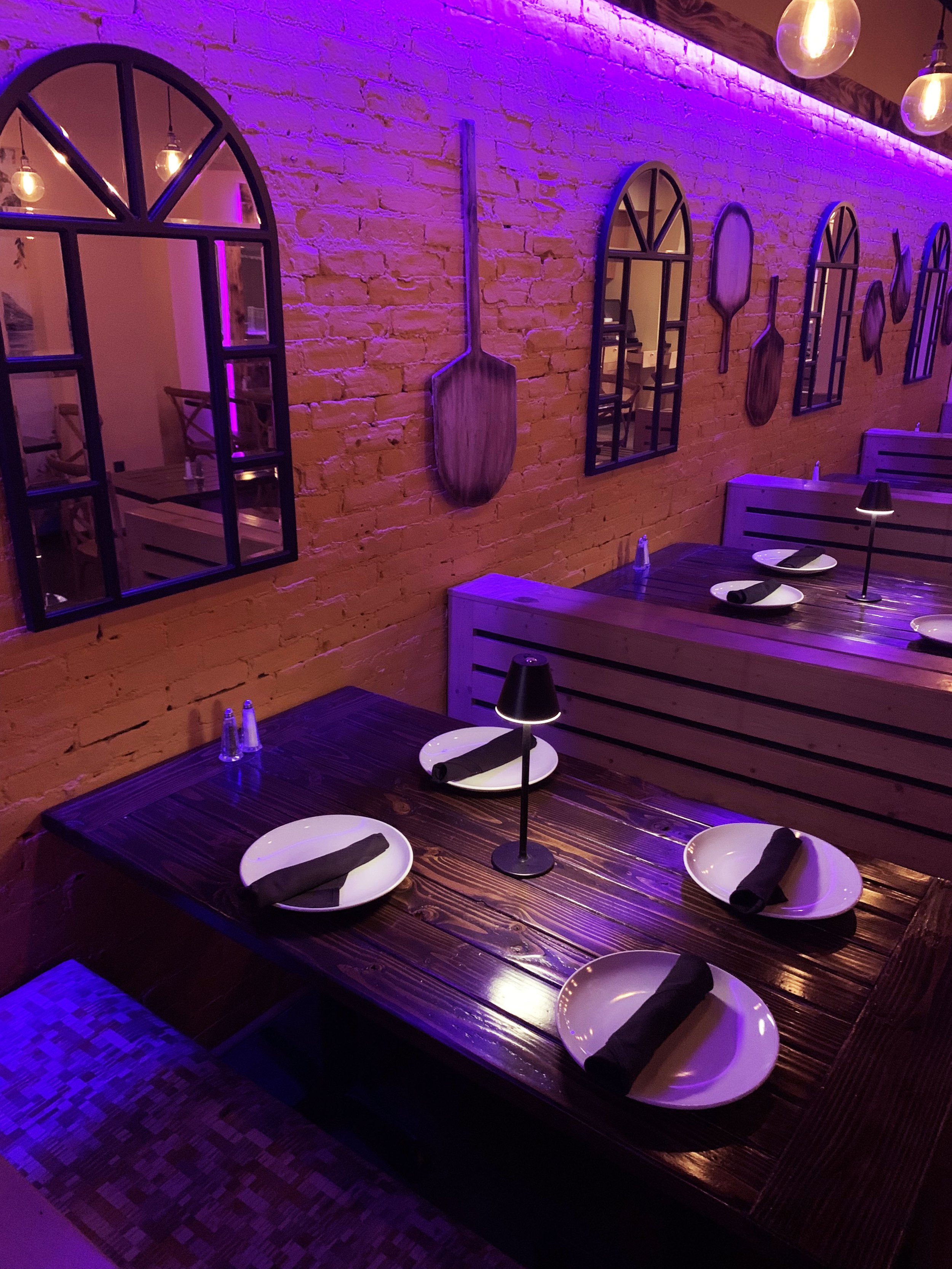
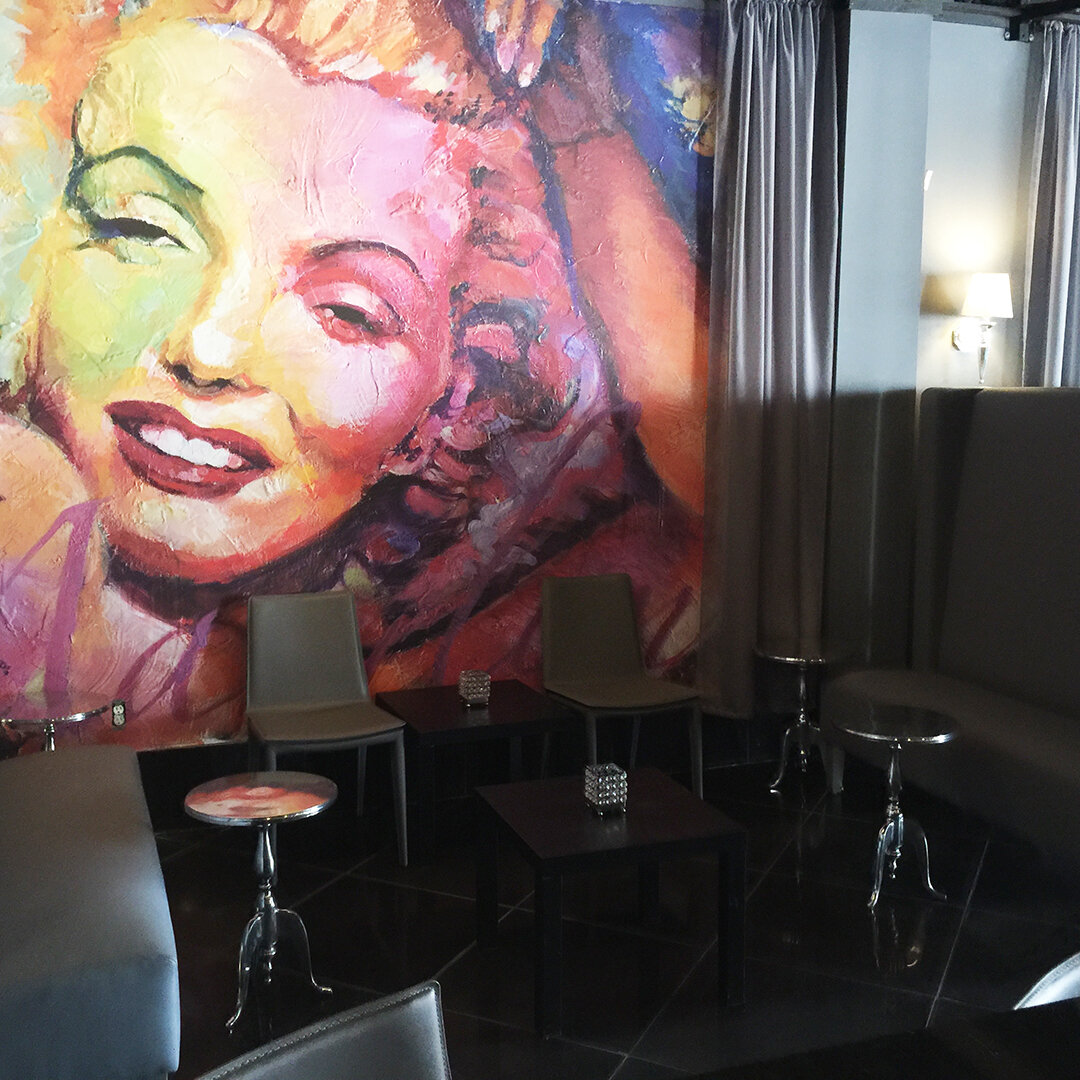
Success in the hospitality sector requires a deep understanding of regional demographics. Raymond Haldeman has a proven track record of delivering high-impact, modern interiors across Pennsylvania, New Jersey, Delaware, Maryland, and the competitive Miami market. His versatility is unmatched. Whether transforming an intimate neighborhood bistro into a sophisticated dining destination or turning a stagnant bar into a high-energy nightclub, the results are always the same: immediate sales growth and increased brand equity. We invite you to view this comprehensive portfolio of transformations to see the level of aesthetic excellence and operational efficiency we bring to every project.
Ready to Reclaim Your Market Share?
The cost of delay is always higher than the cost of excellence. Every week you operate with a stale concept or a flawed layout, you're leaking revenue to your competitors. Stop the bleeding today. Demand a concept that drives immediate results and secures your legacy in the industry. Reach out now to schedule a high-level consultation. Visit the website to submit your project details and take the first step toward a total concept overhaul. Your venue's future depends on the decisions you make right now. Choose the authority. Choose the visionary. Secure your market share before someone else takes it.
Secure Your Venue's Future and Dominate the 2026 Market
The data is clear. Success in the 2026 hospitality landscape requires more than just a menu update; it demands a strategic physical overhaul that aligns your brand with consumer expectations. A professional restaurant rebranding consultant acts as your visionary guide, turning a stagnant atmosphere into a high-revenue asset. By prioritizing expert space planning and a cohesive visual identity, you eliminate the operational friction that currently drains your profits.
Raymond Haldeman brings over 30 years of high-stakes hospitality design experience to your project. As a specialist in the NJ, PA, DE, MD, and Miami markets, he's a featured expert in restaurant turnaround strategies who knows how to protect your equity. Stop settling for a concept that confuses the market and start demanding an interior that justifies premium pricing. Stop the revenue leak-Consult with Raymond Haldeman today. Your path to market dominance starts with a single, decisive partnership.
Frequently Asked Questions
What does a restaurant rebranding consultant actually do?
A consultant acts as a strategic partner who aligns your concept, physical design, and operations to maximize revenue. A restaurant rebranding consultant goes beyond aesthetics to fix the core identity of your business. They conduct brutal audits, develop high-end visual identities, and oversee space planning to ensure your venue functions as a high-performance asset. This is a comprehensive overhaul designed to stop financial leaks and attract premium clientele.
How much does it cost to rebrand a restaurant in 2026?
Costs vary significantly based on the project's scope, ranging from basic identity packages to full strategy-led overhauls. Industry data shows that a comprehensive rebranding system with rollout materials can range from $20,000 to $75,000, while large-scale agency projects often exceed $250,000. These figures reflect the market landscape for professional strategy and design. Your specific investment depends on the depth of the concept shift required to reclaim your market share.
How long does a typical restaurant rebranding project take from start to finish?
A full rebrand typically takes between three to six months to execute properly from the initial audit to the grand reveal. This timeline includes the visionary phase, space planning, and the physical implementation of new design elements. Rushing this process leads to amateur mistakes and incoherent brand messaging. You must allow for a methodical rollout to ensure every guest touchpoint aligns with your new high-end vision.
Can a rebrand really save a failing restaurant?
Yes, but only if the rebrand addresses the root causes of the failure rather than just masking them with paint. A strategic rebrand reverses declining table turnover by realigning your concept with current market demands. If your atmosphere is stale or your identity is incoherent, a professional overhaul can reclaim lost market share. However, you must be willing to accept a brutal audit and make fundamental changes to your operations.
What is the difference between a rebranding consultant and an interior designer?
A rebranding consultant focuses on the "business of design" and ROI, whereas a traditional interior designer often prioritizes aesthetics alone. While a designer picks colors, a restaurant rebranding consultant ensures your layout drives sales and eliminates revenue-killing dead zones. They act as visionary guides who understand how every physical element impacts your bottom line and guest spending habits. Don't hire a decorator when you need a strategist.
Do I need to close my restaurant during a rebrand?
Not necessarily, though a phased approach requires meticulous planning to avoid disrupting the guest experience. Many operators choose to close briefly for a grand reveal to maximize the impact of their new marketing narrative. If you stay open, you risk guests seeing a work in progress, which can damage your brand equity. A consultant helps you weigh the cost of closure against the benefits of a bold, clean launch.
Is space planning really that important for my bar or nightclub?
Space planning is your primary revenue driver in a high-volume nightlife environment. It dictates bartender efficiency, VIP table visibility, and the overall flow of high-margin transactions. In competitive markets like Miami or New Jersey, poor layout design creates bottlenecks that directly kill alcohol sales. Professional planning ensures every square foot of your venue is optimized for maximum profitability. If your staff is tripping over each other, you're losing money.
How do I know if my restaurant needs a redesign or just better marketing?
If your marketing brings guests in but your table turnover remains low and reviews criticize the atmosphere, you have a design problem. Marketing can't fix a stale environment or a layout that feels awkward. When guests report that your space doesn't match your premium price point, you're facing a brand identity crisis. A redesign is required when your physical product no longer justifies your business goals or attracts your target demographic.